


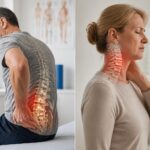
Herniated disc and disc pinching: two different mechanisms
12/09/2026
Sciatica in Montreal: Persistent Pain in the Heel
13/09/2026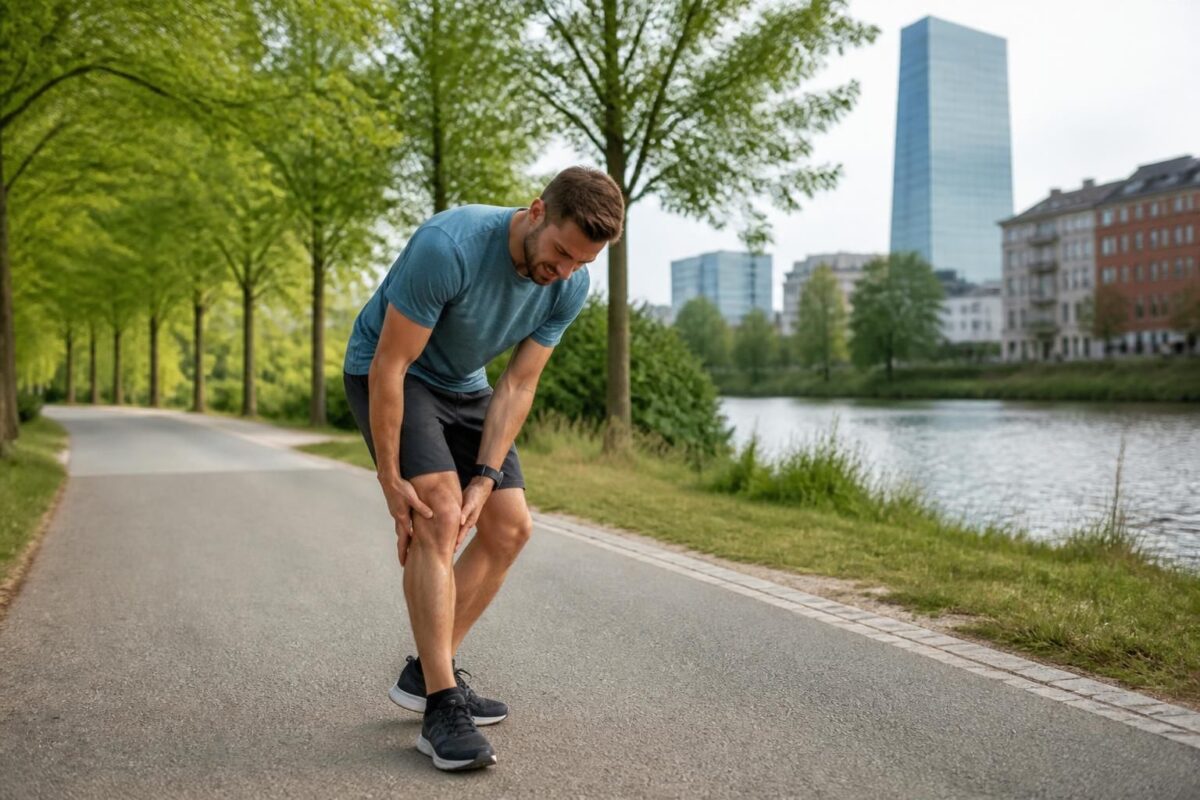
IN BRIEF In brief, sciatica and calf pain while walking describe painful irradiation along the sciatic nerve, often related to a lumbar origin (such as a herniated disc) or local pain in the calf. The benefits: clarifying the diagnosis and directing towards the appropriate treatment, which can quickly reduce pain and improve mobility. How does it work? A clinical evaluation with nerve tension tests and, if necessary, imaging help to distinguish lumbar pain from local pain, followed by appropriate care (osteopathy, physiotherapy, targeted exercises) and a progressive return to walking. Accessible in Montreal and the surrounding area, this pathway promotes timely and appropriate care. |
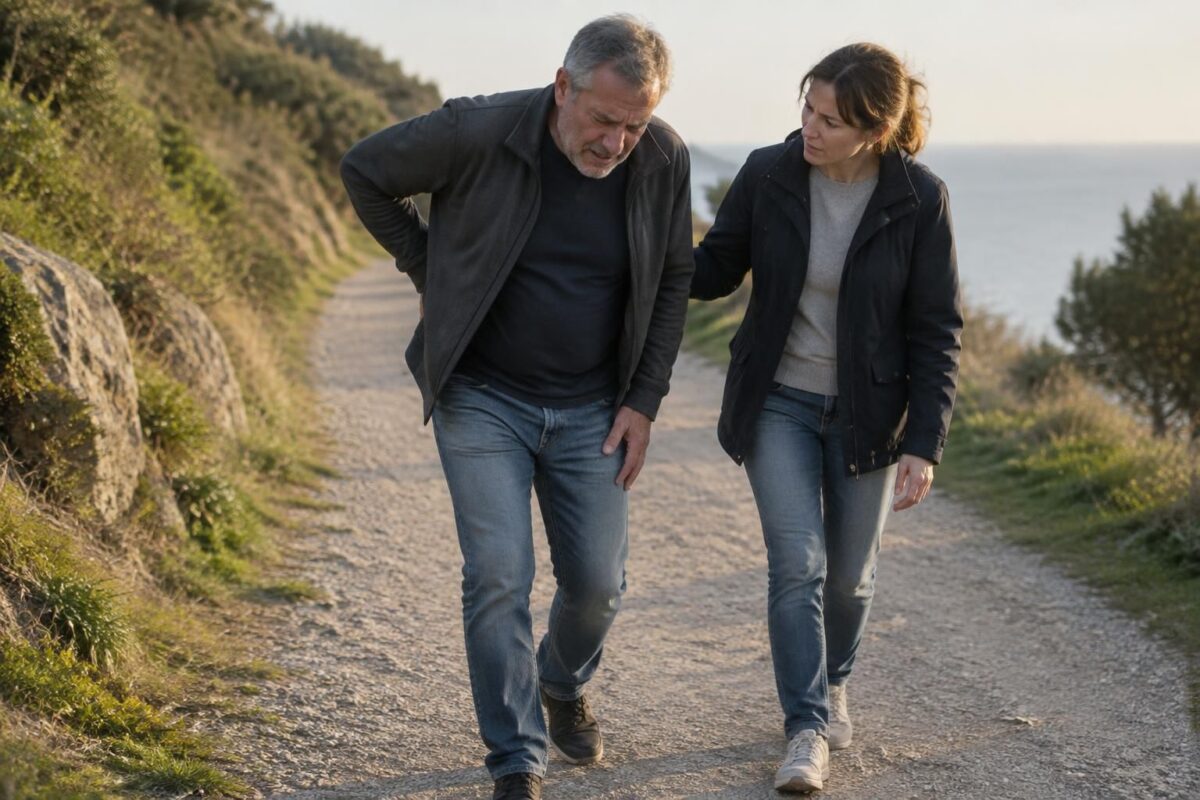
Sciatica can manifest as pain radiating down to the calf when walking.
The origin can be (irritated or compressed sciatic nerve due to a hernia/disc disease) or local calf cause.
A precise clinical examination is necessary to distinguish the origin and direct treatment. Tests and, if necessary, imaging guide appropriate care (physiotherapy, osteopathy, targeted exercises).
Walking is generally recommended to promote circulation, reduce inflammation, and maintain strength, but it should remain gradual and tailored to the pain. During acute episodes, brief rest may be considered, followed by a gradual return according to progress.
Warning signs requiring prompt consultation: loss of urinary/fecal control, marked weakness in a limb, sudden and significant pain, calf swelling, or fever.
This page written by a health professional explains sciatica and calf pain while walking. The calf may suffer when the sciatic nerve is irritated by the back, or when the calf is affected locally. The goal is to distinguish lumbar origin from a local cause and to propose the most effective treatment. The diagnosis relies on a clinical examination and, if necessary, targeted imaging. Non-invasive treatments exist, including osteopathy and neurovertebral decompression, available in Montreal and the surrounding area.
Origin and Mechanisms
The sciatic nerve originates in the lower back and follows the path up to the calf and foot. Irritation or compression can cause pain that follows this path down to the calf. Conversely, localized calf pain may arise from a muscular or vascular issue without direct involvement of the nerve.
Pain may radiate from the buttock, along the back of the thigh, and down to the calf or foot. Common lumbar causes include a herniated disc, lumbar canal narrowing, and degenerative disc disease. These conditions can activate nerve roots and produce radiation to the calf.
Signs and Diagnosis
Simple signs help guide the diagnosis. Pain that worsens when walking or straining the back suggests a lumbar origin. Symptoms such as numbness or weakness in the foot support a root cause. Pain confined to the calf and calm at rest points more towards a local origin.
The diagnosis relies on a neurological examination and nerve tension tests. Imaging studies may be useful when the diagnosis remains uncertain or to guide treatment.
Evaluation and Imaging
Clinical evaluation is central. Targeted imaging may be added based on symptoms. In case of doubt, specialists can propose specific approaches to clarify the origin and guide treatment.
Management Options
For treated cases, a multidisciplinary approach is often beneficial. At the TAGMED Clinic, options like motorized neurovertebral decompression and specific osteopathy can be considered when suitable during the evaluation. For more information about these non-invasive solutions, see the dedicated resources at Clínique TAGMED.
Treatment aims to quickly relieve symptoms and restore mobility. Additionally, general measures such as maintaining appropriate activity and controlling weight can be beneficial. To explore aspects related to herniated discs and sciatic pain, refer to the specialized resources available on the mentioned partner sites below.
When to Consult and Urgent Signs
Consult promptly in the presence of warning signs. Loss of urinary or bowel control, marked weakness in a limb, sudden and increasing pain, calf swelling, fever. In the case of these signs, seek an immediate consultation.
Prevention and Lifestyle
Adopt a proper posture and strengthen the lumbar and calf muscles. Stay active regularly and progressively. Avoid excessive efforts without professional advice and work with a specialist for an approach tailored to your situation.
Resources and Useful Links
To enrich your understanding and obtain additional insights, check the following resources:
- Sciatica and difficulty walking on heels — possible L5 root
- Electric shock sensation in the calf in Montreal
- Emergency or quick consultation — difficulty lifting the foot
- Numbness in the leg and sciatica — what to check in Terrebonne
- Burning sensation in the toes
For information on neurovertebral decompression and other conditions, visit:
- Neurovertebral Decompression
- Herniated Disc and Pain
- Protrusion, Disc Bulge, and Stenosis
- TAGMED Clinics — Montreal and Terrebonne
Training and professional framework. Osteopaths rely on recognized training such as NUMSS and NAO. Professionals may be affiliated with ACMA, or the College of Canadian Osteopaths, or the Collège des Ostéopathes Canadiens to ensure compliant practices.
For resources and advice on the links between calf pain and lumbar disorders, explore dedicated pages on sciatica and herniated disc. Turning to osteopathy and non-pharmacological approaches can offer significant benefits without resorting to surgery when the evaluation is accurate and the treatment appropriate.
Additionally, resources focused on issues related to sciatica and walking exist for Montreal and surrounding areas. This information can help guide your management towards therapies that avoid unnecessary treatments and favor a gradual and safe recovery.
Medical disclaimer: The information and advice provided on this site do not replace the opinion, diagnosis, or treatment of a healthcare professional. Please note that Dr. Sylvain Desforges, osteopath, is neither a medical doctor nor a physician and is not a specialist in a medical specialty as defined by the Collège des médecins du Québec. Manual medicine, functional medicine, and sports medicine as described on this site exclude any treatment or medical diagnosis made by a physician or specialist. Always consult your doctor for any medical questions. For more details, please read our full Legal Notice.
- Origin: Sciatica (irritated sciatic nerve) versus local calf pain.
- Irradiated pathway: pain that follows the path buttock → thigh → calf indicating a radicular cause.
- Warning signs: weakness, urinary issues, fever or calf swelling.
- Walking index: pain that worsens with walking or straining the back → likely lumbar origin.
- Useful tests: Lasègue/SLR and evaluation of reflexes and myotomes.
- Imaging: may help but does not replace clinical examination.
- Initial approach: remain active, regular walking, and targeted exercises (osteopathy/physiotherapy as appropriate).
- Non-invasive advice: stretching and strengthening guided by a professional.
- Guided walking: start with 5–10 minutes, take breaks, progress to 30 minutes.
- Daily advice: proper posture, regular physical activity; avoid prolonged rest.
- Quick consultation: emergency signs or pain lasting > a few weeks, consult.
- Goal: clarify the origin and establish the right treatment to regain mobility.

This guide explains how to approach sciatica associated with calf pain when walking, how to distinguish a lumbar origin from a local cause, and what simple measures to adopt to walk with less pain and gain mobility.
Lumbar Origin vs Local Cause When Walking
The pain that follows the path of the sciatic nerve can radiate from the lower back to the calf, making walking difficult. In contrast, localized pain in the calf may stem from muscles or other conditions unrelated to the nerve. If pain travels from the buttock or back of the thigh down to the calf when walking, and is sometimes accompanied by tingling or weakness, the lumbar origin should be favored. Conversely, if the calf is painful only in the muscle and without clear irradiation, it is likely a local cause such as a muscle strain or vascular pathology.
Sciatica and return to activity: why to progress slowly
IN BRIEF Returning to activity after sciatica involves gradually regaining movement without exacerbating pain. It helps maintain mobility while minimizing the risk of relapse. Start with walking, then alternate between walking and running for short intervals, increasing effort step by…

Sciatica and physical activity: how to avoid mistakes
IN BRIEF Sciatica is pain that follows the path of the sciatic nerve, from the lower back to the leg. Appropriate physical activity helps to stay mobile without maintaining irritation: favor gentle walking, cycling in an upright position, or swimming,…
Signs to Watch For and Quick Tests
Typical signs point towards a radicular origin: pain that worsens when walking, upon returning to a seated position, and sometimes pain accompanied by paresthesia or weakness in the calf or foot. Simple clinical tests, performed by a professional, such as nerve tension tests (Lasègue/SLR test or slump test), can help confirm irritation of the sciatic nerve. Reflexes and evaluation of lower limb muscles complete the picture. If symptoms remain unclear, imaging may be useful, but it does not replace clinical examination.
When Symptoms Require Quick Evaluation
Consult quickly if you observe loss of bowel or bladder control, marked weakness of the leg, violent and sudden pain, fever, or calf swelling with color change. These signals indicate a potential emergency.
Sciatica and forced walking: risk of worsening
IN BRIEF Sciatica can make walking painful, but pushing yourself may worsen the symptoms. Walk for short periods, at your own pace, only if the pain remains tolerable and does not intensify over time. If you are limping, if the…

Sciatica and daily walking: how to respect tolerance
IN BRIEF Sciatica is pain related to the irritation of a nerve, which can extend from the lower back down to the leg. Walking with sciatica is often possible and helps to maintain mobility, provided you move slowly, take short…
Walking and Daily Management
In the case of pain during walking, prioritize suitable and progressive activity. In the first few days, short and frequent walking periods (5 to 10 minutes, several times a day) may be sufficient to reduce inflammation and maintain muscle strength. Depending on the intensity of the pain, adapt your walking with the following principle: less than 3/10 = regular walking allowed; 3-6/10 = breaks and interval walking; > 6/10 = relative rest and gradual resumption when pain decreases.
At the same time, incorporate targeted exercises for the back, glutes, and calves to improve effort tolerance and prevent recurrences. Gentle manual approaches (osteopathy, physiotherapy) can facilitate nerve relaxation and mobility, complementing a program of appropriate stretching and strengthening.
Some simple actions can support walking: alternate heat and cold according to phases, maintain an upright posture during activity, and pay particular attention to breathing and relaxation to reduce overall tension. Maintaining regular physical activity (walking, light swimming, low-impact cycling) helps preserve endurance and limit future irritations of the sciatic nerve.

Sciatica and Gradual Resumption of Walking After an Attack
IN BRIEF Sciatica is pain related to irritation or compression of the sciatic nerve. After an episode, gradually resuming walking can help maintain mobility and limit stiffness without straining. Start with short walks on flat terrain, wear comfortable shoes, and…

Sciatica and walking after sitting: why the pain increases at the start
IN BRIEF Sciatica can hurt more during the first steps after sitting for a long time: a sensitized nerve may tolerate maintained posture and the restart of movement less well. Gradually standing up, walking for a few minutes, and varying…
Practical Action Plan and Prevention
If walking is well tolerated, continue progressively by increasing the duration to 30 minutes or more, without causing major pain. At the same time, work on postural control, lumbar strengthening, and calf muscles to support the sciatic nerve while walking. If you have any doubts about the source of the pain, or if symptoms persist despite the measures in place, do not hesitate to consult a professional to establish a personalized and effective plan.
| Criteria | Concise explanation |
|---|---|
| Probable origin | Probable sciatica or local cause; evaluation needed to specify the origin. |
| Path and walking | Irritation of the sciatic nerve following the path buttock → thigh → calf; pain while walking may worsen if the origin is lumbar. |
| Lumbar signs | Pain with numbness/weakness of the foot while walking → lumbar orientation. |
| Local signs calf | Pain confined to the calf, without marked nerve signs → possible local origin. |
| Clinical tests | Nerve tension tests and examination of reflexes/myotomes guide differentiation. |
| Imaging | Lumbar MRI or targeted imaging based on suspicion; useful but does not replace the examination. |
| Diagnostic approach | Thorough clinical examination + imaging if necessary to confirm the origin and guide treatment. |
| Management during walking | Short and regular walks; specific exercises; avoid painful pushes and consult a pro for a personalized plan. |
| Emergency signs | Sudden pain, loss of urinary/bowel control, fever, or swelling of the calf → quick consultation. |

Sciatica and difficulty walking on tiptoes
IN BRIEF The difficulties in walking on tiptoes with sciatica may indicate muscle weakness related to nerve damage. This test helps identify a deficit but is not sufficient to establish a diagnosis. If the weakness is new, worsens, or is…

Sciatica and difficulty walking on heels
IN BRIEF The difficulty in walking on heels with sciatica may be related to weakness in the muscles that lift the foot, sometimes caused by nerve irritation or compression. This sign alone does not determine the cause: have it assessed…
Testimonials: Sciatica and calf pain while walking
Marie, a walking enthusiast, describes a sciatica associated with calf pain that mainly occurred during her outings. After a complete evaluation, the lumbar diagnosis was clarified, and a plan combining osteopathy and exercises was implemented. Since then, she has been able to resume longer walks with little or no pain and has regained her mobility.
Alex thought it was just a simple cramp when the pain rose from his back to the calf during walking. The team distinguished a sciatic origin from a local disorder and directed him to appropriate care. Thanks to the evaluation and a program combining osteopathy and exercises, he is gradually rediscovering the joy of walking.
Sophie, an experienced hiker, suffered from irradiation along the path from the buttock to the back of the thigh down to the calf while walking. After a precise evaluation, an approach combining osteopathy and targeted exercises was proposed, and she can now walk kilometers without pain.
Anthony experienced sciatica with calf pain that spoiled his walking outings. Positive nerve tension tests confirmed the radicular origin, and a multidisciplinary approach (physiotherapy, osteopathy) helped him improve his walking and mobility.
Emma hesitated before consulting; the evaluation distinguished a lumbar cause from a local origin in the calf. With home exercises and postural advice, she is gradually rediscovering the pleasure and regularity of her walks.
Pierre found that his calf pain during walking was due to irritation of the sciatic nerve. Following a clear explanation and a personalized plan combining osteopathy and rehabilitation, he can walk longer and resume his favorite activities.
Detailed biography of Dr. Sylvain Desforges and his approach to sciatica and calf pain while walking
Dr. Sylvain Desforges is recognized as an expert in osteopathy, naturopathy, and manual medicine, and he serves as the founding president of the TAGMED clinics and the ACMA association. Throughout a career dedicated to innovation in healthcare, he has specialized in chronic pain management and the integration of advanced technologies such as neurovertebral decompression, laser, and shock wave therapy. His mission is to provide evidence-based care to optimize the health and well-being of his patients, prioritizing non-invasive and personalized approaches.
In the field of sciatica and calf pain while walking, he adopts a rigorous diagnostic approach that distinguishes radicular pain coming from the lumbar roots and the sciatic nerve from strictly local calf pain. His work relies on a thorough clinical evaluation, including nerve tension tests and neurological explorations, to determine if the painful irradiation follows the nerve path or originates from a muscular or vascular disorder of the calf. When necessary, he may use imaging to guide the diagnosis, without replacing the indispensable clinical examination.
His practice emphasizes a multidisciplinary and evidence-based logic, combining osteopathy, physiotherapy, and postural advice to guide treatment towards the most appropriate care while avoiding surgical interventions when possible. In appropriate cases, he offers non-invasive options such as motorized vertebral decompression and complementary therapies, all while relying on protocols aimed at quickly reducing pain and restoring mobility. Patient education and involvement in the treatment plan are fundamental aspects of his approach.
In his practice, the goal is to target the precise origin of each symptom: irritation or compression of the lumbar roots that can irradiate to the calf, or a local condition of the calf muscle. This distinction guiding care allows for optimized recovery and prevention of recurrences. For patients from Montreal and its surroundings, TAGMED offers an accessible and personalized approach, based on evidence and rich clinical experience, to help everyone return to smooth and comfortable walking.
In summary, Dr. Desforges combines clinical expertise and modern technologies to support individuals suffering from sciatica and calf pain when walking. His work aims to shed light on the true origin of symptoms, propose non-invasive and effective therapeutic strategies, and enable quick and sustainable recovery while ensuring the safety and well-being of the patient, within the territories of TAGMED clinics and the ACMA association.
To learn more about his approach and the services offered, patients can reach out to TAGMED clinics and the resources associated with ACMA to receive tailored and effective care for sciatica and calf pain while walking.
This summary details how sciatica associated with calf pain can occur during walking and why a medical evaluation is essential to distinguish a lumbar origin from a local disorder. It provides clinical guidelines, diagnostic procedures, and non-invasive care options that quickly promote mobility and reduce pain, while indicating practical and local resources.
To optimize walking and reduce symptoms, it is important to adopt a gradual approach tailored to your pain. A regular and suitable walk can improve circulation, support the muscles of the back and calves, and limit tension around the sciatic nerve, while avoiding movements that aggravate the pain.
The key is to differentiate lumbar origin (irritation of the sciatic nerve due to a herniated disc, narrow lumbar canal, etc.) or local calf pain. This is clarified through a neurological examination and nerve tension tests, and if necessary, targeted imaging. A multidisciplinary approach (osteopathy, physiotherapy) can be adapted to your case to target the source and promote recovery.
For further reading, you can check practical resources on walking and sciatica, which offer exercise and activity tips: walking and sciatica. Specific situations such as sciatica in Montreal or Terrebonne illustrate how irradiations can evolve and guide care. Other useful resources include calf pain and how to interpret pain.
Practically speaking, favor short and regular walking periods when pain allows (e.g., 5 to 10 minutes several times a day) and gradually increase the duration and distance, stopping if the pain intensifies. Targeted exercises, stretches, and strengthening the back and calf muscles, done under professional supervision, can speed up recovery and prevent recurrences. Dedicated resources are available to assist you, including information on prolonged walking and pain mechanisms during a long journey.
Finally, be alert to warning signs that require quick consultation: loss of urinary or fecal control, sudden and severe pain, fever, calf swelling, or significant loss of strength in the leg. In these cases, contact a healthcare professional immediately.

Dr Sylvain Desforges, B.Sc., D.O., N.D., osteopath, is the founding president of TAGMED and of the ACMA association. He dedicates his practice to chronic spinal pain, low back pain and symptoms compatible with sciatica, particularly when pain radiates toward the buttock, leg, calf, foot or toes.
Through SOS Sciatique, he publishes educational content on sciatica symptoms, possible causes such as disc herniation, disc narrowing, foraminal stenosis or irritation of a lumbar nerve root, as well as non-surgical approaches that may be considered according to the evaluation. At Clinique TAGMED, care may include, depending on the case, motorized neurovertebral decompression, specific osteopathic care or precision percussion.
For an evaluation related to sciatica treatment in Montreal / Mount Royal or sciatica treatment in Terrebonne, please consult the services available at Clinique TAGMED.
Medical disclaimer
The information published on SOS Sciatique is provided for educational purposes only and does not replace a consultation, diagnosis, opinion or treatment provided by a physician or another authorized healthcare professional. The author of this article is neither a medical doctor nor a specialist in a medical specialty recognized by the Collège des médecins du Québec. The osteopathic, manual medicine or functional support approaches described on this site do not constitute medical acts and are not intended to replace medical follow-up.
Consult a physician or emergency service in cases of loss of bladder or bowel control, anesthesia in the saddle area, significant or progressive weakness in the leg or foot, fever, recent trauma, severe pain or rapid worsening of symptoms. For more details, please read our Legal Notice.


