
Herniated disc and foraminal stenosis: possible association
13/09/2026
Sciatica in Montreal: pain and numbness after walking
14/09/2026
IN SHORT
What is sciatica and pain in the foot during walking? It is a discomfort that can start in the lower back and radiate along the path of the nerve, down to the foot, with varying sensations and possible difficulty walking. What are the benefits? Quickly identifying the causes, directing towards appropriate exercises and walking advice, and reducing pain while strengthening the back to improve mobility and prevent recurrences. How does it work? By combining a medical assessment, targeted exercises, and a controlled progression of walking, you can improve your walking and decrease the pain, without prolonged immobilization. |
Sciatica is pain caused by irritation of the sciatic nerve, which can run from the lower back down to the foot.
During walking, this pain can either lessen or worsen depending on its intensity and stage (acute or not).
To relieve it, favor short and regular walking sequences (5-10 minutes), then gradually increase with breaks, especially during the acute phase.
Depending on the intensity, adapt your activity: mild pain (<3/10) allows for regular walking; moderate pain (3-6/10) suggests shorter walks; severe pain (>6/10) is better managed with rest and consultation.
Additionally, practice specific exercises and stretches, and use heat or cold on the lower back intermittently to alleviate symptoms.
Quick summary: this article written by a healthcare professional explains why sciatica can cause foot pain during walking, which mechanisms are at play, how to adapt your gait to limit pain, and when to seek consultation. It provides clear advice and reliable resources for better understanding and managing this condition.
The pain associated with sciatica can start in the lower back or buttock and travel down the leg to the foot. This pain may be felt as a burning sensation, an electric shock, tingling, or muscle weakness. When the sciatic nerve is irritated or compressed, the path to the foot can become painful, especially during walking.
Common causes of foot pain during walking
The most frequent cause is a lumbar disc herniation, which compresses one or more nerve roots and can trigger pain that extends down to the foot. Other factors, such as prolonged muscle tension, poor posture, or repetitive movements, can also contribute to nerve irritation and increase pain during walking.
Impact of walking on pain and practical advice
Walking can sometimes provide relief, as it stimulates circulation and helps reduce mild inflammation. In other cases, it may increase pain when the nerve is severely irritated. In practice, adjust your activity according to the pain and listen to your body. Some situations require frequent breaks and shorter distances, especially during acute flare-ups.
To better understand the mechanisms and experiences related to pain that increases with walking, you can consult dedicated resources on sossciatique.com.
Practical management and resuming walking
When the pain allows, gradually resume walking. Start with 5 to 10 minutes several times a day, then gradually increase the duration and distance. Take breaks if the pain intensifies and do not stray too far in the first few days. Regular light walking can improve circulation and reduce symptoms.
Before walking, you can try simple local measures like heat or cold on the lower back to soothe the muscles and relax the tissues. Specific exercises and stretches can be helpful, but they should be tailored to your situation and, if possible, supervised by a healthcare professional.
For detailed advice on walking and sciatica, see the article dedicated to helpful or aggravating walking and other similar resources.
When to consider other approaches and where to inquire
If the pain is mild to moderate, walking and appropriate exercises can be considered as first approaches. In case of persistent or fleeting pain that worsens, it is important to seek a medical evaluation. In complex situations or with nighttime pain, a specialized consultation may be helpful to assess other causes and suitable therapeutic options.
Additional information and shared experiences about walking and sciatica are available through several specialized resources, including dedicated pages on sossciatique.com and night pain in the leg. For complementary options and clinical approaches, you can also consult the TAGMED network and associated resources. Other useful resources include neurovertebral decompression and information available on herniated discs and their strategies.
To understand therapeutic choices within clinical options, comparisons that include alternatives to physical therapy can be consulted, notably through TAGMED clinical partners and associated resources.
Useful complementary resources on the subject and around sciatica and walking are available on the following dedicated pages: sosherniateddisc.com, sostunnelcarpien.com, and sossciatique.com.
For updates and general information, you can explore the following resources: pain that appears after a few minutes of walking and incomplete journey in Montreal.
Attention: certain pain situations may require specialized assessment and treatments offered in dedicated clinics, such as TAGMED in Montreal or Terrebonne.
To deepen your understanding of the concepts and alternatives, check the dedicated pages on pain that increases with walking and useful or aggravating walk.
If you are looking for a specific approach for complex cases, avoid generic recommendations and prefer personalized evaluation by your treating physician or a qualified specialist through recognized professional resources.
Medical disclaimer: The information and advice provided on this site do not substitute for the opinion, diagnosis, or treatment of a healthcare professional. Please note that Dr. Sylvain Desforges, osteopath, is neither a medical doctor nor a physician, nor is he a specialist in any medical specialty as defined by the College of Physicians of Quebec. Manual medicine, functional medicine, and sports medicine as described on this site exclude any treatment or medical diagnosis made by a physician or medical specialist. Always consult your physician for any medical questions. For more details, please read our complete Legal Notice.
- Signals: pain that can radiate from the lower back to the foot while walking.
- Numbness and tingling in the foot.
- Limping possible while walking.
- Common causes: lumbar disc herniation compressing the sciatic nerve.
- Aggravating factors: poor posture, sedentary lifestyle, pregnancy.
- Differences: femoral neuralgia affects the front of the thigh and knee.
- Quick actions: walk in short segments and take regular breaks.
- Action plan: regular walking and targeted exercises according to tolerance.
- Pain threshold: ≤3/10 continue; 3–6/10 limit; > 6/10 rest.
- Exercises: gentle stretches and strengthening of the back and hamstrings.
- Lifestyle: avoid prolonged rest, stay active.
- When to consult: persistent or worsening pain requires medical advice.

The sciatic pain can sometimes radiate down to the foot while walking. This article explains when walking can relieve, when it can aggravate symptoms, and what measures to take to continue walking safely, with targeted exercises and practical advice to regain comfortable and sustainable walking.
Understanding the relationship between sciatica, foot, and walking
The sciatic pain comes from the irritation or compression of the sciatic nerve, which starts from the lower back and runs down the back of the leg to the foot. When this nerve is engaged, sensations can range from deep pain to electric shocks, sometimes with numbness and muscle weakness. In some cases, walking can relieve these symptoms by stimulating circulation and maintaining the tension of postural muscles; in others, it can trigger or amplify pain in the back and leg. It all depends on the intensity and exact location of the pain.
Walking during a crisis: when it helps and when it can aggravate
When walking helps
If the pain is bearable and walking does not cause limping, short and regular sessions can help reduce inflammation and maintain mobility. Periods of 5 to 10 minutes, repeated several times a day, promote circulation and allow you to keep the back muscles active without overloading them.
When to avoid or adapt walking
In case of strong, acute pain, or pain that worsens when walking, it is recommended to limit activity and prioritize focused rest for a few days. Avoid prolonged walks or routes that strain the spine. If you must walk, favor short distances and take frequent breaks to assess the evolution of the pain and avoid unnecessary strain.
Practical tips for walking without worsening pain
For a walk adapted to foot pain related to sciatica, follow these simple guidelines. Start with short trips at home or outside and gradually increase the duration and distance, aiming for 30 minutes without increased pain. Take breaks if the pain flares up, and don’t stray too far in the first few days. Allow yourself regular sessions, and favor a low trunk rotation and a light stride to limit pressure on the back. Before getting up, you can apply a heat or cold source to the lower back to relax the muscles and prepare for walking.
Exercises and stretches for sciatica
Simple exercises to practice at home
Incorporate gentle stretches for the back and hamstrings, as well as targeted strengthening exercises to support the spine. These movements, practiced regularly, help reduce pressure on the nerve and stabilize the torso during walking.
When to consult and complementary treatments
If the pain persists or becomes too intense, consult your doctor quickly. An appropriate treatment may include pain relievers or anti-inflammatory medications by prescription, continuing a specific exercise program, and possibly sessions with a physiotherapist or osteopath. Complementary approaches such as wearing a lumbar belt in the short term, targeted massages, and relaxation techniques can also help reduce pain. In some cases, natural remedies such as plants or essential oil massages may complement the treatment, but always under professional advice. And don’t forget: maintaining a healthful weight and regular physical activity sustainably reduces the risk of recurrence and supports daily walking.
| Aspect | Concise observations |
|---|---|
| Definition | The sciatic nerve irritation can cause pain that travels from the lower back to the foot, especially while walking. |
| Symptoms | Pain along the path, sometimes numbness and weakness in the foot. |
| Walking-related causes | Herniated disc or nerve compression that may be worsened by walking and prolonged postures. |
| Impact on walking | Pain may limit walking and cause a limp, requiring necessary breaks. |
| Warning signs | Intense pain, marked weakness or loss of control; consult quickly. |
| Walking solutions | Short and regular sessions with breaks; walking can help reduce inflammation and improve circulation. |
| General recommendations | Start with 5–10 minutes and gradually increase, avoiding overloads. |
| Complementary treatments | Home exercises and adapted activity; combined with treatments according to medical advice. |
| When to resume activity | Resume when the pain is tolerable and without limping; consult if it persists or worsens. |
Testimonials: walking with sciatica and foot pain
My name is Julie, I am 49 years old and my sciatica follows me with every step when I go walking. The path from my lower back to my foot could be so painful that I had to stop abruptly. With a gradual pace—5 to 10-minute outings, then gradual increase—and targeted exercises, I regained daily walks without letting the pain take over.
Marc, 56 years old, courier, describes a pain that traveled from the buttocks to the foot with every walk. At first, he hesitated to go out; after following a gentle protocol with home exercises and regular breaks, he can now take longer walks without the sciatica keeping him in place.
Claire, 32 years old, shopkeeper, recounts that the sciatica caused tingling in her foot with every step. She decided to adopt a gradual routine of walking and stretching. The result: better mobility and less pain while walking.
Alain, 60 years old, retired, said the pain was mainly in the lower back and would spread to the foot during outings. After integrating simple exercises and an adapted cadence, he has found walks without excessive tension and without limping.
Élodie, 44 years old, executive, feared that the sciatica would ruin her family outings. By combining short walking sessions with strengthening exercises and a bit of heat on her back, she has reduced the pain in her foot and can enjoy outings on the weekends.
Bruno, 70 years old, retired, went through episodes where every step was a trial. With a plan that includes regular exercises and a measured progression of walking, he has regained stability and longer walks without exacerbating the pain in his foot.
Detailed biography: Sciatica and foot pain during walking
Dr. Sylvain Desforges is a recognized multidisciplinary practitioner, expert in osteopathy, naturopathy, and manual medicine. At the head of the TAGMED clinics as founding president, he carries a vision focused on innovation in health and the sustainable well-being of patients. His career is dedicated to managing chronic pain and integrating advanced technological solutions to improve the quality of life daily, especially when sciatica and foot pain occur during walking.
In managing pain related to walking, his approach prioritizes precise assessment and an active approach rather than prolonged rest. He explains that sciatic pain can manifest as shocks, burning sensations, tingling, and discomfort that may extend to the foot. The goal is to restore a self-sufficient and smooth gait, without limping, by proposing personalized solutions that promote movement while protecting the spine and nerves.
His practice relies on a combination of therapeutic tools and targeted therapies. Among the pillars of his work are comprehensive postural and functional assessment, implementation of rehabilitation programs, and integration of advanced technologies such as spinal decompression, therapeutic laser, and shock wave therapy. This approach aims to reduce inflammation, accelerate tissue repair, and achieve comfortable and efficient walking. Everything is guided by clinical data and measurable outcomes to ensure tangible progress.
The heart of his rehabilitation protocol combines gradual walking and targeted exercises. After an initial assessment, the patient is guided toward graduated and adapted walking periods, complemented by back and lower limb strengthening exercises, breathing techniques, and posture advice. Gentle stretches and stabilization exercises help improve flexibility and support the spine, reducing pressure on the sciatic nerve and preventing relapses.
The results observed in his patients demonstrate a lasting improvement in the ability to walk over varying distances, a significant reduction in foot pain, and an increase in autonomy in daily activities. Dr. Desforges prioritizes an evidence-based approach while remaining attentive to the needs and limitations of each individual. His work is part of a close collaboration with other healthcare professionals to personalize each journey and optimize recovery chances.
For individuals facing sciatica and foot pain while walking, his goal is clear: to offer a straightforward path to relief and the resumption of an active life. His team provides a comprehensive offer, ranging from initial assessment to the implementation of a personalized program, including technological interventions and practical advice to limit recurrences. Contact TAGMED to discover how his approach can transform your walking and overall well-being.
This article explains how sciatica can cause pain that radiates down to the foot and how walking can be either beneficial or problematic depending on the intensity. You will learn when to prioritize activity and when to prioritize rest, as well as simple exercises to relieve pain and prevent recurrences. Discover my exercise program to take swift action on your pain and resume peaceful walking.
Key Points and Practical Advice
Sciatica results from irritation or compression of the sciatic nerve, which runs from the lower back down the leg to the foot. This condition can manifest as pain, numbness, or electric shock sensations, and the path down to the foot can vary among individuals. To better understand the mechanisms and treatment options, you can refer to associated resources, including the MSD Manual page on sciatica: Sciatica – MSD Manuals.
Walking can be a valuable ally in reducing inflammation and maintaining back muscle strength, provided the pain allows it. During acute phases, it may be necessary to limit effort and prefer short rest periods (3 to 7 days) to reduce pain. Once the pain is tolerable, regular walks of 5 to 10 minutes several times a day help reactivate circulation and reduce the overall intensity of symptoms. For those wishing to go further, targeted exercises can be integrated at home. Discover practical tips on this subject in dedicated resources such as this one: Can I Walk with Sciatica? Practical Guide.
To resume walking, listen to your body and adjust your effort according to the intensity of the pain. Here is a realistic approach: if the pain is mild (0-3/10), walk regularly and gradually increase. If it is moderate (3-6/10), take shorter periods and watch for signs of worsening pain. If it is severe (>6/10), favor rest and consult a doctor promptly. This practical guide helps you stay active without aggravating the situation.
In practice, your way of walking also matters. Start with short, low-intensity sessions, then gradually increase the duration and distance until you reach 30 minutes without increased pain. In the most sensitive cases, crutches may be considered temporarily to limit strain on the nerve and allow for gentle progression. Meanwhile, stretches and specific exercises can be part of the most effective treatment to quickly relieve pain and improve mobility. For examples and additional tips, you can consult resources such as Sciatica and Pain Radiating but Rebounding to the Buttocks and Sciatica in Terrebonne – Night Pain in the Leg.
To go further, low-impact cardio activities like brisk walking, cycling, or swimming are generally compatible with sciatica when the pain is mild to moderate and effort does not worsen it. During a flare-up, exercising may be challenging, but outside of these episodes, regular activity helps prevent recurrences and limit more severe forms of pain. For specific advice on sports and sciatica, consult specialized resources such as Can I Play Sports with Sciatica?.
Additionally, some remedies and simple measures can support relief: applying heat or cold to the lower back before walking, gentle massages, and possibly professional advice from a physiotherapist or osteopath. If symptoms persist or worsen quickly, it is important to consult your doctor promptly to rule out other causes and adjust treatment.
To enrich your choices and explore different perspectives, you can also consult resources such as Sciatica and Painful Journey after a Long Trip and Sciatic Pain and Foot.
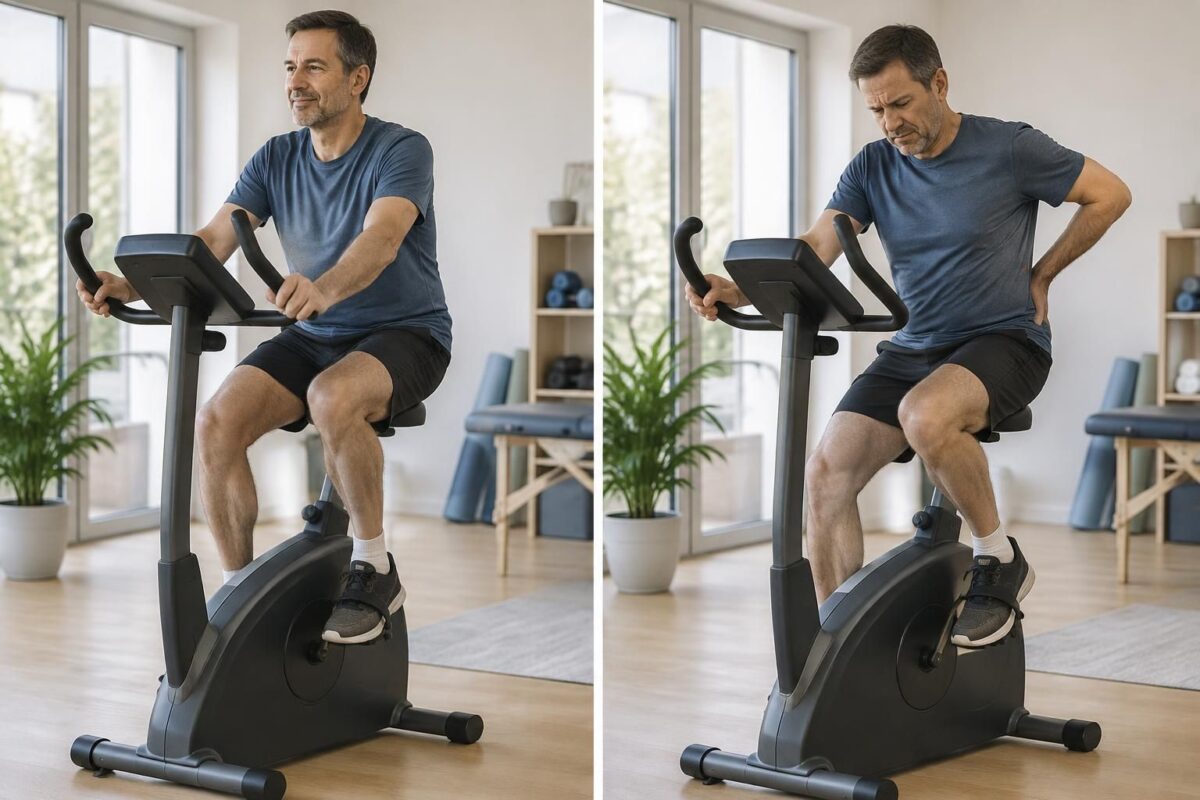
Sciatica and stationary bike: useful or aggravating depending on the case
IN BRIEF The stationary bike with sciatica can help you stay active if the pain is mild and stable. Start with a short session, at low resistance and in a comfortable position. If the pain goes further down the leg,…

Sciatica and cycling: sitting, bending, and symptoms
IN BRIEF Sciatica is pain related to irritation of the sciatic nerve, which can extend from the buttock down to the leg. Cycling may sometimes be possible if symptoms are mild and stable: a comfortable seat, a less bent posture,…

Sciatica and jogging: pain in the leg after effort
IN BRIEF Jogging-related sciatica is pain that often starts from the lower back or buttock and travels down the leg. Running may be possible if the discomfort is mild and stable, but if the pain intensifies, or if there are…

Sciatica and running: when to stay cautious
IN BRIEF Sciatica is pain related to irritation of a nerve, which can extend from the lower back or buttock down the leg. Running is not always prohibited if the discomfort remains mild and stable, without tingling or weakness. Reduce…

Sciatica and sports: when leg pain should slow you down
IN BRIEF Sciatica is pain related to inflammation of a nerve, which can extend from the lower back down to the leg. Sports aren’t always forbidden, but running should slow down if the pain intensifies or is accompanied by tingling,…

Sciatica and return to activity: why to progress slowly
IN BRIEF Returning to activity after sciatica involves gradually regaining movement without exacerbating pain. It helps maintain mobility while minimizing the risk of relapse. Start with walking, then alternate between walking and running for short intervals, increasing effort step by…

Sciatica and physical activity: how to avoid mistakes
IN BRIEF Sciatica is pain that follows the path of the sciatic nerve, from the lower back to the leg. Appropriate physical activity helps to stay mobile without maintaining irritation: favor gentle walking, cycling in an upright position, or swimming,…

Sciatica and forced walking: risk of worsening
IN BRIEF Sciatica can make walking painful, but pushing yourself may worsen the symptoms. Walk for short periods, at your own pace, only if the pain remains tolerable and does not intensify over time. If you are limping, if the…

Dr Sylvain Desforges, B.Sc., D.O., N.D., osteopath, is the founding president of TAGMED and of the ACMA association. He dedicates his practice to chronic spinal pain, low back pain and symptoms compatible with sciatica, particularly when pain radiates toward the buttock, leg, calf, foot or toes.
Through SOS Sciatique, he publishes educational content on sciatica symptoms, possible causes such as disc herniation, disc narrowing, foraminal stenosis or irritation of a lumbar nerve root, as well as non-surgical approaches that may be considered according to the evaluation. At Clinique TAGMED, care may include, depending on the case, motorized neurovertebral decompression, specific osteopathic care or precision percussion.
For an evaluation related to sciatica treatment in Montreal / Mount Royal or sciatica treatment in Terrebonne, please consult the services available at Clinique TAGMED.
Medical disclaimer
The information published on SOS Sciatique is provided for educational purposes only and does not replace a consultation, diagnosis, opinion or treatment provided by a physician or another authorized healthcare professional. The author of this article is neither a medical doctor nor a specialist in a medical specialty recognized by the Collège des médecins du Québec. The osteopathic, manual medicine or functional support approaches described on this site do not constitute medical acts and are not intended to replace medical follow-up.
Consult a physician or emergency service in cases of loss of bladder or bowel control, anesthesia in the saddle area, significant or progressive weakness in the leg or foot, fever, recent trauma, severe pain or rapid worsening of symptoms. For more details, please read our Legal Notice.