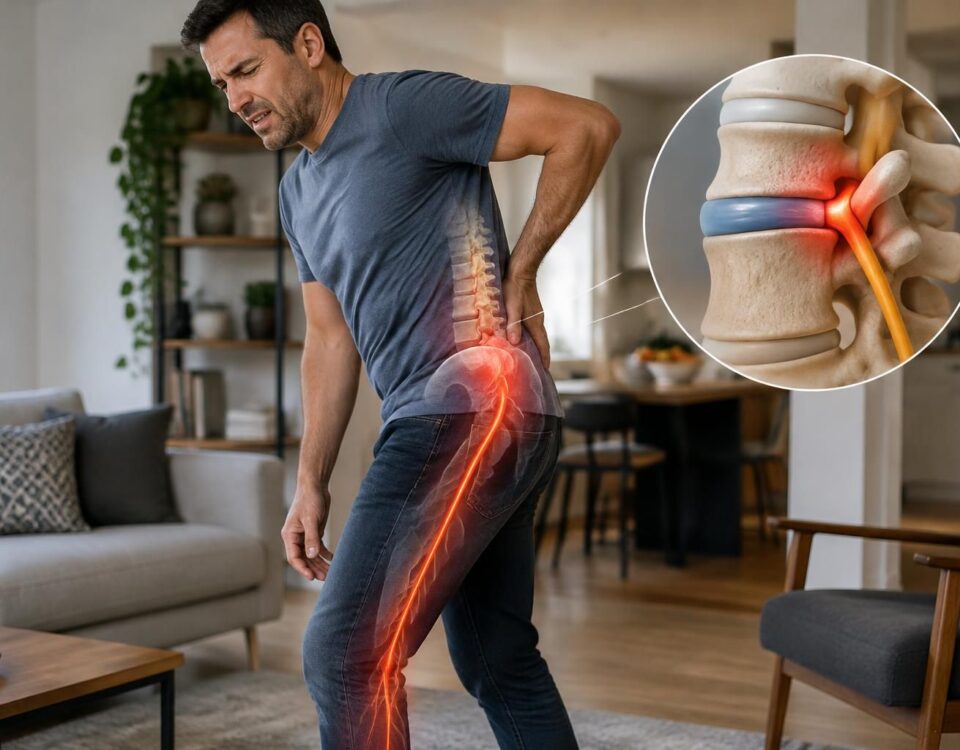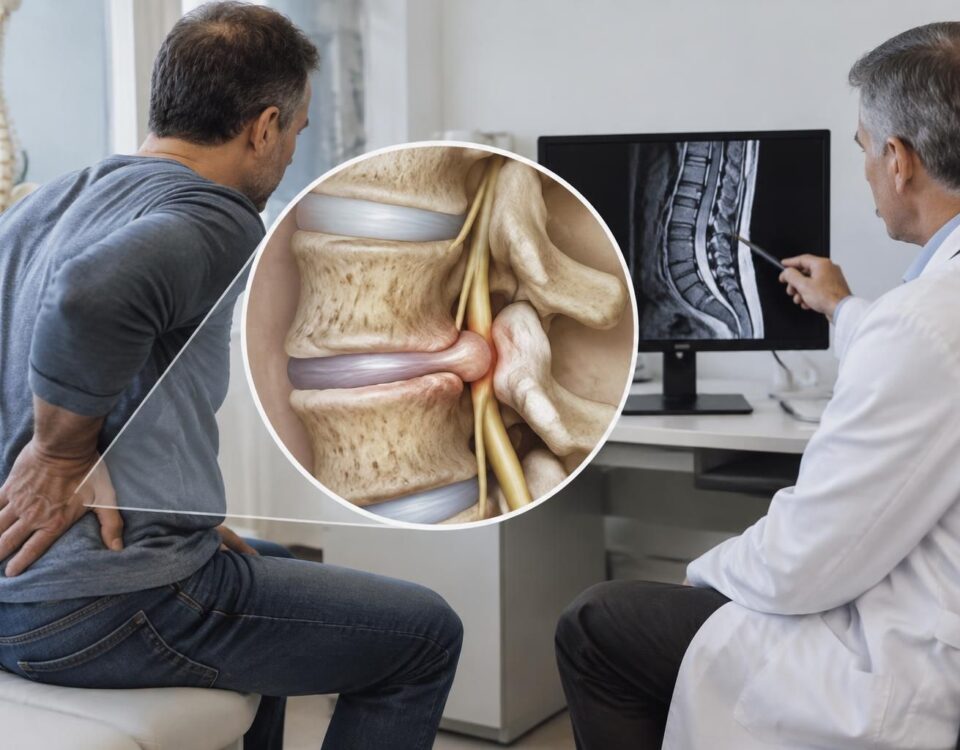
Sciatica: nerve pain or mechanical pain?
15/07/2026
Sciatica in Montreal: understanding the path of pain before acting
16/07/2026
IN BRIEF
| Sciatica is pain that follows the path of the sciatic nerve, from the lower back to the foot. Understanding this path helps to identify the cause, adjust the diagnosis and treatment, and prioritize non-surgical solutions when possible. Its advantages include precise localization of causes (for example herniated disc, stenosis, or arthritis), quicker relief, and more reliable recovery through targeted rehabilitation and prevention of recurrences. In Montreal, this reasoning optimizes care and return to activity. |
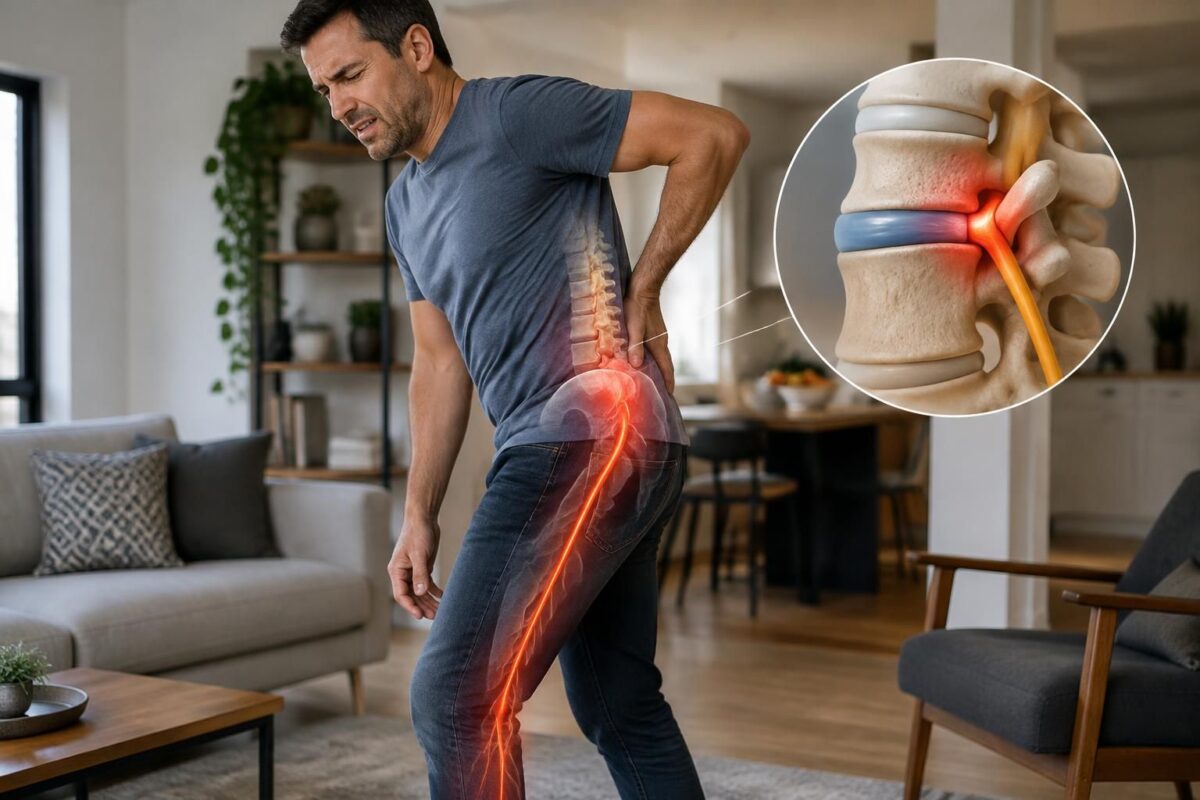
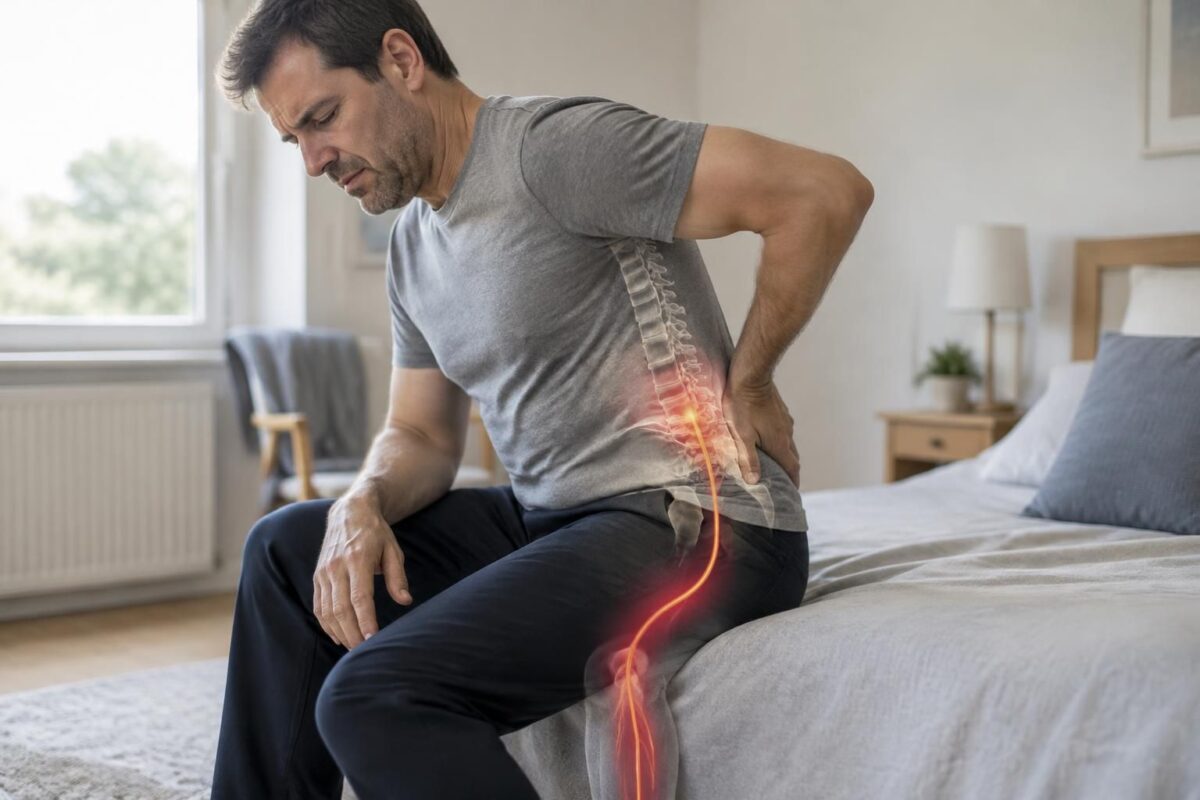
Sciatica is pain that follows the path of the sciatic nerve, starting from the lower back, passing through the buttock, and descending down the leg to the foot. The pattern and extent of this path help to identify the cause—often a herniated disc, arthritic changes leading to stenosis, or irritation of the nerve roots. The diagnosis relies on clinical examination and may require imaging or electrodiagnostic tests to localize the affected root. The treatment aims for rapid relief followed by postural rehabilitation and strengthening, and if necessary, surgical intervention. Understanding the path precisely allows targeting treatments and preventing recurrences through appropriate exercises and postural advice.
Quick summary: The path of pain in sciatica is a reliable indicator of the source. By identifying where the pain originates and how far it radiates, the clinician can distinguish between a disc protrusion, foraminal stenosis, or other causes. The evaluation combines a clear clinical examination and, if necessary, targeted imaging. The treatment aims to reduce pain, restore stability, and prevent recurrences, with options available at the TAGMED Clinic.
How the Path Informs the Diagnosis
Pain often follows the path of the sciatic nerve, starting from the lower back, passing through the buttock, and descending down the leg to the foot. This pathway indicates specific nerve roots and helps identify the probable cause, whether a herniated disc, canal narrowing, or another process affecting the lumbar spine. The radiating character may be burning or shooting, and may be accompanied by tingling, numbness, or local weakness. To delve deeper into the path and typical symptoms, you can refer to dedicated resources on specialized websites, such as the interactive guides offered by SOS Sciatica.
Typical Signs and Localization
The painful pathway is almost always unilateral. The pain may extend from the lower back to the buttock, then to the back of the leg, sometimes down to the foot. The intensity varies and may be worsened by walking, coughing, or prolonged bending. Signs such as numbness, muscle weakness, or loss of sensation indicate that the nerve root is engaged and require thorough evaluation. To better understand how localization guides diagnostic reasoning, refer to specialized resources in the field.
Possible Causes Associated with the Painful Pathway
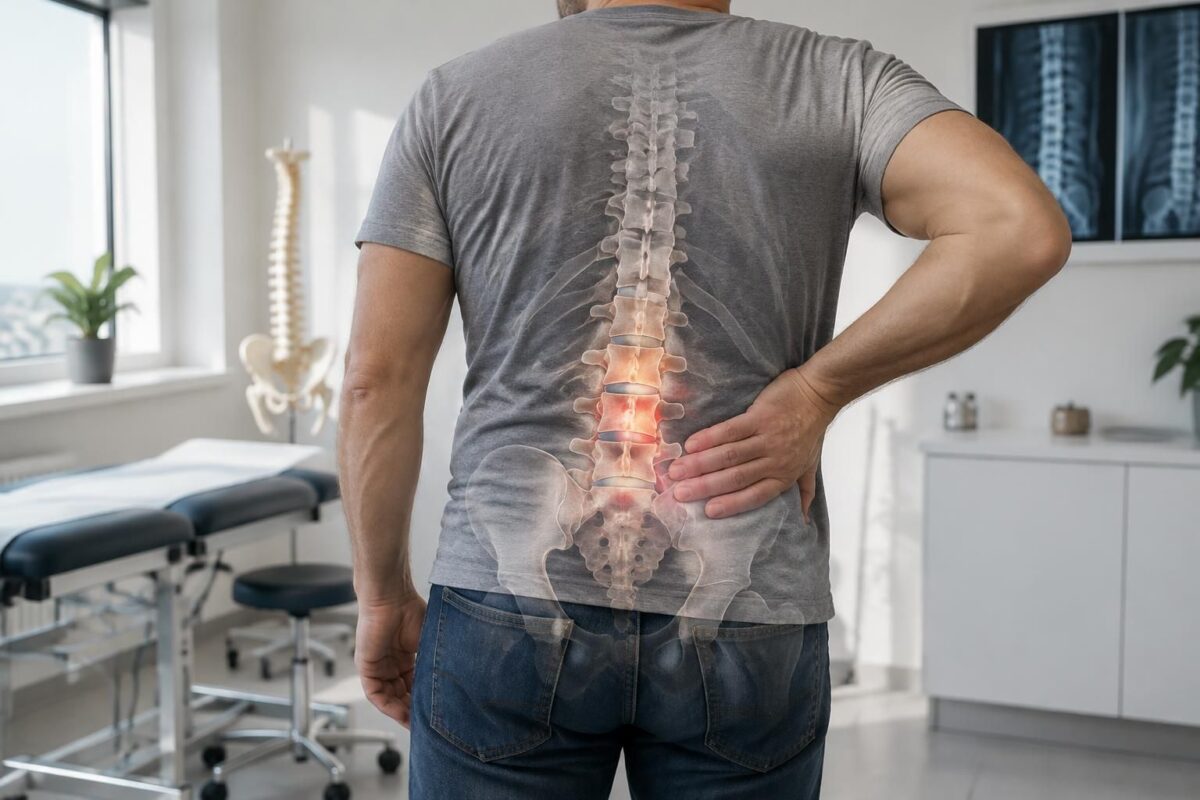
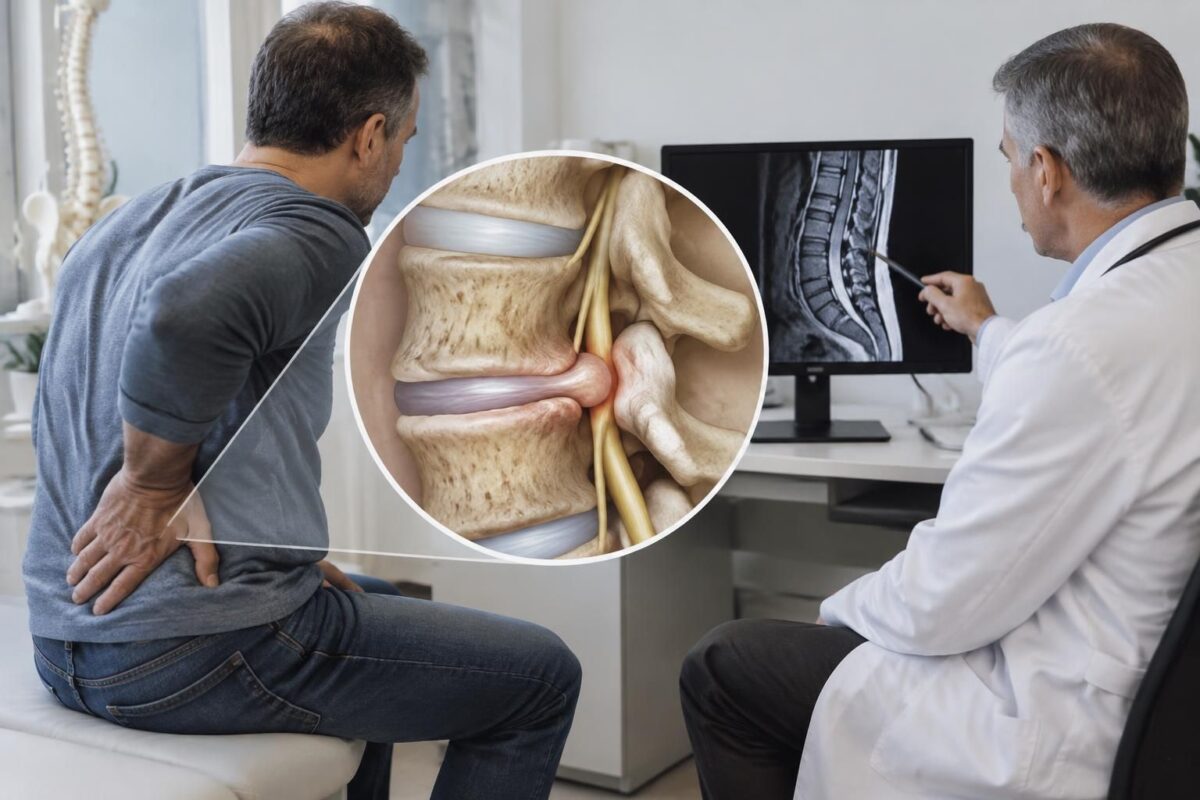
Several mechanisms can explain the sciatic pathway. A herniated disc may compress a nerve root and cause pain that follows the course of the nerve. Bony projections related to arthritis, a narrowing of the spinal canal (stenosis), or inflammatory thickening can also trigger lumbosacral radiculopathy. In rare cases, other spinal pathologies or referred pain may mimic the classic pathway. For detailed resources on the mechanisms and manifestations, consult specialized guides on recommended websites.
Clinical Evaluation and Treatment Orientation
The evaluation relies on a straightforward but precise clinical examination. The doctor checks muscle strength, reflexes, and sensitivity while assessing the pain and its location. Key information comes from the analysis of the pain pathway, pain on palpation, and associated neurological signs. When symptoms persist beyond a few weeks, or are accompanied by marked weakness, magnetic resonance imaging (MRI) or computed tomography (CT) may be indicated to clarify the origin. Electrodiagnostic tests may also be helpful to more precisely localize the affected root.
Treatment Approaches Focused on the Painful Pathway
The treatment aims to relieve pain and limit aggravating factors. Options available at the TAGMED Clinic include osteopathic approaches and specialized non-surgical techniques tailored to the identified pathology. In some cases, a motorized neuroverbal decompression may be considered after thorough evaluation. For patients, the goal is to restore functional mobility and facilitate a return to normal activity while minimizing pain related to the nerve pathway.
To learn more about the mechanisms and manifestations of sciatica, you can check the following resources: Sciatica and difficulty sitting for long periods, sciatic pain and loss of sensation, and path and course of the sciatic nerve. For general information on causes and symptoms, also see Medecin Direct.
Useful Links and Additional Resources
For clinical guidelines and resources on treatment and non-surgical approaches, you can refer to the following pages: TAGMED Clinic, reporting required cases in Montreal, and postural difficulties. Specific resources on neuroverbal decompression and other non-surgical approaches can be found on Neuroverbal Decompression and in SOS Sciatica portals.
Training and professional practices: train and stay updated through recognized programs, including NUMSS, NAO, National University of Medical Sciences, and National Academy of Osteopathy. These courses support a rigorous and ethical approach in osteopathy and manual medicine, serving a precise diagnosis and a safe treatment.
To discover the nuances of the painful pathway and its implications, you can also explore the following resources: Sciatic nerve pathway and pain, and Sciatica Health and Targeted Diagnosis.
Medical disclaimer: The information and advice provided on this site do not substitute for the opinion, diagnosis, or treatment of a health professional. Please note that Dr. Sylvain Desforges, osteopath, is neither a medical doctor nor a physician, and is not a specialist in a medical specialty as defined by the Collège des médecins du Québec. Manual medicine, functional medicine, and sports medicine as described on this site exclude any medical treatment or diagnosis made by a physician or specialist. Always consult your doctor for any medical questions. For more details, please read our full Legal Notice.
- Pathway follows the sciatic nerve (lower back → buttock → thigh → leg → foot).
- Radiating pain along the pathway, pointing to the nerve cause.
- Precise location allows differentiation between discal, foraminal, or piriformis causes.
- Movement and posture alter the pain and indicate compression vs irritation.
- Lumbar pathway → suspicion of disc herniation or foraminal stenosis.
- Buttock/thigh pain → may suggest piriformis or muscle injury.
- Pain aggravated by leg extension → root involvement.
- Pain reaching the calf/toe → possible involvement of roots S1/S2.

Successfully identifying the source of sciatic pain involves analyzing the exact pathway it follows along the sciatic nerve. This route, used as a diagnostic clue, helps distinguish a discal cause from stenosis, a musculoskeletal syndrome like piriformis, or other pathologies. By clearly describing where the pain starts and where it radiates, examinations and tailored treatments are swiftly directed.
The pathway of pain as a diagnostic compass
The sciatic nerve, the longest and largest in the body, running from the lower back through the buttock, thigh, and down to the foot, can serve as a map. When the pain faithfully follows this pathway, it is often described as lumbar radiculopathy associated with irritation of one or more nerve roots. In contrast, pain that remains localized in the lumbar area or solely spreads through a musculoskeletal region may point to non-radicular or muscular causes. The presence of radiation down to the foot on the affected side is a strong indicator of nerve involvement rather than simple back pain. The type of sensation (burning, stabbing, tingling) and any potential numbness or weakness reinforce the indication of nerve damage.
How the route helps target the cause
Different behaviors distinguish depending on the precise pathway:
In the case of a lumbar disc herniation, pain often follows a descending path and may extend down to the calf or foot, with pronounced radiation and possible corresponding muscle weakness affecting the involved roots (for example L5 or S1). Symptoms may worsen while standing or exerting effort and decrease at rest or with slight trunk flexion.
In the presence of spinal canal stenosis, pain may increase in standing or walking and decrease when sitting or leaning forward. This spatial evolution of the symptom is a key clue that directs the examination and targeted imaging towards signs of canal narrowing.
The piriformis syndrome or other localized compressions may produce radiating pain that rarely follows the typical sciatic nerve pathway and may be confused with radiculopathy. In these cases, the clinical evaluation specifies pain areas and tests the mobility of the quadriceps, glutes, and pelvic muscles to identify a mechanical aberration rather than a purely discal process.
Concrete examples and practical implications
Lumbar disc herniation
Radiation starting from the lower back, passing through the buttock and descending behind the thigh to the calf or foot suggests involvement of the L5 or S1 roots and can guide toward a targeted MRI evaluation and appropriate therapeutic planning.
Lumbar stenosis
Pain that worsens during walking and improves in a seated position often indicates canal compression; the examination focus shifts to the patient who benefits from tailored strengthening and postural rebalancing, with a gradual approach.
Piriformis and other peripheral syndromes
When radiation spreads to the buttock without strictly following the sciatic nerve pathway, it is useful to evaluate muscle tension and pelvic mechanics to distinguish local nerve compression from a discal issue.
Roles of examinations and treatments
The painful path informs the choice of examinations: focused clinical examination, mobility tests, and, if necessary, imaging or electrodiagnostic tests to specify the affected root. Therapeutically, understanding the pathway guides a personalized management approach, prioritizing non-surgical measures such as strengthening and postural corrections when relevant, and directing towards a more targeted intervention when signs justify it. The goal is to act on pain and restore normal function while preserving daily and professional activities.
| Diagnostic Axis | Concise Interpretation |
|---|---|
| Classic pathway to the foot | Probable lumbar radiculopathy; herniated disc or foraminal stenosis common. |
| Pathway limited to the buttock and thigh | Non-radicular or piriformis pain; piriformis syndrome to consider. |
| Radiation to the calf but not to the foot | Probable lumbar radiculopathy; L5-S1 or L4-L5 root compressed. |
| Numbness or weakness in the leg or foot | Confirmed nerve involvement; radicular orientation requiring rapid evaluation. |
| Worsening in extension or standing | Probable lumbar canal stenosis or foraminal osteoarthritis. |
| Relief in flexion or sitting | Decreased nerve compression by flexion; favorable posture. |
| Unilateral vs bilateral | Typical unilateral; bilateral may indicate central stenosis. |
| Emergency signs | Loss of urinary or fecal control; cauda equina — immediate management. |
Testimonials: why the pathway of pain helps to orient the cause
“When the sciatica started in the lower back, followed the path to the buttock and spread behind the thigh to the calf, I understood that the origin came from irritation of the nerve root. Understanding this pathway allowed the therapist to make the diagnosis and target the treatment without beating around the bush.”
“For me, the pain moved from the buttock to the back of the leg and stopped before the foot. This pathway, associated with a radiation, helped me exclude simple muscle pain and identify a nerve compression at the lumbar level. The rehabilitation plan was adapted accordingly, and the results were quick.”
“The pathway also helped me differentiate a sciatica related to a herniated disc from piriformis syndrome. By observing where the pain is most intense and where it stretches, the practitioner was able to target the stretches and manipulations and avoid unnecessary invasive examinations.”
“The pain started from the lumbar region and radiated down to the toe, but the sensation was stronger near the knee when I walked. The doctor followed this path and was able to confirm a foraminal stenosis. Charting the pathway was crucial to tailor the treatment and avoid early surgery.”
“The pathway of my pain also helped me understand that my pain was primarily radicular and reacted strongly to certain movements. By describing this precise path, I felt my therapist was targeting the right root and prioritizing non-invasive approaches that restored my mobility faster than expected.”
Dr Sylvain Desforges, osteopath and multidisciplinary practitioner, is recognized for his integrated approach to pain and mobility. An expert in osteopathy, naturopathy, and manual medicine, he serves as the founding president of the TAGMED clinics and the ACMA association. His practice is distinguished by a constant search for evidence and the thoughtful use of advanced technologies such as motorized neurovertebral decompression, laser, and shockwave therapies, aimed at improving the function and quality of life of his patients. In the context of sciatica, his goal is to differentiate possible causes and adapt treatment based on the exact pathway of the pain, a key principle of his diagnostic-therapeutic approach.
The key to his reasoning is simple: the pathway of pain tells the story of the affected nerve. Pain starting from the lower back, moving towards the buttock, and radiating down the leg to the calf or foot often suggests radicular involvement. Based on this pathway, he evaluates the likelihood of a herniated disc compressing a root, spinal canal narrowing, or irritation related to biomechanical imbalances. Sometimes, the pathway remains localized and chronic, which may point to muscle tension, adhesions, or involvement of neighboring structures. This mapping of the symptom allows not only to establish a more precise hypothesis but also to select the most suitable and quickest therapeutic maneuvers to implement.
In consultation, Dr Desforges combines a detailed clinical examination and, if necessary, elements of imaging or functional studies to clarify the origin. He asks his patients to precisely describe the onset point, the exact pathway, and the factors that worsen or alleviate the pain. This method allows distinguishing, for example, disc-related sciatica from referred pain of muscular-articular origin. Once the probable cause is identified through the pathway, he establishes a personalized treatment plan, favoring non-invasive interventions when possible, while considering surgical indications if a more structural option is necessary.
His practice is based on evidence and a multimodal approach. In addition to osteopathic techniques, he can propose targeted rehabilitation protocols, decompression protocols, and physical therapies aimed at reducing pressure on nerve roots and restoring mobility. The goal is to free the nerve from irritation while strengthening the supportive muscles of the spine and improving postural alignment. This approach, centered on the pathway of pain, promotes a lasting reduction in symptoms and a gradual return to activity.
In summary, understanding the pathway of pain is not just an anatomical description: it is a clinical tool that guides diagnosis, treatment choices, and patient education. Dr Desforges is committed to providing evidence-based care tailored to each painful experience, with particular attention to safety and overall well-being. His approach aims to transform a painful experience into a measurable progression towards recovery and the resumption of daily activities, while avoiding the uncertainties and disappointments often associated with overly generic diagnoses.
Quick summary: the path of sciatic pain follows the route of the sciatic nerve and serves as a key marker to determine the cause. By observing where the pain radiates and what accompanying signs are present, one can distinguish a herniated disc, foraminal stenosis, or other nerve irritations, which guides diagnosis and treatment.
Summary
The trajectory of pain is a vital clue that guides diagnosis by indicating the affected nerve roots and possible compressive structures. Pain radiating from the lower back to the calf may point to a disc origin, while pain that follows the buttock-thigh arc may reflect other local compressions or irritations.
The location and intensity, combined with sensory signs (numbness, paresthesias) or motor signs (weakness), allow for anticipating causes and planning investigations. The use of imaging (MRI/CT) and electrodiagnostic tests can be guided by this trajectory.
Depending on the orientation of the trajectory and the severity of symptoms, therapeutic approaches vary: postural rehabilitation, physical therapy, and non-surgical relief measures as priorities, with surgery considered when results and risks necessitate it (for example, large disc or severe stenosis).
Understanding the trajectory also helps in preventing recurrences through postural education, strengthening core muscles, and adopting appropriate lifting techniques.
For more in-depth information, consult specialized resources that explain the path of the sciatic nerve and associated causes (herniated disc, stenosis, etc.).
Disc herniation and recurrent sciatica
IN BRIEF A disc protrusion is a bulging of the disc that may be associated with recurring sciatica, without necessarily being the cause. The evaluation correlates symptoms, neurological examination, and imaging, if relevant. An appropriate plan can help improve function…
Disc herniation and persistent pain in the leg
IN BRIEF A disc protrusion is a bulging of a disc that can irritate a nerve and cause persistent pain in the leg, sometimes accompanied by tingling or numbness. Imaging alone does not confirm the origin of the symptoms: clinical…
Disc herniation and lumbar degeneration
IN BRIEF A lumbar disc protrusion is a bulging of a disc often related to disc degeneration. It does not always cause symptoms but can contribute to lower back pain or pain radiating down the leg if a nerve is…
Disc protrusion and disc pinching: combined mechanisms
IN BRIEF A disc protrusion is a bulging of the disc, while a disc narrowing refers to a decrease in its height. These changes can coexist and sometimes irritate a nerve root, leading to pain or radiation, but they can…

Disc herniation and associated foraminal stenosis
IN BRIEF A disc protrusion associated with foraminal stenosis occurs when a bulging disc coexists with a narrowing of the opening through which a nerve root passes. This association can lead to lower back pain radiating into the leg, tingling,…

Spinal disc protrusion and nerve inflammation
IN BRIEF A disc protrusion is a bulging of the disc that can irritate or compress a nerve, without necessarily causing symptoms. When it leads to nerve inflammation, it can cause pain in the back or neck, sometimes accompanied by…

Disc protrusion and irritation of L5
IN SHORT A disc protrusion is a bulging of the disc that can irritate the L5 root and cause lower back pain radiating to the buttock, leg, or foot, sometimes with tingling or weakness. MRI alone is not sufficient to…

Disc protrusion and pain after twisting the back
IN BRIEF A disc protrusion is a bulging of the disc that can contribute to pain after a back twist, but it alone does not confirm the cause. The pain can remain in the lower back or radiate to the…

Dr Sylvain Desforges, B.Sc., D.O., N.D., osteopath, is the founding president of TAGMED and of the ACMA association. He dedicates his practice to chronic spinal pain, low back pain and symptoms compatible with sciatica, particularly when pain radiates toward the buttock, leg, calf, foot or toes.
Through SOS Sciatique, he publishes educational content on sciatica symptoms, possible causes such as disc herniation, disc narrowing, foraminal stenosis or irritation of a lumbar nerve root, as well as non-surgical approaches that may be considered according to the evaluation. At Clinique TAGMED, care may include, depending on the case, motorized neurovertebral decompression, specific osteopathic care or precision percussion.
For an evaluation related to sciatica treatment in Montreal / Mount Royal or sciatica treatment in Terrebonne, please consult the services available at Clinique TAGMED.
Medical disclaimer
The information published on SOS Sciatique is provided for educational purposes only and does not replace a consultation, diagnosis, opinion or treatment provided by a physician or another authorized healthcare professional. The author of this article is neither a medical doctor nor a specialist in a medical specialty recognized by the Collège des médecins du Québec. The osteopathic, manual medicine or functional support approaches described on this site do not constitute medical acts and are not intended to replace medical follow-up.
Consult a physician or emergency service in cases of loss of bladder or bowel control, anesthesia in the saddle area, significant or progressive weakness in the leg or foot, fever, recent trauma, severe pain or rapid worsening of symptoms. For more details, please read our Legal Notice.