Osteopathy and recovery after intense physical exertion
28/06/2026
Osteopathic approaches to relieve pain related to repetitive movements
28/06/2026
In short
In short, Osteopathy is one Manual approach which restores the mobility tissues and body balance to treat Chronic pain, especially the Lower back pain. Its benefits include a lasting reduction in pain, an improvement in the mobility and an effect preventive, all without medication and without surgery. The treatment is based on a Overall assessment And some Gentle techniques adapted to the patient, acting on the body as a whole. accessible to Montreal and in the region, this approach holistic Offers an effective solution for people looking for a reliable alternative to chronic pain. |
theosteopathy is one Effective option for the Chronic pain because it is based on a holistic approach and an manual technique aimed at restoring the mobility fabrics and to treat the cause of the problem rather than masking the symptoms. By working on the whole body, it can reduce low back pain, neck pain and joint pain, improve the function and quality of life, and promote prevention of recurrences through personalized sessions.
This article, written by a health professional and expert, explains why theosteopathy is a wise choice to deal with Chronic pain. The approach focuses on tissue movement and mobility. It aims at the overall balance of the body, without systematic use of drug treatments. The text details the mechanisms of action, the course of the sessions and the possible results in the patients.
An approach centered on movement and balance
Osteopathy considers the body as a whole linked by connective tissues. When one area shows a restriction, other sectors may suffer. The goal is to restore tissue mobility and reduce tension. This approach holistic Allows a global rebalancing of the body, rather than treating only an isolated symptom.
Safety and effectiveness for chronic pain
The practice is generally safe when performed by a practitioner qualified. Manual techniques are gentle and well tolerated by most patients. For pain related to disc pathologies, the objective is to reduce mechanical stresses and improve function, without prescribing specific exercises within the framework of this article.
For additional information on the pathologies related to the chronic pain and back pain, see specialized resources on sites dedicated to osteopathy and sciatica.
Role of osteopathy in lumbar and spine-related pain
Lower back pain and referred manifestations can benefit from work on all bodily structures. Osteopathy seeks to release the constraints that limit movement and to promote better integration of neuromuscular functions. To learn more about the overall benefits, consult the specialized resources in areas dedicated to chronic pain and osteopathy.
Specific conditions and framework for action
In the context of pathologies such as slipped disc, the bulge disc, the Foraminal stenosis where the disc degeneration, osteopathy offers a non-surgical approach focused on tension control and recovery of movement. For these subjects, the article avoids indication of exercises or stretching and refers to specialized resources for detailed information on the options available.
For information targeted on these conditions, the following resources can be viewed: Osteopathy#ATFP_CLOSE_TRANSLATE_SPAN# and sciatic pain — Full management, Pain#ATFP_CLOSE_TRANSLATE_SPAN# Neuropathic and Osteopathy, Osteopathy#ATFP_CLOSE_TRANSLATE_SPAN# and osteoarthritis, and Recovery#ATFP_CLOSE_TRANSLATE_SPAN# after surgery.
Professional integration and training
The practice is based on recognized training, in particular NUMSS, nao, National University of Medical Sciences and National Academy of osteopathy. Osteopaths can be affiliated with professional organizations such as ACMA, the College of Canadian Osteopaths and the College of Canadian Osteopaths.
Additional resources on osteopathic approaches and their impact on chronic pain can be consulted via specialized areas dedicated to pain and rehabilitation.
For information on the mechanisms and benefits of osteopathy for active people, see: les#ATFP_CLOSE_TRANSLATE_SPAN# Benefits of osteopathy for active people.
For people with sciatic pain, osteopathic management can be complete: Osteopathy#ATFP_CLOSE_TRANSLATE_SPAN# and sciatic pain — Full management.
For information on recovery after surgery, see: Recovery#atfp_close_translate_span# after surgery.
For information on disc herniation and non-surgical approaches, see: Hernia#ATFP_CLOSE_TRANSLATE_SPAN# Discal – Resources and Hernia#ATFP_CLOSE_TRANSLATE_SPAN# Discal – Additional Resources.
For resources on the carpal tunnel and other conditions related to the nervous and locomotor system, see: Tunnel#ATFP_CLOSE_TRANSLATE_SPAN# Carpal.
For general information and perspectives on osteopathic treatments, go to sossciatica.com.
#ATFP_CLOSE_TRANSLATE_SPAN#Medical Disclaimer: The information and advice provided on this site does not replace the health professional’s diagnosis or treatment. Please note that Dr. Sylvain Desforges osteopath is neither a doctor of medicine nor a doctor, and is not a specialist in a medical specialty as defined by the Collège des Médecins du Québec. Manual medicine, functional medicine and sports medicine as described on this site exclude any medical treatment or diagnosis made by a doctor or specialist doctor. Always consult your doctor for any medical questions. For more details, please read our full legal notice.
- Global approach and personalized for the patient
- Target the cause pain, not just the symptom
- Soft manual techniques and adapted to each level of pain
- lasting improvement movement and function
- gradual pain reduction on the long term
- Fewer drugs thanks to a non-pharmacological approach
- Prevention and postural rehabilitation To avoid recurrences
- Non-invasive alternative Without surgery or injections

This article highlights why theosteopathy is a wise choice to deal with Chronic pain. Based on an approach overall and non-drug, it seeks to restore tissue mobility, reduce tension and promote lasting body rebalancing.
A clear definition and a global approach
Osteopathy is a manual medicine that acts on the tissues and joints to restore their mobility. She aims for the body as a whole, rather than treating only a local symptom. This holistic vision makes it possible to identify dysfunctions that maintain the pain, even if they are at a distance from the painful site.

How osteopathy improves the quality of life of active people
In short In short, theosteopathy is a global approach that Optimizes mobility and the function of the body of ACTIVE PEOPLE, for a better quality of life. It helps prevent injury and reduce Musculoskeletal pain While promoting the Sports recovery.…

Osteopathy and sports recovery: prepare the body for lasting performance
In short In short, Osteopathy and Sports recovery is one Global manual approach that sustainably prepares the body for the effort by restoring mobility and circulation After the effort. It is a discipline that acts on the sinews, the joints,…
Why it is relevant for chronic pain
For the pains lumbar, cervical, or related to sciatica, osteopathy offers a structural and functional approach. By working on the relationships between muscles, fascias and joints, it acts on the causes of imbalance and not only on the painful effect. This method can reduce inflammation, improve circulation and promote more sustainable recovery, while avoiding the systematic use of drugs.
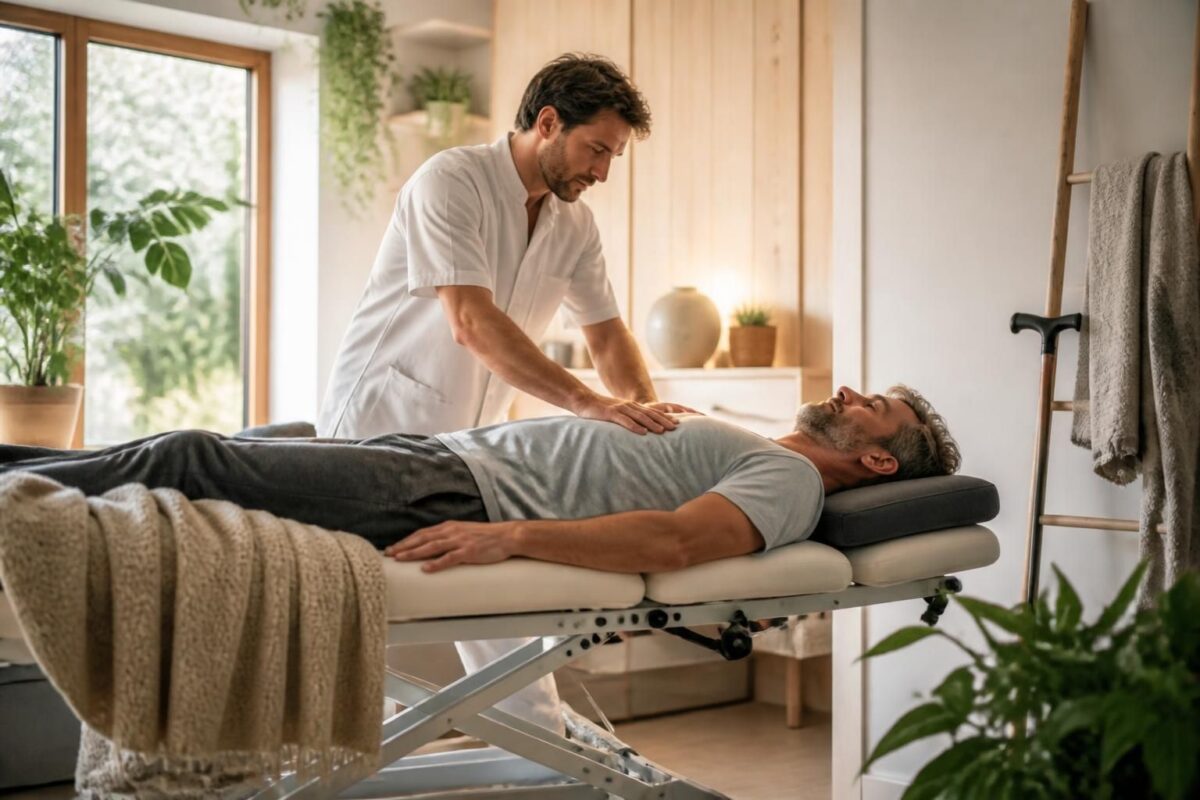
Why Osteopathy Is Essential For Recovery People
In short In short, Osteopathy in convalescence is an approach manual and holistic which helps to accelerate the recovery by restoring The balance, the mobility and a good circulation fabrics. it contributes to Reduce the pain, support the Back to…

Osteopathic manipulations to strengthen post-traumatic muscles
In short In short, Osteopathic manipulations for Strengthen post-traumatic muscles constitute a gentle manual approach aimed at restoring the mobility, reduce the pain and facilitate the Functional rehabilitation After a injury. What is Is it? A series of precise gestures…
A personalized and non-invasive journey
Each session begins with a precise interrogation and careful palpation to target the areas to be released. The techniques used are gentle and adapted to everyone, without unnecessary pain. The treatment can include delicate manipulations, mobilizations and advice on postures and daily gestures. You often feel a gradual improvement, supported by better mobility and reduced tensions.

Osteopathy and prevention of work-related musculoskeletal disorders
In short theosteopathy is one Manual approach that restores body balance and prevents MSD related to work. Its advantages: reduction of tension, improvement of mobility and prevention of chronic pain. She is preventive and healing, suitable for office and trades…

The benefits of osteopathy to treat muscle imbalances
In short theosteopathy is a manual approach to restore themuscle harmony and postural considering the body as a whole. Its main benefits include the reduction of aches and tensions, the improvement of the mobility and from the posture, and prevention…
Sustainable benefits and effective prevention
By restoring the Tissue mobility And by soothing tensions, osteopathy can reduce the risk of recurrence and improve the quality of life. It promotes better posture, freer breathing and better quality sleep, which directly contributes to the reduction of chronic pain. In addition, osteopathy is part of a prevention approach, by detecting early areas likely to become blocked and by offering simple adjustments to make on a daily basis.
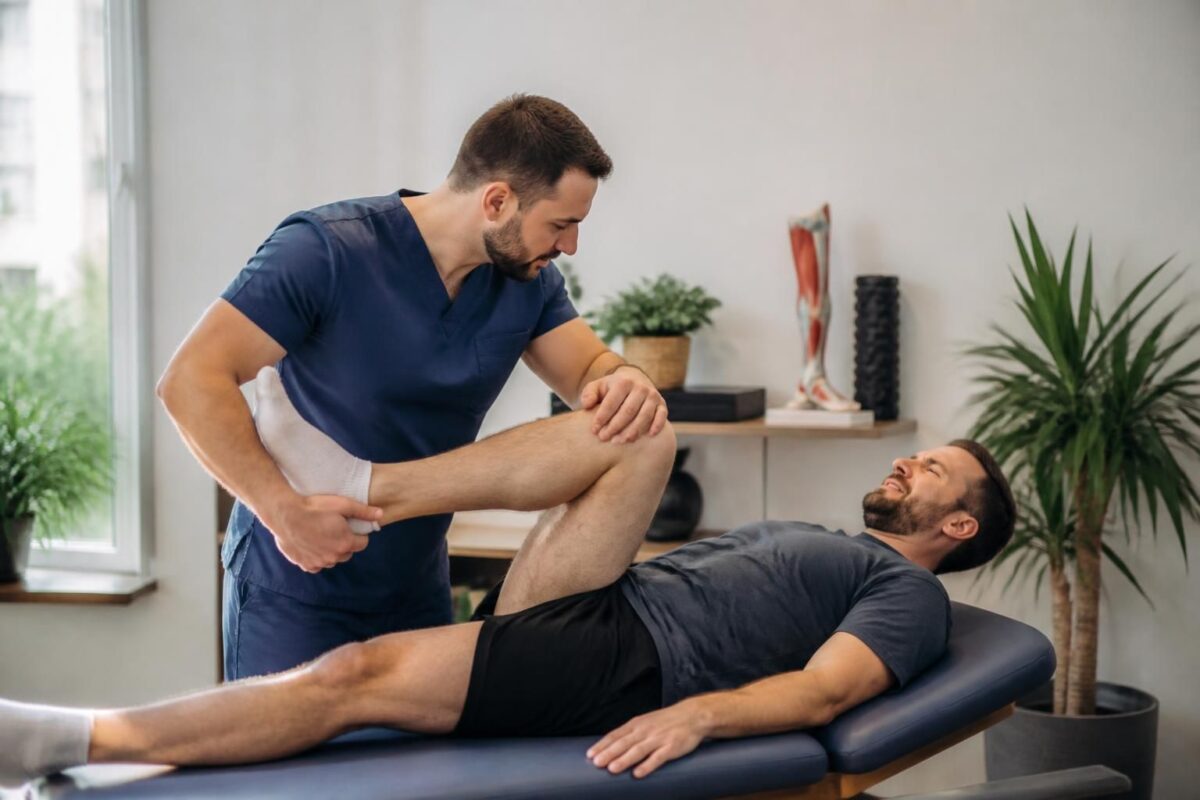
Osteopathy and chronic leg pain: regaining an optimal quality of life
In short In short, Osteopathy is one Global manual approach aimed at reducing Chronic leg pain and improve the quality of life. What is it? Non-drug therapy using the hands to identify restrictions and treat lesional chains. How does it…
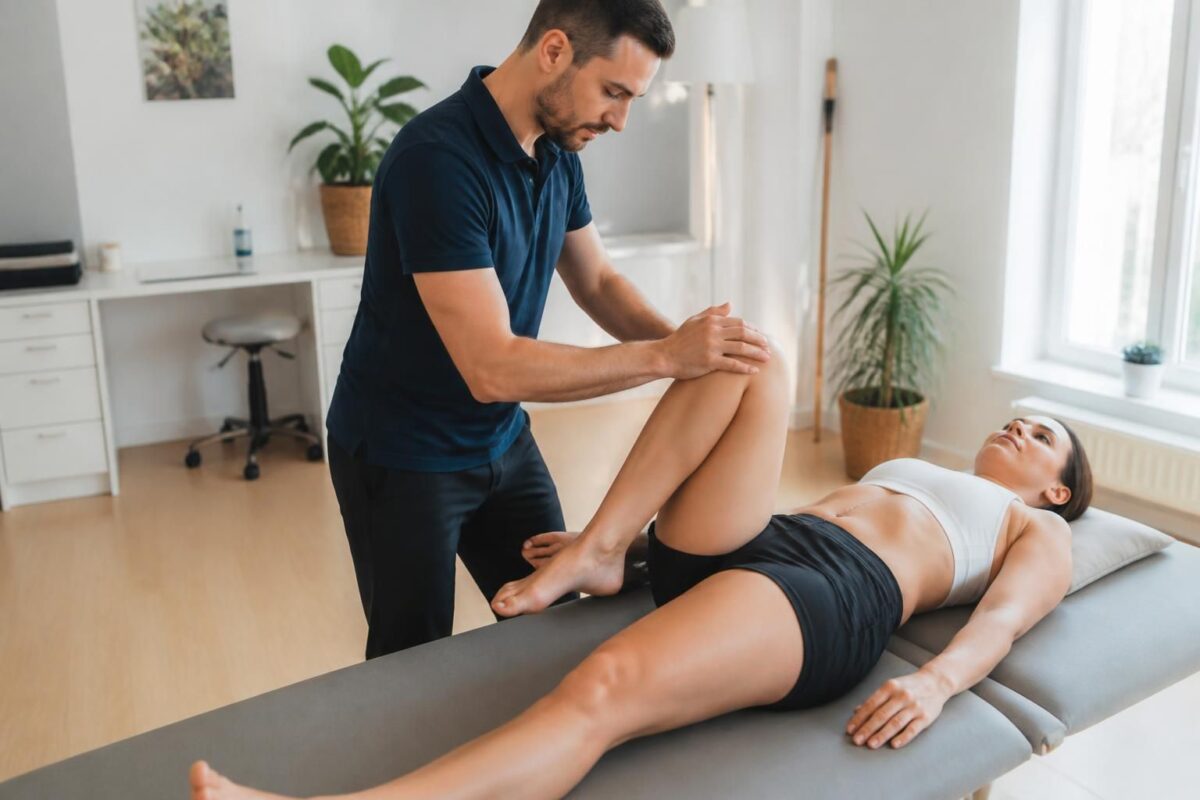
How osteopathy supports recovery after complex surgery
In short In short, Post-operative osteopathy is an approach fresh which supports the recovery After a Complex surgery. It helps to reduce the pain and the fatigue, improves the mobility and accelerates the healing thanks to a better vascularization and…
How to choose your osteopath and what to expect
To optimize the results, favor a practitioner with the title recognized and with solid training. An effective first consultation is based on listening, explaining the objectives of the care and a clear diagnosis. Expect personalized support, with explanations of the technical choices and the expected benefits. The goal is to make you an actor of your pain by giving you concrete tools to maintain the result between the sessions.
| Aspect | concise text |
|---|---|
| Global approach | Treats the body as a whole to identify and correct the root causes of chronic pain. |
| Softness and security | Non-invasive manual interventions, with little risk and few side effects. |
| Efficiency and sustainability | Sustainably reduces tension and improves mobility. |
| Personalization | Path adapted to each patient and his story of pain. |
| Improving mobility | Restores natural movements and daily activities. |
| Prevention of recurrences | Promotes functional balance and relapse prevention. |
| Not dependent on drugs | May reduce the use of drug treatments for pain. |
| Collaboration | Accepts and coordinates with other treatments and professionals. |
| Comfort and safety | Design of care focused on patient well-being and comfort. |
| Accessibility and cost | Integrated into a care routine with variable costs depending on the framework. |
Testimonials: Why osteopathy is a wise choice to treat chronic pain
“After years of Lower back pain, theosteopathy helped me find a real mobility and reduce my Chronic pain. — Laura, 46 years old
“I enjoyed the Personalized sessions, thelistening and the Sustainable results. We feel that the body is taken into account as a whole and not only the painful area. — Thomas, 52 years old
“TheGlobal approach allowed me to understand the causes rather than mask the pain. Since then, my tensions have eased and my quality of life has improved. — Camille, 34 years old
“The fact that the treatments act on the whole body helped me less depend on pharmaceuticals and better manage my crises. — Antoine, 59 years old
“For an athlete, osteopathy has facilitated the recovery and warned the injuries. I appreciate the advice to maintain the progress between the sessions. — Nina, 28
“It is a treatment that respects the body rhythm And which often acts without pain, with visible and progressive results. — Marc, 63
Dr Sylvain Desforges is osteopath, also specialist in naturotherapy and in manual medicine. as Founding President of Tagmed and theACMA Association, it coordinates a multidisciplinary approach focused on innovation in health and the continuous improvement of therapeutic approaches. His work is part of a desire to propose concrete and measurable solutions for people suffering from Chronic pain.
To understand why theosteopathy is a relevant choice, the body must be seen as an interdependent system where each dysfunction can disturb the whole. The approach is based on Tissue mobility, the release of tensions and the restoration of movement, rather than on the simple eradication of symptoms. This philosophy, centered on movement and physiology, makes it possible to act on the root causes of pain and to avoid aggressive treatments when it is not necessary.
Osteopathic medicine favors an approach non-invasive and personalized. Each session begins with a precise interrogation and palpatory tests which make it possible to locate the areas of dysfunction and to define an adapted intervention plan. Rather than imposing a single technique, the practitioner chooses from various manual gestures, ranging from gentle manipulations to targeted mobilizations, in order to rebalance the muscle chains and the relationships between the tissues.
As part of its commitment to thescientific evidence, Dr. Desforges integrates relevant tools and technologies when it is useful. It can combine osteopathic techniques with cutting-edge approaches like the Motorized spinal decompression, treatments at laser and the sessions of Shockwave therapy, in order to improve recovery, reduce pain and increase patient mobility. This therapeutic synergy is designed to optimize the results while remaining centered on the patient and his comfort.
Benefits observed in patients with chronic pain include a Improving mobility, a gradual reduction in pain, and a better ability to resume daily activities. By acting on tensions, stiffness and postural imbalances, osteopathy can also reduce the need for certain drugs and promote better quality of sleep and overall functioning.
Beyond immediate relief, the objective is to support everyone in a sustainable approach to prevention and of Sustainable well-being. Dr. Desforges advocates listening to the body, lifestyle advice and beneficial recurrence strategies in the long term, in order to prevent recurrences and promote a more active and serene life despite the pain.
To discover the approach and services offered by Dr. Sylvain Desforges, and to consider treatment adapted to your situation, contact the firm TagMed and benefit from results oriented and sustainable well-being.
This quick summary recalls that theosteopathy is a reliable option for Chronic pain By acting on the mobility tissues and on the balance of the body, with an approach holistic and non-invasive. The sessions are Custom and focused on cause rather than on the simple symptom, which can sustainably improve the quality of life and the Physical function. To learn more, you can check out these resources: Importance for Sustainable Health and Recommendations for muscle pain.
By choosing theosteopathy for the Chronic pain, you opt for a Global rehabilitation who seeks to restore the mobility and restore the balance of the body systems by Soft manual techniques. Rather than treating only the symptom, this approach aims to root cause imbalance, which can lead to Lasting pain reduction and better daily mobility.
Profits are often measured by a Improved quality of life, a decrease in recurrent pain and a better ability to practice appropriate physical activity. This method is non-invasive and can be used as a complementary treatment to other medical approaches, while favoring a gradual reduction in drug addictions when possible, as many specialized resources point out.
This approach is suitable for various profiles, from active adults to seniors, and can be adjusted according to the context of each person – low back pain, neck pain, sciatica, functional disorders and even certain visceral or postural disorders. For people looking for support at pivotal events (pregnancy, sports recovery, periods of acute or chronic pain), osteopathy offers an appropriate and secure response.
To optimize the results, favor a consultation with a qualified and recognized osteopath, carry out the proposed plan on a regular basis and combine the sessions with adapted physical activities and a favorable lifestyle. Complementary resources help deepen the understanding of the mechanisms and the lasting impact of osteopathy on chronic pain: Osteopathy and sustainable health, Muscle pain, and Chronic pain.

Dr Sylvain Desforges, B.Sc., D.O., N.D., osteopath, is the founding president of TAGMED and of the ACMA association. He dedicates his practice to chronic spinal pain, low back pain and symptoms compatible with sciatica, particularly when pain radiates toward the buttock, leg, calf, foot or toes.
Through SOS Sciatique, he publishes educational content on sciatica symptoms, possible causes such as disc herniation, disc narrowing, foraminal stenosis or irritation of a lumbar nerve root, as well as non-surgical approaches that may be considered according to the evaluation. At Clinique TAGMED, care may include, depending on the case, motorized neurovertebral decompression, specific osteopathic care or precision percussion.
For an evaluation related to sciatica treatment in Montreal / Mount Royal or sciatica treatment in Terrebonne, please consult the services available at Clinique TAGMED.
Medical disclaimer
The information published on SOS Sciatique is provided for educational purposes only and does not replace a consultation, diagnosis, opinion or treatment provided by a physician or another authorized healthcare professional. The author of this article is neither a medical doctor nor a specialist in a medical specialty recognized by the Collège des médecins du Québec. The osteopathic, manual medicine or functional support approaches described on this site do not constitute medical acts and are not intended to replace medical follow-up.
Consult a physician or emergency service in cases of loss of bladder or bowel control, anesthesia in the saddle area, significant or progressive weakness in the leg or foot, fever, recent trauma, severe pain or rapid worsening of symptoms. For more details, please read our Legal Notice.