Osteopathy and post-traumatic rehabilitation: additional treatment
27/06/2026
Osteopathic approaches to strengthen muscles weakened by an injury
27/06/2026
In short
| In short, theosteopathy is a manual approach that optimizes the mobility and body balance for High level athletes. What is it? a global discipline that deals with joint restrictions and muscle tension to improve the performance. Advantages: prevention injuries, recovery accelerated, better coordination and mobility sustainable. How does it work? Gentle manipulations, myofascial relaxation and personalized follow-up in training. In Montreal, this service is particularly recommended for athletes who want to optimize their performance and reduce the risk of injury. |
For the High level athletes, osteopathy is not only a one-time treatment: it is a Strategic leverage which Optimizes joint mobility, correct them Musculoskeletal imbalances and prepares the body for effort. Thanks to targeted manual techniques, it improves theAmplitude of gestures, reduces tension and accelerates the recovery after training or competition.
She also acts in prevention injuries by identifying sensitive areas and rebalancing muscle chains and posture, extending the career and supporting the performance. Finally, it improves the coordination and the precision movements while limiting the fatigue, making osteopathy a key partner in training and competitive recovery to aim for excellence.
This summary presents why Osteopathy is essential for High level athletes. She shows how mobility, prevention injuries and recovery sustainably support the performance. She also emphasizes the importance of a comprehensive and coordinated approach with other care.
Improved mobility and efficiency of the gesture
The Joint mobility is the basis of the technical gesture. theosteopathy Uses targeted manipulations to release joints and reduce tension. This work restores an optimal amplitude and allows more precise and less tiring gestures. For example, in the fast athlete, adjustments to the hips and ankles can support a smoother and more effective stride, while limiting the stresses on the neighboring muscles.
Injury prevention and balance
The Musculoskeletal imbalances increase the risk of injury. Osteopathy identifies these imbalances and corrects them by working on muscle chains and posture. This improves thebalance and the coordination, and reduce fatigue associated with intensive training. The athlete enjoys a more stable maintenance during load cycles and competitions.
Sport recovery and re-entry
After exercise or an overload period, osteopathy supports recovery. Lymphatic drainage and muscle relaxation promote tissue repair and decrease in post-exercise pain. Improving blood circulation facilitates the transport of nutrients and the elimination of metabolic waste. The return to training is done more quickly and safely, with a lower probability of recurrence.
Global approach and collaboration
Osteopathy is part of a Global approach performance. It is associated with nutrition, rest and medical support for coordinated care. Professional organizations like ACMA and recognized training (NUMSS, NAO, National University of Medical Sciences, National Academy of osteopathy) strengthen the expertise and safety of interventions. For the athlete, this means a clear, multidisciplinary strategy focused on efficiency and sustainability.
Practical integration into an athlete’s program
The sessions ofosteopathy are part of sports planning. They adapt to the competition schedule and training cycles. The osteopath assesses needs and adjusts treatments accordingly. To learn more, check out the following resources: Preventive osteopathy and Sports recovery, which illustrate its role in sustainable performance. For athletes, alignment with specialized training programs is facilitated by recognized institutions such as NUMSS, NAO, National University of Medical Sciences and National Academy of Osteopathy.
Additional resources highlight the link between osteopathy and performance, and underline the importance of a preventive approach to athletes exposed to repeated loads. See in particular the resources available on losteopathy-to-prevent and recovery-sports.
To deepen training and practice aspects, institutions such as NUMSS, NAO, National University of Medical Sciences and National Academy of Osteopathy support the expertise and safety of osteopathic care.
Additional resources can be viewed on Tagmed Clinic and specialized publications available via SOS SCIATIC.
In addition, osteopathy contributes to the reduction of physical and mental stress linked to high performance, by promoting muscle relaxation, breathing and better management of training loads. This approach supports a Sustainable performance and sports longevity.
Medical Disclaimer: The information and advice provided on this site does not replace the health professional’s diagnosis or treatment. Please note that Dr. Sylvain Desforges osteopath is neither a doctor of medicine nor a doctor, and is not a specialist in a medical specialty as defined by the Collège des Médecins du Québec. Manual medicine, functional medicine and sports medicine as described on this site exclude any medical treatment or diagnosis made by a doctor or specialist doctor. Always consult your doctor for any medical questions. For more details, please read our full legal notice. »
- Mobility Increased for friction-free technical gestures
- Posture Optimized to prevent overload and pain
- Prevention Injuries by early detection of imbalances
- Recovery Faster thanks to drainage and muscle relaxation
- Energy better distributed by improved circulation
- Performance Reinforced by neuromuscular harmony
- Confidence in the execution of gestures under pressure
- Endurance sustained thanks to metabolic efficacy
- Planning Adapted: regular follow-up and protocol customization
- Reduction of Chronic pain and overloads

For elite athletes, every move is an opportunity and every failure can cost a place on the podium. Osteopathy offers a global, proactive and personalized approach that improves mobility, warns the injuries and accelerate the Back to training. This article explains the reasons why this discipline becomes essential in the preparation of elite athletes.
Performance and mobility: the basis of excellence
At the heart of the performance, the fluidity of the gestures depends on well-balanced musculoskeletal chains and a stable posture. Osteopathy considers the body as a whole and aims to restore a mobility Harmonious articular while correcting the imbalances that slow down the technique and exhaust the energy. By working on joints, fascias and muscle tension, it facilitates more precise and effective gestures.
Mobility and fluidity of gestures
Through targeted and gentle manipulations, osteopathy improves the range of essential movements (ankles, hips, shoulders). The direct result is better technique, reduced fatigue due to compensation and increased ability to maintain intensity over long periods of trial.
Balance and coordination
Correction of postural imbalances optimizes support, stability and neuromuscular synchronization. This coordination Affinated results in better gesture efficiency, more reliable load management and faster recovery after exercise.

How osteopathy improves the quality of life of active people
In short In short, theosteopathy is a global approach that Optimizes mobility and the function of the body of ACTIVE PEOPLE, for a better quality of life. It helps prevent injury and reduce Musculoskeletal pain While promoting the Sports recovery.…

Osteopathy and sports recovery: prepare the body for lasting performance
In short In short, Osteopathy and Sports recovery is one Global manual approach that sustainably prepares the body for the effort by restoring mobility and circulation After the effort. It is a discipline that acts on the sinews, the joints,…
Injury Prevention and Sports Longevity
High-level athletes are exposed to repeated overloads and microtraumas. The osteopathic evaluation makes it possible to identify the sensitive areas and the tension patterns before they evolve into a major injury. This proactive approach is part of a strategy for prevention sustainable.
Identification of vulnerabilities
Muscle imbalances, movement restrictions and joint tension not visible to the naked eye can compromise the technique and increase the risk of injury. Quickly detected, these vulnerabilities can be corrected by targeted exercises and manual adjustments adapted to the sport practiced.
Preventive measures and follow-up plan
Specific warm-ups, myofascial relaxation, and gentle mobilizations are part of a regular program. Customizable tracking enables protocols to be adapted based on training cycles, competitions and recovery phases, thus maximizing overload and tendinopathy protection.
Why Osteopathy Is Essential For Recovery People
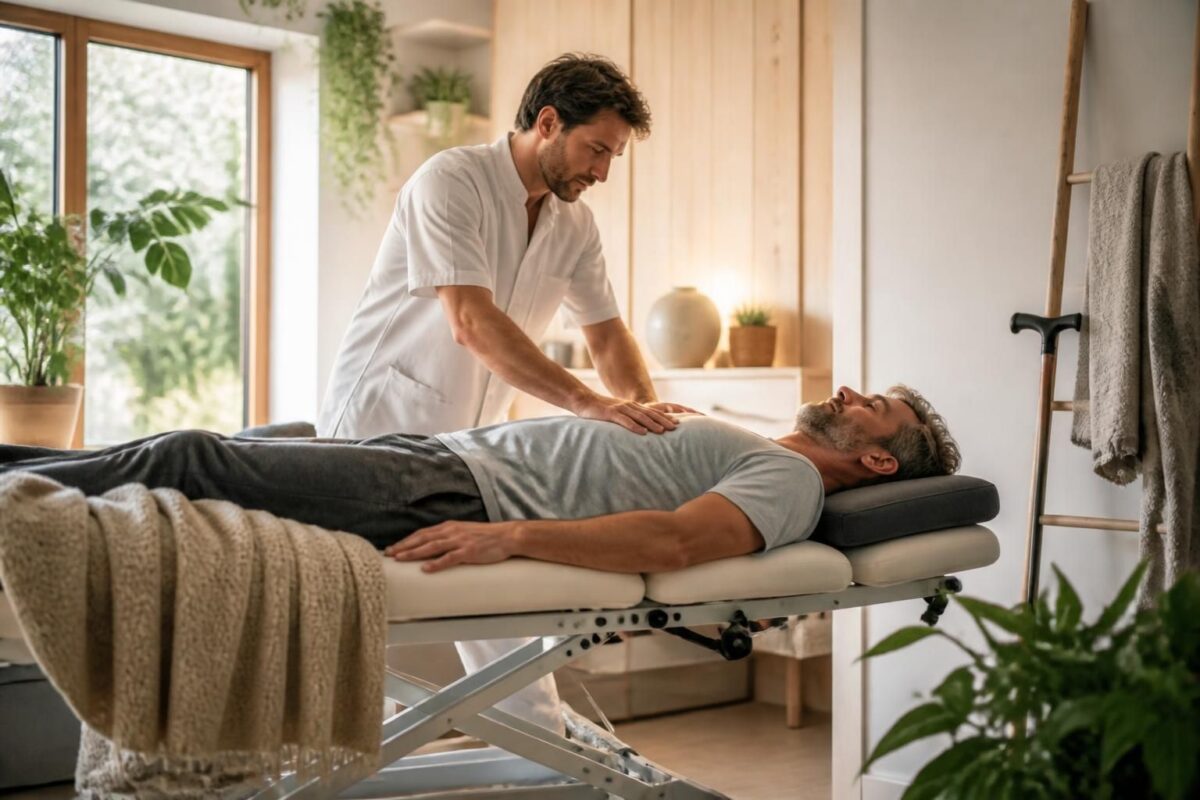
In short In short, Osteopathy in convalescence is an approach manual and holistic which helps to accelerate the recovery by restoring The balance, the mobility and a good circulation fabrics. it contributes to Reduce the pain, support the Back to…

Osteopathic manipulations to strengthen post-traumatic muscles
In short In short, Osteopathic manipulations for Strengthen post-traumatic muscles constitute a gentle manual approach aimed at restoring the mobility, reduce the pain and facilitate the Functional rehabilitation After a injury. What is Is it? A series of precise gestures…
Recovery and quick return to training
When an athlete recovers from an intense effort or minor injury, the goal is an optimal return without relapse. Osteopathy acts on recovery By stimulating blood circulation and lymphatic drainage, promoting muscle relaxation and modulating local inflammation.
Circulation stimulation and lymphatic drainage
Dedicated techniques accelerate the supply of essential nutrients and facilitate the evacuation of metabolic waste, reducing aches and downtime.
Pain and stress management
Reducing tension, improving breathing and general relaxation contributes to reducing the perception of pain and stress associated with competition, preparing the body to resume training with better exertion tolerance.

Osteopathy and prevention of work-related musculoskeletal disorders
In short theosteopathy is one Manual approach that restores body balance and prevents MSD related to work. Its advantages: reduction of tension, improvement of mobility and prevention of chronic pain. She is preventive and healing, suitable for office and trades…

The benefits of osteopathy to treat muscle imbalances
In short theosteopathy is a manual approach to restore themuscle harmony and postural considering the body as a whole. Its main benefits include the reduction of aches and tensions, the improvement of the mobility and from the posture, and prevention…
Synergy with nutrition and training strategies
An integrated approach combines nutrition Adapted and osteopathic care to optimize recovery and performance. Sufficient protein intake, anti-inflammatory lipids and adequate hydration support muscle repair and recovery processes when the body benefits from improved drainage and circulation.
Osteopathy and chronic leg pain: regaining an optimal quality of life
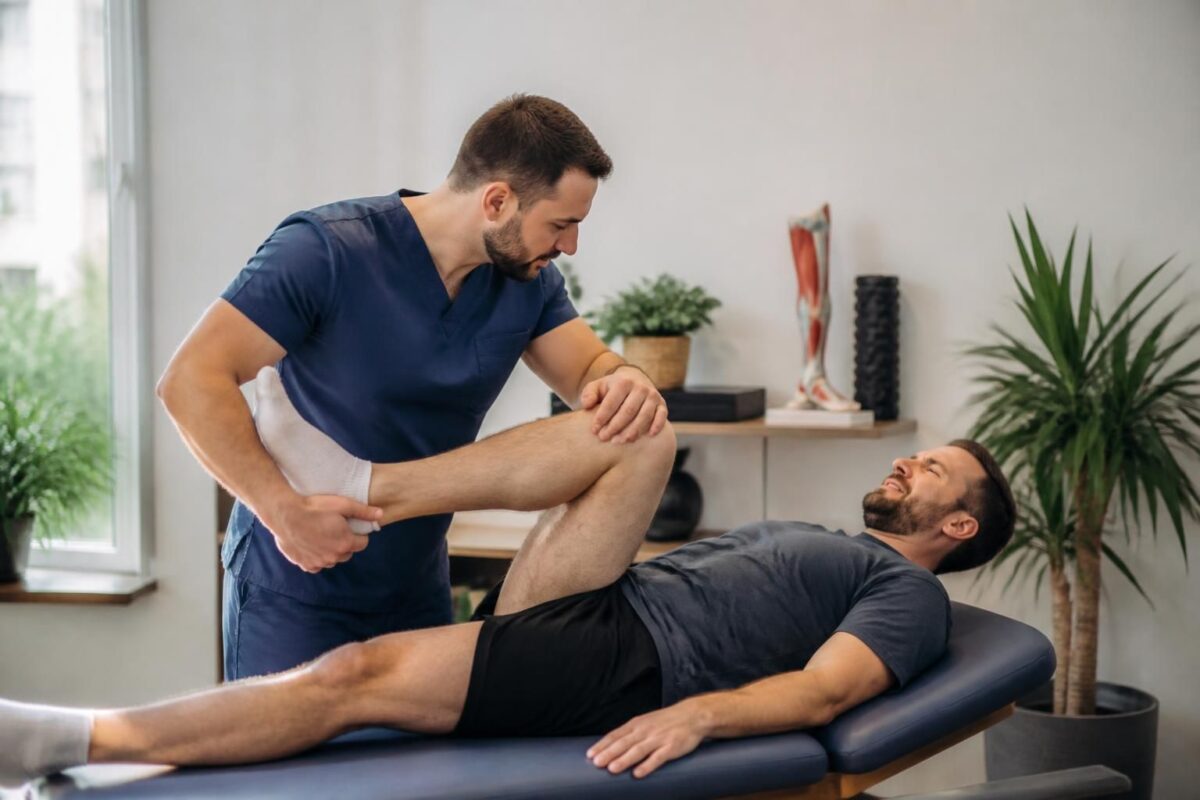
In short In short, Osteopathy is one Global manual approach aimed at reducing Chronic leg pain and improve the quality of life. What is it? Non-drug therapy using the hands to identify restrictions and treat lesional chains. How does it…
How osteopathy supports recovery after complex surgery
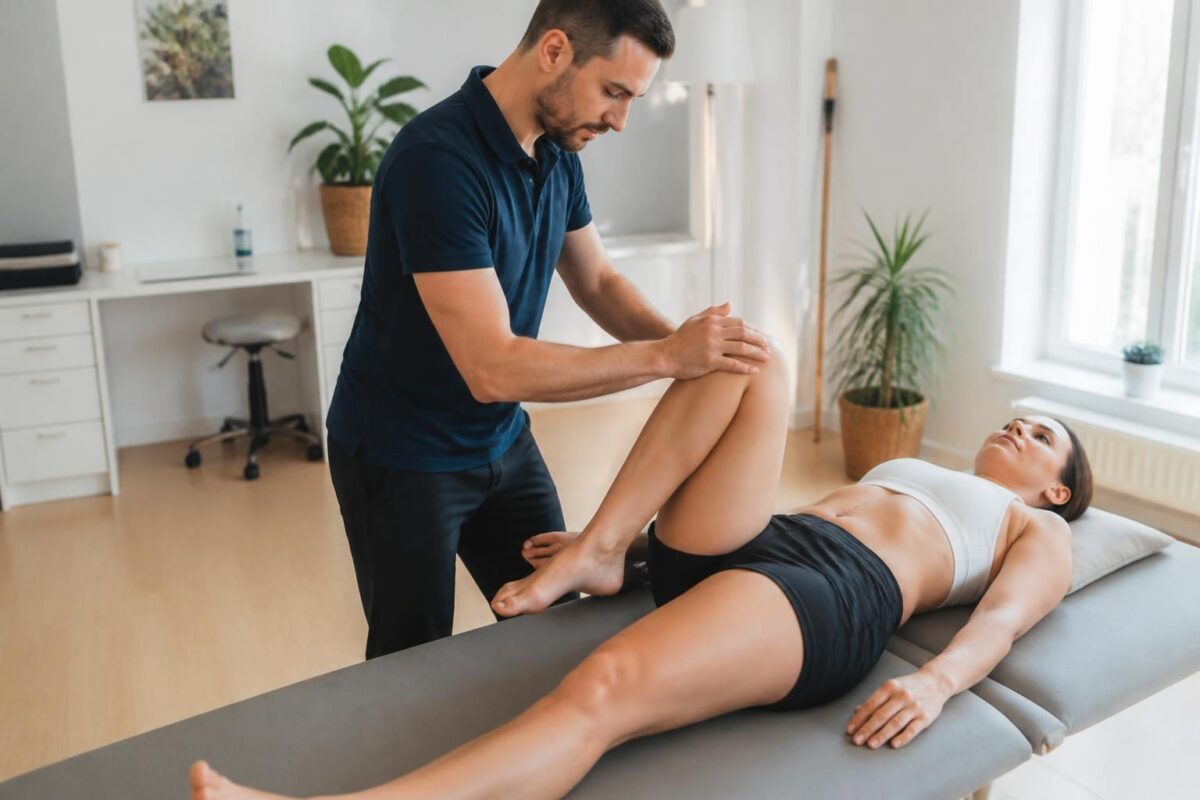
In short In short, Post-operative osteopathy is an approach fresh which supports the recovery After a Complex surgery. It helps to reduce the pain and the fatigue, improves the mobility and accelerates the healing thanks to a better vascularization and…
Practical applications and action plan
For high-level athletes, osteopathy is part of a coordinated schedule with coaches, physiotherapists and nutritionists. Regular consultations, adapted to the sports calendar, make it possible to prevent loss of performance and optimize the kinesthetic potential. Exercises at home reinforce and preserve the gains obtained during professional sessions.
| Key axes | Concise impact |
|---|---|
| Joint mobility | Improves the fluidity gestures and reduces blockages, increasing technical efficiency. |
| Injury prevention | Reduces the risks of overload and recurrent pathologies thanks to the early identification of tensions. |
| Recovery and return to training | Accelerates recovery by promoting drainage and muscle relaxation, for faster return. |
| Postural balance | Corrects imbalances to prevent pain and optimize endurance and stability. |
| Coordination and Neuromuscular Timing | Improves the accuracy and speed of gestures and motor reflexes. |
| Exercise tolerance and pain management | Reduces tension and pain, allowing sustained training loads. |
| Sport-specific preparation | Adapts the techniques to the requirements specific to each discipline and game position. |
| Active recovery and drainage | Promotes lymphatic drainage and muscle relaxation for a quick return to action. |
| Personalized program and follow-up | Adapted and regular plan to maximize gains and prevent recurrences. |
Testimonials: Why osteopathy is essential for top athletes
Since I joined theosteopathy At my follow-up, my mobility and my precision on the ground have improved significantly. Targeted manual techniques work on the joint chains and correct the imbalances that limit my technical gestures, allowing me to achieve more constant performance.
As a sprinter, theosteopathy allowed me to increase stride amplitude and prevent injuries. The work on the posture And tensions around the ankles and hips directly impacted my performance, while reducing post-session fatigue.
For a team sports athlete, such as football or basketball, osteopathy helps maintain the balance of muscle chains, which improves coordination and facilitates recovery after matches, even during high load periods.
In swimming, the recovery is crucial. Osteopathy promotes lymphatic drainage, the release of tensions and the improvement of circulation, allowing me to come back stronger and more quickly in the session.
During intensive training cycles, I value regular follow-up. Osteopathy offers personalized adjustments that prevent overload and tendonitis, while maintaining a performance high and a resilience sustainable.
In the competitive sporting arena, performance are not only earned on training but also on the ability of the body to function in harmony. theosteopathy offers a global approach, centered on the vision of the body as a whole, to optimize mobility, prevent injuries and accelerate recovery. By integrating precise manual methods with an evidence-based approach, it stands out as an essential pillar of the follow-up of athletes aspiring to excellence.
At the heart of the osteopathic approach is special attention to the mobility and at thePostural balance. By working on joint chains and musculoskeletal imbalances, osteopathy allows to release areas of tension that slow down technique and power. For a sprinter, this can result in increased hip and ankle amplitude; For a tennis player, by better stability of the shoulders and wrists. These adjustments, far from being anecdotal, reinforce the fluidity of the gestures and the ability to maintain an effective technique under fatigue.
The prevention Another major asset is injuries. High-level athletes are exposed to high loads and repetitive motion patterns that can generate microtraumas. Osteopathy makes it possible to detect and correct imbalances, restore a balanced posture and prepare the body for the effort. By acting upstream, it reduces the risk of tendinopathy, sprains and chronic pain, and helps to preserve sports longevity.
In terms of recovery, osteopathy plays a key role for a quick and safe return to training. Lymphatic drainage and myofascial release accelerate the evacuation of metabolic waste and reduce post-effort inflammation. Targeted manipulations promote better blood circulation and improve tissue repair. Result: shorter re-adaptation phases and reduced post-training pain, even after demanding competitions.
Beyond manual techniques, modern osteopathy is part of an interdisciplinary logic. Athletes benefit from coordinated work with performance professionals, from physiotherapists to nutritionists, in order to obtain an integrated and personalized program. This collaboration makes it possible to follow the evolution of the athlete in the long term, to adjust the training costs and to adapt the osteopathic interventions according to the competitive schedule and the specific objectives.
Technological tools complement osteopathic intervention when relevant. complementary approaches, such as spinal decompression, treatments with laser and shockwave therapies, can be integrated in a targeted way to optimize results. These Advanced technologies Do not replace expert touch, but they enhance the impact on mobility, pain and recovery.
For athletes looking forExcellency, the registration of theosteopathy in their sporting journey offers a reliable path to a better performance sustainable. By harmonizing the functioning of the body and supporting natural repair processes, it helps to achieve performance levels that not only respond to the quest for speed and power, but also to lasting well-being.
In summary, Osteopathy is much more than a one-time treatment for high-level athletes. It acts as a global lever that optimizes mobility, warns the wounds, accelerate the recovery and sustainably supports the performance, regardless of the disciplines practiced.
Mobility and fluidity of the gestures constitute the basis of any technical performance. thanks to Joint manipulations, a Myofascial relaxation and an gentle mobilization, osteopathy restores and optimizes amplitude of movement, favoring a more precise and less expensive execution on the energetic level – whether in racing, tennis or team sports.
Prevention and correction of muscle imbalances play a central role in sports longevity. By identifying areas of tension and unbalanced muscle chains, the osteopath acts upstream to reduce overload and risk of chronic injury, allowing the athlete to maintain a high level of training without prolonged interruptions.
Recovery and return to effort occupy a crucial place in the performance cycle. Lymphatic drainage, muscle relaxation and circulation stimulation promote faster recovery, decreasing body aches and speeding up the reathletics phase after intensive sessions or injuries, while limiting the risk of Recurrence.
Beyond the occasional intervention, osteopathy is part of a strategy multidisciplinary Where collaboration with physiotherapists, nutritionists and coaches makes it possible to optimize every aspect of the athlete’s journey. This integrated approach ensures continuous adaptation of the training and recovery plan according to the constraints specific to each discipline and each competition period.
For lasting results, it is recommended to unite Regular sessions and a program of adapted exercises at home. Targeted routines reinforce the gains obtained in the office and prolong the beneficial effects on mobility, posture and coordination.
To further this topic, you can consult resources that detail the positive impact of osteopathy on performance and injury prevention: Osteopathy and mobility — Improving the quality of daily life, Why do top athletes trust osteopathy?, Osteopathy and sports performance.

Dr Sylvain Desforges, B.Sc., D.O., N.D., osteopath, is the founding president of TAGMED and of the ACMA association. He dedicates his practice to chronic spinal pain, low back pain and symptoms compatible with sciatica, particularly when pain radiates toward the buttock, leg, calf, foot or toes.
Through SOS Sciatique, he publishes educational content on sciatica symptoms, possible causes such as disc herniation, disc narrowing, foraminal stenosis or irritation of a lumbar nerve root, as well as non-surgical approaches that may be considered according to the evaluation. At Clinique TAGMED, care may include, depending on the case, motorized neurovertebral decompression, specific osteopathic care or precision percussion.
For an evaluation related to sciatica treatment in Montreal / Mount Royal or sciatica treatment in Terrebonne, please consult the services available at Clinique TAGMED.
Medical disclaimer
The information published on SOS Sciatique is provided for educational purposes only and does not replace a consultation, diagnosis, opinion or treatment provided by a physician or another authorized healthcare professional. The author of this article is neither a medical doctor nor a specialist in a medical specialty recognized by the Collège des médecins du Québec. The osteopathic, manual medicine or functional support approaches described on this site do not constitute medical acts and are not intended to replace medical follow-up.
Consult a physician or emergency service in cases of loss of bladder or bowel control, anesthesia in the saddle area, significant or progressive weakness in the leg or foot, fever, recent trauma, severe pain or rapid worsening of symptoms. For more details, please read our Legal Notice.