Sciatica and pain that starts from the lower back to the leg
28/07/2026
Sciatic pain in Montreal: how to avoid hasty decisions
29/07/2026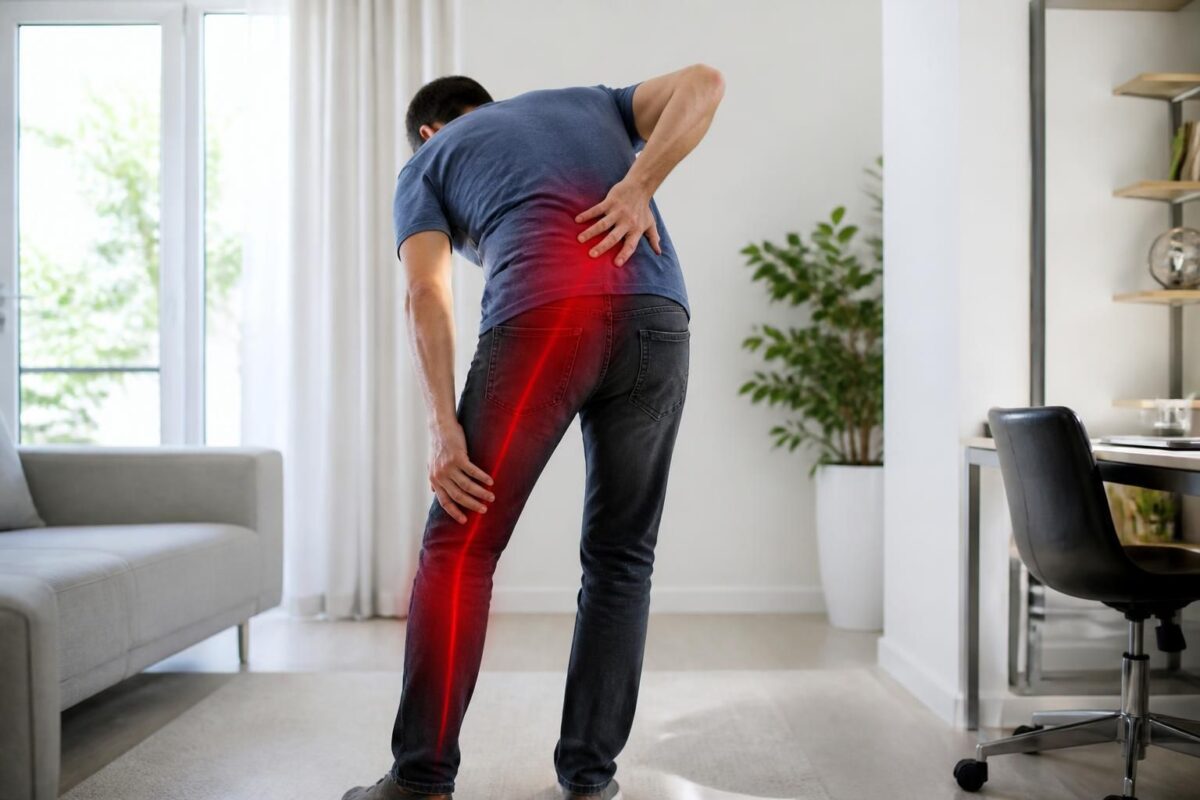
IN BRIEF
|
Sciatica is pain that follows the path of the sciatic nerve and can stem from mechanical causes (herniated disc, foraminal stenosis, lumbar osteoarthritis) or nerve inflammation irritating a lumbar root (L5/S1). This can manifest as pain radiating to the buttock and leg, sometimes with tingling or weakness. Benefits: clear and quick diagnosis, graduated and multidisciplinary care pathway, and non-surgical options that reduce pain and restore mobility. How it works: an assessment identifies the origin, then treatment prioritizes appropriate activity, physiotherapy, and anti-inflammatories; depending on the case, injections or rare surgery may be considered. In Montreal, this framework facilitates access to specialized care and effective conservative solutions. |
Sciatica refers to pain that follows the path of the sciatic nerve and can have two main origins: mechanical causes and nerve inflammation.
- Mechanical causes: lumbar herniated disc (often L5-S1), foraminal or central stenosis, lumbar osteoarthritis.
- Nerve inflammation: irritation/compression of a lumbar root leading to radiculopathy, with pain radiating along the nerve and sometimes paresthesia or weakness.
Rapid management: appropriate activity, physiotherapy, and anti-inflammatory treatments; non-surgical options are prioritized, with surgery remaining exceptional.
This sheet written by a healthcare professional and expert clarifies the two main origins of sciatica: mechanical causes and nerve inflammation. It describes how to distinguish them, what each mechanism means, and which management steps to prioritize. The therapeutic framework favors non-surgical approaches when possible, with specific options available within TAGMED.
Mechanical Causes
Common mechanical causes include a lumbar herniated disc (often around L5-S1 or L4-L5) and narrowing of the passages through which the nerve passes. Osteoarthritis and disc degeneration may also play a role. These mechanisms reduce the space around the nerve and trigger pain that may radiate along the nerve path. Specialized resources on the mechanical aspects of sciatica are available at sossciatique.com.
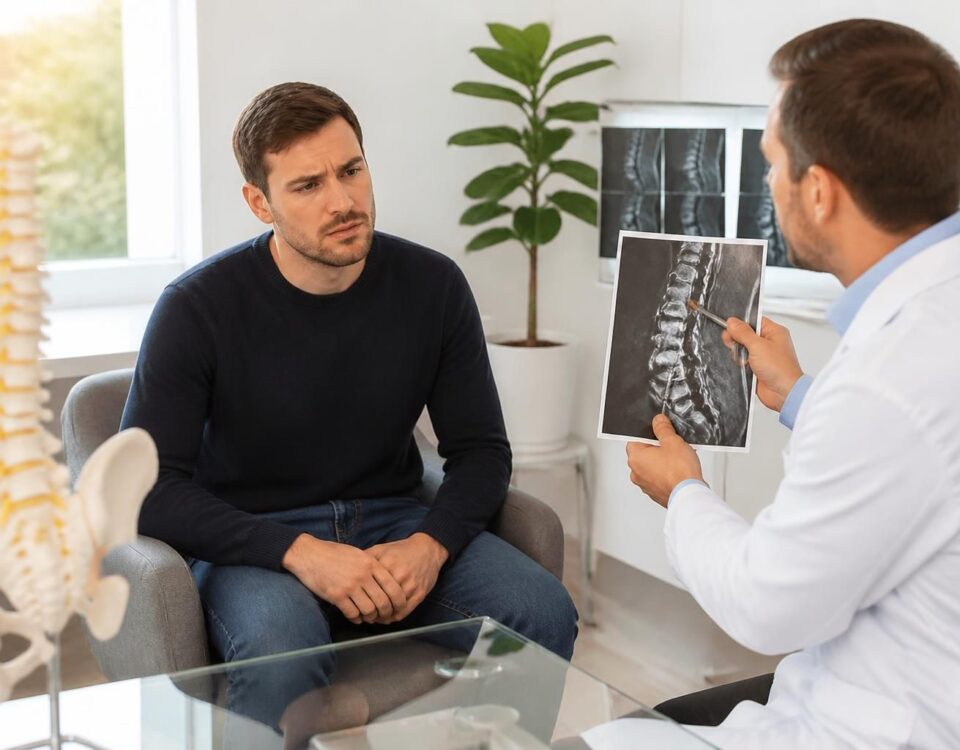
Signs of mechanical origin are generally localized in the lower back or around the spine, and pain may worsen with movement. In some cases, associated pain may appear in the buttock or thigh without exactly following the classic radicular path. To understand the contexts and distinctions, you can consult dedicated resources at Le Traumato and at sossciatique.com.
For clinical support in this context, turning to TAGMED clinic and the associated team can help define an appropriate management plan without consistently resorting to surgery. Initially, appropriate activity and non-surgical options available in Montreal and Terrebonne through Clinique TAGMED are prioritized.
Nerve Inflammation (Radiculopathy)
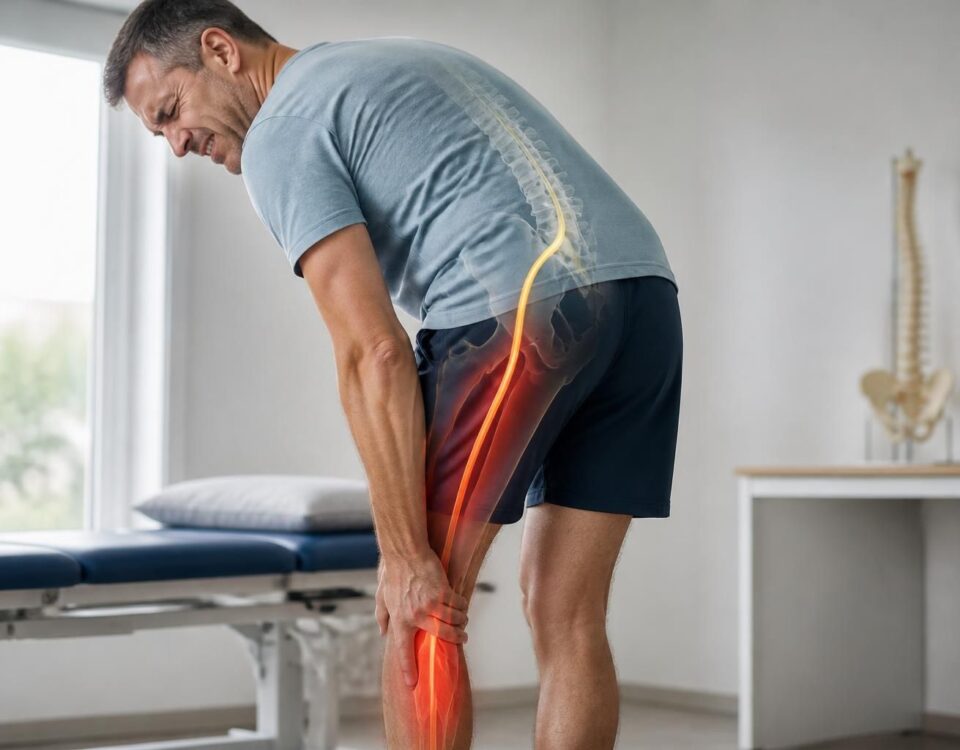
Nerve inflammation occurs when the sciatic nerve or its lumbar roots are irritated or compressed. The sciatic nerve originates around L4 to S3 and travels towards the buttock, back of the thigh, and leg. This irritation produces nerve pain that follows the path of the nerve, often described as an electric shock or sharp pain. Tingling, numbness, and weakness may accompany the pain.
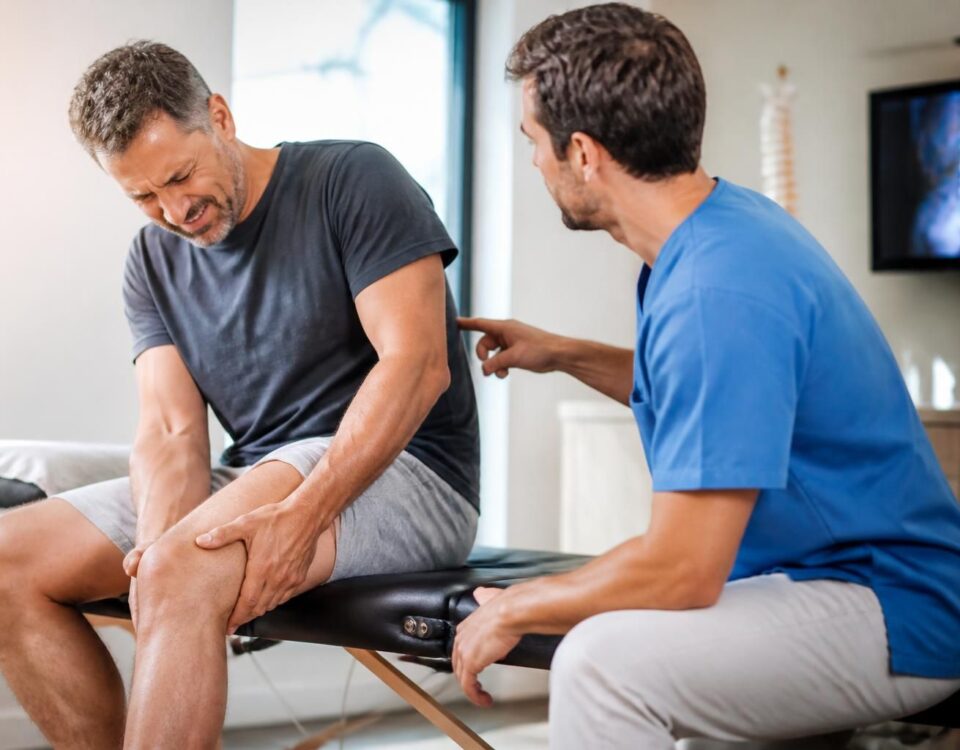
Triggering factors such as prolonged sitting, coughing, or exertion can worsen nerve pain. In some cases, the pain may be felt far from the spine due to the long path of the sciatic nerve. To delve into the differences between nerve pain and mechanical pain, consult the resources available at sossciatique.com.
Diagnosis and Evaluation
The diagnosis is based on the medical history and clinical examination. The doctor looks for radicular patterns, the path, and the presence of neurological signs. Additional tests may be indicated if the pain persists or if there are evolving neurological signs. To better understand the signs and path of the nerve, dedicated resources are available at sossciatique.com.
In cases of persistent pain or neurological deficit, specialized evaluations may be proposed to specify the exact origin and adjust the treatment plan. The clinical framework of TAGMED offers multidisciplinary care adapted to Montreal or Terrebonne.
Care Pathway and Treatment Options
The treatment for sciatica is generally multimodal and tailored to the exact origin. The aim is to reduce nerve irritation and restore function without systematically resorting to surgery. Non-surgical approaches prioritize the reduction of inflammation around the nerve and symptom control. Suitable medication options may be used on medical prescription.
As part of non-surgical indications, targeted injections may be considered when inflammation persists. The neurovertebral decompression intervention and other specialized approaches may be proposed after evaluation. For individuals in Montreal or Terrebonne, Clinique TAGMED offers tailored management and can guide towards relevant options. For more information, visit Clinique TAGMED and Neurovertebral Decompression.
In cases where surgery becomes feasible, it remains rare and depends on the exact cause and level of neurological deficit. For an overview of options, including intervention contexts, you can consult resources at sossciatique.com and the pages dedicated to decompression and associated pathologies at Décompression Neurovertébrale.
Prevent and Monitor
Prevention involves suitable activity and good posture. Maintain regular activity levels and avoid movements that trigger pain. Follow-up with your healthcare professional allows for treatment adjustments and prevents recurrences. Practical resources and prevention tips are available at Le Traumato and sossciatique.com.
To enrich your understanding and access additional resources, you can consult the following pages: sossciatique.com, cliniquetagmed.com, decompressionneurovertebrale.com, sosherniediscale.com, sosherniatedisc.com, sostunnelcarpien.com, sossciatique.com.
Medical disclaimer: The information and advice provided on this site do not replace the opinion, diagnosis, or treatment of a healthcare professional. Please note that Dr. Sylvain Desforges, osteopath, is neither a medical doctor nor a physician, and is not a specialist in a medical specialty as defined by the Collège des médecins du Québec. Manual medicine, functional medicine, and sports medicine as described on this site exclude any treatment or medical diagnosis made by a physician or medical specialist. Always consult your doctor for any medical questions. For more details, please read our full Legal Notice.
Mechanical Causes
Nerve Inflammation

This article clearly and operationally presents the two main axes of Sciatica: the mechanical causes that provoke localized pain and the mechanisms of nerve inflammation that irritate the sciatic nerve. You will learn how to differentiate these origins, what signs to look for, and which practical approaches to prioritize to quickly regain control of your mobility, without waiting for surgery.
Mechanical Causes of Sciatica
The mechanical causes encompass structural dysfunctions of the lumbar spine that may compress or limit the passage of nerve roots. This category is common and can evolve with age or after repetitive effort.
Lumbar Disc Herniation
The disc herniation occurs when the core of the disc pushes through the outer layer and compresses a nerve root, most often around L5-S1 or L4-L5. The main symptom is pain radiating down the leg, sometimes accompanied by shocks or tingling.
Foraminal and Lumbar Canal Stenosis
The narrowing of the nerve passages, called foraminal stenosis or central stenosis, can hinder the passage of roots and lead to radiating pain accompanied by a painful snap during exertion. In older individuals, this mechanism is frequently encountered.
Lumbar Arthrosis and Degeneration
Joint damage and decreased tissue elasticity can cause localized lumbar pain that may extend depending on movements and positions, without necessarily following the radicular pathway.
Piriformis Muscle Syndrome
The piriformis syndrome is a muscular cause where the inner gluteal muscle can squeeze the sciatic nerve, causing radiating pain without obvious neurological deficit.
Nerve Inflammation and Radiculalgia
Radiculalgia describes a nerve inflammation or irritation of a lumbar root, most often L5 or S1, leading to pain that follows the pathway of the sciatic nerve and can be accompanied by tingling or weakness.
What Triggers Nerve Inflammation?
The irritation may arise from sustained mechanical compression (hernia, narrowing), microtrauma, or a degenerative process. The pain is typically sharp, either described as an electric shock or as a shooting pain that may fluctuate depending on positions and activity.
Clinical Signs and Diagnosis
Typical signs include pain that follows the pathway of the nerve, possible neurological signs (targeted weakness, paresthesia), and worsening with prolonged sitting or exertion. Diagnosis relies on clinical examination, supplemented if necessary by targeted investigations to confirm localization and rule out a purely mechanical origin.
Aggravating Factors and Progression
Pain may increase with twisting, trunk bending, or impatience during activities. Conversely, certain movements and non-invasive treatments can rapidly reduce irritation and promote functional recovery.
Practical Recommendations and Action Plan
For nerve pain of radicular origin, prioritize suitable activity and progressive rehabilitation, focusing on exercises that strengthen the trunk and improve mobility without exacerbating pain. Non-drug approaches, combined with targeted treatments, often allow for a reduction in irritation.
For mechanical pain, focus on strengthening the lumbar muscles, spinal stability, and improving posture. Physiotherapy and regular exercises, tailored to your level, help reduce pain and prevent recurrences while allowing a gradual return to usual activities.
Regularly assess the progression of symptoms and consult if warning signs arise (pain persisting beyond a few weeks, marked weakness, loss of urinary control, or sphincter dysfunction). A coordinated plan with a healthcare professional helps direct toward the best strategies, whether conservative measures or further investigations.
Comparative: Mechanical Causes and Nerve Inflammation in Sciatica
| Aspect | Detail |
|---|---|
| Origin | Mechanical: disc failures, osteoarthritis, canal narrowing; Nerve: irritation or compression of a nerve root (radiculopathy). |
| Location and Path | Mechanical: pain primarily in the lumbar spine; Nerve: radiation along the sciatic nerve (buttock → thigh → leg → foot). |
| Type of Pain | Mechanical: dull and localized pain, aggravated by movement; Nerve: electric shocks, burns, paresthesias. |
| Neurological Signs | Mechanical: little or no neurological deficit; Nerve: weakness, paresthesias, possible loss of sensitivity. |
| Triggers | Mechanical: effort, bending, twisting; Nerve: prolonged sitting position or effort, sometimes irregular. |
| Diagnosis and Imaging | Mechanical: X-rays useful for the back; Nerve: MRI/CT to visualize roots and canal. |
| Initial Management | Mechanical: physiotherapy, adapted activity; Nerve: anti-inflammatories and targeted physiotherapy, management of irritation. |
| Persistence and Advanced Treatments | Mechanical: rehabilitation, local options as needed; Nerve: targeted injections and, if necessary, rare decompression or surgery. |
| Prevention and Prognosis | Mechanical: posture and strengthening; Nerve: adapted activity and nerve control to limit recurrences. |
| Clinical Examples | Mechanical: localized low back pain without marked radiation; Nerve: lumbosciatica with radiation and shocks. |
Testimonials on Sciatica: Mechanical Causes and Nerve Inflammation
Alexandre, 36 years old: “It all started after an intense effort at work. The pain was initially localized in the lower back and then quickly radiated to the buttock and the back of the leg. The exams revealed a lumbar disc herniation that compresses a nerve root, triggering a radiculopathy. Thanks to a targeted physiotherapy program and trunk strengthening, the pain gradually decreased and became much more bearable on a daily basis.”
Isabelle, 54 years old: “My pain was mainly mechanical at first, a pain in the lower back that worsened with walking and bending. The images showed a lumbar canal narrowing with lumbar osteoarthritis. I alternated between gentle exercises, adapted posture, and physiotherapy sessions; the symptoms improved and I can now move around without stopping due to pain.”
Julien, 29 years old: “A sudden and burning pain appeared after lifting a heavy object. I felt it was a nerve inflammation, with a radiculopathy that gave me electric shocks along the leg. After several weeks of anti-inflammatories, rehabilitation sessions, and a few targeted injections, the pain eased, and I was able to resume my activities without fearing every move.”
Camille, 45 years old: “The doctor mentioned the piriformis syndrome as a possible origin when the pain descended to the buttock without clear motor deficit. My doctor encouraged me to do specific stretches and light osteopathy sessions; the symptom gradually diminished and the radiation in the thigh almost disappeared. It became more bearable when the piriformis muscle relaxed.”
Marie, 67 years old: “I suffered from pain mostly while walking, typical of a foraminal or central stenosis associated with nerve pain that sometimes blocks at the calves. The focus was on rehabilitation and posture, with adjustments aimed at reducing nerve irritation. After a few months, the movements and positions became more comfortable and I could resume my daily outings.”
Laura, 39 years old: “I was taught to distinguish between nerve pain and mechanical pain, which transformed my journey. My sciatica had taken a nerve path with shocks, but mechanical factors (prolonged sitting and posture) maintained it. With a multidisciplinary approach – osteopathy, targeted physiotherapy, and postural advice – I regained mobility and reduced recurrences without resorting to surgery.”
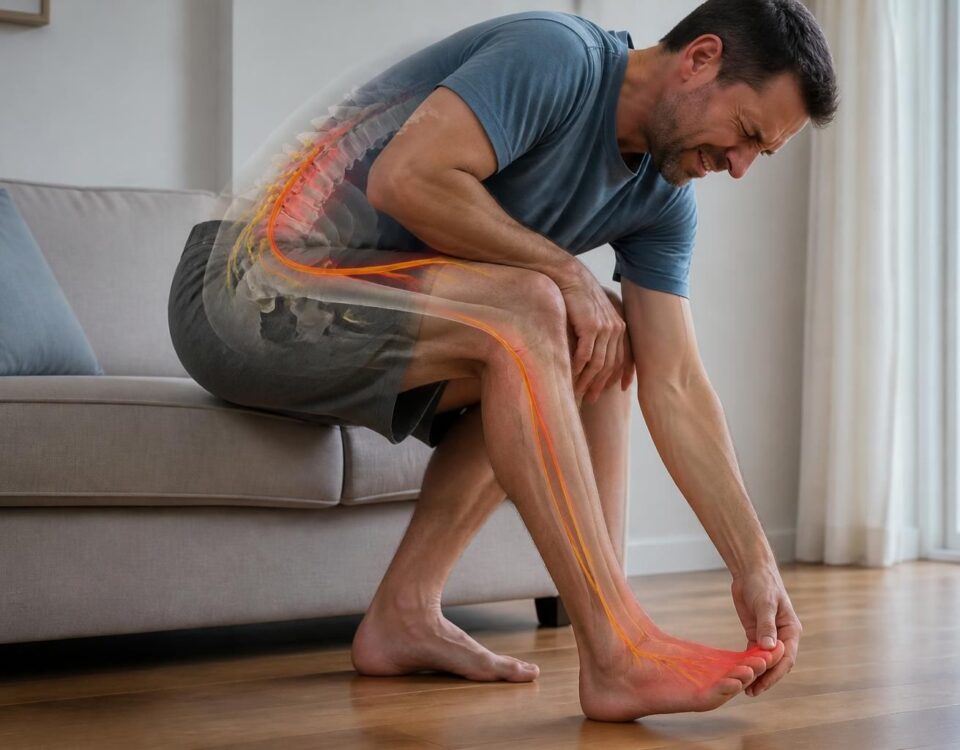
Sciatica is a distinctive pain that follows the course of the sciatic nerve, most often linked to irritation or compression of the lumbar roots, notably L5 or S1. This pain can start at the lumbar level and radiate to the buttock, thigh, and leg, even down to the foot. A distinction is made between a primarily nerve-related pain caused by radiculopathy and a mechanical pain localized in the back. In both cases, inflammation of the tissues and pain mechanisms interfere and condition the therapeutic choice.
Among the most common mechanical causes, we find lumbar disc herniation, which compresses a nerve root when the nucleus pulposus exceeds the limits of the annulus. Other lumbar origins include foraminal or central stenosis, which narrow the nerve passage, as well as osteoarthritis or spinal canal narrowing. Less often, muscular factors or conditions associated with the piriformis can contribute to the compression of the sciatic nerve. This mechanical variety can coexist with nerve irritation, making diagnosis and treatment more complex.
But nerve pain is not solely the product of a physical obstruction. Nerve inflammation and the chemical mechanisms surrounding the affected nerve play a major role. Irritation generates a series of inflammatory mediators that increase the sensitivity of nerve fibers, amplifying pain and sometimes prolonging recovery. This inflammatory component can exacerbate radiation and promote a painful reaction to effort, coughing, or certain positions, even when the mechanical cause is stable. Understanding this dialogue between mechanics and inflammation is essential to guide effective and patient-tailored management.
Clinically, typical signs include stabbing or electric shock-like pain that follows the course of the nerve, sometimes accompanied by paresthesia, weakness, or a decrease in reflexes. Pain worsening with coughing, effort, or prolonged sitting reinforces the radicular hypothesis. In the presence of persistent symptoms or progressive neurological deficits, a rapid assessment is necessary, with imaging studies if needed to specify the origin and adjust the treatment plan.
The care pathway is generally multidisciplinary and graduated. Initial measures prioritize adapted physical activity, physical therapy sessions, and anti-inflammatory or analgesic treatments. When inflammation persists or pain is refractory, targeted non-surgical options may be considered, such as injections, manual therapies, or non-invasive decompression techniques. In rare cases where symptoms remain disabling or where neurological deficits worsen, surgery may be discussed, taking into account the patient’s overall profile and functional goals.
At the heart of this approach is the objective of combining mobility and stability to prevent recurrences and restore a satisfactory quality of life. Appropriate education, progressive exercises, and regular monitoring allow adjustments to treatment based on evolution and reduce the risk of chronicity of pain.
Quick summary: sciatica is a pain that follows the path of the sciatic nerve and may arise from either actual nerve inflammation (radiculopathy) or a local mechanical mechanism (disc, joint, or lumbar canal), with possible coexistence of both. Understanding these two poles, their signs, and their management pathways allows for a quick orientation toward effective and appropriate solutions, prioritizing movement and reducing nerve irritation rather than prolonged rest.
The mechanical causes are the primary origin of sciatica. They include situations such as lumbar disc herniation (often L5-S1 or L4-L5), foraminal or central stenosis, and spinal osteoarthritis, which narrow the passage of nerve roots and trigger radiating pain along the nerve’s path. This pain is generally localized in the back or in the buttock and is sometimes accompanied by motor signs or loss of sensation when the nerve is severely compressed. Diagnosis relies on a structured clinical examination and may be supplemented by targeted imaging if necessary. For deeper insights into mechanical mechanisms and their benchmarks, you can refer to specialized resources such as Sciatica: causes and treatments and Sciatic pain – Vidal. Additionally, practical advice on prevention and management can be found at Sciatica and seat cushion.
Nerve inflammations play a central role in radicular pain. When a nerve is irritated or compressed, radiculopathy may manifest as painful discharges, tingling, and potential weakness that follow the nerve’s path to the leg, buttock, and sometimes the foot. This inflammatory component can coexist with mechanical disorders and exacerbate symptoms during efforts, coughing, or prolonged sitting. Treatment aims to reduce nerve irritation through non-surgical efforts and anti-inflammatories while strengthening the trunk and improving mobility. For resources on nerve inflammation and its manifestations, consult notably Burning and possible nerve compression and Sciatica – recognize and relieve neuralgia.
Care pathway and management: this framework prioritizes a multimodal approach focused on reducing nerve irritation and restoring function. Non-surgical options center on physical therapy, progressive exercises, and maintaining adapted physical activity while limiting prolonged rest. Pharmacological treatments (analgesics, anti-inflammatories) and targeted techniques (injections if needed) complement the plan, with appropriate monitoring if neurological signs evolve. For practical orientation on treatments and intervention thresholds, see dedicated resources on Orientation and treatment of sciatica and Factors to assess before treatment.
When surgery becomes necessary, it is considered only in specific cases: persistence of debilitating pain despite well-conducted treatment or rapid onset of progressive neurological deficit. The choice of intervention depends on the identified cause and the overall assessment of the patient, with the main goal of restoring function and improving the quality of life sustainably while minimizing risks. For an overview of indications and alternatives, consult resources like Surgical resources for sciatica and dedicated guides available on specialized platforms.
Preventing and managing sciatica in the long term relies on regular and adequate physical activity, trunk strengthening, and favorable daily posture. Patient education and regular follow-up with health professionals help adjust treatments and reduce the risk of recurrence. For practical advice and prevention tools, you can consult Sciatica and sitting on the couch and Seat cushion – understanding its role.
In practice, clearly distinguishing between nerve pain and mechanical pain allows for rapid direction of treatment and avoids inappropriate therapeutic paths. This distinction guides the use of targeted exercises, release techniques, and anti-irritation strategies around the nerve, while remaining flexible in response to the evolving nature of the symptoms. To enrich your understanding, here are some useful complementary resources: Sciatica – causes, symptoms, and treatments, Sciatica – pathologies and diseases, and Sitting and aggravated pain.

Herniated disc and acute sciatica: common causes
IN BRIEF The herniated disc and acute sciatica describe a deformation or bulge of the intervertebral disc that can compress a nerve root and cause low back pain and pain radiating down the leg. Common causes include disc degeneration, sudden…
Herniated disc and stronger pain in the leg than in the back
IN BRIEF In brief, herniated disc is a tear or protrusion of the intervertebral disc that compresses a nerve root, causing lower back pain and pain radiating down the leg (sciatica), often more intense than back pain. Rapid diagnosis and…
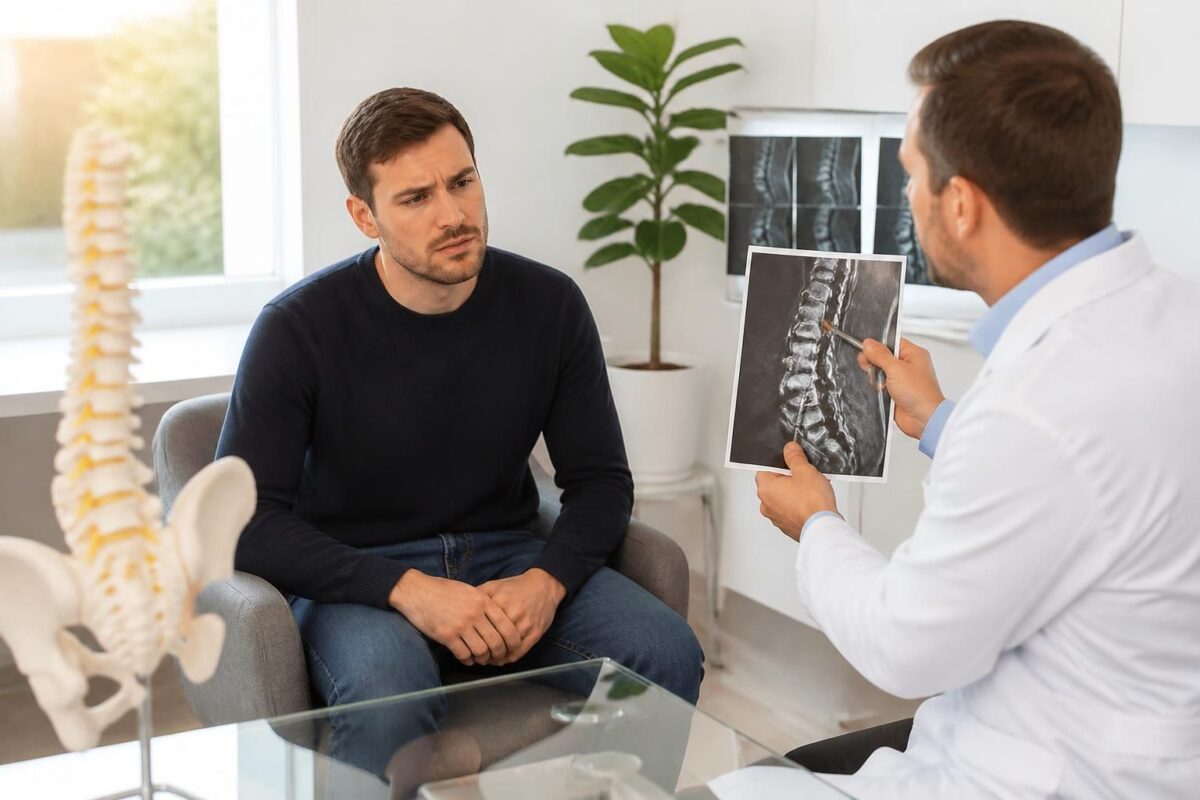
Herniated disc and pain without back pain: is it possible?
IN BRIEF Definition: Herniated disc is the rupture of the envelope of an intervertebral disc, with protrusion of the nucleus that may compress a nerve root. It can manifest as radicular pain that radiates to the buttock and leg, and…
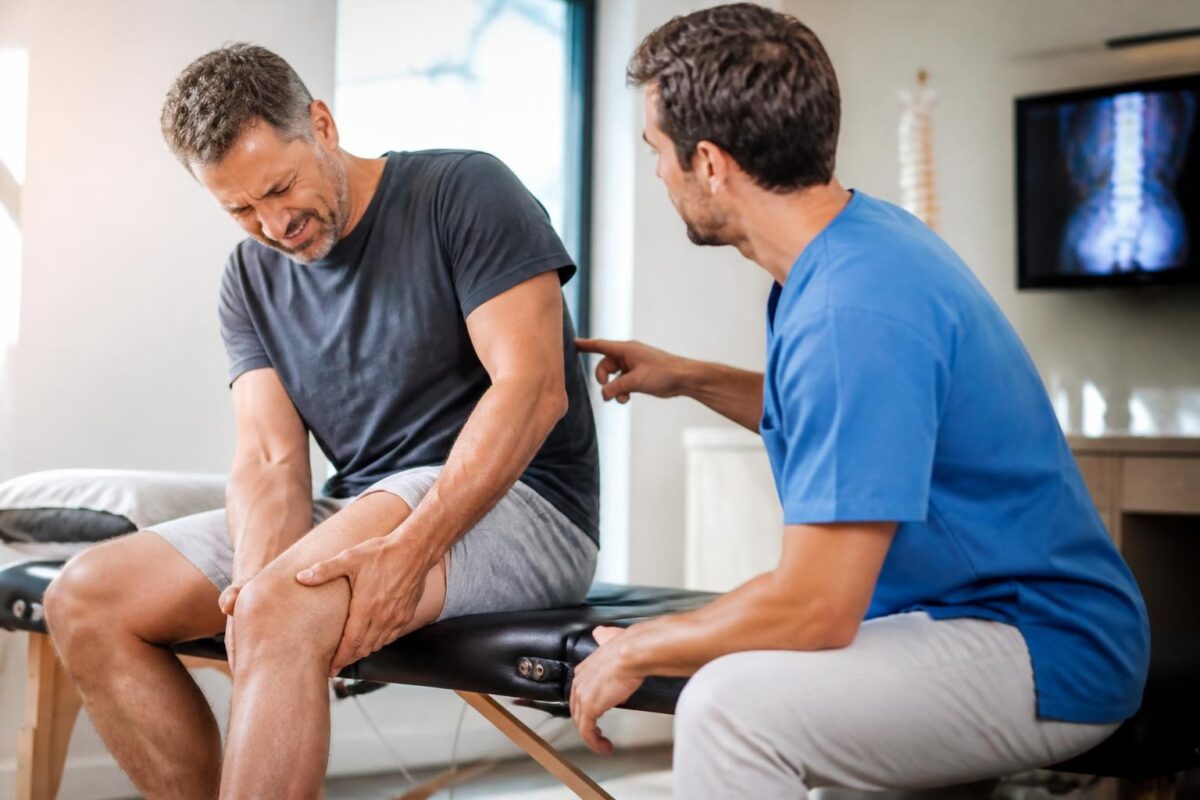
Herniated disc and pain under the knee: why it’s important
IN BRIEF In brief, a herniated disc is the rupture of the envelope of an intervertebral disc, with protrusion of the nucleus that can compress a nerve root, causing pain below the knee and sciatica. Why is it important? Understanding…

Disc herniation and calf pain: possible nerve pathway
IN BRIEF In short, a herniated disc can cause calf pain when the nerve root is irritated, with a typical nerve pathway of the sciatic nerve running from the back down to the calf and foot. This pain reflects the…
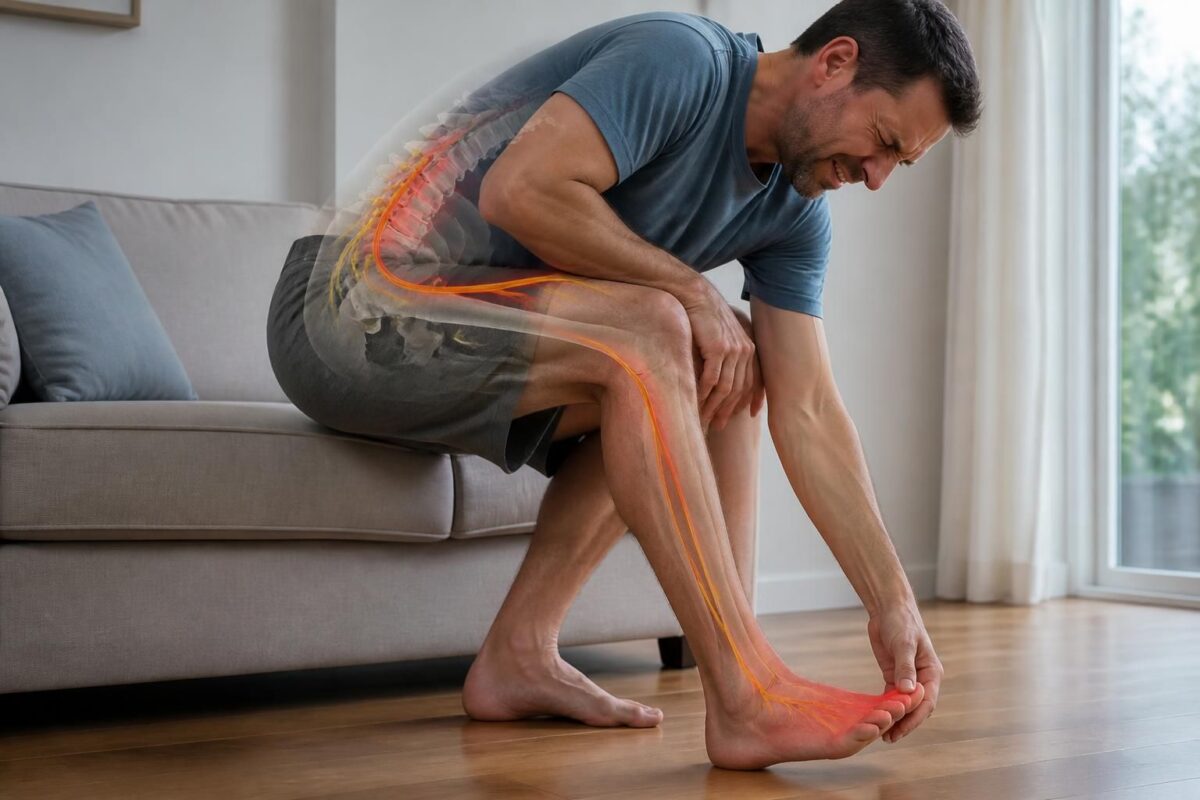
Herniated disc and big toe pain: possible L5 root
IN BRIEF In brief, the Disc herniation associated with a big toe pain related to the L5 nerve root is a nerve compression originating from the lumbar region and radiating to the top of the foot up to the big…
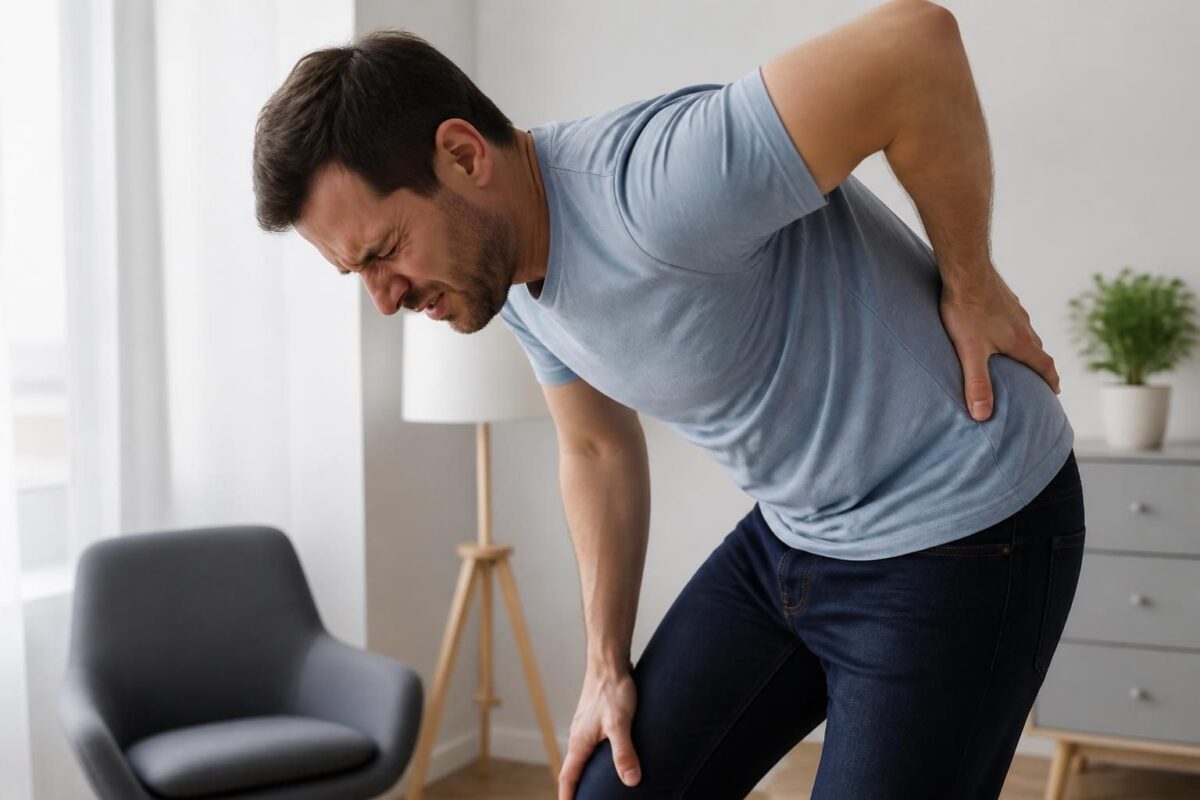
Herniated disc and heel pain: possible S1 root
IN BRIEF In brief, disc herniation and heel pain related to the S1 root describe a radiculopathy causing pain that radiates down to the heel and the outside edge of the foot. In Montreal, this service helps connect symptoms, examination,…
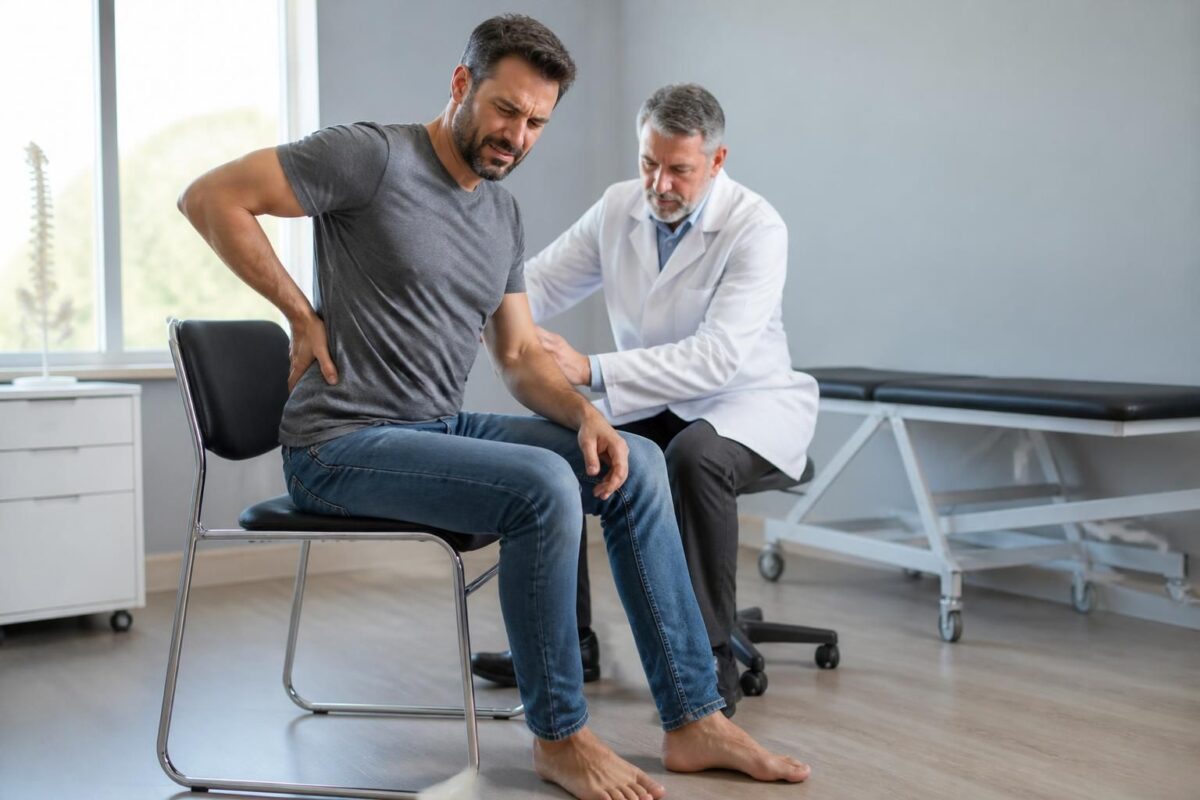
Herniated disc with foot weakness: cause to watch out for
IN BRIEF In brief, a herniated disc with foot weakness is a protrusion of an intervertebral disc that can compress a nerve root, causing lower back pain and foot weakness, often associated with radiating pain in the leg. Treatment aims…

Dr Sylvain Desforges, B.Sc., D.O., N.D., osteopath, is the founding president of TAGMED and of the ACMA association. He dedicates his practice to chronic spinal pain, low back pain and symptoms compatible with sciatica, particularly when pain radiates toward the buttock, leg, calf, foot or toes.
Through SOS Sciatique, he publishes educational content on sciatica symptoms, possible causes such as disc herniation, disc narrowing, foraminal stenosis or irritation of a lumbar nerve root, as well as non-surgical approaches that may be considered according to the evaluation. At Clinique TAGMED, care may include, depending on the case, motorized neurovertebral decompression, specific osteopathic care or precision percussion.
For an evaluation related to sciatica treatment in Montreal / Mount Royal or sciatica treatment in Terrebonne, please consult the services available at Clinique TAGMED.
Medical disclaimer
The information published on SOS Sciatique is provided for educational purposes only and does not replace a consultation, diagnosis, opinion or treatment provided by a physician or another authorized healthcare professional. The author of this article is neither a medical doctor nor a specialist in a medical specialty recognized by the Collège des médecins du Québec. The osteopathic, manual medicine or functional support approaches described on this site do not constitute medical acts and are not intended to replace medical follow-up.
Consult a physician or emergency service in cases of loss of bladder or bowel control, anesthesia in the saddle area, significant or progressive weakness in the leg or foot, fever, recent trauma, severe pain or rapid worsening of symptoms. For more details, please read our Legal Notice.