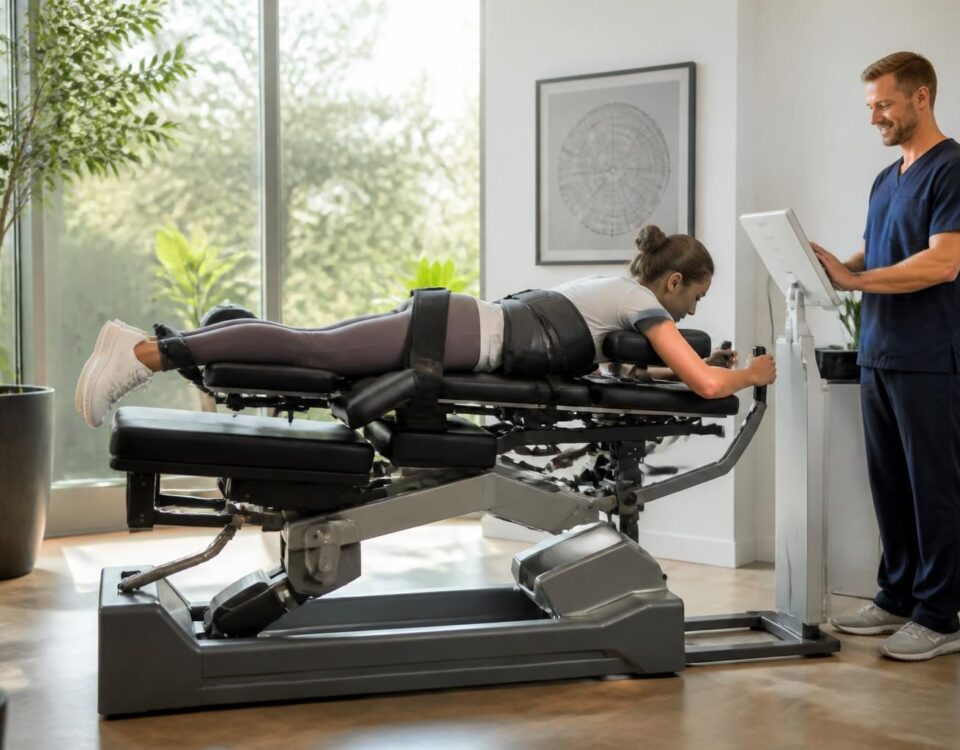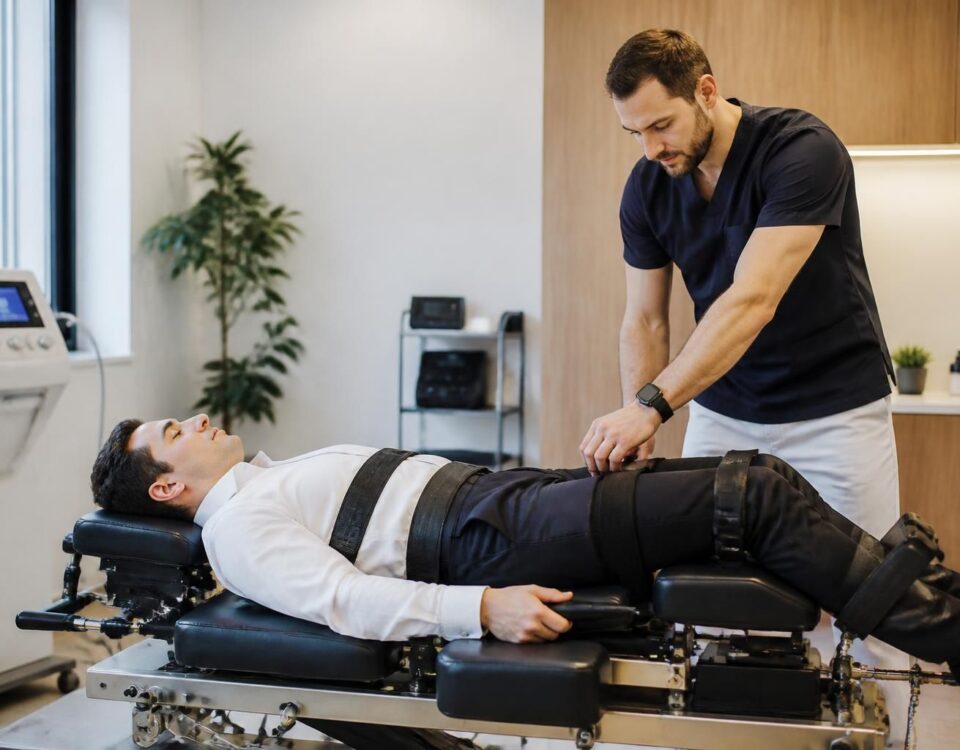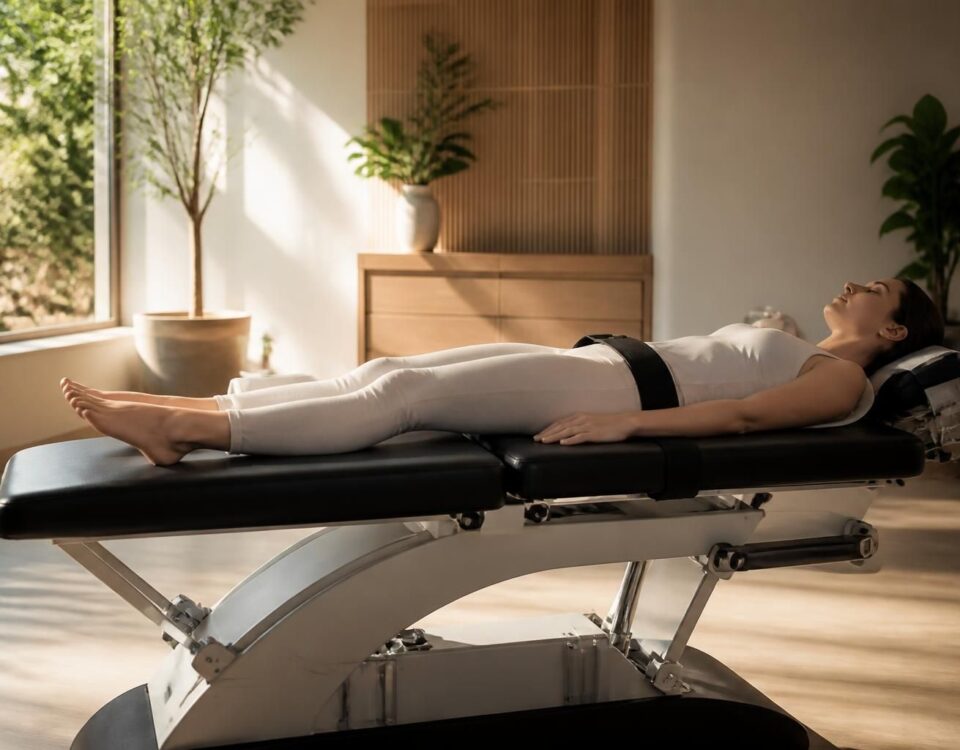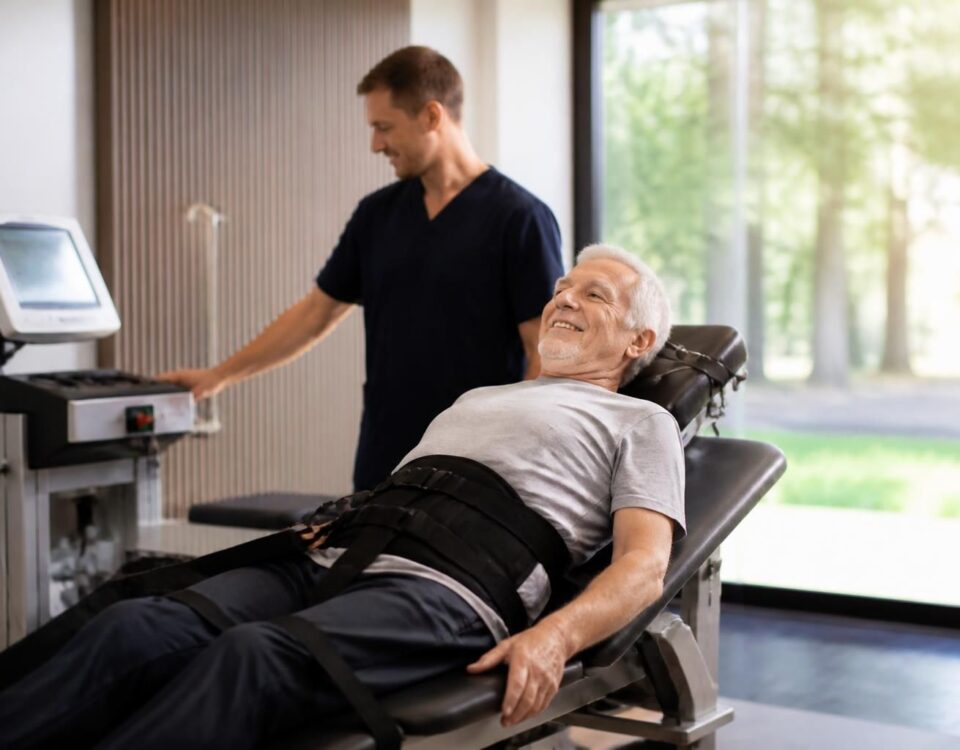
Modern techniques for optimal results in neurovertebral decompression
26/06/2026
Benefits of neurovertebral decompression for neuropathic pain
26/06/2026
In short In short, the neurovertebral decompression is an approach non-invasive which aims to reduce the pressure on the nerves and discs after a Complex back surgery. What is it? It is a technique that creates a space between the vertebrae and improves the bloodstream local to promote healing and mobility. What are the advantages? pain reduction Post-operative, faster return to range of motion, acceleration of recovery, decreased muscle tension and prevention of adhesions, improvement of alignment and posture. How does it work? by controlled traction or approaches non-invasive which release pressure, hydrate the discs and support rehabilitation. Accessible in Montreal and its surroundings, this service supports rehabilitation after complex back surgery in addition to a physiotherapy program and medical follow-up. |
The neurovertebral decompression is a non-invasive approach aimed at reducing the pressure on the nerves and discs after a Complex back surgery. By creating a space between the vertebrae and improving circulation, it can promote recovery, reduce pain and facilitate mobility.
- pain reduction and increasedrange of motion.
- Improvement of the bloodstream and support for tissue regeneration.
- Integration into a personalized program of Postoperative rehabilitation to facilitate the return to the activity.
This article presents the neurovertebral decompression and its role in recovery after a Complex back surgery. It describes the principle and mechanisms, typical indications and management options available at the TagMed Clinic. The content focuses on an evidence-based approach that is appropriate for each patient, with close follow-up to adjust treatment if necessary.
What is neurovertebral decompression and why after back surgery
Neurovertebral decompression is a non-invasive approach that aims to reduce pressure on nerves and intervertebral discs. After back surgery, residual pain or stiffness may persist, linked to nerve pressure or inflammatory tissue. By creating extra space between the vertebrae, this method can help restore alignment and limit the signs of compression. The choice between different techniques depends on the location and type of lesion, and it is made after a complete assessment by the care team.
Indications and goals after complex back surgery
Indications include persistent pain related to nerve compression, decreased range of motion, and postural imbalance after surgery. The objective is to promote overall functional recovery and improve posture and mobility without resorting to an additional invasive procedure when possible. An individualized approach is essential, because each patient reacts differently after back surgery.
Custom technologies and protocols
Custom protocols allow the treatment to be adapted to each complex pain. They rely on advanced technologies and accurate assessment to create an effective care plan. To learn more about custom protocols, check out the dedicated resources:
- Custom protocols in neurovertebral decompression
- To maximize results
- Decompression and mobility
- Nocturnal pain and restful sleep
Additional resources explain how decompression can support recovery and posture after a heavy intervention. For contextualized information, you can consult the official resources associated with TagMed and the protocols published by the technical partners.
Support and follow-up plan
The care plan is established after a thorough assessment. In Montreal and Terrebonne, the team of Tagmed Clinic Offers an integrated approach with advanced technologies and custom protocols. Monitoring includes regular reassessments to adjust treatment and ensure appropriate progress for each patient. Additional information on possible benefits and mechanisms of action are available on the dedicated sites.
Prospects and potential benefits
Neurovertebral decompression can contribute to:
- Reduce pain from nerve compression.
- Improve the range of motion and flexibility of the cervical or lumbar segments.
- Promote better circulation in the spine and improve tissue nutrition.
- Facilitate the return to daily activities and active life after major surgery.
To explore these aspects, you can consult the following resources:
- Why this natural solution for acute pain
- Posture after heavy surgery
- Post-operative support after complex surgery
The use of neurovertebral decompression is part of a global rehabilitation approach. It can be associated with other non-invasive modalities and coordinated care within TAGMED clinics.
Useful resources for patients and professionals can be viewed through information areas and sites dedicated to neurovertebral decompression, including:
| Therapy | Example | Relative efficacy after surgery |
|---|---|---|
| neurovertebral decompression | Precise traction and intervertebral space | tall |
| Physiotherapy | Guided rehabilitation and mobilization | Moderate to variable (demonstrated efficacy in some cases, less pronounced than decompression for postoperative mobility) |
| Laser and shockwave therapy | Analgesic and regenerative modalities | moderate |
| Minimally invasive surgery (discectomy/laminectomy) | Targeted compression intervention | high on symptoms, but presents operative risks |
| Integrated rehabilitation in Tagmed clinic | Tailor-made multidisciplinary approach | high when well coordinated |
For patients seeking information, using specialized resources can help inform choices. Useful links to information platforms and personalized protocols exist on sites dedicated to neurovertebral decompression and TagMed.
Clinique TagMed offers a suitable offer for patients suffering from back-related conditions. To find out about the possibilities in Montreal or Terrebonne, make an appointment via the official website of the clinic: Tagmed Clinic.
For additional information and resources on custom protocols and post-surgical recovery, see the following pages:
- Custom protocols in neurovertebral decompression
- Improve spinal flexibility
- Restful sleep and night pain
- Posture after heavy surgery
- Support after complex surgery
Medical Disclaimer: The information and advice provided on this site does not replace the health professional’s diagnosis or treatment. Please note that Dr. Sylvain Desforges osteopath is neither a doctor of medicine nor a doctor, and is not a specialist in a medical specialty as defined by the Collège des Médecins du Québec. Manual medicine, functional medicine and sports medicine as described on this site exclude any medical treatment or diagnosis made by a doctor or specialist doctor. Always consult your doctor for any medical questions. For more details, please read our full legal notice.
- neurovertebral decompression Non-invasive to create a space between vertebrae and reduce the pressure on the nerves.
- reduction of the pain thanks to the release of nerve pressure.
- Improvement of the bloodstream local and tissue nutrition.
- Increase in therange of motion and from the flexibility.
- muscle relaxation and reduction of adherence post-operative.
- Integration into a rehabilitation program Personalized after surgery.
- Positive impact on pain and comfort during mobilization.
- Acceleration of the Functional recovery and return to activities.
- secure progression of gentle mobilization exercises.
- Regular follow-up To adjust treatments and prevent complications.

Neurovertebral decompression can facilitate recovery after complex back surgery by reducing nerve pressure, improving blood supply and supporting rehabilitation. This article presents the key principles, the choices between non-surgical and minimally invasive decompression, as well as practical recommendations for optimizing mobility and reducing pain during recovery.
Understanding neurovertebral decompression after complex back surgery
The neurovertebral decompression aims to release local tensions around the vertebrae and discs, which can promote more fluid recovery after an intervention. This approach can be considered in addition to post-operative care and rehabilitation programs to restore mobility and minimize stiffness associated with surgery.
Non-surgical vs surgical decompression
Non-surgical decompression is based on targeted traction of the spine to create a space between the vertebrae and promote the hydration of the discs. This method is generally mild and non-invasive, intended to support recovery without additional surgery. On the other hand, surgical (or minimally invasive) decompression is considered when nerve pressure is severe or when the vertebral structures require direct intervention. Discectomy or laminectomy can be discussed depending on the type of compression and functional goals of the patient.
Objectives during recovery
The key objectives of decompression in this period are Reduce the pain, Promote mobility and Strengthen the trunk to stabilize the column. It can also improve the bloodstream In the spinal area, accelerate recovery and decrease muscle tension around operated areas. Each plan must remain individualized and adapt to the evolution of pain and function.
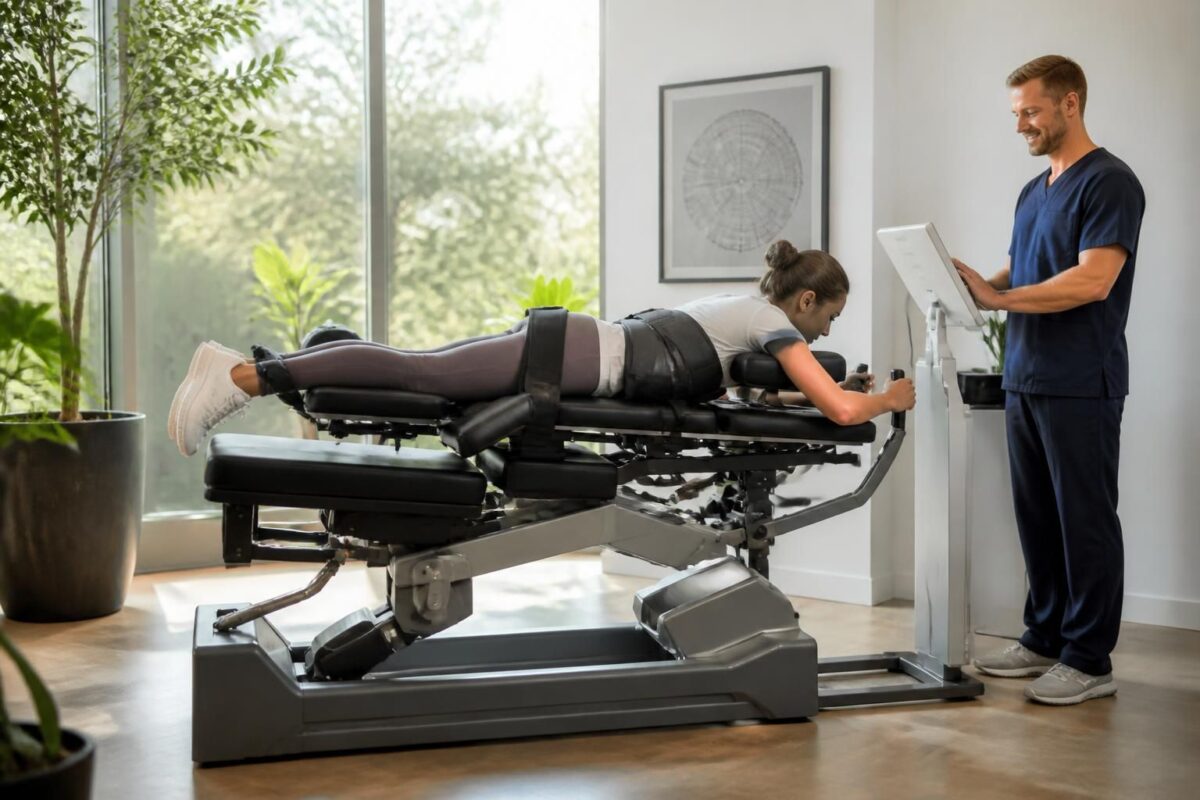
The long-term benefits of neurovertebral decompression for spinal health
In short In short, the neurovertebral decompression is a non-invasive approach that decreases the Pressure on intervertebral discs and nerves, favoring the Natural regeneration and tissue recovery. Its long-term benefits include Lasting pain reduction, Improving mobility and from the posture,…

Neurovertebral decompression and mobility: a return to an active life
In short In short, the neurovertebral decompression is therapy non-invasive who uses a gentle traction To create a space between the vertebrae and reduce the pressure on the Intervertebral discs and the nerves. It promotes a bloodstream improved, lowers tension…
Key elements of postoperative recovery
Success requires a progressive approach adapted to your surgery, your pain and your ability to move. A combination of decompression, mobility work and targeted reinforcement supports the return to painless daily activities.
Exercise plan and mobility
A structured program begins with gentle exercises of mobility and breathing, then evolves towards strengthening the trunk and proprioceptive exercises. The goal is to improve range of motion, to maintain a good posture and prevent stiffness. Exercises should be performed under supervision at least in the initial phase to adjust the intensity and prevent painful outbreaks.
Therapeutic combinations
Decompression can be associated with complementary non-invasive approaches such as manual therapy, functional rehabilitation sessions and adapted soft technologies. This multidisciplinary approach aims to optimize the flexibility and the Neuromuscular coordination, while reducing inflammation and postoperative muscle tension.
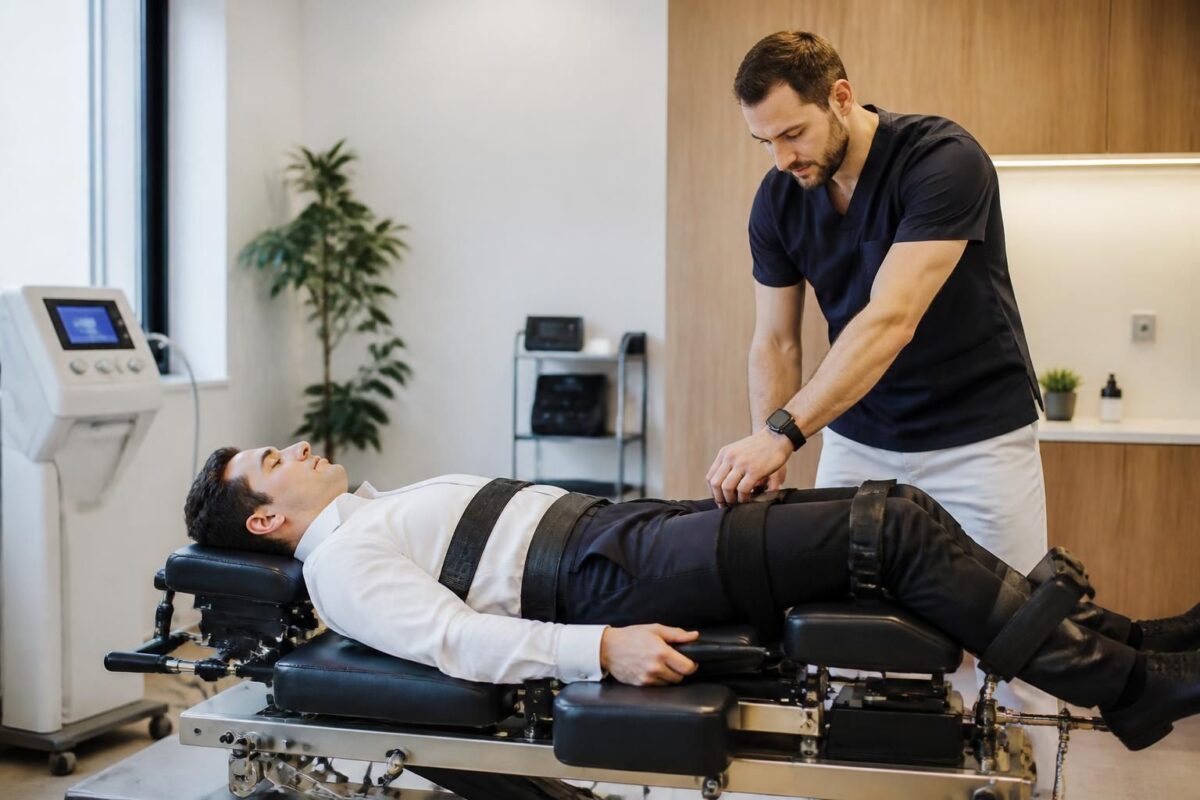
How Neurovertebral Decompression Prevents Diffuse Chronic Pain
In short decompression neurovertebral is one Non-invasive method aimed at reducing the Pressure on the intervertebral discs and the nerves, in order to prevent Diffuse chronic pain. It improves the circulation and thedisc hydration, decreases inflammation and promotes better mobility.…
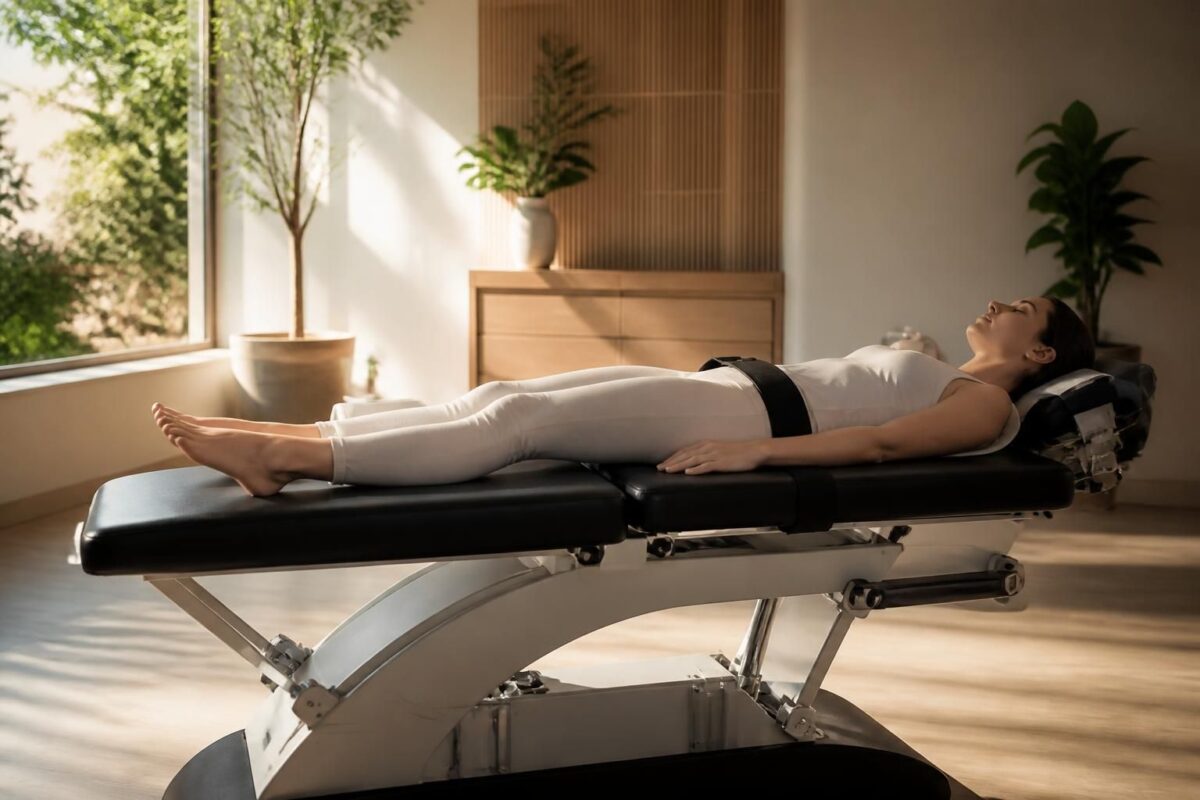
Neurovertebral Decompression and Body Alignment: Restoring Natural Balance
In short In short, neurovertebral decompression is one Non-invasive approach who restores theBody Alignment and thenatural balance back and neck. She acts by a Controlled traction of the spine to widen the intervertebral space and reduce the Pressure on discs…
Integrate decompression into the rehabilitation program
To make the most of this approach, it is crucial to organize a personalized course monitored by qualified professionals. Integration is done taking into account the type of surgery, tissue condition and short- and medium-term functional objectives.
Consultation and customization
An in-depth assessment helps to determine whether decompression is appropriate and how to integrate it into the rehabilitation plan. The program should be adjusted based on progression, pain levels and activities you want to resume.
Monitoring and security
Regular follow-ups make it possible to adapt the loads, to avoid overloads and to ensure a safe recovery. Safety requires a gradual increase in loads, monitoring of inflammation and close coordination with your osteopath and doctor.
Disclaimer: The information presented does not replace personalized medical advice. Always consult your doctor or osteopath for a diagnosis and treatment plan adapted to your situation.
| Aspect | Impact on recovery after complex back surgery |
|---|---|
| Objective | Objective of neurovertebral decompression To ease symptoms and restore mobility by releasing tension and improving the spacing of the vertebrae |
| Indication | persistent pain after complex surgery; Stiffness and movement limitation |
| Mechanism | Sweet distraction which promotes hydration of discs and circulation around the nerves |
| Main Benefits | Pain reduction, better amplitude and faster functional recovery |
| Limits and precautions | variable results; need Specialized assessment and Custom program |
| Integration in rehabilitation | complementary Manual therapy, Mobility exercises and drainage of tensions |
| Typical duration | Several weeks with regular follow-ups to adjust treatment |
| Signs of success | gradual improvement of theamplitude and reduction of aches During the movements |
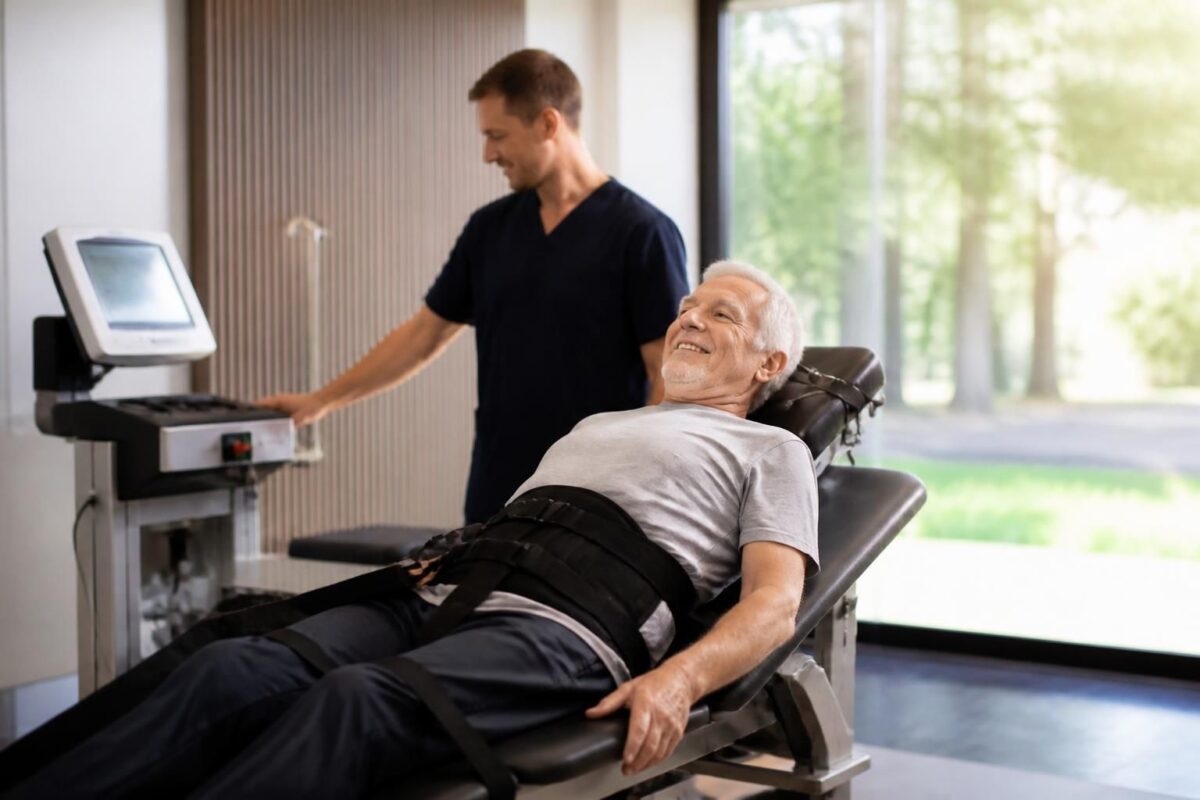
Why neurovertebral decompression is a lasting solution for active seniors
In short In short, the neurovertebral decompression is one Non-invasive therapy which sustainably relieves spinal pain in the spine active seniors By creating, by a Soft and controlled traction, a space between the vertebrae. At Montreal, it is recognized as…
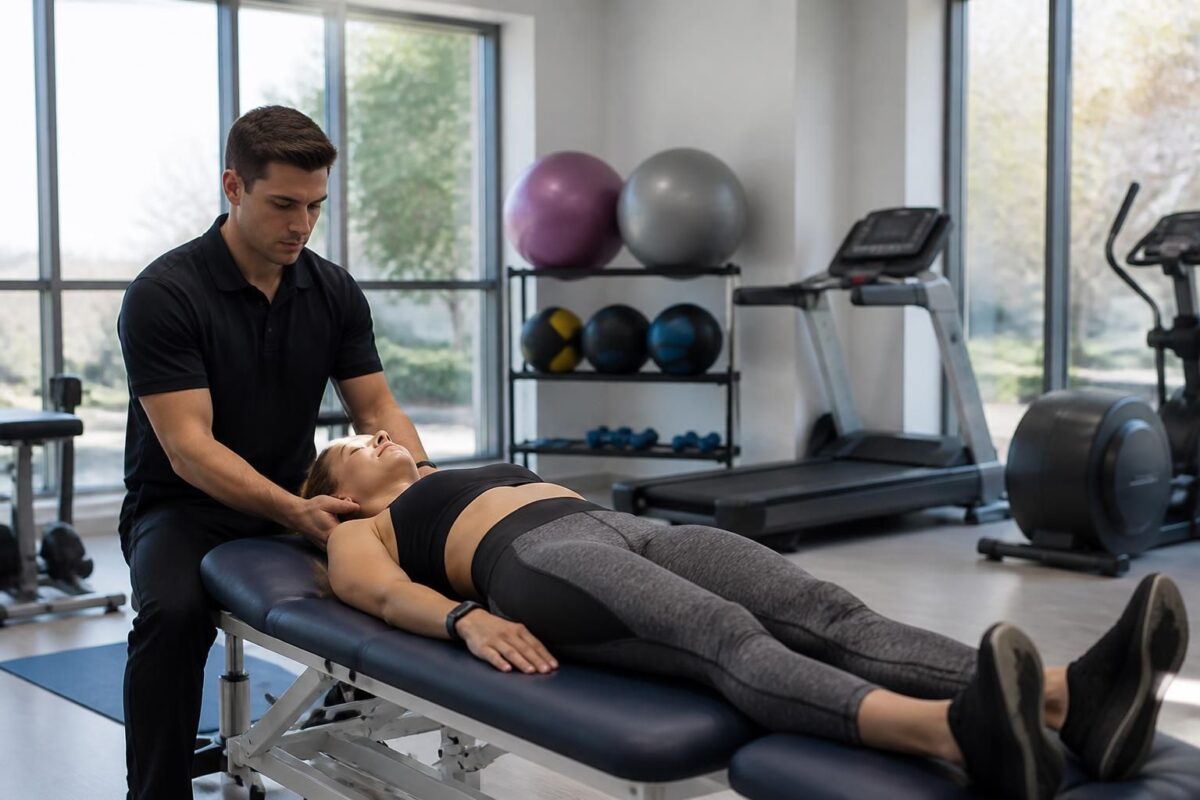
Neurovertebral decompression and recovery after severe sports injury
In short In short, the neurovertebral decompression is one Non-invasive method to Relieve the pressure on the Intervertebral discs and the gristle Via a Controlled traction, to facilitate the recovery After a severe sports injury. It improves the bloodstream towards…
Testimonials on neurovertebral decompression and recovery after complex back surgery
Before my back surgery, the constant pain tightened my life. After the procedure, I tried the neurovertebral decompression And I was pleasantly surprised by the results. The pain decreased markedly and my mobility came back faster than expected. I am able to get up without hesitation and walk longer every day. This approach changed my rehabilitation.
Following a vertebral fusion, I was stiff and worried about not finding my flexibility. the program of neurovertebral decompression offered helped me find a flexibility And to move without pain. I can bend over and make daily gestures that I had lost.
In rehabilitation after a herniated disc and complex surgery, the neurovertebral decompression Has been effective support to reduce nerve pressure and accelerate the transition to more intense exercises. Result: a pain more bearable and a constant progression towards a better mobility.
My resumption of professional activities was facilitated by the neurovertebral decompression. Less pain, better posture and an bloodstream Improved around the column, which accelerated my recovery.
For my elderly mother who underwent back surgery, the neurovertebral decompression was the trigger for a smoother recovery. She noted less inflammation and more endurance on daily walks, with a Improving mobility.
After a complex surgery, I was afraid of never regaining my freedom of movement. The neurovertebral decompression was a key step in my journey. The pain Has become more tolerable and my ability to carry out daily actions has increased, allowing me to resume my leisure time.
This professional portrait presents a recognized practitioner in the fields ofosteopathy, from the naturopathy and manual medicine, which holds the position of founding president of the Tagmed clinics and the ACMA association. His career is largely devoted to health innovation and the management of Chronic pain, with particular attention paid to the integration of advanced technologies such as neurovertebral decompression, the laser and shockwave therapy. His approach aims at care based on scientific evidence in order to optimize the health and well-being of patients facing back pathologies.
As part of the Recovery after complex back surgery, this approach makes the use of neurovertebral decompression a key lever. It is a non-invasive or semi-invasive support intended to optimize the rehabilitation process by reducing the pressure exerted on the nerves and facilitating the return to functional movements. The objective is to prepare and support the post-operative period with targeted gestures that gradually improve amplitude of movement and tolerance to effort.
The mechanism is based on controlled and precise traction that creates a space between the vertebrae, facilitating the rehydration and nutrition of the intervertebral discs and thus decreasing pressure on the nerve roots. This reduction in nerve stress helps to reduce pain and promote better blood circulation in the spinal region. At the same time, this approach acts on the muscle tone surrounding the spine, helping to release tension and gradually restore the mobility of the joints, essential elements after surgical interventions.
For patients who have undergone a discectomy, laminectomy or vertebral fusion, the use of neurovertebral decompression is considered in a personalized and coordinated management logic with the surgical team. The objective is to avoid overload during rehabilitation and to gradually integrate mobilization exercises, soft manual therapy methods and, if necessary, complementary technologies. Each protocol is adapted to the place and degree of the lesion, in order to offer a safe and effective progression.
the practice is based on a combination of technologies and skills, combining Computer-assisted neurovertebral decompression to additional modalities such as laser and shockwave therapies when indicated. This multidisciplinary approach aims to optimize functional recovery, reduce inflammation and accelerate re-motion, while remaining aligned with the best evidence available. It is based on a care ethic that favors safety, individualization of treatment and rigorous monitoring of patient progress.
In practice, the therapist focuses on initial assessment, developing a personalized rehabilitation plan and regular monitoring to adjust interventions based on progress and potential limitations. This commitment to a structured and scientifically informed approach makes it possible to support patients towards a tangible improvement in their quality of life after complex back surgeries, by facilitating a more fluid reintegration of daily and professional activities.
This detailed conclusion summarizes the key points on the neurovertebral decompression and the Recovery after complex back surgery, by explaining how this approach can reduce the pain, improve the flexibility and facilitate the re-education personalized. It highlights the mechanisms, indications and practical resources to optimize the return to an active life after a vertebral intervention.
In complex back surgery, the neurovertebral decompression can be considered as a non-invasive option which aims to reduce the nerve pressure and on the Intervertebral discs, thus facilitating the return to mobility and Functional rehabilitation. By acting on these elements, it can contribute to Reduce the pain and prepare the ground for a Efficient rehabilitation.
Potential benefits include a Improved range of motion, a Better blood circulation to the affected tissues and activation of the Tissue repair around the spine. This combination supports a Back to activity Faster and safer, while reducing postoperative muscle tension.
This approach should be part of a Custom program rehabilitation, in addition to other therapies such as Manual therapy, targeted exercises and, when necessary, non-invasive technologies. The goal is a Back to activity with a aligned posture and an Durable flexibility.
It is crucial to choose the right path depending on the place and type of lesion: Sometimes minimally invasive surgery is necessary, other times a non-surgical approach may be sufficient or accompany the surgery. A health professional will be able to assess the indications and risks specific to each patient, in order to build an adapted and secure course.
To deepen the mechanisms and expected results, find out the following resources: How neurovertebral decompression improves flexibility after complex surgical procedures; Benefits for relieving acute sciatica; Improved intervertebral disc function; Decompression and recovery after complex back surgery; Rehabilitation after lumbar surgery and Non-invasive approach to nerve tensions.
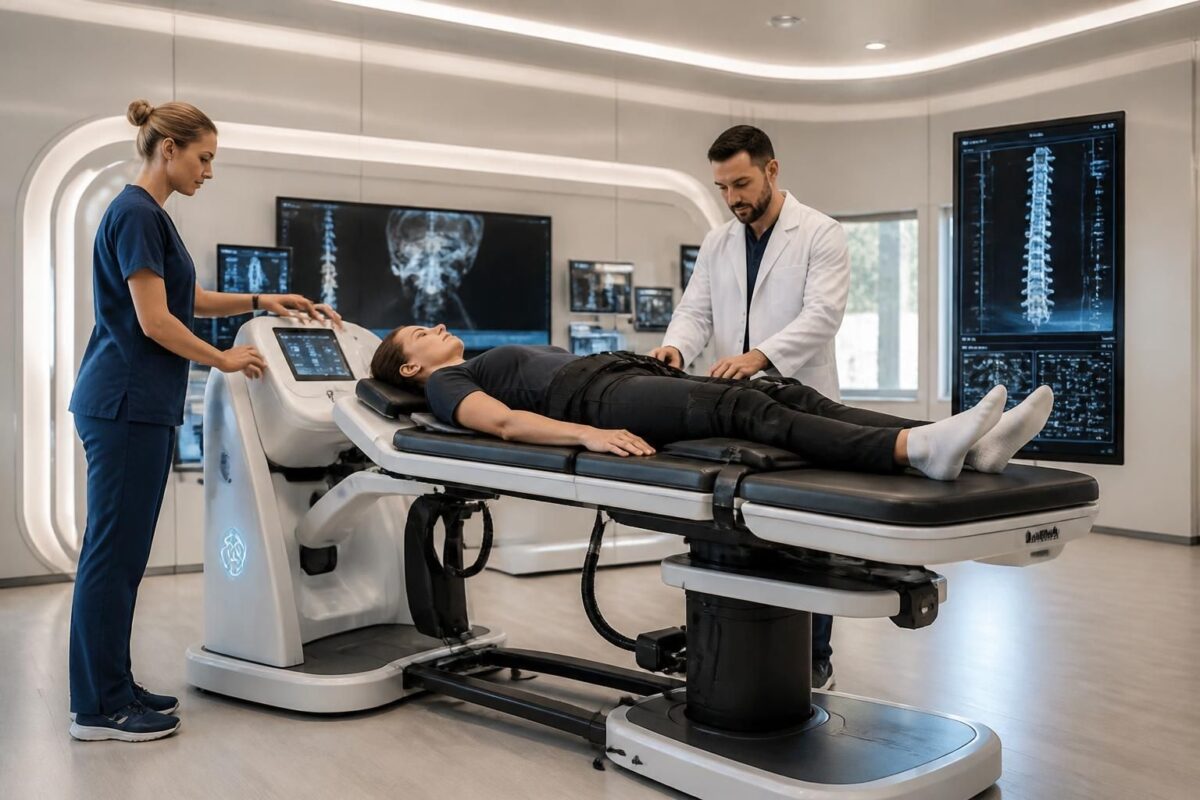
Recent innovations in neurovertebral decompression technologies
In short In short, the neurovertebral decompression is an approach non-invasive Aiming to reduce pressure on discs and nerves, and promote tissue regeneration. At Montreal, it is positioned as an effective option for lower back pain and herniated discs. The…
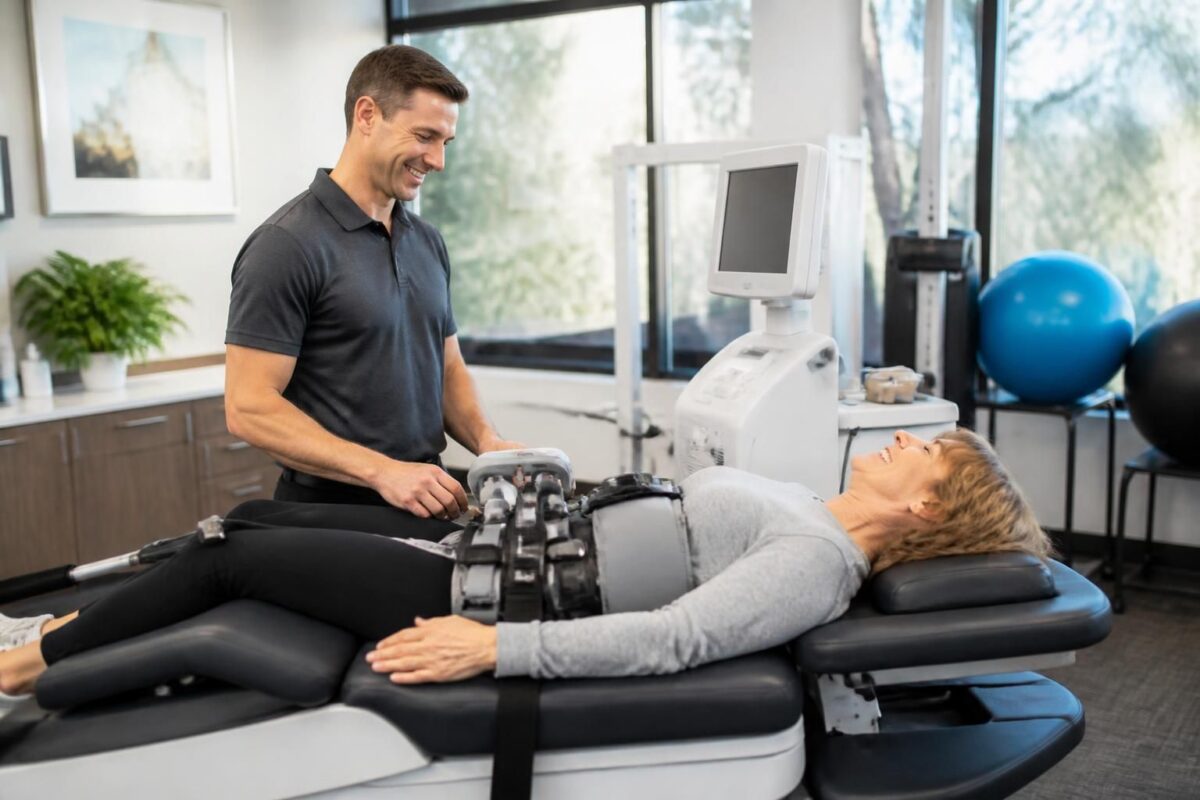
Neurovertebral decompression and diffuse pain: an appropriate solution
In short In short, the neurovertebral decompression is one Non-invasive solution For diffuse pain related to nerve irritation of the spine. She acts in Reducing pressure on intervertebral discs and nerves and improving the bloodstream, which promotes recovery and the…

Dr Sylvain Desforges, B.Sc., D.O., N.D., osteopath, is the founding president of TAGMED and of the ACMA association. He dedicates his practice to chronic spinal pain, low back pain and symptoms compatible with sciatica, particularly when pain radiates toward the buttock, leg, calf, foot or toes.
Through SOS Sciatique, he publishes educational content on sciatica symptoms, possible causes such as disc herniation, disc narrowing, foraminal stenosis or irritation of a lumbar nerve root, as well as non-surgical approaches that may be considered according to the evaluation. At Clinique TAGMED, care may include, depending on the case, motorized neurovertebral decompression, specific osteopathic care or precision percussion.
For an evaluation related to sciatica treatment in Montreal / Mount Royal or sciatica treatment in Terrebonne, please consult the services available at Clinique TAGMED.
Medical disclaimer
The information published on SOS Sciatique is provided for educational purposes only and does not replace a consultation, diagnosis, opinion or treatment provided by a physician or another authorized healthcare professional. The author of this article is neither a medical doctor nor a specialist in a medical specialty recognized by the Collège des médecins du Québec. The osteopathic, manual medicine or functional support approaches described on this site do not constitute medical acts and are not intended to replace medical follow-up.
Consult a physician or emergency service in cases of loss of bladder or bowel control, anesthesia in the saddle area, significant or progressive weakness in the leg or foot, fever, recent trauma, severe pain or rapid worsening of symptoms. For more details, please read our Legal Notice.