Neurovertebral decompression and recovery after recurrent disc herniation
26/06/2026
Rapid clinical results obtained with neurovertebral decompression
26/06/2026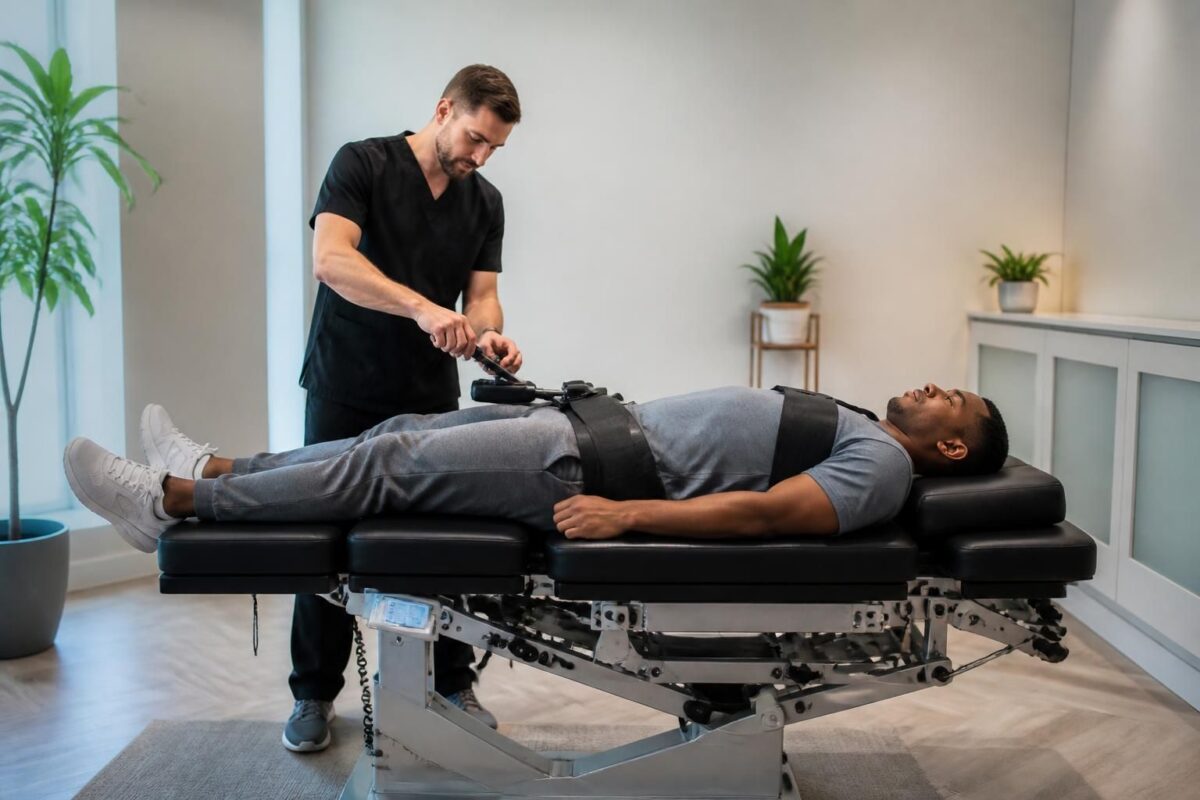
In short
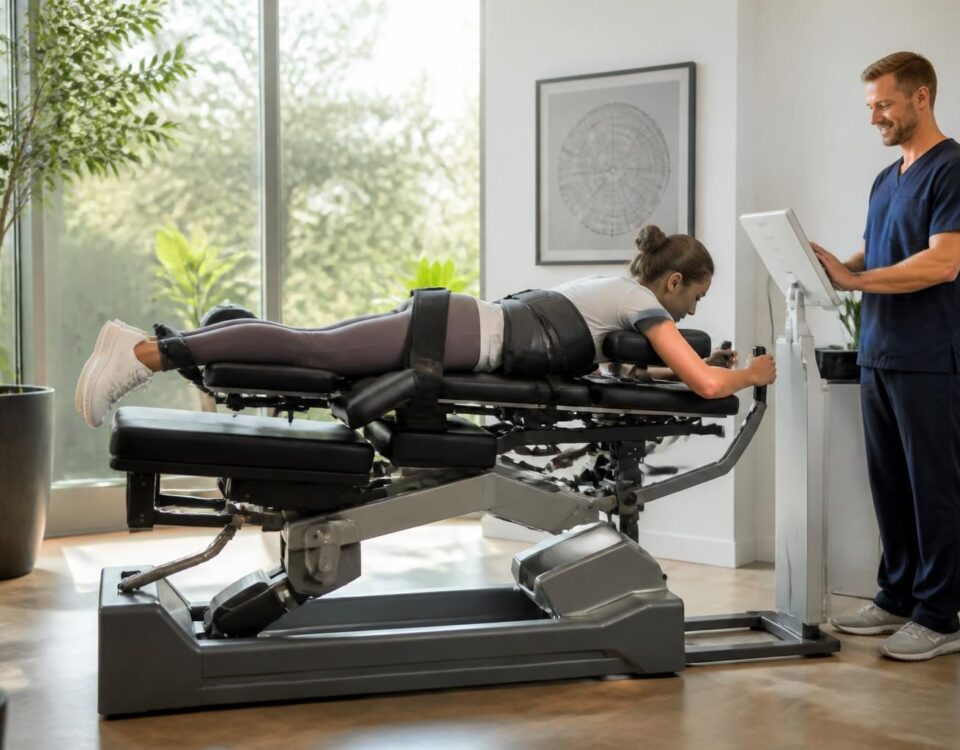
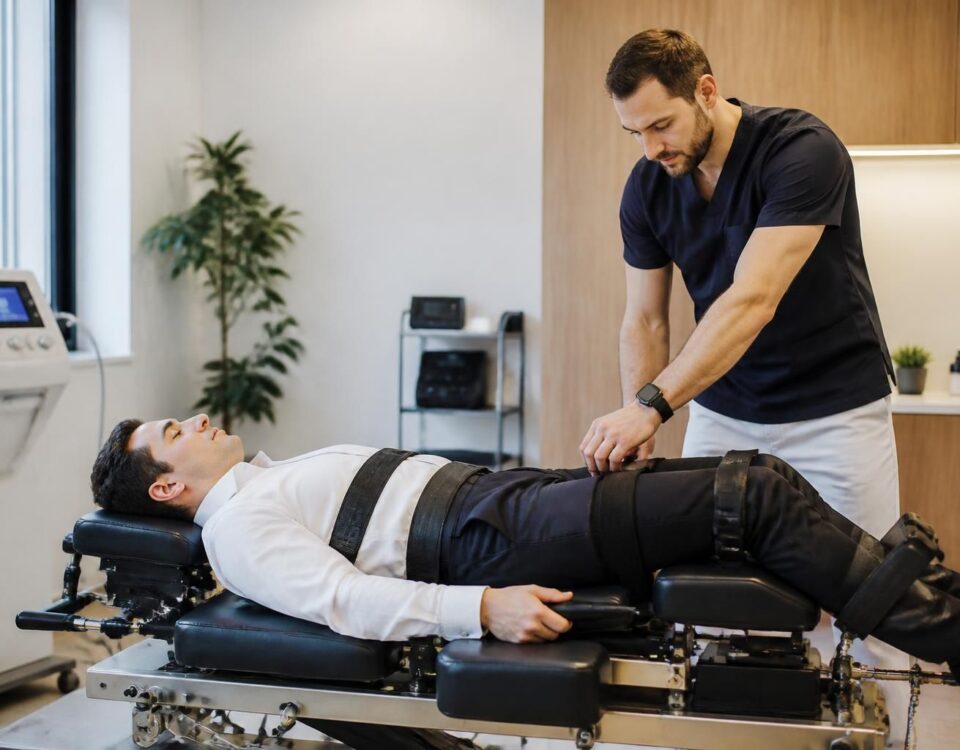
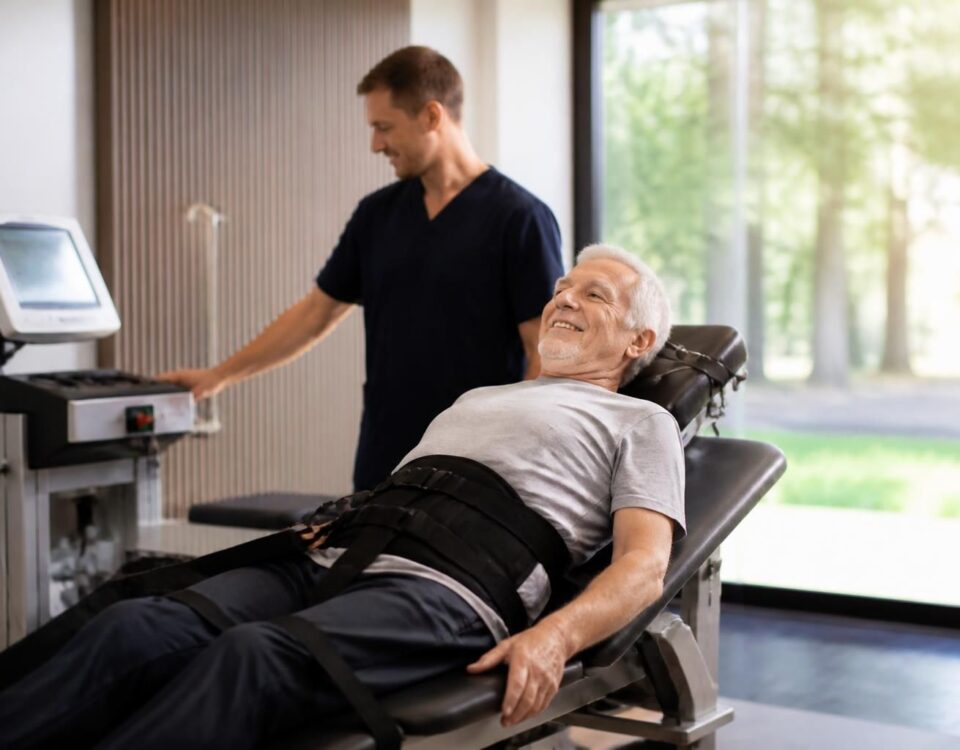
| In short, the neurovertebral decompression is one Non-invasive therapy which creates a space between the vertebrae by a gentle traction In order to reduce the pressure on the discs and nerves. What is it? It’s an approach natural To relieve back pain and improve mobility and the posture without opioids. What advantages? It reduces the pain, promotes the recovery and can sustainably reduce the use of pharmaceuticals such as the opioids, while preventing recurrences. How does it work? On a specialized table, straps and a device apply a Controlled traction that releases pressure on nerves and discs, improves circulation and supports tissue regeneration, without surgery. To montreal, this service is particularly recommended for Lower back pain and the troubles neuropathic related to herniated discs, offering quick and lasting relief and better quality of life. |
The neurovertebral decompression is one natural alternative and non-invasive opioids for the management of dorsal and radicular pain. By reducing the pressure on the discs and nerves through controlled traction, it allows for a lasting reduction in pain and improved mobility, without medication and without Risk of addiction. It acts on the mechanical cause rather than masking the symptoms, providing a safe path to a Improved quality of life with a Personalized follow-up and without surgery.
This article, written by a health professional and expert, explains why neurovertebral decompression is a natural and effective alternative to opioids for spinal pain. It describes the traction mechanism, potential benefits, safety criteria and limits. It also highlights how this approach fits into multimodal support and offers resources to deepen the subject.
Neurovertebral decompression is an approach non-pharmacological which aims to reduce pain by releasing pressure on the intervertebral discs and adjacent nerves. It improves mobility and function without using opioids nor surgery. This method can help to reduce the use of strong analgesics and reduce the risk of dependence associated with certain drug treatments.
How does neurovertebral decompression work
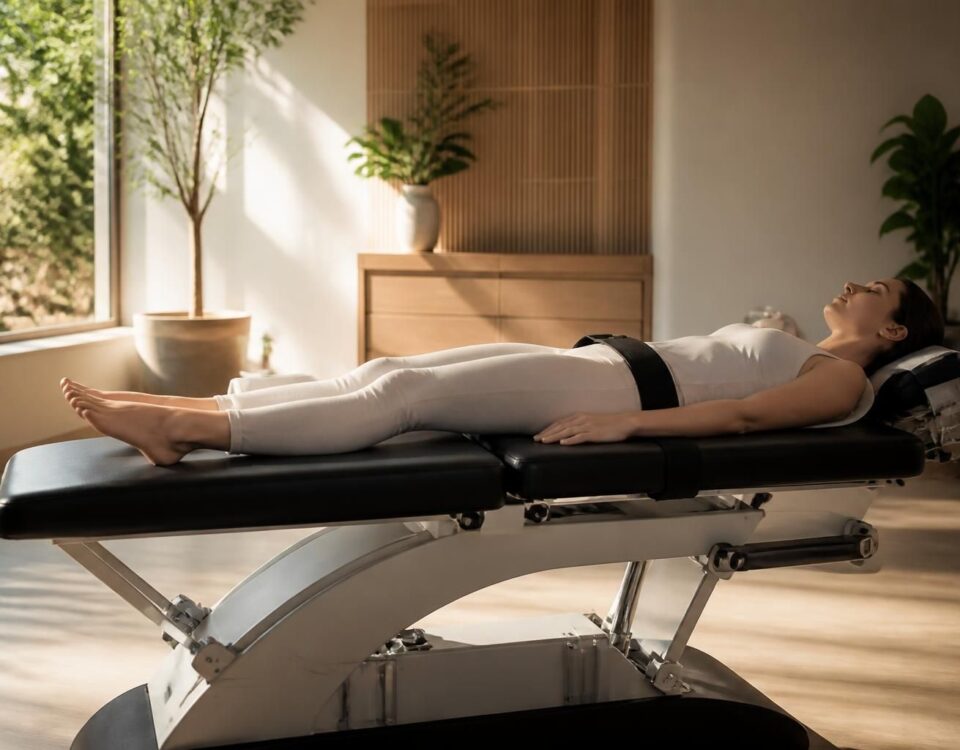
A decompression apparatus applies a gentle traction on the spine. This traction creates a space between the vertebrae and discs. Reducing pressure on the nerves and surrounding tissues promotes improved circulation and contributes to tissue recovery. The process is progressive and personalized according to the condition of each patient.
Benefits over opioids
This treatment is without medication and does not entail any risk of addiction. It avoids systemic side effects often encountered with opioids, such as drowsiness, intestinal disorders or confusion. By targeting spinal mechanics, it directly acts on the possible cause of pain and can provide lasting relief.
Decompression can be combined with other non-invasive approaches offered in TagMed clinics to optimize comfort and functionality. This approach promotes resumption of activities and quality of life, while remaining focused on clinical data and results observed in patients with disc and root pathologies.
Indications, safety and limits
Neurovertebral decompression is mainly aimed at pain related to disc or nerve damage compatible with this technique. Each patient must be subject to a prior assessment by a qualified health professional. Some conditions exclude the use of decompression, including spinal cancers, recent fractures or spinal infections. As with any treatment, appropriate precautions and monitoring are necessary.
Integration into a multimodal approach
Decompression is often part of a global strategy. It can be associated with manual therapies, rehabilitation programs and lifestyle advice. The key is a personalized approach that takes into account the needs and limitations of each patient. In a clinical setting, complementary technologies and appropriate protocols make it possible to optimize the results while avoiding unnecessary use of medication.
Clinical Resources and Resources
To explore this topic, several resources and references can be viewed. For example, you can access the Clinical studies demonstrating the efficacy of neurovertebral decompression on sossciatica.com. Other resources describe benefits and mechanisms, such as natural alternatives to opioids, available through TagMed clinics and associated pages.
To learn more about the options available in Montreal and Terrebonne, TagMed Clinics pages present treatment choices and evidence supporting the use of neurovertebral decompression in a global approach to back health. You will find information on the technologies used and the objective of sustainably reducing pain without drugs.
Additional resources and discussions on safety and efficiency can be viewed via the following links: Neurovertebral Decompression — What You Need to Know, Prevention of long-term spinal lesions, and Safe choice for seniors. Other reference resources include information on the hazards and benefits of non-pharmacological approaches to neuropathic pain management.
Professionals can also direct patients to recognized training and structures, including NUMSS and NAO, which offer relevant programs and certifications osteopathy and in manual therapies. The goal is to ensure evidence-based practice and optimal security.
For information on non-pharmaceutical solutions and natural alternatives, see the associated pages on Tagmed Clinic and the resources of the Canadian Alliance of Alternative Medicine (ACMA).
Advancement in the field and feedback: Patient testimonies show positive results after several sessions, with significant pain reduction and improvement in the ability to resume daily activities without drug addiction.
For additional information, specialized resources and case examples, also consult the dedicated pages on relevant clinical areas. You will find explanations on the intervention framework and the precautions to be taken in the context of treatment in Tagmed or remote clinics according to the protocols in force.
Useful links and associated resources: Neurovertebral decompression and chronic muscle tension, Prevention of long-term spinal lesions, and Benefits for sciatica.
Clinique TagMed offers appropriate consultations and treatments in Montreal and Terrebonne. For more information about the available options and the conditions covered, see Tagmed Clinic.
Medical Disclaimer: The information and advice provided on this site does not replace the health professional’s diagnosis or treatment. Please note that Dr. Sylvain Desforges osteopath is neither a doctor of medicine nor a doctor, and is not a specialist in a medical specialty as defined by the Collège des Médecins du Québec. Manual medicine, functional medicine and sports medicine as described on this site exclude any medical treatment or diagnosis made by a doctor or specialist doctor. Always consult your doctor for any medical questions. For more details, please read our full legal notice.n
neurovertebral decompression : A natural alternative To relieve pain without resorting to opioids. This non-invasive approach releases pressure on nerves and discs, improves circulation and can reduce drug dependence when spinal pain remains a treatment priority.
References and additional resources: Clinical studies demonstrating efficacy, Long-term prevention, Senior safety, Muscle tension and lasting relief, and natural alternative.
Medical Disclaimer: The information and advice provided on this site does not replace the health professional’s diagnosis or treatment. Please note that Dr. Sylvain Desforges osteopath is neither a doctor of medicine nor a doctor, and is not a specialist in a medical specialty as defined by the Collège des Médecins du Québec. Manual medicine, functional medicine and sports medicine as described on this site exclude any medical treatment or diagnosis made by a doctor or specialist doctor. Always consult your doctor for any medical questions. For more details, please read our full legal notice.
- natural And not pharmacological, it avoids opioids.
- Soft and controlled traction Targeting the column to decrease pressure on discs and nerves.
- address the cause Rather than masking pain with medication.
- No addiction No risk of abuse or misuse.
- Fewer side effects than opioids (nausea, drowsiness, constipation).
- Potential pain reduction and improved mobility without drugs.
- posture improvement and the function of the spine.
- non-invasive and without surgery.
- integral to a rehabilitation program and active life advice.
- preventive approach which can promote long-term maintenance.
- personalized and supervised by a professional, adapted to each patient.

Neurovertebral decompression appears as a natural and non-pharmacological alternative to opioids for Chronic pain of the back. By directly targeting the underlying causes of pain — the pressure on the intervertebral discs and nerves — it offers a lasting way of relief without resorting to medication. This non-invasive approach promotes functional recovery, improves posture and gradually reduces addiction to analgesics, while integrating into a Basada care strategy on evidence and individualization of treatments.
A natural and non-invasive alternative
Neurovertebral decompression acts by a gentle and controlled traction that creates a space between the vertebrae. This space reduces pressure on the adjacent nerves and improves the circulation of nourishing fluids, promoting the healing of damaged discs without surgery. Result: progressive decrease in pain, improvement in mobility and better quality of life. This method is not based on active substances or invasive interventions, making it an option suitable for many patients with low back pain, neck pain or sciatica related to protrusions or stenosis.
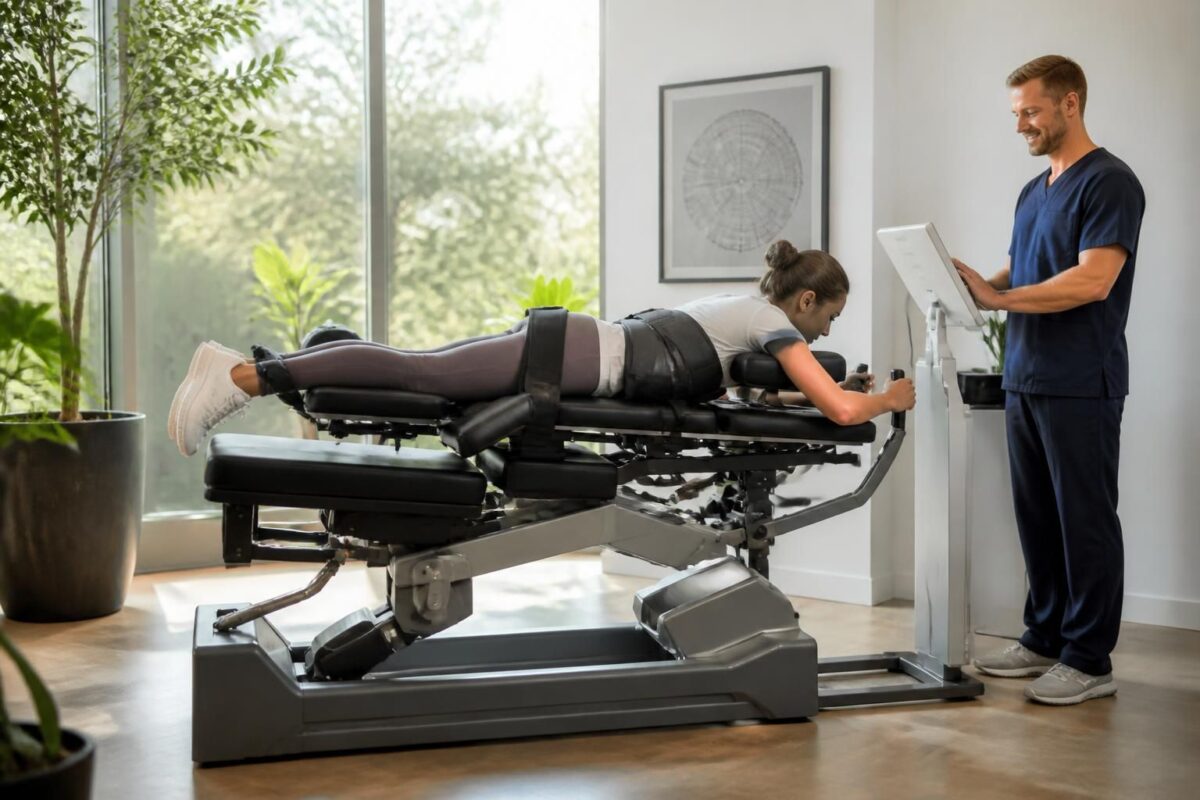
The long-term benefits of neurovertebral decompression for spinal health
In short In short, the neurovertebral decompression is a non-invasive approach that decreases the Pressure on intervertebral discs and nerves, favoring the Natural regeneration and tissue recovery. Its long-term benefits include Lasting pain reduction, Improving mobility and from the posture,…

Neurovertebral decompression and mobility: a return to an active life
In short In short, the neurovertebral decompression is therapy non-invasive who uses a gentle traction To create a space between the vertebrae and reduce the pressure on the Intervertebral discs and the nerves. It promotes a bloodstream improved, lowers tension…
Advantages and security over opioids
Opioids provide quick relief but pose significant long-term risks, such as addiction, tolerance, effects on cognition and gastrointestinal and hormonal systems. In comparison, neurovertebral decompression targets the mechanical cause of pain and acts locally on the spine, with few or no systemic side effects. It offers a way to gradual reduction of symptoms and Lasting improvement of the function, without increasing the risk of addiction or complications associated with opioids. For many patients, this means a progressive decrease or cessation of drug supplements and a resumption of daily activities with more confidence.
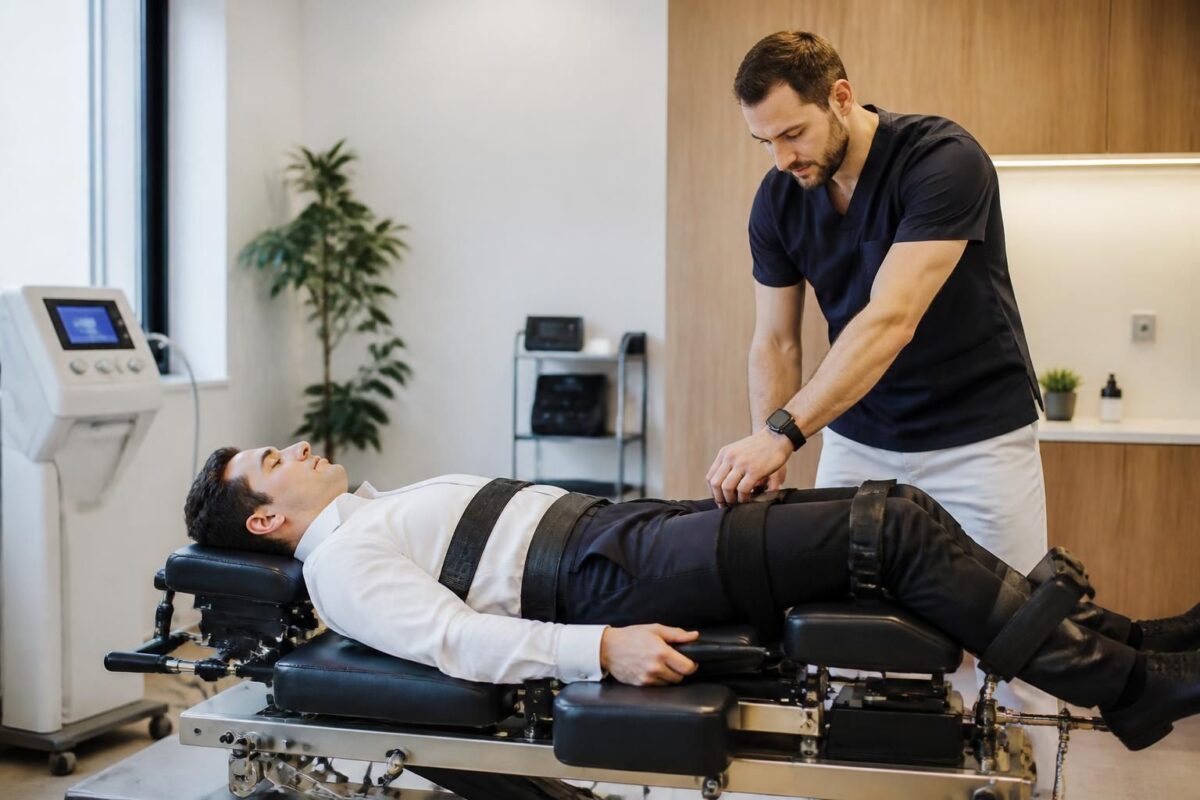
How Neurovertebral Decompression Prevents Diffuse Chronic Pain
In short decompression neurovertebral is one Non-invasive method aimed at reducing the Pressure on the intervertebral discs and the nerves, in order to prevent Diffuse chronic pain. It improves the circulation and thedisc hydration, decreases inflammation and promotes better mobility.…
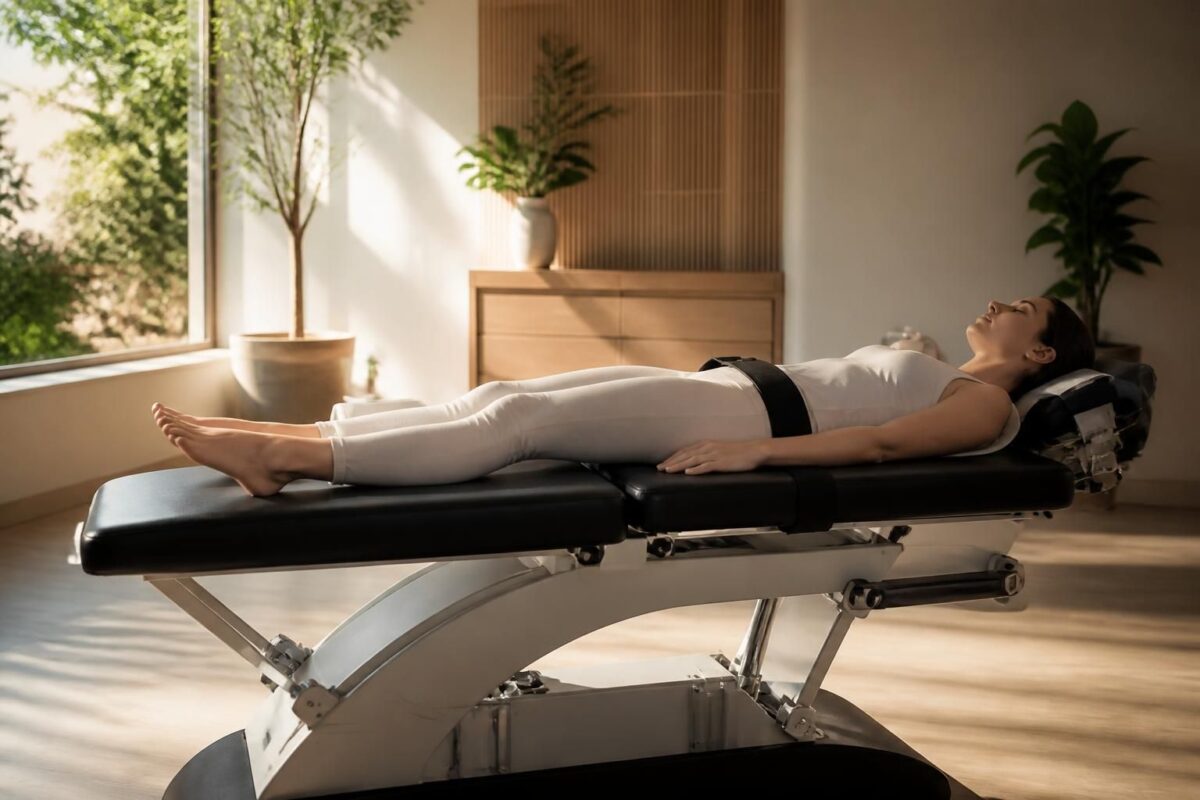
Neurovertebral Decompression and Body Alignment: Restoring Natural Balance
In short In short, neurovertebral decompression is one Non-invasive approach who restores theBody Alignment and thenatural balance back and neck. She acts by a Controlled traction of the spine to widen the intervertebral space and reduce the Pressure on discs…
Integration into a global approach
Personalized approach
Each patient receives a comprehensive assessment to determine eligibility and define an appropriate treatment plan. The typical program consists of regular sessions and durations adjusted to the evolution of symptoms, with clear objectives such as pain reduction, improvement of mobility and return to normal activities. Tracking allows you to adjust traction parameters and integrate targeted exercises to strengthen the back and support results.
Synergy with other therapies
This decompression can be associated with other non-pharmacological approaches, such as physiotherapy, osteopathy, postural exercises and manual therapy. Together, they promote better column alignment, strengthen support musculature and optimize functional recovery. This combination also helps to prevent recurrences and to stabilize progress in the long term.
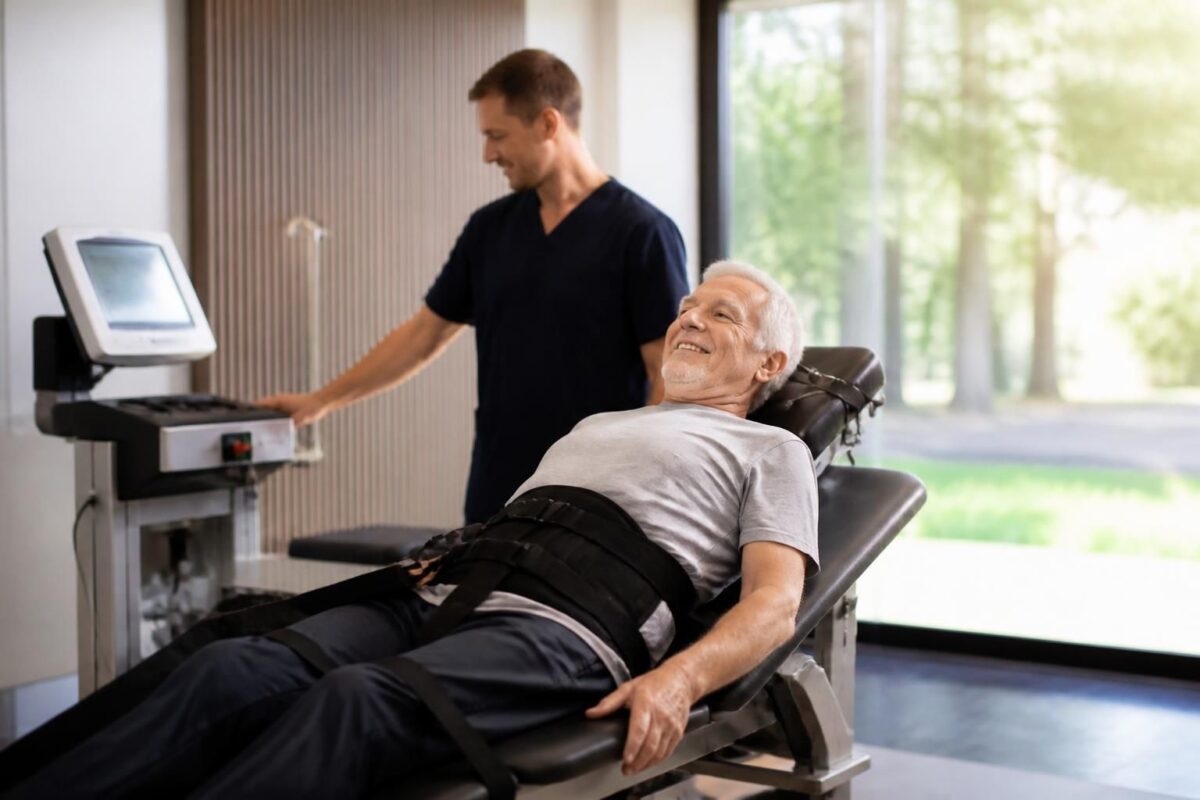
Why neurovertebral decompression is a lasting solution for active seniors
In short In short, the neurovertebral decompression is one Non-invasive therapy which sustainably relieves spinal pain in the spine active seniors By creating, by a Soft and controlled traction, a space between the vertebrae. At Montreal, it is recognized as…
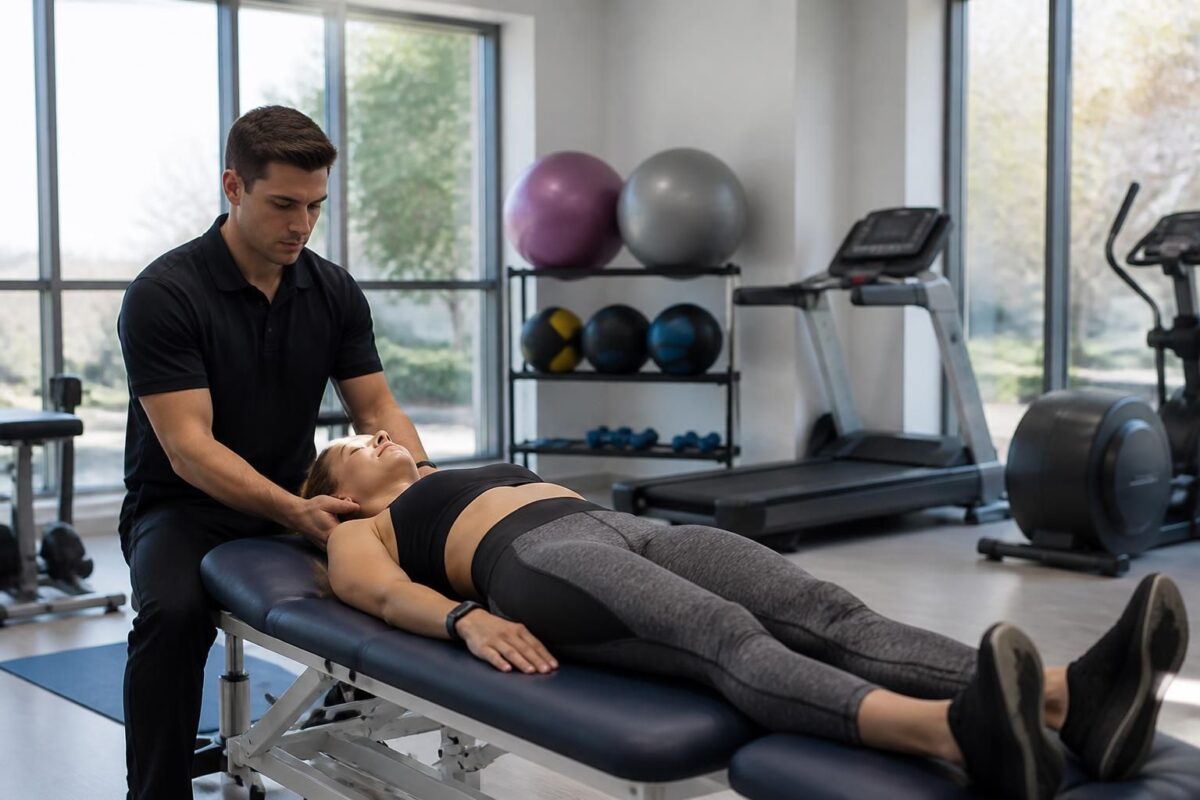
Neurovertebral decompression and recovery after severe sports injury
In short In short, the neurovertebral decompression is one Non-invasive method to Relieve the pressure on the Intervertebral discs and the gristle Via a Controlled traction, to facilitate the recovery After a severe sports injury. It improves the bloodstream towards…
What to expect and practical advice
For people with nerve pain related to compression, a personalized protocol can include between 15 and 25 sessions, with appropriate session durations (often 30 to 45 minutes). The path can lead to a gradual decrease in pain and an increase in possible activities. Minor discomfort or transient stiffness may occur, but these effects generally remain temporary and well tolerated. Before starting, it is essential to consult a qualified professional to check that there are no major contraindications (for example, column cancers, recent fractures or infections). At the same time, advice on posture, appropriate physical activity and specific exercises can reinforce benefits and promote sustainable recovery.
| Axis | Concise description |
|---|---|
| Non-invasive and targeted mechanism | Gentle traction that reduces pressure on discs and nerves without medication. |
| Efficacy on pain | Pain reduction and improved mobility without opioids. |
| lack of addiction | No risk of addiction or withdrawal, unlike opioids. |
| Medical state of play | Pre-assessment needed to check suitability and avoid contraindications. |
| Risk and tolerance | rare side effects; generally well tolerated and comfortable. |
| Time and experience | Non-surgical sessions, about 30–45 minutes, without anesthesia. |
| Impact on mobility | Improvement of movement and posture, facilitation of daily activities. |
| Duration of results | Sustainable effects with follow-up and additional exercises. |
| Cost and accessibility | Option generally more economical than surgery and accessible in specialized clinics. |
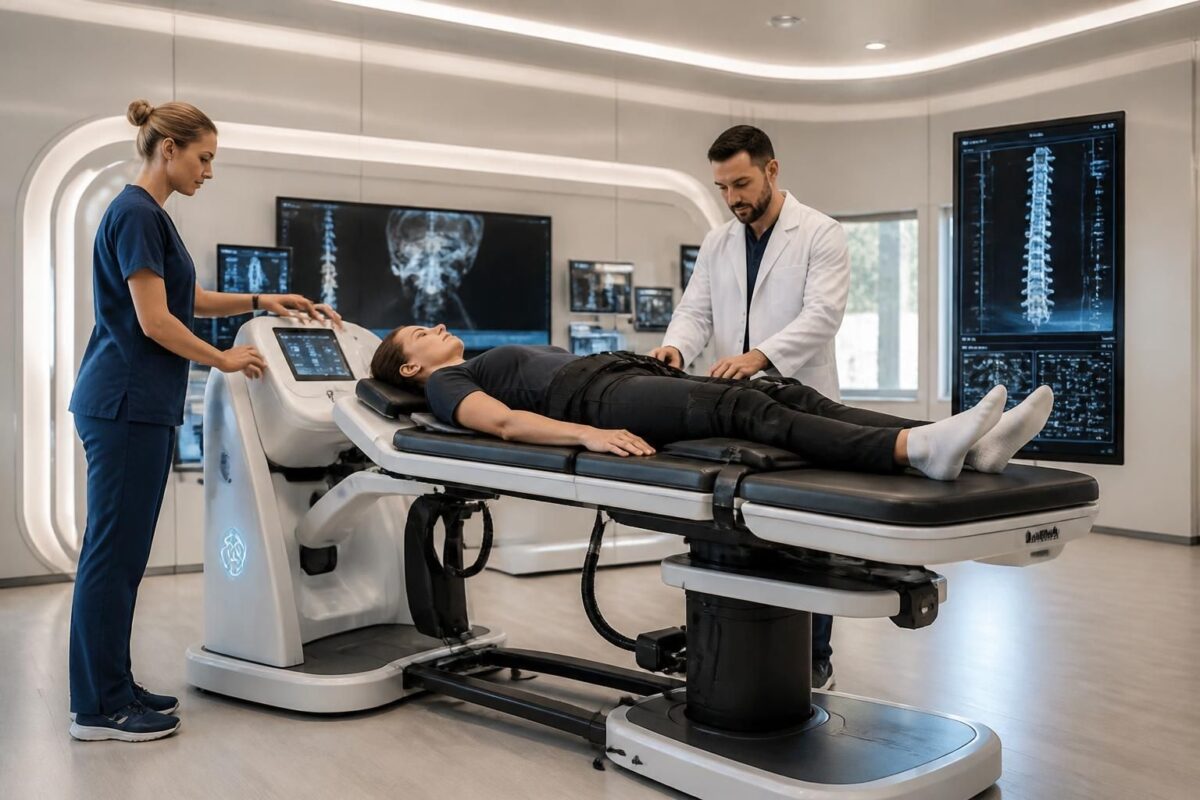
Recent innovations in neurovertebral decompression technologies
In short In short, the neurovertebral decompression is an approach non-invasive Aiming to reduce pressure on discs and nerves, and promote tissue regeneration. At Montreal, it is positioned as an effective option for lower back pain and herniated discs. The…
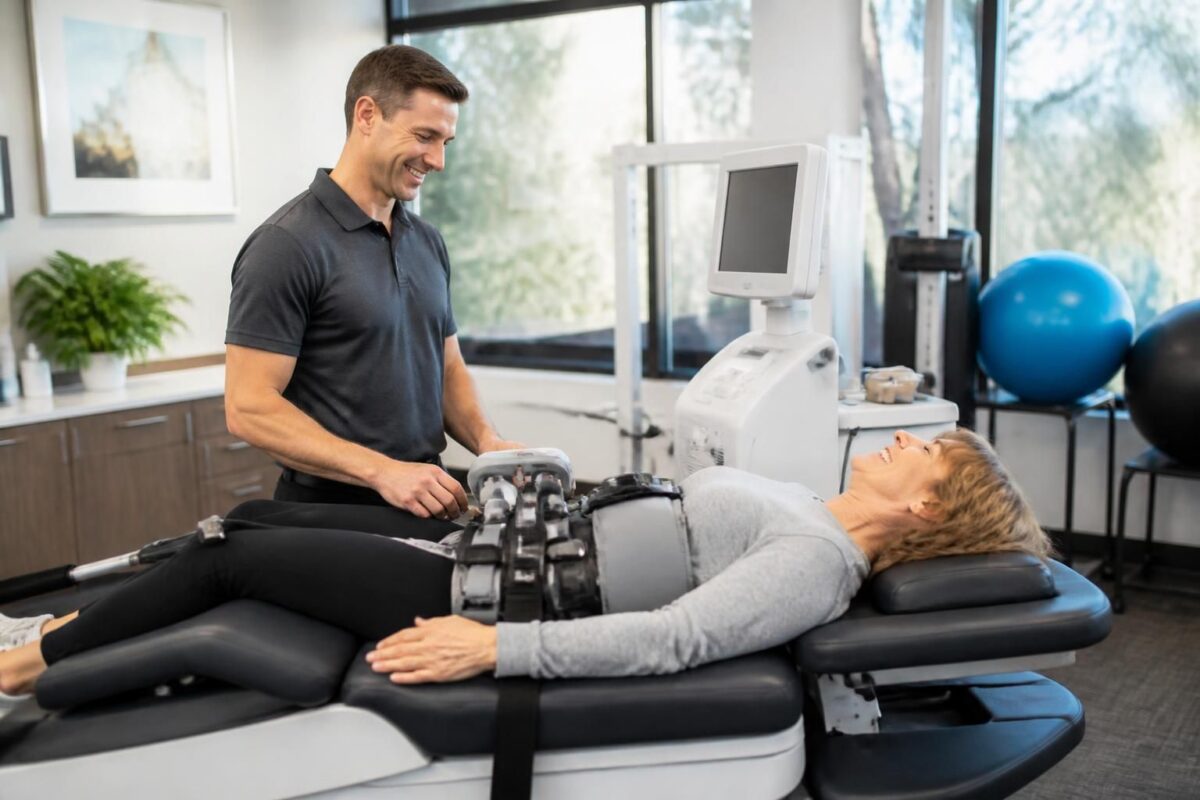
Neurovertebral decompression and diffuse pain: an appropriate solution
In short In short, the neurovertebral decompression is one Non-invasive solution For diffuse pain related to nerve irritation of the spine. She acts in Reducing pressure on intervertebral discs and nerves and improving the bloodstream, which promotes recovery and the…
Testimonials: neurovertebral decompression as a natural alternative to opioids
“Before I tried neurovertebral decompression, I depended on opioids to manage my chronic pain. After a few weeks of treatment, I began to feel a noticeable drop in pain and greater freedom of movement, without the heavy side effect of drugs. It became a natural solution that allowed me to resume my daily activities without fatigue or bloating. »
“As an athlete, I was looking for an approach that avoids opioids and their risks. Neurovertebral decompression offered me a non-intrusive alternative: gentle sessions that release the pressure on the nerves and improve my posture. Result: less pain, more stability and a gradual resumption of workouts without drug addiction. »
“I had a dull pain that did not pass despite several treatments. Opioids were not a viable solution for me, because they masked the pain without treating it. With neurovertebral decompression, I saw a gradual decrease in intensity, better mobilization and a reduction in the need for drugs. My daily life is more balanced and more active. »
“As an elderly person, the idea of heavy operations or treatments scared me. Neurovertebral decompression gave me a natural and secure alternative. After each session, I feel lighter in the back, less dependent on analgesics and reassured by the fact that it is a non-invasive process that respects my body. »
“My experience with decompression has been transformative. I used to take opioids to deal with pain in the lower back and leg, but I preferred an approach that acts on the cause. Today, I have better mobility, less pain and I can enjoy my activities without regularly using medication. »
“By developing a suitable routine, I was able to reduce my doses of analgesics thanks to neurovertebral decompression. The process is gentle and reassuring, and the results are felt on the posture and on the breath, which improves my overall well-being without addiction. I warmly recommend this natural approach to anyone who wants to reduce or avoid opioids. »
Dr. Sylvain Desforges, osteopath and expert in manual medicine and naturopathy, is a pioneering voice in the management of chronic pain without systematically using drugs. Founding President of the Tagmed Clinics and the ACMA Association, he has a focus on responsible innovation and evidence-based care. Its approach is based on the clear objective of proposing effective and natural alternatives that reduce dependence on opioids while improving the quality of life of patients on a long-term basis.
Faced with the silent epidemic of opioids in pain management, his approach favors non-pharmacological options that directly attack their causes. Neurovertebral decompression, a non-invasive technique that it develops and applies, aims to reduce the pressure exerted on the discs and nerves, gradually restoring the mechanical balance of the spine. In practice, this method offers a safe path for those who suffer from low back pain, neck pain or radicular pain which too often lead them to repeated intake of analgesic drugs.
At the heart of this approach is a simple and powerful logic: relieving symptoms by treating the source of the problem, not masking pain with pills. By creating a space between the vertebrae through controlled traction, decompression helps in the rehydration and restoration of the mobility of damaged tissues. This natural dynamic promotes functional recovery, improves posture and strengthens the body’s ability to recover without surgery or drug dependence. For patients who hesitate between invasive treatments and drug treatments, this option offers a tangible and reassuring alternative.
The credibility of Dr. Desforges lies in his commitment to integrated and personalized medicine. It combines neurovertebral decompression with other complementary approaches, such as postural alignment, manual therapies and lifestyle counseling, to achieve lasting results. This synergy makes it possible to gradually reduce the drug load and to establish a treatment plan adapted to each course, with clear objectives: reduction in pain, resumption of daily activities, and prevention of recurrences. By favoring evidence and security, it transforms a natural alternative into a reliable solution for patients who wish to live without dependency on opioids.
This philosophy is reinforced by the experience of Tagmed clinics, where support is done in an ethical and transparent framework. The patient is guided towards a better understanding of his body and the mechanisms of pain, which facilitates adherence to treatment and strengthens autonomy in long-term management. Through a person-centric approach, Dr. Desforges offers a pragmatic and body-friendly way to prevent pain and promote lasting healing.
For those looking for a natural and effective alternative, neurovertebral decompression offers an option that is part of a global approach to well-being, far from the side effects of opioids and the risks associated with surgery. The route proposed by Dr. Desforges is based on proven technologies and practices, in order to promote pain-free life and better daily autonomy within TagMed clinics.
neurovertebral decompression presents itself as a natural alternative and non-pharmacological major to opioids for spinal and neuropathic pain, directly treating mechanical causes and promoting sustainable recovery without medication or surgery.
This approach is a Natural and sustainable solution Faced with the use of opioids. By targeting the mechanical cause rather than passively reducing pain, it offers a way to relief without major risk of addiction. The principle is based on a Soft and controlled traction which creates a space between the vertebrae, improves fluid circulation and facilitates tissue healing.
Profits include a gradual pain reduction, a posture improvement and an Mobility found, allowing a faster return to daily and sporting activities without drug addiction. This non-invasive approach stands out as a valuable option when pharmacologic treatments present risks of side effects or dependence.
Online resources and guides illustrate the interest of neurovertebral decompression as an alternative to opioids and shed light on mechanisms and results. For example, you can view analyzes and feedback on specialized sites such as Neurovertebral decompression and alternatives to opioids, Spinal function and well-being and Neurovertebral Decompression — Definitions. These resources provide a balanced perspective on observed mechanisms, indications and results.
To understand how this approach fits into a care pathway, you can explore the elements described on dedicated pages such as Why choose neurovertebral decompression, Overall well-being, and Technology and protocol. These resources describe the mechanisms, indications and magnitude of possible benefits.
It remains essential to assess each case with a health professional to determine eligibility and the appropriate treatment plan. Elements like spinal alignment, disc condition and medical history guide the choice and guarantee a safe and personalized approach. Additional resources on spinal alignment and post-traumatic management provide useful insights to understand the structural impact of decompression.
In short, neurovertebral decompression is positioned as a natural and proven alternative to manage neuropathic pain and disc pathologies, with rapid benefits and an orientation towards the prevention of recurrences. For further information and feedback, refer to the resources listed above and the guides on the reference sites.
For more information on scientifically observed feedback and patient reported results, please refer to the Global Evidence and Benefits pages, such as Scientific feedback and Benefits for Neuropathic Pain.

Dr Sylvain Desforges, B.Sc., D.O., N.D., osteopath, is the founding president of TAGMED and of the ACMA association. He dedicates his practice to chronic spinal pain, low back pain and symptoms compatible with sciatica, particularly when pain radiates toward the buttock, leg, calf, foot or toes.
Through SOS Sciatique, he publishes educational content on sciatica symptoms, possible causes such as disc herniation, disc narrowing, foraminal stenosis or irritation of a lumbar nerve root, as well as non-surgical approaches that may be considered according to the evaluation. At Clinique TAGMED, care may include, depending on the case, motorized neurovertebral decompression, specific osteopathic care or precision percussion.
For an evaluation related to sciatica treatment in Montreal / Mount Royal or sciatica treatment in Terrebonne, please consult the services available at Clinique TAGMED.
Medical disclaimer
The information published on SOS Sciatique is provided for educational purposes only and does not replace a consultation, diagnosis, opinion or treatment provided by a physician or another authorized healthcare professional. The author of this article is neither a medical doctor nor a specialist in a medical specialty recognized by the Collège des médecins du Québec. The osteopathic, manual medicine or functional support approaches described on this site do not constitute medical acts and are not intended to replace medical follow-up.
Consult a physician or emergency service in cases of loss of bladder or bowel control, anesthesia in the saddle area, significant or progressive weakness in the leg or foot, fever, recent trauma, severe pain or rapid worsening of symptoms. For more details, please read our Legal Notice.