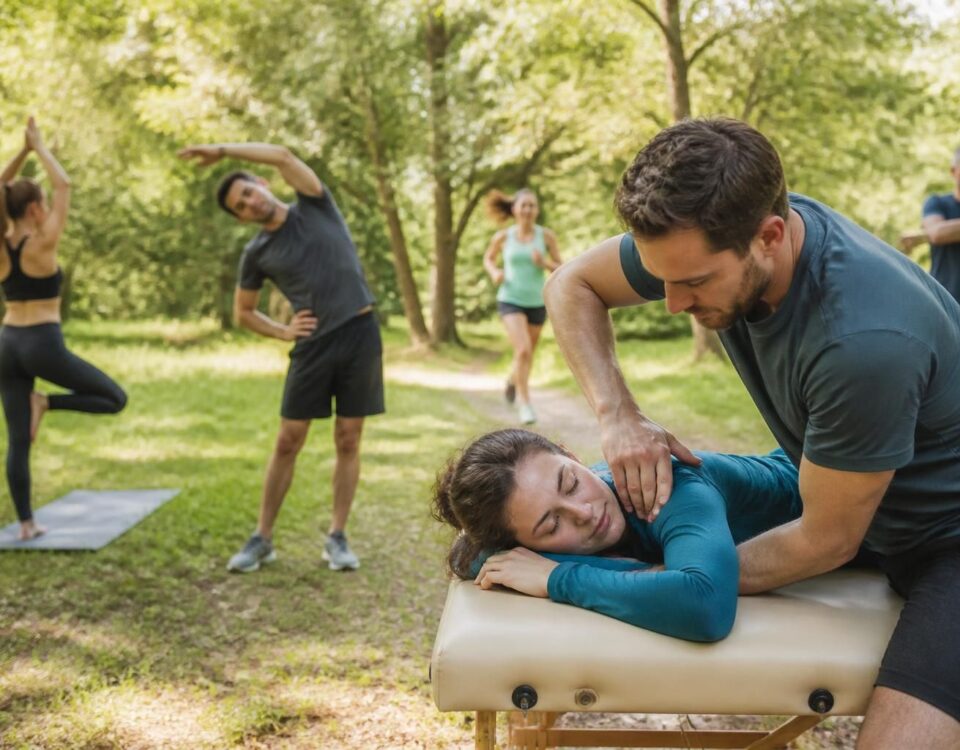
How osteopathy improves muscle flexibility
27/06/2026
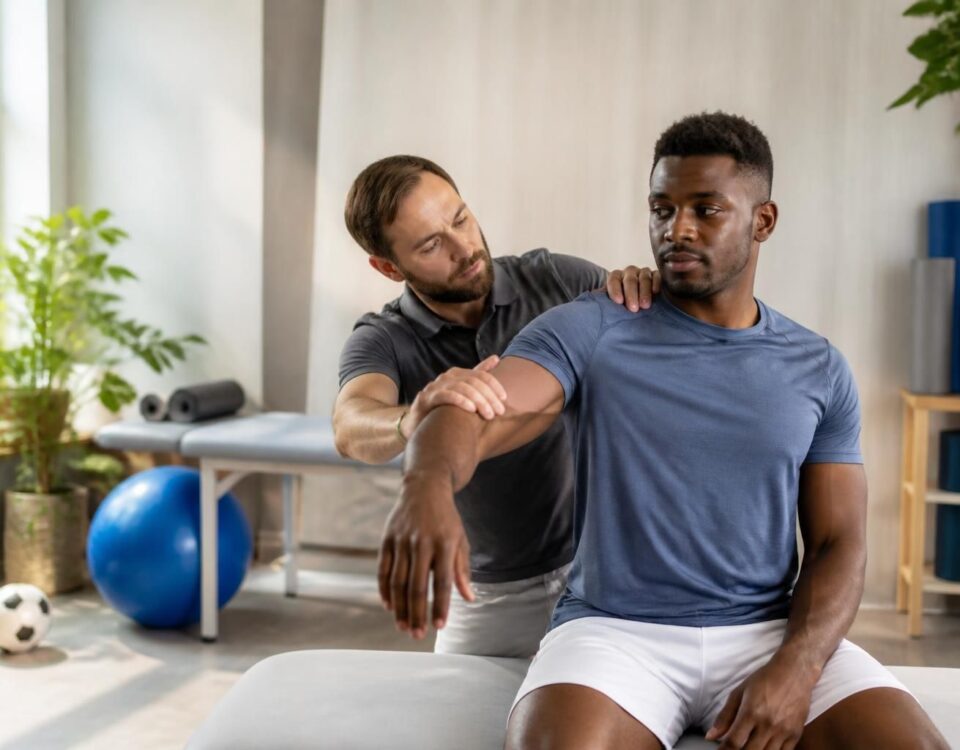
Osteopathic techniques to reduce joint inflammation
27/06/2026
In short
In short, theosteopathy for the Work-related muscle pain is an approach non-invasive which analyzes the body as a whole to deal with the root causes of tension. It quickly reduces contractures, the aches and postural tensions, and improves mobility while preventing recurrences. The operation is based on a consultation focused on the overall evaluation, gentle techniques and practical advice on self-stretching and ergonomics. accessible to Montreal, this service is particularly relevant for professionals exposed to static or repetitive postures, which seek to preserve comfort and performance at work. |
theosteopathy OFFER A holistic treatment of Muscle pain related to work by considering the body as a whole rather than treating only the painful location.
It aims to identify the root causes Tensions linked to posture, at sedentary work, at Repetitive gestures and stress, then to restore the mobility, reduce the contractures and the aches thanks to soft techniques such as Myofascial release, the engagement and targeted stretching.
between sessions, favor regular breaks, practice a self-massage, make stretches simple and adjust theergonomy your workstation to optimize the results and prevent recurrences.
Book your consultation now to benefit from a personalized and sustainable plan.
Quick summary: Osteopathy offers an approach non-drug For work-related muscle pain. It seeks root causes, improves mobility and reduces tensions. This holistic approach can help prevent recurrences and maintain a better quality of life at work.
How osteopathy acts on work-related muscle pain
Osteopathy considers the body as a whole. The practitioner evaluates posture, movements, breathing and muscle tension. He chooses techniques Soft manuals To release restrictions, improve circulation and synchronize muscle functions. This method targets underlying causes, such as tensions related to prolonged sitting, repetitive gestures, or postural imbalances at work.
The techniques used can act on fascias and muscle chains, in order to restore a better innervation and an Local vascularization. The desired result is a decrease in tensions and an improvement in mobility, which can also promote better endurance at work.
Types of work-related muscle pain and what osteopathy can do
Work-related pain often occurs in the form of contractures, aches or postural tensions. Osteopathy helps to relax tense muscles and refocus structures that support the musculoskeletal system.
For pain without obvious lesion, the goal is to reduce tension and improve the mobility of muscles and soft tissues. When there is diffuse pain after professional activity or chronic muscle fatigue, the osteopath can propose global approaches to restore the balance of muscle chains and natural recovery mechanisms.
How is an osteopathic consultation going?
The first session begins with listening to the symptoms and a Overall assessment. The practitioner observes posture, joint mobility and areas of tension. It looks for professional factors that can influence pain and determines an appropriate care plan.
Then, targeted manual techniques are used to release tensions, promote circulation and rebalance local energy mechanisms. The treatment can be supplemented by practical advice on ergonomics and on the adaptation of professional gestures in order to prevent recurrences.
What the sessions can bring
In the short term, a session can quickly reduce tension and improve mobility. In the medium term, the objective is to rebalance posture and optimize general muscle function, which can reduce the frequency of work-related pain.
When to consult and warning signs
Consult if muscle pain persists beyond 48 hours, or if they limit the performance of usual professional gestures. Recurring tensions among sedentary workers, people exposed to repetitive gestures or amateur athletes can benefit from an osteopathic assessment to adjust work and mobility.
What to do between sessions to optimize the results
Between visits, favor simple habits that support osteopathic work. Adapt your workstation, take regular breaks and practice democratized mobility gestures for the spine and shoulders. The osteopath can direct you to self-relaxation techniques and hydration and nutrition advice that support muscle recovery.
Additional resources and information
To learn more about the osteopathic approach and work-related muscle pain, you can consult recognized specialized resources and trainers. For example, certain contents have the general benefits of osteopathy and explanations on the management of Chronic pain:
Find additional information from the following sources:
The benefits of osteopathy,
Osteopathy and chronic pain,
Osteopathy and muscle pain.
For a more comprehensive approach, you can consult specialized resources in the areas of osteopathy and lower back pain:
Osteopathy and lower back pain,
Osteopathy and well-being.
For training and practice references, some osteopaths are part of recognized courses such as NUMSS, NAO, National University of Medical Sciences or National Academy of osteopathy.
For more information on the overall benefits and practical aspects of osteopathy, see for example the following resources:
Osteopathy and muscle pain – appropriate care,
Benefits of osteopathy on chronic pain,
For reference information published by firms and clinics, you can also consult specialized resources such as Tagmed Clinic and the informative texts available on Benefits for postpartum.
Medical Disclaimer: The information and advice provided on this site does not replace the health professional’s diagnosis or treatment. Please note that Dr. Sylvain Desforges osteopath is neither a doctor of medicine nor a doctor, and is not a specialist in a medical specialty as defined by the Collège des Médecins du Québec. Manual medicine, functional medicine and sports medicine as described on this site exclude any medical treatment or diagnosis made by a doctor or specialist doctor. Always consult your doctor for any medical questions. For more details, please read our full legal notice. »
- Posture and gestures : Assessment and adjustments to the workplace.
- Tensions and contractures : Targeted relaxation of the muscles solicited by professional activity.
- Mobility and muscle chains : Improved elasticity and body alignment.
- Lumbar and dorsal : Decompression and relaxation of frequently overstrained areas.
- Myofascial techniques : Liberation of the fascias to regain global mobility.
- Trigger points : Local release of areas of referred pain.
- Hydration and respiration : Simple actions to reduce muscle tension.
- Self-massage and stretching : Exercises to be performed between sessions.
- Job Ergonomics : Tips to prevent overload and discomfort.
- Prevention and maintenance : Regular monitoring to limit recurrences.
- Accompanying plan : Objectives, progression and personalized adaptations.
- Progressive reintegration : Resumption of appropriate activity and adequate hydration.

This article summarizes how theosteopathy can effectively treat Work-related muscle pain, explaining the possible causes, the types of pain encountered and the gestures to be adopted between the sessions to optimize the results. You will also discover why this global approach can be a durable and non-invasive solution to improve your daily comfort.
Why consult osteopathy for work-related muscle pain
In the workplace, tensions and contractures often arise from prolonged posture, repetitive gestures or physiological stress. Osteopathy offers a holistic analysis of the body, looks for the root causes and treats the imbalances that fuel pain, rather than just appease symptoms. This non-invasive approach respects the natural healing mechanism and can prevent recurrences, especially when pain is accompanied by postural discomfort or chronic muscle fatigue.

How osteopathy improves the quality of life of active people
In short In short, theosteopathy is a global approach that Optimizes mobility and the function of the body of ACTIVE PEOPLE, for a better quality of life. It helps prevent injury and reduce Musculoskeletal pain While promoting the Sports recovery.…

Osteopathy and sports recovery: prepare the body for lasting performance
In short In short, Osteopathy and Sports recovery is one Global manual approach that sustainably prepares the body for the effort by restoring mobility and circulation After the effort. It is a discipline that acts on the sinews, the joints,…
Types of pain and lines of intervention
Contractures and posture-related tensions
The contractures result from musculotendinous tension maintained for too long in the same position or during repeated movements. The osteopath will feel harsh and sensitive areas and use targeted techniques to relax the muscle and restore normal mobility, to prevent tension becoming chronic.
aches and muscle fatigue
Diffuse pain after exercise or long days in front of screen are common. The osteopathic approach improves local circulation and decompression of structures, promoting recovery and reduction of pain sensations in the days that follow.
Stress and physical overload
Stress can increase joint and muscle tension. Osteopathy integrates a psycho-corporeal dimension to release deep tensions, restore the balance of the musculo-fascial chains and promote a state of relaxation conducive to healing and improving posture at work.
Why Osteopathy Is Essential For Recovery People
In short In short, Osteopathy in convalescence is an approach manual and holistic which helps to accelerate the recovery by restoring The balance, the mobility and a good circulation fabrics. it contributes to Reduce the pain, support the Back to…

Osteopathic manipulations to strengthen post-traumatic muscles
In short In short, Osteopathic manipulations for Strengthen post-traumatic muscles constitute a gentle manual approach aimed at restoring the mobility, reduce the pain and facilitate the Functional rehabilitation After a injury. What is Is it? A series of precise gestures…
How osteopathy acts concretely
theosteopathy Begins with a global assessment of the body, in order to identify dysfunctional couples between bones, muscles, fascias and nerves. The techniques used include myofascial release, targeted trigger releases, joint mobilization and directed stretching. The objective is to restore alignment, improve vascularization and promote better innervation of the muscles solicited by the work. This approach can also integrate the understanding of muscle chains and reactions of the body to professional stress, to prevent remote tensions.

Osteopathy and prevention of work-related musculoskeletal disorders
In short theosteopathy is one Manual approach that restores body balance and prevents MSD related to work. Its advantages: reduction of tension, improvement of mobility and prevention of chronic pain. She is preventive and healing, suitable for office and trades…

The benefits of osteopathy to treat muscle imbalances
In short theosteopathy is a manual approach to restore themuscle harmony and postural considering the body as a whole. Its main benefits include the reduction of aches and tensions, the improvement of the mobility and from the posture, and prevention…
What you can do between sessions
Ergonomics and active breaks
Optimize your workstation: chair and screen height, lumbar cushion, and neutral position of the neck and shoulders. Plan active breaks every 60 to 90 minutes and integrate a few simple targeted stretching gestures to release the most stressed areas.
Self-massage and stretching
By relying on the advice of your osteopath, practice self-massages and gentle stretching, without forcing. Hold each stretching posture for 20 to 30 seconds and favor slow breathing to promote tension release.
Adapted physical activity
Adopt a regular physical activity adapted to your work: walking, swimming, or mobility exercises and reinforcement specíficos for the back and shoulders. Progressive and appropriate practice helps maintain postural gains and prevent relapses.
Osteopathy and chronic leg pain: regaining an optimal quality of life
In short In short, Osteopathy is one Global manual approach aimed at reducing Chronic leg pain and improve the quality of life. What is it? Non-drug therapy using the hands to identify restrictions and treat lesional chains. How does it…
How osteopathy supports recovery after complex surgery
In short In short, Post-operative osteopathy is an approach fresh which supports the recovery After a Complex surgery. It helps to reduce the pain and the fatigue, improves the mobility and accelerates the healing thanks to a better vascularization and…
When to consult and what to expect
Consult as soon as the pain persists for more than 48 hours, worsens with work, or limits your daily gestures. Osteopathy can produce rapid improvements in tension and mobility, but a treatment plan that is appropriate for your work activity and your daily habits is essential for lasting results.
| Axis | Approach osteopathy | Impact (concise text) |
|---|---|---|
| Professional origins | Overall body assessment to detect repetitive postures and biomechanical stress. | Identify the causes and rebalance the body. |
| pain profiles | contractures, aches and cramps related to activity, with or without slight lesion. | Adapt the treatment to the type of pain. |
| Flagship Techniques | techniques myofasciales, Release of trigger points, stretches Passives and gentle mobilization. | Relaxation and mobility found. |
| goals | reduction of the pain, improvement of the mobility, prevention of recurrences. | Comfort and performance at work. |
| Session course | Non-invasive approach, location of tension zones and targeted adjustments. | personalized therapeutic journey. |
| Frequency and duration | Plan adapted according to acute or chronic; Progress towards maintenance. | Personalized plan and follow-up. |
| between sessions | Self-massage, targeted stretching and ergonomic advice for workstations. | Autonomy and maintenance of earnings. |
| Efficiency and limits | Efficiency is observable in the short and medium term; Can be associated with physiotherapy if necessary. | Realistic expectations and continuous monitoring. |
| Safety and precautions | Initial evaluation, possible contraindications and adaptation of techniques according to the patient. | initial assessment required. |
Testimonials on osteopathy for work-related muscle pain
Since I spend hours in front of my computer, I had Muscle pain in the lower back and tension in the shoulders. After a few sessionsosteopathy, the tensions dissipated and my mobility improved. I went from chronic pain to a feeling of comfort on a daily basis, which allowed me to be more efficient at work.
As a maintenance technician, I put a lot of attention to my shoulders and back because of repetitive gestures and loads to handle. The team worked on my Muscle chains and set up exercisesself-massage Simple to do at the post. Result: less stiffness at the end of the day and faster recovery after each intervention.
For me who treats my patients, the prolonged postures in the operating room have caused significant cervical tension. The osteopath targeted the key areas and taught me stretches and breathing techniques to prevent recurrences. Today, my Muscle pain are much less present and I find better energy at work.
Delivery driver with long sitting periods, I suffered from lower back pain and tension in my back after busy days. A global approach and practical advice made a real difference. After the sessions, I noticed a lasting improvement and working postures adjusted that avoid exacerbations.
Since I work on screen, I have tensions in my neck and trapezoids that prevent me from concentrating. Osteopathy sought to balance my posture and proposed simple exercises to do in the professional environment. The Gentle techniques used have given me quick relief and effective prevention of future pain.
As a teleworking executive, my mixed office and displacement days create recurring lower back pain. The osteopathic assessment highlighted postural imbalances and recommended active micro-pauses and targeted stretching. Since then, my Muscle pain are less present and my productivity has improved thanks to better mobility and less fatigue.
Osteopathy for work-related muscle pain: an effective and preventive approach
Modern work frequently exposes muscles to prolonged tension, repetitive gestures and static postures that can trigger acute or chronic muscle pain. Osteopathy Proposes a holistic approach to understanding these pains by analyzing the body as a whole. Rather than treating only the painful area, the osteopath seeks dysfunctions that can be expressed remotely, taking into account lifestyle, workplace and daily habits. This approach aims not only to relieve pain, but also to restore the biomechanical balance and to prevent recurrences.
In a professional context, muscle pain can take different forms. Some do not involve apparent anatomical lesion (contractures, aches, postural tension), while others result from micro-lesions related to overload or unusual stress. Osteopathy takes these variations into account and adjusts its action according to the patient, the type of work and the chronotype of pain. This customization makes it possible to optimize the chances of rapid recovery and to limit work stoppages.
The techniques used by the osteopath to treat work-related pain cover a wide range, always suitable for the patient. It can be myofascial relaxation to release deep tensions, release points to dissipate localized contraction areas, or soft joint mobilizations in order to restore mobility. Targeted stretching, both passive and active, completes manual work. In a holistic approach, some methods also consider muscle chains and fascia-tissue relationships, in order to correct imbalances that may manifest far from the painful area.
The expected benefits of osteopathic management dedicated to work-related pain are measured in the short and long term. In the short term, there is a decrease in tension, an improvement in mobility and a reduction in pain which can facilitate the return to professional activity. In the medium and long term, the objective is to rebalance the posture, to improve the ergonomics of the position and to prevent reappearances, in particular through personalized advice and exercises at home. This approach can also promote sleep, stress management and work performance.
To optimize the results between sessions, the osteopath can offer simple and effective self-care: targeted self-massages, stretching adapted to the professional profile, and warm-up protocols to be carried out before certain physical tasks. Practical advice on postural hygiene, job layout and regular breaks are also shared. Finally, osteopathy can be integrated into a global program including appropriate physical activity, sufficient hydration and a diet favorable to muscle recovery, in order to sustainably support musculoskeletal health at work.
If you are experiencing work-related muscle pain, consider an osteopathic consultation for an in-depth assessment and a personalized plan. This approach, focused on prevention and gradual resumption of activities, can become a major asset to preserve your comfort, energy and professional efficiency over time.
Quick Summary: Osteopathy offers a natural approach to treating Work-related muscle pain, by analyzing the body as a whole, identifying causes as bad postures and repetitive gestures, then releasing tensions via gentle and personalized techniques. This approach, combined with ergonomic advice and exercises, aims to improve mobility, prevent recurrences and optimize well-being at work.
In practice, osteopathy is directed directly at the worker suffering from Muscle pain. The approach consists of analyzing the body as a whole, detecting the tensions linked to the posture and repetitive movement, then to use techniques such as Release of muscle chains, the Passive and active stretching and the Release of trigger points to release tense areas. To learn more about the techniques used, consult the dedicated resources on the Osteopathic techniques.
The work can also lead to postural aspects and visceral tensions linked to the prolonged seat, and osteopathy offers a global approach that can improve mobility, circulation and local innervation. Information on the benefits for postural pain and age adjustment is available in specialized FAQs and guides right here and there.
The short and medium term results are reinforced when the work is part of a preventive approach: self-massage, stretches targeted, and ergonomic measures on the workstation. The SOS Sciatica site details how osteopathy improves muscle flexibility and postural function, which can reduce painful episodes and promote better post-work recovery right here and there.
To optimize the results between sessions, the osteopath can recommend simple exercises and ergonomic adjustments, combining Functional rehabilitation and lifestyle. Resources on the management protocols and the link with the prevention of musculoskeletal disorders can be found in the guides and articles right here and right here.
If you are considering treatment, osteopathy can be considered today to prevent recurrences and facilitate the return to a comfortable professional activity. For practical advice on benefits and results, consult sources like Dr. Desforges’ website and dedicated articles on postural pain and postoperative recovery right here.

Dr Sylvain Desforges, B.Sc., D.O., N.D., osteopath, is the founding president of TAGMED and of the ACMA association. He dedicates his practice to chronic spinal pain, low back pain and symptoms compatible with sciatica, particularly when pain radiates toward the buttock, leg, calf, foot or toes.
Through SOS Sciatique, he publishes educational content on sciatica symptoms, possible causes such as disc herniation, disc narrowing, foraminal stenosis or irritation of a lumbar nerve root, as well as non-surgical approaches that may be considered according to the evaluation. At Clinique TAGMED, care may include, depending on the case, motorized neurovertebral decompression, specific osteopathic care or precision percussion.
For an evaluation related to sciatica treatment in Montreal / Mount Royal or sciatica treatment in Terrebonne, please consult the services available at Clinique TAGMED.
Medical disclaimer
The information published on SOS Sciatique is provided for educational purposes only and does not replace a consultation, diagnosis, opinion or treatment provided by a physician or another authorized healthcare professional. The author of this article is neither a medical doctor nor a specialist in a medical specialty recognized by the Collège des médecins du Québec. The osteopathic, manual medicine or functional support approaches described on this site do not constitute medical acts and are not intended to replace medical follow-up.
Consult a physician or emergency service in cases of loss of bladder or bowel control, anesthesia in the saddle area, significant or progressive weakness in the leg or foot, fever, recent trauma, severe pain or rapid worsening of symptoms. For more details, please read our Legal Notice.