Osteopathic manipulations to treat chronic pain
27/06/2026
Osteopathy to treat arthritis pain
27/06/2026
In short In short, Osteopathy is a manual approach that aims pain and the addiction to painkillers treating the causes and not only the symptoms. Its advantages: Sustainable relief, Reduction of drug use and Decreased stress, sources of Chronic pain. How does it work? Adapted techniques release tensions, improve mobility and Promote self-healing, which can gradually reduce the use ofanalgesics. Available in your area, this Non-medicated option can complete medical follow-up and support a life without Drug addiction. |
Find out how Osteopathy can help reduce the dependence to painkillers By acting on the Underlying causes and favoring theself-adjustment of the body. By Manual techniques targeted, this approach stimulates the pain reduction, improves the mobility and diminishes the need to use painkillers, while remaining compatible with medical follow-up.
This article explains how Osteopathy can reduce the dependence to painkillers. It acts on the mechanisms of pain and on the factors that maintain it. It can be used in addition to medical follow-up and does not replace a professional opinion. The goal is to improve the mobility, to reduce the stress and promote self-healing.
How osteopathy affects pain
theosteopathy offers manual techniques that aim to reduce the muscle tension and improve the circulation. These actions can lead to a pain reduction and, consequently, to a Decreased use of analgesics. Patients report progress after a few sessions, which can reduce their intake of painkillers. To learn more, see LOSTeopathy a natural alternative.
Treatment of causes and pain profiles
One of the strengths of theosteopathy is to target the underlying causes of pain. It seeks to correct bodily imbalances and restore mobility. Thus, pain linked to poor posture or tensions elsewhere in the body can be better understood and managed as part of a global follow-up. This can lead to a lasting reduction in pain and, consequently, to a decrease in the use of painkillers.
Stress reduction and wellness improvement
The stress is an aggravating factor in many pains. Osteopathic techniques promote relaxation and improve the regulation of the nervous system. This relaxation can alter the perception of pain and decrease the use of analgesic drugs.
Integration into the care pathway
theosteopathy should be considered as a complement to diagnosis and medical treatment, and not as a replacement. The attending physician remains the reference for evaluating pathologies and referring to appropriate options. An integrated approach can improve overall treatment efficacy and contribute to a gradual reduction of painkillers when medically appropriate. To learn more about a global approach, see Why osteopathy is essential in a global approach to health and visit Tagmed Clinic.
When to use osteopathy and course safety
Consult your doctor to assess the pain and get an accurate diagnosis. If we consider osteopathy, it can be proposed as a supplement after evaluation. In some cases, the pain may require additional examinations or specific treatments. Osteopathy should not replace medical advice when pathologies require special care.
Training and professional executive
Recognized training and professional executives in this area include NUMSS, nao, National University of Medical Sciences and National Academy of osteopathy. These institutes provide programs aligned with industry standards. Professional associations relevant to osteopathy include acma, College of Canadian Osteopaths and College of Canadian Osteopaths.

How osteopathy improves the quality of life of active people
In short In short, theosteopathy is a global approach that Optimizes mobility and the function of the body of ACTIVE PEOPLE, for a better quality of life. It helps prevent injury and reduce Musculoskeletal pain While promoting the Sports recovery.…
Recommended resources and readings
To learn more, you can consult the following resources:
Osteopathy and postural pain: Benefits for postural pain.
Osteopathy and chronic pain management: Chronic pain management.
For aspects related to sciatica and neurovertebral decompression: Work-related muscle pain, neurovertebral decompression.
Other general resources: Osteopathy as a natural alternative, Osteopathy sheet.
Medical Disclaimer: The information and advice provided on this site does not replace the health professional’s diagnosis or treatment. Please note that Dr. Sylvain Desforges osteopath is neither a doctor of medicine nor a doctor, and is not a specialist in a medical specialty as defined by the Collège des Médecins du Québec. Manual medicine, functional medicine and sports medicine as described on this site exclude any medical treatment or diagnosis made by a doctor or specialist doctor. Always consult your doctor for any medical questions. For more details, please read our full legal notice.
- Targeted pain relief Thanks to manual techniques that decrease tensions and spasms, reducing the use of analgesics.
- Correction of underlying causes (posture, imbalances) to prevent recurrences and limit drug needs.
- Improving mobility and function, allowing activities to be carried out without pain and without drugs.
- Stress reduction and sleep improvement, pain modulations that decrease pharmacological needs.
- Personalized evaluation which identifies the triggers and directs towards non-drug alternatives.
- progressive plan reduction of painkillers with medical supervision and follow-up.
- complementarity with other treatments (physiotherapy, lifestyle advice).
- Patient autonomy With exercises and advice to stay active and limit the use of drugs.

Utilize Osteopathy as a lever to reduce the use of painkillers can be an effective approach. By working on body tension, imbalances and stress, it can help relieve pain without drug dependence, while promoting self-management and resumption of daily activities.

Osteopathy and sports recovery: prepare the body for lasting performance
In short In short, Osteopathy and Sports recovery is one Global manual approach that sustainably prepares the body for the effort by restoring mobility and circulation After the effort. It is a discipline that acts on the sinews, the joints,…
Understanding the role of osteopathy in reducing the use of painkillers
theosteopathy is an approach manual which aims to restore the balance of the body. By working on muscles, joints and fascias, it can reduce pain and improve mobility, which can reduce the need foranalgesics. This approach does not just alleviate the symptoms: it looks for the causes and promotes the patient’s self-healing. The sessions also help manage stress and sleep disorders that fuel chronic pain.
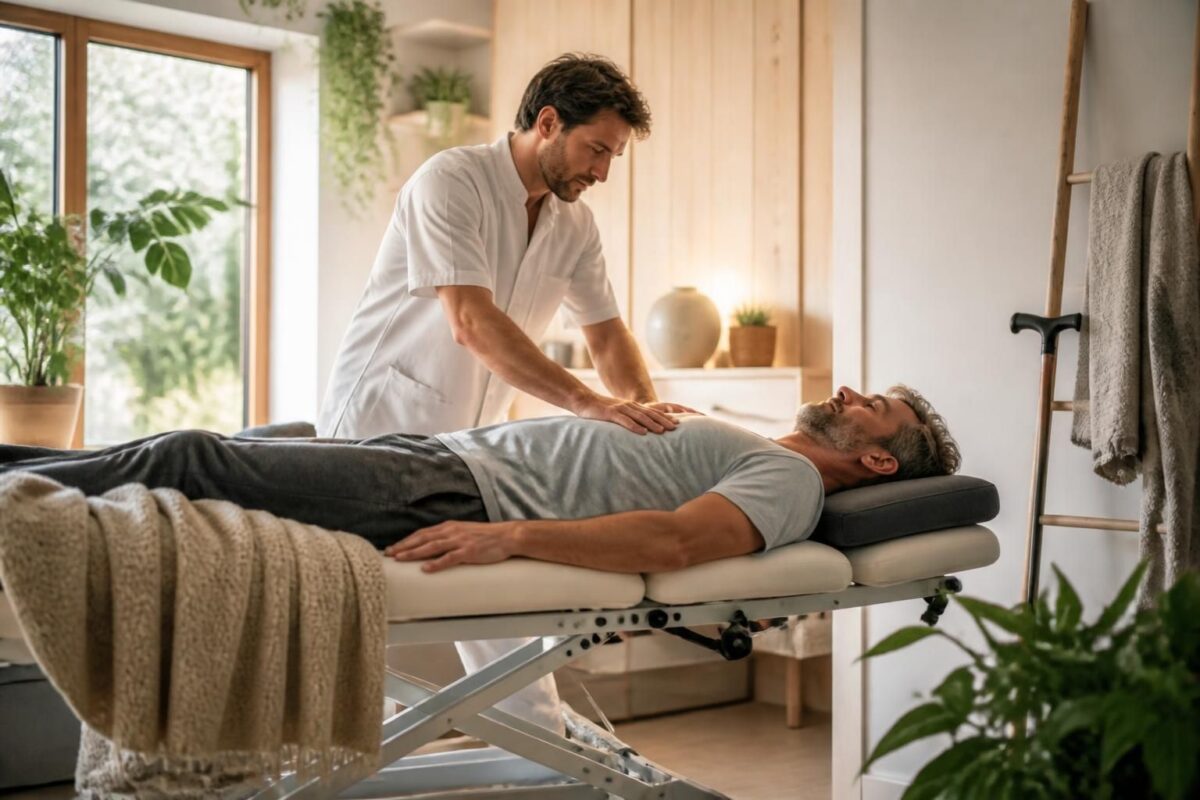
Why Osteopathy Is Essential For Recovery People
In short In short, Osteopathy in convalescence is an approach manual and holistic which helps to accelerate the recovery by restoring The balance, the mobility and a good circulation fabrics. it contributes to Reduce the pain, support the Back to…
Targeted techniques to reduce pain and avoid medication
Manual techniques and relaxation
The Osteopathic techniques Include gentle manipulations, mobilizations and stretches adapted to each patient. These actions aim to release tension, improve circulation and promote general relaxation, which can lead to a gradual reduction in pain and, consequently, a decrease in the consumption of painkillers.
Progress and security
The management is adapted to the evolution of the patient. At the beginning, more frequent sessions can be recommended, then we gradually space the appointments and we associate exercises to do at home. This progression supports the return to normal activity and limits drug needs, under professional supervision.

Osteopathic manipulations to strengthen post-traumatic muscles
In short In short, Osteopathic manipulations for Strengthen post-traumatic muscles constitute a gentle manual approach aimed at restoring the mobility, reduce the pain and facilitate the Functional rehabilitation After a injury. What is Is it? A series of precise gestures…
Identify and treat the underlying causes
Pain can come from postural imbalances, accumulated muscle tension, breathing disorders or chronic stress. By identifying these factors and responding to them by body adjustments, theosteopathy aims to correct the causes rather than mask the symptom. By acting on these elements, we can reduce the frequency and intensity of the attacks and, thereby, reduce the use of painkillers.

Osteopathy and prevention of work-related musculoskeletal disorders
In short theosteopathy is one Manual approach that restores body balance and prevents MSD related to work. Its advantages: reduction of tension, improvement of mobility and prevention of chronic pain. She is preventive and healing, suitable for office and trades…
Restoration of the function and autonomy
Beyond punctual relief, the objective is to restore function and encourage autonomy. The osteopath can offer simple reinforcement, relaxation and posture exercises to practice regularly. Better posture, more effective breathing and lower tensions facilitate daily activities and reduce the use of drug treatments.

The benefits of osteopathy to treat muscle imbalances
In short theosteopathy is a manual approach to restore themuscle harmony and postural considering the body as a whole. Its main benefits include the reduction of aches and tensions, the improvement of the mobility and from the posture, and prevention…
Education and self-management
Patient education is central. We learn to recognize warning signals, to plan physical activity routines and to integrate stress management techniques, such as diaphragmatic breathing or self-managed massage. When patients understand how osteopathy fits into their lives, they are more likely to limit their use of painkillers and favor lasting solutions.
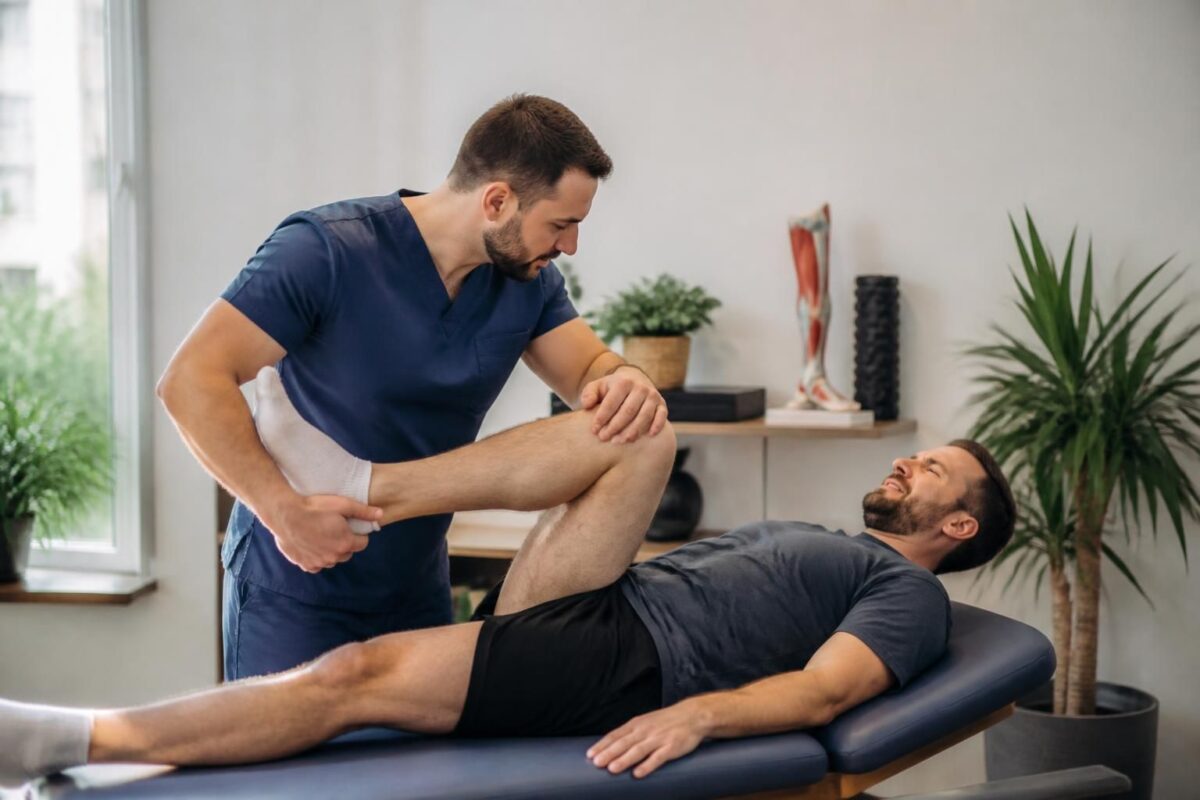
Osteopathy and chronic leg pain: regaining an optimal quality of life
In short In short, Osteopathy is one Global manual approach aimed at reducing Chronic leg pain and improve the quality of life. What is it? Non-drug therapy using the hands to identify restrictions and treat lesional chains. How does it…
Integration with the medical course
Using osteopathy as a supplement, not as a substitution, is essential. You must inform your attending physician and coordinate the care to adapt drug treatments if necessary. In case of persistent pain, medical follow-up is essential. an integrated approach, combining osteopathy, physical activity and medical advice, may facilitate a gradual reduction in painkillers.
| Axis | Concise impact |
|---|---|
| Pain Relief and Reduction | Manual techniques and relaxation decrease the pain, reducing the use of analgesics. |
| Improved mobility and posture | correction of tensions and imbalances improves the mobility and may limit the need for medication. |
| Treat the underlying causes | Target imbalances and malfunctions, preventing recurrences and drug dependence. |
| Reduction of stress and pain perception | The relaxation Decreases the pain perception and may decrease drug requirements. |
| Strengthening and autonomy | programs and self-exercise promote theself-management and avoid repeated recourse. |
| Complementarity with medical care | integrated into the medical diagnosis, theosteopathy Complete the treatments without replacing them. |
| Prevention and follow-up | personalized follow-up reduces Medication intake future and painful relapses. |
| Adaptability by pathology | Approach adapted to lumbar, at cervical and other areas to limit painkillers. |
| Security and accessibility | Option non-invasive And well tolerated, possible with a doctor for a safe approach. |
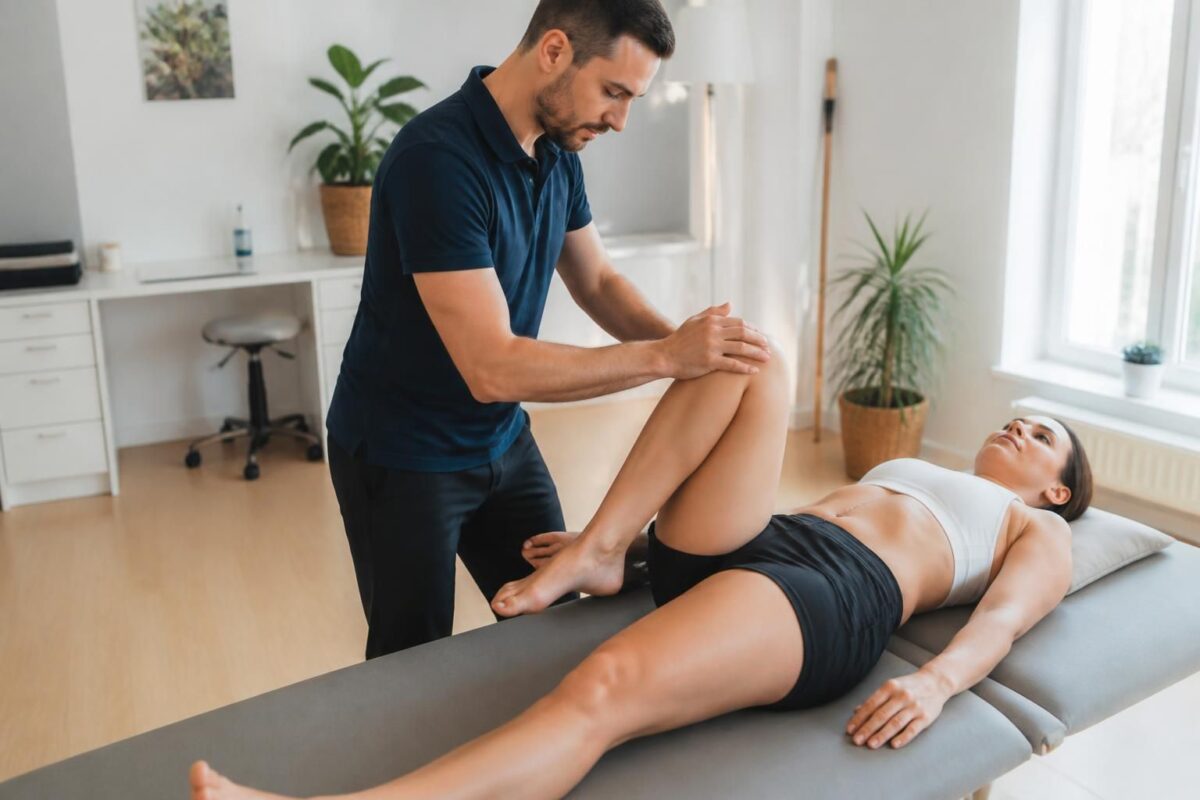
How osteopathy supports recovery after complex surgery
In short In short, Post-operative osteopathy is an approach fresh which supports the recovery After a Complex surgery. It helps to reduce the pain and the fatigue, improves the mobility and accelerates the healing thanks to a better vascularization and…
Testimonials: How Osteopathy Helps Reduce Pain Relief Dependency
“Before discovering osteopathy, my life revolved around the painkillers For my Lower back pain. After a few targeted sessions, I noticed a significant decrease in pain and a gradual reduction in my consumption ofpainkillers. »
“Theosteopathy does not limit itself to calming the pain: it acts on the causes. By working on posture and muscle tension, I gained mobility and autonomy, without depending on drugs. »
“The stress and tensions associated with my work amplified my neck pain. The techniques used helped me to relax deeply, which reduced my need for painkillers and to painkillers. »
“I was told that my pain came from a structural imbalance. By rebalancing the body, theosteopathy contributed to lasting improvement and decreased drug use. »
“I am someone who had tried everything; After integrating theosteopathy To my routine, I was able to reduce my grippainkillers And find more peaceful nights. »
“The results go far beyond pain: improving my quality of life has allowed me to resume my activities without depending on drugs. »
“In addition to postural advice and recommended exercises, theosteopathy offered me a real non-drug alternative to manage my chronic pain. »
“For those who are still hesitant, theosteopathy may be the key step towards a lasting reduction in painkillers, without compromising well-being. »
Osteopathy and reduction of addiction to painkillers: the course of Dr. Sylvain Desforges
Dr Sylvain Desforges, expert in osteopathy, in naturopathy and in manual medicine, holds the position of Founding President of TagMed and is associated with ACMA. His journey is guided by a health innovation aim and an approach centered on the management of chronic pain. He specializes in supporting patients with persistent pain while integrating advanced technologies such as spinal decompression, laser and shockwave therapy. Its mission is to provide care based on evidence to optimize everyone’s health and well-being. To discover its approach and the services offered, you must turn to the resources of the TagMed clinic.
Osteopathy is a gentle discipline and manual which acts on the musculoskeletal system and its influence on the whole body. By relying on techniques of palpation, mobilization and manipulation, the osteopath aims to restore the balance of structures, to release tensions and to promote self-healing. This approach favors the identification and treatment of the root causes of pain rather than the simple removal of symptoms. By acting on these imbalances, it can contribute to gradually reducing the use of Analgesic drugs and to limit adverse effects related to prolonged consumption.
Concretely, the observed benefits result in a pain relief and a reduction in muscle tension, which improves circulation and induces lasting relaxation. Through targeted manipulation and stretching, osteopathy seeks to restore harmonious mobility and promote postural coordination. This functional improvement can positively influence the continued need for analgesics, especially when treatments are integrated into a personalized and progressive care plan.
Beyond simple relief, osteopathy addresses underlying causes pains. By working on muscle chains, spinal imbalances and referred tensions, the osteopathic approach aims to correct body imbalances and reduce recurrence factors. This global approach can facilitate a lasting reduction in medications, allowing the body to self-regulate and resume more normal functional activity, even in the presence of chronic pain.
Dr. Desforges also emphasizes the integration ofAdvanced technologies in the therapeutic journey. Motorized spinal decompression can complement osteopathic manipulations by improving alignment and mobility, laser use can help reduce inflammation and optimize the healing process, while shock wave therapy sessions target persistent painful areas. Together, these tools support a gradual reduction in drug dependence when the framework is coordinated with medical follow-up and appropriate exercises.
Dr. Desforges’ philosophy is based on an approach Evidence-based and active listening to the patient. Each care plan is tailor-made, with an in-depth assessment of habits, pain level and functional goals. The objective is clear: to allow everyone to regain control over their pain, to improve their quality of life and to reduce, where possible and appropriate, the use of painkillers in the context of multidisciplinary and progressive support.
This analysis shows that theosteopathy can act as a real way to reduce the dependence to painkillers By tackling both pain and its root causes, while improving the functioning of the body. In addition to medical follow-up, it can help to gradually reduce the use of medicines and promote daily well-being..
The first lever lies in the Mechanical relief Produced by targeted manual techniques. By releasing muscle tension, improving joint mobility and promoting relaxation, osteopathy can reduce pain perception and consequently decrease the need for frequent use of painkillers.
A second major lever is the Treatment of underlying causes. Rather than stemming only the symptoms, the osteopathic approach seeks to rebalance the muscle and joint chains, to correct postural imbalances and to optimize movement patterns. This functional reconstruction can lead to a Sustainable reduction pain and, with it, a gradual decrease in drug use.
the dimension of stress reduction is another important aspect. The sessions promote relaxation of the nervous system and better regulation of body tone, which can reduce pain and vulnerability associated with stress. Less tension and better exertion tolerance often result in less dependence on painkillers.
However, it should be remembered that osteopathy does not replace medical follow-up and is not suitable for all pathologies. Its role is that of a complement diagnosis and medical treatment. For serious or unusual pathologies, medical advice and, if necessary, additional examinations remain essential.
Clinical data and patient returns indicate benefits in a variety of painful situations, including lumbar and joints, when the approach is integrated into a comprehensive care and exercise program. To deepen the mechanisms and results, you can consult specialized resources that discuss the benefits of osteopathy on chronic pain and the current conditions supported by this discipline, e.g. via articles and returns available online.
To optimize the results and promote a lasting reduction in painkillers, it is recommended to associate osteopathy with appropriate exercises, regular physical activity and good postural hygiene, as part of a personalized and medically validated therapeutic plan.
To learn more about the mechanisms, limits and potential benefits of osteopathy, including in the management of age-related pain or osteoarthritis, you can consult additional resources such as Osteopathy and effectiveness and Osteopathy and chronic pain, which address the varied results and the conditions under which the approach can be particularly useful.

Dr Sylvain Desforges, B.Sc., D.O., N.D., osteopath, is the founding president of TAGMED and of the ACMA association. He dedicates his practice to chronic spinal pain, low back pain and symptoms compatible with sciatica, particularly when pain radiates toward the buttock, leg, calf, foot or toes.
Through SOS Sciatique, he publishes educational content on sciatica symptoms, possible causes such as disc herniation, disc narrowing, foraminal stenosis or irritation of a lumbar nerve root, as well as non-surgical approaches that may be considered according to the evaluation. At Clinique TAGMED, care may include, depending on the case, motorized neurovertebral decompression, specific osteopathic care or precision percussion.
For an evaluation related to sciatica treatment in Montreal / Mount Royal or sciatica treatment in Terrebonne, please consult the services available at Clinique TAGMED.
Medical disclaimer
The information published on SOS Sciatique is provided for educational purposes only and does not replace a consultation, diagnosis, opinion or treatment provided by a physician or another authorized healthcare professional. The author of this article is neither a medical doctor nor a specialist in a medical specialty recognized by the Collège des médecins du Québec. The osteopathic, manual medicine or functional support approaches described on this site do not constitute medical acts and are not intended to replace medical follow-up.
Consult a physician or emergency service in cases of loss of bladder or bowel control, anesthesia in the saddle area, significant or progressive weakness in the leg or foot, fever, recent trauma, severe pain or rapid worsening of symptoms. For more details, please read our Legal Notice.