

Common myths about decompression neurovertebral decompression
25/06/2026
Benefits of neurovertebral decompression for the elderly
25/06/2026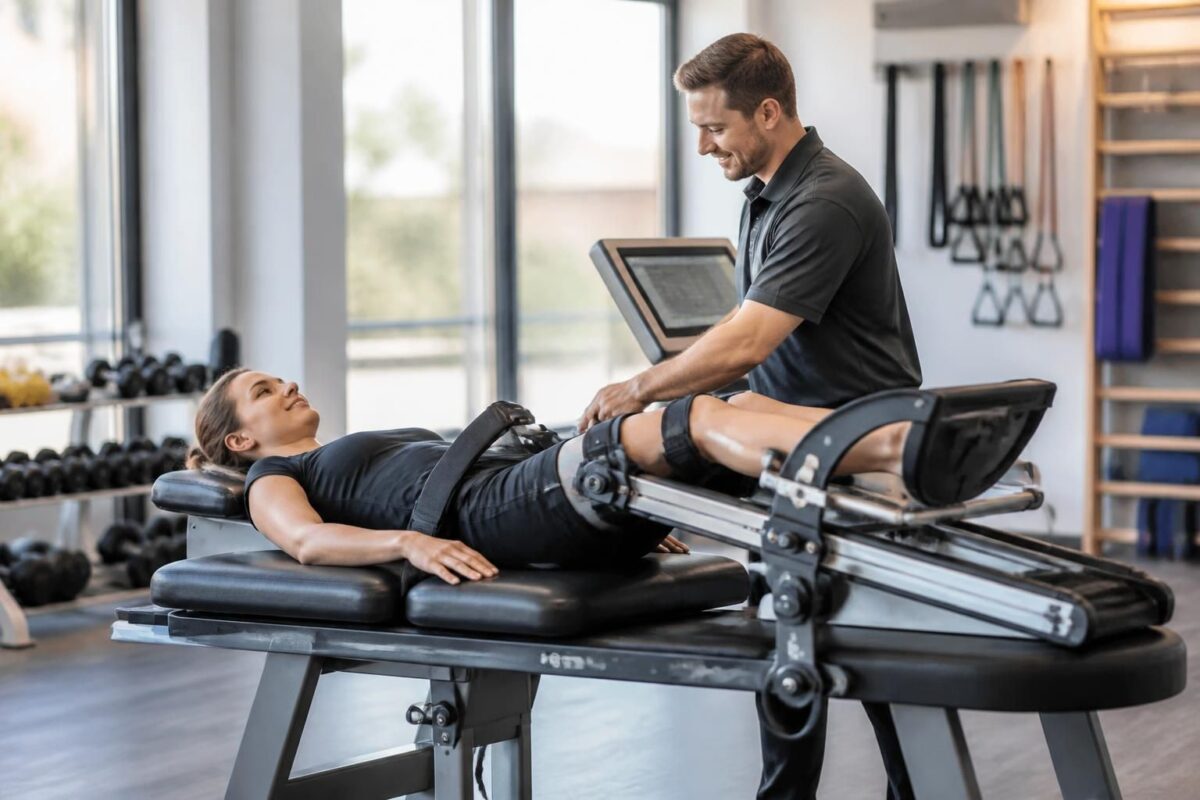
In short
| In short, the neurovertebral decompression is a treatment non-invasive Intended to relieve spine-related pain in sportsman. What is it? An approach that targets discs and nerves to reduce pressure and promote recovery without surgery. What advantages? a pain reduction, a Improved mobility, a quick return to training and overall injury management. How does it work? After a initial assessment, a controlled traction is applied to the segments concerned, supplemented by associated therapies such as osteopathy and physiotherapy to optimize recovery. At Montreal, this service is particularly accessible and recommended for recovery from injuries such as disc and lumbar herniation, while aiming to prevent and improve sports performance. |
The neurovertebral decompression is a treatment non-invasive perfectly suited to sportsman who are looking for an effective solution for column-related pain and optimized recovery after injury. It acts by reducing the pressure on the discs and nerves, favoring the rehydration discs and a quick return to physical activity, without pain.
protocols custom start with a Accurate evaluation and continue with a Controlled traction adapted to each athlete, in order to reduce the pain, to improve the mobility and optimize the performance.
integrated into an approach multidisciplinary (osteopathy, physiotherapy), neurovertebral decompression offers a Gradual return to training and strategies for prevention to reduce recurrences. Find out how this protocol can support your sports career and lasting well-being.
This article, written by a health professional, presents the neurovertebral decompression as a relevant approach for athletes. He describes what this therapy is, who can benefit from it, how the protocol is going and where to experiment, especially in Montreal. The goal is to provide clear, evidence-based information to guide spinal pain management in athletes.
What is neurovertebral decompression and why it concerns athletes
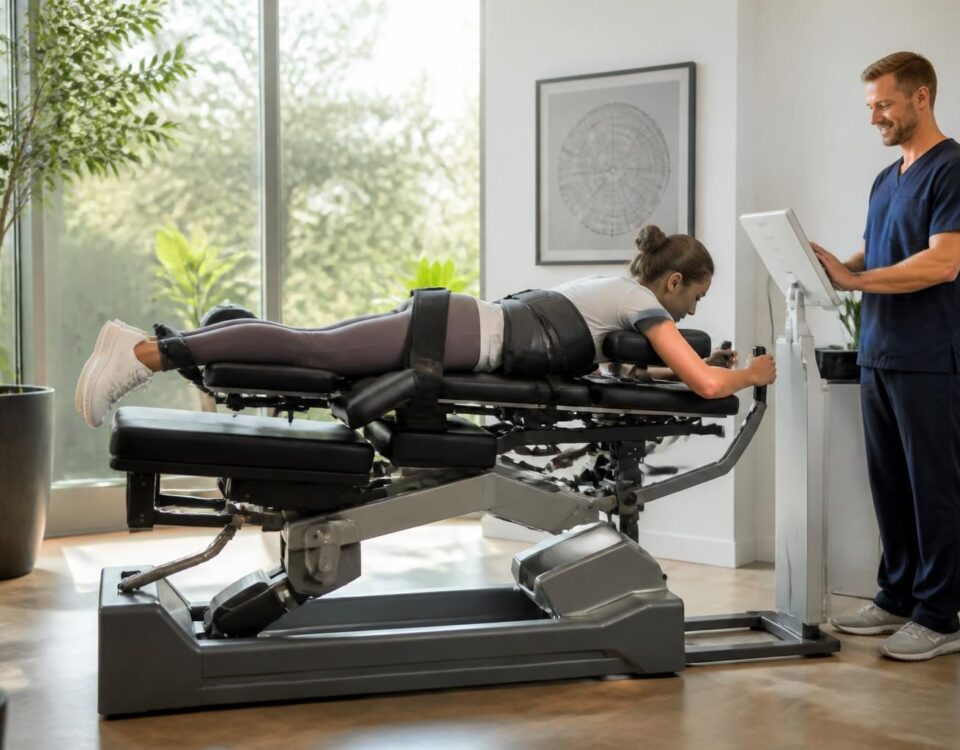
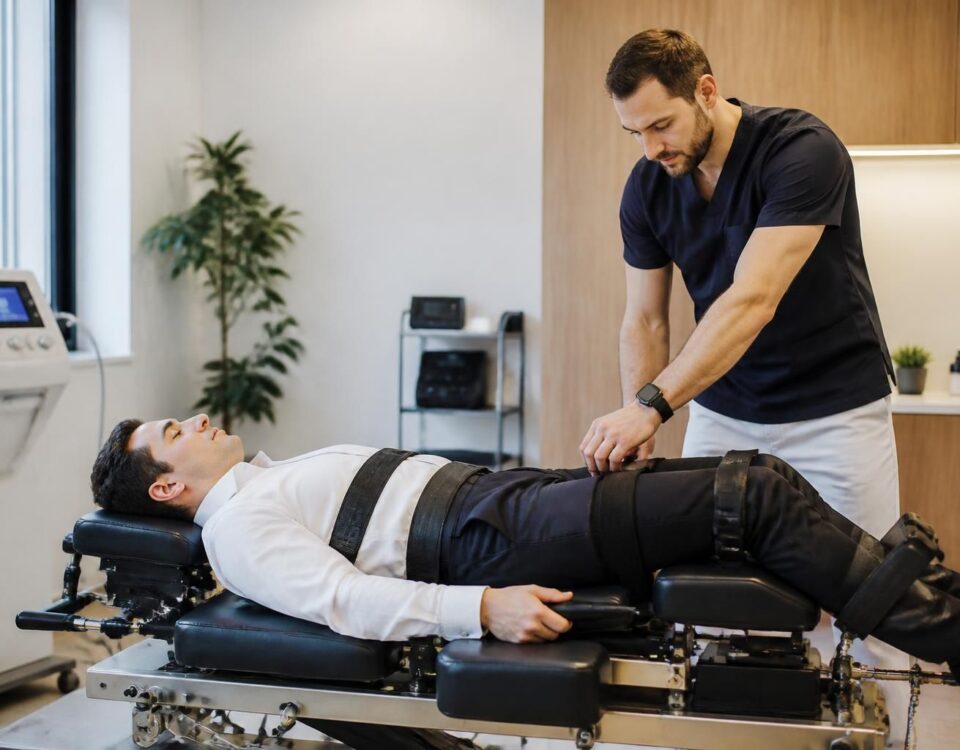
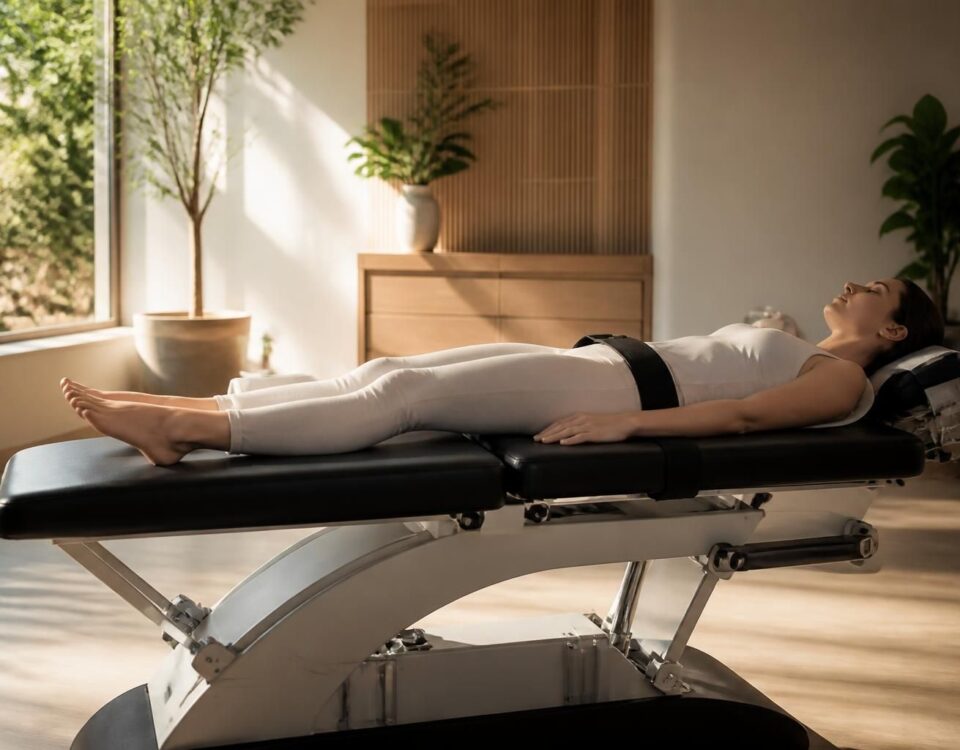
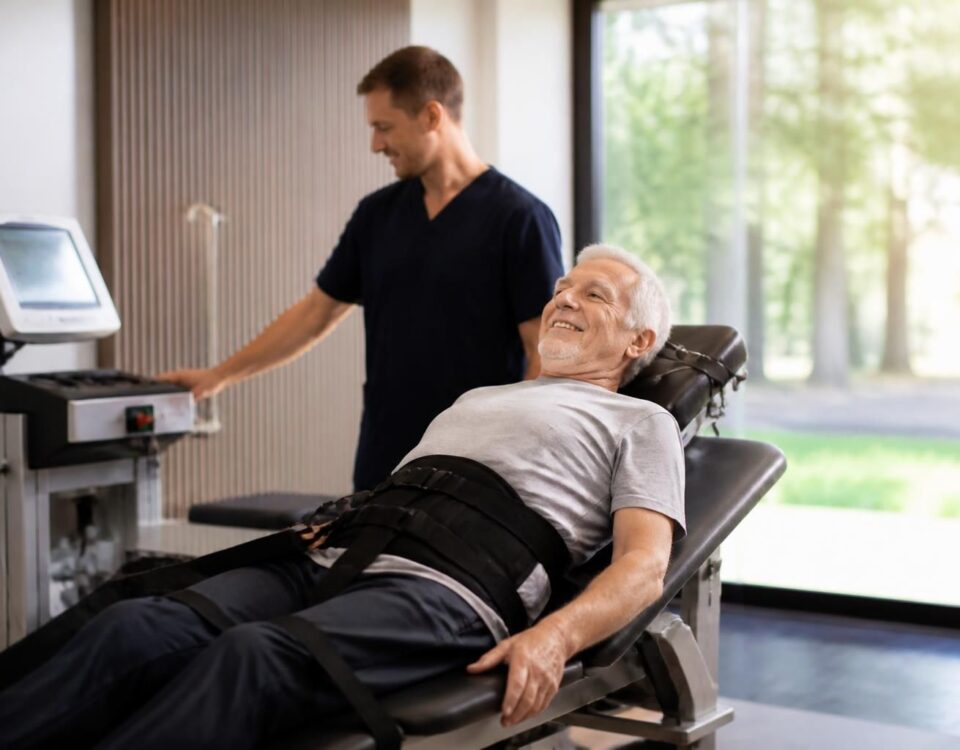
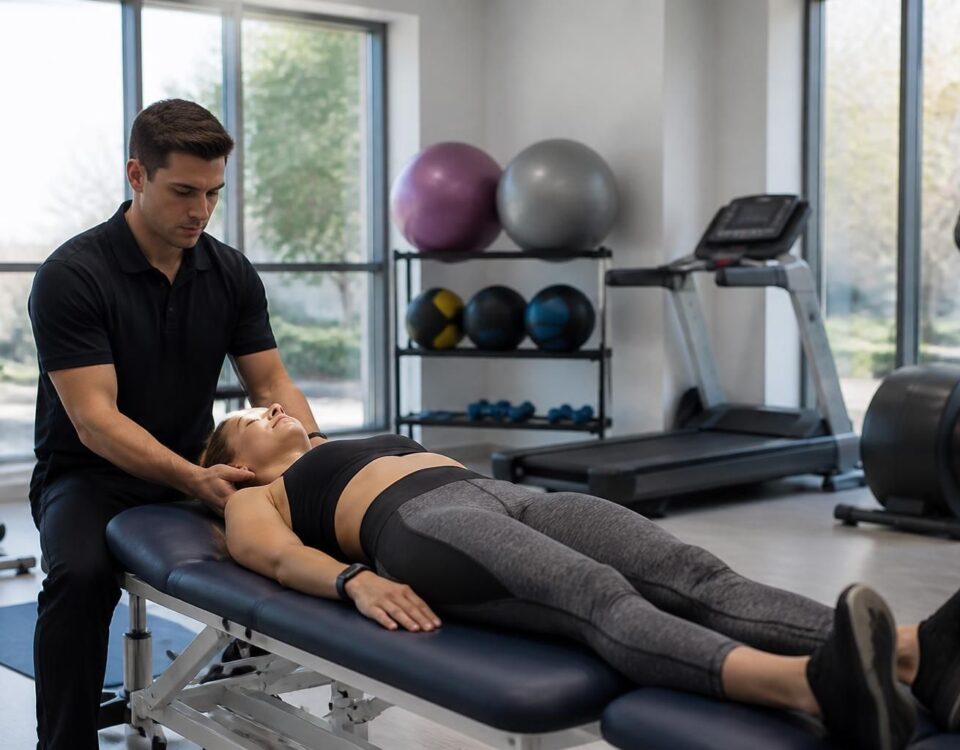
The neurovertebral decompression is therapy non-invasive which aims to reduce the pressure exerted on the intervertebral discs and nerves. It is based on controlled traction applied to the column, promoting better circulation and functional rehabilitation without surgery. In athletes, this approach can facilitate the return to training and competition by allowing more effective recovery after exercise-related injuries or repeated stresses on the back and neck.
Preliminary assessment and protocol in athletes
The process begins with an in-depth assessment of history and symptoms. This step allows you to identify the areas to be treated and establish a personalized treatment plan. Advanced protocols are based on gentle, targeted traction, adapted to the type of injury and the athlete’s performance level. The sessions adjust according to the patient’s response, which gradually improves function and tolerance. Modern decompression technologies ensure accuracy and comfort while ensuring real-time progress tracking.
Integration and synergy with other approaches
Modern protocols for neurovertebral decompression are part of a multidisciplinary approach. Osteopathy plays an important role in restoring musculoskeletal balance and correcting dysfunctions that can influence performance. This synergy makes it possible to approach the underlying functional causes and to improve overall recovery without resorting to invasive methods. For athletes looking for global and appropriate care, reference clinics, particularly Clinique TagMed in Montreal, offer this type of integrated offer.
Expected results and security
Expected profits include a pain reduction, a Improving mobility and an Faster recovery after a painful episode or a sports injury. Safety is high when the protocol is adapted to each athlete and supervised by professionals trained in osteopathy and manual therapies. The side effects are rare and generally minor, such as slight stiffness or fatigue after a session, and remain temporary.
Accessibility and example routes
This approach is accessible in specialized centers and can be integrated into the care path for athletes in the territory of Montreal and its surroundings. For athletes wishing to experience neurovertebral decompression, specific resources and dedicated teams can be consulted on the sites of specialized clinics and portals dedicated to neurovertebral decompression. Reliable and relevant information sources include documents and information pages about neurovertebral decompression and resources dedicated to its application in sport on sites dedicated to orthopedics and sports medicine. For services and specializations in Montreal, you can consult Tagmed Clinic, and additional information on advanced protocols is available via neurovertebral decompression.
Practical information and reliable resources
For athletes, clinical resources and guides on the applications and benefits of neurovertebral decompression are available on dedicated portals. These resources cover decompression principles, indications in the athlete, and potential benefits for recovery and performance. You can also find additional information about the platforms associated with TagMed and other centers specializing in spinal decompression.
Considerations on training and associations
The professionals involved in this approach rely on recognized training in osteopathy and relevant professional associations. Trainings and accreditations can be associated with recognized institutes, such as Numss and Nao, and professionals can be members of relevant professional organizations in the field of manual medicine and osteopathy. For athletes, access to multidisciplinary teams ensures complete and coordinated support.
Quick comparative table (for informational purposes)
In some cases, a comparison with other approaches may be useful in understanding the options available. The table below provides a summary, without replacing medical advice.
| Treatment | Main Benefits | Possible limits |
|---|---|---|
| neurovertebral decompression | targeted reduction in disc and nervous pressure; functional recovery; Gradual return to sports activity | individual adaptation needed; follow the protocol |
| Other manual approaches (osteopathy) | Improved muscle balance and mobility | variable effects depending on the case; complementary to decompression |
For athletes seeking coordinated care, care options exist at Tagmed Clinic and are based on modern protocols and competent consultants in osteopathy and manual therapies. Resources and testimonials can be viewed via FAQ Neurovertebral Decompression and associated information pages.
Useful links to deepen understanding and available options include resources on What is neurovertebral decompression, How does neurovertebral decompression work, and resources dedicated to the sports application on the sites decompression in athletes, Disc and decompression pinch, and Decompression adapted to each athlete.
Medical Disclaimer: The information and advice provided on this site does not replace the health professional’s diagnosis or treatment. Please note that Dr. Sylvain Desforges osteopath is neither a doctor of medicine nor a doctor, and is not a specialist in a medical specialty as defined by the Collège des Médecins du Québec. Manual medicine, functional medicine and sports medicine as described on this site exclude any medical treatment or diagnosis made by a doctor or specialist doctor. Always consult your doctor for any medical questions. For more details, please read our full legal notice.
References and additional resources (training and associations authorized) remain available via the channels mentioned and the portals dedicated to TagMed and neurovertebral decompression. For more information on training and professional practices, focus NUMSS and NAO, as well as authorized professional organizations such as ACMA, the College of Canadian Osteopaths and the College of Canadian Osteopaths.
Authorized and useful websites for deepening information and therapeutic choices include:
- What is neurovertebral decompression
- Neurovertebral Decompression – FAQ
- How does decompression work
- Benefits
- Tagmed Clinic
- Decompression and disc pinching
- Disc and decompression pinch (sports)
- Tailor-made treatment
- Innovative approach
- adapted therapy
- neurovertebral decompression suitable for sportsman For disc pain
- Effort-related suffering: lumbar or cervical targeted
- Purpose: pressure reduction On discs and nerves
- Effect: Functional improvement and relief quick
- Protocol: Approach non-invasive with security for performance
- Impact on the relapse prevention and sporting continuity
- initial assessment targeted (sports history, mobility, symptoms)
- Custom Plan Discipline and season adjusted
- Controlled traction To decrease the pressure on the discs
- Integration with osteopathy and physiotherapy For overall recovery
- Regular follow-up and adjustments Depending on progress
- education of the athlete on maintaining the vertebral health and targeted exercises
- Expected results: diminished pain, Mobility found, Quick return to competition

This article presents practical recommendations on the neurovertebral decompression as a treatment suitable for athletes. It summarizes the mechanisms, the steps of an advanced protocol and the conditions of integration with other approaches to optimize the sports recovery while preventing recurrences. The objective is to reduce pain, restore mobility and accelerate the return to performance, favoring a personalized and secure approach.
Why this approach is suitable for athletes
Athletes are subject to repetitive physical constraints that can promote herniations discs, of bulges discs or lumbar and cervical pain. The neurovertebral decompression offers an approach non-invasive To decrease the pressure on the discs and nerve roots, thus facilitating the return to workouts and performance. It allows a rapid pain reduction and an improvement in mobility, while limiting the use of heavier interventions. This approach is part of a logic of Prevention of recurrences by better stability and safer moving feeding.
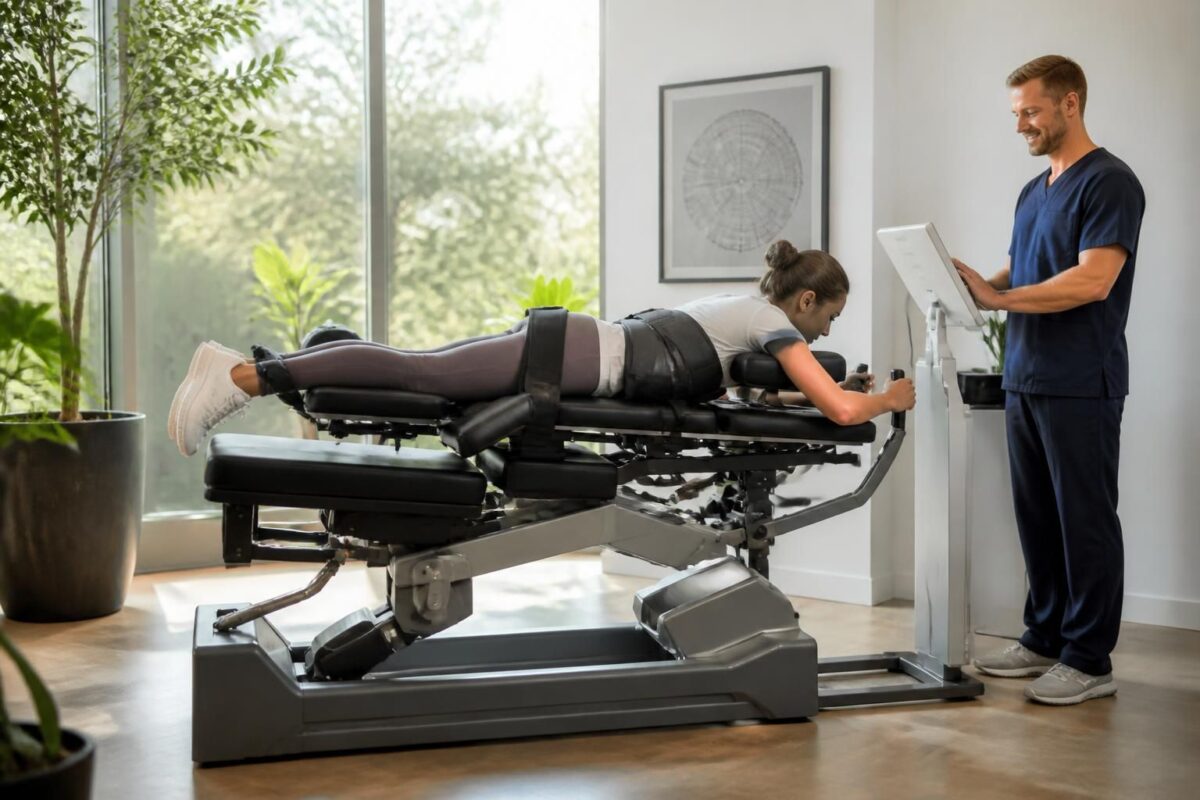
The long-term benefits of neurovertebral decompression for spinal health
In short In short, the neurovertebral decompression is a non-invasive approach that decreases the Pressure on intervertebral discs and nerves, favoring the Natural regeneration and tissue recovery. Its long-term benefits include Lasting pain reduction, Improving mobility and from the posture,…

Neurovertebral decompression and mobility: a return to an active life
In short In short, the neurovertebral decompression is therapy non-invasive who uses a gentle traction To create a space between the vertebrae and reduce the pressure on the Intervertebral discs and the nerves. It promotes a bloodstream improved, lowers tension…
When to recommend decompression in the athlete
It is indicated for athletes suffering from pain related to spinal disorders, such as Degenerative discopathies, the herniations or radiant pain without surgical recourse. The use of this technique can be considered in the rehabilitation phase after sports injury or during active recovery phases when the pain limits the activity. An in-depth initial assessment makes it possible to identify the areas to be treated and to determine a suitable plan, taking into account the specific requirements of the sport practiced.
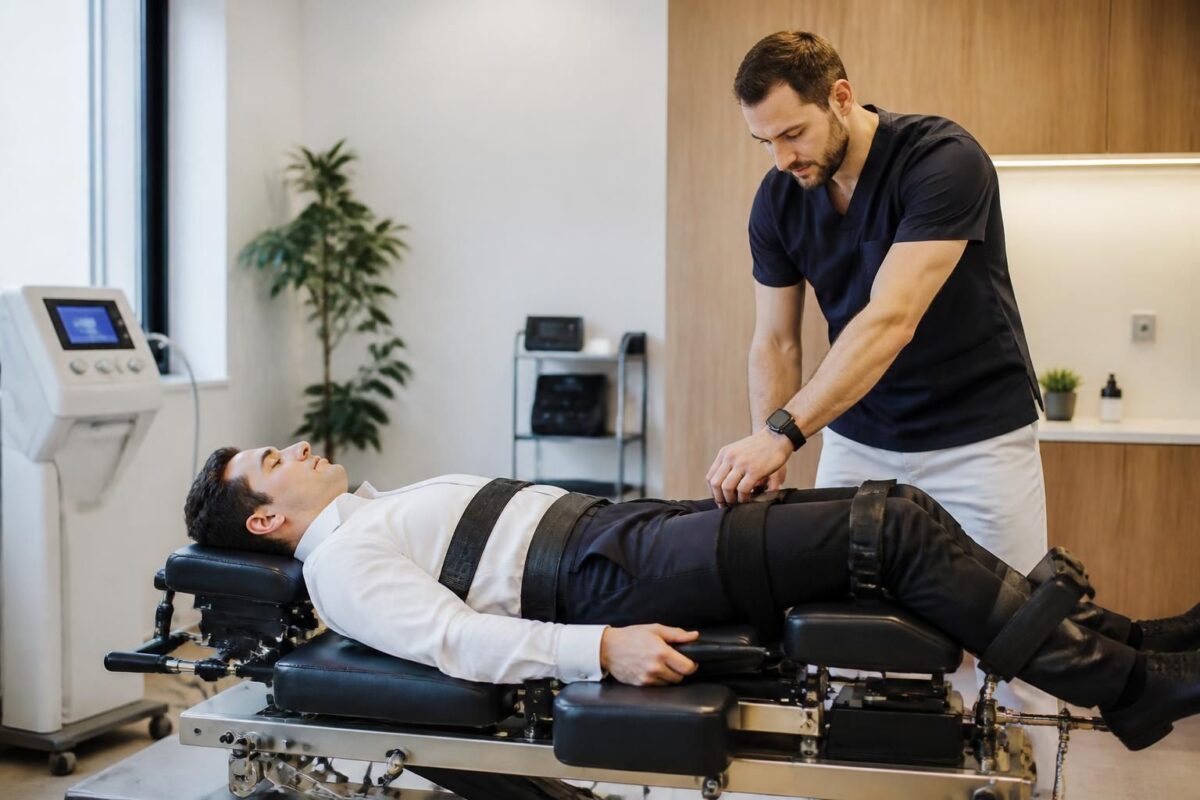
How Neurovertebral Decompression Prevents Diffuse Chronic Pain
In short decompression neurovertebral is one Non-invasive method aimed at reducing the Pressure on the intervertebral discs and the nerves, in order to prevent Diffuse chronic pain. It improves the circulation and thedisc hydration, decreases inflammation and promotes better mobility.…
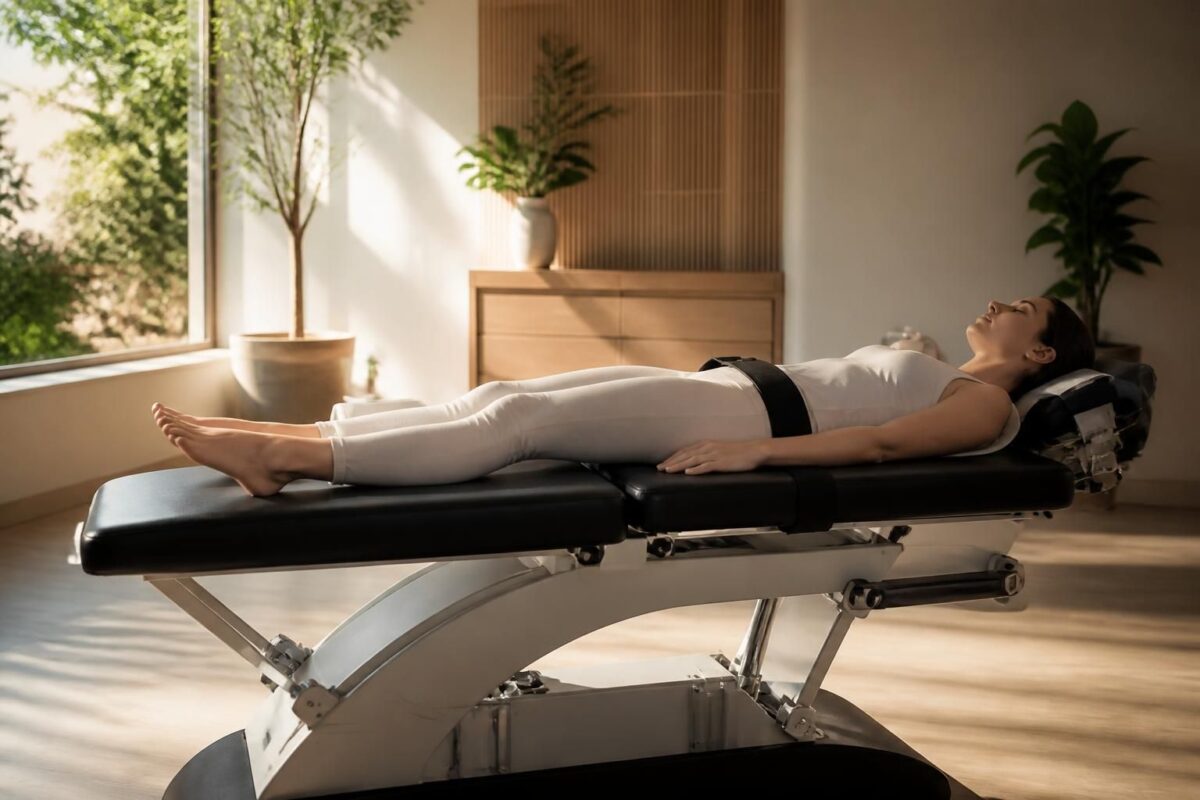
Neurovertebral Decompression and Body Alignment: Restoring Natural Balance
In short In short, neurovertebral decompression is one Non-invasive approach who restores theBody Alignment and thenatural balance back and neck. She acts by a Controlled traction of the spine to widen the intervertebral space and reduce the Pressure on discs…
An advanced protocol
Initial evaluation and personalized plan
The approach begins with a initial assessment Detailed history, pain, mobility and sports requirements. Functional tests and, if necessary, imaging elements guide the identification of the vertebral segments to target. On this basis, a Personalized treatment plan is developed, aiming for controlled traction adapted to the level and tolerance of the athlete. The objective is to establish a progressive and realistic journey, oriented towards better performance and sustainable recovery.
Controlled traction and parameters
Advanced protocols use modern devices to apply a Soft and targeted traction. The parameters (duration, intensity, frequency) are adjusted according to the individual response and the evolution of symptoms. Each session seeks to reduce the pressure on the discs and nerves while preserving the comfort and safety of the athlete. The monitoring of effects makes it possible to quickly adapt the plan and optimize functional recovery.
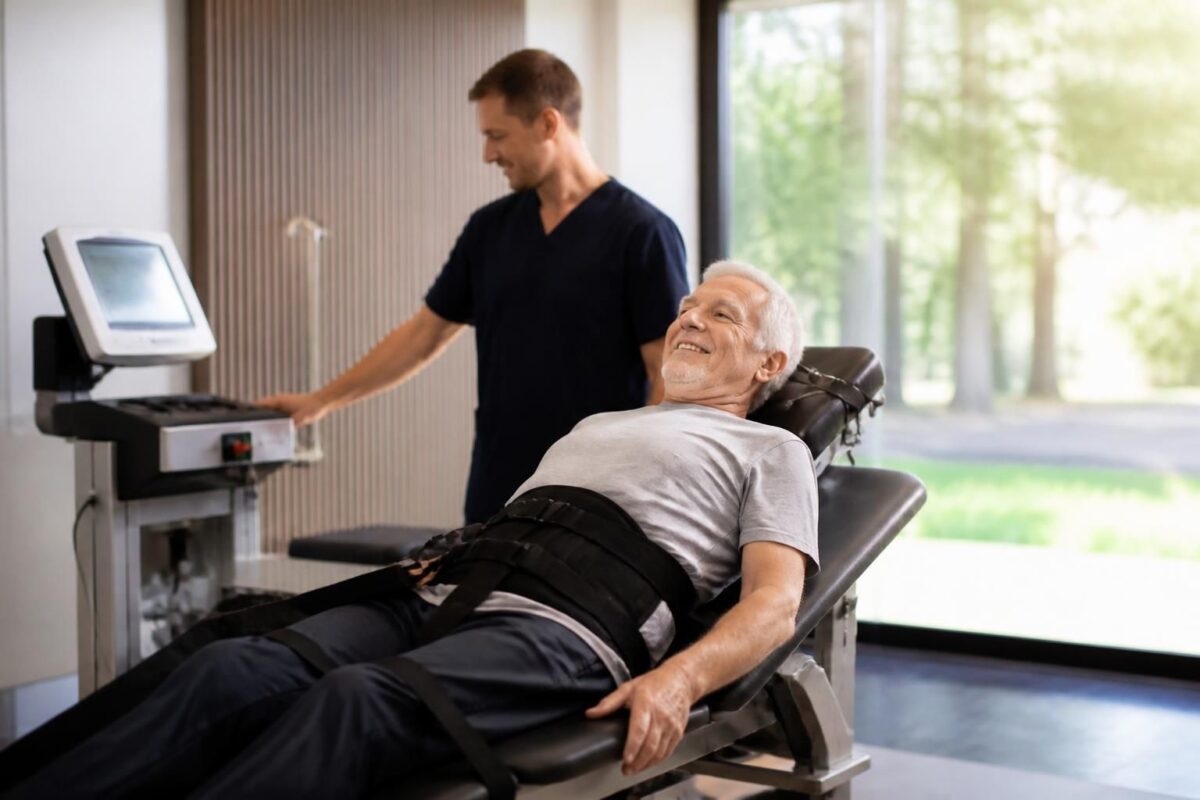
Why neurovertebral decompression is a lasting solution for active seniors
In short In short, the neurovertebral decompression is one Non-invasive therapy which sustainably relieves spinal pain in the spine active seniors By creating, by a Soft and controlled traction, a space between the vertebrae. At Montreal, it is recognized as…
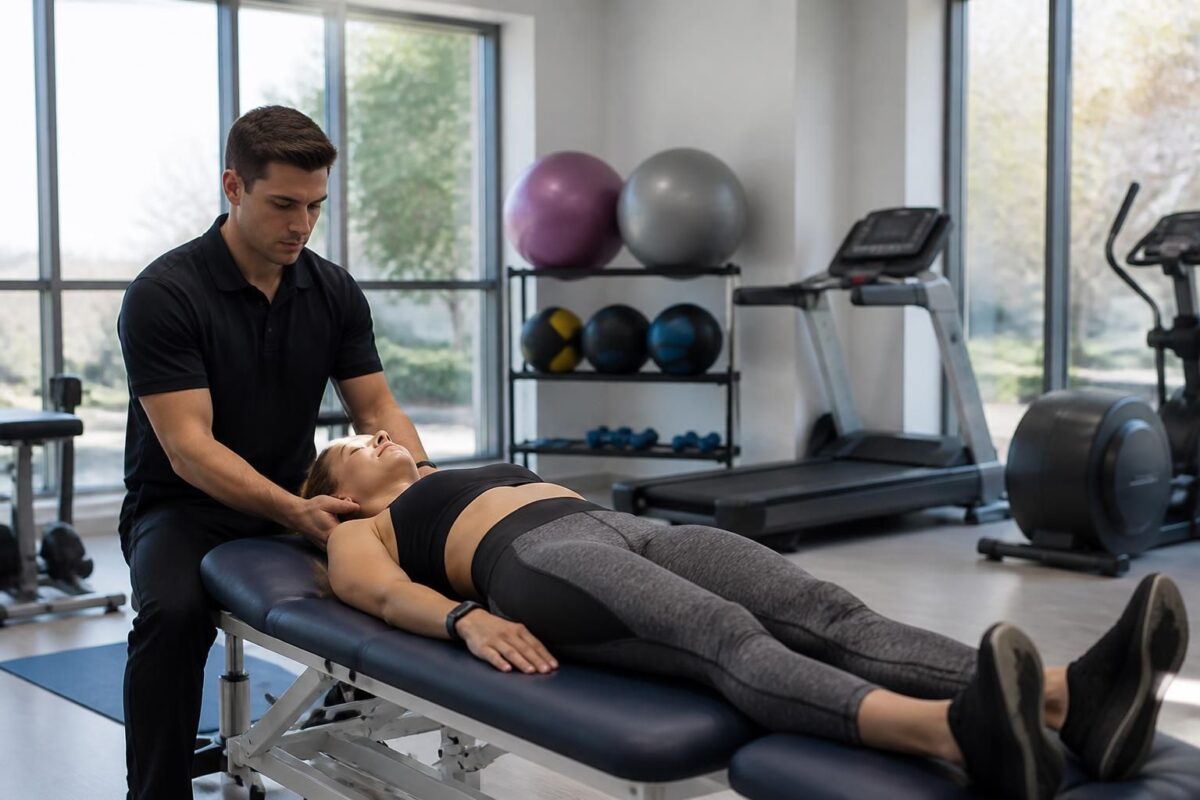
Neurovertebral decompression and recovery after severe sports injury
In short In short, the neurovertebral decompression is one Non-invasive method to Relieve the pressure on the Intervertebral discs and the gristle Via a Controlled traction, to facilitate the recovery After a severe sports injury. It improves the bloodstream towards…
Integration with other therapies and resumption of sport
Decompression is often part of a multidisciplinary approach includingosteopathy, the physiotherapy and targeted trunk strengthening and stability exercises. This synergy improves recovery and muscle function, while promoting a Sport-specific preparation. The complementary exercise program aims to strengthen the stabilizing muscles, improve mobility and reduce the risk of recurrence during recovery.
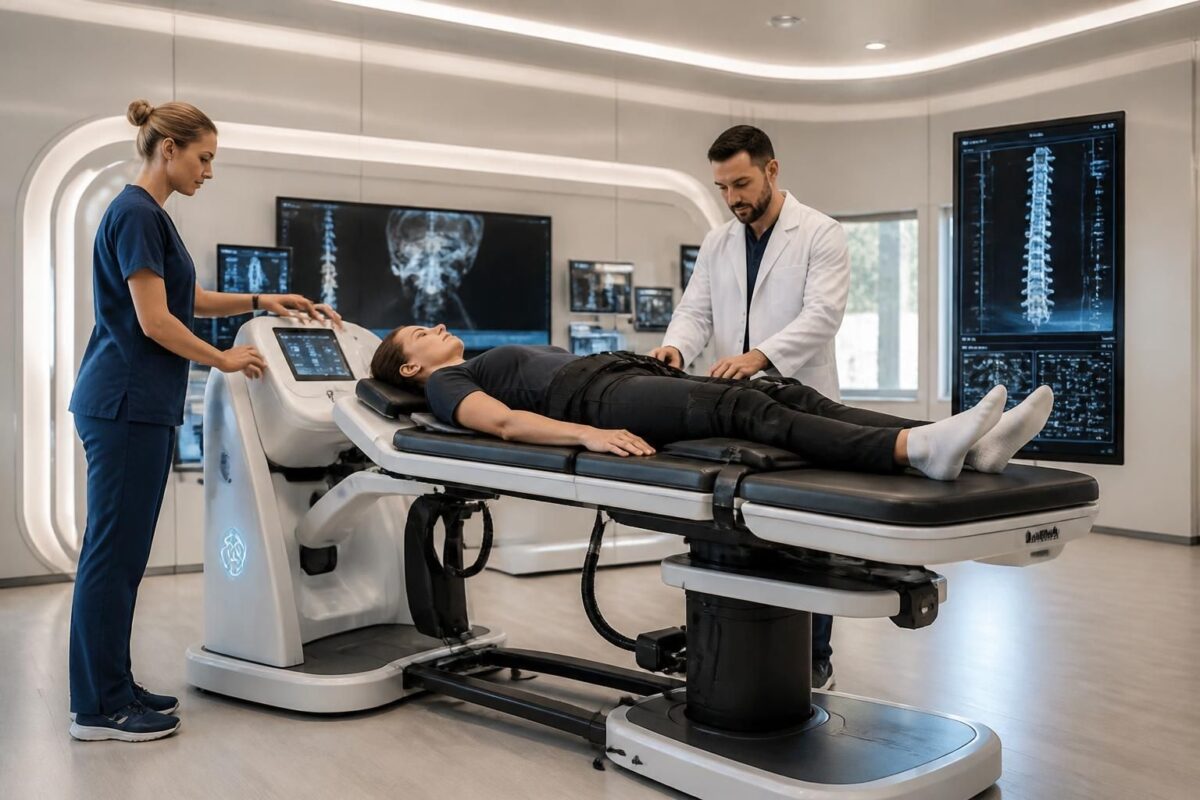
Recent innovations in neurovertebral decompression technologies
In short In short, the neurovertebral decompression is an approach non-invasive Aiming to reduce pressure on discs and nerves, and promote tissue regeneration. At Montreal, it is positioned as an effective option for lower back pain and herniated discs. The…
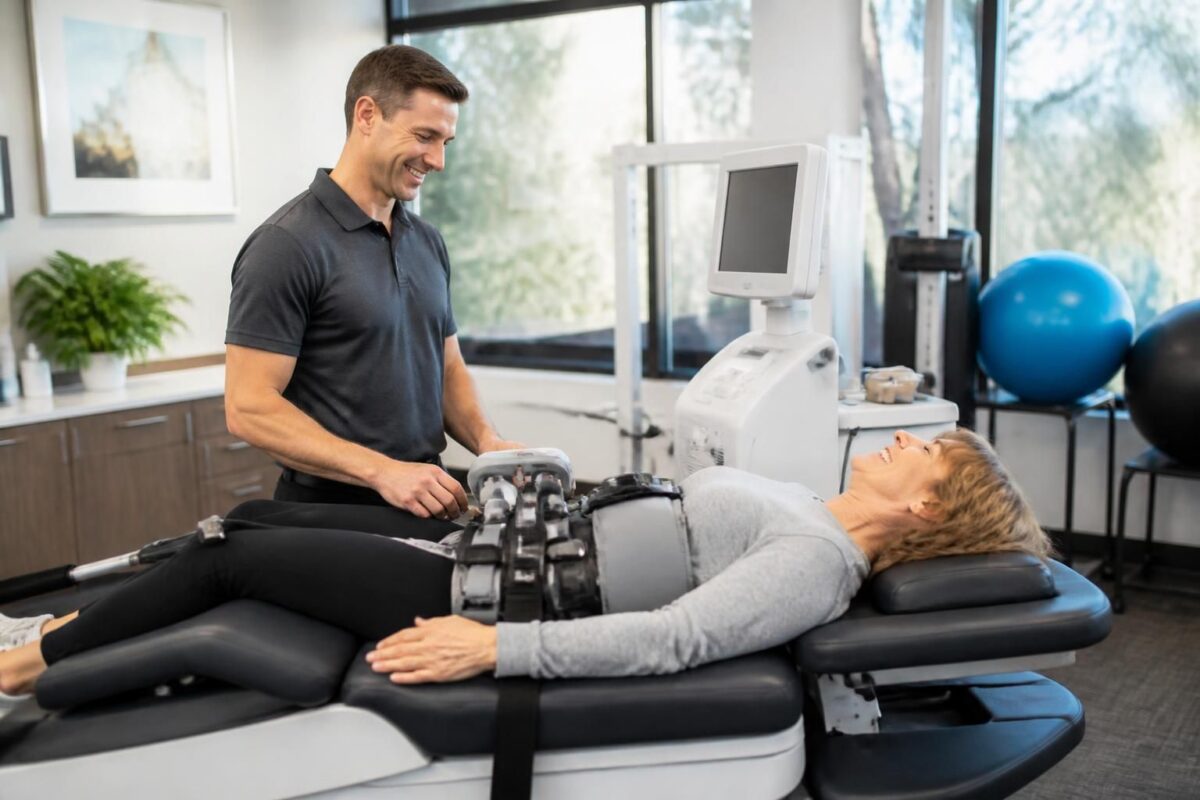
Neurovertebral decompression and diffuse pain: an appropriate solution
In short In short, the neurovertebral decompression is one Non-invasive solution For diffuse pain related to nerve irritation of the spine. She acts in Reducing pressure on intervertebral discs and nerves and improving the bloodstream, which promotes recovery and the…
Monitoring, security and expected results
One Regular follow-up and re-evaluations are used to adjust the sessions and measure progress. Progress indicators include the pain reduction, theImproved range of motion, and a better Ability to resume training without compromising security. precautions remain essential: the security Must take precedence, and any new pain, fever, loss of sensation or weakness should be reported immediately and assessed by a health professional. These recommendations do not replace the advice of a doctor or specialist.
| Category | concise text |
|---|---|
| Definition and purpose | Non-invasive traction aimed at decompressing Discs and nerves, reducing pain and facilitating the Back to sports activity. |
| Target audience | athletes suffering from sport-related pain, in particular herniated discs, bulges or stenosis, seeking rapid recovery and improvement of the performance. |
| Key mechanism | Controlled traction which decreases the pressure on the Intervertebral discs and the nerves, favoring their rehydration and their mobility. |
| Sports benefits | pain reduction, mobility found and Quick recovery training, with a positive impact on the performance and the recovery. |
| Indications in the athlete | Lower back pain or cervical related to sport, lumbosciatica, or recurrences after overload, without the need for surgery. |
| Evaluation and plan | initial assessment complete (sports history, symptoms and physical examination) and Custom Plan to target areas to be treated. |
| Session settings | Adjusted traction, duration and frequency adapted to the athlete’s feedback to optimize comfort and efficiency. |
| Therapeutic integration | Integration with osteopathy and physiotherapy, synergy to restore stability, mobility and muscle balance. |
| Follow-up and progress | Regular follow-up and reassessments to adapt the protocol, prevent recurrences and optimize the performance. |
Alex, sprinter : After persistent lower back pain, I tried the neurovertebral decompression. The protocol has been carefully personalized after a full evaluation and a Controlled traction which quickly decreased the pressure on my discs. I found a smooth mobility, quick recovery And better performance on my workout series.
Zoe, basketball player : My cervical and lumbar pain hindered my jumps and my accelerations. Thanks to an appropriate treatment, the neurovertebral decompression allowed me to regain confidence in my jumps and my speed. The personalized follow-up has integrated additional exercises that have strengthened my trunk and improved my stability on the ground.
Mathis, amateur cyclist : I had lumbar pain that limited my long outings and my efforts in the mountains. The neurovertebral decompression Reduced pressure on the discs thanks to a Soft and targeted traction, and my treatment plan has been adjusted regularly based on my feelings and performance. Result: less fatigue and more endurance during the stages.
Nadia, Judoka : Intensive practice ended up causing painful episodes that hindered my sequences and my counter-attacks. with the multidisciplinary approach involving osteopathy and physiotherapy, the neurovertebral decompression Restored postural balance and improved overall mobility, while limiting the risks of recurrence during fights.
Thomas, swimmer : Between training cycles and competitions, my lower back pain came back too often. The targeted intervention of neurovertebral decompression Soothed inflammation and favored the gradual resumption of training. I returned to the water more serene and with better stability of the trunk during the long swims.
Chloe, versatile athlete : The custom protocol allowed me to combine decompression and functional rehabilitation to optimize my recovery between sessions. I noticed a decrease in pain and an improvement in my posture during exercise, which directly impacted my performance on the ground and in competition.
In the world of sport, the neurovertebral decompression stands out as a Non-invasive solution and effective in treating spine-related pain while promoting performance. This approach aims to reduce the pressure exerted on the intervertebral discs and nerves, allowing rapid symptom relief and gradual return to training. For athletes, it offers a valuable alternative when traditional treatments struggle to deliver lasting results, while preserving physical abilities and body safety.
Around the specific needs of athletes, this method unfolds as a proactive way of prevention and recovery. By combining targeted action on the vertebral structures and appropriate functional rehabilitation, it helps to preserve trunk stability, improve mobility and reduce downtime. The protocols are designed to allow a quick and safe return to sports practice, limiting the risks of recurrence and strengthening the resilience of the back in the face of the requirements of training and competitions.
The course begins with a In-depth assessment Athlete’s history, symptoms and performance criteria. This step helps to identify the specific areas to be processed and to develop a Custom Plan which takes into account the sport practiced, the level of competition and the temporal constraints of the sports calendar. Additional examinations can be considered to consolidate the diagnosis and guide the intervention in a precise way.
The Controlled traction is the technical heart of advanced protocols. Using dedicated and secure devices, it applies gentle and targeted forces to the relevant spinal segments. This approach aims to release pressure on discs and nerves, facilitate disc rehydration and promote better tissue circulation. The objective is to achieve measurable improvement in mobility and a significant reduction in pain, without the need for invasive gestures.
To optimize the results, the protocols are part of a Interdisciplinary approach associate osteopathy, physiotherapy and prevention advice. This synergy makes it possible to correct musculoskeletal imbalances, to improve trunk stability and to restore effective and secure movement dynamics during sporting gestures. Athletes thus benefit from an overall course, which targets both pain and functional factors that cause limitations.
The Regular follow-up and thePatient education play a central role in the success of the treatment. Periodic reassessments allow adjustment of the traction parameters and refine the rehabilitation plan according to the evolution of symptoms and performance. Specific exercises and advice on reinforcement, flexibility and posture complete the protocol, in order to prevent recidivism and to support continuous progress towards the objective of return to competition.
In practice, athletes who adopt neurovertebral decompression generally find a pain reduction, a Improving mobility and an Faster recovery after injury episodes or overtraining periods. This approach favors a smooth resumption of sport but with sustained efficiency, making it possible to gradually reintegrate the loads and technical gestures specific to each discipline, by maximizing the chances of a lasting and efficient return.
This detailed conclusion highlights how the neurovertebral decompression can constitute a Appropriate treatment For athletes, by presenting its mechanisms, personalized protocols and its integration with other approaches to improve the recovery, the mobility and the performance Athletic.
Landmarks and implications for athletes
The neurovertebral decompression is an approach non-invasive which aims to reduce the pressure exerted on the intervertebral discs and nerves, thus offering rapid relief and a gradual resumption of sports activity. For athletes, this translates into targeted pain reduction, improved mobility and faster return to training, while avoiding the risks associated with surgical procedures. protocols advanced Start with an in-depth preliminary assessment to personalize the treatment plan and adapt the traction to the specific needs of each athlete.
The sessions are based on a Controlled traction which acts on the spinal segments concerned, favoring the rehydration and reorganization of the disc structures. This approach, when combined with complementary therapies such as osteopathy and physiotherapy, makes it possible to address functional imbalances and optimize the overall recovery of the athlete. To understand current protocols and their effectiveness, you can refer to specialized resources such as Current protocols and efficiency and neurovertebral decompression — adapted therapy.
Monitoring dynamics are essential: the protocols provide for regular evaluations and continuous adjustments of traction parameters, in order to respond to changing conditions and performance. This proactive approach makes it possible to obtain a lasting reduction in pain, a better range of motion and a reduction in the risk of recurrence during the intensive resumption of sport. Examples of experience feedback and multidisciplinary assessments illustrate how these protocols can support sustainable sport performance while minimizing risks.
Regarding technological integration, modern devices and associated solutions, such as neuromuscular therapies and guided traction systems, increase patient accuracy and comfort, which is crucial for athletes with high physical demands. To explore the different technological approaches and their place in the care pathway, see the resources on Our technologies and discussions on integration with other therapies.
As part of its practice, neurovertebral decompression is often associated with prevention tips and specific exercise programs. This not only accelerates recovery after injury, but also strengthens the muscle stability of the trunk and reduces the risk of recurrence when returning to competition. Athlete’s resources and testimonials reinforce the idea that this approach can align remission and performance, without resorting to invasive procedures. For additional testimonials and explanations, consult in particular the journals and opinions of experts on specialized platforms.
For athletes and their teams looking for practical information and recommendations, several online resources present analyzes and protocols, in particular on preventive aspects and eligibility criteria for neurovertebral decompression. For example, dedicated pages discuss signs that an athlete could benefit from neurovertebral decompression and associated precautions, which can help guide early and appropriate care. You can also discover specific implications for conditions such as spinal stenosis and sports-related lower back pain via specialized articles and FAQs.
To deepen key concepts and access relevant resources, do not hesitate to consult links such as Neurovertebral and sciathic decompression, Current protocols and efficiency and Athlete-friendly treatment. Other additional resources are available, for example via tagmed and Neurovertebral decompression — for athletes.
Practical examples and testimonials underline the positive impact of the approach in athletes, particularly in terms of rapid recovery, regained mobility and performance improvement after a sports injury. For athletes who want to explore these options, online resources offer insights and complementary recommendations, and professionals such as Dr. Desforges offer an integrated approach combining osteopathy, manual medicine and associated technologies.

Dr Sylvain Desforges, B.Sc., D.O., N.D., osteopath, is the founding president of TAGMED and of the ACMA association. He dedicates his practice to chronic spinal pain, low back pain and symptoms compatible with sciatica, particularly when pain radiates toward the buttock, leg, calf, foot or toes.
Through SOS Sciatique, he publishes educational content on sciatica symptoms, possible causes such as disc herniation, disc narrowing, foraminal stenosis or irritation of a lumbar nerve root, as well as non-surgical approaches that may be considered according to the evaluation. At Clinique TAGMED, care may include, depending on the case, motorized neurovertebral decompression, specific osteopathic care or precision percussion.
For an evaluation related to sciatica treatment in Montreal / Mount Royal or sciatica treatment in Terrebonne, please consult the services available at Clinique TAGMED.
Medical disclaimer
The information published on SOS Sciatique is provided for educational purposes only and does not replace a consultation, diagnosis, opinion or treatment provided by a physician or another authorized healthcare professional. The author of this article is neither a medical doctor nor a specialist in a medical specialty recognized by the Collège des médecins du Québec. The osteopathic, manual medicine or functional support approaches described on this site do not constitute medical acts and are not intended to replace medical follow-up.
Consult a physician or emergency service in cases of loss of bladder or bowel control, anesthesia in the saddle area, significant or progressive weakness in the leg or foot, fever, recent trauma, severe pain or rapid worsening of symptoms. For more details, please read our Legal Notice.