Neurovertebral decompression and recovery after surgery
25/06/2026
Neurovertebral decompression and cervical pain: a natural solution
25/06/2026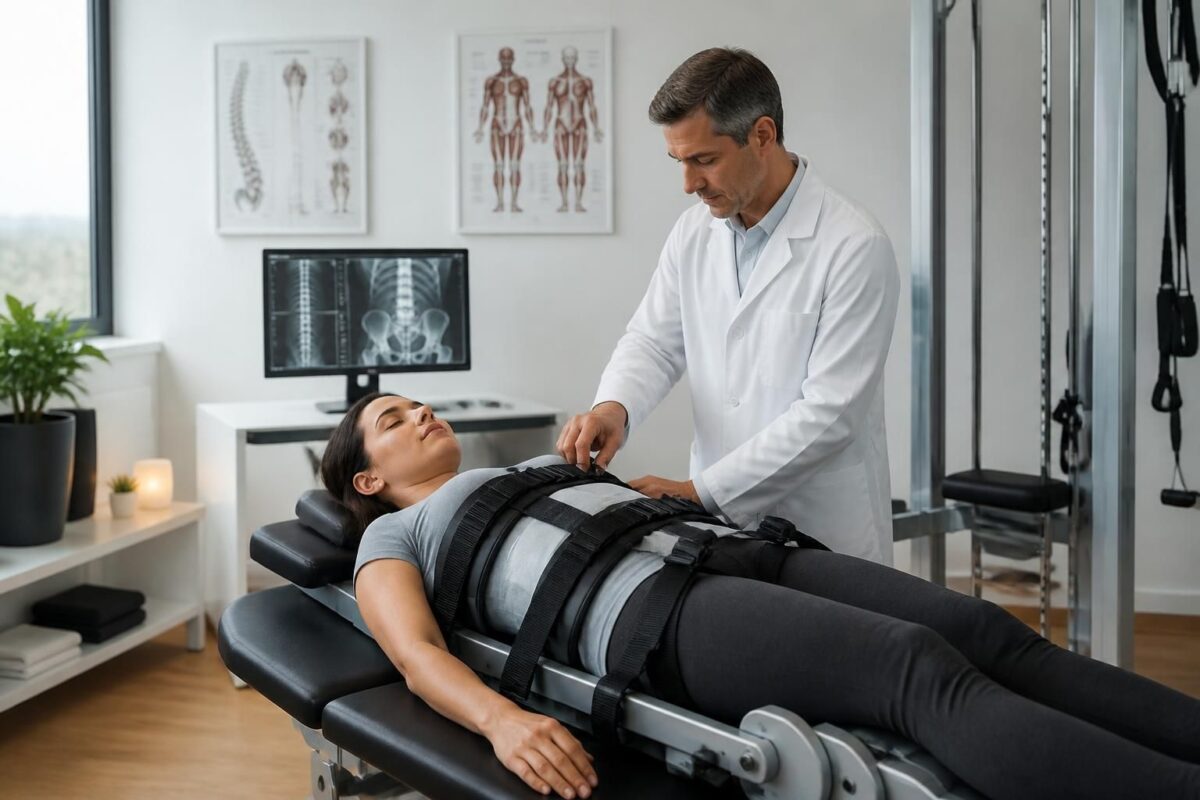
In short
| In short, the neurovertebral decompression is one Non-invasive technique which aims to relieve spinal pain by reducing pressure on the spine Intervertebral discs and the nerves. It relies on Modern technologies as the DRX9000, of Adaptive algorithms and theartificial intelligence To customize the traction and duration of treatment. Its main advantages: rapid and lasting reduction of pain, improvement of mobility and integration with complementary therapies such as laser and the shock waves, all without surgery. accessible to Montreal, This service offers an effective and safe option for lower back and cervical pain, with generally painless and targeted sessions. |
The technologies used for neurovertebral decompression are based on systems of Non-invasive traction that adjust in real time the strength and the duration Stretching. devices such as DRX9000 allow decompression targeted, reducing pressure on discs and nerves while protecting adjacent tissues. theartificial intelligence and the Adaptive algorithms Analyze clinical data to customize protocols and optimize results. The Digital tracking Ensures real-time monitoring of progress and guides adjustments in session. complementary approaches such as laser and the shock waves can be associated, just like the vibrotherapy (Pulse Align) and the neuromodulation, to accelerate recovery and improve mobility. These technologies offer a non-surgical alternative to relieve spinal pain and improve quality of life.
This article presents the technologies used for the neurovertebral decompression, exposing the principles, key equipment and associated approaches. It describes how modern systems combine controlled traction, adaptive algorithms and numerical tracking to relieve spinal pain without surgery. The text also highlights complementary therapies and relevant clinical considerations for effective and safe management.
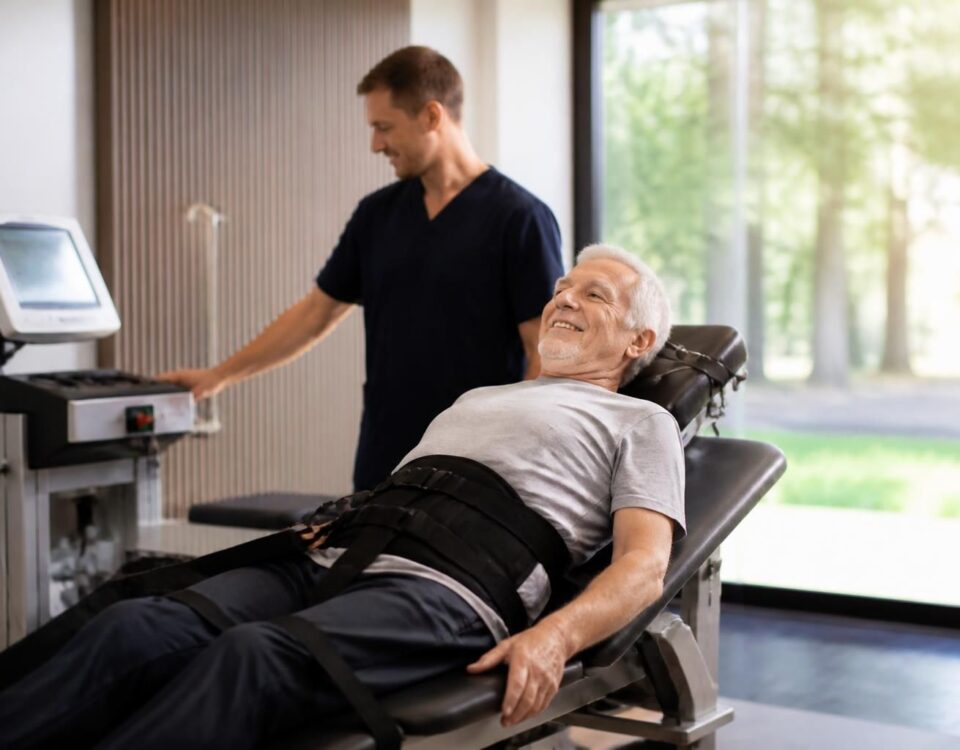
The neurovertebral decompression is a non-invasive method that aims to reduce the pressure on the intervertebral discs and nerves. Current technologies are based on a Targeted traction and systems computerized that adjust strength and duration in real time, thus providing a personalized and comfortable treatment.
Advanced traction and dedicated devices
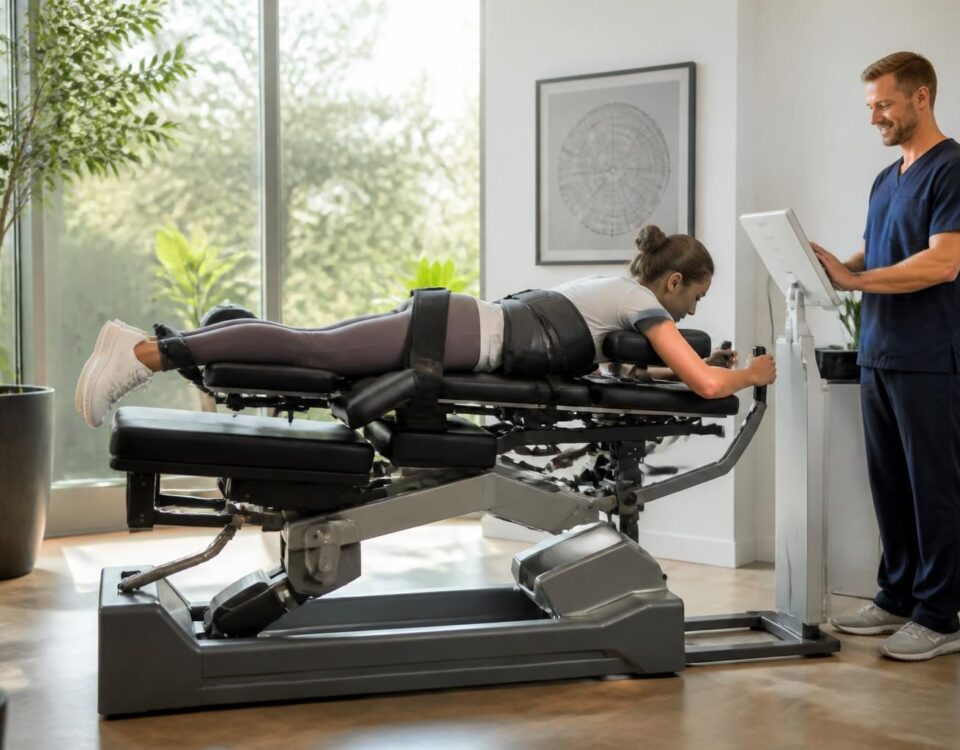
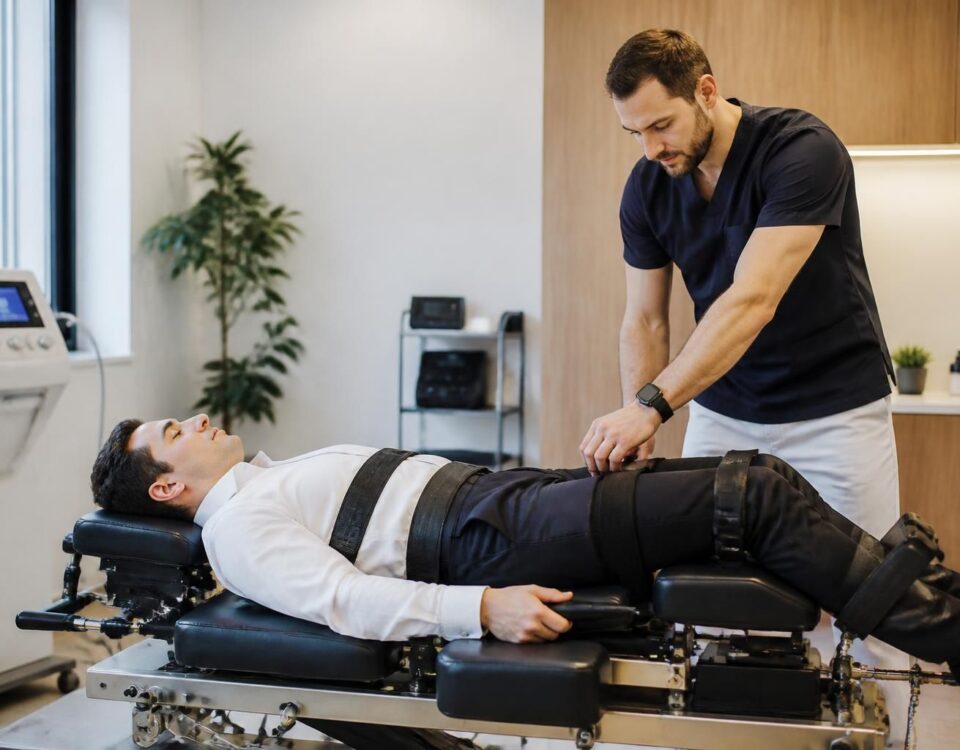
Traction devices, such as modern systems used clinically, apply controlled traction to the spine. They allow a progressive and gentle decompression, while preserving the surrounding tissues. Specific devices like the DRX9000™ illustrate this approach by combining traction and release periods, adjusting in real time The force applied to adapt to the patient’s response and minimize discomfort.
To deepen decompression technologies and comparative advantages, you can consult the following resources: The benefits of neurovertebral decompression compared to other treatments, Advanced Technologies—Decompression at the heart of therapy, and How does neurovertebral decompression work. Cases and practical applications are described in Decompression and chronic pain — a lasting solution.
Adaptive algorithms and artificial intelligence
The Adaptive algorithms allow you to automatically adjust the force and the duration traction depending on the patient’s reactions. The integration of theartificial intelligence and systems DIGITALS Improves protocol customization and can help predict treatment responses. This approach aims to optimize efficiency while minimizing discomfort during sessions. For resources on these aspects, see TAGMED Technological Innovations and Innovative technologies — what you need to know.
Neuromodulation and associated therapies
The neuromodulation And the associated therapies complement decompression by targeting pain and muscle relaxation with gentle stimulation. Solutions like stimulation systems go hand in hand with traction to promote recovery and improve nerve function. For additional information, consult resources dedicated to decompression and chronic pain.
Laser, shock waves and complementary therapies
The laser therapy And the associated techniques help reduce inflammation and improve local circulation. They are useful complementary options in a multidisciplinary approach, without the need for surgical procedures. Specific resources detail these associations and their benefits in clinical practice.
Digital monitoring and processing security
The follow-up digital Allows you to monitor progress in real time, adjust protocols and ensure continuous and personalized support. This approach strengthens patient adherence and contributes to the safety and efficacy of non-invasive treatments.
Training and Clinical Framework
Professionals trained in osteopathy and manual medicine are based on recognized courses. In this area, training takes place in establishments such as NUMSS and NAO. Tagmed clinics and affiliated centers focus on evidence-based practice and individual patient assessment. To learn more about the innovations and protocols taught, consult the resources of Tagmed Clinic and TAGMED Technological Innovations.
For general information and updates, additional resources complement knowledge, including Why choose neurovertebral decompression to relieve chronic pain and Prevent injury in athletes.
Specific resources on local clinical technologies and applications include What technologies are used in neurovertebral decompression and Decompression and chronic pain — a lasting solution.
For an overview of benefits, you can view athlete and performance resources, including prevention articles, affected areas, and clinical outcomes. Extracts and analyzes promote a better understanding of therapeutic choices.
Resources and useful links: How does neurovertebral decompression work, Comparative advantages, Prevention in athletes, and Advanced technologies.
For more information on technologies and protocols, also visit the sites SOS Herniated Disc and SOS Herniated Disc, as well as Sostunnel Carpal Tunnel and SOS SCIATIC for additional perspectives.
To discover professional aspects and innovations, official TagMed resources and associated publications can be viewed via Tagmed Clinic and TAGMED Technological Innovations.
Medical Disclaimer: The information and advice provided on this site does not replace the health professional’s diagnosis or treatment. Please note that Dr. Sylvain Desforges osteopath is neither a doctor of medicine nor a doctor, and is not a specialist in a medical specialty as defined by the Collège des Médecins du Québec. Manual medicine, functional medicine and sports medicine as described on this site exclude any medical treatment or diagnosis made by a doctor or specialist doctor. Always consult your doctor for any medical questions. For more details, please read our full legal notice.
To learn more about technologies and protocols, visit the following resources: Technologies used in decompression, Know about innovative technologies, and Technological innovations in equipment.
- DRX9000 Controlled and targeted traction
- Adaptive algorithms Intelligent traction adjustment
- Computerized table Synchronized traction and comfort
- Pulse Align Vibrations to relax the muscles
- Sensor systems Real-time feedback
- Ergonomic materials Comfort and stability
- Integrated laser therapy Reduction of inflammation
- neuromodulation Impulses for pain management
- Artificial intelligence Customization of protocols and prediction
- Digital tracking system Continuous progress monitoring
- Multi-therapy integration Decompression + laser + shock waves
- Multidisciplinary approach Osteo/Naturopathy/Sports Medicine
- Targeted traction Accurate targeting of painful areas
- Non-invasive process Avoid surgery and risks
- AI predictive Anticipate responses and adjust
- Session comfort Reduction of muscle tension

This article presents the technologies used for neurovertebral decompression and offers practical recommendations for their clinical deployment. It highlights advanced traction systems,artificial intelligence, the Digital tracking, as well as complementary therapies such as Pulse Align, the neuromodulation and the laser, in order to provide an approach personalized, effective and non-invasive for vertebral pathologies.
Technological framework for neurovertebral decompression
Neurovertebral decompression is based on a Targeted traction and settings dynamics Aiming to reduce the pressure on the nerves and discs, while preserving the surrounding tissues. Modern equipment allows to accurately measure the intensity and duration of the stretch, in order to obtain lasting relief with maximum comfort during the sessions.
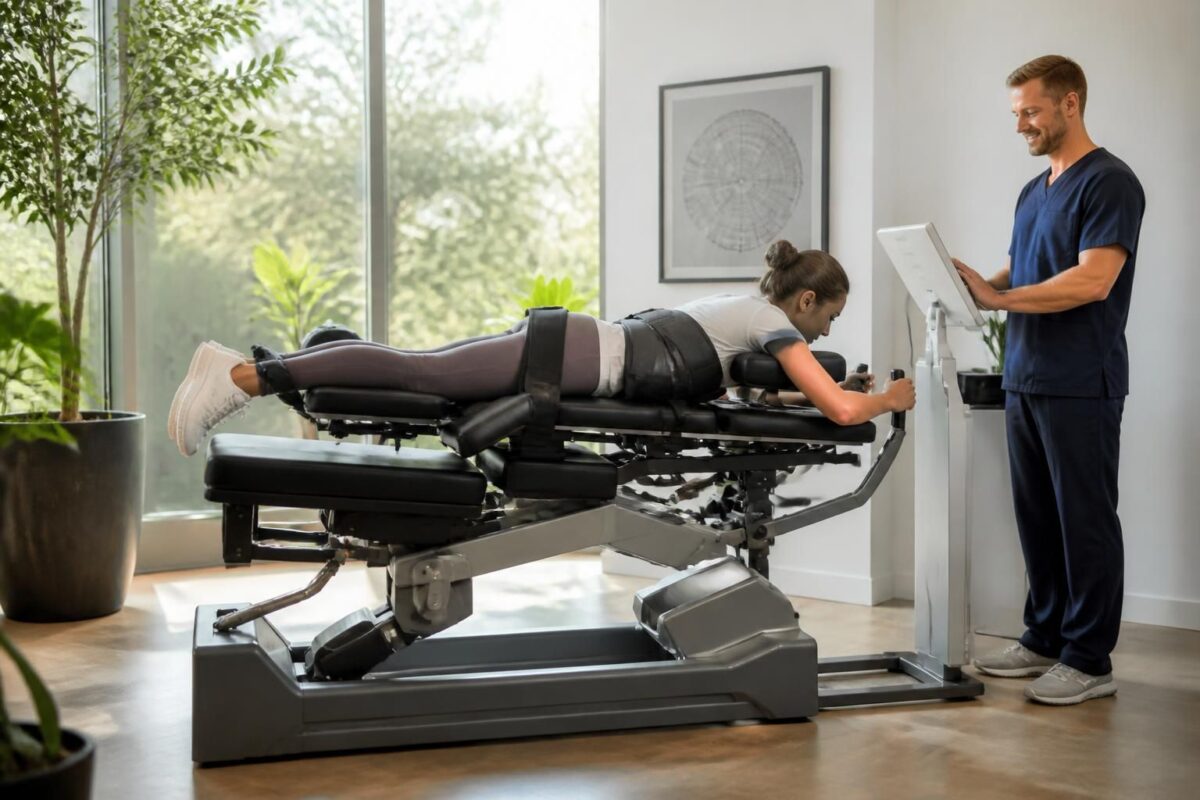
The long-term benefits of neurovertebral decompression for spinal health
In short In short, the neurovertebral decompression is a non-invasive approach that decreases the Pressure on intervertebral discs and nerves, favoring the Natural regeneration and tissue recovery. Its long-term benefits include Lasting pain reduction, Improving mobility and from the posture,…

Neurovertebral decompression and mobility: a return to an active life
In short In short, the neurovertebral decompression is therapy non-invasive who uses a gentle traction To create a space between the vertebrae and reduce the pressure on the Intervertebral discs and the nerves. It promotes a bloodstream improved, lowers tension…
Key components and operation
Controlled Traction and DRX9000™
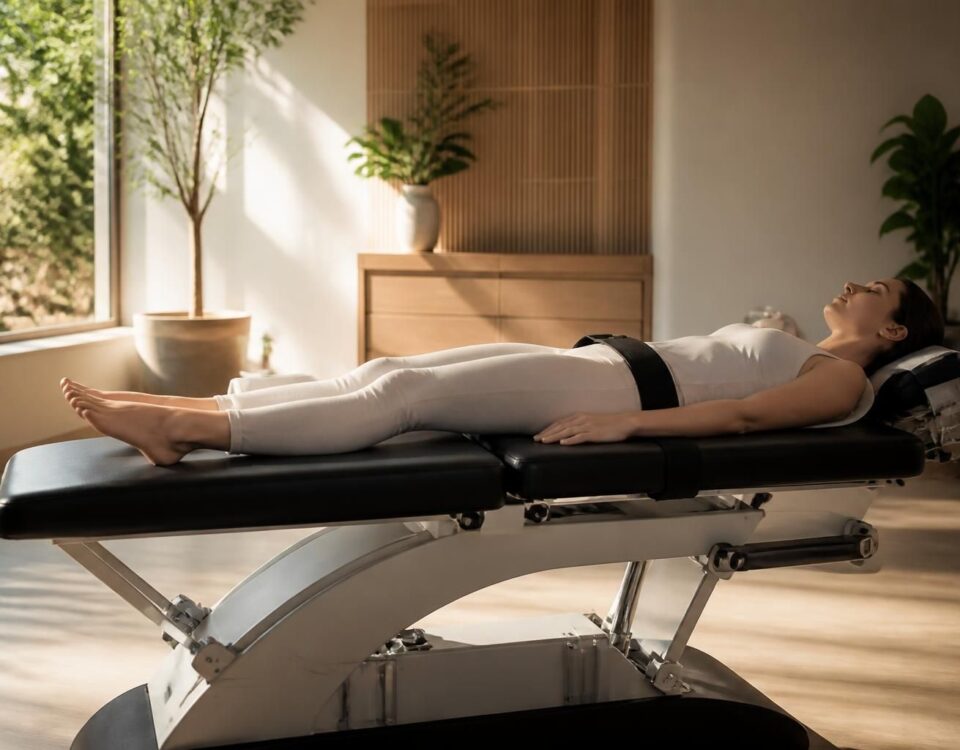
the systems of Controlled traction Use computerized tables and adaptive protocols to target problem areas. Sophisticated algorithms adjust the force and duration of traction in real time, ensuring accurate decompression and non-invasive that respects sensitive tissues.
Adaptive algorithms and artificial intelligence
The Adaptive algorithms and theartificial intelligence Fuel treatment customization by analyzing patient reactions and clinical data. This approach helps to refine protocols, prevent discomfort and improve the reproducibility of results from one session to another.
Digital monitoring and telemedicine
The Digital tracking Provides an overview of progress, facilitates communication between the patient and the practitioner and allows for quick adjustment of protocols. These tools support proactive pain management and better adherence to treatment.
Pulse Align and Neuromodulation
Pulse Align uses Soft pulse vibrations To target mechanoreceptors and promote muscle rebalancing. The neuromodulation Deliver targeted impulses to reduce pain and promote muscle relaxation, effectively complementing decompression for faster recovery.
Complementary therapies
Decompression can be associated with approaches such as laser and the shock waves To improve circulation, reduce inflammation and accelerate healing. The integration of these modalities requires coordination between specialists in order to optimize the results without overloading the patient.
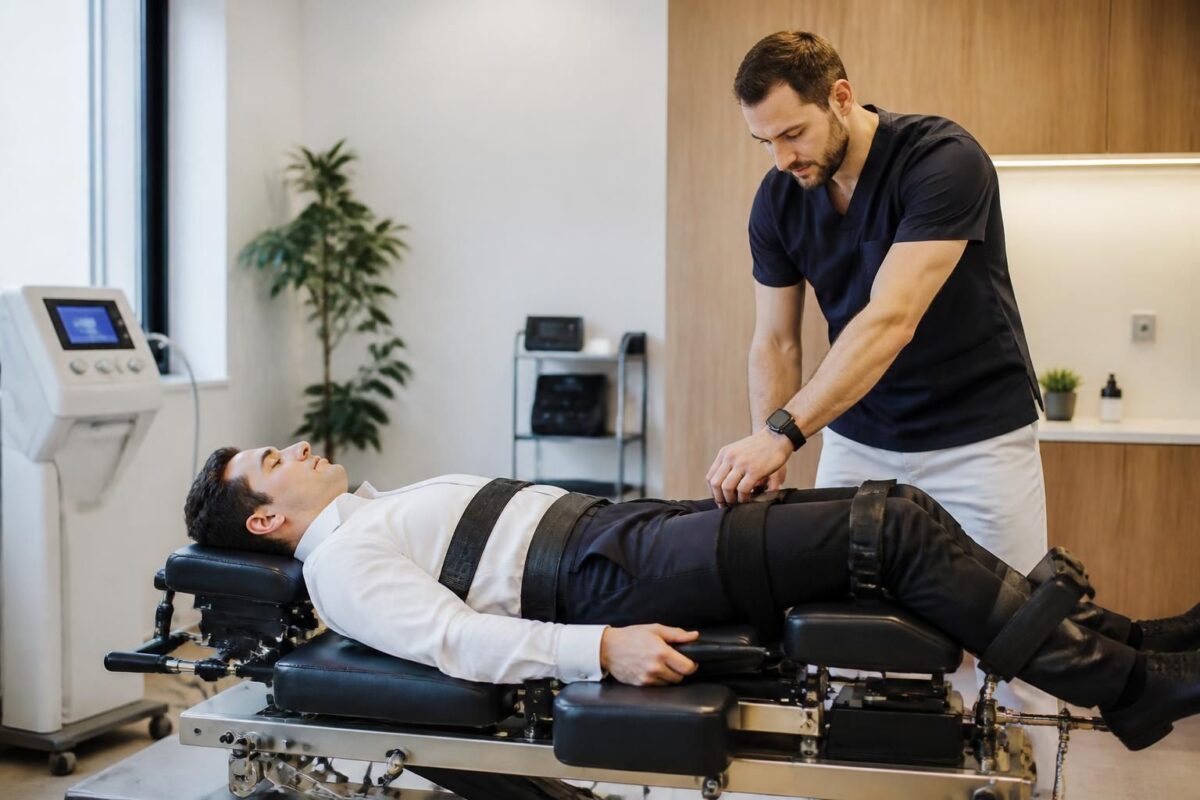
How Neurovertebral Decompression Prevents Diffuse Chronic Pain
In short decompression neurovertebral is one Non-invasive method aimed at reducing the Pressure on the intervertebral discs and the nerves, in order to prevent Diffuse chronic pain. It improves the circulation and thedisc hydration, decreases inflammation and promotes better mobility.…
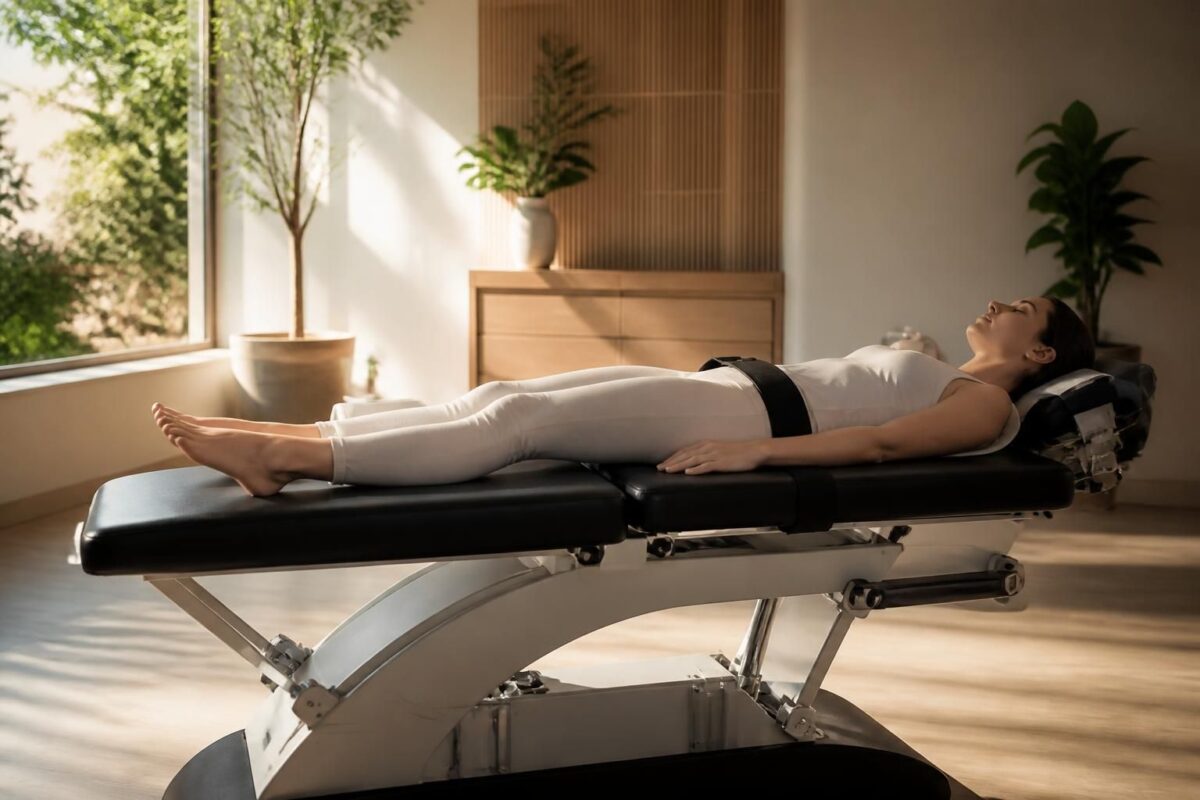
Neurovertebral Decompression and Body Alignment: Restoring Natural Balance
In short In short, neurovertebral decompression is one Non-invasive approach who restores theBody Alignment and thenatural balance back and neck. She acts by a Controlled traction of the spine to widen the intervertebral space and reduce the Pressure on discs…
Practical recommendations for clinical implementation
Patient assessment and selection
Establishing clear criteria makes it possible to target patients likely to benefit from decompression. Integrating imaging, functional assessment and painful history helps determine areas to be treated and prevent contraindications.
Protocol design and security
Design personalized protocols with intensity levels and progressive durations. Establish a pilot phase, tolerance checks and continuous monitoring of adverse effects. Systematically document parameters and results to ensure traceability and continuous improvement.
Interdisciplinary integration and training
Promote a multidisciplinary approach and train staff in the use of traction systems, the interpretation of AI data and related techniques (laser, neuromodulation, pulse align). A collaboration between osteopathy, rehabilitation and technologies is key to optimizing results.
Data management and compliance
Set up data protection protocols, obtain informed consent and ensure secure storage. Comply with local regulations for digital monitoring and remote monitoring to ensure patient confidentiality and safety.
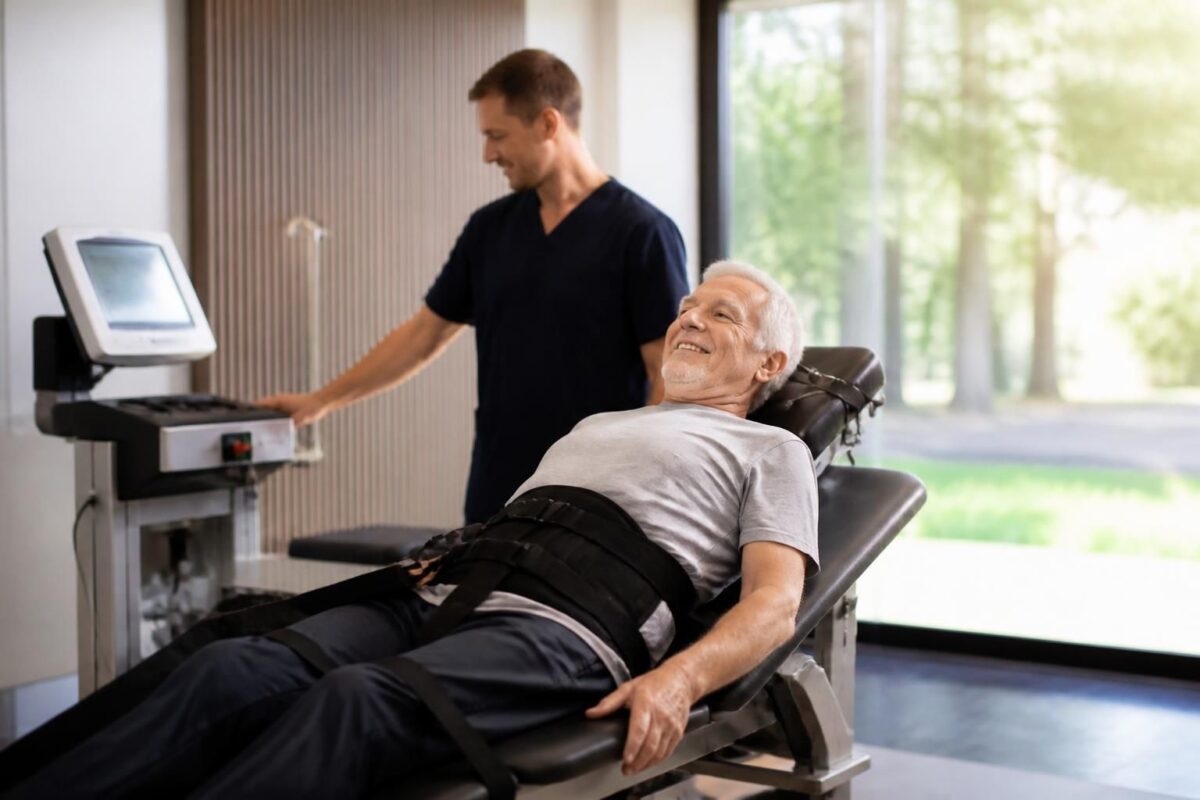
Why neurovertebral decompression is a lasting solution for active seniors
In short In short, the neurovertebral decompression is one Non-invasive therapy which sustainably relieves spinal pain in the spine active seniors By creating, by a Soft and controlled traction, a space between the vertebrae. At Montreal, it is recognized as…
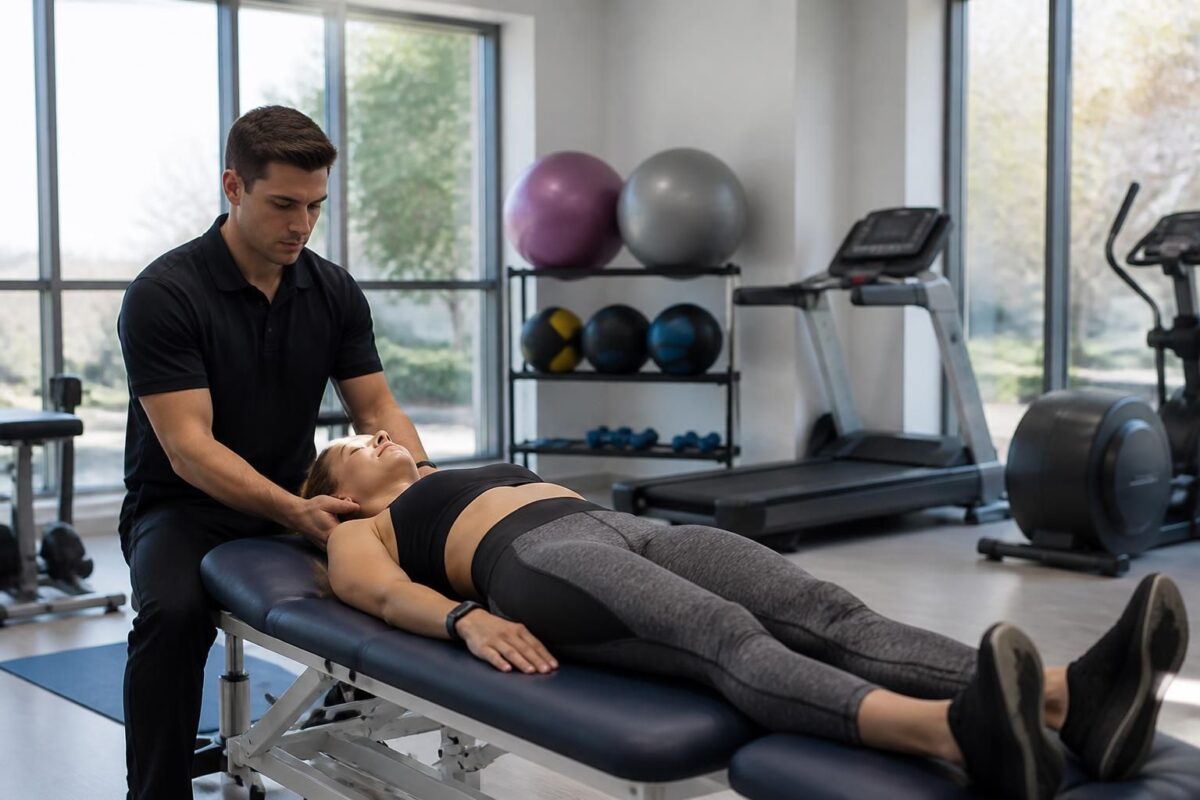
Neurovertebral decompression and recovery after severe sports injury
In short In short, the neurovertebral decompression is one Non-invasive method to Relieve the pressure on the Intervertebral discs and the gristle Via a Controlled traction, to facilitate the recovery After a severe sports injury. It improves the bloodstream towards…
Future prospects
Probable developments include continuous improvement in Adaptive algorithms, increased integration of theartificial intelligence in protocols and the expansion of associated therapies. These advances promise even finer customization, enhanced security and increased efficiency in the management of spinal pain and disc pathologies.
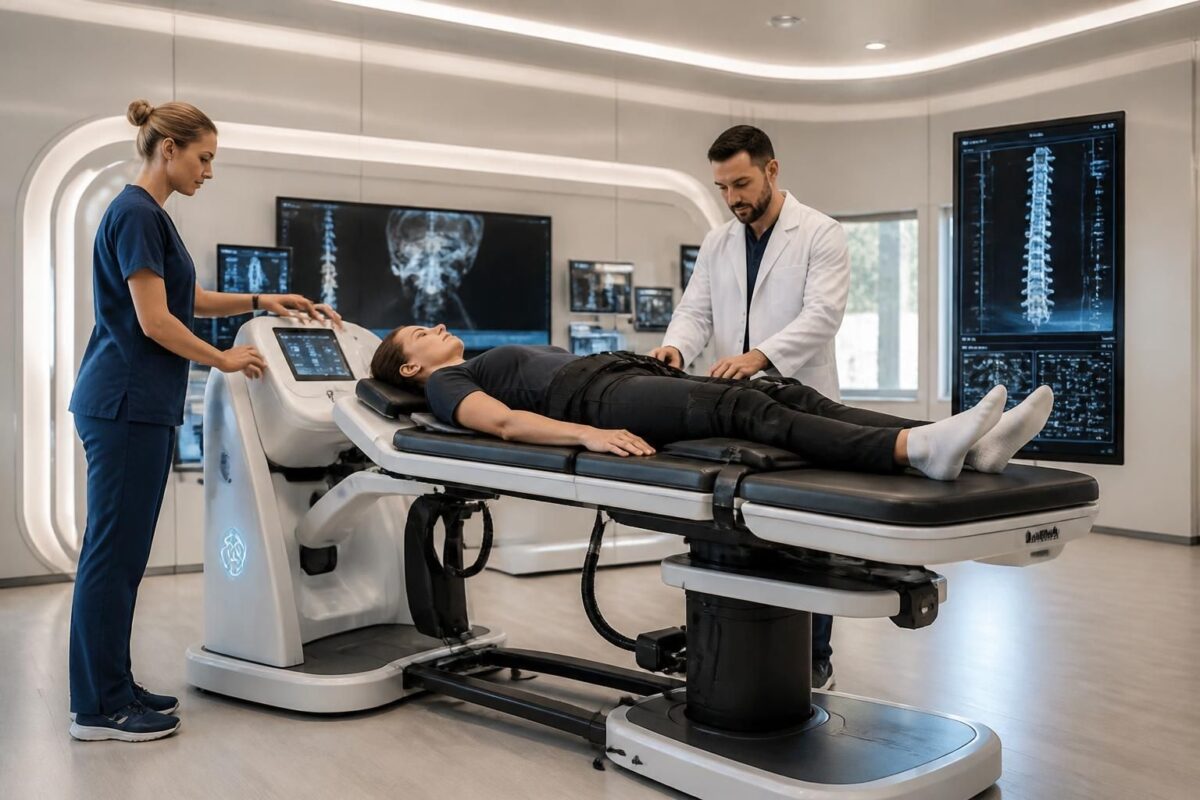
Recent innovations in neurovertebral decompression technologies
In short In short, the neurovertebral decompression is an approach non-invasive Aiming to reduce pressure on discs and nerves, and promote tissue regeneration. At Montreal, it is positioned as an effective option for lower back pain and herniated discs. The…
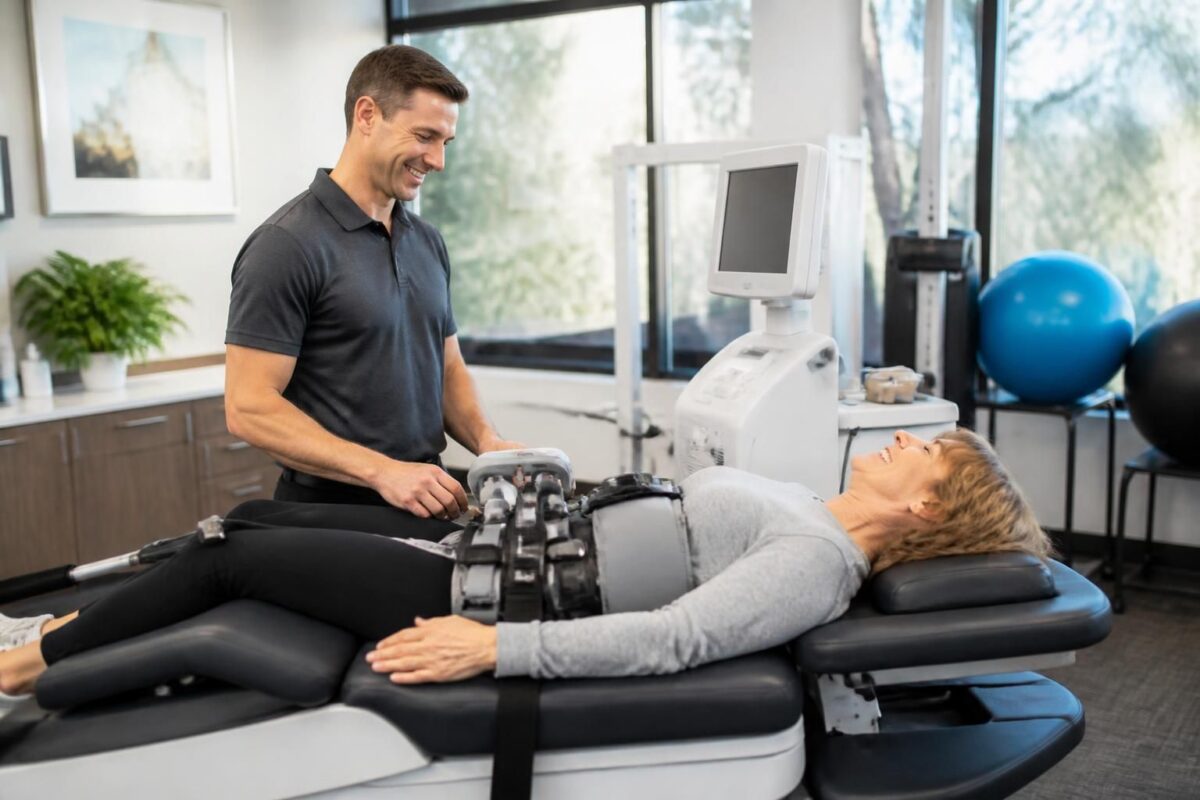
Neurovertebral decompression and diffuse pain: an appropriate solution
In short In short, the neurovertebral decompression is one Non-invasive solution For diffuse pain related to nerve irritation of the spine. She acts in Reducing pressure on intervertebral discs and nerves and improving the bloodstream, which promotes recovery and the…
Technologies used for neurovertebral decompression
| Technology | Concise description |
|---|---|
| DRX9000 | decompression device using Controlled traction and relaxation with Real-time adjustment. |
| Adaptive traction | Adaptive algorithms adjusting force and duration According to the answers. |
| Artificial intelligence | data analysis for personalize the protocol and optimize the results. |
| Pulse Align | soft pulse vibrations targeting the Mechanoreceptors To relax the muscles and reduce pain. |
| Therapeutic laser | lasers to reduce theinflammation and promote the recovery Tissue. |
| neuromodulation | impulses electrical To modulate pain and promote relaxation muscular. |
| Digital tracking | applications and sensors for the Real-time monitoring progress. |
| Combined therapies | Association of decompression with laser and/or shock waves to optimize the results. |
| Targeted guided traction | traction applied on painful areas with comfort and safety. |
Testimonials on the technologies used for neurovertebral decompression
“Since my first sessions with the DRX9000, the targeted and personalized traction reduced my lower back pain and I found a smooth walk, without surgery or medication. »
“The use of Adaptive algorithms and theartificial intelligence In my cervical treatments offered me truly personalized protocols that evolve with my condition. »
“The soft vibrations of Pulse Align Released my muscle tension and improved my mobility, in addition to decompression. »
“The laser therapy Integrated in decompression reduced inflammation and accelerated my recovery after my injury. »
“The Digital tracking allowed me to visualize my progress week after week and adjust the protocol in real time, which is reassuring and motivating. »
“The neuromodulation Associated with decompression relieved my neuropathic pain and allowed me to resume my daily activities. »
“As an athlete, the Custom protocols and the quick recovery Offered by decompression allow me to resume training earlier and in better shape. »
“In clinic, theMultidisciplinary approach and the Advanced technologies Used for decompression provide a comprehensive, patient-focused experience and the root causes of pain. »
This biography traces the journey of a practitioner whose activity is resolutely anchored in the Technologies used for neurovertebral decompression. Expert in osteopathy, naturopathy and manual medicine, he developed an approach marked by innovation and by the integration of advanced technological solutions intended to relieve pain related to the spine.
At the heart of his work is the neurovertebral decompression, a non-invasive method that aims to reduce the pressure exerted on the spinal nerves and restore mobility. One of the most iconic systems is the DRX9000™, a traction table that combines precision and smoothness. Thanks to sophisticated algorithms, the strength and duration of the traction adjust dynamically according to the patient’s response, offering a targeted and personalized treatment without surgical manipulation.
progress in Adaptive algorithms and in artificial intelligence play a key role in optimizing protocols. By analyzing in real time the clinical data collected over the sessions, these systems adjust the decompression parameters and identify the most relevant indications for each profile. This customization helps maximize efficiency while minimizing discomfort and potential risks.
To complete the process, complementary technologies such as Pulse Align bring a neuromuscular dimension. This device delivers soft pulse vibrations that target the mechanoreceptors, promoting muscle relaxation, improved circulation and better general tone. The objective is to prepare tissues and muscles for decompression, thus reinforcing the beneficial effects of sessions.
The laser therapy Also integrates into the program, acting on inflammation, vascularization and tissue recovery around treated areas. This photothermal approach synergizes with traction to accelerate the healing process and optimize functional results. Combined with decompression, it allows for faster and more durable recovery.
The shock waves complement the technological panel by stimulating tissue regeneration and facilitating local circulation. Used in addition to traction techniques, they reinforce pain elimination and improve the patient’s ability to resume his daily activities with less discomfort.
Progress tracking is done through Digital systems and tools of remote monitoring, offering a continuous view of the patient’s evolution and allowing quick and safe protocol adjustments. This digital approach promotes an active therapeutic relationship, where the patient fully participates in his recovery and observes concrete feedback on his mobility and pain.
On a professional level, this approach is part of a perspective multidisciplinary, combining osteopathy, naturopathy and manual medicine with cutting-edge technologies. The harmonious integration of these methods and equipment allows targeting not only the symptoms, but also the underlying causes of spinal pain, in an approach based on evidence and clinical experience.
Accessible and safe, neurovertebral decompression is aimed at a large population, including elderly or sensitive patients, thanks to its character non-invasive and its application comfort. The results are measured by a gradual decrease in pain, an improvement in mobility and a resumption of daily activities with a regained quality of life.
This article presents an overview of the technologies used for neurovertebral decompression, highlighting the mechanisms of adaptive traction, the use of artificial intelligence, digital monitoring and associated therapies such as laser and neuromodulation. It highlights the advantages, safety and future prospects of these non-invasive approaches to relieve spinal pain and improve mobility.
neurovertebral decompression is based on systems of Adaptive traction which adjust the force and the duration Real-time stretching. modern devices like the DRX9000™ Enable targeted and personalized decompression, reducing the pressure on discs and nerves while minimizing patient discomfort through an approach fresh and controlled.
THE ROLE OF THEartificial intelligence And some Computerized systems is central to Customize protocols and continuous monitoring of results. By analyzing clinical data and individual responses, the algorithms adjust traction parameters and optimize treatment plans for each patient, reinforcing the accuracy and effectiveness of care.
The Digital tracking progress, via dedicated applications and platforms, improves themembership treatment and allows a quick adjustment of protocols depending on the evolution of symptoms. This approach promotes support continue and see-through between the practitioner and the patient.
The Complementary therapies associated with decompression, such as laser and the shock waves, strengthen the therapeutic action by improving the circulation and reducing inflammation. The technology Pulse Align And other neuromodulation modalities complete the pain-reducing effect and facilitate functional recovery.
In terms of safety and tolerance, neurovertebral decompression has the advantage of being non-invasive And to offer an alternative to surgery for many vertebral pathologies. It can thus prevent surgical interventions when clinical indications and protocols are well suited to each patient.
The future of these technologies is part of a Multidisciplinary approach and an continuing education practitioners. The growing integration ofAI, of Digital applications And some Complementary therapies opens the way to even more care custom and effective, with real-time adjustable protocols and better predictability of results.
To deepen the scientific and technological aspects, you can consult resources such as Technologies used for neurovertebral decompression and Emerging technologies in neurovertebral decompression equipment. To understand the scientific basis, read The science behind neurovertebral decompression and discover insights related to athletics and recovery on pages such as Neurovertebral decompression – A sports-friendly treatment. additional resources like Neurovertebral decompression – Wikipedia Provide an accessible framework for analyzing mechanisms and applications.

Dr Sylvain Desforges, B.Sc., D.O., N.D., osteopath, is the founding president of TAGMED and of the ACMA association. He dedicates his practice to chronic spinal pain, low back pain and symptoms compatible with sciatica, particularly when pain radiates toward the buttock, leg, calf, foot or toes.
Through SOS Sciatique, he publishes educational content on sciatica symptoms, possible causes such as disc herniation, disc narrowing, foraminal stenosis or irritation of a lumbar nerve root, as well as non-surgical approaches that may be considered according to the evaluation. At Clinique TAGMED, care may include, depending on the case, motorized neurovertebral decompression, specific osteopathic care or precision percussion.
For an evaluation related to sciatica treatment in Montreal / Mount Royal or sciatica treatment in Terrebonne, please consult the services available at Clinique TAGMED.
Medical disclaimer
The information published on SOS Sciatique is provided for educational purposes only and does not replace a consultation, diagnosis, opinion or treatment provided by a physician or another authorized healthcare professional. The author of this article is neither a medical doctor nor a specialist in a medical specialty recognized by the Collège des médecins du Québec. The osteopathic, manual medicine or functional support approaches described on this site do not constitute medical acts and are not intended to replace medical follow-up.
Consult a physician or emergency service in cases of loss of bladder or bowel control, anesthesia in the saddle area, significant or progressive weakness in the leg or foot, fever, recent trauma, severe pain or rapid worsening of symptoms. For more details, please read our Legal Notice.