Neurovertebral decompression and cervical pain: a natural solution
25/06/2026
How neurovertebral decompression acts on compressed nerve roots
25/06/2026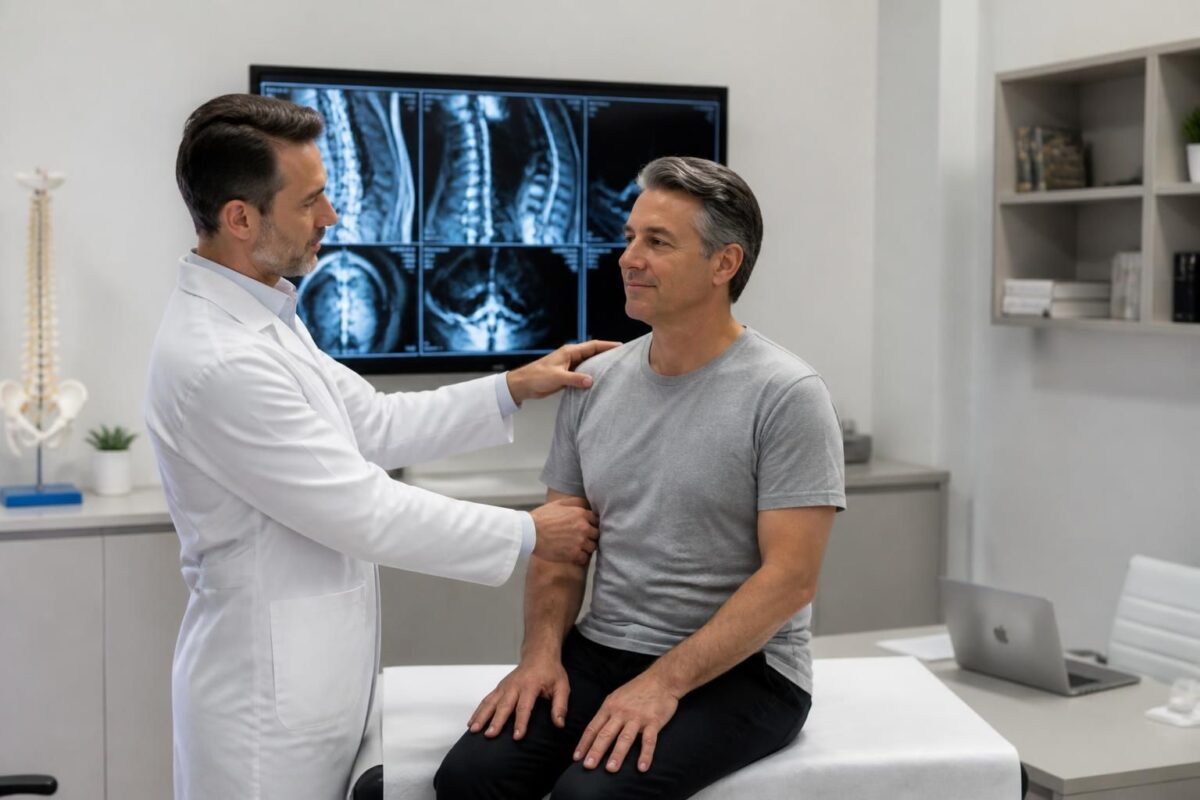
In short |
In short, the neurovertebral decompression is one Non-invasive therapy Aiming to reduce pressure on the nerves and intervertebral discs to relieve pain and improve mobility. Its advantages include pain reduction, function improvement and the ability to integrate with other treatments without surgery. The operation is based on gentle and controlled traction, adapted to each patient and carried out with modern equipment, with a Personalized follow-up to optimize the results. Accessible in the clinic, it is particularly suitable for lower back pain, sciatica and herniated discs in people looking for an effective and safe alternative. |
Here is a short summary of Best Candidates for the neurovertebral decompression :
- people suffering from Chronic lower back pain or of sciatica related to a slipped disc or to a disc degeneration with nervous compression, confirmed by imaging.
- patients with Failed to conservative treatments usual after 6 to 12 weeks (eg physiotherapy, anti-inflammatory).
- people wishing Avoid surgery and adopt an approach multimodal Incorporating decompression, associated therapies and rehabilitation.
- Good General health status without Major contraindications such as fracture, infection, tumor, vertebral instability or acute neurological signs requiring surgery.
- Housemaid membership processing and availability for the follow-ups and the exercises offered.
A Personalized evaluation by a qualified practitioner confirms the adequacy of the treatment and to adjust the plan according to each patient.
Quick summary: This article explains who are the Best Candidates for the neurovertebral decompression, the eligibility criteria, the evaluation process and why this treatment may be appropriate. It also highlights the importance of consulting a qualified practitioner and relying on recognized resources such as those of Tagmed clinics.
Key Elements of Eligibility
The ideal candidate has had spinal-related symptoms for some time and has been evaluated by health professionals. Criteria include persistent back or radicular pain despite conservative treatments, as well as imaging results consistent with pathologies that may respond to neurovertebral decompression. The doctor looks for indications such as herniated discs, protrusions or stenosis that can be attenuated by reducing pressure on the nerves and discs.
Contraindications and precautions
This treatment is not suitable when conditions increase risk or limit patient safety. General contraindications include active infections, recent fractures, some cancers, severe spine instability, or uncontrolled neuromuscular disorders. The practitioner may suggest other options if these situations are present.
Initial assessment and eligibility criteria
A full assessment involves a clinical examination, history review and relevant radiological images. The practitioner is looking for signs compatible with a pathology that can benefit from decompression. Eligibility also depends on the patient’s goals and treatment tolerance.
Why some patients are not good candidates
Some patients have causes unrelated to the column or have degenerative triggers that limit potential results. In these cases, the practitioner may recommend other treatments or a combined approach in a global plan.
Role of the practitioner and choice of center
Choosing a certified practitioner is crucial. Look for demonstrated qualifications and experience, as well as recognized training indications. Professional associations can testify to the level of practice. An initial consultation is used to evaluate the approach and to verify that the patient understands the process.
The therapeutic path and associated resources
The course can be coordinated with other treatments and technologies available within specialized networks. To deepen the criteria for selecting a practitioner, consult resources like How to choose a neurovertebral decompression practitioner, and the latest innovations in this area on Recent innovations in neurovertebral decompression.
Why favor TagMed and associated resources
The Tagmed Clinic offers protocols based on evidence and personalized support. The practitioner can coordinate care with other professionals and technologies available in the TagMed network. To learn more about selection criteria and practical advice, you can consult additional resources such as Herniated disc: Diagnosis and solutions of neurovertebral decompression and dedicated articles on Warnings and Precautions.
Link with training and professional associations
Qualified practitioners can come from recognized training such as NUMSS, NAO, National University of Medical Sciences or National Academy of osteopathy. They can also be members of the ACMA, College of Canadian Osteopaths or College of Canadian Osteopaths.
Explanation of the frame of reference and comparative options
It is useful to compare the approaches. A brief table makes it possible to situate the relative efficacy in a clinical context. For example, the neurovertebral decompression may offer significant improvement in some cases, while the physiotherapy may be less effective in similar situations. Consult clinical resources and specialized centers to get a comparative and appropriate view to your case, including through the resources below.
Comparative table of therapeutic approaches
| Therapy | General efficacy in the context of spinal pathologies |
|---|---|
| neurovertebral decompression | often effective when clinical and radiological indications are compatible; Requires accurate assessment and follow-up. |
| Physiotherapy | Used as a support option, but the effectiveness may be less for some specific spinal indications. |
| Other specialized approaches | Coordination with complementary therapists and technologies can optimize the result. |
For more information on diagnosis and neurovertebral decompression solutions, you can consult Dudus Clinics and the specialized resources available on SostunnelCarpal.
For practical information and precautions related to neurovertebral decompression, refer to the following resources: Decompression suitable for athletes, Precautions when using, and Decompression suitable for athletes.
Use of an initial consultation is recommended to assess eligibility and discuss options. For further clarification on criteria and evaluation, see Reference Resources: How to choose a neurovertebral decompression practitioner, and institutional information on Tagmed Clinic.
For diagnostic and solutions contexts, cf. Recent innovations in neurovertebral decompression and Best Candidates.
Medical Disclaimer: The information and advice provided on this site does not replace the health professional’s diagnosis or treatment. Please note that Dr. Sylvain Desforges osteopath is neither a doctor of medicine nor a doctor, and is not a specialist in a medical specialty as defined by the Collège des Médecins du Québec. Manual medicine, functional medicine and sports medicine as described on this site exclude any medical treatment or diagnosis made by a doctor or specialist doctor. Always consult your doctor for any medical questions. For more details, please read our full legal notice.
- Chronic lower back pain With radicular signs compatible with a herniated disc, without immediate surgical indication.
- Sciatica or cervical neuralgia confirmed and refractory to conservative treatments.
- Interest in a non-invasive approach aimed at relieving nerves and discs.
- Sufficient vertebral stability and absence of neurological emergency symptoms requiring surgery.
- Good general condition and absence of major contraindications (infection, fracture, tumor).
- Complete pre-therapeutic assessment with imaging and clinical examination.
- Commitment to a multi-disciplinary plan including physiotherapy and associated therapies.
- Realistic expectations and motivation for a progressive treatment course.

This article guides you on the Best Candidates to the neurovertebral decompression. It describes the indications, standard profile of patients and the precautions to consider to determine whether this approach non-invasive Can sustainably relieve back and neck pain.
Deligibility criteria
Clinical indications
ideal candidates present Lumbar or cervical pain associated with a radiculopathy or to a slipped disc confirmed by clinical evaluation and, if necessary, by imaging examinations. These symptoms must be compatible with a mechanical pathology of the spine and persist despite a period of conservative management (physiotherapy, drugs, activity advice) without sufficient improvement.
Commitment and objectives
Patients considering this therapy are ready to follow a structured program over several weeks and get involved in exercises and protocols at home. The goal is to reduce pain, restore mobility and improve quality of life, while avoiding or delaying surgery.
screening
Before any startup, a complete assessment is necessary to confirm the absence of contraindications and personally adapt the protocol. This step makes it possible to check the stability of the column, the absence of infection, tumour or other conditions that would modify the treatment plan.
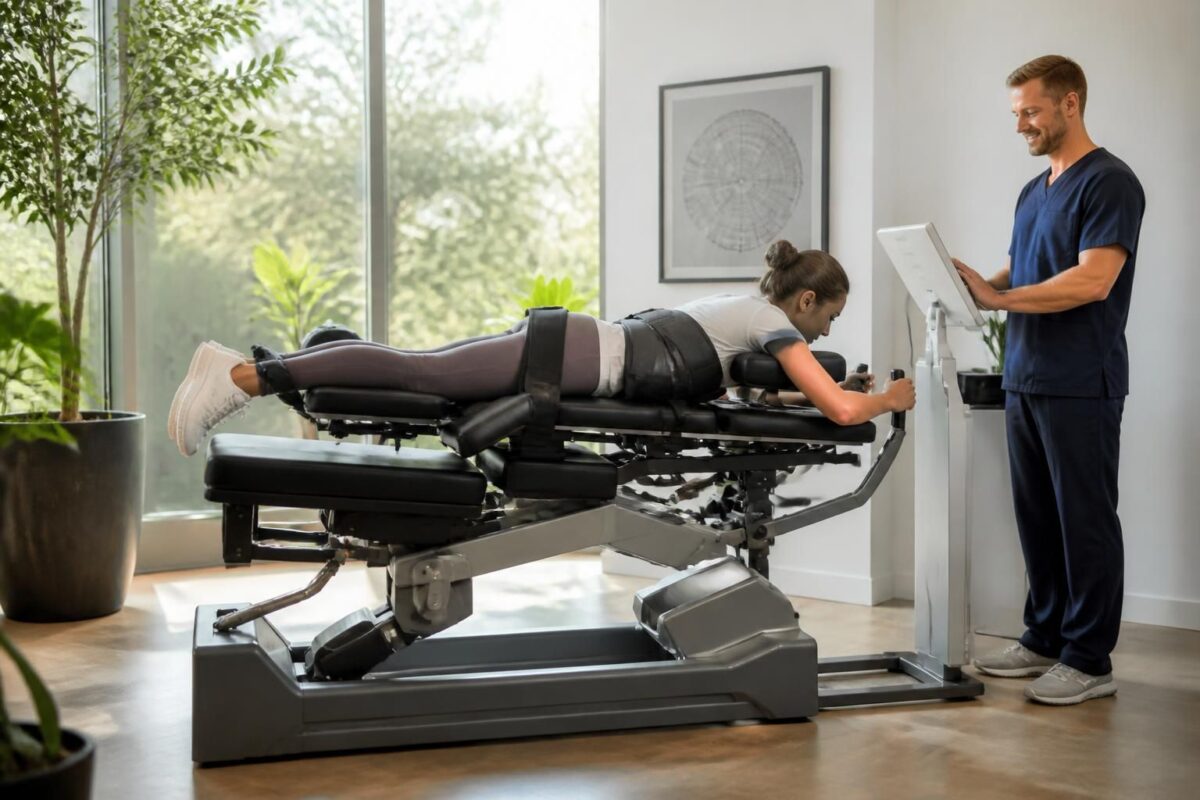
The long-term benefits of neurovertebral decompression for spinal health
In short In short, the neurovertebral decompression is a non-invasive approach that decreases the Pressure on intervertebral discs and nerves, favoring the Natural regeneration and tissue recovery. Its long-term benefits include Lasting pain reduction, Improving mobility and from the posture,…

Neurovertebral decompression and mobility: a return to an active life
In short In short, the neurovertebral decompression is therapy non-invasive who uses a gentle traction To create a space between the vertebrae and reduce the pressure on the Intervertebral discs and the nerves. It promotes a bloodstream improved, lowers tension…
Profile of the best suited patients
Root and lumbar pain
Patients with pain associated with nerve compression, such as sciatica or cervical neuralgia, may be good candidates when symptoms are focused and re-evaluable after a preoperative trial or after conservative treatments. The decompression May promote intervertebral space and decrease pressure on nerve roots.
Failure of conservative treatments
The ideal candidate is the one who has tried non-surgical approaches for several weeks, even months, without sufficient results. In this context, decompression can offer a viable alternative to reduce pain and improve function without immediate recourse to surgery.
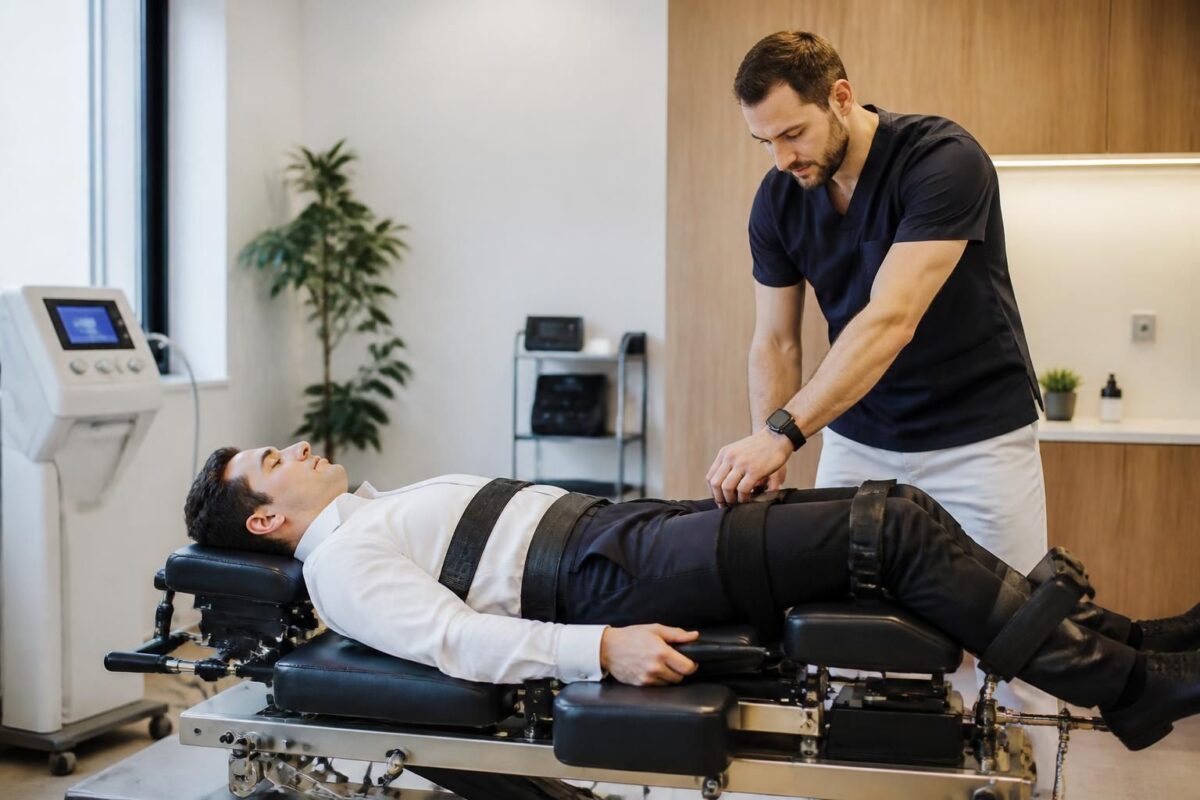
How Neurovertebral Decompression Prevents Diffuse Chronic Pain
In short decompression neurovertebral is one Non-invasive method aimed at reducing the Pressure on the intervertebral discs and the nerves, in order to prevent Diffuse chronic pain. It improves the circulation and thedisc hydration, decreases inflammation and promotes better mobility.…
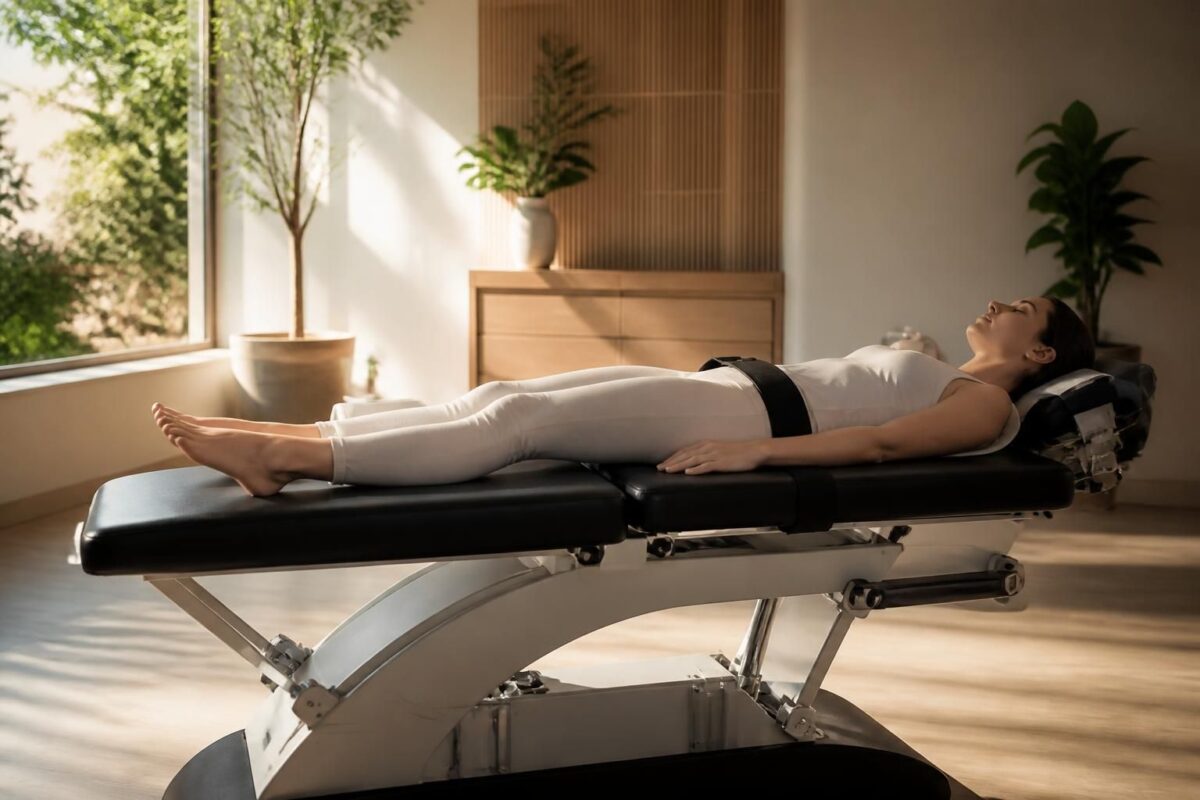
Neurovertebral Decompression and Body Alignment: Restoring Natural Balance
In short In short, neurovertebral decompression is one Non-invasive approach who restores theBody Alignment and thenatural balance back and neck. She acts by a Controlled traction of the spine to widen the intervertebral space and reduce the Pressure on discs…
Contraindications and precautions
Red flags and situations to monitor
Some situations require more in-depth medical care. in the presence of Progressive neurological signs, loss of stool or bladder control, red flags such as rapid symptoms thickening, or fever and suspected infection, a specialized assessment is necessary before considering a decompression. Similarly, vertebral instability, acute fracture, tumor and certain systemic conditions may constrain this approach.
Realistic limitations and expectations
The neurovertebral decompression is not a universal solution and is not suitable for all profiles. It must be integrated into a global rehabilitation plan and may require a combination with other manual therapies, physiotherapy or lifestyle tips to optimize results and gain sustainability.
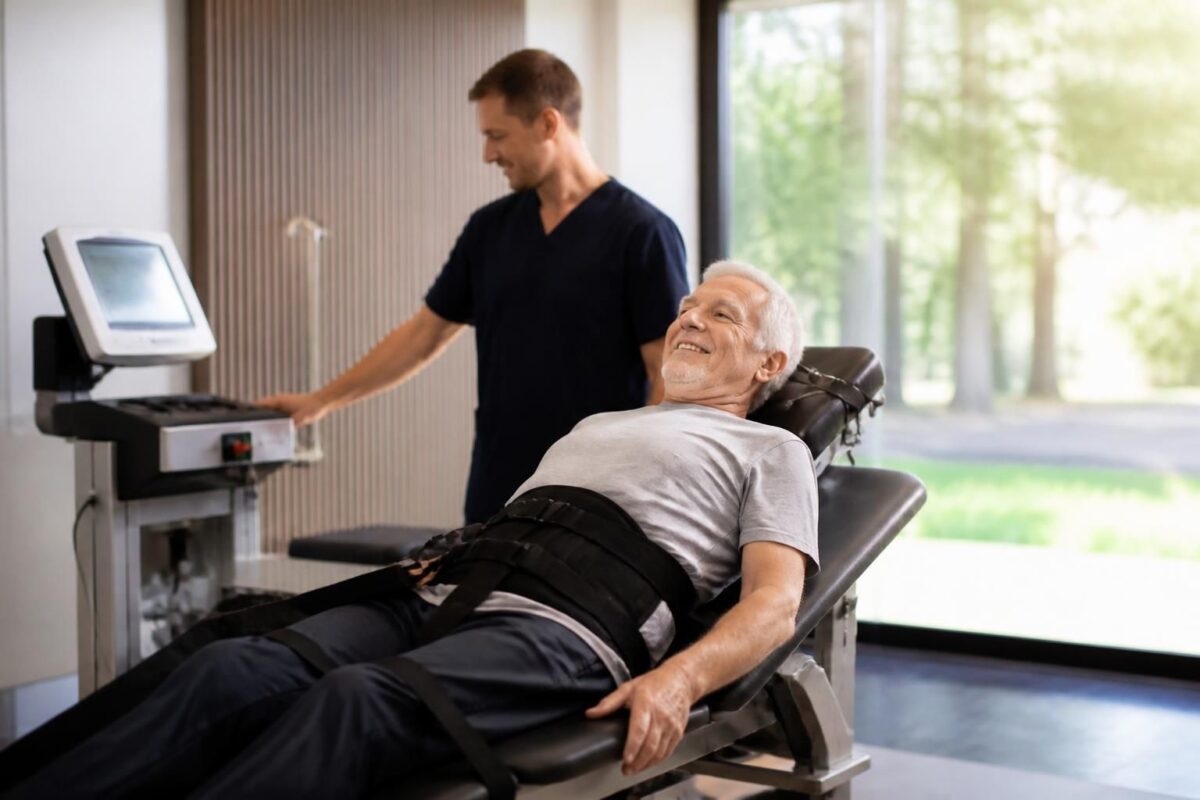
Why neurovertebral decompression is a lasting solution for active seniors
In short In short, the neurovertebral decompression is one Non-invasive therapy which sustainably relieves spinal pain in the spine active seniors By creating, by a Soft and controlled traction, a space between the vertebrae. At Montreal, it is recognized as…
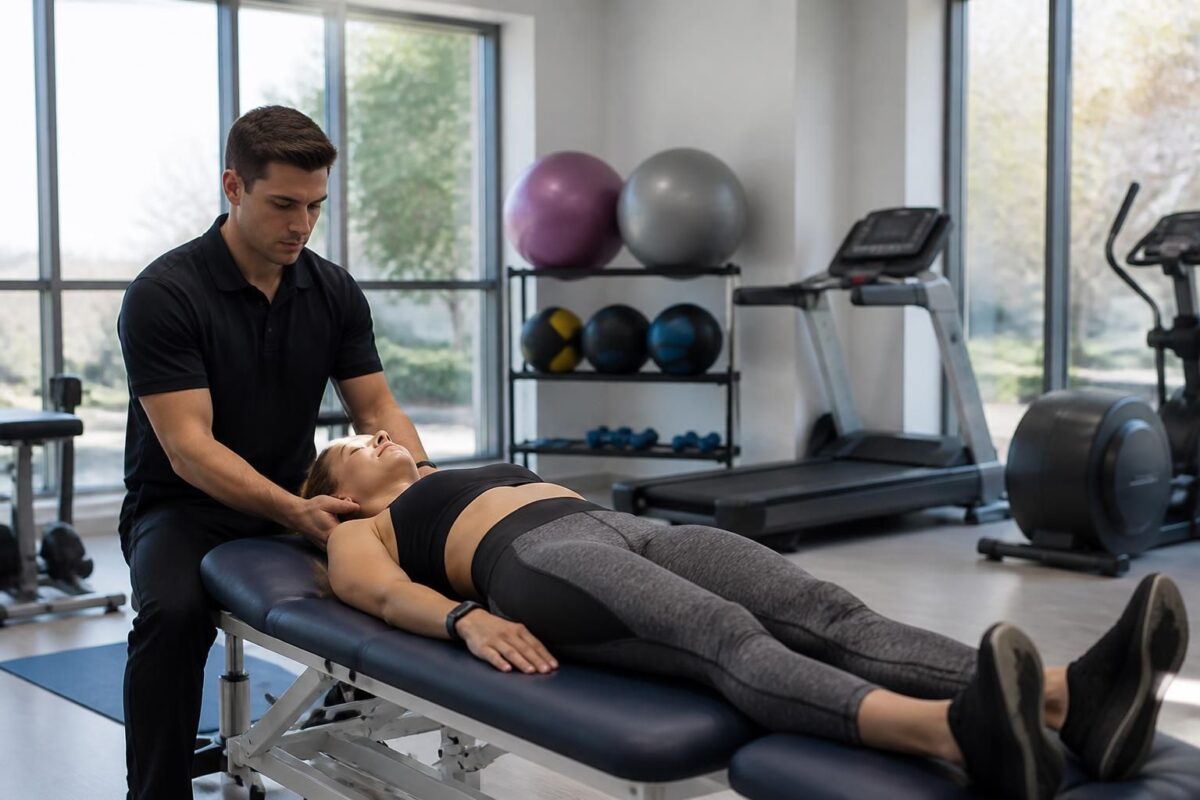
Neurovertebral decompression and recovery after severe sports injury
In short In short, the neurovertebral decompression is one Non-invasive method to Relieve the pressure on the Intervertebral discs and the gristle Via a Controlled traction, to facilitate the recovery After a severe sports injury. It improves the bloodstream towards…
Best candidates for neurovertebral decompression
| Criterion | Concise description |
|---|---|
| Chronic back or neck pain | Suffer from persistent pain despite conservative treatments. |
| herniated disc or radiculopathy | Pain radiating the nerve linked to a confirmed disc herniation. |
| Failure of non-invasive treatments | Failed non-surgical options after 6 to 12 weeks. |
| Vertebral instability excluded | Absence of major spinal instability. |
| protocol capacity | Ability to follow a protocol and regular sessions. |
| motivation to avoid surgery | Preference for a non-surgical and progressive approach. |
| General health status | Absence of active infection, tumor or recent fracture. |
| Pre-treatment assessment | Perform a full pre-treatment assessment. |
| Age and mobility | Adult able to maintain the program and exercises. |
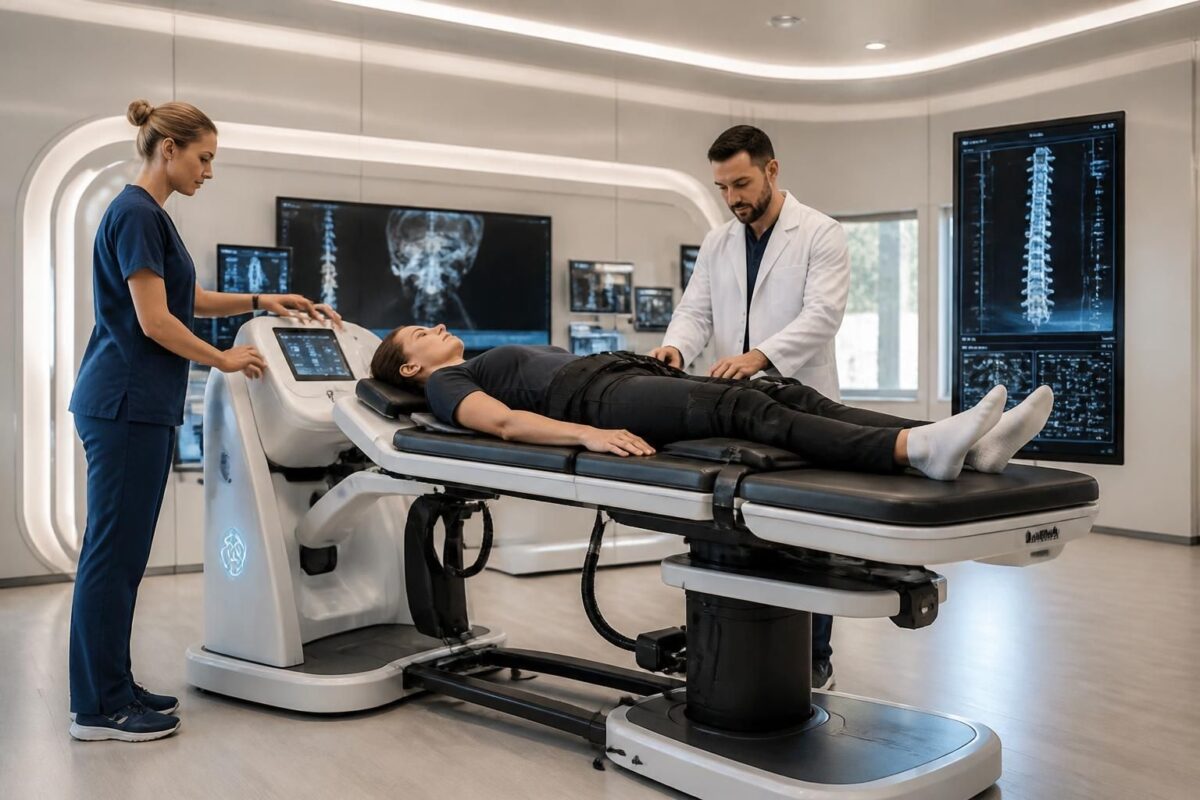
Recent innovations in neurovertebral decompression technologies
In short In short, the neurovertebral decompression is an approach non-invasive Aiming to reduce pressure on discs and nerves, and promote tissue regeneration. At Montreal, it is positioned as an effective option for lower back pain and herniated discs. The…
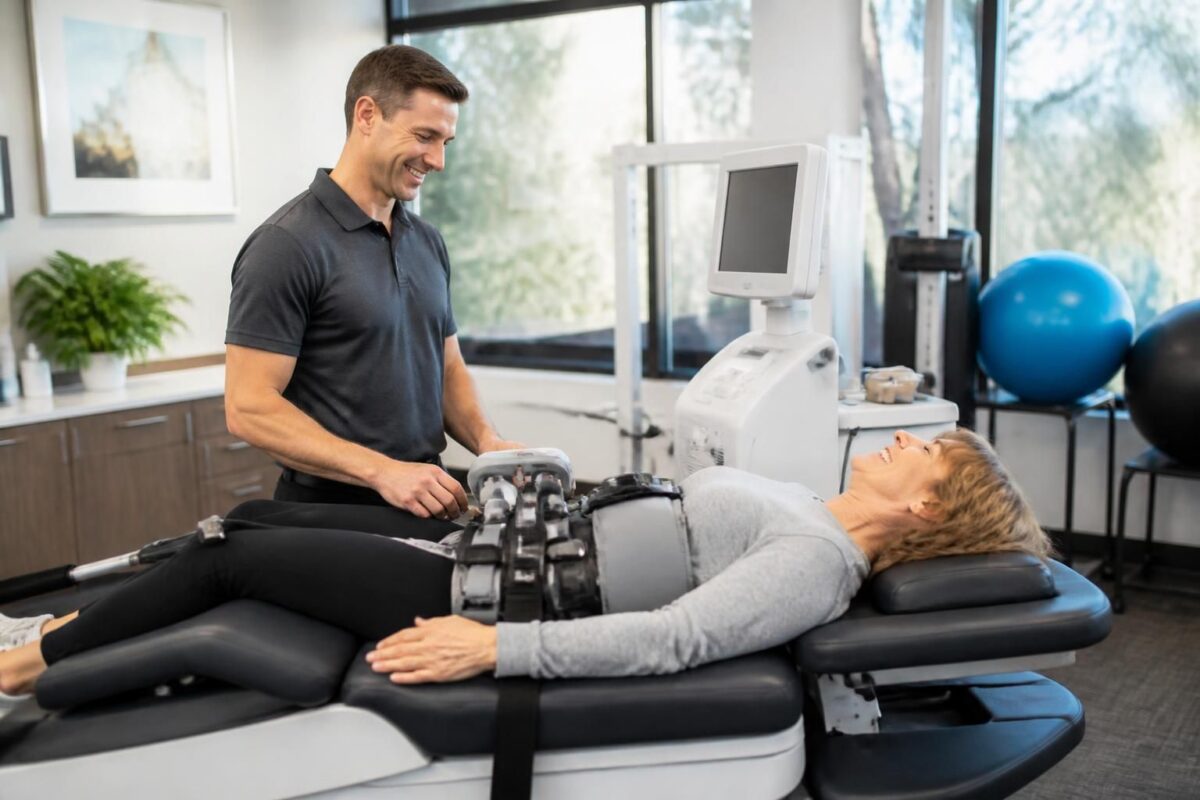
Neurovertebral decompression and diffuse pain: an appropriate solution
In short In short, the neurovertebral decompression is one Non-invasive solution For diffuse pain related to nerve irritation of the spine. She acts in Reducing pressure on intervertebral discs and nerves and improving the bloodstream, which promotes recovery and the…
Testimonials: Who are the best candidates for neurovertebral decompression
“Marie, 49, suffered from a Chronic lumbar pain and recurring attacks that persisted despite the usual treatments. His profile has been identified as ideal candidate For non-invasive neurovertebral decompression. After a full assessment, she found a Significant improvement in mobility And a noticeable reduction in pain, which changed his daily life. »
“Jean, 42, had a cervicobrachial neuralgia and an Cervical disc herniation without immediate surgical indication. The evaluation confirmed that it was a good candidate For decompression, in particular because of its absence of progressive neurological signs and its desire to avoid an operation. After the sessions, he notes a pain reduction and a better range of motion in the arm. »
“Sophie, 60, suffered from Headaches of cervical origin and associated tensions. His case illustrates how a decompression can help when the nervous space is released and muscle tension is reduced. She became a ideal candidate After the evaluation that confirmed a Targeted neurovertebral compression. Result: Reduction of headaches and improved sleep quality. »
“Lucas, 37, suffered from Recurrent sciatica and of Lower back pain which limited his daily life. decompression appeared to him as a Non-surgical alternative adapted to his active lifestyle. With a personalized protocol, he regained the ability to practice his sport without persistent pain and feels a continuous improvement. »
“Claire, 54, lived with a Chronic back pain and episodes of cruralgia. The selection showed that she was a ideal candidate For a global decompression approach associated with complementary therapies. After treatment, she describes a progression stable and better tolerance to daily effort. »
The neurovertebral decompression is a non-surgical approach intended to reduce the pressure exerted on the nerves and discs, and to promote better mobility of the spine. My goal, as an expert in osteopathy And manual medicine, is to clearly describe the profiles that can best benefit from this treatment while emphasizing the importance of rigorous evaluation and appropriate support.
The Best Candidates exhibit typical symptoms related to the spine with proven disc wear or protrusion, such as a slipped disc lumbar or cervical, a lumbar pain chronic, or a sciatica of disc origin. These patients have generally tried conservative therapies (physiotherapy, exercises, anti-inflammatory drugs) and are looking for a non-invasive alternative to reduce pain and improve function without early recourse to surgery. The ideal candidate understands that this treatment is part of a global plan and that an active commitment is necessary to optimize the results.
In addition to the nature of the pathology, the Patient selection based on clinical and functional criteria. A good candidate has stable neurological signs without progressive motor deficit or neurological emergency symptoms. The preoperative or pre-therapeutic assessment should include a careful neurological examination, a background analysis and, when necessary, appropriate imaging to confirm the responsible mechanical element and exclude contraindications.
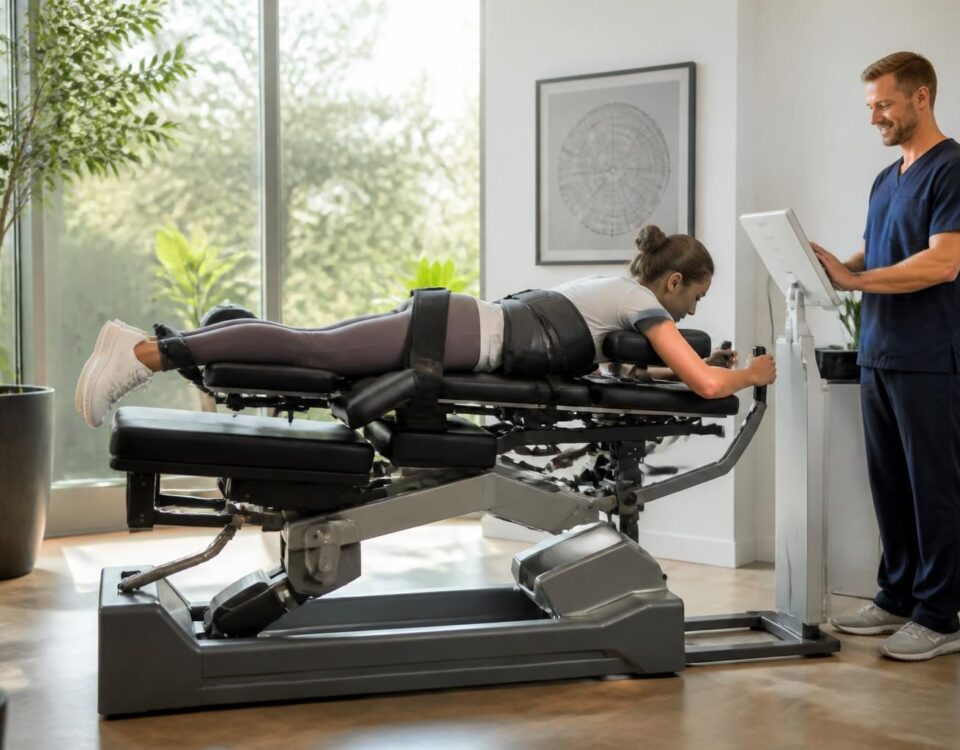
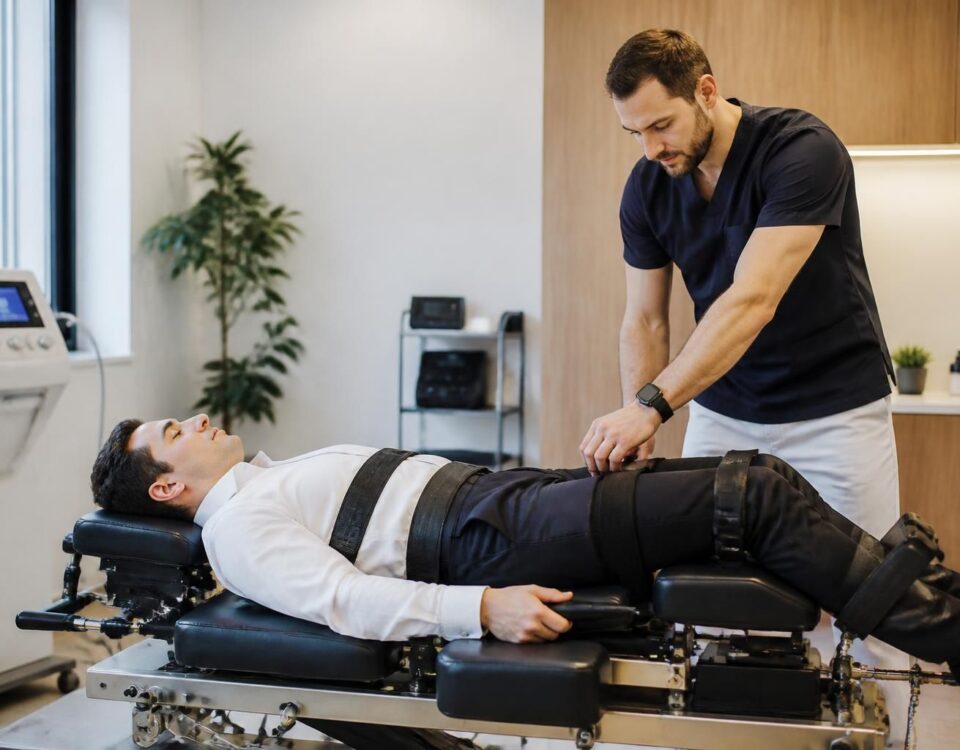
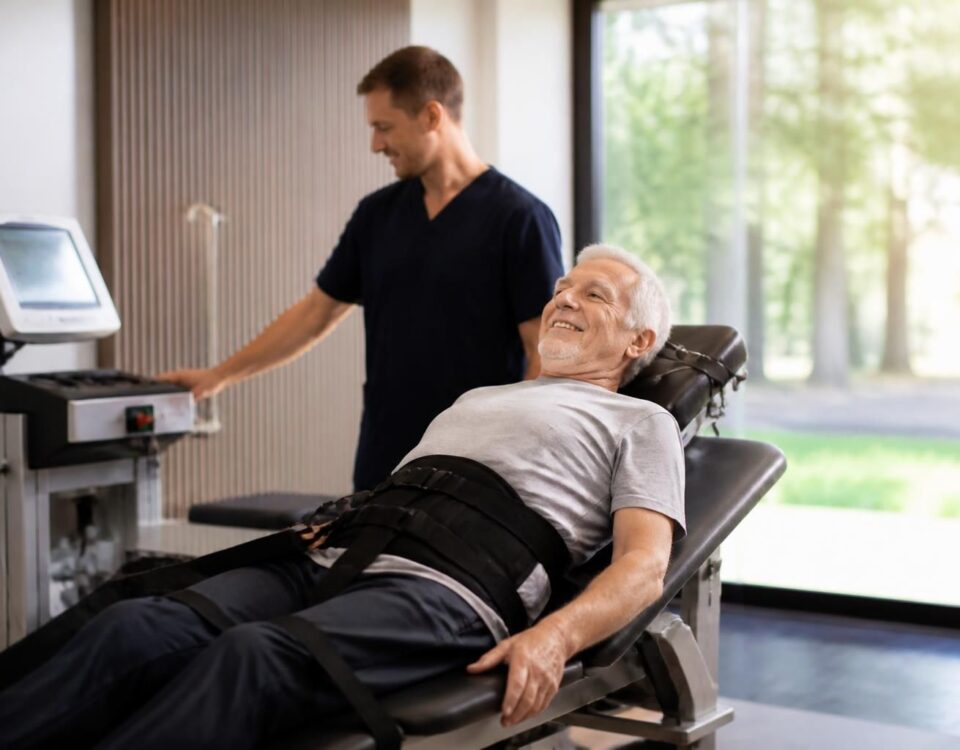
A key factor is eligibility for non-invasive treatment. Patients who tolerate the process well, who show responsiveness during the first sessions and who remain motivated by a structured program, tend to obtain greater benefits. Access to a multidisciplinary team and an individualized protocol makes it possible to adjust the traction, the angle and the duration of the sessions according to the symptoms and the evolution of the patient.
The people likely to benefit the most are those whose pain is linked to mechanical spinal mechanisms and who have sufficient structural stability. The contraindications Need to be carefully identified, especially in the event of recent fractures, active infections, tumors, uncontrolled systemic inflammatory diseases, advanced pregnancy or cardiac/uncontrolled pathologies that increase the risks. In these situations, neurovertebral decompression is not recommended or will require prior specialized assessment.
Finally, security and success depend on a In-depth initial assessment and one Regular follow-up. The practitioner should clearly discuss goals, deadlines and alternatives, while providing controls to adjust the treatment plan. Integrated into a global approach including physiotherapy, home exercises and sometimes manual therapy, this treatment can provide lasting improvement in pain and mobility when coordination between patient and therapist is optimal.
This summary highlights the profiles most likely to benefit from the neurovertebral decompression, the determining criteria and the questions to ask to maximize the chances of lasting relief and return to normal activity.
Key points to identify the best candidates: people with Chronic pain back or neck that do not get sufficient improvement with conservative treatments; those with a slipped disc or associated neuralgia that does not respond well to other therapies; and the athletes Or athletes looking for a quick return to training or a reduction in the risk of recurrence. These profiles benefit from a personalized and non-invasive protocol, designed to optimize the disc space and reduce the pressure on the nerves, while allowing progressive and secure rehabilitation.
Eligibility and evaluation: Entry into a decompression plan requires a complete assessment carried out by a qualified practitioner who will certify the absence of contraindications and plan the tailor-made treatment. For clear eligibility criteria, refer to dedicated resources such as Criteria for determining eligibility for treatment with neurovertebral decompression.
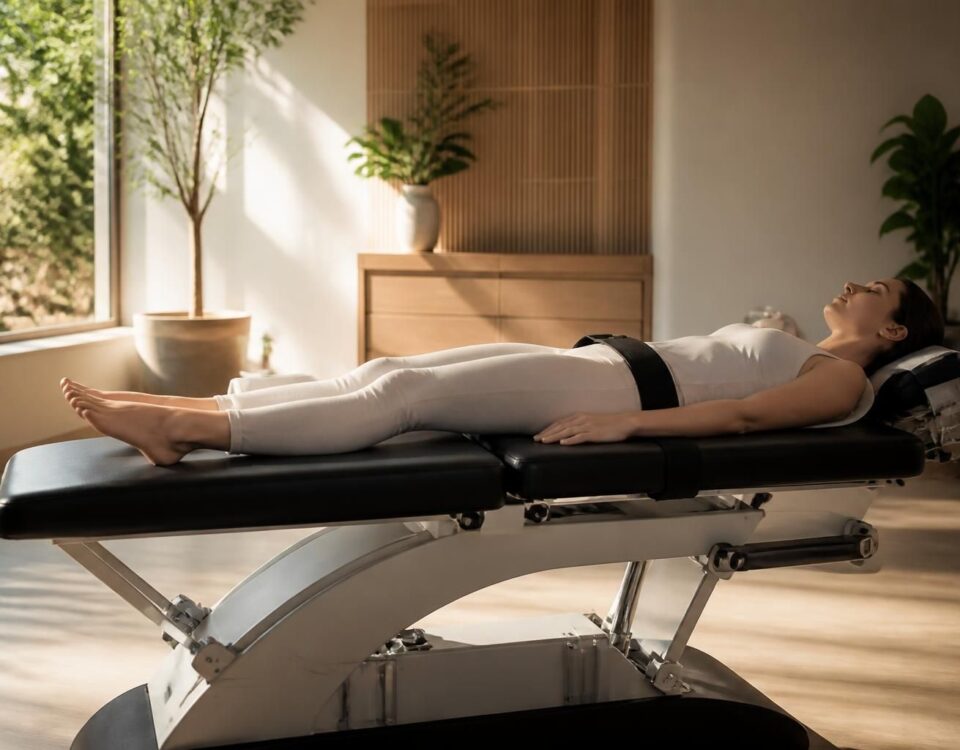
Resources and practical perspectives: Beyond eligibility, it is useful to understand the functioning of the tools and the extent of the possible results. For example, sources describe How a decompression table works and other articles list data on potential benefits and expected ceilings. For those looking for feedback and practical advice, resources like Benefits for the elderly And wink testimonials can help measure the possible impact in your situation.
Additional notes and professional orientation: some centers and practitioners highlight a multidisciplinary approach adapted to the specific needs of the patient, in particular by integrating complementary therapies and individualized protocols. To situate a practice in Paris and understand the local approach, consult resources like Neurovertebral decompression Paris, and explore the perspectives offered by specialized clinics and practitioners.
To deepen and compare the options, do not hesitate to consult the FAQs and resources dedicated to neurovertebral decompression, including case analyzes and customer feedback, in order to better assess the agreement between your objectives and the proposed protocol. Complementary resources also help to understand how this approach can help prevent injuries and promote resumption of activity, especially in athletes and active people.

Dr Sylvain Desforges, B.Sc., D.O., N.D., osteopath, is the founding president of TAGMED and of the ACMA association. He dedicates his practice to chronic spinal pain, low back pain and symptoms compatible with sciatica, particularly when pain radiates toward the buttock, leg, calf, foot or toes.
Through SOS Sciatique, he publishes educational content on sciatica symptoms, possible causes such as disc herniation, disc narrowing, foraminal stenosis or irritation of a lumbar nerve root, as well as non-surgical approaches that may be considered according to the evaluation. At Clinique TAGMED, care may include, depending on the case, motorized neurovertebral decompression, specific osteopathic care or precision percussion.
For an evaluation related to sciatica treatment in Montreal / Mount Royal or sciatica treatment in Terrebonne, please consult the services available at Clinique TAGMED.
Medical disclaimer
The information published on SOS Sciatique is provided for educational purposes only and does not replace a consultation, diagnosis, opinion or treatment provided by a physician or another authorized healthcare professional. The author of this article is neither a medical doctor nor a specialist in a medical specialty recognized by the Collège des médecins du Québec. The osteopathic, manual medicine or functional support approaches described on this site do not constitute medical acts and are not intended to replace medical follow-up.
Consult a physician or emergency service in cases of loss of bladder or bowel control, anesthesia in the saddle area, significant or progressive weakness in the leg or foot, fever, recent trauma, severe pain or rapid worsening of symptoms. For more details, please read our Legal Notice.