The benefits of neurovertebral decompression for degenerative pathologies
26/06/2026
Neurovertebral decompression and pain management: an innovative approach
26/06/2026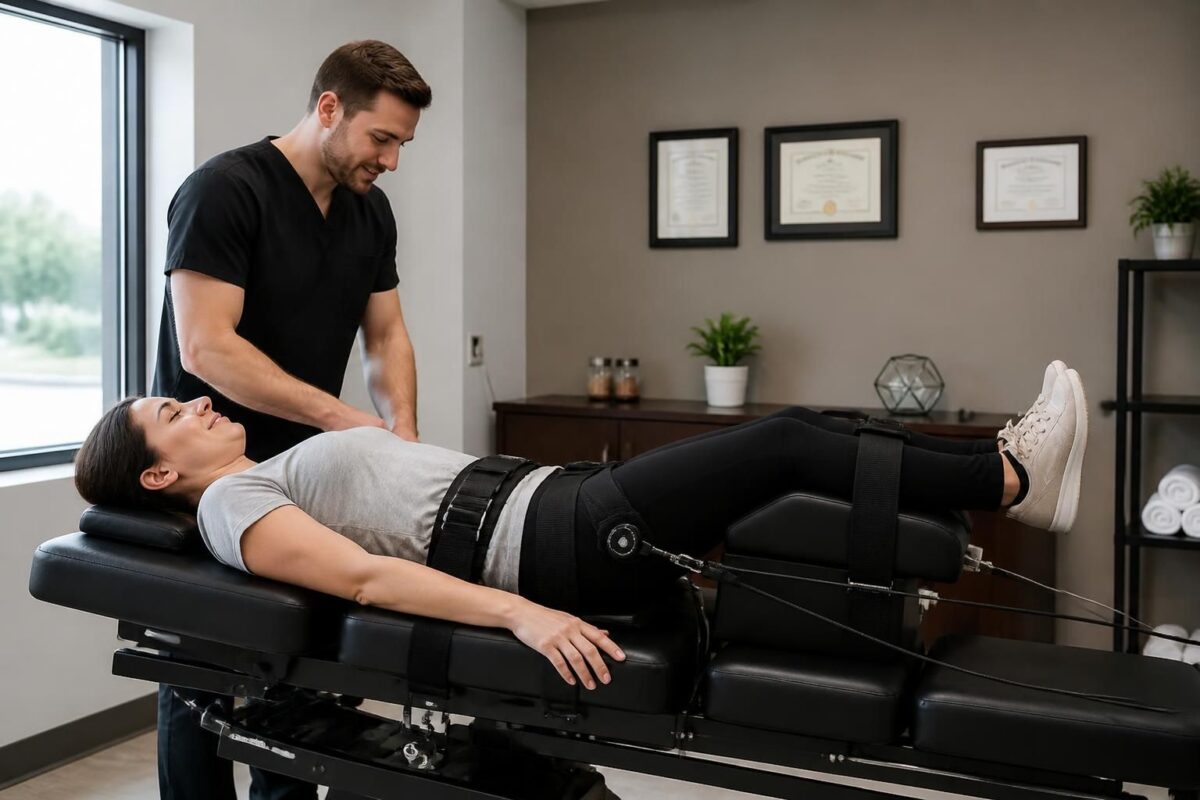
In short
| In short, the neurovertebral decompression is an approach non-invasive which helps the recovery After a Back injury by reducing the pressure on the Intervertebral discs and the gristle. It is based on a Controlled traction and computerized which creates a space between the vertebrae to promote the rehydration and the Tissue repair. Its main advantages: pain reduction, Improving mobility and Acceleration of recovery. In Montreal, this service is particularly recommended for lower back pain and disc pathologies, offering an alternative non-surgical and a safe progress towards returning to your activities. |
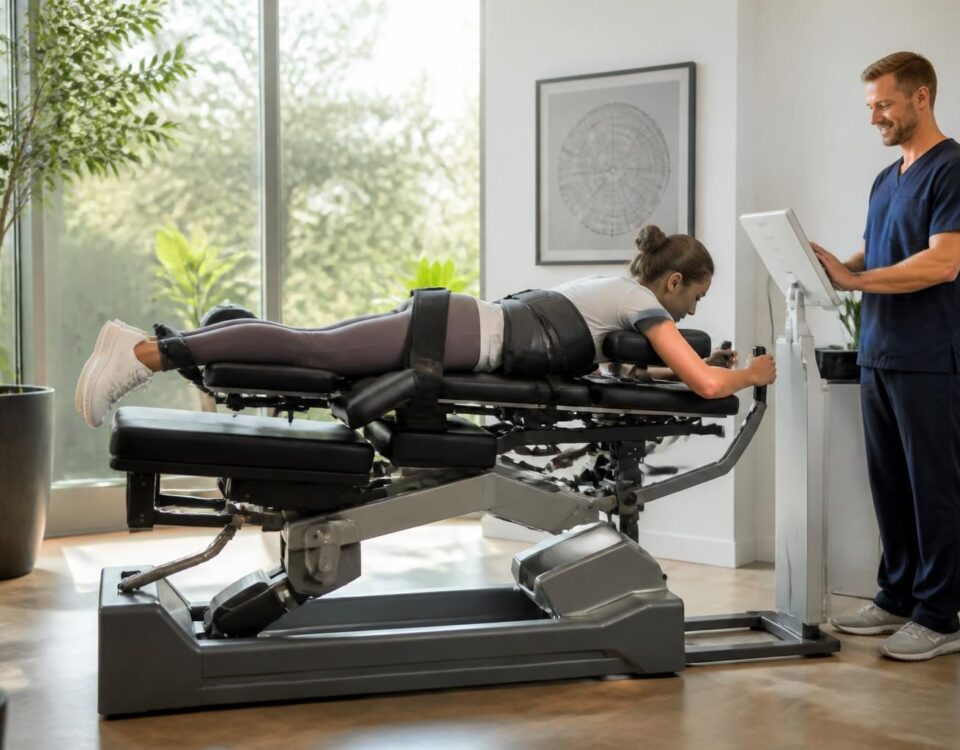
The neurovertebral decompression is an approach non-invasive which promotes recovery after a back injury. During a session, a Controlled traction Create a Negative space between the vertebrae, thus reducing the pressure on the Intervertebral discs and the Spinal nerves.
This pressure decrease allows the rehydration and the nutrition disc fabrics, improves the bloodstream local and reduces reflex muscle contractions, which will gradually alleviate the pain and restore the mobility.
According to a personalized protocol, this technique can accelerate the return to activity and reduce the risk of recurrence, without surgery. consult A qualified healthcare professional to assess your eligibility and adapt treatment to your injury.
This article, written by a health professional and expert in the field, explains how the neurovertebral decompression can promote a Quick and lasting recovery after a back injury. The text presents the mechanism, indications, course of treatment and what patients can expect, while remaining clear and accessible.
The neurovertebral decompression is a non-invasive approach that aims to reduce the pressure exerted on the discs and nerves of the spine. It is based on soft and controlled traction, carried out by a computerized system, which creates a space between the vertebrae and promotes the rehydration of the discs. This biomechanical modification helps to reduce pain and gradually restore mobility, making it easier to resume daily activities after a back injury.
Simple and intelligible mechanism
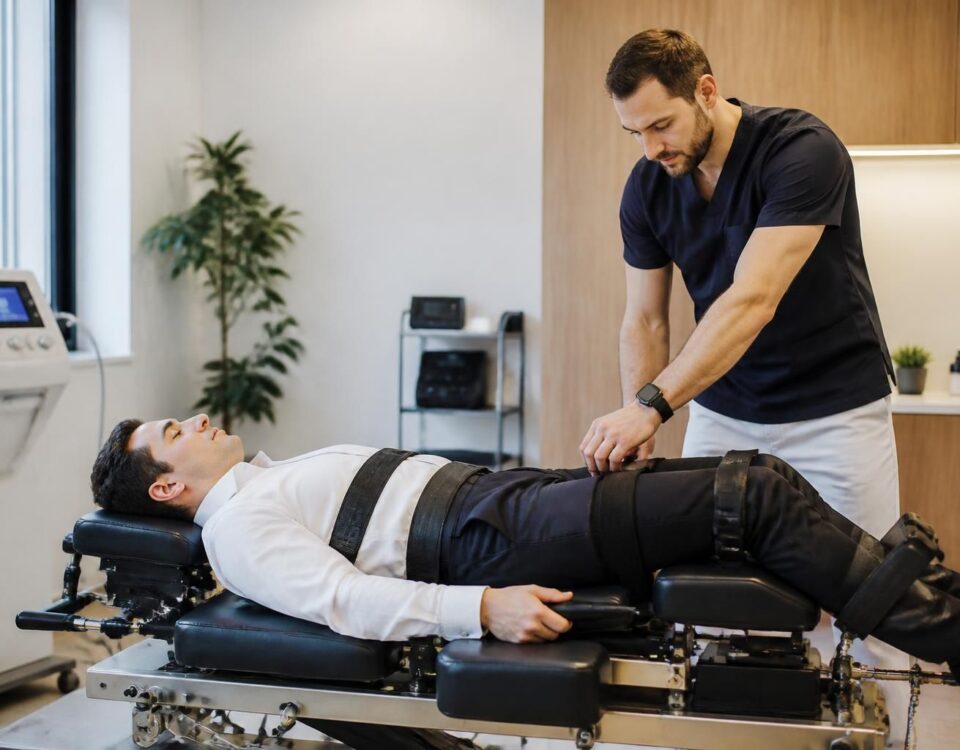
During a session, precise traction is applied to the spine to create a negative space around the affected disc. This space allows the disc to rehydrate and nutrients to circulate more easily to damaged tissues. The treatment acts directly on the source of the pain, without resorting to surgery or heavy drugs, and it is monitored in real time by the team, guaranteeing safety and efficacy.
Indications and safety
This therapy can be considered for pain related to disc bulges, herniated discs or disc degeneration. Before studying this recourse, a complete assessment is carried out, including medical history and, if necessary, imaging examinations. Contraindications exist, in particular in the presence of certain structural conditions or active infections. A consultation with a qualified professional is essential to determine the adequacy of the treatment to your situation.
Processing and follow-up
The course begins with a initial assessment and developing a Personalized treatment plan. A series of sessions typically between 15 and 25 are recommended, with a duration of 15 to 45 minutes per session as appropriate. The program is generally structured over a few weeks and provides post-treatment monitoring to assess progress and adapt the next steps, if necessary. Neurovertebral decompression is an approach non-invasive and does not require anesthesia.
For information, you can find resources describing the operation and benefits of this method on the following specialized sites: Neurovertebral decompression and chronic lower back pain and neurovertebral decompression. For an integrated clinical setting, patients can also find information about Complete guide to neurovertebral decompression.
Integration into the care pathway
Neurovertebral decompression is part of a multidisciplinary care pathway. Within specialized clinics, it can be associated with rehabilitation strategies supervised by competent professionals, in order to improve the function and support the return to activity. In Montreal and the surrounding area, the TagMed Clinic offers this type of integrated and personalized approach, with appropriate supervision throughout the recovery process.
What patients and professionals say
Feedback shows that many patients report a significant decrease in pain and improved mobility after a few sessions. The use of technologies such as neurovertebral decompression makes it possible to obtain lasting results, without the risks associated with surgery. For testimonials and additional information, you can consult the resources available on the dedicated sites and with the professionals who practice this approach.
The security and theefficiency This method is based on a personal assessment and a standardized protocol. The treatment is based on control and follow-up measures, in order to adapt the protocol to the evolution of each patient. Additional information on efficacy and indications can be viewed through the following resources: Prevent surgical interventions and Optimization of injury recovery.
As part of a journey within the TagMed network, neurovertebral decompression is accompanied by personalized follow-up and support for post-injury rehabilitation, in order to promote functional and lasting recovery.
To learn more about the impact of this approach on quality of life and recovery, see the following resources: Improvement of the quality of life of elderly patients and Ideal decompression for athletes in rehabilitation.
Advantages and key points
The key points to remember are: non-invasive, security, pain reduction, and Improving mobility. The technique aims to restore the disc space and optimize local circulation, which supports natural regeneration and recovery after injury.
Practical and clinical reference Useful for practitioners and patients seeking back injury recovery solutions, with links to clinical resources and pathways helping to understand the application framework and benefits observed in specialized clinics.
Medical Disclaimer: The information and advice provided on this site does not replace the health professional’s diagnosis or treatment. Please note that Dr. Sylvain Desforges osteopath is neither a doctor of medicine nor a doctor, and is not a specialist in a medical specialty as defined by the Collège des Médecins du Québec. Manual medicine, functional medicine and sports medicine as described on this site exclude any medical treatment or diagnosis made by a doctor or specialist doctor. Always consult your doctor for any medical questions. For more details, please read our full legal notice.
For more information and relevant resources, see the following pages: Tagmed Clinic, SOS SCIATIC, and Complete Guide – Neurovertebral Decompression.
- pressure reduction on discs and nerves by controlled traction
- Creating an intervertebral space Promoting rehydration and nutritional intake
- Muscle relaxation by reducing reflex contractions and tensions
- Improved local traffic and tissue oxygenation
- pain reduction and improvement of mobility from the first sessions
- non-invasive And without surgery, for a quick return to the activity
- Pre-assessment and personalized plan suitable for each injury
- Integration into rehabilitation With reinforcement and work on posture
- Functional improvement (amplitude, endurance, stability)
- Prevention of recurrences Through maintaining mobility and alignment

This article offers clear recommendations to optimize recovery after a back injury thanks to neurovertebral decompression. This non-invasive approach uses controlled traction to reduce the pressure on discs and nerves, promote disc rehydration and improve mobility, thus accelerating the healing process and return to daily activities.
Principle and benefits for recovery
Neurovertebral decompression is based on a Controlled traction who creates a Negative space between the vertebrae. This space reduces the Intra-discal pressure and releases the compressed nerves, bringing quick and lasting relief. By improving blood circulation and the supply of nutrients to damaged tissues, it facilitates disc repair and reduction of inflammation associated with injury. Patients often report a progressive decrease in pain and mobility recovered more quickly when the spine regains healthy alignment and better muscle function.
This therapeutic component is particularly effective after disc bulges, herniated discs or lumbar and cervical pain related to acute injury or chronic tension. By acting directly on the mechanics of the column, decompression helps prevent nerve irritation and radiating pain that hinders the resumption of activities.
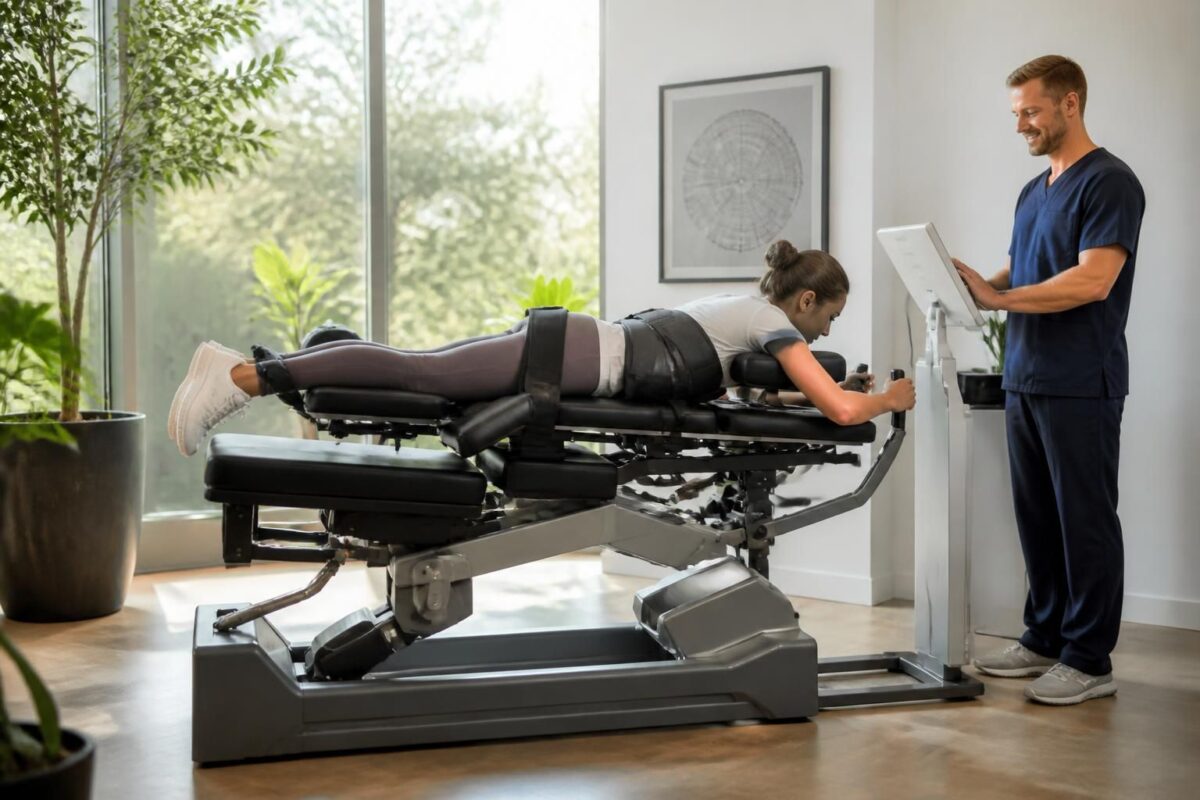
The long-term benefits of neurovertebral decompression for spinal health
In short In short, the neurovertebral decompression is a non-invasive approach that decreases the Pressure on intervertebral discs and nerves, favoring the Natural regeneration and tissue recovery. Its long-term benefits include Lasting pain reduction, Improving mobility and from the posture,…

Neurovertebral decompression and mobility: a return to an active life
In short In short, the neurovertebral decompression is therapy non-invasive who uses a gentle traction To create a space between the vertebrae and reduce the pressure on the Intervertebral discs and the nerves. It promotes a bloodstream improved, lowers tension…
Treatment plan and recommended rhythm
To achieve optimal results, a personalized program is set up, generally adapted to your condition and objectives. In practice, we favor a series of regular sessions over several weeks, with a duration of each adapted session (generally between 15 and 30 minutes). The most common rhythm is around 2 to 3 sessions per week, spread over a typical period of 4 to 5 weeks, in order to support a natural progression without overload of sensitive structures.
Protocol Customization
Each patient receives a preliminary assessment that takes into account medical history, relevant imaging and functional limitations. The protocol is then adjusted according to treatment response, symptoms and intended activities, in order to optimize recovery and minimize discomfort.
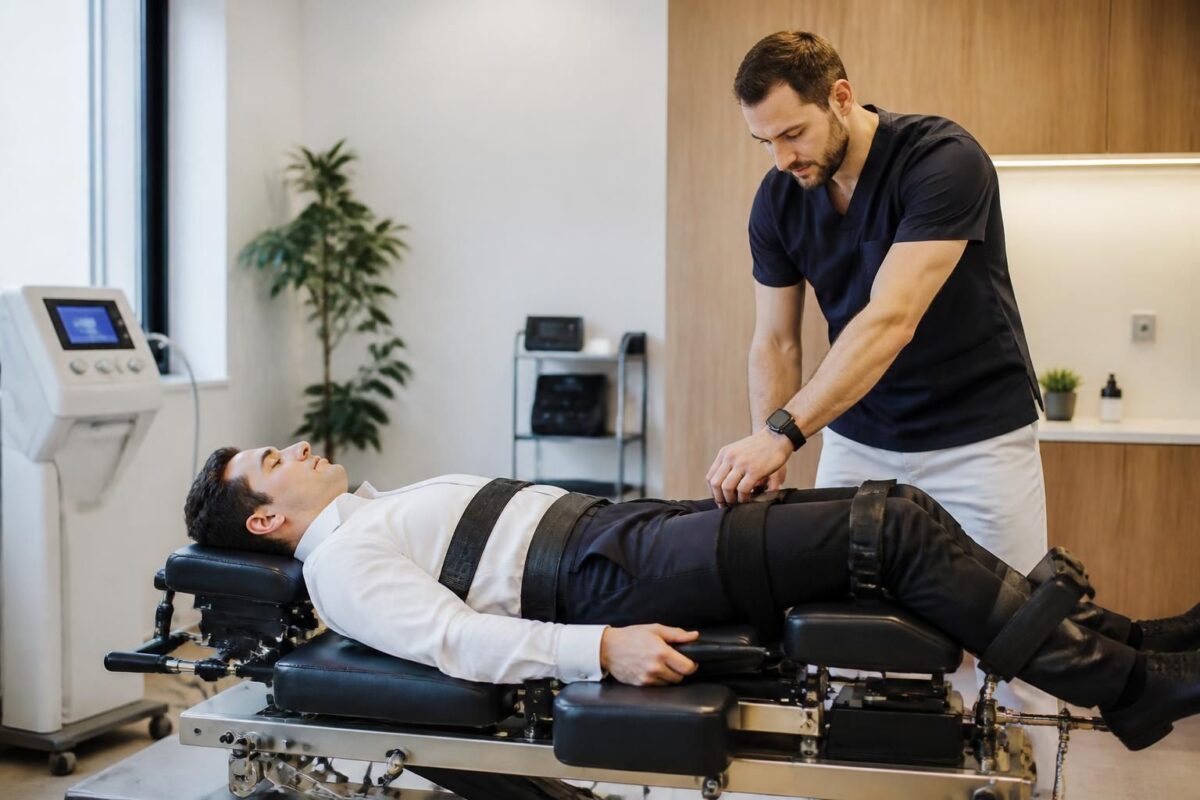
How Neurovertebral Decompression Prevents Diffuse Chronic Pain
In short decompression neurovertebral is one Non-invasive method aimed at reducing the Pressure on the intervertebral discs and the nerves, in order to prevent Diffuse chronic pain. It improves the circulation and thedisc hydration, decreases inflammation and promotes better mobility.…
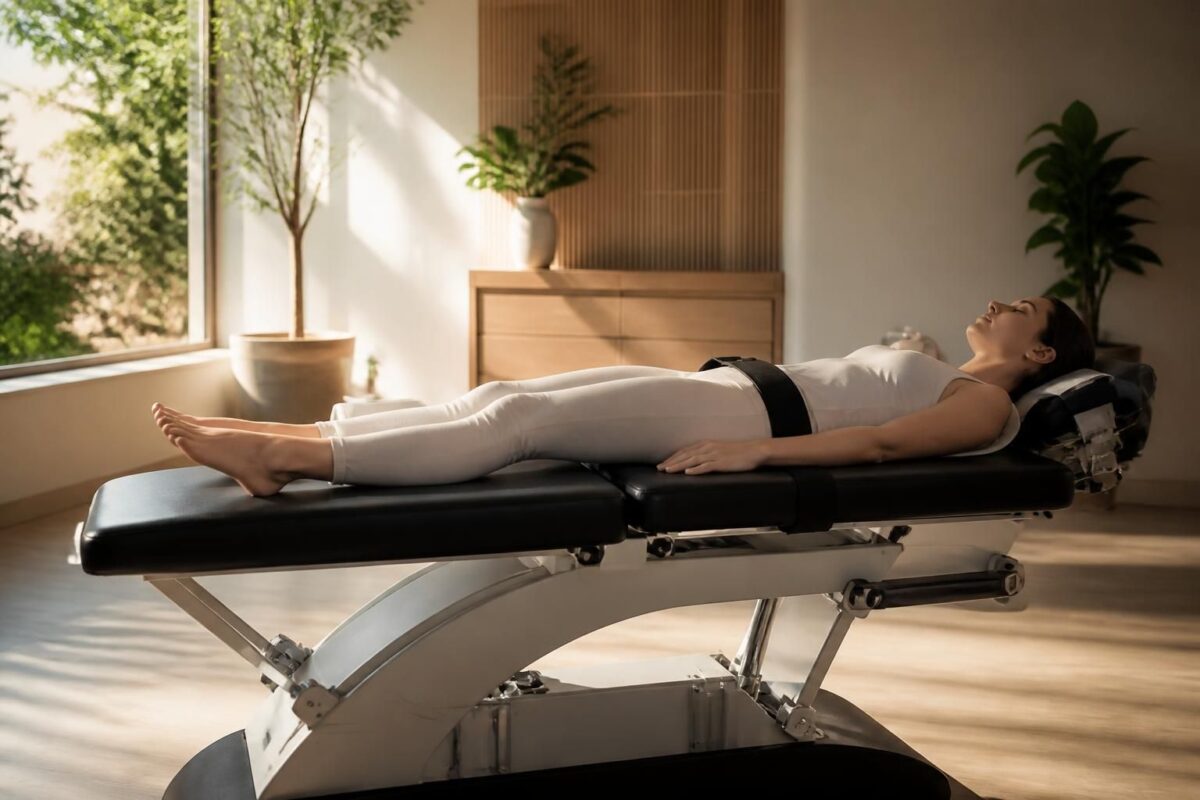
Neurovertebral Decompression and Body Alignment: Restoring Natural Balance
In short In short, neurovertebral decompression is one Non-invasive approach who restores theBody Alignment and thenatural balance back and neck. She acts by a Controlled traction of the spine to widen the intervertebral space and reduce the Pressure on discs…
Integration with other aspects of rehabilitation
Decompression must be part of a global approach to re-education of the back. Gentle and adapted exercises, posture and mechanotherapy advice, as well as progressive muscle strengthening strategies, support the gains obtained by traction. thelifestyle—Sufficient hydration, balanced diet and restful sleep—also promotes tissue healing and long-term stability.
During the active recovery phase, it is crucial to limit aggravating factors and avoid brutal efforts that could compromise progress. Your care team can offer you concrete measures to be implemented on a daily basis to facilitate the resumption of activities.
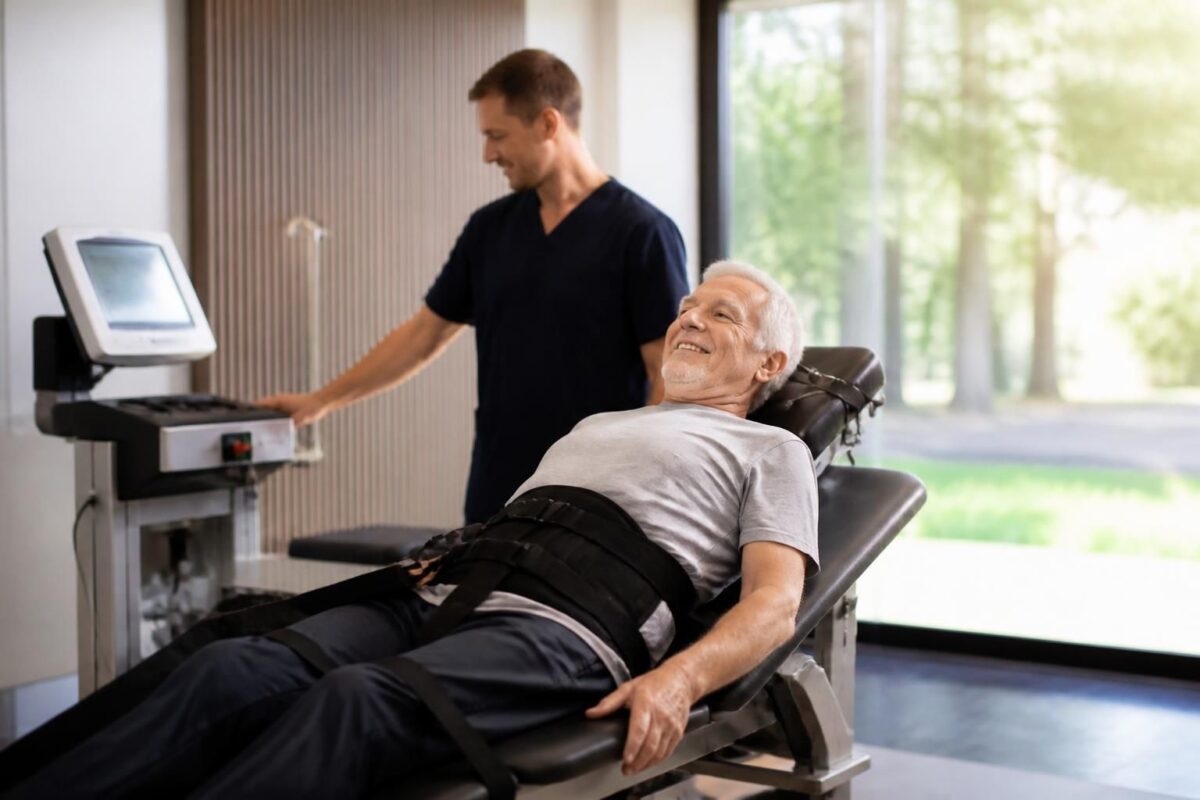
Why neurovertebral decompression is a lasting solution for active seniors
In short In short, the neurovertebral decompression is one Non-invasive therapy which sustainably relieves spinal pain in the spine active seniors By creating, by a Soft and controlled traction, a space between the vertebrae. At Montreal, it is recognized as…
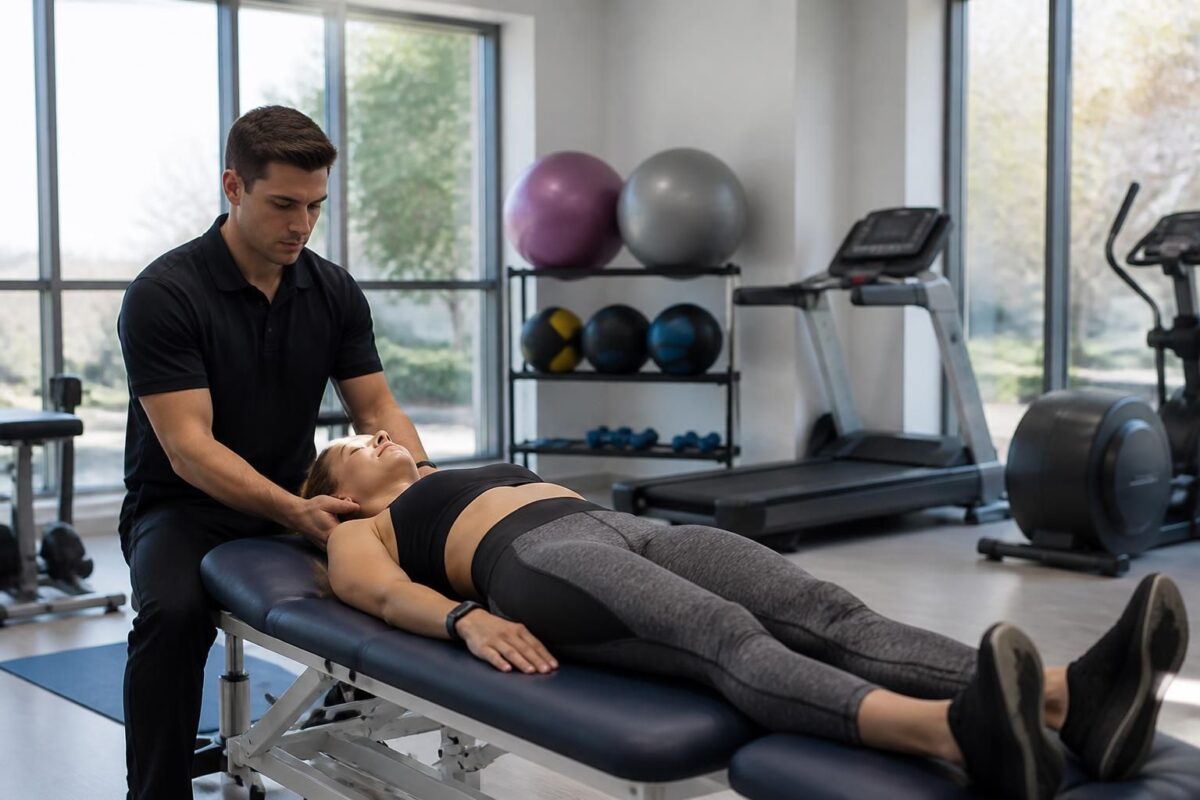
Neurovertebral decompression and recovery after severe sports injury
In short In short, the neurovertebral decompression is one Non-invasive method to Relieve the pressure on the Intervertebral discs and the gristle Via a Controlled traction, to facilitate the recovery After a severe sports injury. It improves the bloodstream towards…
Monitoring, results and practical considerations
regular monitoring makes it possible to measure progress in terms of pain, of mobility and functional capacity. Most patients find noticeable improvements after the first few weeks, with continuous symptoms reduction and better ability to perform the usual painless gestures. It is recommended to continue the sessions until a satisfactory and lasting level of pain and function is achieved.
Before you start, make sure you have an assessment by a qualified professional to identify potential contraindications and establish a plan that fits your injury. A personalized and progressive approach is the key to transforming pain into regained mobility and in a quick return to your favorite activities.
| Axis | Impact on recovery |
|---|---|
| Intra-discal pressure | Decreases pressure on the disc and nerves, reducing pain and inflammation. |
| Disc space and repositioning | Create a space, promotes the repositioning of the disc and the reduction of the bulge. |
| Circulation and nutrients | Improves the bloodstream and thenutritional intake of the disc. |
| Muscle relaxation | Relaxation muscular and reduction of spasms. |
| Pain and recovery | Decreases pain and accelerates the return toactivity. |
| Mobility and function | Improve theamplitude and the mobility functional. |
| Security and Protocol | Traction precise and Clinical supervision ensure safety and efficiency. |
| Prevention of recurrences | Improves the stability and the posture to prevent relapses. |
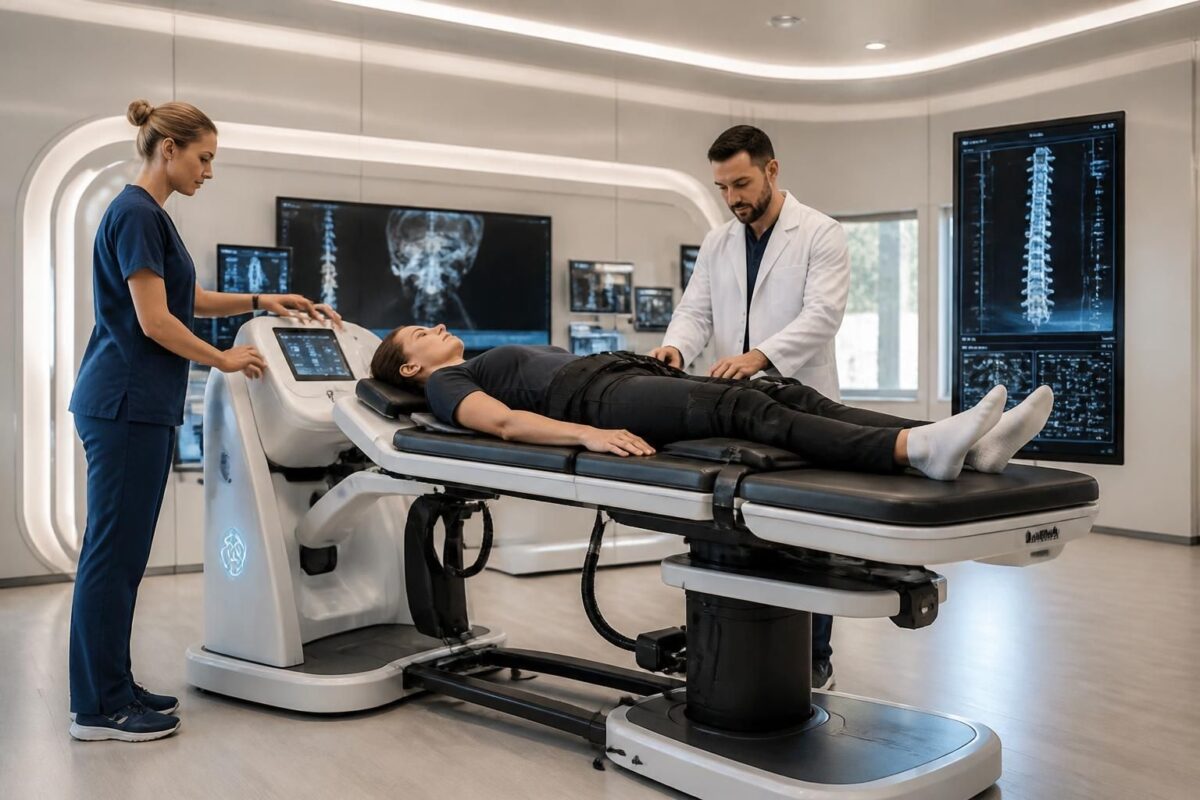
Recent innovations in neurovertebral decompression technologies
In short In short, the neurovertebral decompression is an approach non-invasive Aiming to reduce pressure on discs and nerves, and promote tissue regeneration. At Montreal, it is positioned as an effective option for lower back pain and herniated discs. The…
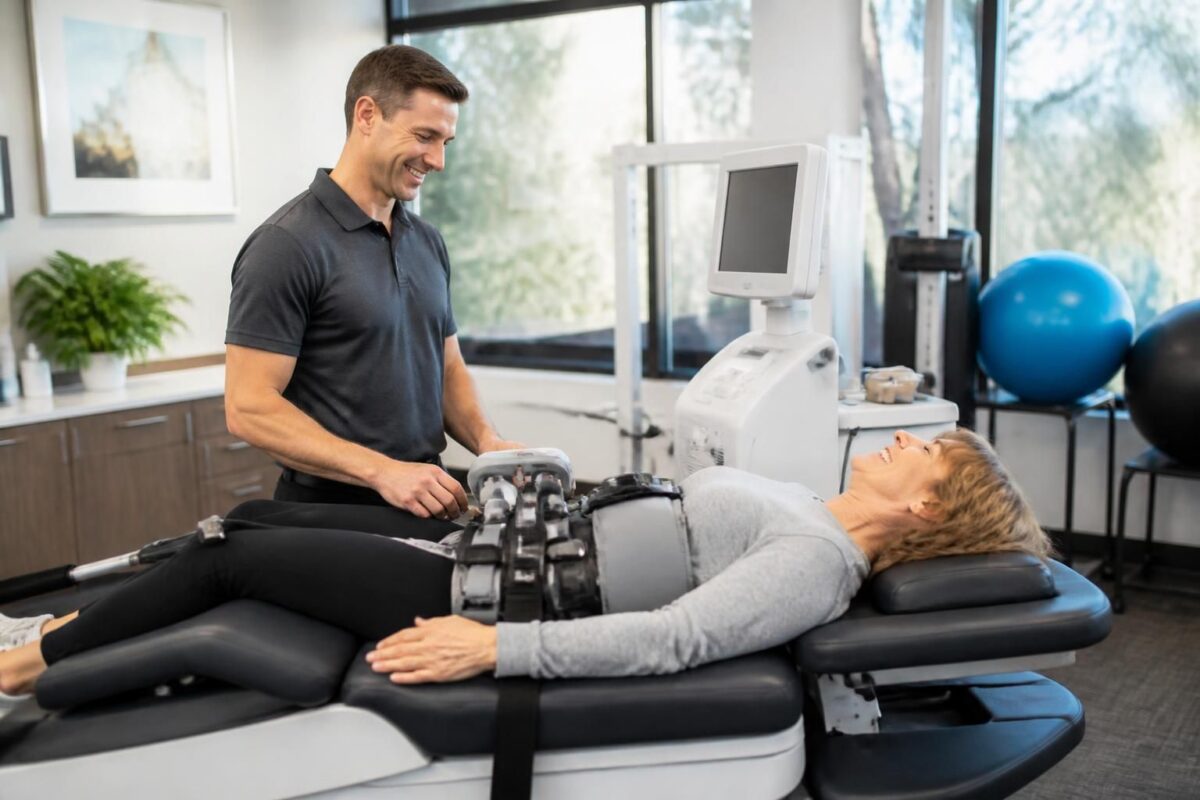
Neurovertebral decompression and diffuse pain: an appropriate solution
In short In short, the neurovertebral decompression is one Non-invasive solution For diffuse pain related to nerve irritation of the spine. She acts in Reducing pressure on intervertebral discs and nerves and improving the bloodstream, which promotes recovery and the…
Testimonials on recovery after a back injury thanks to neurovertebral decompression
After a back injury during a sport, I tried the neurovertebral decompression. The first few weeks, aches began to subside and my recovery accelerated. I could resume my daily activities and even resume some exercises smoothly.
Following a slipped disc occurring after an accident, I was hesitant, but the approach non-invasive convinced me. Thanks to the neurovertebral decompression, the nerve pressure decreased and my mobility improved, allowing me to relearn how to walk without pain.
I was afraid of surgery after my injury and my lower back pain persisted. Neurovertebral decompression presented itself as a reassuring option. After a few sessions, my aches have decreased sharply and my mobility came back, with a general sense of safety and gentle treatment.
As an athlete, I quickly noticed the benefits. The neurovertebral decompression Helped me recover faster and return to training smoothly, without acute pain or fear of relapping. My body has regained better coordination and real confidence in my movements.
After an injury, I appreciated the follow-up and the personalized protocol that accompanies each session. Thanks to the neurovertebral decompression, I found a Reduced pain, a better posture and a greater ability to move without limitations.
Neurovertebral decompression and recovery after back injury
This portrait presents a professional whose expertise combines osteopathy, naturopathy and manual medicine to accompany recovery after a back injury. A leader in healthcare innovation, he puts in place an approach centered on function and mobility, favoring solutions non-invasive and personalized. Its objective is to allow each patient to resume their daily activities with less pain, better posture and regained energy for sport and work.
at the heart of his practice is the neurovertebral decompression, a technique that acts on the Intra-discal pressure and nerve compression. Through controlled and targeted traction, this method creates a Negative space between the vertebrae, releasing the irritated nerves and reducing the pressure exerted on the discs. Result: Immediate pain reduction and anticipation of a faster and more effective repair cycle of the intervertebral disc.
This approach is based on a detailed understanding of healing mechanisms. In addition to relieving pain, decompression promotes Disc rehydration and redistribution of essential nutrients, which contributes to the fitness of the pulpy nucleus and peripheral cartilage. Improving local circulation decreases inflammation and allows soft tissue surrounding the column to regain their flexibility. repeated sessions help to gradually restore the mobility and prevent the phases of acute pain.
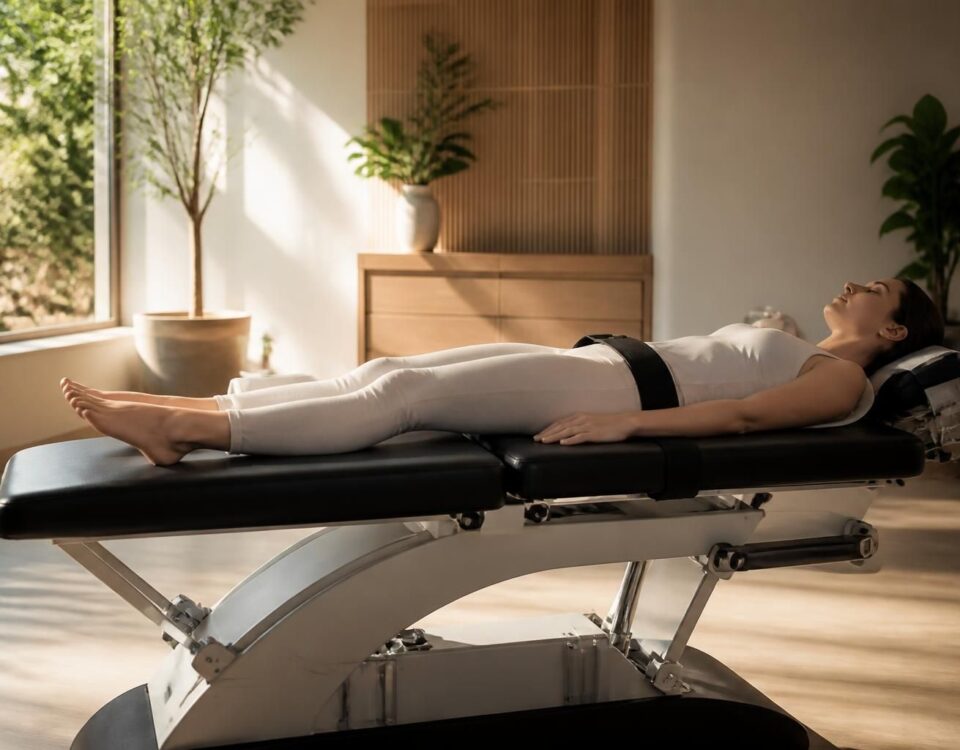
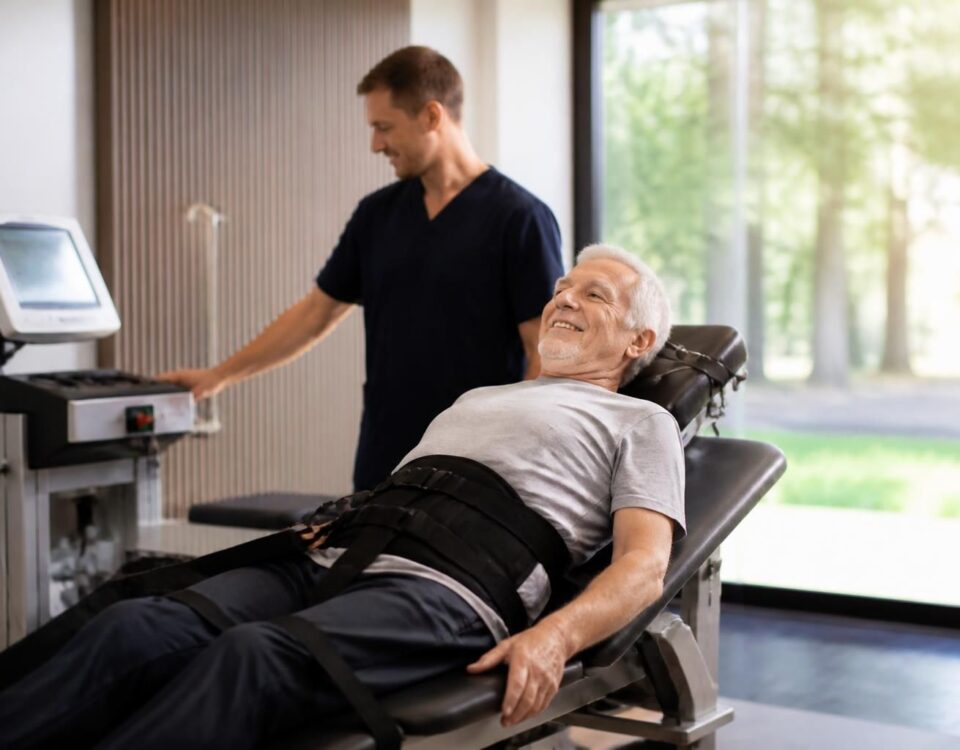
The intervention process is not isolated. Before starting the treatment, a thorough examination is carried out to assess the specific conditions of the column and exclude contraindications. Imaging tools and a detailed history guide the development of a Custom Plan including a targeted number of sessions. Each session is performed on a decompression table computerized, with a secure harness and careful supervision, to ensure security and comfort throughout the care journey.
Spinal decompression is frequently part of an approach multidisciplinary. It can be associated with complementary therapies such as laser and the shock waves To reduce muscle tension and accelerate tissue regeneration. This synergy makes it possible to approach not only pain, but also functional and postural factors that slow down recovery after a back injury, facilitating a quick and lasting return to physical activity.
Patient feedback often describes a Significant improvement pain, a Mobility found and increased ability to resume sports and professional activities. Beyond relief, this approach brings an understanding of the body focused on restoring mechanical and energy balances, reducing the risk of recurrence. Based on evidence and rigorous clinical practice, it offers a concrete path to a more active and less painful life after a spinal injury.
Through this course, neurovertebral decompression is presented as a reliable therapeutic option to optimize recovery after a back injury. She embodies a vision of care that values technological precision, the individualization of treatments and the empowerment of the patient in his journey towards healing and lasting well-being.
Quick Summary: This article details how neurovertebral decompression Improves the Recovery after a back injury By decreasing the Pressure on the intervertebral discs and the Spinal nerves, by promoting the rehydration discs and preparing the ground for a re-education effective and sustainable.
The neurovertebral decompression Acts as a biomechanical lever that allows the body to resume the path of healing after a back injury. By applying a Controlled traction and targeted, it creates a negative pressure within the intervertebral discs, which facilitates the repositioning of domed or herniated discs and promotes their rehydration and the supply of essential nutrients. This dynamic quickly reduces the pressure exerted on the Spinal nerves, which results in a significant reduction in pain and better tolerance during movement, essential elements for effective rehabilitation.
At the same time, decompression helps to break the reflex muscle contractions that often accompany a dorsal injury. By releasing this muscular tension, it facilitates the work of strengthening and stabilization exercises that constitute the heart of functional rehabilitation. The computerized and personalized protocols allow you to adjust the force and the traction angle in real time, thus guaranteeing a progression adapted to each patient and minimizing the risks of irritation or additional pain.
Functionally, the effects of decompression result in improved mobility and posture. By restoring the space between the vertebrae and decreasing nerve compression, it promotes better blood circulation and faster tissue recovery. This synergy between decompression and rehabilitation not only relieves immediate symptoms, but also reduces the risk of recurrence and long-term aggravation.
For patients who face post-traumatic disturbances or Chronic pain Linked to disc pathologies, the approach offers a non-surgical and often preferable way before considering other interventions. By associating with a comprehensive rehabilitation approach, it optimizes the chances of returning to normal activity and a new quality of life. To deepen the benefits and understand the mechanisms, you can consult resources that address the prevention of disc degeneration and the impact on post-traumatic recovery, in particular via sources such as How neurovertebral decompression prevents disc degeneration and neurovertebral decompression and post-traumatic rehabilitation.
Beyond the immediate benefits, neurovertebral decompression can promote lasting pain reduction and continuous improvement of lumbar or cervical function when integrated into a coherent and personalized care strategy. For those recovering from injury or managing recurring pain, this approach offers an opportunity to restore the structural balance of the column and optimize the mechanisms of natural disc repair. For additional insights, case profiles and testimonials, refer to specialized resources such as Recovery after a complex sports injury and Improved recovery after spinal injury.
Finally, the effectiveness of the neurovertebral decompression Based on appropriate assessment and active collaboration between the practitioner and the patient. The typical program includes regular sessions and a follow-up step, with personalized recommendations for physical activity, posture and muscle building to support healing and prevent recurrences. To expand your understanding and access additional information, explore resources such as Benefits for degenerative pathologies and Why choose decompression for natural pain management.
For those who want a practical perspective and concrete examples, specialized resources present clinical approaches and feedback on improving recovery after a spinal injury through decompression, and demonstrate how this technique fits into a culture of health innovation. Additional guides and analyzes are available through links such as Decompression and cervical pain and Optimize recovery with spinal decompression.

Dr Sylvain Desforges, B.Sc., D.O., N.D., osteopath, is the founding president of TAGMED and of the ACMA association. He dedicates his practice to chronic spinal pain, low back pain and symptoms compatible with sciatica, particularly when pain radiates toward the buttock, leg, calf, foot or toes.
Through SOS Sciatique, he publishes educational content on sciatica symptoms, possible causes such as disc herniation, disc narrowing, foraminal stenosis or irritation of a lumbar nerve root, as well as non-surgical approaches that may be considered according to the evaluation. At Clinique TAGMED, care may include, depending on the case, motorized neurovertebral decompression, specific osteopathic care or precision percussion.
For an evaluation related to sciatica treatment in Montreal / Mount Royal or sciatica treatment in Terrebonne, please consult the services available at Clinique TAGMED.
Medical disclaimer
The information published on SOS Sciatique is provided for educational purposes only and does not replace a consultation, diagnosis, opinion or treatment provided by a physician or another authorized healthcare professional. The author of this article is neither a medical doctor nor a specialist in a medical specialty recognized by the Collège des médecins du Québec. The osteopathic, manual medicine or functional support approaches described on this site do not constitute medical acts and are not intended to replace medical follow-up.
Consult a physician or emergency service in cases of loss of bladder or bowel control, anesthesia in the saddle area, significant or progressive weakness in the leg or foot, fever, recent trauma, severe pain or rapid worsening of symptoms. For more details, please read our Legal Notice.