Neurovertebral decompression and associated muscle pain: a global solution
26/06/2026
Neurovertebral decompression: an alternative to drug treatments
26/06/2026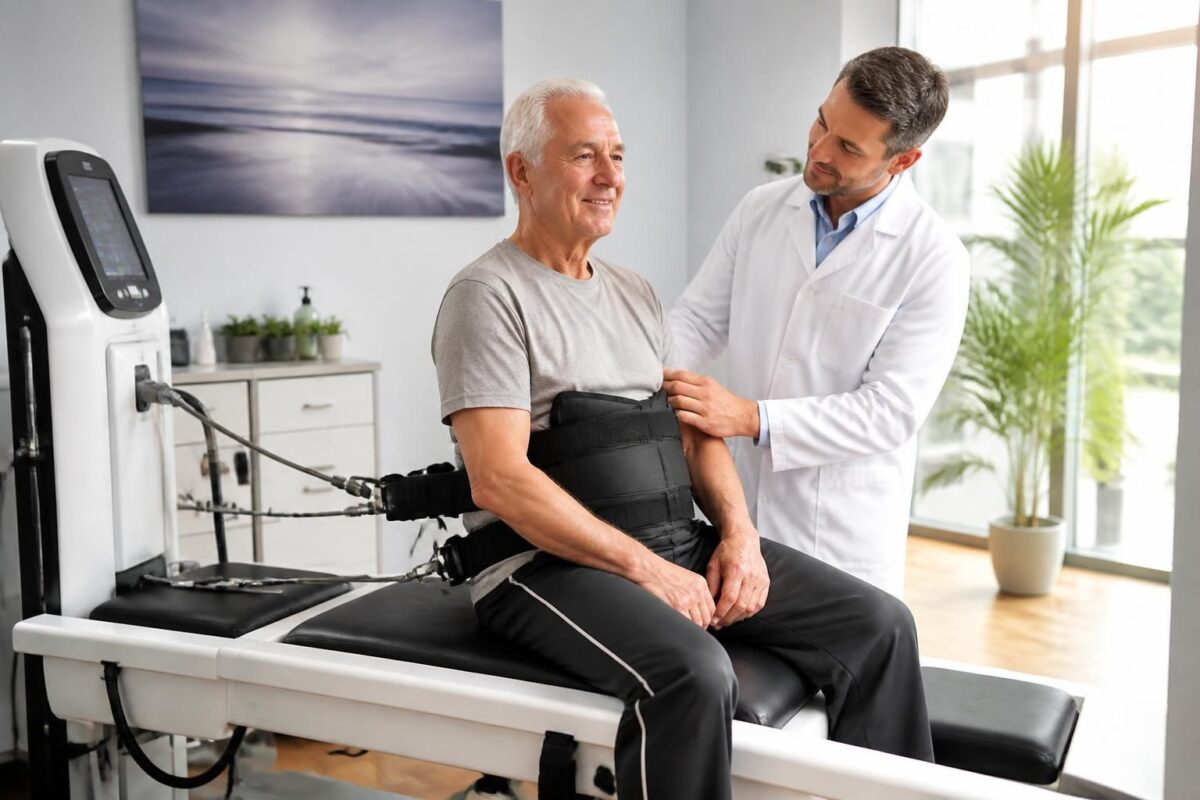
In short
| In short, the neurovertebral decompression is one Non-invasive method intended to relieve senior suffering from back pain. It is based on a Controlled traction which acts on the Intervertebral discs and the gristle to reduce pressure and promote healing. At Montreal, this treatment is particularly useful for herniated discs and lower back pain without going through surgery; It offers a Quick relief and an Improving mobility while remaining secured and without anesthesia. The protocol is personalized, easy to bear and is part of a global fitness plan, with quick recovery and relapse prevention. |
decompression neurovertebral is an approach non-invasive Aiming to reduce pressure on discs and nerves, which can reduce pain and improve mobility in seniors. It offers an option secure because it avoids surgery and general anesthesia, with a Low complication rate When done by qualified professionals.
- non-invasive And without incision, which reduces the operative risks.
- Absence of general anesthesia and surgery, better tolerated by the elderly.
- Personalization of the protocol according to the contraindications and the state of health.
- quick recovery and gradual return to daily activities.
- Sustainable pain reduction and improved mobility through a gradual and comprehensive approach.
This article, written by a health professional and expert in osteopathy, demystifies the safety of neurovertebral decompression For seniors. It explains the principle, the guarantees related to evaluation and follow-up, and shows how this approach can be integrated in a safe way into a patient-centered care.
The neurovertebral decompression is an approach non-invasive which aims to reduce the pressure on the intervertebral discs and nerves. It is done by traction controlled and personalized, without incision or general anesthesia. For seniors, this offers an effective and safe alternative to improve mobility and reduce back pain without the risks associated with surgery.
How does neurovertebral decompression work
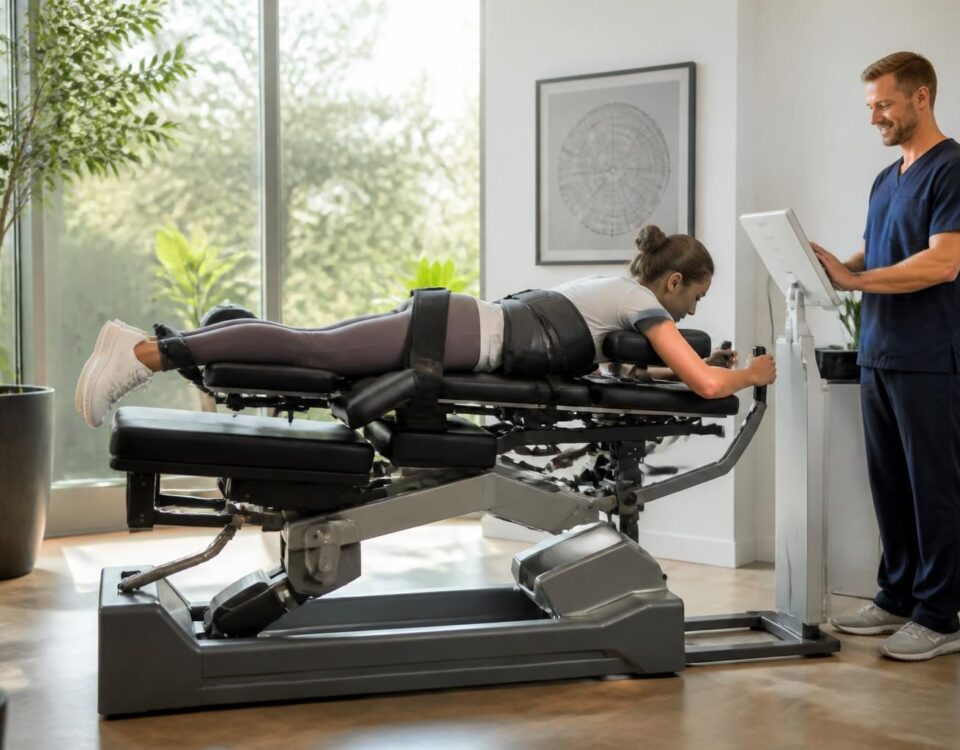
The technique uses a Soft and controlled traction applied to the spine. This traction decreases the pressure on the discs and nerves, promoting natural recovery and improvement of local circulation. The process is based on individually adjusted parameters and monitoring during treatment to ensure patient comfort and safety. To understand the mechanisms, consult specialized resources such as traction mechanism analyzes and associated approaches.
why it is particularly suitable for seniors
Neurovertebral decompression is recognized as non-invasive and low-risk. It does not involve surgical operations or incisions, which reduces the possibilities of complications. Before starting, a Complete medical assessment is performed to identify any contraindications and adapt the treatment to the patient’s health conditions. Regular monitoring and adjustment of the protocol ensures progressive and lasting results without the need for invasive procedures.
Safety and Efficiency: What Clinical Data Say
Neurovertebral decompression is associated with a Low complication rate and reports of rapid pain relief in many patients with lower back or cervical pain related to degenerative disorders. It can be considered as Secure alternative to more invasive interventions when clinical indications allow it. The results depend on an accurate diagnosis, pre-treatment assessment and Continuous monitoring to adapt the protocol and prevent recurrences.
Integration into a care pathway
Decompression can be inserted into a global care pathway and personalized, without imposing specific exercises or standardized protocols that are not suitable for all patients. At TagMed, care can combine the use of advanced technologies and appropriate monitoring to support functional objectives and the quality of life of seniors.
Training and professional executive
Practitioners practicing this technique follow recognized training and maintain a practice in accordance with the requirements of professional associations. Relevant organizations and training in the field include institutions such as NUMSS and NAO. Professionals can also be affiliated with associations such as ACMA and College of Canadian Osteopaths, which promote high clinical and ethical standards.
For additional information on neurovertebral decompression and its implementation, you can consult specialized resources, including Neurovertebral decompression and vertebral alignment, A recognized solution to improve flexibility, and Muscle tension and gentle relief. For a general framework, general information on decompression is available on Wikipedia, and additional clinical resources can be viewed via meninges. Additional information on TagMed and associated services is available on Tagmed Clinic.
Useful links to specialized areas include resources on sossciatica.com and SoshernieDiscale.com For a better understanding of symptoms and management options. For general and illustrative information, you can also consult Wikipedia page on neurovertebral decompression and associated resources on tagmed.
Medical Disclaimer: The information and advice provided on this site does not replace the health professional’s diagnosis or treatment. Please note that Dr. Sylvain Desforges osteopath is neither a doctor of medicine nor a doctor, and is not a specialist in a medical specialty as defined by the Collège des Médecins du Québec. Manual medicine, functional medicine and sports medicine as described on this site exclude any medical treatment or diagnosis made by a doctor or specialist doctor. Always consult your doctor for any medical questions. For more details, please read our full legal notice. »
Why neurovertebral decompression is safe for seniors
- non-invasive and without surgery which avoids incisions and hospitalization.
- Controlled traction and fresh adapted to the comfort of the elderly patient.
- No general anesthesia necessary, reducing the associated risks.
- Pre-treatment assessment rigorous to identify the contraindications.
- Identified contraindications before starting to ensure the safety.
- Custom Protocol Depending on age and comorbidities, for a High tolerance.
- quick recovery and early return to daily activities.
- Low complication rate and Safety** Demonstrated in clinical practice.
- Improved mobility and traffic promoting the Natural healing.
- Continuous monitoring during treatment to guarantee the security and adjust if necessary.
- Non-surgical option which integrates with a Overall care plan and reduce the need for surgery.

Neurovertebral decompression is presented here as a safe and non-invasive treatment for seniors with back or cervical pain. It acts by targeted traction that decreases the pressure on the discs and nerves, without surgery or anesthesia. Its safety profile is based on a pre-assessment, a personalized approach and continuous monitoring, allowing pain reduction and improved mobility while limiting risks.”
Compliance with security principles for seniors
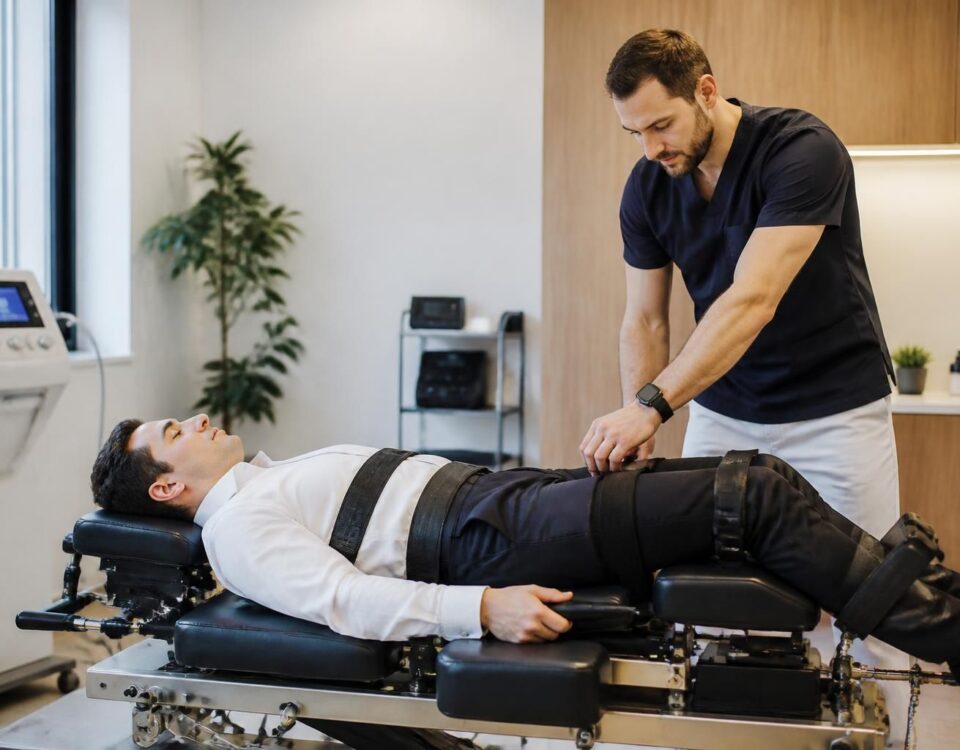
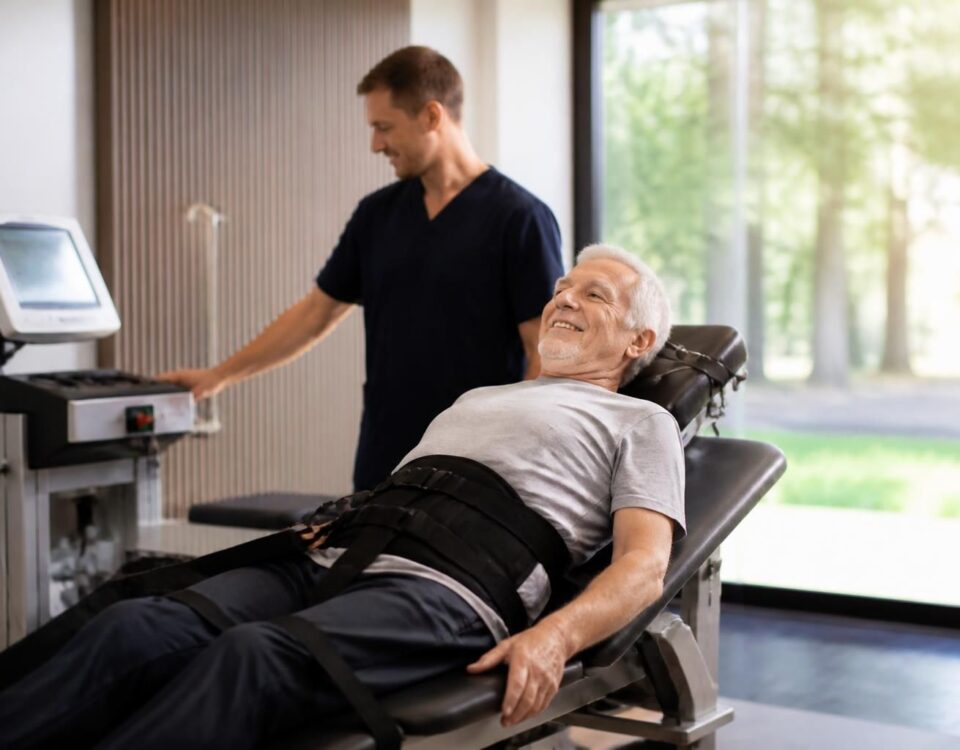
Security is the pillar of this treatment: it is an approach non-invasive, without incision or general anesthesia. The traction frame is Soft and adjustable, and the sessions are designed to remain comfortable, even in weakened patients. The practitioner monitors during treatment and adjusts the protocol according to feelings and progress, minimizing the risk of adverse effects and potential complications.
Pre-treatment assessment and contraindications
Before starting, a complete assessment is essential: history, physical examination and targeted imaging (MRI or X-ray) to check the integrity of the column and detect any contraindications. In seniors, the presence of comorbidities is taken into account and the traction parameters are adapted. This step ensures that the treatment is appropriate and sure.
Protocol comfort and safety
The protocols are custom and progressive: adapted traction, regular breaks and continuous dialogue with the patient to adjust the intensity and duration. The sessions remain short and well tolerated and do not require anesthesia. In case of pain or discomfort, the protocol is interrupted and reassessed, in order to preserve the well-being and safety of the patient.
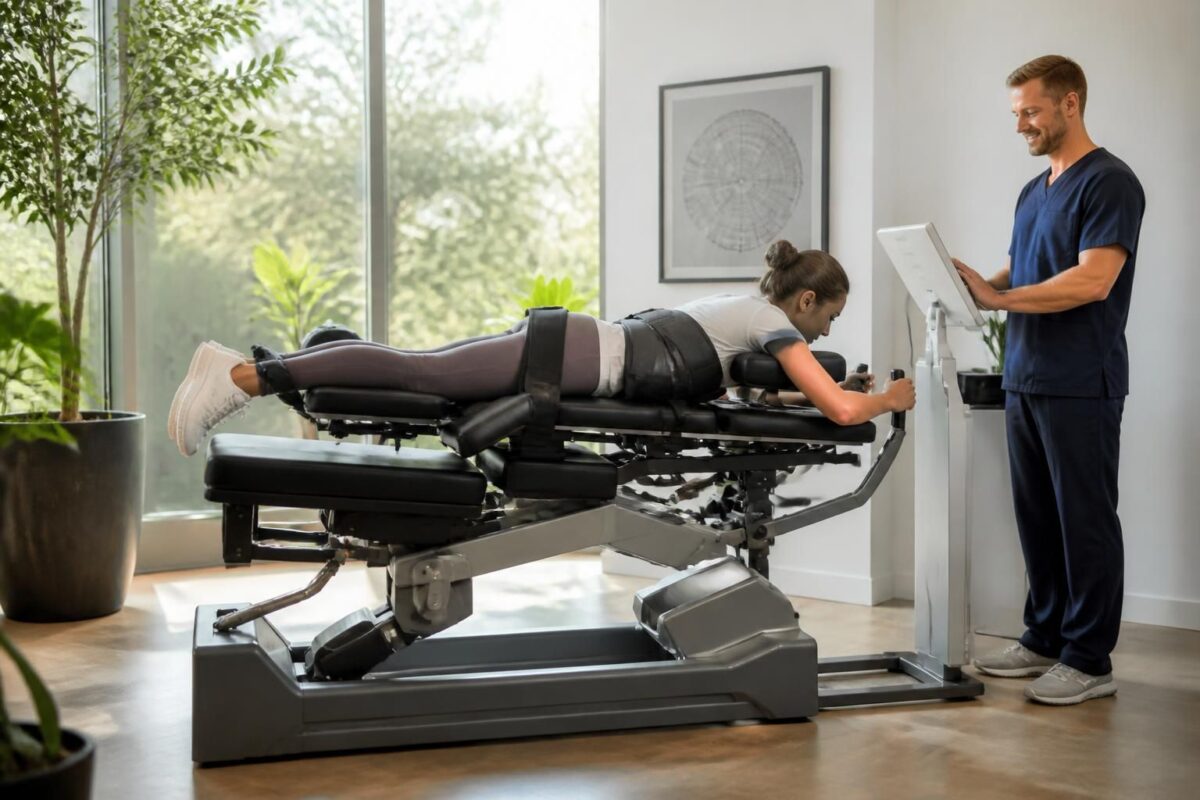
The long-term benefits of neurovertebral decompression for spinal health
In short In short, the neurovertebral decompression is a non-invasive approach that decreases the Pressure on intervertebral discs and nerves, favoring the Natural regeneration and tissue recovery. Its long-term benefits include Lasting pain reduction, Improving mobility and from the posture,…

Neurovertebral decompression and mobility: a return to an active life
In short In short, the neurovertebral decompression is therapy non-invasive who uses a gentle traction To create a space between the vertebrae and reduce the pressure on the Intervertebral discs and the nerves. It promotes a bloodstream improved, lowers tension…
Benefits for seniors
In practice, neurovertebral decompression can offer a Quick relief symptoms and a Improving mobility. By reducing the pressure on discs and nerves, it promotes natural healing and allows a more active return to daily activities. This approach Preserve security avoiding the risks associated with surgery and prolonged hospitalization times.
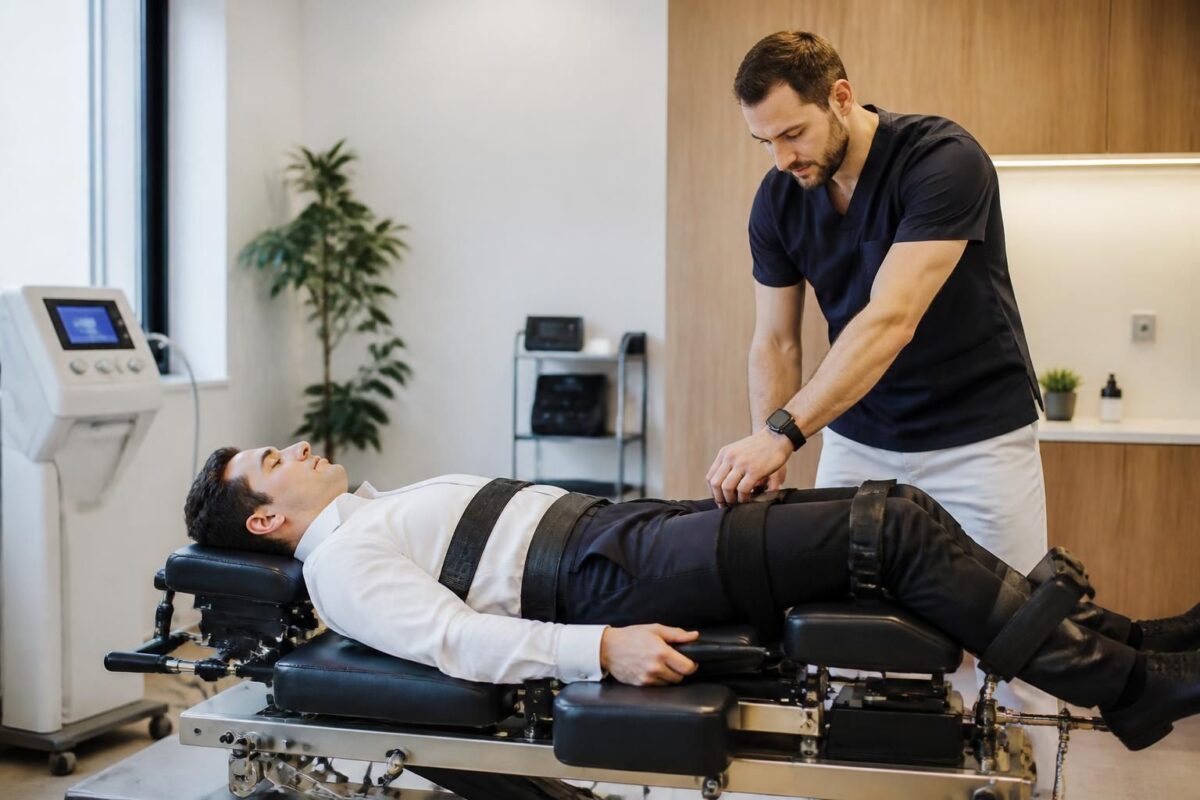
How Neurovertebral Decompression Prevents Diffuse Chronic Pain
In short decompression neurovertebral is one Non-invasive method aimed at reducing the Pressure on the intervertebral discs and the nerves, in order to prevent Diffuse chronic pain. It improves the circulation and thedisc hydration, decreases inflammation and promotes better mobility.…
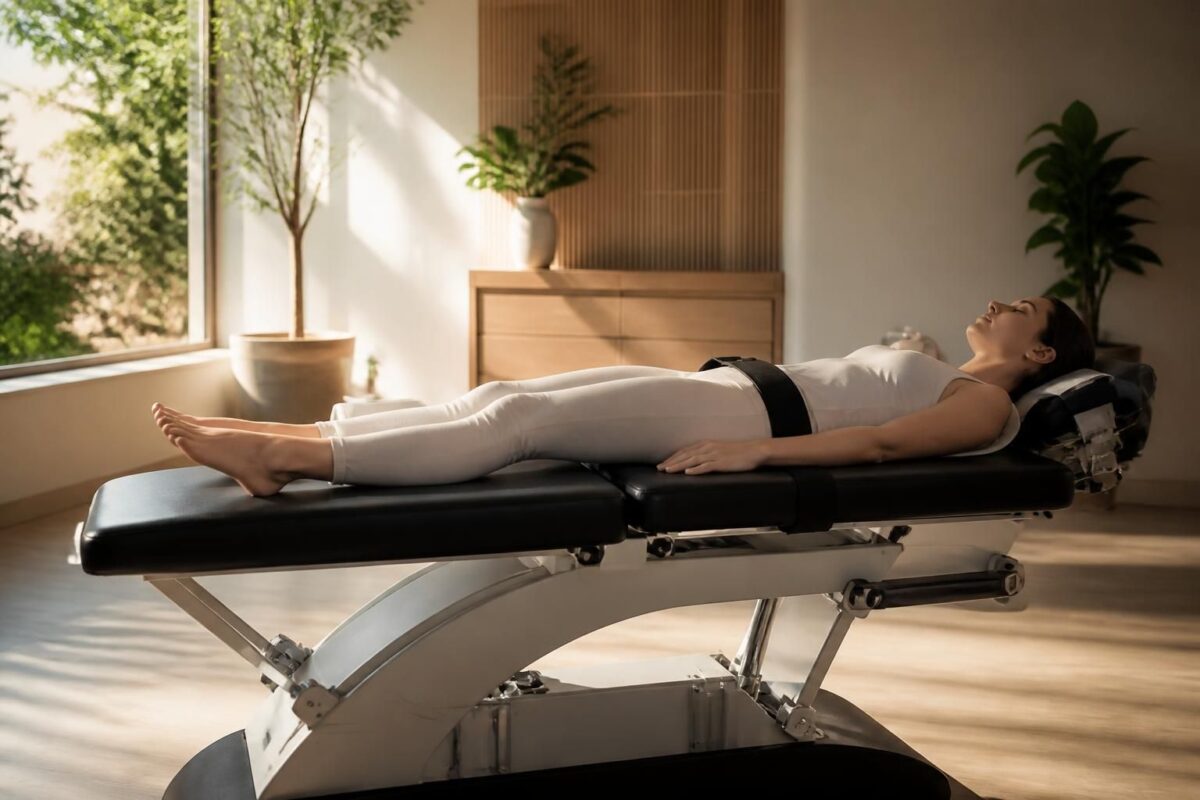
Neurovertebral Decompression and Body Alignment: Restoring Natural Balance
In short In short, neurovertebral decompression is one Non-invasive approach who restores theBody Alignment and thenatural balance back and neck. She acts by a Controlled traction of the spine to widen the intervertebral space and reduce the Pressure on discs…
Integration into a care pathway
For lasting results, it fits into a Care course Global: targeted strengthening exercises, posture work, lifestyle advice and coordination with other manual or physical therapies. Regular monitoring helps adjust goals and maintain benefits, while minimizing relapses and future surgery needs.
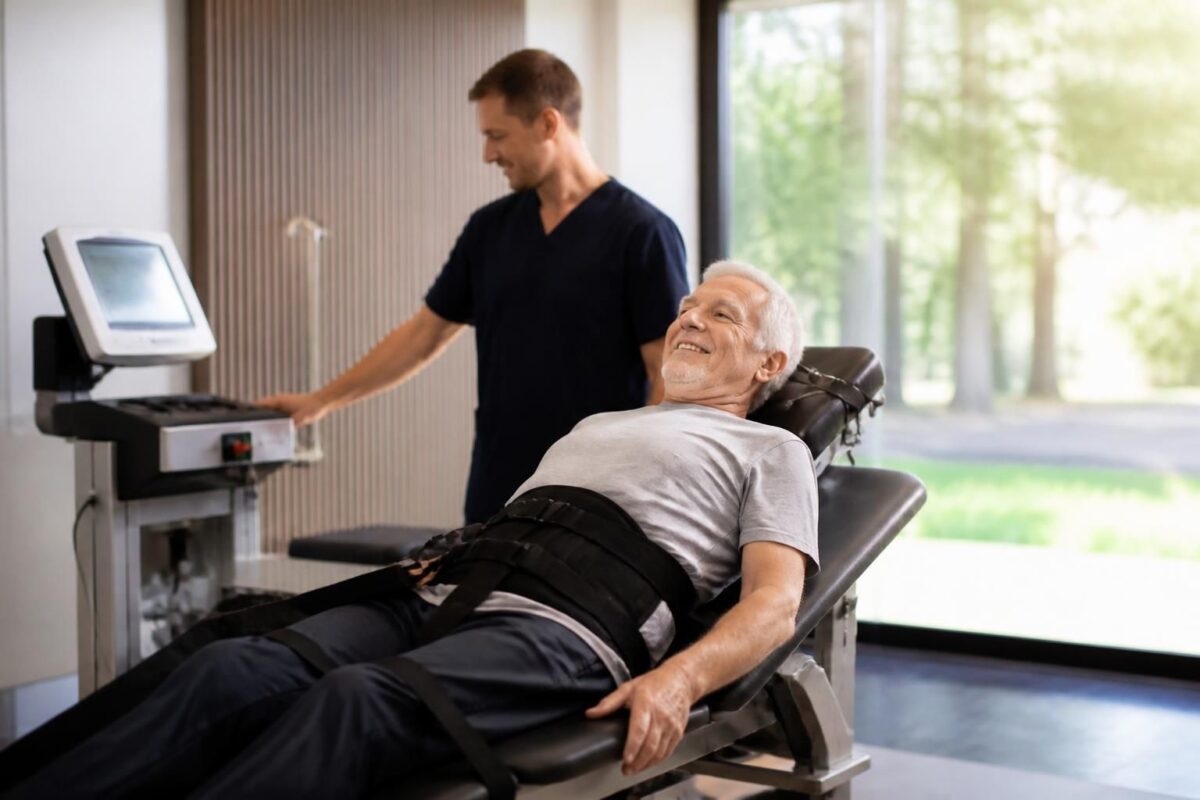
Why neurovertebral decompression is a lasting solution for active seniors
In short In short, the neurovertebral decompression is one Non-invasive therapy which sustainably relieves spinal pain in the spine active seniors By creating, by a Soft and controlled traction, a space between the vertebrae. At Montreal, it is recognized as…
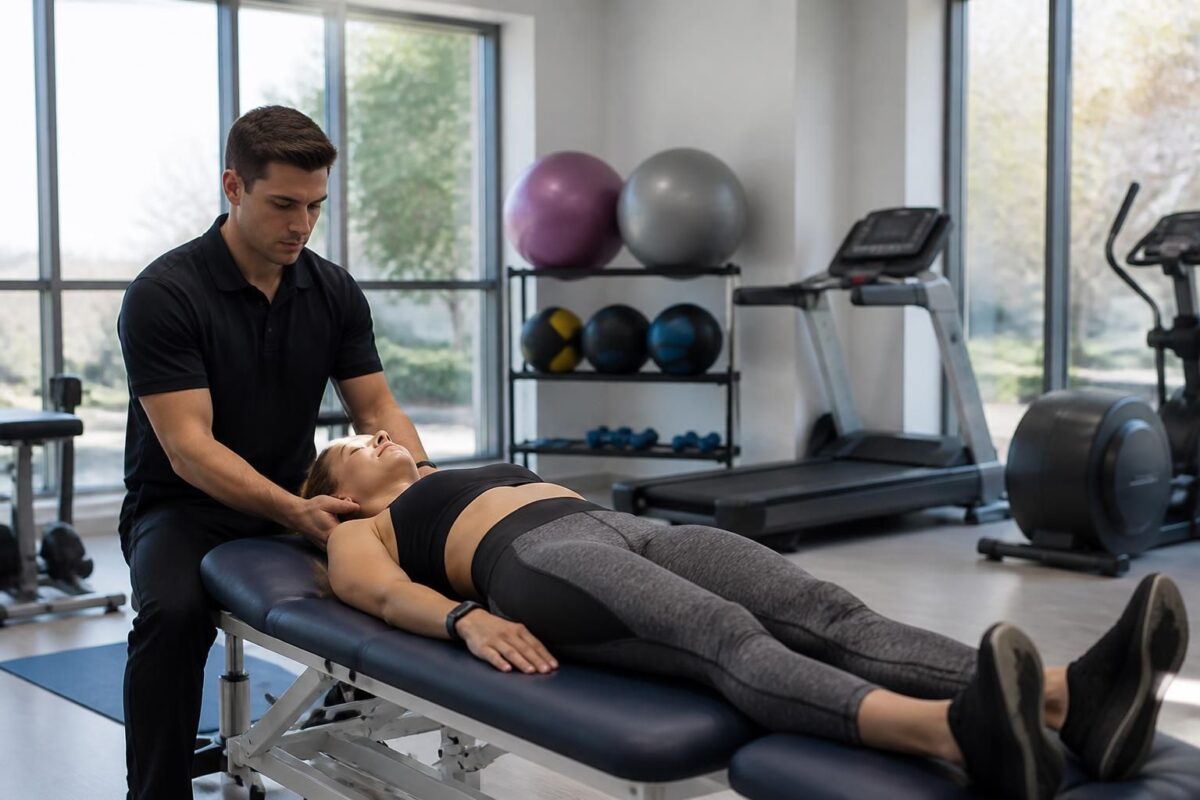
Neurovertebral decompression and recovery after severe sports injury
In short In short, the neurovertebral decompression is one Non-invasive method to Relieve the pressure on the Intervertebral discs and the gristle Via a Controlled traction, to facilitate the recovery After a severe sports injury. It improves the bloodstream towards…
Practical advice and realistic expectations
If you are considering this option, consult a qualified professional who will assess your condition and explain the realistic benefits. The results vary by individual, but most seniors find a pain reduction, a Better mobility and an Improved quality of life After a series of sessions, without the risk of surgery.
| Aspect | Concise finding |
|---|---|
| Non-invasive nature | Increased flexibility and safety for elderly patients without surgery. |
| No general anesthesia | Avoids the risks and complexity associated with anesthesia in seniors. |
| Low risk of complications | High security profile with a low rate of adverse events. |
| Non-surgical alternative | Avoids the risks and convalescence of an invasive intervention. |
| Controlled and progressive traction | Graduated and supervised process that reduces pressure on discs and nerves. |
| High tolerance in seniors | Well tolerated thanks to its softness and the absence of incisions. |
| Adaptability and customization | Protocols adjusted to each patient to optimize safety and efficacy. |
| Monitoring and evaluation | Regular follow-up to track progress and adjust treatment. |
| Side effects | Rare and generally mild or transient adverse effects. |
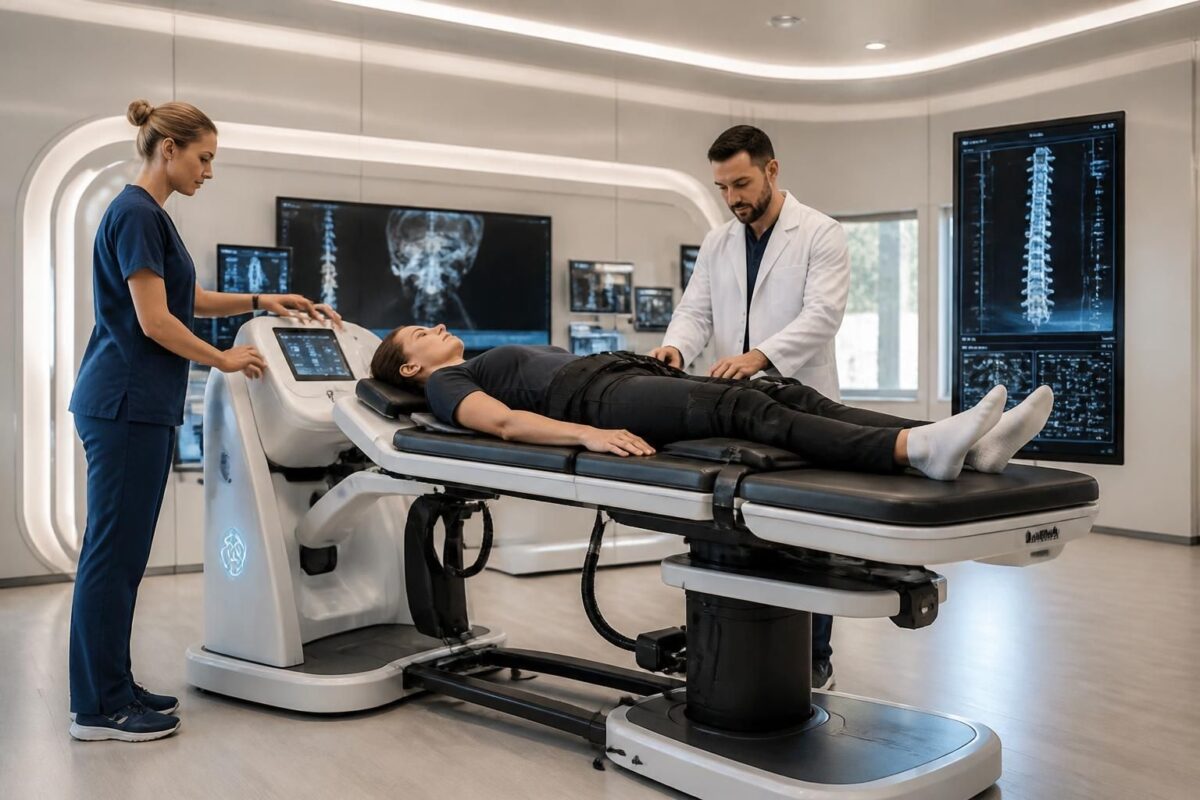
Recent innovations in neurovertebral decompression technologies
In short In short, the neurovertebral decompression is an approach non-invasive Aiming to reduce pressure on discs and nerves, and promote tissue regeneration. At Montreal, it is positioned as an effective option for lower back pain and herniated discs. The…
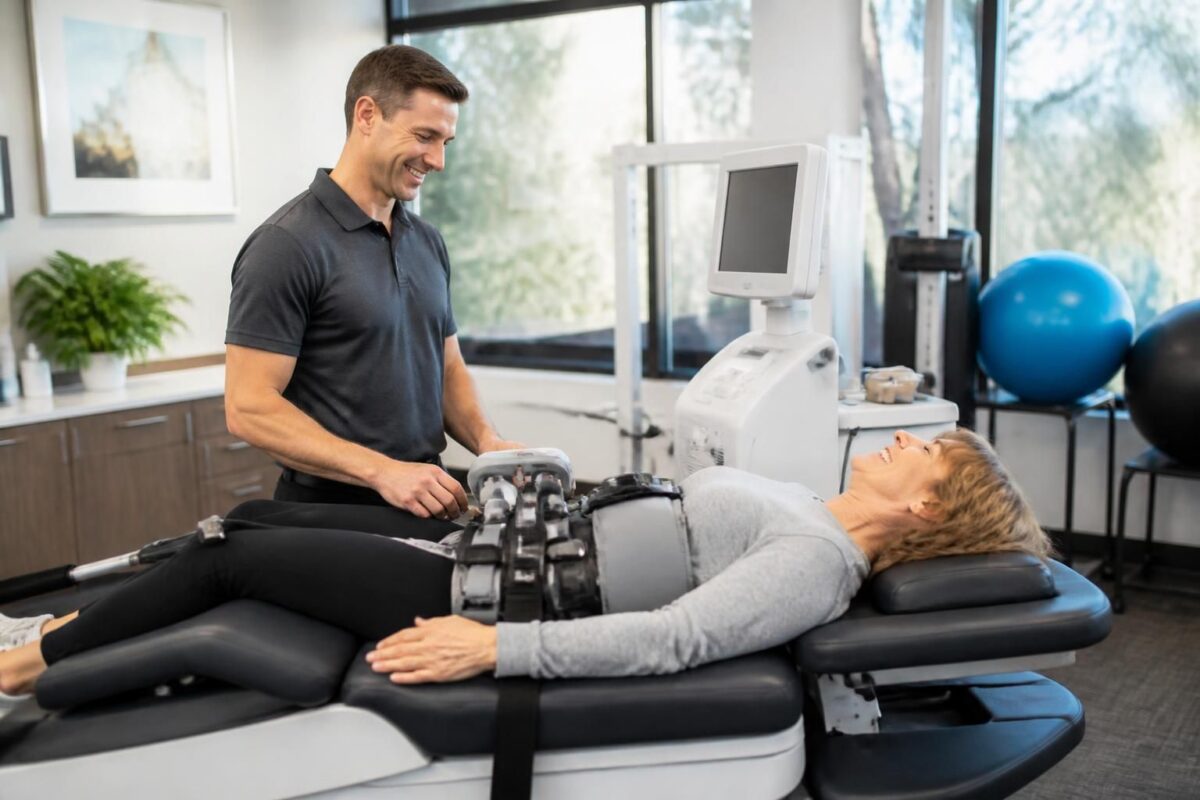
Neurovertebral decompression and diffuse pain: an appropriate solution
In short In short, the neurovertebral decompression is one Non-invasive solution For diffuse pain related to nerve irritation of the spine. She acts in Reducing pressure on intervertebral discs and nerves and improving the bloodstream, which promotes recovery and the…
Testimonials: Why neurovertebral decompression is safe for seniors
Mary, 72 “I was looking for a solution safe and non-invasive to relieve my back pain. Neurovertebral decompression was an experiment reassuring: no anesthesia, no incisions, and a low risk complications. »
John, 68 “I was afraid of surgery. With this method, I get treatment fresh and secured, without unnecessary hospitalization or pain. The fact that it is non-invasive gave me confidence from the start. »
Rosalie, 75 : “The first sessions were short and comfortable. The protocol is personalized and closely monitored, which reduces any doubt about the safety treatment. »
Andre, 80 years old : “I am impressed by the Low complication rate And the results that appear without going through surgery. It’s an option secure and suitable for seniors who want to stay active. »
Claire, 70 years old : “We access an approach fresh and controlled, with Careful follow-up throughout the treatment. It gave me confidence and allowed me to resume my daily activities without fear of risks. »
George, 74 years old : “The staff clearly explain the contraindications and adjust the protocol according to my state of health. This transparency creates a framework reassuring and considerate Discomforts, which is essential for a senior. »
in the field of back care, a recognized expert in osteopathy, naturopathy and manual medicine emphasizes an approach secure And based on evidence, particularly suitable for seniors suffering from lower back or neck pain. It promotes the integration of advanced technologies such as neurovertebral decompression, laser and shockwave therapy to improve well-being without using invasive interventions. This orientation is guided by attentive listening to individual needs and by a patient-centric approach.
Neurovertebral decompression is therapy non-invasive which acts by a Controlled traction of the spine. This approach creates a slight gap between the vertebrae, which Reduces pressure on intervertebral discs and nerves, while stimulating better circulation in the affected area. By promoting the rebalancing of spinal structures, it supports the natural healing process and can help restore a useful range of motion for daily activities and leisure.
From the point of view of safety, this method is distinguished by its character non-invasive and its Low complication rate. Unlike surgical options, it involves neither incision nor general anesthesia, which reduces risks and accelerates recovery. However, a In-depth pre-treatment report Is essential to identify potential contraindications and adapt management to the specific conditions of each patient, especially in people with vertebral fractures or other pre-existing health problems.
In practice, the results observed in seniors often include a rapid decrease in pain, a Better mobility and a reduction in the pressure exerted on the nerves, which improves quality of life and autonomy. Many patients expose a feeling of relaxation after the first sessions, a sign of a positive adjustment of the spine and a progressive muscle rebalancing. This effectiveness contributes to establishing lasting confidence in a therapy that avoids heavier and more risky paths.
Neurovertebral decompression is ideally part of a Custom Protocol Who can incorporate reinforcement exercises, post-treatment advice and complementary interventions such as manual therapies or functional approaches. One Regular follow-up Allows you to evaluate progress, adjust parameters and prevent relapses, ensuring lasting results and better column stability. This global approach emphasizes safety, tolerance and long-term efficacy.
In short, for seniors, neurovertebral decompression is an option secure and effective To relieve back and cervical pain while avoiding the risks associated with surgery. It is deployed in specialized frameworks, guided by a rigorous clinical approach and a commitment to best practices based on evidence.
This conclusion details why the neurovertebral decompression is considered a Safe treatment For seniors. She highlights her character non-invasive, the Low risk of complications, the importance of a screening and the benefits observed on the pain, the mobility and the quality of life elderly patients. Resources and testimonials accessible online support these points and help to better understand what makes this approach adapted to the needs of the elderly.
The main advantage of neurovertebral decompression among seniors lies in its character non-invasive and his profile High security. Unlike surgical procedures, it involves neither incisions nor general anesthesia, which considerably reduces risks and recovery periods. For the elderly, this is an opportunity to get a Quick relief pain and an improvement in mobility without the complications associated with surgery. Specialized guides regularly point out that the safety of this treatment is supported by clinical data demonstrating a Low complication rate and favorable tolerance in elderly patients.
A rigorous pre-treatment assessment is essential to identify contraindications and personalize the protocol. This step, combined with continuous monitoring, maximizes patient safety and allows you to adapt the traction parameters according to the individual profile. For seniors, this follow-up helps prevent aggravations and ensure comfortable progress towards a better quality of life. Online resources emphasize the importance of this cautious approach and the practitioner’s central role in assessment and control throughout treatment. You can view resources dedicated to the safety and efficacy of treatment here: Safety and effectiveness of treatment.
In terms of effectiveness, seniors frequently report pain reduction and improvement in mobility after several sessions. This improvement often occurs without resorting to more invasive interventions, and it can promote a gradual return to daily activities and leisure activities, which is particularly important for the well-being and autonomy of the elderly. Testimonies and clinical data converge that this approach can support better circulation and disc rehydration, thus contributing to recurrence prevention and a more stable, long-term spinal function. To deepen the overall aspect and benefits in athletes or active people, refer to sources such as Rehabilitation after a sports injury and Pain Management – Innovative Approach.
Another pillar of security for seniors is processing customization. The protocols are adapted to age, activity level and comorbidities, which makes it possible to offer a gentle and progressive approach. This adjustment ability not only contributes to maximizing efficiency, but also minimizing potential discomforts and risks of side effects. Specialized resources emphasize the importance of regular monitoring and a comprehensive plan that can include strengthening exercises and lifestyle advice, to support long-term benefits. For a general view of indications, advantages and limitations, consult resources such as Indications, advantages and limits and Benefits in amateur athletes.
For those who want to go further in understanding the benefits and security, recurring online resources address the overall treatment safety and effectiveness. For example, articles point out that neurovertebral decompression can support overall back health and prevent complications associated with more invasive options. Useful links include How neurovertebral decompression supports overall back health and Why is this a safe treatment for seniors.
Finally, practical references and clear testimonies show that access to this treatment can be facilitated and that seniors can benefit from a return to an active life more quickly than expected. To learn more about practical aspects and feedback, you can consult The safety and effectiveness of treatment, as well as other resources presented above that detail the benefits and precautions associated with the use of this therapy in the elderly.

Dr Sylvain Desforges, B.Sc., D.O., N.D., osteopath, is the founding president of TAGMED and of the ACMA association. He dedicates his practice to chronic spinal pain, low back pain and symptoms compatible with sciatica, particularly when pain radiates toward the buttock, leg, calf, foot or toes.
Through SOS Sciatique, he publishes educational content on sciatica symptoms, possible causes such as disc herniation, disc narrowing, foraminal stenosis or irritation of a lumbar nerve root, as well as non-surgical approaches that may be considered according to the evaluation. At Clinique TAGMED, care may include, depending on the case, motorized neurovertebral decompression, specific osteopathic care or precision percussion.
For an evaluation related to sciatica treatment in Montreal / Mount Royal or sciatica treatment in Terrebonne, please consult the services available at Clinique TAGMED.
Medical disclaimer
The information published on SOS Sciatique is provided for educational purposes only and does not replace a consultation, diagnosis, opinion or treatment provided by a physician or another authorized healthcare professional. The author of this article is neither a medical doctor nor a specialist in a medical specialty recognized by the Collège des médecins du Québec. The osteopathic, manual medicine or functional support approaches described on this site do not constitute medical acts and are not intended to replace medical follow-up.
Consult a physician or emergency service in cases of loss of bladder or bowel control, anesthesia in the saddle area, significant or progressive weakness in the leg or foot, fever, recent trauma, severe pain or rapid worsening of symptoms. For more details, please read our Legal Notice.