

Neurovertebral Decompression and Prevention of Chronic Injury Relapses
26/06/2026
Neurovertebral decompression and recurrent disc hernias: a natural approach
26/06/2026
In short
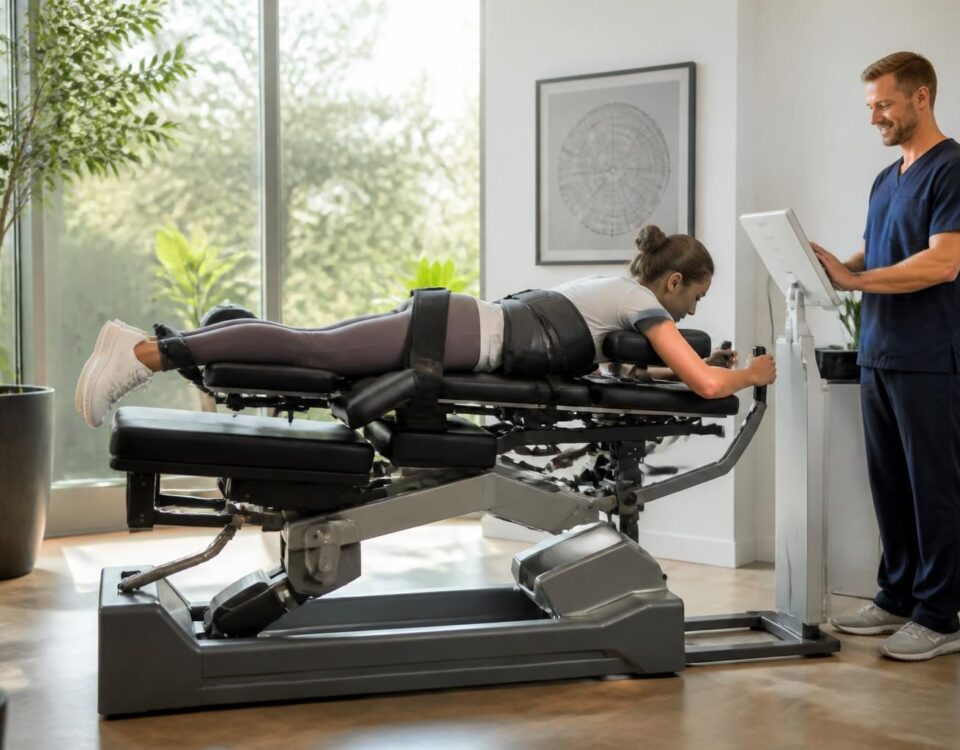
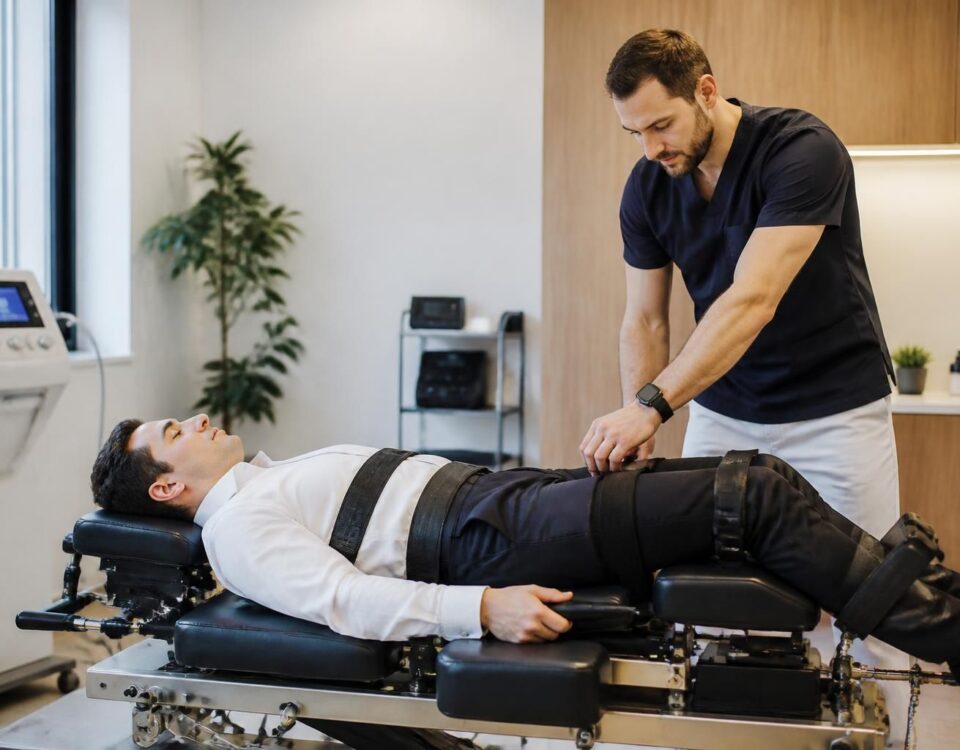
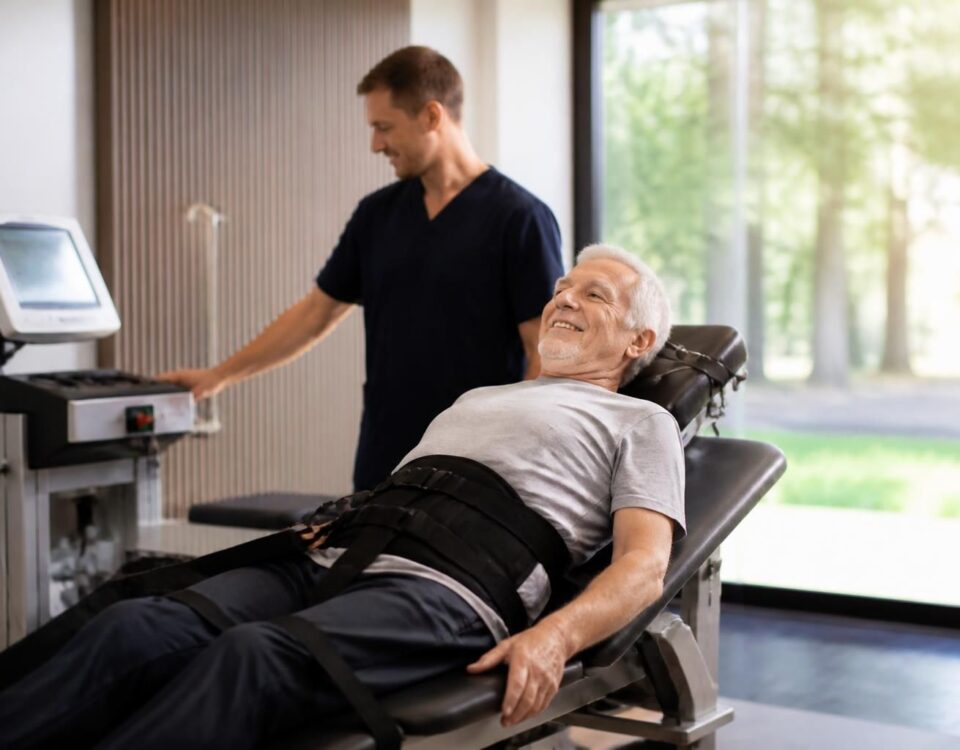
| In short, neurovertebral decompression is one Non-invasive approach which aims to reduce nerve pressure and improve circulation, to support physical and mental recovery. What is it? An accessible technique to treat lower back and cervical pain while harmonizing body and mind. What are the advantages? Anxiety Reduction and of stress, mood enhancement, Better quality of life, better sleep, and increase inself-esteem and from the concentration. How does it work? by releasing tensions and improving the circulation, Therapy soothes the nervous system and facilitates recovery, helping patients approach daily challenges with more serenity and motivation. In Paris, this service is particularly relevant for people suffering from Chronic pain and who seek to improve their overall well-being without medication. |
The neurovertebral decompression successful offers significant psychological benefits. By durably relieving the pain, it leads to a Reduced anxiety and stress, a mood enhancement and a boost in motivation. Decreasing tension and better circulation promote better mental clarity and better concentration, facilitating theAutonomy and self-esteem. Patients also report a better sleep and an increased feeling of well-being, reinforcing the Emotional resilience and quality of life on a daily basis. By integrating body and mind into a non-invasive approach, this therapy acts as a lever for more positive thinking and more effective stress management.
This article, written by a health professional and expert in neurovertebral decompression, presents the Psychological benefits successful decompression. It shows how pain reduction and improvement in circulation can decrease stress, improve mood and boost self-esteem. This non-invasive approach is part of a global approach to well-being.
Reduced anxiety and stress
The decrease in pain acts directly on the nervous system. Less pain decreases daily stress and soothes the mind. This allows you to better manage stressful situations and observe a feeling of lasting calm. For additional perspectives, consult relevant resources on this topic (The pros and cons).
mood enhancement
Chronic pain can weigh on mood. A successful decompression can contribute to a renewed motivation and joie de vivre. This emotional improvement promotes a more positive attitude in everyday life. Analyzes and testimonies on the psychological effects of decompression are available at this link.
Self-esteem recovery
Reducing symptoms and renewing mobility restore self-confidence. Patients find activities they enjoyed before, which reinforces body image and self-esteem.
Improved sleep quality
Sleep improves when pain decreases. Better quality sleep increases energy, focus and overall well-being. This improvement positively influences mood and resilience in the face of daily stress.
Emotional stability and stress management
With less pain, emotional reactions stabilize. Patients feel a greater ability to cope with daily challenges and maintain balanced relationships.
Concentration and mental clarity
A healthier spine can promote better blood circulation to the brain. This translates into better concentration and clarity of mind, useful at work and in personal activities.
Neurovertebral decompression can also be accompanied by a better inner balance when complementary approaches such as stress management or conscious breathing are used in the context of appropriate follow-up. To explore additional aspects, consult resources on the psychological effects of decompression and feedback.
To deepen the psychological benefits, several resources refer to the effects on well-being and the reduction of chronic pain. For example, clinical analyzes and cases available on sossciatica.com and SoshernieDiscale.com explore these links between pain and well-being.
A lasting improvement in pain can also decrease cortisol levels and increase wellness-related neurotransmitters, which promotes a more stable mood and better stress management. These mechanisms, observed in various directions of practice, support the positive psychological impact of decompression.
Feedback from patients describes a feeling of lightness, better motivation and a resumption of once difficult activities. These testimonials underscore the importance of an integrated and personalized approach to fostering overall well-being.
For more information on psychological effects and long-term benefits, you can consult the following resources: Relapse prevention and well-being, spinal health, and Post-traumatic rehabilitation.
Refer to specialized resources to understand the mechanisms and outcomes observed in different clinical situations, focusing on recognized and relevant sources.
Medical Disclaimer: The information and advice provided on this site does not replace the health professional’s diagnosis or treatment. Please note that Dr. Sylvain Desforges osteopath is neither a doctor of medicine nor a doctor, and is not a specialist in a medical specialty as defined by the Collège des Médecins du Québec. Manual medicine, functional medicine and sports medicine as described on this site exclude any medical treatment or diagnosis made by a doctor or specialist doctor. Always consult your doctor for any medical questions. For more details, please read our full legal notice.
AXIS: Cascading effects on psychological well-being.
- stress reduction and mental relaxation
- mood improvement and positivity
- Better concentration and clarity
- more restful sleep and night recovery
- Increased self-esteem and trust
- emotional regulation and stability
- Autonomy and empowerment in daily activities
- Motivation found and commitment
- stress management and reduction of ruminations
- mental resilience and adaptability
- Improved quality of life and overall well-being
- direction of control on his health and his choices

This article presents the Psychological benefits Successful neurovertebral decompression and offers practical recommendations for optimizing emotional and mental well-being. You will discover how a non-invasive approach can promote better mood, stress reduction and renewed energy, while improving the quality of daily life.
Reduced anxiety and stress
The decrease in pain and the release of muscle tension allow the nervous system to relax, which results in a stress reduction and better mental serenity. By acting on the mechanisms of pain and circulation, neurovertebral decompression contributes to reducing levels of cortisol, the stress hormone, and promoting a calmer condition.
Concrete actions
Plan regular sessions according to professional recommendations and integrate breathing or meditation techniques to amplify the calming effect.
Adopt a coherent sleep routine, as sufficient rest enhances psychological benefits and stress resilience.
Establish a daily stress management space (short breathing breaks, conscious walking) to extend the positive effects between sessions.
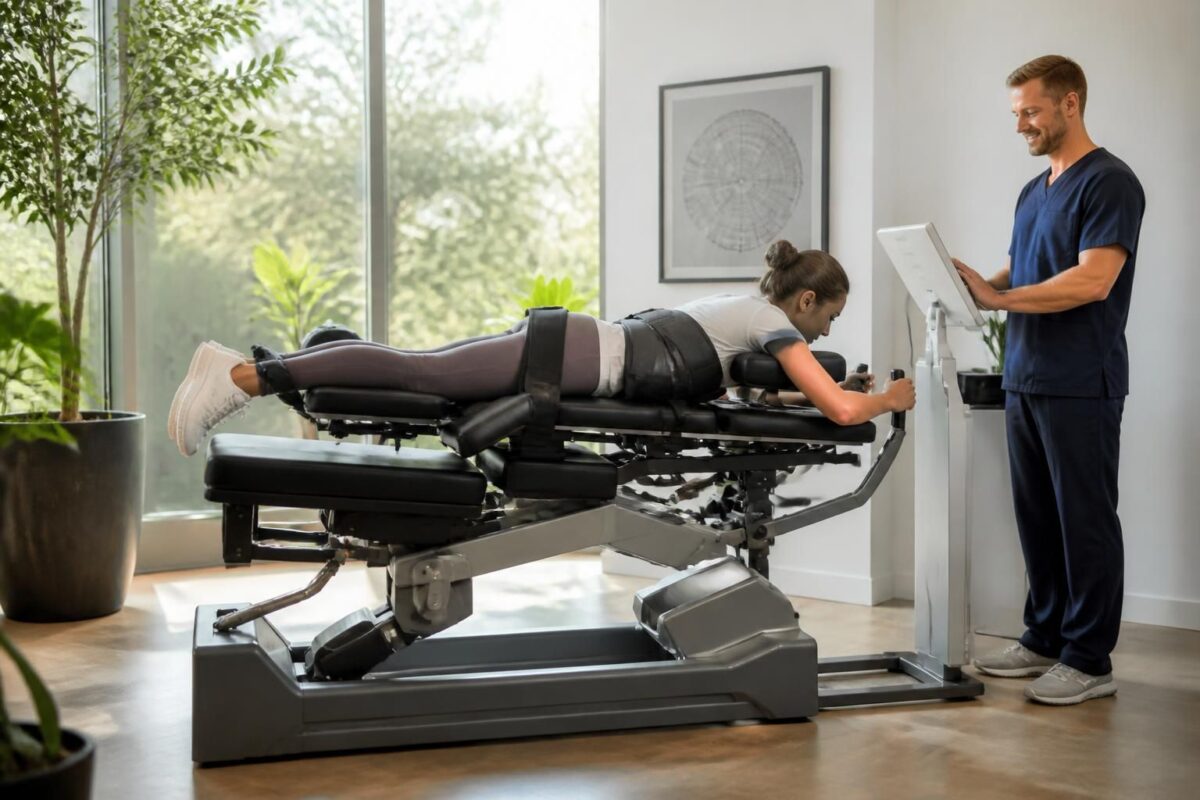
The long-term benefits of neurovertebral decompression for spinal health
In short In short, the neurovertebral decompression is a non-invasive approach that decreases the Pressure on intervertebral discs and nerves, favoring the Natural regeneration and tissue recovery. Its long-term benefits include Lasting pain reduction, Improving mobility and from the posture,…

Neurovertebral decompression and mobility: a return to an active life
In short In short, the neurovertebral decompression is therapy non-invasive who uses a gentle traction To create a space between the vertebrae and reduce the pressure on the Intervertebral discs and the nerves. It promotes a bloodstream improved, lowers tension…
Improved mood and self-esteem
Reducing pain and improving mobility opens the door to once difficult activities, strengthening Self-esteem and motivation. a less tense and freer body promotes a better mood and a positive self-perception.
Concrete actions
Boost your motivation by setting realistic goals and celebrating every little physical and emotional progress.
Combine decompression sessions with fun or creative activities that restore pleasure and reinforce the feeling of accomplishment.
Write down three positive aspects of your day daily to foster an optimistic and lasting vision.
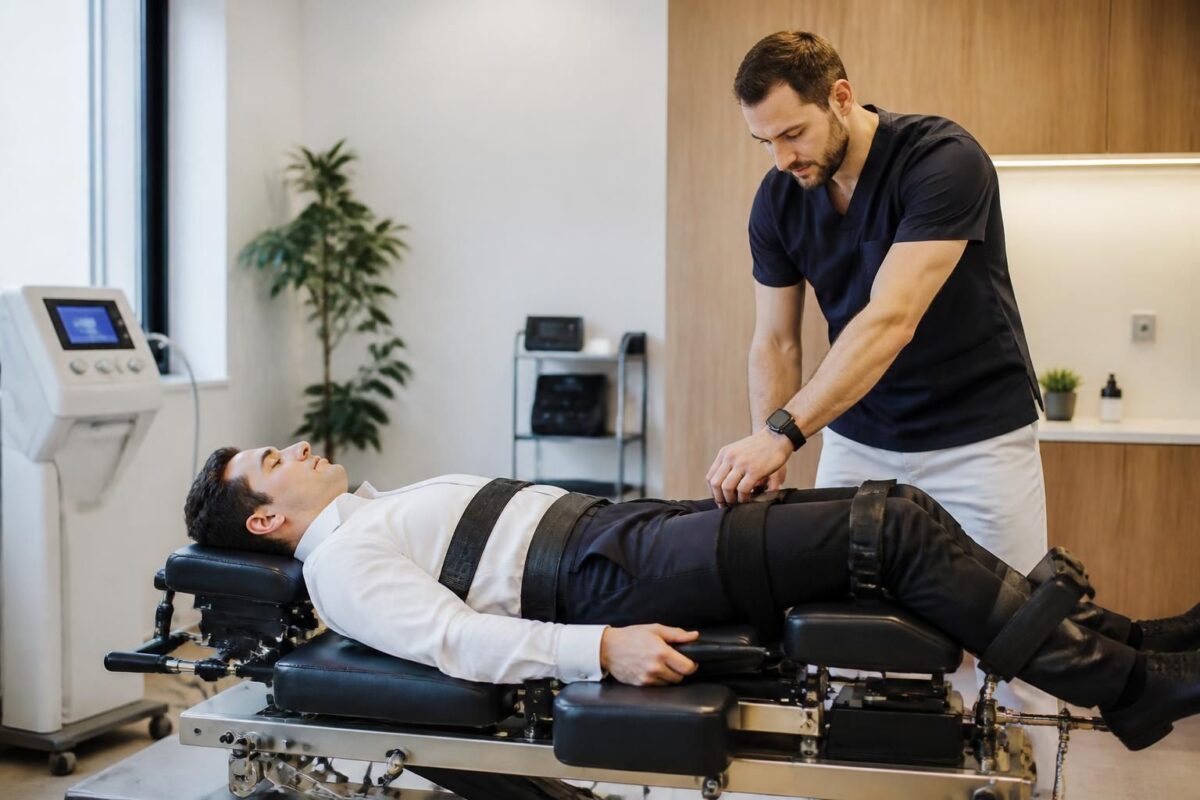
How Neurovertebral Decompression Prevents Diffuse Chronic Pain
In short decompression neurovertebral is one Non-invasive method aimed at reducing the Pressure on the intervertebral discs and the nerves, in order to prevent Diffuse chronic pain. It improves the circulation and thedisc hydration, decreases inflammation and promotes better mobility.…
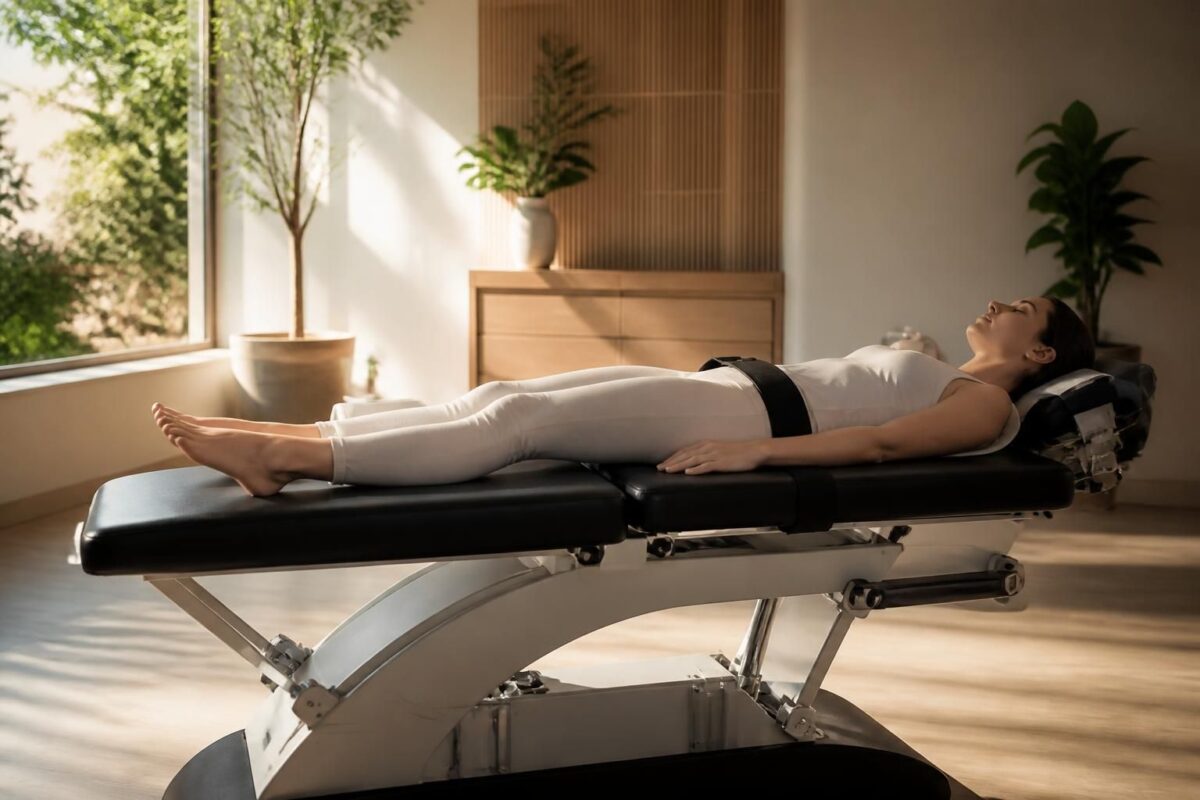
Neurovertebral Decompression and Body Alignment: Restoring Natural Balance
In short In short, neurovertebral decompression is one Non-invasive approach who restores theBody Alignment and thenatural balance back and neck. She acts by a Controlled traction of the spine to widen the intervertebral space and reduce the Pressure on discs…
Quality of life and quality of sleep
Better circulation and decreased pain facilitate more restorative sleep, which improves attention, memory and emotional stability. This dynamic promotes a quality of life increased and better ability to manage daily challenges.
Concrete actions
Create a pre-sleep routine that combines gentle relaxation and mental preparation with the night, in order to get the most restful rest.
Integrate moments of relaxation at the end of the day to avoid accumulated tensions and facilitate sleep.
Balance physical activity and rest; Moderate activity several days a week supports sleep and mental clarity.
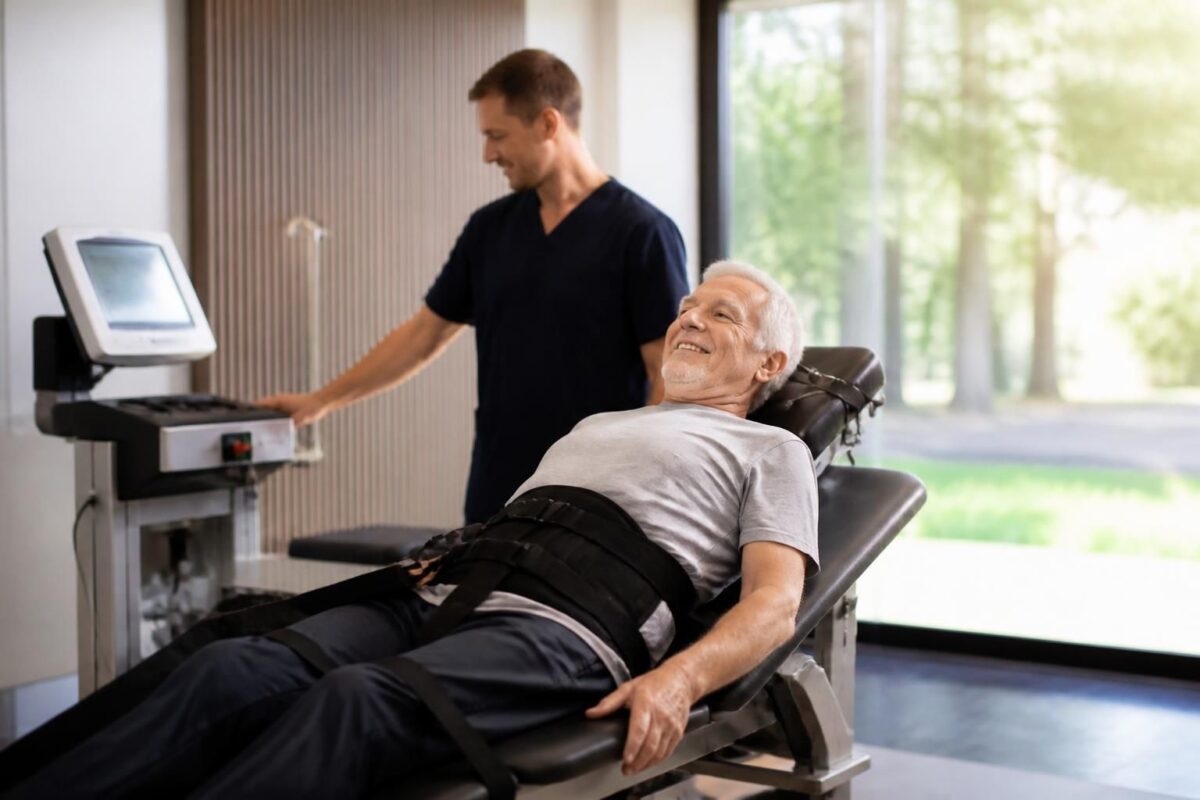
Why neurovertebral decompression is a lasting solution for active seniors
In short In short, the neurovertebral decompression is one Non-invasive therapy which sustainably relieves spinal pain in the spine active seniors By creating, by a Soft and controlled traction, a space between the vertebrae. At Montreal, it is recognized as…
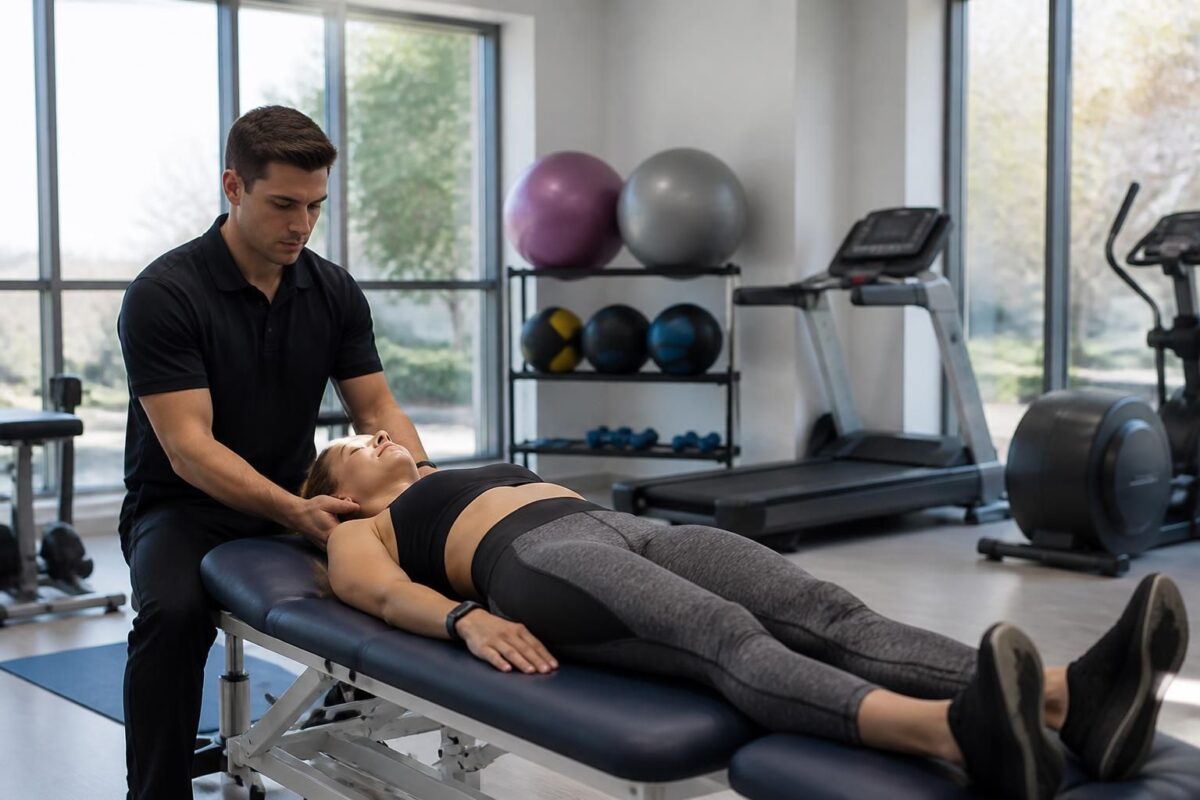
Neurovertebral decompression and recovery after severe sports injury
In short In short, the neurovertebral decompression is one Non-invasive method to Relieve the pressure on the Intervertebral discs and the gristle Via a Controlled traction, to facilitate the recovery After a severe sports injury. It improves the bloodstream towards…
Self-confidence and body empowerment
By releasing the pressure on the nerves and surrounding tissues, decompression allows you to resume popular activities and rebuild a positive body image. This experience promotes self-confidence found and a more optimistic perception of his abilities.
Concrete actions
Experiment with small daily tasks that demonstrate your progress and strengthen the sense of autonomy.
Promote social and professional interactions where you can demonstrate your progress and gain self-assertion.
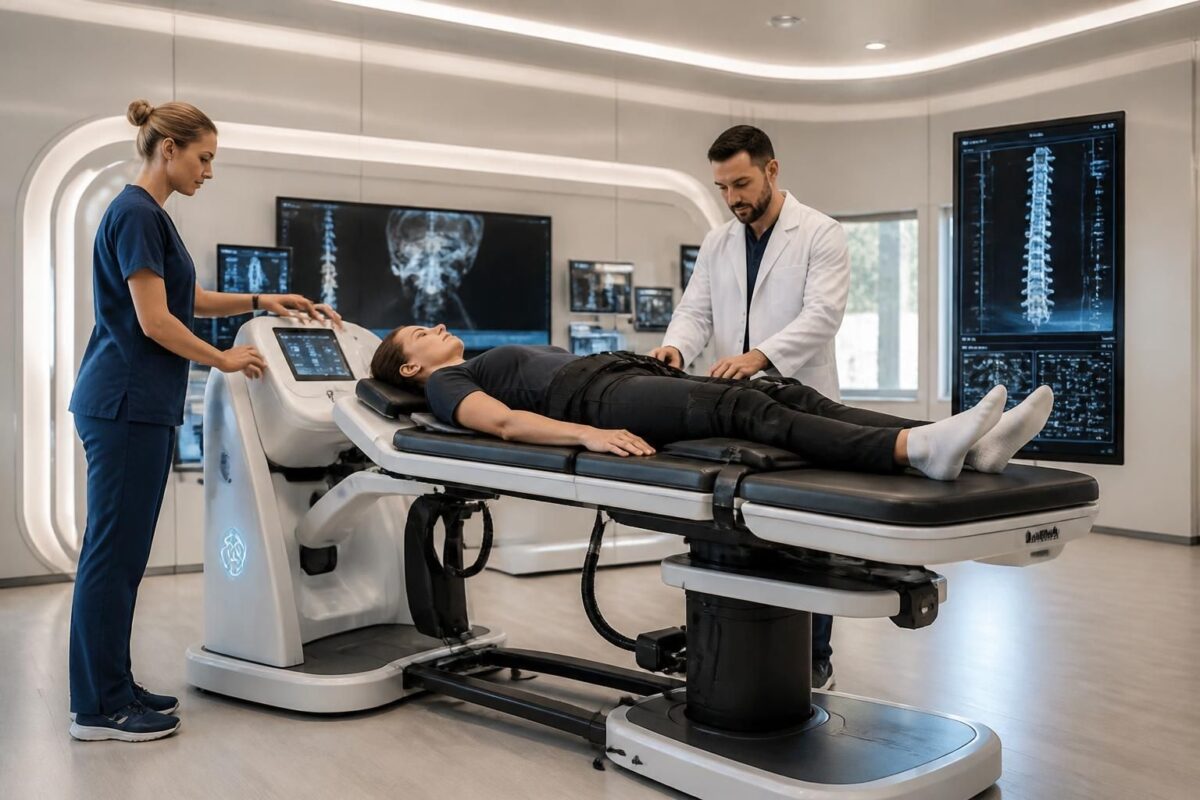
Recent innovations in neurovertebral decompression technologies
In short In short, the neurovertebral decompression is an approach non-invasive Aiming to reduce pressure on discs and nerves, and promote tissue regeneration. At Montreal, it is positioned as an effective option for lower back pain and herniated discs. The…
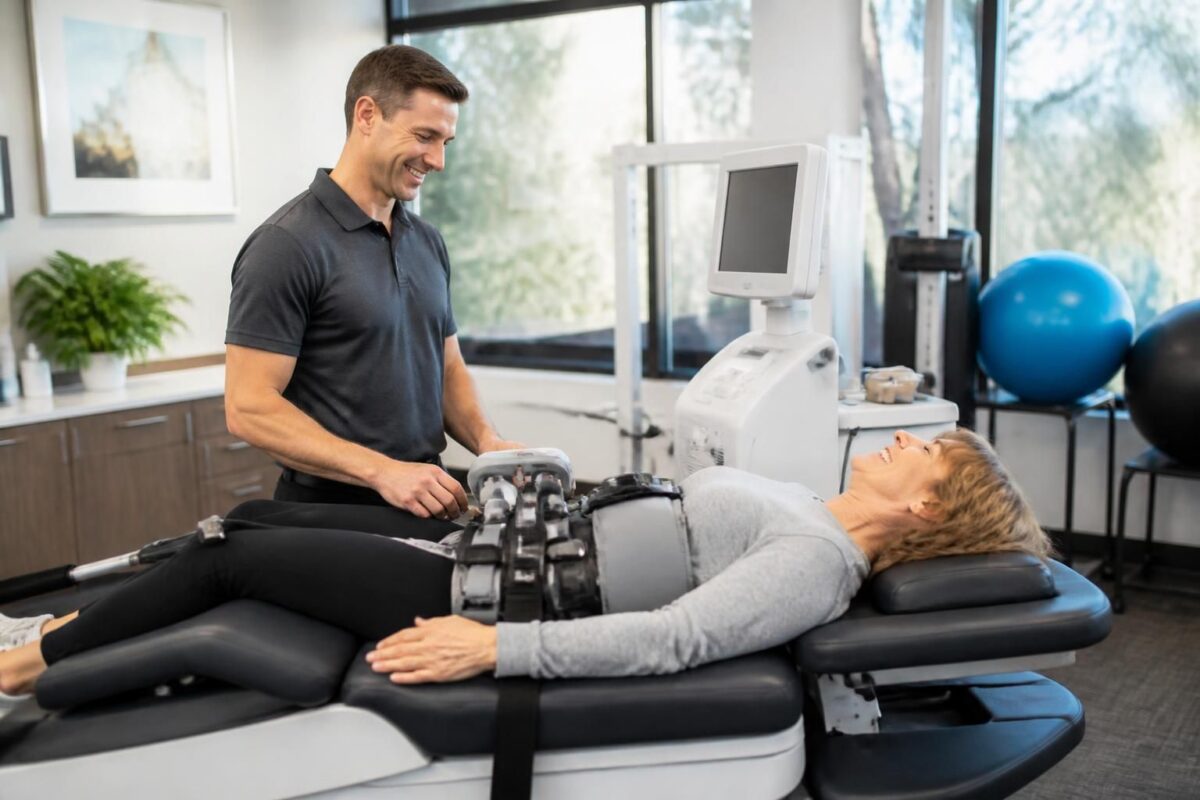
Neurovertebral decompression and diffuse pain: an appropriate solution
In short In short, the neurovertebral decompression is one Non-invasive solution For diffuse pain related to nerve irritation of the spine. She acts in Reducing pressure on intervertebral discs and nerves and improving the bloodstream, which promotes recovery and the…
Integration and global approach
To optimize psychological benefits, neurovertebral decompression fits ideally into a holistic approach including stress management techniques, mindfulness practices and, if necessary, support from health professionals. This synergy can increase the Emotional resilience and promote a more positive perception of life.
Concrete actions
Combine decompression with gentle methods like meditation, yoga or breathing exercises to enhance the impact on mental well-being.
Establish a personalized plan with your practitioner to ensure consistent progress adapted to your emotional and physical needs.
| Aspect | concise effect |
|---|---|
| Reduced anxiety and stress | Less pain soothes anxiety and stress, bringing more serenity. |
| Mood and Motivation Improvement | improved mood and renewed motivation thanks to the decrease in pain. |
| Night sleep and recovery | sleep more repairer And fewer nocturnal awakenings. |
| Self-esteem and body image | regained mobility and better self-image. |
| Mental clarity and concentration | increased concentration and mental clarity when the pain is under control. |
| Quality of life and social activities | improved quality of life and return to social activities. |
| Empowerment and autonomy | regained autonomy and arm in daily gestures. |
| Emotional resilience and stress management | enhanced and better emotional resilience stress management. |
| Overall well-being and positive perception | Welfare overall and Positive perception sustainable. |
Testimonials on the Psychological Benefits of Successful Neurovertebral Decompression
“Before starting the neurovertebral decompression, I was constantly on the alert and theanxiety prevented me from enjoying my days. After a few sessions, I saw a Anxiety Reduction and an mood enhancement which allowed me to approach the challenges with more serenity. »
“The neurovertebral decompression allowed me to resume social activities that I had abandoned. With less than pain and less than stress, my mood has improved and I feel more alive on a daily basis. »
“I observed a better sleep quality after the sessions. This rest found boosted my concentration and my productivity, and my days show up with less emotional tension. »
“Pain was a burden that nourished theanxiety and isolation. Thanks to the neurovertebral decompression, I found my trust me And I returned to my hobbies. My mind is more serene and resilient. »
“I feel as if I had regained control over my body and over my health. This therapy has become a real engine ofarm, making me want to take care of myself and my loved ones. »
“Beyond physical relief, I saw a decrease in Depressive symptoms and an emotional stability who accompany me on a daily basis. The neurovertebral decompression transformed my relationship to stress and my emotions. »
Dr. Sylvain Desforges, osteopath and expert in manual medicine, pursues an approach centered on the link between body and mind to sustainably improve the welfare of his patients. As founding president of the TagMed clinics and the ACMA association, he favors evidence-based methods and personalized care. In his practice, the neurovertebral decompression is seen as a non-invasive lever capable of reducing pain while nurturing a positive and lasting psychological evolution.
The psychological effects of this therapy quickly appear by a pain reduction and better stress management. By reducing the pressure on the nerves and improving blood circulation, it favorably influences the nervous system and hormonal balance. patients see a drop in cortisol and an increase in the regulatory neurotransmitters of themood, especially the serotonin, which promotes a feeling of inner calm, clarity and greater tolerance to daily stress.
This dynamic results in a Improvement in anxiety and greater emotional stability. Decreasing pain frees the mind from recurring concerns and helps to find a concentration more sustained on personal and professional activities. Sleep also improves as night awakening fades, strengthening daytime energy and Emotional resilience open to new possibilities.
Beyond the physical effect, neurovertebral decompression contributes to a Self-esteem recovery. By regaining mobility and autonomy, patients regain confidence in their bodies and in their ability to influence their well-being. This arm Then diffuses in social relationships and life at work, enriching motivation and joy of living, and promoting a positive perception of the future.
In a holistic approach, this therapy is often part of an integrated framework with other practices such as osteopathy, conscious breathing and lifestyle advice. The goal is to maximize psychological benefits by promoting a sense of inner security, smoother stress management and a better overall quality of life. Patients frequently describe a renewed energy and a regained willingness to invest in their passions and relationships.
For Dr Sylvain Desforges, efficiency lies in a rigorous and individualized approach. By regularly assessing progress and adjusting protocols, it aims to optimize the impact of neurovertebral decompression on the welfare mental and physical. His gaze is that of a practitioner who sees pain not as a fatality, but as an open door to a richer, calmer and more fulfilling life.
Quick Summary: neurovertebral decompression OFFER OF Psychological benefits notable in addition to physical relief. By reducing pain and improving circulation, it contributes to Reduce anxiety, Improve mood, and promote a better sleep and an Increased self-esteem, promoting a more active life and overall well-being.
The psychological benefits of a Successful neurovertebral decompression revolve around the Anxiety Reduction and stress, renewed energy and a marked improvement in mood. By reducing pain and releasing muscle tension, this approach improves circulation and nutrient supply to the tissues, which promotes a general feeling of calm and mental clarity. To deepen these effects, see Psychological benefits associated with successful therapy with neurovertebral decompression.
The decrease in pain makes it possible to resume activities that have once been braked, reinforcing self-esteem and body image. Patients often report greater mobility and positive perception of their body, boosting their motivation to adopt healthy lifestyle habits. To learn more about rehabilitation and well-being aspects, see Benefits in rehabilitation.
Sleep and concentration also benefit from this therapy. Better spinal alignment and less nocturnal pain facilitate more restful sleep, supporting memory, stress management and productivity. Resources describe a reduction in rumination and better mental clarity after the sessions. To understand the progress of a session, consult How does a session work.
In the long term, patients can observe increased emotional stability and resilience to everyday challenges. This harmony is reinforced when decompression is part of a holistic approach and can be associated with complementary practices such as meditation or yoga. resources such as This approach allow you to explore these complementary axes.
Integrated into a holistic approach, decompression can be associated with other non-invasive practices and personalized support, which promotes lasting improvement in psychological well-being and adaptability to chronic stress. To continue reading and discover other perspectives, consult resources like psychological impact and testimonials.
Disclaimer: The information provided does not replace the advice of a health professional. For any medical questions, consult your doctor. For more details, read our legal notice.

Dr Sylvain Desforges, B.Sc., D.O., N.D., osteopath, is the founding president of TAGMED and of the ACMA association. He dedicates his practice to chronic spinal pain, low back pain and symptoms compatible with sciatica, particularly when pain radiates toward the buttock, leg, calf, foot or toes.
Through SOS Sciatique, he publishes educational content on sciatica symptoms, possible causes such as disc herniation, disc narrowing, foraminal stenosis or irritation of a lumbar nerve root, as well as non-surgical approaches that may be considered according to the evaluation. At Clinique TAGMED, care may include, depending on the case, motorized neurovertebral decompression, specific osteopathic care or precision percussion.
For an evaluation related to sciatica treatment in Montreal / Mount Royal or sciatica treatment in Terrebonne, please consult the services available at Clinique TAGMED.
Medical disclaimer
The information published on SOS Sciatique is provided for educational purposes only and does not replace a consultation, diagnosis, opinion or treatment provided by a physician or another authorized healthcare professional. The author of this article is neither a medical doctor nor a specialist in a medical specialty recognized by the Collège des médecins du Québec. The osteopathic, manual medicine or functional support approaches described on this site do not constitute medical acts and are not intended to replace medical follow-up.
Consult a physician or emergency service in cases of loss of bladder or bowel control, anesthesia in the saddle area, significant or progressive weakness in the leg or foot, fever, recent trauma, severe pain or rapid worsening of symptoms. For more details, please read our Legal Notice.