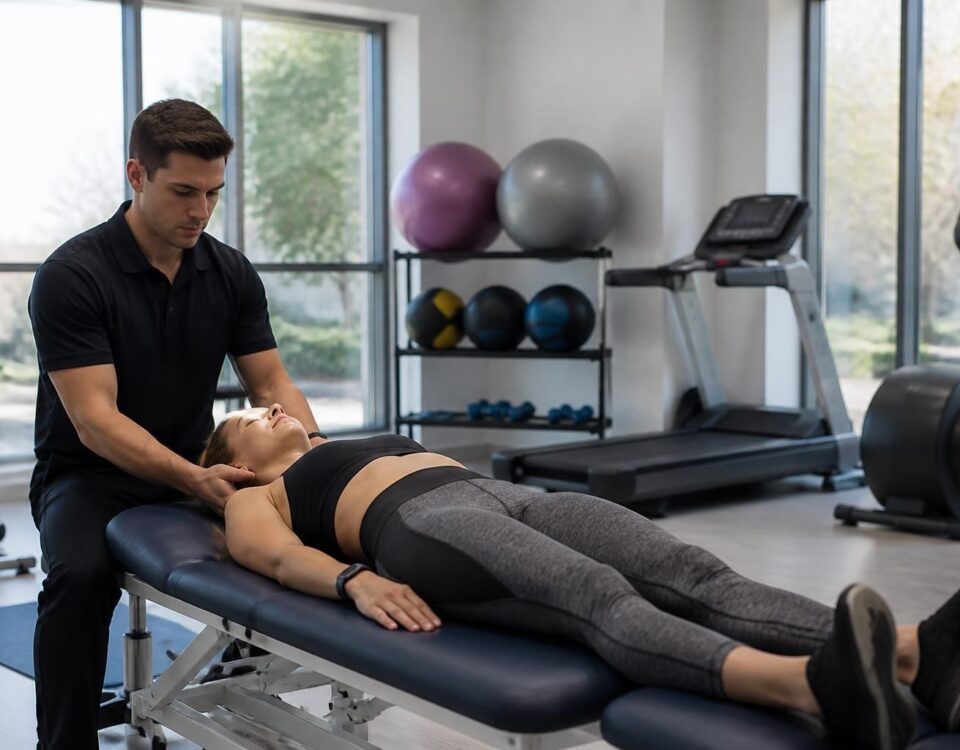
Neurovertebral decompression and general well-being: regaining a quality of life
26/06/2026
Neurovertebral decompression and treatment of advanced degenerative pathologies
26/06/2026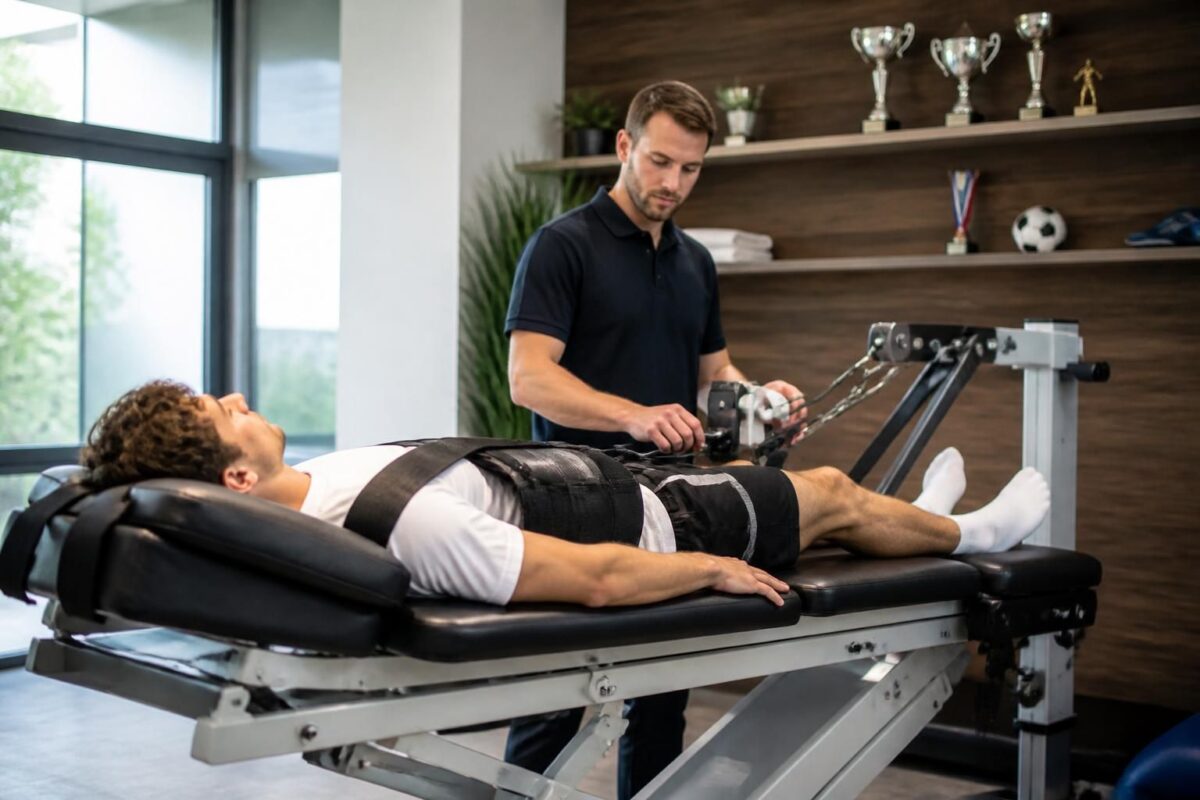
In short
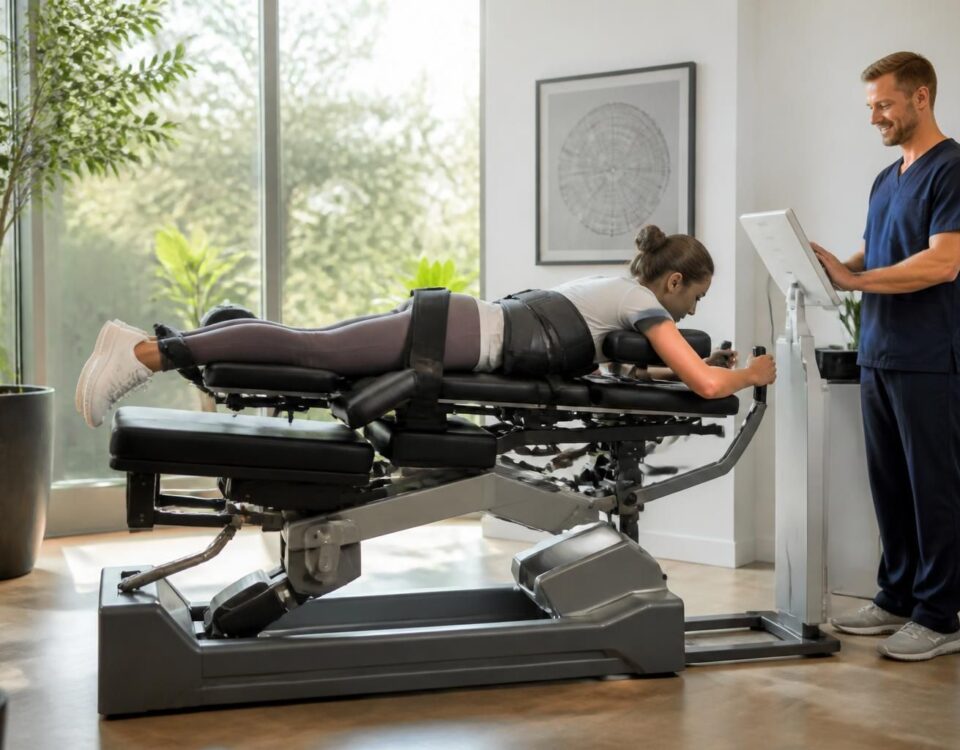
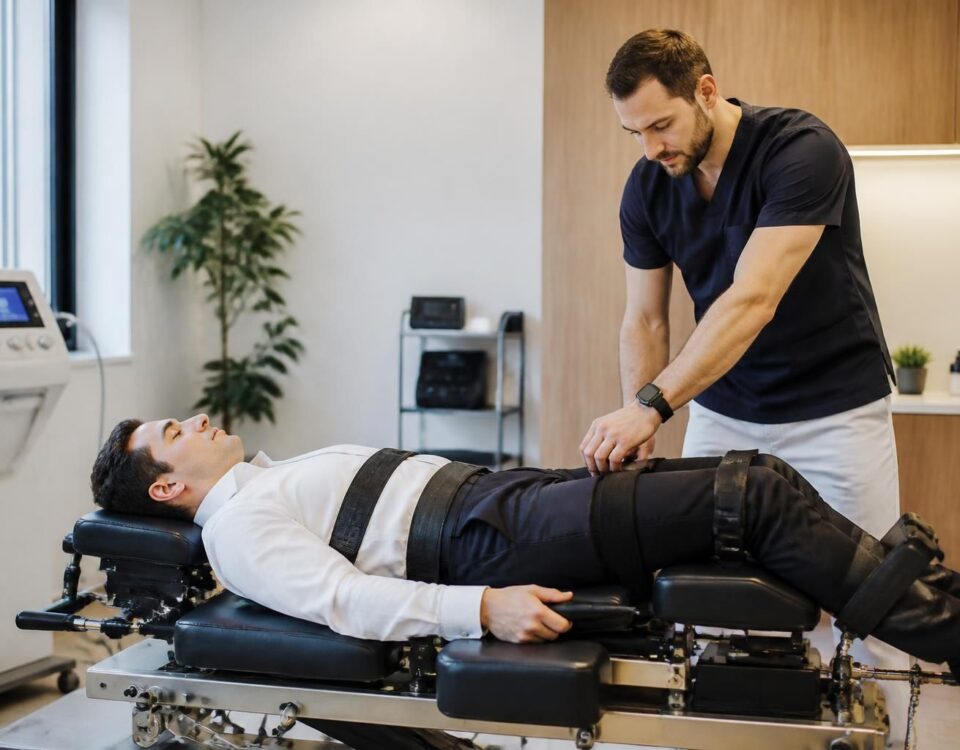
In short, neurovertebral decompression is a Non-invasive method aimed at reducing the pressure on Intervertebral discs and the gristle To promote healing, mobility and the performance of Athletes in competition. At Montreal, this treatment is particularly suitable for athletes looking to optimize their recovery and prevent pain related to intensive training. Its benefits main include a rapid pain reduction, a Improved mobility and an Accelerated recovery, as well as a better bloodstream which supports tissue regeneration. Its mechanism is based on a Soft and controlled traction which creates a space between the vertebrae, favoring the Disc rehydration and reducing the pressure on the nerves. This approach also facilitates the Injury prevention and can be integrated into physical preparation and rehabilitation programs, in addition to other therapies. The whole offers a targeted and secure solution for athletes wishing to remain competitive while protecting their spine. |
The neurovertebral decompression offers several earnings For competing athletes, especially when integrated into a personalized program. This approach non-invasive Aims to reduce pressure on discs and nerves, facilitating recovery and performance.
- pain reduction: Rapid relief of back and radicular pain, improving continuity of training.
- Improving mobility: Renewed amplitude and flexibility for more effective technical gestures.
- Accelerated recovery: Better blood circulation and help in tissue regeneration after exercise.
- Injury prevention: Better alignment and spinal stability, reduced risk of recurrences related to sport.
- Optimization of physical preparation: Possibility of more intense and sustained workouts without Chronic pain.
- Customization of care: Protocol adapted to the needs and activity of each athlete.
This text presents the benefits of neurovertebral decompression for the Athletes in competition, its mechanisms of action, and its role in prevention, recovery and performance. Non-invasive treatment, it aims to reduce the pressure on discs and nerves, improve mobility and accelerate tissue regeneration. The goal is to provide an evidence-based approach that supports performance while protecting spine health.
The neurovertebral decompression Provides clear benefits for active athletes. It can quickly reduce pain and restore range of motion, making it easier to return to training and competition. It acts by promoting the rehydration of the intervertebral discs and releasing the nerves from the pressure exerted by the vertebral structures. Athletes often feel an improvement in mobility, a decrease in muscle tension and better recovery after exercise.
In practice, this treatment supports the recovery and the Physical preparation By maintaining a healthy spinal alignment and improving the circulation of nutrients to damaged tissues. This approach helps to prevent painful relapses related to sports practice and to allow more sustained training in the long term.
The benefits are also manifested by better management of the constraints linked to the competition. By restoring the intervertebral space, the technique reduces pain signals and facilitates technical gestures and spine stability during demanding movements. Athletes can then maintain an appropriate training intensity and optimize their performance in the field.
Mechanism of action
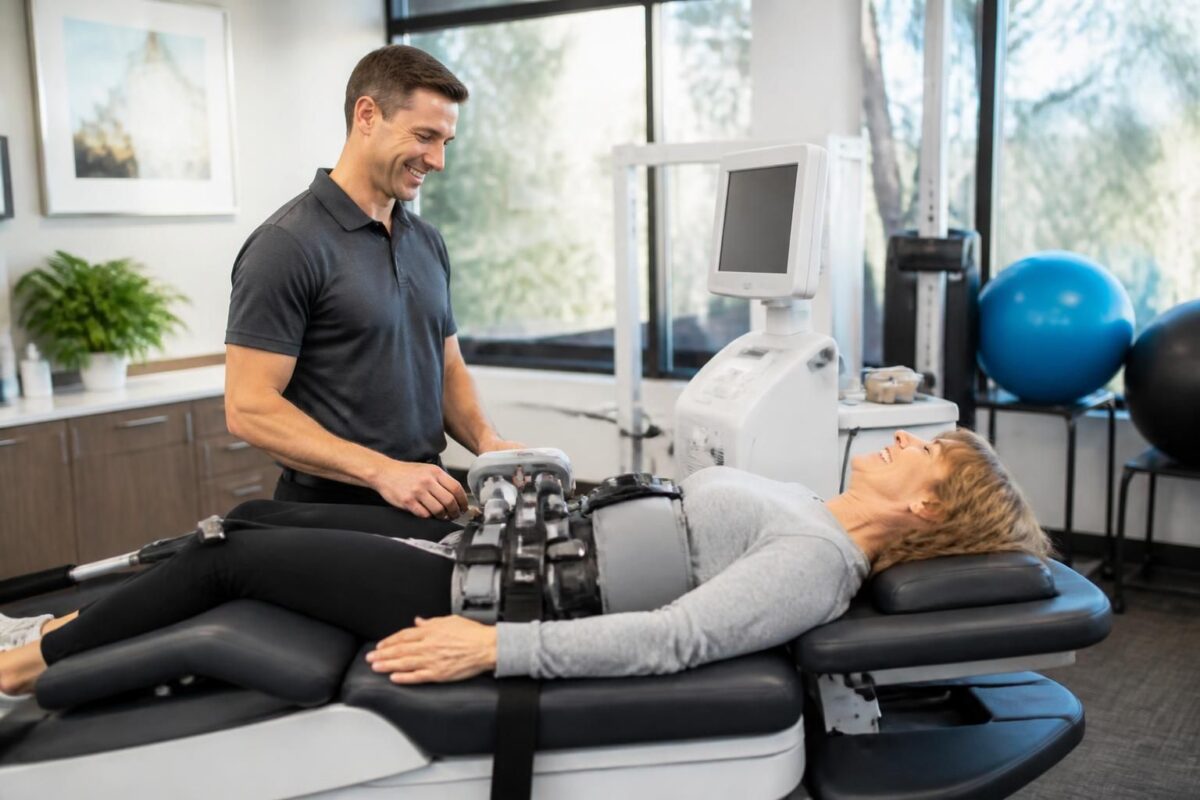
Decompression acts by Controlled traction which creates additional space between the vertebrae. This dynamic reduces the pressure on the nerves and promotes the Disc rehydration, which improves the elasticity and strength of the column. Better blood circulation provides essential nutrients and accelerates the tissue healing.
Measurable clinical benefits
Athletes report a pain reduction, a Improving mobility and an quality of life improved after a few sessions. Functionally, this translates into an increased ability to perform technical gestures with precision and pain. This improvement can be seen both in the rehabilitation period and in the preparation phase.
Integration and security
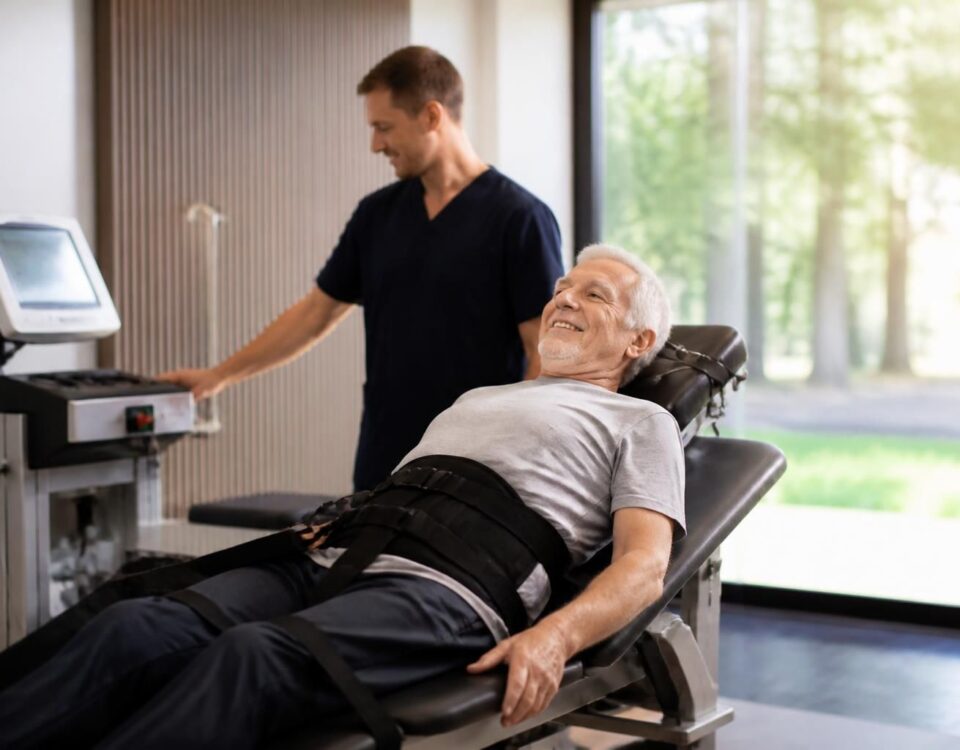
The neurovertebral decompression is part of a global approach to sports care. It can be used in addition to other non-invasive musculoskeletal therapies and rehabilitation protocols, while remaining consistent with clinical recommendations. Practitioners trained in NUMSS, NAO, National University of Medical Sciences and National Academy of Institutions osteopathy apply rigorous protocols adapted to each athlete.
For athletes, integration is ideally done within a program coordinated by professionals in osteopathy and sports medicine. Structures like Clinique TagMed and specialized networks offer courses adapted for performance and prevention.
Injury Prevention and Relapse Prevention
By maintaining mobility and spinal alignment, neurovertebral decompression helps prevent intensive training and competition injuries. It acts on the intervertebral circulation, which strengthens the resilience of the spinal structures and supports rapid recovery after exercise. This approach is particularly relevant for athletes subject to repeated loads or close competition periods.
To go forward
- Why neurovertebral decompression is effective for athletes
- Neurovertebral decompression and return to sport
- Neurovertebral decompression, a safe and effective choice
- Myths around neurovertebral decompression – corrected
- How decompression improves intervertebral circulation
- TagMed: Neurovertebral decompression suitable for top athletes
- Innovations in the field of neurovertebral decompression
- Neurovertebral decompression to prevent injuries in competition
- Prevent relapses of lower back pain
- Neurovertebral decompression – adapted therapy for rehabilitation
Medical disclaimer: All articles and information presented respect the indications and limitations of clinical practice. This article does not replace the advice of a health professional and does not constitute a diagnosis or treatment]
Medical Disclaimer: The information and advice provided on this site does not replace the health professional’s diagnosis or treatment. Please note that Dr. Sylvain Desforges osteopath is neither a doctor of medicine nor a doctor, and is not a specialist in a medical specialty as defined by the Collège des Médecins du Québec. Manual medicine, functional medicine and sports medicine as described on this site exclude any medical treatment or diagnosis made by a doctor or specialist doctor. Always consult your doctor for any medical questions. For more details, please read our full legal notice.
Performance and mobility
- Increased mobility and amplitude found
- Reduced pain During the effort
- Stability and precision gestures
- Comfort and performance Improved
Recovery and prevention
- Accelerated recovery After the effort
- Injury prevention vertebral
- Improved blood circulation For fabrics
- Trust and endurance Increased

This summary presents the key benefits of the neurovertebral decompression For competing athletes, highlighting how it can reduce pain, improve mobility and optimize recovery without surgery. She insists on the importance of a personalized protocol and follow-up adapted to the competitive schedule.
1. Improved mobility and pain reduction
Pressure reduction and disc hydration
By reducing the space between the vertebrae and facilitating the rehydration of the discs, the decompression Reduces compression on nerves and vertebral structures, leading to rapid decrease in pain and to a Progressive improvement in mobility.
Impact on performance
A better range of motion allows athletes to perform more fluid and effective technical gestures, while reducing joint resistance during training and competition.
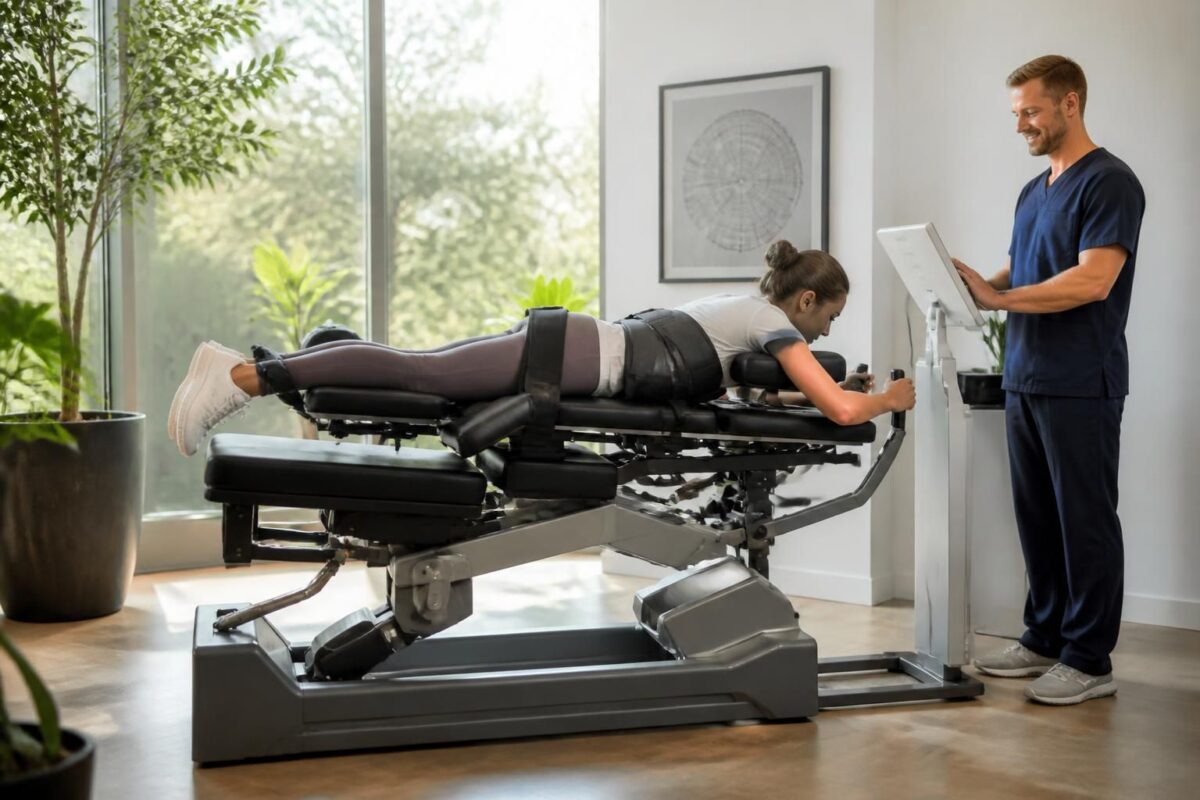
The long-term benefits of neurovertebral decompression for spinal health
In short In short, the neurovertebral decompression is a non-invasive approach that decreases the Pressure on intervertebral discs and nerves, favoring the Natural regeneration and tissue recovery. Its long-term benefits include Lasting pain reduction, Improving mobility and from the posture,…

Neurovertebral decompression and mobility: a return to an active life
In short In short, the neurovertebral decompression is therapy non-invasive who uses a gentle traction To create a space between the vertebrae and reduce the pressure on the Intervertebral discs and the nerves. It promotes a bloodstream improved, lowers tension…
2. Injury Prevention and Accelerated Recovery
Tension prevention and spinal stability
By installing better alignment and increasing the intervertebral space, the technique helps to stabilize the spine and reduce the risk of recurrence during loads exerted by intensive training and competitions.
Post-workout recovery
Blood circulation is optimized, promoting nutrient intake and tissue repair. Athletes often experience faster recovery between sessions, which helps maintain the frequency and intensity of workouts.
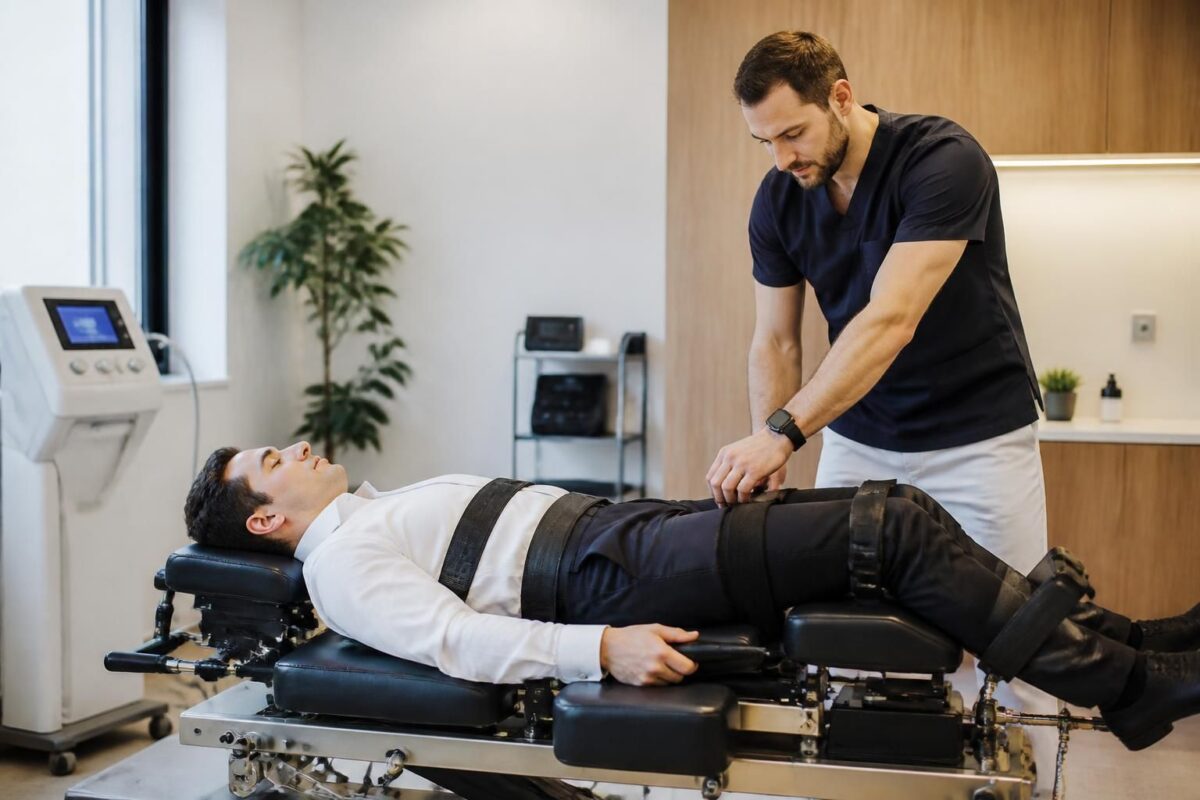
How Neurovertebral Decompression Prevents Diffuse Chronic Pain
In short decompression neurovertebral is one Non-invasive method aimed at reducing the Pressure on the intervertebral discs and the nerves, in order to prevent Diffuse chronic pain. It improves the circulation and thedisc hydration, decreases inflammation and promotes better mobility.…
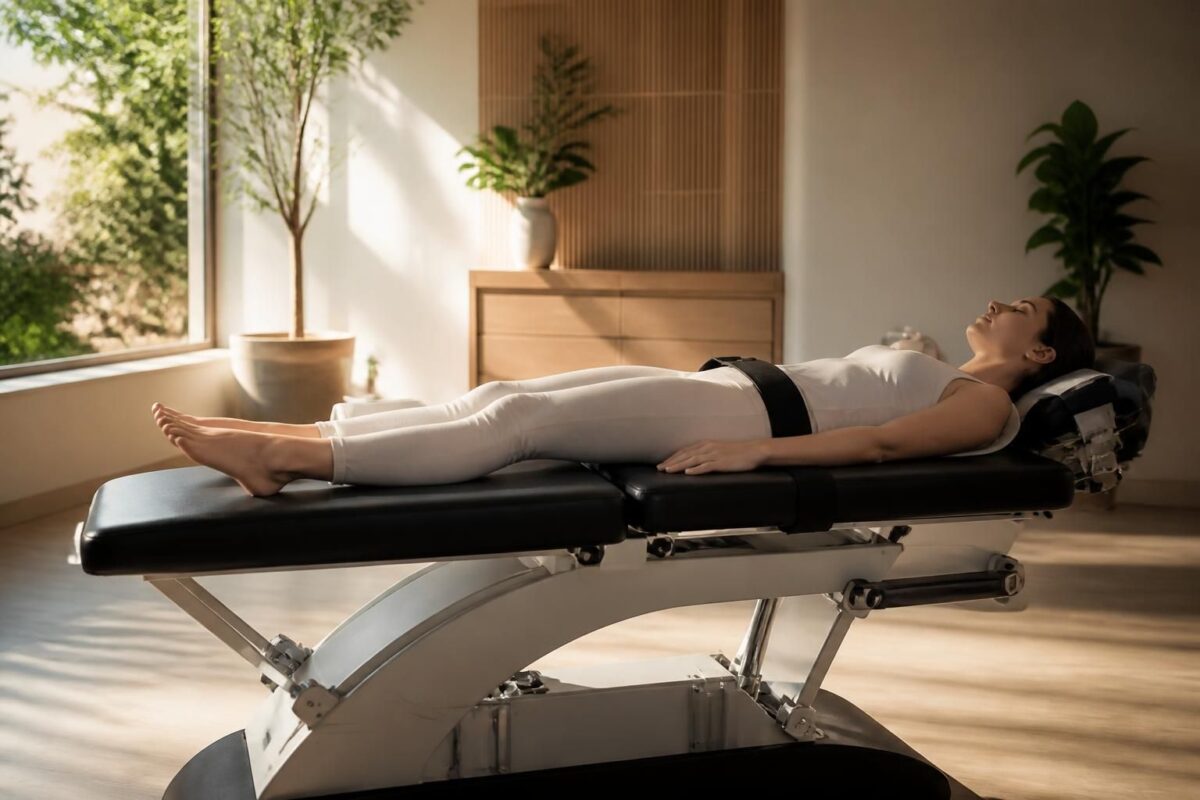
Neurovertebral Decompression and Body Alignment: Restoring Natural Balance
In short In short, neurovertebral decompression is one Non-invasive approach who restores theBody Alignment and thenatural balance back and neck. She acts by a Controlled traction of the spine to widen the intervertebral space and reduce the Pressure on discs…
3. Practical integration into the training program
Planning around the competitive calendar
The use of decompression can be planned in regular phases or targeted around competition periods, in order to optimize mobility and prepare the body for exercise without overloading the tissues.
Customization and tracking
Each athlete benefits from a protocol adjusted to their injury history, sport and performance level. Periodic evaluations allow to adapt the number and frequency of sessions to maintain long-term benefits.
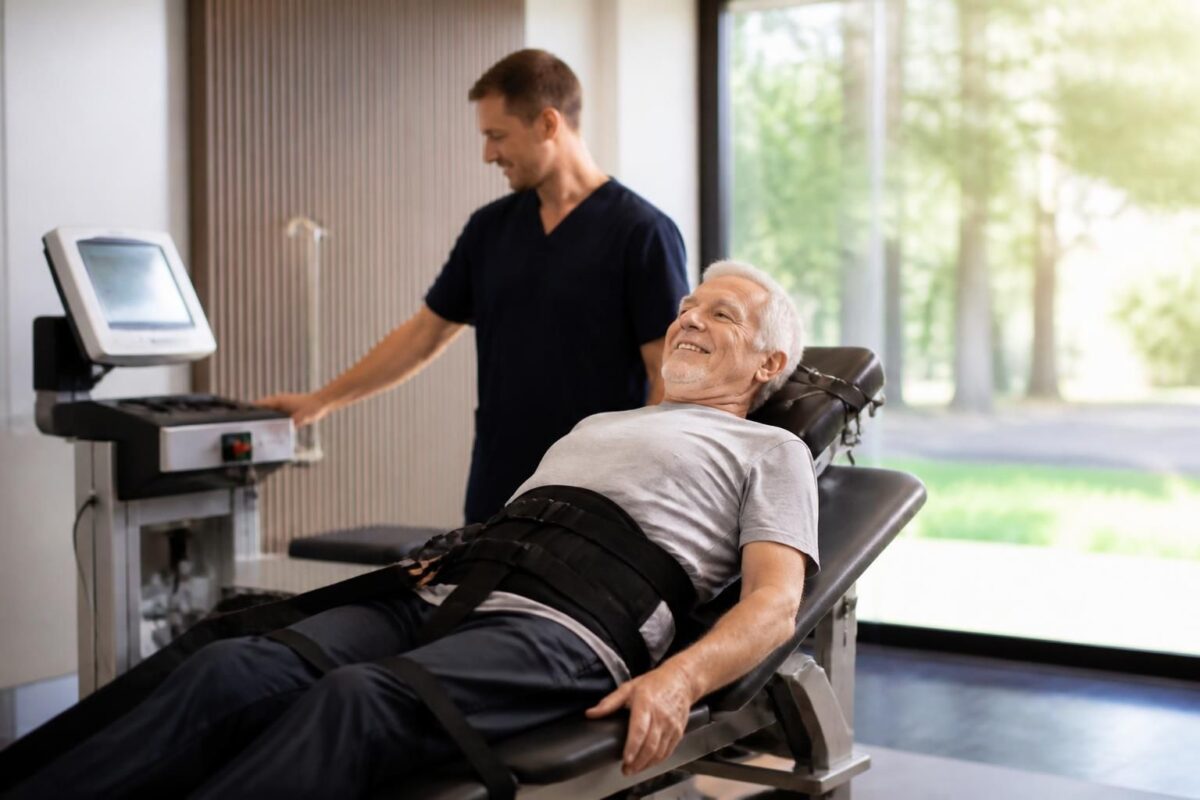
Why neurovertebral decompression is a lasting solution for active seniors
In short In short, the neurovertebral decompression is one Non-invasive therapy which sustainably relieves spinal pain in the spine active seniors By creating, by a Soft and controlled traction, a space between the vertebrae. At Montreal, it is recognized as…
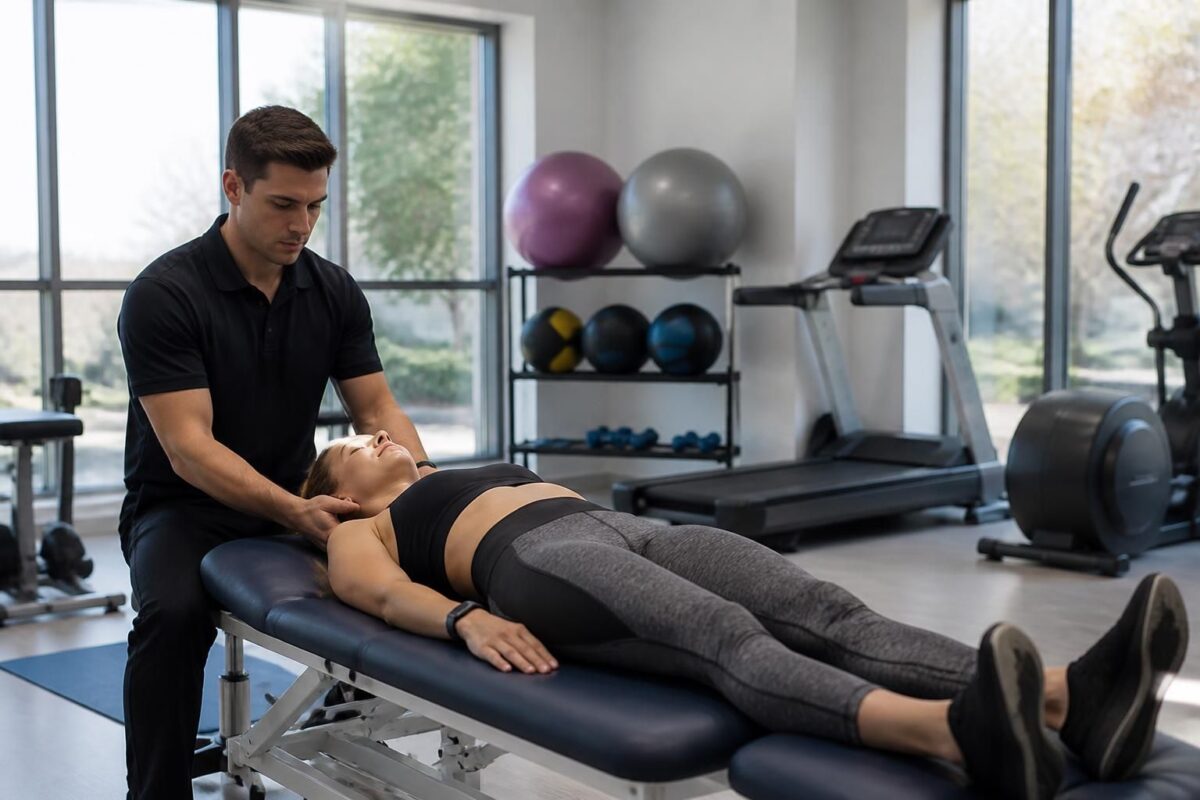
Neurovertebral decompression and recovery after severe sports injury
In short In short, the neurovertebral decompression is one Non-invasive method to Relieve the pressure on the Intervertebral discs and the gristle Via a Controlled traction, to facilitate the recovery After a severe sports injury. It improves the bloodstream towards…
4. Security and integration with other therapies
Safety and qualification of practitioners
The decompression should be administered by trained professionals, with rigorous control of indications and contraindications, in order to guarantee safe and effective use.
Synergies with other approaches
Combined with other physical therapies—osteopathy, physiotherapy, or advanced recovery techniques—decompression is part of a comprehensive care strategy that aims not only for pain relief but also for lasting performance optimization.
| Axis | benefits |
|---|---|
| Pain depressed | Rapid reduction in discomfort, allowing to maintain training. |
| Mobility improved | The extent and flexibility of the column found for technical gestures. |
| Recovery accelerated | smoother recovery and faster return after exercise. |
| prevention of injuries | Better vertebral alignment and risk reduction during high loads. |
| Traffic and Tissue nutrition | Better tissue vascularization and decrease in local tensions. |
| posture and stability | Increased spinal stability and optimized force transfer. |
| Performance and technical | smoother movements and increased efficiency in competition. |
| back to play progressive | Framed and safe recovery after pain or injury. |
| Preparation Pre-competition | Optimized preparation thanks to a healthy and mobile spine. |
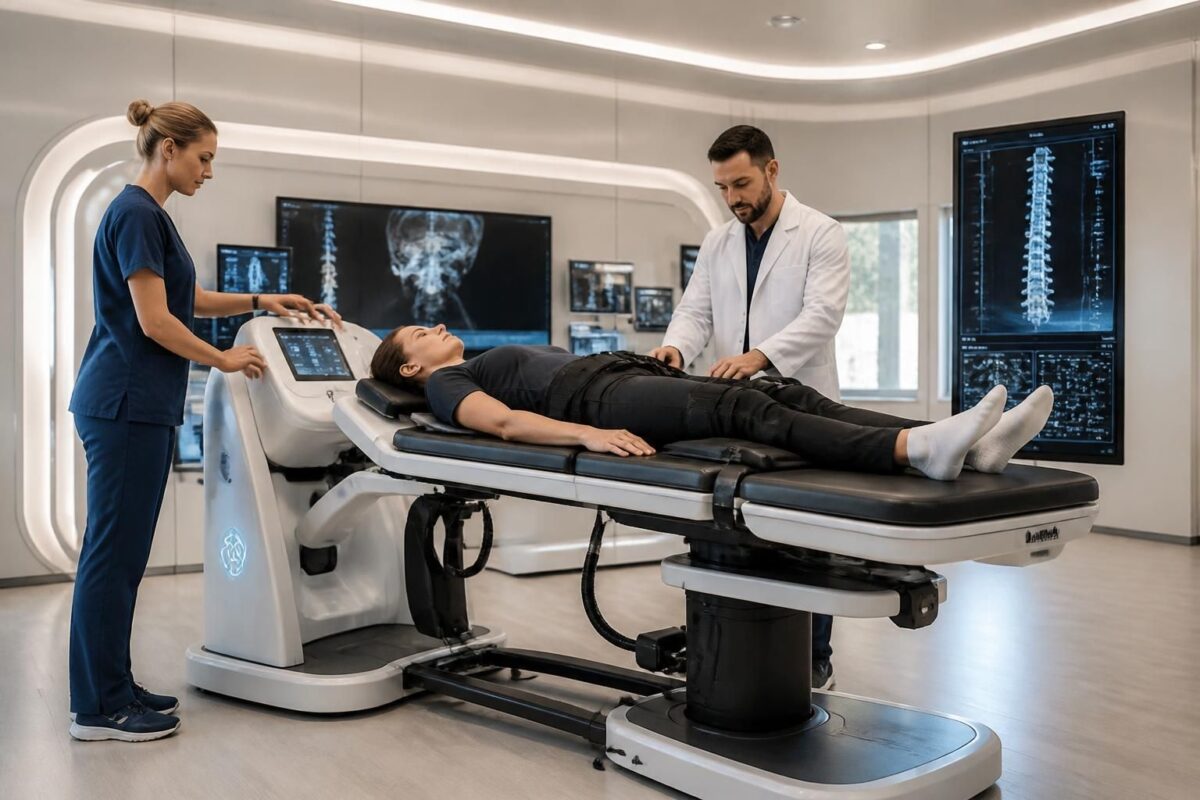
Recent innovations in neurovertebral decompression technologies
In short In short, the neurovertebral decompression is an approach non-invasive Aiming to reduce pressure on discs and nerves, and promote tissue regeneration. At Montreal, it is positioned as an effective option for lower back pain and herniated discs. The…
Neurovertebral decompression and diffuse pain: an appropriate solution
In short In short, the neurovertebral decompression is one Non-invasive solution For diffuse pain related to nerve irritation of the spine. She acts in Reducing pressure on intervertebral discs and nerves and improving the bloodstream, which promotes recovery and the…
Testimonials on the benefits of neurovertebral decompression for competing athletes
Marie, a top athlete in running, testifies to a real Sustainable relief Thanks to the neurovertebral decompression. “Before discovering this method, lower back pain slowed my performance. After a few sessions, my mobility improved significantly and I was able to tramp, even going so far as to beat my personal records. »
Julien, professional footballer, shares his experience after a skeptical start. “I was afraid it would be useless, but the gentle traction and targeted work quickly Reduces nerve pressure. I came back to the field faster than expected and with a Best recovery physical, which was decisive for my performance and my longevity in sport. »
Sophie, a competitive swimmer, tells how the technique transformed her approach to training. “Having a herniated disc, I was living with omnipresent pain. The decompression allowed me to Recover my abilities And to swim again without embarrassment. My mobility restored and my performances resumed. »
Antoine, wrestler, explains the impact on his preparation and his training routine. “I had tested several approaches without lasting success. This neurovertebral decompression brought me a immediate relief And allowed me to integrate more exercises into my routine without fear of injury. My ability to recover has improved considerably and my performance in competition benefits. »
Clara, a high-level gymnast, highlights the Flexibility regained and the impact on routines. “Decompression gave me a Incredible flexibility that I had not felt for years. By decreasing the pressure on my column, I was able to execute my routines with a greater ease and an Increased autonomy during training and competitions. »
The neurovertebral decompression stands out as a major advance in the management of back pain in athletes. This non-invasive approach aims to reduce the pressure exerted on the intervertebral discs and nerves, thus allowing a rapid improvement in mobility and comfort during sustained training and demanding competitions.
Its mechanism is based on a Controlled traction and a gradual increase in space between the vertebrae. This action creates a space favorable to the Disc rehydration and at the Tissue repair while reducing the pressure on the nerves. Therefore, the bloodstream In the spinal tissues improves, bringing the essential nutrients necessary for healing and regeneration.
The Immediate benefits result in a pain reduction and an Improving mobility. Functionally, athletes experience faster recovery after intense sessions and an increased ability to resume training with less discomfort. In the medium term, these effects promote a Injury prevention maintaining optimal spinal alignment and improving the flexibility of the spinal segments.
For the Athletes in competition, this technique fits as a performance lever. During rehabilitation or preparation phase, it helps to preserve or restore amplitude of movement, optimize posture and reduce muscle tension linked to intensive training. This approach thus contributes to a better technique, increased efficiency during sporting gestures and a reduction in downtime linked to pain.
Beyond its direct benefits, neurovertebral decompression is part of a Personalized approach and multidisciplinary. The protocols are adjusted based on each athlete’s activities, background and goals, and may be associated with other physical therapies such as physiotherapy, osteopathy, or complementary treatments. This synergy makes it possible to target the underlying causes of pain and optimize recovery, while promoting Sustainable physical preparation.
Safety and effectiveness are based on rigorous screening and supervision of a qualified practitioner. A Individual assessment Identifies the most sensitive areas and adapts the treatment plan to the overall health status of the athlete. In practice, the benefits are manifested by a sustained decrease in pain, regained mobility and better tolerance to intensive training, which results in better performance in competition.
In conclusion, neurovertebral decompression offers an effective and non-surgical to support athletes in competition. It acts on the physiology of discs and nerves, improves circulation and strengthens the integrity of the spine, while integrating harmoniously into personalized care plans and prevention and recovery strategies. The protocols remain adjusted based on feedback and performance objectives.
This conclusion summarizes the main benefits of the neurovertebral decompression for the Athletes in competition, focusing on pain reduction, improvement in pain mobility, the recovery and the Injury prevention, all in one approach non-invasive and adaptable to each athlete. It also highlights resources demonstrating the mechanisms and results observed in athletes. To explore the practical aspects and available evidence, refer to the following resources.
In intensive training, the neurovertebral decompression Acts as a durable solution for athletes looking to maintain and optimize their performance. By reducing the pressure exerted on the discs and nerves, it promotes a Tissue rehydration and regeneration vertebral, which results in a rapid pain reduction and an Improved range of motion. This dynamic allows athletes to train with better efficiency and fewer restrictions, while preventing recurring painful episodes that slow down performance in competition.
the benefits also result in a Improved blood circulation, facilitating the intake of essential nutrients and accelerating the healing of injured tissues. For athletes, this translates into a Faster recovery after heavy sessions and competitions, promoting faster reintegrations in the training cycle. In practice, this approach is a key step in a physical preparation program, in addition to other therapies and physiotherapy, in order to optimize spinal alignment and trunk stability.
The Injury prevention is another major pillar. by acting on the integrity of the column and improving thePostural alignment, it reduces the risks of recurrences linked to repeated efforts and repetitive technical gestures, particularly in disciplines such as football, athletics or swimming. Additional resources describe how this approach can reduce the need for surgical interventions in some athletes and support reliable recovery after injury.
For athletes, the ability to Manage pain and to Maintain functional mobility is directly related to performance and longevity in sport. Neurovertebral decompression provides an effective way to preserve the spine over the seasons and competitions, while allowing continuous progression of training loads and effort volumes. Further demonstrations and testimonies illustrate how this approach can support a rapid return to competitive momentum and measurable performance improvement.
To deepen the mechanisms and results, you can consult resources such as explanatory video and clinical analyzes available on dedicated sites, which present effects on sports performance and on the prevention of surgical procedures. For example, specialized articles and videos describe the overall benefits of neurovertebral decompression for athletes and workers, while offering practical advice for integrating this treatment into a sports routine. In particular, you can explore these resources:
Neurovertebral decompression and its effects on the performance of athletes: Neurovertebral decompression and its effects on the performance of athletes.
Herniated Disc and Sport: How neurovertebral decompression helps athletes recover: Herniated disc and sport – Recovery.
Watch a demo: Explanatory video.
To understand preventive and postoperative aspects, these resources detail how decompression can help prevent interventions and improve postural alignment: Prevent surgical interventions and Sustainably improving alignment.
Additional testimonials and analyzes highlight the benefits for athletes with associated lower back or muscle pain and underscore the importance of a comprehensive and personalized approach: Solution for athletes with disc pinching and Persistent lower back pain.
Finally, this approach can be actively associated with other therapies for full and lasting management of the spinal health of athletes: Decompression and global approach.

Dr Sylvain Desforges, B.Sc., D.O., N.D., osteopath, is the founding president of TAGMED and of the ACMA association. He dedicates his practice to chronic spinal pain, low back pain and symptoms compatible with sciatica, particularly when pain radiates toward the buttock, leg, calf, foot or toes.
Through SOS Sciatique, he publishes educational content on sciatica symptoms, possible causes such as disc herniation, disc narrowing, foraminal stenosis or irritation of a lumbar nerve root, as well as non-surgical approaches that may be considered according to the evaluation. At Clinique TAGMED, care may include, depending on the case, motorized neurovertebral decompression, specific osteopathic care or precision percussion.
For an evaluation related to sciatica treatment in Montreal / Mount Royal or sciatica treatment in Terrebonne, please consult the services available at Clinique TAGMED.
Medical disclaimer
The information published on SOS Sciatique is provided for educational purposes only and does not replace a consultation, diagnosis, opinion or treatment provided by a physician or another authorized healthcare professional. The author of this article is neither a medical doctor nor a specialist in a medical specialty recognized by the Collège des médecins du Québec. The osteopathic, manual medicine or functional support approaches described on this site do not constitute medical acts and are not intended to replace medical follow-up.
Consult a physician or emergency service in cases of loss of bladder or bowel control, anesthesia in the saddle area, significant or progressive weakness in the leg or foot, fever, recent trauma, severe pain or rapid worsening of symptoms. For more details, please read our Legal Notice.