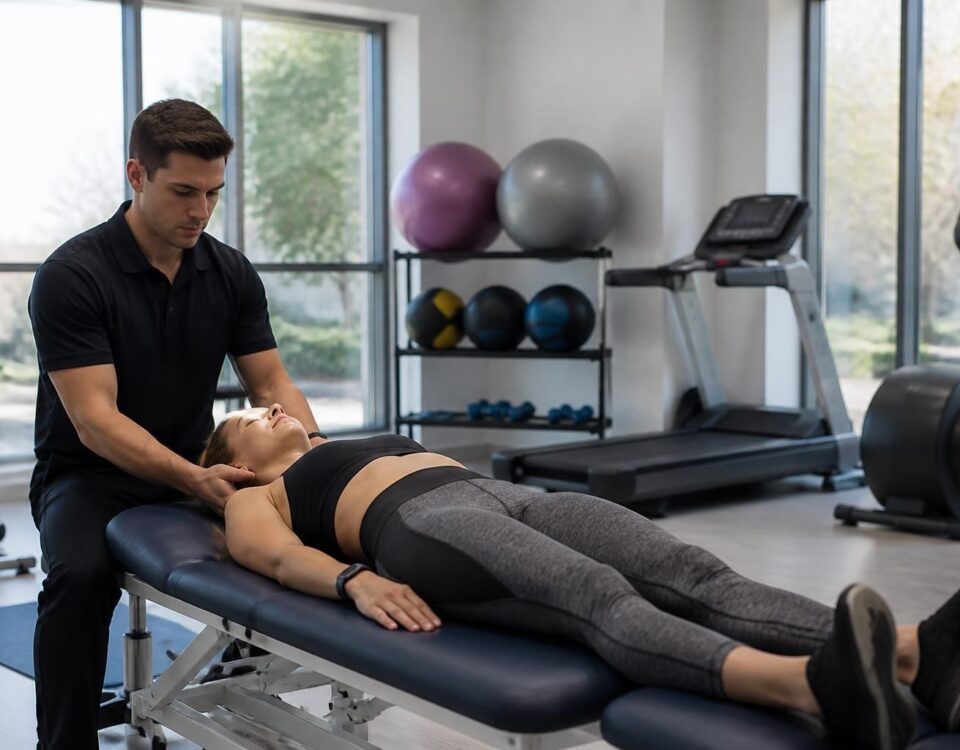
The benefits of neurovertebral decompression to prevent chronic complications
26/06/2026
How neurovertebral decompression supports patients after spinal surgery
26/06/2026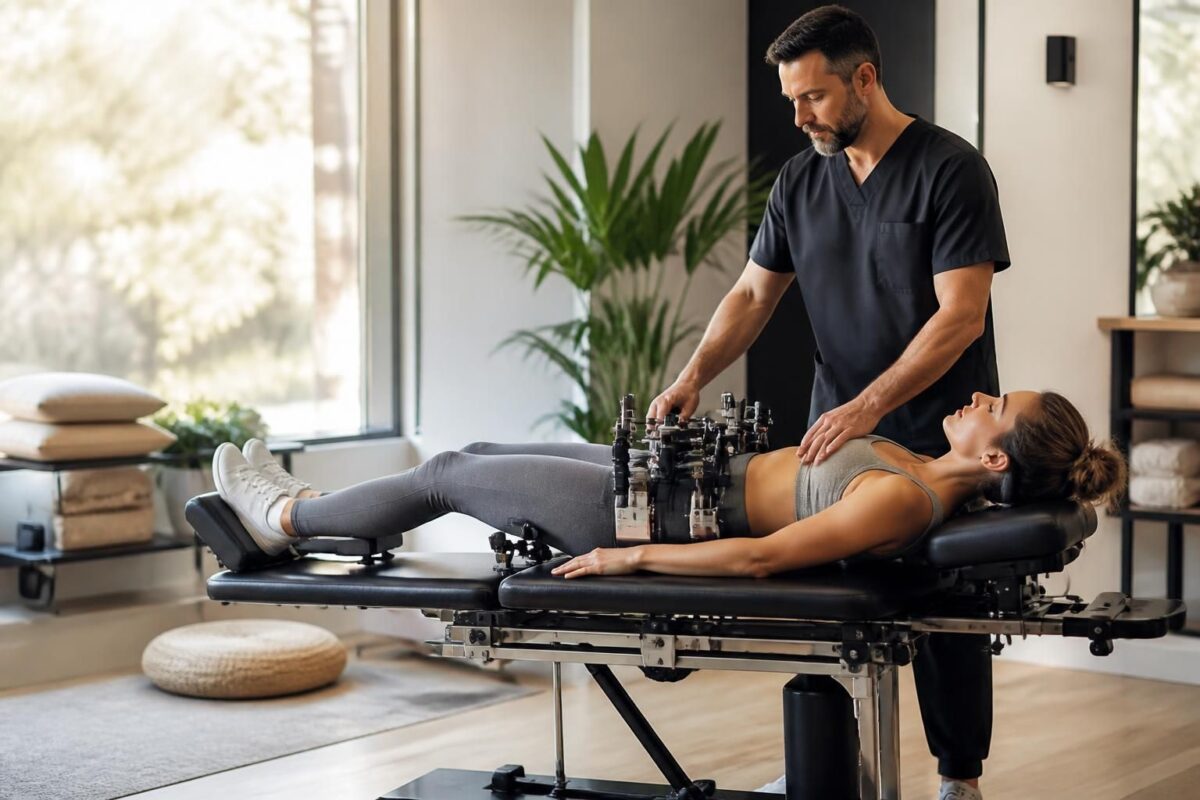
In short |
| In in short, the neurovertebral decompression is one Non-invasive method to Realign the spine and to Reduce muscle tension To sustainably improve posture and theBody Alignment. She acts by creating a Space between the vertebrae by a Controlled traction, favoring a better bloodstream And faster recovery, while decreasing pain and imbalances. At Montreal, this service is particularly indicated to restore a Musculoskeletal balance without surgery and without noticeable pain. In summary, this approach offers a solution lasting and non-invasive To prevent nervous tension and accompany an active life. |
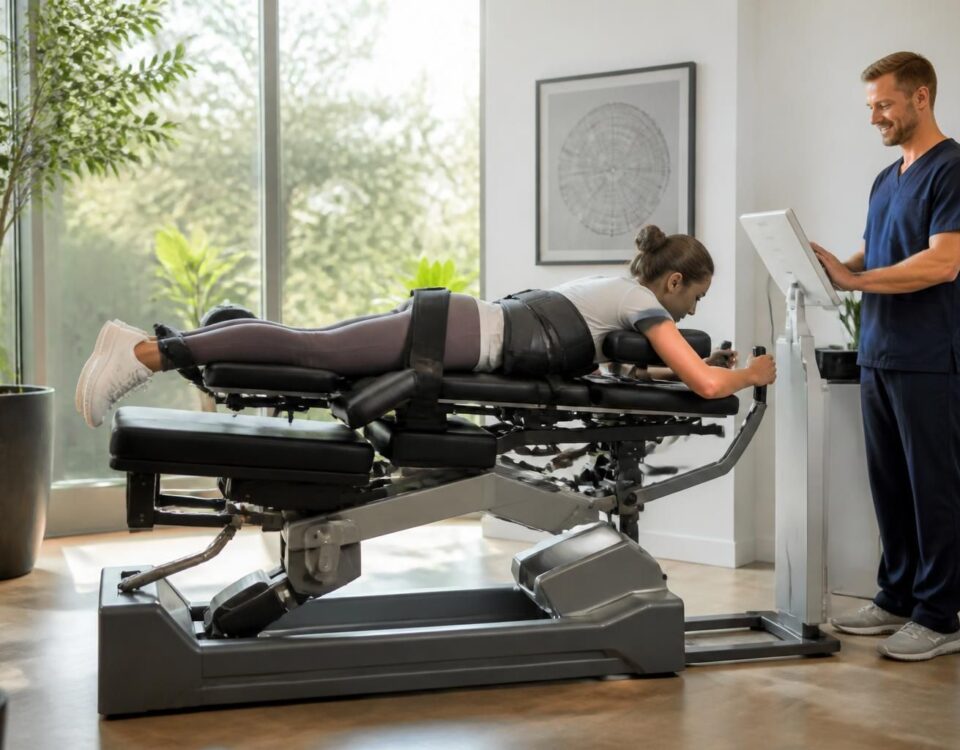
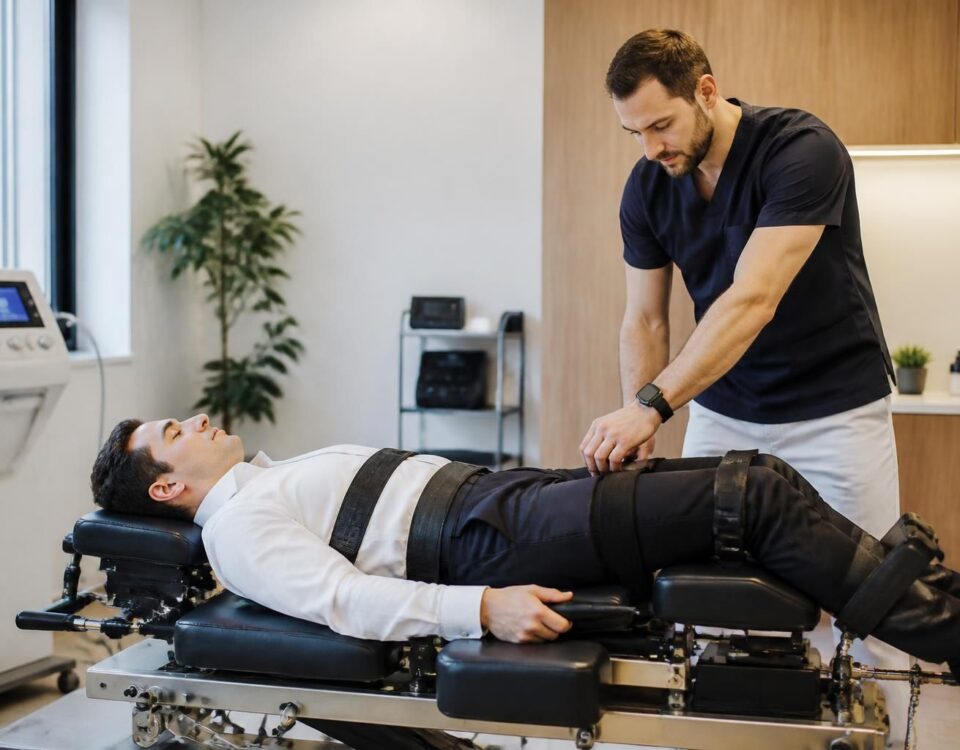
The neurovertebral decompression is an approach non-invasive who seeks to Sustainably improving body alignment By exercising a Soft and controlled traction on the spine. By creating a space between the vertebrae, it relieves pressure on the discs and nerves, thus facilitating a best posture on a daily basis.
This postural adjustment promotes a Improved traffic, reduces muscle tension and contributes to a Postural recovery sustainable, while preventing musculoskeletal imbalances.
- Durable alignment spinal
- reduction of tensions muscles and better circulation
- Improvement of the mobility and flexibility
- Approach personalized Adapted to each patient
The neurovertebral decompression is an approach non-invasive which aims to improve the posture and reduce the Muscle tensions. by a gentle traction, it creates a space between the vertebrae and releases the pressure on the Intervertebral discs and the gristle. The result is a alignment more natural of the spine and a better ability to adopt a Stable posture on a daily basis. This approach is offered in Montreal and in TagMed clinics, with evidence-based management and appropriate technologies.
How decompression affects vertebral alignment and posture
Decompression creates A space between the vertebrae, which decreases the pressure on the Intervertebral discs and release the gristle. This pressure reduction makes it possible to find a more harmonious positioning of the vertebral segments and to limit postural compensation. Optimum vertebral alignment helps prevent pain associated with imbalances and facilitates lasting posture.
Clarifications on the mechanisms
The bloodstream In the spinal region is improving, which better nourishes the tissues and supports the repair. The Muscle tensions around the column relax and the flexibility increases. The effects appear gradually and depend on appropriate clinical follow-up and the regularity of the sessions.
Reference and Resources
To deepen the mechanisms, consult specialized resources accessible online. For example, articles on Why neurovertebral decompression is a natural solution against pain and on Innovative technologies in neurovertebral decompression. Additional information is available on vertebral decompression and posture and on Neurovertebral decompression (Wikipedia). For clinical resources related to your region, you can consult the dedicated pages of Tagmed Clinic.
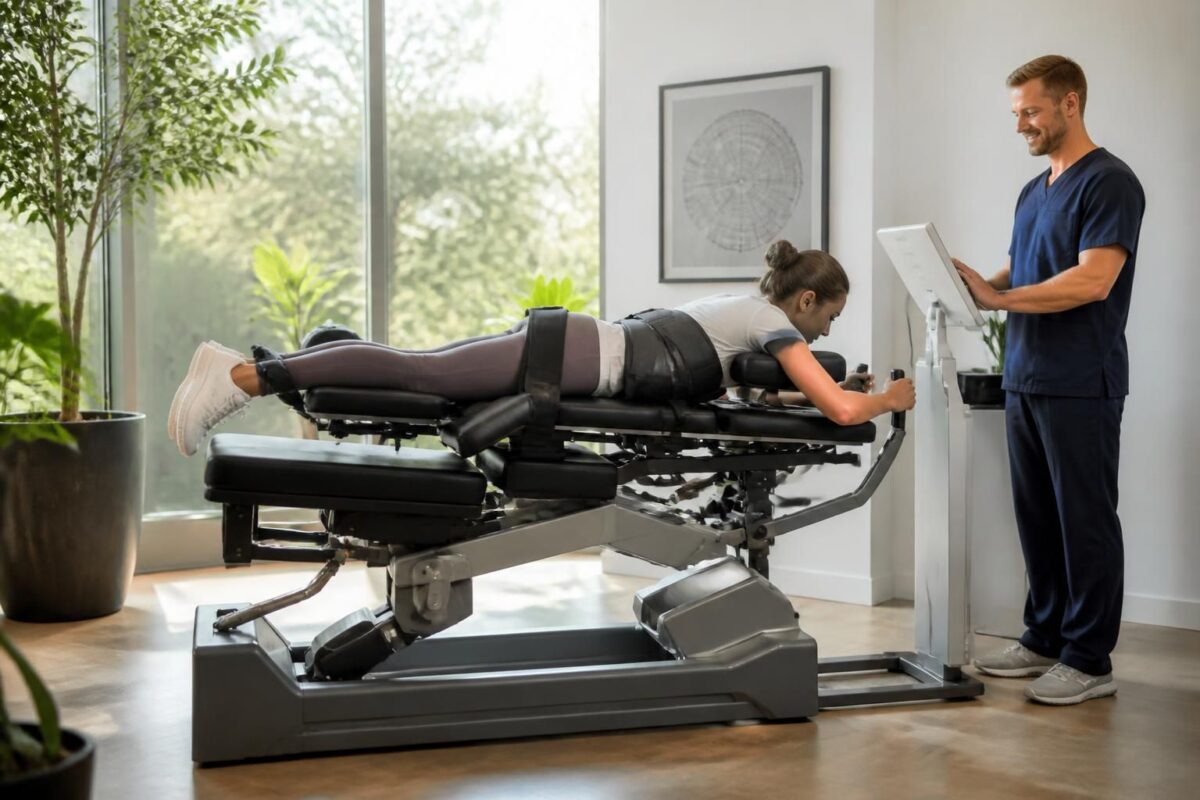
The long-term benefits of neurovertebral decompression for spinal health
In short In short, the neurovertebral decompression is a non-invasive approach that decreases the Pressure on intervertebral discs and nerves, favoring the Natural regeneration and tissue recovery. Its long-term benefits include Lasting pain reduction, Improving mobility and from the posture,…
Benefits for muscles, circulation and mobility
by releasing the tensions and facilitating the bloodstream, neurovertebral decompression improves mobility and comfort during daily gestures. The ≥Alignment≥ of the spine allows better load distribution and stress reduction on the paravertebral muscles. This approach fresh can also support the mobility and the flexibility overall, without requiring invasive measures.
This technique can be combined with complementary technologies used in practice, without the use of invasive protocols. It is part of a global approach to well-being and prevention of postural imbalances.

Neurovertebral decompression and mobility: a return to an active life
In short In short, the neurovertebral decompression is therapy non-invasive who uses a gentle traction To create a space between the vertebrae and reduce the pressure on the Intervertebral discs and the nerves. It promotes a bloodstream improved, lowers tension…
Practical integration and clinical resources
Neurovertebral decompression is available at TagMed clinics in Montreal and Terrebonne. It is part of a multidisciplinary approach based on evidence-based protocols and appropriate technological tools. Practitioners can be trained in recognized institutions as NUMSS, nao, National University of Medical Sciences and National Academy of osteopathy To ensure compliant and secure support.
Associated technologies, such as non-invasive neuromodulation systems, can be used as a complement, without resorting to invasive treatments. The objective is to sustainably improve alignment and promote healthy posture over the long term.
To learn more about the opportunities offered and the benefits observed, see the following resources: Why neurovertebral decompression is a natural solution against pain, Neurovertebral decompression and prevention of chronic cervical pain, and Innovative technologies in neurovertebral decompression. Also find information on vertebral decompression and posture. For general resources, see Neurovertebral decompression (Wikipedia).
Tagmed Clinic Offers adapted solutions and personalized support to restore body alignment and preserve mobility, relying on proven practices and technologies. For more information on the services offered, visit Tagmed Clinic.
Specialized posture and decompression resources are available on SOS Herniated Disc and SOS Herniated Disc, which complement the information presented here without offering stretching programs for the conditions discussed.
For a summary view of patient outcomes and testimonials, refer to the clinical feedback and testimonials published on the resources below, which illustrate the positive impact of the alignment and mobility approach.
Where to treat osteoarthritis and associated pain in Montreal and in the regions? TagMed’s offer favors a non-invasive and multidisciplinary approach, focused on maintaining autonomy and improving the quality of life. The personalized assessment allows treatment to be adjusted according to symptoms and medical history, with regular monitoring to optimize results and safety.
To explore clinical aspects and feedback more broadly, you can consult the sources and resources mentioned below, including the dedicated pages on SOS SCIATIC and SostunnelCarpal.
Neurovertebral decompression can be seen as a key step in the management of pain and postural imbalances. Its interest lies in its ability to restore the alignment of the spine and to prevent recurrent nervous tensions through a non-invasive and structured approach.
To learn more about prevention and posture after complex lower back injuries, you can consult the following resources: Neurovertebral decompression and posture after lumbar injuries and Decompression and acute lower back pain.
Clinique TagMed offers services in Montreal and Terrebonne and relies on recognized training in osteopathy and manual medicine to ensure safe and effective support. To learn more about the services and approaches offered, see Tagmed Clinic.
Medical Disclaimer: The information and advice provided on this site does not replace the health professional’s diagnosis or treatment. Please note that Dr. Sylvain Desforges osteopath is neither a doctor of medicine nor a doctor, and is not a specialist in a medical specialty as defined by the Collège des Médecins du Québec. Manual medicine, functional medicine and sports medicine as described on this site exclude any medical treatment or diagnosis made by a doctor or specialist doctor. Always consult your doctor for any medical questions. For more details, please read our full legal notice.
Do you suffer from a chronic condition treated with neurovertebral decompression? Dedicated resources and information on expected indications, limits and results can help you better understand this treatment and its clinical setting. For more information, refer to the cited sources and dedicated pages on the partner sites mentioned below.
“Medical disclaimer: The information and advice provided on this site does not replace the health professional’s benefit, diagnosis or treatment. Please note that Dr. Sylvain Desforges osteopath is neither a doctor of medicine nor a doctor, and is not a specialist in a medical specialty as defined by the Collège des Médecins du Québec. Manual medicine, functional medicine and sports medicine as described on this site exclude any medical treatment or diagnosis made by a doctor or specialist doctor. Always consult your doctor for any medical questions. For more details, please read our full legal notice. »
Axis: Daily profits and actions
- gentle traction : Intervertebral space and pressure reduction.
- Discs/Nerves Pressure Reduction : Relief of compression and pain.
- Alignment Vertebral: improvement and stabilization of the column.
- Tissue hydration : Better nutrition of discs and fabrics.
- local traffic : Optimized blood flow around the column.
- Sustainable posture : Alignment found and maintained on a daily basis.
- reduction of tensions : more relaxed back and neck muscles.
- Prevention of Chronic pain : resolution of imbalances.
- Practical integration : regular sessions and controlled progression.
- Autonomy and mobility : more fluid movement and regained energy.

This article offers clear recommendations on the neurovertebral decompression and its impact on posture. It explains how this non-invasive approach can, in the long term, improve theBody Alignment By acting on the vertebrae, discs and muscles around them.
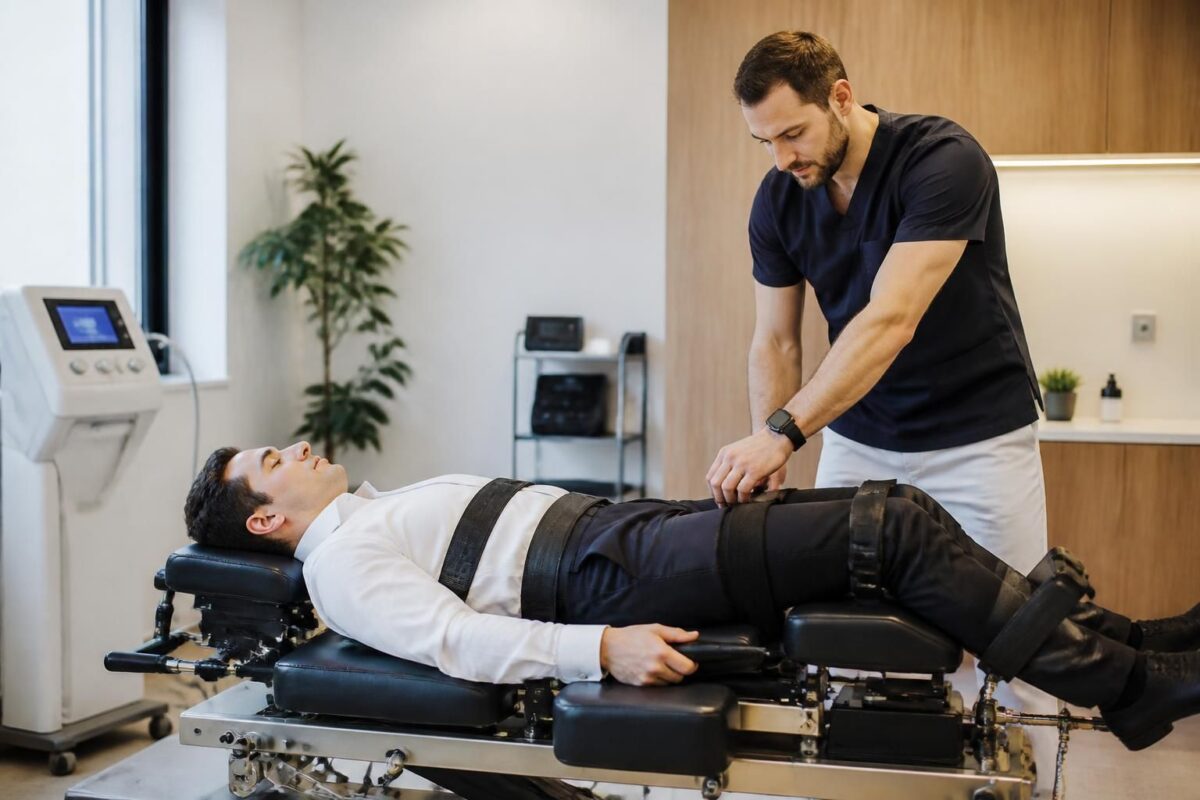
How Neurovertebral Decompression Prevents Diffuse Chronic Pain
In short decompression neurovertebral is one Non-invasive method aimed at reducing the Pressure on the intervertebral discs and the nerves, in order to prevent Diffuse chronic pain. It improves the circulation and thedisc hydration, decreases inflammation and promotes better mobility.…
Understand the link between decompression and posture
The neurovertebral decompression Consists of applying gentle, controlled traction to the spine to clear the space between the vertebrae. This action reduces the pressure exerted on the Intervertebral discs and on the gristle, which decreases irritation and pain. In parallel, it reduces tension in the muscles of the back and neck, thus facilitating a vertebral alignment more natural and a more stable posture on a daily basis. A properly aligned column better supports movements and prevents compensations that create postural imbalances.
Targeted action on the vertical axis
Thanks to appropriate traction, the spinal segments gain space, which allows for a more neutral alignment. This dynamic promotes better load distribution and reduces postural fatigue during daily activities. One Optimal alignment Contributes directly to preventing recurrent pain and lasting tension in the back and shoulders.
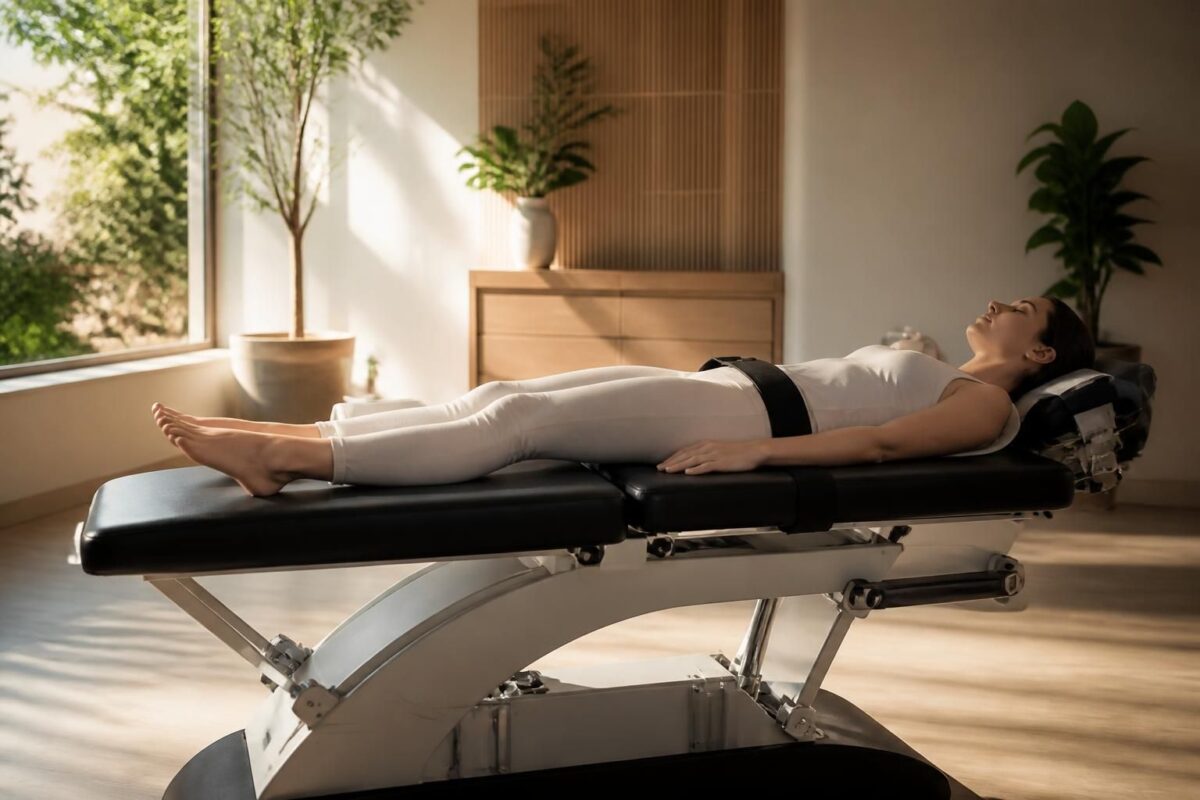
Neurovertebral Decompression and Body Alignment: Restoring Natural Balance
In short In short, neurovertebral decompression is one Non-invasive approach who restores theBody Alignment and thenatural balance back and neck. She acts by a Controlled traction of the spine to widen the intervertebral space and reduce the Pressure on discs…
Sustainable benefits on body alignment
In the long term, improving the posture results in a straighter column, better aligned shoulders and a lesser tendency to adopt compensatory positions. This structural stability also improves the circulation local blood, which promotes tissue nutrition and accelerates muscle and joint recovery. By reducing muscle tension and nerve blockages, the decompression Can allow greater range of motion and flexibility, contributing to better quality of life and more sustainable physical activity.
pain prevention and management
By acting on the mechanical causes of pain (discal pressure and muscle tension), this method offers effective prevention of painful episodes. The objective is to avoid the installation of harmful postural patterns and to support an active lifestyle. The transfer of postural benefits is often reflected in a lesser perception of fatigue and greater ease in everyday gestures.
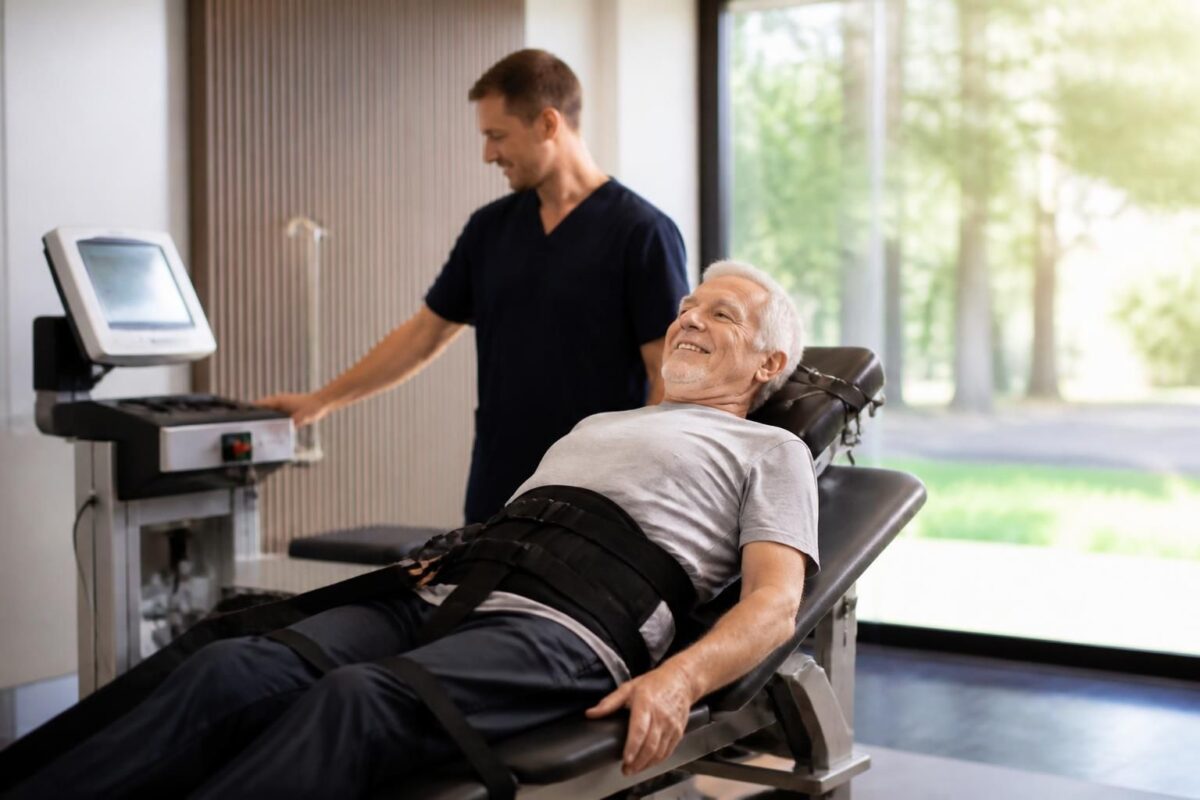
Why neurovertebral decompression is a lasting solution for active seniors
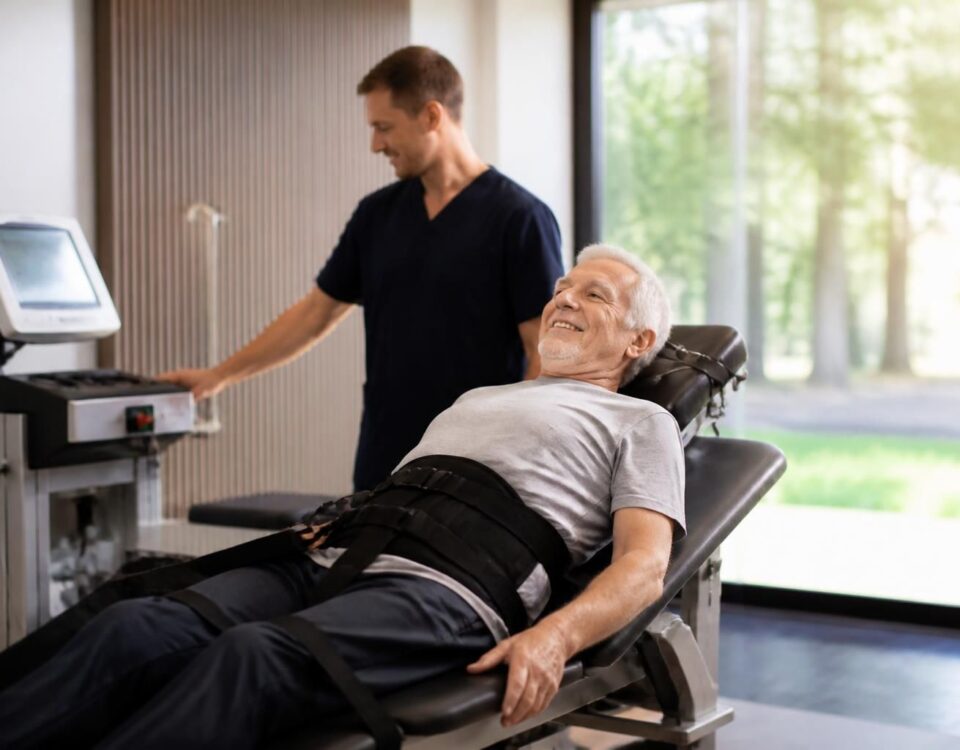
In short In short, the neurovertebral decompression is one Non-invasive therapy which sustainably relieves spinal pain in the spine active seniors By creating, by a Soft and controlled traction, a space between the vertebrae. At Montreal, it is recognized as…
Integrate decompression into a posture-global program
To optimize theBody Alignment, it is recommended to combine the neurovertebral decompression to targeted trunk strengthening and stretching exercises. Postural work should extend beyond the sessions: office posture, daily gestures and sleep habits. A personalized plan, adapted to your symptoms and your history, increases efficiency and ensures a coordinated progression between therapy and activities of everyday life.
Additional exercises and postural hygiene
Integrate simple trunk stability, diaphragmatic breathing, and targeted stretching exercises of the antagonistic muscles. Take active breaks, adjust your workstation and favor positions that support spinal alignment. Appropriate hydration and a balanced diet also support the Tissue recovery and joint flexibility.
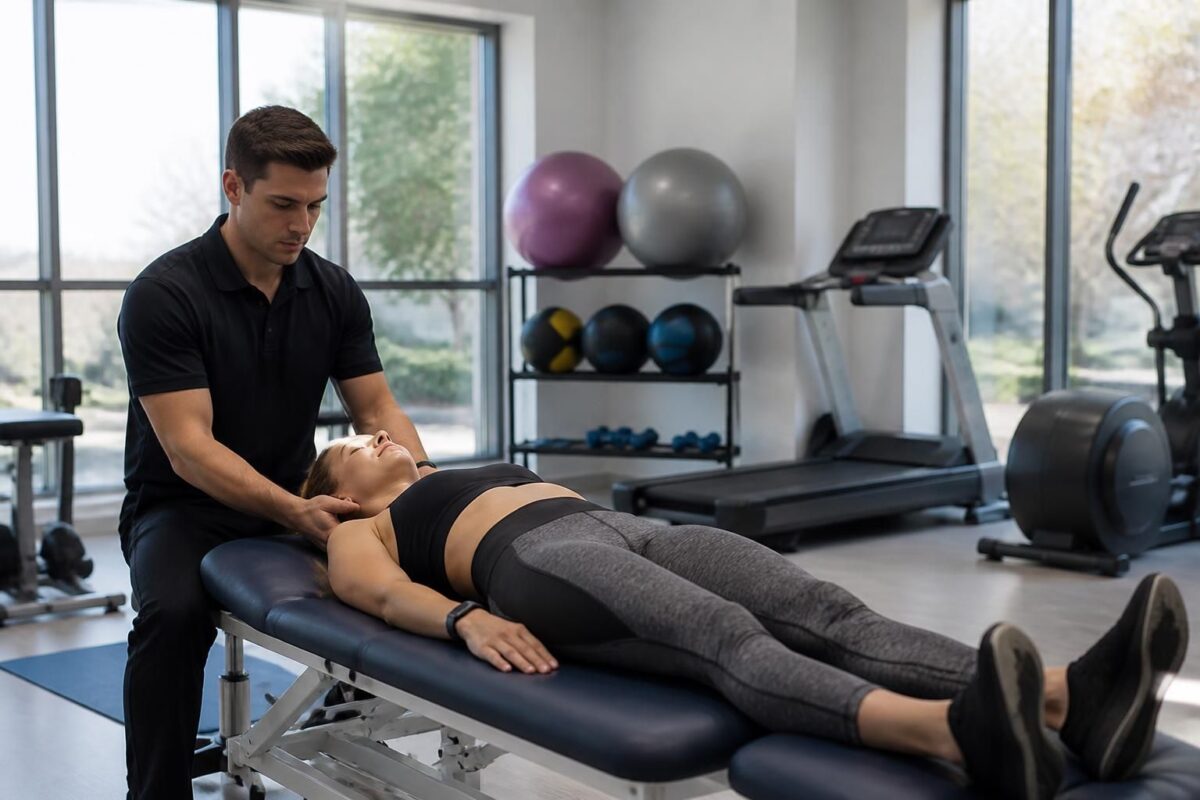
Neurovertebral decompression and recovery after severe sports injury
In short In short, the neurovertebral decompression is one Non-invasive method to Relieve the pressure on the Intervertebral discs and the gristle Via a Controlled traction, to facilitate the recovery After a severe sports injury. It improves the bloodstream towards…
Practical advice and follow-up
Progress gradually and maintain a regular dialogue with your practitioner to adjust the treatment plan according to the progress and returns in your daily life. Note the signs of improvement such as pain reduction, increased mobility and a general feeling of postural relaxation. By remaining engaged in a coherent program, you promote a Sustainable prevention imbalances and you sustainably solidify theBody Alignment.
| Aspect | Concise impact |
|---|---|
| Objective | Decompression neurovertebral non-invasive Aiming to realign the spine and release the nerves to improve thealignment. |
| Mechanism | Traction fresh which creates an intervertebral space and reduces the pressure on the records and the Spinal nerves. |
| Impact on alignment | gradually realigns the vertebrae and improves the posture on a daily basis. |
| Muscle tensions | release the Muscle tensions back and neck related to the nervous compression. |
| Circulation and tissue nutrition | Improves the circulation local blood and thehydration tissues, promoting regeneration. |
| Short-term effects | Quickly relieves the pain and increases the mobility after the first sessions. |
| Long-term effects | Prevention of imbalances and lasting reduction of Postural pain. |
| Tolerance and safety | Method non-invasive, generally well tolerated and comfortable; Few side effects. |
| Accessibility and implementation | Available in specialized clinic; Personalized program and progress adapted to each patient. |
| Main directions | Chronic pain linked to postural imbalances and nervous tensions, and prevention of future pain. |
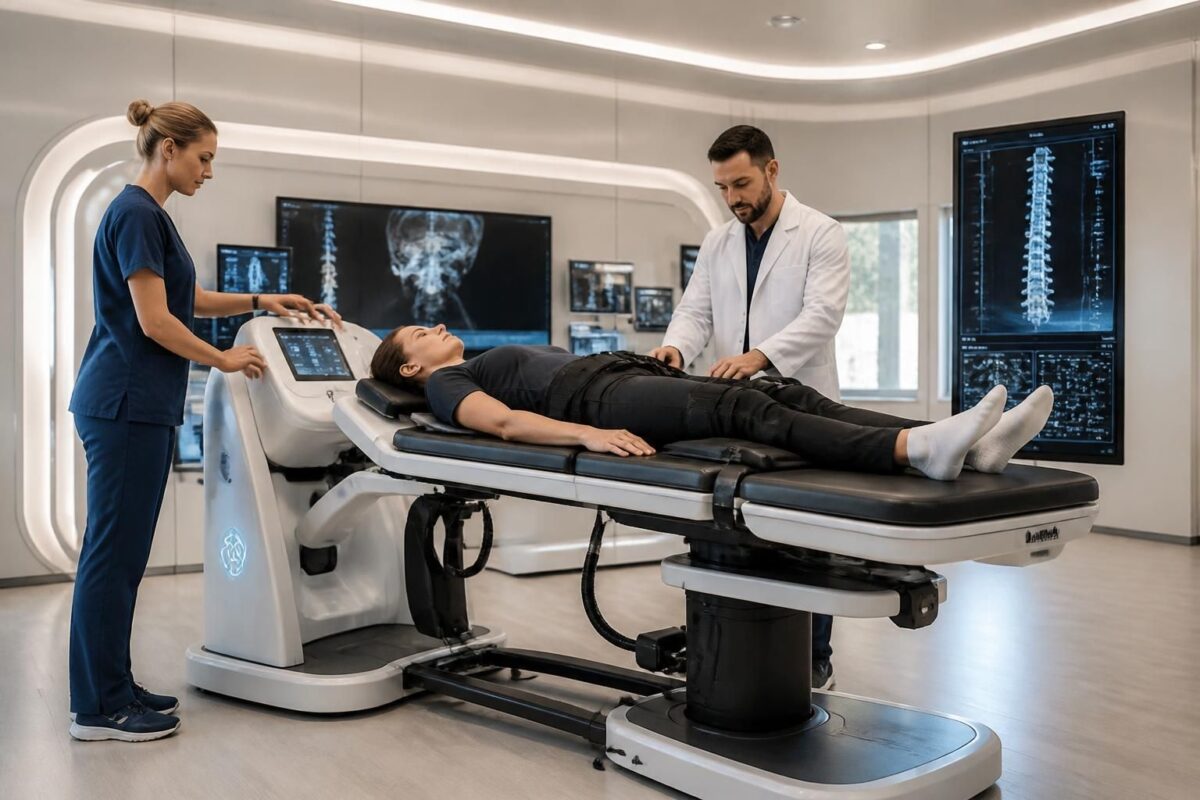
Recent innovations in neurovertebral decompression technologies
In short In short, the neurovertebral decompression is an approach non-invasive Aiming to reduce pressure on discs and nerves, and promote tissue regeneration. At Montreal, it is positioned as an effective option for lower back pain and herniated discs. The…
Testimonials on neurovertebral decompression and lasting improvement in body alignment
Martine, 52, executive, testifies: “Thanks to the neurovertebral decompression, my posture and my Body Alignment have improved sustainably. I get up every morning with less pain and a smoother gait, as if my spine regained its natural balance. »
Antoine, 34, developer, shares: “After a few sessions, I felt a reduction in neck tension and a better general position. My alignment is more natural, my breathing improved and my mobility increased on a daily basis. »
Claire, 42, graphic designer, says: “My shoulders have straightened and my neck no longer pulls. Working for a long time in front of the screen, I had developed tensions; Today, my posture holds throughout the day and my cervical pain has decreased sustainably. »
Jean, 65, active retiree, explains: “Decompression rebalanced my spine and my approach became more fluid. Lower back pain has greatly decreased and remains under control thanks to this lasting alignment. »
Sophie, 28, dancer, says: “My posture of dancer improved sustainably thanks to soft traction. I feel more aligned, with a better balance and a significant progression of my flexibility. »
The Dr Sylvain Desforges Is recognized as a key figure in the fields of osteopathy, naturopathy and manual medicine, with a trajectory focused on health innovation. As founding president of the TagMed clinics and the ACMA association, he built an integrated approach that places the Treatment of chronic pain and the Putting in body alignment at the heart of his action.
His approach is based on a simple but powerful conviction: the neurovertebral decompression May be a gateway to a better posture and a lasting reduction in muscle tension. This non-invasive technique, based on controlled traction on the spine, creates spaces between the vertebrae and relieves the pressure exerted on the nerves. This reduction in compression promotes a vertebral alignment More harmonious, thus preserving the integrity of the discs and improving circulation in the spinal region.
In his practice, Dr. Desforges systematically associates this approach with mechanisms that support a Lasting posture improvement. By restoring the spaces intervening between the vertebrae, it helps the muscles and tissues to regain a natural length, which results in a Reduction of muscle tension and better ease of movement on a daily basis. This postural dynamic reflects on the shoulders, neck and lower back, offering a more stable base for all active life activities.
The use of the advanced technology As part of this approach — and the integration of laser and shockwave therapy when needed — optimizes the effects of decompression. This technological synergy not only supports the muscle recovery and the Infant of tissues, but also the Lasting pain reduction and improving the range of motion. In addition, the focus is on patient education and on personalized programs that include strengthening exercises, postural advice and ergonomic adjustments at work and at home.
In Montreal and affiliated clinics, this approach is accessible to patients facing musculoskeletal imbalances or pain that perseveres despite conventional treatments. The therapeutic journey aims to restore a Structural stability and to support a Improved quality of life by a better mobility and reduced daily limitations. Patient feedback underscores a tangible progression: better aligned posture, pain reduction and renewed autonomy in usual activities.
Dr. Desforges promotes a vision where the neurovertebral decompression is not only an isolated technique, but a lever for a Prevention of recurrent pain and an Reduction of nervous tensions in the long term. This approach reflects its commitment to providing care evidence-based and care that is part of a global approach to health and well-being.
This summary highlights how the neurovertebral decompression acts on theBody Alignment and the posture sustainably. By promoting smooth and controlled traction, it creates spaces between the vertebrae, reduces pressure on discs and nerves, and improves circulation as well as the muscle relaxation. Result: better spine stability, increased mobility and lasting reduction in pain associated with postural imbalances. To learn more, check out the related resources below.
The Controlled traction practiced during neurovertebral decompression makes it possible to Realign the column and restore a Optimal alignment vertebrae. By releasing the intervertebral space, it gradually decreases compression on the nerves and discs, which facilitates a Natural body positioning and a more balanced posture on a daily basis.
This approach also contributes to Reduction of muscle tension in the back and neck. By releasing the pressure exerted on the tissues, the muscles regain their usual length and tone, which results in a Improving mobility And a feeling of lightness during common and sporty movements.
In addition, improving the bloodstream and theTissue hydration favored by decompression support the Nutrition of intervertebral discs and adjacent muscles. This better vascularization accelerates the process of recovery and helps prevent pain from long-term imbalances.
Neurovertebral decompression is naturally part of a Chronic pain prevention And some Musculoskeletal imbalances. By acting on the postural origin of the pain, it participates in maintaining autonomy and preserving the capacity for long-term physical activity, without resorting to invasive interventions.
In practice, this therapy can be integrated into a multidisciplinary course, in addition to other approaches such as laser, the shock waves or targeted exercise programs. This synergy makes it possible to optimize the results and to adapt the treatment to the specific needs of each patient.
To deepen and support your journey, discover resources and testimonials available on the following pages: Vertebral decompression: natural treatment, Joint mobility, Durable solution for herniated discs, Complementary therapy, Benefits for athletes, Body Alignment, vertebral alignment, imbalances, Modern techniques, Posture after injury.
The key advantages of this approach, to be assessed for a long time, reside in particular in posture improvement, the reduction muscle tension, the increase in Functional performance and the prevention of painful relapses. By adopting this non-invasive method, patients can preserve their mobility, improve their quality of life and regain daily activity without recurrent pain.
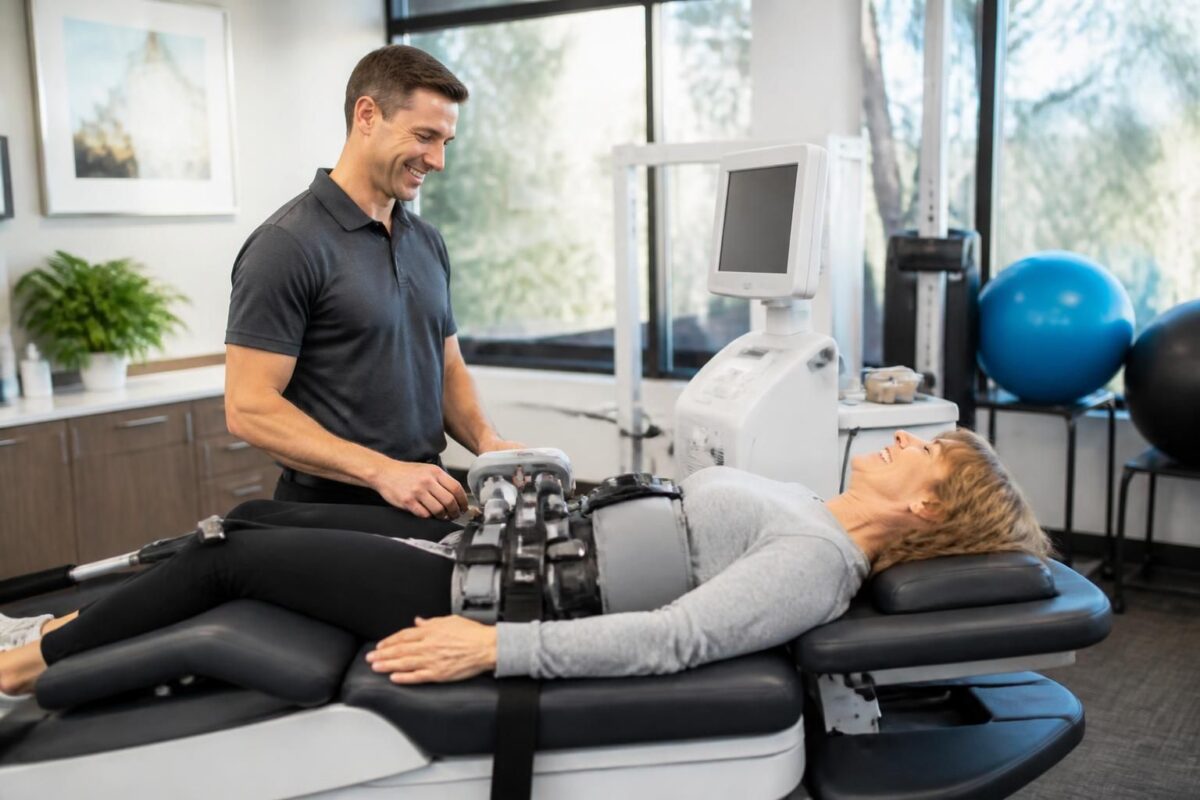
Neurovertebral decompression and diffuse pain: an appropriate solution
In short In short, the neurovertebral decompression is one Non-invasive solution For diffuse pain related to nerve irritation of the spine. She acts in Reducing pressure on intervertebral discs and nerves and improving the bloodstream, which promotes recovery and the…

Dr Sylvain Desforges, B.Sc., D.O., N.D., osteopath, is the founding president of TAGMED and of the ACMA association. He dedicates his practice to chronic spinal pain, low back pain and symptoms compatible with sciatica, particularly when pain radiates toward the buttock, leg, calf, foot or toes.
Through SOS Sciatique, he publishes educational content on sciatica symptoms, possible causes such as disc herniation, disc narrowing, foraminal stenosis or irritation of a lumbar nerve root, as well as non-surgical approaches that may be considered according to the evaluation. At Clinique TAGMED, care may include, depending on the case, motorized neurovertebral decompression, specific osteopathic care or precision percussion.
For an evaluation related to sciatica treatment in Montreal / Mount Royal or sciatica treatment in Terrebonne, please consult the services available at Clinique TAGMED.
Medical disclaimer
The information published on SOS Sciatique is provided for educational purposes only and does not replace a consultation, diagnosis, opinion or treatment provided by a physician or another authorized healthcare professional. The author of this article is neither a medical doctor nor a specialist in a medical specialty recognized by the Collège des médecins du Québec. The osteopathic, manual medicine or functional support approaches described on this site do not constitute medical acts and are not intended to replace medical follow-up.
Consult a physician or emergency service in cases of loss of bladder or bowel control, anesthesia in the saddle area, significant or progressive weakness in the leg or foot, fever, recent trauma, severe pain or rapid worsening of symptoms. For more details, please read our Legal Notice.