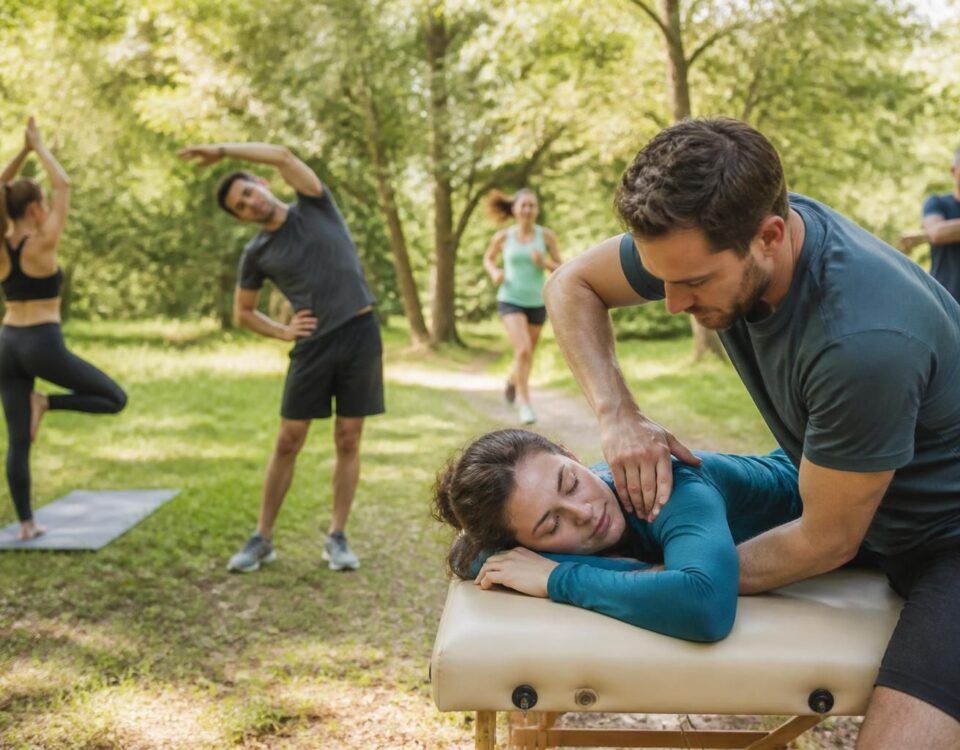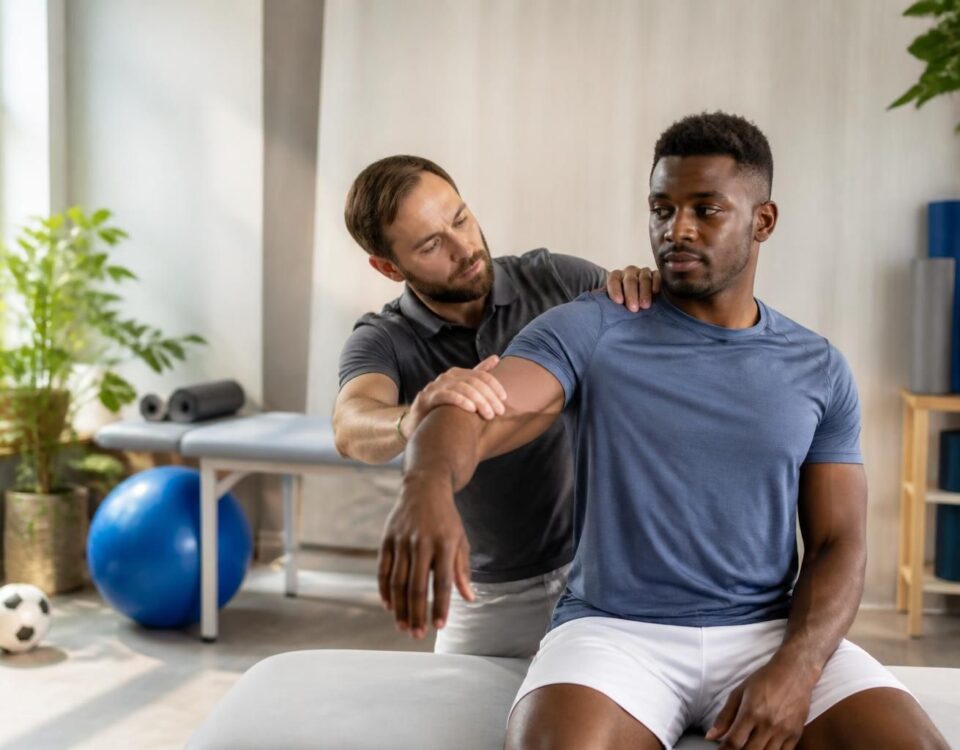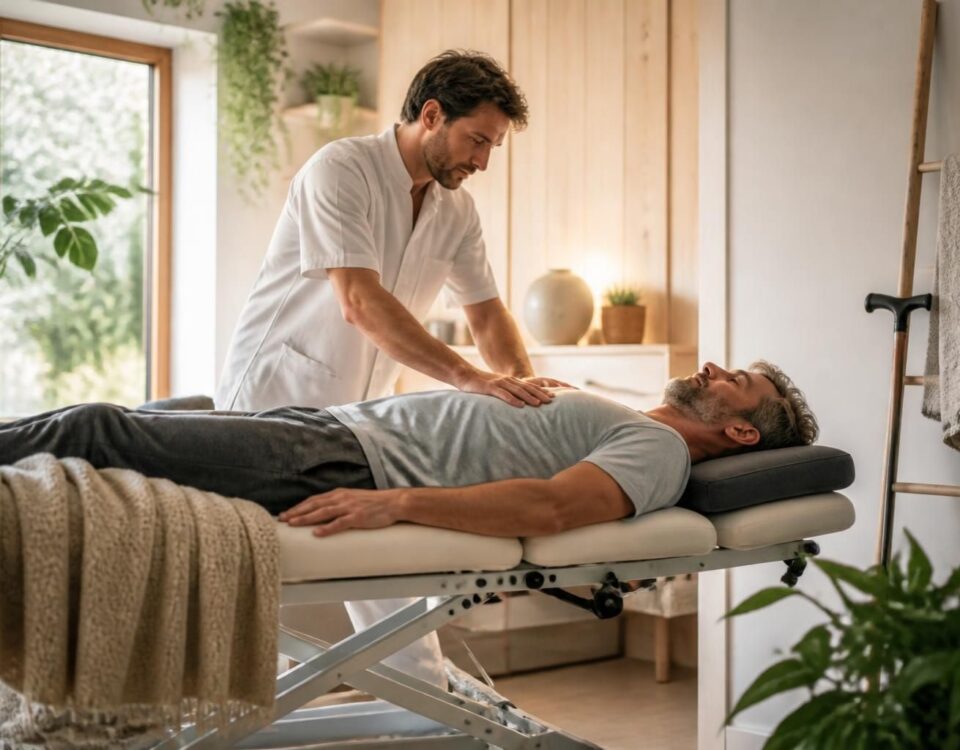
How osteopathy supports recovery after a sprain
28/06/2026
Osteopathic techniques to strengthen post-injury muscles
28/06/2026
In short In short, theosteopathy and the mobility designate a global approach that improves the quality of life By restoring the freedom of movement and body balance. The benefits include the pain relief, LImproving mobility, a better posture, a reduction in stress and better quality sleep. Operation is based on an intervention tailored to each person, targeting the causes and mechanical chains of the body to prevent injury, accelerate recovery and support a healthy lifestyle. In Aubagne and Peynier, this approach can be proposed by local practitioners to sustainably improve your quality of life on a daily basis. |
theosteopathy is not just a treatment; She is an approach holistic which aims to restore the mobility and thebalance of the body to improve the quality of life on a daily basis.
By identifying root causes, it can relieve aches, optimize the posture and promote better circulation, thus making it possible to find a greater freedom of movement and participate fully in daily activities.
Soft and personalized techniques also help to reduce the stress, improve the sleep and support the welfare physical and mental, to live every day with more vitality and serenity.
This article presents how Osteopathy can improve your mobility and your quality of life on a daily basis. By favoring a global approach to the body, it aims to restore balance and functionality in all dimensions of health. You will discover how simple gestures, better posture and stress management contribute to your physical, emotional and mental well-being.
An approach that connects movement and well-being
Osteopathic work is based on the idea that mobility is a key indicator of overall health. By listening to the body as a whole, the osteopath identifies tensions, stiffness and imbalances which, in the end, limit movement. Gentle techniques allow to release joint and tissue restrictions, promoting better amplitude and a feeling of fluidity in everyday gestures.
How osteopathy acts on mobility
the techniques used aim to release tension, to soften the tissues and to rebalance the muscle and fascial chains. The goal is to improve the circulation and support the joints without pain. This global approach takes into account bodily factors, but also lifestyle habits and stress, which can influence day-to-day mobility.
Impact on daily activities and sport
IMPROVE THE mobility Allows you to move with more freedom in daily gestures: walking, climbing stairs, dressing, or practicing a sporting activity. Active people benefit from more effective recovery after exercise and reduced risk of injury due to postural imbalances. To deepen this link between mobility and well-being, consult the resources dedicated to this subject.
Elements of the care framework and global approach
Osteopathy relies on a full body assessment to identify the root causes of motion limitations. The treatment does not only affect the painful area; It aims to restore harmony to internal mechanisms and strengthen support muscles. This perspective can contribute to better efficiency of the movement and increased resilience during daily activities.
Integrate practical advice at home
To support mobility between sessions, favor simple habits that are compatible with a natural and holistic approach. Adopt a neutral posture at work and in routine activities, plan regular active breaks and favor routines that promote effective circulation and relaxed breathing. Dedicated resources explain how osteopathy can improve overall well-being and healthy posture.
To learn more about the overall approach to osteopathy and its impact on well-being, see: Why Osteopathy Is A Global Approach to Well-Being.
The following resources describe how osteopathy can improve daily mobility and quality of life: Find a healthy posture, Natural solutions for joint pain, and Improved lymph circulation. These resources complement the clinical information and offer practical perspectives for your daily life.
Security aspects and professional framework
The use of osteopathy is done with respect for the capacities of the body and individual limits. The goal is to improve mobility without causing any new pain or symptoms. Available information and scientific evidence support the principles of this discipline and the overall effectiveness of the osteopathic approach in the context of multidisciplinary support.
Integrate osteopathy into a sustainable well-being approach
In addition to a balanced diet and appropriate physical activity, osteopathy can contribute to a better quality of life and a healthier posture. For detailed resources on the link between osteopathy, mobility and well-being, refer to the contents combining these themes.
To explore further, see the following pages that highlight results and approaches centered on mobility and overall wellness: Global approach, Healthy and well-being posture, Joint pain and natural solutions, and lymphatic circulation.
Rapid note on training and professional associations: the concepts and practices presented are based on the standards and resources available through recognized institutions and associations in the field.
Medical Disclaimer: The information and advice provided on this site does not replace the health professional’s diagnosis or treatment. Please note that Sylvain Desforges osteopath is neither a doctor of medicine nor a doctor, and is not a specialist in a medical specialty as defined by the Collège des Médecins du Québec. Manual medicine, functional medicine and sports medicine as described on this site exclude any medical treatment or diagnosis made by a doctor or specialist doctor. Always consult your doctor for any medical questions. For more details, please read our full legal notice.
To learn more about osteopathic results and practices, see Related Resources: Healthy and well-being posture, Joint pain and natural solutions.
Medical Disclaimer: The information and advice provided on this site does not replace the health professional’s diagnosis or treatment. Please note that Sylvain Desforges osteopath is neither a doctor of medicine nor a doctor, and is not a specialist in a medical specialty as defined by the Collège des Médecins du Québec. Manual medicine, functional medicine and sports medicine as described on this site exclude any medical treatment or diagnosis made by a doctor or specialist doctor. Always consult your doctor for any medical questions. For more details, please read our full legal notice.
Medical Disclaimer: The information and advice provided on this site does not replace the health professional’s diagnosis or treatment. Please note that Sylvain Desforges osteopath is neither a doctor of medicine nor a doctor, and is not a specialist in a medical specialty as defined by the Collège des Médecins du Québec. Manual medicine, functional medicine and sports medicine as described on this site exclude any medical treatment or diagnosis made by a doctor or specialist doctor. Always consult your doctor for any medical questions. For more details, please read our full legal notice.
Medical Disclaimer: The information and advice provided on this site does not replace the health professional’s diagnosis or treatment. Please note that Sylvain Desforges osteopath is neither a doctor of medicine nor a doctor, and is not a specialist in a medical specialty as defined by the Collège des Médecins du Québec. Manual medicine, functional medicine and sports medicine as described on this site exclude any medical treatment or diagnosis made by a doctor or specialist doctor. Always consult your doctor for any medical questions. For more details, please read our full legal notice.
Medical Disclaimer: The information and advice provided on this site does not replace the health professional’s diagnosis or treatment. Please note that Sylvain Desforges osteopath is neither a doctor of medicine nor a doctor, and is not a specialist in a medical specialty as defined by the Collège des Médecins du Québec. Manual medicine, functional medicine and sports medicine as described on this site exclude any medical treatment or diagnosis made by a doctor or specialist doctor. Always consult your doctor for any medical questions. For more details, please read our full legal notice.
- Global Action : Restore the amplitude and balance of the body.
- reduction of tensions : Muscles and fascias released to move without pain.
- Daily mobility : Easier and more comfortable everyday gestures.
- posture at work : Alignment and prevention of postural pain.
- Sports recovery : Better recovery and risk reduction.
- Sleep and relaxation : Decreased stress and better quality of rest.
- Pain controlled : Management and prevention of recurrent pain.
- Energy and vitality : more dynamic days and less fatigue.
- stress management : relaxation and balance of the nervous system.
- Autonomy : Mobility made easy to dress, move, go out.
- Personalized approach : Care adapted to age and lifestyle.
- life advice : Nutrition and activity adapted to your health.

This presentation highlights how Osteopathy Improves the mobility and, by reflex, the quality of life on a daily basis. By adopting an approach overall From the body, she combines gentle techniques, postural correction and lifestyle advice to preserve and restore freedom of movement in all phases of life.
Understanding the impact of osteopathy on mobility
Osteopathy Acts by identifying imbalances that limit movement. By working on joint chains and surrounding tissues, it can reduce tension, release joints and improve circulation body fluids. This approach promotes a regained joint amplitude, better efficacy of the gesture and a reduction in discomfort that slows down everyday activities.
A body-centric approach as a whole
Beyond an isolated symptom, the intervention aims at general coordination of movements, postural stability and flexibility of the fascias. This vision holistic Allows you to prevent recurrences and support people at all stages of their active, sporting or professional life.

How osteopathy improves the quality of life of active people
In short In short, theosteopathy is a global approach that Optimizes mobility and the function of the body of ACTIVE PEOPLE, for a better quality of life. It helps prevent injury and reduce Musculoskeletal pain While promoting the Sports recovery.…
Techniques and mechanisms that make the difference
the techniques used are sweet and adapted to the patient’s age and lifestyle. They make it possible to release joint blockages, to soften the tissues and to rebalance the posture. In addition, the osteopath can offer practical advice to optimize the mobility on a daily basis and support the recovery process.
Role of self-management and habits
Success also involves simple gestures to do at home: stretching routines, active breaks at work, and choice of ergonomic equipment. These elements reinforce the effectiveness of the sessions and offer lasting results on the quality of life.

Osteopathy and sports recovery: prepare the body for lasting performance
In short In short, Osteopathy and Sports recovery is one Global manual approach that sustainably prepares the body for the effort by restoring mobility and circulation After the effort. It is a discipline that acts on the sinews, the joints,…
Concrete impacts on everyday life
a better one mobility results in reduced pain, less fatigue and greater autonomy. This promotes a practice ofphysical activity regular, improves the sleep and reduces stress, thus contributing to better energy and greater ability to enjoy everyday pleasures.
For whom and why to act
Whether you are a sportsman seeking to optimize your performance, a sedentary worker wishing to avoid lower back pain, or elderly person wishing to preserve your autonomy, osteopathy can act as a key step in maintaining or regaining effective and sustainable mobility.
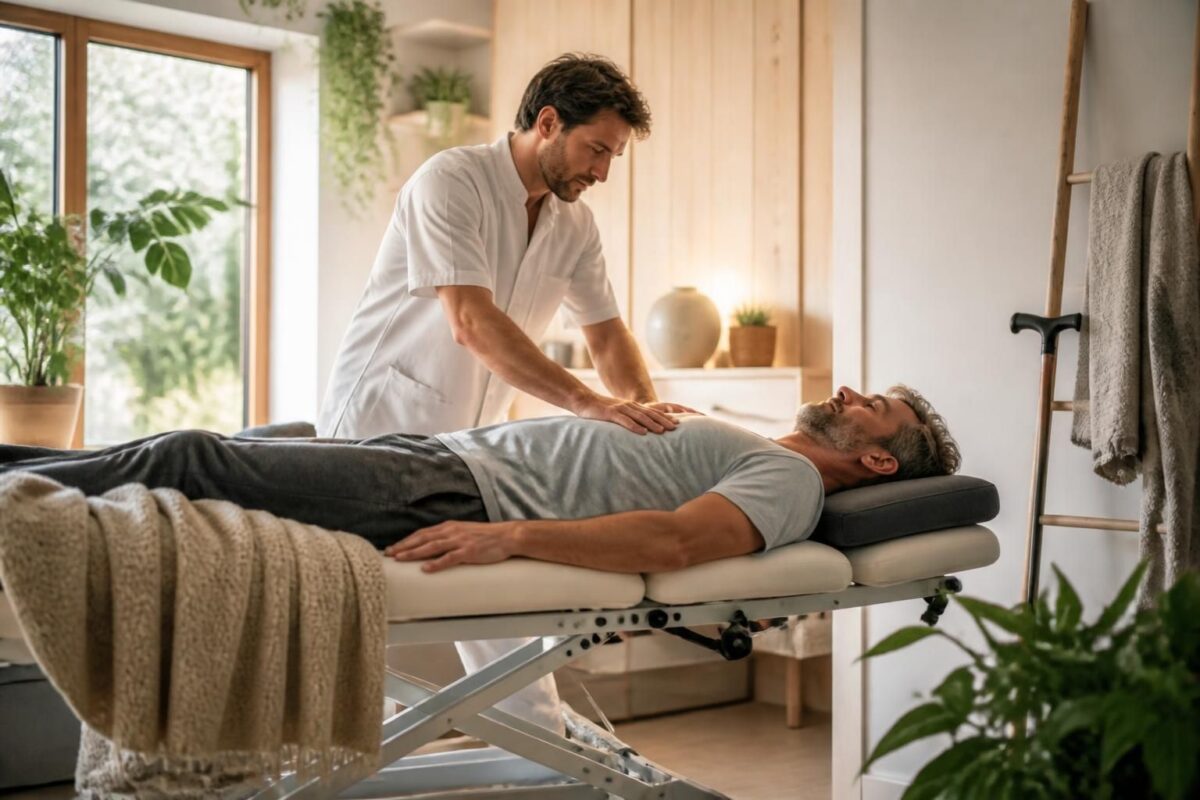
Why Osteopathy Is Essential For Recovery People
In short In short, Osteopathy in convalescence is an approach manual and holistic which helps to accelerate the recovery by restoring The balance, the mobility and a good circulation fabrics. it contributes to Reduce the pain, support the Back to…
Practical tips for preserving daily mobility
Adopt a simple and adapted routine that supports the mobility and the posture throughout the day. Prioritize balanced, varied and progressive activities, and include rest periods to allow the body to recover properly.
Posture and environment
Adjust your chair, desk and screens to limit stress on the back and joints. Promote neutral positions, take micro-breaks every 30 to 60 minutes and practice targeted soft stretches to release accumulated tension.
Physical activity and recovery
Integrate simple movements: regular walking, light swimming or suitable muscle building exercises. Schedule recovery days and listen to your body to avoid overloads that could slow your mobility in the long term.
Nutrition, sleep and stress management
A balanced diet and sufficient sleep support body tissues and recovery. Also work on stress reduction techniques, because a more serene mind facilitates the management of physical tensions and improves the overall quality of life.

Osteopathic manipulations to strengthen post-traumatic muscles
In short In short, Osteopathic manipulations for Strengthen post-traumatic muscles constitute a gentle manual approach aimed at restoring the mobility, reduce the pain and facilitate the Functional rehabilitation After a injury. What is Is it? A series of precise gestures…
When to consult to optimize your mobility
Consult when stiffness, persistent pain or functional limitation hinder your daily gestures. A personalized osteopathic assessment can identify root causes and propose an appropriate action plan, including treatments and life advice to preserve your mobility sustainably.
| Aspect | Impact |
|---|---|
| Main objective | Improve mobility and reduce pain to facilitate daily activities. |
| Target audience | For all ages and activity levels, with a personalized approach. |
| Key methods | Soft manual techniques and work of Muscle chains and postures. |
| Field of action | Approach overall which acts on muscle bonds and joints, not just on the painful area. |
| Impact on daily life | pain reduction, better mobility, and improved sleep and stress. |
| Frequency and tracking | Visits adapted to the need, in the acute period or in prevention, according to evaluation. |
| Prevention | Prevent relapses and injuries by maintaining movement and life advice. |
| Collaboration | Teamwork with physiotherapists, podiatrists and coaches to optimize the program. |
| Success Indicators | Improvement of amplitudes and mobility, reduction of pain and functional disability. |

Osteopathy and prevention of work-related musculoskeletal disorders
In short theosteopathy is one Manual approach that restores body balance and prevents MSD related to work. Its advantages: reduction of tension, improvement of mobility and prevention of chronic pain. She is preventive and healing, suitable for office and trades…
Testimonials on osteopathy and mobility: improving the quality of daily life
I had Lower back pain who woke me up every morning. After a few sessions, osteopathy won over my mobility and the pain faded. I can now get up and get dressed without pain, which transforms my mornings and my daily life.
As an amateur athlete, I was looking for a solution to accelerate the recovery and avoid injuries. Osteopathy helped me find a great amplitude and better coordination of movements, improving my quality of life.
In the office, the repetitive postures caused me stiffness. Through an approach overall, I found a good posture and smoother movements, which allowed me to Prevent injury.
Stress and anxiety also had an impact on my body. Osteopathy sessions favored a deep relaxation and an improvement in sleep, reinforcing my quality of life.
Today I find a freedom of movement For my favorite activities. The approach holistic Osteopathy helped me better understand my body and feel healthier on a daily basis.
from a perspective holistic, theosteopathy brings together science and a global approach to health to promote the mobility and daily well-being. It considers the body as an interdependent whole and works to restore the balance between the muscles, the joints, the fascias and the nervous system. This vision not only relieves pain, but also improves the ability to act and active participation in everyday life.
The heart of the osteopathic intervention lies in the relief of the pain and improving the mobility by gentle techniques and non-invasive. By working on body chains and tensions bristling with stress or postural adaptation, the osteopath helps to release muscle tension, optimize circulation and restore functional range of motion. This approach can be particularly beneficial during acute episodes of pain, where it aims to quickly regain a movement base without aggravating the patient’s condition, while preparing the ground for appropriate rehabilitation.
Another key dimension is the management of musculoskeletal and postural disorders. By identifying the structural imbalances and the snippets of compensation they entail, the osteopath participates in the prevention of recurrent injuries and the improvement of posture. The work aims to strengthen the supporting muscles, soften the tissues and rebalance the joint chains, for renewed efficiency of movement and better resistance to daily and sporting activities. As part of a multidisciplinary follow-up, it can also be integrated with other health professionals to optimize the results.
Beyond the physical aspect, osteopathy can act on the stress and emotional balance. By releasing tension and soothing the nervous system, it promotes a state of relaxation and can contribute to a better quality of sleep. The body and mind are never dissociated into osteopathy: emotional tension can manifest as physical pain, and vice versa. This understanding makes it possible to approach the patient as a whole and to adapt the treatment accordingly.
Finally, osteopathy is part of a welfare Global, integrating advice on lifestyle, appropriate physical activity, nutrition and stress management. By adopting an approach Bio-psycho-social And personalized, it aims to sustainably support general health and vitality. The treatment thus becomes long-term support, adjusted to the age, lifestyle and goals of the patient, with the aim of regained autonomy and unspoiled mobility day after day.
This approach, focused on continuous assessment and adjustment of care, places the mobility and the quality of life At the heart of osteopathic practice, in order to help everyone to live fully and serenely on a daily basis.
This summary highlights how Osteopathy can improve mobility and, therefore, The quality of life On a daily basis, thanks to an approach holistic which takes into account the body as a whole and the links between posture, movement, emotions and well-being.

The benefits of osteopathy to treat muscle imbalances
In short theosteopathy is a manual approach to restore themuscle harmony and postural considering the body as a whole. Its main benefits include the reduction of aches and tensions, the improvement of the mobility and from the posture, and prevention…
Benefits on mobility and quality of life
By working on muscle chains, fascias and joints, osteopathy aims to release blockages, reduce tension and restore normal amplitude of movement. This approach can relieve the pain and improve the Joint function, both during acute pain and in the management of chronic pain.
It also improves the posture and trunk stability, which translates into better movement efficiency, less fatigue and reduced risk of injury during sports or professional activities.
For athletes and active people, osteopathy can optimize recovery after exercise, correct technical gestures and strengthen the body to prevent future injuries. resources like Prevention of work-related injuries and Osteopathy and mobility provide additional perspectives.
Beyond the physical, the osteopathic approach is part of a Overall well-being And can be accompanied by advice on diet, appropriate physical activity and stress management, in order to sustainably support mobility and vitality. To understand why osteopathy can be a lasting solution for Overall health, consult Why Osteopathy is a Sustainable Solution for Global Health.
To deepen, discover resources on mobility and well-being: How can osteopathy improve your health? and Osteopathy: transforming well-being and ensuring lasting body harmony.
To further preserve your mobility on a daily basis, follow practical advice and adopt appropriate habits: Osteopathy and joints – Preserving mobility on a daily basis and Prevention of work-related injuries.
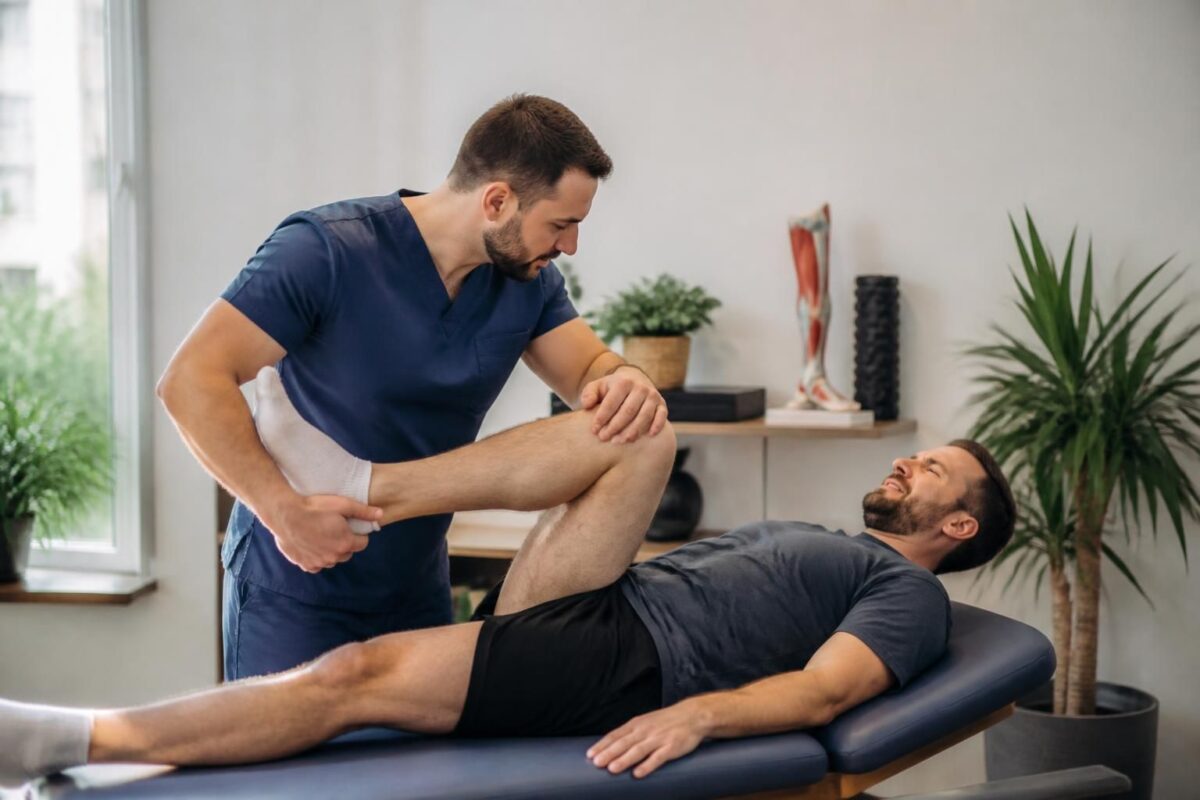
Osteopathy and chronic leg pain: regaining an optimal quality of life
In short In short, Osteopathy is one Global manual approach aimed at reducing Chronic leg pain and improve the quality of life. What is it? Non-drug therapy using the hands to identify restrictions and treat lesional chains. How does it…
Impact on stress, sleep and emotional balance
Soft manipulations and mobilizations compatible with comfort can promote muscle relaxation and activation of the parasympathetic nervous system, helping to reduce theanxiety and improve sleep. This approach re-establishes the link between body and mind, the heart of any lasting care.
To learn more about the harmonization of body and mind, discover Osteopathy and well-being: harmonize body and mind.
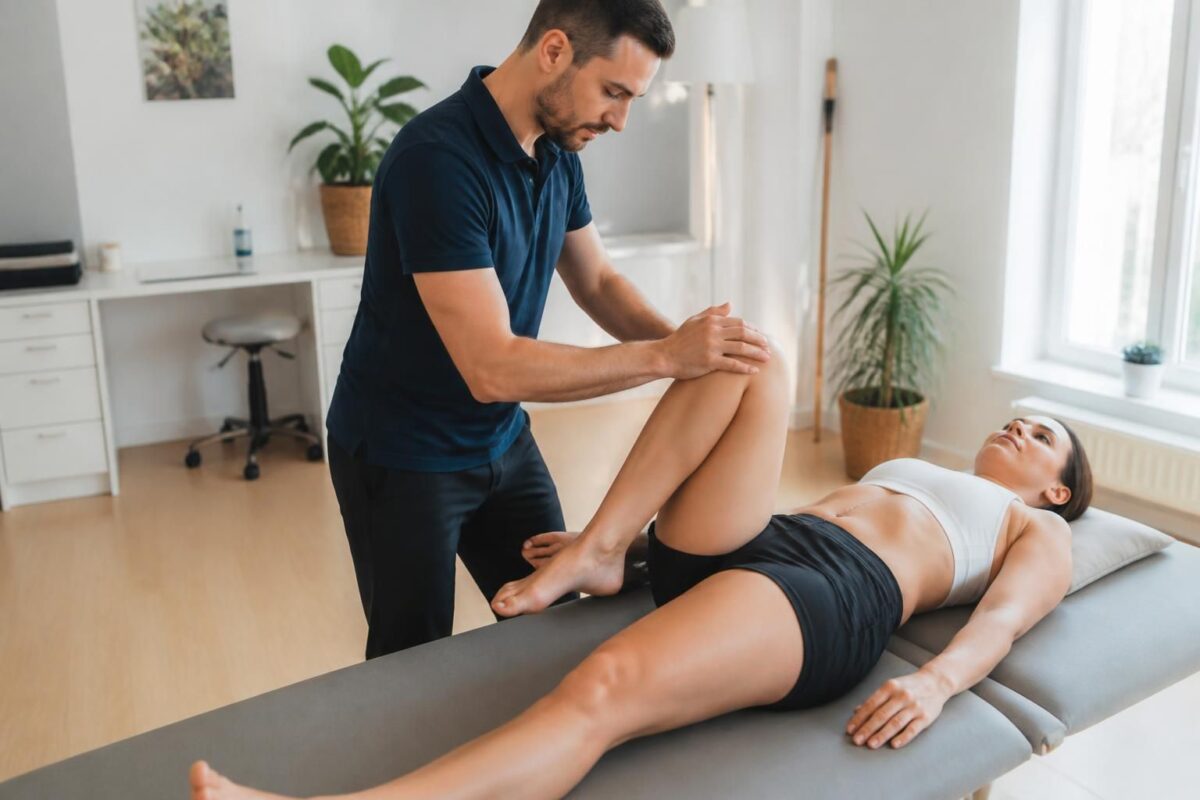
How osteopathy supports recovery after complex surgery
In short In short, Post-operative osteopathy is an approach fresh which supports the recovery After a Complex surgery. It helps to reduce the pain and the fatigue, improves the mobility and accelerates the healing thanks to a better vascularization and…
Adopt a sustainable approach to preserve your mobility on a daily basis
To maintain a Sustainable mobility, integrate simple habits: adapted professional postures, regular physical activity, mobility exercises and breathing. Osteopathy is a not only curative but also preventive resource, designed to support the Overall health in the long term.
To understand the mechanisms and long-term benefits, see Why Osteopathy is a Sustainable Solution for Global Health And explore the following resources: Osteopathy and mobility – Improving the quality of daily life, Osteopathy and pain related to repetitive work and Prevention of work-related injuries.
If you want to explore how osteopathy can improve your mobility and quality of life on a daily basis, make an appointment via Doctolib or contact your favorite practitioner for a personalized assessment.

Sylvain Desforges, B.Sc., D.O., N.D., docteur en ostéopathie
Dr Sylvain Desforges, B.Sc., D.O., N.D., osteopath, is the founding president of TAGMED and of the ACMA association. He dedicates his practice to chronic spinal pain, low back pain and symptoms compatible with sciatica, particularly when pain radiates toward the buttock, leg, calf, foot or toes.
Through SOS Sciatique, he publishes educational content on sciatica symptoms, possible causes such as disc herniation, disc narrowing, foraminal stenosis or irritation of a lumbar nerve root, as well as non-surgical approaches that may be considered according to the evaluation. At Clinique TAGMED, care may include, depending on the case, motorized neurovertebral decompression, specific osteopathic care or precision percussion.
For an evaluation related to sciatica treatment in Montreal / Mount Royal or sciatica treatment in Terrebonne, please consult the services available at Clinique TAGMED.
Medical disclaimer
The information published on SOS Sciatique is provided for educational purposes only and does not replace a consultation, diagnosis, opinion or treatment provided by a physician or another authorized healthcare professional. The author of this article is neither a medical doctor nor a specialist in a medical specialty recognized by the Collège des médecins du Québec. The osteopathic, manual medicine or functional support approaches described on this site do not constitute medical acts and are not intended to replace medical follow-up.
Consult a physician or emergency service in cases of loss of bladder or bowel control, anesthesia in the saddle area, significant or progressive weakness in the leg or foot, fever, recent trauma, severe pain or rapid worsening of symptoms. For more details, please read our Legal Notice.