The benefits of osteopathy to improve joint health
28/06/2026
Osteopathic techniques to strengthen the lumbar muscles
28/06/2026
In short
| In short, theosteopathy and the mobility aim to preserve the flexibility and the amplitude of gestures with age. It’s a Manual approach which releases tensions in the sinews, the joints and the fascias, improves the circulation and optimizes the Neuromuscular coordination. Key Benefits: Better flexibility, Joint mobility fluid, Fall Prevention and faster recovery after exercise, to facilitate daily activities and preserve theautonomy. How it works: gentle techniques and targeted mobilizations adapted to each person, integrable into a physical activity program. Accessible in Montreal and the surrounding area, this treatment supports well-being and sports on a daily basis. |
Find out how Osteopathy can help you Maintain mobility and the flexibility As you get older. By treating the body as a whole, the osteopath acts on muscular and joint imbalances, releases tension from fascias and improves the circulation local. Result: a better range of motion, less stiffness and a autonomy reinforced on a daily basis. Personalized follow-up combines evaluation of the mobility and practical tips for adapting exercises, postures and recovery after physical activity. By integrating osteopathy into a care routine, you preserve a quality of life Durable and support your physical performance, regardless of your age.
- Flexibility and optimized range of motion
- prevention of chutes and pains
- recovery and circulation Improved
- Evaluation personalized and regular follow-up
This article, written by a health professional expert in osteopathy, explains how osteopathy can preserve the flexibility and the mobility throughout aging. It describes the simple and effective mechanisms used in osteopathy to maintain fluid joint movements, improve circulation and promote neuromuscular coordination, in order to support everyone towards a daily practice without limitations.
The mobility Feeds on soft muscles, mobile joints and a nervous system that handles motor patterns with precision. Osteopathy offers targeted manual techniques to restore structural balance and facilitate movement. We work on the fascias, muscles, tendons and joints to restore an range of motion adapted to each individual. This approach promotes better recovery after exercise, strengthens contraction capacity and improves postural alignment.
How osteopathy acts on flexibility and mobility
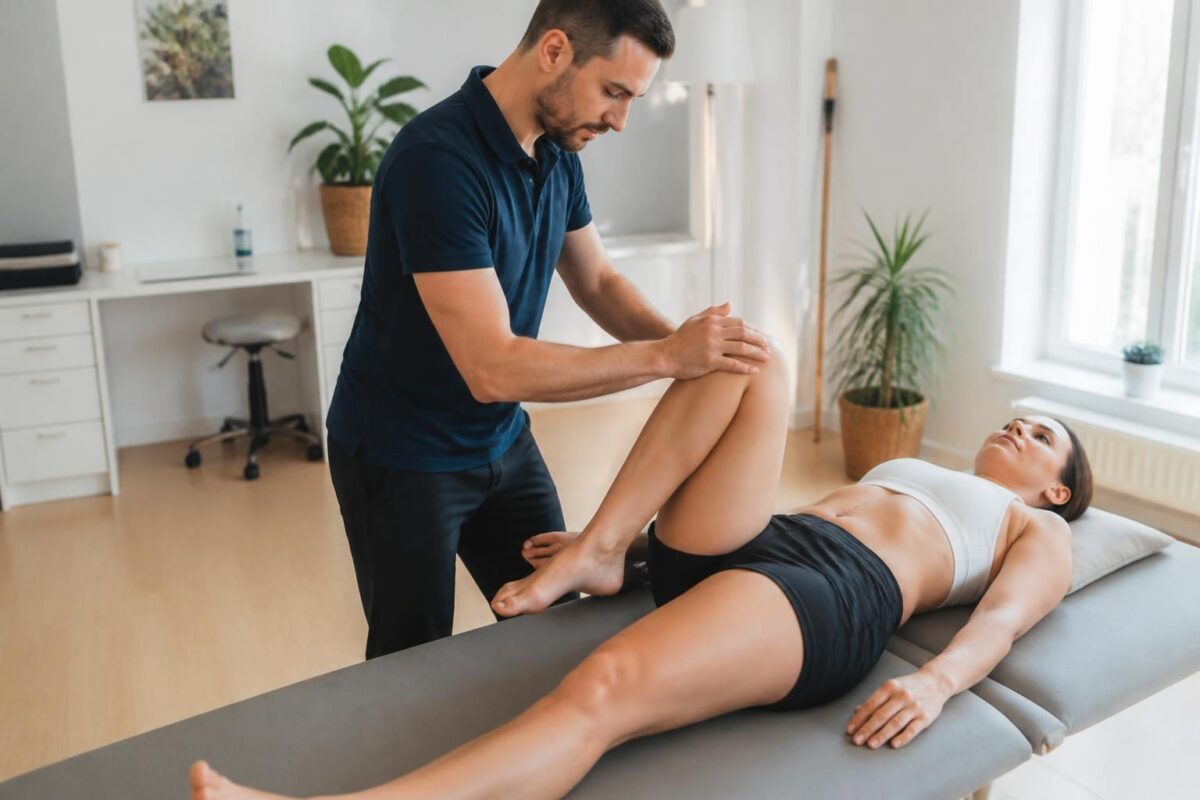
The osteopath uses gentle manipulations and progressive mobilizations to release joint blockages and reduce muscle tension. This improves the flexibility and fluidity of movements, while supporting optimal blood circulation and tissue nutrition. By strengthening the mechanisms of neuromuscular coordination, osteopathy helps to preserve precise and effective gestures in daily and sports activities. For seniors, this translates into better ease during the usual gestures and a reduction in the risk of tension or diffuse pain linked to stiffness.
You can find resources on the prevention and maintaining a health daily musculoskeletal on dedicated resources such as Osteopathy and prevention – Avoid musculoskeletal disorders and Maintain optimal health on a daily basis. Other useful information on the impact of osteopathy on mobility is available via Mobility and flexibility for effective workouts.
Evaluation, monitoring and personalized approach
Before starting a program, the osteopath performs a simple and effective assessment that focuses on flexibility, mobility, balance and compensation chains. This assessment makes it possible to determine the priority axes and the adjustments to be considered for each patient. Regular monitoring helps prevent mobility losses and adapt care to changes in personal goal, while remaining in a non-drug and natural perspective.
For seniors and active people, osteopathy offers an integrated approach that can be complemented by resources like Osteopathy and seniors – Preserving mobility with age and Resources on recovery after trauma.
Additional content on mobility and osteoarthritis prevention can be viewed, for example Osteopathy and arthritis – Relieving pain and Osteoarthritis and vitality.
Practical integration into daily and sports life
The benefits of osteopathy are felt during training sessions and in everyday actions. A mobility Improved allows you to be more effective in the execution of movements, to tolerate efforts better and to reduce recovery times after exercise. For athletes and active people, the goal is to achieve gestural fluidity that limits friction and optimizes overall performance. Examples of practical readings and experiences are available through the following resources: Osteopathy and the elderly – Preserving mobility and comfort and Shoulder pain.
For more in-depth perspectives on the mechanisms and benefits of osteopathy in the context of mobility, you can consult syntheses and recent studies on Prevention and mobility on a daily basis and Osteopathy and seniors – Maintaining mobility.
To learn more about the link between mobility and general well-being, see also the specialized resources that promote the prevention and maintenance of joint mobility at all ages.
Medical Disclaimer: The information and advice provided on this site does not replace the health professional’s diagnosis or treatment. Please note that Dr. Sylvain Desforges osteopath is neither a doctor of medicine nor a doctor, and is not a specialist in a medical specialty as defined by the Collège des Médecins du Québec. Manual medicine, functional medicine and sports medicine as described on this site exclude any medical treatment or diagnosis made by a doctor or specialist doctor. Always consult your doctor for any medical questions. For more details, please read our full legal notice.
In articles dealing with neurovertebral decompression, disc herniation, disc bulge, foraminal stenosis, spinal stenosis, disc pinch or disc degeneration, avoid suggesting exercises or stretching.
Limited references for training institutions in osteopathy: NUMSS, NAO, National University of Medical Sciences, National Academy of osteopathy.
Professional Associations mentioned: ACMA, College of Canadian Osteopaths, College of Canadian Osteopaths.
Authorized links and domains used in the text: sossciatica.com, clinicagmed.com, decompressionneurovertebrale.com, sosherniediscale.com, sosherniateddisc.com, sostunnelcarpien.com, sossciatica.com.
Osteopathy and mobility: maintaining flexibility with age
- Personalized evaluation To target priority axes and plan actions.
- Sweet mobilizations and progressive to restore joint fluidity.
- Myofascial release In order to release tensions and gain amplitude.
- Proprioception and coordination reinforced to improve daily gestures.
- Circulation and tissue nutrition Optimized to promote repair.
- Injury prevention and falls through controlled mobility.
- Accelerated recovery After the effort thanks to better circulation.
- Adaptation of daily gestures to preserve autonomy on a daily basis.
- Targeted physical preparation Before the sporting activity to optimize performance.
- Maintenance plan regular to maintain and progress mobility.

This article presents how theosteopathy can preserve the flexibility and the mobility at any age, by demonstrating concrete mechanisms and practical advice to sustainably improve freedom of movement. You will discover why a suitable manual approach can facilitate everyday gestures, reduce joint friction and support physical performance, even after 60 years.
Understanding the link between osteopathy and mobility
theosteopathy offers a global assessment of the body, targeting the muscular and joint imbalances that slow down mobility. By restoring the balance of muscle chains and fascias, it acts both on the flexibility and on theamplitude Movements. This approach helps to make the body more fluid, more reactive and better prepared for effort, while reducing the tensions that limit mobility.

How osteopathy improves the quality of life of active people
In short In short, theosteopathy is a global approach that Optimizes mobility and the function of the body of ACTIVE PEOPLE, for a better quality of life. It helps prevent injury and reduce Musculoskeletal pain While promoting the Sports recovery.…
Benefits for mobility with age
Increased muscle flexibility
Targeted techniques make it possible to release tension and gradually improve the elasticity of the muscles. Result: Faster recovery after exercise and Improving mobility which results in more fluid gestures and less stiffness when you wake up.
Improvement of joint movements
By releasing joint blockages through progressive mobilizations and precise adjustments, the osteopath restores freedom of movement and reduces friction. This joint fluidity is essential for practicing daily activities and exercises with an appropriate and secure amplitude.
Stimulation of circulation and tissue nutrition
Better local vascularization promotes irrigation of muscles, tendons and ligaments, accelerating tissue repair and regeneration. This optimal nutrition supports the endurance and resistance of the joints, especially during repetitive movements or during phases of recovery after a period of inactivity.
Optimization of neuromuscular coordination
By stimulating proprioceptive reflexes and strengthening motor patterns, osteopathy contributes to better gestural precision. Improved coordination results in better movement efficiency, reduced fatigue and less risk of false movements.

Osteopathy and sports recovery: prepare the body for lasting performance
In short In short, Osteopathy and Sports recovery is one Global manual approach that sustainably prepares the body for the effort by restoring mobility and circulation After the effort. It is a discipline that acts on the sinews, the joints,…
The intervention of the osteopath in the context of mobility
Pre-assessment and personalized orientation
Before starting an activity program, a complete assessment makes it possible to identify the priority axes: flexibility, joint mobility, postural balance and compensation chains. On these bases, the osteopath offers exercises and stretches adapted to each profile, with a measured and secure progression.
Support during the sessions
During the sessions, the osteopath corrects bad habits, adjusts the joint amplitudes and releases tension. This targeted intervention aims to limit the risk of injury and optimize long-term results, by integrating practical advice to reproduce beneficial gestures in daily life.
Search for root causes and follow-up
In case of persistent pain or restrictions, the approach aims to identify underlying dysfunctions and treat them sustainably. Regular monitoring makes it possible to adjust the exercises and stretches according to the evolution of the sporting objectives and the capacities of each one, in order to prevent recurrences.
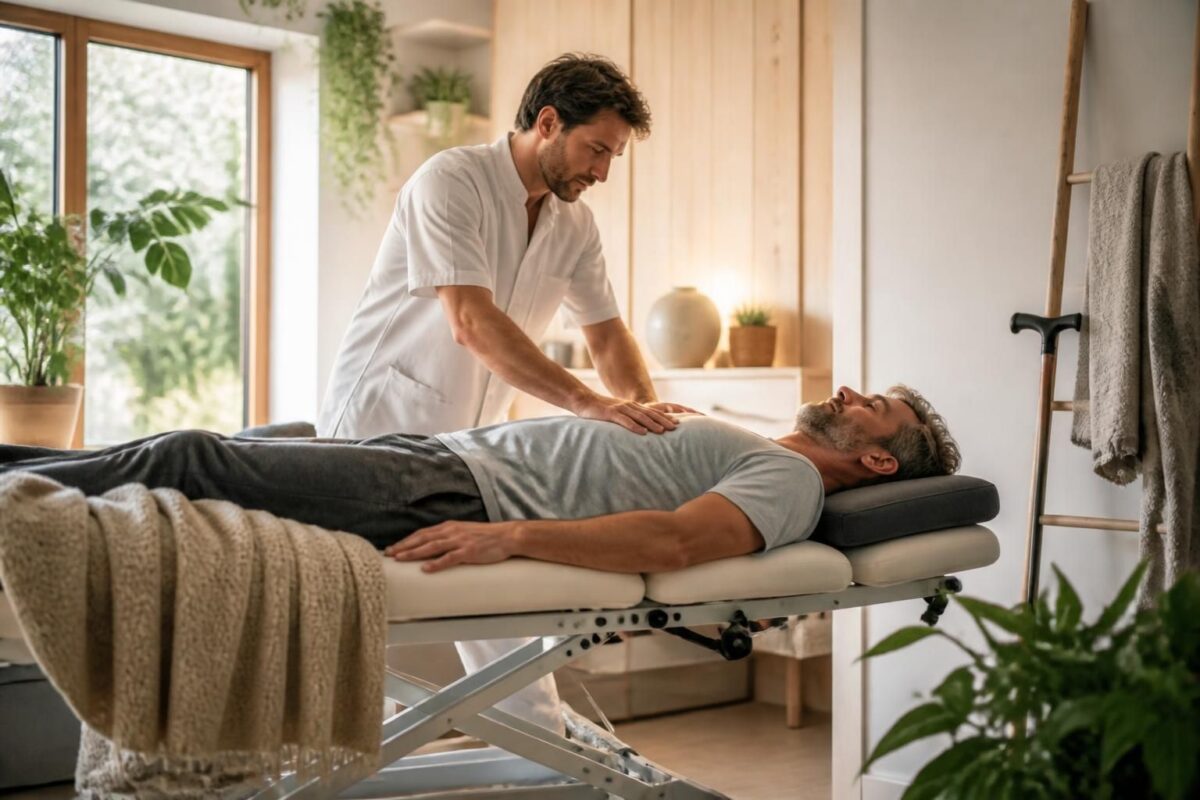
Why Osteopathy Is Essential For Recovery People
In short In short, Osteopathy in convalescence is an approach manual and holistic which helps to accelerate the recovery by restoring The balance, the mobility and a good circulation fabrics. it contributes to Reduce the pain, support the Back to…
Practical tips for preserving daily mobility
Integrate a physical activity adapted to your condition: gentle and regular activities, light reinforcements and targeted stretching. Prioritize Daily stretches and periods of mobility throughout the day, making sure to adopt a Ergonomic posture at work and at home. Maintain a good hydration And a balanced diet to support connective tissue and recovery. Give yourself restorative nights and sufficient recovery times after exercise. Finally, schedule regular visits to your osteopath to assess the evolution of your mobility and adapt the exercises according to your objectives and your age. A proactive and personalized approach helps you maintain a Sustainable mobility and a better quality of life over the years.
| Aspect | Impact / Explanation |
|---|---|
| Objective | Restore system balance musculoskeletal to improve flexibility and mobility. |
| Key Techniques | manipulation, mobilization and work of fascias To release tensions and increase amplitude. |
| Mobility benefits | Increased flexibility and smoother articulation after regular sessions. |
| Injury prevention | Articular frame better prepared for shocks and exertion, reduction in the risk of recurrent pain. |
| Recovery | improved circulation and drainage; Faster recovery after exercise. |
| Target audience | all ages and sportsmen wishing to maintain theautonomy and the performance. |
| Recommended frequency | Regular support, e.g.. 4 to 6 weeks as needed. |
| Limits and precautions | Used as a complement to medical care; Consult in case of acute symptoms. |
| Effect on sports practice | better coordination, less pain and better endurance thanks to a Optimized mobility. |

Osteopathic manipulations to strengthen post-traumatic muscles
In short In short, Osteopathic manipulations for Strengthen post-traumatic muscles constitute a gentle manual approach aimed at restoring the mobility, reduce the pain and facilitate the Functional rehabilitation After a injury. What is Is it? A series of precise gestures…
Testimonials: Osteopathy and mobility — Preserving flexibility with age
Mary, 68 testifies: before, every morning, the flexibility I left when I woke up and everyday gestures required extra effort. After a few sessions of osteopathy, my mobility has improved significantly and my movements are more fluid. I can now dress, cook and garden with less pain and more ease.
John, 72 Share his experience: my usual gestures were slowed down by tension in the back and shoulders. thanks to theosteopathy, I found a freedom of movement and better amplitude in my joints. Today, climbing the stairs and turning my torso no longer tires me so much, and my outdoor outings are more pleasant.
Claudine, 65 evokes his practice: as an active senior, I want to preserve my mobility and my posture. The regular sessions released fascia-late and muscular tensions, which allowed me to continue my daily activities without limiting my actions. I am also more confident in my gentle exercises and my daily movements.
Thierry, 74 says: after a period of persistent stiffness, I noticed a marked improvement in theamplitude of my movements, especially in the hips and knees. theosteopathy Helps me prevent stiffness and stay active, which allows me to practice light activities with energy and pain.
Sophie, 61 explains his background: I wanted to keep my mobility To take full advantage of my hobbies. Thanks to the osteopathic intervention, my tensions decrease and my flexibility is improved. It became easier to move with the day and to go where I wish without fear of the limitations that held me back before.
Dr. Sylvain Desforges, expert in osteopathy, in naturopathy and in manual medicine, put the mobility at the heart of his practice. At the head of the TagMed and ACMA clinics, he takes aHealth Innovation Focused on chronic pain management and the integration of advanced technologies, such as Motorized vertebral decompression, the laser and the Shockwave therapy. Its goal is to provide evidence-based care to optimize the quality of life and the well-being of his patients.
His vision is based on a model holistic of the body: it consists in identifying and correcting the imbalances that limit therange of motion, by acting on muscles, tendons, ligaments and fascias. The work on the fascia and the myofascial chains releases the tensions which slow down the joint slips and promotes a more fluid synchronization of the gestures. By restoring the static and dynamic balance of the musculoskeletal system, it aims for a Better flexibility, a Joint mobility increased and better circulation, key to tissue nutrition and rapid recovery after exercise.
For athletes as well as for the elderly, theosteopathy proves to be a lever for sustainable performance and prevention. By optimizing mobility, it helps to avoid injuries, reduces recovery times and improves neuromuscular coordination, which results in more precise gestures and increased endurance over time.
In his practice, Dr. Desforges favors a complete preliminary assessment that clears the chains of compensation and the friction zones. He then proposes a personalized protocol combining gentle manipulations, progressive mobilizations and adapted exercises, intended to preserve or restore theJoint amplitude and the Gestural fluidity. Patient support also includes practical advice on breathing, posture and daily routines that support mobility.
In addition, technological tools support the results; the vertebral decompression motorized can be associated with interventions laser and therapies by shock waves To promote faster recovery and allow for safer activity. This integrated approach provides an effective, non-drug solution to preserve long-term mobility.
Beyond treatment, Dr. Desforges offers a preventive and active approach: postural advice, stretching and reinforcement program, regular follow-up plans and adjustments adapted to the evolution of the body and daily activities. His method invites everyone to become an actor of their mobility, by promoting autonomy and confidence in the daily movement. His work is aimed at anyone wishing to maintain an optimal range of motion despite the passage of time.
Thanks to clear communication and measurable results, its practice responds to a growing demand: to allow each individual, regardless of their age, to remain active and agile, anticipating limitations and offering concrete solutions to maintain freedom of movement throughout life.
This article presents how Osteopathy can help to Preserve flexibility and the mobility with age, by acting on tissues, joints and the neuromuscular system to facilitate daily movements and support physical performance. You will discover practical mechanisms, techniques and advice to maintain an optimal range of motion throughout life.

Osteopathy and prevention of work-related musculoskeletal disorders
In short theosteopathy is one Manual approach that restores body balance and prevents MSD related to work. Its advantages: reduction of tension, improvement of mobility and prevention of chronic pain. She is preventive and healing, suitable for office and trades…
The foundations of osteopathy and their impact on mobility
Approach manual Overall, osteopathy aims to restore the body’s structural and functional balance by working on muscles, tendons, ligaments and joints. By relaunching the local circulation and releasing fasciaal tensions, it improves flexibility, facilitates Joint movements and optimizes the Neuromuscular coordination. To understand how these mechanisms apply on a daily basis and in the context of aging, you can consult relevant resources on the effectiveness of osteopathy in the treatment of pain related to osteoarthritis and in sports recovery: Why#ATFP_CLOSE_TRANSLATE_SPAN# Osteopathy is effective in treating pain related to osteoarthritis, Osteopathy#ATFP_CLOSE_TRANSLATE_SPAN# and sports recovery, Osteopathy#ATFP_CLOSE_TRANSLATE_SPAN# and joints: Preserving your mobility on a daily basis.
By integrating these principles into the Workouts and daily life, osteopathy paves the way for a Injury prevention and a better continuity of effort, whether you are active or senior.

The benefits of osteopathy to treat muscle imbalances
In short theosteopathy is a manual approach to restore themuscle harmony and postural considering the body as a whole. Its main benefits include the reduction of aches and tensions, the improvement of the mobility and from the posture, and prevention…
Preserve mobility and flexibility with age and sport
Over time, physiological factors such as sarcopenia And joint changes can limit the range of motion. The osteopathic intervention aims to maintain or restore Joint amplitudes sufficient and to maintain sufficient muscles flexible to absorb mechanical stress. This translates into a better ability to follow a training program, faster recovery and reduced risk of injury. To deepen the sporting dimension, see the resources dedicated to sports recovery and restitution of mobility after the effort: Osteopathy#ATFP_CLOSE_TRANSLATE_SPAN# and sports recovery.
The practical benefits include a Accelerated recovery thanks to better circulation and more effective drainage, an increase in the strength and power thanks to more fluid joint mobility, and a Functional endurance reinforced by better neuromuscular coordination. Resources complement these points by detailing how to preserve mobility at all ages and how osteopathy contributes to maintaining autonomy: Osteopathy#ATFP_CLOSE_TRANSLATE_SPAN# and mobility: preserve freedom of movement at any age, Osteopathy#ATFP_CLOSE_TRANSLATE_SPAN# and mobility: maintain flexibility with age.
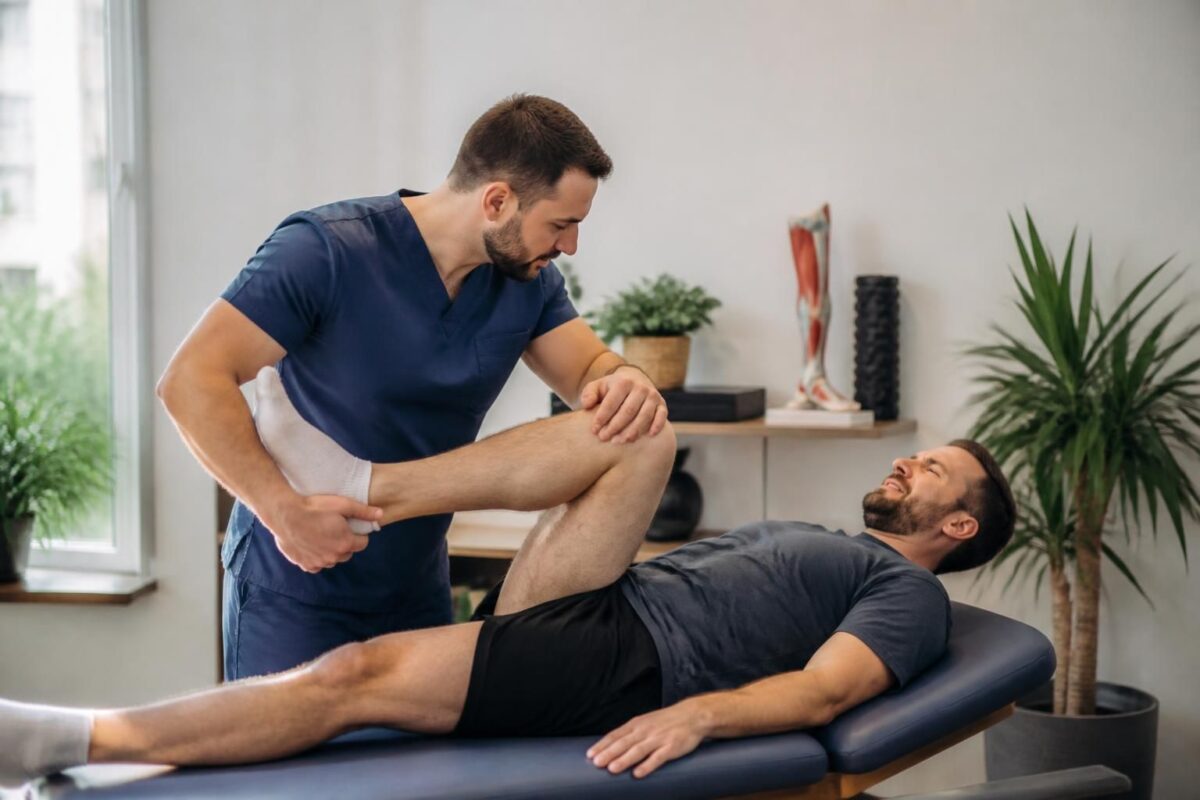
Osteopathy and chronic leg pain: regaining an optimal quality of life
In short In short, Osteopathy is one Global manual approach aimed at reducing Chronic leg pain and improve the quality of life. What is it? Non-drug therapy using the hands to identify restrictions and treat lesional chains. How does it…
Techniques and personalized approach for sustainable mobility
Each person benefits from a personalized assessment that assesses Muscle flexibility, Joint mobility, and Compensation chains. Osteopaths use adapted techniques to release tension, release joint blockages and reharmonize fascias, which promotes bloodstream optimal and better Neuromuscular cohesion. For practical perspectives on daily adaptation and active aging, consult resources like Osteopathy#ATFP_CLOSE_TRANSLATE_SPAN# and joints: Preserving your mobility on a daily basis and Osteopathy#ATFP_CLOSE_TRANSLATE_SPAN# and stress: effective techniques to release tension.
In the context of sports activities, osteopathy supports upstream physical preparation and facilitates post-workout or post-injury recovery, contributing to a lasting and less painful practice. For people facing torsion or sprain episodes, osteopathic approaches promote a balanced and secure recovery: Comment#ATFP_CLOSE_TRANSLATE_SPAN# Osteopathy supports recovery after a sprain.
How osteopathy supports recovery after complex surgery
In short In short, Post-operative osteopathy is an approach fresh which supports the recovery After a Complex surgery. It helps to reduce the pain and the fatigue, improves the mobility and accelerates the healing thanks to a better vascularization and…
Practical integration and advice for all ages
The key lies in a preliminary assessment and one Regular follow-up to adapt the exercises and stretching to each individual. The objective is to integrate simple mobility routines into everyday life, to work on stability and posture, and to anticipate periods of sports intensification or age transition. Additional resources on how to live longer with mobility and autonomy can guide you in this process: Better#ATFP_CLOSE_TRANSLATE_SPAN# Aging with osteopath Champhol, Osteopathy#ATFP_CLOSE_TRANSLATE_SPAN# and aging well: preserving mobility and autonomy, and Osteopathy#ATFP_CLOSE_TRANSLATE_SPAN# and mobility: maintain flexibility with age.
Resources and additional readings
To enrich your understanding, several resources provide useful insights into the links between mobility, osteopathy and welfare throughout life: Techniques#ATFP_CLOSE_TRANSLATE_SPAN# Physical tension release, Osteopathy#ATFP_CLOSE_TRANSLATE_SPAN# and stress: soothe the body and mind, Osteopathy#ATFP_CLOSE_TRANSLATE_SPAN# and osteoarthritis, and Recovery#ATFP_CLOSE_TRANSLATE_SPAN# after a sprain.

Dr Sylvain Desforges, B.Sc., D.O., N.D., osteopath, is the founding president of TAGMED and of the ACMA association. He dedicates his practice to chronic spinal pain, low back pain and symptoms compatible with sciatica, particularly when pain radiates toward the buttock, leg, calf, foot or toes.
Through SOS Sciatique, he publishes educational content on sciatica symptoms, possible causes such as disc herniation, disc narrowing, foraminal stenosis or irritation of a lumbar nerve root, as well as non-surgical approaches that may be considered according to the evaluation. At Clinique TAGMED, care may include, depending on the case, motorized neurovertebral decompression, specific osteopathic care or precision percussion.
For an evaluation related to sciatica treatment in Montreal / Mount Royal or sciatica treatment in Terrebonne, please consult the services available at Clinique TAGMED.
Medical disclaimer
The information published on SOS Sciatique is provided for educational purposes only and does not replace a consultation, diagnosis, opinion or treatment provided by a physician or another authorized healthcare professional. The author of this article is neither a medical doctor nor a specialist in a medical specialty recognized by the Collège des médecins du Québec. The osteopathic, manual medicine or functional support approaches described on this site do not constitute medical acts and are not intended to replace medical follow-up.
Consult a physician or emergency service in cases of loss of bladder or bowel control, anesthesia in the saddle area, significant or progressive weakness in the leg or foot, fever, recent trauma, severe pain or rapid worsening of symptoms. For more details, please read our Legal Notice.