Heel pain: S1 root or other cause?
30/06/2026
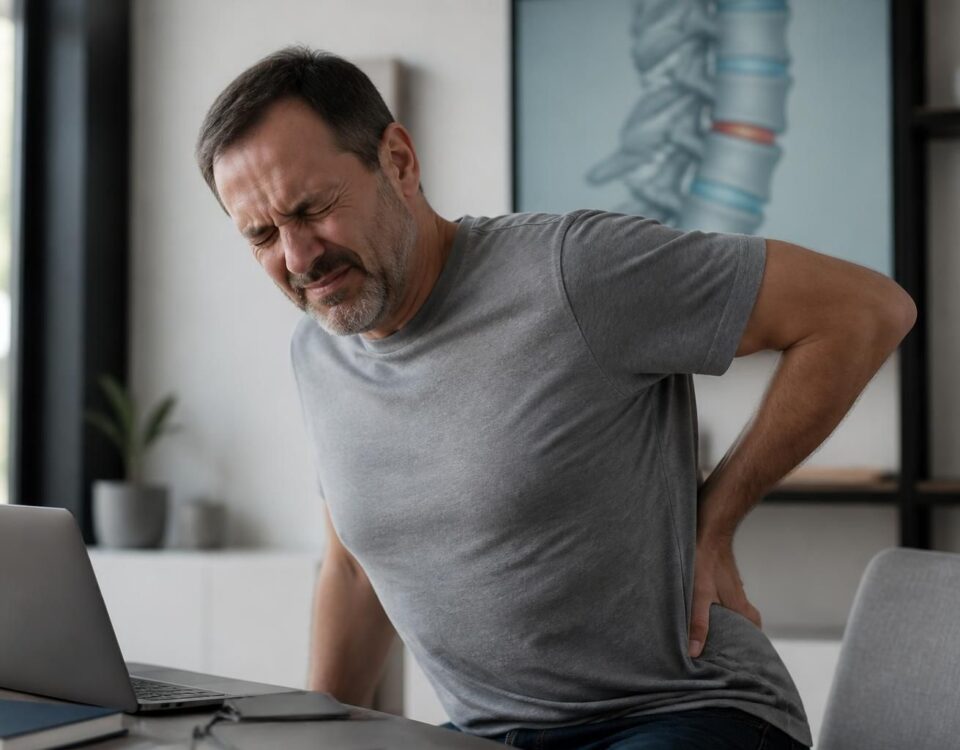
Sciatica sitting in the office: why the leg becomes painful?
30/06/2026
In short The sciatica is a pain that follows the path of the sciatic nerve, a sign of nervous irritation whose cause may vary. understand the cause guides the choice of treatment And allows for more effective results: treating the source can quickly reduce pain and improve mobility, while avoiding inappropriate treatments. the appropriate approaches aim to correct the cause (for example slipped disc, Lumbar osteoarthritis, or Lumbar duct narrowing) and can combine physiotherapy, medication and targeted interventions as appropriate. In Montreal, this personalized diagnosis offers a supervised rehabilitation plan that increases the speed and durability of improvements, with a positive effect on everyday life and quality of life. |
The sciatica is a pain that follows the path of the sciatic nerve and can result from various causes such as theslipped disc, lumbar osteoarthritis or lumbar duct narrowing, Piriform Syndrome, or situations like pregnancy or trauma. The key to effective treatment is to identify the cause rather than treating pain alone.
The therapeutic choice adapts to the cause: physiotherapy and targeted reinforcement for mechanical causes; pharmaceuticals anti-inflammatory or analgesics; stealth if necessary; and, when necessary, a surgery adapted. Targeting the cause makes it possible to sustainably improve mobility and limit recurrences.
Quick Summary: sciatica is pain that follows the path of the sciatic nerve. The cause specifies the treatment. This article explains why and how to act to get concrete results.
Understanding sciatica and its causes
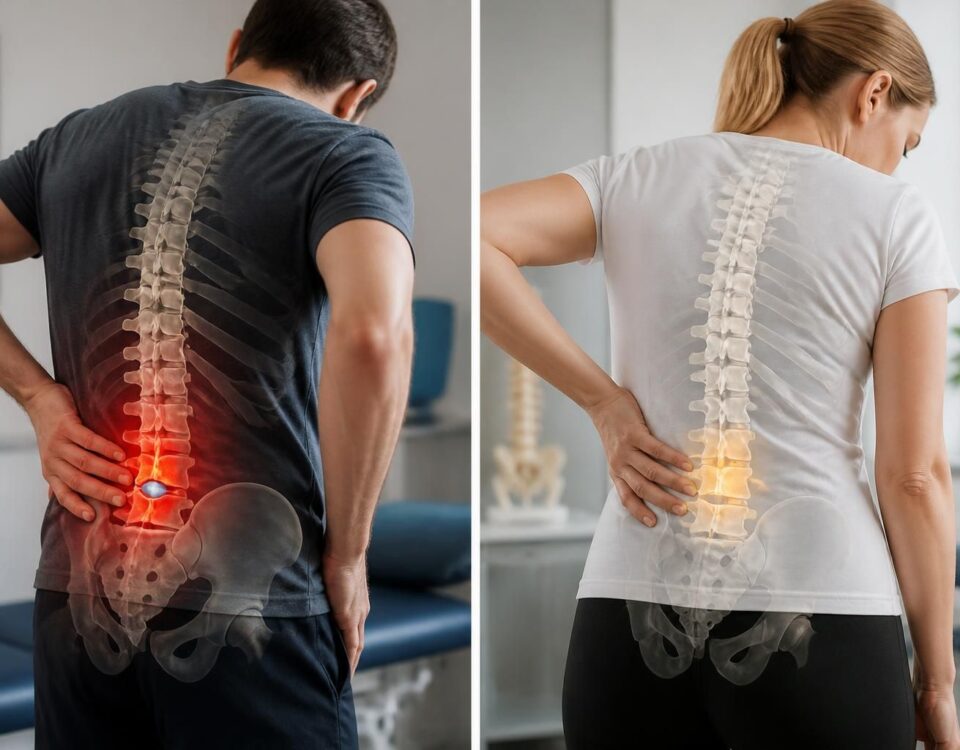
The sciatica is a pain that can radiate from lower back to leg. The sciatic nerve is the longest in the body. It takes birth at the level of the lumbar roots and crosses the buttocks then the back of the leg. The pain can be unilateral and be accompanied by tingling or weakness.
The most common causes include The disc herniation and joint wear (Lumbar osteoarthritis). The Canal shrinkage Or nerve passages can also compress the nerve. Other factors exist, such as a muscle spasm or changes related to pregnancy.
Why the cause determines treatment
If the cause is a slipped disc Lightweight, the goal is to reduce inflammation and protect the nerve without immediate surgery. in the presence of stenosis or loss of strength, options change depending on the impact on function and symptom progression.
Therapeutic options depending on the cause
Depending on the cause identified, several approaches may be considered. In some cases, non-surgical treatments exist, such as anti-inflammatory drugs or targeted injections. In other situations, an intervention can be proposed to decompress the nerve or restore the space around the column.
At TagMed Clinic, we discuss the appropriate options for each case and care is coordinated based on diagnosis and clinical outcomes. Relevant resources also shed light on the relationship between posture and pain, for example on the pages dedicated to sitting and walking: Sciatica and sitting position, sciatica and useful or aggravating walking.
For information on a non-invasive approach, the neurovertebral decompression can be mentioned in some cases. More information here: Neurovertebral and sciatic decompression.
When to refer to a specialized evaluation
Signs of severity require rapid assessment. If the pain is accompanied by marked weakness, sphincter disorder or loss of urinary control, look for emergency treatment.
Prevent and support on a daily basis
Prevention requires appropriate physical activity and good posture. Maintain a healthy weight and avoid prolonged sedentary lifestyle. Adapt the workstation and daily habits to limit nervous irritation and promote progressive recovery.
To find out about the available clinical options, you can consult the Tagmed Clinic and explore the associated resources on SOS SCIATIC.
Medical Disclaimer: The information and advice provided on this site does not replace the health professional’s diagnosis or treatment. Please note that Dr. Sylvain Desforges osteopath is neither a doctor of medicine nor a doctor, and is not a specialist in a medical specialty as defined by the Collège des Médecins du Québec. Manual medicine, functional medicine and sports medicine as described on this site exclude any medical treatment or diagnosis made by a doctor or specialist doctor. Always consult your doctor for any medical questions. For more details, please read our full legal notice.
Axis: Adapt the treatment to the cause. For sciatica, aiming for the source allows for a targeted and faster action.
- lumbar disc herniation : Root decompression guides the choice (physics + analgesics; infiltrations; surgery if motor deficit).
- Lumbar osteoarthritis / lumbar canal shrinkage : focus on strengthening and posture; possible infiltrations; surgery according to claudication and level of disability.
- Piriform Syndrome : gluteal pain radiating towards the leg; Solutions: Targeted and physiotherapy stretching; infiltration if persists.
- Pregnancy : often transient sciatica; Gentle protocol: adapted posture, light reinforcement and lumbar support.
- Trauma/vertebral fracture : emergency and rapid imaging; Treatment suitable for stabilizing and relieving.
- Infection or spinal tumor : medical emergency; specific and quickly followed approach.
- Spondyloarthropathies / Narrow lumbar duct : inflammation or wear; Combination physio + medication; Rare but possible surgery.
- Other rare causes (eg degenerative scoliosis) : Multi-factor approach and personalization of the therapeutic program.

Understand why the cause should guide the treatment of sciatica
Sciatica is not a single disease, but a sign of irritation or compression of the sciatic nerve. In order to achieve lasting results, it is necessary to identify the precise cause and adapt the treatment accordingly. A plan that targets the source, rather than repeating general measures, helps to relieve pain more quickly, restore function and prevent recurrences. This article presents the main mechanisms, their implications and the appropriate therapeutic choices.
Herniated disc and disc bulge: do not confuse
IN BRIEF In brief, the Herniated disc and the disc bulge are two conditions of the spine that differ in their mechanism and prognosis. The disc bulge is a protrusion of the disc without rupture of the fibrous ring, often…
The causes and their implications on the choice of treatment
lumbar disc herniation
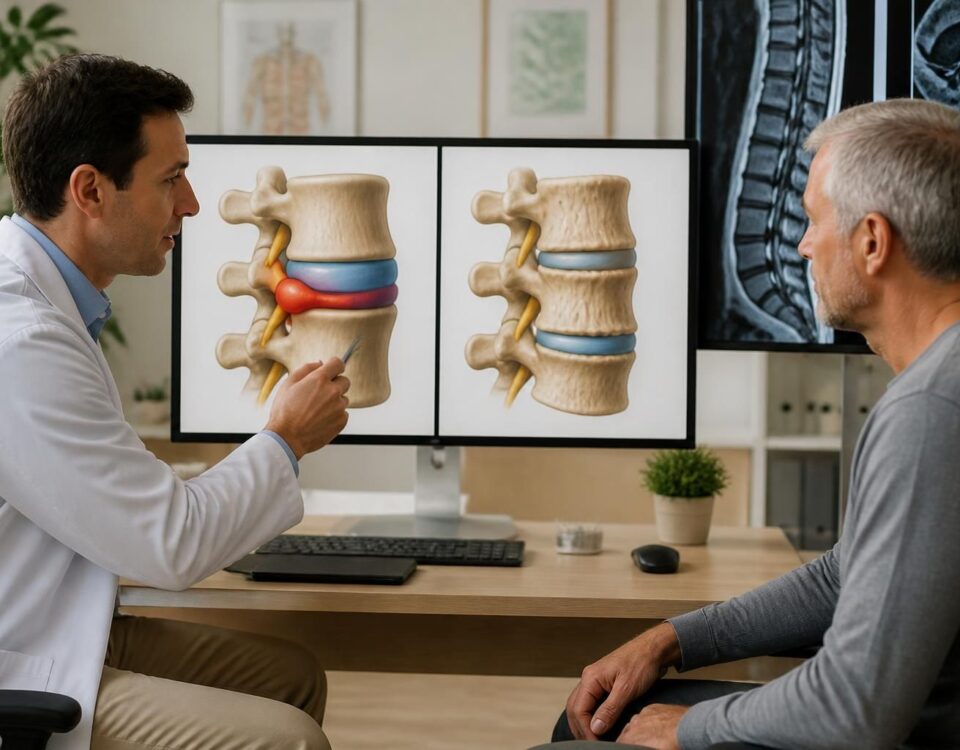
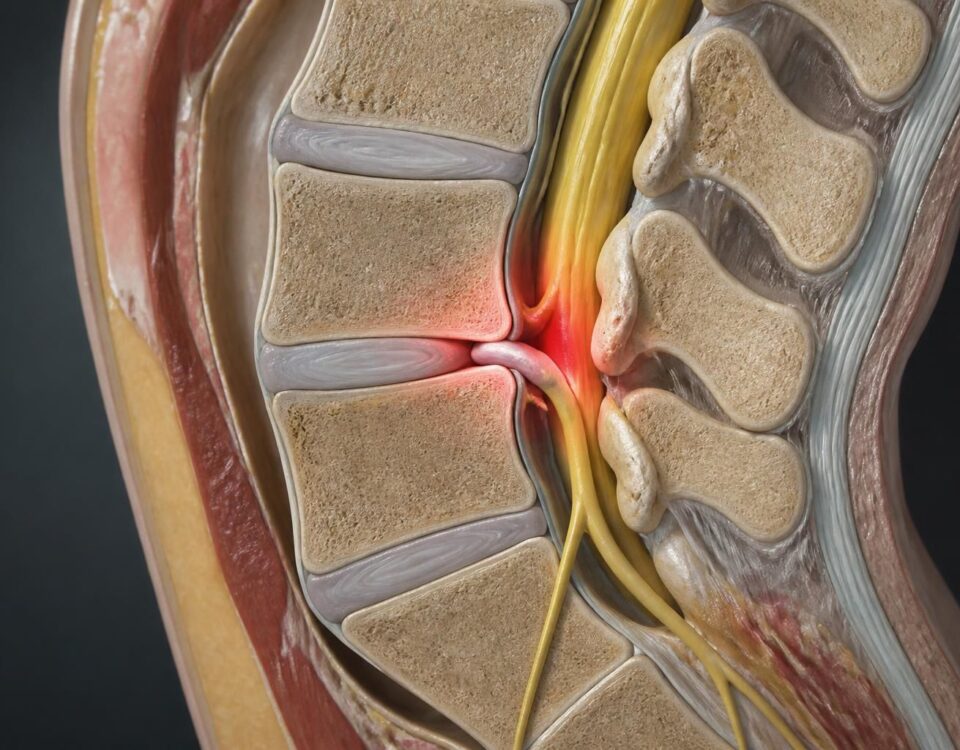
The lumbar disc herniation is a common cause of sciatica. It can compress a nerve root and trigger pain that radiates into the buttocks and leg. The treatment first favors non-invasive measures (anti-inflammatory drugs, physiotherapy, strengthening and relaxation exercises). If the pain persists for more than a few weeks or is accompanied by a neurological deficit, options such as infiltrations or targeted surgical intervention may be considered depending on the evolution and imaging.
Lumbar osteoarthritis and lumbar duct narrowing
With age, joint wear and canal narrowing can compress the nerve roots. The treatment combines rehabilitation, improvement of posture, and adapted therapies (warm-up, exercises, trunk reinforcement). In more advanced cases, local measures such as infiltrations or decompression techniques can be discussed, with a personalized approach depending on the degree of compression and symptoms.
Piriformis muscle syndrome (or pyramidal)
When the piriformis muscle is tense or spasmodic, it can Compress the sciatic nerve. The treatment targets targeted stretching, physiotherapy and, if necessary, localized injections. The goal is to release muscle tension and prevent repeated irritations that fuel pain.
Pregnancy and sciatica
In pregnant women, postural changes and changes in center of severity can cause transient sciatica. The treatment favors gentle and adapted measures (posture, safe exercises, lumbar support) and is generally corrected after childbirth. The approach remains cautious and focused on the comfort and safety of mother and baby.
Lumbar trauma and infections/tumors
Trauma may reveal a structural injury requiring urgent imaging examinations. Infections, tumors or inflammatory spinal pathologies are serious situations that require quick and specialized management. In these contexts, treatment is guided by the exact cause and may involve a multidisciplinary approach and early interventions.
Herniated disc and disc disease: understanding the differences
IN BRIEF In brief, a herniated disc and discopathy are two distinct causes of spinal pain: wear of the intervertebral disc (discopathy) and the protrusion of the gelatinous nucleus that can compress a nerve (herniated disc). Understanding these differences helps…
Diagnosis and therapeutic orientation
The diagnosis is based on a clinical examination, the Lasègue test and, if necessary, imaging (MRI, CT) or neurophysiological tests to precisely locate the affected root. The choice of treatment depends on the Identified cause, the severity of the symptoms and the evolution over time. Appropriate management can combine physiotherapy, medication, infiltrations and, when necessary, surgery. The objective is to act on the cause while quickly managing the pain and preserving the function.
Herniated disc and annular tear: possible pain
IN BRIEF In short, Herniated disc and annular tear refer to issues with the intervertebral disc that can cause lower back pain and, at times, pain radiating down the leg. Symptoms vary and can mimic sciatic pain. Treatment favors conservative…
Common strategies by cause for maximum efficiency
For each cause, a personalized and progressive approach is recommended: start with non-invasive measures, promote movement and correct posture, and regularly reassess the effectiveness of treatments. Avoid absolute rest and favor an appropriate activity prevents the lasting installation of pain. At the same time, an education on everyday gestures and ergonomics can reduce aggravating factors and promote faster recovery.
| cause of sciatica | Impact on treatment |
|---|---|
| lumbar disc herniation | Treats the irritated root with physio and anti-inflammatory; Re-evaluates imaging and considers intervention if persistent motor deficit. |
| Lumbar osteoarthritis and narrow lumbar duct | Advocates posture, rehabilitation and infiltration; Surgery considered if resistant nerve compression or progression. |
| Piriformis muscle syndrome | Stretching and targeted rehabilitation; Rare surgery if failure of conservative treatments. |
| Pregnancy and sciatica | gentle approach focused on posture and light reinforcement; Adaptation until delivery. |
| Lumbar trauma / vertebral fracture | Rapid diagnosis and immobilization followed by progressive and appropriate rehabilitation. |
| Infection or spinal tumor | specialized and urgent care; The treatment depends on the etiology and its extent. |
| Degenerative scoliosis | Multidisciplinary management: physiotherapist and postural corrections; Complementary imaging and interventional options if necessary. |
| Other rare causes | Targeted assessment to identify the cause and adapt the treatment. |
| ponytail (emergency) | Immediate medical evaluation and urgent intervention if present. |
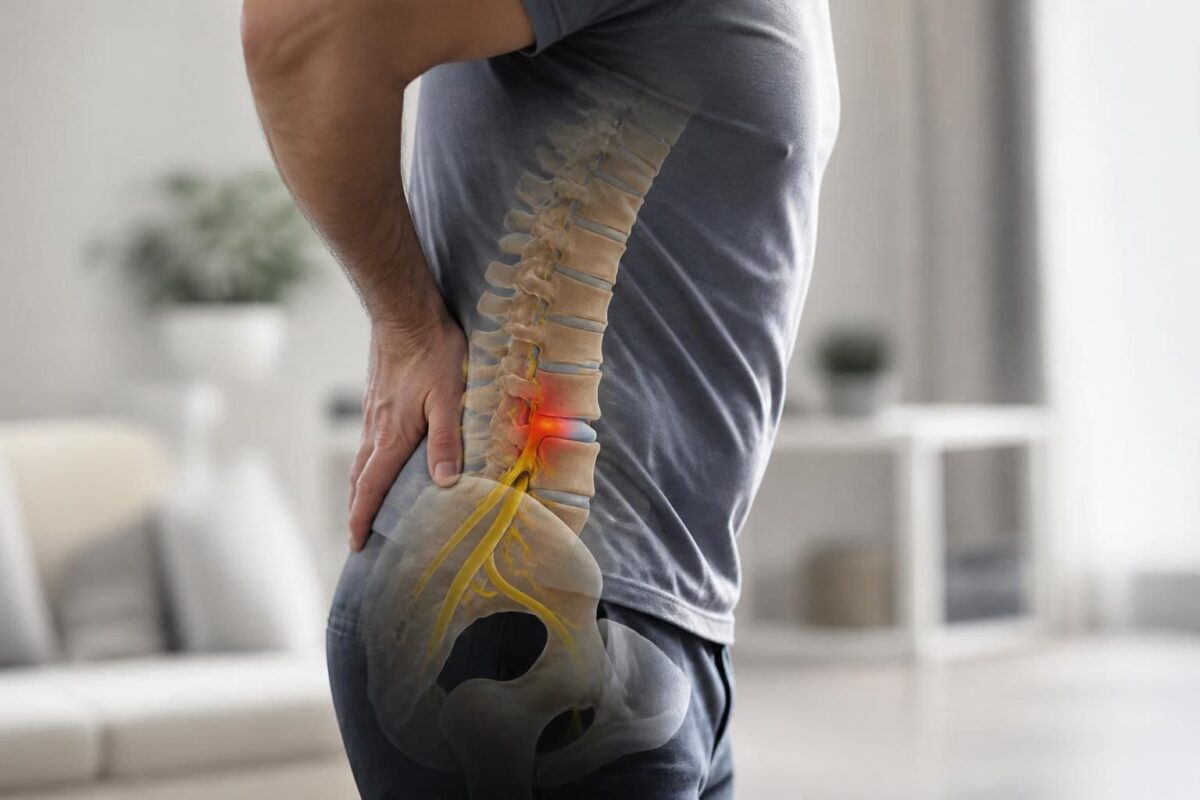
Herniated disc and chemical irritation of the nerve root
IN BRIEF In brief, Herniated disc and chemical irritation of the nerve root describe pain and dysfunction due to compression and inflammatory chemical exchanges affecting a spinal nerve root. This association explains radiating pain, abnormal sensations, and sometimes muscle weakness…
Testimonials: why the cause must guide the choice of treatment
I thought my lower back pain was a simple low back pain, but the cause turned out to be a Lumbar disc hernia which compressed a nerve root. Thanks to this identification, the treatment was directed towards targeted physiotherapy and progressive postural exercises. The pain gradually decreased and I returned to my activities with a better understanding of what had triggered it.
After weeks of discomfort, I discovered that my problem was related to the Piriform Syndrome, muscle compression on the sciatic nerve. The choice of treatment then favored stretches and specific rehabilitation to relax the muscle, rather than interventions that would not have targeted the real cause. Result: less pain and faster recovery.
At over 60, my pain was mostlyLumbar osteoarthritis and one Lumbar duct narrowing. The accurate assessment revealed a cause clearly identifiable, which guided a treatment Combining physiotherapy, postural advice and, if necessary, additional options. By focusing on the source, I avoided generic treatments that would not have had the desired effect and I found a more fluid mobility.
During pregnancy, sciatica may be linked to postural changes. For me, the cause was mainly postural, and the treatment plan focused on simple adjustments, gentle exercises and better posture. The result was a rapid decrease in pain and a more manageable pregnancy experience, without resorting to invasive gestures.
confined to an intense pain that extended to the leg, I understood that the cause could be more serious and require quick support. by quickly identifying the real cause, the treatment was adapted in a targeted way, avoiding unnecessary escalation and allowing a more favorable outcome. Today, the pain is better controlled and the daily life has returned to normal thanks to an approach that first seeks what triggers everything.
Herniated disc and mechanical compression of the nerve
IN BRIEF In brief, a herniated disc is a prolapse of the intervertebral disc that can lead to mechanical compression of the nerve root, causing pain and numbness that often radiate down the leg. This compression explains radiculopathy and sensations…
Sciatica: why understand the cause guides the choice of treatment
Sciatica is much more than just lumbar pain. It represents a symptom of irritation or compression of the sciatic nerve, the longest nerve in the body, which starts from the lower back and extends to the foot. The key to effective treatment does not lie in the temporary pain relief, but in the precise understanding of its cause. This is why each treatment begins by determining the trigger: what structure, what pathology, or what gesture has put the sciatic nerve at stake. By adopting this approach, the therapist can propose a targeted and lasting strategy rather than a uniform treatment that would not be addressed. the root of the problem.
Anatomically, the sciatic nerve emerges from several lumbar nerve roots and extends through the buttocks, thigh and leg. When this nervous bundle is stressed or compressed, the pain can follow a precise journey, sometimes associated with tingling, numbness or muscle weakness. The pain is often unilateral, described as throbbing or burning, and can be accentuated with coughing, exertion or during certain movements. Understanding this journey is essential, because each location and each pain pattern refers to a different possible cause and guides the therapeutic choice.
Among the most common causes of sciatica are lumbar disc herniation, which can compress a nerve root and trigger pain radiating into the leg. Other important origins include lumbar osteoarthritis or narrowing of the spinal canal, which limit space around the nerves; Piriformis syndrome, muscle tension in the buttock that may act as a nerve trap; and, more rarely, factors related to pregnancy, trauma or infections. Less frequent but serious causes, such as a tumor or an inflammatory disease of the spine, require special vigilance and appropriate care. Beyond imaging, these elements guide the decision between conservative treatment and surgery, when motor deficits appear or pain persists despite appropriate care.
The diagnosis is based above all on a thorough clinical examination: strength assessment, specific reflexes and tests such as the Lasègue test. When the signs persist beyond six weeks or when neurological symptoms appear, the doctor may use additional examinations (MRI, CT, electrodiagnostic tests) that confirm the origin and level of the attack. This diagnostic approach is essential, because it makes it possible to avoid superfluous treatments and to target interventions according to the exact cause, whether it is a rehabilitation program, infiltration, or appropriate surgical options.
The treatment of sciatica is therefore multidisciplinary and personalized. The objective is to eliminate or limit the cause when possible, while effectively managing pain and preserving or restoring function. Non-operative approaches focus on strengthening the trunk, improving posture, progressive exercises and appropriate pain management through appropriate medications. In the event of mechanical causes or localized inflammation, specific techniques and manual therapies make it possible to act on the structures involved, without neglecting the importance of remaining active and gradually resuming usual activities. Surgical intervention is only considered when the symptoms are severe, debilitating or associated with a significant motor deficit.
Dr Sylvain Desforges, osteopath and expert in manual medicine, defends an approach based on the etiology of pain. Expert in osteopathy, Naturopathy and manual medicine, he is founding president of the Tagmed clinics and the ACMA association. With a career dedicated to innovation in care, it integrates advanced technologies such as spinal decompression, therapies by laser and by shockwave in a personalized and evidence-based care offer. Its mission is to provide evidence-based care to optimize the health and well-being of each patient. Discover his approach and the services offered by the TagMed clinic, which place the cause at the center of the treatment.
Quick Summary: Sciatica is pain radiating from the lower back to the leg, resulting from irritation or compression of the sciatic nerve. The key to effective treatment lies in the precise identification of the underlying cause, as the approaches vary greatly depending on whether it is a slipped disc, of a Lumbar osteoarthritis, of one Piriform Syndrome, pregnancy, trauma or other pathologies. By targeting the cause, we choose adapted solutions, adapted to each patient, to reduce pain, restore mobility and prevent recurrences.
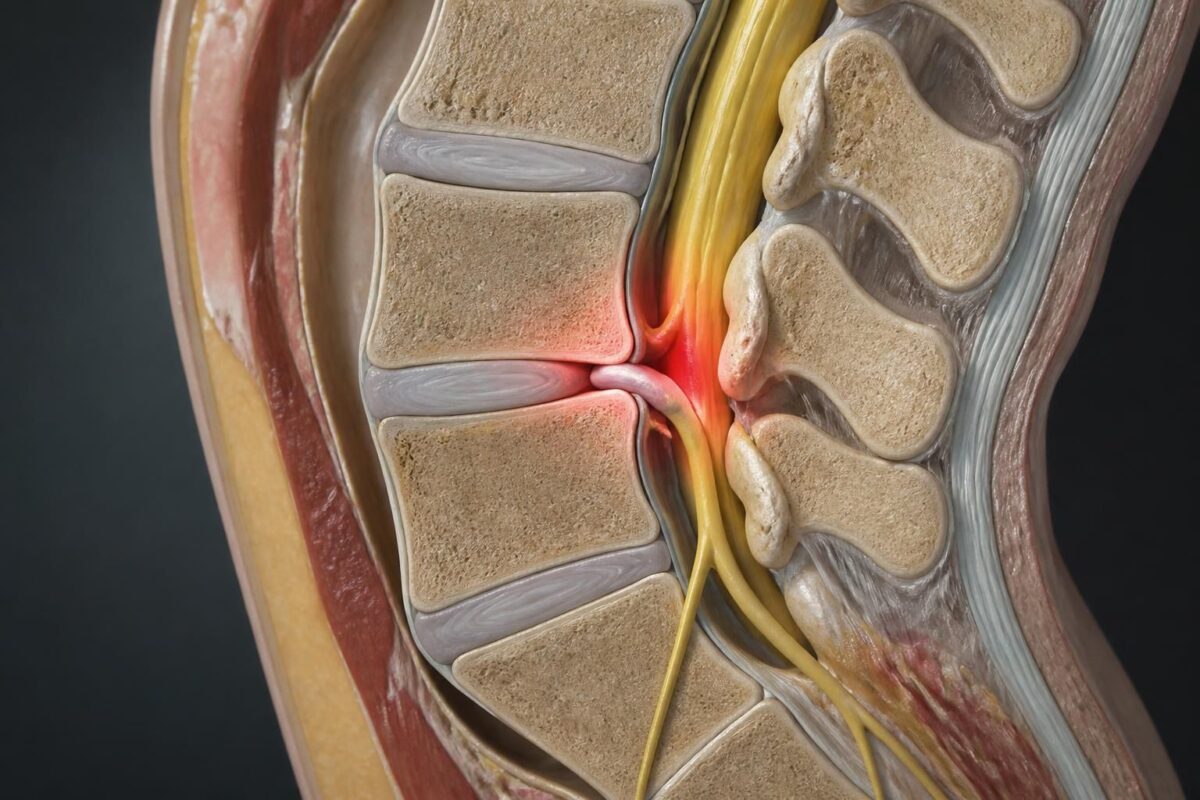
Herniated disc and nerve root inflammation
IN BRIEF In brief, lumbar disc herniation and nerve root inflammation refer to compression and irritation of a spinal root causing radiating pain, paresthesias, and sometimes muscle weakness. The mechanism combines disc protrusion and radicular inflammation, hence the importance of…
Why the cause must guide the choice of treatment
Sciatic pain is a common symptom that can come from very different mechanisms. An approach focused solely on pain relief risks masking the origin and ignoring the structural or functional factors that maintain the problem. By identifying the specific cause, we can propose an adapted, faster and more sustainable strategy, which can include postural corrections, targeted exercises, manual interventions or specific treatments as appropriate.
For example, a lumbar disc herniation May require measures that release nerve compression, sometimes supplemented by surgery if the motor deficit is marked. Conversely, a Piriform Syndrome Often responds to stretching and manual therapies without surgery. This distinction is essential to avoid unsuitable treatments and to optimize functional recovery.
In all cases, the diagnostic approach is based on a rigorous clinical examination and, when necessary, imaging explorations (MRI, CT) and electrodiagnostic tests to precisely determine which root is affected and to what degree of severity. This precision makes it possible to avoid unnecessary treatments and to direct the patient to the most effective and safe options.
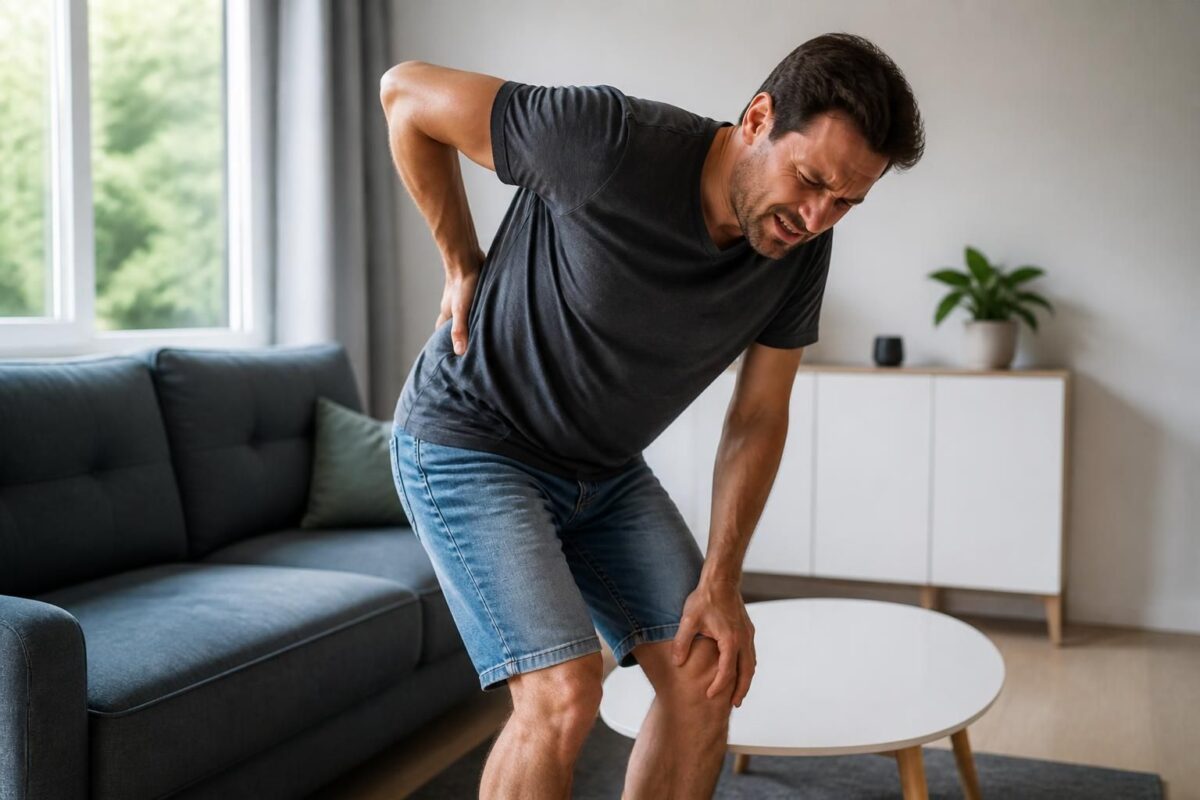
Herniated disc and peripheral pain: sign to watch out for
IN BRIEF In brief, Herniated disc is the partial protrusion of the gelatinous nucleus of an intervertebral disc through the fibrous ring, which can compress a nerve root and trigger radiating pain in the limb. The key benefits of rapid…
indications by cause and the corresponding therapeutic choices
For a slipped disc lumbar, options can combine pharmaceuticals (anti-inflammatory, analgesics), physiotherapy and, depending on the case, interventions such as a decompression neurovertebral and, if necessary, surgery adapted to the situation. As part of theLumbar osteoarthritis or from Lumbar duct narrowing, physiotherapy and targeted treatments can be helpful; Additional options such as infiltrations can be considered when symptoms persist.
The Piriform Syndrome is often managed by stretching, muscle work and manual techniques, with a reduction in symptoms without systematic recourse to surgery. In pregnant women, a sciatica May appear due to posture disorders and usually subsides after childbirth, requiring gentle and appropriate care.
In the presence of trauma or an inflammatory process of the spine, an urgent assessment may be necessary to rule out more serious causes such as fracture or infection. Infections, tumors or other rare conditions require specialized and rapid care.
Non-surgical approaches and osteopathic options can play an important role in daily management and pain reduction, without systematically using heavy drugs or surgery. To explore these routes, you can consult resources such as The non-surgical approach and articles on Osteopathy as an alternative. To understand how the Trunk flexion influences pain, consult the dedicated resources. Other complementary sources make it possible to deepen mechanisms and treatments, such as The traumato and guides published by Ameli or MSD Manuals.
To guide your decision and access personalized advice, it is recommended to be evaluated by a health professional who can interpret the signs, check the reflexes and direct towards the best therapeutic strategy adapted to your specific situation. In case of doubt or persistent pain, do not hesitate to consult and explore the appropriate options for you, including non-drug approaches and specialized manual techniques.
To learn more, check out these additional resources: Sciatica and trunk flexion, Sciatica, Non-surgical approach, Osteopathy and sciatic pain, Doctissimo – sciatica, Ameli – Consultation and treatment, Terrebonne route and advice, neurovertebral decompression, Sciatica – Causes and Treatments, MSD Manuals – Sciatica.

Herniated disc and centralizing pain: sign to interpret
IN BRIEF In brief, a herniated disc is a protrusion of the intervertebral disc that can compress a nerve root, causing centralized pain and signs such as radiating pain, numbness, and weakness. The treatment is mostly conservative: guided activity, physical…

Dr Sylvain Desforges, B.Sc., D.O., N.D., osteopath, is the founding president of TAGMED and of the ACMA association. He dedicates his practice to chronic spinal pain, low back pain and symptoms compatible with sciatica, particularly when pain radiates toward the buttock, leg, calf, foot or toes.
Through SOS Sciatique, he publishes educational content on sciatica symptoms, possible causes such as disc herniation, disc narrowing, foraminal stenosis or irritation of a lumbar nerve root, as well as non-surgical approaches that may be considered according to the evaluation. At Clinique TAGMED, care may include, depending on the case, motorized neurovertebral decompression, specific osteopathic care or precision percussion.
For an evaluation related to sciatica treatment in Montreal / Mount Royal or sciatica treatment in Terrebonne, please consult the services available at Clinique TAGMED.
Medical disclaimer
The information published on SOS Sciatique is provided for educational purposes only and does not replace a consultation, diagnosis, opinion or treatment provided by a physician or another authorized healthcare professional. The author of this article is neither a medical doctor nor a specialist in a medical specialty recognized by the Collège des médecins du Québec. The osteopathic, manual medicine or functional support approaches described on this site do not constitute medical acts and are not intended to replace medical follow-up.
Consult a physician or emergency service in cases of loss of bladder or bowel control, anesthesia in the saddle area, significant or progressive weakness in the leg or foot, fever, recent trauma, severe pain or rapid worsening of symptoms. For more details, please read our Legal Notice.