The benefits of osteopathy to improve sports performance
29/06/2026
Osteopathy and joint pain: restore mobility without surgery
29/06/2026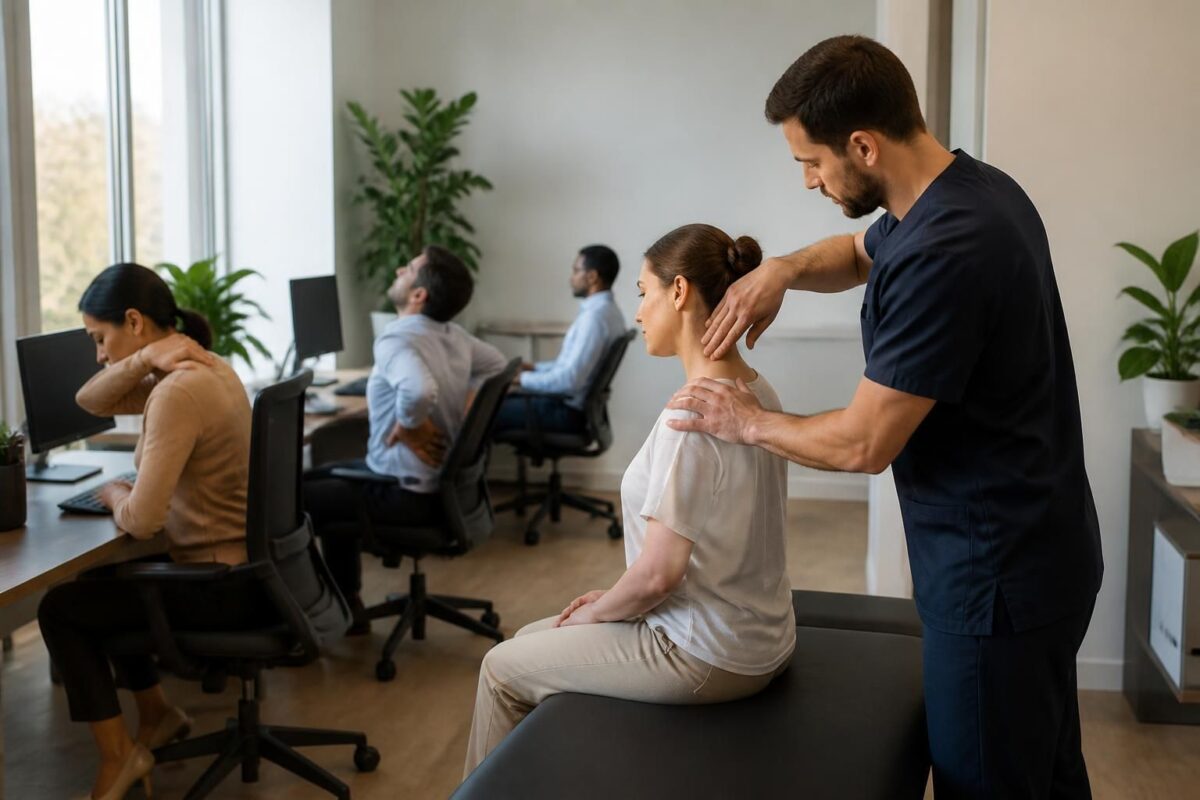
In short
| In short, theosteopathy warn them strain related to Extended postures. It’s an approach manual and holistic that helps restore body balance when muscles and joints remain stressed for long periods of time. Benefits and applications: it reduces the strain and the aches, to improve the posture and daily comfort, and optimize the circulation and the sleep. How it works: sessions Custom using Gentle techniques and respectful, targeting areas of tension and promoting the mobility and the breathing. In Montreal and in the regions, this service is particularly suitable for professionals and students exposed to long periods in front of a screen, in order to prevent musculoskeletal disorders and to promote well-being at work and study. |
theosteopathy prevents tensions linked to Extended postures By treating their mechanical and neuro-sensitive causes rather than masking pain.
it acts by freeing the Muscle tensions and the fascias, by improving the Joint mobility, and working on the diaphragm and the the nervous system to rebalance the body.
The results include better posture, a circulation and functioning of optimized organs, a reduction of aches and prevention of future disorders.
To optimize these benefits, Regular sessions and tips postural adapted to prevent tensions even on long days.
This summary shows how Osteopathy can prevent tensions related to Extended postures. It describes the mechanisms of physical stress related to position, osteopathic approaches and practical advice to remain free from tensions on a daily basis.
Understanding posture tensions
Prolonged positions activate the body’s stress response. The muscles tense up, the fascia thickens and breathing can become superficial. The diaphragm can stiffen. These reactions lead to pain and fatigue. Osteopathy helps prevent these tensions by considering the body as a whole.
The osteopathic foundations
In osteopathy, everything is linked. An imbalance in one area can influence other parts. The objective is to restore harmony through simple and respectful gestures of the body. This approach aims to restore mobility and support natural self-regulation.
Techniques used to prevent tension
Relaxation of muscle tension. Gentle gestures release muscles and fascias. This promotes lasting relaxation and reduces posture-related pain.
traffic improvement. Osteopathic work stimulates blood and lymph circulation. This improves the supply of oxygen and nutrients and facilitates the elimination of toxins.
Nervous system regulation. The approach helps balance the sympathetic and parasympathetic nervous system. The result is a state of calm conducive to recovery.
Mobility and posture. By working on the mobility of the joints and fascias, osteopathy reduces tensions linked to repeated positions and improves daily comfort.
To deepen the overall angle of the osteopathic approach, see sossciatica.com.
Daily integration and prevention
Workstation ergonomics and regular breaks are essential to limit tensions. Conscious breathing and good posture support the effects of osteopathy. Practical resources on this theme are available on Joint mobility and prevention.
Concrete advice exists to extend the benefits of osteopathy. For example, resources on prolonged immobilization recovery explain how osteopathic aid supports long-term mobility on this page.
For a global vision and feedback, you can also consult the pages dedicated to the Overall well-being and the reduction of lower limb pain on sossciatica.com and Benefits for the lower limbs.
Additional information is accessible via the TAGMED clinic, in particular on osteopathic services and complementary approaches to Tagmed Clinic.
For those looking for a more specific option, resources on neurovertebral decompression and other approaches can be viewed on decompressionneurovertabreale.
Medical Disclaimer: The information and advice provided on this site does not replace the health professional’s diagnosis or treatment. Please note that Dr. Sylvain Desforges osteopath is neither a doctor of medicine nor a doctor, and is not a specialist in a medical specialty as defined by the Collège des Médecins du Québec. Manual medicine, functional medicine and sports medicine as described on this site exclude any medical treatment or diagnosis made by a doctor or specialist doctor. Always consult your doctor for any medical questions. For more details, please read our full legal notice.
- Mechanical approach : detection of strain Postural and rebalancing of muscle chains.
- Targeted mobility : improvement of the mobility Key joints (neck, shoulders, pelvis, back).
- Fascia release : reduction of rigidities related to prolonged posture.
- Alignment and biomechanics : Optimization of the biomechanical and thealignment to limit postural fatigue.
- compensation prevention : Prevention of tensions that accumulate over time.
- Gentle techniques : release the strain related to the posture.
- Breathing and diaphragm : Calm the nervous system to reduce postural fatigue.
- Ergonomics and micro-breaks : Practical advice to prevent posture wear.
- Simple exercises : to practice between sessions to maintain the gains.
- Personalized follow-up : Individualized plan to prevent pain and recurrence.

This recommendation presents how osteopathy can prevent tensions related to prolonged postures. By harmonizing the structures of the body, it acts upstream to limit muscle tension, improve mobility and promote better nervous regulation, while integrating practical advice for everyday life..
Tensions related to prolonged postures: why they appear
The postures that have remained for too long in the same configuration lead to tension accumulations in the muscles, fascias and joints. The most exposed areas often feature the neck, shoulders, back and lower back. This stiffening can disrupt blood and lymph circulation, reduce tissue oxygenation and amplify fatigue. In addition, a posture dominated by sedentary lifestyle can influence sleep, digestion and emotional comfort, creating a circle of tensions that strengthens over time.
The most affected areas
The neck and shoulders rarely lack solicitation during prolonged sitting work. The diaphragm can be partially compressed, which impacts breathing and stress reduction. The back, especially the lumbar and thoracic region, is subjected to repeated efforts which can result in pain and decreased mobility. Understanding these areas helps to target osteopathic interventions and preventive actions of everyday life.

How osteopathy improves the quality of life of active people
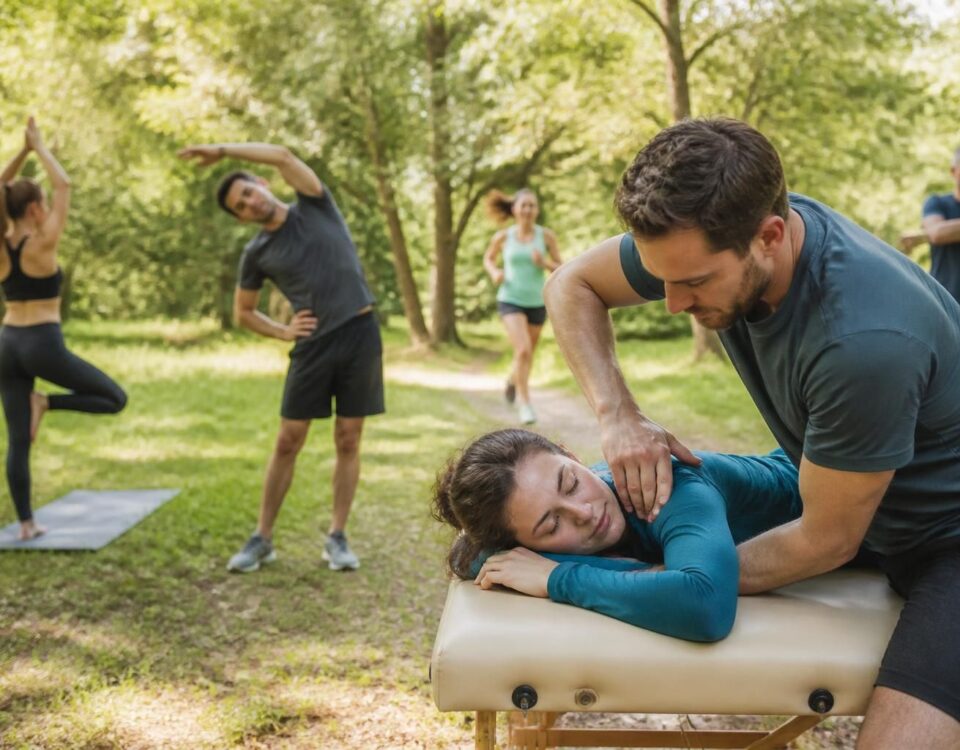
In short In short, theosteopathy is a global approach that Optimizes mobility and the function of the body of ACTIVE PEOPLE, for a better quality of life. It helps prevent injury and reduce Musculoskeletal pain While promoting the Sports recovery.…

Osteopathy and sports recovery: prepare the body for lasting performance
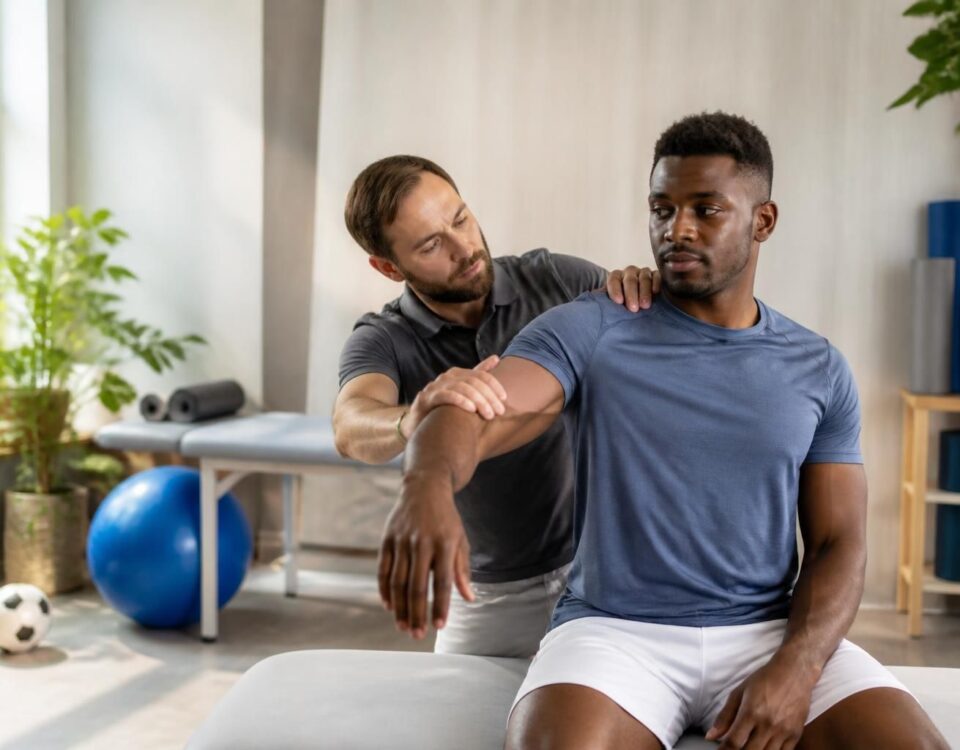
In short In short, Osteopathy and Sports recovery is one Global manual approach that sustainably prepares the body for the effort by restoring mobility and circulation After the effort. It is a discipline that acts on the sinews, the joints,…
How osteopathy acts in prevention
Osteopathy aims to restore harmony between the tension chains of the body. By working on the interactions between muscles, fascias, joints and organs, it prevents the lasting installation of imbalances and promotes better tolerance to repeated postures. This holistic approach makes it possible to anticipate pain and improve the body’s ability to self-regulate in the face of mechanical stress related to work or daily activity.
Relaxation and musculoskeletal mobility
Gentle, targeted techniques help release tension points and improve the mobility of the spinal segments and peripheral joints. By promoting better tissue slippage and muscle flexibility, osteopathy reduces stress on areas prone to extra work during prolonged periods.
Improved circulation and drainage
By stimulating blood and lymph circulation, osteopathy facilitates the supply of oxygen and nutrients to the tissues while accelerating the elimination of toxins. This better irrigation of the muscles and fascias contributes to reducing the feelings of stiffness, heaviness and fatigue after a long day in the static position.
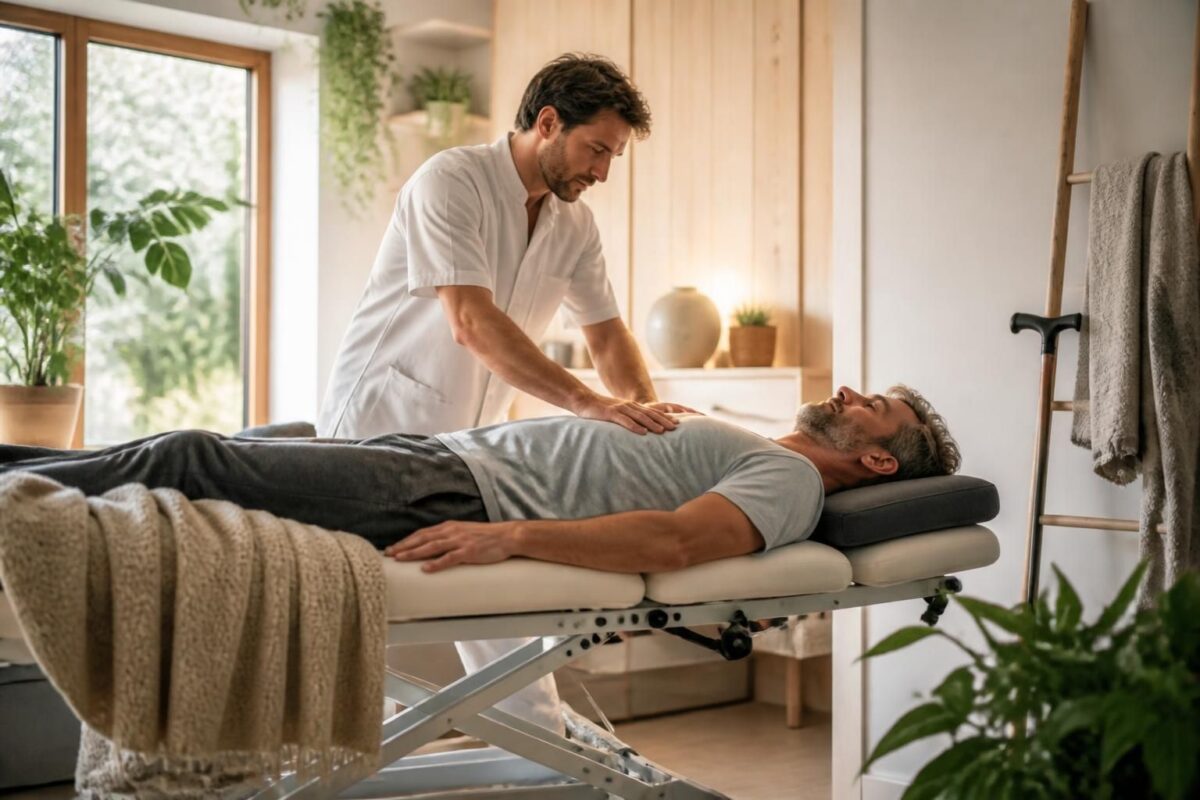
Why Osteopathy Is Essential For Recovery People
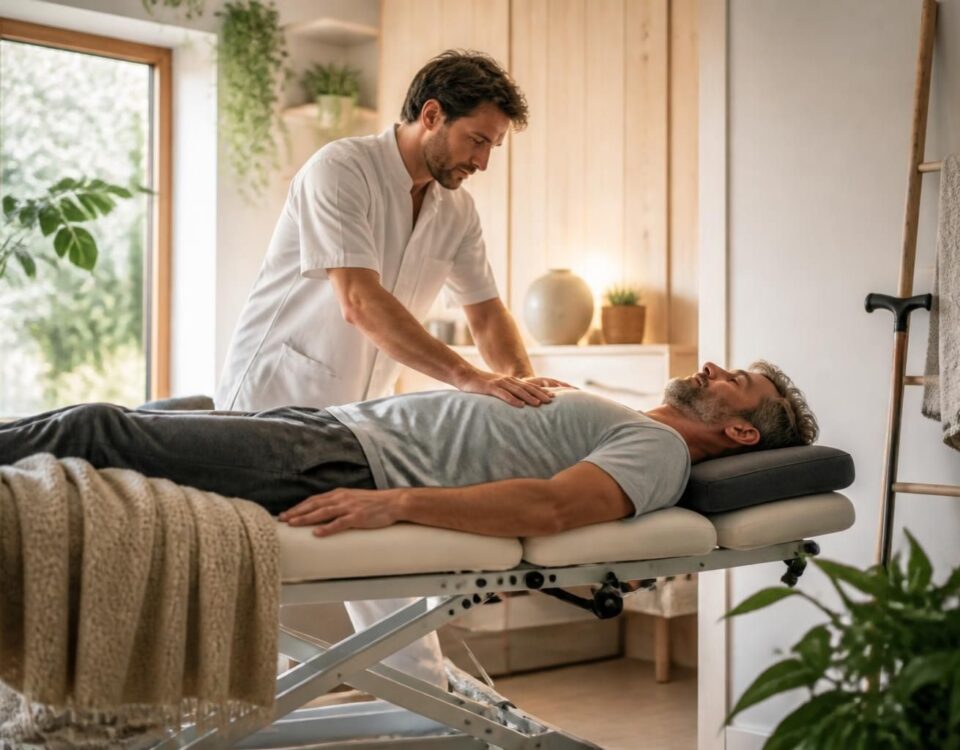
In short In short, Osteopathy in convalescence is an approach manual and holistic which helps to accelerate the recovery by restoring The balance, the mobility and a good circulation fabrics. it contributes to Reduce the pain, support the Back to…

Osteopathic manipulations to strengthen post-traumatic muscles
In short In short, Osteopathic manipulations for Strengthen post-traumatic muscles constitute a gentle manual approach aimed at restoring the mobility, reduce the pain and facilitate the Functional rehabilitation After a injury. What is Is it? A series of precise gestures…
Appropriate techniques to prevent tensions
The techniques used aim to establish a lasting balance without imposing excessive constraints. They include tissue maneuvers to relax the fascias, soft joint mobilizations to restore mobility, and targeted work on the diaphragm and breathing to support the nervous system and promote inner calm.
Tissue techniques and gentle mobilizations
These gestures aim to release deep tensions, improve the flexibility of muscle chains and prevent pain points typical of prolonged postures.
Work on breathing and diaphragm
By working on respiration, osteopathy improves oxygenation and participates in the relaxation of the nervous system, which can increase effort tolerance and reduce signs of posture-related fatigue.

Osteopathy and prevention of work-related musculoskeletal disorders
In short theosteopathy is one Manual approach that restores body balance and prevents MSD related to work. Its advantages: reduction of tension, improvement of mobility and prevention of chronic pain. She is preventive and healing, suitable for office and trades…

The benefits of osteopathy to treat muscle imbalances
In short theosteopathy is a manual approach to restore themuscle harmony and postural considering the body as a whole. Its main benefits include the reduction of aches and tensions, the improvement of the mobility and from the posture, and prevention…
Integrating osteopathy into a preventive routine
To take full advantage of the benefits, a preventive approach is recommended rather than reactive. Regular sessions, combined with simple daily gestures, help maintain body balance and reduce the impact of prolonged postures.
Frequency of sessions and prevention
Sessions spaced according to individual needs help prevent tension phenomena before they settle permanently, while promoting better adaptation of the body to professional and personal requirements.
Practical advice to adopt on a daily basis
Integrate active pauses, alternate positions, and adopt targeted stretches for areas of tension. Pay particular attention to the ergonomics of your workstation and favor regular breathing exercises to maintain a more fluid and less tensioned working rate.
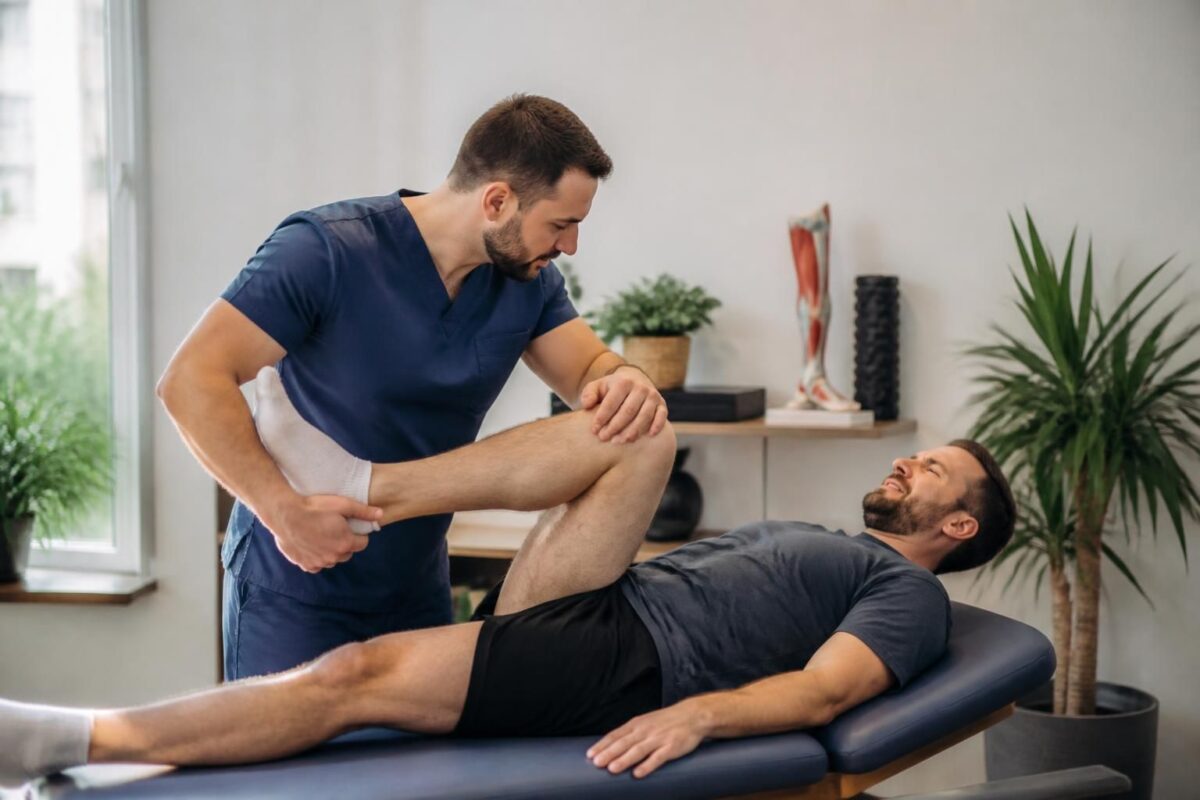
Osteopathy and chronic leg pain: regaining an optimal quality of life
In short In short, Osteopathy is one Global manual approach aimed at reducing Chronic leg pain and improve the quality of life. What is it? Non-drug therapy using the hands to identify restrictions and treat lesional chains. How does it…
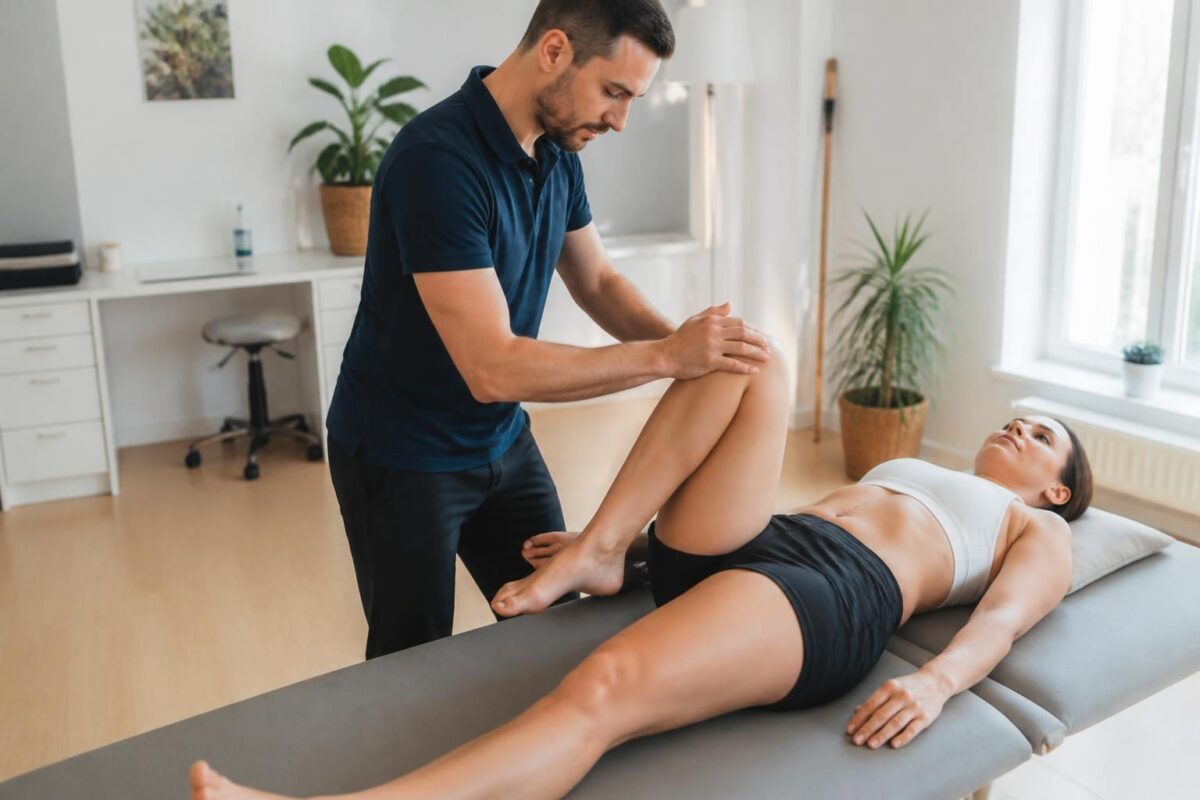
How osteopathy supports recovery after complex surgery
In short In short, Post-operative osteopathy is an approach fresh which supports the recovery After a Complex surgery. It helps to reduce the pain and the fatigue, improves the mobility and accelerates the healing thanks to a better vascularization and…
Osteopathy and prolonged postures: prevention of tension
| osteopathic element | Concise impact |
|---|---|
| Targeted muscle relaxation | Decreased stiffness related to sedentary lifestyle and prolonged postures |
| Soft joint mobilizations | Mobility found and reduction of blockages that aggravate tensions |
| Work on diaphragm and breathing | Optimized breathing and reduced chest rigidity and stress |
| Work on fascias and myofascial tensions | Liberation Fascia and better circulation |
| Harmonization of the nervous system | Neurovegetative stabilization leading to less pain and fatigue |
| Improved blood and lymph circulation | Increased traffic and better oxygenation, facilitating the elimination of toxins |
| Advice and exercises at home | Postural autonomy Reinforced and prevention of tensions through exercises at home |
| Ergonomic adjustments and postural habits | Ergonomic adjustments and prevention of sources of tension |
| Regular preventive sessions | Sustainable balance and reduced risk of future tensions |
Testimonials: how osteopathy prevents tensions linked to prolonged postures
Before spending long hours in front of the computer, my shoulders and neck were stiffening quickly. Osteopathy identified the tensions and taught me simple gestures to release them, while correcting my posture on a daily basis. Today, I see a marked improvement and I am able to Prevent tension related to Extended postures Without feeling overwhelming fatigue at the end of the day.
In telework, the positions follow one another without respite. After a few sessions, my breathing subsided and my fascias regained flexibility, which not only reduced my pain but above all Prevent tension related to Extended postures. I can sit longer without my shoulders pulling and my back tightens.
As a handler, I spend my days moving and carrying heavy loads. Osteopathy helped me release accumulated tensions and adopt more respectful postures on my back. I feel better mobility and less tension at the end of each tour, proof that this approach can Prevent tension related to Extended postures in the long term.
As a student, often sitting in the library for hours, I had stiffness that bothered my concentration. Osteopathy gave me tools to Prevent tension and improve my postural stability. Since then, my study sessions have been going on with more comfort and my fatigue is less present at the end of the day.
Professional in customer service, standing for a good part of the time, I had recurring lower back pain. Osteopathy strengthened my posture and coordinated my breathing to reduce tensions. Today, I benefit from natural protection against the tensions linked to static and dynamic positions.
For people who remain active at any age, sitting or standing can cause tenacious tension. Thanks to preventive osteopathy, I learned to distribute my efforts and maintain my mobility. I notice less pain and a regained energy after long periods without movement.
Dr. Sylvain Desforges, Expert in osteopathy, Naturopathy and manual medicine, is the founding president of TagMed and the ACMA association. With a career dedicated to health innovation, he specializes in the management of chronic pain and the integration of advanced technologies. His approach is based on evidence-based care to optimize the health and well-being of patients, especially when tensions arise from sustained postures on a daily basis.
Prolonged postures, whether sitting in front of a desk or standing for long periods, impose an unequal distribution of muscle forces and stress on the body. Osteopathy assumes that everything is linked in the body: tension in an area can manifest itself elsewhere by compensation. This vision makes it possible to act upstream to prevent the appearance of pain and rigidities, by restoring the structural and functional harmony of the body.
To prevent the tensions linked to these postures, the osteopath adopts a global and personalized approach. The initial assessment takes into account the patient’s history, postural habits, professional environment and signs of muscle fatigue. Through careful palpatory examination, the most stressed areas of tension and muscle chains are identified to target treatment and appropriate advice.
The osteopathic techniques used to prevent tensions associated with prolonged postures are based on simple but effective principles. Targeted tissue releases release tense fascias and restore muscle elasticity. Soft joint mobilizations restore mobility of the spinal segments and shoulders, thus improving the alignment and mechanics of the spine. Work on the diaphragm and breathing allows better oxygenation and reduces tensions related to postural stress. Cranial and visceral techniques complete the approach to calm the nervous system and promote lasting relaxation.
By acting on the key structures involved in postural maintenance, osteopathy aims to prevent Chronic pain related to the repetition of gestures and posture. Expected results include reduced contractures, improved overall mobility and decreased fatigue feeling associated with long periods in static position. In the long term, this approach supports better postural stability, smoother breathing and regained energy on a daily basis.
In addition to the sessions, practical advice and adapted exercises make it possible to prolong the benefits. Ergonomic advice, breathing exercises, targeted stretching and regular micro-breaks invite the patient to regain control of their body balance. The objective is clear: to prevent the appearance of tensions before they anchor themselves durably, in order to preserve mobility, vitality and comfort of life in a world where prolonged postures are frequent.
Quick Summary: Osteopathy proposes a preventive approach to the tensions linked to Extended postures By aiming for the overall balance of the body, relaxation of the muscles and the improvement of mobility and breathing. This holistic method adapts on a daily basis to prevent pain and imbalances in the long term.
Prevent prolonged posture tensions through osteopathy
The body is an interconnected unit: when you stay in the same position for a long time, tensions can be reflected in other areas. theosteopathy aims to restore harmony by working on tissues, joints and the nervous system, in order to reduce tension, improve the circulation and promote better posture-related stress management.
The techniques used to prevent these tensions are based on a Relaxation of muscle tension by gentle gestures, a traffic improvement To optimize the supply of oxygen and nutrients, and work on the diaphragm and breathing. The care of the fascias also makes it possible to remove the restrictions which amplify the tensions linked to postural maintenance and to improve overall mobility.
Specialized resources show that theosteopathy Can promote performance and recovery in active professionals, while strengthening body resilience to daily stress. To deepen these benefits, see the article dedicated to Performance among active professionals.
To maintain and prolong the results between the sessions, simple and effective exercises complete the osteopathic work. For example, discover 5 osteopath exercises to release tension. Also include active breaks and diaphragmatic breathing techniques to prevent postural drifts and promote more natural posture.
On a practical level, the objective is to integrate simple gestures into your daily life that support osteopathic action: posture adjustments, regular breaks, targeted stretching and controlled breathing. This approach combines prevention and self-management To reduce the risk of pain related to repetition and sedentary lifestyle.
In a broader perspective of prevention, osteopathy promotesbalance between the nervous and musculoskeletal systems, which can result in a Better sleep quality, a Increased mobility and a decrease in stress-related tensions. To explore other aspects and testimonials, you can consult resources such as articles on stress-related muscle tension and osteopathic balance.
If you experience repeated signs of tension during prolonged postures, consider appropriate care that combines osteopathic session and practical advice. Complementary content addresses, for example, how osteopathy acts on neuropathic pain or on diffused musculoskeletal tensions, in order to guide you towards sustainable management of daily tensions.

Dr Sylvain Desforges, B.Sc., D.O., N.D., osteopath, is the founding president of TAGMED and of the ACMA association. He dedicates his practice to chronic spinal pain, low back pain and symptoms compatible with sciatica, particularly when pain radiates toward the buttock, leg, calf, foot or toes.
Through SOS Sciatique, he publishes educational content on sciatica symptoms, possible causes such as disc herniation, disc narrowing, foraminal stenosis or irritation of a lumbar nerve root, as well as non-surgical approaches that may be considered according to the evaluation. At Clinique TAGMED, care may include, depending on the case, motorized neurovertebral decompression, specific osteopathic care or precision percussion.
For an evaluation related to sciatica treatment in Montreal / Mount Royal or sciatica treatment in Terrebonne, please consult the services available at Clinique TAGMED.
Medical disclaimer
The information published on SOS Sciatique is provided for educational purposes only and does not replace a consultation, diagnosis, opinion or treatment provided by a physician or another authorized healthcare professional. The author of this article is neither a medical doctor nor a specialist in a medical specialty recognized by the Collège des médecins du Québec. The osteopathic, manual medicine or functional support approaches described on this site do not constitute medical acts and are not intended to replace medical follow-up.
Consult a physician or emergency service in cases of loss of bladder or bowel control, anesthesia in the saddle area, significant or progressive weakness in the leg or foot, fever, recent trauma, severe pain or rapid worsening of symptoms. For more details, please read our Legal Notice.