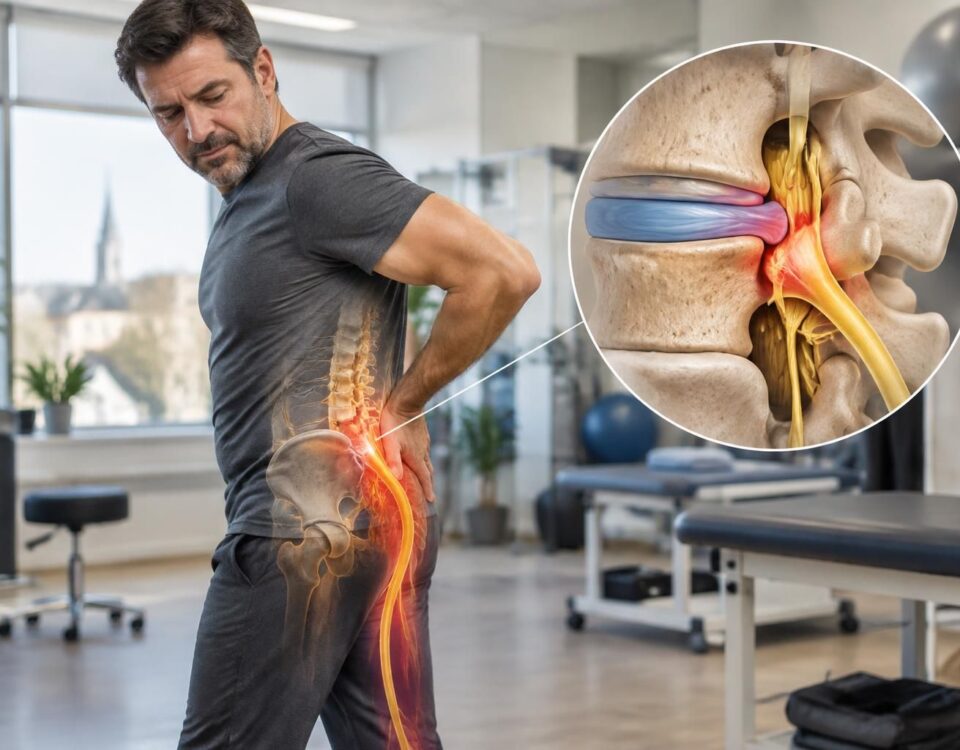
Pain in the buttocks and leg: consultation for sciatica in Montreal
06/07/2026
Sciatica with foot weakness: sign to watch for
06/07/2026
IN BRIEF
| In brief, this consultation service for sciatica and pain associated with the buttock and leg in Terrebonne offers a quick assessment and a personalized non-surgical plan. What is it? a clinical approach that identifies the cause of the pain (for example herniated disc, piriformis syndrome, or nerve irritation) and proposes appropriate solutions. What are the benefits? targeted relief from symptoms, improved mobility, and reduced risk of recurrence, without surgery, with progressive follow-up. How does it work? an initial consultation, diagnosis determination, and implementation of a personalized program including exercises, postural advice, and manual therapies when necessary. Accessible in Terrebonne, this service aims to restore function, accelerate recovery, and improve quality of life. |
Do you suffer from a pain in the buttock that may radiate into the leg? A sciatica consultation in Terrebonne will help you get an accurate diagnosis and a personalized action plan.
We will identify common causes such as herniated disc, piriformis syndrome, or foraminal compression, then propose adapted non-surgical approaches (education, targeted exercises, manual therapies) to relieve pain and improve mobility.
This article, written by a healthcare professional and expert in low back pain and sciatica, explains how a sciatica consultation in Terrebonne works. You will discover typical signs, common causes, what happens during the assessment, and the non-surgical options available at TAGMED Clinic. The goal is to help understand the pain in the buttock and leg and guide towards appropriate and effective management.
Sciatica is a pain related to irritation or compression of the sciatic nerve. It often manifests as pain in the buttock and may extend down the leg, sometimes to the foot. This pain can originate from multiple sources, sometimes concurrent, which require precise assessment to distinguish the causes and tailor treatment.
Common Causes and Typical Signs
Several conditions can trigger sciatica or resemble it. Among the most common causes are a herniated disc or a disc conflict, piriformis syndrome located in the buttock, as well as irritations of the lumbar nerve roots. Other mechanisms can influence the pain, such as sacroiliac syndrome affecting the pelvic joint, or facet syndrome involving the joints near the spine. These conditions can produce localized or radiating pain, sometimes accompanied by sensations of tingling or weakness in the leg.
What the Assessment in Terrebonne Seeks
During a consultation, the practitioner seeks to confirm the presence of sciatica and identify the possible causes. The interview and clinical examination aim to detect lumbar, sacroiliac, or facet origins and assess mobility and nerve function. Depending on the results, additional examinations may be proposed if necessary to clarify the diagnosis.
What TAGMED Clinic Offers in Terrebonne
At the TAGMED Clinic in Terrebonne, the approach favors non-surgical and personalized actions based on the assessment. Depending on the case, care may include a motorized neurovertebral decompression, a specific osteopathic approach, or other targeted manual techniques. The goal is to refocus movement, reduce irritations, and improve function without resorting to surgical intervention when possible.
When to Consider a Consultation and Why to Act Early
A persistent pain in the buttock and leg, associated with increasing discomfort, significant numbness, loss of strength, or worsening pain with sitting or during exertion, justifies a specialized assessment. Early consultation allows for quick identification of causes and prevents symptom progression. Non-surgical treatment, when appropriately adapted to the assessment, can offer significant improvement while limiting risks and delays associated with potential surgery.
To explore specific aspects of sciatica and nerve symptoms, you can refer to the following resources:
signs of electrical discharge and nerve irritation,
clinical assessment always precedes treatment,
non-surgical treatment in Terrebonne,
and the pages dedicated to sciatica on the TAGMED website.
Resources and Useful Links
To go further, check out these relevant resources:
Sitting position and aggravated pain
Distinguishing low back pain and nerve pain
Why clinical assessment precedes treatment
What you need to know about non-surgical treatment
Herniated disc and low back pain
Additional useful links: electrical discharge and nerve irritation, preliminary clinical evaluation, pre-evaluation before treatment.
Medical disclaimer: The information and advice provided on this site do not replace the opinion, diagnosis, or treatment of a healthcare professional. Please note that Dr. Sylvain Desforges, osteopath, is neither a medical doctor nor a physician and is not a specialist in a medical specialty as defined by the Collège des médecins du Québec. Manual medicine, functional medicine, and sports medicine as described on this site exclude any medical treatment or diagnosis made by a physician or medical specialist. Always consult your doctor for any medical questions. For more details, please read our full Legal Notice.
- Symptoms: buttock pain with sciatica radiating down the leg.
- Pain often along the path of the sciatic nerve.
- Numbness or tingling in the leg.
- Worsening with walking, standing, or after prolonged sitting.
- What the consultation offers in Terrebonne for sciatica without surgery.
- Personalized plan including osteopathy and biomechanical advice.
- Identification of possible causes (herniated disc, pelvic imbalance) and action plan.
- Quick follow-up and adjustment of treatment according to progress.

If you suffer from pain in the buttock and leg, it’s often a sign of sciatica. In Terrebonne, a specialized consultation can help determine the causes and propose effective non-surgical options to relieve pain and regain your mobility. This article presents the signs, the course of a consultation, and practical advice to act quickly and sustainably.
Understanding possible causes
Sciatica usually results from irritation or compression of the sciatic nerve. Common causes include conflict at the level of the intervertebral discs, piriformis syndrome, or issues with the joints of the spine (facets). These disorders can cause pain that starts from the lower back or the buttock and radiates into the thigh, leg, and sometimes the foot. An accurate diagnosis helps target treatment and avoid recurring pain.
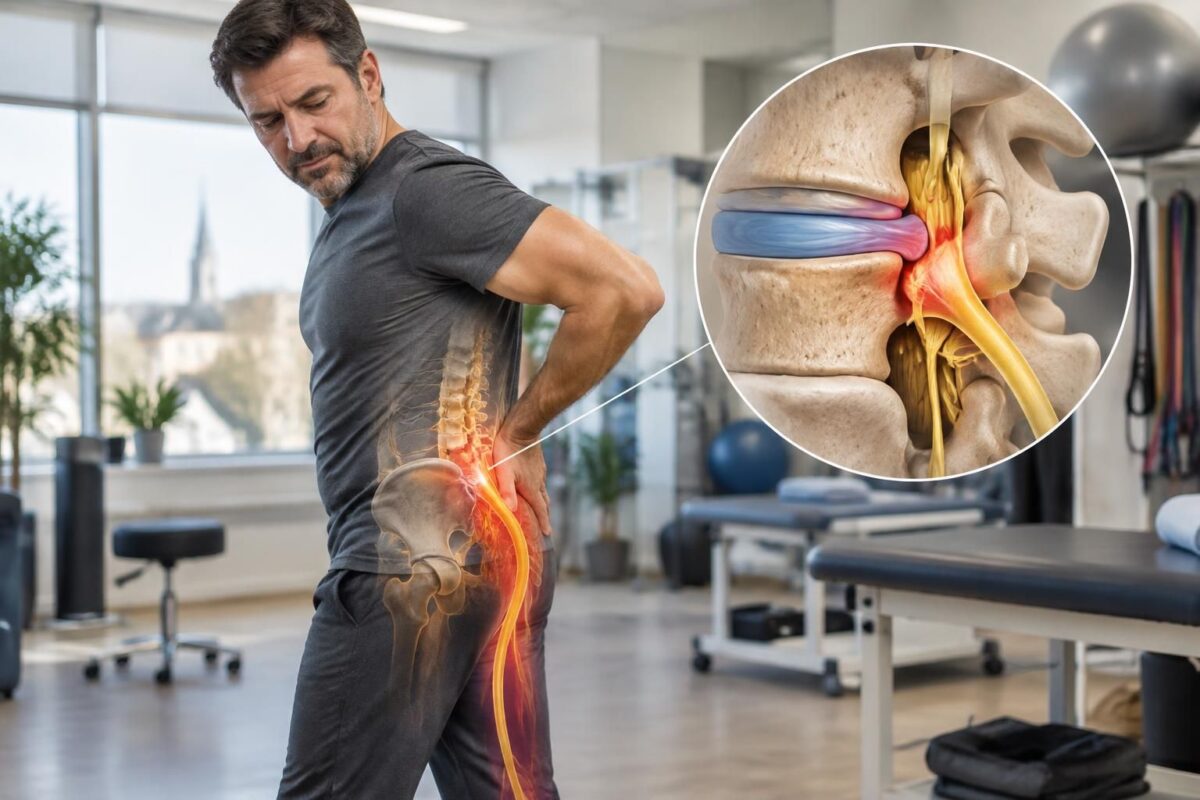
Sciatica in Terrebonne: nerve root, disc, and foramen explained simply
IN BRIEF Sciatica is pain that occurs when a nerve root in the lower back is irritated or compressed, sometimes by a disk or a narrowed foramen. Understanding these structures helps better locate the possible cause of symptoms and guide…
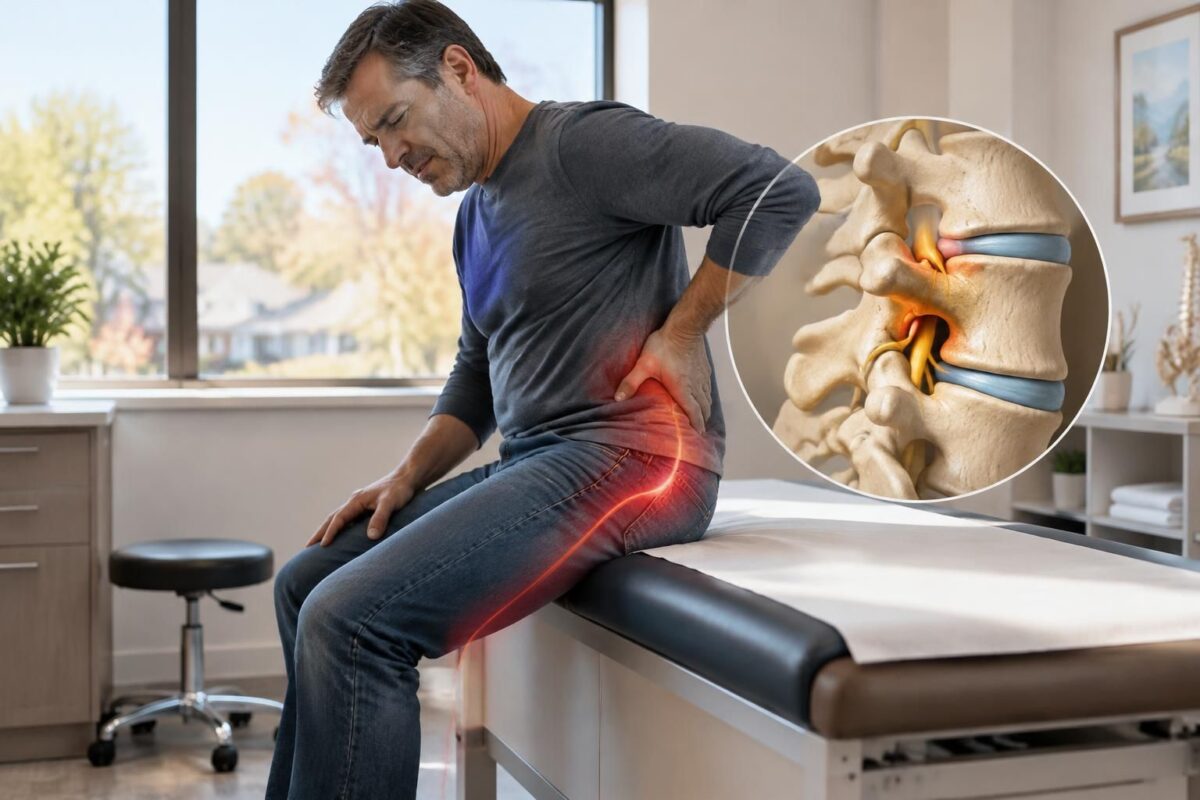
Sciatica in Terrebonne: understanding the L5-S1 foraminal compression
IN BRIEF The L5-S1 foraminal compression corresponds to a narrowing of the opening through which a nerve root passes, potentially contributing to sciatica. In Terrebonne, the assessment compares the side and course of the symptoms, neurological examination, imaging, and limited…
When to consult in Terrebonne
Consulting promptly is advisable when the pain is intense, associated with marked weakness, tingling, or loss of urinary or bowel control, or if the pain occurs after a trauma. A consultation in osteopathy or with a competent specialist in Terrebonne can help identify whether the origin is disc-related, piriformis, or joint-related and establish a suitable plan.
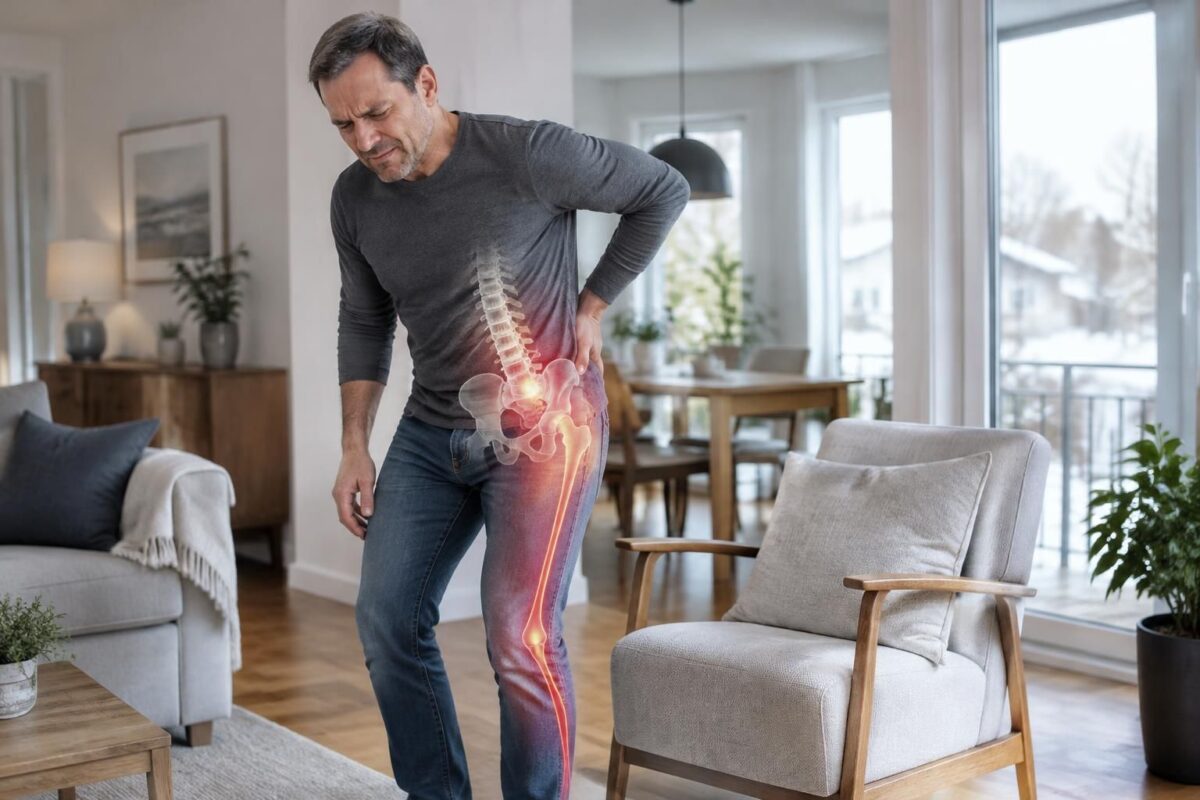
Sciatica in Terrebonne: why L5-S1 is often involved
IN BRIEF Sciatica corresponds to pain related to the irritation of a nerve root, which can extend from the buttock down to the leg. The L5-S1 level is often involved, as a disc herniation or irritation at this location can…
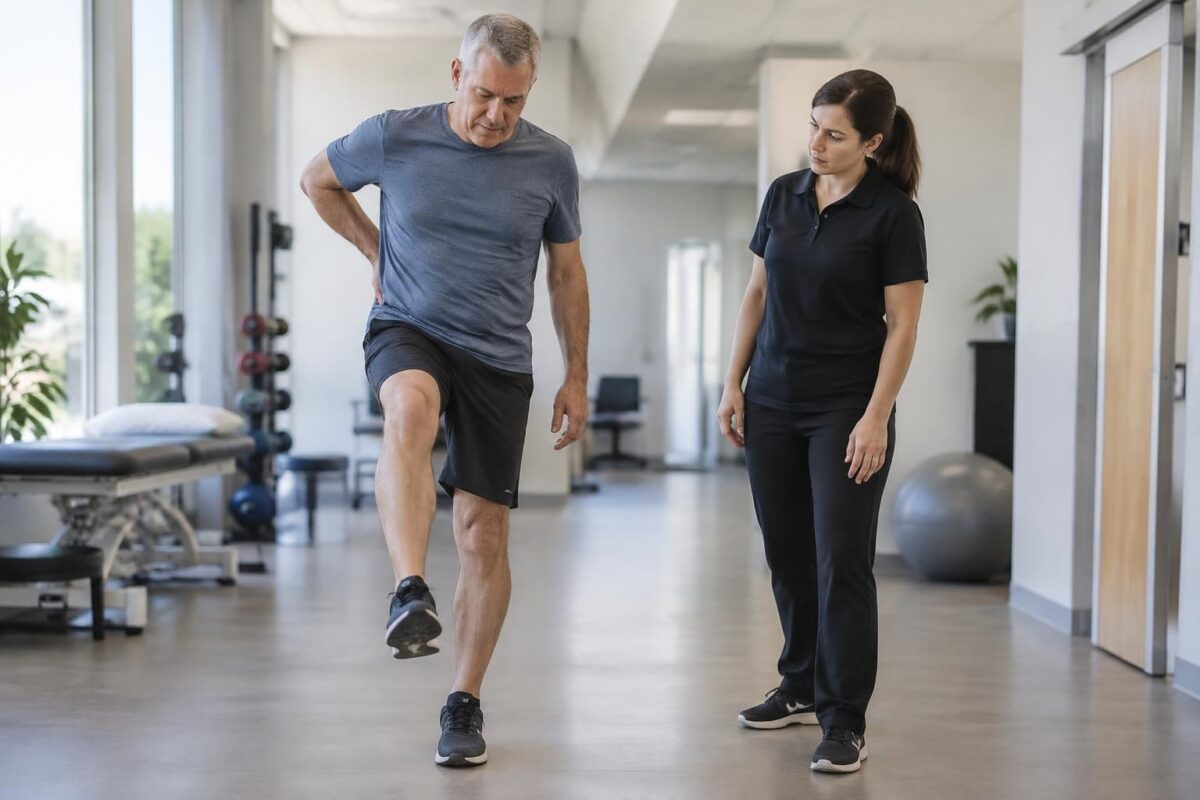
Sciatica in Terrebonne: L5 and difficulty lifting the foot
IN SHORT The L5 sciatica can cause pain or numbness on the side of the leg, the top of the foot, and the big toe, sometimes with difficulty lifting the foot. In Terrebonne, an evaluation compares strength, sensitivity, reflexes, and…
What happens during the consultation
During the evaluation, the practitioner collects your history, describes the movements that worsen or relieve the symptoms, then conducts an examination of the back, pelvis, and lower limbs. Depending on the results, gentle and non-invasive techniques may be proposed to restore mobility and reduce inflammation. The goal is to normalize the biomechanical mechanisms and restore function without resorting to surgery. Options like targeted decompression may be discussed when relevant.
What osteopathy can bring
A personalized approach focused on restoring mechanical balances and reducing constraints on the nerve. Osteopathy can combine mobility techniques, postural advice, and specific exercises to strengthen the lumbar area and hips, aiming to prevent recurrences and promote a gradual return to your usual activities.
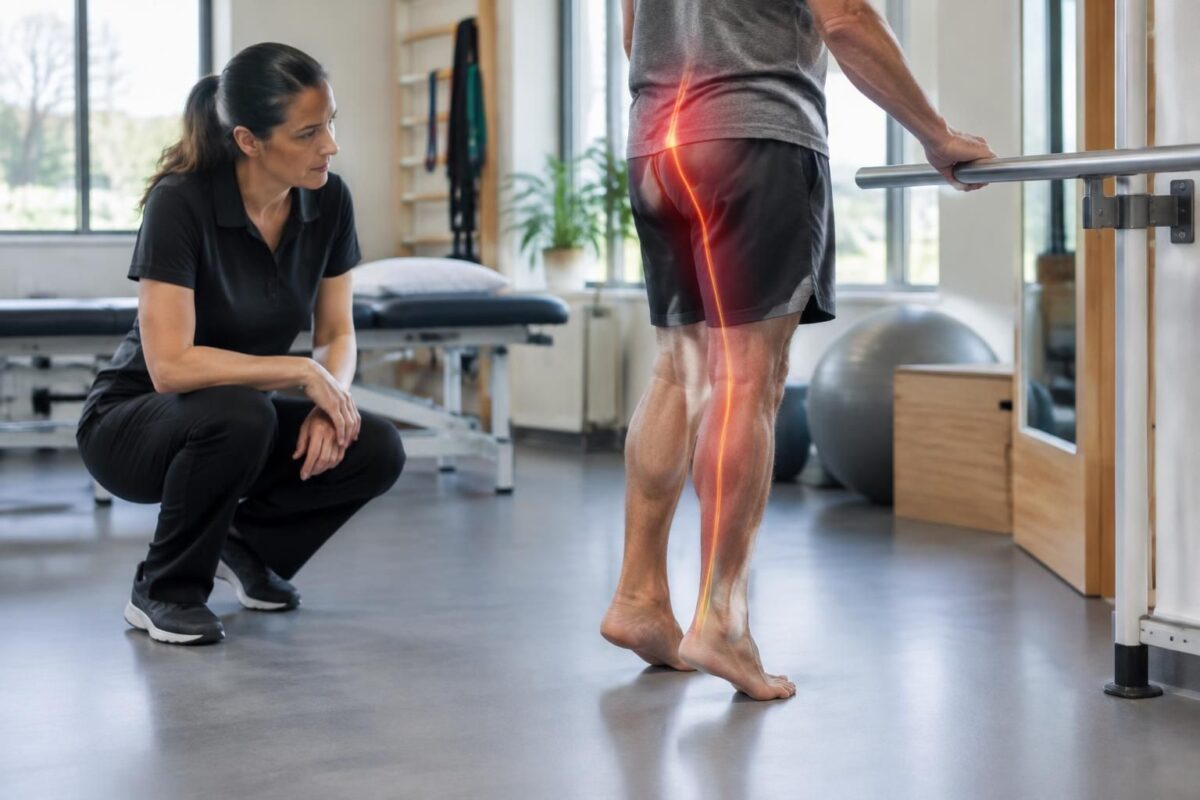
Sciatica in Terrebonne: S1 and difficulty standing on tiptoe
IN SHORT An S1 sciatica can irritate the nerve root associated with the calf and make it difficult to rise onto the balls of the feet. This sign should be evaluated with strength, sensitivity, reflexes, and walking: the pathway of…

Sciatica in Terrebonne: L4-L5 and pain towards the top of the foot
IN BRIEF A L4-L5 sciatica can radiate to the outer side of the leg and the top of the foot, sometimes reaching the big toe. This pathway can guide the assessment, though it does not suffice to confirm the cause:…
Practical advice for acting now
Physically, prioritize moderate and regular activities, like gentle stretching exercises for the lumbar and hip muscles, without forcing. Maintain correct posture when sitting and standing, alternate positions, and use a suitable mattress. Apply cold or heat according to the nature and intensity of the pain, and avoid sudden movements that worsen the pain. If you need to sit for long periods, take breaks and walk for a few minutes.

Sciatica in Terrebonne: L5-S1 and symptoms in the calf
IN BRIEF A L5-S1 sciatica can cause pain that radiates down the calf, sometimes accompanied by tingling, numbness, or weakness. At Terrebonne, an assessment at the TAGMED Clinic helps to examine the symptom pathways, strength, and sensitivity, and then discuss…

Sciatica in Terrebonne: pain in the big toe, L5 root or another cause?
IN BRIEF Pain in the big toe accompanied by pain in the buttock or leg may be compatible with irritation of the L5 root, but other causes are possible. In Terrebonne, the evaluation notably compares strength, sensitivity, and gait to…
Treatment plan and follow-up
The plan may include regular osteopathy sessions, physical activity advice, and, depending on the assessment, decompression techniques or targeted non-surgical interventions. The goal is a gradual reduction of pain, improvement in mobility, and a decrease in nighttime symptoms, with a sustainable return to your activities and work in Terrebonne.
| Criteria | Concise description |
|---|---|
| Evaluation elements | Quick identification of location (buttock and leg) and the typical radiating nature of sciatica. |
| Common causes | Herniated disc, piriformis syndrome, or nerve compression associated with radiating pain. |
| Triggers and posture | History and postural habits that worsen pain and influence diagnosis. |
| Practical exams | Targeted clinical examination and neurological tests; imaging if necessary after evaluation. |
| Non-surgical options | Osteopathy, targeted exercises, and postural advice to reduce pain and improve mobility. |
| Treatment plan | Personalized approach focused on symptom reduction and return to function. |
| Local accessibility | Quick care and tailored sessions available in Terrebonne. |
| Warning signs | Loss of urinary or fecal control, progressive severe pain, or fever: urgent consultation. |
Testimonials: Pain in the Buttock and Leg — Sciatica Consultation in Terrebonne
“Before my consultation for sciatica in Terrebonne, the pain in my buttock and leg was blocking me daily. The professional quickly identified the source and proposed a personalized plan in osteopathy, with simple exercises to do at home. Within a few weeks, the pain subsided and my mobility returned.”
“I came in for pain radiating from my buttock to my leg and feared surgery. The osteopathy consultation in Terrebonne changed my outlook: we targeted the musculoskeletal tensions and adjusted my posture. Result: less pain, more comfort while moving and at work.”
“The follow-up after the consultation was reassuring and effective. The sciatica was well explained and the advice was simple to implement. Today, the pain in my buttock and leg is much less present and I sleep better. I highly recommend it to anyone looking for a non-surgical approach in Terrebonne.
“If you are suffering from pain in your buttock and leg, look no further: a dedicated consultation for sciatica in Terrebonne can truly make a difference. I appreciated the listening, the clear explanation, and the personalized action plan focused on osteopathy and movement adjustments. My condition has improved sustainably.”
Dr. Sylvain Desforges, an engaged osteopath, naturopath, and manual medicine specialist, has established himself as a major player in health care innovation. Former founding president of TAGMED clinics and the ACMA association, he uses his expertise to help patients suffering from chronic pain in the spine, particularly manifestations related to sciatica. His integrated approach relies on years of clinical experience and attentive listening to individual needs in order to propose pragmatic and effective solutions in Terrebonne.
As part of a consultation for sciatica in Terrebonne, Dr. Desforges adopts a comprehensive approach that aims to understand the underlying mechanisms of pain, whether it is focused in the buttock or radiating into the leg. He considers the painful episode and its evolution, clinical information, and biomechanical factors that may maintain the symptom. His goal is clear: to enable the patient to move better, longer, and without aggravation, while avoiding surgical interventions whenever possible.
The physician’s practice relies on rigorous assessment and careful selection of therapeutic tools. In cases of sciatica, the most common origins may include disc or muscular mechanisms, as well as joint dysfunctions at the spine and pelvis. In Terrebonne, Dr. Desforges offers personalized care, combining osteopathy with complementary approaches likely to provide rapid pain relief and sustainable functional improvement. Each treatment plan is built around measurable objectives, with exercises, postural advice, and a progression tailored to the patient’s tolerance.
Among the advanced options he uses when relevant are motorized spinal decompression techniques, laser therapies, and targeted shockwave devices. These modalities, integrated into a global strategy, aim to reduce inflammation, free neurovertebral spaces, and promote faster recovery. Everything is orchestrated to ensure that results are focused on clinical evidence while remaining centered on patient comfort and assurance.
For those seeking local expertise in Terrebonne, this evidence-based and personalized care approach unfolds in a human and accessible framework. Dr. Desforges offers a thorough assessment, a clear explanation of each step of the treatment, and attentive follow-up to adjust the plan based on progress and patient feedback. His commitment is to help you resume daily activities without pain, to prevent recurrences, and to sustainably improve your quality of life. To learn more about his approach and the services available, contact the TAGMED Clinic in Terrebonne and schedule an appointment for a comprehensive consultation.
This article summarizes the typical signs of pain in the buttock and leg and explains why a consultation for sciatica in Terrebonne can provide a reliable assessment and a personalized treatment plan focused on non-surgical approaches and sustainable improvement in comfort and mobility.
Key Points and Next Steps
The main symptom is a buttock pain that may radiate down the leg, typical of sciatica. A reliable diagnosis begins with a comprehensive clinical evaluation in Terrebonne to distinguish sciatica from other causes, such as sacroiliac or facet joint irritations or local muscular pain. This step is crucial to avoid inappropriate treatments and to guide towards suitable solutions.
The most common causes include a herniated disc, a piriformis syndrome, or biomechanical imbalances in the pelvis, which can lead to pain and functional limitation. The management aims to reduce inflammation, restore movement, and prevent recurrences.
Non-surgical approaches represent the core of treatment in most cases. In Terrebonne, the plan may combine osteopathic techniques, targeted exercises, and posture advice to rebalance the spine and pelvis while protecting the sciatic nerve. This approach is progressive and adapted to your pace and the evolution of symptoms. For initial guidance, please consult the resources below.
To delve deeper, you can consult resources on the differences and osteopathic treatments between buttock pain and sciatica, how to treat sciatica, what to do and when to consult according to Assurance Maladie, generic exercises for sciatica, sciatica or muscle pain, personalized assessment in Montreal, buttock, leg, and foot: relieve the sciatic nerve, and calf pain related to sciatica. These resources complement your follow-up and help you adopt simple daily habits.
Finally, it is important to stay alert to warning signs such as loss of urinary or bowel control, progressive weakness of the leg, or persistent pain at rest. In these cases, contact a doctor or emergency service promptly and do not wait. For more information, consult the guides and resources provided above.

Dr Sylvain Desforges, B.Sc., D.O., N.D., osteopath, is the founding president of TAGMED and of the ACMA association. He dedicates his practice to chronic spinal pain, low back pain and symptoms compatible with sciatica, particularly when pain radiates toward the buttock, leg, calf, foot or toes.
Through SOS Sciatique, he publishes educational content on sciatica symptoms, possible causes such as disc herniation, disc narrowing, foraminal stenosis or irritation of a lumbar nerve root, as well as non-surgical approaches that may be considered according to the evaluation. At Clinique TAGMED, care may include, depending on the case, motorized neurovertebral decompression, specific osteopathic care or precision percussion.
For an evaluation related to sciatica treatment in Montreal / Mount Royal or sciatica treatment in Terrebonne, please consult the services available at Clinique TAGMED.
Medical disclaimer
The information published on SOS Sciatique is provided for educational purposes only and does not replace a consultation, diagnosis, opinion or treatment provided by a physician or another authorized healthcare professional. The author of this article is neither a medical doctor nor a specialist in a medical specialty recognized by the Collège des médecins du Québec. The osteopathic, manual medicine or functional support approaches described on this site do not constitute medical acts and are not intended to replace medical follow-up.
Consult a physician or emergency service in cases of loss of bladder or bowel control, anesthesia in the saddle area, significant or progressive weakness in the leg or foot, fever, recent trauma, severe pain or rapid worsening of symptoms. For more details, please read our Legal Notice.