Sciatica pain in Montreal: the role of neurological assessment
14/07/2026
Sciatica and pain on the top of the foot: possible L5 root
14/07/2026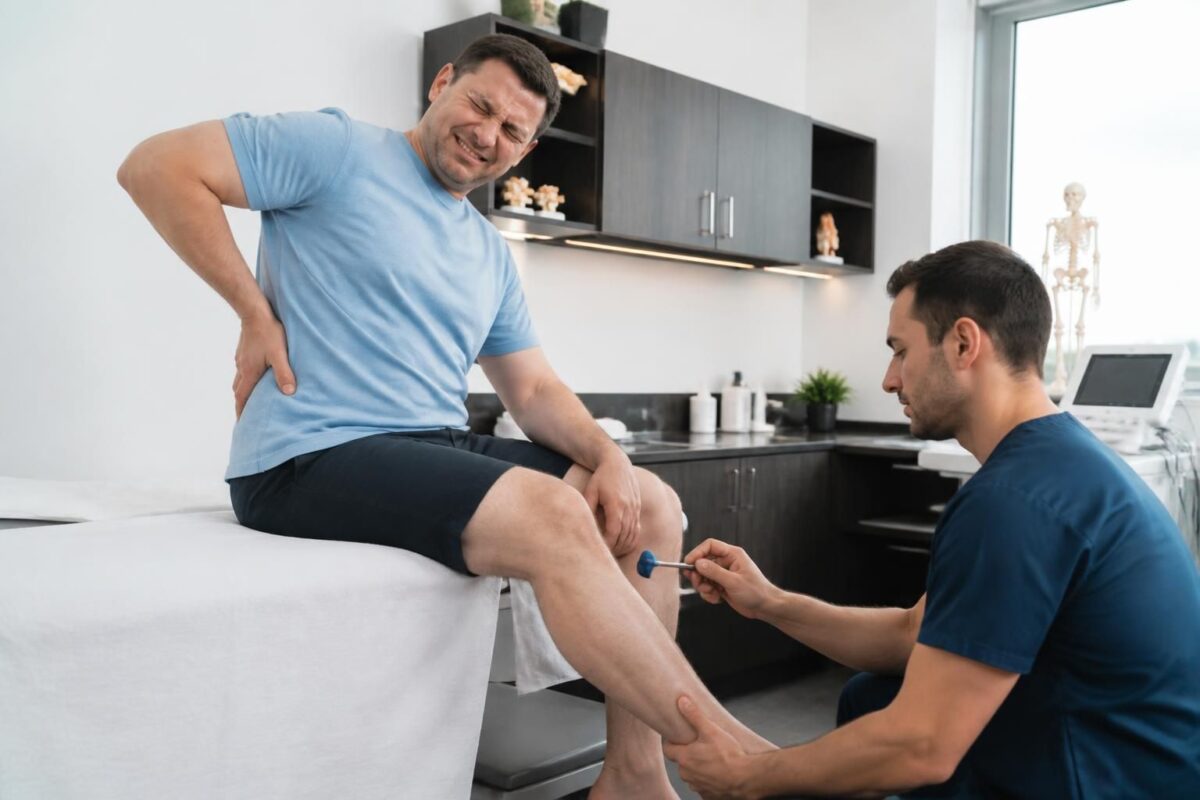
IN BRIEF |
In brief, sciatic pain in Terrebonne is managed effectively when a suitable neurological evaluation is conducted. This step helps clarify the origin of the symptoms, guides additional tests such as EMG and MRI, and determines the best diagnostic and treatment plan. Accessible locally in Terrebonne, this approach promotes personalized support, rapid detection of alarming signs, and more relevant management. |
In Terrebonne, facing sciatic pain, the neurological evaluation is the key to obtaining an accurate diagnosis and quickly guiding treatment.
The neurological examination begins with the assessment of muscle strength, reflexes, sensation, and spinal mobility tests, to precisely locate the pain and assess the severity of the disorders.
Targeted tests such as the Lasègue test allow for estimating the tension of the sciatic nerve and guide further examinations. Depending on the results, essential investigations may include lumbar MRI (the reference for visualizing discs and roots), EMG to measure nerve conduction and denervation, and, if necessary, X-rays or a CT scan.
The goal is to quickly distinguish between a disc pathology, nerve compression, or neuropathy, in order to propose appropriate management and avoid delays in pain management and locomotor function.
In Terrebonne, sciatic pain is better understood and treated thanks to a rigorous neurological evaluation. This examination guides the physician to the correct diagnosis, establishes an appropriate management plan, and favors non-surgical options when possible, particularly within the framework of the TAGMED Clinic.
To summarize, the diagnosis of sciatic pain depends on a structured approach that combines a clinical examination, complementary tests, and suitable imaging. The rapid and precise implementation of this evaluation determines the choice of treatments and can prevent inappropriate measures. Discover why clinical evaluation often precedes treatment and how it applies in Terrebonne at this link.
Clinical examination: the first step
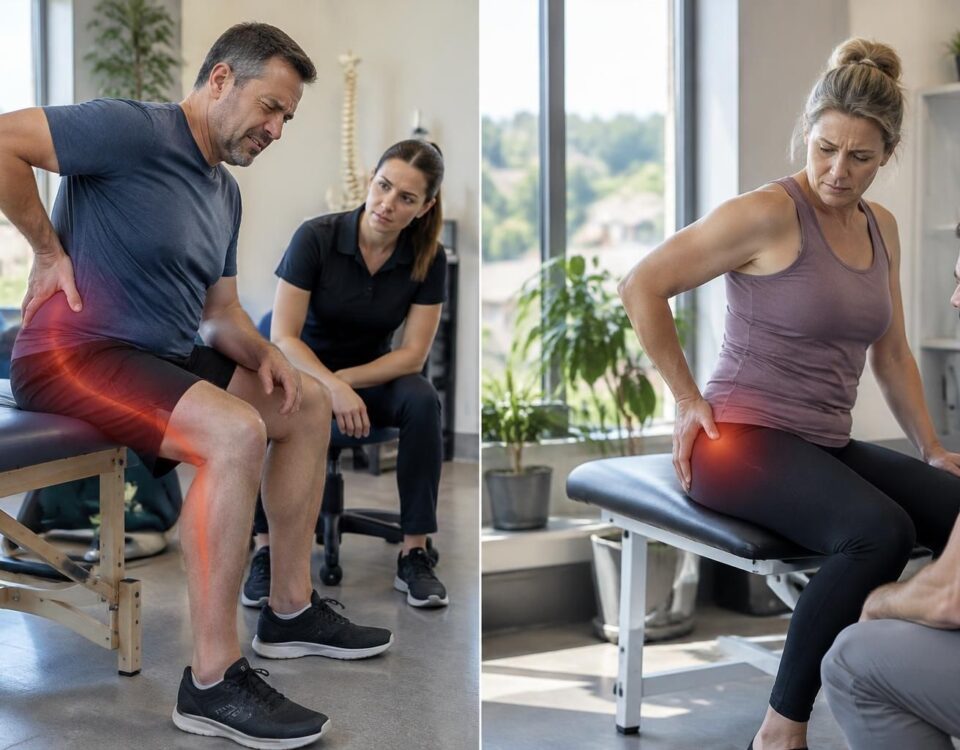
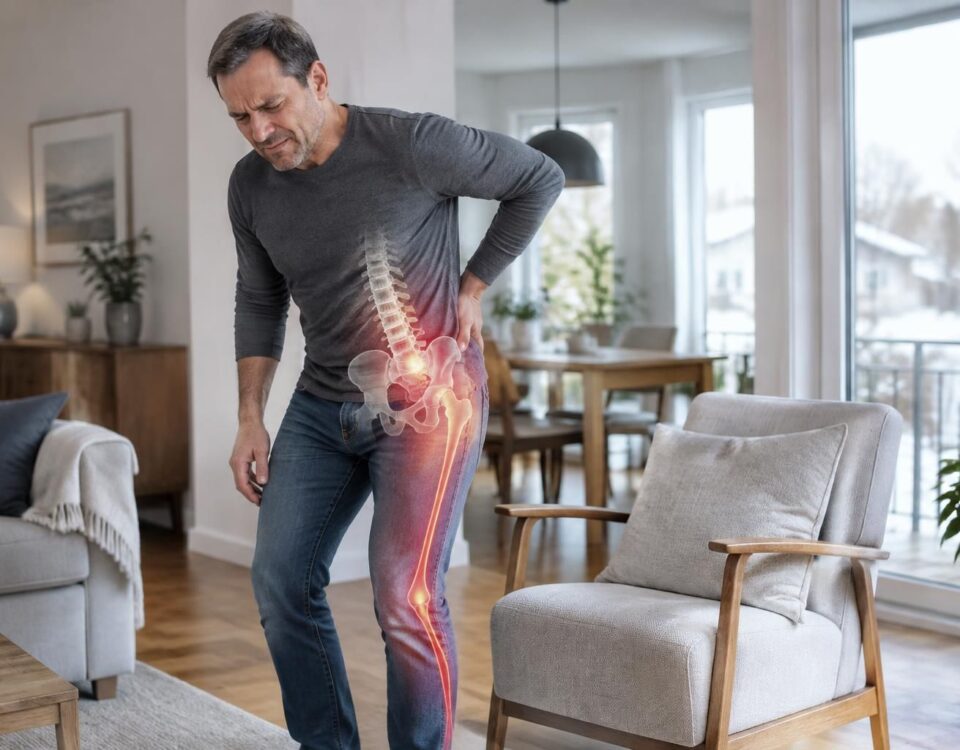
The doctor begins with an interview and a targeted clinical examination. They determine the exact location and nature of the pain. They perform the Lasègue test to assess the tension in the sciatic nerve, study deep tendon reflexes, analyze muscle strength in the lower limbs, evaluate sensitivity, and assess spinal mobility. These elements provide insight into the severity of the condition and guide additional tests. In practice, you may be asked to describe whether the pain is sharp, burning, or electric, and what actions worsen or relieve the pain. To understand the mechanisms beyond the pain, consult dedicated resources that explain the distinctions between low back pain and nerve pain.
Role of EMG and complementary tests
When nerve damage is suspected, electromyography (EMG) completes the evaluation. EMG measures nerve conduction and muscle activity, helps locate the area of compression, and assesses severity. It provides essential information about prognosis and guides appropriate rehabilitation. Meanwhile, imaging and biological analyses clarify the diagnosis and exclude other causes. Lumbar MRI remains the reference examination for visualizing soft tissues, discs, and nerve roots. It also helps detect associated pathologies and inform therapeutic decisions. Lumbar X-rays can reveal deformations, arthritis, or static anomalies, useful in certain contexts. In specific cases, other biological tests may be requested to rule out inflammation or an associated disease.
Additionally, the doctor may propose a follow-up radiological evaluation to monitor the evolution or effectiveness of the treatment. The frequency of checks is adapted to clinical progress. For cases where MRI is not accessible, a lumbar CT scan may be considered as an alternative, knowing that it exposes patients to radiation and prioritizes bone study. In all cases, the goal remains to clarify the origin and course of the affected nerve to guide therapeutic decisions.
Imaging and differential diagnosis
In the context of sciatic pain, imaging complements the diagnosis and allows to distinguish a radicular injury from other neuropathies. Imaging can also identify signs of nerve compression or associated pathologies such as masses or muscle anomalies. The use of biological tests may be considered to rule out inflammatory, metabolic, or autoimmune causes.
Depending on the evolution, some patients may benefit from non-drug options or recourse to specific techniques at the clinic. To better understand alternative non-pharmacological approaches, you can consult dedicated resources on neurovertebral decompression and the management of sciatic pain.
In Terrebonne: local approach and non-surgical options
In Terrebonne, the TAGMED Clinic offers a comprehensive neurological evaluation and suitable non-surgical options. Depending on the results, care may include motorized neurovertebral decompression, a specific osteopathy, and targeted precision maneuvers. For cases where intervention is necessary, appropriate referral is ensured. Additionally, resources on sciatica and its manifestations, particularly related to gluteal pain and leg pain, are available on the dedicated pages of the SOS Sciatica network.
To understand the signs that distinguish low back pain from nerve pain and to pinpoint reasons explaining pain that intensifies in the leg rather than in the back, consult the corresponding articles. These resources help clarify symptoms and prepare for an effective consultation.
In some cases, patients explore non-pharmacological approaches alongside prescribed treatments. Information on alternatives, including neurovertebral decompression, is available online on specialized sites.
Preparing for Your Consultation and When to Consult
To make the most of your consultation, bring the results of MRI, EMG, and recent X-rays, as well as a summary of treatments already undertaken. Clearly describe the location and evolution of the pain, aggravating factors, and the effects of current treatments. If you are diabetic or have inflammatory history, mention it. Simple preparation facilitates a quick and accurate assessment and will help your practitioner determine the most appropriate approach.
In particular, the question “why clinical evaluation precedes treatment” is central to guiding decisions and avoiding treatments that do not match the reality of your pain.
In cases of severe symptoms or signs of emergency, contact emergency services quickly. For remote assessments, some consultations may be considered, but an in-person neurological examination is often necessary to confirm the diagnosis and measure functional impact.
If you are looking for additional information on the telltale signs and management of pain related to the sciatic nerve, you can refer to specialized resources on sciatic pain and the care pathways offered in your area.
To learn more about how to assess and treat sciatic pain in Terrebonne, consult the following dedicated pages:
– Pain in the buttock: is it sciatica? — SOS Sciatica file
– Sciatica in Terrebonne: when the pain is stronger in the leg than in the back — read on SOS Sciatica
– In Terrebonne: why clinical evaluation precedes treatment — Clinical evaluation and treatment
– Sciatica and buttock pain while sitting — SOS Sciatica file
Medical Disclaimer
Medical disclaimer: The information and advice provided on this site do not replace the opinion, diagnosis, or treatment of a healthcare professional. Please note that Dr. Sylvain Desforges, osteopath, is neither a doctor of medicine nor a physician, and is not a specialist in a medical specialty as defined by the Collège des médecins du Québec. Manual medicine, functional medicine, and sports medicine as described on this site exclude any medical treatment or diagnosis made by a physician or medical specialist. Always consult your doctor for any medical questions. For more details, please read our full Legal Notice.
- Identification of the location and radiation of the pain.
- Assessment of motor and sensory deficits in the lower limbs.
- Deep tendon reflexes and muscle tone of the engaged muscles.
- Clinical nerve tension tests and response to their triggering.
- Evolution and triggering factors (duration, position, activity).
- Clinical differentiation between disc-related sciatica and sciatic neuropathy.
- Guidance towards imaging and neurophysiology tests to locate the cause.
- Lumbar/pelvic MRI to visualize discs, roots, and structures around the nerve.
- EMG and nerve conduction studies to quantify severity and location.
- Relevant biological tests if inflammation or diabetes is suspected.
- Treatment plan based on findings (physiotherapy, medication, injections, possible surgery).
- Follow-up and radiological checks to assess progress and adjust treatment.

Sciatic pain in Terrebonne requires a rigorous neurological assessment to confirm the origin, locate the compression, and guide appropriate management. This article presents the key steps of the evaluation, useful complementary tests, and their role in treatment choices, in order to improve prognosis and avoid unnecessary delays.
Clinical Evaluation: The First Step in Diagnosis
The clinical examination is the foundation of the evaluation. The doctor looks for signs that indicate nerve involvement and specifies the level of severity. Major physical tests include the Lasègue test to assess tension on the sciatic nerve, analysis of deep tendon reflexes, muscle strength in the lower limbs, cutaneous sensation, and vertebral mobility. These elements, combined with the location and character of the pain (shooting, burning, electric) and the factors that aggravate it, orient the diagnosis and the need for complementary examinations.
What the Examination Reveals
A careful examination allows distinguishing between a radiculopathy due to nerve compression and other pathologies. It also helps identify symptoms suggesting an emergency or inflammatory or degenerative involvement requiring prompt care in Terrebonne or in a dedicated facility.
Role of Imaging and Complementary Investigations
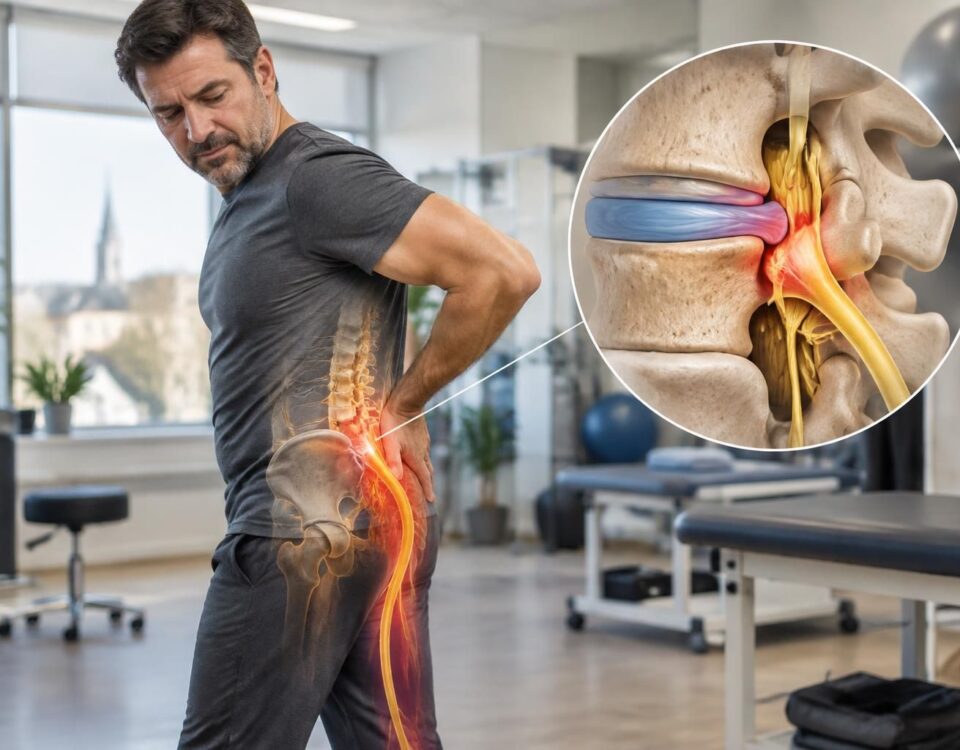
Imaging plays a major role in clearly locating the cause of pain and planning treatment. The lumbar MRI is the reference examination, allowing visualization of intervertebral discs, nerve roots, and any compressions. The lumbar X-ray effectively complements the assessment by evaluating deformities, osteoarthritis, fractures, or alterations in spinal statics. The lumbar CT scan can be considered when the MRI is contraindicated or unavailable and offers excellent analysis of bony structures, useful for potential surgical planning. These examinations must always be interpreted within the framework of clinical evaluation; imaging is not intended to replace neurological examination.
When to Prefer Each Modality
In practice, MRI is indicated in the presence of persistent or disabling radicular symptoms despite treatments, or when there is suspicion of significant disc herniation or nerve compression. X-rays can be useful as a first approach to detect structural abnormalities and guide subsequent investigations. CT is used when MRI is not possible or to obtain a rapid evaluation of bony structures.
Electromyogram and Biological Assessments
The electromyogram (EMG) and nerve conduction tests allow for quantifying the severity of the impairment and precisely locating the site of compression. They help distinguish sciatic neuropathy from other neurological pathologies and guide rehabilitation and prognosis. Biological analyses may be prescribed when inflammatory, metabolic, or infectious causes need to be excluded.
When to Refer and What Signals to Monitor
Some warning signs require urgent consultation: loss of urinary or fecal control, significant progressive weakness of a leg, severe pain associated with fever, or the appearance of a “drop foot.” In the presence of these elements, a rapid neurological evaluation and, if necessary, emergency care, are recommended in Terrebonne.
Impact on Local Care
A thorough neurological evaluation guides a personalized and effective treatment approach in Terrebonne, including non-surgical approaches such as osteopathy, physiotherapy, and tailored rehabilitation protocols. It allows for the establishment of a clear plan, reduces diagnostic delays, and improves recovery chances while limiting the risk of complications.
| Element | Role and Impact |
|---|---|
| Initial Clinical Examination | Allows for the localization of sciatic pain and assesses the severity to guide investigations. |
| Motor and Strength Tests | Measure muscle strength and detect deficits that indicate the level of compression. |
| Reflexes and Sensitivity | Detect signs of nerve impairment and specify the affected nerve, guiding the diagnosis. |
| Lasègue Test | Evaluates sciatic nerve tension and helps confirm a discal origin. |
| Spinal Mobility | Evaluates range of motion and stiffness that influence the therapeutic plan. |
| Lumbar MRI | The reference examination that reveals herniations, compressions and guides surgical decision-making. |
| Lumbar X-ray | Good for detecting bone anomalies and instability; useful as a complement to MRI. |
| EMG | Quantifies nerve impairment and locates the compression area; useful for prognosis and rehabilitation. |
Testimonials on Sciatic Pain in Terrebonne: Role of Neurological Assessment
In Terrebonne, I initially thought it was just a simple backache, but the sciatic pain radiating down my leg was worsening. The neurological assessment allowed for precise localization of the nerve origin and immediately guided treatment towards targeted sessions. Because of this, I avoided surgery and returned to my daily activities sooner than expected.
I experienced tingling and an electric sensation that rose to my knee. In Terrebonne, the doctor emphasized the neurological assessment, including tests and an EMG, to differentiate sciatica from other pathologies. The results confirmed nerve compression and guided an effective rehabilitation program without unnecessary delays.
As an active person, I was afraid of losing my mobility. The neurological assessment carried out in Terrebonne clarified things, allowed for targeting rehabilitation exercises, and avoided invasive treatments. I am now back to my sports activities with controlled pain.
The pain was slow to subside, and I had a suspicion of neuropathy. The thorough neurological assessment in Terrebonne highlighted the type of lesion and guided an adapted multidisciplinary approach (physio, osteopathy, neurological follow-up). Result: progressive and lasting improvement.
I was concerned about symptoms that could mask a serious pathology. The neurological assessment at this center in Terrebonne took the time to explain the signs and upcoming examinations, while avoiding unnecessary tests. This reassured me and allowed the right treatment to start quickly.
Dr. Sylvain Desforges is recognized as a multidisciplinary expert, combining osteopathy, naturopathy, and manual medicine. In Terrebonne, he stands out as a leading practitioner in the management of sciatic nerve pain, with an approach centered on rigorous neurological assessment as the foundation of all treatment. His practice is based on attentive listening to the patient, a precise analysis of symptoms, and a clear direction toward tailored and effective care.
Founding president of TAGMED clinics and the ACMA association, he fosters a culture of innovation in health and a demand for results based on evidence. His approach aims to optimize the health and well-being of each patient by integrating advanced technologies and non-invasive protocols when relevant. His vision is to combine clinical knowledge and technological progress to improve the daily lives of people suffering from sciatic pain.
In his approach, sciatic pain is considered in all its dimensions: biological, functional, and psychosocial. The neurological evaluation he prioritizes is based on a comprehensive clinical examination and simple yet indicative elements, such as observing the exact location of the pain, its character, and the factors that aggravate or relieve it. He focuses on determining whether the pain is accompanied by motor deficits, loss of sensitivity, or altered reflexes, elements that then guide the therapeutic pathway.
To complement the diagnosis, Dr. Desforges favors additional examinations when necessary and relevant. Imaging plays a key role, aiming to visualize the involved structures and locate any potential nerve compression or disc anomaly. Electromyography and other neurophysiological evaluations allow for measuring nerve conduction and assessing the condition of the innervated muscles, providing valuable information about the extent of compromise and the prognosis for recovery.
In parallel, a series of biological tests may be requested to rule out other sources of pain or detect inflammatory factors. This multidisciplinary and multimodal approach allows for the development of a personalized and safe treatment plan, focused on measurable results and tailored rehabilitation. Dr. Desforges relies on non-surgical techniques and interventions that respect the principles of safety and efficiency to restore function and reduce symptoms sustainably.
In Terrebonne, his role as a neurological evaluator is not limited to diagnostic lessons: he actively guides patients toward suitable therapeutic options, combining physiotherapy, functional advice, and targeted interventions when necessary, and prioritizes a trusting relationship based on information and ethics. His goal is to offer comprehensive, effective, and personalized care so that each patient regains mobility, autonomy, and quality of life, with an accessible and pragmatic approach.
This conclusion summarizes the importance of neurological evaluation in sciatic pain in Terrebonne and details how a structured diagnostic process (clinical examination, imaging, and neurophysiological tests) leads to targeted treatment, sometimes without medication. It highlights the key steps and available resources to guide the patient toward effective and safe management.
The central role of neurological evaluation is to confirm or refute nerve compression or damage, which will guide therapeutic choices and the need for additional examinations. The initial clinical examination, including the Lasègue test, assessment of tendon reflexes, muscle strength, and sensitivity, helps to locate the symptoms and anticipate the investigations to be conducted.
Imaging investigations and neurophysiological tests complete this diagnosis. The lumbar MRI is the reference tool for visualizing intervertebral discs, nerve roots, and possible compressions; when it cannot be performed, a CT scan may be considered. The EMG allows for measuring nerve conduction and assessing the extent of damage, guiding rehabilitation and prognosis.
In practice in Terrebonne, this diagnostic approach supports a gradual and cautious care pathway focused on pain reduction and restoration of function, with non-drug options and osteopathic care when appropriate. To delve deeper into treatment modalities and their local relevance, you can consult resources like treatment of sciatic pain in Terrebonne and osteopathy as a non-drug alternative.
To access additional information and consultation options, consider dedicated resources like The Sciatic Solution and articles explaining the causes of sciatica and the reasons why pain may extend down to the leg, to better understand your situation and discuss the best strategies with your doctor or therapist.
Recent data and perspectives, including scientific studies and clear guides, emphasize the importance of early diagnosis and multimodal treatment, sometimes incorporating advances like electromyography and targeted therapeutic approaches. To enrich your information, you can consult specialized resources, such as a recent scientific study and sciatic nerve neuropathy.
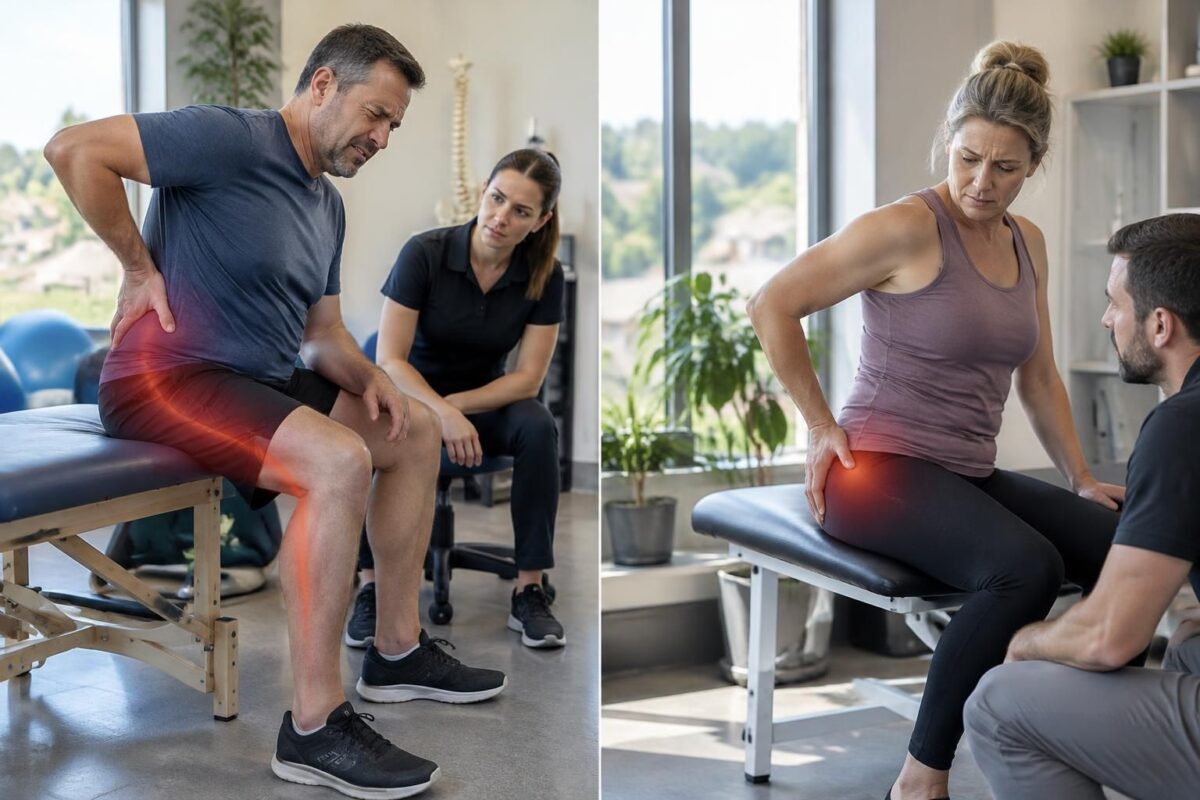
Sciatica in Terrebonne: radicular pain versus referred pain
IN BRIEF Sciatica refers to pain that radiates into the buttock and sometimes the leg. A radicular pain comes from the irritation of a nerve root and may be accompanied by tingling, numbness, or weakness; a referred pain spreads from…
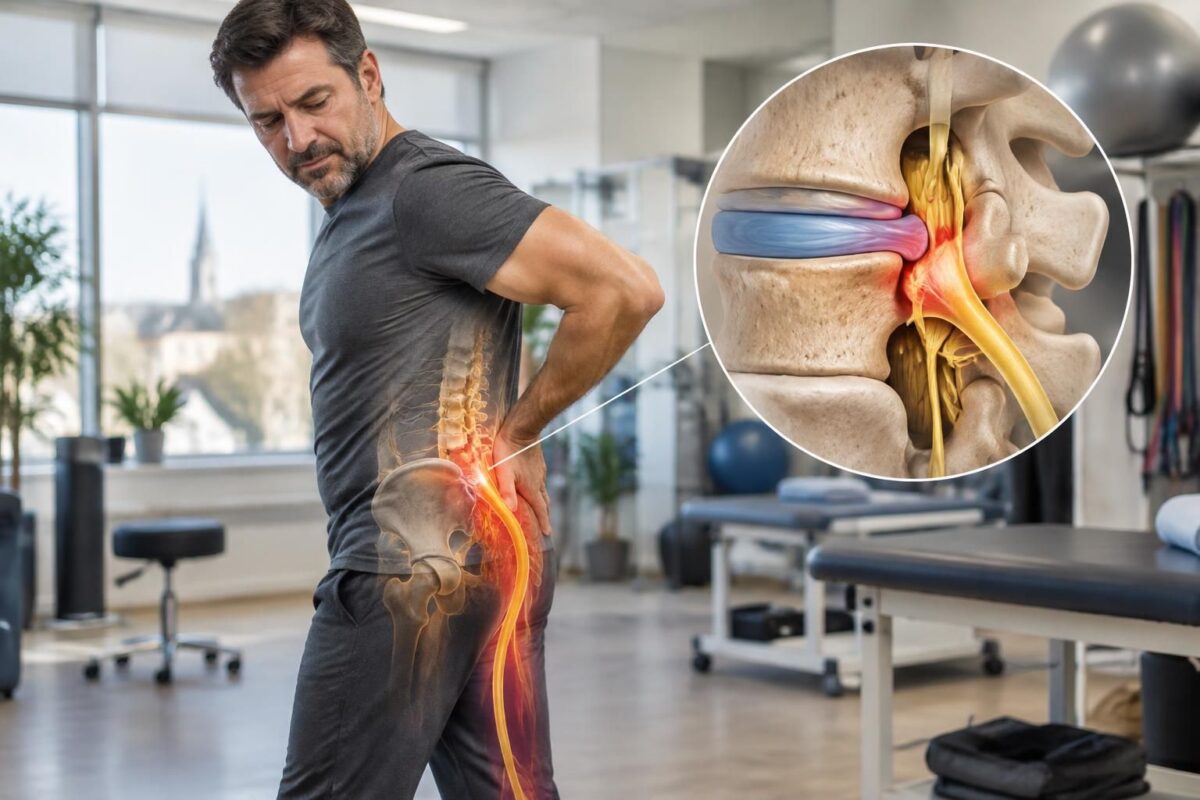
Sciatica in Terrebonne: nerve root, disc, and foramen explained simply
IN BRIEF Sciatica is pain that occurs when a nerve root in the lower back is irritated or compressed, sometimes by a disk or a narrowed foramen. Understanding these structures helps better locate the possible cause of symptoms and guide…
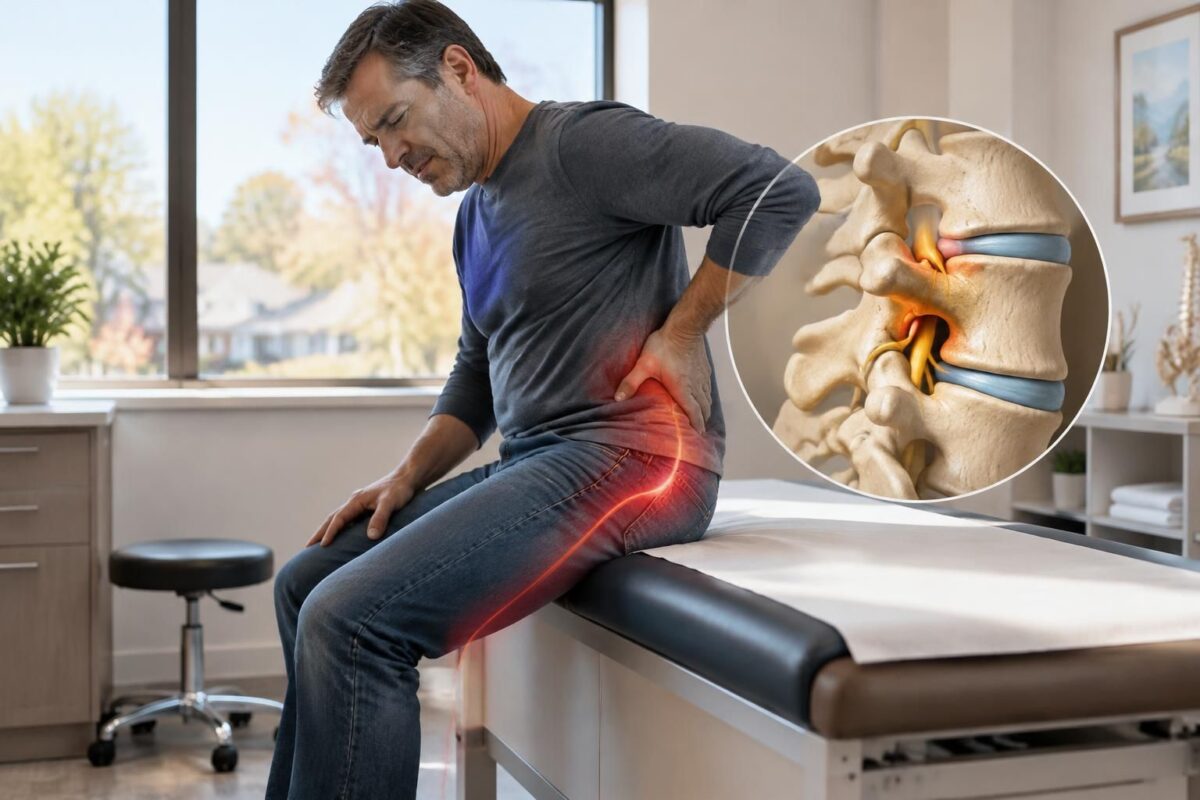
Sciatica in Terrebonne: understanding the L5-S1 foraminal compression
IN BRIEF The L5-S1 foraminal compression corresponds to a narrowing of the opening through which a nerve root passes, potentially contributing to sciatica. In Terrebonne, the assessment compares the side and course of the symptoms, neurological examination, imaging, and limited…
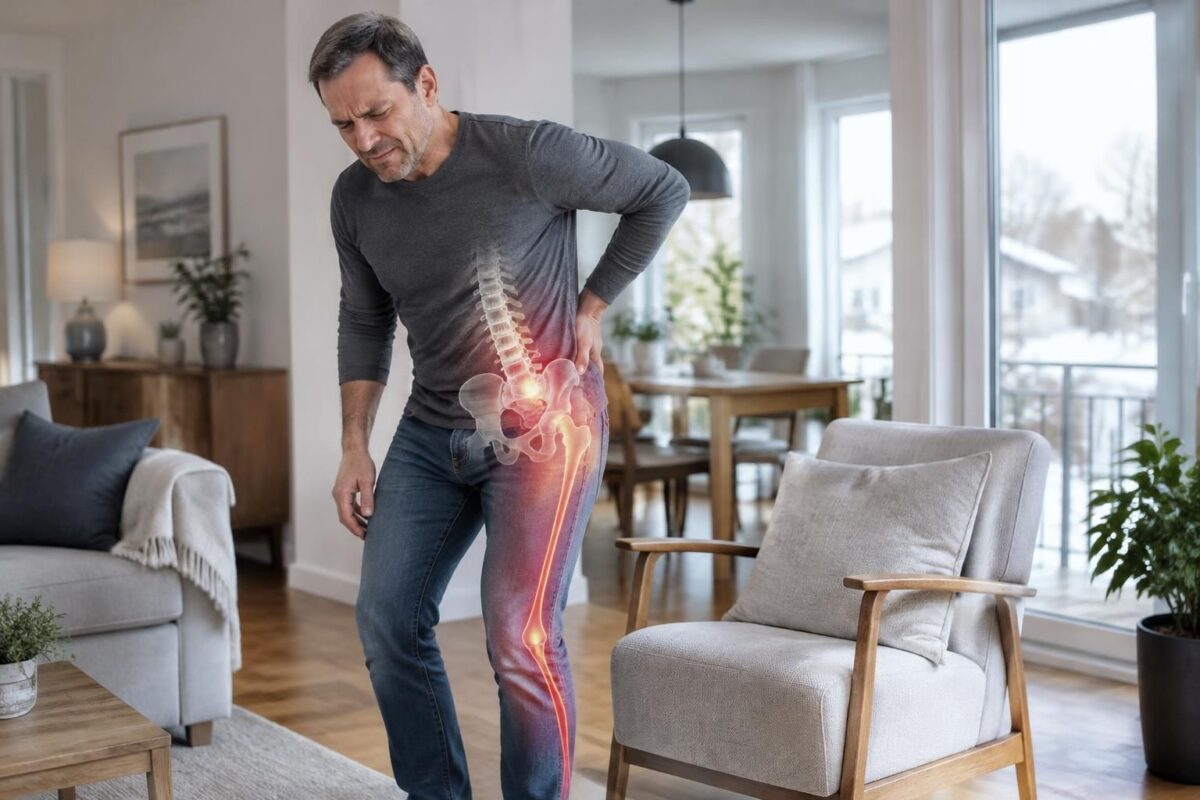
Sciatica in Terrebonne: why L5-S1 is often involved
IN BRIEF Sciatica corresponds to pain related to the irritation of a nerve root, which can extend from the buttock down to the leg. The L5-S1 level is often involved, as a disc herniation or irritation at this location can…
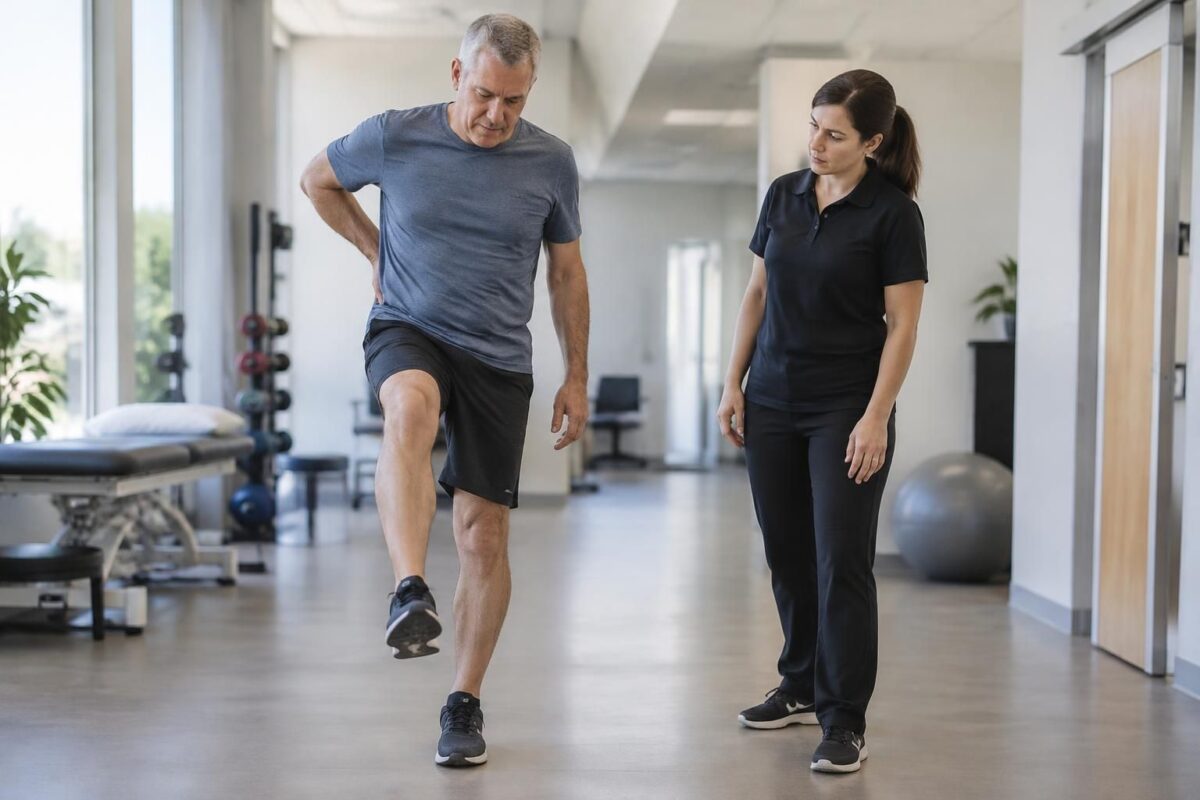
Sciatica in Terrebonne: L5 and difficulty lifting the foot
IN SHORT The L5 sciatica can cause pain or numbness on the side of the leg, the top of the foot, and the big toe, sometimes with difficulty lifting the foot. In Terrebonne, an evaluation compares strength, sensitivity, reflexes, and…
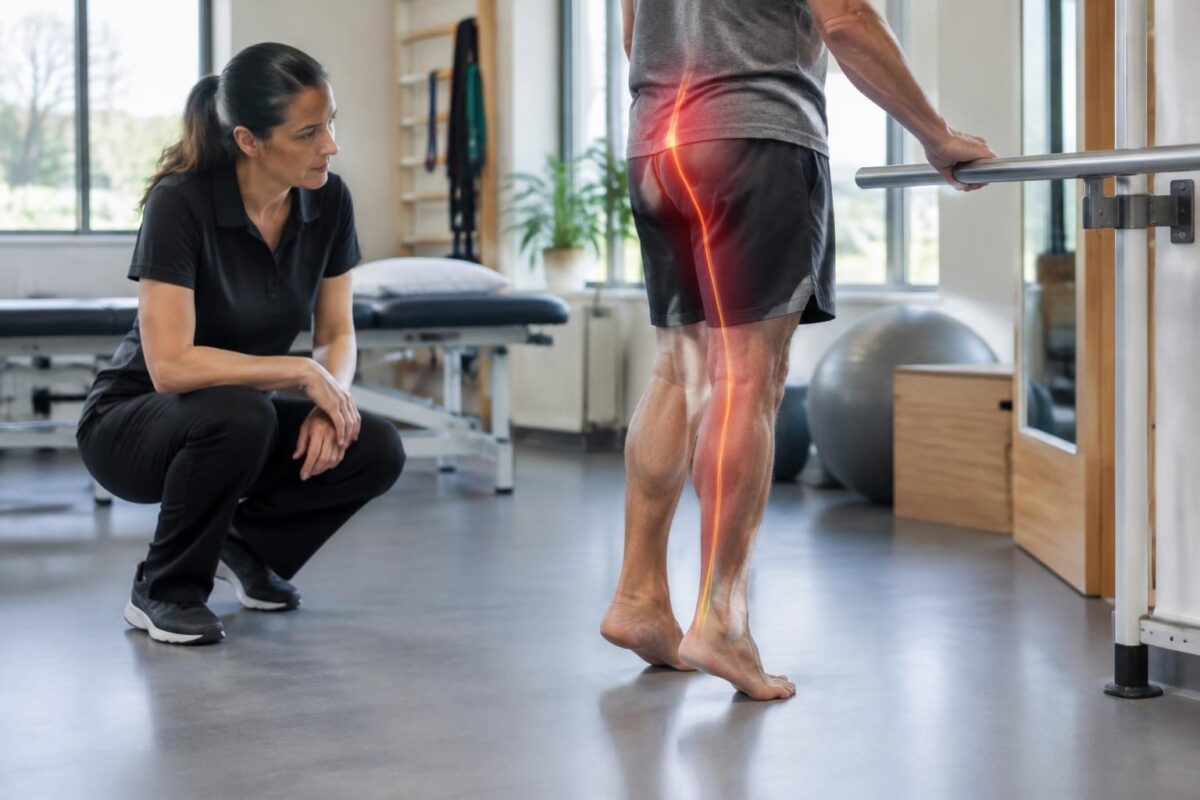
Sciatica in Terrebonne: S1 and difficulty standing on tiptoe
IN SHORT An S1 sciatica can irritate the nerve root associated with the calf and make it difficult to rise onto the balls of the feet. This sign should be evaluated with strength, sensitivity, reflexes, and walking: the pathway of…

Sciatica in Terrebonne: L4-L5 and pain towards the top of the foot
IN BRIEF A L4-L5 sciatica can radiate to the outer side of the leg and the top of the foot, sometimes reaching the big toe. This pathway can guide the assessment, though it does not suffice to confirm the cause:…

Sciatica in Terrebonne: L5-S1 and symptoms in the calf
IN BRIEF A L5-S1 sciatica can cause pain that radiates down the calf, sometimes accompanied by tingling, numbness, or weakness. At Terrebonne, an assessment at the TAGMED Clinic helps to examine the symptom pathways, strength, and sensitivity, and then discuss…

Dr Sylvain Desforges, B.Sc., D.O., N.D., osteopath, is the founding president of TAGMED and of the ACMA association. He dedicates his practice to chronic spinal pain, low back pain and symptoms compatible with sciatica, particularly when pain radiates toward the buttock, leg, calf, foot or toes.
Through SOS Sciatique, he publishes educational content on sciatica symptoms, possible causes such as disc herniation, disc narrowing, foraminal stenosis or irritation of a lumbar nerve root, as well as non-surgical approaches that may be considered according to the evaluation. At Clinique TAGMED, care may include, depending on the case, motorized neurovertebral decompression, specific osteopathic care or precision percussion.
For an evaluation related to sciatica treatment in Montreal / Mount Royal or sciatica treatment in Terrebonne, please consult the services available at Clinique TAGMED.
Medical disclaimer
The information published on SOS Sciatique is provided for educational purposes only and does not replace a consultation, diagnosis, opinion or treatment provided by a physician or another authorized healthcare professional. The author of this article is neither a medical doctor nor a specialist in a medical specialty recognized by the Collège des médecins du Québec. The osteopathic, manual medicine or functional support approaches described on this site do not constitute medical acts and are not intended to replace medical follow-up.
Consult a physician or emergency service in cases of loss of bladder or bowel control, anesthesia in the saddle area, significant or progressive weakness in the leg or foot, fever, recent trauma, severe pain or rapid worsening of symptoms. For more details, please read our Legal Notice.