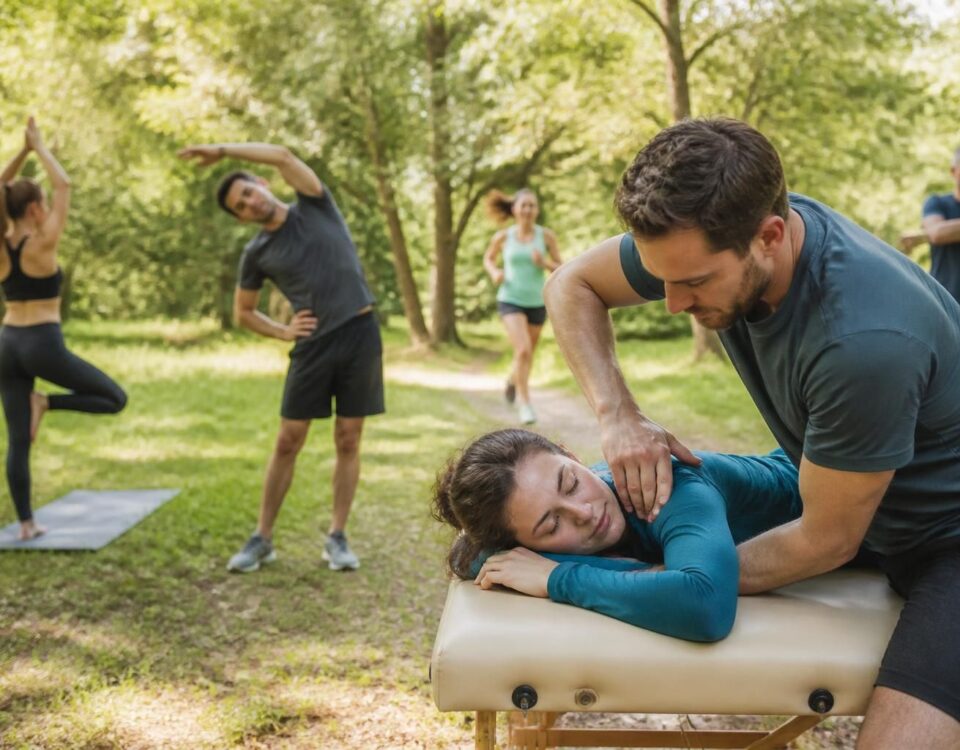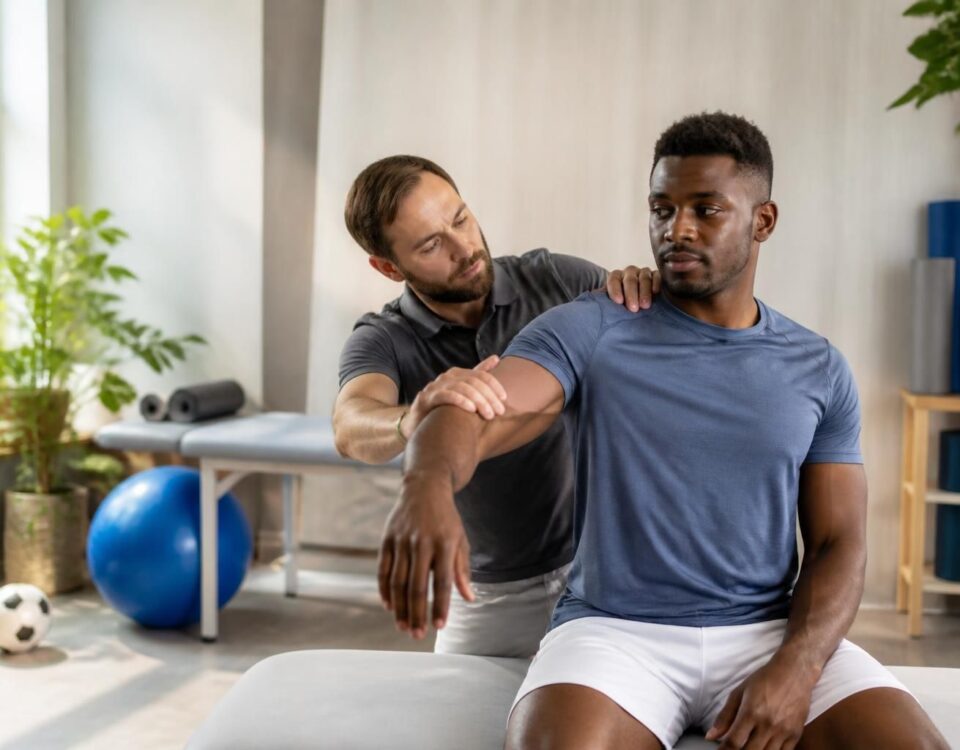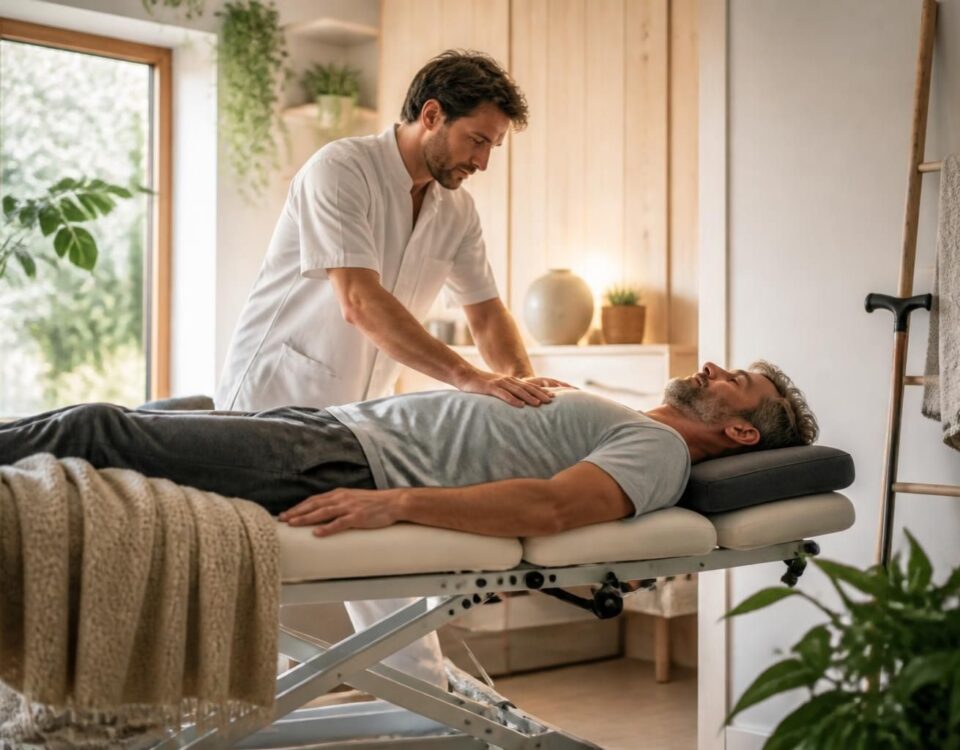


Osteopathy and sports recovery: maximize physical performance
28/06/2026
Osteopathic manipulations to strengthen weak joints
28/06/2026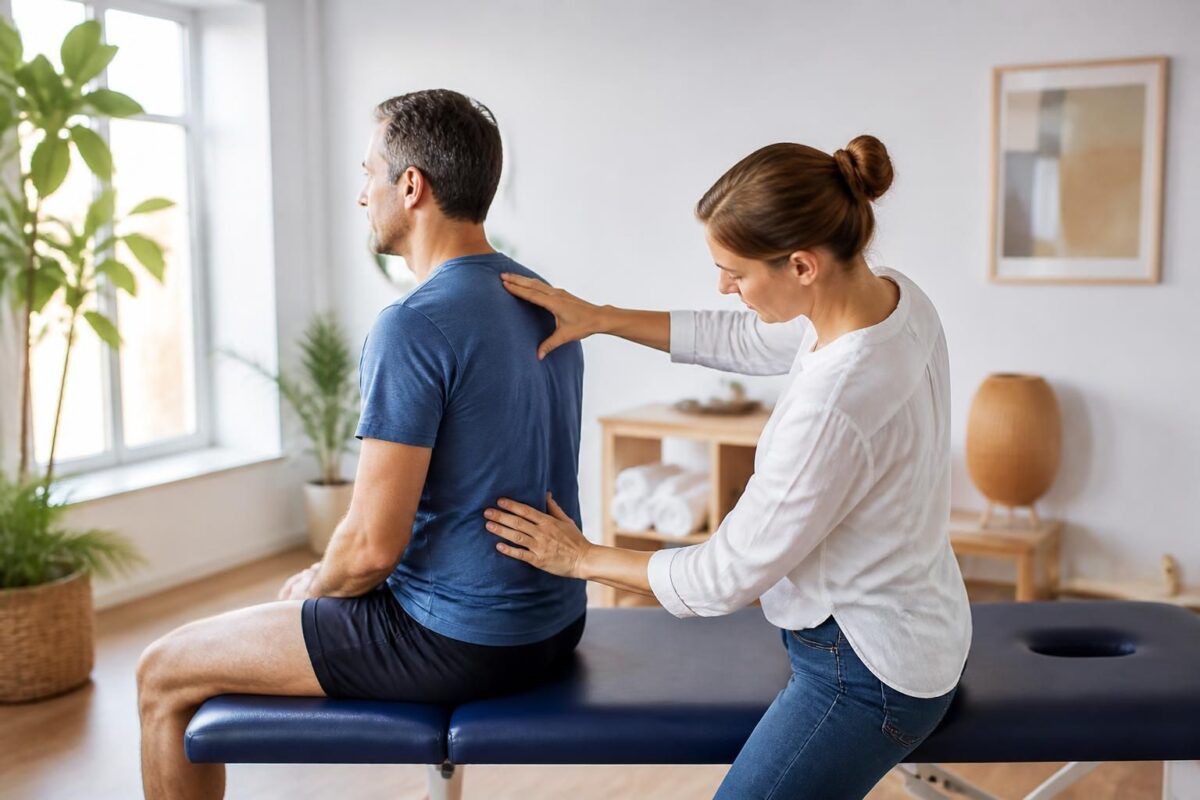
In short
| In short, theosteopathy is one Non-invasive alternative to Drug treatments which relieves the pain and restore mobility by acting on the body as a whole. It relies on Soft manual techniques And on the principle that the nervous system and musculoskeletal structures interact to promote self-healing. The main benefits include pain reduction, improved mobility and prevention of recurrences, without medication or surgery. This approach is suitable for various disorders, including lower back pain and joint tension, and can be used as a first option or in addition to medical follow-up, with a global and personalized framework. |
Find out why theosteopathy Maybe a Non-invasive alternative to treatments medicinal. This approach acts on the body as a whole thanks to Soft manual techniques who are aiming forbalance, the mobility and theself-healing.
- It offers solutions for pain musculoskeletal and postural disorders without medication, thus limiting Side effects and the risks of dependency.
- it can reduce the pain and improve the function while preventing recurrences by correcting tensions and mechanical malfunctions.
- It can be used in complement medical treatments and sometimes diminish the need for certain medicinal products.
- It is suitable for various problems such as lower back, cervical, migraines and tensions related to daily life or sport.
This article explains why theosteopathy Maybe a Non-invasive alternative to treatments medicinal For the pain. It describes the principles, application areas and benefits, while indicating limitations and precautions. The objective is to inform in a clear and practical way, in order to help everyone make an informed decision with a health professional.
Osteopathy is a global approach that acts by Soft manual techniques on the muscles, joints and the nervous system. It does not favor drugs and aims to restore the balance of the body to reduce the pain and improve mobility. This approach is part of a management non-drug Pain, adapted to each person and often used in addition to a healthy lifestyle.
The use of osteopathy is based on recognized training. Osteopaths practice after courses in institutions such as Numss, NAO, National University of Medical Sciences and National Academy of osteopathy. These trainings aim to develop clear and safe skills to accompany patients suffering from musculoskeletal pain, mobility limitations or functional disorders.
What is osteopathy and how it acts?
Osteopathy is based on the idea that the body can self-regulate. The practitioner uses techniques sweet and manuals to release tension and promote movement. This action can help reduce pain and restore better general function, without the use of drug substances. The approach emphasizes the interaction between the nervous system, the locomotor system and the organs, in order to improve the harmony of the body.
Advantages and security
The risks Associated with osteopathy are generally low when practiced by a trained professional. Serious side effects are rare. Some people may experience mild pain or fatigue after a session, but these effects are usually temporary. Osteopathy offers a way non-invasive To act on pain and can help improve mobility without drugs.
Efficiency and limits
Work and reviews indicate that osteopathy can bring benefits in the management of musculoskeletal and lumbar pain. The results vary between people and situations. Osteopathy can be considered as a complement to medical follow-up and an active lifestyle. It does not replace the medical diagnosis or the treatments required when these are necessary.
To deepen what science says about osteopathy, you can consult resources like What science says about osteopathy and specialized analyzes of the benefits and limitations of this approach. Dedicated articles also explain why osteopathy can support an active and painless life (Essential osteopathy for an active and painless life). For a practical perspective on mechanisms and results, see also the following resources.
When to consider osteopathy and how to choose
Consult an osteopath if you suffer from chronic or acute pain when no signs of urgency are present. Choose a practitioner registered in recognized and trained associations in authorized establishments. Find out about diplomas and treatment methods. Prioritize an approach that favors techniques non-invasive and an overall patient assessment.
Osteopathy can be useful as a preventive measure and in support of rehabilitation after a painful episode. It is often complementary to other non-pharmacological approaches and a healthy lifestyle. For more information, see Resources available on specialized sites.
Resources and useful links
For further details, please refer to the following pages:
Why osteopathy is a lasting solution for chronic pain
What science says about osteopathy
Essential osteopathy for an active and painless life
How osteopathy supports rehabilitation after an accident
Osteopathy and tendonitis: a gentle and natural approach
For more general information on non-pharmacological options, you can also consult resources available through the following areas: sossciatica.com, clinagmed.com, decompressionneurovertebrale.com, sosherniediscale.com, sosherniatedisc.com, sostunnelcarpien.com, sossciatica.com.
Medical Disclaimer: The information and advice provided on this site does not replace the health professional’s diagnosis or treatment. Please note that Dr. Sylvain Desforges osteopath is neither a doctor of medicine nor a doctor, and is not a specialist in a medical specialty as defined by the Collège des Médecins du Québec. Manual medicine, functional medicine and sports medicine as described on this site exclude any medical treatment or diagnosis made by a doctor or specialist doctor. Always consult your doctor for any medical questions. For more details, please read our full legal notice. »
- Axis : Functional rebalancing and self-healing, without drug.
- Global approach of the body, not just the symptoms.
- Soft manual techniques and non-invasive without surgery.
- pain reduction by correcting malfunctions and improving the mobility.
- Fewer side effects and nohabit compared to drug treatments.
- Prevention and maintenance of the function to limit the relapses.
- Treat the causes functional rather than masking the symptom.
- personalized : Plan adapted to each individual and follow-up.
- Complementary other non-drug approaches (physical activity, posture).
- Practical advice and Simple exercises For everyday life.
- Useful in chronic pain and low back pain that are resistant to conventional treatments.
- Sustainable support Towards a better quality of life without addiction.

This summary demonstrates why osteopathy can be a Non-invasive alternative Drug treatments to relieve pain and improve function. By focusing on gentle manual techniques, a global approach to the body and self-management strategies, it aims to reduce the use of painkillers and limit their undesirable effects, while improving mobility and well-being. This article presents the foundations, the benefits and the conditions conducive to its integration into an appropriate care approach.
A global and non-invasive approach
Osteopathy considers the body as an interconnected system where localized tension can influence other areas. By working on muscle chains, joints and soft tissues, the practitioner seeks to release restrictions that fuel pain and movement limitations. This approach favors safety and gentleness, without resorting to surgery or drugs in most cases.
By rebalancing the autonomic nervous system and musculoskeletal functioning, osteopathy can decrease painful pressures and promote self-healing of the body. The goal is to improve the body’s ability to self-regulate and adapt, rather than temporarily masking symptoms with drug treatments.

How osteopathy improves the quality of life of active people
In short In short, theosteopathy is a global approach that Optimizes mobility and the function of the body of ACTIVE PEOPLE, for a better quality of life. It helps prevent injury and reduce Musculoskeletal pain While promoting the Sports recovery.…

Osteopathy and sports recovery: prepare the body for lasting performance
In short In short, Osteopathy and Sports recovery is one Global manual approach that sustainably prepares the body for the effort by restoring mobility and circulation After the effort. It is a discipline that acts on the sinews, the joints,…
Customized and personalized therapeutic tools
Appropriate manual techniques
The sessions are adjusted to each person and the location of the pain: low back pain, neck pain, back tension, or joint pain. The gestures are non-invasive, progressive and adapted to the physiology of the patient, in order to restore mobility without attacking the tissues.
Results on function and comfort
Reducing tensions can result in better range of motion, decreased stiffness and improved quality of life. By working on musculoskeletal chains and compensation mechanisms, osteopathy can reduce recurrent pain and help prevent recurrences, while promoting a general feeling of well-being.
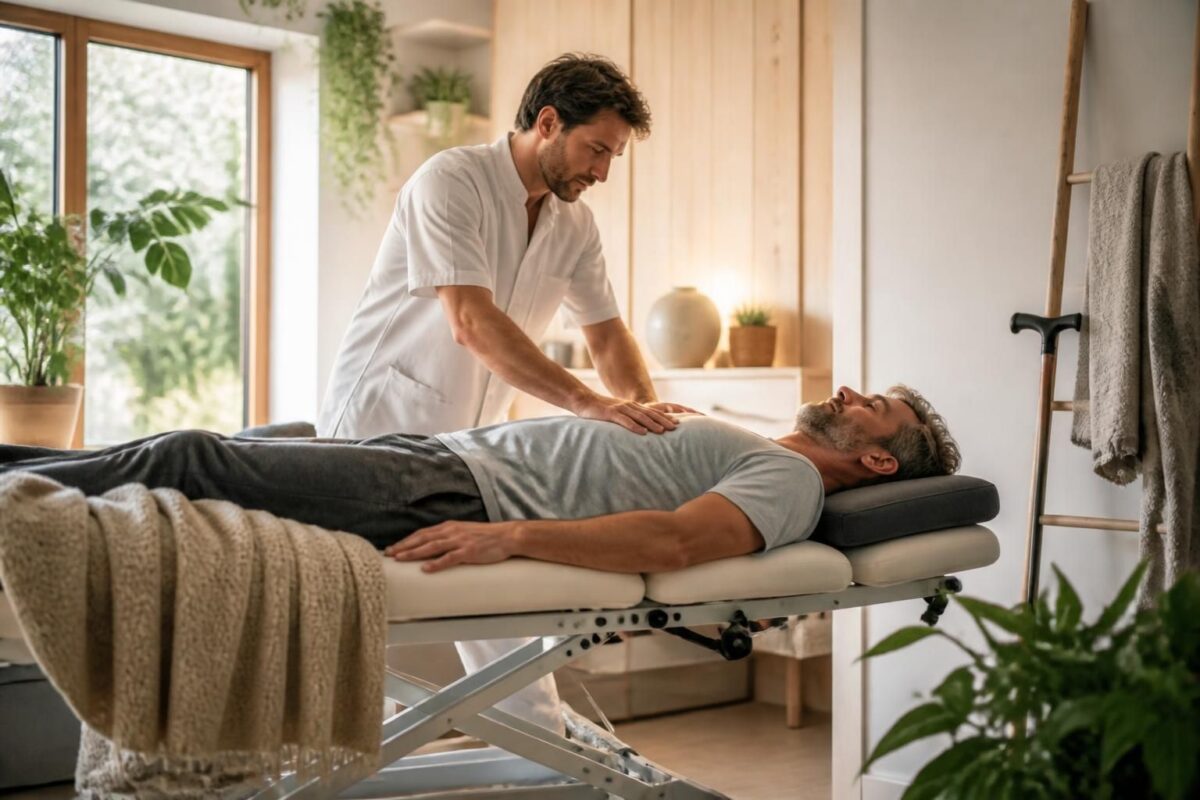
Why Osteopathy Is Essential For Recovery People
In short In short, Osteopathy in convalescence is an approach manual and holistic which helps to accelerate the recovery by restoring The balance, the mobility and a good circulation fabrics. it contributes to Reduce the pain, support the Back to…

Osteopathic manipulations to strengthen post-traumatic muscles
In short In short, Osteopathic manipulations for Strengthen post-traumatic muscles constitute a gentle manual approach aimed at restoring the mobility, reduce the pain and facilitate the Functional rehabilitation After a injury. What is Is it? A series of precise gestures…
Integrating osteopathy into a drug-free strategy
Integrating osteopathy into a care process allows you to act rather than suffer pain. It can be associated with an appropriate lifestyle, simple exercises and other non-pharmacological approaches to strengthen overall efficacy and limit the use of painkillers.
To optimize the benefits, it is recommended on the one hand to plan an initial consultation which makes it possible to assess the mechanical causes, the chronology of the symptoms and the objectives of the patient, and on the other hand to coordinate the care with the health professionals when necessary. Osteopathy can be offered as a primary treatment in some cases and as a supplement in others, depending on the overall assessment and individual needs.
| Criterion | osteopathy — Concise text |
|---|---|
| Objective and field | Targets the locomotor system and body balance without medication. |
| Mode of treatment | Manual techniques and osteopathic manipulation adapted to the patient. |
| Mode of action not medicinal | Action via the nervous system and overall functioning, without pharmacological product. |
| Risk and security | Low risk when practiced by a graduate professional; Few side effects. |
| Dependence and abstinence | no risk of addiction; does not create habituation. |
| Time limit and durability | progressive relief; possible lasting benefits with follow-up. |
| Personalization and evaluation | personalized according to the functional evaluation and the patient’s objectives. |
| Cost and accessibility | variable cost; consultation adapted to the needs and coverage. |
| Limitations and precautions | does not replace a medical diagnosis; Emergency or worrying signs require medical care. |
“Before, I depended on analgesics to calm my lower back pain. With osteopathy, I discovered an approach non-invasive which treats the cause and not just the symptoms. The sessions allowed me to Reduce the pain without side effects. »
“After months of pain, the osteopathic evaluation took into account my body as a whole. The care is soft, personalized and without pharmaceuticals; My mobility has improved and my tensions are extinguished. »
“As an athlete, I was looking for a safe alternative to recover from an injury without the use of medication. Osteopathy helped me Prevent relapses and to recover faster thanks to targeted techniques and naturalness. »
“For my chronic pain, I appreciated the orientation towards lasting results rather than temporary solutions. Osteopathy gave me back autonomy and quality of life without drug treatment. »
“I realized that osteopathy acts on the body as a whole: posture, breathing and muscle balance were gradually corrected. Result: less stiffness, more mobility and zero medication. »
“In prevention, regular sessions help me stay in shape and avoid drugs on a daily basis. It’s a Non-drug alternative Who respects my body and my way of moving. »

Osteopathy and prevention of work-related musculoskeletal disorders
In short theosteopathy is one Manual approach that restores body balance and prevents MSD related to work. Its advantages: reduction of tension, improvement of mobility and prevention of chronic pain. She is preventive and healing, suitable for office and trades…

The benefits of osteopathy to treat muscle imbalances
In short theosteopathy is a manual approach to restore themuscle harmony and postural considering the body as a whole. Its main benefits include the reduction of aches and tensions, the improvement of the mobility and from the posture, and prevention…
Osteopathy: a non-invasive alternative to drug treatments
Dr Sylvain Desforges, expert in osteopathy, naturopathy and manual medicine, is the founding president of tagmed and association acma. His journey illustrates a vocation for health innovation, with particular attention paid to the management of Chronic pain and the integration of advanced technologies in non-pharmacological approaches. It is dedicated to the management of chronic pain and to the optimization of the functioning of the body through methods that favor manual action, prevention and respect for natural self-healing mechanisms. His leadership is based on a practice evidence-based and on attentive listening to the needs of each patient. Constantly, he seeks solutions that combine safety, efficiency and quality of life, without weighing down the therapeutic journey with unnecessary drugs. His approach is also based on patient education and rigorous monitoring to measure results and adjust the care plan over time. For those who wish to deepen its approach and the services offered, the TagMed clinic offer can be considered as a reliable and accessible resource.
In this vision, osteopathy is presented as a Non-invasive alternative who favors Manual techniques soft and personalized rather than medicinal substances. The practitioner analyzes the body as a whole, evaluates the relationships between the skeleton, the muscles, the nervous system and the organs, and acts through targeted manipulations to free up the restriction zones, restore mobility and rebalance postural automatisms. This approach aims not only to relieve pain, but also to improve function and coordination of movements, which can contribute to a lasting reduction of symptoms and a better quality of life on a daily basis.
The use of osteopathy can be added to medical treatments or, where appropriate, transform them into a long-term alternative to certain drugs. By avoiding the adverse effects and the risks of dependence associated with analgesics and anti-inflammatory drugs, it offers a gentler way for the body. The objective is not to ignore medical causes when necessary, but to stabilize the mechanisms responsible for pain by releasing tensions, improving posture, and encouraging favorable lifestyle habits (adapted physical activities, stress management, restful sleep). This approach focuses on patient education and self-management, to prevent relapses and support a lasting progression to an active and painless life.
To enhance efficacy without the use of medications, complementary technologies can be integrated when it is relevant and safe. options such as vertebral decompression supervised, the laser therapeutic and the shock waves Can accompany the rehabilitation phases, contribute to reducing inflammation and accelerate muscle and joint recovery. These tools, used with discernment and according to a clinical evaluation, make it possible to optimize the results while respecting the fundamental principle of non-invasiveness.
The practitioner favors an approach evidence-based, with a complete initial assessment followed by a clear and adjustable treatment plan. The objective is to help the patient gradually regain his autonomy, reduce pain and resume his usual activities gently, without depending on drug prescriptions. This process is based on transparent communication, measurable objectives and regular reviews that allow to refine the technical gestures and the advice given. This integrative approach also promotes collaboration with other health professionals when it is useful for the patient.
In summary, osteopathy presents itself as a reliable and human way for those who wish to limit the use of drugs or chemical treatments. It offers a personalized approach that combines manual know-how, patient listening and compatible technologies with a preventive approach. For those looking for a durable and body-friendly solution, osteopathy is a solid and progressive option. Discover the TagMed clinic offer and contact them to consider a first consultation and evaluate together the possibilities adapted to your situation.
This summary explains why Osteopathy Maybe a Non-invasive alternative Effective for drug treatments for pain and functional dysfunction management. By combining approaches physical, techniques mental And technological innovations, it aims to restore mobility, reduce tension and improve quality of life without systematic use of pills, which reduces the risks and side effects associated with drugs.
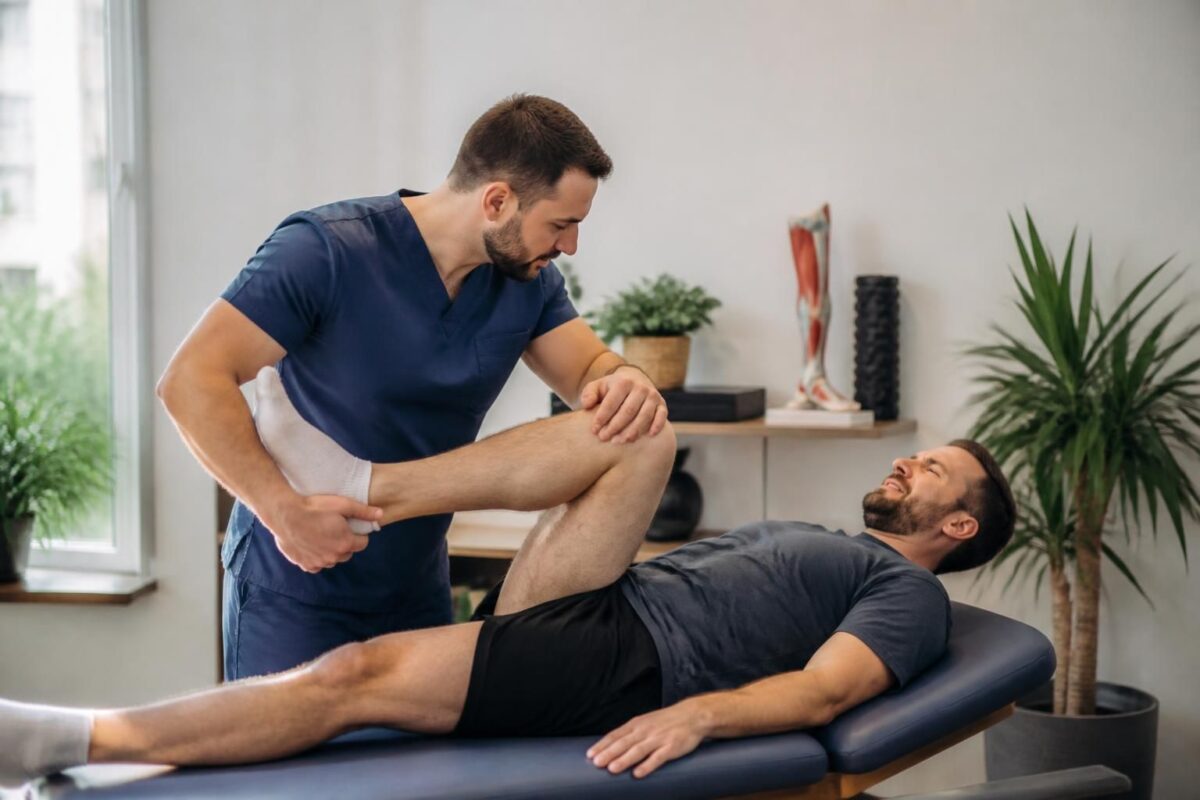
Osteopathy and chronic leg pain: regaining an optimal quality of life
In short In short, Osteopathy is one Global manual approach aimed at reducing Chronic leg pain and improve the quality of life. What is it? Non-drug therapy using the hands to identify restrictions and treat lesional chains. How does it…
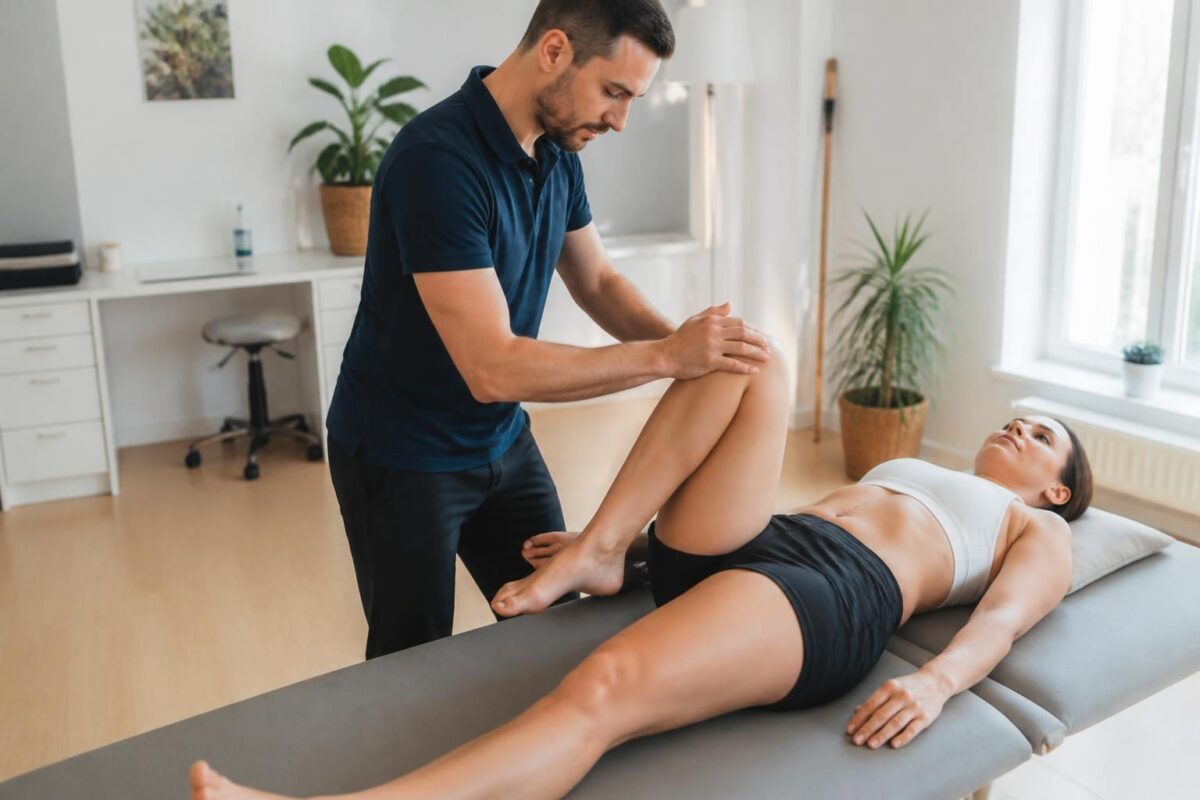
How osteopathy supports recovery after complex surgery
In short In short, Post-operative osteopathy is an approach fresh which supports the recovery After a Complex surgery. It helps to reduce the pain and the fatigue, improves the mobility and accelerates the healing thanks to a better vascularization and…
Synthesis and perspectives
On the plan physical, the osteopathic approach, associated with elements of physiotherapy and therapeutic massages, participates in Restore mobility, Correct malfunctions and release tension muscular. This approach can sustainably reduce lower back, dorsal and joint pain while avoiding drug dependence.
On the plan mental, techniques like meditation and the mindful Help manage pain by reducing stress and modulating doloric perception. Approaches such ashypnosis and the Cognitive-behavioral therapy (TCC) make it possible to intervene on thought patterns and reactions to pain, improving autonomy and quality of life.
The Technological innovations provide additional tools: nervous stimulation transcutaneous (TENS) can attenuate painful signals without medication, and the virtual reality Provides effective distraction during rehabilitation periods and post-operative care.
To illustrate, several resources describe how osteopathy is positioned as a Effective alternative For athletes and patients seeking to avoid drugs: for example articles on Osteopathy and athletes, on 5 reasons why osteopathy is an effective alternative, or on The natural alternative to drug treatments. Other resources explore specific benefits for conditions like osteoarthritis or fracture recovery:
for example, Osteopathy and osteoarthritis: regain functional mobility or Fracture recovery illustrate how practice can optimize performance recovery and maintenance without systematically using drugs.

Dr Sylvain Desforges, B.Sc., D.O., N.D., osteopath, is the founding president of TAGMED and of the ACMA association. He dedicates his practice to chronic spinal pain, low back pain and symptoms compatible with sciatica, particularly when pain radiates toward the buttock, leg, calf, foot or toes.
Through SOS Sciatique, he publishes educational content on sciatica symptoms, possible causes such as disc herniation, disc narrowing, foraminal stenosis or irritation of a lumbar nerve root, as well as non-surgical approaches that may be considered according to the evaluation. At Clinique TAGMED, care may include, depending on the case, motorized neurovertebral decompression, specific osteopathic care or precision percussion.
For an evaluation related to sciatica treatment in Montreal / Mount Royal or sciatica treatment in Terrebonne, please consult the services available at Clinique TAGMED.
Medical disclaimer
The information published on SOS Sciatique is provided for educational purposes only and does not replace a consultation, diagnosis, opinion or treatment provided by a physician or another authorized healthcare professional. The author of this article is neither a medical doctor nor a specialist in a medical specialty recognized by the Collège des médecins du Québec. The osteopathic, manual medicine or functional support approaches described on this site do not constitute medical acts and are not intended to replace medical follow-up.
Consult a physician or emergency service in cases of loss of bladder or bowel control, anesthesia in the saddle area, significant or progressive weakness in the leg or foot, fever, recent trauma, severe pain or rapid worsening of symptoms. For more details, please read our Legal Notice.