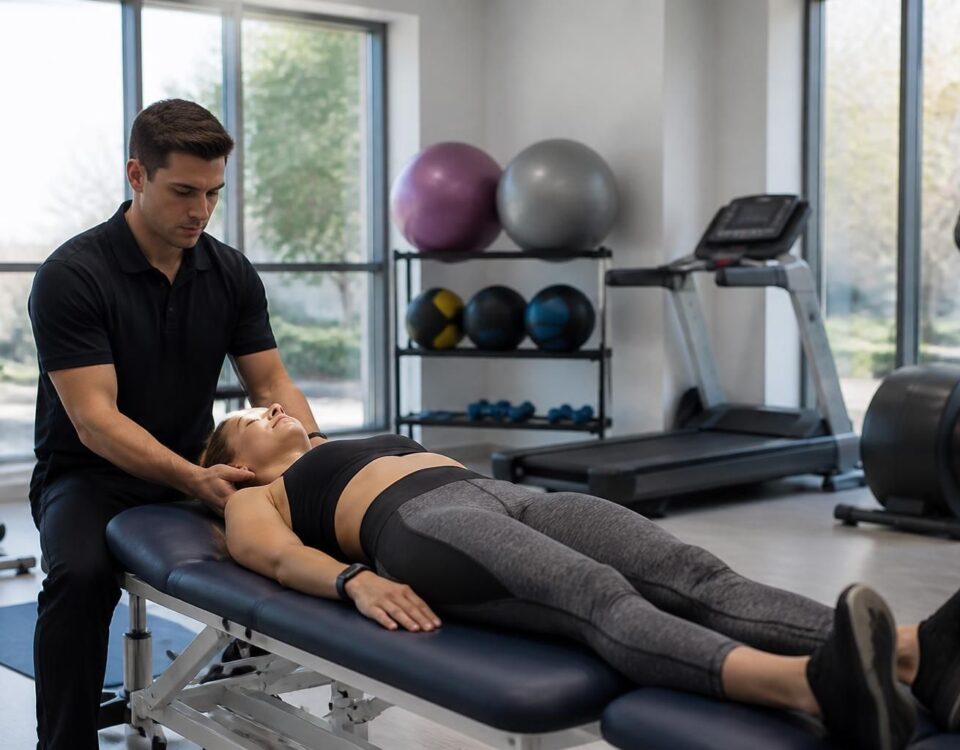
Benefits of Neurovertebral Decompression for Sedentary Workers
25/06/2026
How neurovertebral decompression reduces pressure on spinal nerves
25/06/2026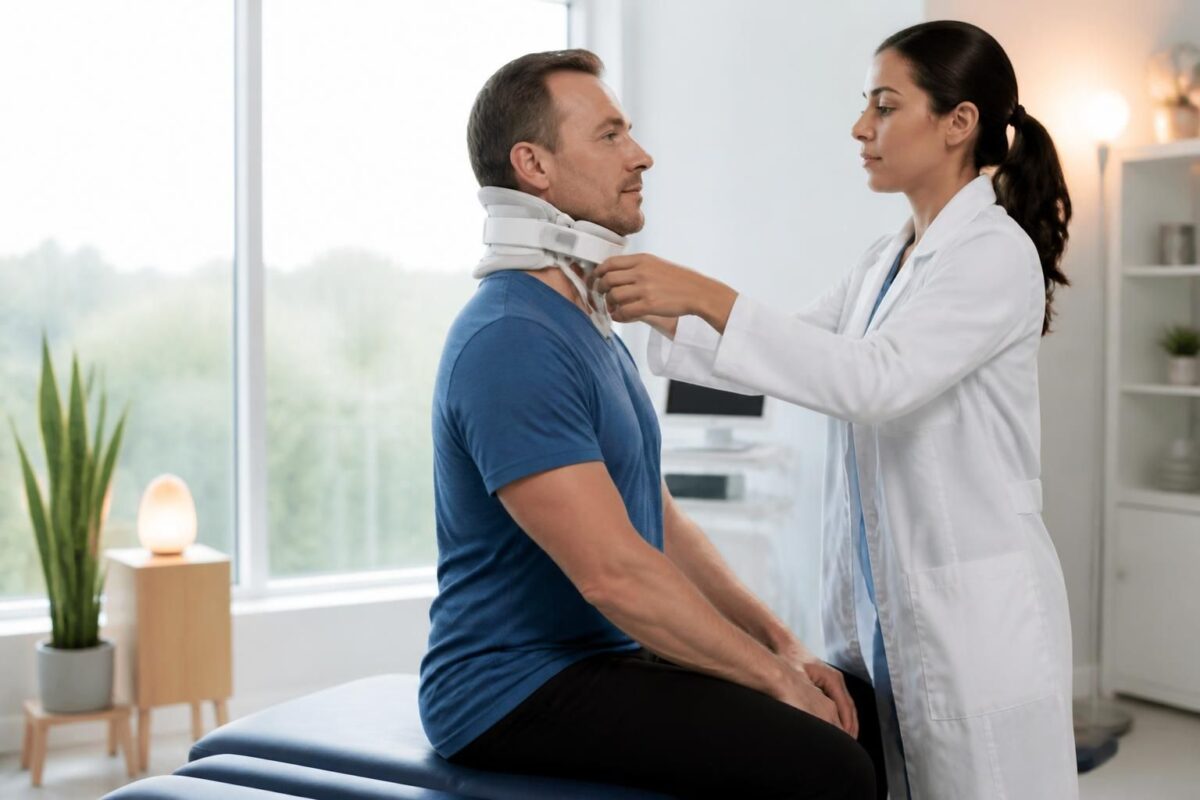
In short
| In short, neurovertebral decompression is one gentle therapy for the neck pain which decreases the pressure on the Intervertebral discs and the nerves by a Controlled traction, without surgery. this method non-invasive Give a Quick relief and improves the mobility of the neck. accessible to Montreal, it is a safe option to avoid heavier interventions. By promoting circulation and tissue recovery, it can help reduce symptoms and improve quality of life in the long term. |
The neurovertebral decompression is one Gentle, non-invasive therapy Designed for neck pain. thanks to a Controlled traction, it decreases the pressure on the discs and nerves, improves the circulation and promotes healing without surgery. It offers a Rapid mobility improvement and constitutes a Safe alternative To find a life without pain.
This article presents neurovertebral decompression as a gentle therapy For neck pain. It explains the mechanism, potential benefits and key points to know for secure and effective support. The approach is non-invasive and can be part of a comprehensive care program offered in Montreal and in Tagmed clinics.
What is neurovertebral decompression?
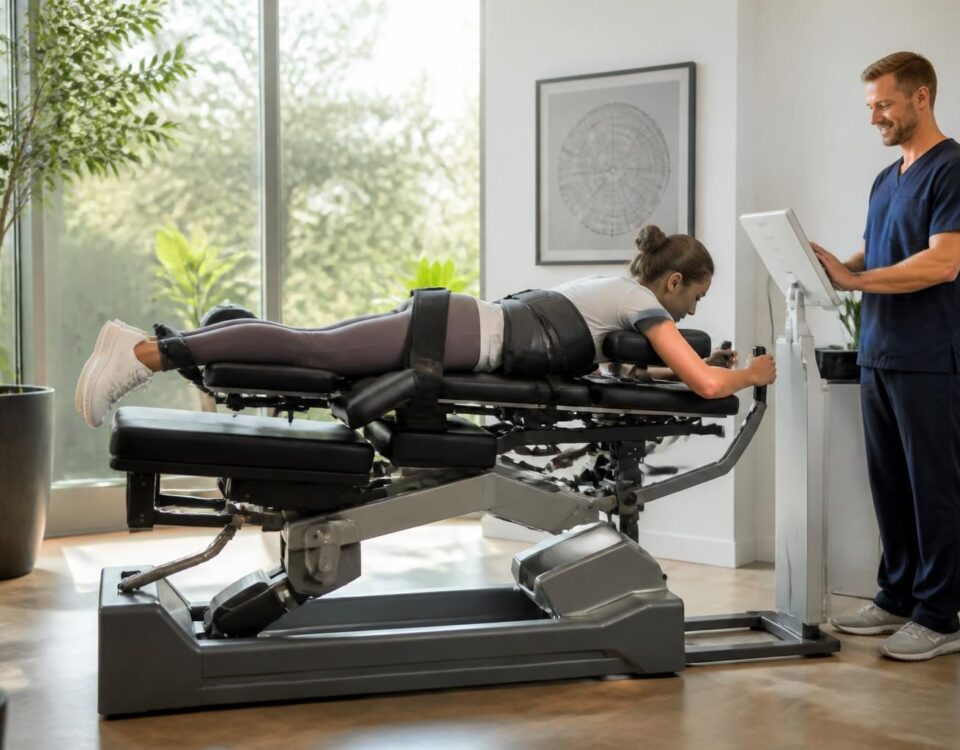
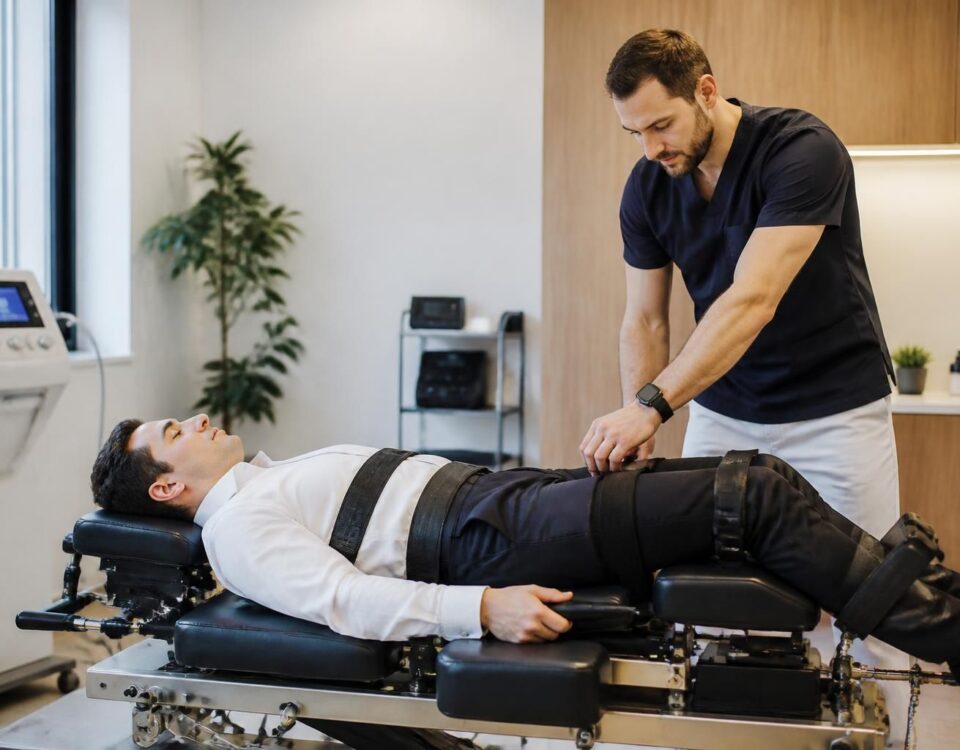
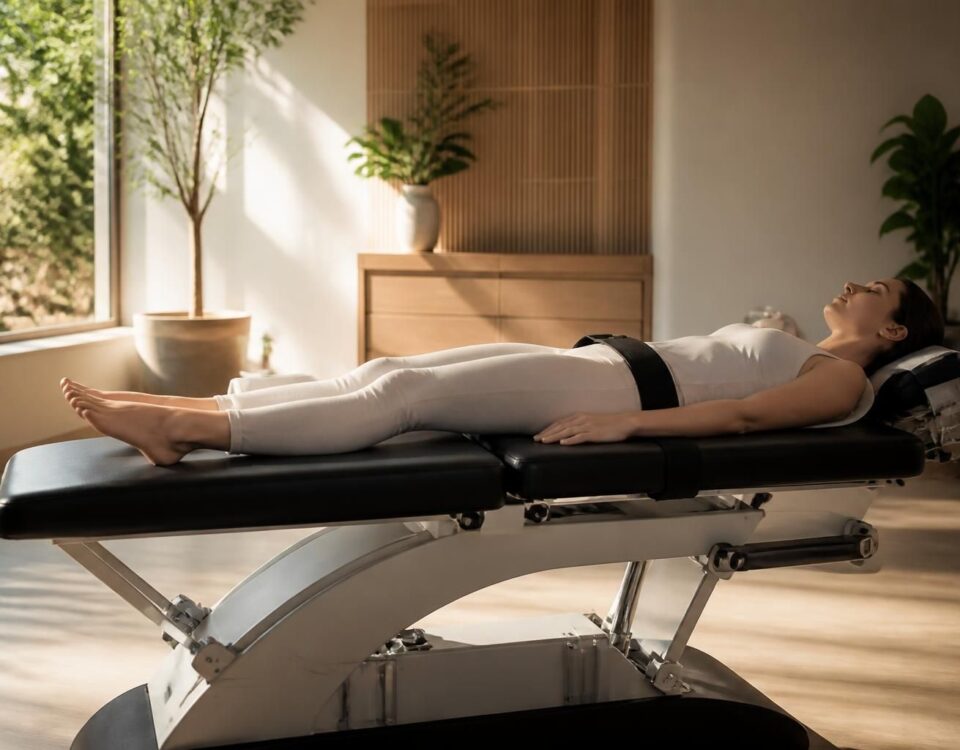
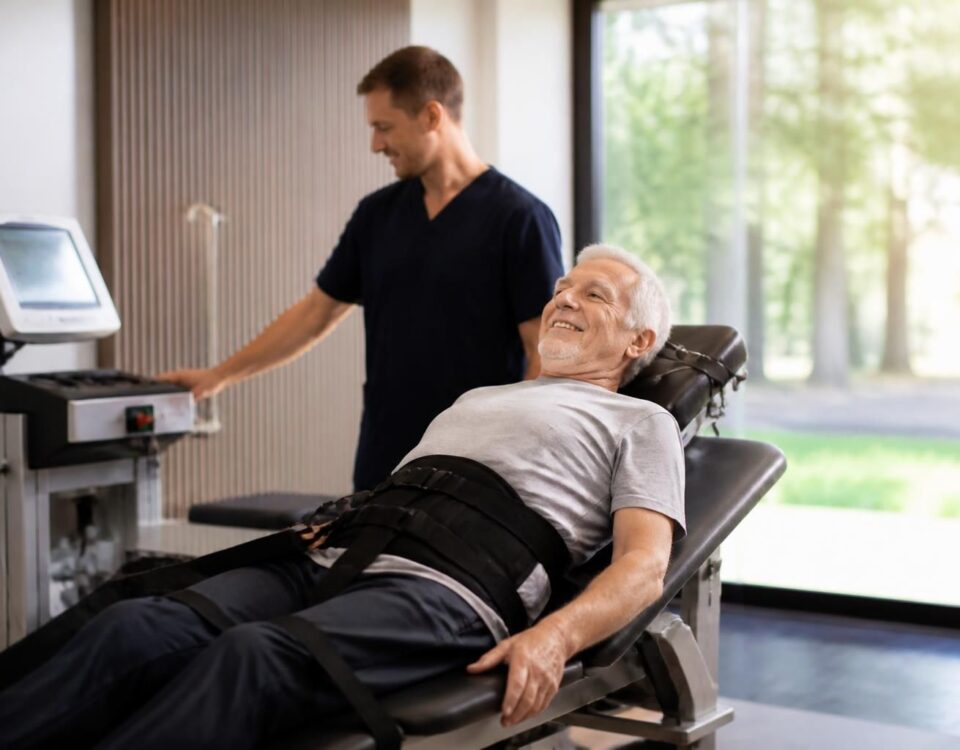
Neurovertebral decompression is a procedure non-invasive which applies controlled traction on the cervical spine. This traction creates a space between the vertebrae, which can decrease the pressure exerted on the intervertebral discs and on the nerve roots. This approach is specifically used to treat cervical pain related to conditions such as herniated discs or nerve compressions.
how it works
The mechanism is based on a Soft and targeted traction which releases pressure on the nerves and facilitates local circulation. By promoting a blood supply improves tissue nutrition, supporting repair and reduction of inflammation. This approach aims to restore normal functioning of the nerve structures and surrounding tissues without the need for surgery.
Benefits for neck pain
Expected benefits include a pain reduction, a better Neck mobility and improved sleep quality. This therapy can help reduce symptoms of chronic cervical pain and promote recovery without the risks associated with surgery.
Indications and safety
Neurovertebral decompression is indicated when symptoms arise from nerve compression or cervical disc dysfunction. It offers an alternative secure For patients seeking a non-surgical and non-drug approach. Like any intervention, it requires an evaluation by a health professional and a protocol adapted to each patient.
Integration into your care pathway
At the TagMed clinic, this therapy is part of an integrated offer of musculoskeletal care. The use of computer-assisted decompression technologies allows to precisely adjust the parameters according to the patient’s profile. To learn more about services and the approach in Montreal or Terrebonne, visit Tagmed Clinic.
Additional information on neurovertebral decompression and its applications are available at neurovertebral decompression and on sosciatica.
Monitoring and results
Regular monitoring allows for progress to be assessed and the protocol adjusted. The duration and number of sessions vary depending on the profile and response to treatment. In the context of care at the TagMed clinic, the safety and well-being of the patient remains priority and decisions are made on the basis of clinical data and the evolution of symptoms.
For more general information on neurovertebral decompression and possible cases, consult the specialized resources and dedicated pages on authorized sites, including those provided by What is neurovertebral decompression? and Neurovertebral decompression and neuropathic pain.
Additional references on non-surgical options and pain management alternatives are available at SosherniaDiscal and Sosciatica – cervical and sciatic decompression.
For additional information on training and professional executives, practitioners can rely on the approaches recognized by NUMSS and NAO in the field of osteopathy and manual medicine, as well as on relevant professional associations such as ACMA and College of Canadian Osteopaths.
Medical Disclaimer: The information and advice provided on this site does not replace the health professional’s diagnosis or treatment. Please note that Dr. Sylvain Desforges osteopath is neither a doctor of medicine nor a doctor, and is not a specialist in a medical specialty as defined by the Collège des Médecins du Québec. Manual medicine, functional medicine and sports medicine as described on this site exclude any medical treatment or diagnosis made by a doctor or specialist doctor. Always consult your doctor for any medical questions. For more details, please read our full legal notice.
- what is the neurovertebral decompression is therapy fresh and non-invasive who uses a Controlled traction to unload the cervical discs.
- How it works : traction Soft and controlled which creates a space between the vertebrae and improves the circulation local.
- Quick advantage : reduction spot or quick from the pain and gain from mobility.
- Security : Approach non-invasive with Few side effects.
- Personalization : program adapted to your cervical and your goals.
- Duration and pace : typically 15-30 minutes per session and 15-25 sessions.
- Profit : Sustainable relief of the cervical pain.
- Mobility : improvement of the mobility and from the flexibility of the neck.
- Circulation : better bloodstream and tissue recovery.
- Fewer drugs and Operating risks avoided.
- Prevention : Reduction of the risk of recurrence by better spinal stability.
- Public : suitable for athletes and anyone looking for a quick return to activities.

This article presents the neurovertebral decompression like a gentle therapy for the neck pain. It details what it is, when it is indicated, how a session takes place, and practical advice to optimize efficacy and safety without having to resort to surgery.
What is neurovertebral decompression?
The neurovertebral decompression is an approach non-invasive who uses a Soft and controlled traction on the cervical spine. This technique creates a small space between the vertebrae, while the pressure exerted on the intervertebral discs and nerve roots decreases. The goal is to improve blood circulation and nutrient intake to affected tissues, thus promoting healing and pain reduction without surgery.
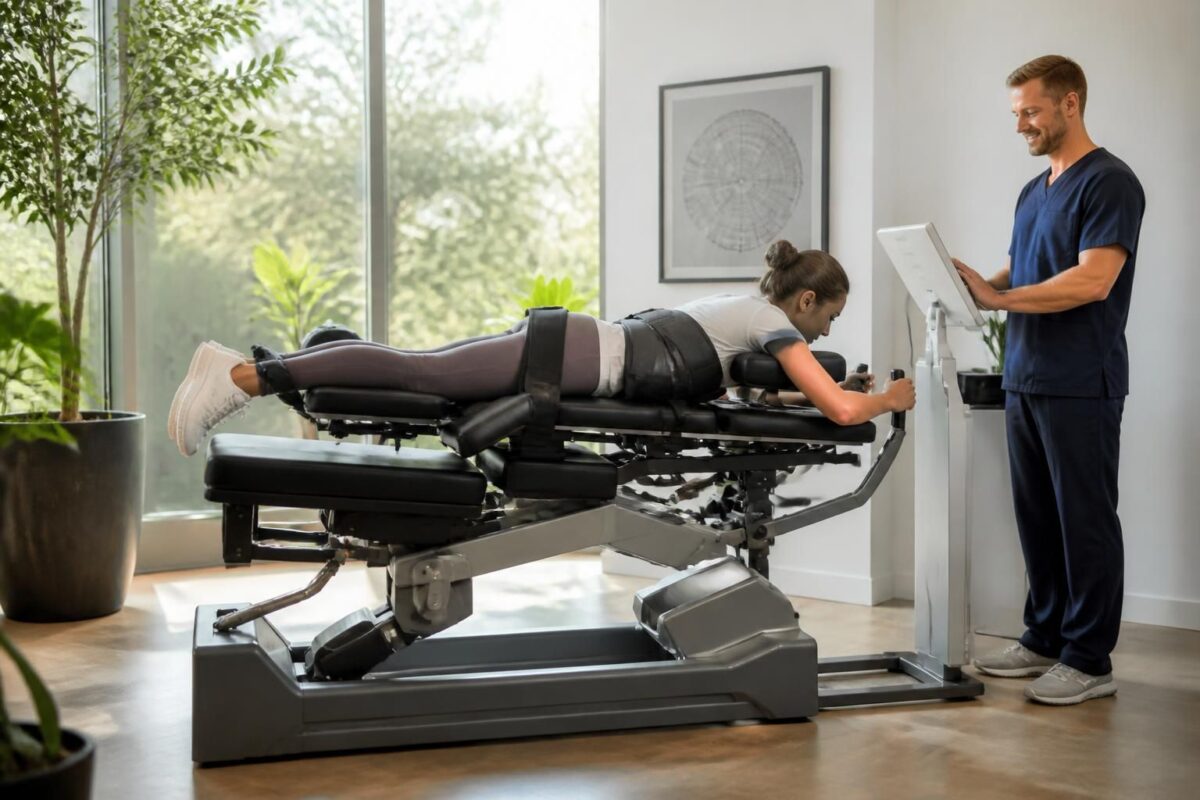
The long-term benefits of neurovertebral decompression for spinal health
In short In short, the neurovertebral decompression is a non-invasive approach that decreases the Pressure on intervertebral discs and nerves, favoring the Natural regeneration and tissue recovery. Its long-term benefits include Lasting pain reduction, Improving mobility and from the posture,…
Indications and objectives
This therapy is particularly suitable when neck pain are accompanied by symptoms related to a Cervical radiculopathy (Pain radiating in the shoulders, arms or hands, numbness, tingling). It can help in case of Hernias or cervical disc protrusions, disc degeneration or deep muscle tension. The goal is to reduce pain, improve mobility and restore normal nerve function. Before any treatment, a complete evaluation by a professional is necessary to rule out cases where another approach would be more appropriate, in particular in the presence of instability, infection, fracture or pregnancy.

Neurovertebral decompression and mobility: a return to an active life
In short In short, the neurovertebral decompression is therapy non-invasive who uses a gentle traction To create a space between the vertebrae and reduce the pressure on the Intervertebral discs and the nerves. It promotes a bloodstream improved, lowers tension…
The course of a session and duration of treatment
Frequency and progress
A typical program has several sessions over several weeks, usually between 15 and 25 sessions, depending on the severity of symptoms and individual response. The frequency is often 1 to 3 times a week, with a progression adapted to each patient to optimize functional gains without over-soliciting the cervical region.
Duration and course of a session
Each session usually lasts between 15 and 30 minutes. It begins with a initial assessment and a dialogue on the evolution of symptoms, followed by adjustment of traction parameters and patient comfort during treatment. The process is done gradually, adjusting the intensity and duration to stay in a tolerable and effective area. At the end of each session, simple self-care tips and gentle exercises can be offered.
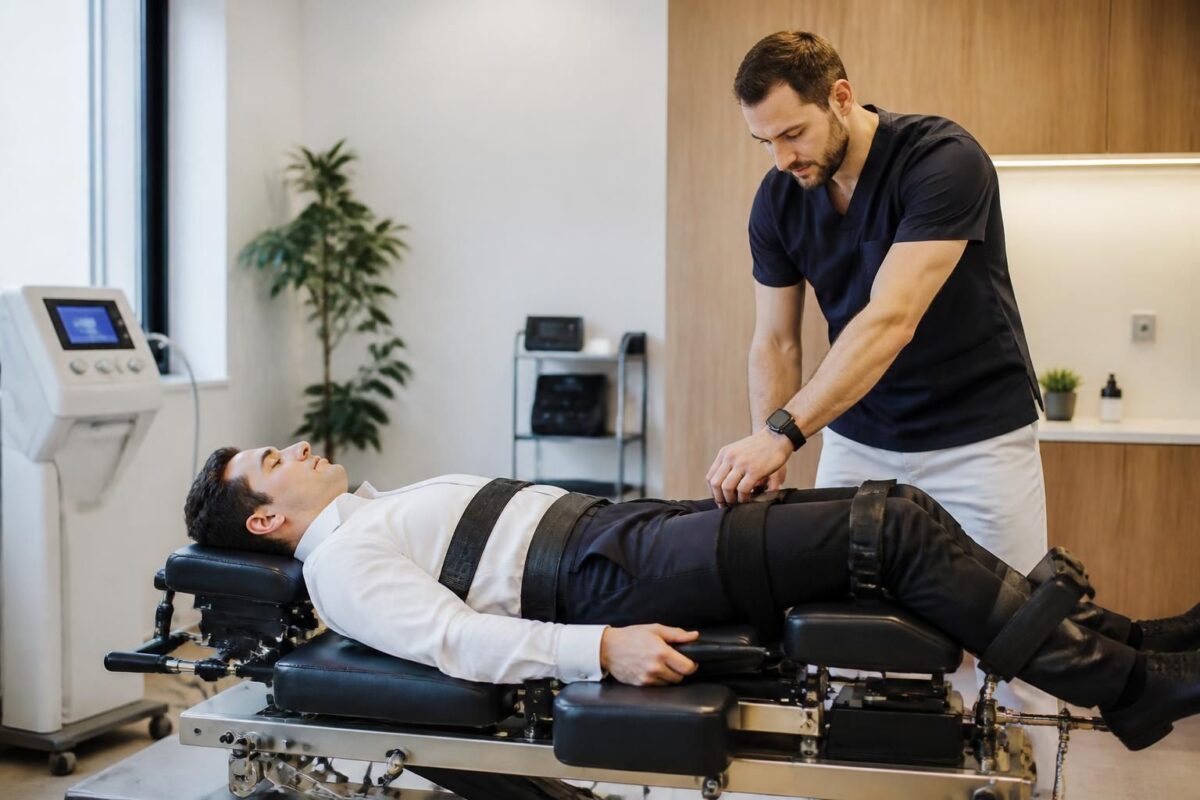
How Neurovertebral Decompression Prevents Diffuse Chronic Pain
In short decompression neurovertebral is one Non-invasive method aimed at reducing the Pressure on the intervertebral discs and the nerves, in order to prevent Diffuse chronic pain. It improves the circulation and thedisc hydration, decreases inflammation and promotes better mobility.…
Practical advice and safety
To maximize results and ensure security and comfort, follow these recommendations: Immediately inform your practitioner in case of new pain, dizziness, nausea or unusual weakness. Wear comfortable clothes and avoid heavy meals just before the session. Hydrate yourself and consider a short rest period after the session before resuming your activities. Pre-assessment and regular monitoring are used to adjust the protocol and prevent discomfort.
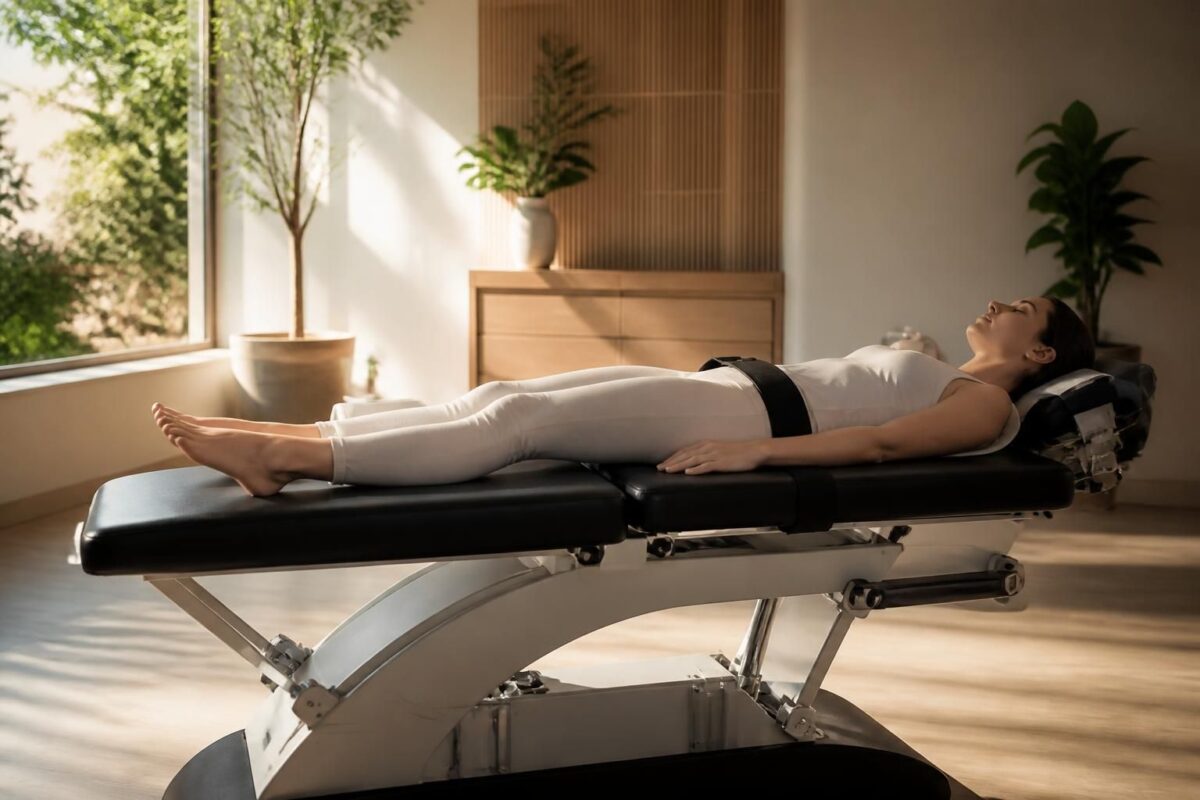
Neurovertebral Decompression and Body Alignment: Restoring Natural Balance
In short In short, neurovertebral decompression is one Non-invasive approach who restores theBody Alignment and thenatural balance back and neck. She acts by a Controlled traction of the spine to widen the intervertebral space and reduce the Pressure on discs…
Integration with other therapies
Decompression can be associated with other non-pharmacological approaches to enhance outcomes, such as mild strengthening exercises, postural lengthening exercises, and pain management techniques. In some cases, complementary options such as therapy by laser, targeted osteopathic techniques or personalized rehabilitation programs can be coordinated to optimize recovery and prevent recurrences.
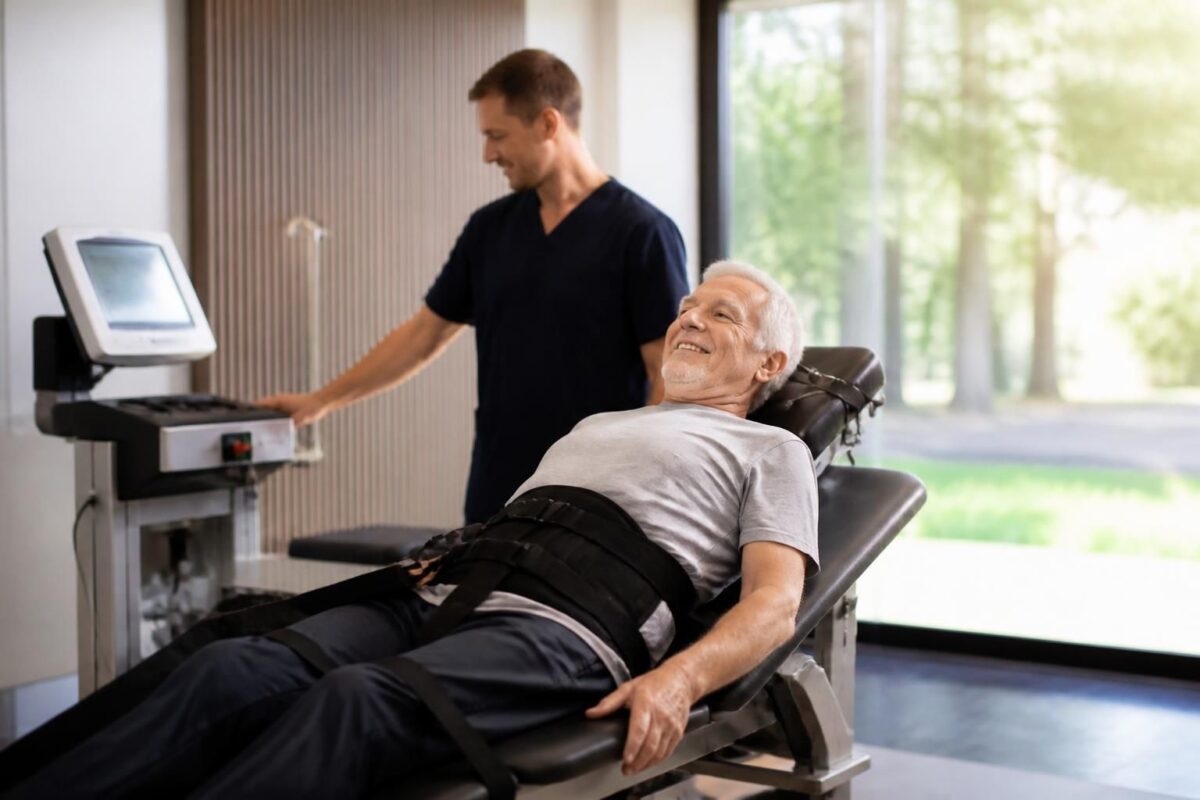
Why neurovertebral decompression is a lasting solution for active seniors
In short In short, the neurovertebral decompression is one Non-invasive therapy which sustainably relieves spinal pain in the spine active seniors By creating, by a Soft and controlled traction, a space between the vertebrae. At Montreal, it is recognized as…
Prevent recurrences and follow-up
After or between sessions, adopt ergonomic postures and integrate mobility and reinforcement exercises recommended by your practitioner. Regular follow-ups make it possible to assess progress and adjust the treatment plan according to the evolution of symptoms. Maintaining a routine of gentle stretching and rehabilitation can help prolong benefits and reduce the risk of recurrence.
| Axis | Concise elements |
|---|---|
| Principle | Traction fresh Aiming to create a space between the vertebrae to decrease the pressure on the discs and nerves. |
| directions | Cervical disc herniation and cervical pain related to the disc, without surgery. |
| Mechanism | releases tension, improves the vascularization and promotes tissue repair. |
| Security | Process non-invasive with low risk and temporary side effects. |
| Key Benefits | rapid pain relief and improvement of mobility. |
| Duration and rhythm | range of 15 to 25 sessions depending on the case, with Personalized follow-up. |
| Accessibility | sessions short, without hospitalization, in a practice or specialized center. |
| Next Steps | Initial evaluation, personalized protocol and reassessment after each step. |
| complementarity | Can be combined with other non-invasive therapies to optimize the result. |
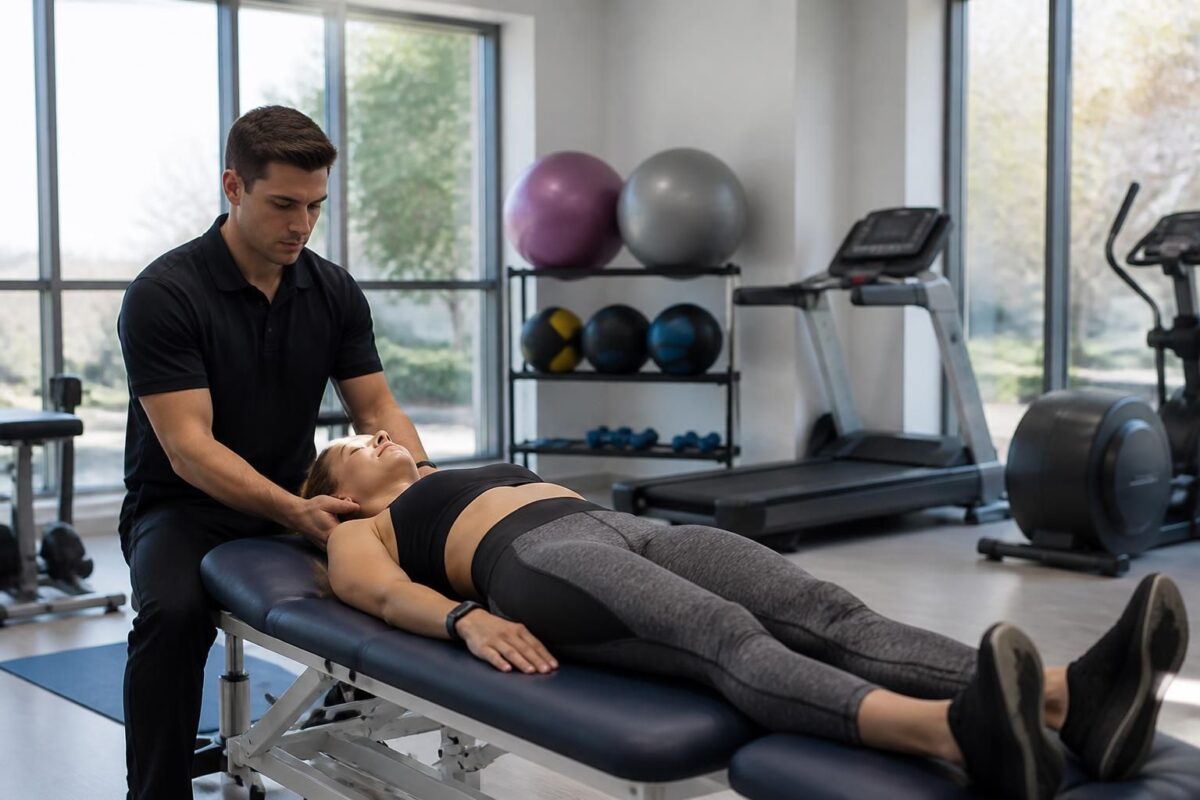
Neurovertebral decompression and recovery after severe sports injury
In short In short, the neurovertebral decompression is one Non-invasive method to Relieve the pressure on the Intervertebral discs and the gristle Via a Controlled traction, to facilitate the recovery After a severe sports injury. It improves the bloodstream towards…
Testimonials: neurovertebral decompression, a gentle therapy for neck pain
“Before starting the sessions, my neck pain prevented me from sleeping and limited my movements on a daily basis. After a few visits, I felt a gradual pain reduction thanks to a gentle therapy using a light traction. Today, I find real freedom of movement and better quality sleep. »
“I work in front of a screen all day and my neck muscles were constantly tense. The neurovertebral decompression offered me an alternative non-invasive which quickly soothes pain without medication. I went from coffee and forced breaks to days without prohibitions, thanks to regular and personalized sessions. »
“I was skeptical at first, but the results speak for themselves. With this approach, the nervous resource regains its balance and my cervical mobility improved in a short time. It’s a real Safe alternative to surgery which allowed me to resume my activities without fear. »
“As an athlete, recovery is crucial. The Controlled traction And the custom adjustments reduced the tensions in my neck and helped me resume my workouts faster. I highly recommend this method for anyone who wants Gain in quality of life and avoid heavier interventions. »
“My sessions were very gentle, and I particularly appreciated the fact that this therapy Promotes circulation in the cervical region. After a series of treatments, my pains became more bearable And my posture has improved significantly, which made a big difference in my daily activities. »
“I am amazed at the lasting impact on my cervical pain and my mobility. The method helped me find a better posture And to sleep without pain, which had become rare. For all who hesitate, this is a Non-invasive solution and effective, suitable for everyone. »
Dr. Sylvain Desforges, osteopath recognized for his expertise in osteopathy, naturopathy and manual medicine, embodies an approach focused on innovation and patient well-being. Founding president of the Tagmed clinics and the ACMA association, he places scientific rigor and clinical effectiveness at the heart of his practice. His work aims to provide evidence-based care that optimizes health and quality of life, combining traditional know-how and advanced technologies to address Chronic pain, including those related to the cervical spine.
Among the key therapies it deploys, the neurovertebral decompression stands out as a Gentle, non-invasive therapy intended to relieve cervical pain. This approach is based on controlled traction of the column, allowing to gradually create a space between the vertebrae. The objective is to reduce the pressure exerted on the intervertebral discs and on the nerve roots, which promotes better blood circulation, decreased inflammation and rehydration of the surrounding tissues. In practice, this results in a significant reduction in pain, improved mobility and facilitation of daily activities, without the need for surgery.
As part of his model of care, Dr. Desforges integrates this technique into other therapeutic approaches renowned for their effectiveness. The intelligence of its protocol lies in the alliance between Modern technologies and proven manual methodologies. Therapeutic laser and shockwave therapies complement decompression to optimize vascularization, accelerate recovery and strengthen soft tissue support around the cervical vertebrae. This synergy enables faster and more lasting results while minimizing risks, which is in perfect harmony with an approach evidence-based.
Dr. Desforges’ approach also focuses on Customization of treatments. Each patient benefits from an in-depth assessment of their history, symptoms and general health to precisely adapt the traction parameters, session duration and frequency of visits. This individualization is essential to optimize efficiency, reduce discomfort and prevent recurrences. In addition, ergonomic advice, rehabilitation exercises and prevention strategies are added to the treatment to support the maintenance of long-term achievements.
Beyond the technique itself, Dr. Desforges’ approach is based on a holistic vision musculoskeletal health. By combining clinical knowledge, technological innovation and scientific rigor, it offers a coherent and accessible care offer to those who are looking for a non-therapeutic or post-operative solution for their cervical pain. Its commitment is to guide each patient towards a better quality of life, favoring safety, efficiency and lasting well-being.
Quick summary: the neurovertebral decompression is therapy non-invasive who uses a gentle traction and controlled to decrease the pressure on the intervertebral discs and nerve roots of the cervical spine. This approach aims to relieve the neck pain, improve mobility, promote local circulation and accelerate recovery without the need for surgery, while offering a safe and personalized setting.
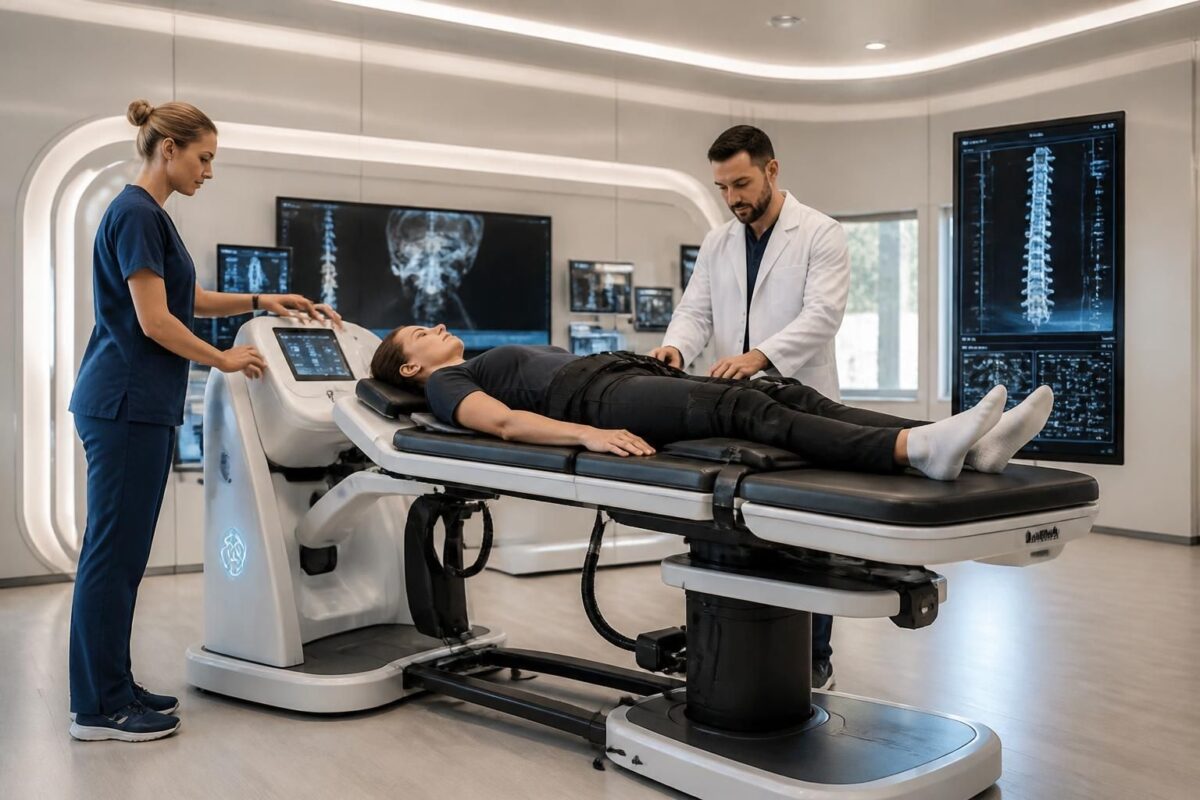
Recent innovations in neurovertebral decompression technologies
In short In short, the neurovertebral decompression is an approach non-invasive Aiming to reduce pressure on discs and nerves, and promote tissue regeneration. At Montreal, it is positioned as an effective option for lower back pain and herniated discs. The…
Understanding neurovertebral decompression
Neurovertebral decompression is based on a technology that applies gradual traction on the cervical spine to create a space between the vertebrae. This modification of the intervertebral space reduces the pressure on the nerve roots and improve blood irrigation of nervous and discs. By promoting better nutrition of discs and nerves, it helps to reduce inflammation and restore normal nerve function. This approach is particularly suitable when the symptoms are linked to a Cervical disc herniation or associated nerve compression.
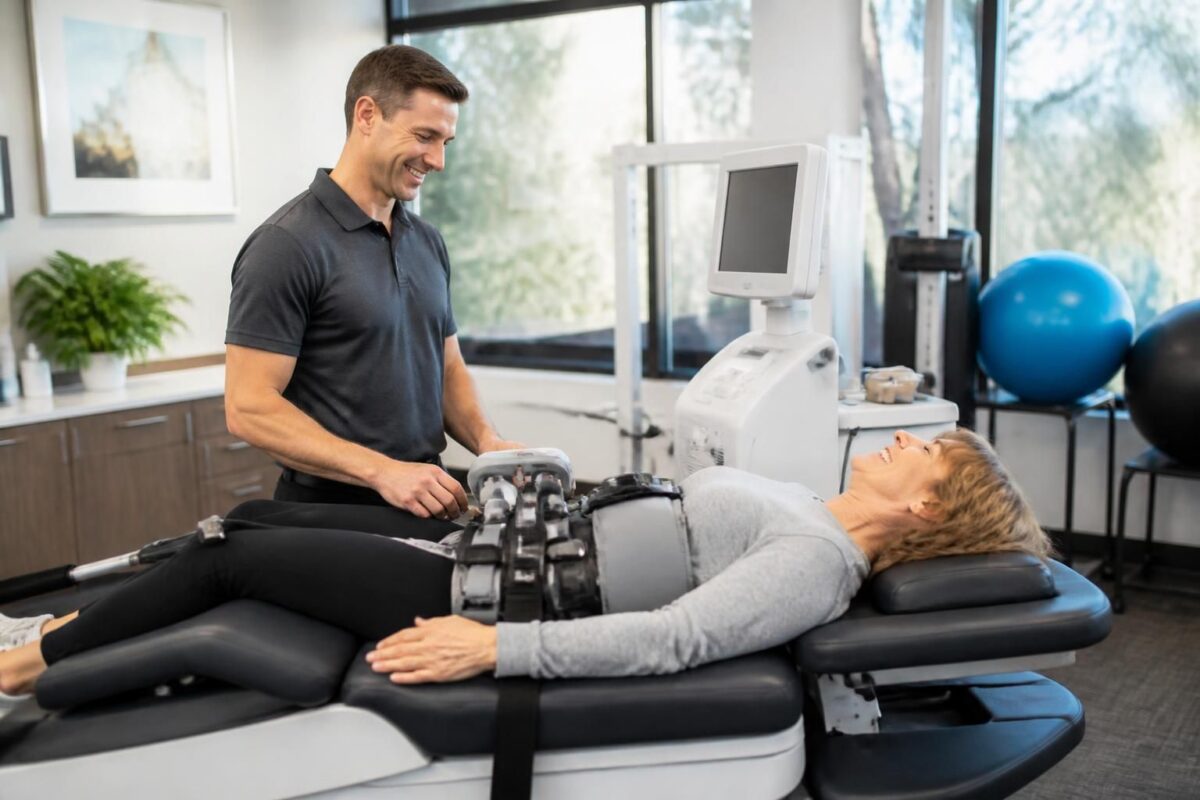
Neurovertebral decompression and diffuse pain: an appropriate solution
In short In short, the neurovertebral decompression is one Non-invasive solution For diffuse pain related to nerve irritation of the spine. She acts in Reducing pressure on intervertebral discs and nerves and improving the bloodstream, which promotes recovery and the…
Benefits for neck pain
The observed benefits include a Quick and lasting pain reduction, a better Neck mobility, and improved sleep quality through decreased muscle tension and better tissue recovery. In addition to relief, decompression promotes Local blood circulation more effective, which supports the rehydration and repair of damaged cervical structures. This approach non-invasive Offers a secure alternative for those who wish to avoid surgeries and who are looking for a gradual and adapted resumption of their daily and sports activities.
Indications, safety and results
This therapy is typically for patients with neck pain related to discal disorders, cervical radiculopathies or musculoskeletal disorders combining nerve pressure. The safety profile is favorable: the undesirable effects are rare and generally mild. Clinical studies indicate an alternation of functional gains and pain relief after a series of sessions, with results that vary depending on the patient and the severity of the pathology.
Processing and customization
A typical program often provides 15 to 25 sessions of a typical duration of 15 to 30 minutes each, according to individual protocols and tolerances. Each patient benefits from a initial assessment in depth that guides the adjustment of the traction parameters and the choice of techniques used. The treatment is designed to evolve according to progress, with regular reassessments to optimize results and prevent recurrences.
Integration with other approaches and resources
To maximize results, decompression can be integrated with other complementary approaches such as class IV laser, muscle therapies and rehabilitation technologies. This integration aims to improve the pain reduction and to support the Functional recovery overall. To deepen, you can consult specialized resources and articles dedicated to neurovertebral decompression and its applications in the treatment of cervical pain. For example, publications and professional sites explore in detail the mechanisms of action, clinical benefits and recent innovations in this area, including the technological advances used and patient feedback.
To learn more about available solutions and options, see these relevant resources: Tagmed Clinic, SOS SCIATIC, SOS Sciatica – Innovations, Dudos Clinics, TagMed – Complexes, Disk movement, after injury, Technologies used, and other specialized resources available online.

Dr Sylvain Desforges, B.Sc., D.O., N.D., osteopath, is the founding president of TAGMED and of the ACMA association. He dedicates his practice to chronic spinal pain, low back pain and symptoms compatible with sciatica, particularly when pain radiates toward the buttock, leg, calf, foot or toes.
Through SOS Sciatique, he publishes educational content on sciatica symptoms, possible causes such as disc herniation, disc narrowing, foraminal stenosis or irritation of a lumbar nerve root, as well as non-surgical approaches that may be considered according to the evaluation. At Clinique TAGMED, care may include, depending on the case, motorized neurovertebral decompression, specific osteopathic care or precision percussion.
For an evaluation related to sciatica treatment in Montreal / Mount Royal or sciatica treatment in Terrebonne, please consult the services available at Clinique TAGMED.
Medical disclaimer
The information published on SOS Sciatique is provided for educational purposes only and does not replace a consultation, diagnosis, opinion or treatment provided by a physician or another authorized healthcare professional. The author of this article is neither a medical doctor nor a specialist in a medical specialty recognized by the Collège des médecins du Québec. The osteopathic, manual medicine or functional support approaches described on this site do not constitute medical acts and are not intended to replace medical follow-up.
Consult a physician or emergency service in cases of loss of bladder or bowel control, anesthesia in the saddle area, significant or progressive weakness in the leg or foot, fever, recent trauma, severe pain or rapid worsening of symptoms. For more details, please read our Legal Notice.