Neurovertebral decompression and acute pain: when to consult
25/06/2026
Neurovertebral decompression and lumbar duct stenosis: a targeted solution
25/06/2026
In short
| In short, the neurovertebral decompression is one Non-invasive therapy who realizes a Soft and controlled traction To reduce the pressure on the Intervertebral discs and the gristle of the spine. Its main advantages include Quick relief pain,Improving mobility and an Dependency reduction to drugs. She can also Prevent surgical interventions and sustainably improve the quality of life. Its operation is based on the creation of a space between the vertebrae, favoring the Disc rehydration and a better circulation, and it fits easily into a Global care program. In Montreal, this service is particularly recommended for chronic mechanical pain related to the spine. |
The neurovertebral decompression is an approach non-invasive intended to treat the Mechanical pain of the spine. by reducing the pressure on the Intervertebral discs and the gristle, it provides a Quick relief and improves the mobility of the spine, favoring the return to daily activities. It acts to support healing by improving circulation and nutrient intake, while reducing the use of pharmaceuticals and avoiding the surgery. integrated into a global program, it contributes to a better quality of life For active people with mechanical pain.
Quick Summary: This article presents the benefits of the neurovertebral decompression for the Mechanical pain. It explains how this non-invasive approach can reduce the pressure on discs and nerves, improve the mobility and the quality of life, while integrating into an evidence-based care plan. The goal is to inform patients and professionals about the mechanisms, outcomes and appropriate clinical orientation.
What is neurovertebral decompression?
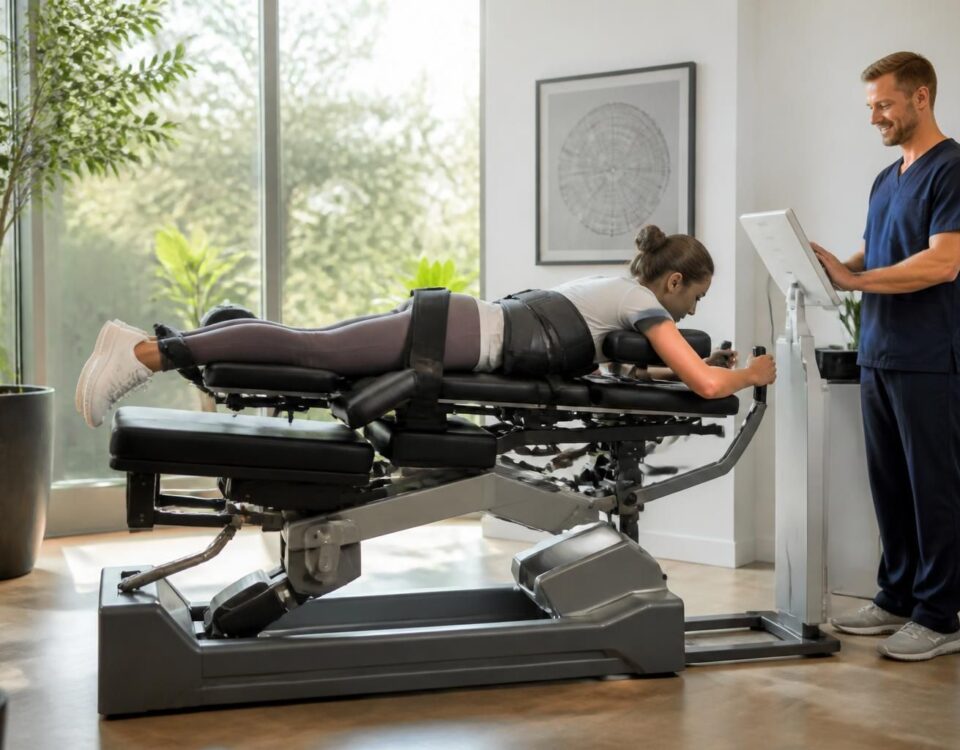
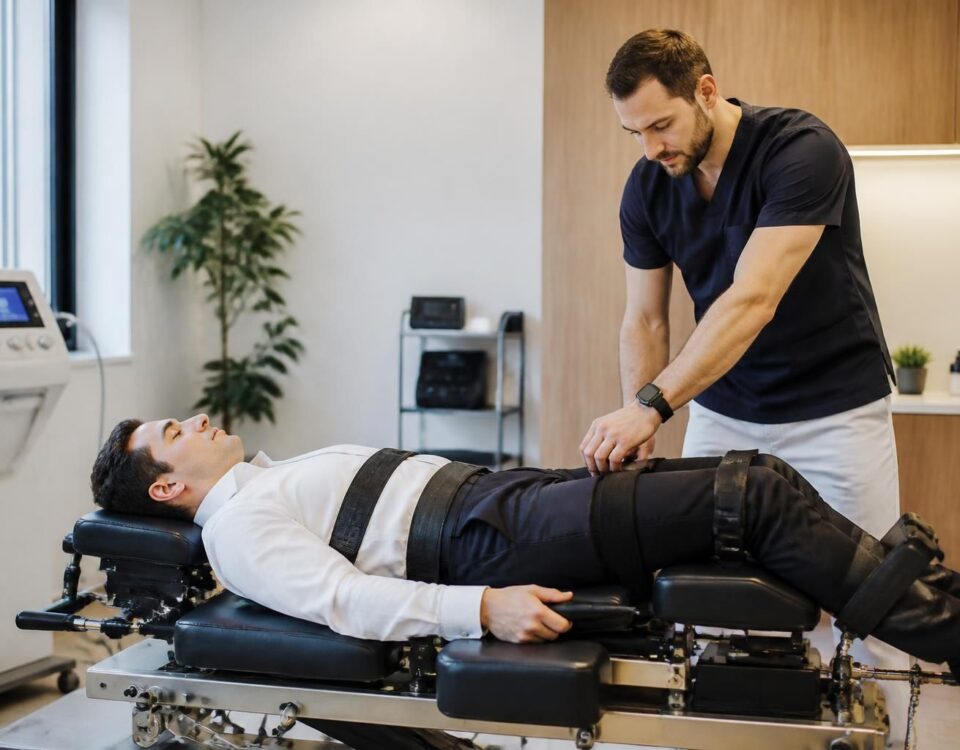
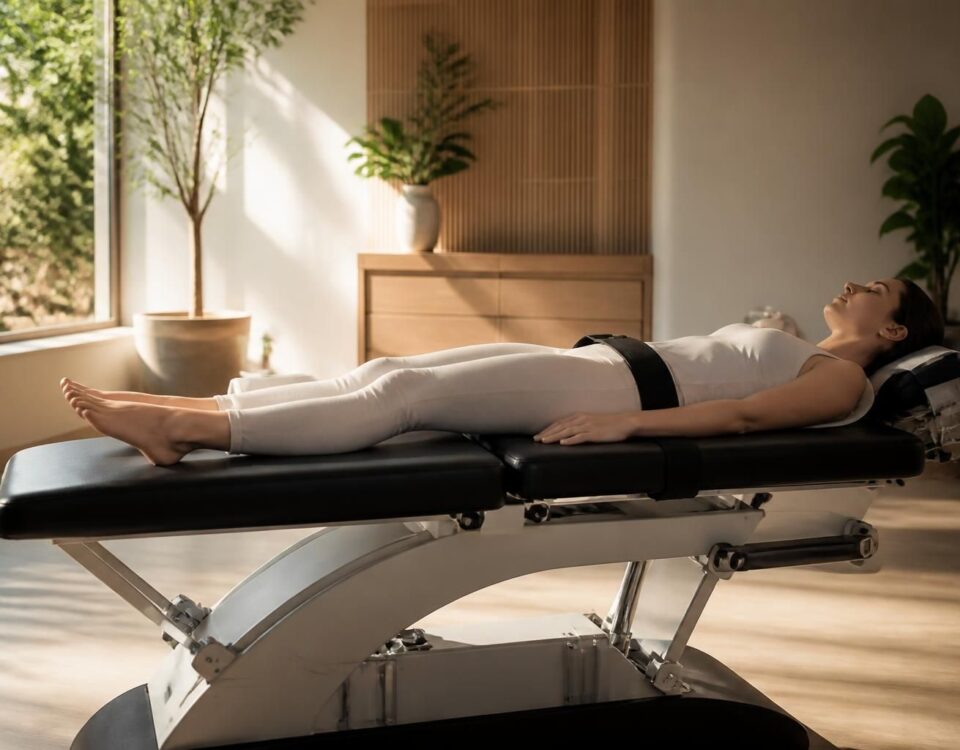
The neurovertebral decompression is therapy non-invasive which applies controlled traction on the spine. This action creates a space between the vertebrae and decreases the pressure exerted on the intervertebral discs and surrounding nerves. It promotes the circulation of fluids and can promote the healing of damaged tissues. For more information, see this article.
MAIN BENEFITS
pain relief: By reducing the pressure on the nerves, the pain may decrease quickly after initiation of treatment.
Improving mobility: The reduction of inflammation and the return of a normal spinal function allow to gain in range of movement and in comfort during daily movements.
Reduced drug dependence: Some patients notice a decrease in the need for analgesics and anti-inflammatory drugs, with a reduced side effects profile.
Prevention of surgical procedures: By treating the underlying mechanical causes, decompression can, in some cases, reduce the likelihood of surgery.
Improved quality of life: Sustainable relief and rediscovered mobility make it possible to resume activities, leisure and daily pain.
Integration and security
The neurovertebral decompression Can be integrated into a global and personalized care program. Each patient receives an assessment that guides the treatment modalities in order to optimize the results. For additional perspectives, see Benefits explained and Recovery aspects after an intervention.
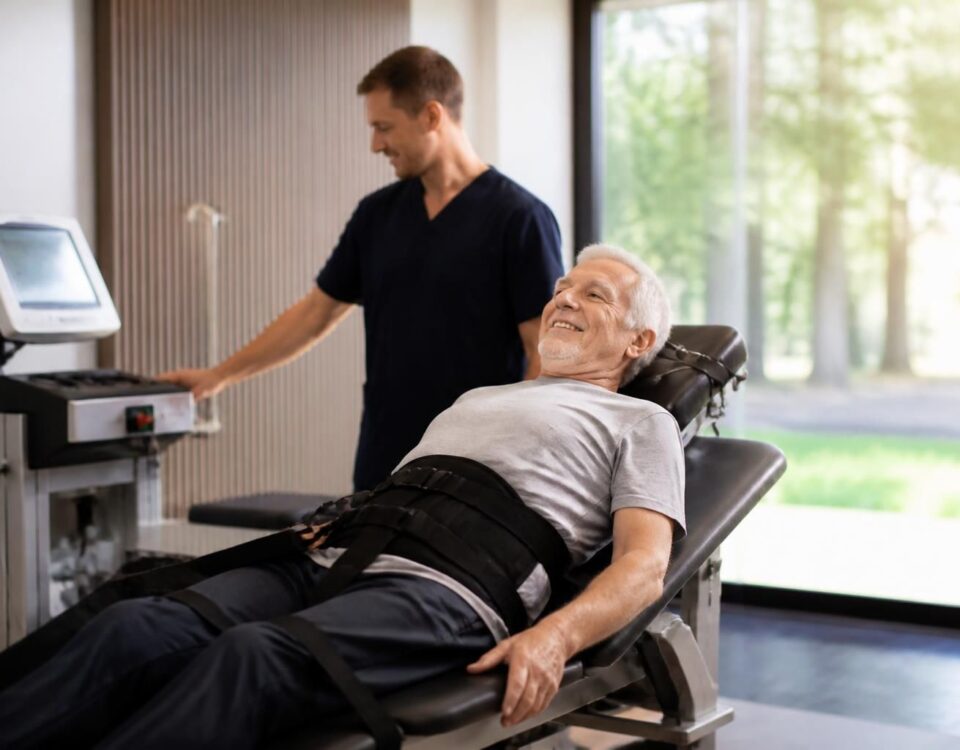
This approach non-invasive presents little risk when performed by qualified professionals and can be adapted to active patients, including athletes, in order to preserve or regain physical activity. To understand why athletes favor this method, read Why athletes choose decompression.
For active people and athletes
Active people and athletes find in this therapy an option that allows you to remain efficient while managing mechanical pain. Feedback gathered on this article Show improvements in mobility and exercise tolerance after a few sessions.
What to expect during a session
The sessions take place in a secure setting and are generally well tolerated. The protocol targets the painful areas through gentle, controlled traction, without aggressively stretching the muscles. The goal is to reduce pressure, improve circulation and promote natural body healing processes. For additional information, see Related resources and The article on joint mobility.
Resources and useful links
To learn more about neurovertebral decompression and its application framework, you can consult the following resources: Benefits explained and Recovery after surgery. Other useful articles address the reasons that motivate athletes to choose this therapy and its role in recovery after injury: Athletes and decompression and after injury.
To deepen the mechanisms and general indications, see the resources associated with Understand its advantages and Joint mobility.
Note: In the context of clinical discussions, neurovertebral decompression is presented as an option for mechanical pain related to the spine, without suggestion of exercises or stretching in this article.
“Medical disclaimer: The information and advice provided on this site does not replace the health professional’s benefit, diagnosis or treatment. Please note that Dr. Sylvain Desforges osteopath is neither a doctor of medicine nor a doctor, and is not a specialist in a medical specialty as defined by the Collège des Médecins du Québec. Manual medicine, functional medicine and sports medicine as described on this site exclude any medical treatment or diagnosis made by a doctor or specialist doctor. Always consult your doctor for any medical questions. For more details, please read our full legal notice. »
Immediate
- Relief quick of the pain
- Improvement of the mobility by the neck
- reduction of the pressure on the gristle
- decrease ininflammation
Lasting
- reduction of the dependence to pharmaceuticals
- prevention of surgeries cervical
- Improvement lasting of the quality of life
- Restoration of the posture and from the stability

The neurovertebral decompression offers an approach non-invasive For the pains mechanics of the spine. This article offers practical recommendations on its benefits, for the pain relief, theImproving mobility and the Prevention of recurrences, and describes how to integrate it sustainably into a personalized care plan.
Main benefits for the body and everyday life
The technique acts by applying a gentle and controlled traction which aims to free up the space between the vertebrae. This decreases the pressure on the Intervertebral discs and the gristle, improves fluid circulation and supports tissue regeneration. The result: a Quick relief pain and better mobility.
In addition, reducing inflammation and improving joint function gradually restores the ability to perform daily movements and pain-free leisure activities accompanied by stiffness.
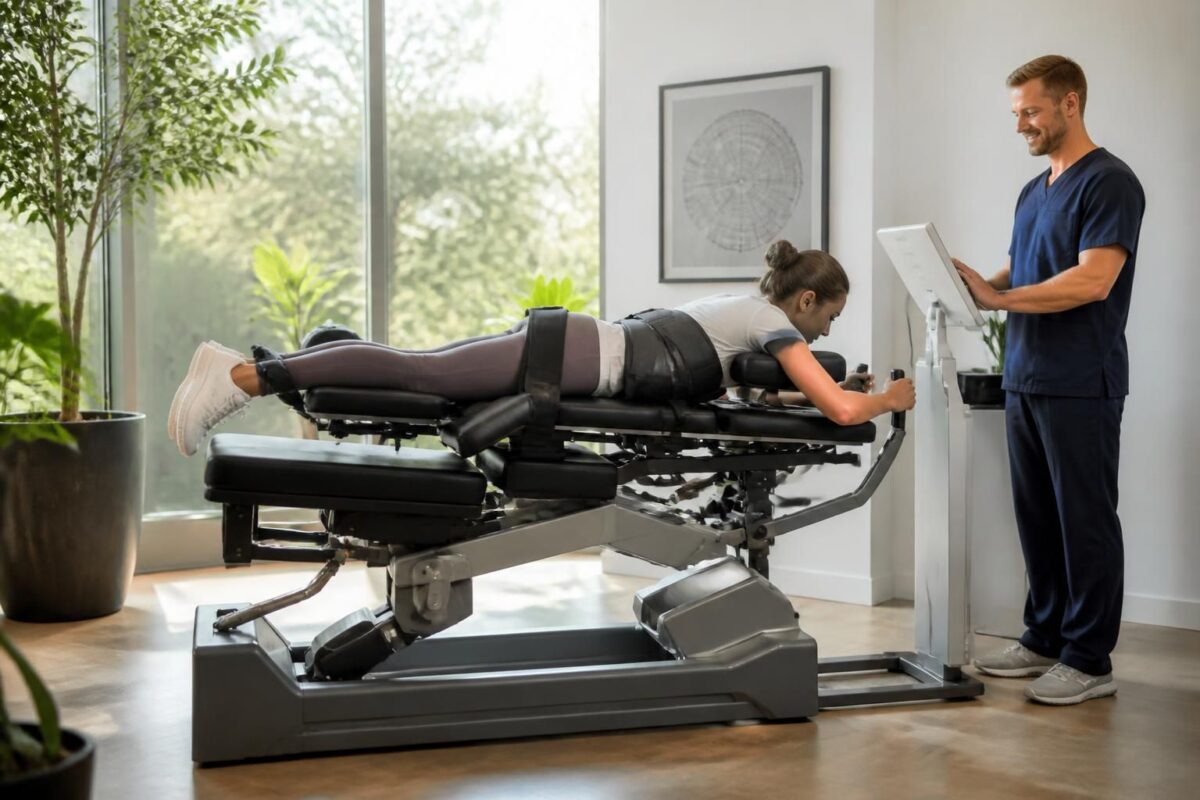
The long-term benefits of neurovertebral decompression for spinal health
In short In short, the neurovertebral decompression is a non-invasive approach that decreases the Pressure on intervertebral discs and nerves, favoring the Natural regeneration and tissue recovery. Its long-term benefits include Lasting pain reduction, Improving mobility and from the posture,…

Neurovertebral decompression and mobility: a return to an active life
In short In short, the neurovertebral decompression is therapy non-invasive who uses a gentle traction To create a space between the vertebrae and reduce the pressure on the Intervertebral discs and the nerves. It promotes a bloodstream improved, lowers tension…
Indications and patient profiles
This approach is suitable for pain mechanics related to the column, in particular the slipped disc, the spondylosis and radicular pain. It is particularly suitable for patients wishing to avoid surgery and limit the use of heavy drugs, while maintaining an active life.
Adaptation modalities
The protocols are personalized according to the degree of pathology, age and tolerance of the patient. An initial assessment guides the traction dose, session length and appointment rate.
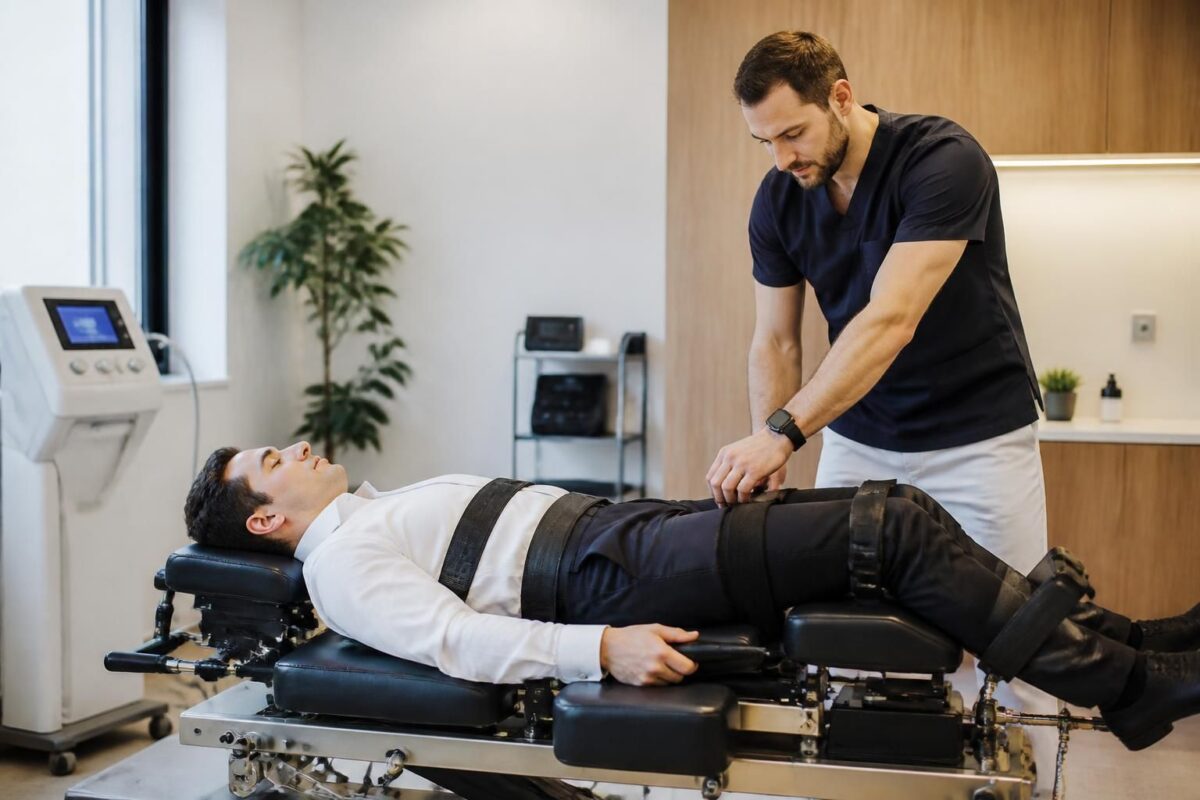
How Neurovertebral Decompression Prevents Diffuse Chronic Pain
In short decompression neurovertebral is one Non-invasive method aimed at reducing the Pressure on the intervertebral discs and the nerves, in order to prevent Diffuse chronic pain. It improves the circulation and thedisc hydration, decreases inflammation and promotes better mobility.…
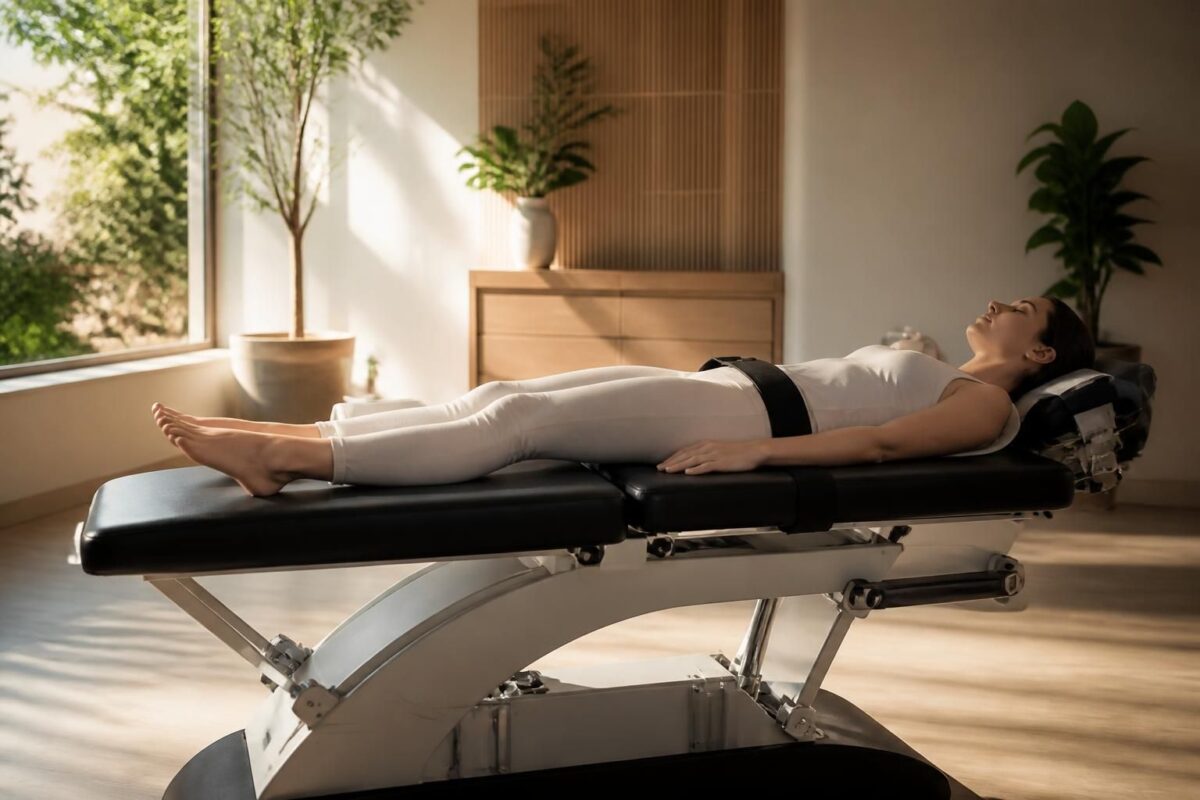
Neurovertebral Decompression and Body Alignment: Restoring Natural Balance
In short In short, neurovertebral decompression is one Non-invasive approach who restores theBody Alignment and thenatural balance back and neck. She acts by a Controlled traction of the spine to widen the intervertebral space and reduce the Pressure on discs…
Integration into the care pathway
Decompression can be inserted into a global program including physiotherapy, strengthening and stretching exercises, and manual medicine. It benefits from regular monitoring and combines with other therapies to optimize results and reduce the risk of recurrence.
Before starting, a Imaging Evaluation (MRI or X-ray) Allows you to adjust the protocol and ensure the safety of the treatment. The most lasting results come from active patient engagement, including home exercises and postural counseling.
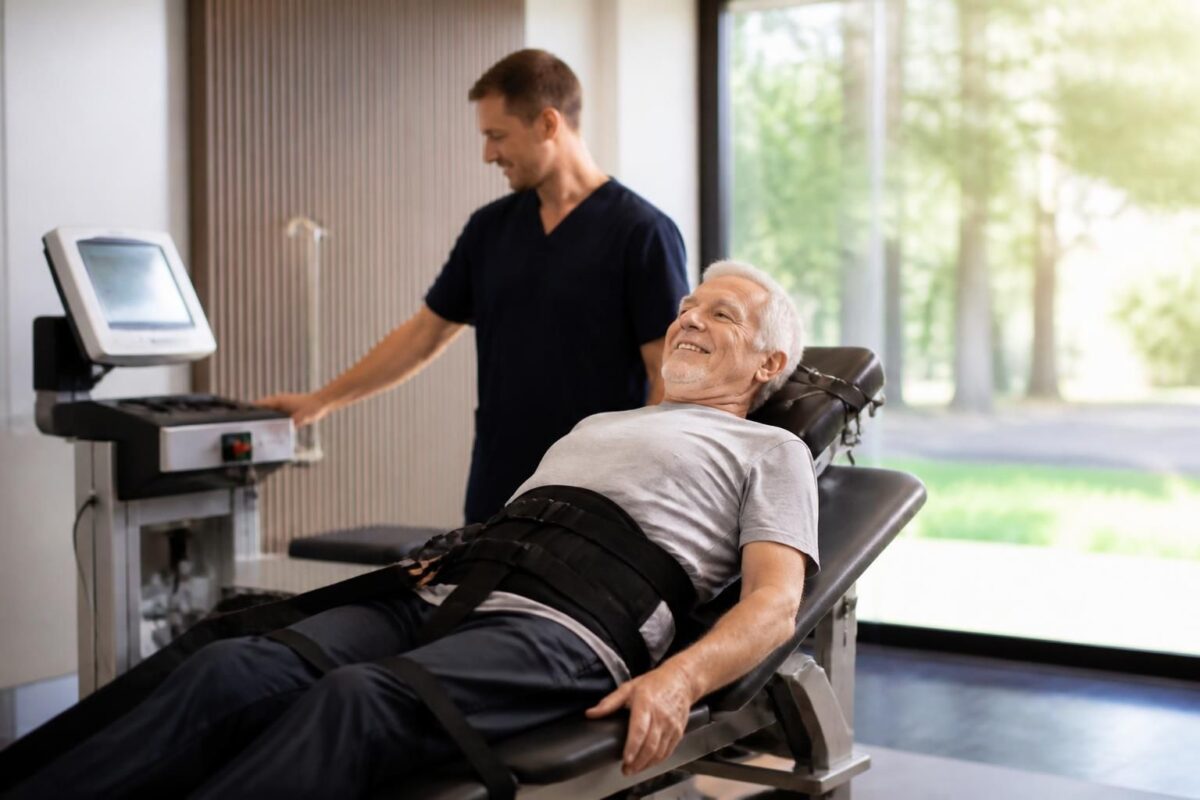
Why neurovertebral decompression is a lasting solution for active seniors
In short In short, the neurovertebral decompression is one Non-invasive therapy which sustainably relieves spinal pain in the spine active seniors By creating, by a Soft and controlled traction, a space between the vertebrae. At Montreal, it is recognized as…
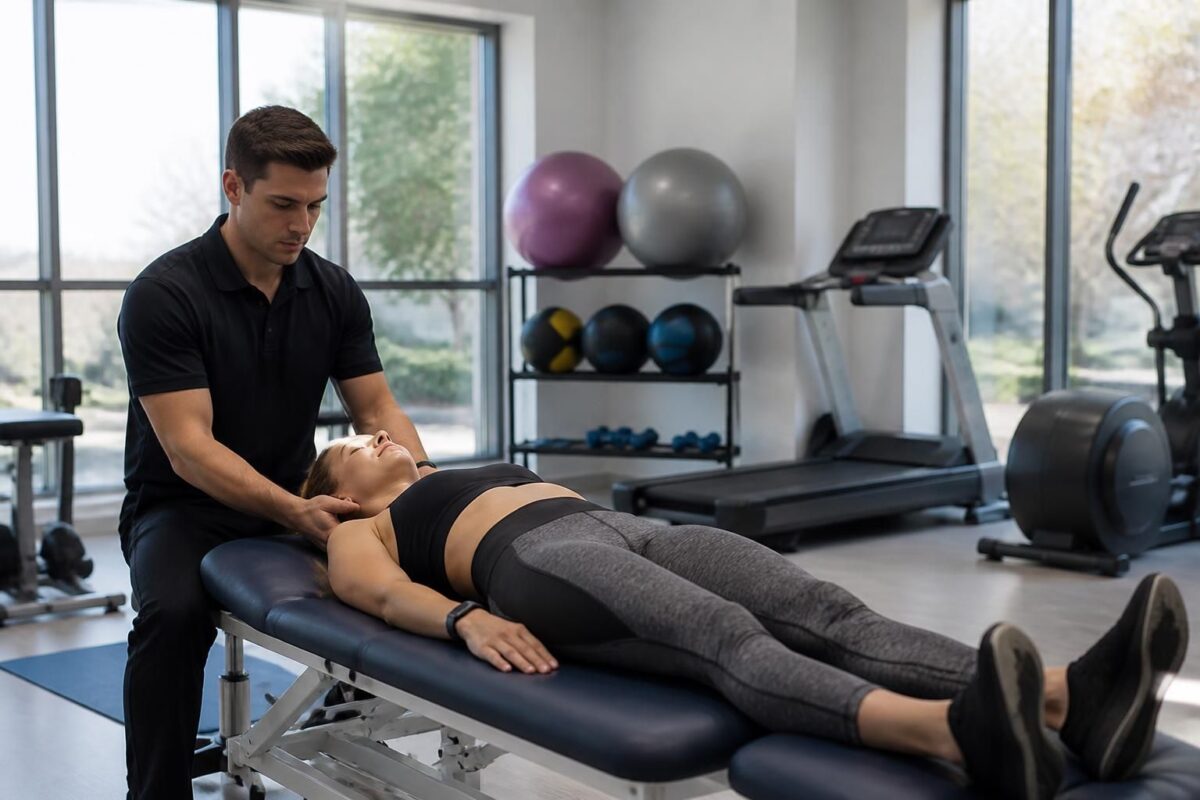
Neurovertebral decompression and recovery after severe sports injury
In short In short, the neurovertebral decompression is one Non-invasive method to Relieve the pressure on the Intervertebral discs and the gristle Via a Controlled traction, to facilitate the recovery After a severe sports injury. It improves the bloodstream towards…
Safety and practical aspects
This treatment is non-invasive and has a favorable safety profile when it is carried out by trained professionals. The side effects are typically minor and temporary, and the use of anesthesia or surgery is not necessary.
Typical duration of a session: 15 to 30 minutes, with an adapted frequency over several weeks. Progress is evaluated at each step to adjust the plan and promote rapid recovery.
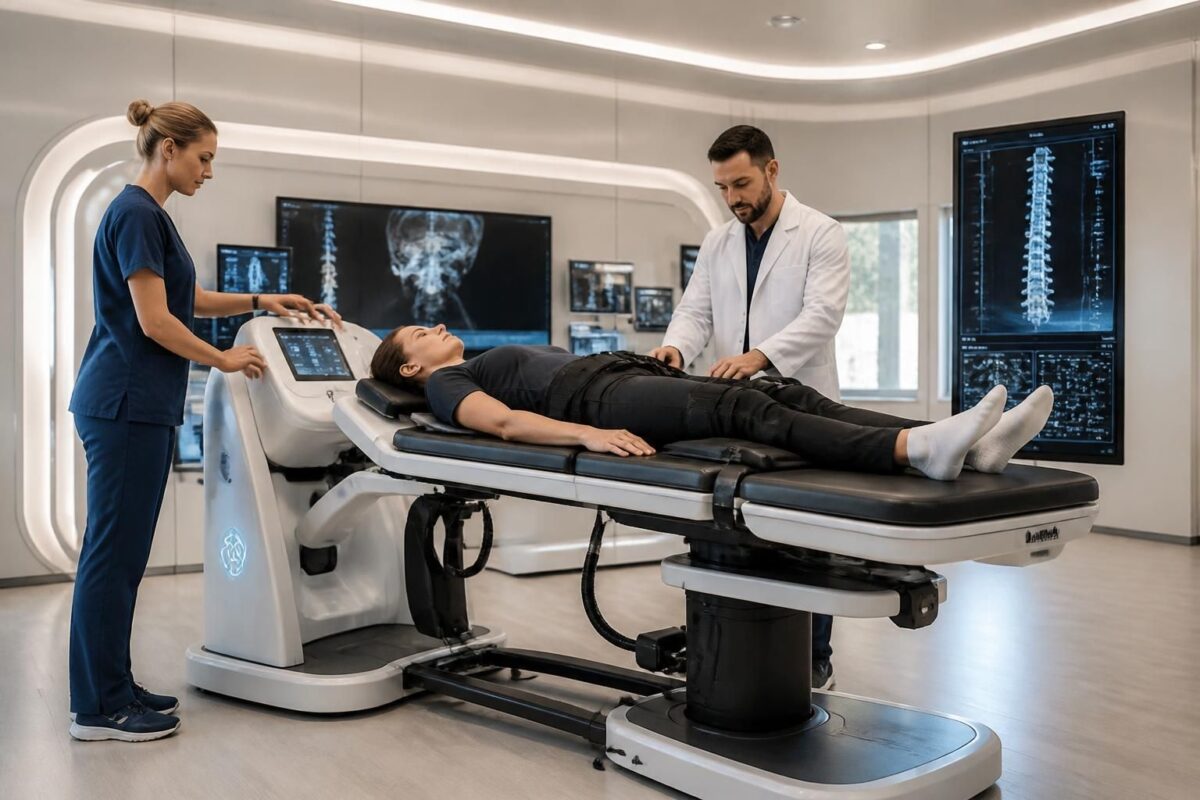
Recent innovations in neurovertebral decompression technologies
In short In short, the neurovertebral decompression is an approach non-invasive Aiming to reduce pressure on discs and nerves, and promote tissue regeneration. At Montreal, it is positioned as an effective option for lower back pain and herniated discs. The…
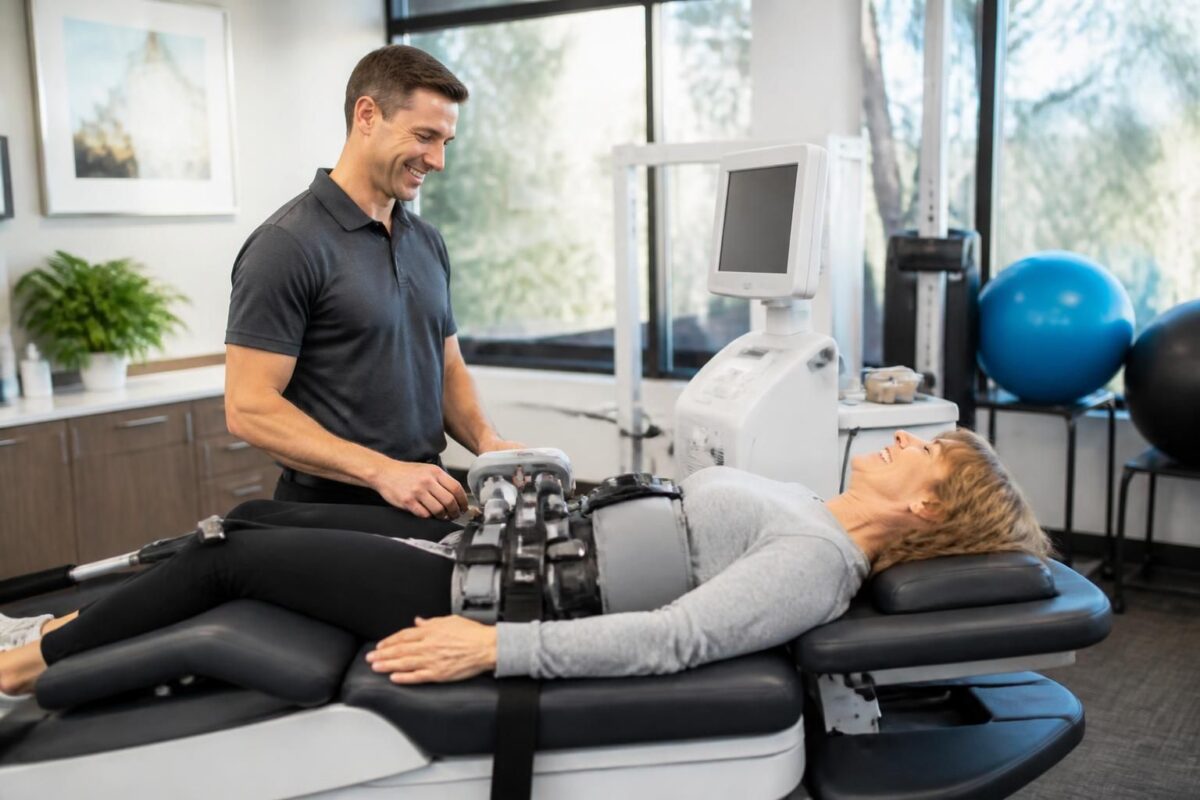
Neurovertebral decompression and diffuse pain: an appropriate solution
In short In short, the neurovertebral decompression is one Non-invasive solution For diffuse pain related to nerve irritation of the spine. She acts in Reducing pressure on intervertebral discs and nerves and improving the bloodstream, which promotes recovery and the…
frequently asked questions
Who can benefit?
People with pain mechanics column-related chronicles, such as slipped disc or disc degeneration, and who are looking for an option non-surgical.
When to expect results?
Improvements can be observed after a few sessions, but the duration of treatment depends on the severity of the condition and adherence to the recommended exercise and posture program.
Disclaimer: These recommendations do not replace the advice of a health professional. Consult your osteopath or doctor for an assessment adapted to your situation.
| Axes of evaluation | Concise description |
|---|---|
| pain relief | Relief Fast and lasting by reducing the pressure on the nerves and discs. |
| Mobility and amplitude | Mobility found, improvement in amplitude and flexibility of the neck. |
| Drug addiction | Drug addiction Reduced, less in analgesics and anti-inflammatory drugs. |
| surgical prevention | avoids or delays surgery by treating the underlying causes. |
| Quality of life | Quality of life improved, daily activities and leisure activities found. |
| Integration of treatments | compatible with physiotherapy, osteopathy and other therapies. |
| Recovery | Quick recovery after sessions and back to activity. |
| Personalization | Course personalized adapted to profile and gravity. |
| Security | Method non-invasive with low risks and without necessary anesthesia. |
| Posture and prevention | contributes to a better posture and reduces the risk of recurrences. |
Testimonials on the Benefits of Neurovertebral Decompression for Mechanical Pain
Marie, 40, active mother: “Thanks to neurovertebral decompression, I felt a Quick relief and an Improving mobility neck and back. I was able to resume my daily activities without the pain that accompanied each day. »
Jean, 54, executive: “Before, I depended on painkillers to manage my pain, but the neurovertebral decompression offered me a Reduced drug dependence and an best posture at work. »
Clara, 32, nurse: “Cervical pain bothered me to turn my head. After the sessions, I found a Smooth mobility and one Durable comfort which allow me to take care of my patients without pain. »
Lucas, 28, athlete: “Intense training and mechanical pain never ended. Thanks to this approach, my recovery is faster And I can continue my season uninterrupted. »
Sophie, 45, teacher: “I was just starting out with the fear of surgery. The decompression is non-invasive and offered me a Sustainable relief and a better mobility. I can resume my daily activities without pain. »
Antoine, 62, retired: “This approach non-invasive allowed me to find an active life without the risks of surgery, and I appreciate a Prevention of recurrences which allows me to take full advantage of my hobbies. »
Nadia, 38, commercial: “Integrated into a global program, neurovertebral decompression is Compatible with other therapies, and the results cumulate for a Improved quality of life. »
This health professional is Expert in osteopathy, naturopathy and manual medicine, and plays the role of founding president of the Tagmed clinics and the ACMA association. With a career dedicated to health innovation, he is committed to offering proof-based care adapted to each patient. In this perspective, the neurovertebral decompression Discerns as a targeted approach for mechanical pain related to the spine, offering a non-surgical and often well-tolerated alternative.
The first major contribution of this therapy is the Lasting pain relief. By exerting gentle and controlled traction, it decreases the pressure exerted on the nerves and discs, which can lead to a rapid reduction in acute pain and a better ability to carry out daily activities. This decrease in pain is usually accompanied by a gradual return to function, allowing the patient to resume movements with more comfort and precision.
Then the regained mobility of the neck and column constitutes a central benefit. By reducing localized inflammation and improving the dynamics of the vertebral joints, neurovertebral decompression promotes a more fluid and less painful range of motion. This improvement in mobility is particularly appreciated by active people and those suffering from stiffness who hinder everyday gestures.
Another significant advantage lies in the Reduced drug dependence. For many patients suffering from chronic mechanical pain, therapy offers a non-pharmacological alternative that can decrease or even avoid the regular use of painkillers or anti-inflammatory drugs, while reducing the risk of side effects and dependence.
The method also contributes to the Prevention of surgical procedures. By treating the underlying causes of cervical and lumbar pain, it can often repel or avoid more invasive procedures. For many patients, this means a safer and less restrictive option, with faster resumption of activities and reduced risk of complications from surgery.
In terms of quality of life, the neurovertebral decompression Acts as a key lever. By bringing together pain reduction, improvement of mobility and support for daily functioning, it allows the people concerned to lead a more active and fulfilling life. This approach fits harmoniously into a global care program, often associated with physiotherapy, manual medicine and targeted strengthening and easing exercises.
Finally, personalized evaluation and appropriate protocols are an essential dimension of effectiveness. Each patient benefits from an individualized course, taking into account the severity of the condition, the response to the therapy and the intended functional objective. This customization optimizes results and promotes sustainable recovery, while supporting optimal posture and spinal stability over the long term.
This text summarizes the main benefits of the neurovertebral decompression for the Mechanical pain, emphasizing his character non-invasive, rapid relief and sustainable improvement of mobility. It also highlights the practical aspects and resources available to deepen the understanding and application of this therapy as part of a comprehensive care plan.
Key points and perspectives
Quick relief And reducing the pressure on the discs and nerves allow a noticeable reduction in pain after the first sessions, offering a favorable start for the resumption of daily and sports activities. This approach favors a journey non-invasive With little or no recovery time, making it an attractive option for patients looking for concrete results without operative risks. For more explanations, see the resources that describe how traction mechanisms create space between the vertebrae and promote tissue healing.
Improving mobility and travel comfort constitute a large part of the observed benefits. By reducing tension and inflammation, the flexibility of the spine is restored and the ability to perform daily gestures becomes more natural. This improvement is particularly beneficial for people wishing to maintain an active life and limit pain-related limitations.
Reduced drug dependence and prevention of more invasive interventions are other major assets. By treating the underlying mechanical causes, neurovertebral decompression can decrease the use of analgesics or anti-inflammatory drugs and, in some cases, avoid surgery. Studies and expert opinions highlight this ability to offer an effective and sustainable alternative.
Integration and customization Treatment in a global care program is a key feature. Decompression can be associated with other therapies such as physiotherapy, osteopathy or manual medicine, in order to strengthen the results and reduce recurrences. Before you begin, a personalized assessment allows protocols to be adapted to the severity and location of pain, increasing the chances of long-term success.
Security and accessibility strengthen the appeal of this approach. Given his character non-invasive, it is suitable for a large population, including elderly patients and athletes. Modern protocols use fine tuning to maximize efficiency while minimizing risk, making it an accessible option to many firms and specialized clinics.
To deepen these benefits and discover expert views, you can consult the following resources: The benefits of neurovertebral decompression for mechanical pain, Neurovertebral decompression and cervical pain, and An alternative to surgery. Other perspectives and technical details are available in Benefits to restore muscle balance and Advantages over other treatments.
In summary, the neurovertebral decompression Offers an effective and secure approach to treating mechanical pain related to the spine, while promoting better quality of life and autonomy regained in daily and sporting activities. For people with chronic or cervical lower back pain, this therapy is a reassuring and pragmatic option, compatible with a personalized and multidisciplinary care plan. For more information, refer to the official and specialized resources that detail the mechanisms and results observed in different populations.
In addition, resources dedicated to the sustainability of results and sustainable pain management offer you a long-term view of this approach, particularly in terms of relapse prevention and post-treatment maintenance. To continue your exploration, consult the articles offered by A durable solution and Technology and recovery performance, which complete the table of possibilities offered by this therapy.

Dr Sylvain Desforges, B.Sc., D.O., N.D., osteopath, is the founding president of TAGMED and of the ACMA association. He dedicates his practice to chronic spinal pain, low back pain and symptoms compatible with sciatica, particularly when pain radiates toward the buttock, leg, calf, foot or toes.
Through SOS Sciatique, he publishes educational content on sciatica symptoms, possible causes such as disc herniation, disc narrowing, foraminal stenosis or irritation of a lumbar nerve root, as well as non-surgical approaches that may be considered according to the evaluation. At Clinique TAGMED, care may include, depending on the case, motorized neurovertebral decompression, specific osteopathic care or precision percussion.
For an evaluation related to sciatica treatment in Montreal / Mount Royal or sciatica treatment in Terrebonne, please consult the services available at Clinique TAGMED.
Medical disclaimer
The information published on SOS Sciatique is provided for educational purposes only and does not replace a consultation, diagnosis, opinion or treatment provided by a physician or another authorized healthcare professional. The author of this article is neither a medical doctor nor a specialist in a medical specialty recognized by the Collège des médecins du Québec. The osteopathic, manual medicine or functional support approaches described on this site do not constitute medical acts and are not intended to replace medical follow-up.
Consult a physician or emergency service in cases of loss of bladder or bowel control, anesthesia in the saddle area, significant or progressive weakness in the leg or foot, fever, recent trauma, severe pain or rapid worsening of symptoms. For more details, please read our Legal Notice.