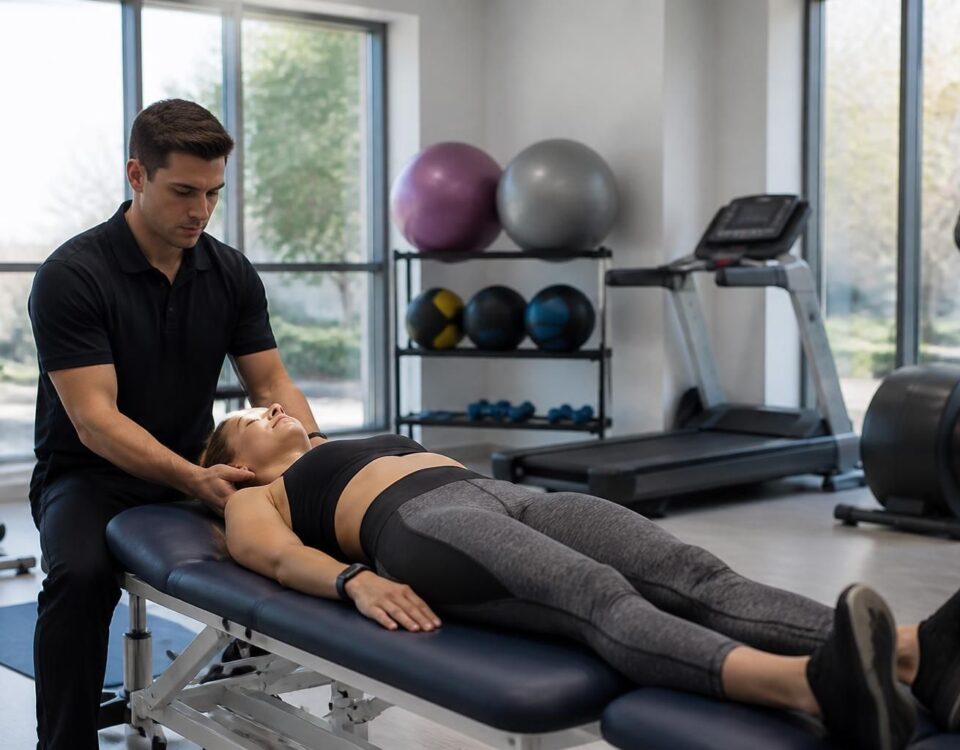
Neurovertebral decompression: a solution to improve sleep quality
25/06/2026
Neurovertebral decompression and optimization of spinal health
25/06/2026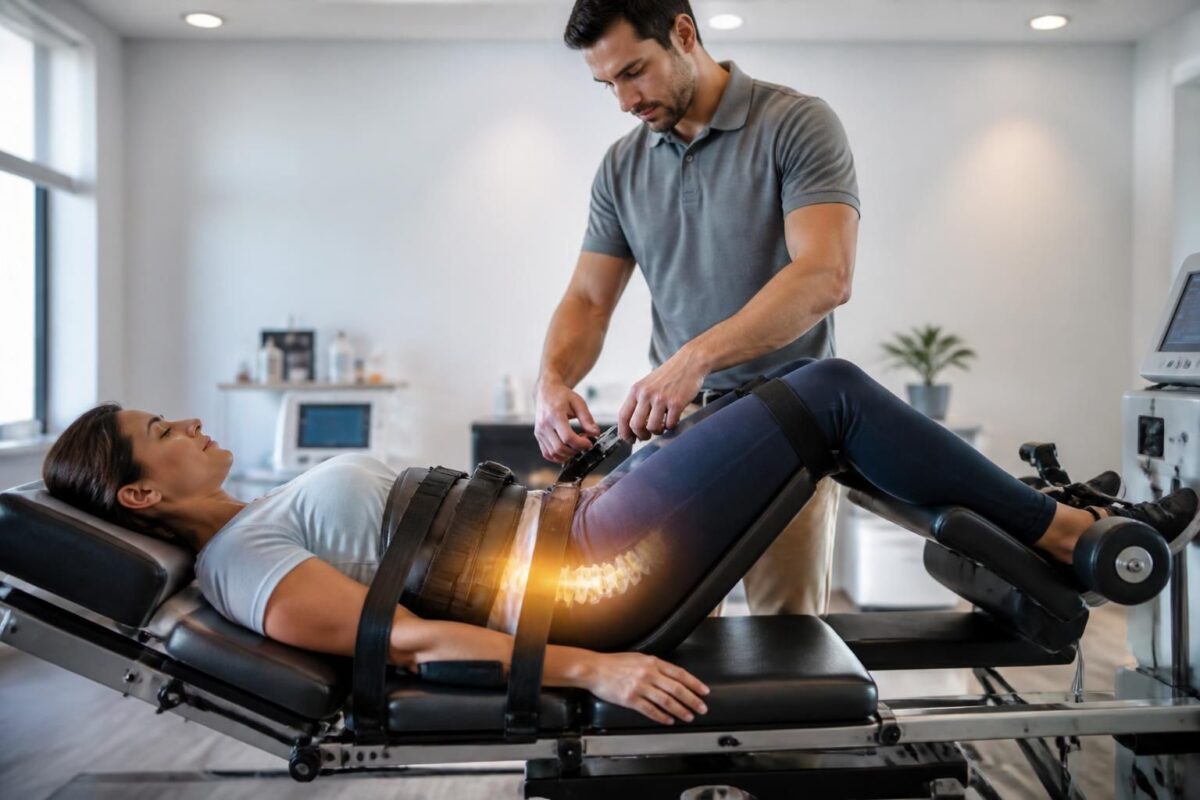
In short
| In short, the neurovertebral decompression is one Non-invasive method which aims to Reduce inflammation vertebral tissues. Accessible in Montreal, Paris and Geneva, it acts by a Controlled traction who creates a intervertebral space and decreases the pressure on nerves and discs. Its main advantages include a Better fluid circulation, a Tissue regeneration facilitated, a pain reduction and an Improving mobility, all without surgery. In addition to other approaches, it can help Prevent future pain and accelerate the recovery. |
The neurovertebral decompression is a non-invasive approach that acts directly on the spine to reduce inflammation.
- She uses Controlled traction who creates a Space between the vertebrae, in order to reduce the Pressure on spinal nerves and discs.
- This release of pressure promotes a Better blood and lymph circulation in the area, improving the intake ofoxygen and of nutrients while facilitating the evacuation of waste.
- Less pressure and toxins = Inflammation reduction and decreased pain, with Improved nerve function.
- The results include a Improving mobility and general well-being, without the need for surgery.
This article presents, in clear and direct language, how the neurovertebral decompression May help reduce inflammation related to spinal disorders. It acts by a soft and controlled traction that frees the space between the vertebrae, improves the circulation of fluids and soothes irritated tissues. The objective is to improve nervous function and promote a return to a more active life, while remaining non-invasive.
Principle and mechanism
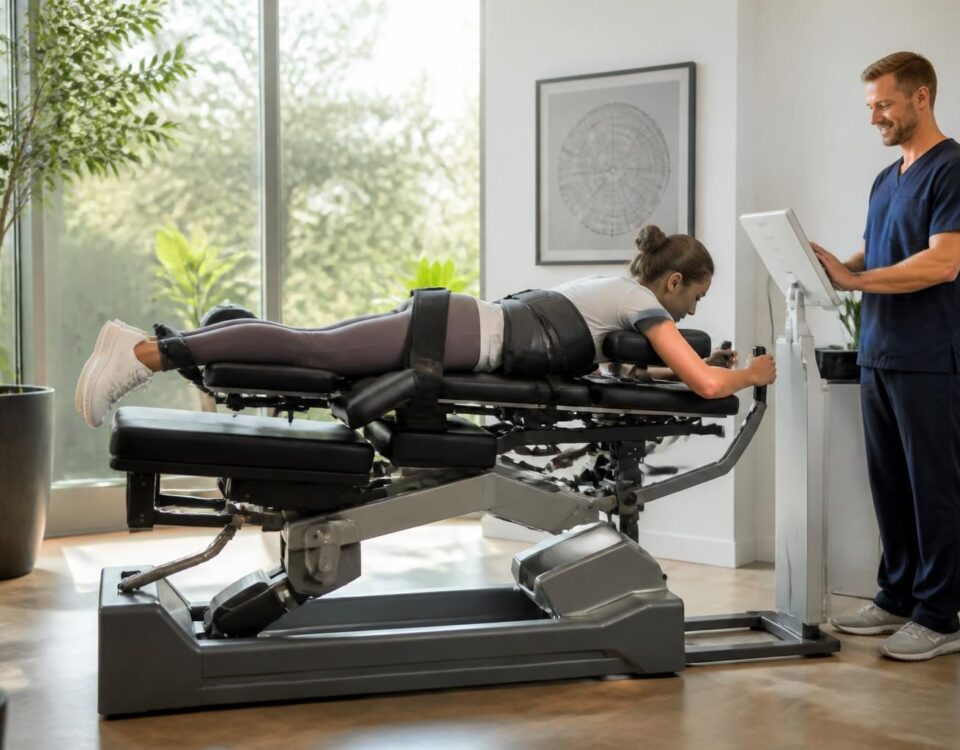
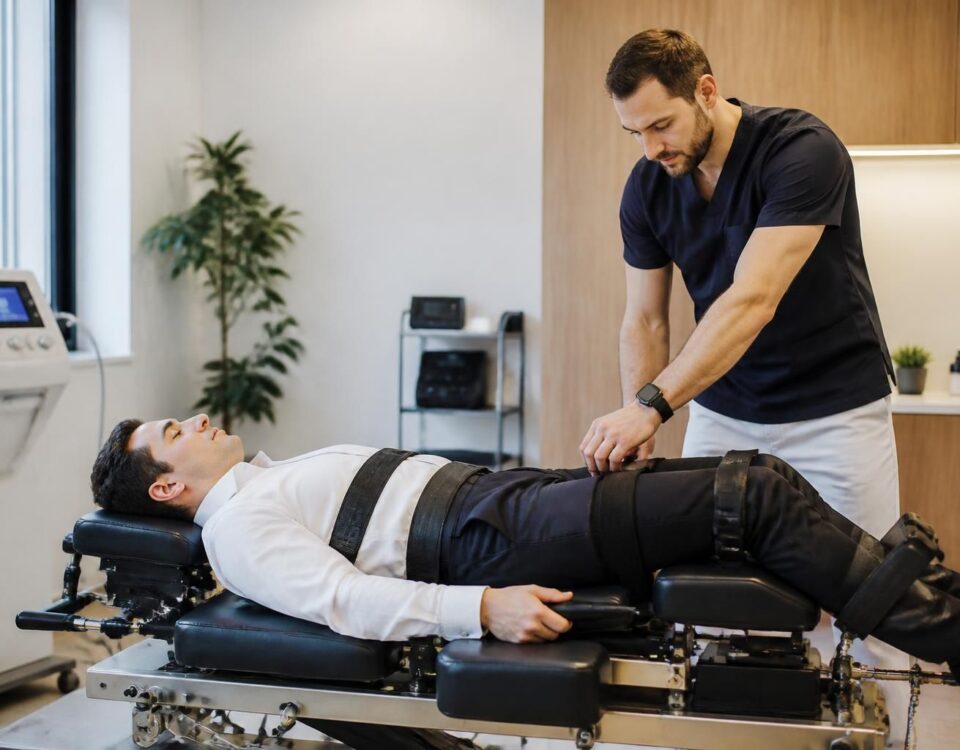
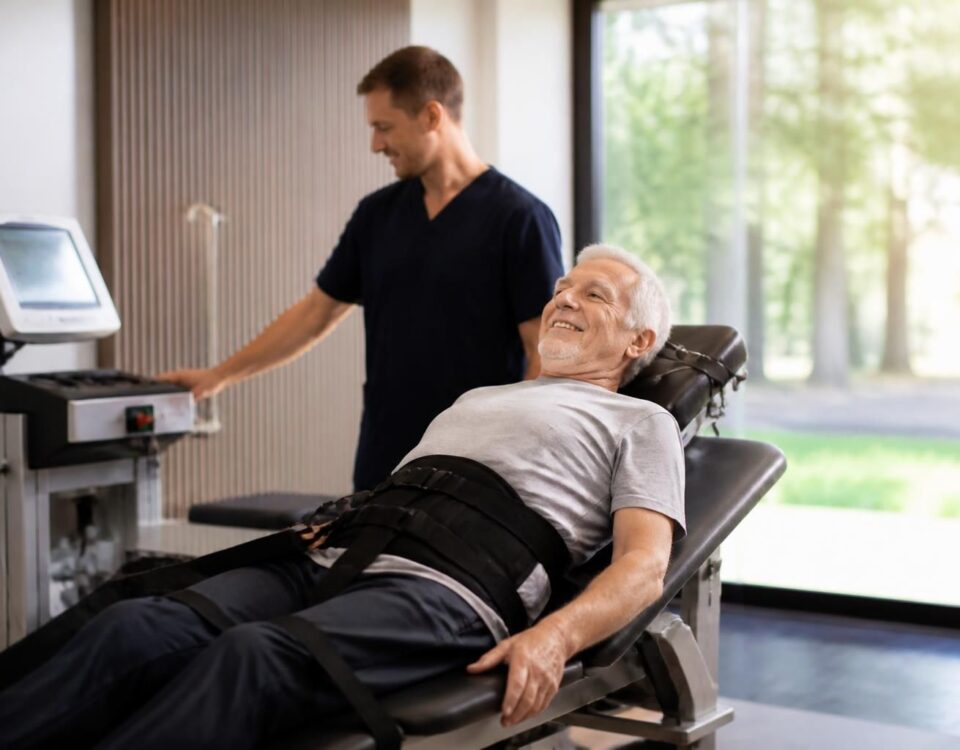
The neurovertebral decompression is based on a Controlled traction applied to the spine. This traction creates a intervertebral space between the vertebrae. This space reduces the pressure exerted on the spinal nerves and discs. The decrease in this pressure contributes to the reduction of local inflammation.
This non-invasive approach promotes the circulation of fluids around spinal structures. Better blood and lymphatic flow provides essential nutrients and helps eliminate metabolic waste that maintains inflammation. To learn more about mechanisms and benefits, you can consult specialized resources like How neurovertebral decompression improves nerve function and reduces inflammation and associated pages on Technologies used for neurovertebral decompression.
Impact on circulation and inflammation
By reducing the pressure around the nerves, decompression facilitates the passage of blood and lymph to the nervous tissues. This better circulation makes it possible to provide more oxygen and nutrients, while facilitating the evacuation of toxins and inflammatory debris. The result is a gradual decrease in local inflammation and a reduction in associated pain.
Studies and clinical feedback show that decompression can help stabilize and restore nerve tissue function, which contributes to better exercise tolerance and regained mobility. For in-depth details, see the resources available on SOS Herniated Disc and Long-term benefits.
Effect on nerve function and pain
Reducing pressure promotes Better transmission of nerve signals. This improvement can result in a decrease in radiant pain and feelings of numbness. Over time, mobility and postural stability improve, which contributes to a better quality of life.
To understand how this approach also benefits athletes and active people, consult the dedicated resources on Why neurovertebral decompression is effective for athletes and Long-term benefits.
Indications and safety
Neurovertebral decompression is an option non-invasive which can be considered after an individual assessment. The healthcare professional assesses conditions that can influence treatment, including severe spinal pathologies or infections. This assessment ensures an appropriate and safe approach for each patient.
In the event of additional treatment, some patients benefit from a multimodal approach at the TagMed clinic, where advanced technologies and manual care are offered in a coordinated manner. For more information, see Tagmed Clinic.
Practical applications and collaboration
Decompression can be associated with other gentle therapeutic approaches to support tissue regeneration and reduce inflammation. It can be integrated into a global care program offered by specialized clinics such as TagMed and Pulse Align. Additional information is available on Reduced inflammation of the nerves compressed and on Complementary therapy.
References and Resources
For more general information, you can consult the following pages: The technologies used, Reduced pressure on spinal nerves, and Action on severe inflammation. Additional information and testimonials are available on SOS Herniated Disc and Long-term benefits.
Medical Disclaimer: The information and advice provided on this site does not replace the health professional’s diagnosis or treatment. Please note that the osteopath practitioner is neither a doctor of medicine nor a doctor, and is not a specialist in a medical specialty as defined by the Collège des Médecins du Québec. Manual medicine, functional medicine and sports medicine as described on this site exclude any medical treatment or diagnosis carried out by a doctor or specialist doctor. Always consult your doctor for any medical questions. For more details, please read our full legal notice.
Useful links to learn more about the associated approaches and technologies used:
How neurovertebral decompression improves nerve function and reduces inflammation,
neurovertebral decompression,
Long-term benefits,
Why decompression is effective for athletes,
Why neurovertebral decompression is a safe and effective therapy,
How decompression affects severe inflammation,
The technologies used,
A complementary therapy,
Reduced inflammation of the nerves compressed,
Reduced pressure on spinal nerves.
- pressure reduction On spinal nerves and discs
- Traffic activation blood and lymphatic
- Nutrition and oxygenation optimized nerve tissue
- Muscle relaxation and decreased spasms
- Decreased inflammation local and mediators
- Tissue regeneration improving the integrity of nerves and discs
- Improved nerve function and mobility
- pain prevention recurrent thanks to postural rebalancing

Neurovertebral decompression is a non-invasive approach that can reduce inflammation by reducing the pressure on the nerves and improving the circulation of fluids around the spine. This article offers clear recommendations to understand and optimize its anti-inflammatory impact, in order to promote better mobility and improved quality of life.
Key mechanisms for reducing inflammation
Release of compression and intervertebral space
A Controlled traction Acts to create a Space between the vertebrae, which releases nerve roots and compressed intervertebral discs. This pressure reduction directly contributes to reducing local inflammatory irritation and limiting the painful signals that maintain the virtuous circle pain-inflammation.
Improved nutrition and circulation
By promoting a Blood and lymphatic circulation more effective around the spinal structures, decompression allows a better supply of oxygen and essential nutrients while facilitating the evacuation of metabolic waste. This better tissue nutrition supports the regeneration and helps reduce local inflammatory mediators.
Reduction of inflammation and muscle relaxation
the decrease in nerve pressure leads to a Reduction of inflammatory processes in neighboring fabrics. In addition, the relaxation of the muscles surrounding the spine reduces spasms and tensions that fuel inflammation, allowing better posture and decrease in associated pain.
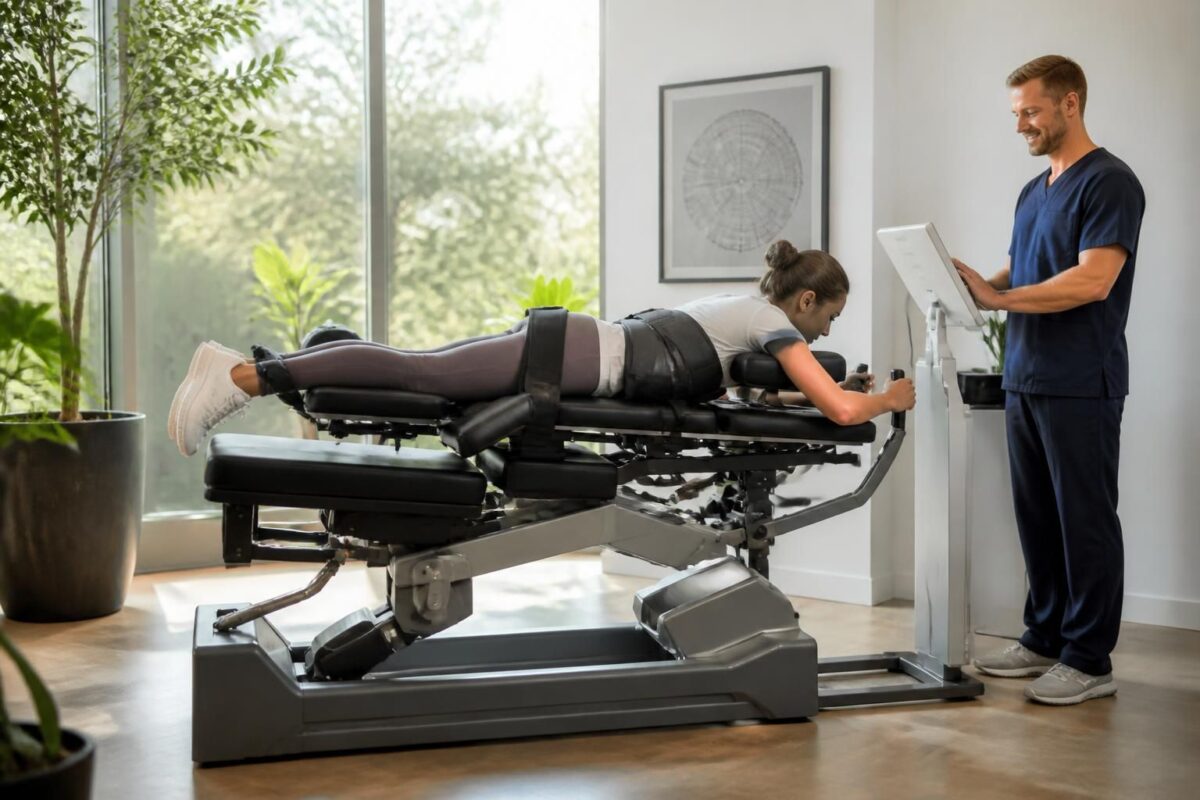
The long-term benefits of neurovertebral decompression for spinal health
In short In short, the neurovertebral decompression is a non-invasive approach that decreases the Pressure on intervertebral discs and nerves, favoring the Natural regeneration and tissue recovery. Its long-term benefits include Lasting pain reduction, Improving mobility and from the posture,…
Implementation and security
Initial assessment and admission criteria
Before starting a decompression, a Individual assessment is essential. This step makes it possible to identify the areas to be targeted and to identify potential contraindications. A good therapeutic adequacy is based on a health check, the location of pain and the type of vertebral pathology.
Controlled traction and protocol
The technique is based on a Soft and controlled traction which generates a space between the vertebrae without causing sudden movements. The protocol is adapted to each patient and can be combined with other gentle approaches to manual therapy to optimize results while minimizing risks.

Neurovertebral decompression and mobility: a return to an active life
In short In short, the neurovertebral decompression is therapy non-invasive who uses a gentle traction To create a space between the vertebrae and reduce the pressure on the Intervertebral discs and the nerves. It promotes a bloodstream improved, lowers tension…
Clinical benefits and applications
Reduction of pain and improvement of mobility
By releasing the pressure on the nerves and discs, decompression contributes to a Decreased radiant pain and a better mobility articular. Patients often find a gradual improvement in nerve function and the ability to perform daily activities without constant pain.
Disk Preservation and Regeneration
By facilitating nutritional intake and boosting repair mechanisms, this approach supports Regeneration of intervertebral discs Where possible, which can help prevent repeated inflammatory episodes and stabilize the spine in the long term.
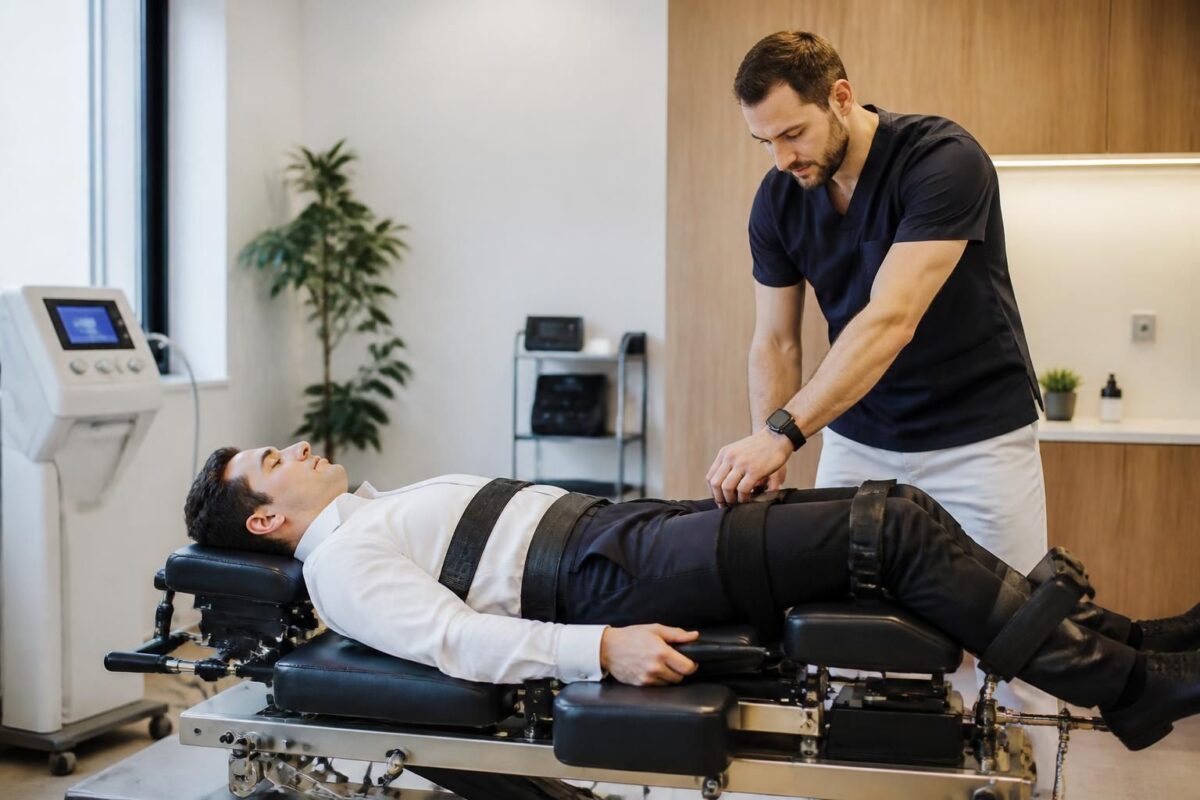
How Neurovertebral Decompression Prevents Diffuse Chronic Pain
In short decompression neurovertebral is one Non-invasive method aimed at reducing the Pressure on the intervertebral discs and the nerves, in order to prevent Diffuse chronic pain. It improves the circulation and thedisc hydration, decreases inflammation and promotes better mobility.…
Practical tips for optimizing results
Daily alignment and posture
adopt a Neutral posture And adapted movement habits can prolong the benefits of decompression. Gentle mobility exercises and ergonomic adjustments at work or at home help maintain the intervertebral space and limit inflammatory tension.
Lifestyle and additional exercises
A lifestyle Adapted, including suitable regular physical activity, sufficient hydration and stress management, can increase anti-inflammatory effectiveness. Targeted exercises, often under supervision, strengthen the supporting muscles and improve spinal stability.
Integration with other approaches
Decompression can be associated with other gentle techniques such as osteopathy, manual therapy and naturopathic approaches to optimize results, while remaining as part of comprehensive and personalized care.
| Element | Concise impact |
|---|---|
| Controlled traction | Reduces the pressure on spinal nerves and discs, creating a space that decreases theinflammation and improves mobility. |
| intervertebral space | decrease in nervous irritation and pain related to compression. |
| Blood and lymphatic circulation | improvement in intake nutrients and oxygen, and better waste disposal, reducing theinflammation. |
| Nervous tissue nutrition | better oxygenation and nutrition nervous tissues, promoting regeneration. |
| Disk regeneration | Stimulation of the repair discs, helping to prevent recurrent pain. |
| Pain and nerve function | decrease in aches and improvement of nervous function (better signal transmission). |
| Muscle relaxation | relaxation of the muscles around the spine, reduction of spasms andinflammation. |
| Mobility and posture | Improvement of the mobility and from the posture, decreasing future irritation. |
| Safety and non-invasive | Approach non-invasive and safe, with a Low risk and quick recovery. |
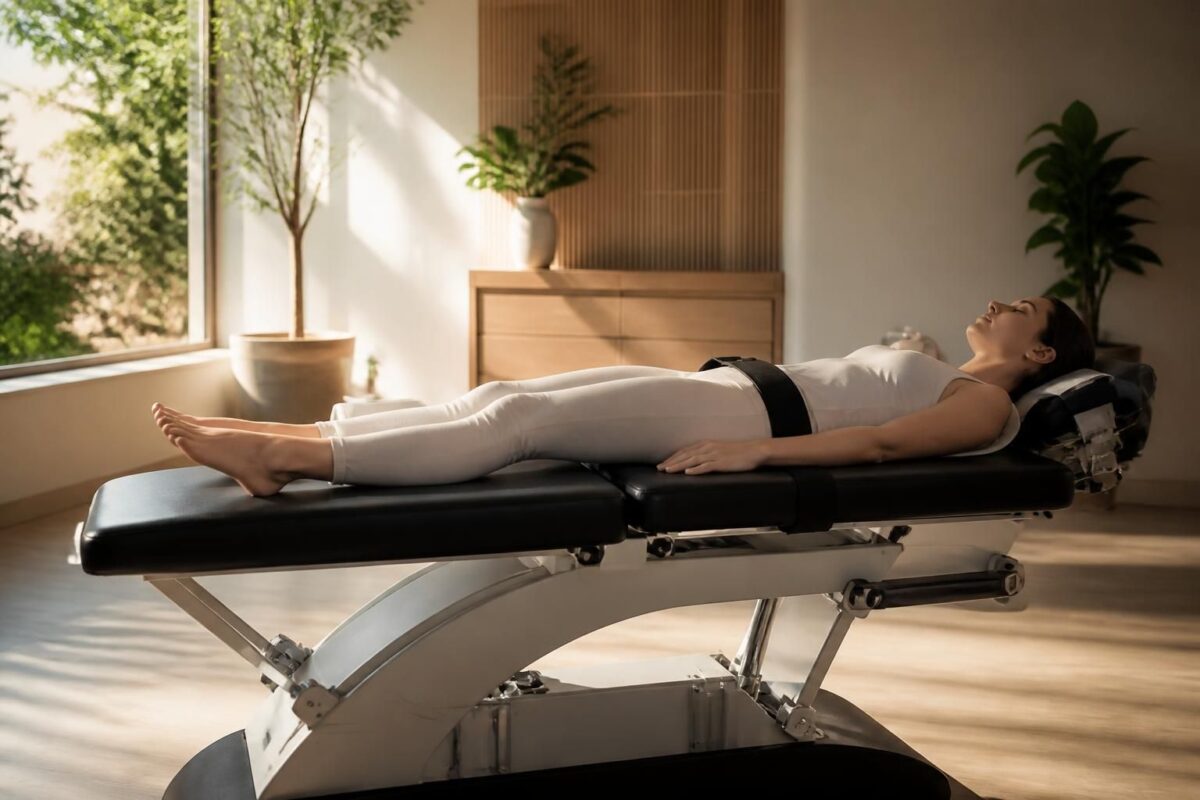
Neurovertebral Decompression and Body Alignment: Restoring Natural Balance
In short In short, neurovertebral decompression is one Non-invasive approach who restores theBody Alignment and thenatural balance back and neck. She acts by a Controlled traction of the spine to widen the intervertebral space and reduce the Pressure on discs…
Testimonials on the reduction of inflammation thanks to neurovertebral decompression
“Before, my inflammation in the neck blocked the movements and woke up the pain at the slightest effort. After a few sessions of neurovertebral decompression, Linflammation decreased, my joints relaxed and the pain has greatly declined. »
“As an athlete, the inflammation Related to training braked me. I saw a sharp reduction ininflammation and an improvement in circulation blood after treatment. My recovery is faster and my performance is back. »
“At work, tensions and inflammation cervical made my days difficult. After the program, I noticed a decrease in theinflammation and better neck mobility, with less radiation in the shoulders. »
“My 73 year old mother suffered frominflammation persistent due to nerve compressions. Since the start of the follow-up, its inflammation have decreased and it can lead an active life with fewer anti-inflammatory drugs. »
“For me, the improvement is also psychological: less thaninflammation Means better sleep and overall better energy. The neurovertebral decompression Releases the pressure and reduces Radiant pain. »
“By combining neurovertebral decompression And other gentle approaches, I found a regeneration fabrics and a lasting reduction ininflammation, with a more balanced posture and less risk of recurrence. »
Medical Warning: These testimonies are given as an indication and do not replace a professional assessment. Consult a doctor or osteopath to discuss your situation and determine the most appropriate treatment for you.
Neurovertebral decompression presents itself as a therapeutic approach non-invasive which directly targets inflammation linked to spinal disorders. By combining a Controlled traction And a personalized fit, this method acts on the mechanical origins of inflammation: the pressure exerted on the spinal nerves and intervertebral discs. In an osteopathic and manual medicine perspective, she seeks to restore harmony in the structures of the spine and breathe new breath into the nervous function, thus improving the inflammatory cascade and painful perception of the patient.
The mechanism is based on the creation of a intervertebral space by a measured traction, which decreases the nervous compression and releases the irritated nerve roots. This pressure reduction facilitates Fluid circulation More fluid in and around nerve tissue, accelerating the supply of oxygen and essential nutrients while facilitating the elimination of metabolic waste. This physiological improvement acts as an unlocking of inflammatory mechanisms, limiting the release of chemical mediators responsible for pain, edema and increased sensitivity.
By promoting better circulation, decompression contributes to Reduce local inflammation and regional around discs, vertebrae and nerves. Tissues gain in nutrition and oxygen, which moderates local immune responses and reduces muscle spasms that often accompany spinal inflammation. This Tissue media stabilization Also promotes rebalancing of pressure gradients and faster recovery, with a gradual decrease in signs of nervous irritation such as irradiating pain and tingling.
In terms of clinical results, patients describe a decrease in pain and an Improving mobility which are accompanied by a better nervous function. In practice, this approach offers a Non-invasive alternative To treat radiculopathies and disc pains, reducing the use of heavy surgical or pharmacological interventions. By working on the inflammatory etiology rather than on the symptoms alone, decompression can also promote a gradual and lasting return to daily and sporting activities.
This approach is easily part of a global therapeutic strategy. It can be combined with other gentle approaches and technologies, such as osteopathy, certain naturopathic modalities and associated therapies that support tissue regeneration and postural rebalancing. The goal is to create a personalized and consistent course, capable of optimizing the reduction of inflammation while preserving the natural physiology of the column and adjacent tissues.
This professional is the founding president of the TagMed clinics and the ACMA association, and his approach is based on health innovation and a clear requirement: to provide evidence-based care to sustainably improve the quality of life of patients. His practice emphasizes the management of Chronic pain and the integration of advanced technologies to amplify the effectiveness of non-invasive treatments and to respond precisely to individual needs.
To find out more about its approach and the services available in this context, patients can focus on the resources of TagMed clinics, which promote personalized care, centered on effectiveness and sustainable well-being.
Quick summary: the neurovertebral decompression is an approach non-invasive which aims to reduce inflammation by creating a space between the vertebrae thanks to a Controlled traction. It improves the circulation and the supply of nutrients to the nervous tissues, decreases the nerve pressure and the intervertebral discs, and thus can alleviate pain and restore better nerve function. To deepen the mechanisms and benefits, see the resources listed below.
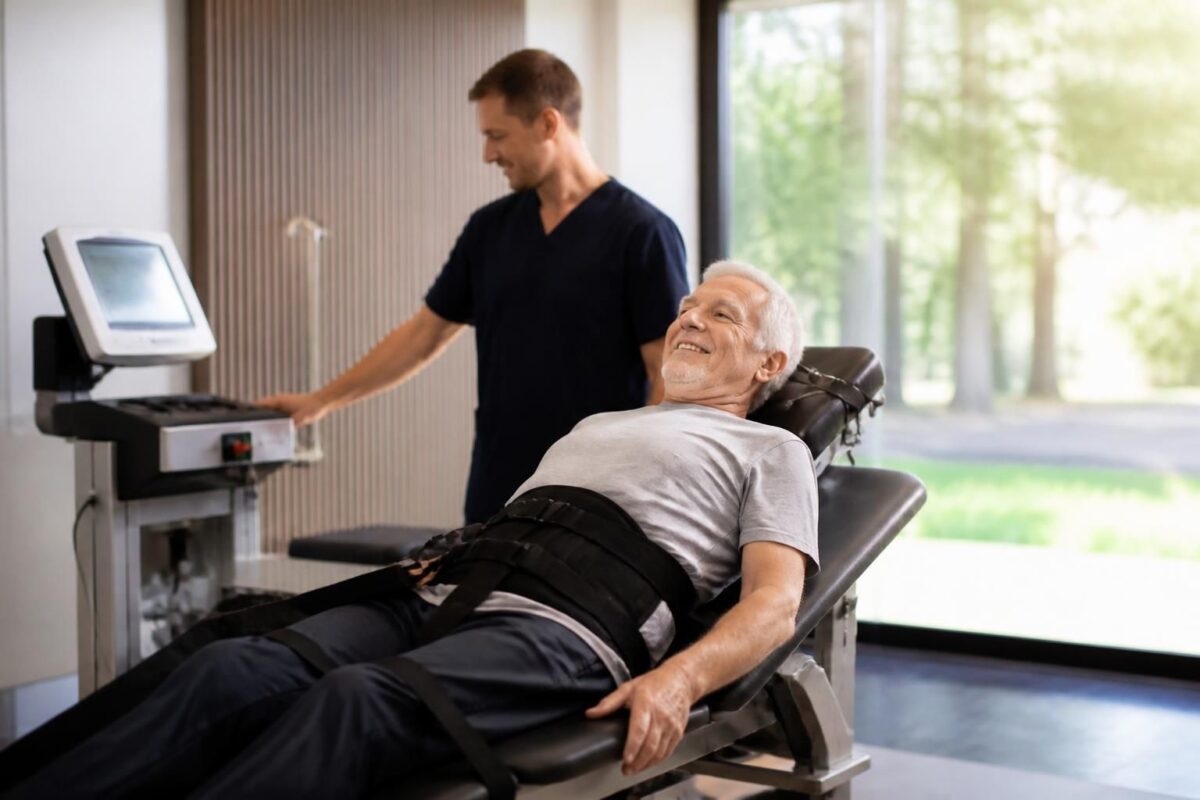
Why neurovertebral decompression is a lasting solution for active seniors
In short In short, the neurovertebral decompression is one Non-invasive therapy which sustainably relieves spinal pain in the spine active seniors By creating, by a Soft and controlled traction, a space between the vertebrae. At Montreal, it is recognized as…
Key elements and mechanisms
The neurovertebral decompression acts by applying a Controlled traction on the spine, which creates a intervertebral space and decreases the nerve compression and discs. This pressure reduction facilitates the circulation of fluids, improves the supply of oxygen and nutrients, and promotes Tissue regeneration. At the same time, it helps to reduce local inflammation and relax the surrounding muscles, thus reducing spasms and radiant pain. To explore these mechanisms, you can consult This detailed guide.
the beneficial effects can also be seen in the improvement of the nervous function, thanks to a Better signal transmission and a decrease in the inflammatory state around the nerve roots. By reducing the mechanical load and facilitating the flow of liquids, decompression supports a Disk regeneration and better column stability.
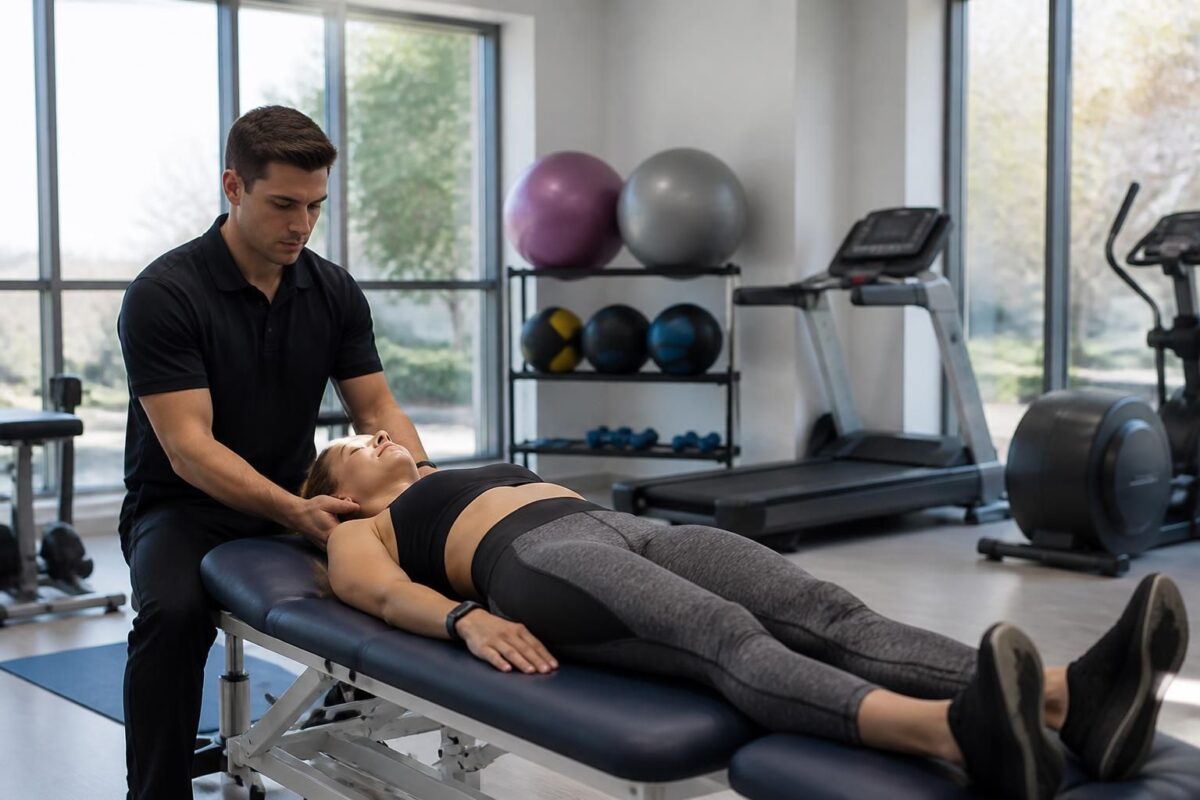
Neurovertebral decompression and recovery after severe sports injury
In short In short, the neurovertebral decompression is one Non-invasive method to Relieve the pressure on the Intervertebral discs and the gristle Via a Controlled traction, to facilitate the recovery After a severe sports injury. It improves the bloodstream towards…
Impact on inflammation and the nervous system
By acting directly on the sources of pain, the neurovertebral decompression May decrease inflammatory mediators and reduceSpinal nerve irritation. This approach promotes Blood and lymphatic circulation More effective around nerve tissue, which accelerates the cleaning of metabolic waste and the supply of essential nutrients. dedicated resources describe how this reduction in pressure and inflammation contributes to a Better mobility and to a quality of life Improved. To go deeper into this point, see This study.
Analyzes show that reducing nerve compression can decrease painful symptoms and paresthesias, while supporting better neurological function. At the same time, the decrease in inflammation helps prevent chronic pain cycles and promote Muscle rehabilitation effective. For practical perspectives, see the following resources that describe how decompression fits into a comprehensive approach to pain and inflammation management: When to consult, Mechanisms and benefits, and Radiant pain.
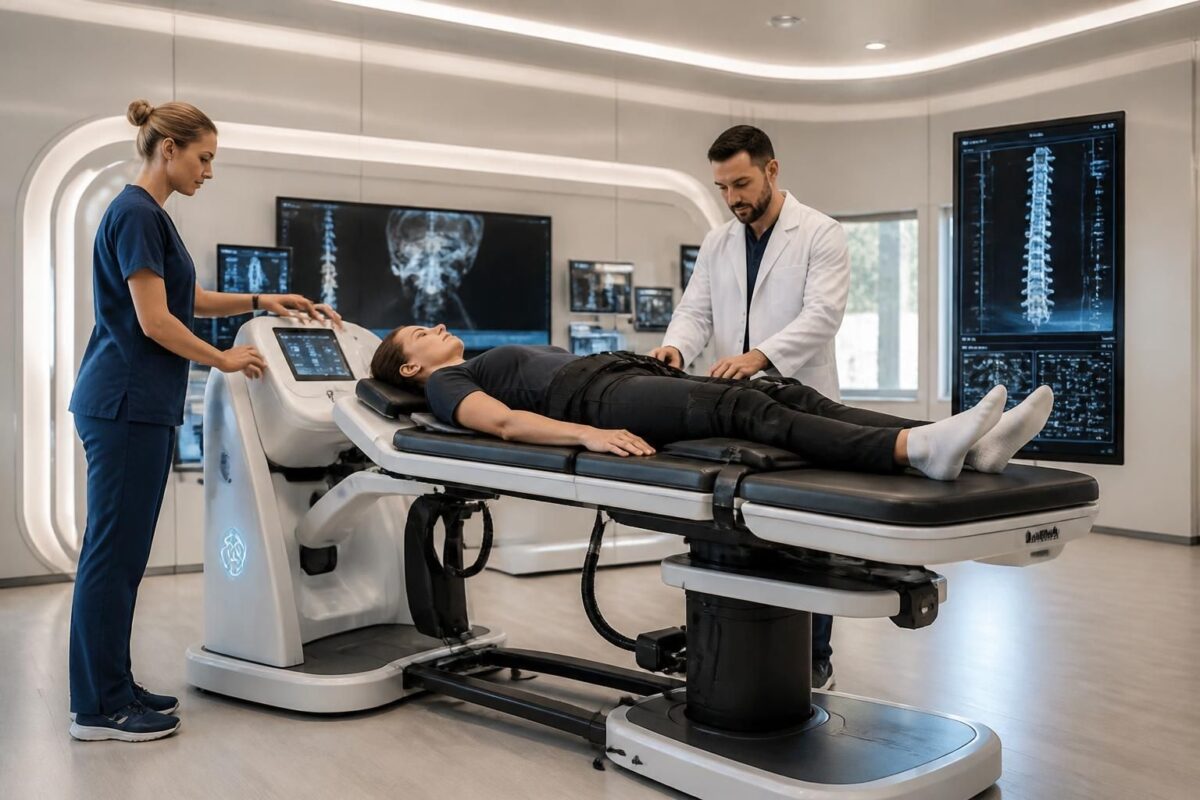
Recent innovations in neurovertebral decompression technologies
In short In short, the neurovertebral decompression is an approach non-invasive Aiming to reduce pressure on discs and nerves, and promote tissue regeneration. At Montreal, it is positioned as an effective option for lower back pain and herniated discs. The…
Clinical applications and indications
decompression neurovertebral Is indicated for conditions such as lumbar and cervical pain related to nerve compressions, radiculopathies and inflammations around the nerve roots. It offers an alternative non-surgical in many cases and can help improve mobility and function without resorting to invasive interventions. To understand the signs that it is right for your profile, see these signs and the evaluation criteria mentioned by professionals.
Advanced protocols also highlight the potential of decompression to prevent recurrent pain by promoting tissue regeneration and posture improvement. For practical considerations and detailed indications, you can refer to This analysis.
For active people and athletes, decompression can be a key step in managing inflammation and recovery after exercise. Specialized resources describe why it is essential for active patients and how to integrate it into a global care program: Interest in active patients, and Reduced inflammation of the nerves compressed.
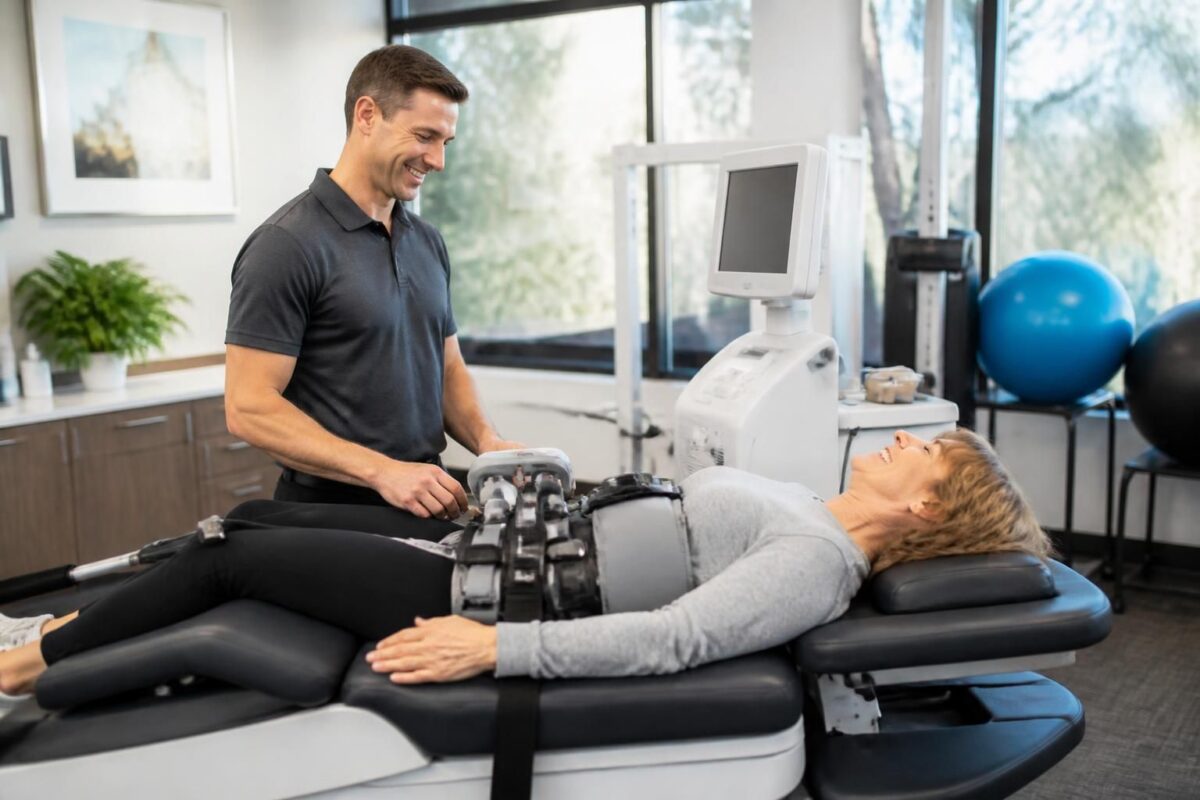
Neurovertebral decompression and diffuse pain: an appropriate solution
In short In short, the neurovertebral decompression is one Non-invasive solution For diffuse pain related to nerve irritation of the spine. She acts in Reducing pressure on intervertebral discs and nerves and improving the bloodstream, which promotes recovery and the…
Integration and resources
Decompression can be used in addition to other manual and therapeutic approaches to optimize results and promote sustainable recovery. It integrates in particular with practices such as osteopathy, naturopathy and other gentle approaches. For explanatory resources and additional perspectives, the following links offer useful information and practical highlights: natural alternative, Benefits for reducing nerve pressure, and How decompression helps reduce inflammation.

Dr Sylvain Desforges, B.Sc., D.O., N.D., osteopath, is the founding president of TAGMED and of the ACMA association. He dedicates his practice to chronic spinal pain, low back pain and symptoms compatible with sciatica, particularly when pain radiates toward the buttock, leg, calf, foot or toes.
Through SOS Sciatique, he publishes educational content on sciatica symptoms, possible causes such as disc herniation, disc narrowing, foraminal stenosis or irritation of a lumbar nerve root, as well as non-surgical approaches that may be considered according to the evaluation. At Clinique TAGMED, care may include, depending on the case, motorized neurovertebral decompression, specific osteopathic care or precision percussion.
For an evaluation related to sciatica treatment in Montreal / Mount Royal or sciatica treatment in Terrebonne, please consult the services available at Clinique TAGMED.
Medical disclaimer
The information published on SOS Sciatique is provided for educational purposes only and does not replace a consultation, diagnosis, opinion or treatment provided by a physician or another authorized healthcare professional. The author of this article is neither a medical doctor nor a specialist in a medical specialty recognized by the Collège des médecins du Québec. The osteopathic, manual medicine or functional support approaches described on this site do not constitute medical acts and are not intended to replace medical follow-up.
Consult a physician or emergency service in cases of loss of bladder or bowel control, anesthesia in the saddle area, significant or progressive weakness in the leg or foot, fever, recent trauma, severe pain or rapid worsening of symptoms. For more details, please read our Legal Notice.