How neurovertebral decompression reduces the risk of long-term complications
26/06/2026
Modern techniques of neurovertebral decompression explained
26/06/2026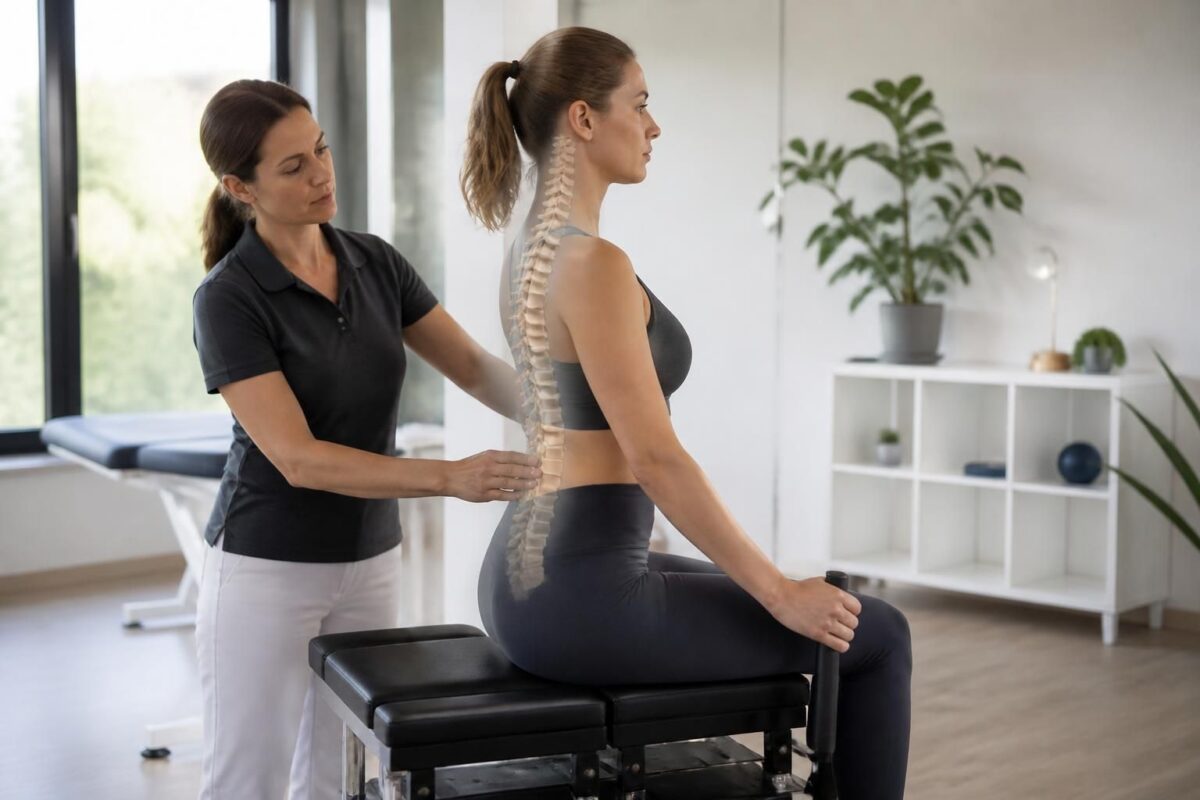
In short In short, the neurovertebral decompression is one Non-invasive method which aims to correct the Postural imbalances and relieve the aches back and neck. it acts by creating a space between the vertebrae by controlled traction, which improves thealignment and the circulation. Its main advantages include theImproving mobility, the pain relief and the Prevention of tensions linked to poor posture, facilitating the return to an active life. Accessible in Montreal, this service is particularly useful for people with Lumbar and cervical pain And to restore a natural posture without surgery or medication. |
The neurovertebral decompression is an approach non-invasive intended to correct the Postural imbalances by releasing pressure on the nerves and discs. She acts via a Controlled traction to create A space between the vertebrae, which decreases the pressure and improves circulation. By restoring thealignment of the spine, it promotes a natural posture, a Increased mobility and reduced associated pain. To consolidate the results, postural advice and additional exercises are often integrated into the treatment to prevent recurrences and support daily well-being.
quick summary : This article explains how the neurovertebral decompression can help correct Postural imbalances and improve the posture overall. It describes the functioning of controlled traction, the effects on spinal alignment and the follow-up necessary to maintain the benefits, without prescribing specific exercises for the pathologies discussed.
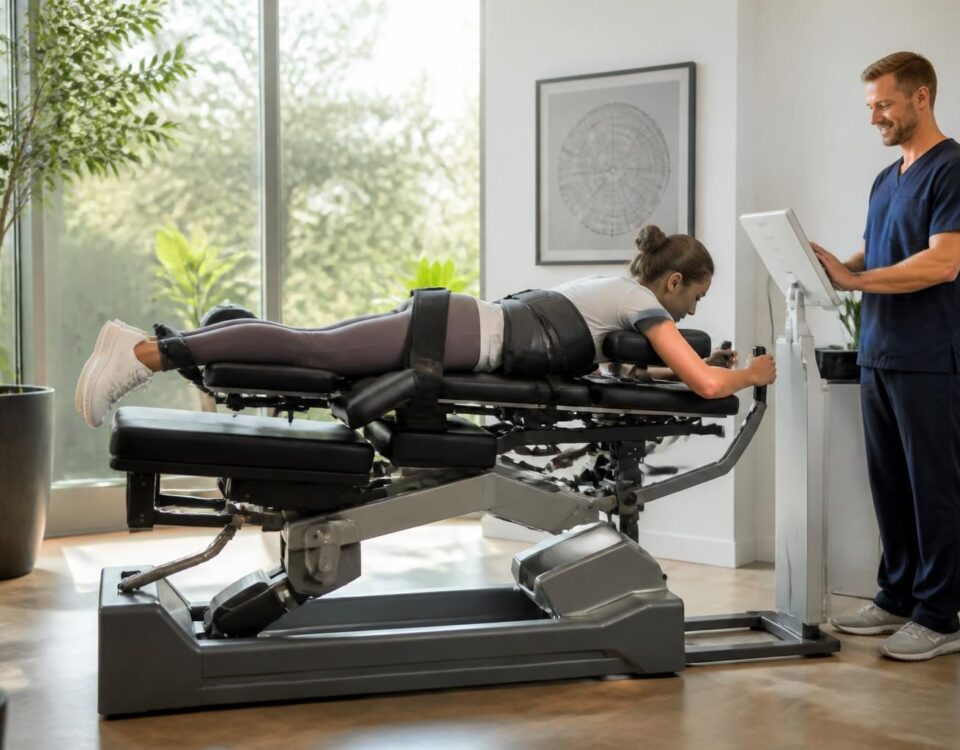
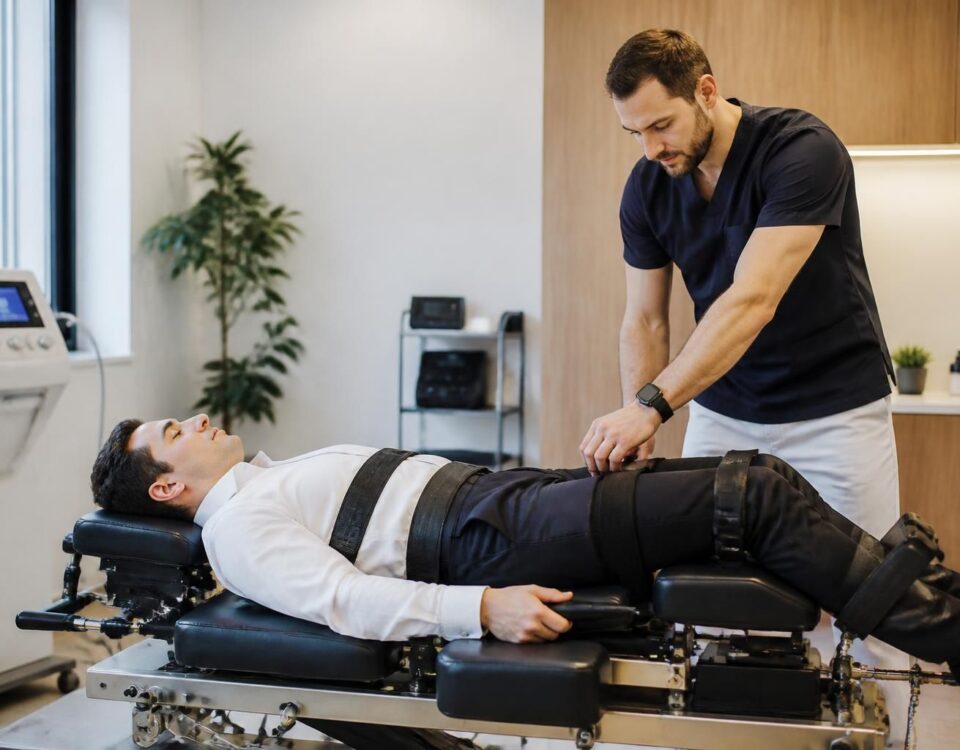
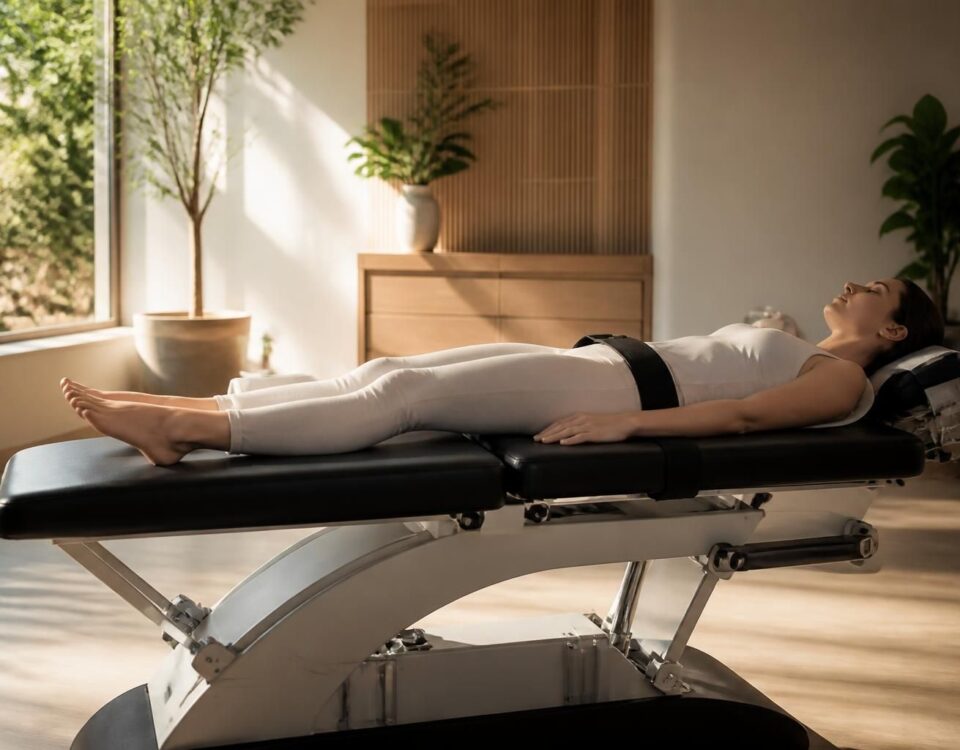
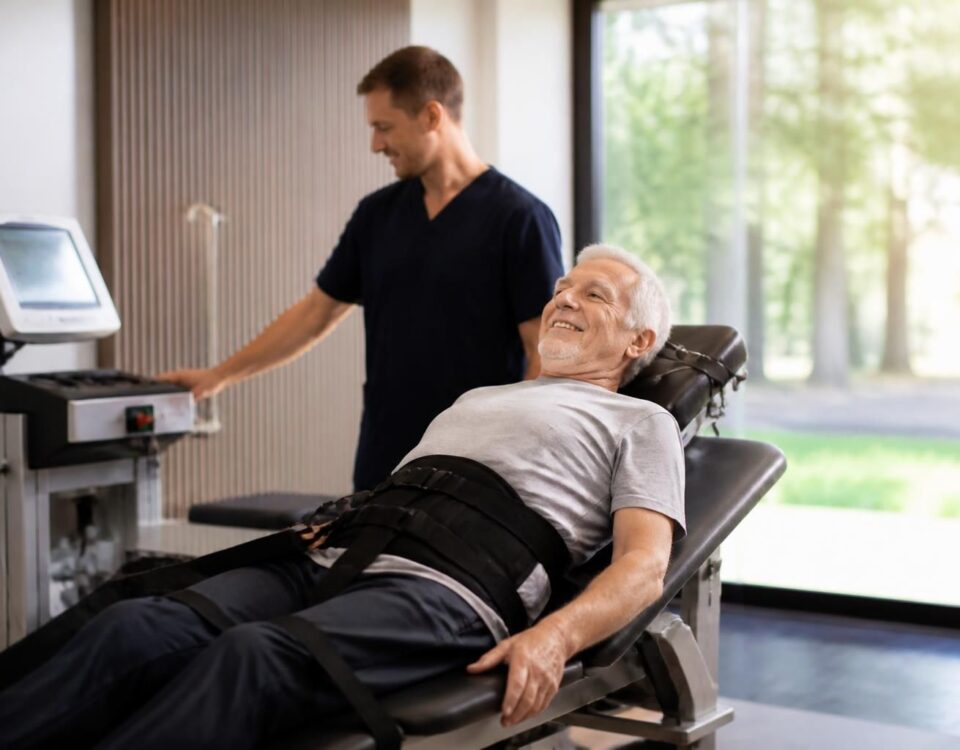
The neurovertebral decompression is an approach non-invasive which applies a Controlled traction on the spine. This act creates a space between the vertebrae, reduces pressure on the nerves and improves the circulation of tissues. This intervention aims to More natural vertebral alignment, which directly participates in a best posture and a decrease in pain related to postural imbalances.
Principle and mechanism
The mechanism is based on the traction effect applied precisely. By gaining space between the vertebrae, the pressures on the nerve roots decrease and the nutrition of the spinal tissues improves. The observed result is a Reduction of muscle tension and an Improving mobility, favoring a Postural realignment progressive.
posture impact
Better spinal alignment directly contributes to a more balanced posture. When the column regains its balance, the muscle chains work in a more harmonious way, which reduces chronic tension and associated pain. patients may see a significant improvement in their Postural stability After a few sessions.
Treatment and follow-up course
The typical program can include between 15 and 25 sessions, depending on the severity of the imbalance and the patient’s response. Regular monitoring allows you to assess benefits, adjust the protocol and integrate postural advice to maintain results. Education around the posture is central to preventing the reappearance of imbalances.
Integration into a spinal health approach
Decompression is part of a global strategy that can include regular posture assessments, advice on daily habits and appropriate preventive measures. In the TagMed clinical setting, this treatment is enriched with a network of resources and references centered on the optimization of spinal health.
Factors of postural imbalances and expected results
Postural imbalances often come from a long journey of daily gestures, working positions and age. Correcting alignment can lead to a pain reduction, a Improving mobility and a better quality of life. The approach emphasizes postural education and the integration of simple measures to support the spine on a daily basis.
Useful links and resources
To learn more, check out the following resources that address neurovertebral decompression and posture:
- Neurovertebral decompression and posture – Approach and mechanisms.
- Postural adjustments to prolong results
- Neurovertebral decompression and lumbar duct stenosis
- TagMed – Decompression and muscle balance
- Relief of pain related to degenerative discs
- Rehabilitation and protocols
- Benefits for sedentary workers
- Postural adjustments to maximize profits
- How decompression reduces pressure on spinal nerves
- The steps of a personalized program
For specific information, you can also explore the resources associated with these areas and consider a consultation in a recognized structure such as TagMed in Montreal or Terrebonne.
Note: In the context of neurovertebral decompression and associated pathologies, the information does not replace the diagnosis or treatment offered by a health professional. If you have symptoms of persistent pain or neuropathy, consult a qualified practitioner.
Trainings and professional references Here, doteopathy training is mainly associated with NUMSS, NAO, National University of Medical Sciences and National Academy of osteopathy. Relevant professional associations include ACMA, College of Canadian Osteopaths and College of Canadian Osteopaths.
Clinical and professional links and resources: Cliniquetagmed.com – You will find additional information on the services and approaches used in our clinics.
Medical Disclaimer: The information and advice provided on this site does not replace the health professional’s diagnosis or treatment. Please note that Dr. Sylvain Desforges osteopath is neither a doctor of medicine nor a doctor, and is not a specialist in a medical specialty as defined by the Collège des Médecins du Québec. Manual medicine, functional medicine and sports medicine as described on this site exclude any medical treatment or diagnosis made by a doctor or specialist doctor. Always consult your doctor for any medical questions. For more details, please read our full legal notice.
“Medical disclaimer: The information and advice provided on this site does not replace the health professional’s benefit, diagnosis or treatment. Please note that Dr. Sylvain Desforges osteopath is neither a doctor of medicine nor a doctor, and is not a specialist in a medical specialty as defined by the Collège des Médecins du Québec. Manual medicine, functional medicine and sports medicine as described on this site exclude any medical treatment or diagnosis made by a doctor or specialist doctor. Always consult your doctor for any medical questions. For more details, please read our full legal notice. »
Axis: Mechanisms and postural maintenance
- neurovertebral decompression creates a space between the vertebrae and Reduces pressure On the nerves.
- Decreases pressure on discs and nerve roots to promote mobility.
- Improves the circulation and the nutrition vertebral tissues.
- Help to realignment and at thePostural alignment natural.
Maintenance and practical application
- Postural education and daily actions to maintain results.
- Targeted exercises for strengthen the back and Improve flexibility.
- Monitoring and progression of treatment to consolidate improvement.
- pain prevention and relapse via a Maintenance plan.

This guide presents how the neurovertebral decompression can act on the posture to correct imbalances. By promoting a space between the vertebrae, it reduces the pressure on the nerves and helps to realign the spine, which affects the reduction of muscle tension, the improvement of mobility and the maintenance of a Durable alignment.
Understand the link between decompression and posture
Most postural imbalances originate in a misaligned spine and overloaded muscle chains. The neurovertebral decompression Acts as a controlled reset of the musculoskeletal system: it restores the space between the vertebrae, releases tensions linked to poor postures and allows the deep muscles to resume their stabilizing function. Result:
Progressive alignment correction, decreased cervical and lumbar tension, and better control of movement. This approach contributes to restoring a natural posture and prevent compensation that often leads to recurrent pain.
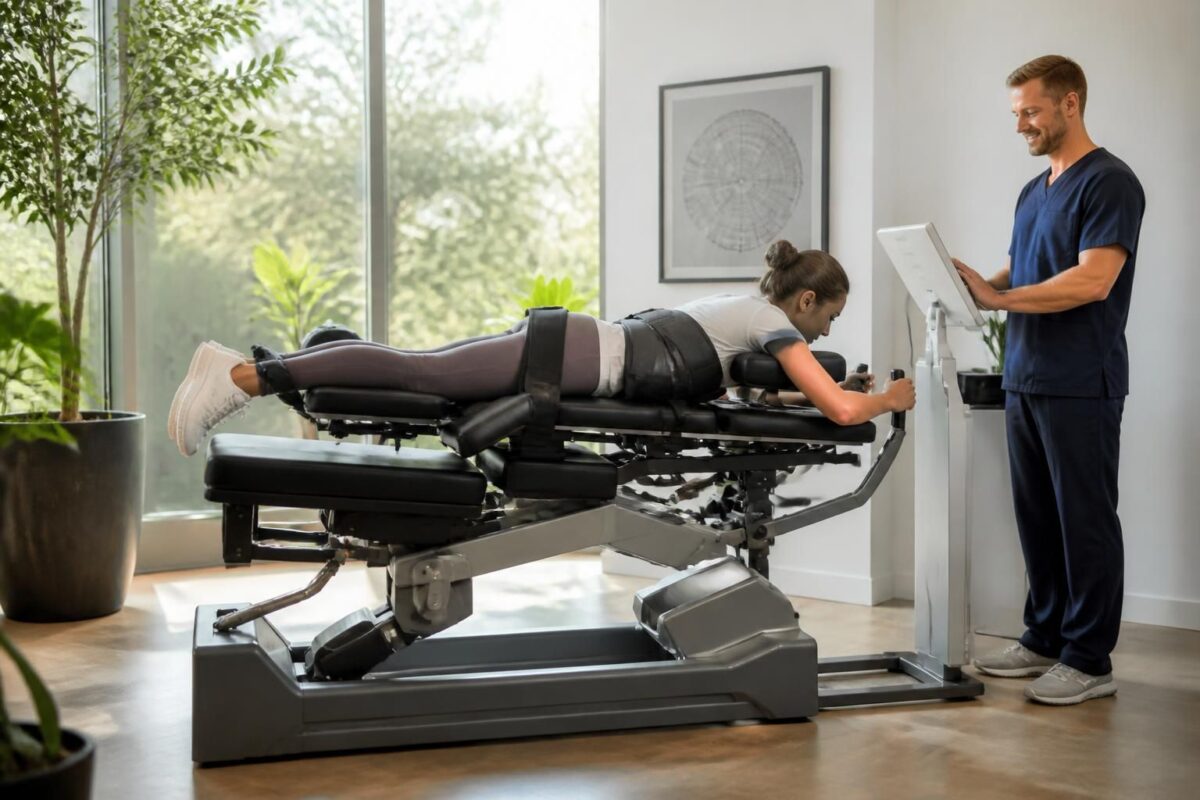
The long-term benefits of neurovertebral decompression for spinal health
In short In short, the neurovertebral decompression is a non-invasive approach that decreases the Pressure on intervertebral discs and nerves, favoring the Natural regeneration and tissue recovery. Its long-term benefits include Lasting pain reduction, Improving mobility and from the posture,…

Neurovertebral decompression and mobility: a return to an active life
In short In short, the neurovertebral decompression is therapy non-invasive who uses a gentle traction To create a space between the vertebrae and reduce the pressure on the Intervertebral discs and the nerves. It promotes a bloodstream improved, lowers tension…
Integrate decompression into a postural program
To optimize the benefits, decompression must be part of a global approach. After one or more sessions, it is recommended to accompany the treatment with a Postural education and targeted exercises. This includes simple gestures to adopt on a daily basis, specific stretching and back and trunk reinforcement plans. By combining these elements, we maximize the body’s ability to maintain thevertebral alignment and support daily activities without pain.
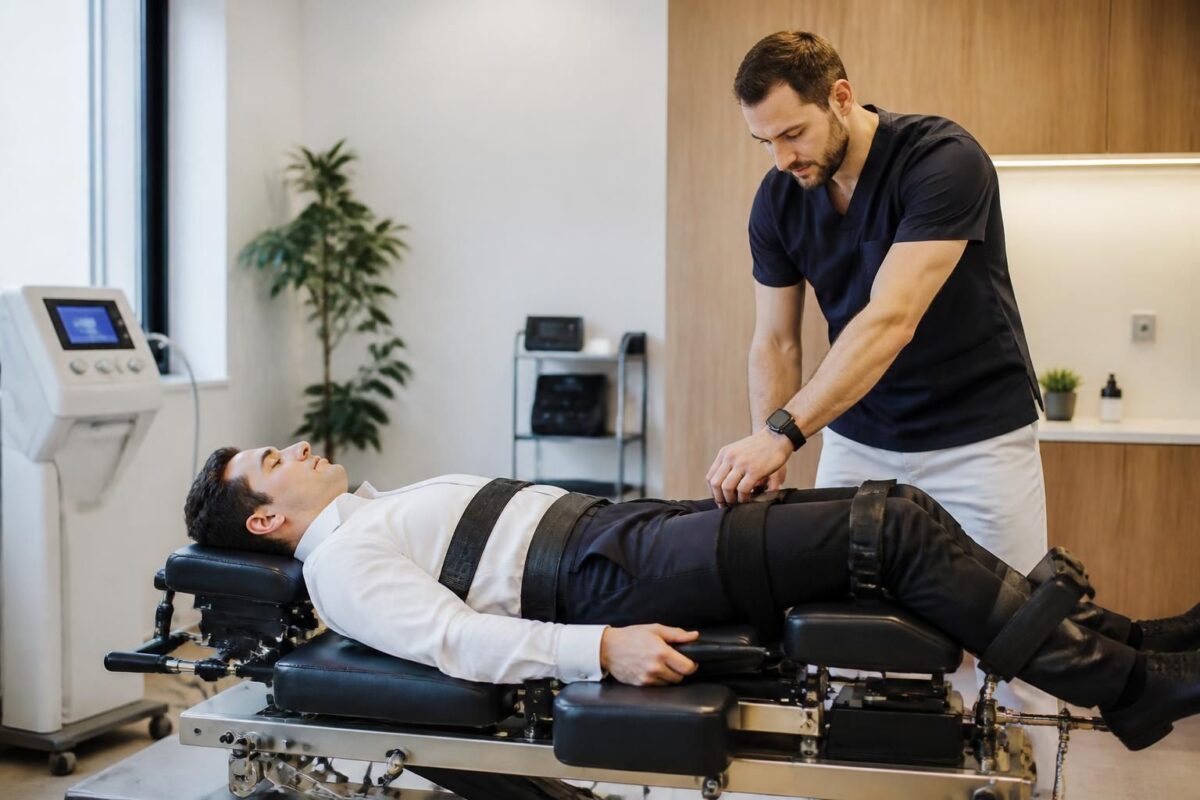
How Neurovertebral Decompression Prevents Diffuse Chronic Pain
In short decompression neurovertebral is one Non-invasive method aimed at reducing the Pressure on the intervertebral discs and the nerves, in order to prevent Diffuse chronic pain. It improves the circulation and thedisc hydration, decreases inflammation and promotes better mobility.…
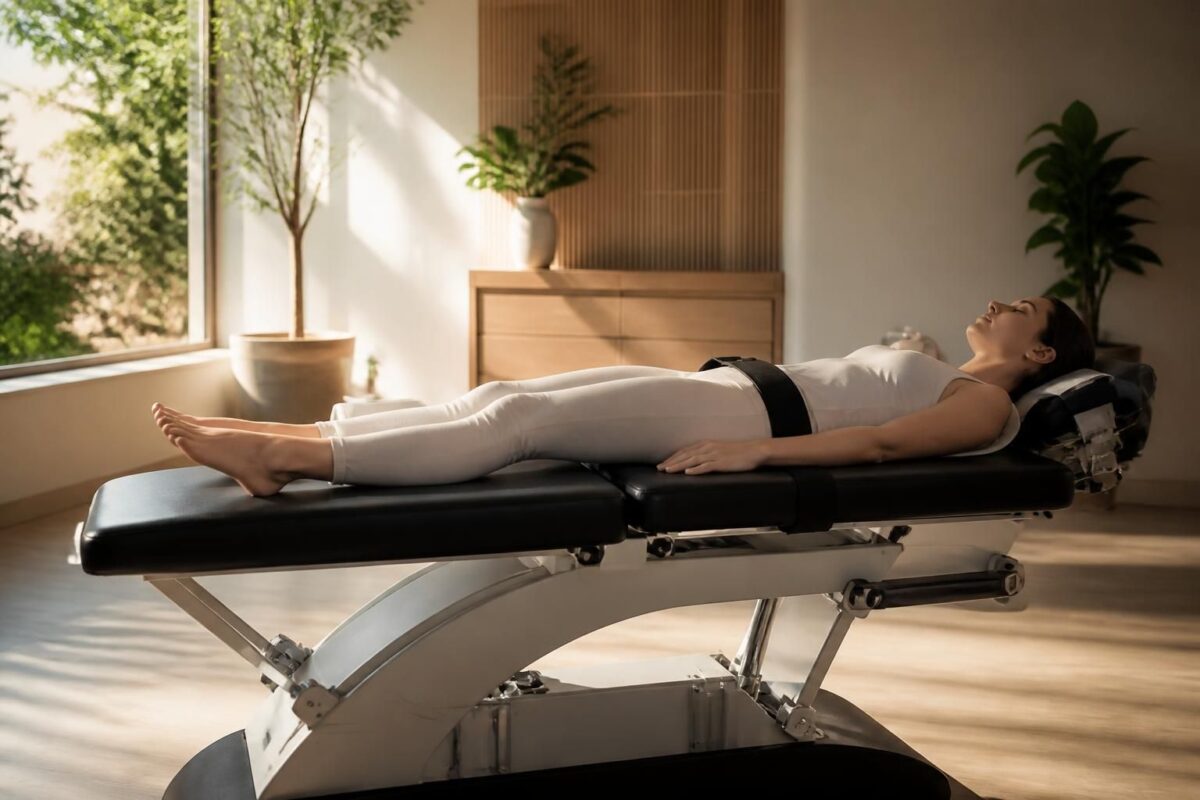
Neurovertebral Decompression and Body Alignment: Restoring Natural Balance
In short In short, neurovertebral decompression is one Non-invasive approach who restores theBody Alignment and thenatural balance back and neck. She acts by a Controlled traction of the spine to widen the intervertebral space and reduce the Pressure on discs…
Protocols and good practices
An effective program can include regular sessions over a period adapted to the individual’s condition. On average, a number of sessions may vary, but the objective is to achieve a Sustainable reduction pain and regained mobility. During the sessions, the approach is gentle and progressive, with a Controlled traction which respects the patient’s limits and promotes optimal tissue rehydration and nutrition of adjacent discs and structures.
Concrete examples for everyday life
After a decompression cure, patients often see better posture in a sitting and standing position, increased ease during daily gestures (wake up, sit, walk) and a lesser tendency to sag on long journeys. Personalized advice makes it possible to integrate these gains into everyday life and to prevent recurrences.
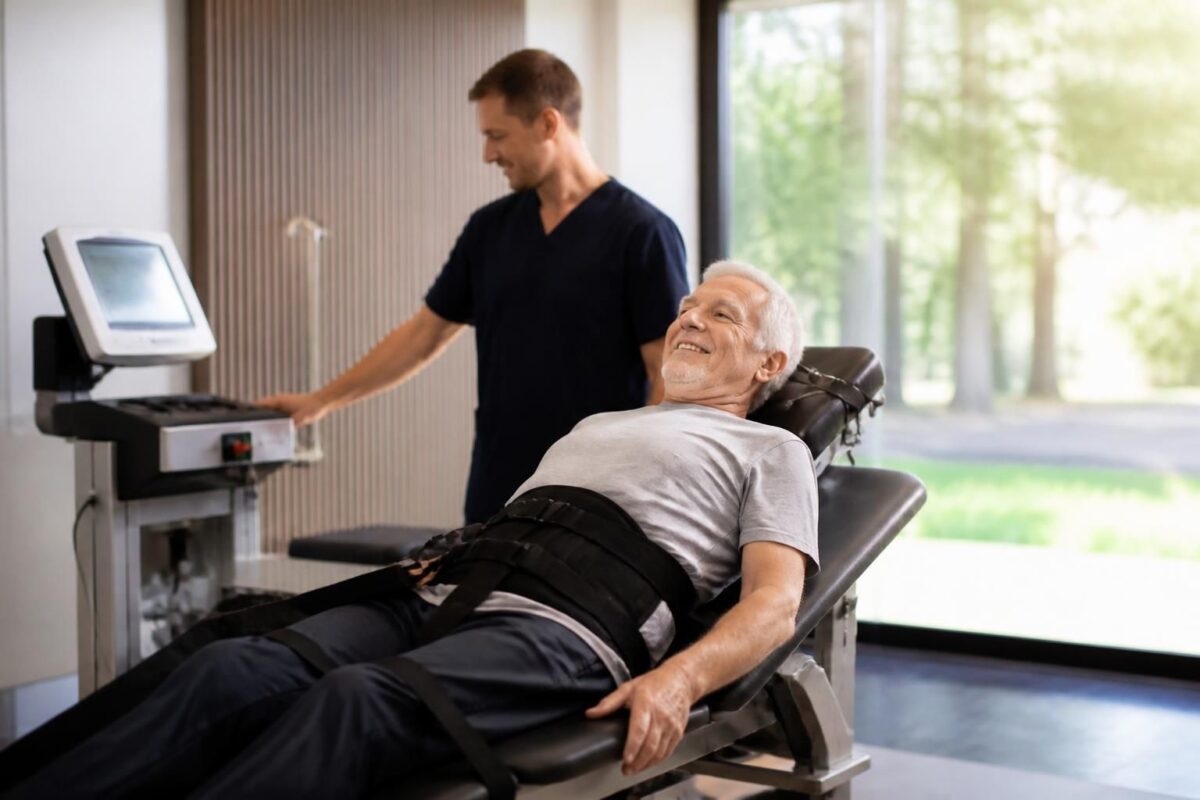
Why neurovertebral decompression is a lasting solution for active seniors
In short In short, the neurovertebral decompression is one Non-invasive therapy which sustainably relieves spinal pain in the spine active seniors By creating, by a Soft and controlled traction, a space between the vertebrae. At Montreal, it is recognized as…
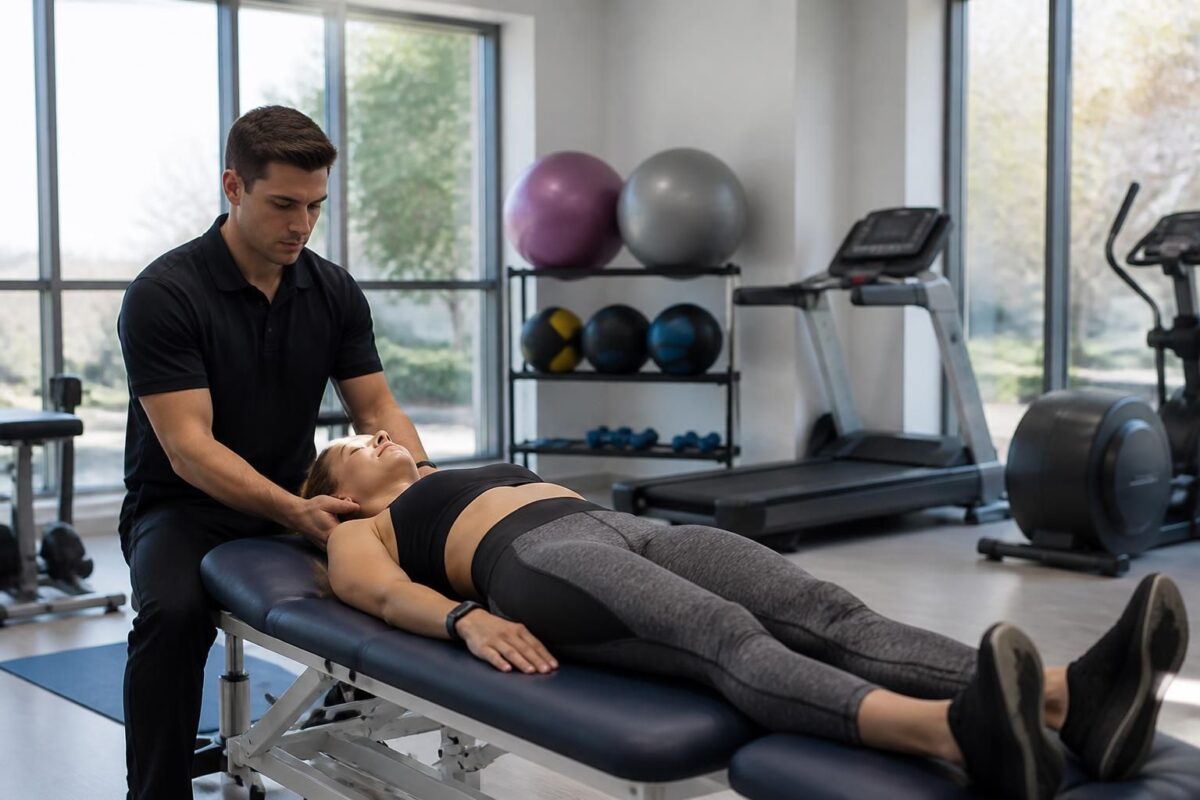
Neurovertebral decompression and recovery after severe sports injury
In short In short, the neurovertebral decompression is one Non-invasive method to Relieve the pressure on the Intervertebral discs and the gristle Via a Controlled traction, to facilitate the recovery After a severe sports injury. It improves the bloodstream towards…
Additional elements to maximize profits
To support the effect of decompression, back and trunk strengthening exercises, combining stability and flexibility, are essential. Targeted stretching of the muscles around the spine completes the gait. A conscious management of posture at work, during leisure and even during sports activities helps to stabilize the improvement obtained and to prevent future pain.
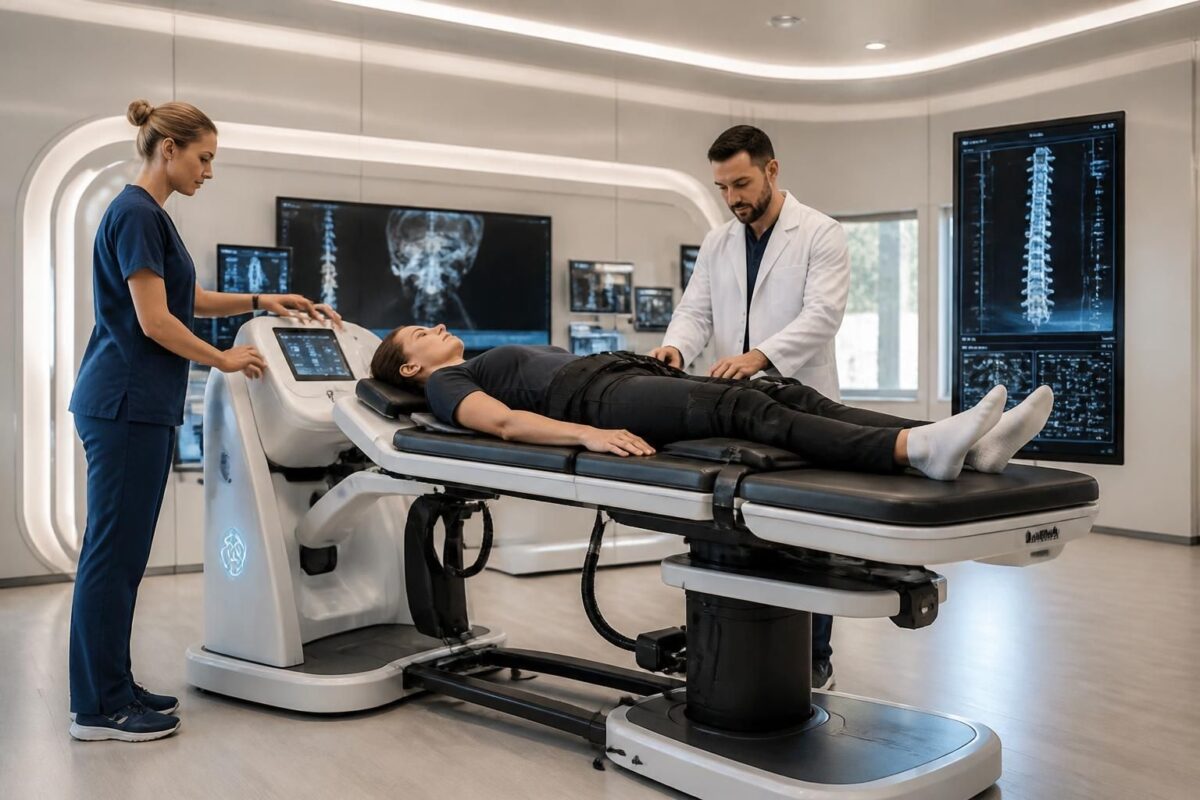
Recent innovations in neurovertebral decompression technologies
In short In short, the neurovertebral decompression is an approach non-invasive Aiming to reduce pressure on discs and nerves, and promote tissue regeneration. At Montreal, it is positioned as an effective option for lower back pain and herniated discs. The…
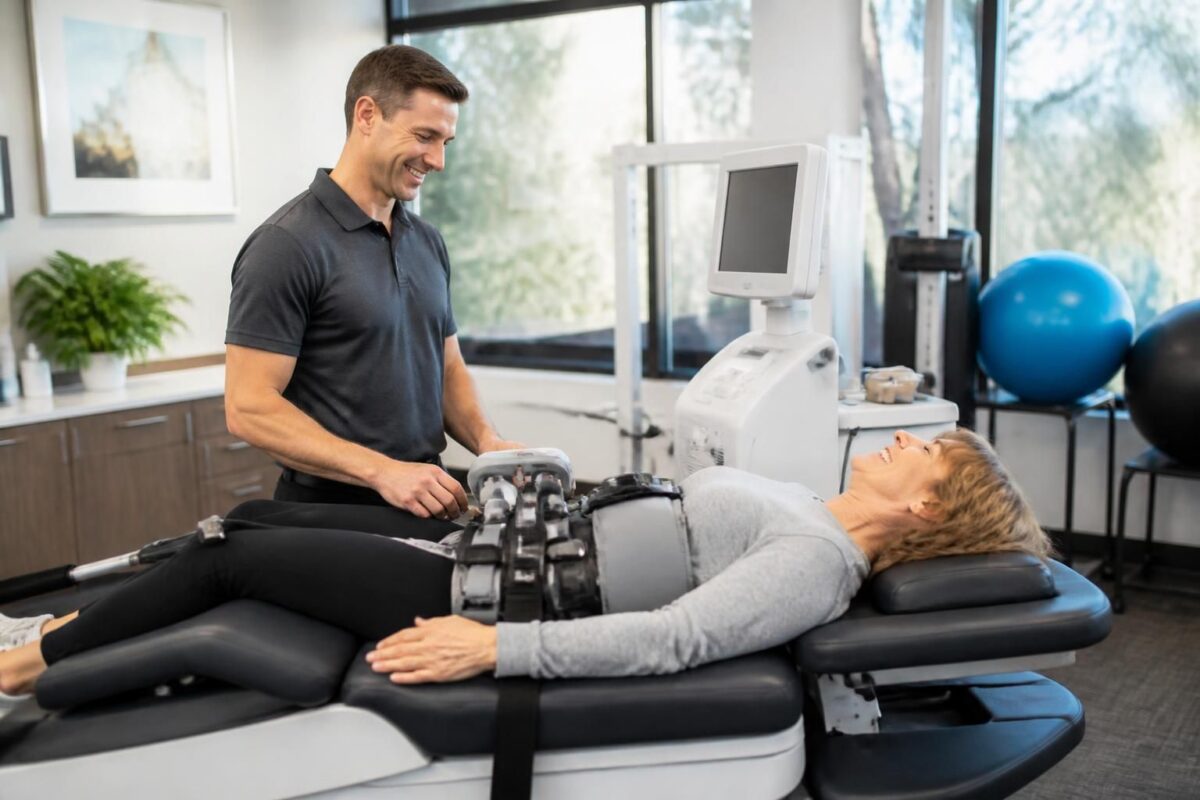
Neurovertebral decompression and diffuse pain: an appropriate solution
In short In short, the neurovertebral decompression is one Non-invasive solution For diffuse pain related to nerve irritation of the spine. She acts in Reducing pressure on intervertebral discs and nerves and improving the bloodstream, which promotes recovery and the…
Monitoring and evaluating progress
Tracking allows you to adjust the strategy based on results. Regular assessments of mobility, alignment and pain guide protocol and postural education adjustments. The goal is to achieve not only a temporary improvement, but a Balanced and sustainable posture which supports the quality of life on a daily basis.
| Axis of evaluation | posture impact |
|---|---|
| Mechanism of action | Controlled traction Reducing nerve pressure and helping to realign the column. |
| Effect on alignment | Realigns the column and corrects imbalances for a more natural posture. |
| Pain and posture | Reduces tensions linked to poor posture, facilitating the maintenance of a correct posture. |
| Mobility and movement | Improves amplitude and fluidity of daily movements. |
| Duration and rhythm | Progressive protocol over several weeks, around 15 to 25 sessions depending on the severity. |
| Postural education | Support with advice and exercises intended to stabilize postural gains. |
| Tolerance and accessibility | Non-invasive and gentle option, suitable for various profiles and patient sensitivity. |
| Limits and complementarity | integrated into a global program; May require other approaches for lasting results. |
Testimonials: neurovertebral decompression and posture – correcting imbalances
Here are authentic testimonials on the impact of the neurovertebral decompression To improve the posture and correct the Postural imbalances, in order to regain a better quality of life on a daily basis.
Mary, 46 years old Was exhausted by the lower back pain related to his office work. After several sessions, his posture has recovered clearly and his pain decreased, allowing him to sit longer without discomfort and find a mobility more fluid in everyday life.
David, 58 years old leads an active life but suffered from a continuous tension along the column. Following the treatment, he finds a better alignment vertebral and a reduction in tension, which allows him to keep a straight posture during his activities and to take full advantage of his moments with his grandchildren.
Lea, 29 years old is a dancer and needed a perfectly balanced body. Thanks to the neurovertebral decompression, its posture is more stable and its flexibility improved, which translates into better posture control and enhanced physical performance on stage.
Ahmed, 64 felt a feeling of heaviness in the walk due to postural unbalance. After the program, he feels younger in terms of displacement, his approach is more fluid and his pain decreases, which gives it a mobility found during daily activities.
Sophie, 37 years old Yoga teacher, needed postural support for her students and herself. the sessions strengthened his body perception and improved the posture general, allowing more precise demonstrations and a safer practice for her students and herself.
Julien, 52 years old Working on the move, suffered from pain related to a prolonged poor posture. After treatment, he experiences a pain reduction and a better stability Standing, which facilitates her working days and travels, without fear of painful outbreaks.
Dr. Sylvain Desforges, a certified osteopath and expert in manual medicine, puts an integrative approach at the heart of his practice intended to restore spinal alignment and correct postural imbalances. With a vision focused on health innovation, it combines osteopathy, naturopathy and advanced technologies to offer effective and evidence-based solutions, in order to optimize the well-being and mobility of everyone.
The neurovertebral decompression is distinguished by its character non-invasive and its targeted approach. Using a specialized device, controlled traction is applied to the spine to create a space between the vertebrae. This separation soothes the pressure exerted on the spinal nerves and improves the circulation of nutrients to the intervertebral tissues. The process aims not only to reduce pain but also to promote better mobility and lasting rebalancing of the spinal segments.
The correction of the posture Goes through the progressive rehabilitation of the spinal alignment and the rebalancing of the muscle chains that support the spine. By restoring a more natural vertical axis, decompression acts as a catalyst to reduce muscle tension, limit compensatory gestures and facilitate more fluid movements in everyday life. This approach allows, after a few sessions, to see a decrease in asymmetries and a general improvement in postural comfort.
Dr. Desforges takes a personalized approach, combining neurovertebral decompression and targeted physical therapy elements. It integrates, when necessary, complementary technologies such as laser and shockwave therapies to optimize the recovery process and promote increased resilience of spinal structures. This synergy makes it possible to address both pain, function and postural aesthetics, while minimizing risks and recovery times.
His approach is based on an in-depth assessment that identifies the precise causes of postural imbalances: daily habits, muscle tension, deep muscle imbalances and biomechanical factors. On this basis, he develops a Personalized treatment plan which combines decompression sessions, mobility exercises, trunk strengthening and postural advice adapted to the patient’s lifestyle. Postural education occupies a central place, in order to durably anchor gains and prevent recurrences.
The results sought go beyond immediate relief. They are aiming for a Lasting posture improvement, a Mobility found and an quality of life increased. By working on vertebral alignment and neuromuscular control, the patient can engage more serenely in his sports, professional and daily activities, while preventing recurrent pain linked to bad gestures or bad postures.
Dr. Desforges fully assumes his mission to support everyone towards a freer spine and a more balanced posture. Its commitment is based on evidence-based practices, attentive listening and clear communication about the objectives and expected results. Each course is designed to offer a better harmony between spinal structure, stabilizing muscles and lifestyle, in order to promote lasting well-being and a rediscovered natural posture.
This text summarizes how the neurovertebral decompression can act on the posture To correct the Postural imbalances and restore a harmonious spinal dynamic. By promoting a Natural Alignment From the column, this non-invasive approach soothes muscle tension and improves mobility, with positive impact on daily life and sports activities. Integrating postural advice, targeted exercises and professional follow-up optimizes results and contributes to sustainable well-being.
The neurovertebral decompression acts by creating a Space between the vertebrae, thanks to a Controlled traction which discharges the nerve structures and restructures the vertebral alignment. This essential mechanism makes it possible to reduce muscle tension associated with poor postures and to improve the mobility global column. For those who suffer from pain related to postural imbalances, this approach offers a non-invasive pathway to re-start a more effective spinal function and to permanently reduce discomfort.
Beyond simple relief, the technique actively contributes to postural rehabilitation. By restoring thePostural balance, it facilitates the realignment of the rib cage and cervical spine, which reduces accumulated tension and prevents injuries associated with inadequate posture. This column reharmonization promotes better dynamic stability during daily gestures and sports activities, especially when reinforcement and flexibility programs are associated.
To understand the framework and indications of this therapy, you can consult various resources that describe the mechanisms and benefits on posture and pain. The neurovertebral decompression Is presented as a non-surgical option that aims to reduce nerve pressure by rebalancing the spine. Practical guides and testimonials for improving posture and postural comfort can be viewed on dedicated sites such as tagmed and other specialized resources.
Additional resources highlight the impact of decompression on specific posture-related conditions, such as nocturnal pain or cervical and lumbar spinal pain. For example, articles detail how this approach can help in case of nocturnal pain and how it can be integrated into rehabilitation protocols after a back injury. Explore these elements to understand how decompression fits into a global and personalized care pathway: Nocturnal pain, rehabilitation after injury.
For athletes and active people, decompression can be integrated into recovery and postural rehabilitation protocols, supporting mobility and performance while reducing the risk of recurrences. Specialized analyzes and testimonies present the benefits in these contexts, particularly in connection with the prevention and improvement of posture during the effort: athletes, Spinal stenosis.
To go further in the nuances and mechanisms of action, you can consult the technical resources and analyzes that describe how chronic nervous tensions and musculoskeletal imbalances respond to decompression. Specialized resources expose the mechanisms and effects of complementary postural adjustments that support the gains from spinal traction: Musculoskeletal imbalances, Postural alignment.
Finally, for a clear and operational vision of integration into a global health approach, do not hesitate to explore resources that present the links between decompression, alignment and posture on a daily basis. The objective is to establish a lasting routine that combines therapy, postural education and exercises, in order to maintain the benefits acquired during the sessions and to prevent relapses. Practical and educational perspectives are accessible via articles and reference guides on the subject.

Dr Sylvain Desforges, B.Sc., D.O., N.D., osteopath, is the founding president of TAGMED and of the ACMA association. He dedicates his practice to chronic spinal pain, low back pain and symptoms compatible with sciatica, particularly when pain radiates toward the buttock, leg, calf, foot or toes.
Through SOS Sciatique, he publishes educational content on sciatica symptoms, possible causes such as disc herniation, disc narrowing, foraminal stenosis or irritation of a lumbar nerve root, as well as non-surgical approaches that may be considered according to the evaluation. At Clinique TAGMED, care may include, depending on the case, motorized neurovertebral decompression, specific osteopathic care or precision percussion.
For an evaluation related to sciatica treatment in Montreal / Mount Royal or sciatica treatment in Terrebonne, please consult the services available at Clinique TAGMED.
Medical disclaimer
The information published on SOS Sciatique is provided for educational purposes only and does not replace a consultation, diagnosis, opinion or treatment provided by a physician or another authorized healthcare professional. The author of this article is neither a medical doctor nor a specialist in a medical specialty recognized by the Collège des médecins du Québec. The osteopathic, manual medicine or functional support approaches described on this site do not constitute medical acts and are not intended to replace medical follow-up.
Consult a physician or emergency service in cases of loss of bladder or bowel control, anesthesia in the saddle area, significant or progressive weakness in the leg or foot, fever, recent trauma, severe pain or rapid worsening of symptoms. For more details, please read our Legal Notice.