Neurovertebral decompression and posture: correcting imbalances
26/06/2026
Neurovertebral decompression and mechanical pain: a natural solution
26/06/2026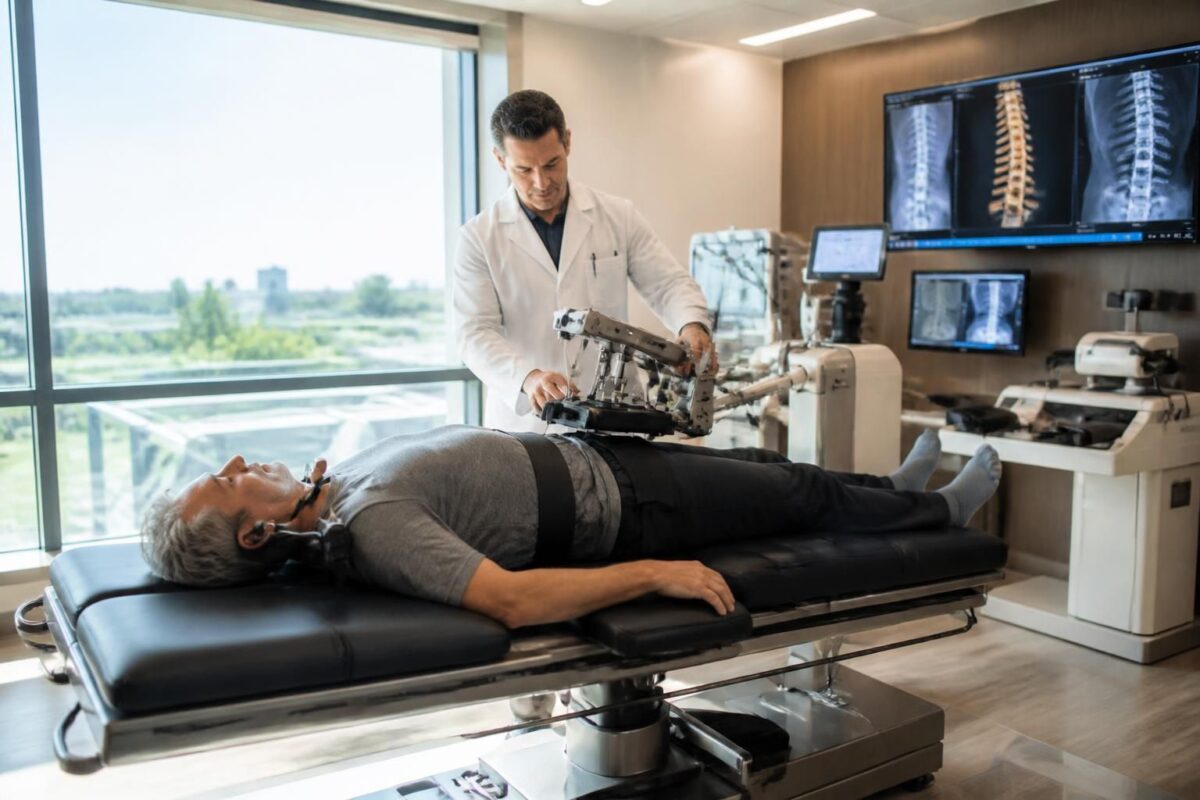
In short
|
Neurovertebral decompression is an approach that aims to reduce pressure on the spinal cord and the gristle of the spine. It can be practiced by methods non-surgical or Mini-invasive, depending on the context. Advantages and applications: it allows the relief of back pain and cervical related to herniated discs and at the nervous compression, improving the disc space and reducing the pressure on the nerves, while preserving mobility and avoiding heavy surgery. how it works: the treatment is based on a Controlled traction and precise guidance that increases the space between the vertebrae, promotes Disc rehydration and decrease the pressure on the nerve roots. Local: In Montreal, this service is particularly recommended for lower back pain related to Intervertebral discs And some herniated discs. |
Here is a brief overview of modern techniques of neurovertebral decompression, explained in a clear and patient-oriented way.
- Non-surgical decompression : Use of controlled traction to create a space between the vertebrae, thus reducing the pressure on the nerves and marrow. The process promotes disc rehydration and can help reduce pain and improve mobility.
- Modern technology and devices : Precise distraction systems allow you to apply the necessary forces without overstimulation of the muscles, with careful control of traction parameters and duration of treatment.
- Indications and therapeutic choices : The type of decompression depends on the location and degree of lesion. In case of greater nerve compression, a surgical approach is frequently considered to directly release the root.
- Surgical decompression : targeted interventions which may include a discectomy (partially or completely remove the herniated disc) or a laminectomy (access to the marrow or nerve root). the techniques Mini-invasive are preferred when possible to reduce trauma.
- What this implies for you : Better pain reduction, function improvement and faster resumption of daily activities, always after assessment and advice from a health professional.
This article presents modern techniques of neurovertebral decompression, their foundations, their indications and the options available. It explains non-surgical and surgical approaches, selection criteria and points to discuss with your healthcare professional. The objective is to provide clear and useful information to understand the possibilities of management around pain and spinal disorders.
What is neurovertebral decompression?
The neurovertebral decompression aims to reduce the pressure exerted on the spinal cord and on the nerves through the spine. This pressure reduction can be achieved by non-surgical methods or by surgery, depending on the location and severity of the lesion. The goal is to improve the space around the discs and nerve roots to relieve symptoms. For an overview, you can consult the available resources on this topic, including those with non-invasive care.. Non-invasive decompression.
Modern non-surgical techniques
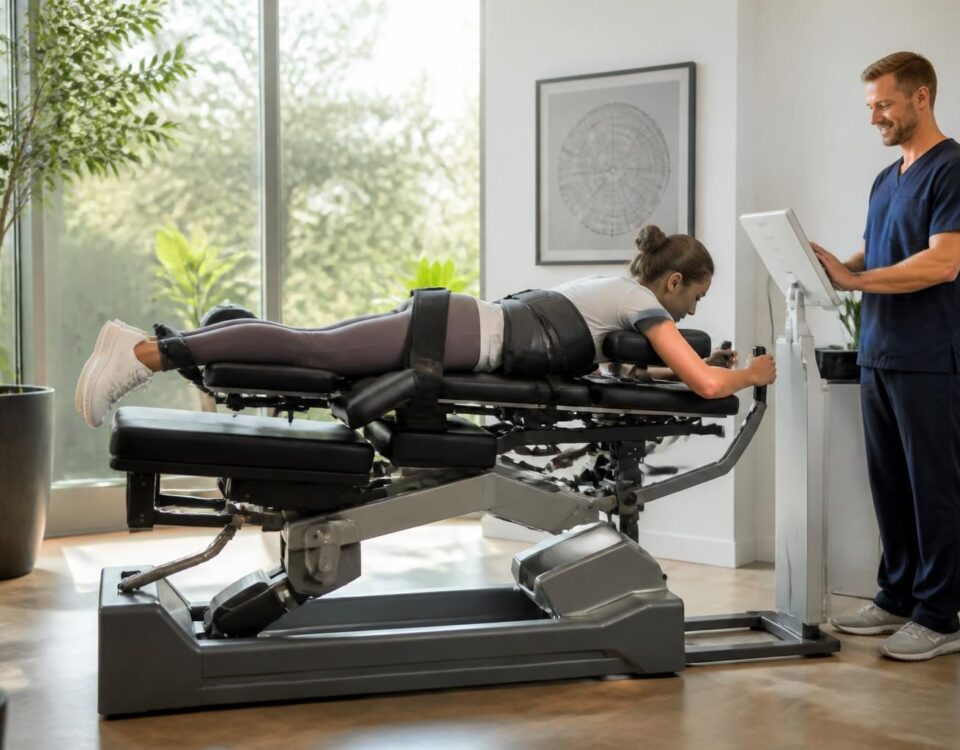
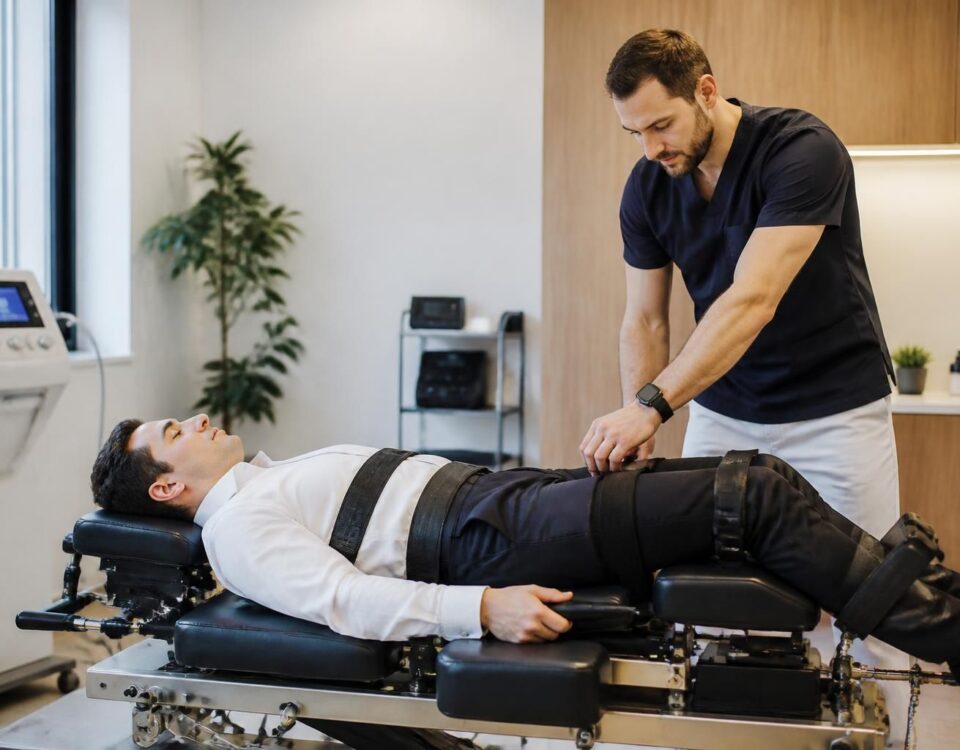
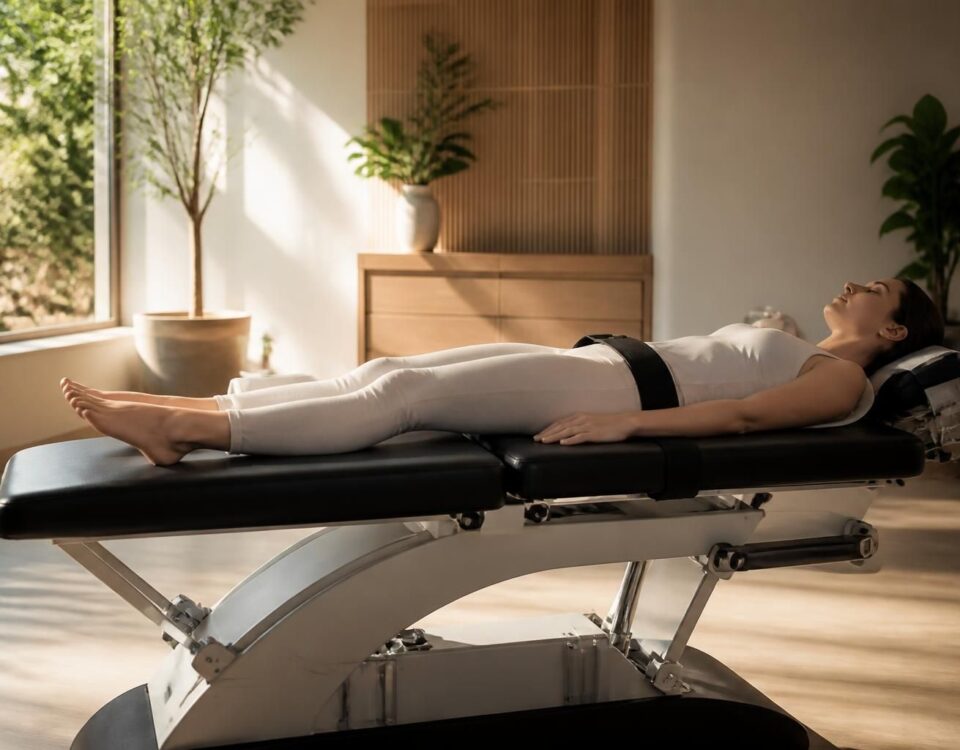
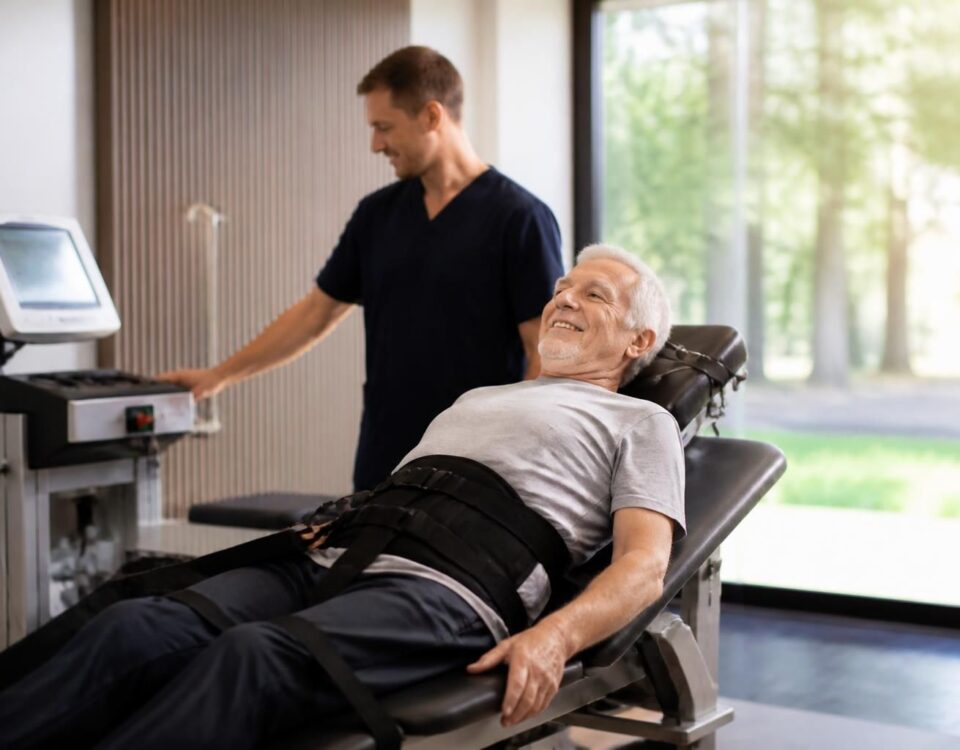
Modern non-surgical techniques use controlled traction and precise protocols to create space between the vertebrae. This mechanism allows a redistribution of the internal pressures of the discs and can promote rehydration and better function of the tissues around the nerves. The approach is adapted to certain clinical scenarios, and current protocols are aimed at patient safety and comfort. For a general presentation of this approach, see Specialized Resources. Modern approach.
Information on mechanisms, indications and results vary. Depending on the available sources, efficacy may depend on the location of the lesion and the patient’s profile. For updates and consultation criteria, see the dedicated pages. When to consult for acute pain and Impact on disk regeneration.
Indications and safety
Neurovertebral decompression may be indicated in some cases of back pain, herniated discs and nerve restrictions. However, the results depend on the clinical context. It is essential to assess the risks and benefits with a health professional and to avoid any inappropriate therapy. For practical signs and advice on evaluation, refer to the resources that explain the indications and timelines for consultation. When to consult.
Comparison with surgical options
In some cases, surgical decompression may be considered when symptoms persist or worsen despite conservative treatment. Surgery may involve interventions such as discectomy or laminectomy depending on the location and magnitude of compression. This information is discussed in specialized resources on surgical options and observed results. To explore these options, see the resources associated with decompression discussions and related procedures. discectomy and Laminectomy and other approaches.
Management strategies proposed by TagMed Clinics
TagMed clinics offer integrated protocols that combine assessment, neurovertebral decompression and overall pain management. These approaches are available in Montreal and Terrebonne and can be part of a multidisciplinary framework adapted to each patient. For more information, please see Tagmed Clinic.
To deepen the practical aspects and current protocols, you can consult the following documents and resources: Current protocols, Related Resources, and Additional resources.
Notice of medical disclaimer to read at the bottom of the page.
Medical Disclaimer: The information and advice provided on this site does not replace the health professional’s diagnosis or treatment. Please note that Dr. Sylvain Desforges osteopath is neither a doctor of medicine nor a doctor, and is not a specialist in a medical specialty as defined by the Collège des Médecins du Québec. Manual medicine, functional medicine and sports medicine as described on this site exclude any medical treatment or diagnosis made by a doctor or specialist doctor. Always consult your doctor for any medical questions. For more details, please read our full legal notice. »
- Non-surgical decompression: Controlled traction and vertebral distraction
- desired effect: intervertebral space and Disc rehydration
- Profit: pressure reduction on edge
- Profile: security and Low invasiveness
- Limits: Evidence limited
- Minimally invasive approach: Partial discectomy or total
- Additional options: laminectomy and foraminotomy
- Advantage: Quick decompression channel
- Risks: postoperative pain, infection, instability
- Selection: According to location and severity

This article presents modern techniques of neurovertebral decompression, whether non-surgical or minimally invasive, explaining the mechanisms, indications and essential points to consider. you will discover how these approaches aim to reduce the pressure on the spinal cord and the nerve roots, to relieve pain and promote function, while emphasizing the importance of an accurate diagnosis and appropriate follow-up.
Understand the fundamentals
The neurovertebral decompression Consists of reducing the pressure at the level of the nerve structures of the spine. Depending on the location and nature of the lesion, it may aim for a gap between the vertebrae or the release of a material that compresses the nerve root or marrow. The most common indications include lumbar and cervical pain related to a slipped disc, a disc degeneration, or conditions like lumbar stenosis. Therapeutic choices depend on the location of compression, severity of symptoms and recovery goals, after a thorough clinical and radiological evaluation.
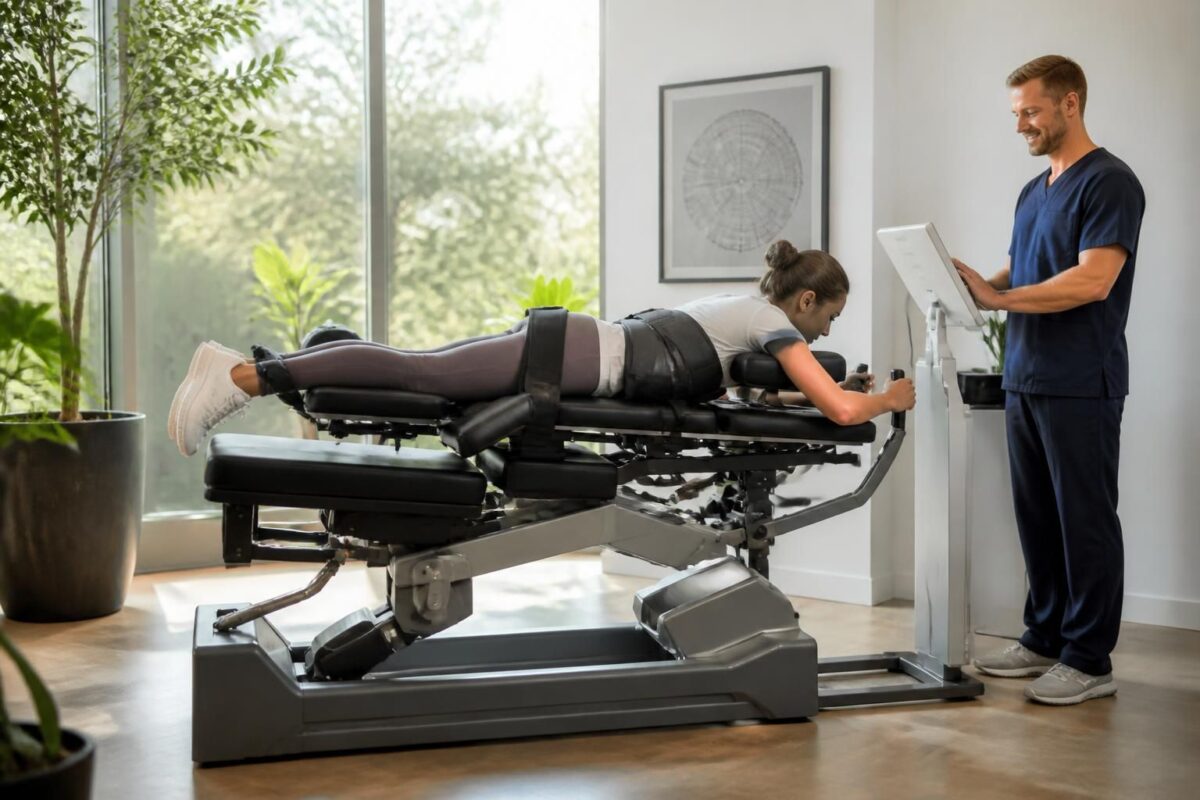
The long-term benefits of neurovertebral decompression for spinal health
In short In short, the neurovertebral decompression is a non-invasive approach that decreases the Pressure on intervertebral discs and nerves, favoring the Natural regeneration and tissue recovery. Its long-term benefits include Lasting pain reduction, Improving mobility and from the posture,…
Modern non-surgical techniques
Non-surgical axial decompression and controlled traction
This approach uses a guided mobilization of tractive forces to create an intervertebral space and promote the decrease in pressure on the nerves. The goal is to get a negative pressure in the discs, contributing to their rehydration and, potentially, to tissue regeneration. Modern protocols are based on precise control of traction parameters and careful monitoring of the patient. However, the available clinical evidence shows variable results depending on the indication and the patient, which requires careful selection and assessment of potential benefits for each case.
Rehabilitation and associated therapies
Non-surgical techniques are often part of a global rehabilitation framework: reinforcement of the core, improvement of posture and mobility, work on ergonomics and appropriate physical activity. A personalized program combining exercises, postural advice and gradual progression of activities can improve results and limit the risks of recurrence. The objective is to support decompression through lasting functional adaptations and to promote progressive recovery without systematic recourse to surgery.

Neurovertebral decompression and mobility: a return to an active life
In short In short, the neurovertebral decompression is therapy non-invasive who uses a gentle traction To create a space between the vertebrae and reduce the pressure on the Intervertebral discs and the nerves. It promotes a bloodstream improved, lowers tension…
minimally invasive surgical techniques
Targeted discectomy and root release
When compression results from a disc fragment or localized narrowing around a nerve root, a Partial discectomy Can be considered to remove compression material. This intervention is most often carried out by minimally invasive routes in order to limit damage to neighboring tissues and accelerate recovery. It can offer rapid improvement in root pain and function, but involves risks specific to any surgery and is not suitable for all forms of central compression.
Laminectomy and central decompression
In the event of diffuse compression of the marrow or ponytail, a laminectomy May be necessary to remove a portion of lamina and free up the vertebral space. This approach is generally reserved for situations where compression is central and severe. Although modern techniques aim to limit invasiveness, this surgery involves structural implications and requires an active rehabilitation phase to optimize recovery and reduce the risk of recurrence.
pre- and post-operative
Before any intervention, a complete assessment is essential (imaging, neurological evaluation, comorbidities). After the intervention, a rehabilitation and follow-up protocol is essential: restoration of mobility, progressive reinforcement, progressive returns to the activity and monitoring of potential complications. The choice between a non-surgical approach and surgery largely depends on the exact location of the compression, its functional impact and the patient’s goals.
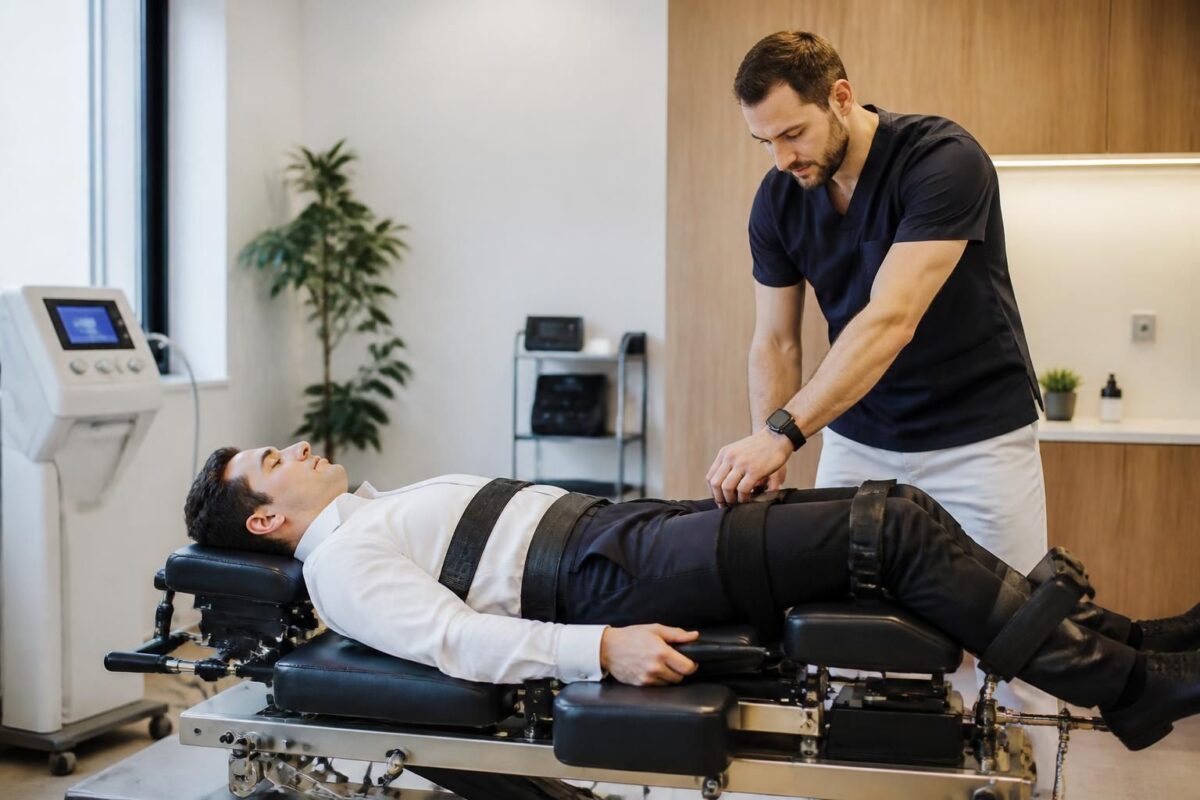
How Neurovertebral Decompression Prevents Diffuse Chronic Pain
In short decompression neurovertebral is one Non-invasive method aimed at reducing the Pressure on the intervertebral discs and the nerves, in order to prevent Diffuse chronic pain. It improves the circulation and thedisc hydration, decreases inflammation and promotes better mobility.…
Key elements to guide the choice between non-surgical and surgical
The decision-making must take into account the location of the lesion (root vs. spinal cord), the severity and progression of symptoms, the impact on the quality of life and the patient’s preferences. The Evidence available vary depending on the case and indications; Some situations clearly benefit from a minimally invasive surgical approach, others lend themselves better to a conservative approach combining rehabilitation and pain management. A structured dialogue with a specialist will make it possible to assess the risks, benefits and alternatives adapted to each profile.
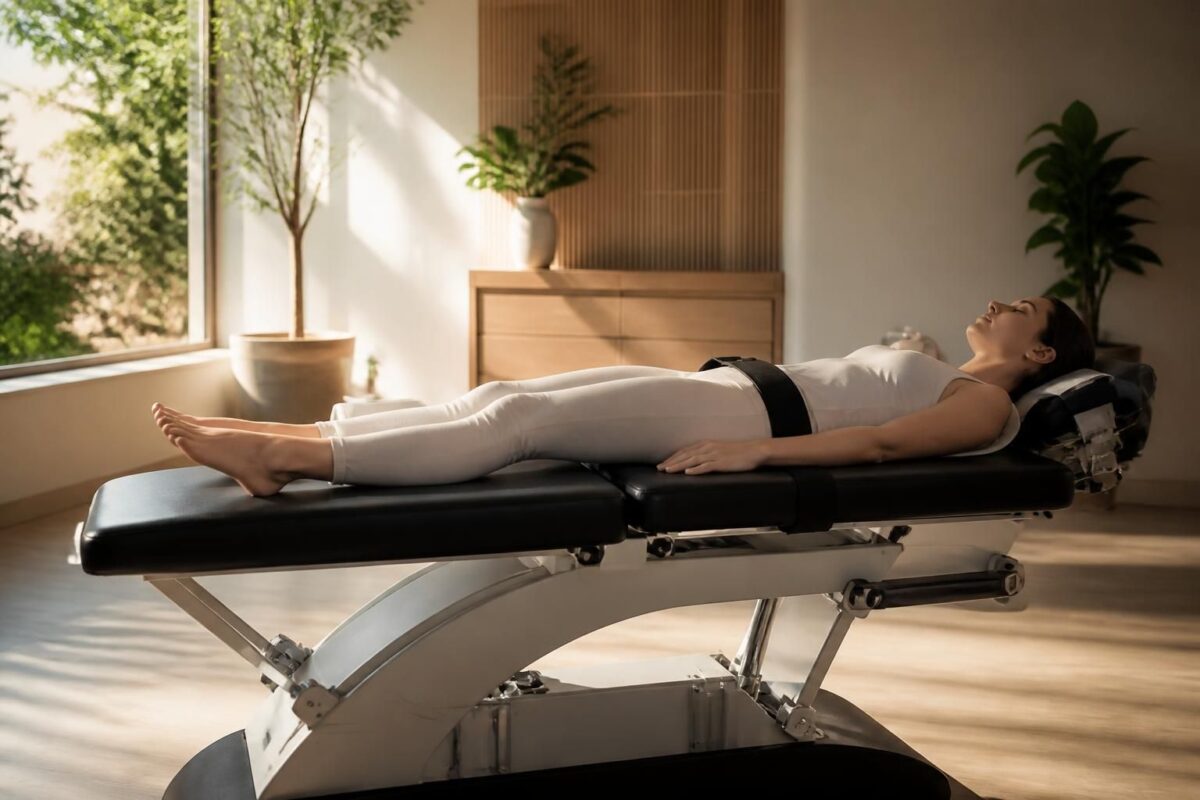
Neurovertebral Decompression and Body Alignment: Restoring Natural Balance
In short In short, neurovertebral decompression is one Non-invasive approach who restores theBody Alignment and thenatural balance back and neck. She acts by a Controlled traction of the spine to widen the intervertebral space and reduce the Pressure on discs…
Recent developments and innovations
Guided imaging and planning
Advances in imaging and surgical planning make it possible to better locate decompression areas and anticipate intervention trajectories, thus reducing risks and improving the accuracy of the gesture.
Rehabilitation technologies and protocols
Real-time monitoring and tracking systems, motion sensors and personalized rehabilitation programs facilitate faster recovery and better recurrence prevention, while adjusting treatment based on patient progress.
Long-term follow-up and prevention
Prolonged monitoring and lifestyle advice (regular physical activity, weight management, ergonomics) complete the interventions, helping to maintain functional gains and reduce the risk of new pressures on nerve structures.
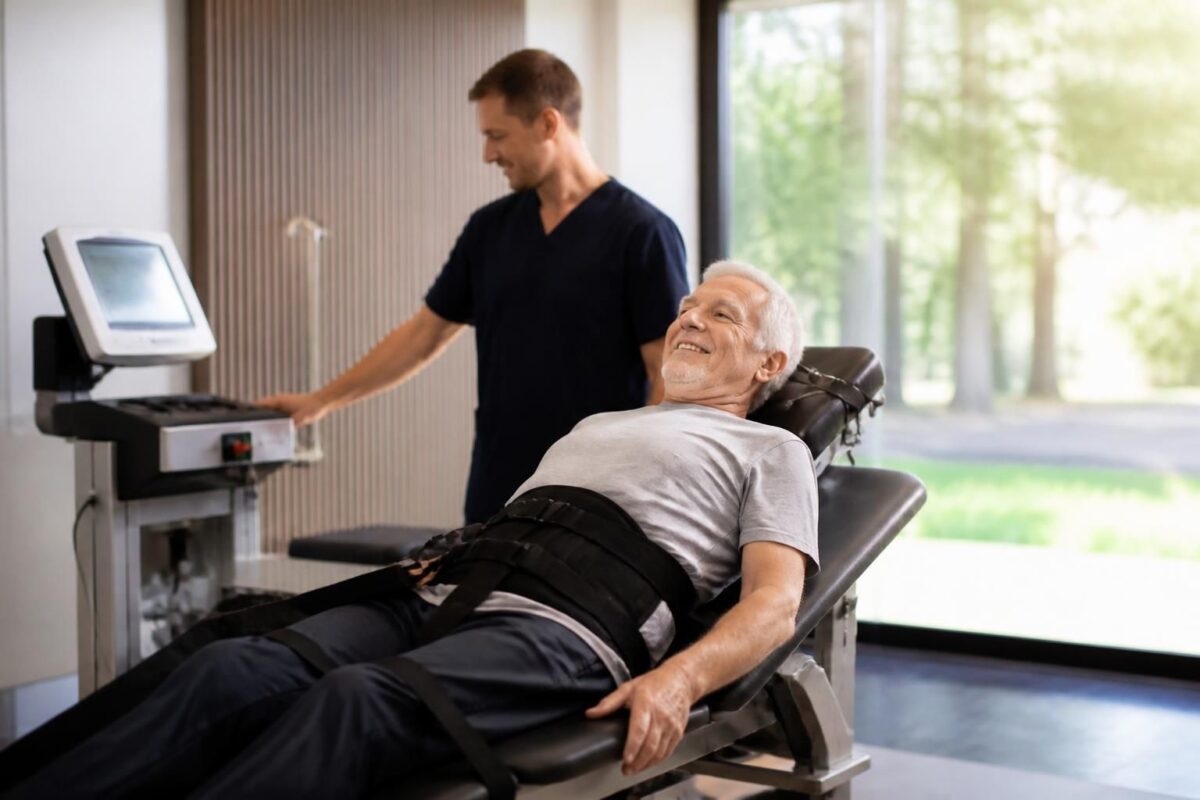
Why neurovertebral decompression is a lasting solution for active seniors
In short In short, the neurovertebral decompression is one Non-invasive therapy which sustainably relieves spinal pain in the spine active seniors By creating, by a Soft and controlled traction, a space between the vertebrae. At Montreal, it is recognized as…
Modern techniques of neurovertebral decompression explained
| Technical | Description |
|---|---|
| Non-surgical neurovertebral decompression | axial traction controlled to increase the disc space and decrease the nerve pressure, without surgery. |
| Imaging guided intervertebral distraction | Distraction Guided by imaging creating a targeted intervertebral space and promoting the Disc rehydration. |
| Microsurgical discectomy | Microsurgical discectomy remove part of the disk To free the nerve root compressed. |
| Endoscopic discectomy | Endoscopic discectomy Removes the herniated disc via a endoscope With an approach Mini-invasive. |
| Minimally invasive laminectomy | Targeted resection of part of the vertebra To clear the spinal cord where the roots nervous. |
| Microsurgical Foraminotomy | expands the foram intervertebral to release the nerve root compressed. |
| decompression by laser disc | Use it laser To reduce the disc mass and the nervous pressure. |
| Spinal endoscopic decompression | Approach endoscopic targeted with Minimum incision to release compressive structures. |
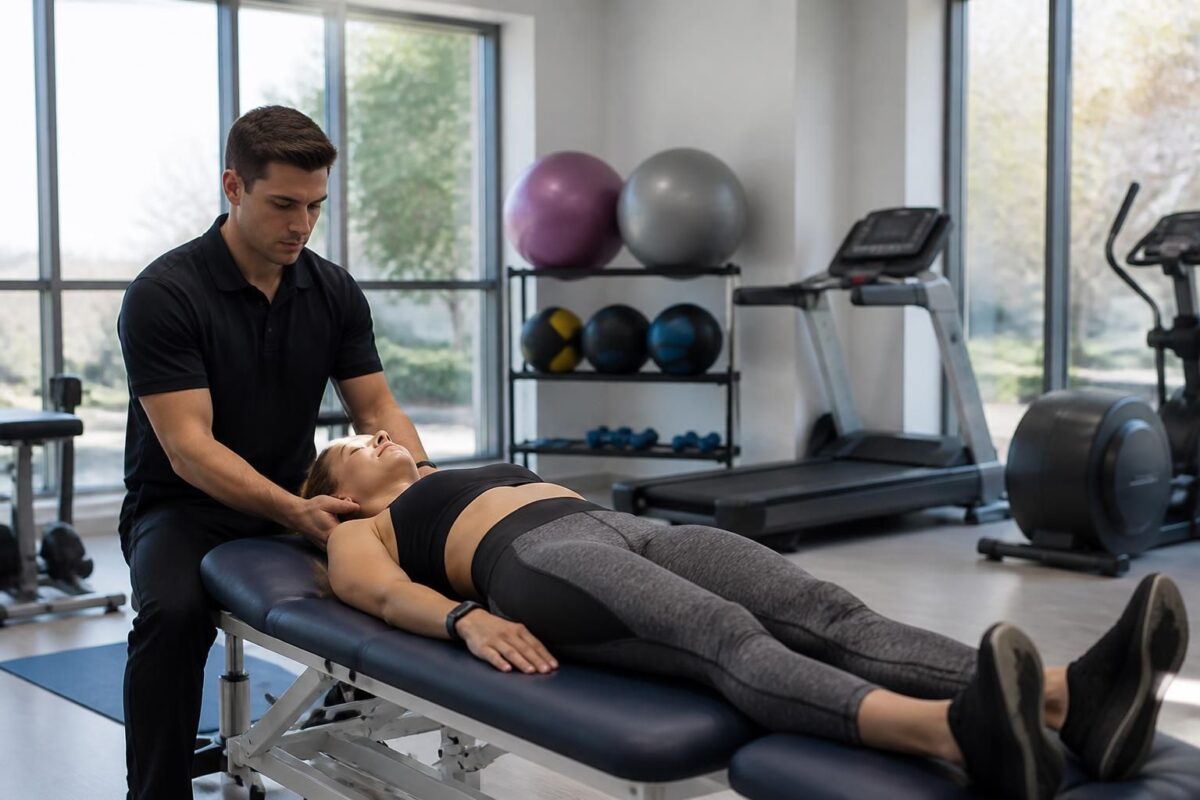
Neurovertebral decompression and recovery after severe sports injury
In short In short, the neurovertebral decompression is one Non-invasive method to Relieve the pressure on the Intervertebral discs and the gristle Via a Controlled traction, to facilitate the recovery After a severe sports injury. It improves the bloodstream towards…
Testimonials on modern techniques of neurovertebral decompression explained
Since the adoption of contemporary approaches to neurovertebral decompression, many patients find a significant improvement in their pain and mobility. Here are testimonials that illustrate these results, without systematic use of surgery.
Marie, 38 years old: “After months of lower back pain, I discovered a method non-surgical decompression. The establishment of a space between the vertebrae and the precise management of the traction forces allowed me to feel a real reduction in the pressure on the nerves and, with it, a marked reduction in my pain. »
Pierre, 46 years old: “I suffered from a slipped disc which limited my daily activities. Thanks to a modern decompression approach, my discs have been better hydrated and the disc has regained volume, which decreased the compression on my nerve root and allowed me to resume my movements without constant pain.”
Julie, 55: “My doctor explained to me the mechanisms behind decompression and I was impressed by the clarity of the explanations. I have experienced sessions that aim to reduce the pressure around the nerves in a progressive way, which allowed me to regain feelings of freedom in the back and buttocks without having to resort to surgery.
Thomas, 29: “As a sportsman, I was apprehensive about an invasive intervention. Modern decompression techniques have given me a safe and effective way to ward off sciatic pain and reconnect with my workouts. I found stability and endurance that seemed out of reach not long ago.
Lucie, 62: “With osteoarthritis and the stiffness of everyday life, I had lost a large part of my quality of life. Modern decompression sessions have improved my mobility and comfort, and I was able to undertake activities that I was sure I could no longer do. It has become a key part of my well-being.”
Antoine, 40 years old: “I particularly appreciate how professionals explain the options available and the objectives of each step. Neurovertebral decompression is presented as an evolutionary line of action, and I liked being able to follow the progress and understand how each session acts on the spine and on the pain.”
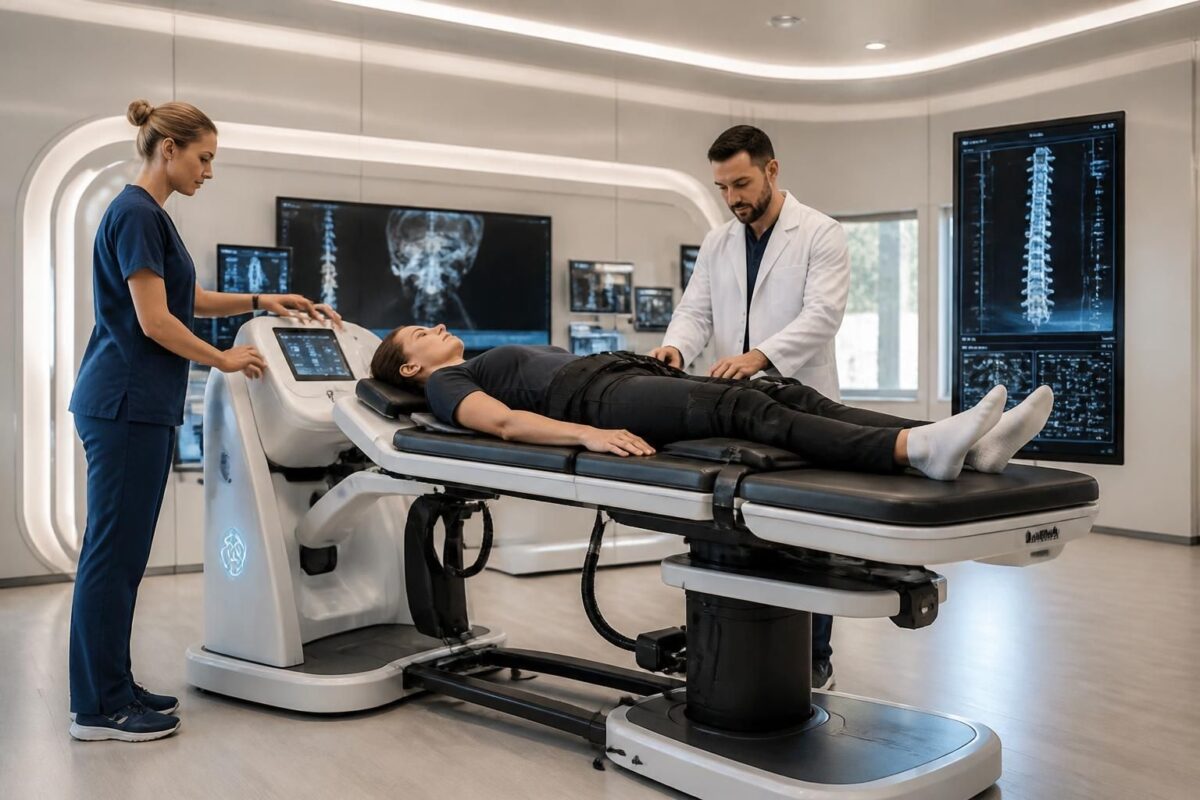
Recent innovations in neurovertebral decompression technologies
In short In short, the neurovertebral decompression is an approach non-invasive Aiming to reduce pressure on discs and nerves, and promote tissue regeneration. At Montreal, it is positioned as an effective option for lower back pain and herniated discs. The…
Modern techniques of neurovertebral decompression explained
Dr. Sylvain Desforges is a osteopath Recognized, expert in manual medicine and naturopathy, whose action is part of a resolutely modern approach to musculoskeletal health. At the head of the TagMed clinics and the ACMA association, he carries a vision focused on innovation and evidence-based care. His approach is centered on the management of Chronic pain and the integration of advanced technologies to sustainably improve the daily lives of patients.
The Modern techniques of neurovertebral decompression Today combine precise clinical evaluations and appropriate devices, in order to relieve the pathologies linked to the spine. The process begins with a Personalized evaluation, including symptom observation, neurological examination and, when necessary, targeted imaging. This step makes it possible to determine whether a non-surgical approach can be preferred or whether a more targeted intervention is necessary. This orientation is based on a balance between security, tolerance and recovery potential.
In his practice, Dr. Desforges favors methods non-surgical decompression, based on a Controlled traction and precise. These techniques create a space between the vertebrae and thus reduce the pressure exerted on the nerve roots and the intervertebral discs. The objective is twofold: to reduce the pain and promote the restoration of functions, while allowing Rehydration and disc regeneration when clinical conditions permit. The device used applies measured forces adapted to the patient’s profile, avoiding prosthetic muscle contractions which can limit the results.
When signs of progressive compression remain or affect critical structures, the options Mini-invasive become relevant. Surgical decompression can then be considered, with procedures such as discectomy (partial or total removal of the herniated disc to release a nerve root) or the laminectomy (removal of part of a vertebra to widen the spinal canal). The choice of method depends on the exact location of the lesion and its degree, and is always done after an in-depth discussion with the patient and a clear assessment of risks and benefits.
Beyond the technique itself, Dr. Desforges endeavors to propose a Integrated approach which combines decompression, rehabilitation and complementary technologies. The integration of laser And shockwave therapy, for example, can enhance the effects of treatments and accompany functional recovery. Each protocol is designed to be personalized, with measurable objectives and regular monitoring to adjust the sessions according to the evolution of the patient.
Driven by a clear mission, Dr. Desforges is committed to delivering care evidence-based and optimize the health and well-being of its patients. His approach focuses on security, efficiency and transparency, while offering concrete prospects for relief and sustainable improvement. To discover its approach and the services offered, contact the TagMed clinics and benefit from tailor-made support.
This text offers a clear panorama of Modern techniques of neurovertebral decompression, distinguishing the approaches non-surgical and Mini-invasive, their mechanisms of action and their clinical indications, without concluding but providing resources to deepen each method.
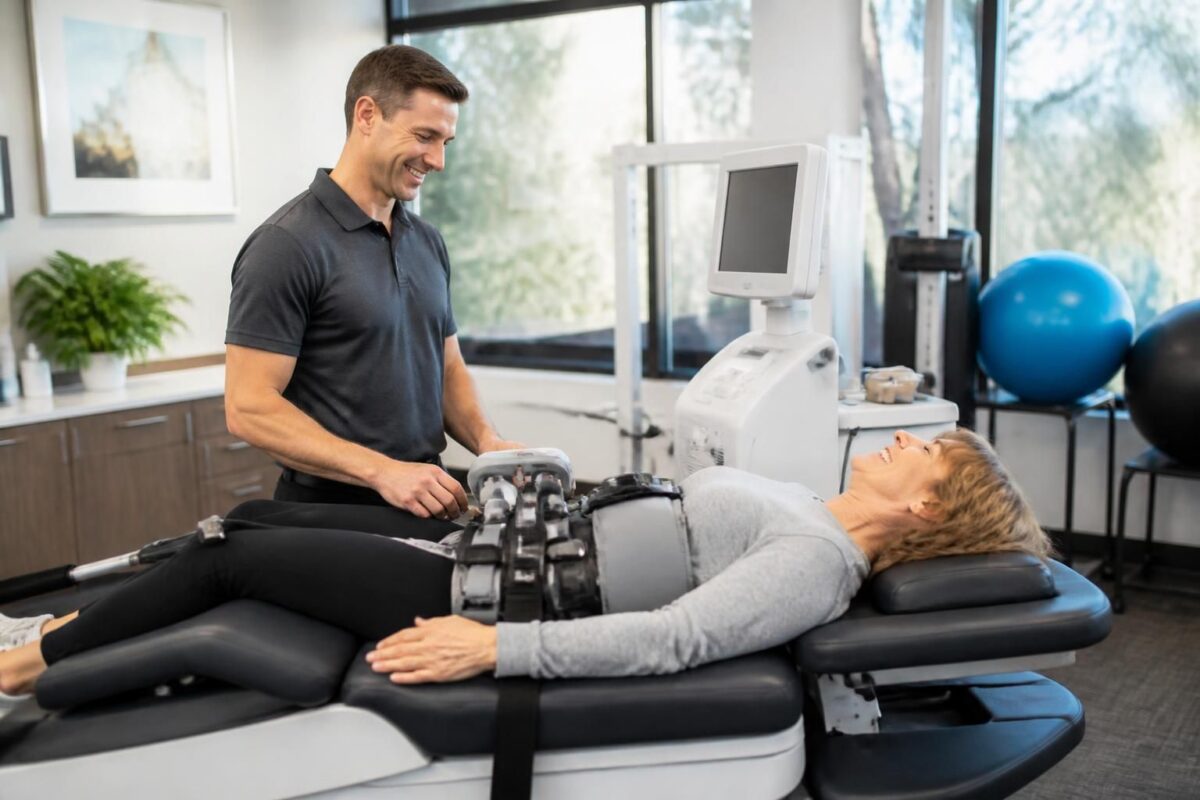
Neurovertebral decompression and diffuse pain: an appropriate solution
In short In short, the neurovertebral decompression is one Non-invasive solution For diffuse pain related to nerve irritation of the spine. She acts in Reducing pressure on intervertebral discs and nerves and improving the bloodstream, which promotes recovery and the…
Panorama of modern techniques
the approaches non-surgical rest on controlled distraction of the spine, creating a space between the vertebrae and promoting the rehydration of the discs. This dynamic can help reduce the pressure on the nerves and relieve lumbar and root pain, while avoiding surgery. For a general view, see the encyclopedic article on neurovertebral decompression and discover the modern technologies that are revolutionizing the field.
the techniques Mini-invasive Combine decompression elements with lighter surgical approaches, aiming for trauma reduction and faster recovery. They are based on specific protocols and appropriate planning for each patient. For detailed explanations, see the resources presented on Techniques explained.
Mechanisms of action and physiological bases
At the heart of the processes is the Reduction in intradiscal pressure and improving the mobility of spinal structures, which can promote fluid circulation and disc nutrition. This action can also reduce the tension exerted on the nerve roots and contribute to a reduction in pain. Specialized resources describe these mechanisms and their clinical implications on various populations and in different pathological contexts, including lumbar and root.
exchanges and external articles analyze the effects observed on the lumbar pain and the spinal circulation, offering perspectives on functional outcomes and limitations of non-surgical and minimally invasive approaches. To learn more, check out resources like Chronic lower back pain — Durable solution and Improved spinal circulation.
For a global approach, you can also refer to specialized analyzes of techniques and results in independent sources dedicated to the neurovertebral decompression and its applications.
Indications and choice parameters
Typical indications concern slipped disc, facet syndromes and radicular or spinal cord compressions associated with persistent pain. The choice between an approach non-surgical and an approach Mini-invasive Depends on location and degree of injury, functional goals and patient profile. Clinical evidence varies depending on the context and type of decompression used, hence the importance of an individualized assessment by the specialist.
To enrich your understanding, see in particular resources that explain the techniques used during the sessions and the technologies currently used, such as The techniques used in the sessions and modern technologies.
Efficiency, evidence and limitations
The results reported in clinical practice show improvements in some patients, while other populations have more modest benefits. The variability of the results reflects in particular differences in the location of the lesions, the type of decompression and the protocols followed. It is crucial to consider the limits of the evidence and to rely on an appropriate assessment in each case, in addition to the above specialized resources.
To deepen safety and monitoring aspects, online resources provide analysis on the impact of decompressions on sleep, chronic pain and quality of life, such as those available on dedicated sites sleep quality and the management of periodic pain.
Disclaimer: This information does not replace personalized medical advice. A consultation with a health professional is necessary to determine the most appropriate approach to your situation.
To learn more, you can consult the following resources: Wikipedia — Neurovertebral decompression, Modern techniques explained, Lower back pain — Durable solution and Improved spinal circulation.

Dr Sylvain Desforges, B.Sc., D.O., N.D., osteopath, is the founding president of TAGMED and of the ACMA association. He dedicates his practice to chronic spinal pain, low back pain and symptoms compatible with sciatica, particularly when pain radiates toward the buttock, leg, calf, foot or toes.
Through SOS Sciatique, he publishes educational content on sciatica symptoms, possible causes such as disc herniation, disc narrowing, foraminal stenosis or irritation of a lumbar nerve root, as well as non-surgical approaches that may be considered according to the evaluation. At Clinique TAGMED, care may include, depending on the case, motorized neurovertebral decompression, specific osteopathic care or precision percussion.
For an evaluation related to sciatica treatment in Montreal / Mount Royal or sciatica treatment in Terrebonne, please consult the services available at Clinique TAGMED.
Medical disclaimer
The information published on SOS Sciatique is provided for educational purposes only and does not replace a consultation, diagnosis, opinion or treatment provided by a physician or another authorized healthcare professional. The author of this article is neither a medical doctor nor a specialist in a medical specialty recognized by the Collège des médecins du Québec. The osteopathic, manual medicine or functional support approaches described on this site do not constitute medical acts and are not intended to replace medical follow-up.
Consult a physician or emergency service in cases of loss of bladder or bowel control, anesthesia in the saddle area, significant or progressive weakness in the leg or foot, fever, recent trauma, severe pain or rapid worsening of symptoms. For more details, please read our Legal Notice.