

Recent innovations in neurovertebral decompression for lower back pain
26/06/2026
The benefits of neurovertebral decompression to prevent spinal complications
26/06/2026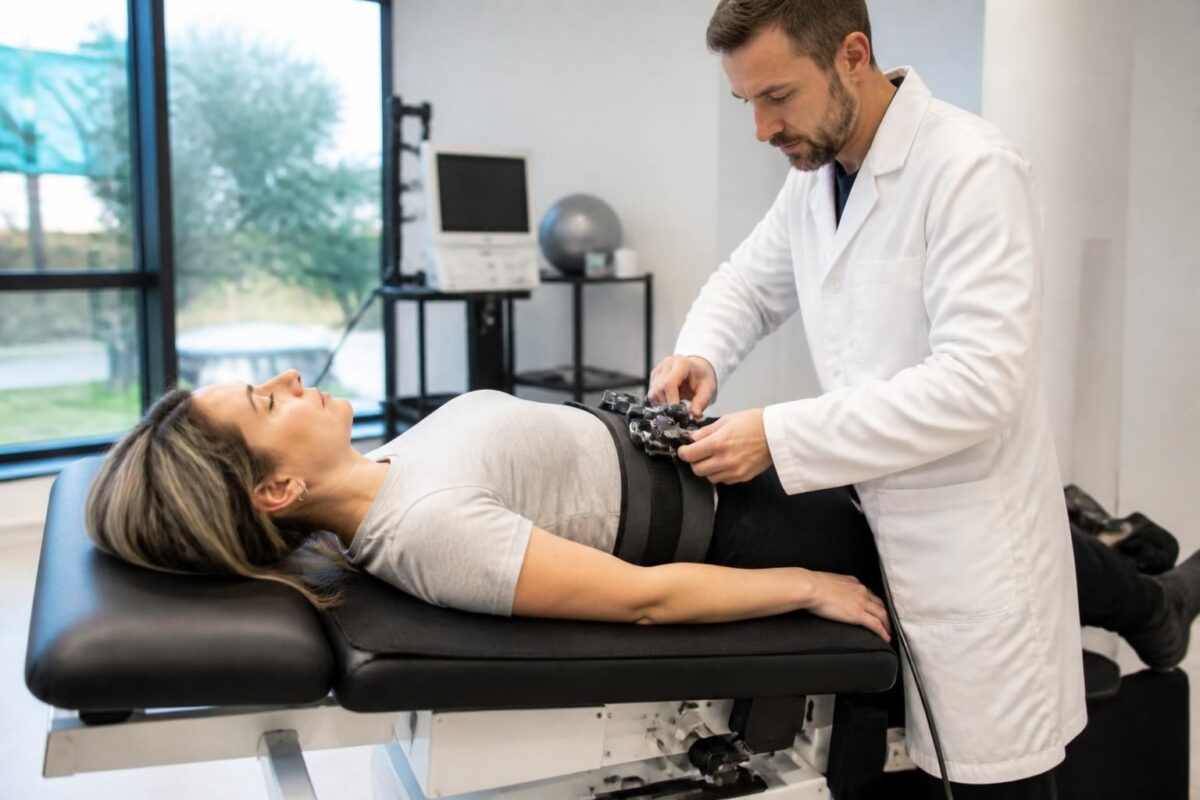
In short
| In short, the neurovertebral decompression is an approach non-invasive which relieves the Persistent mechanical pain by creating a space between the vertebrae and reducing the pressure on the discs and nerves. She offers a Quick and lasting relief, improves the mobility and minimizes the risk of recurrence without surgery. accessible to Montreal, this treatment is particularly useful for people with back pain and of neck pain chronic and complex nervous tensions, and it can be integrated into a global care plan to optimize the welfare and recovery. |
The neurovertebral decompression is an approach non-invasive intended to relieve Persistent mechanical pain By restoring theSpace between the vertebrae. using a Soft and controlled traction, it reduces the pressure on the Intervertebral discs and the nerve roots, improves the bloodstream and promotes the Tissue nutrition to support healing. This technique is particularly useful for lumbar and cervical pain related to slipped disc, stenosis or muscle tension, and can improve the mobility while helping to prevent recurrences. It can be considered as alternative or complement classic treatments, with a Personalized follow-up and an screening.
Neurovertebral decompression is an approach non-invasive which aims to relieve the Persistent mechanical pain By restoring the space between the vertebrae and improving the nutritional intake of nerve tissue. This article explains what this technique is, how it acts, the potential benefits and how it can fit into a global care plan without having to resort to surgery.
What is neurovertebral decompression?
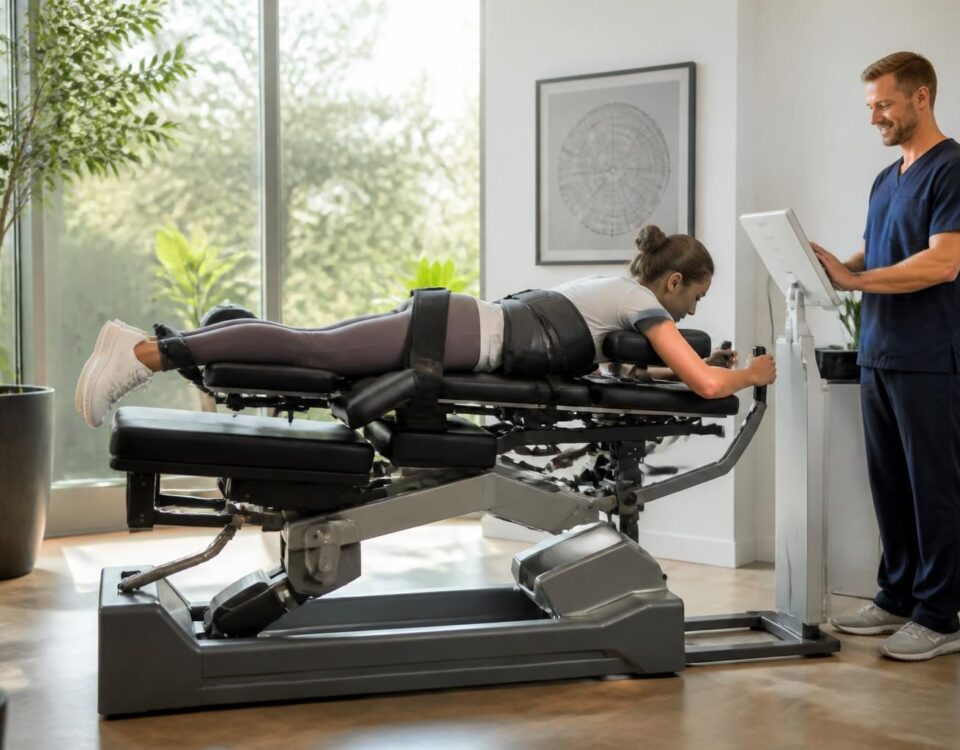
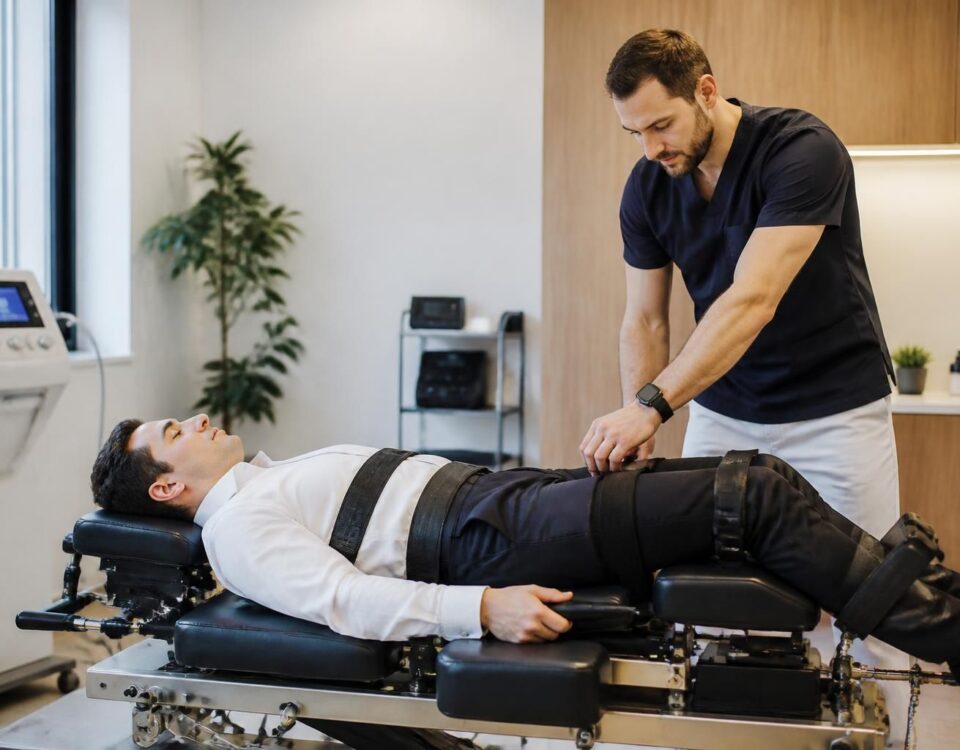
Neurovertebral decompression is a technique non-invasive which uses controlled traction to create a space between the vertebrae. This approach reduces the pressure exerted on the intervertebral discs and on the nerve roots. It then promotes better circulation and nutrition of the surrounding tissues, contributing to a lasting reduction in pain and increased mobility.
To explore further, you can view resources describing the application and the results of this method:
Neurovertebral decompression and acute pain: when to consult,
Decompression and herniated disc: gentle and effective approach.
How does it work?
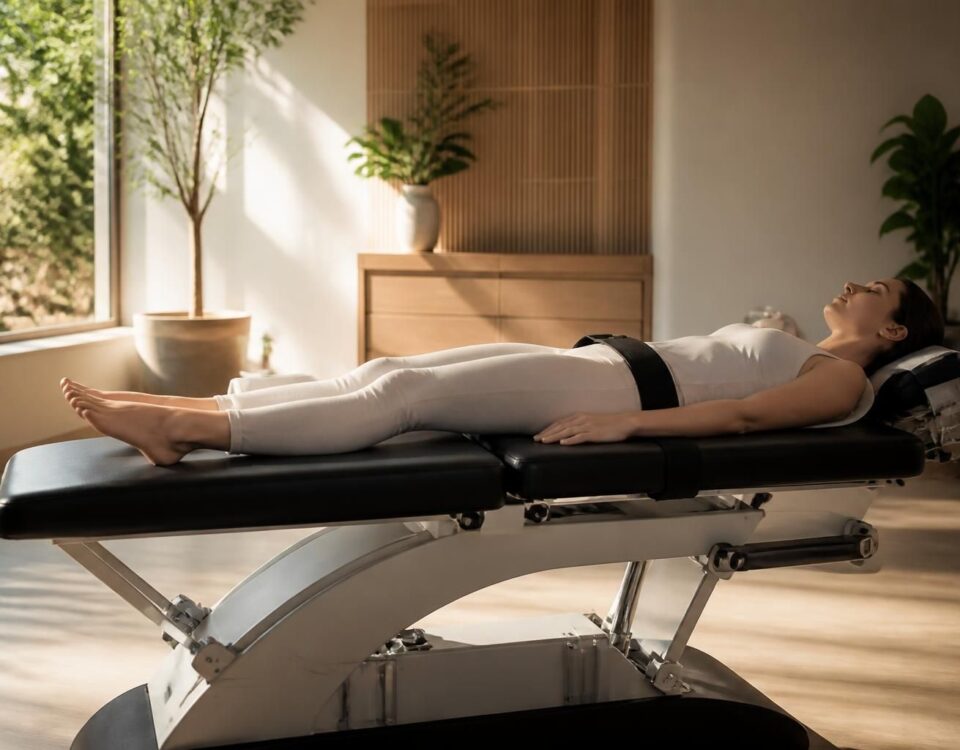
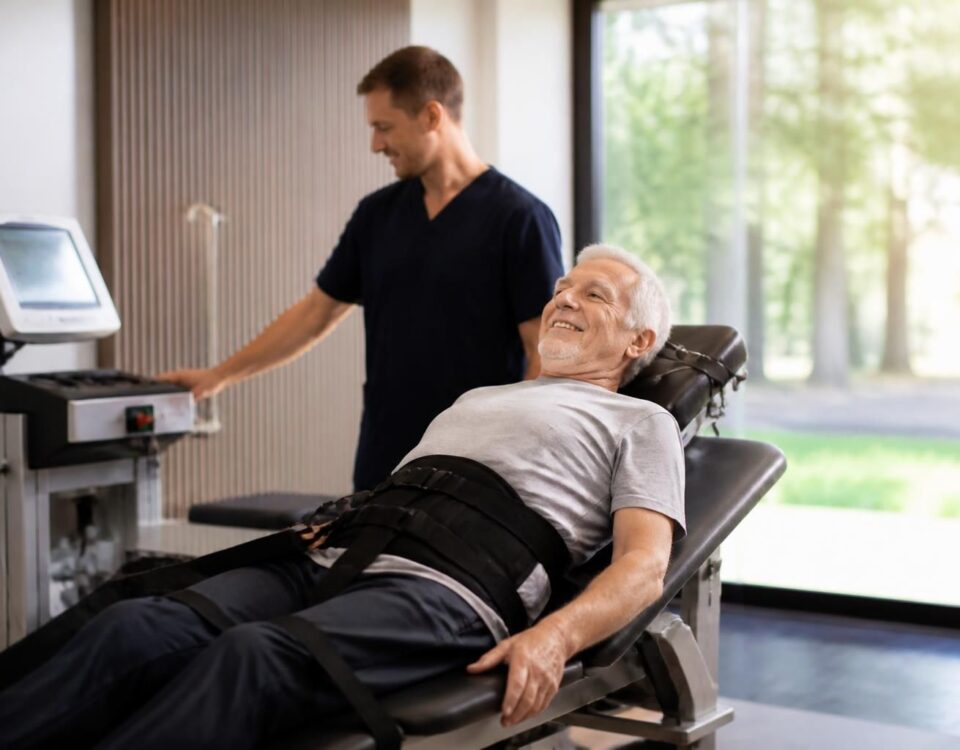
The treatment is carried out on dedicated devices that apply a traction Soft and controlled. This traction releases tension around the spine and improves the perfusion of nerve tissue. The process can lead to quick reduction symptoms and a lasting improvement mobility, while avoiding the risks associated with surgery.
Advantages and security
The benefits include the Progressive relief and lasting mechanical pain, reduced nervous tension and better range of motion. Tolerance is generally good and the risks are low when carried out by trained professionals. This approach can also help prevent recurrences when the care plan is monitored on a regular basis.
Who is this method for?
It is suitable for people with Chronic pain related to the spine, especially when the causes are due to nerve pressure and intervertebral discs. An in-depth assessment is needed to determine eligibility and the appropriate number of sessions.
Integration into the care plan
Neurovertebral decompression can be combined with other non-invasive clinical approaches. In TagMed and Montreal or Terrebonne clinics, the team adapts the course according to individual needs and ensures regular monitoring to optimize results. To learn more about the possibilities offered by TagMed, visit Tagmed Clinic.
Testimonials and results
Patients generally report a noticeable decrease in pain after several sessions, with an easier resumption of daily activities. Clinical feedback supports the efficacy of neurovertebral decompression in the management of persistent mechanical pain.
Prevent recurrences and follow-up
To maintain beneficial effects, regular monitoring and treatment adjustments may be proposed. The objective is to sustainably reduce the pressure on the nerves and discs and to support tissue regeneration.
Additional resources
To deepen, these resources offer additional perspectives on neurovertebral decompression and its applications:
- Neurovertebral decompression and acute pain
- Disc herniation and gentle decompression
- Chronic pain and return to an active life
- Benefits for mechanical pain
- Optimizing spinal health
- Treatment of recurrent mechanical pain
- Rehabilitation after a back injury
- Benefits for persistent mechanical pain
- Reduction of pain related to spinal stenosis
More practical and practical information from UHC and access can be viewed at decompressionneurovertebrale.com and via associated resources.
Medical Disclaimer: The information and advice provided on this site does not replace the health professional’s diagnosis or treatment. Please note that Dr. Sylvain Desforges osteopath is neither a doctor of medicine nor a doctor, and is not a specialist in a medical specialty as defined by the Collège des Médecins du Québec. Manual medicine, functional medicine and sports medicine as described on this site exclude any medical treatment or diagnosis made by a doctor or specialist doctor. Always consult your doctor for any medical questions. For more details, please read our full legal notice.
- State to evaluate Persistent mechanical pain and impact on mobility
- Indication Adapted, non-invasive neurovertebral decompression
- Mechanism Soft traction creating an intervertebral space
- Security Treatment without surgery and low risk
- Treatment plan Multi-week program with follow-up
- Main Benefits Fast then lasting relief and better mobility
- Prevention Reduction in the risk of painful recurrence
- Circulation Improved nerve tissue perfusion
- Personalization Adaptation of the protocol according to the patient
- Integration Compatible with physiotherapy or manual therapy

Neurovertebral decompression appears as a natural and non-invasive solution for persistent mechanical pain linked to nerve tension and disc attack. This article introduces you to the principles, benefits and practical tips to maximize results and prevent recurrences.
What is neurovertebral decompression and how it acts
Neurovertebral decompression is based on a Soft and controlled traction which aims to create a space between the vertebrae. This approach decreases the Pressure on the intervertebral discs and on the gristle, which can reduce pain and restore better mobility. At the same time, it improves blood circulation and nutritional intake to surrounding tissues, thus promoting the regeneration and rebalancing of spino-neuromuscular structures.
This technique is part of a logic non-invasive and targeted, directly targeting the mechanical causes of pain rather than masking symptoms. It can be adapted to different segments of the spine and various musculoskeletal pains, providing a solid foundation for lasting recovery.
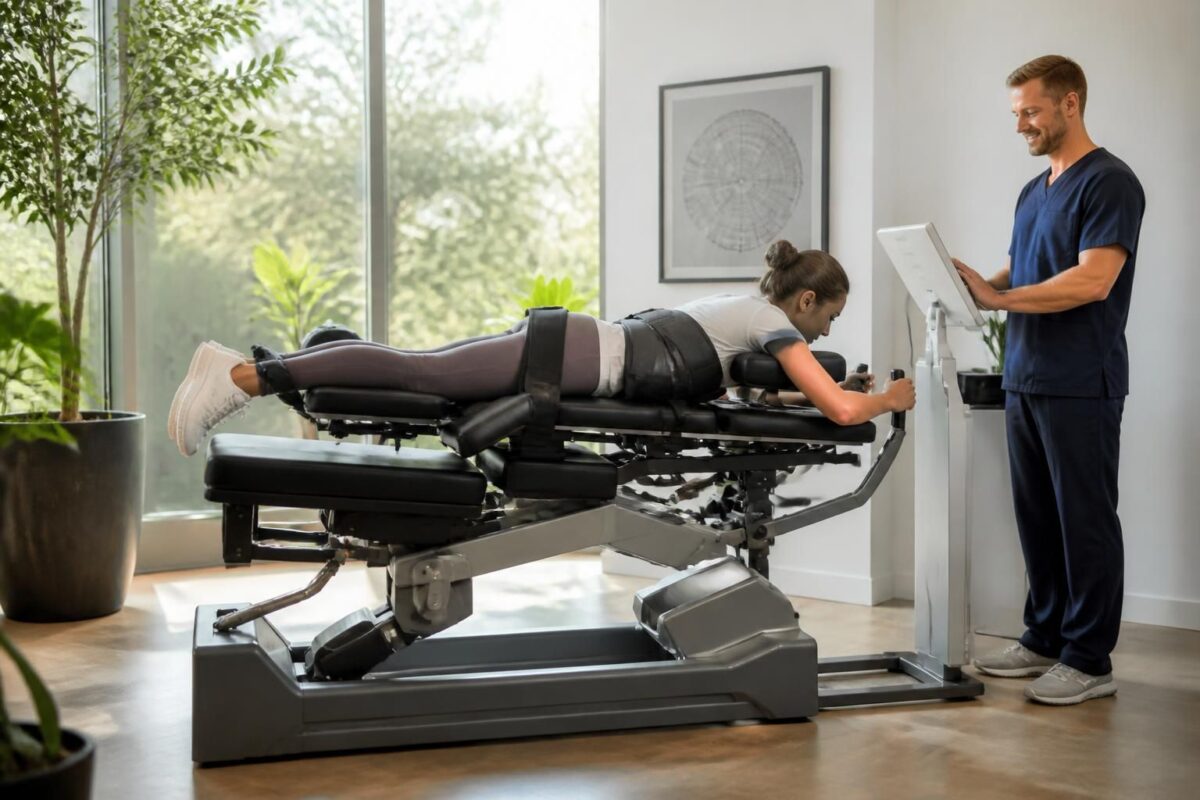
The long-term benefits of neurovertebral decompression for spinal health
In short In short, the neurovertebral decompression is a non-invasive approach that decreases the Pressure on intervertebral discs and nerves, favoring the Natural regeneration and tissue recovery. Its long-term benefits include Lasting pain reduction, Improving mobility and from the posture,…
Why it is relevant for persistent mechanical pain
For people suffering from lower back, cervical or sciatic pain, neurovertebral decompression offers a reassuring alternative that avoids invasive treatments. By working on spinal mechanics and improving the tissue medium, it helps prevent recurrences and stabilize the gains obtained. This approach can complement and amplify the effects of a physiotherapy program, postural exercises and appropriate hydration, thus providing Global Optimization recovery.

Neurovertebral decompression and mobility: a return to an active life
In short In short, the neurovertebral decompression is therapy non-invasive who uses a gentle traction To create a space between the vertebrae and reduce the pressure on the Intervertebral discs and the nerves. It promotes a bloodstream improved, lowers tension…
What the treatment can bring
Lasting pain relief
By acting at the source of compression, decompression can quickly reduce neuropathic pain associated with nerve tension, with results that consolidate over the sessions.
Improving mobility
Decreasing pressure and improving tissue nutrition allow you to find a better range of motion and greater ease during daily gestures.
Prevention of recurrences
By rebalancing spinal mechanics and promoting tissue regeneration, this method helps to reduce the risk of recurrence of pain in the long term.
Improved quality of life
By reducing discomfort and facilitating resumption of activities, decompression supports better self-confidence, stress reduction and a proactive attitude towards your health.
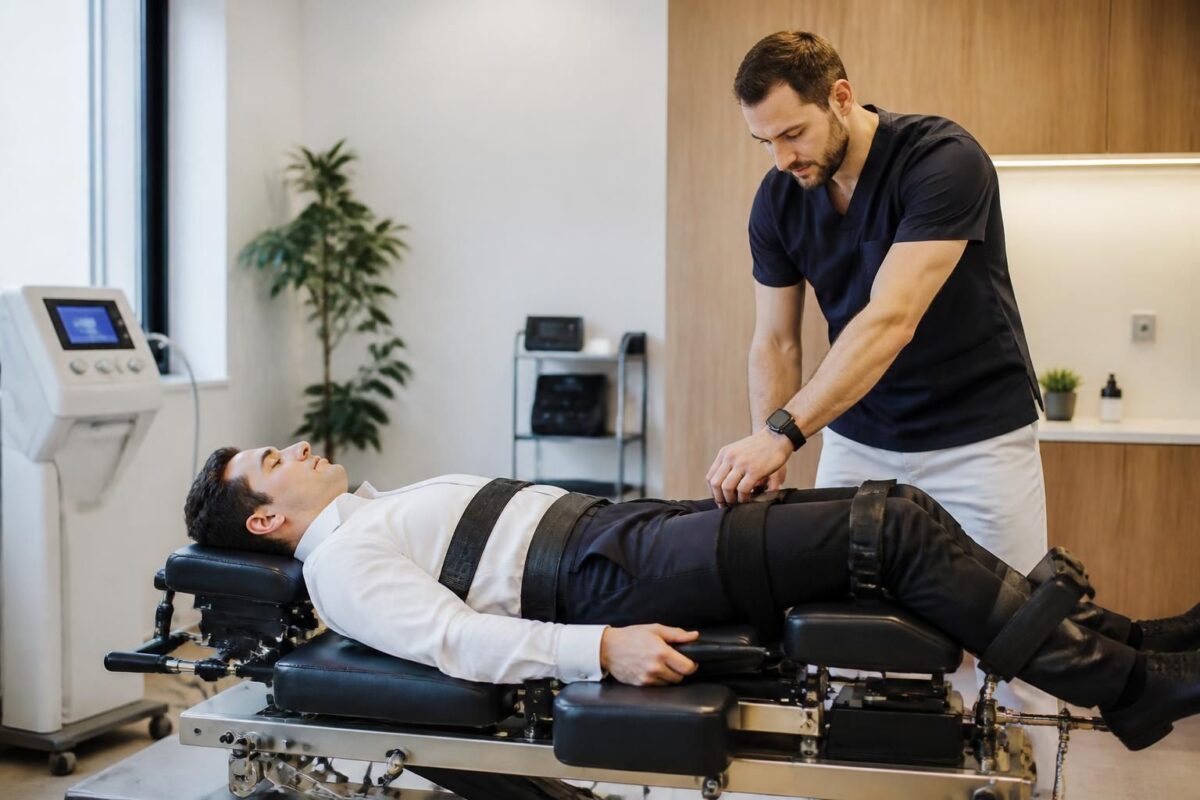
How Neurovertebral Decompression Prevents Diffuse Chronic Pain
In short decompression neurovertebral is one Non-invasive method aimed at reducing the Pressure on the intervertebral discs and the nerves, in order to prevent Diffuse chronic pain. It improves the circulation and thedisc hydration, decreases inflammation and promotes better mobility.…
How to maximize treatment efficiency
Evaluation and customization
Before you begin, a complete assessment is essential to determine the suitability of the treatment to your situation. Each course is personalized according to the location of the pain, mobility and personal objectives.
Integration into a global approach
To optimize the results, combining decompression with specific exercises, postural advice and a nutrition approach can amplify benefits and facilitate the return to normal activity.
Frequency and duration
A typical program is spread over several weeks and generally includes several sessions, with a progression adapted to your tolerance and your objectives. Regular monitoring allows you to adjust the parameters and optimize efficiency.
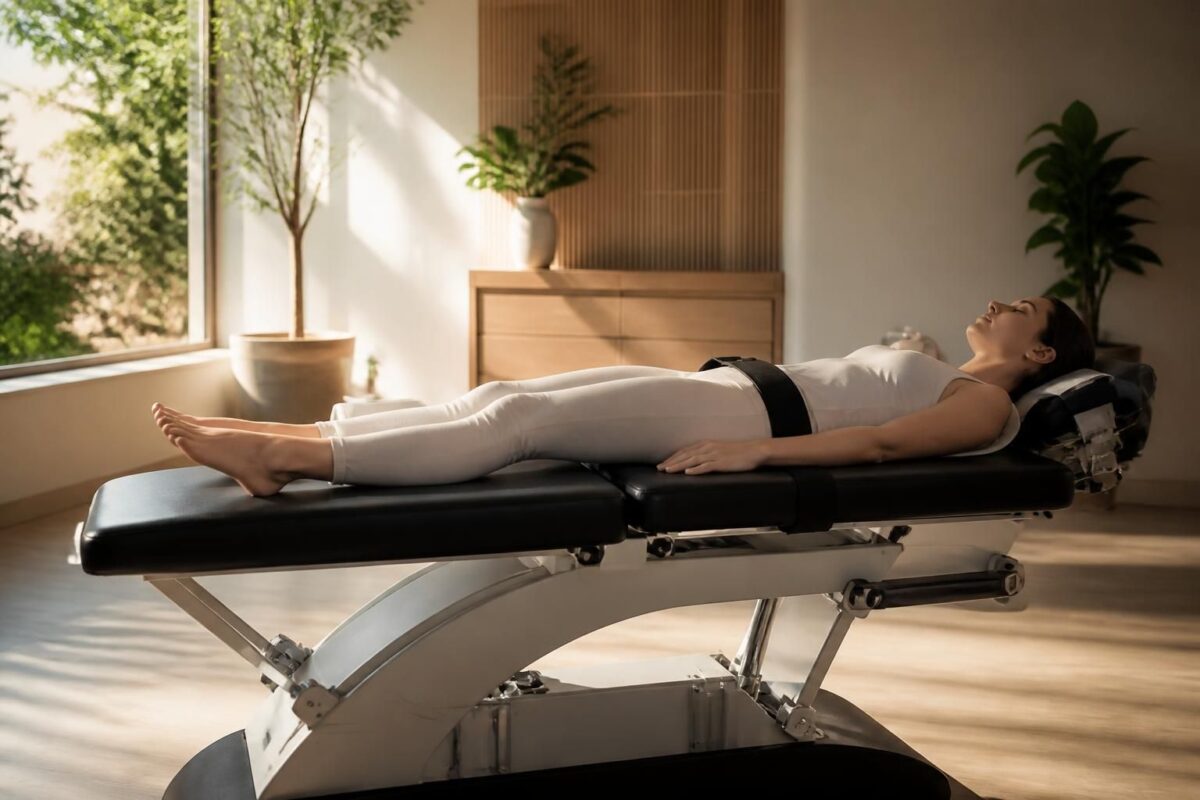
Neurovertebral Decompression and Body Alignment: Restoring Natural Balance
In short In short, neurovertebral decompression is one Non-invasive approach who restores theBody Alignment and thenatural balance back and neck. She acts by a Controlled traction of the spine to widen the intervertebral space and reduce the Pressure on discs…
Who can benefit and what to expect
This approach is particularly suitable for people with persistent mechanical pain linked to vertebral imbalances, discopathies and musculoskeletal tensions. If you are considering this treatment, it is important to discuss with a healthcare professional to confirm eligibility and set realistic expectations. Some patients may perceive improvements from the first sessions, while others progress more gradually depending on their condition and commitment to the program.
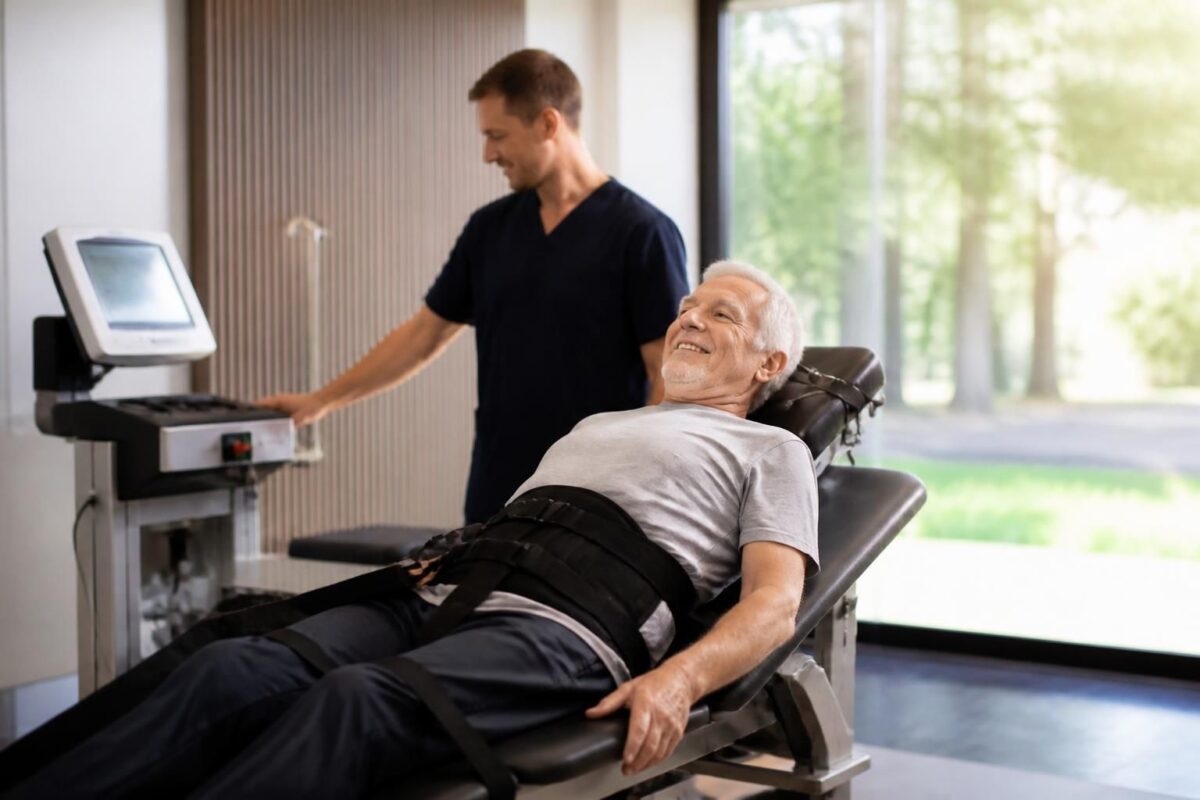
Why neurovertebral decompression is a lasting solution for active seniors
In short In short, the neurovertebral decompression is one Non-invasive therapy which sustainably relieves spinal pain in the spine active seniors By creating, by a Soft and controlled traction, a space between the vertebrae. At Montreal, it is recognized as…
Precautions and limits
Neurovertebral decompression is an option non-invasive and generally well tolerated, but it requires a prior assessment and personalized follow-up. Certain medical conditions or active inflammations may limit its use. As with any treatment, delays should be avoided in the event of worrying symptoms and favor a gradual and supervised approach to ensure safety and efficacy.
| Aspect | Concise description |
|---|---|
| Mechanism | A gentle traction and controlled Create a space intervertebral and decreases the pressure on the records and the gristle. |
| directions | aches mechanics Persistent due to tension, benign disc herniation or mild stenosis; Benefit with non-surgical decompression. |
| Key Benefits | Sustainable relief, No surgery, Improved mobility, Prevention of recurrences. |
| Security and invasiveness | non-invasive, low risk, Rare side effects; comfortable sessions. |
| Duration and rhythm | Typical program of 15 to 25 sessions over several weeks; Each session lasts approximately 30 to 60 minutes. |
| Accessibility and cost | accessible according to region and eligibility; Usually cost less than surgery With options depending on the clinic. |
| Limits and precautions | may not be suitable for all conditions; requires a Prior medical assessment and one Custom Plan; possible contraindications (fractures, instability, infection). |
| Impact on mobility | improvement of range of motion and reduction of stiffness. |
| Integration into the care plan | complete one Multidisciplinary plan with physiotherapy, osteopathy and exercises; Recommended follow-up. |
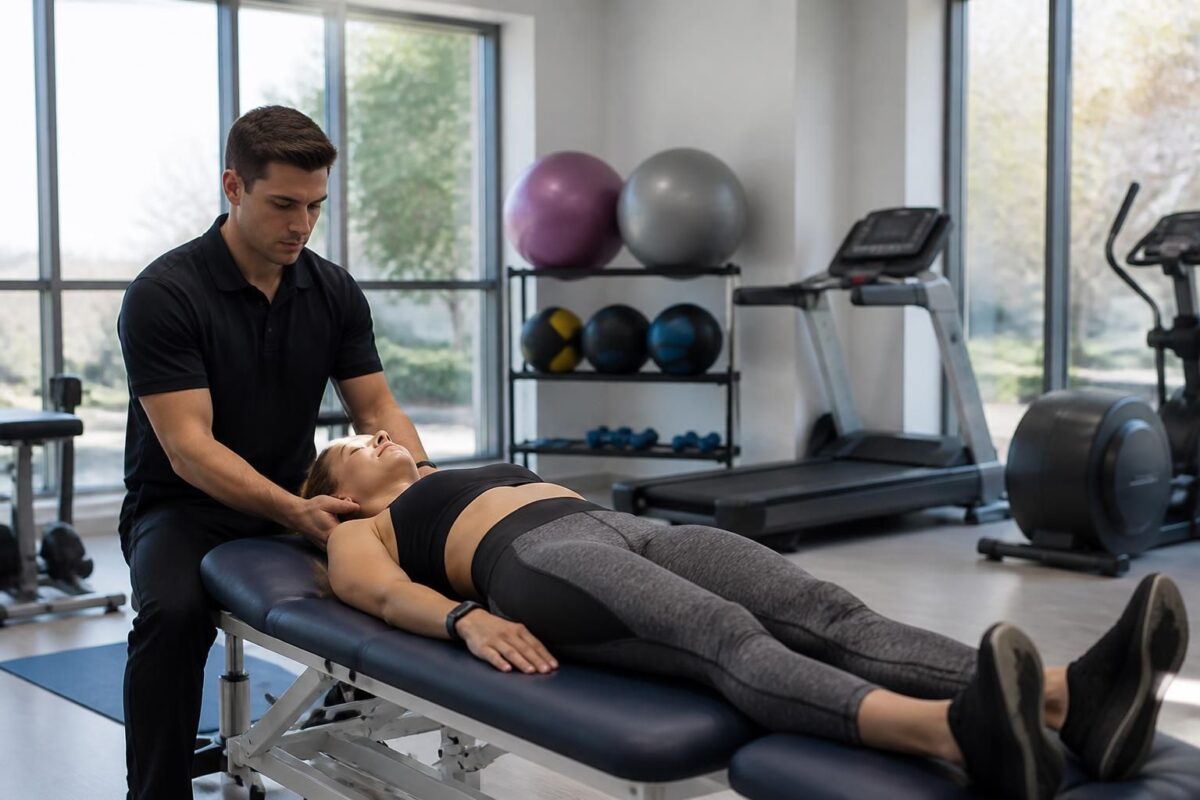
Neurovertebral decompression and recovery after severe sports injury
In short In short, the neurovertebral decompression is one Non-invasive method to Relieve the pressure on the Intervertebral discs and the gristle Via a Controlled traction, to facilitate the recovery After a severe sports injury. It improves the bloodstream towards…
Testimonials: neurovertebral decompression, a solution for persistent mechanical pain
“Before starting treatment, my Lower back pain mechanics woke me up every day and kept me from moving normally. After a few sessions of neurovertebral decompression, I found a mobility which had died out over time. »
“The program relied on Gentle techniques and non-invasive. The results were rapid and the Sustainable relief settled permanently. I highly recommend for pain cervical persistent. »
“After months of failure with other treatments, the pressure on my nerves decreased thanks to the decompression, and I was able to find my activities without pain. It’s a solution non-surgical that really changed my life. »
“As a patient withvertebral osteoarthritis, I observed a Gradual reduction in my pain and an Improved quality of life. Sleep is better and my posture lined up naturally. »
“In sports practice, the fear of relapses was constant. After the sessions of decompression, my recovery and my Prevention of recurrences have improved significantly. I find my performance without pain. »
“Decompression helped me find a correct posture and reduce the muscle tension around the spine. I found a freedom of movement and a better Trust in my body. »
The neurovertebral decompression is one Non-invasive approach Designed to treat Persistent mechanical pain of the spine, often linked to herniations discs or nervous tension. It is based on a Controlled traction which creates a space between the vertebrae and reduces the pressure exerted on the Intervertebral discs and the gristle, promoting mechanical rebalancing and functional recovery.
This technique is part of the evolution of manual care and technologies dedicated to healing without surgery. It relies on specialized equipment that applies progressive traction and personalized, adapted to the condition of each patient and guided by an in-depth clinical evaluation. As part of a multidisciplinary course, it can be associated with other approaches such as Shockwave therapy, the laser and targeted exercise programs to optimize results.
The mechanism of action aims to Release mechanical stresses around the spine. By creating an intervertebral space, the technique improves the bloodstream and nutrient intake to tissues, which supports Tissue regeneration and reduces inflammation. The nerves regain better load tolerance, which results in a significant decrease in pain and greater mobility.
Typical indications include lumbar and cervical pain related to degenerative discs, protrusions or radicular symptoms, as well as persistent mechanical pain that has not satisfactorily responded to conservative treatments. However, contraindications exist, in particular in the presence of active infections, unstabilized fractures, tumors or serious instabilities. An experienced practitioner will perform a Pre-treatment assessment and will define the safest and most effective treatment plan for each patient.
Among the observable benefits are a Lasting pain reduction, an improvement in the mobility and a better ability to resume daily activities. The objective is also to prevent recurrences by stabilizing the spinal mechanics and promoting tissue regeneration. The character non-invasive And the low recovery time make this approach an attractive option for those who wish to avoid surgical interventions when possible.
In modern practices, neurovertebral decompression is often offered as part of a Personalized route including a initial assessment, a multi-week program and adjustments based on progress, usually between 15 and 25 sessions. Patient feedback describes rapid and significant improvements, with a feeling of comfort and lasting progress after passing through successive sessions. certain configurations, such as the integration of neuromodulation technologies in the form of Pulse Align, can accelerate recovery and strengthen muscle balance.
Finally, success also depends on the alliance between the patient and the professional: active listening, continuous adaptation of the treatment plan and proactive patient participation are essential to maximize benefits and ensure long-term stability.
This article details neurovertebral decompression as a natural and non-invasive solution for persistent mechanical pain. It explains the mechanism, clinical benefits, indications, observed results and possibilities for integration with other approaches for overall management of lumbar or cervical pain. You will discover how this technique can reduce the pressure on discs and nerves, promote circulation and contribute to a lasting improvement in mobility and quality of life. To learn more, see the associated resources on the specialized pages mentioned below.
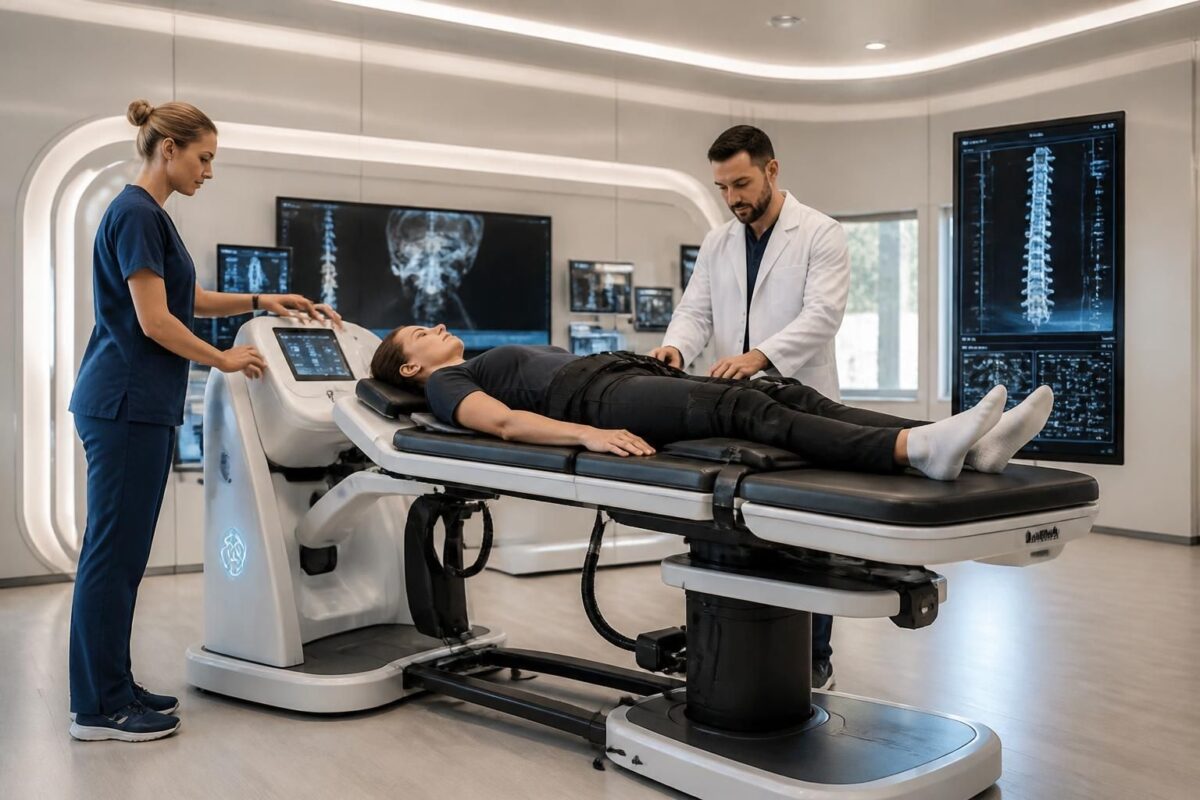
Recent innovations in neurovertebral decompression technologies
In short In short, the neurovertebral decompression is an approach non-invasive Aiming to reduce pressure on discs and nerves, and promote tissue regeneration. At Montreal, it is positioned as an effective option for lower back pain and herniated discs. The…
What is neurovertebral decompression?
The neurovertebral decompression is a technique non-invasive which is based on soft and controlled traction to create a space between the vertebrae. By reducing the pressure exerted on the intervertebral discs and nerve roots, it improves tissue nutrition and can significantly reduce persistent mechanical pain. This approach aims to act at the source of pain without having to resort to surgery. To understand in more detail the principles underlying this approach, you can consult the dedicated resources, including those that have the benefits and mechanisms for reducing pressure and inflammation.
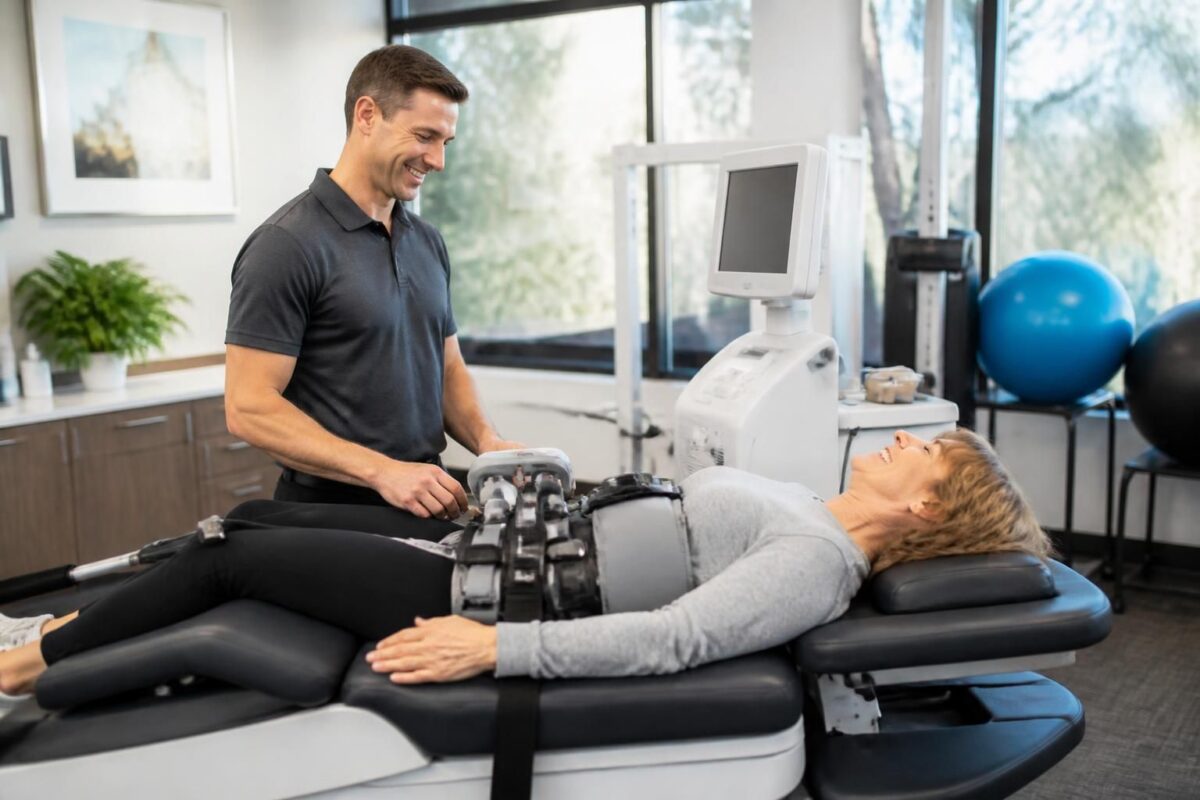
Neurovertebral decompression and diffuse pain: an appropriate solution
In short In short, the neurovertebral decompression is one Non-invasive solution For diffuse pain related to nerve irritation of the spine. She acts in Reducing pressure on intervertebral discs and nerves and improving the bloodstream, which promotes recovery and the…
How does it affect persistent mechanical pain?
The mechanism is based on a Targeted traction which releases the tensions accumulated around the spine. By creating a space between the vertebrae, decompression Reduces pressure on spinal nerves and on the discs, facilitating blood circulation and the nutritional intake necessary for tissue regeneration. This local improvement explains the feedback indicating a reduction in pain, better mobility and a reduction in the risk of recurrence. Dedicated resources explain how this approach can also contribute to Reduce inflammation associated and promote faster recovery.
To understand the precise mechanisms and inflammatory benefits, you can consult specialized analyzes and explanations on dedicated pages such as those describing how decompression can Reduce inflammation and Reduce pressure on spinal nerves.
Benefits and expected results
The main benefits include a Sustainable relief mechanical pain, Improving mobility and an Prevention of recurrences thanks to better stability and functionality of the spine. Given its nature non-invasive, decompression offers an interesting alternative for patients who wish to avoid surgery and the associated risks. Each protocol is adapted to the individual’s condition of the patient, and many testimonies evoke a significant reduction in symptoms after several sessions, allowing a resumption of daily activities and a more active participation in professional and personal life. To deepen, discover resources that highlight the prevention of recurrences and the sustainable effectiveness of this approach.
Complementary resources include long-term benefits and opportunities to prevent recurrences of neuropathic and mechanical pain linked to complex nerve tensions, such as A recognized solution to prevent recurrences.
Integration and additional resources
Neurovertebral decompression can be part of an approach holistic pain management, by combining complementary techniques and lifestyle advice. Non-invasive tools and technologies, when adapted, can support the rehabilitation process and accelerate functional recovery. To enrich your understanding and access practical resources, these pages offer analysis and feedback on overall benefits, including aspects related to the Mobility found and improving the quality of life. For example, the dedicated page explains how decompression can help regain normal mobility, and other content detail its role as a natural solution for persistent pain.
To broaden your knowledge and access additional information, please consult the following resources: A natural solution to treat persistent spinal pain, For patients with persistent and complex pain, and A natural solution. You can also explore resources dedicated to the sustainable use of these approaches, including those focused on persistent lower back pain and decompression techniques for chronic pain.

Dr Sylvain Desforges, B.Sc., D.O., N.D., osteopath, is the founding president of TAGMED and of the ACMA association. He dedicates his practice to chronic spinal pain, low back pain and symptoms compatible with sciatica, particularly when pain radiates toward the buttock, leg, calf, foot or toes.
Through SOS Sciatique, he publishes educational content on sciatica symptoms, possible causes such as disc herniation, disc narrowing, foraminal stenosis or irritation of a lumbar nerve root, as well as non-surgical approaches that may be considered according to the evaluation. At Clinique TAGMED, care may include, depending on the case, motorized neurovertebral decompression, specific osteopathic care or precision percussion.
For an evaluation related to sciatica treatment in Montreal / Mount Royal or sciatica treatment in Terrebonne, please consult the services available at Clinique TAGMED.
Medical disclaimer
The information published on SOS Sciatique is provided for educational purposes only and does not replace a consultation, diagnosis, opinion or treatment provided by a physician or another authorized healthcare professional. The author of this article is neither a medical doctor nor a specialist in a medical specialty recognized by the Collège des médecins du Québec. The osteopathic, manual medicine or functional support approaches described on this site do not constitute medical acts and are not intended to replace medical follow-up.
Consult a physician or emergency service in cases of loss of bladder or bowel control, anesthesia in the saddle area, significant or progressive weakness in the leg or foot, fever, recent trauma, severe pain or rapid worsening of symptoms. For more details, please read our Legal Notice.