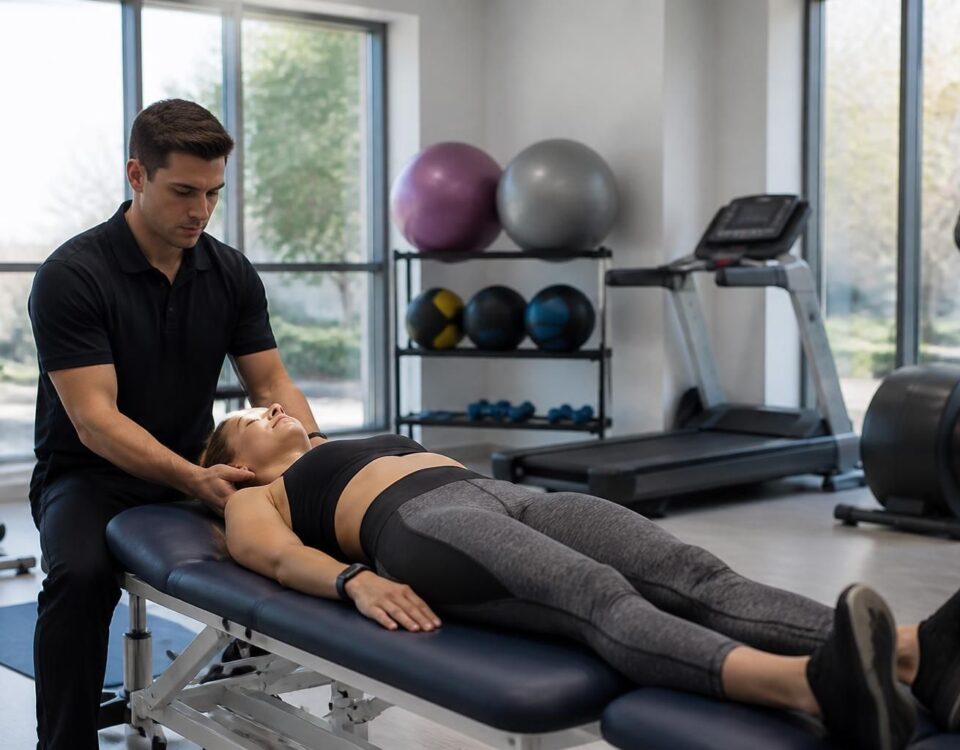


How neurovertebral decompression helps prevent surgical interventions
26/06/2026
Clinical results showing the efficacy of neurovertebral decompression
26/06/2026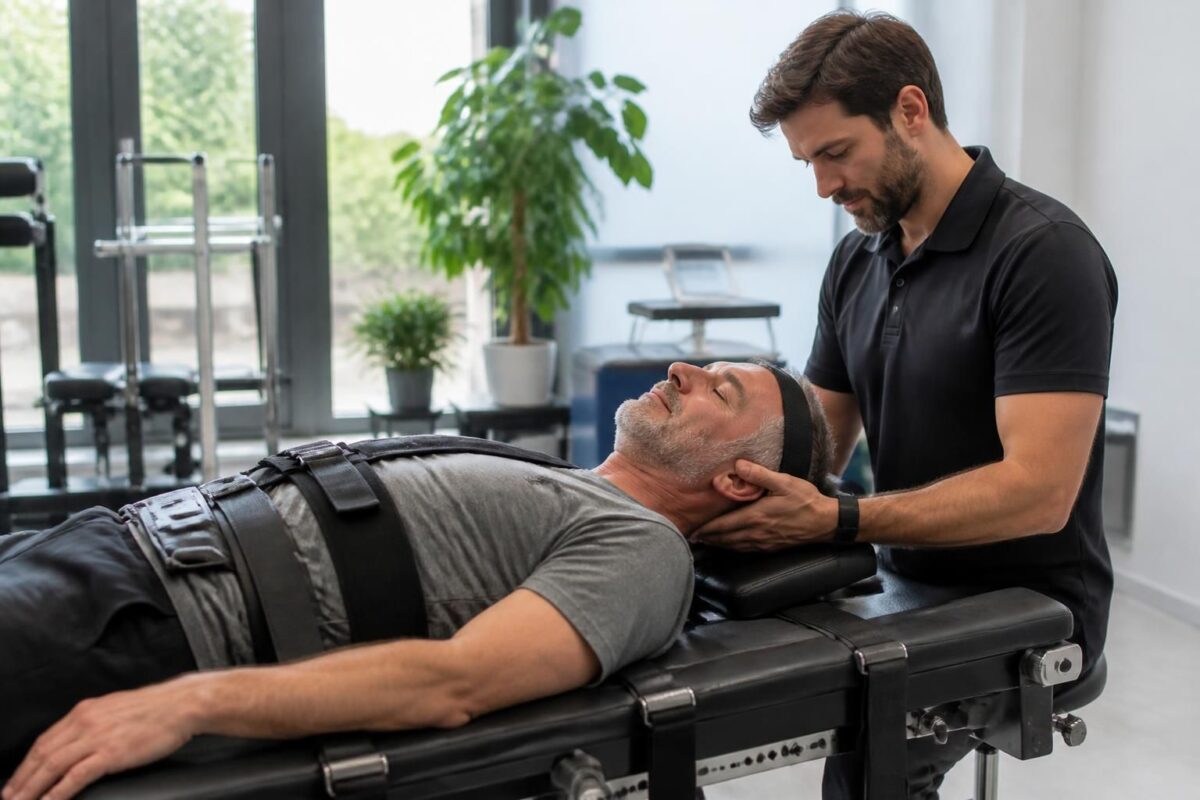
In short In short, the neurovertebral decompression is an approach non-invasive which relieves the Radiant pain due to the nerve compression of the spine. She applies a gentle traction on the vertebrae to decrease the pressure on the discs and nerve roots. Its key advantages include a pain reduction, a Improving mobility and quality of life, as well asLack of surgery. Accessible in Paris and Geneva, this therapy can be associated with other treatments to prevent recurrences and promote a lasting return to daily activities. |
The neurovertebral decompression is one Non-invasive therapy Designed to treat Radiant pain related to the compression of nerves and spinal discs. She acts by a gentle traction which decreases pressure on discs and nerve roots, providing deep relief.
By promoting pain reduction and improved mobility, this approach contributes to a faster return to daily activities and a better quality of life, without the need for surgery.
It can be offered in addition to other therapies and adapts to each patient, with generally favorable tolerance and high safety.
This article, written by a health professional and expert in osteopathy and manual medicine, explains how the neurovertebral decompression can provide deep relief from Radiant pain. It describes the mechanism, indications and what to expect during the sessions, in a practical approach available, particularly in the Tagmed Clinics in Montreal and Terrebonne. The goal is to present a solution non-invasive which acts directly on the column and improves the quality of life without having to resort to surgery.
What is neurovertebral decompression?
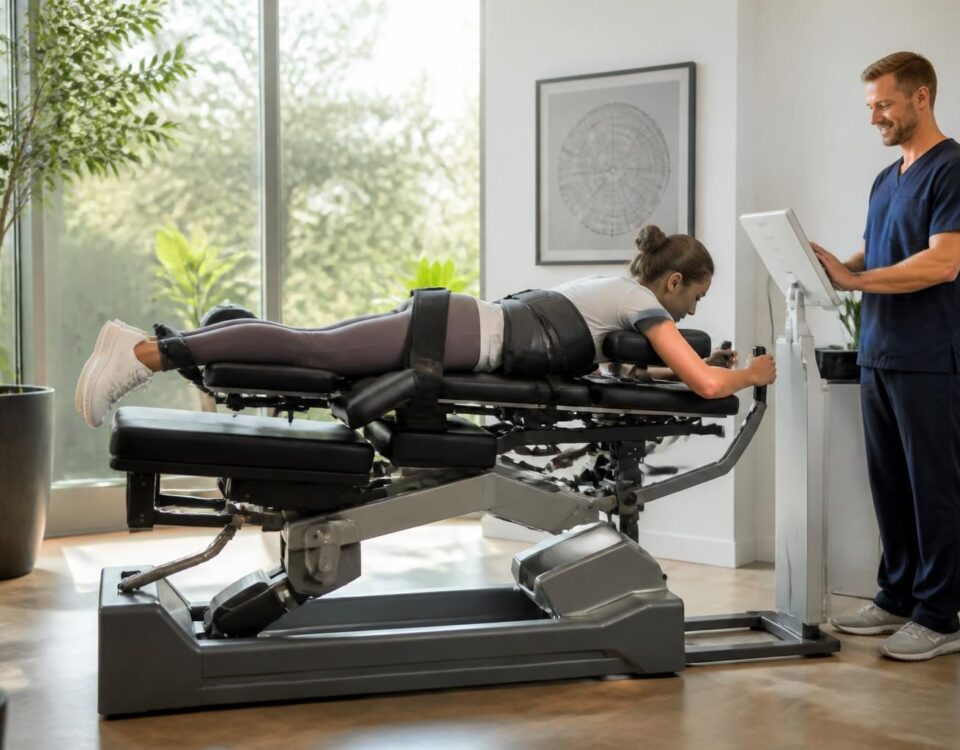
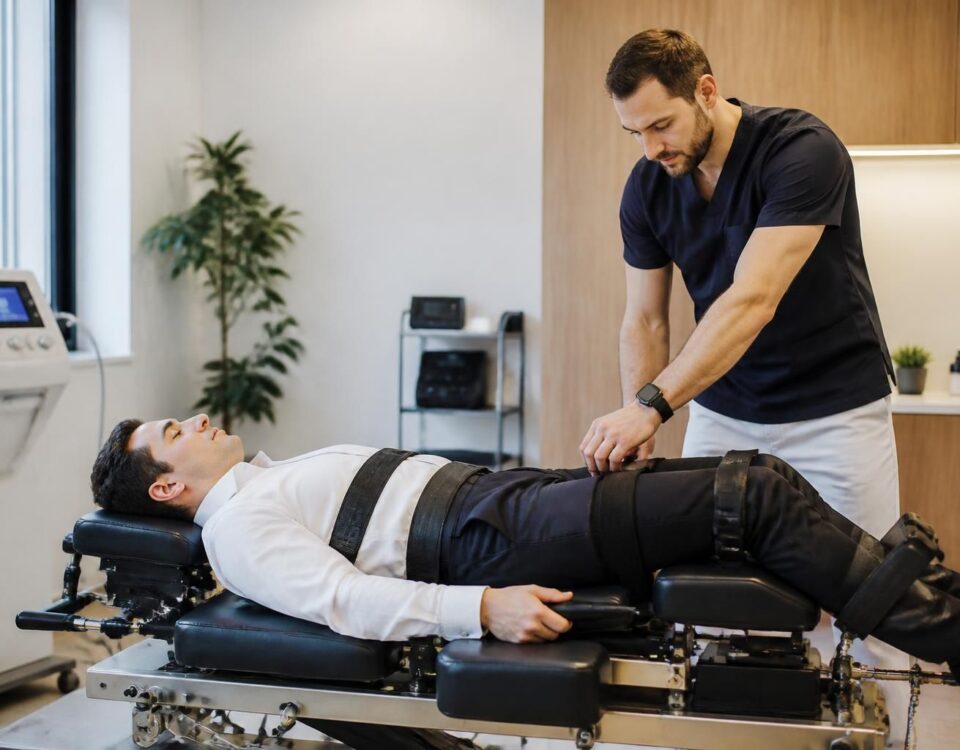
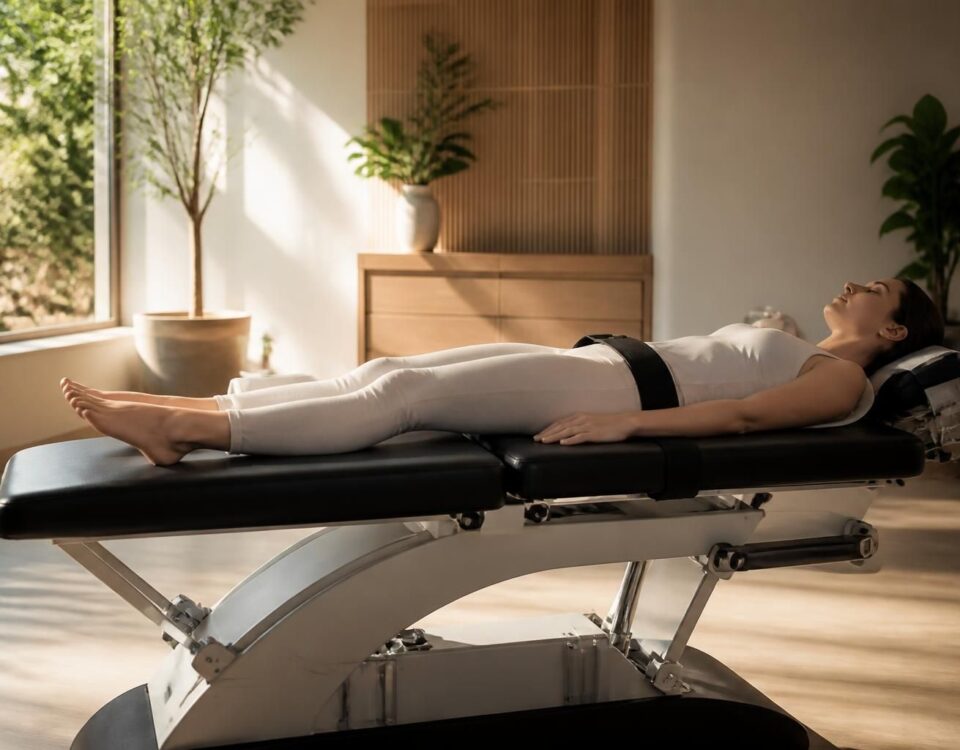
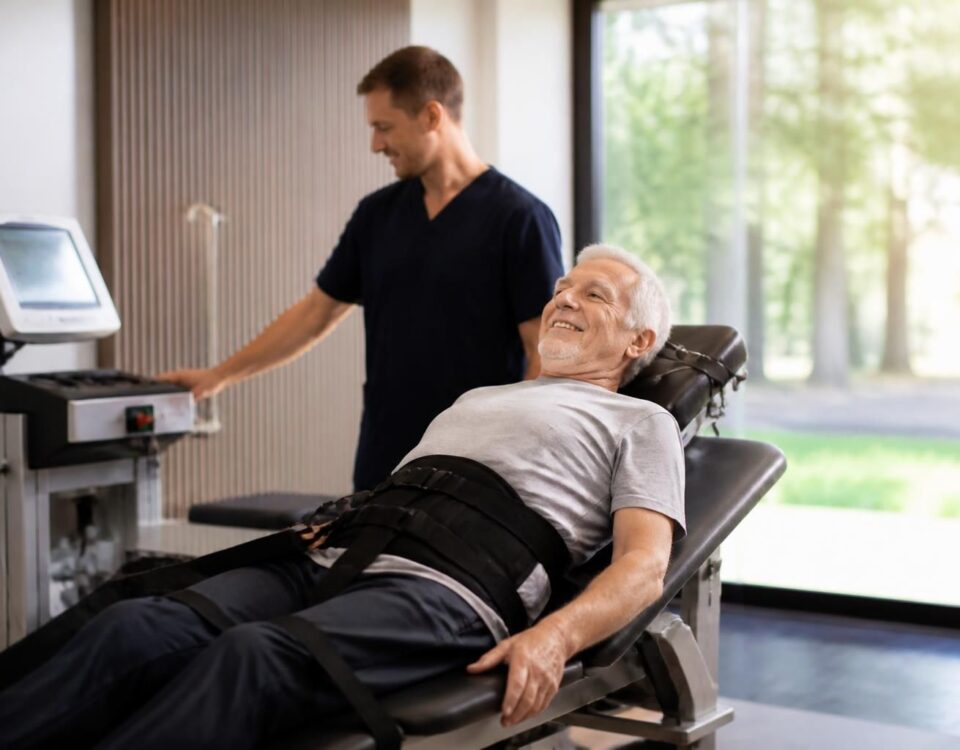
The neurovertebral decompression is a therapeutic method non-invasive which applies a gentle traction on the spine. This action aims to reduce the pressure on the intervertebral discs and on the nerve roots. The goal is to promote comfort and support a gradual improvement in mobility and symptoms.
How does it affect radiant pain?
By releasing the pressure exerted on the nerves and discs, this approach can reduce the irritation of the nerve roots involved in irradiating pain. This decrease in pressure improves local circulation and can decrease pain signals while supporting better tissue function around the column.
Indications and safety
This therapy is particularly indicated when radiant pain comes from pathologies such as herniated discs, Protrusions, Disc bulges, Foraminal stenosis, Spinal stenosis, disc pinch or disc degeneration. It’s an option safe and generally well tolerated. The sessions are practiced under professional supervision and adapted to the profile of each patient.
What to expect during the sessions
The sessions last a reasonable period and take place in a secure setting. The majority of patients describe a feeling of relaxation and some may even fall asleep during the sessions. The treatment is part of a progressive and lasting relief perspective without surgery.
Integration and choice of treatment
Neurovertebral decompression can be part of a global approach to care in TagMed clinics, in Montreal or Terrebonne. This therapy can be offered in addition to other evidence-based interventions, always under the aegis of a qualified doctor or osteopath. To learn more about the TagMed offer, see Tagmed Clinic.
Recommended resources and readings
To learn more, you can consult specialized resources on neurovertebral decompression and its indications, including the following pages: Neurovertebral decompression and rehabilitation after a sports injury, Muscle tension and gentle relief, Why this choice is safe and effective, Prevention of chronic back pain. Other additional resources are available on Neurovertebral Decompression – How It Works. For general information and feedback, see also Testimonials and context and Related Resources.
To deepen the legal aspects and guarantees associated with these approaches, see the specialized pages on the relevant areas and the official resources associated with TagMed and the professionals involved.
Note: This article avoids any suggestion of exercises or stretching in the context of neurovertebral decompression or conditions discussed, in order to favor clear and safe information for patients.
Useful links and additional references: Neurovertebral decompression and rehabilitation after a sports injury, Neurovertebral Decompression and Muscle Tensions – Gently Relieve, Why neurovertebral decompression is a safe and effective choice, How it works.
“Medical disclaimer: The information and advice provided on this site does not replace the health professional’s benefit, diagnosis or treatment. Please note that Dr. Sylvain Desforges osteopath is neither a doctor of medicine nor a doctor, and is not a specialist in a medical specialty as defined by the Collège des Médecins du Québec. Manual medicine, functional medicine and sports medicine as described on this site exclude any medical treatment or diagnosis made by a doctor or specialist doctor. Always consult your doctor for any medical questions. For more details, please read our full legal notice. »
- Radiant pain related to the spine
- neurovertebral decompression by soft traction
- Treatment non-invasive without surgery
- Target: nerve roots and Intervertebral discs
- Improvement of the circulation and reduction ofinflammation
- Relief lasting pains
- Improvement of the mobility and everyday
- sessions comfortable and often relaxing
- Approach personalized with follow-up
- Possibility of use in complement Other therapies

Neurovertebral decompression is a non-invasive approach designed to sustainably relieve radiant pain caused by nerve root compression in the spine. This article presents how it acts, who can benefit from it, and what to expect during a personalized course, supervised by a health professional. By favoring soft and progressive traction, this method aims to reduce the pressure on discs and nerves, while promoting the restitution of mobility and comfort on a daily basis.
Understanding neurovertebral decompression and radiant pain
Radiant pain occurs when the nerve roots are pinched. Neurovertebral decompression precisely targets these areas by applying controlled traction on the spine, which reduces the pressure on the discs and nerves. This non-invasive approach provides progressive relief and can prevent recurrences by treating mechanical and inflammatory tensions that fuel pain.
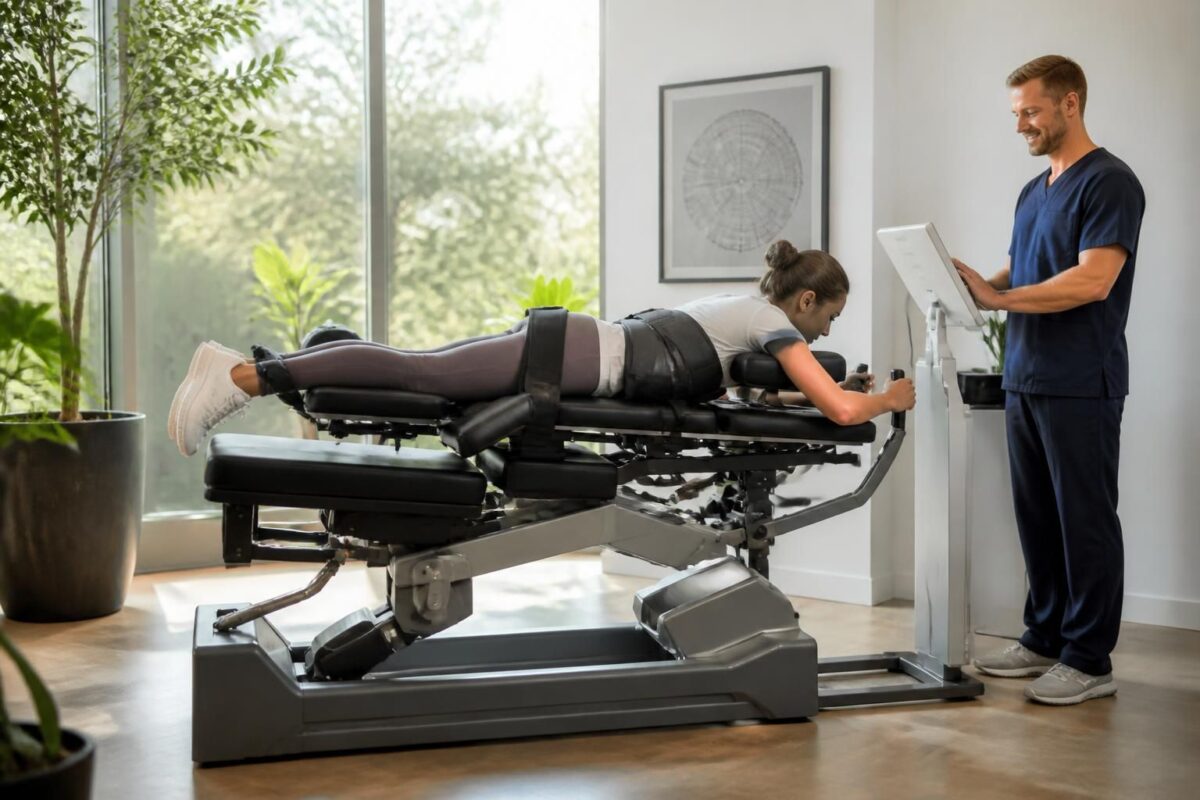
The long-term benefits of neurovertebral decompression for spinal health
In short In short, the neurovertebral decompression is a non-invasive approach that decreases the Pressure on intervertebral discs and nerves, favoring the Natural regeneration and tissue recovery. Its long-term benefits include Lasting pain reduction, Improving mobility and from the posture,…

Neurovertebral decompression and mobility: a return to an active life
In short In short, the neurovertebral decompression is therapy non-invasive who uses a gentle traction To create a space between the vertebrae and reduce the pressure on the Intervertebral discs and the nerves. It promotes a bloodstream improved, lowers tension…
How it works in depth
Key Mechanisms
The technique is based on a gentle traction and adapted to each patient. By releasing the compressed nerve and improving the intervertebral space, it improves blood circulation and the supply of nutrients to tissues, promoting the reduction of inflammation and tissue recovery. This action supports muscle relaxation and helps restore mobility, beyond just symptomatic relief.
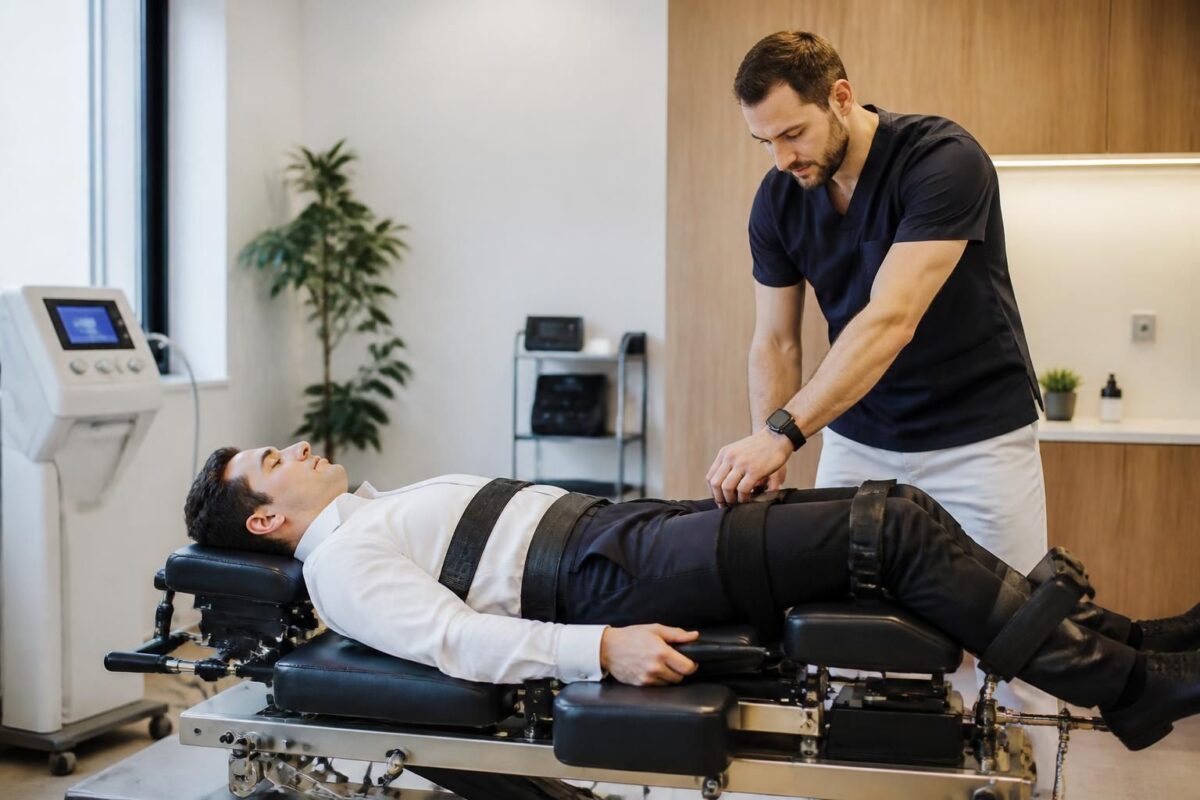
How Neurovertebral Decompression Prevents Diffuse Chronic Pain
In short decompression neurovertebral is one Non-invasive method aimed at reducing the Pressure on the intervertebral discs and the nerves, in order to prevent Diffuse chronic pain. It improves the circulation and thedisc hydration, decreases inflammation and promotes better mobility.…
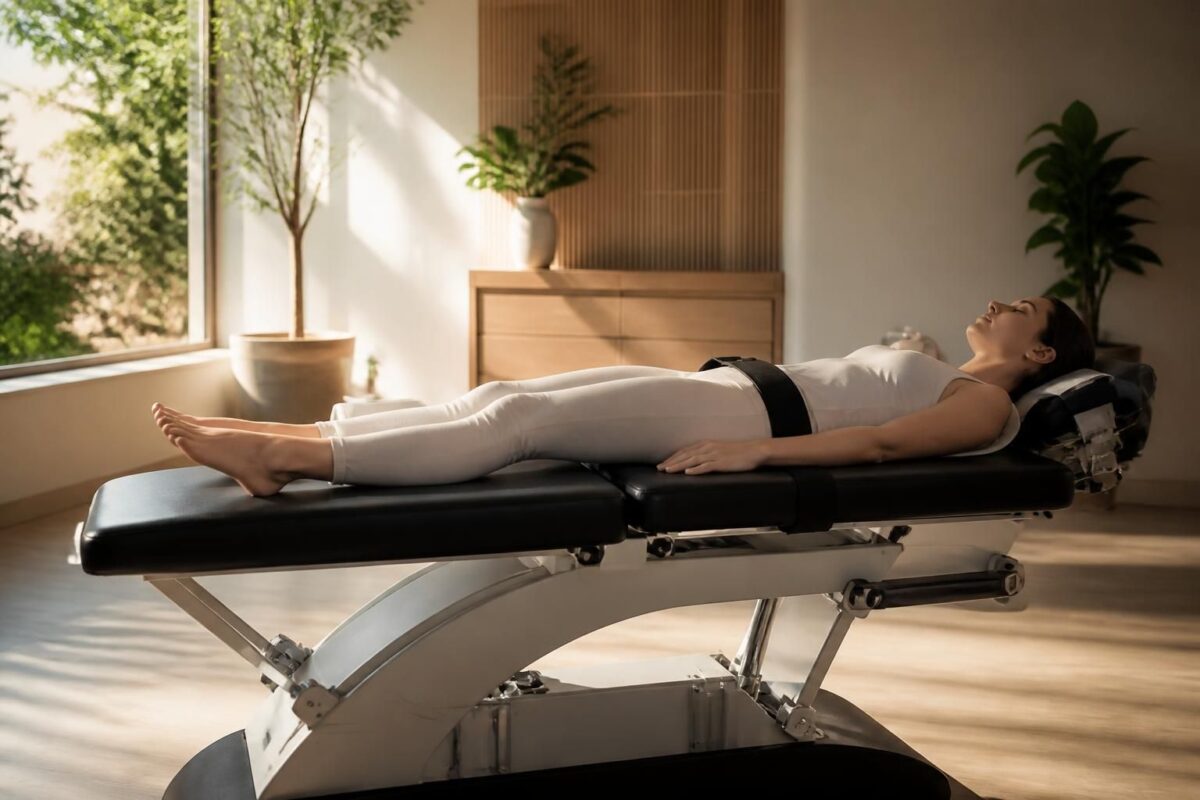
Neurovertebral Decompression and Body Alignment: Restoring Natural Balance
In short In short, neurovertebral decompression is one Non-invasive approach who restores theBody Alignment and thenatural balance back and neck. She acts by a Controlled traction of the spine to widen the intervertebral space and reduce the Pressure on discs…
Benefits and expected results
In practice, this approach offers a painless relief and an Improving mobility which result in a faster resumption of activities. The treatment is non-invasive and avoids the risks associated with surgery. In addition, patients often report a decrease in radiant pain and a reduction in analgesic addiction, while enjoying a better quality of life and a general feeling of well-being.
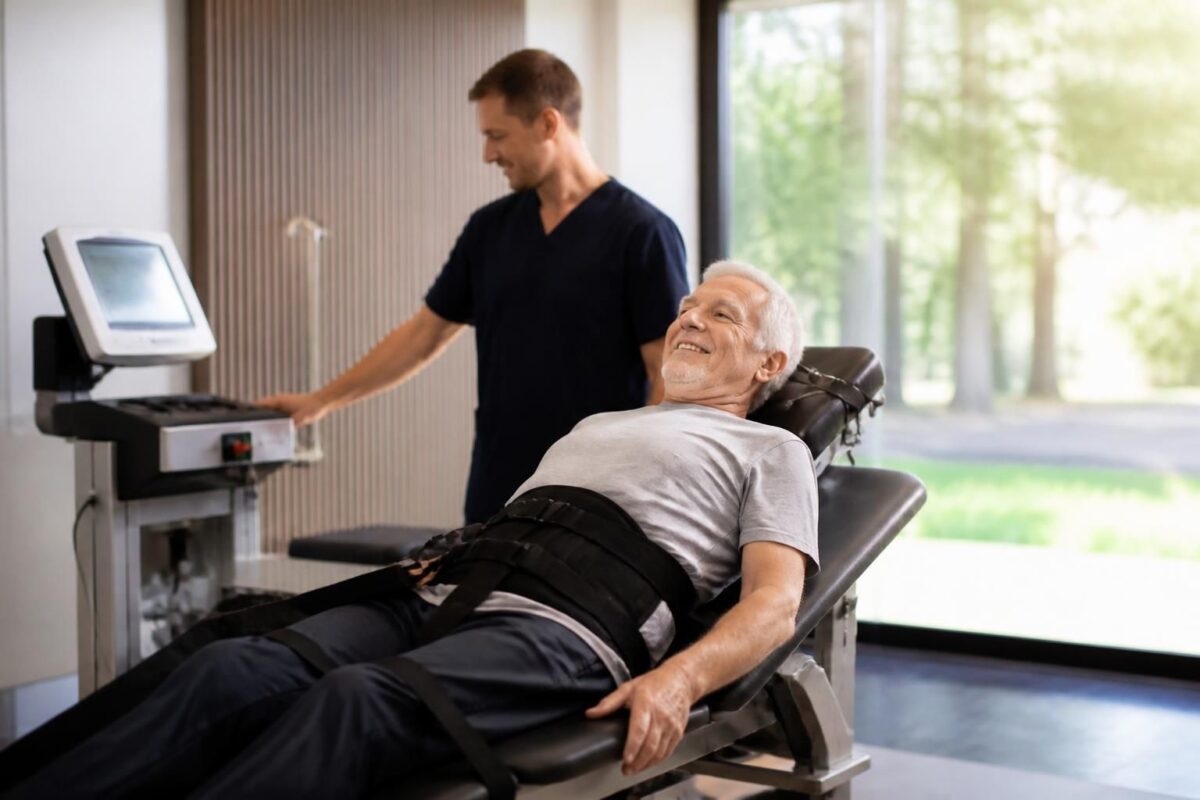
Why neurovertebral decompression is a lasting solution for active seniors
In short In short, the neurovertebral decompression is one Non-invasive therapy which sustainably relieves spinal pain in the spine active seniors By creating, by a Soft and controlled traction, a space between the vertebrae. At Montreal, it is recognized as…
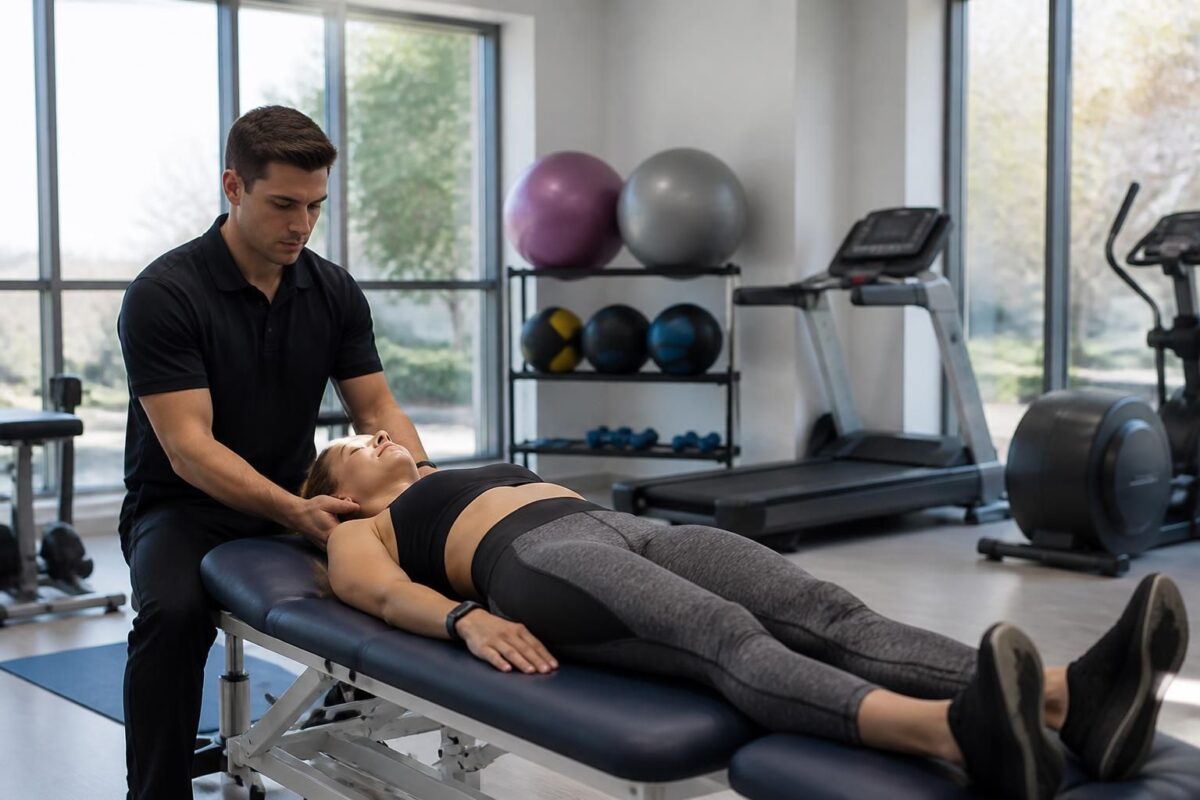
Neurovertebral decompression and recovery after severe sports injury
In short In short, the neurovertebral decompression is one Non-invasive method to Relieve the pressure on the Intervertebral discs and the gristle Via a Controlled traction, to facilitate the recovery After a severe sports injury. It improves the bloodstream towards…
Who can benefit from it and how to start
This therapy is mainly aimed at adults with radiant pain related to pathologies such as herniated discs, degeneration or nerve pinches. One custom equipment and protocol ensure a precise adaptation to the profile of each patient. Before you begin, it is essential to consult your doctor or osteopath to assess your eligibility and define a suitable treatment plan, with regular follow-up.
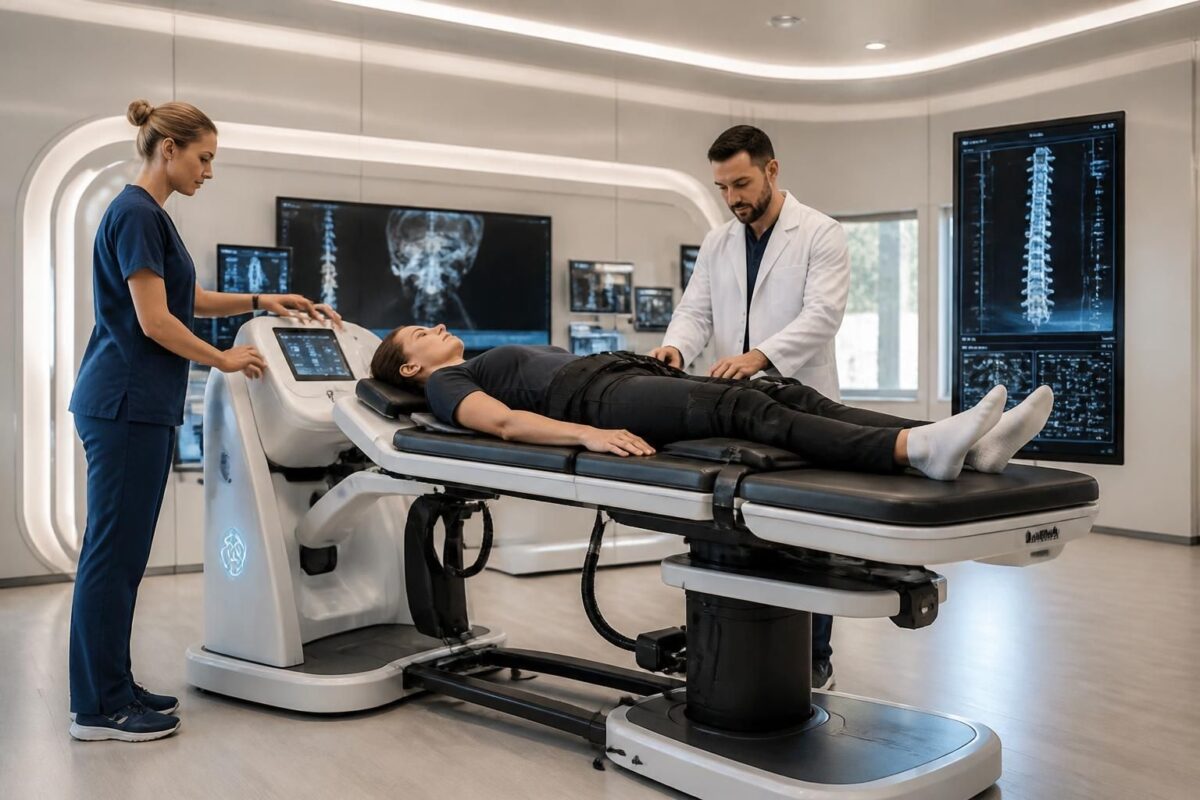
Recent innovations in neurovertebral decompression technologies
In short In short, the neurovertebral decompression is an approach non-invasive Aiming to reduce pressure on discs and nerves, and promote tissue regeneration. At Montreal, it is positioned as an effective option for lower back pain and herniated discs. The…
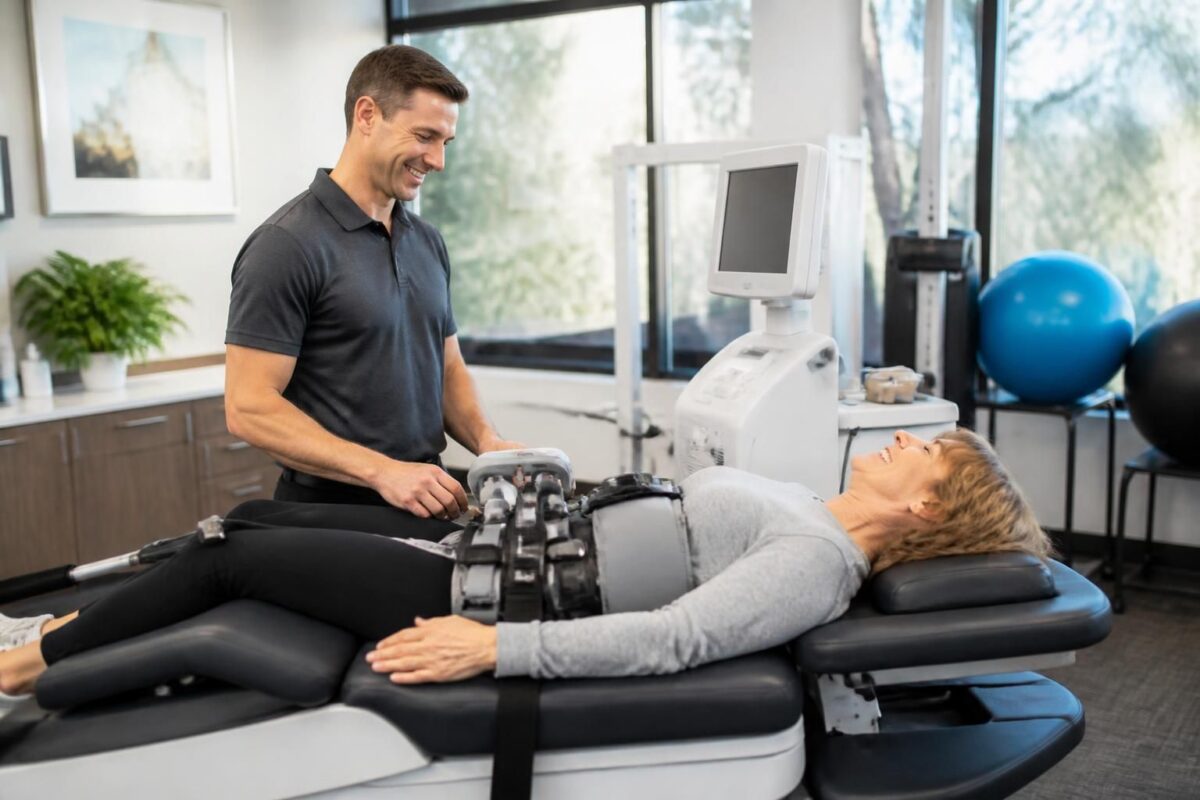
Neurovertebral decompression and diffuse pain: an appropriate solution
In short In short, the neurovertebral decompression is one Non-invasive solution For diffuse pain related to nerve irritation of the spine. She acts in Reducing pressure on intervertebral discs and nerves and improving the bloodstream, which promotes recovery and the…
Integration into a care pathway
Decompression can be offered in addition to strengthening exercises, manual therapies and an active lifestyle. The goal is a Durable solution which reduces symptoms while strengthening the spine and preserving quality of life in the long term. Regular follow-up allows the protocol to be adjusted according to the patient’s progress and feedback.
| Aspect | Impact |
|---|---|
| Principle | Traction fresh and non-invasive to reduce the pressure On discs and nerve roots, without surgery. |
| directions | aches irradiating related to a nervous compression (hernias, disc degeneration) cervical or lumbar. |
| Physiological action | Improvement of the circulation, reduction of inflammation and Muscle relaxation. |
| Benefits | Approach painless, safety and comfort during the sessions. |
| Results | Decrease in pain and resumption of daily activities. |
| Duration and rhythm | Regular sessions over several weeks depending on the evolution. |
| Integration | possible complement with drill And some Manual therapies. |
| Security | weak-willed risks; recommended medical follow-up. |
| Success Indicators | Pain depressed, mobility found, better quality of life. |
Testimonials: Deeply relieve with neurovertebral decompression and radiant pain
Marie, 52: after years of Radiant pain in the arm, the neurovertebral decompression changed my life. This therapy non-invasive gave me a Sustainable relief and a restitution of my mobility what I thought was lost.
Jean, 45 years old: At first, I was skeptical, but after a few sessions, my Radiant pain have decreased sharply. I feel more active and confident in my daily activities thanks to this precise and gentle approach.
Sophie, 37: I had the impression that my life was moving away from my passions because of pain radiating to the leg. The neurovertebral decompression released the pressure on the nerves, and my mobility came back, with a marked improvement in my quality of life.
François, 60 years old: recommended by a relative, I tested this therapy and Radiant pain in the back and legs are almost gone. I now wake up painlessly and find my favorite activities.
Céline, 50 years old: After several unsuccessful attempts, I tried the neurovertebral decompression. Immediate results: marked reduction in Radiant pain And feeling of lightness regained, as if my body were returning to balance.
Lucas, 48: thanks to this approach, I was able to resume my Daily activities without fear of thrusts. The improvement of my pain and my mobility is durable and reassuring.
The neurovertebral decompression Presents as a non-invasive therapeutic approach designed to treat radiant pain associated with spinal disorders. By targeting intervertebral discs and compressed nerve roots, this method provides deep relief by reducing excessive pressure that fuels pain and inflammation. Its spirit is that of a modern treatment, based on the biomechanical mechanisms of the body and on a gradual resumption of functional capacities.
The key principle is based on a Soft and controlled traction which stretches the spinal segments with precision. This action frees up space around nerves and discs, promoting better blood circulation and improved tissue nutrition. As a result, symptoms such as radiating pain in the back, hips or limbs may decrease, mobility recovers and daily activities become more accessible. This approach is part of a preventive logic, aiming to reduce the risk of recurrence by treating the underlying mechanical causes rather than masking the symptoms.
Typical indications include pathologies such as herniated discs, disc degeneration and radiculopathies. For these conditions, decompression offers an effective and secure alternative to more invasive options. Patients often describe a significant improvement in their comfort and a better ability to resume activities that had become difficult, without resorting to heavy surgical procedures. The desired result is a Quality of life found, with lasting pain reduction and increased functional independence.
In practice, neurovertebral decompression is ideally integrated into a global therapeutic framework. It can be supplemented by complementary approaches such as targeted physical therapies and muscle strengthening techniques, in order to support the spine and prevent recurrences. This synergy, combined with a rigorous pre-treatment evaluation and regular monitoring, makes it possible to adjust the protocol according to the evolution of each patient and to maximize the results.
From the clinician’s point of view, this technique is part of an approach of osteopathy, naturopathy and manual medicine, where the objective is to act on functional mechanisms and promote overall well-being. The support is based on a personalized evaluation, an evidence-based approach and transparent communication with the patient, in order to establish a program adapted to their history, lifestyle and objectives. Experience shows that sessions, often well tolerated, offer a secure gateway to tangible improvement in pain and mobility, while preserving vitality and the ability to perform everyday gestures.
At the end of the course, the neurovertebral decompression stands out as a preferred option for people with recurrent radiant pain, offering a path to deep and lasting relief without major surgery. Its effectiveness is based on a gentle, targeted and personalized approach, capable of restoring the neuro-musculoskeletal balance and sustainably improving the quality of life.
The neurovertebral decompression is an approach non-invasive Effective for radiant pain related to spinal disorders. by reducing the pressure exerted on the discs and nerve roots by a gentle traction, it offers deep relief, improves mobility and contributes to a better quality of life, without the need for surgery.
The neurovertebral decompression Acts on the mechanical causes of irradiating pain by releasing pressure around the nerves and discs, which allows a significant reduction in pain and an easier resumption of daily activities. His character non-invasive and secured In fact a lasting option for patients seeking deep relief without operative risks.
The mechanism is based on a Controlled traction which promotes blood circulation, nutritional intake to tissues and reduction of inflammation around pinched nerves. This approach is particularly suitable for pain related to herniated discs, disc degeneration or other causes of radiant pain, with sustained clinical results and positive feedback from patients.
Integrated into a global approach, decompression can be associated with strengthening exercises, posture improvements and complementary therapies to maximize benefits and prevent recurrences. To deepen the foundations and applications, see the following resources: Details#ATFP_CLOSE_TRANSLATE_SPAN# on neurovertebral decompression and radiating pain, Posture#ATFP_CLOSE_TRANSLATE_SPAN# and alignment, Optimization#ATFP_CLOSE_TRANSLATE_SPAN# of recovery after injury.
Testimonials and clinical data indicate a marked decrease in symptoms and a gradual improvement in mobility in many patients. This evolution is reinforced by resources that explain the mechanisms and long-term benefits, illustrating a realistic and sustainable recovery trajectory.
For those who wish to deepen the practical aspects and associated options, additional guides and analyzes exist and can be viewed through several specialized sources, for example: Guide#ATFP_CLOSE_TRANSLATE_SPAN# Complete neurovertebral decompression, Pain#ATFP_CLOSE_TRANSLATE_SPAN# radiating — Deep relief, Decompression#ATFP_CLOSE_TRANSLATE_SPAN# and Foraminal stenosis, as well as detailed additional resources on effects and results.

Dr Sylvain Desforges, B.Sc., D.O., N.D., osteopath, is the founding president of TAGMED and of the ACMA association. He dedicates his practice to chronic spinal pain, low back pain and symptoms compatible with sciatica, particularly when pain radiates toward the buttock, leg, calf, foot or toes.
Through SOS Sciatique, he publishes educational content on sciatica symptoms, possible causes such as disc herniation, disc narrowing, foraminal stenosis or irritation of a lumbar nerve root, as well as non-surgical approaches that may be considered according to the evaluation. At Clinique TAGMED, care may include, depending on the case, motorized neurovertebral decompression, specific osteopathic care or precision percussion.
For an evaluation related to sciatica treatment in Montreal / Mount Royal or sciatica treatment in Terrebonne, please consult the services available at Clinique TAGMED.
Medical disclaimer
The information published on SOS Sciatique is provided for educational purposes only and does not replace a consultation, diagnosis, opinion or treatment provided by a physician or another authorized healthcare professional. The author of this article is neither a medical doctor nor a specialist in a medical specialty recognized by the Collège des médecins du Québec. The osteopathic, manual medicine or functional support approaches described on this site do not constitute medical acts and are not intended to replace medical follow-up.
Consult a physician or emergency service in cases of loss of bladder or bowel control, anesthesia in the saddle area, significant or progressive weakness in the leg or foot, fever, recent trauma, severe pain or rapid worsening of symptoms. For more details, please read our Legal Notice.