Neurovertebral decompression and prevention of vertebral complications
26/06/2026
How neurovertebral decompression affects diffuse back pain
26/06/2026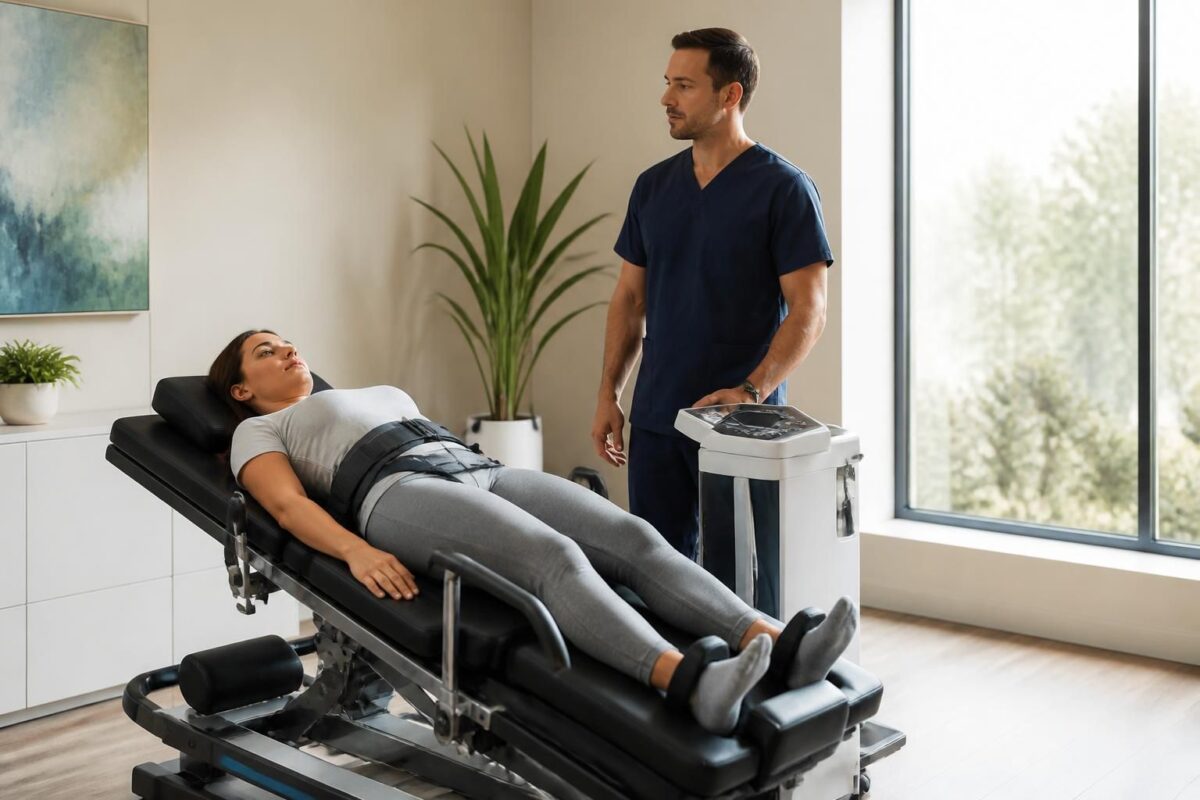
In short |
| In short, the neurovertebral decompression is a non-surgical approach aimed at reducing nerve pressure and relieving acute sciatica. What is it? It is a controlled stretch of the spine that releases the compressed nerve roots. What are the advantages? Reduction of pain and inflammation, improvement of mobility and daily life, and decreased use of surgery. How does it work? A guided protocol, in short and regular sessions, favoring the return of movements and nerve perfusion, generally painless for most patients. Accessible in Montreal and in the regions, this treatment is particularly useful for people with acute sciatica who wish to avoid invasive interventions. |
As an osteopath, I find that the neurovertebral decompression can relieve the acute sciatica By acting on the mechanical mechanisms that would compress the nerves. by gradually releasing the pressure on the nerve roots and by improving the alignment of the segments, it can promote pain reduction and an Improving mobility, thus accelerating the recovery.
This approach is generally part of a global plan including postural advice and targeted exercises, in order to optimize results and prevent recurrences.
Medical Warning: This information does not replace the advice of a healthcare professional. Consult your doctor or osteopath for a personalized assessment.
This article presents the benefits of the neurovertebral decompression for the acute sciatica. It explains the functioning, potential results and integrating this approach within the TagMed Clinic. The goal is to offer clear and verified information, without resorting to unsuitable exercises and favoring evidence-based solutions.
What is neurovertebral decompression?
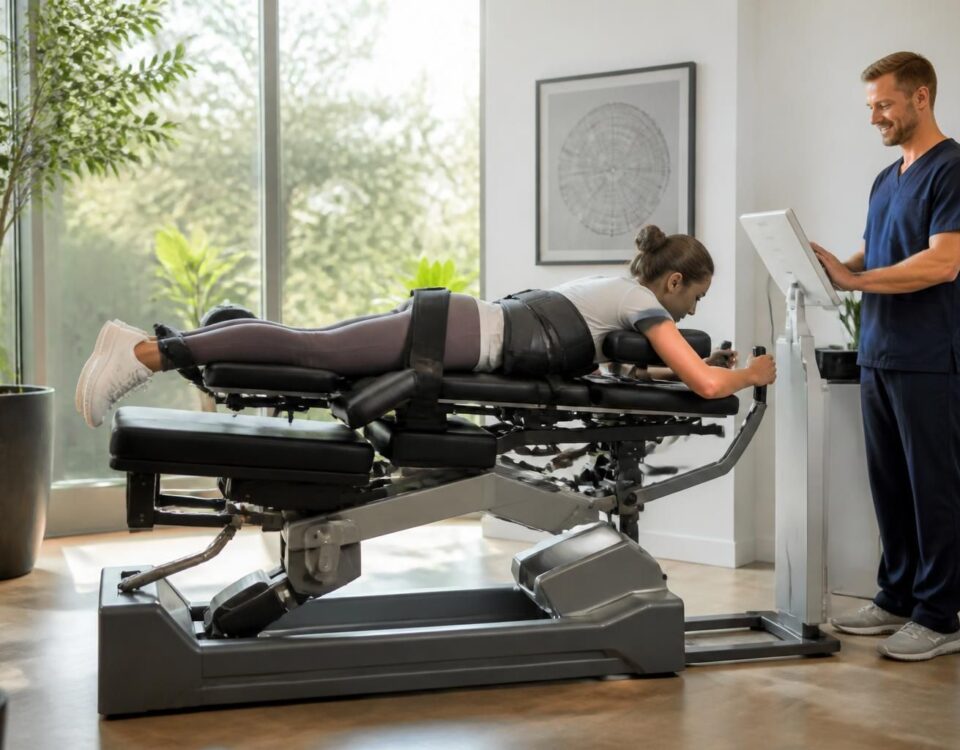
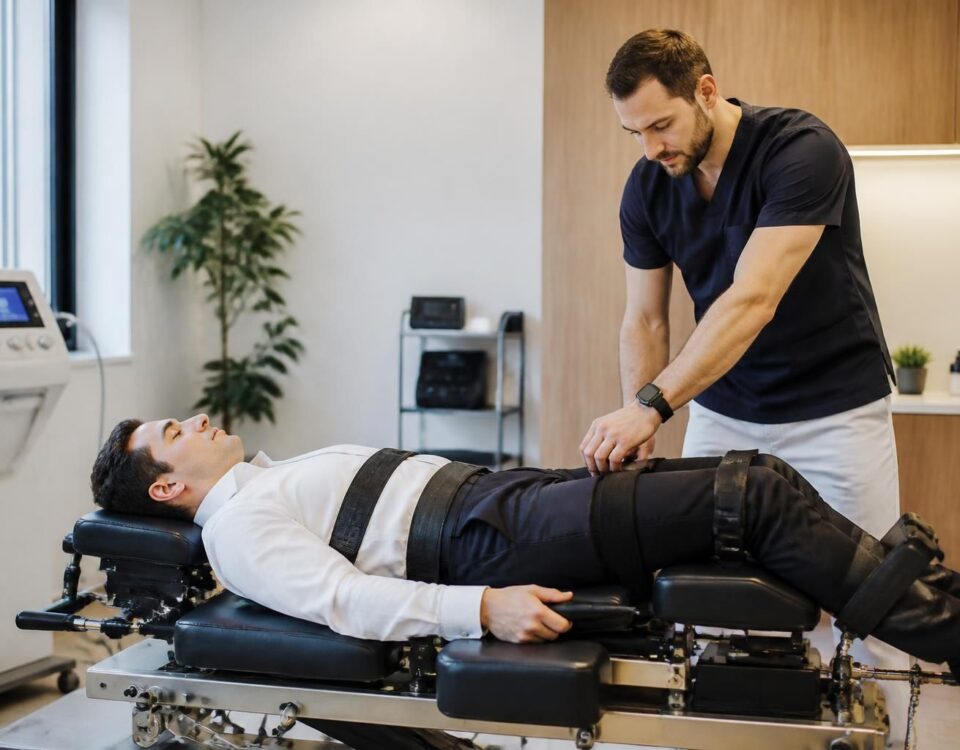
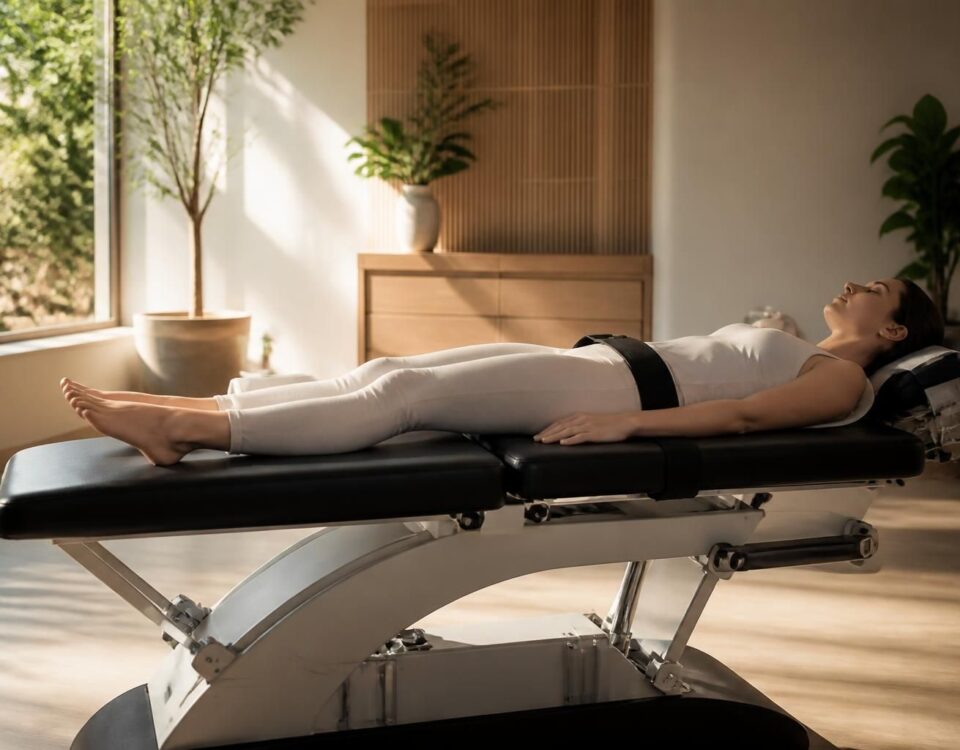
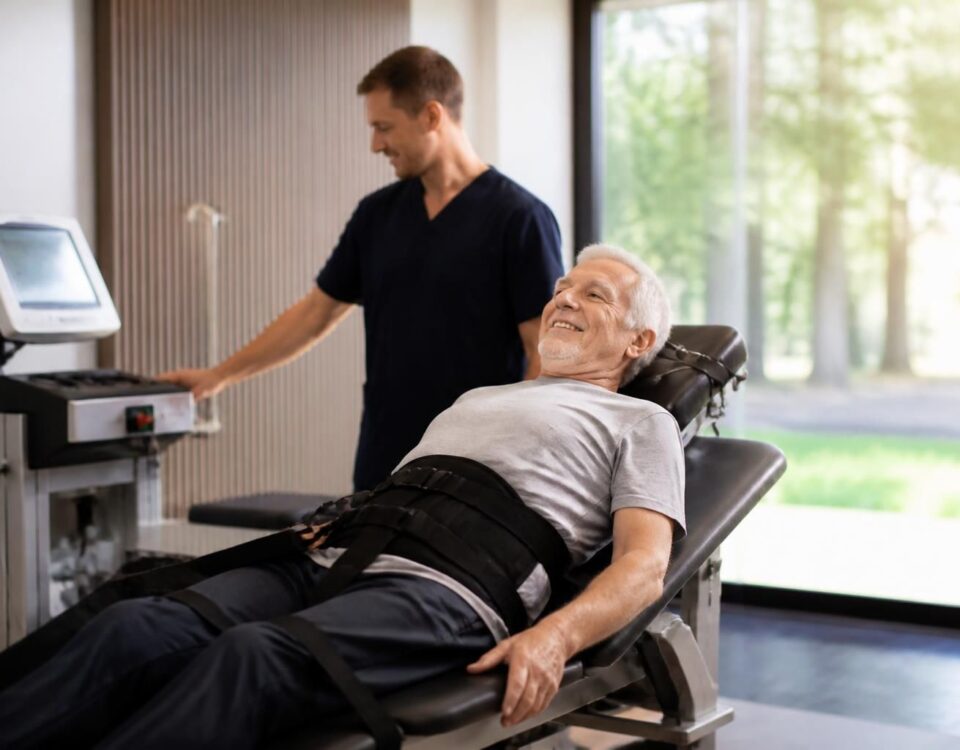
The neurovertebral decompression is a non-surgical approach that aims to reduce the pressure exerted on the nerves and on the discs around the spine. It is based on supervised protocols and appropriate equipment to promote a more favorable neurological space. To understand the basics and associated technologies, you can consult the resources on equipment innovations and advanced protocols available on specialized sites, for example Equipment innovations to maximize the results of neurovertebral decompression and Advanced protocols for patients with neurovertebral decompression. For a clinical perspective, additional information is also available on Neurovertebral decompression and post-surgical pain – improve recovery.
Rapid pain relief and improved mobility
In acute sciatica, reducing nerve pressure may decrease irritation and root pain. This can allow a Improving mobility and a faster resumption of daily activities, while limiting the impact of pain on sleep and quality of life. resources evoke the Benefits for joint mobility and the results observed in various clinical situations, in particular via syntheses and feedback such as The benefits of neurovertebral decompression to improve joint mobility.
why this approach is adapted in case of acute sciatica
The pain and neurological symptoms of acute sciatica often come from displacement or pressure on a nerve root. The neurovertebral decompression Targets these mechanisms, by promoting space around the nerve and by modulating mechanical pressures at the level of the vertebral segments. This approach can be integrated into a care pathway structured and supervised by a specialized team, including Tagmed Clinic.
To deepen the perspectives and protocols used in our framework, here are some useful resources on advanced protocols and associated innovations: Advanced Protocols and Equipment innovations.
What you can expect in Tagmed Clinic
To the Tagmed Clinic, the evaluation is personalized. The treatment plan aims to reduce pain, preserve mobility and improve quality of life. The management is supervised by an experienced team, with regular monitoring of symptoms and adjustments according to the evolution. Additional information and resources are available via our site and our partners, including on pages dedicated to neurovertebral decompression and its clinical applications.
Integration of innovations and resources
For patients and professionals wishing to deepen, several online resources bring together the key elements of modern approaches. For example, the following pages have additional perspectives and relevant use cases: Neurovertebral decompression and post-surgical pain, Benefits on joint mobility, and Management of lower back pain in athletes. Also find the resources dedicated to innovations and protocols on Equipment innovations and Advanced Protocols.
For a global and adapted approach, do not hesitate to inform yourself via TagMed’s resources and discuss with your health professional the options best suited to your situation. Additional information can be found on pages dedicated to neurovertebral decompression and its clinical applications on authorized sites.
Medical Disclaimer: The information and advice provided on this site does not replace the health professional’s diagnosis or treatment. Please note that Dr. Sylvain Desforges osteopath is neither a doctor of medicine nor a doctor, and is not a specialist in a medical specialty as defined by the Collège des Médecins du Québec. Manual medicine, functional medicine and sports medicine as described on this site exclude any medical treatment or diagnosis made by a doctor or specialist doctor. Always consult your doctor for any medical questions. For more details, please read our full legal notice.
- Mechanism : reduction of pressure on the nerve roots and radicular irritation via the neurovertebral decompression.
- Circulation and nutrition : improvement of blood flow and disk nutrition.
- Inflammation : decrease ininflammation and associated pain.
- Mobility : gradual increase in mobility and from the function lumbar and spine.
- Quick relief : reduction of sharp pain and paresthesias.
- Daily activity : faster return to littee activity and at work.
- Prevention : decreased risk of timeliness sciatica.
- Security and tracking : Support under supervision and according to a Individualized protocol.

Neurovertebral decompression is a non-surgical approach that aims to decrease Gradually the pressure exerted on the nerve roots and the intervertebral discs. This article presents the Mechanisms of action, the earnings For acute sciatica, protocols typical and precautions to know. By combining a Accurate evaluation, of Adapted sessions And some Guided exercises, it can help Reduce radiated pain, to improve the mobility and promote the Resumption of daily activities, often without having to resort to surgery.
What is neurovertebral decompression?
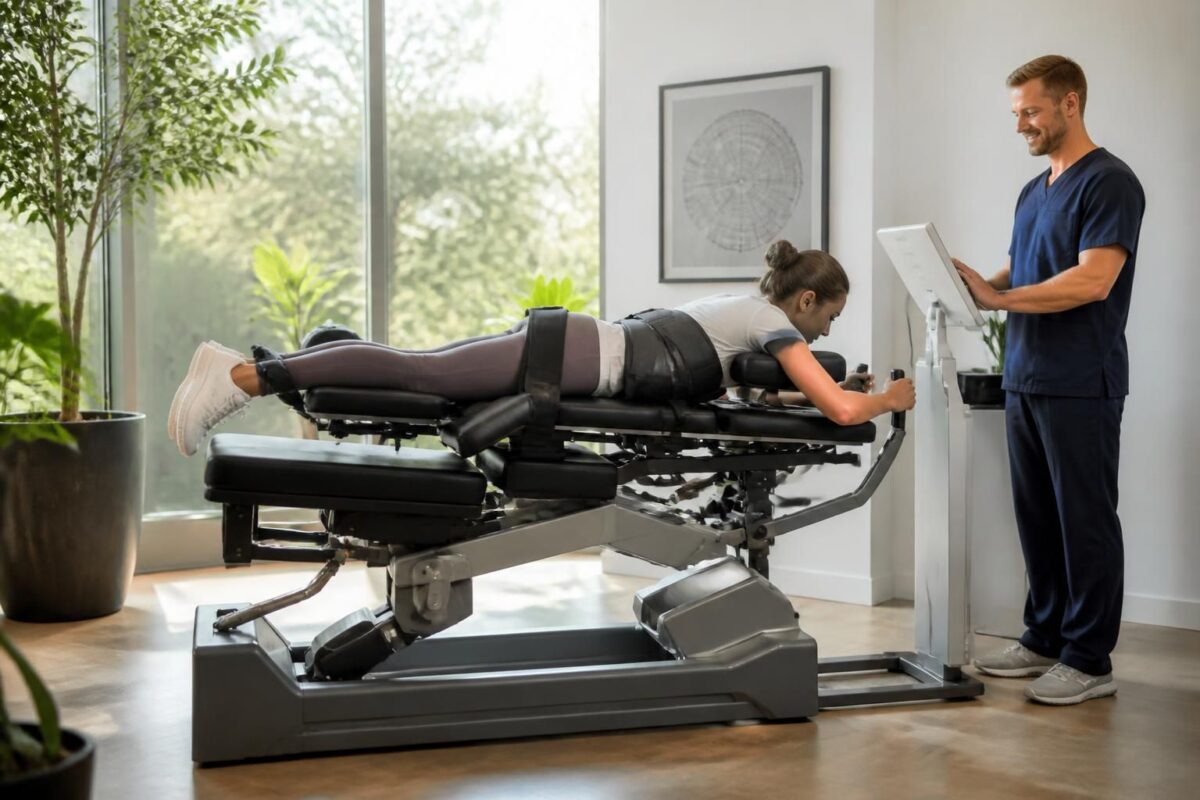
Neurovertebral decompression includes manual and/or mechanical techniques aimed at stretch slightly the spinal segments to increase theForaminal Space and the space around the nerve roots. This approach can be carried out with specialized equipment or by appropriate technical gestures, and it is generally practiced as part of a treatment plan individualized. The goal is to Reduce disc internal pressure and promote the rebalancing column support structures.
The long-term benefits of neurovertebral decompression for spinal health
In short In short, the neurovertebral decompression is a non-invasive approach that decreases the Pressure on intervertebral discs and nerves, favoring the Natural regeneration and tissue recovery. Its long-term benefits include Lasting pain reduction, Improving mobility and from the posture,…

Neurovertebral decompression and mobility: a return to an active life
In short In short, the neurovertebral decompression is therapy non-invasive who uses a gentle traction To create a space between the vertebrae and reduce the pressure on the Intervertebral discs and the nerves. It promotes a bloodstream improved, lowers tension…
How does it act against acute sciatica?
As part of a acute sciatica, decompression can act in several ways: by decreasing disc pressure, by facilitating the Nervous blood reflux and favoring the Return of nutrients to the disc and adjacent tissues; By reducing the Muscle crutch and root irritation, which can reduce irradiated pain and paresthesia. With proper guidance, it can also help restore a segmental mobility and prevent repeated episodes.
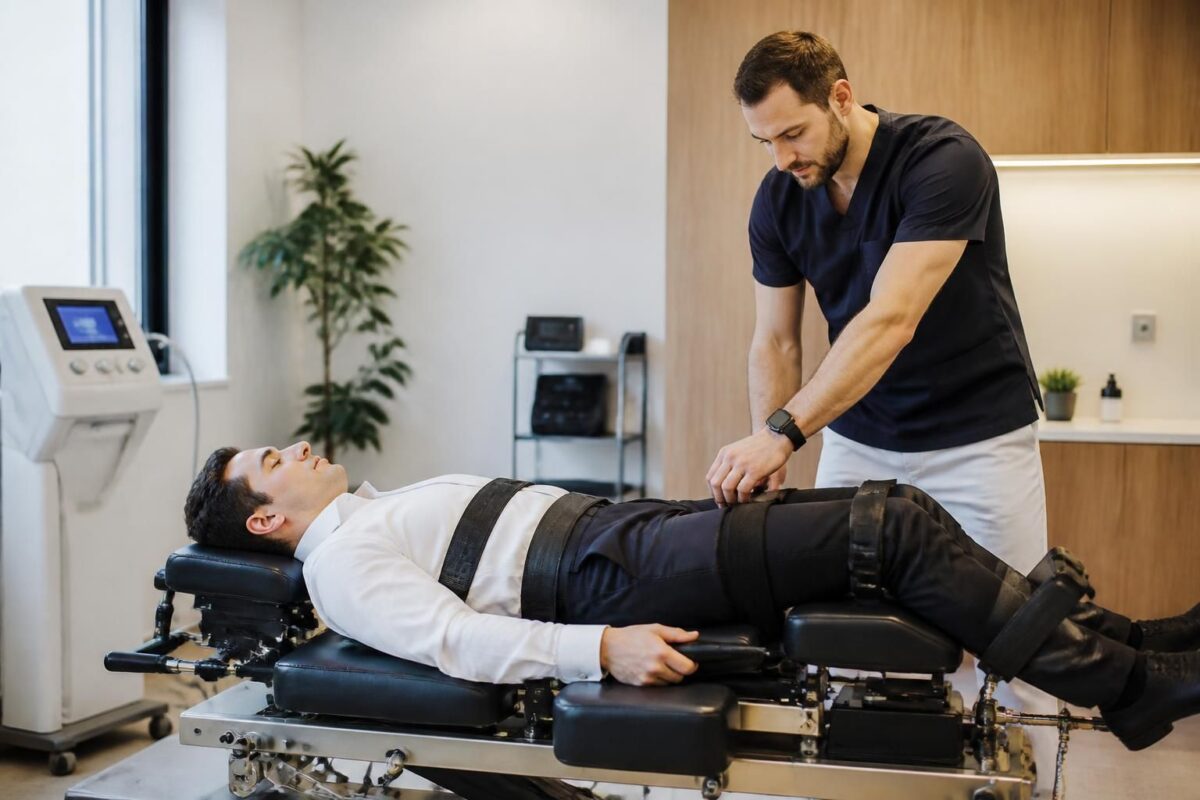
How Neurovertebral Decompression Prevents Diffuse Chronic Pain
In short decompression neurovertebral is one Non-invasive method aimed at reducing the Pressure on the intervertebral discs and the nerves, in order to prevent Diffuse chronic pain. It improves the circulation and thedisc hydration, decreases inflammation and promotes better mobility.…
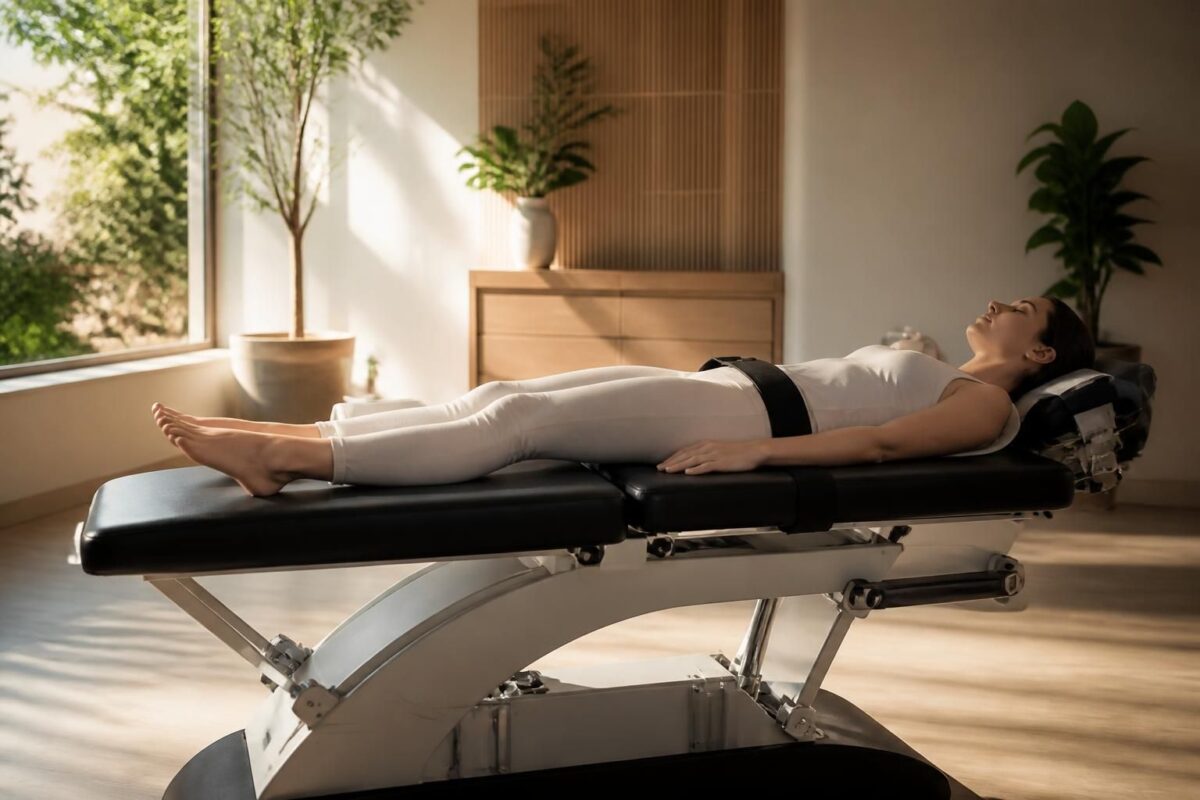
Neurovertebral Decompression and Body Alignment: Restoring Natural Balance
In short In short, neurovertebral decompression is one Non-invasive approach who restores theBody Alignment and thenatural balance back and neck. She acts by a Controlled traction of the spine to widen the intervertebral space and reduce the Pressure on discs…
The benefits observed
Among the earnings reported, we observe a pain reduction In the first days to weeks, a Improved range of motion and an Reduction of episodes of irradiation directed to the leg. some patients appreciate a Better quality of life and a faster resumption of professional and domestic activities. These results, however, depend on the exact nature of the pain and the individual response to treatment.
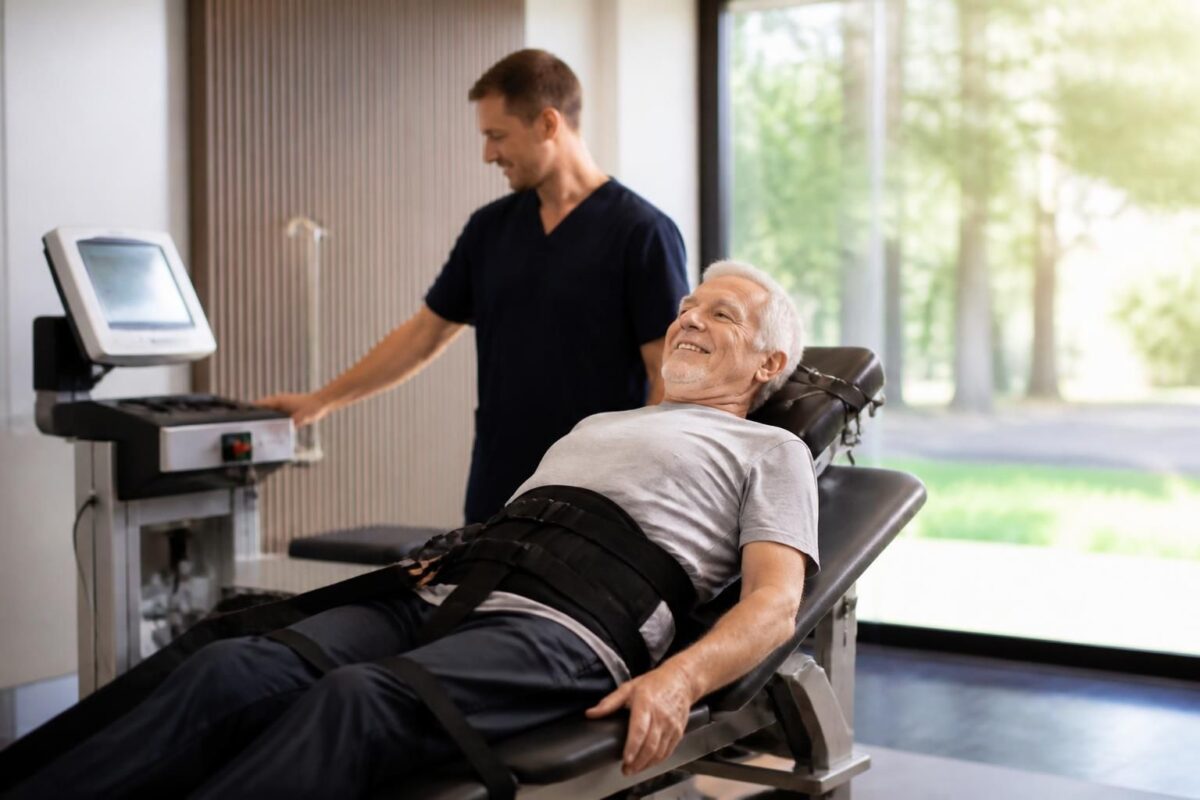
Why neurovertebral decompression is a lasting solution for active seniors
In short In short, the neurovertebral decompression is one Non-invasive therapy which sustainably relieves spinal pain in the spine active seniors By creating, by a Soft and controlled traction, a space between the vertebrae. At Montreal, it is recognized as…
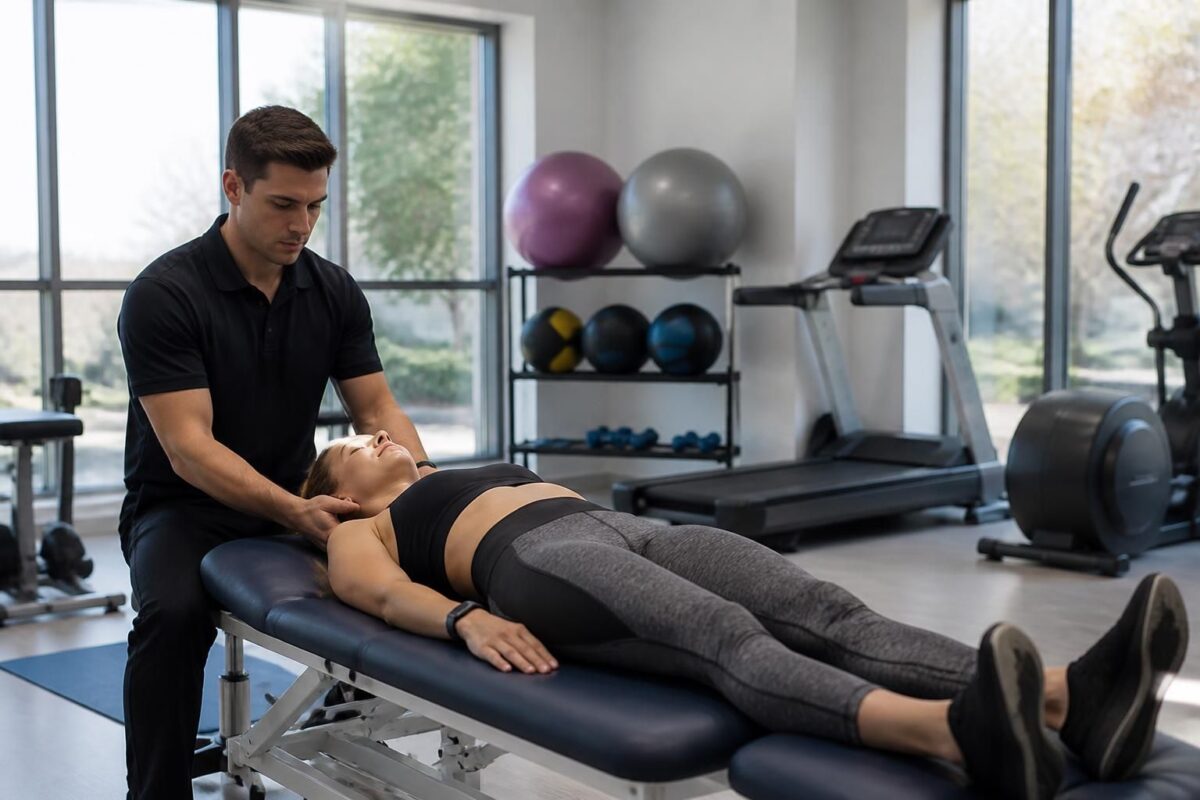
Neurovertebral decompression and recovery after severe sports injury
In short In short, the neurovertebral decompression is one Non-invasive method to Relieve the pressure on the Intervertebral discs and the gristle Via a Controlled traction, to facilitate the recovery After a severe sports injury. It improves the bloodstream towards…
Recommended indications and protocols
indicated in case of acute sciatica due to disc disease without severe progressive neurological deficit or contraindication. The typical protocol provides for sessions regular, often 15 to 20 minutes, with a frequency of 1 to 3 times a week over a period of 4 to 6 weeks, supplemented by stretching and strengthening exercises and postural advice. The goal is to get a gradual pain reduction and an Functional stabilization sustainable.
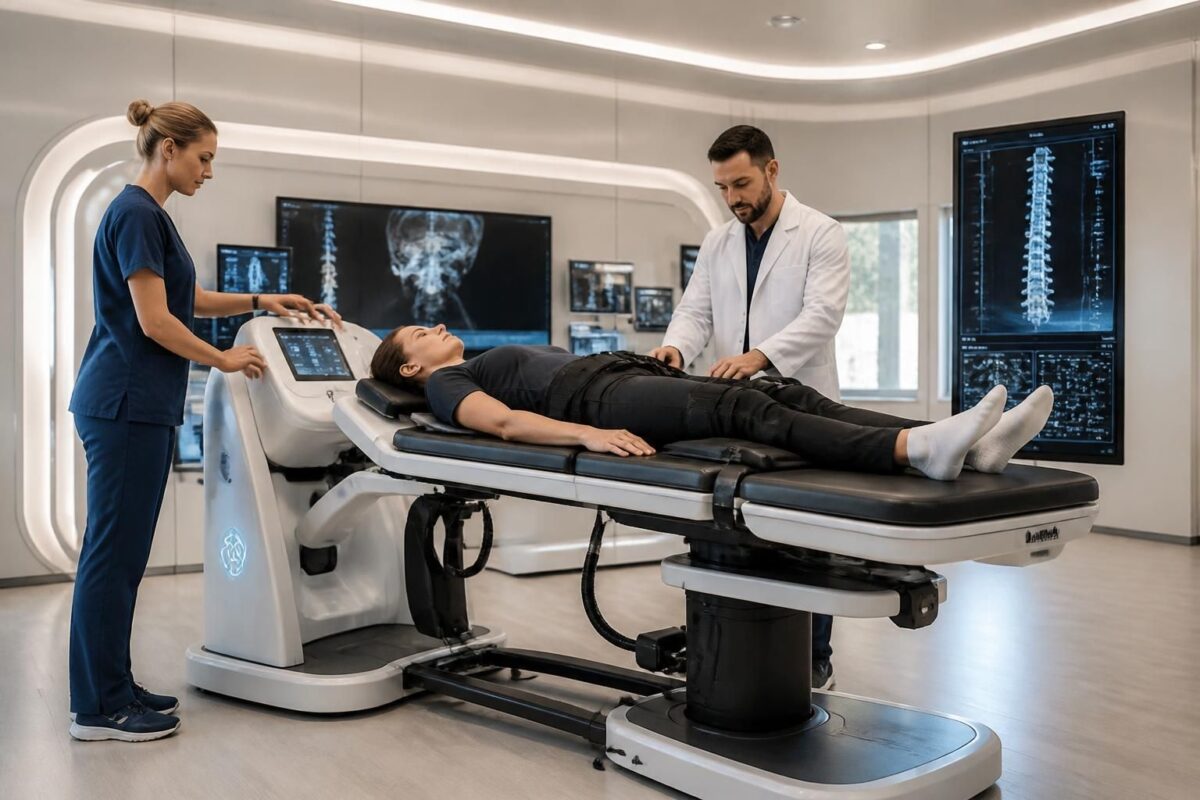
Recent innovations in neurovertebral decompression technologies
In short In short, the neurovertebral decompression is an approach non-invasive Aiming to reduce pressure on discs and nerves, and promote tissue regeneration. At Montreal, it is positioned as an effective option for lower back pain and herniated discs. The…
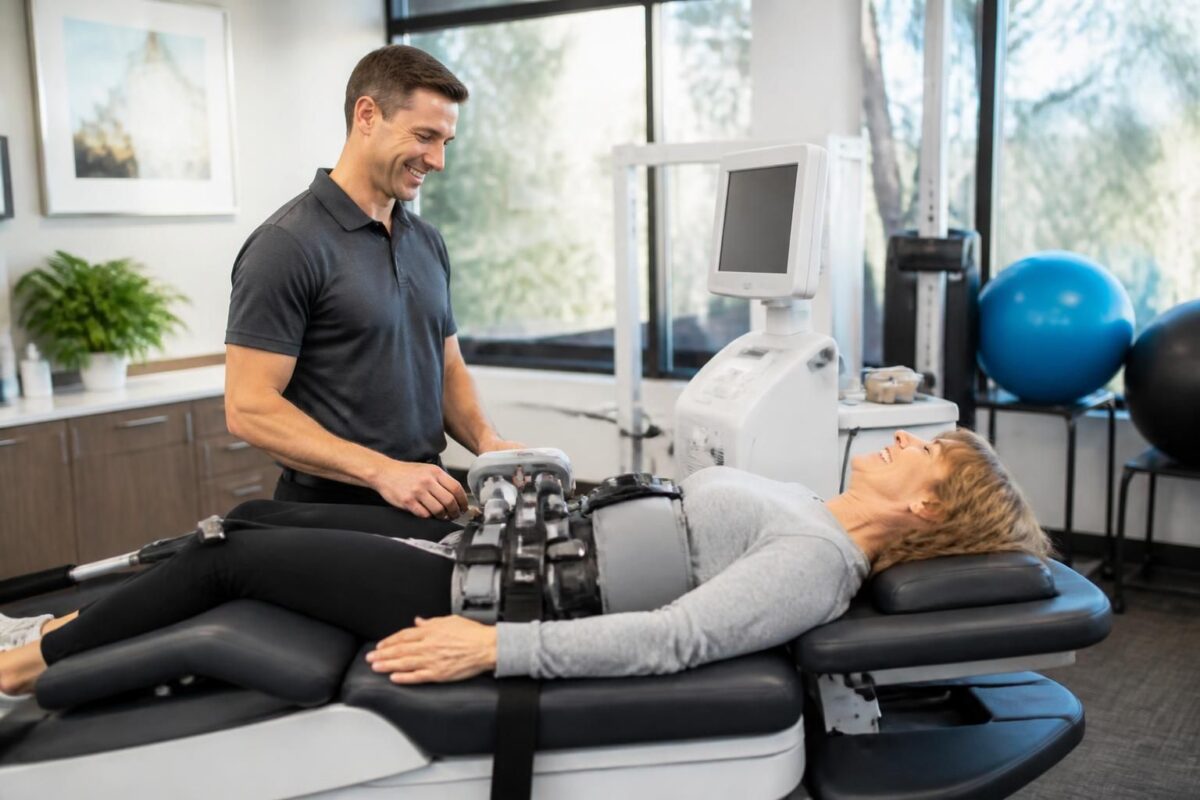
Neurovertebral decompression and diffuse pain: an appropriate solution
In short In short, the neurovertebral decompression is one Non-invasive solution For diffuse pain related to nerve irritation of the spine. She acts in Reducing pressure on intervertebral discs and nerves and improving the bloodstream, which promotes recovery and the…
Precautions and contraindications
This technique must be adapted and supervised by a health professional. Some situations require avoiding decompression: pregnancy, Unconsolidated fractures, vertebral infections, tumors or other important pathologies, vertebral instability or Progressive neurological deficits. In case of new pain, fever, weakness, loss of sphincter control or discomfort, stop and consult immediately.
What to expect during a consultation
During the first consultation, the professional assesses the location, intensity and nature of the pain, looks for alarm signs and determines whether the decompression is appropriate. A personalized plan is then drawn up with clear objectives, a home exercise program and a reassessment schedule. Adjustments are made based on tolerance and progression, in order to maximize profits while minimizing risks.
| Aspect | Concise impact |
|---|---|
| Main mechanism | reduction of the pressure on the nerve roots by a decompression controlled, reducing root irritation and pain. |
| sciatic pain | Attenuation of the sciatic pain thanks to the decrease in disc pressure and inflammation. |
| Mobility and function | Improvement of the mobility and from the function daily without worsening symptoms. |
| Speed of results | results observable in A few sessions with appropriate progression. |
| Security and tolerance | Profile secure And well tolerated when practiced by a professional, with few adverse effects. |
| Clinical indications | indicated for the acute sciatica related to mechanical nervous compression or disc herniation. |
| relapse prevention | Helps prevent relapses with better stability and mobility vertebral. |
| therapeutic compatibility | Compatible with other approaches (physiotherapy, exercises, manual therapy) for a plan Multi-modular. |
| Deadline and accessibility | Quick start with progression adapted to the patient’s response and access to care. |
| Long-term effects | potential of Sustainable reduction pain and improvement in the quality of life thanks to the regulation of the load on the discs. |
Since my first sessions of neurovertebral decompression for my acute sciatica, the pain dropped markedly and the mobility of the back and leg improved rapidly.
This approach was an alternative non-drug which reduced the inflammation and allowed me to resume my activities without depending on the usual analgesics.
I appreciated the personalized support and progress monitoring; After a few weeks, my acute sciatica diminished and spasms decreased.
each session gave me a feeling of rebalancing the column and the mobility found, with less nocturnal tugs and less frequent awakenings.
By associating the neurovertebral decompression to targeted exercises and postural advice, I found a Sustainable reduction symptoms and a better quality of life on a daily basis.
Neurovertebral decompression: a pathway to sciatica attenuation
The acute sciatica is manifested by severe pain radiating along the sciatic nerve and can seriously hinder daily activities. This pain is often associated with nervous compression or nerve root irritation caused by dehydrated intervertebral discs, protrusions or posture-related mechanical factors. Faced with this widespread disorder, neurovertebral decompression offers a targeted approach to reduce stress on the roots and promote rebalancing of the vertebral structures.
The fundamental principle is based on improving the space around the nerve roots and reducing the pressure exerted on the path of the nerve. In practice, this approach uses controlled decompression techniques that promote fluid redistribution and better nutrition of the discs. By rebalancing the forces surrounding the spinal joints, it can help relieve pain, decrease muscle spasms and improve lower back and lower limb mobility.
Among the observable benefits are a pain reduction, a Improving mobility and an Functional recovery progressive. Patients often report a decrease in pain during rest and exertion, better ability to perform daily actions and decreased addiction to painkillers. By promoting the return to targeted and adapted activities, decompression can positively influence the quality of life and self-esteem in the face of the risk of relapse.
This approach is part of a global non-surgical and personalized management strategy. It fits with rehabilitation programs, trunk strengthening exercises, gentle stretching and postural advice. The treatment is adapted to each patient, depending on the intensity of the pain, the stage (acute or undertreble) and the comorbidities. An early and regular evaluation makes it possible to determine the correct rhythm of the sessions and to specify the objectives to be achieved, while remaining attentive to any sign that would require a specialized medical consultation.
Beyond the effect on pain, neurovertebral decompression can help restore the mechanical balance of the spine, support the natural tissue healing process and reduce risk factors for recurrence. By combining this approach with complementary techniques – manual therapy, home self-care tips and adapted activity programs – maximizes the chances of lasting and measurable results.
Medical Warning: The information and advice provided do not replace the advice, diagnosis or treatment of a healthcare professional. Always consult your doctor for any medical questions. For more details, please read our legal notices and legal notice.
This article quickly summarizes how the neurovertebral decompression can help relieve acute sciatica, explaining the mechanisms, indications and results observed, as well as the resources available to deepen the subject.
The first observed benefit of the neurovertebral decompression is the pain relief and the reduction of tensions that compress the nerve roots, which promotes an improvement in the mobility and quality of life during a acute sciatica.
On the medical level, this approach acts by releasing mechanical stresses on the spine and nerves, promoting better circulation of nutrients and a reduction in local inflammation. It can be integrated into multimodal care that includes targeted exercises, appropriate hydration and improved posture, in order to limit recurrent episodes and optimize recovery.
Clinical data and specialized reviews support the efficacy of neurovertebral decompression in cases of cervical and lumbar pain associated with sciatica, with encouraging results in terms of pain reduction and functional improvement. To explore the evidence and mechanisms, you can consult the following resources: Clinical studies confirming the efficacy of neurovertebral decompression.
To understand how this approach fits into overall spinal management and supports general health, see resources addressing mechanisms and long-term effects: How neurovertebral decompression supports overall spine health, and Neurovertebral Decompression and Chronic Cervical Pain — Overall Management.
If you want to deepen the mechanisms, physiological benefits and psychological aspects associated with a structured program, the following resources offer additional information and objective data: The physical and mental benefits of a neurovertebral decompression program, and Why neurovertebral decompression is a natural solution for acute pain.
Medical warning: The information and advice provided does not replace the advice of a health professional. Always consult your doctor for any medical questions. For more details, please read our legal notice.

Dr Sylvain Desforges, B.Sc., D.O., N.D., osteopath, is the founding president of TAGMED and of the ACMA association. He dedicates his practice to chronic spinal pain, low back pain and symptoms compatible with sciatica, particularly when pain radiates toward the buttock, leg, calf, foot or toes.
Through SOS Sciatique, he publishes educational content on sciatica symptoms, possible causes such as disc herniation, disc narrowing, foraminal stenosis or irritation of a lumbar nerve root, as well as non-surgical approaches that may be considered according to the evaluation. At Clinique TAGMED, care may include, depending on the case, motorized neurovertebral decompression, specific osteopathic care or precision percussion.
For an evaluation related to sciatica treatment in Montreal / Mount Royal or sciatica treatment in Terrebonne, please consult the services available at Clinique TAGMED.
Medical disclaimer
The information published on SOS Sciatique is provided for educational purposes only and does not replace a consultation, diagnosis, opinion or treatment provided by a physician or another authorized healthcare professional. The author of this article is neither a medical doctor nor a specialist in a medical specialty recognized by the Collège des médecins du Québec. The osteopathic, manual medicine or functional support approaches described on this site do not constitute medical acts and are not intended to replace medical follow-up.
Consult a physician or emergency service in cases of loss of bladder or bowel control, anesthesia in the saddle area, significant or progressive weakness in the leg or foot, fever, recent trauma, severe pain or rapid worsening of symptoms. For more details, please read our Legal Notice.