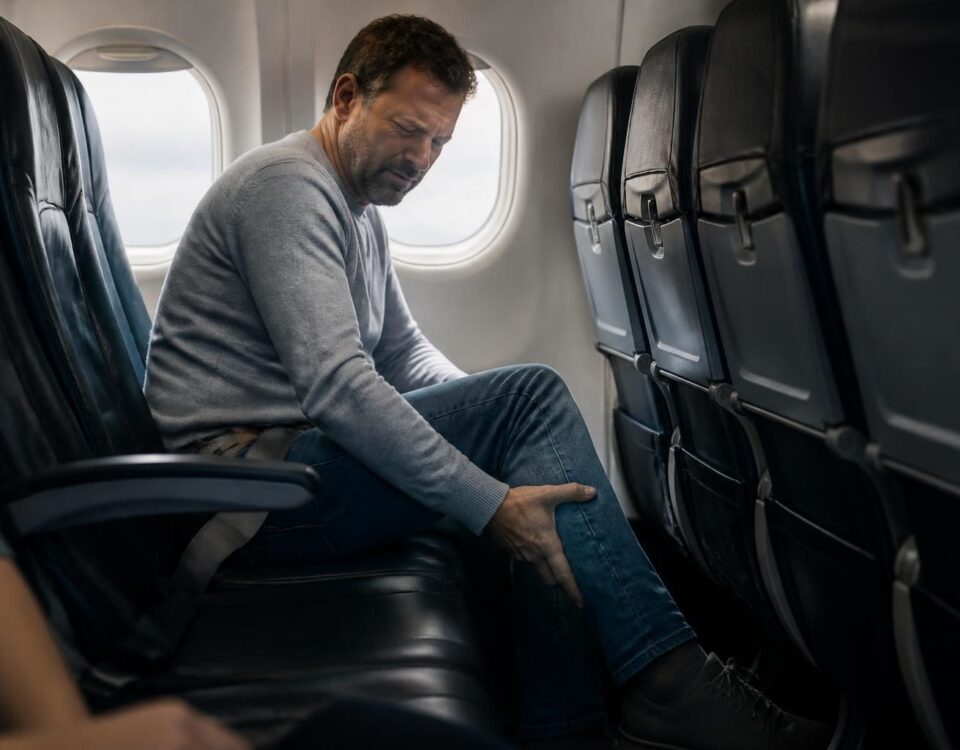



Sciatica: foot weakness and possible neurological cause
11/07/2026
Sciatica treatment Montreal: questions to ask before starting care
12/07/2026
IN BRIEF
Sciatica and big toe pain in sitting position refer to pain that starts from the lower back and can reach the foot when the sciatic nerve is irritated or compressed. Benefits: simple and quick measures to implement at the office to relieve pain and maintain activity. How does it work? By varying postures, optimizing the ergonomics of the workstation, and practicing gentle exercises and active breaks, pressure on the nerve and irritation towards the big toe is reduced. |
Sciatalgia refers to pain related to the sciatic nerve, possibly radiating along the nerve pathway to the foot and sometimes affecting the big toe.
In prolonged sitting position, the pain may intensify as pressure on the lumbar discs and nerve inflammation worsen. This pain can accompany lumbar sciatica and manifest in the lower back, buttock, then leg and sometimes the big toe.
To relieve: prioritize active breaks every 30 minutes, adopt an ergonomic posture (feet flat, knees bent, back supported, neutral pelvis), and vary positions (sitting, standing, walking). Gentle stretching, heat and cold as needed, and a consultation if pain persists or is accompanied by other risk signs.
This article written by a health professional expert explains the link between sciatalgia and pain in the big toe while sitting. It describes the mechanisms, symptoms, assessment, and management options. Practical advice is given to improve comfort at work and limit posture-related aggravations. It also addresses when to consult and the limitations of available treatments.
How Sciatalgia Can Affect the Big Toe
Pain related to sciatalgia can radiate along the course of the sciatic nerve and travel up to the big toe, especially when involved lumbar roots, such as L5 and S1, are irritated. The big toe can be painful, numb, or have paresthesias when the pain follows the nerve pathway. This relationship explains why prolonged sitting pain can extend to the toe.
Impact of Sitting Position on Pain
Prolonged sitting increases pressure on the lumbar discs and can exacerbate inflammation of the sciatic nerve. It can also alter the natural curvature of the lower back and place more stress on the posterior structures of the spine. The result is an intensification of pain that sometimes radiates to the buttock and leg, and in some cases, to the big toe.
Signs and Symptoms to Monitor
Typical signs include pain that follows the course of the sciatic nerve, sometimes associated with tingling or decreased muscle strength. In acute forms, pain may be stronger at the end of the day or after a prolonged sitting period. Warning signs require prompt consultation: loss of strength in the leg, sphincter disturbances, pain that intensifies at night, or apparent bilateral pain.
Assessment and Diagnosis
The doctor bases the diagnosis on the patient’s history and physical examination. The doctor may perform simple tests to reproduce the pain and estimate its intensity. Additional examinations are not systematic but may be requested if there is diagnostic doubt or an intervention is contemplated.
Treatment Options and Management
Overall management may include medication tailored to pain and inflammation. Paracetamol is often used as a first-line treatment, followed by anti-inflammatories or muscle relaxants depending on pain and history. The recommended duration is limited to a few days to avoid side effects.
Non-medication measures promote comfort while sitting. It is possible to use lumbar supports and arrange active breaks to alternate postures. In some cases, injections may be proposed by a rheumatologist when pain significantly limits daily activities.
Surgery is only considered in rare situations: disabling pain, hyperalgesic pain resistant to well-conducted treatment, or cauda equina syndrome. In other cases, a tailored and progressive management aims to reduce symptoms and prevent recurrences. For patients, the goal is to improve tolerance to sitting position and encourage a return to suitable activity.
As part of a specialized consultation, some patients may benefit from support at the TAGMED clinic in Montreal or Terrebonne. Alternative options are presented, but each case remains individualized according to symptoms and examinations performed.
Sitting Posture and Comfort in Daily Life
Adopting a stable and comfortable posture is crucial. The basics include keeping feet flat, knees slightly bent, back supported, and pelvis in a neutral position. If the backrest does not sufficiently support the lower back, a small lumbar cushion can help. It is important to avoid slumping for extended periods and to maintain a single position for too long.
Alternating postures is preferable to seeking a single “good” posture. Solutions such as dynamic seating, an ergonomic stool, or using a height-adjustable desk can help vary supports and reduce strain on the spine.
In case of prolonged computer use, it is helpful to take active breaks regularly. Standing up for a few minutes, walking or gently stretching can reduce pain and promote recovery. For practical advice and examples, you can refer to the following resources: buttock pain while sitting, Why one treatment doesn’t work for everyone, and sciatic decompression Terrebonne.
Advice and tools to optimize your workstation exist among professionals and ergonomic furniture solutions. For more information on ergonomic options and clinical approaches, you can consult TAGMED Clinic.
When to Consult and What Resources to Seek
Check if the pain worsens, if you lose strength in the leg, if urinary or sphincter disorders appear, or if the pain worsens rapidly despite treatment. Reliable resources on low back pain and radicular pain can be helpful for understanding symptoms and treatments. To learn more about the distinction between low back pain and nerve pain, check this link: Sciatica: distinguishing low back pain and nerve pain.
For additional information on the symptoms and typical durations of sciatica, you can consult the following resources: Sciatica and pain in the buttock while sitting, Disc syndrome and associated pain, and Distinguishing lumbar and nerve pain.
Medical disclaimer: The information and advice provided on this site do not replace the advice, diagnosis, or treatment of a healthcare professional. Please note that Dr. Sylvain Desforges, osteopath, is neither a medical doctor nor a physician and is not specialized in a medical specialty as defined by the Collège des médecins du Québec. Manual medicine, functional medicine, and sports medicine as described on this site exclude any treatment or medical diagnosis made by a physician or specialist physician. Always consult your doctor for any medical questions. For more details, please read our full Legal Notice.
Benefits and limitations of TAGMED clinical approaches and associated resources: TAGMED Clinic, Neurovertebral Decompression, and Sos Herniated Disc. For questions related to evaluation and treatment, prioritize advice from a professional and resources approved by your care network.
- Axis: Ergonomics and the link between sciatica and big toe while sitting
- Pain radiating from the lower back to the big toe via the nerve pathway
- Typical signs: buttock/leg pain with paresthesia in the big toe
- Alert: weakness, loss of sensitivity, sphincter disorders
- Alternate postures every 30 minutes to limit pressure
- Ergonomic adjustments: seat height, lumbar support, feet flat
- Gentle exercises targeting back muscles and hamstrings
- Apply heat or cold based on the type of pain
- Treatment: paracetamol as first intention; NSAIDs max 5 days

Clear summary in introduction
This practical guide explains how sciatica can manifest when you are sitting, and why the pain can sometimes affect the big toe. You will find simple tips for adopting good posture, a few gentle exercises to do at the office, and indications on recommended treatments to relieve quickly and limit recurrences without leaving your chair.
Understanding the link between Sciatica and pain in the big toe while sitting
Sciatica results from irritation or compression of one or more roots of the sciatic nerve. When you sit for a long time, the pressure on the lumbar discs increases, and inflammation can extend along the nerve pathway to the foot and, sometimes, affect the big toe. Symptoms may include pain that descends from the lower back to the buttock, then the back of the leg and, in some cases, to the big toe or other toes. This pain is often accompanied by sensations of electric shocks, especially during movements or aggravating positions.
What this means for your daily life
In prolonged sitting, it’s important to understand that the risk is not only on the back: it can also affect the foot and toe, making certain daily activities more uncomfortable. The goal is to reduce mechanical strain on the spine and act on circulation and muscle tone around the spine and pelvis.
Sitting position and immediate measures to limit pain
To limit worsening, prioritize a seating position that properly supports the lower back, with feet flat on the ground and knees slightly bent. Get into the habit of changing positions regularly and avoiding fixed postures for hours. A slight natural arch can relieve the posterior chain and reduce pressure on the nerve roots. Feel free to use a lumbar cushion or a small roll to support the lower back and maintain the pelvis in a neutral position.
Preferred postures and habits to adopt at the office
Alternating positions is more effective than seeking a “perfect posture.” Try alternatives like dynamic seating, an ergonomic stool, or occasionally standing if your position allows. Avoid crossing your legs for long periods and ensure the edge of the seat does not compress the back of your thighs. Adjust the screen to eye level and keep your shoulders relaxed to limit tensions that travel up to the back and the sciatic nerve.
Gentle exercises and stretches to perform
After a period of sitting, some simple movements can help relax the tissues around the painful area. Gentle stretches of the hamstrings, piriformis, and a slight knee-to-chest range can improve pain tolerance without increasing nerve irritation. Perform these movements slowly and stop if acute pain occurs. These exercises aim to restore the elasticity of the tissues and prevent stiffness that worsens sciatica in a sitting position.
Treatments and additional advice
In cases of moderate pain, prioritize paracetamol as the first line of treatment, and use anti-inflammatories according to medical recommendations (do not exceed a few days without consultation). Applying heat or cold can provide targeted relief based on the type of pain. Physiotherapy can offer you a personalized program to strengthen the trunk and improve posture. In cases that require it, an injection or specialized assessment may be considered. Strict rest is rarely useful; light activity is encouraged to promote recovery.
Warning signs and when to consult immediately
Consult immediately if you notice significant loss of strength in the leg, urinary or sphincter disturbances, pain that intensifies greatly or persists despite treatment, or unusual bilateral pain. In these situations, a doctor can evaluate the origin and propose appropriate management, including imaging tests or specialized rehabilitation.
Sciatica vs Pain in the Big Toe While Sitting — Diagnostic Axis and Management
| Element | Concise Description |
|---|---|
| Nature of the symptom | Sciatica: pain radiating along the path of the sciatic nerve; big toe pain: local pain at the joint of the big toe. |
| Location | Sciatica: hip then long journey down to the leg; big toe: around the joint of the big toe. |
| Trigger in sitting position | Both can worsen after prolonged sitting; different mechanisms: nerve vs local joint. |
| Typical clinical signs | Sciatica: pain following the nerve path, possible lumbar; big toe: localized pain with possible swelling. |
| Quick diagnosis | Clinical examination and Lasegue test; targeted imaging based on doubt. |
| Basic treatment | Anti-inflammatories, analgesics, physiotherapy, and postural advice; for the big toe, local treatment and functional correction. |
| Urgent signs and alerts | Sciatica: weakness, sphincter disturbances, or worsening pain; big toe: acute swelling, fever, or suspicious redness. |
| Position and posture at the office | Alternate positions and use an ergonomic workstation to limit pressure on the spine and foot. |
Testimonials on Sciatica and Big Toe Pain While Sitting
Emma, 44, an executive in a company, describes a sciatica that intensified after hours spent in sitting position in front of her screen. The pain starts from the lower back, follows the hip and thigh, and can reach her right big toe when her posture remains fixed. She mentions electric shocks along the path of the nerve and discomfort that forces her to stand regularly to breathe and regain strength.
Pierre, 56, a freelancer, notices that sitting on an unsuitable chair irritates the sciatic nerve down to his big toe. After a consultation and physiotherapy sessions, he adopted a more dynamic approach: adjustable desk and ergonomic chair, with regular active breaks and simple exercises that have reduced discomfort at night and at the office.
Clara, 33, a remote worker, finds that the pain radiates down to her big toe when she sits too long. She has introduced gentle stretches and active breaks every 30 minutes. By varying her positions and using tools like a balance ball, she feels a gradual improvement and experiences more comfort throughout the day.
Marine, 41, working from home, describes that her big toe can become painful during long sitting periods. She emphasizes changing postures and using an adjustable desk and ergonomic chair to relieve pressure on the lumbar discs. Gentle stretches and regular active breaks help her better tolerate days without the pain reaching her foot.
Detailed Biography: Sciatica and Big Toe Pain While Sitting
Dr. Sylvain Desforges is an exceptional practitioner, specializing in osteopathy, naturopathy, and manual medicine. As the founding president of TAGMED clinics and the director of ACMA, he embodies an innovative vision of care that puts the patient at the center. His career is guided by the clear objective of sustainably improving the quality of life of those suffering from persistent pain, especially when the pain extends to the sciatic nerve and, sometimes, to the big toe while sitting. His approach prioritizes evidence-based methods and the integration of advanced technologies to optimize patients’ function and well-being.
In the context of sciatica and the pain associated with the big toe while sitting, Dr. Desforges believes that symptoms often arise from a set of interdependent mechanisms: compression or irritation of nerve roots, postural imbalances at work, and local inflammation that worsens when sitting too long. He explains that the path of the sciatic nerve can influence the alternation between lumbar pain, hip, and forefoot, and the big toe may be affected when certain spinal roots travel up the lower limb. In his practice, this knowledge translates into a holistic approach aimed at relieving pain while restoring functional mobility.
Dr. Desforges emphasizes precise and pragmatic diagnosis. His team conducts a thorough clinical examination, considers the consequences related to sitting position, and evaluates aggravating factors such as the type of workstation, repetitive motions, and physical activity level. The assessment is often accompanied by simple functional tests and, when necessary, imaging or complementary analyses. The goal is to quickly distinguish patients who may benefit from conservative treatment from those who require more specialized care, while maintaining a direction of coordinated and personalized care.
Dr. Desforges’ practice combines osteopathy, naturopathy, and manual approaches with modern technologies such as spinal decompression, laser, and shock waves. This combination allows for targeting muscle tensions, reducing nerve irritation, and promoting a gradual return to activity. Additionally, he recommends rehabilitation programs focused on posture, ergonomics, and movement: gentle exercises, back and pelvis mobility exercises, and protocols aimed at preventing recurrences, especially in the workplace.
At the heart of his action lies a conviction: the pain associated with sciatica and big toe pain while seated can be effectively managed when the patient benefits from comprehensive support and appropriate tools. Dr. Desforges is working to establish a culture of care that combines education, prevention, and active treatments to improve functional capacities and reduce the need for heavy interventions whenever possible. His commitment is evident in the services offered at the TAGMED and ACMA clinics, where patients gain access to an integrated, versatile, and results-oriented approach.
For those seeking a structured and personalized approach to sciatica and big toe pain while seated, Dr. Desforges offers attentive listening, thorough assessment, and concrete solutions aimed at the sustainable reduction of pain, improvement of mobility, and a return to an active and serene life. His goal is clear: to help you resume your daily and professional activities with less pain and more well-being.
Quick summary: sciatica is pain related to compression or irritation of the sciatic nerve. When the lumbar roots, particularly L5 and S1, are involved, the pain can radiate to the big toe and manifest while seated. The condition is often accompanied by lower back pain and neurological signs along the nerve pathway. Treatment is multifaceted: medications, physiotherapy, and especially an adaptation of ergonomics and lifestyle to prevent recurrences. For big toe pain while seated, recommendations focus on posture management, active breaks, and choosing an appropriate workstation.
The link between sciatica and pain in the big toe primarily involves the lumbar roots, especially L5 and S1. Paresthesias, heightened sensitivity, or foot weakness may accompany the pain and signal a radicular condition. To check the signs to monitor, consult this link: signs to watch for.
In prolonged seated positions, pain may be aggravated along the sciatic pathway and reach the big toe. It is recommended to avoid fixed postures, vary positions, and incorporate active breaks. For specific advice on seated positions, see practical advice and, if necessary, positions to avoid.
To reduce pain in the workplace, prioritizing an ergonomic workstation and regular transitions between sitting and standing is useful. The KQUEO site offers advice on how to achieve an appropriate seated position, while solutions like a height-adjustable desk or dynamic seating can help prevent tension around the spine.
Note: some situations require further medical evaluation. In the presence of foot weakness, a sphincter disorder, or pain that worsens or persists at rest, prompt consultation is necessary. The general practitioner medical guide and Doctissimo resources describe warning signs and indications for intervention: Sciatica and its signs and signs requiring targeted treatment.
To differentiate origins and guide management, it may be helpful to examine resources on related situations, such as sciatica vs hip pain.
Measures for quick relief after a prolonged seated period include alternating applications of heat or cold, gentle stretching, and maintaining light physical activity. Most people experience gradual relief over a few weeks, but recurrences remain possible without a lasting improvement in postural habits and lifestyle hygiene. To delve deeper into mechanisms and prevention possibilities, you can refer to link on foraminal narrowing and the ergonomic advice associated with it.
To go further on solutions related to seated positions and pain prevention, explore dedicated resources like how to achieve an appropriate seated position, lifting a load in the context of sciatica, and differentiating hip pain and sciatica.
Sciatica and pain that appears after a few minutes of walking
IN BRIEF Sciatica is a pain that follows the path of a nerve root from the lower back down to the leg. When it appears after a few minutes of walking, it indicates nerve irritation or compression, often due to…

Sciatica and prolonged walking: why does the pain increase?
IN BRIEF In brief, sciatica is pain that follows the path of the sciatic nerve and can intensify during prolonged walking, especially in the presence of lumbar stenosis or a herniated disc. The goal is an active and tailored management…

Sciatica and walking: helpful or aggravating?
IN BRIEF In brief, sciatica and walking is the analysis of whether walking can help or worsen pain related to the sciatic nerve. What is it? Sciatica is pain that radiates from the lower back down the leg, often due…

Sciatica and travel return: pain that travels down the leg
IN SHORT Sciatica is pain that runs down the leg, caused by irritation or compression of the sciatic nerve. In the context of return from travel, it may appear after long trips or repetitive movements. In practice, understanding this mechanism…

Sciatica and travel: how to recognize a worsening
IN BRIEF In brief, sciatica and travel describe the worsening of sciatic pain during a trip, with radiation into the leg and radicular signs. Benefits: it allows for quick identification of warning signs, adjustment of breaks and movements, and traveling…
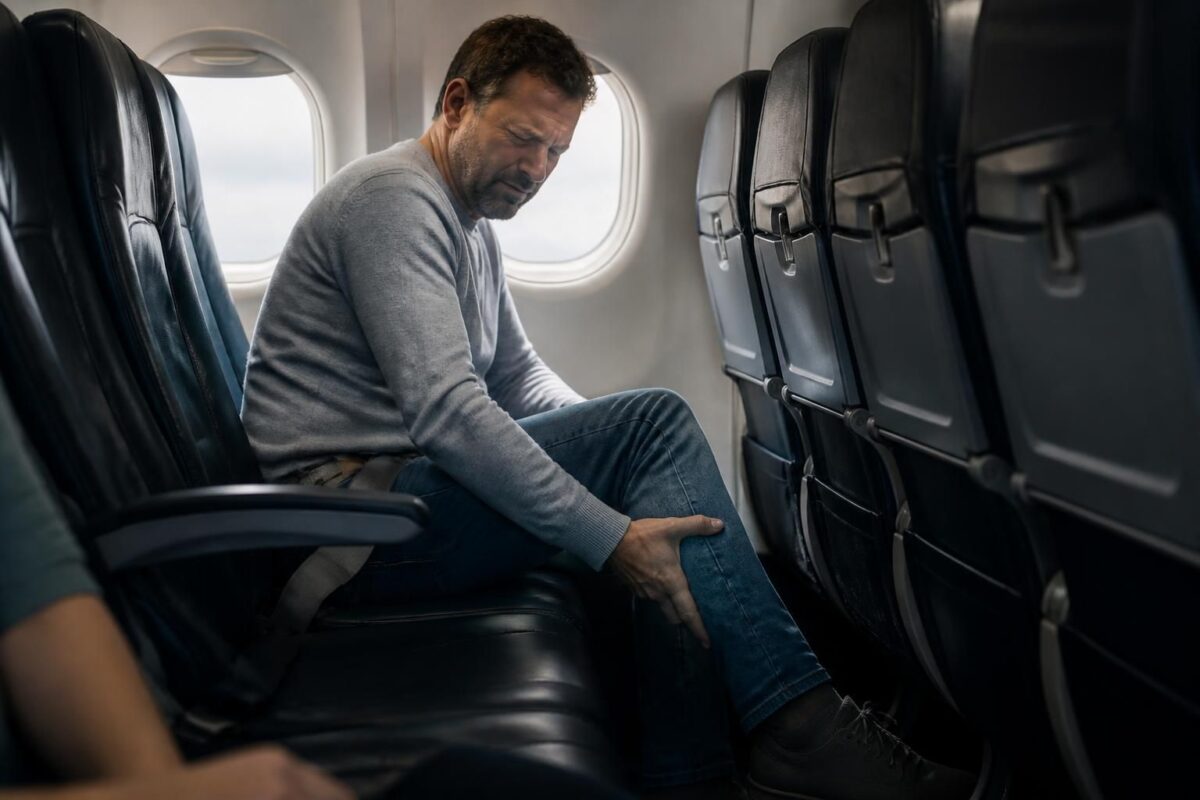
Sciatica and airplane: prolonged sitting and leg pain
IN BRIEF In brief, sciatica related to prolonged sitting on the plane describes pain that arises or worsens when one remains seated for long periods during a flight, due to pressure on the lumbar discs and the sciatic nerve. How…

Sciatica and train: pain after a long journey
IN BRIEF In brief, Sciatica after a long train journey is pain that radiates along the sciatic nerve after long periods of sitting. The problem often arises from an inadequate posture and a poorly mobilized pelvis during the trip. The…

Sciatica and subway: stay standing or seated?
IN BRIEF In short, sciatica and metro: staying standing or sitting is a practical question for daily commutes. The goal is to manage pain without restricting mobility, favoring appropriate postures and micro-breaks to avoid twists and asymmetrical loads. Main benefits:…

Dr Sylvain Desforges, B.Sc., D.O., N.D., osteopath, is the founding president of TAGMED and of the ACMA association. He dedicates his practice to chronic spinal pain, low back pain and symptoms compatible with sciatica, particularly when pain radiates toward the buttock, leg, calf, foot or toes.
Through SOS Sciatique, he publishes educational content on sciatica symptoms, possible causes such as disc herniation, disc narrowing, foraminal stenosis or irritation of a lumbar nerve root, as well as non-surgical approaches that may be considered according to the evaluation. At Clinique TAGMED, care may include, depending on the case, motorized neurovertebral decompression, specific osteopathic care or precision percussion.
For an evaluation related to sciatica treatment in Montreal / Mount Royal or sciatica treatment in Terrebonne, please consult the services available at Clinique TAGMED.
Medical disclaimer
The information published on SOS Sciatique is provided for educational purposes only and does not replace a consultation, diagnosis, opinion or treatment provided by a physician or another authorized healthcare professional. The author of this article is neither a medical doctor nor a specialist in a medical specialty recognized by the Collège des médecins du Québec. The osteopathic, manual medicine or functional support approaches described on this site do not constitute medical acts and are not intended to replace medical follow-up.
Consult a physician or emergency service in cases of loss of bladder or bowel control, anesthesia in the saddle area, significant or progressive weakness in the leg or foot, fever, recent trauma, severe pain or rapid worsening of symptoms. For more details, please read our Legal Notice.