Sciatica and calf weakness: what should be monitored?
08/09/2026Sciatica and pain that appears after a few minutes of walking
08/09/2026
IN BRIEF
In short, Herniated disc and annular tear refer to issues with the intervertebral disc that can cause lower back pain and, at times, pain radiating down the leg. Symptoms vary and can mimic sciatic pain. Treatment favors conservative approaches to relieve pain and restore mobility: adapted activity, muscle strengthening, and movement education, without surgery in the majority of cases. In Montreal, this type of support is particularly useful for a gradual and personalized approach, aiming for better posture and body alignment to prevent worsening. |
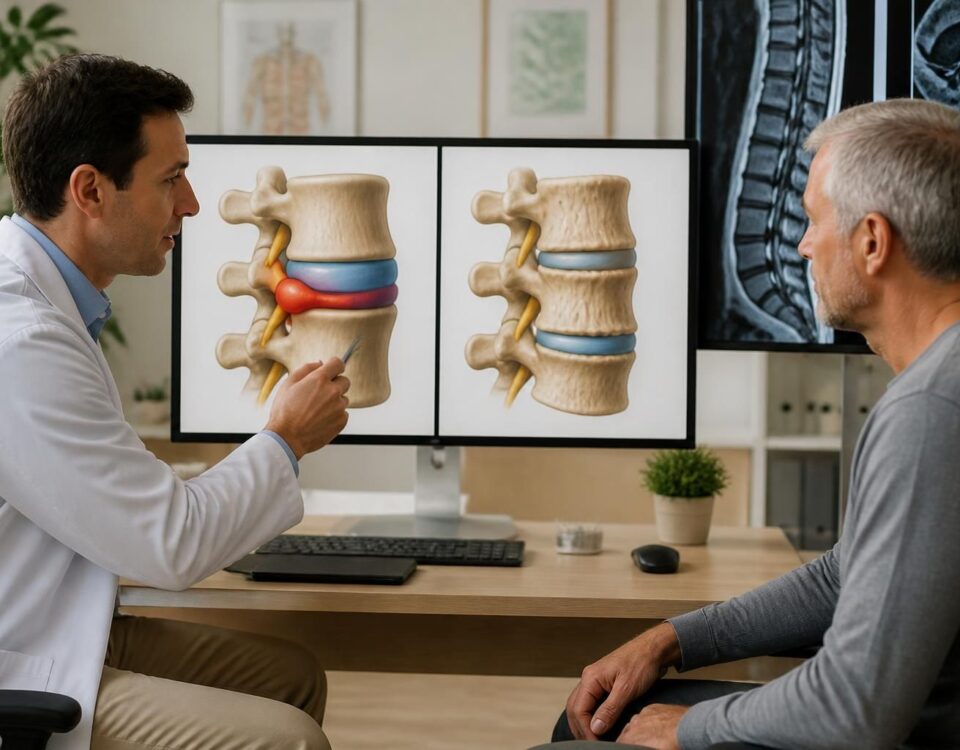
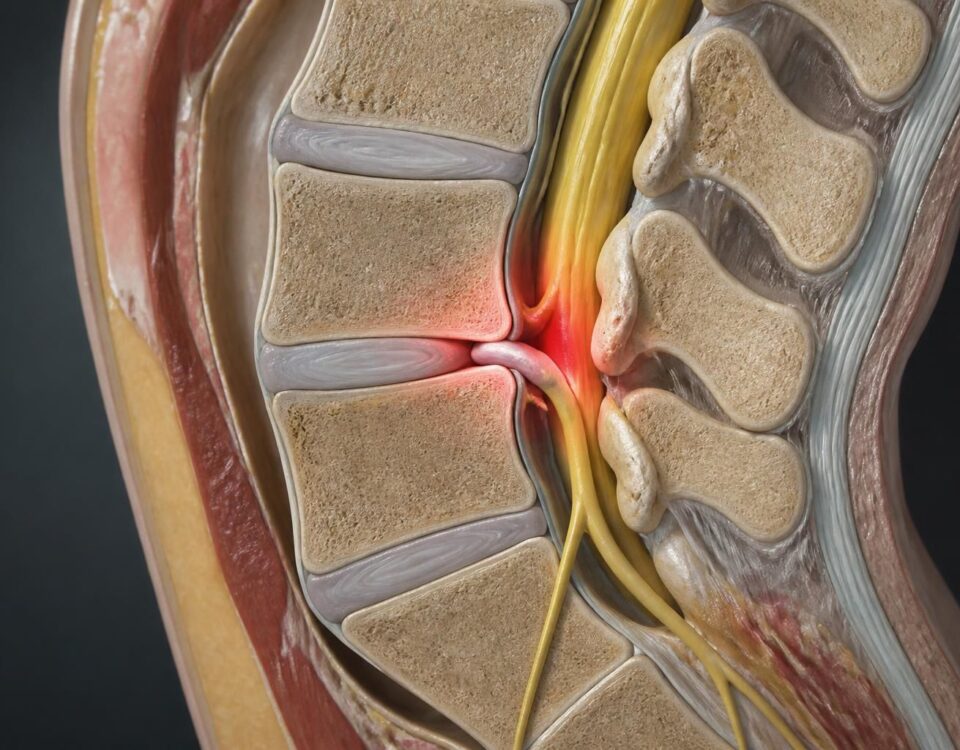
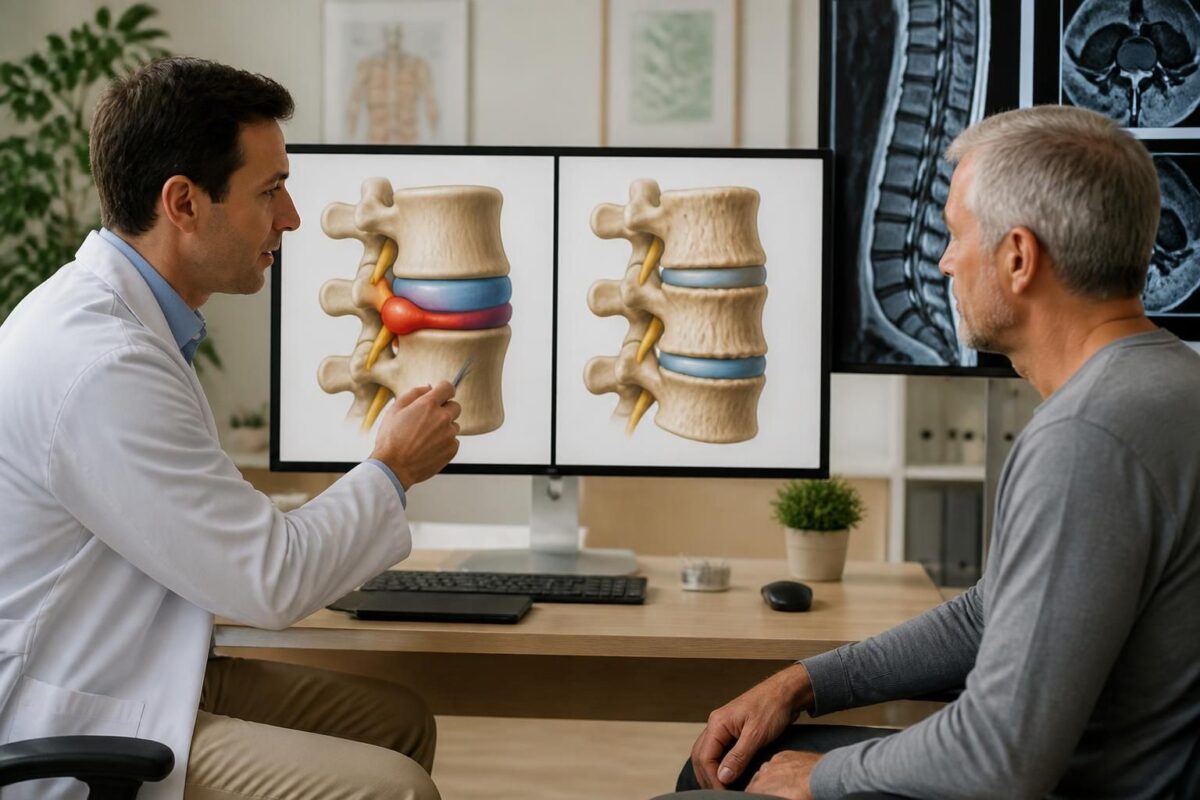
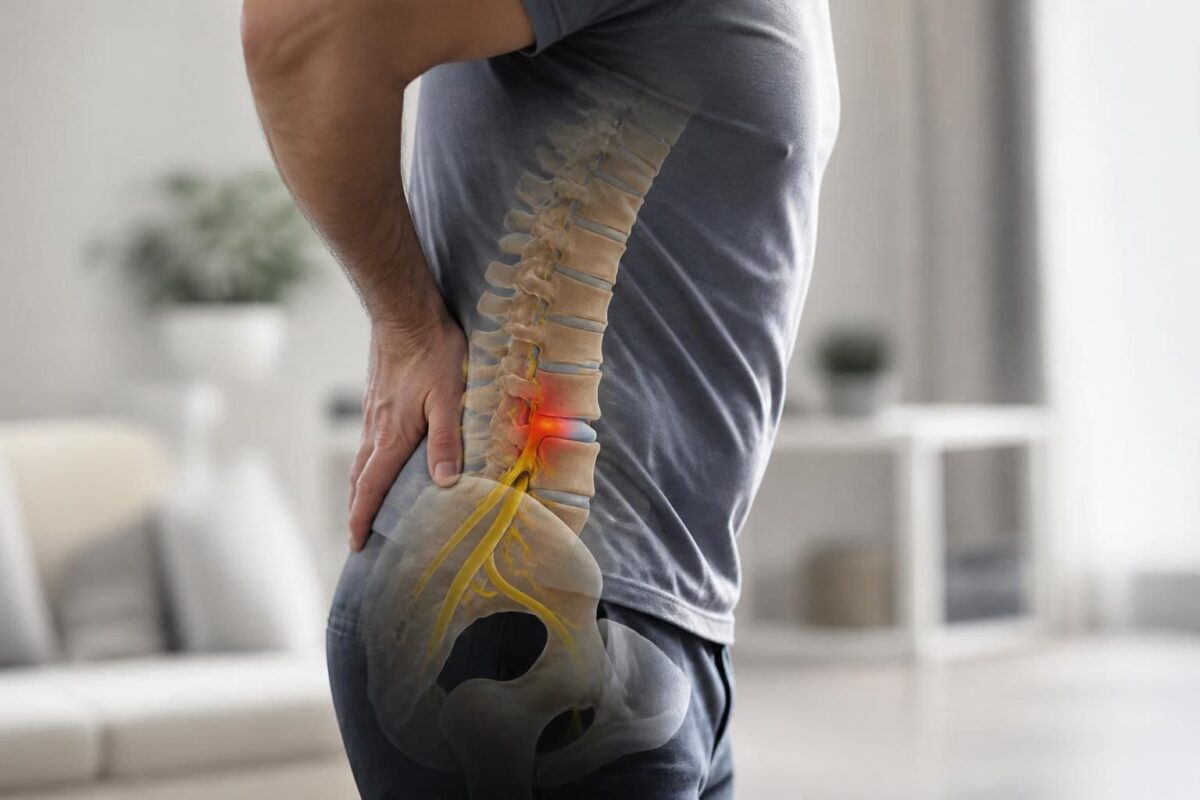
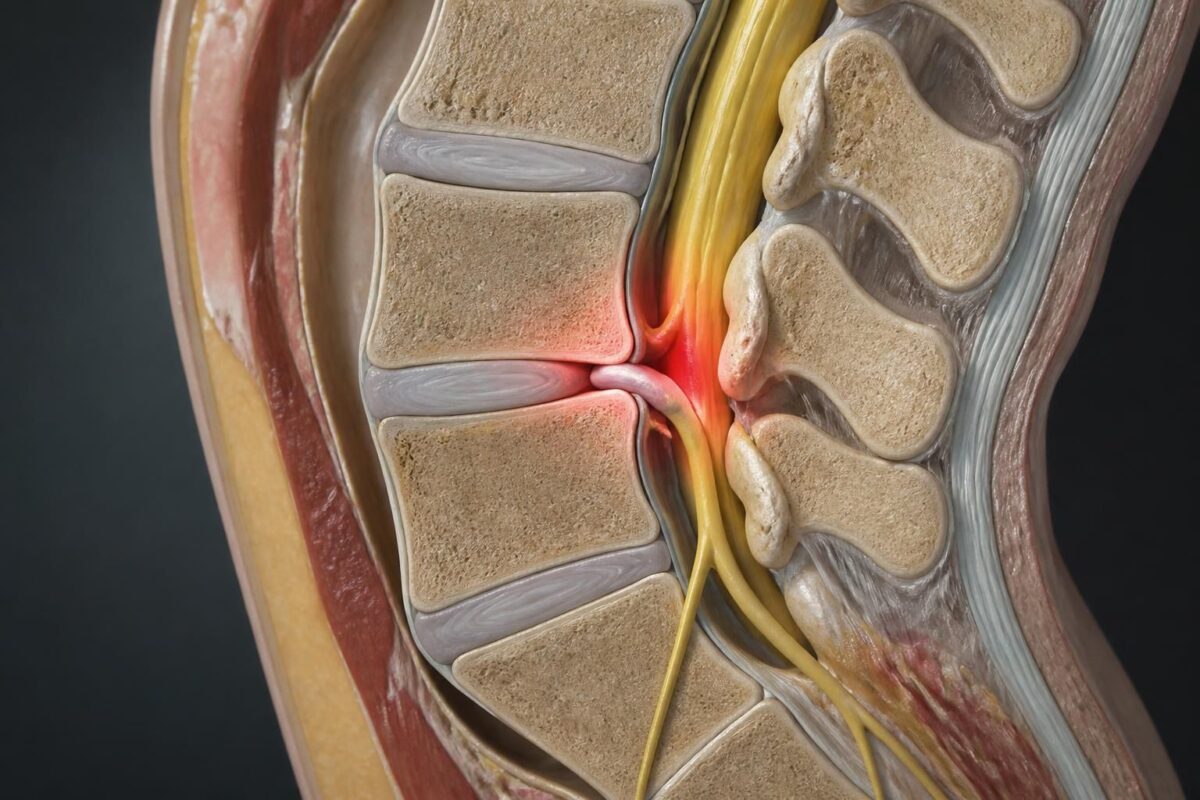
The term herniated disc describes the protrusion of the gel-like nucleus through the fibrous ring of the intervertebral disc, which can compress a nerve root and cause lower back pain that may radiate to the buttock, leg, or foot (sciatica).
The annular tear is a tear in the fibrous ring, often related to wear and aging, and can also be painful or sometimes asymptomatic. In both cases, the pain and symptoms vary depending on the affected nerve territory.
This article explains how a herniated disc and an annular tear can cause variable pain, how they manifest, how they are diagnosed, and what management options exist, particularly in specialized clinics like TAGMED.
Understanding Terms and Mechanisms
The annular tear is a tear in the fibrous ring surrounding the nucleus of the intervertebral disc. This tear can progress with age-related wear and daily habits, and it may be associated with back pain. A hernia disc occurs when the disc content migrates and can compress a nerve root. In some cases, these conditions coexist or follow one another, and the pain can radiate to the buttock, leg, and even down to the foot.
It is important to distinguish these concepts: an annular tear does not necessarily indicate a medical emergency, but it can contribute to discogenic pain when nerve signals become irritated or when degenerative changes accumulate. Lifestyle factors—prolonged sitting posture, repetitive movements, mechanical overload—contribute to the onset or worsening of injuries to the fibrous ring and the disc.
Possible Manifestations and Diagnosis
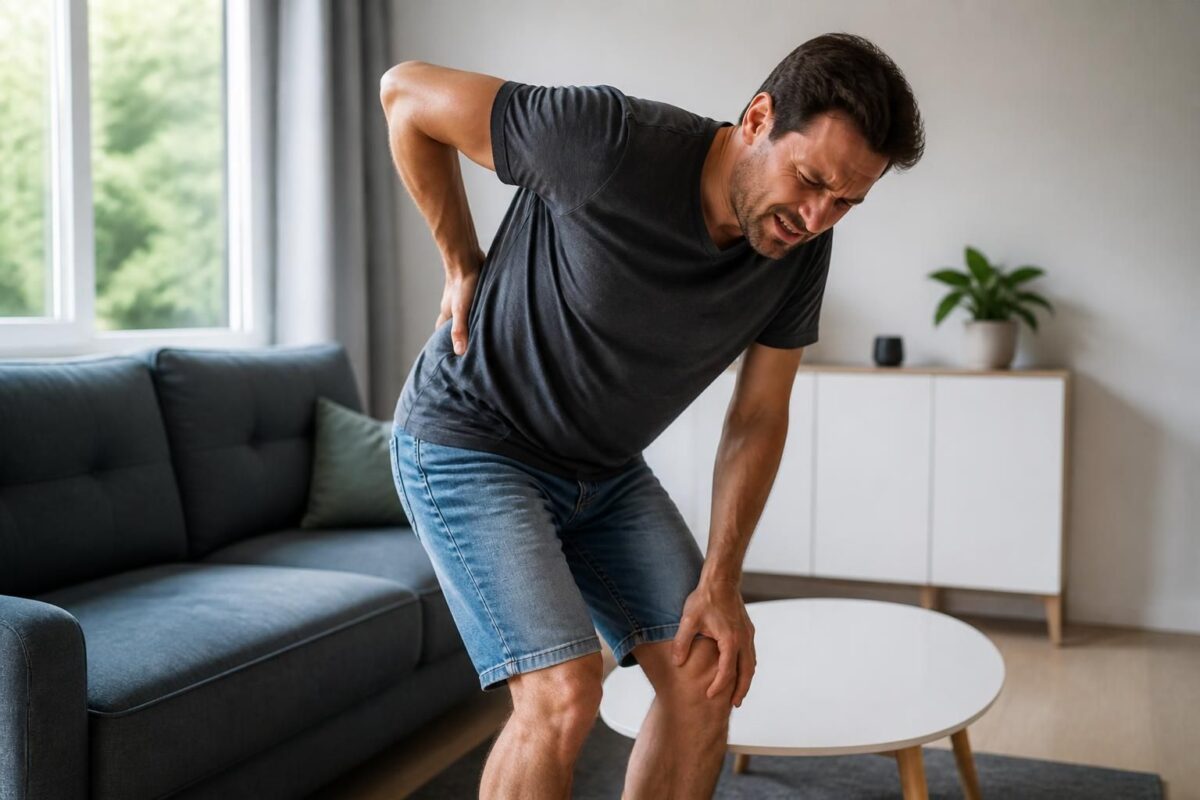
The clinical picture varies. Some people experience little or no pain, while others have lower back pain that can radiate into the leg. Burning sensations, numbness, or tingling may accompany an annular tear or a herniated disc. Diagnosis relies on the association between symptoms, neurological examination, and imaging when necessary. In some cases, imaging may show areas of high intensity around the ring, but these do not alone determine the exact cause of the pain or the need for targeted intervention.
Management Options and Care Pathways
The initial approach is often conservative. This may include measures aimed at relieving pain and improving function. In cases where pain persists or worsens, specialized options can be discussed with a healthcare professional in dedicated centers. In certain profiles, neurovertebral decompression or other non-surgical approaches may be considered after evaluation. For a specialized clinical setting in Montreal or Terrebonne, TAGMED Clinic offers services tailored to these conditions.
To learn more about the mechanisms and associated options, you can consult dedicated resources in related fields, for example on Herniated disc and pain stronger in the leg or on Link between sciatica and herniated disc. These resources help understand how pain can evolve depending on the location and nature of the disc injury.
In a clinical pathway, decisions are made based on the evolution of signs and symptoms. Neurovertebral decompression and other specialized interventions may be considered when clinical criteria justify it and after thorough evaluation. Additional information on this topic can be found in resources dedicated to neurovertebral decompression and degenerative disc disease.
Preventing and Understanding Evolution
Prevention involves a more balanced posture and body mechanics in daily life. Educational approaches to movement, as well as targeted manual therapies, can help correct habits that favor disc wear. When pain is present, a professional evaluation helps determine whether treatment should aim to reduce nerve irritation, improve function, or prevent recurrences.
For additional resources on disc conditions and non-surgical approaches, consult specialized pages and services offered by organizations dedicated to these issues, such as Associated disc resources and the site Herniated disc and pain.
To obtain a personalized and secure evaluation, do not hesitate to contact your local clinic and discuss the available options, including services offered by TAGMED Clinic or resources from SOS Sciatica.
Medical Disclaimer: The information and advice provided on this site do not replace the advice, diagnosis, or treatment from a healthcare professional. Please note that Dr. Sylvain Desforges, osteopath, is neither a medical doctor nor a specialist as defined by the College of Physicians of Quebec. Manual therapy, functional medicine, and sports medicine as described on this site exclude any medical treatment or diagnosis made by a doctor or specialist. Always consult your doctor for any medical questions. For more details, please read our full Legal Notice.
CONTENT END
Disc herniation
- Possible radicular pain that follows a nerve root and may radiate down the leg.
- Associated signs: numbness, weakness, tingling.
- Mechanism: protrusion/extrusion that compresses a root and causes inflammation.
- Triggering factors: repetitive movements, prolonged sitting, sudden effort.
- Management: adapted activity, physiotherapy, targeted exercises, anti-inflammatories; injection or surgery rare if persistent.
Annular fissure
- Discogenic pain localized to the disc, which can be lumbar and diffuse.
- Mechanism: tearing of the fibers of the annulus fibrosus, often related to degenerative wear.
- Typical signs: pain aggravated by bending/rotation; may be painless.
- Risk factors: poor posture, muscular imbalance, movement habits.
- Management: correct movement and posture, physiotherapy, strengthening, movement education; drug options or injections if necessary.

This article summarizes that pain related to a disc herniation or an annular fissure can vary significantly and depends on the location, degree of degeneration, and the affected nerve pathway. It emphasizes conservative approaches focused on movement, posture, and rehabilitation, while highlighting the importance of clinical assessment and a personalized plan measuring pain, function, and safety before considering more invasive interventions.
Understanding disc herniation and annular fissure
A disc herniation occurs when the nucleus pulposus pushes through the annulus fibrosus and may compress a nerve root, causing lower back pain and pain that may radiate into the buttock, leg, or foot. Even in the absence of a hernia, an annular fissure may be present and contribute to discogenic pain. The annulus fibrosus is made up of layers that crisscross like scaffolding, providing strength and protection to the soft nucleus.
The annular fissure is sometimes called an annular tear. This term reflects tears that occur along the fibers of the annulus and often result from repeated mechanical stress and age-related wear. These degenerative changes can be accompanied by other alterations in the spine and influence pain, especially when daily posture and movement habits do not support proper alignment.
Herniated disc and disc bulge: do not confuse
IN BRIEF In brief, the Herniated disc and the disc bulge are two conditions of the spine that differ in their mechanism and prognosis. The disc bulge is a protrusion of the disc without rupture of the fibrous ring, often…
Herniated disc and disc disease: understanding the differences
IN BRIEF In brief, a herniated disc and discopathy are two distinct causes of spinal pain: wear of the intervertebral disc (discopathy) and the protrusion of the gelatinous nucleus that can compress a nerve (herniated disc). Understanding these differences helps…
Signs and diagnosis
Symptoms range from absent pain to manifestations similar to a disc herniation, with lower back pain, pain radiating to the buttock, leg, or foot, and sometimes numbness, tingling, or weakness. Diagnosis mainly relies on history and clinical evaluation; imaging can help clarify the presence of tears or displacements, but it is insufficient alone to guide treatment.
There are important warning signals: loss of urinary or bowel control, saddle anesthesia, progressive weakness, fever, or recent trauma. In these cases, urgent medical evaluation is indicated. The therapeutic approach should connect symptoms, function, and neurological examination, rather than relying solely on imaging.
Herniated disc and chemical irritation of the nerve root
IN BRIEF In brief, Herniated disc and chemical irritation of the nerve root describe pain and dysfunction due to compression and inflammatory chemical exchanges affecting a spinal nerve root. This association explains radiating pain, abnormal sensations, and sometimes muscle weakness…
Herniated disc and mechanical compression of the nerve
IN BRIEF In brief, a herniated disc is a prolapse of the intervertebral disc that can lead to mechanical compression of the nerve root, causing pain and numbness that often radiate down the leg. This compression explains radiculopathy and sensations…
Management and practical recommendations
Conservative approach and posture
In the majority of cases, a conservative management is preferred. It is recommended to remain active rather than immobilizing, to avoid prolonged rest, and to adapt daily and professional activities. Working on a correct posture and suitable ergonomics can reduce stresses on the back and promote recovery.
Exercises and movement education
Targeted exercises to strengthen the trunk, improve stability, and correct imbalances can decrease pain and prevent recurrences. An appropriate progression, performed with good technique, is essential. Complementary approaches such as yoga, tai chi, or Pilates, as well as movement education methods (Feldenkrais, Somatics, Alexander Technique), can support alignment and bodily coordination.
Medical options and interventions
Pain relievers and anti-inflammatories may be considered to reduce pain, and targeted injections may be offered if pain persists despite exercise and physical therapy. When the pain is disabling or associated with lasting loss of function, a minimally invasive surgical intervention may be discussed, but it is not systematic. The goal remains to limit symptoms while preserving activity and function.
Herniated disc and nerve root inflammation
IN BRIEF In brief, lumbar disc herniation and nerve root inflammation refer to compression and irritation of a spinal root causing radiating pain, paresthesias, and sometimes muscle weakness. The mechanism combines disc protrusion and radicular inflammation, hence the importance of…
Herniated disc and peripheral pain: sign to watch out for
IN BRIEF In brief, Herniated disc is the partial protrusion of the gelatinous nucleus of an intervertebral disc through the fibrous ring, which can compress a nerve root and trigger radiating pain in the limb. The key benefits of rapid…
Prevent and optimize
Adopting daily habits that support alignment and body mechanics is key: avoiding harmful repetitive movements, adopting a balanced sitting and standing position, and progressing cautiously in physical activities. Movement education and maintaining physiological lumbar balance are pillars to prevent the onset or worsening of a disc herniation or an annular tear.
| Axis | Pain Context |
|---|---|
| Location and Radiation | Disc herniation: radicular pain radiating into the leg; annular tear: local pain or radicular depending on the level. |
| Type of Pain | Disc herniation: predominant radicular pain; annular tear: local pain or radicular depending on the disc. |
| Mechanism and Triggers | Both aggravated by movement; herniation often with flexion/rotation, tear by wear and microtraumas repeated. |
| Intensity and Evolution | Variable intensity; radicular more pronounced in herniation, possible local pain in tear. |
| Associated Symptoms | Herniation: numbness/weakness in the leg; tear: pain without major motor deficits. |
| Neurological Signs | Herniation: frequent neurological signs; tear: rare neurological deficits. |
| Functional Impact | Reduction of walking and sleeping depending on the case; need for functional assessment for each profile. |
| Imaging and Diagnosis | Imaging useful when deficit or doubt; guidance based on symptoms and function. |
| Initial Management | Common conservative approach: painkillers and physiotherapy; adjustments as needed. |

Herniated disc and centralizing pain: sign to interpret
IN BRIEF In brief, a herniated disc is a protrusion of the intervertebral disc that can compress a nerve root, causing centralized pain and signs such as radiating pain, numbness, and weakness. The treatment is mostly conservative: guided activity, physical…

Herniated disc and pain that travels lower after movement
IN BRIEF The Herniated Disc is a protrusion of the intervertebral disc that can compress a nerve root, leading to a pain that radiates down after a movement. The benefits include better guidance for non-surgical treatment and a gradual reduction…
Testimonials on Disc Herniation and Annular Tear: Possible Pain
“Before understanding what I was experiencing, the lower back pain was constant and sometimes radiated down to my buttock and leg. During the assessment, I was told it might be due to a Disc Herniation or an Annular Tear. Receiving clear explanations and tailored options was a real turning point, and the pain became more manageable thanks to a personalized plan.”
“The pain could be as intense as sciatica: burning, tingling, and weakness in the leg. I was told that these symptoms might be associated with a Disc Herniation or an Annular Tear, and that non-surgical solutions existed to relieve it, without waiting for surgery.”
“By changing my habits and following guided exercises focused on posture and movement, I noticed a significant reduction in pain and was able to resume my daily activities without fear. Proactive management of the condition was the key.”
“Even during occasional flare-ups, being active with a progressive program has been helpful. The pain may fluctuate, but with an appropriate approach, the disc can better tolerate efforts and prevent more severe episodes.”
“Today, I understand the signals from my body and can plan my movements to stay active. A Disc Herniation or an Annular Tear can be associated with variable pain, but being informed and followed allows me to limit the impact on my life.”
Dr Sylvain Desforges, experienced osteopath and expert in manual and natural approaches, develops a pronounced understanding of the mechanisms underlying Disc Herniation and Annular Tear. In his practice, he addresses these conditions with a multi-dimensional view that combines rigorous clinical assessment, adapted osteopathic techniques, and personalized advice to optimize spinal health and reduce pain.
A Disc Herniation occurs when the gel-like content of the intervertebral disc pushes through the fibrous ring, potentially irritating nearby nerve roots and causing pain that sometimes radiates down to the upper or lower limb. The Annular Tear, on the other hand, describes a gradual or pinpoint tear of the outer ring of the disc. Although these terms are sometimes used interchangeably in common language, they refer to different positions within the disc and carry distinct implications for diagnosis and treatment. Often associated with age-related degenerative processes and daily mechanical stress, these lesions can develop without obvious symptoms, but they can also manifest as persistent discogenic pain or symptoms resembling sciatica when pain extends along the nerve pathway.
The associated pain can vary considerably from patient to patient and context. Some feel a dull local pain, others a stabbing pain, and for some, electrical sensations or muscle weakness in the leg or foot. Dr Desforges emphasizes that the degree of damage identified on imaging does not necessarily equate to the level of pain or disability experienced by the patient. The key lies in a comprehensive clinical evaluation that connects symptoms to function and movement, to determine the real impact on daily life and the patient’s goals.
The diagnostic process prioritizes a cautious, patient-centered approach. Detailed medical history, neurological examination, and monitoring of progression guide decisions. Imaging is used when necessary to clarify diagnosis, assess risks, and guide therapeutic choices, while avoiding unnecessary or premature treatments. Dr Desforges favors a clear relationship between symptoms, function, and goals, so as not to confuse a morphological anomaly with an immediate therapeutic necessity.
Conservative treatment plays a predominant role. The approach combines targeted osteopathic techniques, strengthening and flexibility exercises, postural advice, and educational strategies on movement. The plan may integrate, when relevant, non-invasive complementary therapies such as motorized neurovertebral decompression, as well as modalities like laser therapy or shock wave therapy, always within a framework based on evidence and adapted to the patient. The goal is to decrease pain, improve mobility, and strengthen the support mechanisms around the spine to prevent recurrences.
At the heart of his approach, Dr Desforges encourages patients to adopt lifestyle habits that support the spine: proper posture, conscious body mechanics, and progressive exercise programs. Practices such as yoga, tai chi, or Pilates, as well as movement education methods like Feldenkrais or the Alexander Technique, can help balance load and movement. The message is clear: gradual and personalized adjustments can sustainably influence the prognosis of disc herniation and annular fissures, transforming a fear of pain into active and effective management.
Through individualized care and sustained patient engagement, Dr Desforges strives to transform a potentially heavy situation into a realistic and sustainable recovery trajectory. His commitment remains to combine science, experience, and compassion to improve the quality of life for those facing disc pain.
This text provides a clear summary on disc herniation and annular fissures, emphasizing scenarios where pain may be present and variable among individuals. You will discover the mechanisms, signs, management options, and resources to better understand and act in the face of this possible pain.
The annular fissure is a tear in the fibrous ring surrounding the nucleus of the intervertebral disc. This phenomenon can cause discogenic low back pain and, depending on the extent and context, symptoms resembling a disc herniation. To delve deeper into the mechanisms and manifestations, you can consult specialized resources on the subject, including detailed explanations from Thespinepage and other sources like Doctissimo.
A defect in the integrity of the fibrous ring may allow the internal material of the disc to slip or irritate, which can generate localized or radiating pain toward the limb. In some cases, the pain is possible pain but nonspecific, and clinical evaluation must be correlated with elements like the painful area, the evolution over time, and neurological signs. For a clinical and practical perspective, resources like Annular fissure – disc provide useful benchmarks on localization and relation to pain.
In the case of a disc herniation, pain can range from mild discomfort to intense radicular pain with symptoms such as pain radiating down to the buttock, leg, or foot. The localization, context, and presence of one or more neurological signs guide therapeutic conduct and additional examinations. To better understand these nuances, specialized resources like Thespinepage and additional descriptions on Vidal can be helpful.
The initial treatment is most often conservative and aims to reduce pain and improve function. This may include pain relief measures, physical therapy, and focus on body mechanics and postural habits. Educational and motor approaches, such as exercises with proper form, as well as specialized methods like breathing, stability, and movement, can play a key role in the prevention and management of disc pain. For complementary perspectives, consult sources dedicated to decompression and non-invasive treatments, including pages explaining how neurovertebral decompression can relieve certain disc herniations and chronic cases.
If symptoms persist despite conservative measures, interventional options may be considered, such as injections or, in some cases, minimally invasive procedures. A comprehensive evaluation, focused on the relationship between imaging, symptoms, and function, is essential to avoid premature decisions and to adapt the therapeutic plan. For details on evaluation and indications, see resources like Hernie discale séquestrée et sciatique – évaluation and general information on non-surgical treatments.
To enrich your understanding and explore practical perspectives, you can consult these resources: painful cough and disc pressure, neurovertebral decompression, and sustainable relief. For a broader overview of the mechanisms and options, external resources on annular fissures and disc aspects can also be consulted via the links provided above, including Annular fissure – disc and Disc herniation.

Dr Sylvain Desforges, B.Sc., D.O., N.D., osteopath, is the founding president of TAGMED and of the ACMA association. He dedicates his practice to chronic spinal pain, low back pain and symptoms compatible with sciatica, particularly when pain radiates toward the buttock, leg, calf, foot or toes.
Through SOS Sciatique, he publishes educational content on sciatica symptoms, possible causes such as disc herniation, disc narrowing, foraminal stenosis or irritation of a lumbar nerve root, as well as non-surgical approaches that may be considered according to the evaluation. At Clinique TAGMED, care may include, depending on the case, motorized neurovertebral decompression, specific osteopathic care or precision percussion.
For an evaluation related to sciatica treatment in Montreal / Mount Royal or sciatica treatment in Terrebonne, please consult the services available at Clinique TAGMED.
Medical disclaimer
The information published on SOS Sciatique is provided for educational purposes only and does not replace a consultation, diagnosis, opinion or treatment provided by a physician or another authorized healthcare professional. The author of this article is neither a medical doctor nor a specialist in a medical specialty recognized by the Collège des médecins du Québec. The osteopathic, manual medicine or functional support approaches described on this site do not constitute medical acts and are not intended to replace medical follow-up.
Consult a physician or emergency service in cases of loss of bladder or bowel control, anesthesia in the saddle area, significant or progressive weakness in the leg or foot, fever, recent trauma, severe pain or rapid worsening of symptoms. For more details, please read our Legal Notice.