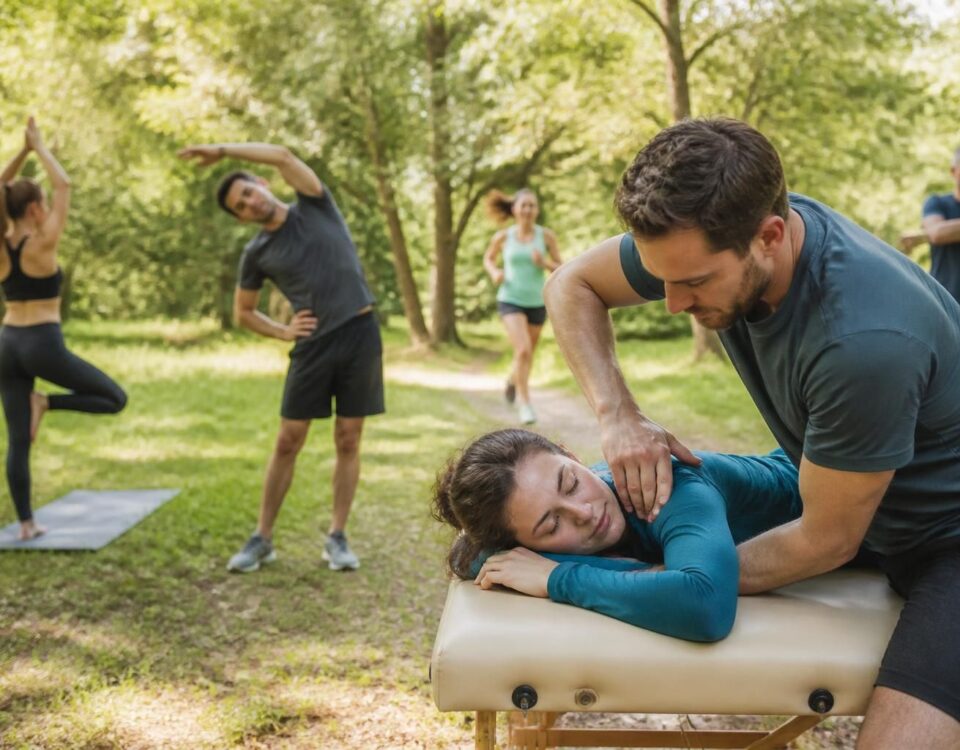
Why osteopathy is essential for professional athletes
28/06/2026
Osteopathy and pain management: a personalized approach
28/06/2026
In short
| In short, Osteopathy is a manual approach that acts on the the nervous system To modulate the Neuropathic pain and improve the overall function. It can reduce thehypersensitivity and pain, improve mobility and quality of life, and promote better regulation of autonomic nervous system without systematically using drugs. Its action is based on mechano-receptive stimuli, neural plasticity and techniques targeted at the CMS, the SNP and the SNA. In practice, it is particularly suitable for neuropathic pain related to nerve irritations or radicular syndromes, in addition to medical treatments when necessary. In Montreal, this service can help reduce symptoms and improve your ability to resume your daily activities. |
Osteopathy acts on the Neuropathic pain By stimulating the mechano-receptor receptors of the muscles, fascias and joints, which modulates the sensory signals and the activity of the Central Nervous System (CNS) and of Peripheral Nervous System (SNP). It can promote a Positive neuroplasticity and the release of endorphins, reducing pain and improving autonomous regulation through cranial, visceral and thoracic techniques that balance the Autonomic Nervous System (NA). In addition, reducing tensions and improving mobility support the Functional rehabilitation and prevention of recurrences.
This article summarizes how theosteopathy May act on neuropathic pain. The approach is based on a global assessment, release of tension and targeted stimulation of nerve mechanisms. It aims to reduce the hyperexcitability of the nerves, to promote the regulation of the nervous system and to improve the quality of life of patients. For those looking for appropriate care, osteopathy is offered as a complementary option, without replacing medical treatments when they exist.
Mechano-receptor and neurophysiological mechanisms
osteopathic techniques stimulate Sensory receptors present in muscles, fascias and joints. These stimulations affect proprioceptors and joint mechanoreceptors, which can alter the transmission of painful signals and motor patterns. This neuronal activation goes back to the central nervous system and can influence the pain and autonomic regulation circuits.
Impact on pain and neuronal plasticity
Some osteopathic approaches promote the release of endorphins and encephalins, contributing to a Positive neuronal plasticity. By reorganizing the motor patterns after trauma or chronic pain, osteopathy can reduce the hyperexcitability of the painful pathways and decrease the central sensitivity. To deepen these effects, see the dedicated resources on the benefits of osteopathy.
To find out more, resources dedicated to osteopathy and its benefits can be consulted on sossciatica.com.
Autonomic Nervous System Regulation
Cranial, visceral and thoracic techniques can promote the modulation of the autonomic nervous system. This action can lead to a decrease in the reactivity of the orthosympathetic system, an improvement in relaxation and a better balance between activity and rest. Clinical progressions were observed in the variability of the heart rate, a possible indicator of a more favorable vagal tone.
Clinical applications
Peripheral neuropathic pain, such as neuralgia and certain forms of neuropathy, can benefit from osteopathic work aimed at lifting mechanical tensions and restoring a better structure-function relationship. The osteopathic approach is in addition to medical follow-up and can be associated with stress management and posture improvement measures. For concrete examples and contexts, refer to the resources dedicated to osteopathy and its effects on neuropathic pain on sossciatica.com.
Integration and security
Osteopathy is part of a global approach and remains a Complementary therapy to conventional medicine when necessary. In some cases, specific techniques such as neurovertebral decompression can be considered depending on the evaluation. For general perspectives and benefits of the osteopathic approach, you can consult the resources associated with osteopathic practice on sossciatica.com.
Limits and precautions
theosteopathy does not replace medical diagnosis or treatment. It is not indicated for neurodegenerative diseases or serious conditions requiring specific medical care. A medical assessment is essential if important neurological signs appear or worsen. Osteopathy acts as a complement and can promote comfort, mobility and autonomous regulation when used in a multidisciplinary approach.
Perspectives and training
Integrative osteopathic approaches are based on strong foundations and practice based on global assessment. Recognized courses may include curriculums such as NUMSS and NAO, as well as the National University of Medical Sciences and National Academy of references osteopathy. Osteopathy develops as part of a work in collaboration with other health professionals to optimize the support for neuropathic pain and functional disorders related to the nervous system.
To understand the links between osteopathy, work and pain, you can consult resources such as Why osteopathy is an effective solution for pain related to repetitive work and Osteopathy and arthritis. Complementary resources on benefits for athletes and overall well-being are also available on Benefits for professional athletes and Osteopathy and well-being.
Training and professional reference: Practitioners can follow courses recognized as NUMSS and NAO, with equivalent diplomas at the national level. For patients, the objective is to obtain a clear assessment and a coordinated care plan with the health professionals concerned. Additional resources on integrating osteopathy into a global approach can be viewed via specialized pages on prevention and well-being.
Medical Disclaimer: The information and advice provided on this site does not replace the health professional’s diagnosis or treatment. Please note that Dr. Sylvain Desforges osteopath is neither a doctor of medicine nor a doctor, and is not a specialist in a medical specialty as defined by the Collège des Médecins du Québec. Manual medicine, functional medicine and sports medicine as described on this site exclude any medical treatment or diagnosis made by a doctor or specialist doctor. Always consult your doctor for any medical questions. For more details, please read our full legal notice.
- Stimulation of mechanoreceptors (proprioceptors and fascia) to modulate tone and pain.
- Release of endorphins and ofencephalins, pain reduction.
- Autonomic Nervous System Regulation (sympathetic/parasympathetic balance) to reduce stress and pain.
- Neural plasticity and reduction in central hyperexcitability.
- Lumbar and radicular neuropathic pain.
- Neuralgia and paresthesias related to nervous irritation.
- Post-traumatic rehabilitation And after surgery to limit nerve compensation.
- Postural advice and diaphragmatic breathing To prevent nerve irritation.
- Complementary approach with medical treatments when necessary; Does not replace support.

This summary explains how theosteopathy can act on Neuropathic pain, based on mechano-receptor, neurophysiological and neurovegetative mechanisms. It shows how soft tissue and joint stimulation can modulate the activity of the the nervous system, reduce hyperexcitability and promote better body regulation, while emphasizing the importance of accurate diagnosis and multidisciplinary care.
Understanding neuropathic pain and the role of osteopathy
Neuropathic pain results from dysfunction or damage to the nerves. They are manifested by abnormal sensations such as burns, tingling or hypo/hyperesthesia. theosteopathy Proposes a global approach that targets tensions around the nerves (fascias, muscles, joints) in order to reduce irritation and promote better nervous communication. By releasing compression areas and aligning mobility, it can attenuate painful signals and improve body perception in space.

How osteopathy improves the quality of life of active people
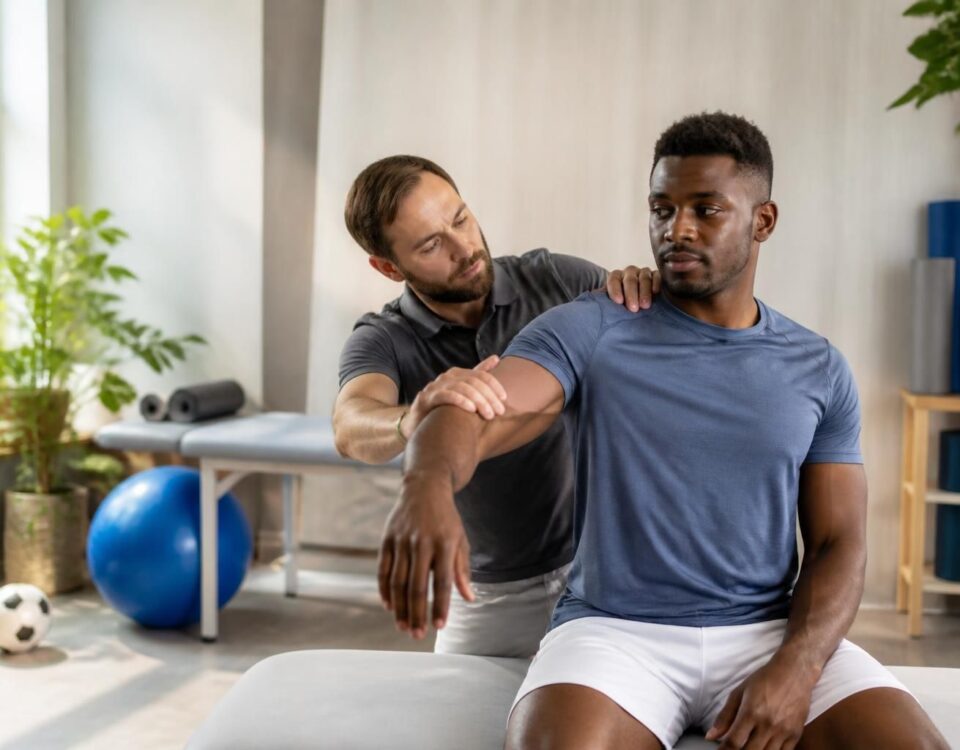
In short In short, theosteopathy is a global approach that Optimizes mobility and the function of the body of ACTIVE PEOPLE, for a better quality of life. It helps prevent injury and reduce Musculoskeletal pain While promoting the Sports recovery.…

Osteopathy and sports recovery: prepare the body for lasting performance
In short In short, Osteopathy and Sports recovery is one Global manual approach that sustainably prepares the body for the effort by restoring mobility and circulation After the effort. It is a discipline that acts on the sinews, the joints,…
Mechanisms of action on the nervous system
Mechanoreceptive and neurophysiological stimulation
Osteopathic manipulations solicit proprioceptors and other receptors located in muscles, fascias and joints. This activation generates nerve impulses that are projected towards the brain and modulating the pain circuits (gate control effect), motor skills and autonomous regulation. By rebalancing tensions, nervous irritation can be reduced and promote better pain tolerance.
Neuronal plasticity and pain modulation
Some techniques promote the release of endorphins and other endogenous neurotransmitters, contributing to a Neural plasticity positive. By reorganizing motor and sensory patterns, especially after trauma or chronic pain, osteopathy can reduce hyperactivity of the nociceptive pathways and improve central nervous system resilience.
Autonomic Nervous System Regulation
Cranial, visceral and thoracic approaches can stimulate the vagus nerve and promote parasympathetic activation, which results in a reduction in heart rate and a relaxing effect. Osteopathy can also loosen muscle chains that influence breathing and diaphragm, thus contributing to a more favorable neurovegetative balance and better recovery.
Why Osteopathy Is Essential For Recovery People
In short In short, Osteopathy in convalescence is an approach manual and holistic which helps to accelerate the recovery by restoring The balance, the mobility and a good circulation fabrics. it contributes to Reduce the pain, support the Back to…

Osteopathic manipulations to strengthen post-traumatic muscles
In short In short, Osteopathic manipulations for Strengthen post-traumatic muscles constitute a gentle manual approach aimed at restoring the mobility, reduce the pain and facilitate the Functional rehabilitation After a injury. What is Is it? A series of precise gestures…
Clinical applications for neuropathic pain
Peripheral neuropathic pain
For neuralgia, neuritis or lumbosciatica, the objective is to remove the peripheral mechanical tensions that irritate the nerves. The osteopathic action is in addition to medical treatments and physical therapies, promoting a decrease in irritation and better mobility.
Central hyperalgesia and chronic pain
In chronic pain settings, osteopathy can modulate theCentral hyperexcitability, decrease pain sensitivity and improve sleep, mood and daily function. This is based on a regulation of the nervous system and a postural and sensory rebalancing.
Prevention and rehabilitation
After trauma or surgery, the restoration of the physiological motor pattern and the reduction of postural compensations limit the risk of reappearance of pain and facilitate functional recovery. Osteopathic accompaniment can be associated with exercises at home and with an adapted lifestyle.

Osteopathy and prevention of work-related musculoskeletal disorders
In short theosteopathy is one Manual approach that restores body balance and prevents MSD related to work. Its advantages: reduction of tension, improvement of mobility and prevention of chronic pain. She is preventive and healing, suitable for office and trades…

The benefits of osteopathy to treat muscle imbalances
In short theosteopathy is a manual approach to restore themuscle harmony and postural considering the body as a whole. Its main benefits include the reduction of aches and tensions, the improvement of the mobility and from the posture, and prevention…
Integration and precautions
Limits and security
Osteopathy does not replace medical treatment in the event of serious neurological pathologies and cannot correct irreversible nerve damage. In the presence of red flags symptoms (significant loss of strength, severe claudication, progressive neurological signs), medical advice remains essential and osteopathy works in collaboration with doctors.
Collaboration and care plan
A multidisciplinary approach maximizes the results: neurology, physiotherapy and general medicine coordinate objectives, while osteopathy intervenes on mechanical loads and functional balance. Practical advice and targeted exercises complete the treatment to support the lasting reduction of neuropathic pain.
| Axis of action | concise text |
|---|---|
| Release of mechanical stresses round the nerves | decrease in nervous irritation and of painful signal. |
| Stimulation of mechano-receptor receptors | Activation of circuits pain inhibitors and modulation of nociceptive pathways. |
| Autonomic Nervous System Regulation | improvement of vagal tone and reduction of stress. |
| Improved tissue mobility | reduction of voltages and nervous compression. |
| Neural plasticity | Modulation of theCentral hyperexcitability and decreased chronic pain. |
| Reduction of local inflammation | drop of Inflammatory mediators and nervous pain. |
| Postural correction and engine diagrams | Less radiant pain and better mobility. |
| Diaphragmatic work and breathing | activation parasympathetic and more efficient breathing. |
| Multimodal approach and medical follow-up | additional treatments and security of the patient. |
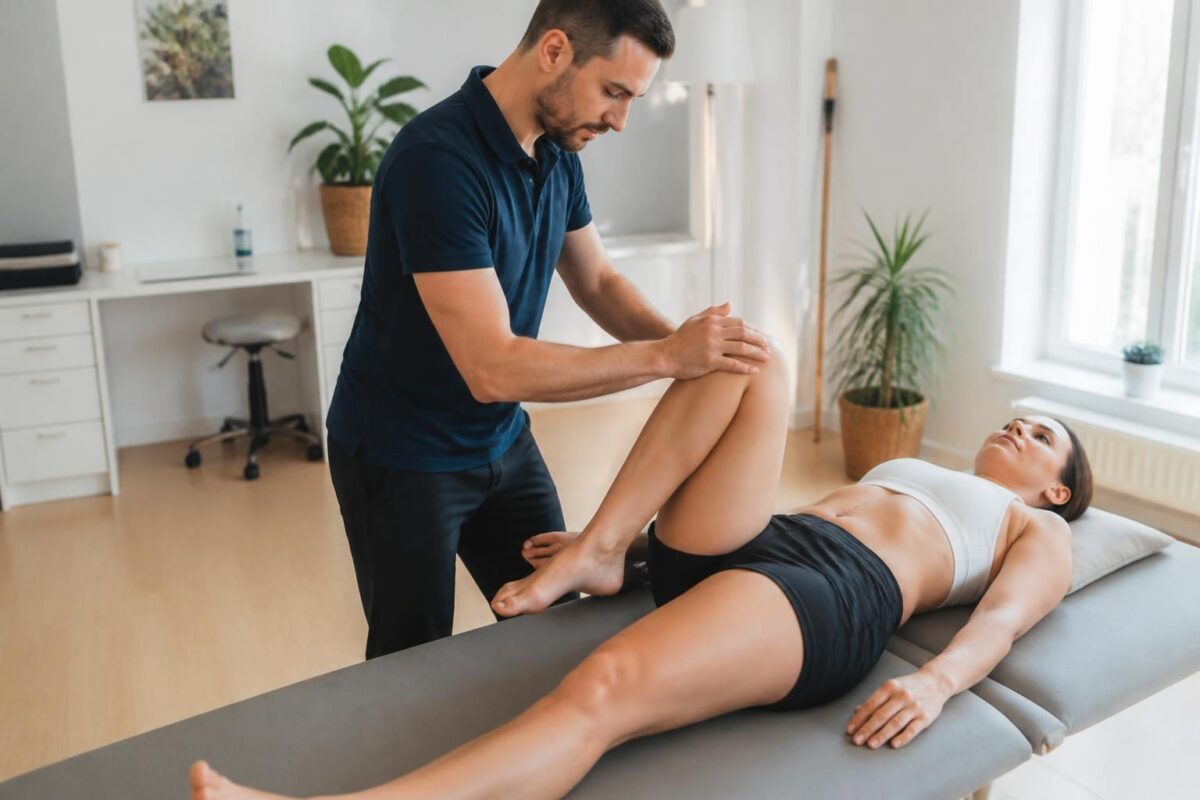
Osteopathy and chronic leg pain: regaining an optimal quality of life
In short In short, Osteopathy is one Global manual approach aimed at reducing Chronic leg pain and improve the quality of life. What is it? Non-drug therapy using the hands to identify restrictions and treat lesional chains. How does it…
How osteopathy supports recovery after complex surgery
In short In short, Post-operative osteopathy is an approach fresh which supports the recovery After a Complex surgery. It helps to reduce the pain and the fatigue, improves the mobility and accelerates the healing thanks to a better vascularization and…
Testimonials: how osteopathy acts on neuropathic pain
Claire, 52 years old : after months of pain neuropathic who were burning and nocturnal tingling, I doubted that I could resume my activities. Osteopathy was a revelation: the sessions targeted fascial tensions and freed irritated nerves. In a few weeks, the burns decreased, sleep improved and my pain seemed less “electric”. I strongly recommend this approach which acts on the nervous circulation and quality of life.
Jean-Michel, 63 : long after a hernia and surgery, pain neuropathic And paresthesia blocked me in my movements. Thanks to precise manipulations, tensions around the nerve roots have been released and my paresthesias have decreased. I found better stability and smoother walking, with better regulation of the autonomic nervous system which helps me better manage daily stress.
Sophie, 41 years old : my Neuropathic pain in the feet were painful on a daily basis. Osteopathy acted on the release of tensions and the local traffic, reducing nervous irritation and tingling. Sleep improved and I found a more stable energy, which allows me to resume my sports activities with more comfort.
Mark, 59 years old : the stress accentuated my Neuropathic pain related to the carpal tunnel. After a few sessions, Peripheral voltages Around the nerve have been reduced and stinging sensations decreased. Osteopathy also helped me better manage stress and regulate my breathing, which had a positive impact on pain and mobility.
Laura, 29 years old : following a trauma, my Neuropathic pain flourished in a climate of tension and spasms, but osteopathic techniques – work myofascial, breathing and posture – modulated the nervous response and soothed the muscles. In a few sessions, I felt a decrease in symptoms and a general feeling of calming the nervous system; I feel calmer and freer in my gestures.
Dr. Sylvain Desforges, a recognized osteopath, naturopath and manual medicine specialist, is a reference in therapeutic innovation applied to pain. Founder of TagMed and committed leader of the ACMA association, he places osteopathy in an integrative approach, where scientific evidence guides each treatment to sustainably improve the well-being of patients suffering from neuropathic pain. Its approach combines fine clinical observation, manual manipulation and the reasoned use of advanced tools to restore communication between nerve structures and the rest of the body, always in a logic of safety and measurable results.
In the perspective of neurogenic pain, osteopathy is not limited to localized gestures. It aims to unleash the constraints that irritate the nerves — whether they walk along the column or emerge on the periphery — and to restore physiological mobility of segments, fascias and neighboring organs. This global approach acts on the nervous response and on the Body regulation, in order to reduce the hyperreactivity of the painful circuits and to improve the sensory and motor function. In practice, each session evaluates neuromuscular, visceral and cranial relationships to target the mechanisms responsible for symptoms without attacking the tissues.
The mechanisms of action are deployed on several levels. Mechanically, osteopathic techniques stimulate Proprioceptive receptors and neurophysiological present in muscles, fascias and joints. This activation transmits influxes to the central and peripheral nervous system, modulating the pain pathways according to principles close to the Gate Control: Some influxes inhibit painful signals before they reach the brain centers. In addition, sensory stimulation can promote the release of endorphins and encephalins, thus participating in a Positive neuroplasticity which re targets motor patterns and perform recovery after chronic pain or nerve damage.
On the autonomous level, osteopathic interventions, in particular cranial, visceral and thoracic, aim to modulate the Autonomic Nervous System (NA). By promoting parasympathetic activity, they contribute to better stress regulation, more effective digestion and reduction in anxiety. Clinical observations and indicators such as improved heart rate variability corroborate this vagal tone regulatory role, which is crucial in the context of neuropathic pain and their functional repercussions.
Clinically, osteopathy provides concrete pathways for conditions such as radiculalgia, peripheral neuralgia and post-zosterian neuropathic pain. By releasing mechanical tensions that irritate the nerves and restoring a balanced spinal and visceral dynamics, it can reduce nervous irritation and improve mobility, range of motion and quality of life. This approach is an essential complement to other medical disciplines when necessary, and it favors personalized care adapted to each painful journey.
Driven by scientific rigor and attentive listening, Dr. Desforges promotes a practice that unites security, effectiveness and prevention. Its objective is to reconcile the patient with his body, to limit the mechanisms of sensitization and to offer concrete prospects for reduction of symptoms and functional improvement. This integrative approach, centered on collaboration and respect for medical limits, makes osteopathy a relevant option for neuropathic pain, especially when conventional treatments need to be supplemented by targeted manual interventions and advice adapted to everyday life.
This summary explains how Osteopathy can act on Neuropathic pain By modulating the the nervous system by mechano-receptor, neurophysiological and autonomous mechanisms, with effects on pain, body regulation and functional recovery.
Key points and summary
The Osteopathic manipulations stimulate Sensory receptors located in the muscles, fascias and joints (proprioceptors and joint mechanoreceptors), generating influxes back to the central nervous system and modulating the pain circuits as well as muscle tone.
These mechano-receptor effects are accompanied by an influence on the neuroplasticity and painful perception. Some techniques promote the release ofendorphins and encephalins, contributing to a reduction in the hyperexcitability of the painful pathways and the reorganization of motor patterns after trauma or chronic pain.
The Autonomic Nervous System Regulation is also targeted: cranial, visceral and thoracic approaches can promote parasympathetic activation, which results in improved relaxation, better digestion and decreased stress. some studies report improvements in the Heart rate variability (HRV), objective index of vagal tone and neurovegetative balance.
At the clinical level, osteopathy can intervene on the manifestations of Neuropathic pain (painful irradiations, neuralgia and central hypersensitization) by reducing nerve irritations and improving the mobility of the structures involved. Typical tables include sciatica, the cervicobrachial neuralgia and post-traumatic neuropathic pain, in addition to medical approaches when necessary.
It is important to remember that osteopathy does not replace medical follow-up for serious or neurodegenerative pathologies and that it is part of an approach multidisciplinary to optimize the comfort, mobility and quality of life of the patient.
To deepen the mechanisms and applications, several resources have additional insights into the link between osteopathy and nervous system:
How osteopathy helps treat neuropathic pain,
Osteopathy and nervous system,
Functional neurological disorders.
To expand the practical framework and the impact on Chronic pain and posture, you can view dedicated resources on the interactions between osteopathy, posture and chronic imbalances, as well as non-invasive approaches for chronic pain:
Essential osteopathy for professional athletes and
Non-invasive solution for chronic pain.

Dr Sylvain Desforges, B.Sc., D.O., N.D., osteopath, is the founding president of TAGMED and of the ACMA association. He dedicates his practice to chronic spinal pain, low back pain and symptoms compatible with sciatica, particularly when pain radiates toward the buttock, leg, calf, foot or toes.
Through SOS Sciatique, he publishes educational content on sciatica symptoms, possible causes such as disc herniation, disc narrowing, foraminal stenosis or irritation of a lumbar nerve root, as well as non-surgical approaches that may be considered according to the evaluation. At Clinique TAGMED, care may include, depending on the case, motorized neurovertebral decompression, specific osteopathic care or precision percussion.
For an evaluation related to sciatica treatment in Montreal / Mount Royal or sciatica treatment in Terrebonne, please consult the services available at Clinique TAGMED.
Medical disclaimer
The information published on SOS Sciatique is provided for educational purposes only and does not replace a consultation, diagnosis, opinion or treatment provided by a physician or another authorized healthcare professional. The author of this article is neither a medical doctor nor a specialist in a medical specialty recognized by the Collège des médecins du Québec. The osteopathic, manual medicine or functional support approaches described on this site do not constitute medical acts and are not intended to replace medical follow-up.
Consult a physician or emergency service in cases of loss of bladder or bowel control, anesthesia in the saddle area, significant or progressive weakness in the leg or foot, fever, recent trauma, severe pain or rapid worsening of symptoms. For more details, please read our Legal Notice.