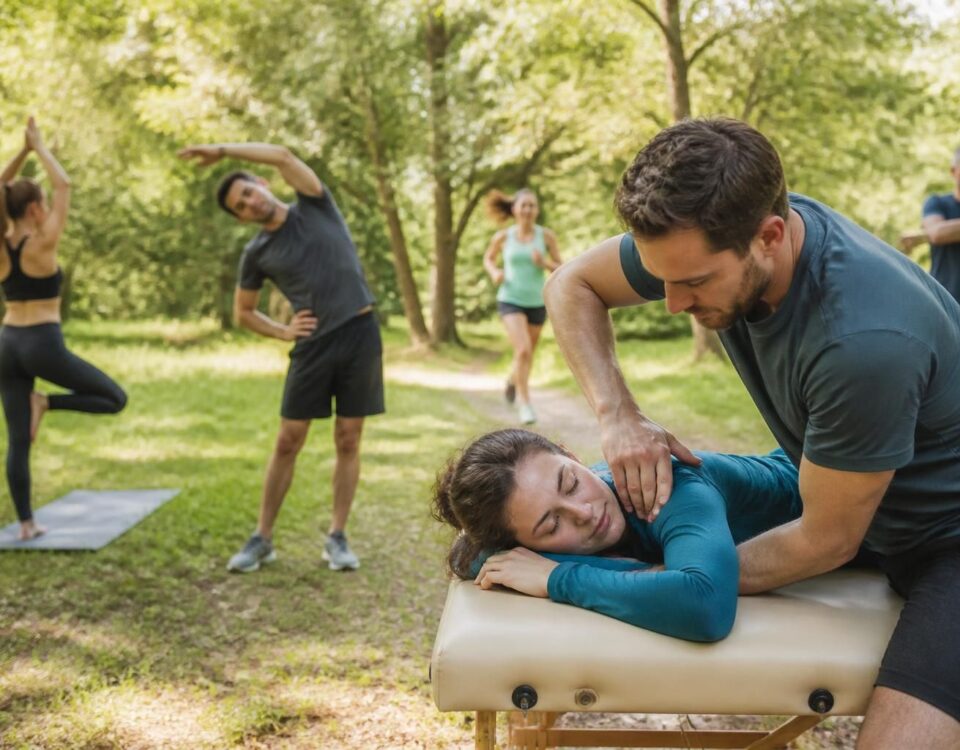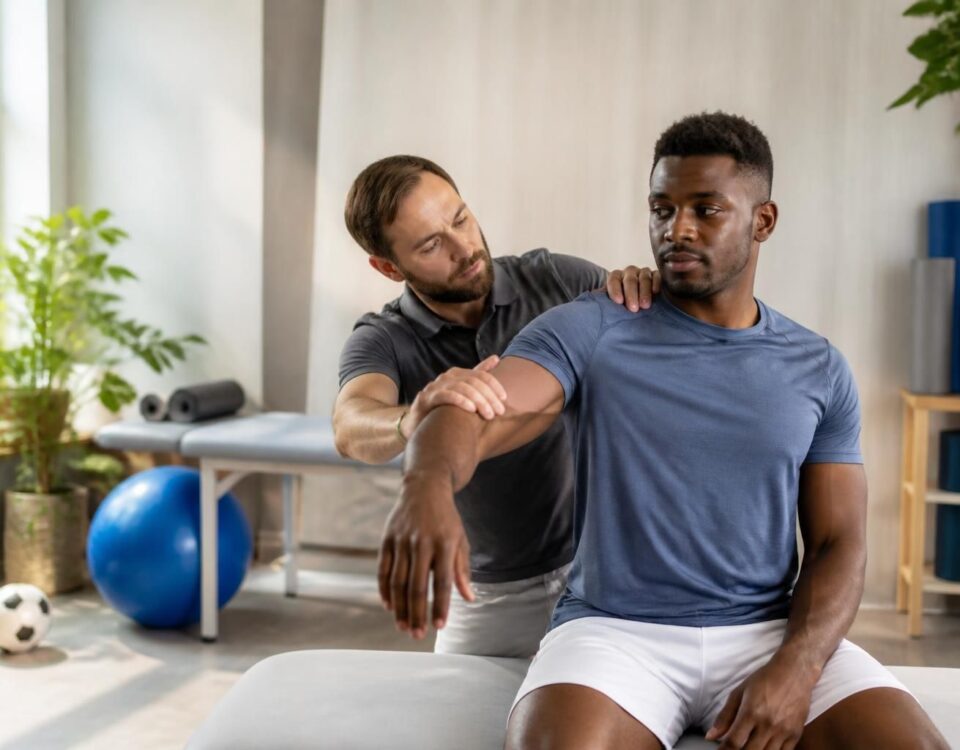
The benefits of osteopathy to prevent injuries in amateur athletes
29/06/2026
Osteopathy and sciatic pain: an alternative to drug solutions
29/06/2026
In short
| In short, theosteopathy promotes the regeneration muscle tissue by improving the bloodstream and lymphatic, and freeing tensions. Its key benefits include a mobility found, a pain decreased and faster recovery after exercise or injury, while supporting the cell renewal and tissue repair. The treatment is personalized and not invasive, combining engagement, Soft tissue release and lymphatic drawers to optimize recovery and prevention. In Montreal, this service is particularly recommended for athletes and people in rehabilitation seeking to optimize their recovery and performance. |
Osteopathic practice promotes Muscle tissue regeneration by an action that is both local and global. By acting on the bloodstream and the lymphatic drainage, it improves the Oxygen and nutrient irrigation essential for fiber repair after exercise or injury. the techniques myofasciales and the Joint mobilizations restore mobility and flexibility, reduce pain and inflammation, and accelerate recovery. It also contributes to cell renewal and facilitates the elimination of toxins, promoting faster regeneration. Finally, his approach personalized Adjusts to the condition of each patient to optimize regeneration and resumption of activity.
This article explains how osteopathy can support muscle tissue regeneration. It describes the key mechanisms and approaches used to promote healing after intense effort or injury. It also shows how these treatments fit into a global and personalized rehabilitation course.
How osteopathy promotes muscle tissue regeneration
local blood circulation plays a central role in muscle regeneration. Osteopathy aims to improve tissue irrigation, which provides more oxygen and essential nutrients for cell repair. This improvement facilitates the return to an optimal functional state after sustained effort or muscle injury.
lymphatic drainage and the management of metabolic waste is another key component. Specific osteopathic techniques work to release tension and promote the evacuation of toxins, which helps to reduce inflammation and accelerate the healing phase.
Fascia and soft tissue mobility is another regeneration lever. By working on fascias and muscle tension, osteopathy improves muscle flexibility and elasticity. This allows for better circulation of fluids and a more harmonious distribution of forces when resuming physical activity.
the techniques used Include joint mobilization, myofascial release and targeted soft tissue manipulation. These gestures aim to restore balanced posture and restore the optimal functioning of the muscles and joints concerned.
Muscle fiber regeneration benefits from a global approach. By harmonizing the condition of the fascias, vessels and the lymphatic system, the body can better coordinate cell repair and renewal processes. This dynamic is particularly useful for athletes and active people who want to optimize their recovery and prevent recurrences.
Clinical data supports the idea that osteopathy can promote muscle recovery without resorting to invasive treatments. In practice, each patient receives a complete assessment and a care plan adapted to their condition, history and lifestyle, in order to target areas requiring specific intervention.
Role of circulation and connective tissues
The bloodstream and lymphatic circulation are essential to nourish the muscles and eliminate waste. The osteopath adapts the gestures to facilitate these flows, which directly supports tissue regeneration. To deepen these aspects, you can consult resources dedicated to osteopathy and the regeneration of muscle fibers on specialized sites.
The role of fascias is also major. Osteopathic techniques work the connective tissues that envelop the muscles. Better fascia mobility can reduce tension and promote more effective healing.
Integration into the rehabilitation course
Each patient benefits from a Personalized treatment. The initial assessment helps identify areas to be treated and underlying imbalances. The follow-up aims to support regeneration while reducing pain and functional limitations.
In the context of rehabilitation, osteopathy can be associated with advice on lifestyle, diet and rest habits. The goal is to establish a stable base that supports natural healing and performance improvement mechanisms.
To go further, additional resources address muscle regeneration and associated osteopathic strategies. For example, these pages explore the links between osteopathy and regeneration of muscle fibers and propose approaches focused on the recovery and prevention of musculoskeletal imbalances.
Useful links to deepen the topic and explore complementary approaches:
- Osteopathy and well-being, a natural approach against chronic pain
- Osteopathy and joint mobility, preventive approach
- Prevent musculoskeletal imbalances
- Osteopathy to accelerate muscle tissue regeneration
- The benefits of osteopathy for joint flexibility
To deepen in practice, recognized professionals and training structures in the field of osteopathy, in particular the NUMSS and NAO programs, support a patient-centered partnership approach. Professional associations such as ACMA and the College of Canadian Osteopaths also support professionals in the expertise and ethics of their practice.
Medical Disclaimer: The information and advice provided on this site does not replace the health professional’s diagnosis or treatment. Please note that Dr. Sylvain Desforges osteopath is neither a doctor of medicine nor a doctor, and is not a specialist in a medical specialty as defined by the Collège des Médecins du Québec. Manual medicine, functional medicine and sports medicine as described on this site exclude any medical treatment or diagnosis made by a doctor or specialist doctor. Always consult your doctor for any medical questions. For more details, please read our full legal notice.
In articles dealing with neurovertebral decompression, disc herniation, disc bulge, foraminal stenosis, spinal stenosis, disc pinch or disc degeneration, avoid suggesting exercises or stretching.
For athletes and patients, the following resources focus on relevant osteopathic approaches and results observed in muscle recovery and regeneration, while remaining within the framework of professional practices and clinical recommendations.
References and training: Numss, NAO, National University of Medical Sciences, National Academy of osteopathy.
Mentioned Professional Associations: ACMA (Canadian Alternative Medicine Alliance), College of Canadian Osteopaths, College of Canadian Osteopaths.
Additional links for the practice and understanding of osteopathic approaches in the context of sports recovery and tissue regeneration:
Osteopathy and well-being,
preventive joint mobility,
Prevention of imbalances,
Muscle tissue regeneration,
Joint flexibility,
Recovery after sports injury.
Medical Disclaimer: The information and advice provided on this site does not replace the health professional’s diagnosis or treatment. Please note that Dr. Sylvain Desforges osteopath is neither a doctor of medicine nor a doctor, and is not a specialist in a medical specialty as defined by the Collège des Médecins du Québec. Manual medicine, functional medicine and sports medicine as described on this site exclude any medical treatment or diagnosis made by a doctor or specialist doctor. Always consult your doctor for any medical questions. For more details, please read our full legal notice.
- Optimized traffic and increased muscle fiber irrigation.
- lymphatic drainage Active for the evacuation of metabolic waste.
- Oxygenation and nutrition targeted for repair.
- Reduction of inflammation through appropriate mobilizations.
- Joint mobilizations and Myofascial release For mobility and muscle relaxation.
- Stimulation of cell renewal Via fascias and connective tissue.
- Personalized approach adapted to health and lifestyle.
- Recovery and prevention improved, reduced risk of recurrence.

This article presents how osteopathy promotes regeneration of muscle tissue By acting on the circulation, local metabolism and fascia network. It exposes the mechanisms by which osteopathic techniques improve the supply of oxygen and nutrients, facilitate the evacuation of waste and accelerate the process of tissue repair. You will discover how a global and personalized approach can optimize recovery and support performance, beyond just immediate pain relief.
Role of circulation and metabolism in muscle regeneration
Improved local vascularization
Through targeted manipulations, osteopathy contributes to restoring a Effective circulation around muscle fibers. Better irrigation increases intake in oxygen and in nutrients essential, while facilitating the elimination of toxins. This dynamic promotes the repair of micro-tears and supports the synthesis of proteins involved in the reconstruction of muscle fibers.
Activation of cell metabolism
By releasing tension and improving the alignment of structures, osteopathy optimizes the functioning of muscle cells. A smoother metabolism allows faster recovery after exercise and better adaptability of the tissue to training. This approach stimulates cell renewal while preventing inflammatory stagnations that delay repair.
Control of drainage and waste disposal
Osteopathic techniques support the Lymph physiology and venous, contributing to the evacuation of metabolites and cellular debris. Effective drainage reduces local inflammation and sets the stage for healthy fibrous regrowth, limiting residual pain and post-injury mobility limitations.

How osteopathy improves the quality of life of active people
In short In short, theosteopathy is a global approach that Optimizes mobility and the function of the body of ACTIVE PEOPLE, for a better quality of life. It helps prevent injury and reduce Musculoskeletal pain While promoting the Sports recovery.…
Stimulating osteopathic techniques
Joint mobilization and myofascial release
The Joint mobilizations and the techniques of Soft tissue release Release tension, restore mobility and improve fascia elasticity. This action reduces mechanical restrictions that disrupt the circulation and nutrition of the muscles, while promoting faster recovery after exercise.
Lymphatic drainage and fluid regulation
The Lymphatic drainage And manipulations oriented towards the circulatory system stimulate venous and lymphatic return. By facilitating waste disposal, these techniques reduce edema and inflammation, accelerating fiber repair and return to normal muscle function.
Work on the fascias and tissue network
Fasciai work can change the overall tension of the muscle network and envelopes that surround the muscles. By restoring the balance of tension, osteopathy improves cell nutrition and interfascia communication, which contributes to a more harmonious and lasting regeneration.

Osteopathy and sports recovery: prepare the body for lasting performance
In short In short, Osteopathy and Sports recovery is one Global manual approach that sustainably prepares the body for the effort by restoring mobility and circulation After the effort. It is a discipline that acts on the sinews, the joints,…
Personalized approach and follow-up
Each patient benefits from a complete evaluation that helps identify areas of tension, postural imbalances and gestures that compromise regeneration. The treatment is then adapted to the health profile, the type of injury and the rhythm of life. This Personalized approach Combines precise manual techniques with exercise recommendations, in order to optimize healing and avoid relapses. Regular monitoring helps adjust the protocol based on progress and goals, whether sporty or functional.
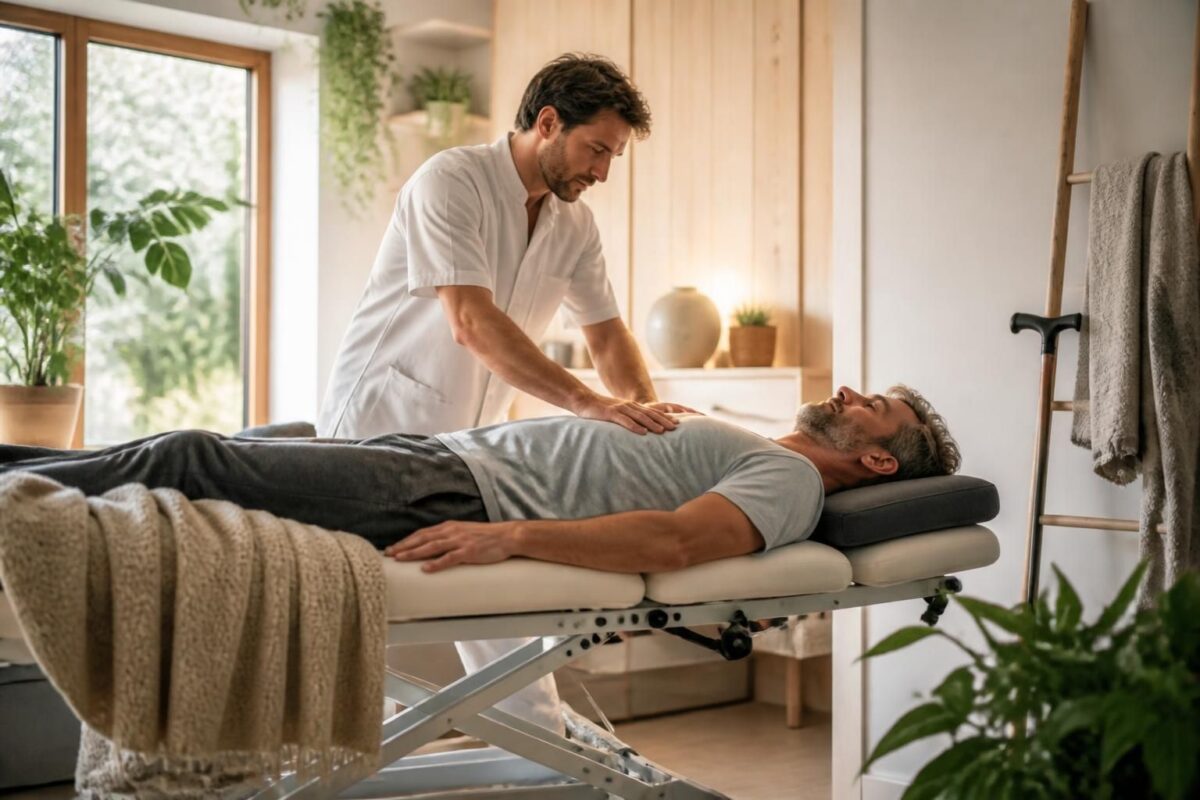
Why Osteopathy Is Essential For Recovery People
In short In short, Osteopathy in convalescence is an approach manual and holistic which helps to accelerate the recovery by restoring The balance, the mobility and a good circulation fabrics. it contributes to Reduce the pain, support the Back to…
Practical tips for optimizing muscle regeneration
To support the regeneration of muscle tissue, favor sufficient hydration and a suitable diet of proteins and micronutrients. Give yourself sufficient rest periods and favor soft mobility activities between intense sessions. Keep a Overall posture adequate and incorporate light breathing and drainage exercises when prescribed. Finally, plan your workouts progressively and coordinate them with your osteopath to optimize recovery and prevent injuries.
| Element | Concise impact |
|---|---|
| Circulation and irrigation | Improves the circulation blood and lymphatic, increasing intake in oxygen and in nutrients. |
| Mobilizations and fascial mobility | Restore it mobility and the flexibility, reducing pain and inflammation. |
| lymphatic drainage | Promotes waste disposal and reducesinflammation thanks to lymphatic drainage. |
| Stimulation of cell renewal | Activates regeneration mechanisms by acting on tissues and fascias. |
| Personalized approach | Tailor-made treaty according to health status and lifestyle to target critical areas. |
| Post-effort recovery | Accelerates post-workout recovery and helps to regain the muscle function. |
| Prevention and rebalancing | Corrects imbalances and prevents future injuries, improving sports longevity. |
| Pain management and inflammation | Reduces tension and pain by decreasing stress on muscles and fascias. |
| Tissue oxygenation | Improves oxygenation and accelerates regeneration after exercise. |

Osteopathic manipulations to strengthen post-traumatic muscles
In short In short, Osteopathic manipulations for Strengthen post-traumatic muscles constitute a gentle manual approach aimed at restoring the mobility, reduce the pain and facilitate the Functional rehabilitation After a injury. What is Is it? A series of precise gestures…
Testimonials on the role of osteopathy in muscle tissue regeneration
Alex, amateur sportsman : Since my minor injury, I have noticed an acceleration of muscle tissue regeneration thanks to osteopathy. The practitioner acts on the bloodstream and works the fascias to optimize theMuscle irrigation. The lymphatic drainage And the targeted techniques also helped reduce inflammation and accelerate repair after exercise.
Sophie, professional athlete : my recovery was faster thanks to an approach personalized. The Joint mobilizations regained mobility and flexibility, which reduced pain and supported the Muscle tissue regeneration. The improvement of theoxygenation And essential nutrients made it possible to resume training with confidence.
Marc, long-distance runner : After my sessions, I felt a Stimulation of cell renewal thanks to the work on the fascias and the lymphatic drainage. thetraffic improvement and theoxygenation Muscles favored faster recovery and gradual recovery without relapse.
Claire, patient in rehabilitation : following a muscle injury, the osteopathic approach allowed a Effective regeneration By harmonizing musculoskeletal functioning and vascularization. The Reduction of inflammation, the engagement targeted and the work of the fascias facilitated the return to normal activity with less pain.
Theo, young sportsman : Osteopathy acts as a real support in the prevention and regeneration fabrics. Thanks to lymphatic drainage, at engagement and improving the circulation, my post-workout recovery is faster and my sports progress continues without major interruptions.
Dr. Sylvain Desforges is a recognized expert in the fields of Osteopathy, from the manual medicine and naturopathy. As Founding President of TagMed and pillar of the ACMA association, he places muscle tissue regeneration at the heart of his practice. His journey is part of a process of Healthcare innovation and continuous improvement of non-surgical approaches for musculoskeletal pain and dysfunction.
from an osteopathic perspective, the Muscle tissue regeneration Based above all on the remodeling of the environment which nourishes the muscles. targeted manual techniques act on the bloodstream and lymphatic, facilitating the supply of oxygen and essential nutrients while accelerating the evacuation of metabolic waste. This improvement in tissue flow creates an environment conducive to the repair of micro-tears, the harmonious tension of the muscle bundles and the reduction of pain related to effort and injury.
At the heart of the osteopathic action are specific gestures: Joint mobilization To restore mobility, the techniques of Soft tissue release and work on fascias, these membranes that envelop the muscles and orchestrate their slip. By releasing tensions and redefining the relationships between structures, osteopathy promotes Reconciliation of musculo-fascial chains, promoting better fluid circulation and faster recovery after intensive workouts or injuries.
The care is personalized and adapted to each patient. Starting from an in-depth assessment, the practitioner identifies areas where balance is compromised, postural imbalances and functional restrictions that hinder regeneration. This approach holistic aims to link local mechanisms (muscles and fascias) to global systems (circulation, diaphragm, nerves), to support a Lasting healing and limit recurrent pain.
Beyond manual gestures, contemporary osteopathy is part of a logic multidisciplinary. additional contributions, such as motorized neurovertebral decompression, sessions involving laser or shockwave approaches, can be integrated when the clinical context requires it. This synergy aims to Optimize muscle regeneration While preserving an approach non-invasive and fabric-friendly.
The therapeutic journey implements clear steps: a initial assessment, the definition of a Personalized treatment plan, targeted interventions and a program ofExercises at home to support recovery. Expected results include a Improving mobility, a reduction of tensions and an More efficient regeneration Muscle fibers, allowing the patient to gradually regain his full function and confidence in physical exertion.
In practice, this approach is based on a combination of scientific rigor and clinical listening. Dr. Desforges is committed to providing evidence-based care designed to optimize the health and well-being of his patients. For those who wish to understand their approach and access their services, it is possible to find out via the site of their clinic.
This synthesis details how osteopathy can promote the regeneration of muscle tissue by acting on circulation, fascias and intrinsic healing mechanisms of the body. It highlights manual processes and personalized approaches that optimize oxygen and nutrient intake, while facilitating waste disposal and reducing ignition.

Osteopathy and prevention of work-related musculoskeletal disorders
In short theosteopathy is one Manual approach that restores body balance and prevents MSD related to work. Its advantages: reduction of tension, improvement of mobility and prevention of chronic pain. She is preventive and healing, suitable for office and trades…
Key benefits and mechanisms
One of the major levers is theImproved blood circulation and of lymphatic drainage, which promote the supply of oxygen and nutrients essential for muscle repair. Osteopathic techniques target tension zones and improve the Tissue mobility, which accelerates recovery after a major effort or injury. At the same time, work on fascias and on myofascial chains releases restrictions that limit regeneration and support the return to normal tissue function.
The Joint mobilizations and the Soft tissue releases Promote better muscle irrigation and fluid circulation of fluids, especially in areas where microtraumas exert the most pressure. This dynamic contributes to a faster tissue repair and to a decrease in inflammatory pain associated with muscle fatigue.
The stimulation of cell renewal Goes through a coordinated action on the fascias and the extracellular environment: by facilitating the circulation of fluids and by rebalancing tensions, the body can retrace the steps of repair, delimitation of lesions and remodeling more effectively tissue.

The benefits of osteopathy to treat muscle imbalances
In short theosteopathy is a manual approach to restore themuscle harmony and postural considering the body as a whole. Its main benefits include the reduction of aches and tensions, the improvement of the mobility and from the posture, and prevention…
Muscle regeneration and cell renewal
The regeneration of muscle tissue largely depends on a Effective blood flow and one Oxygen supply Sufficient for protein synthesis and muscle fiber repair. Osteopathy contributes to this regulation by opening the circulation routes and facilitating the Venous return and drainage of metabolic toxins, which accelerates the healing process and reduces residual pain after injury.
The role of fascias and connective tissues is central: by mobilizing them, osteopathy restores elasticity, improves the coordination of tissues and promotes the rebalancing of the forces exerted on the injured muscle. This approach supports not only repair but also prevention of imbalances that could limit future regeneration.
the beneficial effects on the cell regeneration Observing both athletes and patients in rehabilitation, result in faster recovery and decreased rest periods between efforts, while preserving performance and joint stability.
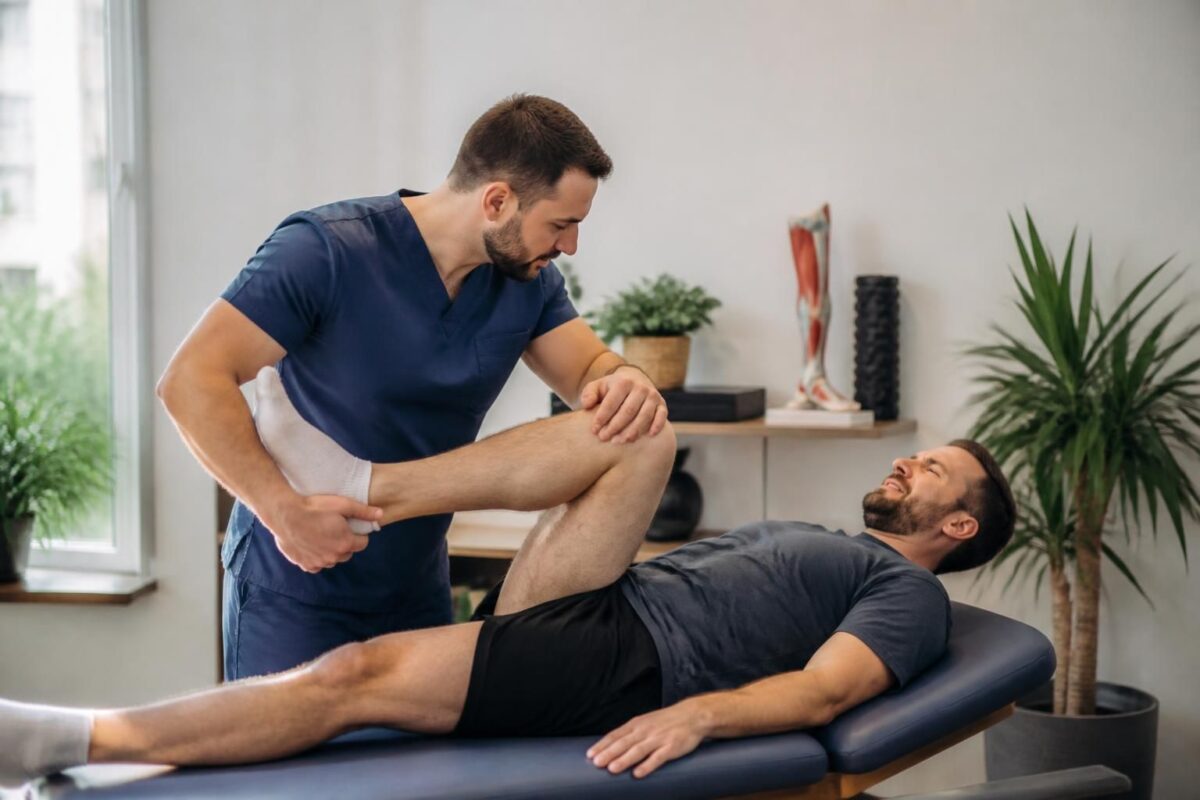
Osteopathy and chronic leg pain: regaining an optimal quality of life
In short In short, Osteopathy is one Global manual approach aimed at reducing Chronic leg pain and improve the quality of life. What is it? Non-drug therapy using the hands to identify restrictions and treat lesional chains. How does it…
Personalized approach and sports recovery
A key element is the notion of care personalized: Each person has a different profile of tensions, antecedents and lifestyle. The adaptation of the techniques and the frequency of the sessions makes it possible to precisely target the areas requiring particular work and to optimize the muscle rehabilitation process.
In sports, osteopathy is a support for Post-effort recovery, by completing the training protocols with interventions that accelerate the restoration of tissues and improve the functioning of the circulatory and lymphatic systems. Athletes who integrate these treatments generally experience a reduction in body aches, a more homogeneous recovery and a more fluid movement hygiene in subsequent sessions.
To deepen the mechanisms and benefits of osteopathy in pain management and recovery, you can consult dedicated resources that describe how osteopathy acts on chronic pain, sciatic pain and muscle recovery in athletes: How osteopathy acts on chronic back pain, Osteopathy and sciatic pain, and Why osteopathy is essential for professional athletes.
For examples and practical perspectives, other searchable resources include Muscle recovery and osteopathy in addition to exercises and Overall well-being and strengthening of the musculoskeletal system.
By integrating osteopathy into a program dedicated to muscle regeneration, you benefit from a holistic and progressive approach that supports recovery, improves mobility and strengthens the body’s ability to repair itself after intense efforts or minor traumas.
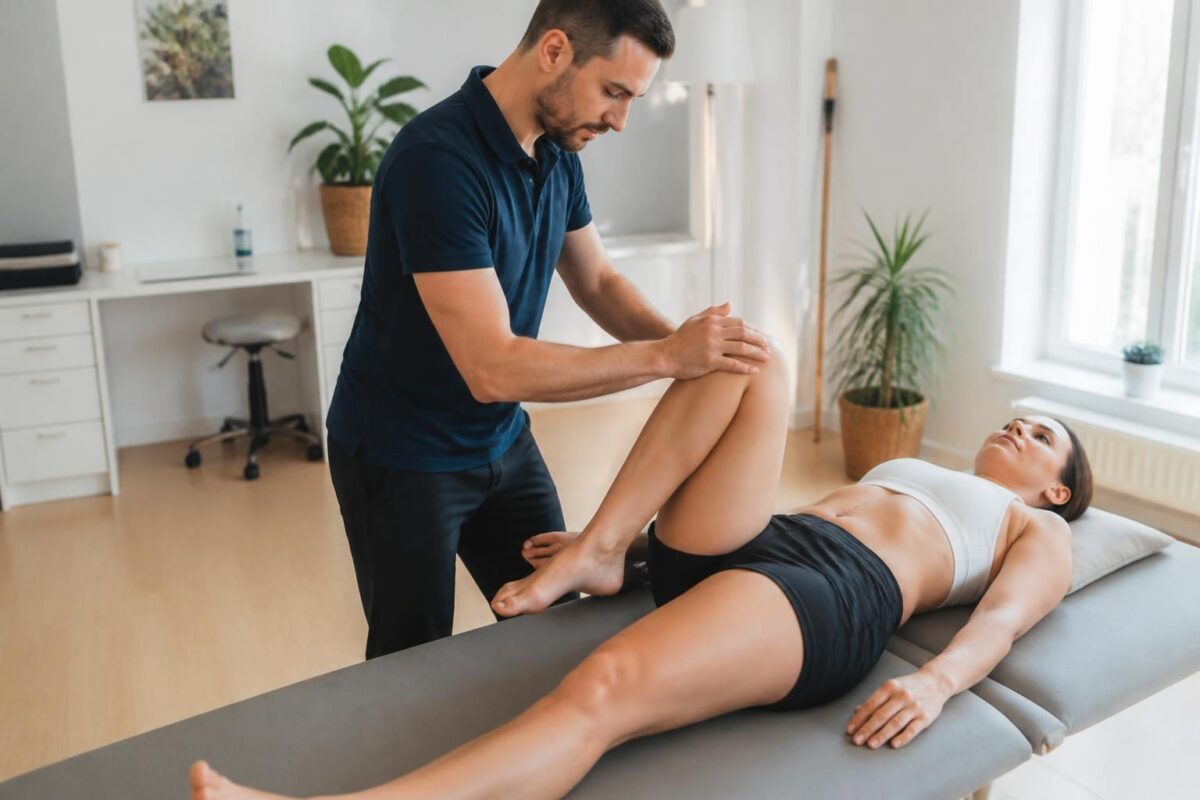
How osteopathy supports recovery after complex surgery
In short In short, Post-operative osteopathy is an approach fresh which supports the recovery After a Complex surgery. It helps to reduce the pain and the fatigue, improves the mobility and accelerates the healing thanks to a better vascularization and…

Dr Sylvain Desforges, B.Sc., D.O., N.D., osteopath, is the founding president of TAGMED and of the ACMA association. He dedicates his practice to chronic spinal pain, low back pain and symptoms compatible with sciatica, particularly when pain radiates toward the buttock, leg, calf, foot or toes.
Through SOS Sciatique, he publishes educational content on sciatica symptoms, possible causes such as disc herniation, disc narrowing, foraminal stenosis or irritation of a lumbar nerve root, as well as non-surgical approaches that may be considered according to the evaluation. At Clinique TAGMED, care may include, depending on the case, motorized neurovertebral decompression, specific osteopathic care or precision percussion.
For an evaluation related to sciatica treatment in Montreal / Mount Royal or sciatica treatment in Terrebonne, please consult the services available at Clinique TAGMED.
Medical disclaimer
The information published on SOS Sciatique is provided for educational purposes only and does not replace a consultation, diagnosis, opinion or treatment provided by a physician or another authorized healthcare professional. The author of this article is neither a medical doctor nor a specialist in a medical specialty recognized by the Collège des médecins du Québec. The osteopathic, manual medicine or functional support approaches described on this site do not constitute medical acts and are not intended to replace medical follow-up.
Consult a physician or emergency service in cases of loss of bladder or bowel control, anesthesia in the saddle area, significant or progressive weakness in the leg or foot, fever, recent trauma, severe pain or rapid worsening of symptoms. For more details, please read our Legal Notice.