Why neurovertebral decompression is a safe choice for seniors
26/06/2026
Custom protocols in neurovertebral decompression to maximize results
26/06/2026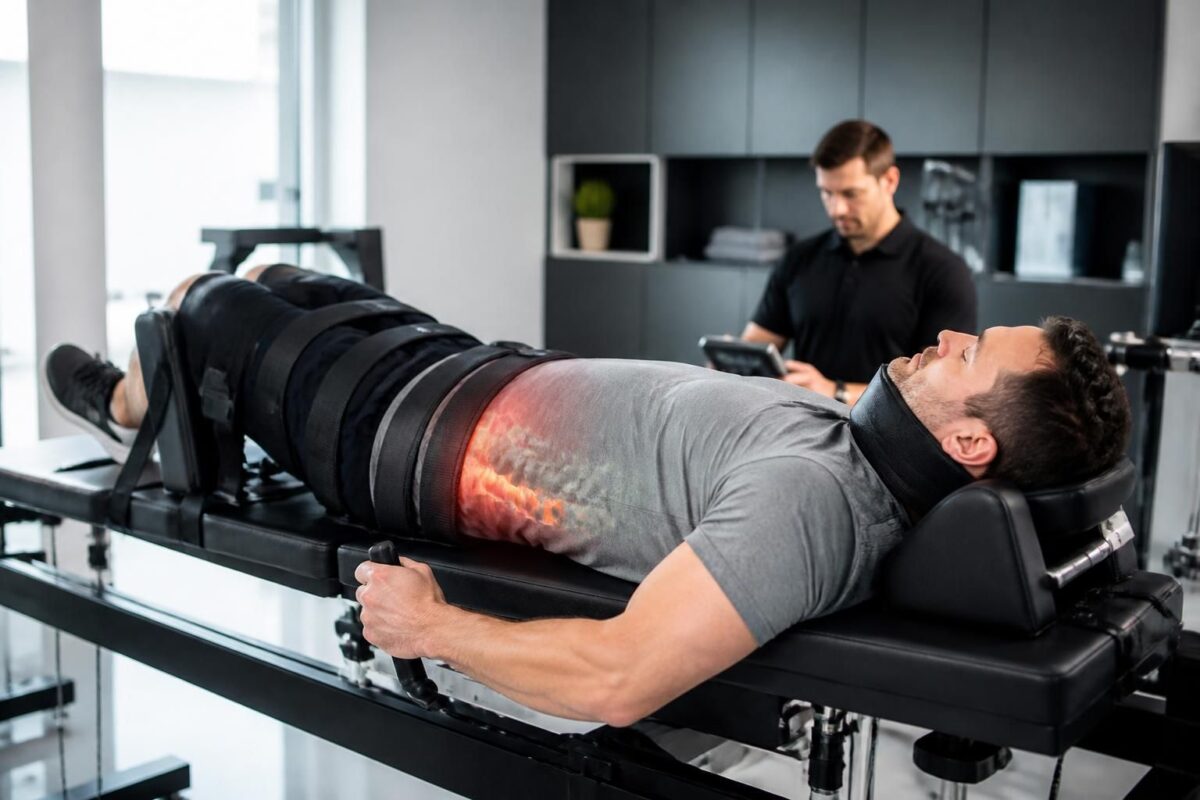
In short
| In short, neurovertebral decompression is one Non-invasive method who uses a gentle traction To create a space between the vertebrae and reduce the pressure on the Intervertebral discs and the gristle. This pressure reduction releases the Muscle tensions back and improves the bloodstream, promoting tissue recovery and mobility. Key Benefits: Quick relief pain, improvement in flexibility and from the posture, and reduction of the risk of recurrence without surgery, accessible to Montreal For chronic lower back and cervical pain related to herniated discs or muscle tension. This approach can be integrated into a Overall care plan and combine with other therapies to optimize results, while remaining non-invasive. |
The neurovertebral decompression is one Non-invasive method which targets back muscle pain and tension. It is based on a gentle traction of the spine, creating a Space between the vertebrae and reducing the Pressure on intervertebral discs and nerves. This pressure reduction promotes muscle relaxation, improves the bloodstream and accelerates the recovery, contributing to a pain reduction and a better mobility. It can be integrated into a Overall treatment plan and associated with other therapeutic approaches to optimize well-being and prevent recurrences.
Quick Summary: This article explains how the neurovertebral decompression acts on the Back muscle pain, lumbar tension and spinal alignment. It describes the mechanism, clinical benefits, safety considerations, and the integration of this approach into a global care. For people with chronic back pain, this non-invasive approach can provide lasting relief and improve mobility, without the need for surgery or drug treatments. Look at the associated resources on Tagmed Clinic or DecompressionNeurVertebrale.com.
What is neurovertebral decompression?
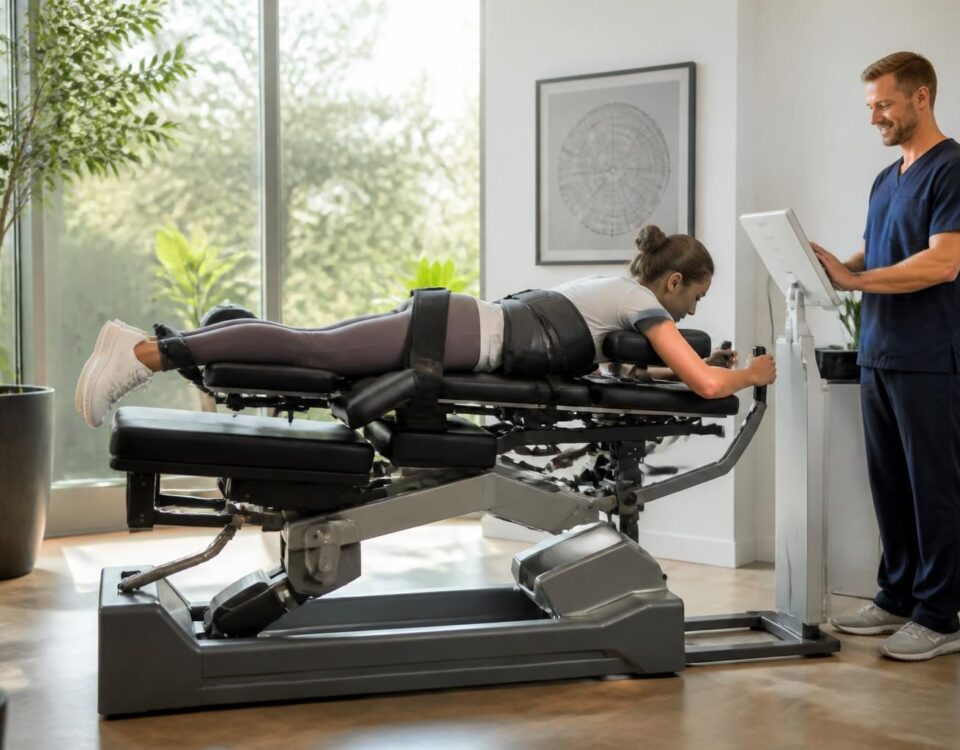
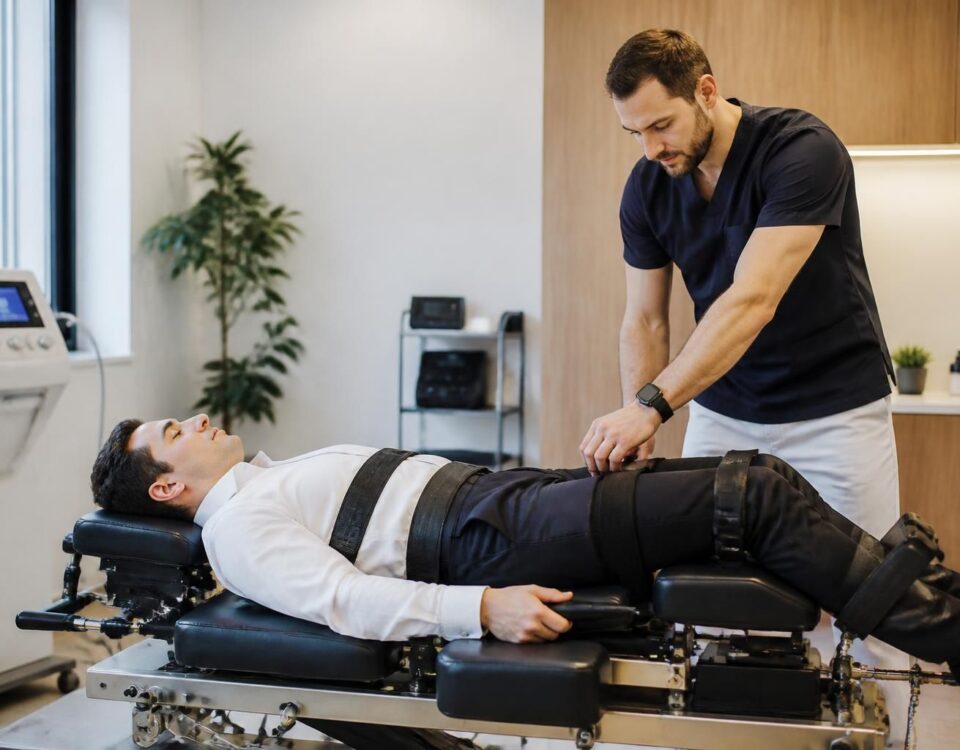
The neurovertebral decompression is a technique non-invasive who uses a gentle traction on the spine to create a space between the vertebrae. This action reduces the pressure exerted on the Intervertebral discs and the nerves, which facilitates the relaxation of the surrounding muscles and improves blood circulation to the tissues. In the clinical setting, it is part of a holistic approach to back pain and can be associated with other evidence-based therapies in TagMed and Pulse Align clinics. For more information, see the specialized resources available on the partner sites below and in affiliated clinics.
How does decompression affect muscle pain and tension?
The process is based on a Controlled traction which stretches the column and creates a space between the vertebrae. This reduction in nervous compression allows the muscles surrounding the spine to relax and promotes a Better circulation blood. A better infusion brings oxygen and nutrients, which supports tissue healing and can reduce back muscle pain. Spinal alignment can also improve, which helps reduce postural tension and facilitate movement. Clinical studies and reports on associated technologies exist, in particular in the resource catalogs dedicated to neurovertebral decompression.
Clinical benefits and safety
Patients often report Rapid comfort improvement After a few sessions and a Increased flexibility of the back. By promoting the space between the vertebrae and releasing the muscles, this approach can also reduce radiant pain from nerve compressions. In terms of safety, neurovertebral decompression is presented as a modality non-invasive and well tolerated by most patients after an appropriate evaluation. It is important to evaluate each patient individually in order to adapt the protocol and avoid contraindications. For those interested in technology and its application framework, additional resources are available from clinics and dedicated sites.
Integration into a comprehensive care plan
Neurovertebral decompression can be combined with other complementary approaches in a framework holistic. Within the TagMed network, it can be part of a global program that takes into account posture, mobility and general well-being. Professionals trained in this technique may have taken training via recognized institutions such as NUMSS, nao, the National University of Medical Sciences and the National Academy of osteopathy. In some cases, associated resources, such as advanced protocols proposed by specialized organizations, complete the system, without resorting to invasive interventions. For patients, this means a gradual resumption of activities and a decrease in functional limitations.
Comparison with Other Approaches and Quick Chart
To better understand where neurovertebral decompression is located, here is a succinct comparison with common approaches. The table below illustrates the general framework, without targeting exercises, and highlights the relative benefits of decompression in the treatment of muscle pain associated with the back.
| Therapy | Quick description | Efficacy and role in treatment |
|---|---|---|
| neurovertebral decompression | Soft traction to increase the intervertebral space | Reduces pressure on discs and nerves; decreases muscle tension; Improves mobility |
| Physiotherapy | Motor rehabilitation and targeted exercises | Useful, but efficacy may be less for specific radicular pain; often useful in addition |
| Surgery (invasive procedures) | Potential curative approach for certain pathologies | longer risk and recovery; Choice reserved according to precise diagnostics |
For additional information and advanced protocols discussed in the practical literature, you can consult the following resources:
Advanced Protocol and
Neurovertebral decompression and herniated discs. Other resources of interest can be found on Decompression without surgery. For practical information and clinical cases, resources available through specialized clinics and professional associations can be consulted.
To learn more about neurovertebral decompression and the contexts involved, you can also refer to official resources and testimonials at affiliate sites and in TagMed clinics.
Practical cases and testimonials: Neurovertebral decompression can help ease back muscle tension in patients with lower back pain, protrusions or nerve compressions. Some online resources summarize these results and present feedback from patients and professionals involved in the field.
Additional links and resources:
– Neurovertebral decompression and muscle pain associated with the back on sosciatica,
– neurovertebral decompression on SosherniaDiscal,
– General information on the technique on neurovertebral decompression.
Advancement and Training of Professionals: Practitioners can take training with recognized organizations, and relevant professional associations include ACMA (Canadian Alternative Medicine Alliance), the College of Canadian Osteopaths and the College of Canadian Osteopaths. These references remain the most relevant official frameworks for associated practices and training standards in this field.
Additional resources and training: NUMSS and NAO offer training in osteopathy and in manual therapies recognized as part of this field, with general recognition among manual health practitioner practitioners. For information on protocols and non-surgical approaches, the resources below can be viewed.
For any additional information or to plan a consultation, patients can contact the TagMed and Pulse Align Clinic clinics via their respective sites.
Affiliated references and additional resources:
-https://www.cliniquetagmed.com
#ATFP_CLOSE_TRANSLATE_SPAN#
-https://www.sossciatique.com/en/the-benefits-of-neurovertebral-decompression-to-reduce-muscle-tension
#ATFP_CLOSE_TRANSLATE_SPAN#
-https://www.sosherniediscale.com/decompression-neurovertebrale/
Medical Disclaimer: The information and advice provided on this site does not replace the health professional’s diagnosis or treatment. Please note that Dr. Sylvain Desforges osteopath is neither a doctor of medicine nor a doctor, and is not a specialist in a medical specialty as defined by the Collège des Médecins du Québec. Manual medicine, functional medicine and sports medicine as described on this site exclude any medical treatment or diagnosis made by a doctor or specialist doctor. Always consult your doctor for any medical questions. For more details, please read our full legal notice.
Reference pathways and mechanisms: To learn more about the mechanisms and circumstances in which neurovertebral decompression can be considered, see the resources on D%C3%A9Neurovertebral Compression and associated resources on partner sites. Additional information on protocols and indications is available on specialized platforms mentioned above.
For people wishing to explore training options and professional executives, it is recommended to refer to the NUMSS, NAO, National University of Medical Sciences and National Academy of Osteopathy institutions, which are among the recognized references in the field.
- neurovertebral decompression : gentle traction which creates a space between the vertebrae.
- pressure reduction on the Intervertebral discs and the gristle.
- Muscle relaxation in the lower back and adjacent muscles.
- traffic improvement blood to the tissues.
- Restoring alignment spinal and posture.
- Quick and lasting relief lumbar and radicular pain.
- Increased mobility and flexibility of the back.
- Prevention of recurrences Through improved fabrics and alignment.
- Integration into a holistic plan (Manual medicine, naturopathy and complementary therapies).
- Non-invasive option, without surgery.

Neurovertebral decompression is a non-invasive approach intended to reduce muscle tension in the lower back by reducing the pressure on the Intervertebral discs and the gristle. by a Controlled traction From the column, it creates an intervertebral space that promotes muscle relaxation and better circulation. Here are practical recommendations to optimize its use and promote sustainable recovery, while being part of a global care plan.
Principles and mechanisms
How it works
The neurovertebral decompression Relies on soft and progressive traction that stretches the spine. This stretch raises the space between the vertebrae, thus reducing the pressure exerted on the records and on the nerves. As a result, the muscles surrounding the spine can be released naturally and the bloodstream towards the lumbar tissues improves.
Key Benefits
Patients generally report a Quick relief pain and a Increased mobility, with a Reduction of inflammation local. This approach can promote Functional recovery without surgical recourse, in particular for Chronic pain back and radicular symptoms associated with nerve compression.
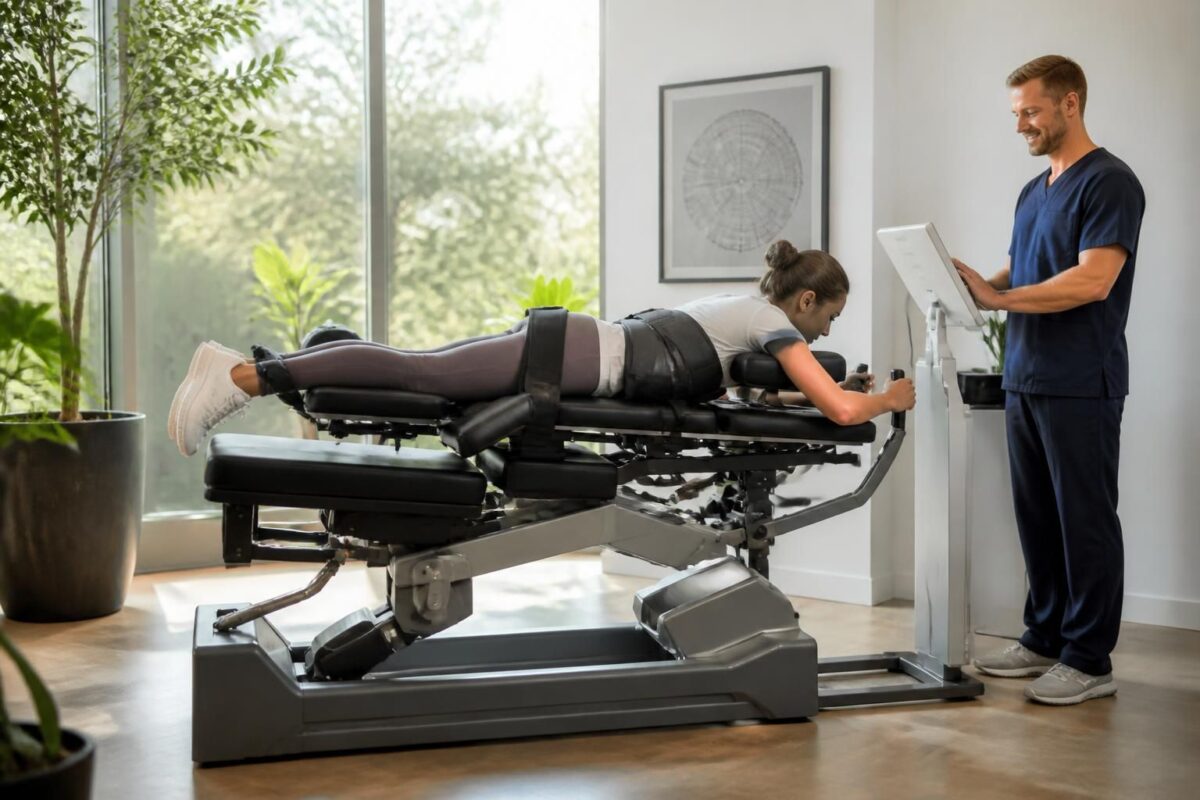
The long-term benefits of neurovertebral decompression for spinal health
In short In short, the neurovertebral decompression is a non-invasive approach that decreases the Pressure on intervertebral discs and nerves, favoring the Natural regeneration and tissue recovery. Its long-term benefits include Lasting pain reduction, Improving mobility and from the posture,…

Neurovertebral decompression and mobility: a return to an active life
In short In short, the neurovertebral decompression is therapy non-invasive who uses a gentle traction To create a space between the vertebrae and reduce the pressure on the Intervertebral discs and the nerves. It promotes a bloodstream improved, lowers tension…
Indications and precautions
Main directions
This method is suitable for people with Chronic lower back pain, of slipped disc, irradiated pain or sciatica when the clinical evaluation confirms it and the general conditions allow it. It can be considered as a stage of postural rebalancing and rehabilitation.
Contraindications and precautions
It is not indicated in the presence of vertebral fractures, infections, or certain major circulatory disorders. Each patient should be individually evaluated to determine the (adequacy) and the optimal protocol. It is essential to follow the recommendations of a trained practitioner and report any worsening or symptom during treatment.
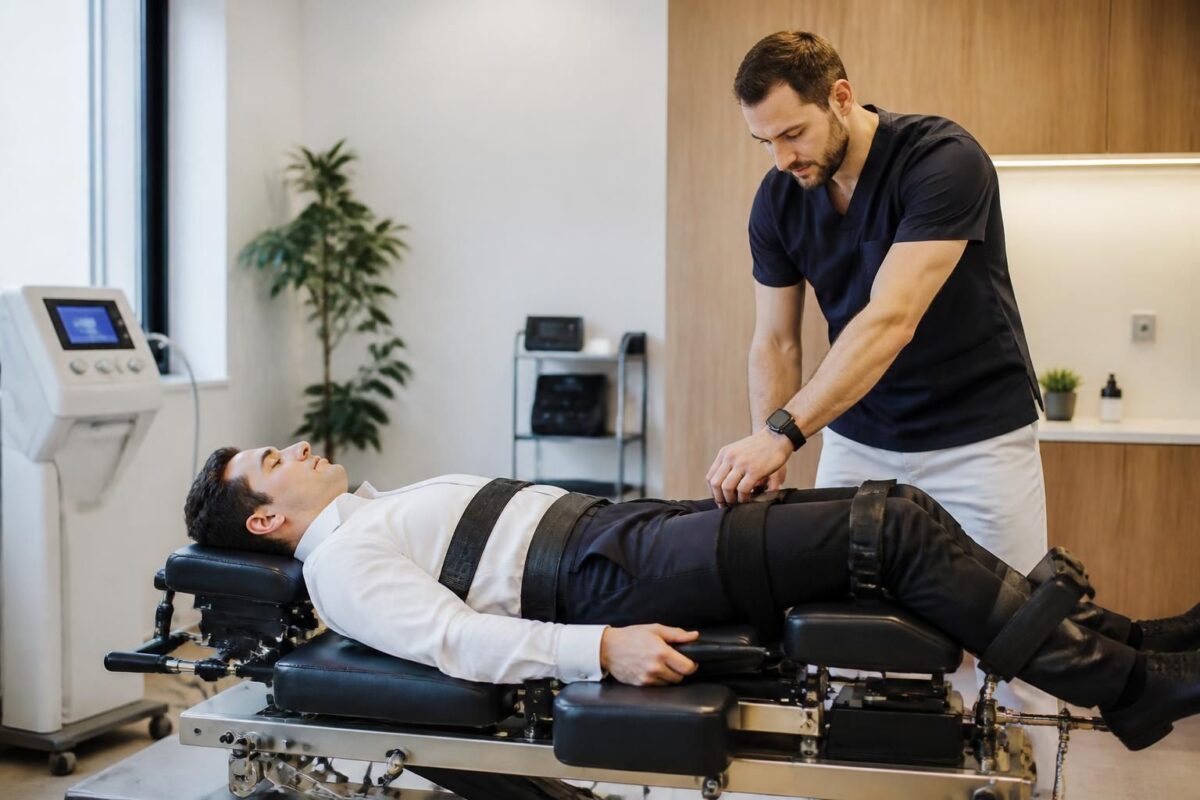
How Neurovertebral Decompression Prevents Diffuse Chronic Pain
In short decompression neurovertebral is one Non-invasive method aimed at reducing the Pressure on the intervertebral discs and the nerves, in order to prevent Diffuse chronic pain. It improves the circulation and thedisc hydration, decreases inflammation and promotes better mobility.…
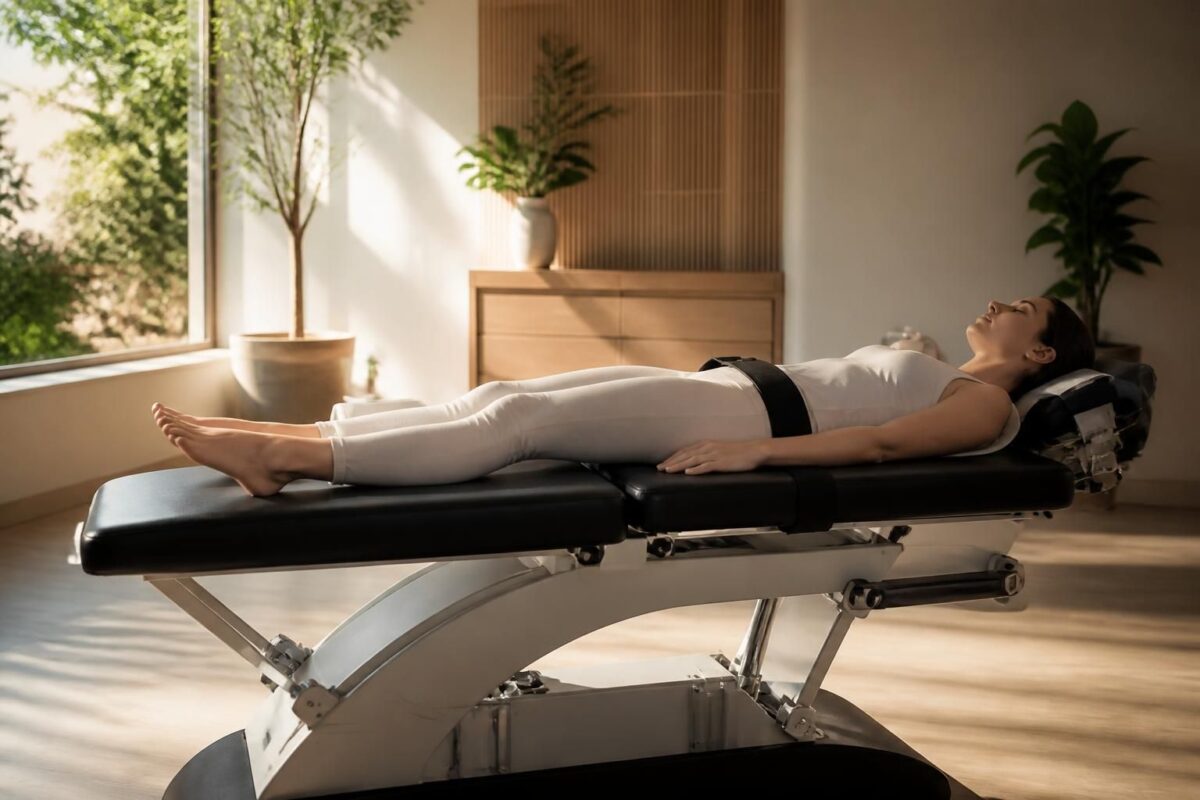
Neurovertebral Decompression and Body Alignment: Restoring Natural Balance
In short In short, neurovertebral decompression is one Non-invasive approach who restores theBody Alignment and thenatural balance back and neck. She acts by a Controlled traction of the spine to widen the intervertebral space and reduce the Pressure on discs…
Integration into a treatment plan
holistic approach
Neurovertebral decompression fits ideally into a care plan holistic Including manual therapies, strengthening exercises and advice in naturopathy or diet depending on the patient’s profile. The objective is to act on the causes and symptoms to prevent recurrences.
Roles of complementary technologies
Associated technologies, such as soft muscle stimulation devices or non-invasive neuromodulation methods, can complete the treatment. They help to release tension and improve the circulation, reinforcing the beneficial effects without resorting to drugs.
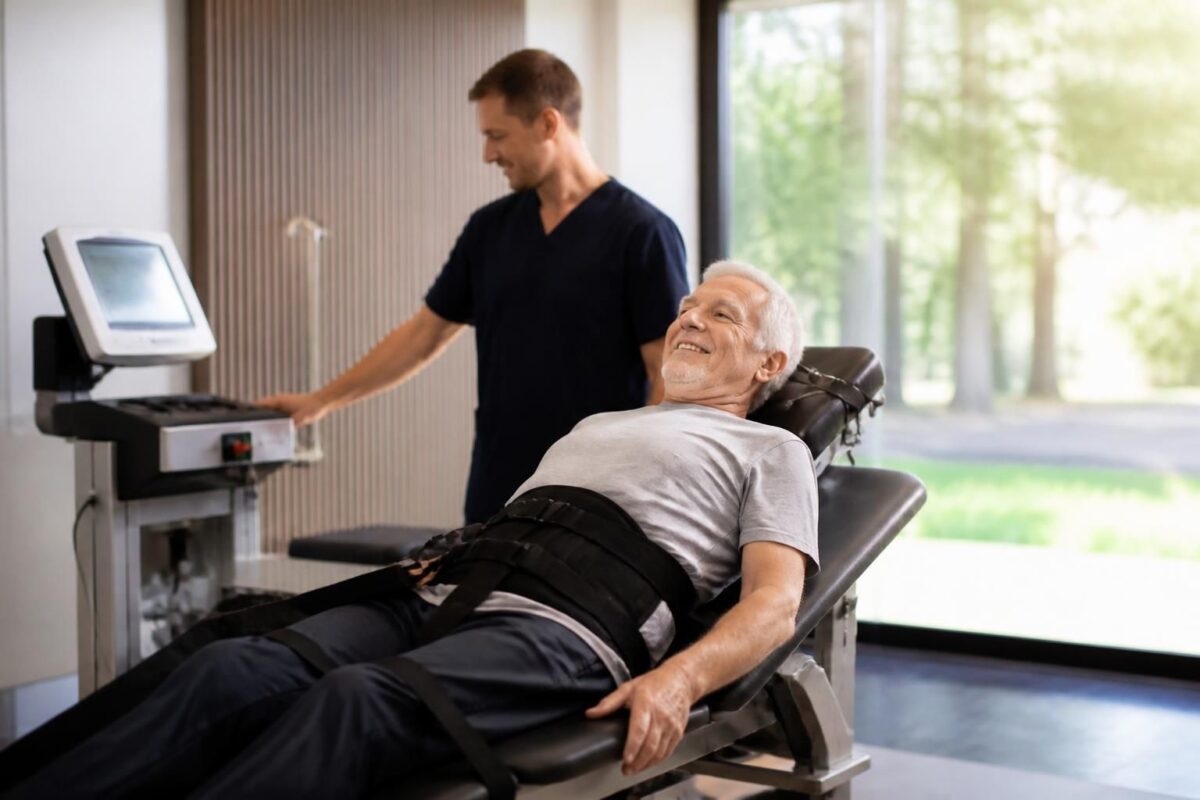
Why neurovertebral decompression is a lasting solution for active seniors
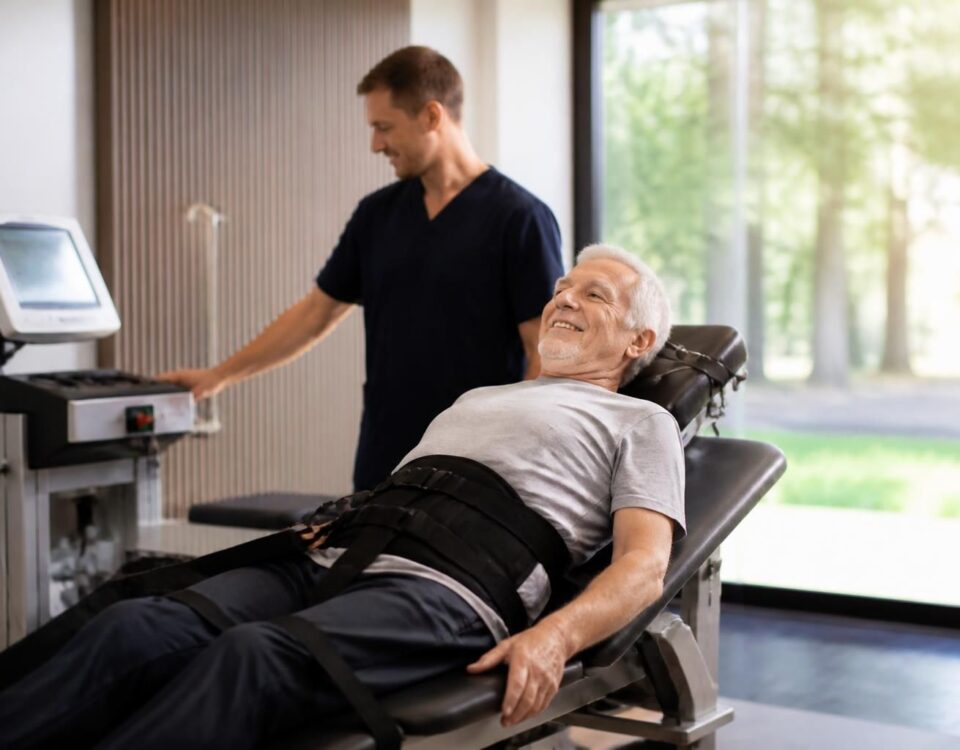
In short In short, the neurovertebral decompression is one Non-invasive therapy which sustainably relieves spinal pain in the spine active seniors By creating, by a Soft and controlled traction, a space between the vertebrae. At Montreal, it is recognized as…
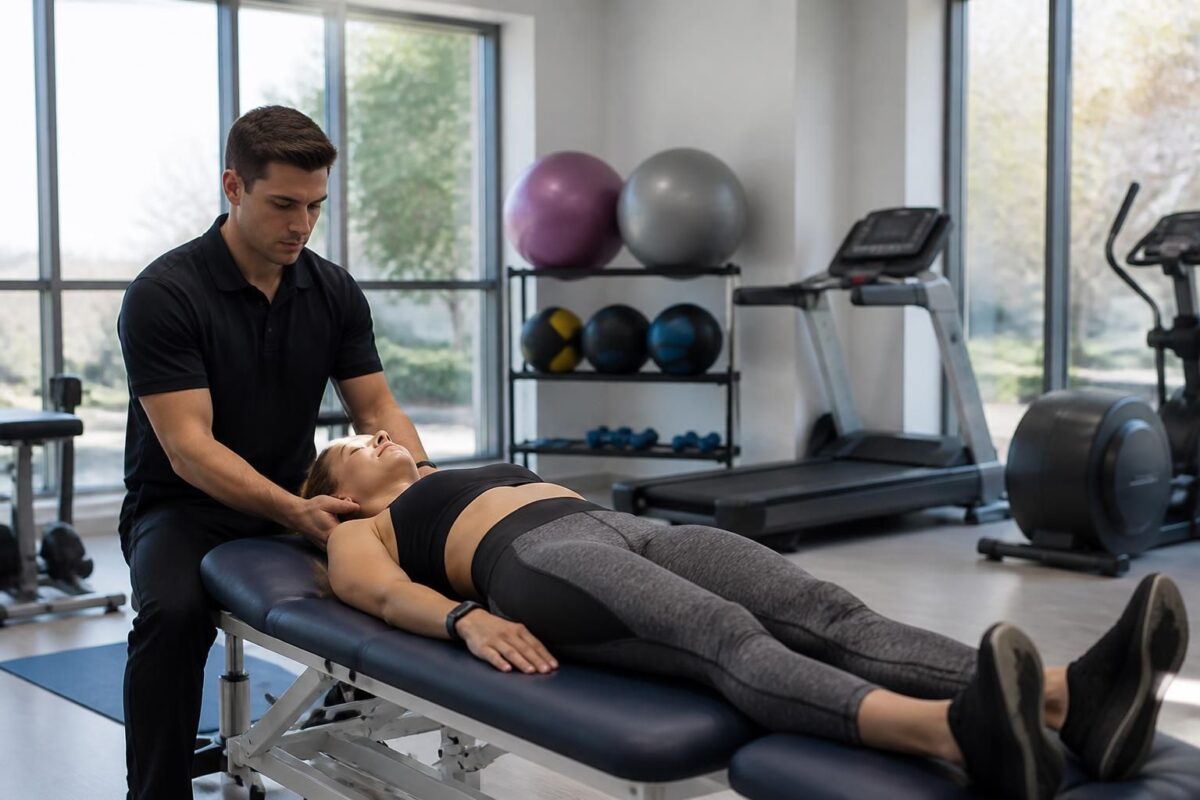
Neurovertebral decompression and recovery after severe sports injury
In short In short, the neurovertebral decompression is one Non-invasive method to Relieve the pressure on the Intervertebral discs and the gristle Via a Controlled traction, to facilitate the recovery After a severe sports injury. It improves the bloodstream towards…
Good practices and advice
before treatment
make a Personalized evaluation and define a progressive plan adapted to the patient. Determine the frequency of the sessions and the objectives to be achieved, taking into account the level of pain and the current mobility.
During and after the sessions
maintain a correct posture on a daily basis and follow a prescribed mobility and reinforcement exercise program. Sufficient hydration and suitable rest support recovery. In case of new or amplified pain after a session, contact the practitioner quickly.
Safety Note: These recommendations complement a health professional’s advice and do not replace an individual medical consultation. Structured planning and regular monitoring optimize treatment outcomes and safety.
| Aspect | concise statement |
|---|---|
| Definition and purpose | The neurovertebral decompression is an approach non-invasive using a gentle traction To create a space between vertebrae, reducing the pressure on the Intervertebral discs and the gristle. |
| Mechanism of action | Traction controlled which increases the intervertebral space and releases nerve compressions, favoring the muscle relaxation. |
| Effects on muscle tension | releases tension around the column and reduces spasms by reducing the nervous pressure. |
| Circulation and regeneration | Improves blood flow local, favoring the contribution of oxygen and nutrients and accelerating the recovery. |
| Alignment and posture | contributes to realignment from the column and to thePostural optimization muscles. |
| Pain and mobility | relief of aches and improvement of mobility, with results after a few sessions. |
| Typical indications | Lower back pain chronicles, sciatica and herniated discs, often in addition to other therapies. |
| Integration into the treatment plan | often associated withosteopathy, at the physiotherapy, and technologies like the laser or shockwave therapies. |
| Sessions and security | custom protocol, non-invasive and generally well tolerated after a screening. |
| Contraindications and precautions | Active vertebral fractures, infections or circulatory disorders; a Medical assessment is essential before treatment. |
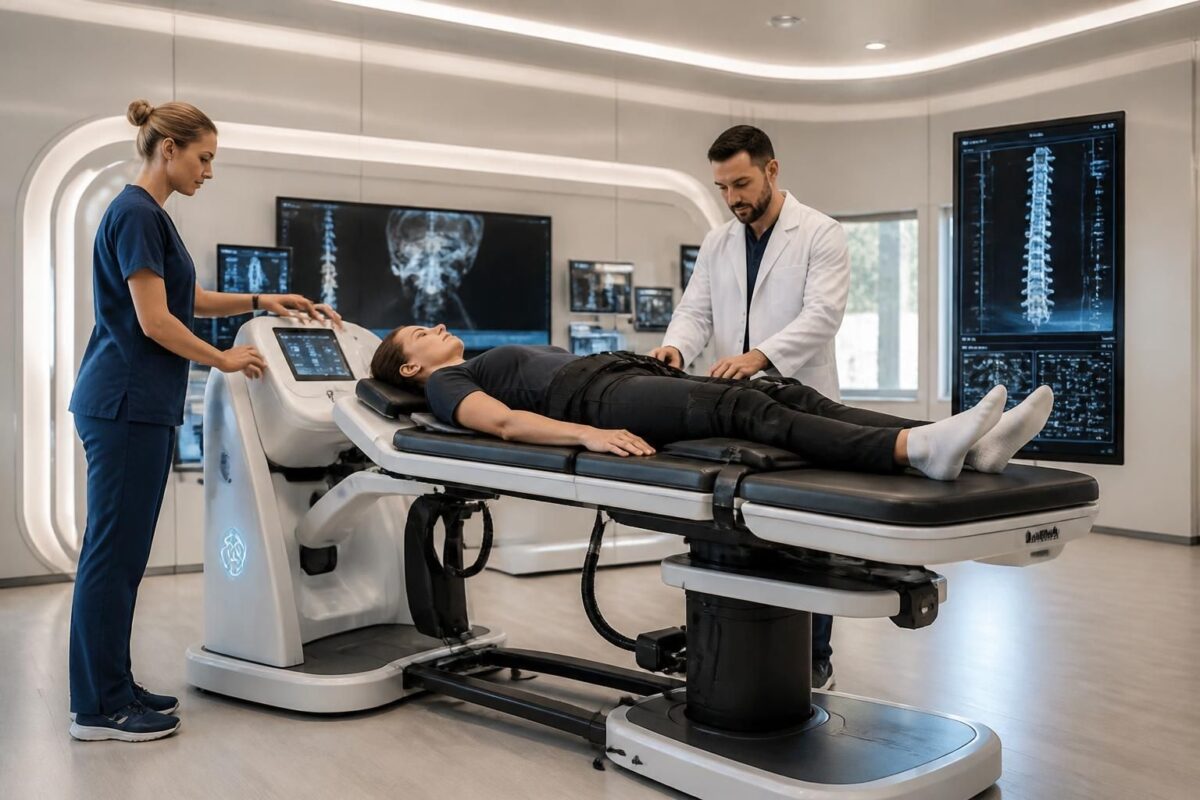
Recent innovations in neurovertebral decompression technologies
In short In short, the neurovertebral decompression is an approach non-invasive Aiming to reduce pressure on discs and nerves, and promote tissue regeneration. At Montreal, it is positioned as an effective option for lower back pain and herniated discs. The…
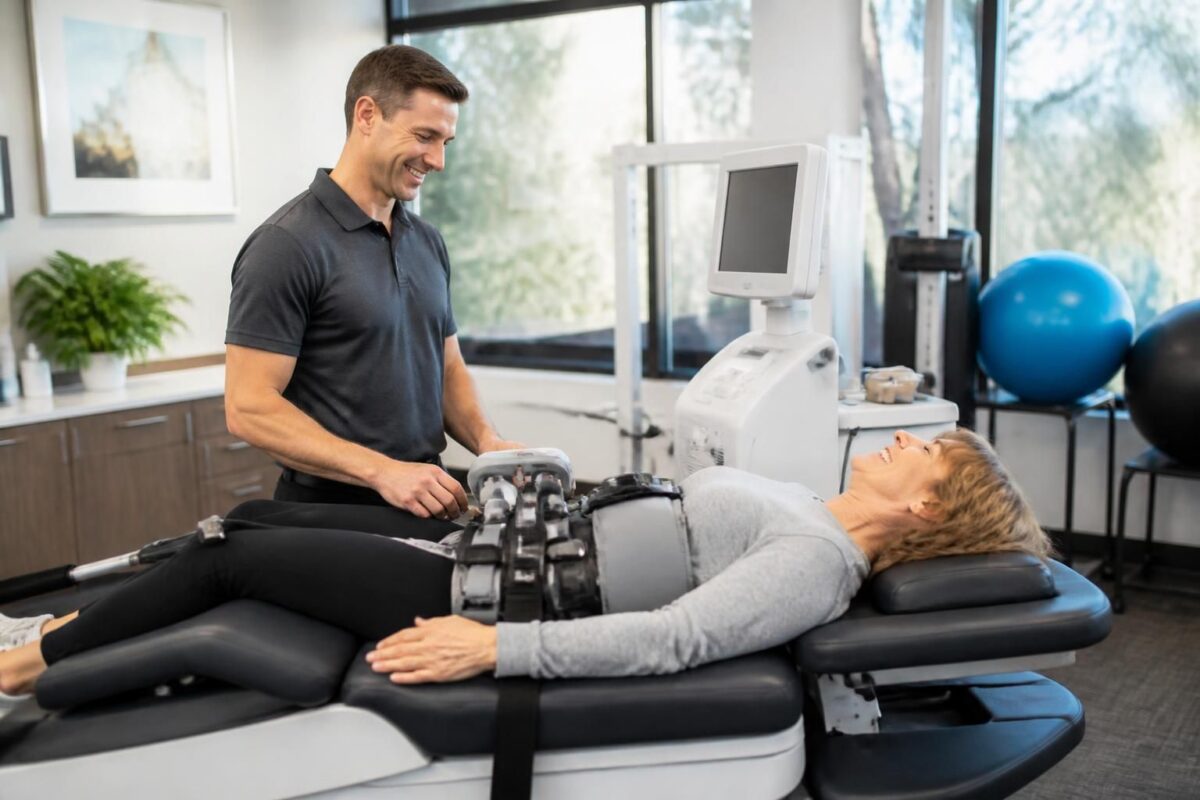
Neurovertebral decompression and diffuse pain: an appropriate solution
In short In short, the neurovertebral decompression is one Non-invasive solution For diffuse pain related to nerve irritation of the spine. She acts in Reducing pressure on intervertebral discs and nerves and improving the bloodstream, which promotes recovery and the…
Testimonials on neurovertebral decompression and back muscle pain
“Before starting treatment, my Lower back pain and my Muscle tensions From the back prevented me from going about my activities. After a few sessions of neurovertebral decompression, I felt a Sustainable relief, my mobility has improved and I can move again without this feeling of oppression in the lower back. »
“I suffered from pain that radiated to the hips and the muscles of the back were constantly tense. With the neurovertebral decompression, the nerve pressure has decreased and my aches quickly decreased. Today I find a Better regular blood flow and an Flexibility regained. »
“Working in front of a computer, my posture was catastrophic and my Muscle tensions accumulated weekly. After treatment, I found a release of tensions and an Better range of motion. The neurovertebral decompression gave me a visible improvement from the first sessions. »
“I practiced physical activities and my lumbar pain always came back after the effort. Since the start of the program, the gentle traction and the space created between the vertebrae reduced the pressure on the discs and on the nerves, which caused a Significant reduction in pain and an Faster recovery. »
“As a dancer, back tension made jumps and pirouettes difficult. Thanks to the neurovertebral decompression, I found a fluidity and an freedom of movement which allow me to perform again without pain. It’s an approach non-invasive which changed my way of working and dancing. »
“After a sports injury, the pain in my lower back prevented me from fully involved in my training. With the sessions of decompression, my muscles gradually released and my performance has improved. I was able to resume my gardening sessions and my daily activities without pain. »
“The testimonies on the neurovertebral decompression had left me skeptical, but I quickly saw a difference. The Muscle tensions decrease step by step, the bloodstream improves and my quality of life increased markedly. I recommend this approach to anyone with chronic back pain. »
This portrait presents a Expert in osteopathy, naturopathy and manual medicine whose action focuses on the decryption and relief of muscle pain associated with the back. With a course dedicated to health innovation, this professional sees his practice as a rehabilitation course Combining scientific rigor and cutting-edge clinical technologies. His vision favors support personalized and evidence-based To sustainably optimize the health and well-being of each patient.
The neurovertebral decompression is distinguished by a Soft and controlled traction which gradually stretches the column and creates a space between the vertebrae. This approach non-invasive aims to reduce the pressure Exerted on intervertebral discs and spinal nerves, allowing the adjacent muscle system to relax and relax. In parallel, the increase in blood flow promotes tissue nutrition and regeneration lumbar structures. This intervention contributes to restoring a postural balance and preparing the ground for effective recovery.
The expected clinical benefits include a Quick and lasting pain relief, a Mobility found and an Decreased inflammation. Patients often report a Muscle relaxation After a few sessions and a gradual improvement in the range of motion. Thanks to his character non-invasive, decompression can be part of a global rehabilitation plan, allowing a return to physical activity without pain and a reduction in the risk of recurrence.
This approach is designed to fit into a holistic treatment. It can be combined with other manual therapies, naturopathic elements and advanced technologies such as laser and shock wave care, to treat both symptoms and underlying causes of back pain. Each protocol is adapted to the anatomy of the patient, the location of pain and the living environment, guaranteeing measurable and appropriate progression.
At the head of the TagMed clinics and the ACMA association, this expert pursues a clear mission: to offer care that combines scientific rigor and technological innovations to Optimize health and well-being people with chronic lower back pain. Her work focuses on in-depth evaluations and proactive follow-up, in order to support each patient towards a lasting reduction in tensions and a resumption of activities without limitation.
Beyond pathologies such as herniated disc or radiculopathy, neurovertebral decompression is particularly aimed at muscle tension in the back and postural imbalances. By restoring theSpinal alignment And by releasing tensions, she paves the way for a Sustained physical activity and a better endurance on a daily basis, contributing to an increased quality of life without surgical recourse.
This conclusion summarizes how the neurovertebral decompression can help reduce back muscle pain by acting directly on the spine. This non-invasive approach uses gentle traction that creates a space between the vertebrae, decreases the pressure on the discs and nerves, promotes the relaxation of the muscles surrounding the spine and improves the nourishing circulation of the tissues. It is integrated into a global care plan and can help restore mobility, reduce inflammation and reduce recurrent pain without the need for surgical procedures.
The Controlled traction Associated with the neurovertebral decompression Allows you to release muscle tension in the back by promoting a more natural alignment of the spine. By reducing the pressure on the intervertebral discs and nerves, it facilitates the relaxation of muscles and improves bloodstream, bringing more oxygen and nutrients to the tissues concerned. This physiological improvement contributes to a Faster recovery and to a Increased flexibility of the trunk, which facilitates the resumption of daily and sporting activities without pain.
Common indications include chronic lower back pain related to disc diseases, radiant pain and manifestations associated with herniated discs, as well as cervical pain when similar nerve compression mechanisms are involved. In any case, a personalized diagnosis and protocol must be established by a qualified health professional. To deepen the mechanisms and practical applications, you can consult specialized resources such as the Complete guide or methodological exchanges on Improving the function of intervertebral discs.
In addition, the integration of Manual therapies, of naturopathy And other advanced technologies can strengthen the effects of decompression and promote overall back-up to the back. Testimonials and clinical feedback support the idea that a multimodal program, adapted to each patient, optimizes the results and helps prevent recurrences. For a practical review of the associated approaches and clinical experiences, see the dedicated resources at the specialized sites and patient feedback mentioned below.
As part of a rehabilitation course after injury or lumbar surgery, neurovertebral decompression can play a key role in facilitating the transition to functional exercises and progressive physical activity. Studies and clinical feedback show that when combined with targeted rehabilitation programs, this method helps restore mobility while reducing persistent muscle tension. To explore cases and practical advice in a post-surgery context, you can consult specialized resources such as Rehabilitation after lumbar surgery.
For those who wish to deepen the operational aspects and FAQs related to neurovertebral decompression, the following pages offer clear answers and useful clinical perspectives: Frequent answers, Complete guide, and Relief of associated muscle pain.
In addition, explanatory resources and feedback demonstrate how decompression can improve the function of discs and promote sustainable recovery, in particular after accidents, as well as its role in preventing future pain and reducing inflammation. For further discussions and analyses, refer to articles and guides that can be found via the links cited, including those dealing with the impact on musculoskeletal imbalances and post-traumatic rehabilitation programs.

Dr Sylvain Desforges, B.Sc., D.O., N.D., osteopath, is the founding president of TAGMED and of the ACMA association. He dedicates his practice to chronic spinal pain, low back pain and symptoms compatible with sciatica, particularly when pain radiates toward the buttock, leg, calf, foot or toes.
Through SOS Sciatique, he publishes educational content on sciatica symptoms, possible causes such as disc herniation, disc narrowing, foraminal stenosis or irritation of a lumbar nerve root, as well as non-surgical approaches that may be considered according to the evaluation. At Clinique TAGMED, care may include, depending on the case, motorized neurovertebral decompression, specific osteopathic care or precision percussion.
For an evaluation related to sciatica treatment in Montreal / Mount Royal or sciatica treatment in Terrebonne, please consult the services available at Clinique TAGMED.
Medical disclaimer
The information published on SOS Sciatique is provided for educational purposes only and does not replace a consultation, diagnosis, opinion or treatment provided by a physician or another authorized healthcare professional. The author of this article is neither a medical doctor nor a specialist in a medical specialty recognized by the Collège des médecins du Québec. The osteopathic, manual medicine or functional support approaches described on this site do not constitute medical acts and are not intended to replace medical follow-up.
Consult a physician or emergency service in cases of loss of bladder or bowel control, anesthesia in the saddle area, significant or progressive weakness in the leg or foot, fever, recent trauma, severe pain or rapid worsening of symptoms. For more details, please read our Legal Notice.