Neurovertebral decompression and prevention of chronic cervical pain
26/06/2026
Neurovertebral decompression and muscle pain associated with the back
26/06/2026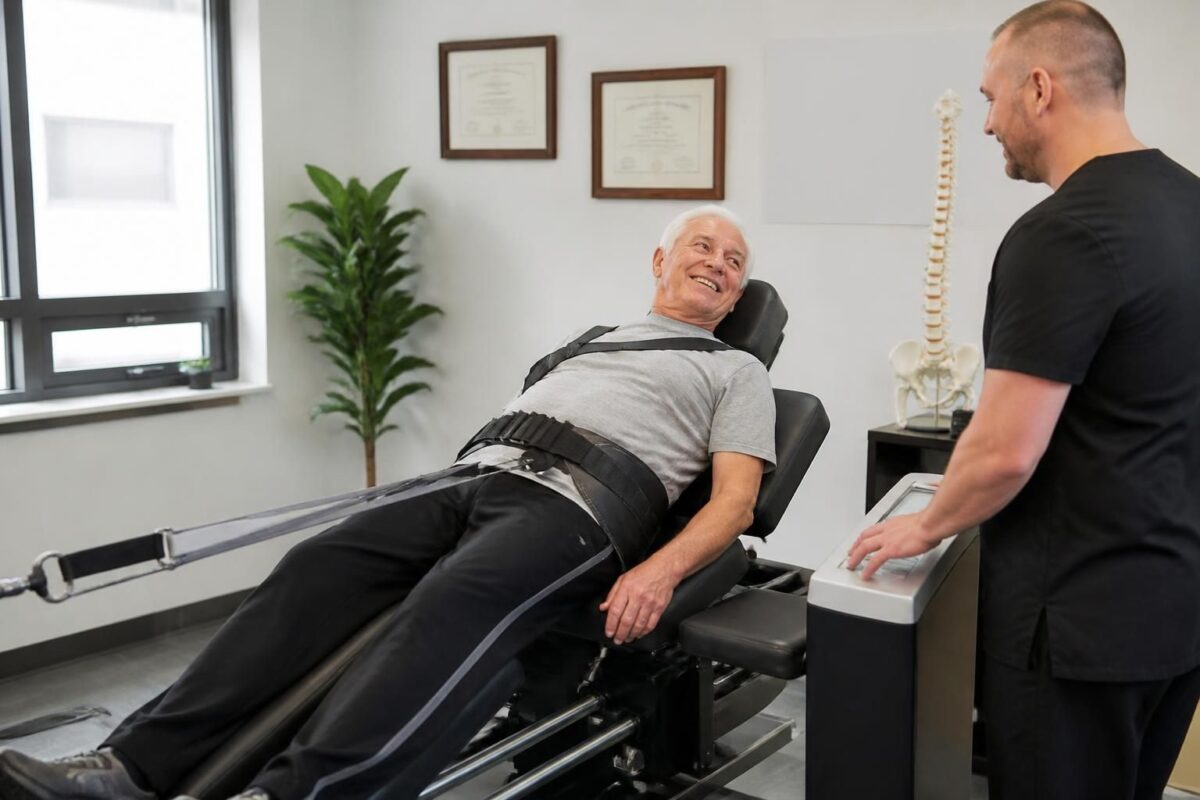
In short |
| In short, the neurovertebral decompression is one Non-invasive method which improves the mobility and reduces the back pain in seniors by reducing the pressure on the nerves and intervertebral discs. In Montreal, this treatment is particularly recommended to avoid surgery and quickly resume daily activities. Its major advantages include a pain reduction, a Increased flexibility and one Personalized support. The mechanism is based on a gentle traction Applied by specialized devices, adapted to each patient for safe and effective results. |
The neurovertebral decompression is an option non-invasive and secure for the senior seeking to relieve the pain of the spine and to regain their mobility without surgery.
It is based on a gentle traction which relieves pressure on discs and nerves, promoting quick and lasting recovery.
Its safety comes from the fact that it is non-surgical, with a Personalized follow-up by qualified professionals and without anesthesia or hospitalization time.
For seniors, the key benefits include a Improving mobility, a pain reduction and an Improved quality of life, all of which can easily be integrated into a global care plan.
This presentation explains why neurovertebral decompression constitutes a Safe choice For seniors. This is an approach non-invasive which acts on discs and spinal nerves to improve mobility and reduce pain, without having to resort to surgery. It is integrated into a global care and is accessible in TagMed clinics and other specialized centers.
Principle and security
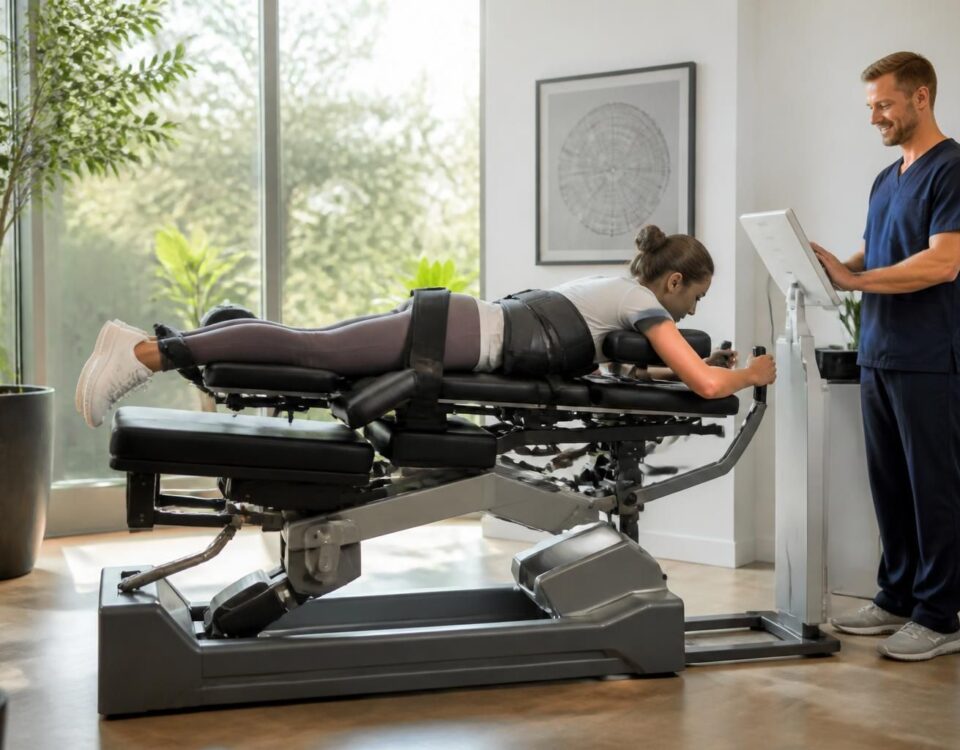
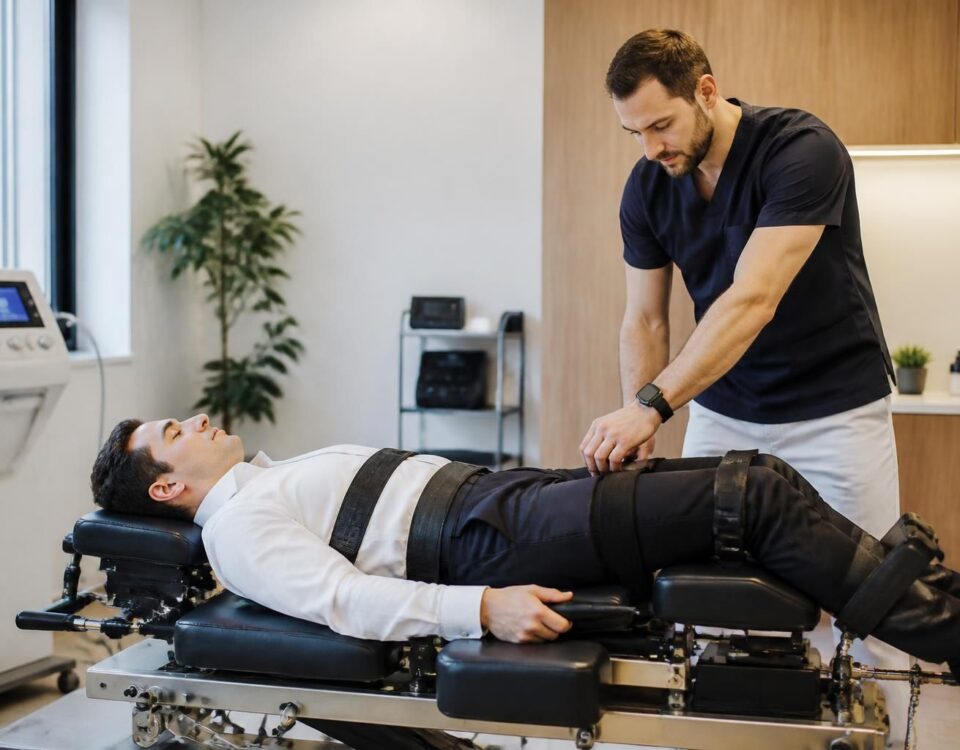
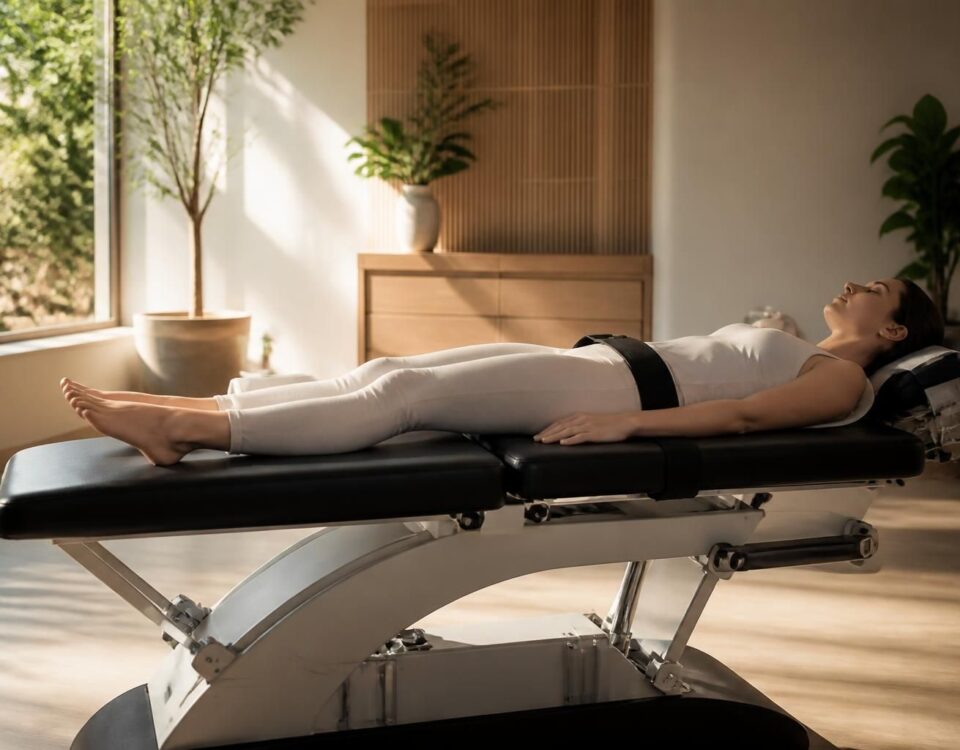
The neurovertebral decompression Uses soft, controlled traction to create a space between the vertebrae. This approach aims to reduce the pressure on the discs and nerves, which can reduce pain and promote functional recovery. It does not require anesthesia and does not involve the risks associated with surgery.
Benefits for mobility and comfort
By releasing space around the nerves, this therapy helps restore range of motion and reduce the limitations associated with aging the spine. Patients often notice an improvement in their ability to perform daily activities and maintain autonomy, which contributes to their overall well-being.
Senior safety profile
Experienced professionals evaluate each case before starting treatment. Safety is enhanced by appropriate supervision and progression adapted to the pace of the patient. The use of specific technologies and standardized protocols makes it possible to limit risks and ensure rigorous monitoring.
Integration into a care plan
Decompression can be seen as part of a global strategy, in addition to approaches such as naturopathy and other forms of manual medicine. This integration aims to optimize recovery, while avoiding invasive solutions when possible. For seniors, this approach can be associated with nutritional advice and mobility support measures, without imposing exercise programs for specific pathologies such as herniated discs or stenosis.
Precautions and indications
This method is generally suitable when the symptoms come from nerve compressions or degenerative disc diseases. Some conditions require a thorough assessment and may limit the use of decompression. A qualified professional determines whether this approach is suitable for each patient, in order to prevent risks and ensure maximum safety.
Resources and evidence
To deepen, you can consult specialized resources that present the benefits and limitations of neurovertebral decompression, as well as testimonials and clinical evaluations. These sources offer additional information on the role of this therapy in the management of lumbar and cervical pain in seniors. Why#ATFP_CLOSE_TRANSLATE_SPAN# Neurovertebral decompression is ideal for top athletes, Why#atfp_close_translate_span# Decompression is a safe choice for seniors, Decompression#ATFP_CLOSE_TRANSLATE_SPAN# and prevention of chronic mechanical disorders, Indications,#ATFP_CLOSE_TRANSLATE_SPAN# Advantages and limits, CE#ATFP_CLOSE_TRANSLATE_SPAN# that any patient should know, Prevent#ATFP_CLOSE_TRANSLATE_SPAN# Invasive surgeries, Treat#ATFP_CLOSE_TRANSLATE_SPAN# Chronic lower back pain, LA#ATFP_CLOSE_TRANSLATE_SPAN# Security, Mobility#ATFP_CLOSE_TRANSLATE_SPAN# among seniors, Rehabilitation#ATFP_CLOSE_TRANSLATE_SPAN# after lumbar surgery
Useful links
To learn more, reference online resources include the following specialized areas: CliniqueTagmed.com, DecompressionneurOvertebrale.com and Sossciatica.com. You will find information on the indications, mechanisms and results observed in clinical practice.
Medical Disclaimer: The information and advice provided on this site does not replace the health professional’s diagnosis or treatment. Please note that Dr. Sylvain Desforges osteopath is neither a doctor of medicine nor a doctor, and is not a specialist in a medical specialty as defined by the Collège des Médecins du Québec. Manual medicine, functional medicine and sports medicine as described on this site exclude any medical treatment or diagnosis made by a doctor or specialist doctor. Always consult your doctor for any medical questions. For more details, please read our full legal notice.
- non-invasive : without surgery or anesthesia.
- Soft and controlled traction : Target discs and nerves with caution.
- No anesthesia : Safety and comfort from the start.
- Personalized evaluation and follow-up : Plan adapted to each patient.
- Progressive improvement in mobility and flexibility.
- High security profile : Monitoring of contraindications adapted.
- Integration into a global journey : Compatible with other therapies to optimize results.
- Comfort and accessibility : Short and adapted sessions, without prolonged stoppage.

This recommendation explains why the neurovertebral decompression is a choice secure For seniors, thanks to its character non-invasive, a follow-up personalized and a measurable improvement in mobility and well-being. Below you will find the mechanisms, precautions and key elements to integrate it serenely into a care plan.
Security principles and mechanisms
Soft traction and control
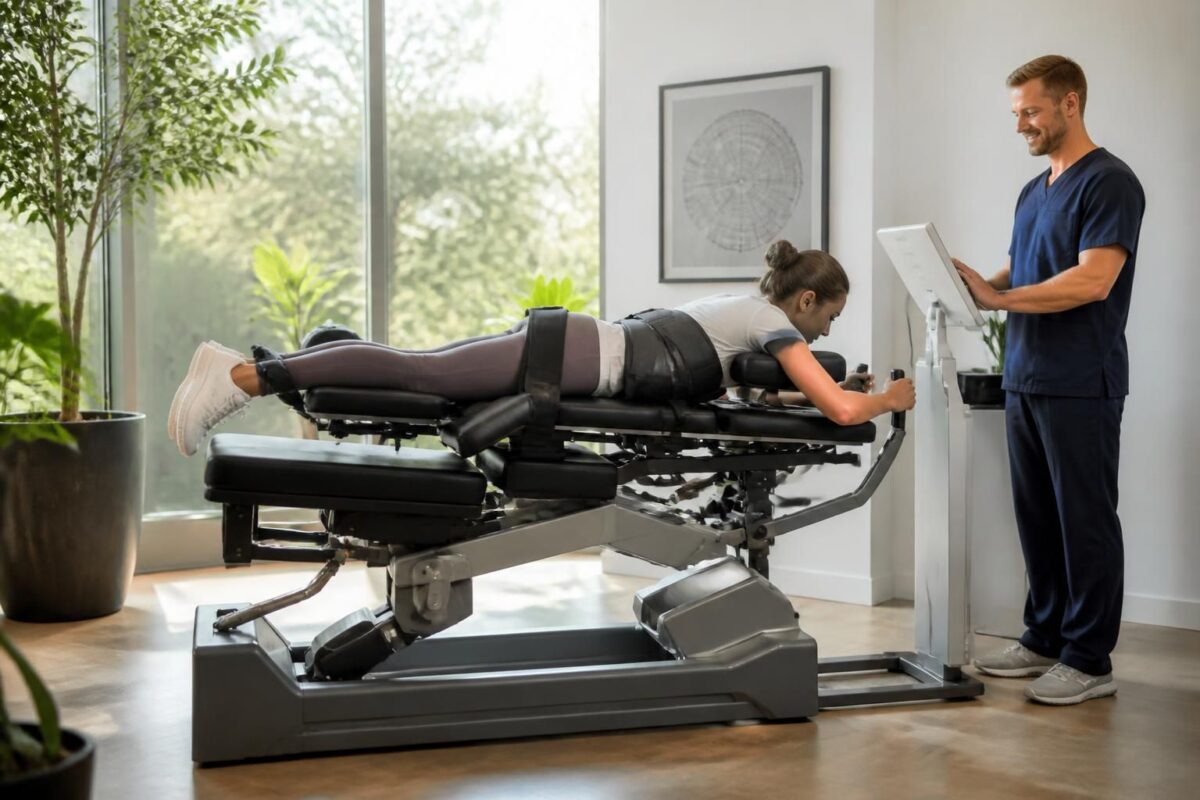
Neurovertebral decompression is based on traction fresh and progressive applied to the spine. This targeted approach aims to restore the intervertebral space, reduce the pressure on the nerves and promote functional recovery without excess mechanical stress.
Non-invasive and no anesthesia
No incisions, no general anesthesia; The sessions take place in the office and do not involve prolonged rest time. This modality reduces operational risks and allows a quick return to your daily activities.
Reduced risks associated with surgery
For seniors, avoiding surgery can prevent infections, healing complications and re-hospitalizations. Decompression offers an effective alternative when the pain comes from disc diseases or radiculopathies without requiring heavy surgery.
The long-term benefits of neurovertebral decompression for spinal health
In short In short, the neurovertebral decompression is a non-invasive approach that decreases the Pressure on intervertebral discs and nerves, favoring the Natural regeneration and tissue recovery. Its long-term benefits include Lasting pain reduction, Improving mobility and from the posture,…
Eligibility and precautions
Usual contraindications
Some conditions do not allow this treatment, such as active vertebral fractures, tumors or acute inflammation. A qualified professional will assess your situation to determine if this protocol is suitable and safe.
What the doctor checks
Before starting, we examine the integrity of the column, the medical history, the treatments in progress and the general state of health in order to ensure maximum safety and to adapt the plan to your needs. This assessment guarantees a security and optimal efficiency.

Neurovertebral decompression and mobility: a return to an active life
In short In short, the neurovertebral decompression is therapy non-invasive who uses a gentle traction To create a space between the vertebrae and reduce the pressure on the Intervertebral discs and the nerves. It promotes a bloodstream improved, lowers tension…
Integration into a care plan
Complementarity with other approaches
Decompression can be associated with advice on diet, hydration and gentle exercise. This Multimodal approach Optimizes recovery, strengthens spinal stability and supports mobility Durable without overload for the body.
Follow-up and progress
Regular monitoring allows to adjust traction parameters and measure progress in terms of pain, of mobility and ofautonomy. The protocol evolves with you, depending on your answers and your objectives.
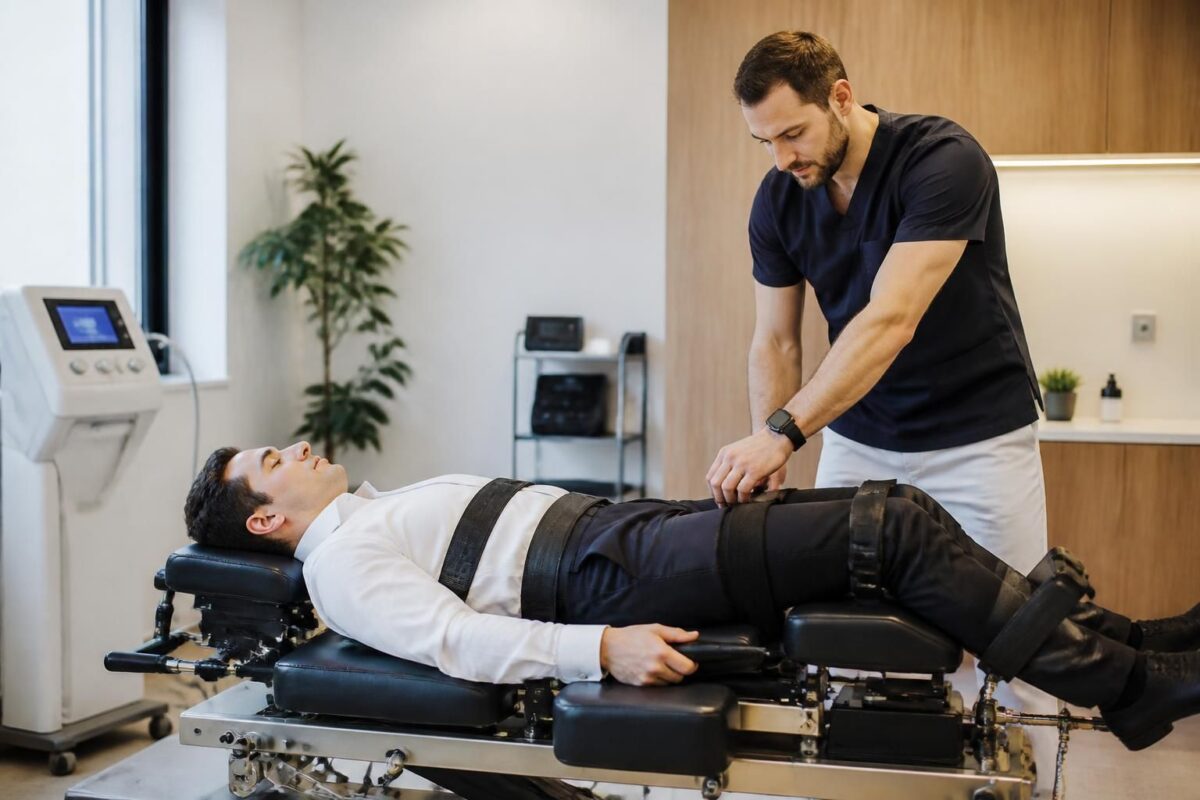
How Neurovertebral Decompression Prevents Diffuse Chronic Pain
In short decompression neurovertebral is one Non-invasive method aimed at reducing the Pressure on the intervertebral discs and the nerves, in order to prevent Diffuse chronic pain. It improves the circulation and thedisc hydration, decreases inflammation and promotes better mobility.…
What the evidence and experiences say
Senior experiences
Many patients describe a gradual decrease in pain and a resumption of once difficult daily activities, thanks to a personalized approach supervised by experienced professionals.
Impact on quality of life
By restoring the mobility And autonomy, this method contributes to better social participation, a reinforced emotional balance and a general feeling of well-being, while avoiding the risks associated with more invasive interventions.
| Aspect | concise statement |
|---|---|
| Non-invasive nature | Gentle, non-surgical traction, without hospitalization, promoting rapid recovery. |
| Risk avoided | Avoids the risks and recovery time associated with surgery. |
| Mobility and pain | Improves mobility and flexibility while reducing pain in seniors. |
| Personalized follow-up | Evaluation and treatment plan adapted by a qualified osteopath. |
| contraindications | Certain conditions must be excluded before treatment. |
| Side effects | generally minor and transient adverse effects. |
| Compatibility with other therapies | Can complement other approaches to optimize results. |
| Accessibility | Available in specialized clinics and integrated into a care pathway. |
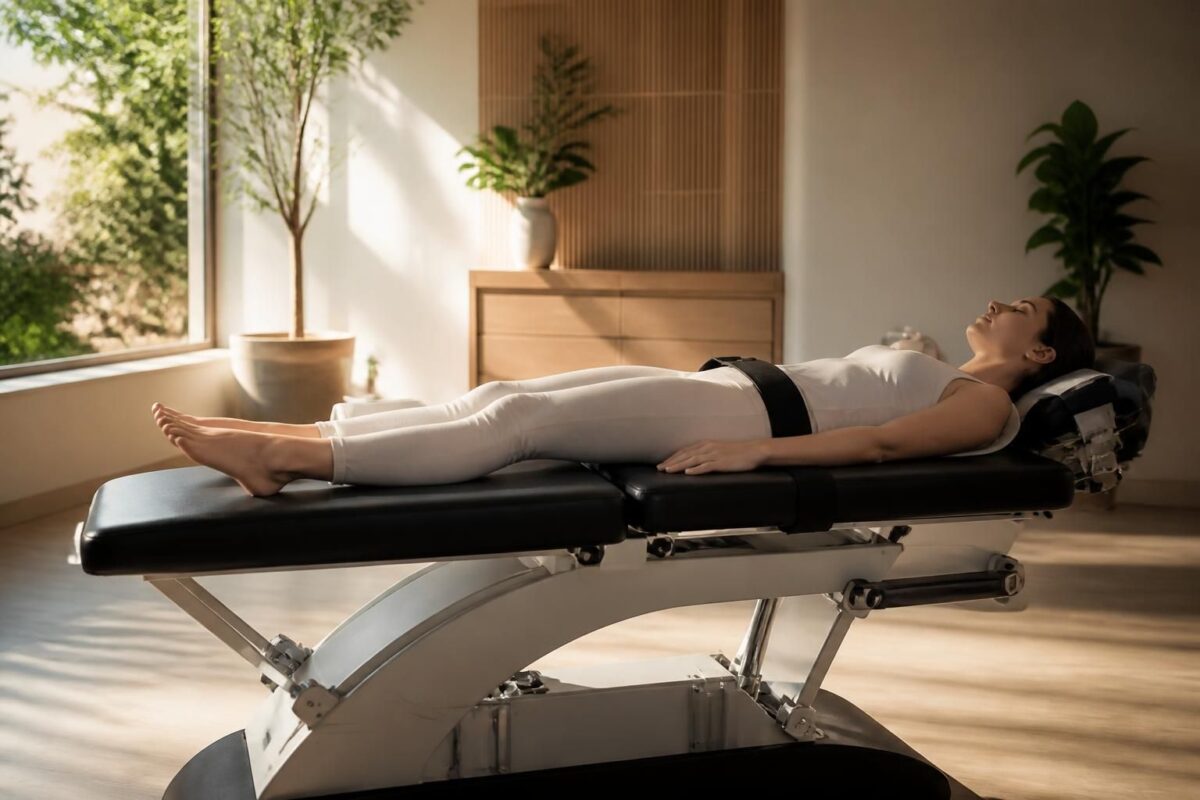
Neurovertebral Decompression and Body Alignment: Restoring Natural Balance
In short In short, neurovertebral decompression is one Non-invasive approach who restores theBody Alignment and thenatural balance back and neck. She acts by a Controlled traction of the spine to widen the intervertebral space and reduce the Pressure on discs…
Testimonials: Why neurovertebral decompression is a safe choice for seniors
“After years of lower back pain, I tried neurovertebral decompression and I was reassured from the start by the character non-invasive therapy. noanesthesia, no surgery, just gentle traction on the spine that respects my body. In a few sessions, I found a mobility that I thought was lost and my daily activities came back more easily. »
“At 68, I was afraid that the treatments would be too heavy or risky. This approach showed me the opposite: security and traceability through careful supervision. The gentle traction is well tolerated and my pain decreased without side effects. I can go out, walk more and resume my usual walks without fear. »
“My osteopath explained to me that the treatment is personalized and adapted to my condition. I felt listened to and accompanied at every step, which builds confidence. The fact that it is non-invasive And without surgery convinced me that it was a safe option to preserve my quality of life without major risks. »
“By combining this therapy with other approaches that I use on a daily basis, I have seen a faster improvement in my mobility and stability. The fact that the protocol is reassuring and adjustable Depending on my feelings gives me real peace of mind. I feel lighter and ready to resume my favorite activities. »
“At 80, the desire to stay active is essential. This solution allowed me to relieve the pain without major interruption of my routine. it’s non-invasive, fresh and especially profitable In terms of resuming daily activities. My sessions are short, effective and I leave every week with a better range of motion. »
“I would recommend this approach to any senior who is looking for an alternative to surgery. The highlight is the importance given to safety: a prior assessment by a professional, appropriate progress and regular follow-up. no surprises, just a constant improvement in the mobility and from the quality of life. »
Dr. Sylvain Desforges, osteopath, naturopath and doctor Manuel, embodies a vision of health based on theinnovation and interdisciplinary collaboration. Founding President of the Tagmed Clinics and the ACMA Association, he puts his experience at the service of patients suffering from Chronic pain and mobility limitations. Its approach is based on the idea that effective treatments for seniors must be based on evidence strong and suitable for everyone. By integrating the latest technological advances, it proposes an approach that combines security, efficiency and quality of life for his elderly patients.
When we talk about neurovertebral decompression in seniors, we describe a method non-invasive and secure which aims to restore mobility without going through surgery. By targeting intervertebral discs and nerve roots, it acts by reducing pressure, improving local circulation and promoting tissue resilience. This approach, framed by clear protocols, allows elderly patients to resume daily activities — walking, gardening, playing with grandchildren — with more confidence and less pain.
One of the major assets lies in thescreening and the Rigorous follow-up. Each senior benefits from an in-depth consultation, which clarifies the indications, assesses the contraindications possible and defines a Custom Plan. The treatment takes place gradually, with a progressivity Adapted to patient conditioning and measurable goals. This safe framework minimizes risks and meets the requirements of a Care course patient-focused.
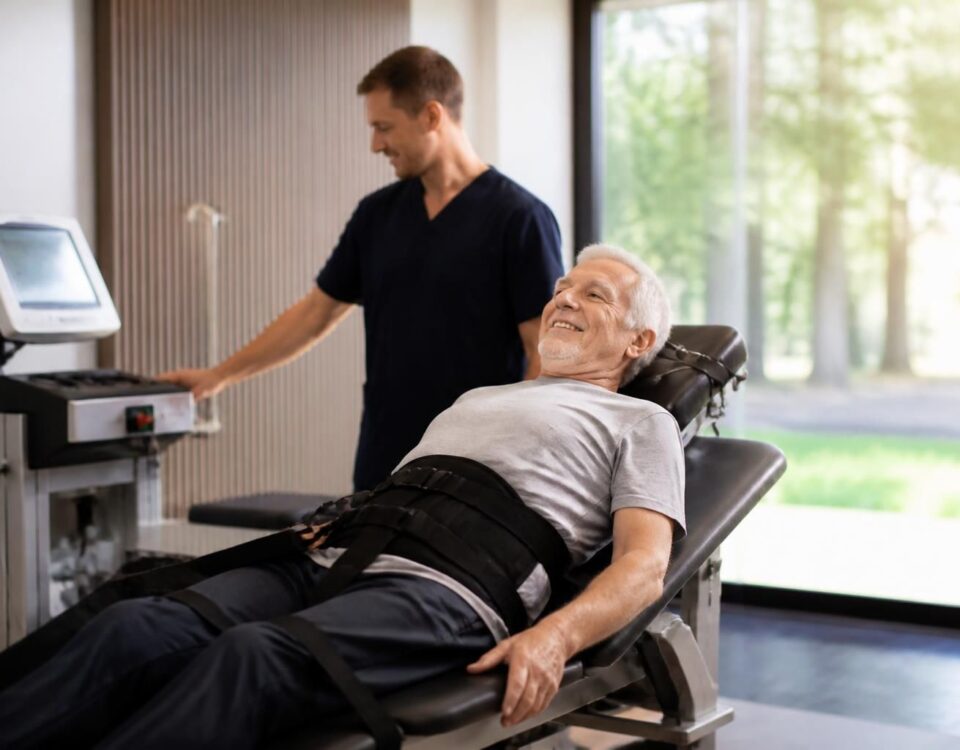
The intervention framework is designed to be comfortable: short sessions, without anesthesia, and a gentle traction that respects the rhythm of the aging body. Device ergonomics and security protocols ensure an approach non-invasive and evidence-based. Clinical staff ensure careful monitoring and adjust the parameters according to the patient’s reactions, ensuring a safe and positive experience.
Beyond technology, decompression is part of a Multidisciplinary care pathway who can combine osteopathy, physiotherapy, naturopathy and nutritional advice. This synergy maximizes results by addressing not only pain, but also factors that influence recovery: hydration, nutrient-rich diet and gentle exercises.
The benefits for seniors go far beyond the decrease in pain. By freeing up space around the nerves and promoting better hydration of the discs, this approach helps to improve the mobility, thebalance and theautonomy. Patients regain the ability to practice fun activities, walk more and reconnect with family and social routines, which also strengthens their mental well-being.
Clinical data and many patient feedbacks support the idea that practice by experienced professionals can deliver long-lasting results with a High security profile. individualized programs and a Regular follow-up allow treatment to be adapted, assessed progress and corrections to ensure effectiveness while minimizing risks.
For those who aspire to reconnect with an active and less painful life, neurovertebral decompression is a convincing option and proven in a science-based care setting. Dr. Desforges and his team guide each senior with an approach patient-centric, focused on measurable results and a better quality of life. To learn more about the approach and services available, contact TagMed Clinics to evaluate a personalized plan together.
Quick summary: Neurovertebral decompression offers an option non-invasive and secure For seniors to reduce pressure on intervertebral discs and nerves, improve mobility and quality of life, without surgery, thanks to gentle traction and personalized follow-up. This article examines mechanisms, security guarantees, available evidence and resources to understand why this therapy can be considered as a careful and effective choice.
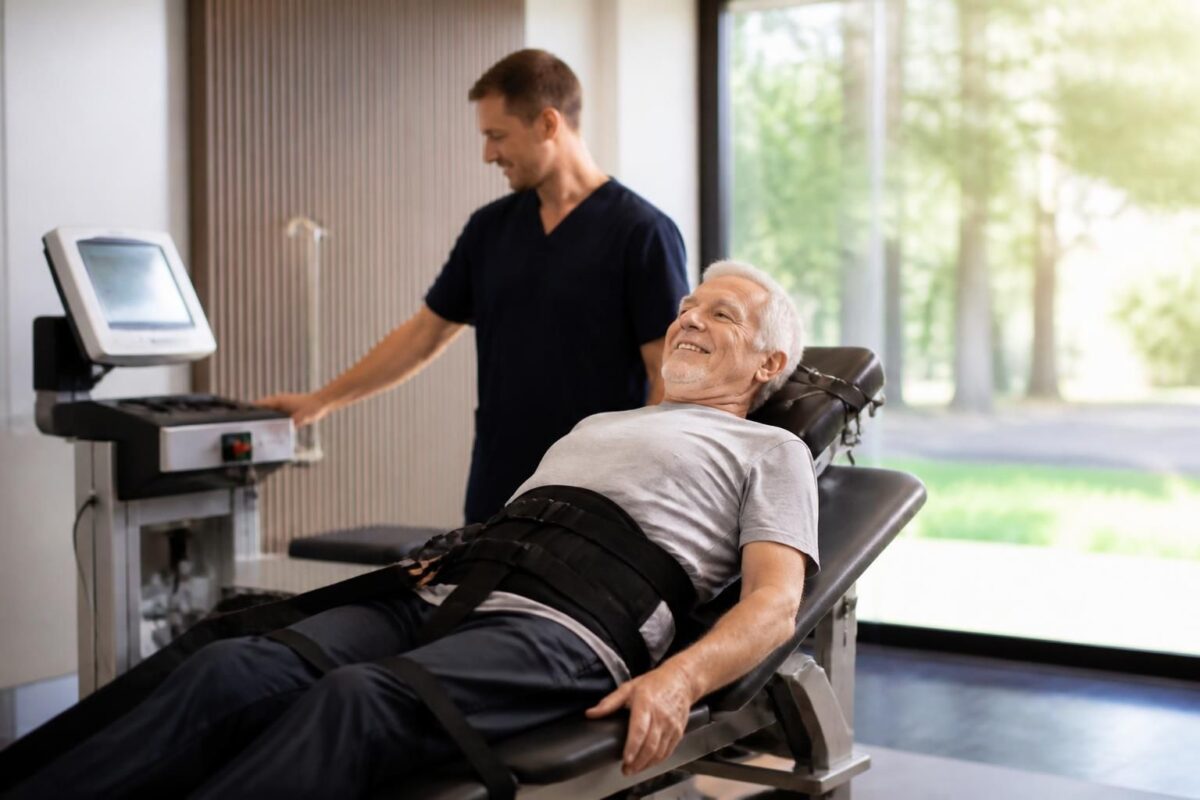
Why neurovertebral decompression is a lasting solution for active seniors
In short In short, the neurovertebral decompression is one Non-invasive therapy which sustainably relieves spinal pain in the spine active seniors By creating, by a Soft and controlled traction, a space between the vertebrae. At Montreal, it is recognized as…
Why it is a secure choice for seniors
For the elderly, the objective is to obtain concrete results without exposing them to operative risks. Neurovertebral decompression is based on a gentle traction and targeted that frees up space around intervertebral discs and nerves, while avoiding invasive procedures. This approach is non-invasive and can be adapted to each patient thanks to a Personalized support and to a Regular follow-up. Resources and clinical assessments support her safety profile when administered by qualified professionals. For further information, consult the analyzes and available data on specialized resources, including work that summarizes clinical trial results and expert opinions. clinical studies and Neurovertebral decompression on Wikipedia offer clear explanatory frameworks. For seniors after complex disc injuries, clinical and practical references highlight the relevance of this approach as a recognized solution to improve mobility. See the clinical testimonial.
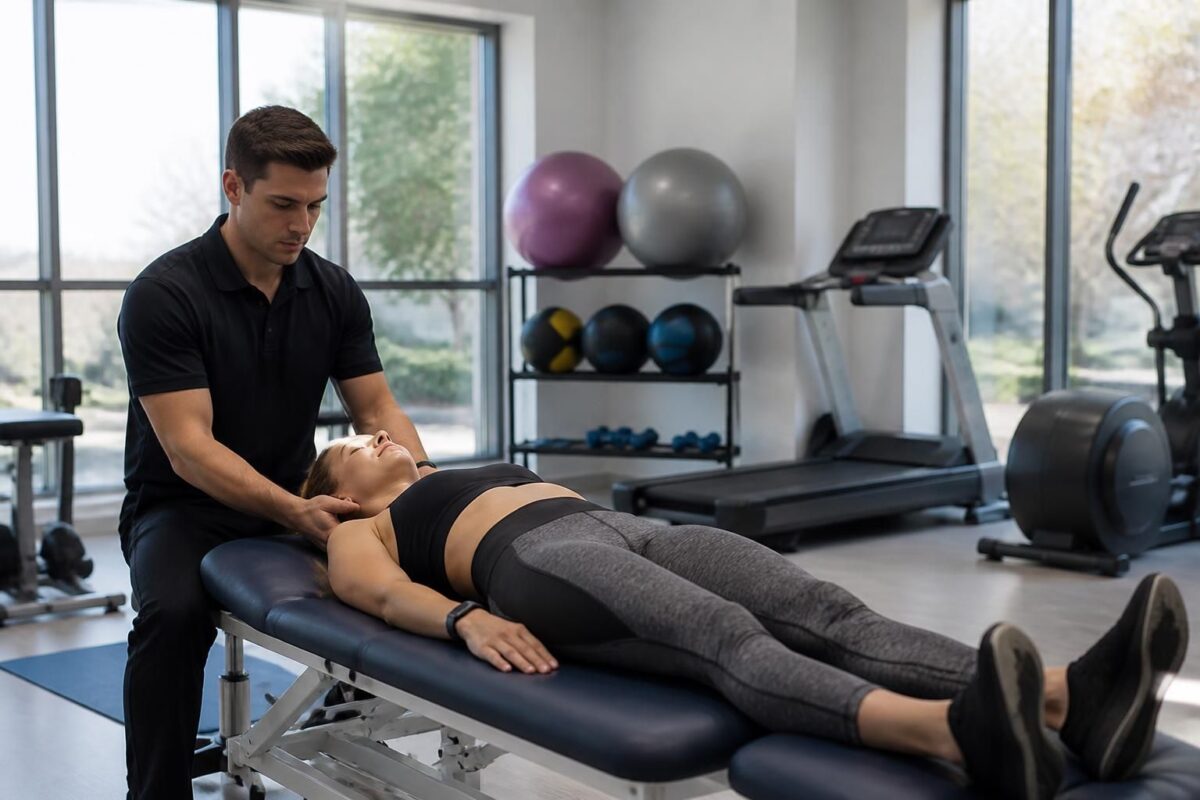
Neurovertebral decompression and recovery after severe sports injury
In short In short, the neurovertebral decompression is one Non-invasive method to Relieve the pressure on the Intervertebral discs and the gristle Via a Controlled traction, to facilitate the recovery After a severe sports injury. It improves the bloodstream towards…
Key elements of security and tracking
Safety is based on a rigorous selection of patients and on a treatment plan personalized, adjusted according to the progress and reactions of the patient. Each session is designed to be fresh and tolerable, which minimizes post-treatment discomfort and recovery times. The role of the practitioner is to carry out an evaluation precocious and to set up additional exercises aimed at maintaining the mobility gains obtained. To better understand the mechanisms and expected results, you can consult resources on thevertebral alignment and the results reported by patients. Positive psychological elements related to the resumption of activities and the improvement of autonomy are also documented, particularly in the resources dedicated to the overall impact on the quality of life. Psychological benefits and Quality of life illustrate these benefits not only physical but also mental.
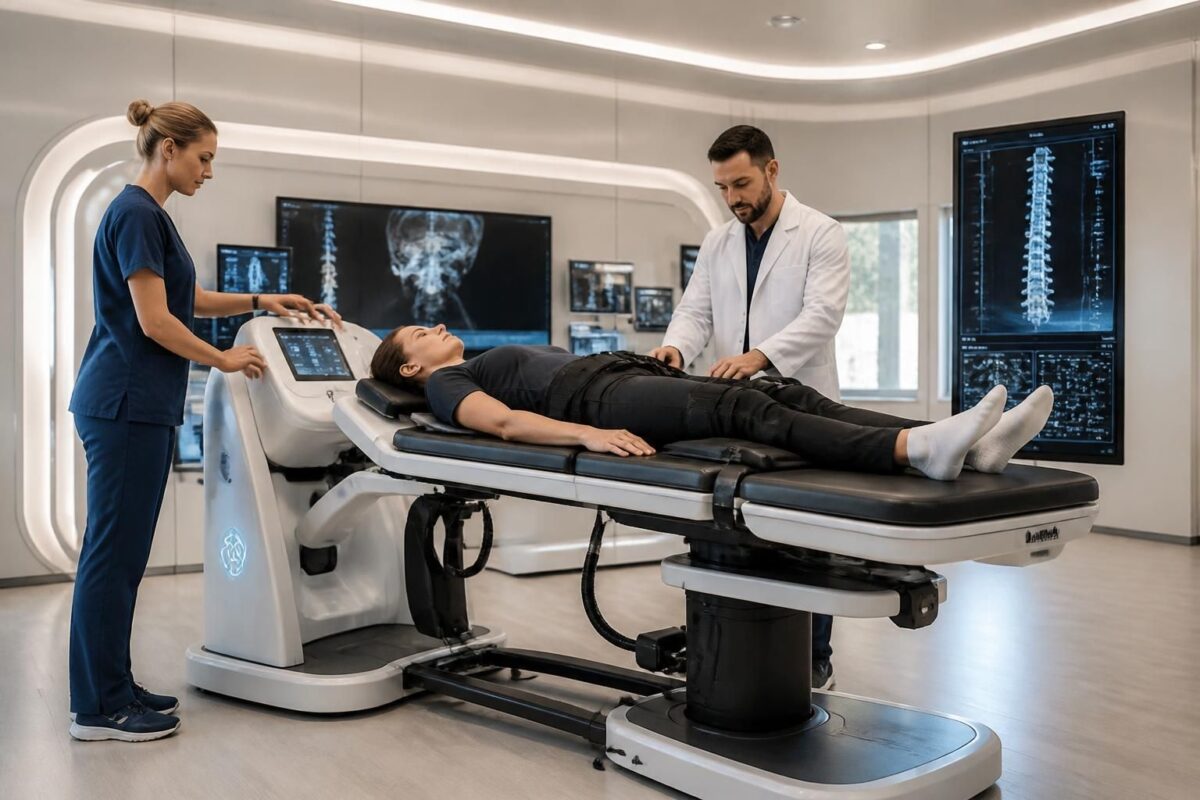
Recent innovations in neurovertebral decompression technologies
In short In short, the neurovertebral decompression is an approach non-invasive Aiming to reduce pressure on discs and nerves, and promote tissue regeneration. At Montreal, it is positioned as an effective option for lower back pain and herniated discs. The…
Evidence and resources to inform your decision
Several resources and publications support the safety and efficacy of neurovertebral decompression when practiced by competent professionals. For an overview of the foundations and limitations, refer to The encyclopedic article and consult the summaries of clinical studies available on These studies. Additional resources address specific indications in seniors after disc injuries and explain why this approach is recommended in some cases, as shown in articles dedicated to safety and overall benefit for the elderly. Mobility and safety among seniors.
Note: This information does not replace the advice of a health professional. To discuss your file, consult your attending physician and a qualified neurovertebral decompression specialist. For more legal information, refer to the Legal Notice.
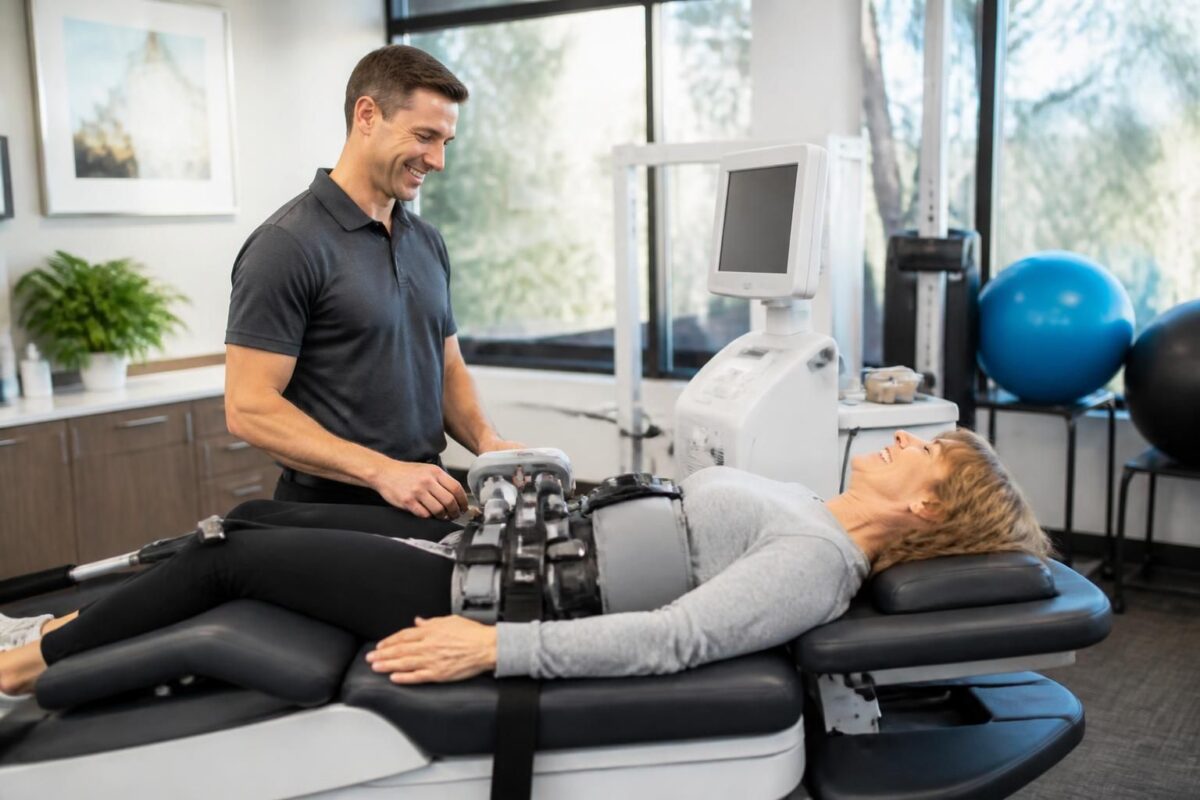
Neurovertebral decompression and diffuse pain: an appropriate solution
In short In short, the neurovertebral decompression is one Non-invasive solution For diffuse pain related to nerve irritation of the spine. She acts in Reducing pressure on intervertebral discs and nerves and improving the bloodstream, which promotes recovery and the…

Dr Sylvain Desforges, B.Sc., D.O., N.D., osteopath, is the founding president of TAGMED and of the ACMA association. He dedicates his practice to chronic spinal pain, low back pain and symptoms compatible with sciatica, particularly when pain radiates toward the buttock, leg, calf, foot or toes.
Through SOS Sciatique, he publishes educational content on sciatica symptoms, possible causes such as disc herniation, disc narrowing, foraminal stenosis or irritation of a lumbar nerve root, as well as non-surgical approaches that may be considered according to the evaluation. At Clinique TAGMED, care may include, depending on the case, motorized neurovertebral decompression, specific osteopathic care or precision percussion.
For an evaluation related to sciatica treatment in Montreal / Mount Royal or sciatica treatment in Terrebonne, please consult the services available at Clinique TAGMED.
Medical disclaimer
The information published on SOS Sciatique is provided for educational purposes only and does not replace a consultation, diagnosis, opinion or treatment provided by a physician or another authorized healthcare professional. The author of this article is neither a medical doctor nor a specialist in a medical specialty recognized by the Collège des médecins du Québec. The osteopathic, manual medicine or functional support approaches described on this site do not constitute medical acts and are not intended to replace medical follow-up.
Consult a physician or emergency service in cases of loss of bladder or bowel control, anesthesia in the saddle area, significant or progressive weakness in the leg or foot, fever, recent trauma, severe pain or rapid worsening of symptoms. For more details, please read our Legal Notice.