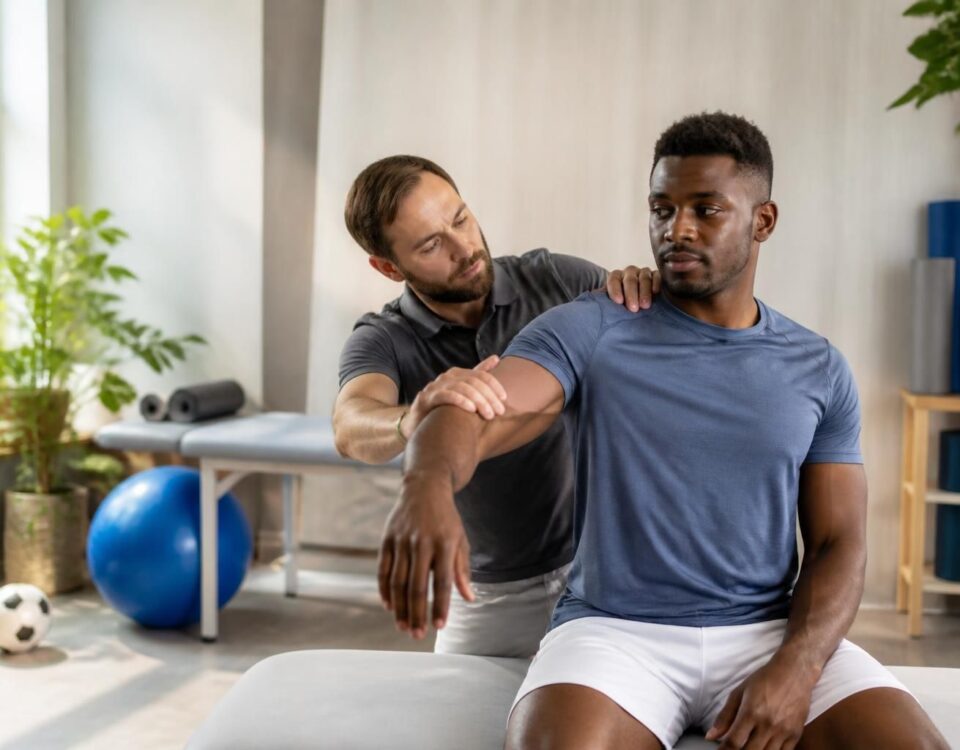
How osteopathy acts on chronic shoulder pain
28/06/2026
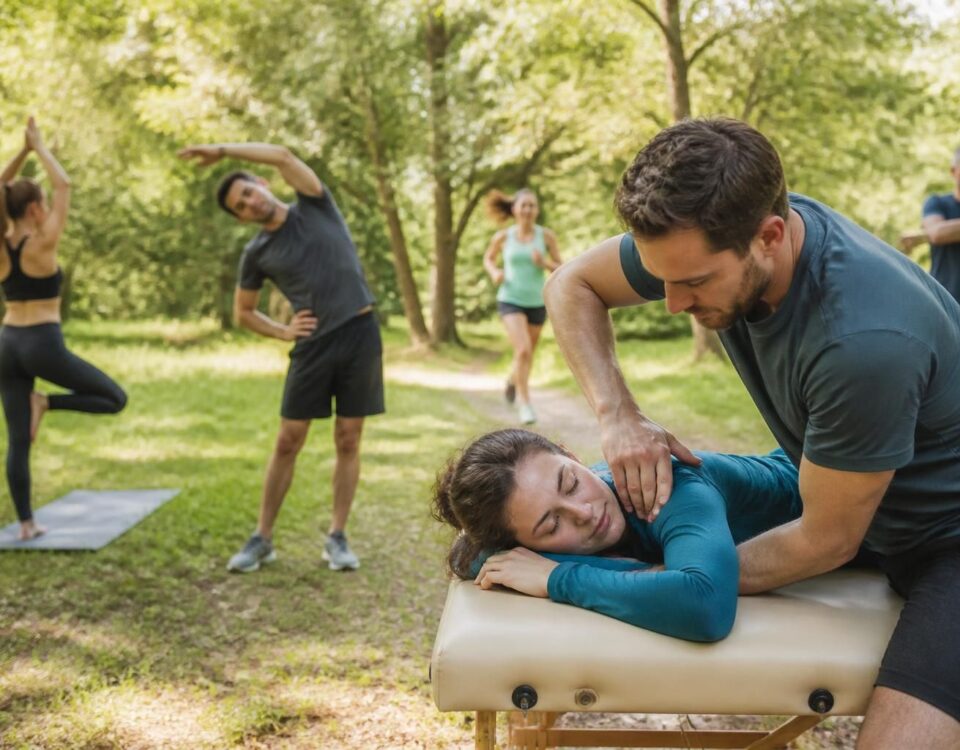
Osteopathy and sports recovery: maximize athletic performance
28/06/2026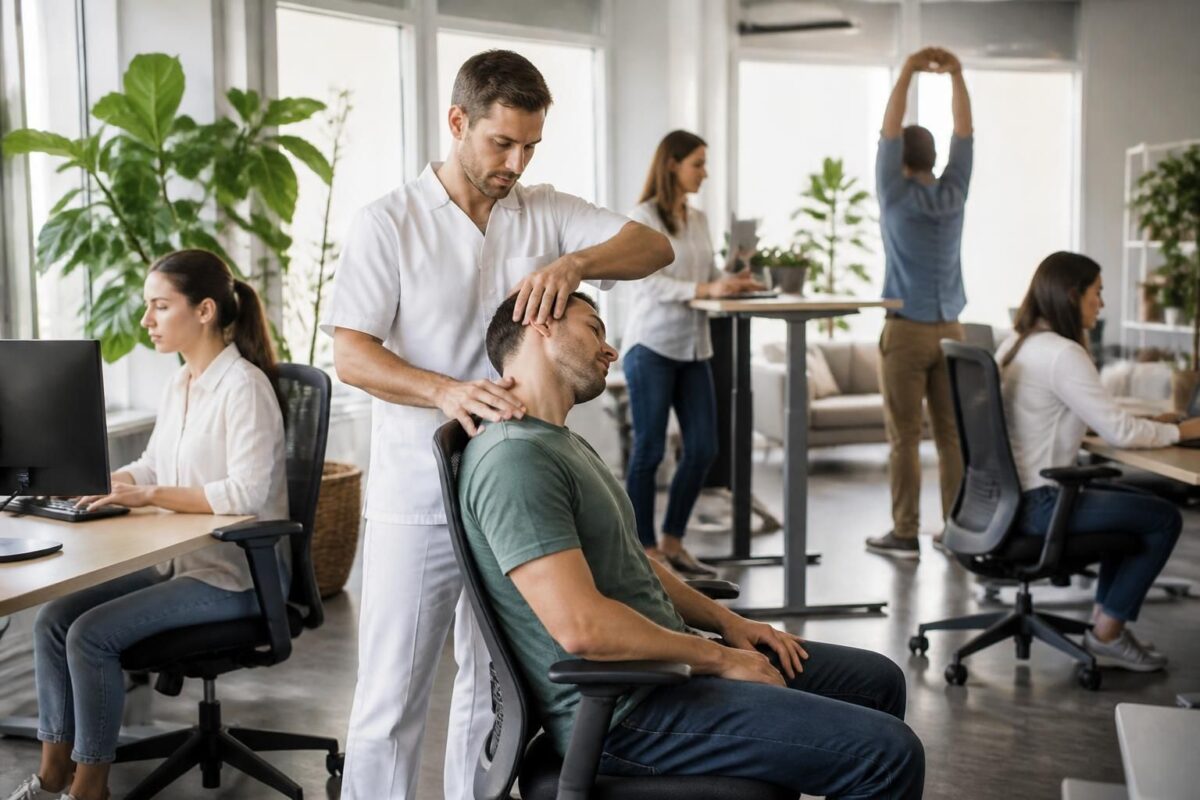
In short In short, the Osteopathic approaches for Prevent workplace injuries offer an effective solution to maintain the mobility and release tensions by non-medicated manual techniques. The main advantages include theposture improvement, the reduction of MSD, the decrease in stress and a better productivity on a daily basis. how it works: On-site sessions or in the clinic, associated with advice ergonomic and simple exercises, to prevent recurrences. In Montreal, this service is particularly recommended for positions in office and environments sedentary, in order to preserve the well-being and performance at work. |
Osteopathic approaches to prevent workplace injuries are based on three key axes: Reduce sedentary lifestyle, Improve postures and Manage stress. Through gentle manual sessions, the osteopath identifies the overload zones, restores mobility and releases muscle tension. Personalized ergonomic advice and simple exercises (stretching, micro-breaks) complete the intervention to prevent musculoskeletal disorders and improve daily comfort. In business, they coordinate with ergonomics and activity-rest balance, reducing absenteeism and reinforcing productivity. This non-drug solution is adaptable and profitable for any type of position.
This note presents osteopathic approaches to prevent workplace injuries. She describes how osteopathy can help reduce sedentary lifestyle, improve postures and reduce stress. The objective is to preserve the comfort, safety and performance of workers through simple and regular interventions.
Why osteopathy in business is a preventive approach
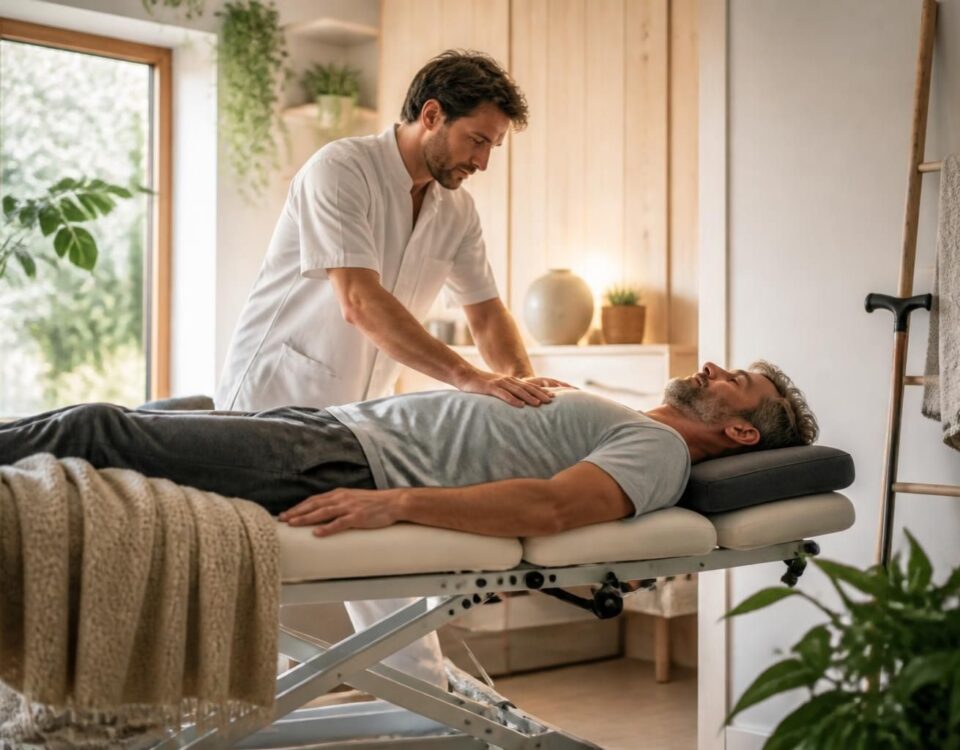
Modern work frequently exposes employees to static positions and repetitive gestures. This exposure increases the risk of pain and tension in the back, neck and shoulders. theosteopathy in business offers sessions mobilization and practical advice to limit these states. It aims to restore theBody balance and to prevent musculoskeletal disorders (MSD).
How osteopathy acts on prevention
The osteopath identifies the areas of overload or compensation and seeks the origin of the tensions. Then he works manually to release tension and restore mobility. Simple advice on ergonomics and daily habits are given to limit risk factors.
Integration in a professional environment
Interventions can take the form of On-site sessions, fromworkshops prevention and dedicated programs. The work is done in collaboration with the HR departments and occupational medicine to adapt the environment and daily practices. To learn more, click on resources dedicated to prevention in the workplace, such as Osteopathy and prevention of work-related injuries or Maintain optimal health on a daily basis. The TagMed Clinic can also offer suitable solutions for your business: Tagmed Clinic.
Resources and concrete actions
To prevent MSDs, implement simple and lasting actions. Promote them Micro breaks, encourage the correct actions and offer advice onergonomy suitable for the workstation. Resources on prevention and well-being at work can be viewed on specialized sites, for example Why osteopathy is essential for people in rehabilitation and Techniques to reduce stress-related muscle tension. To explore the links between injury prevention and work-related pain, see Osteopathy and prevention of work-related injuries.
Role of employees and employers
Employees benefit from increased comfort and better efficiency when osteopathy is integrated into the work environment. Employers gain in commitment and performance thanks to an active prevention approach. Osteopathy is thus part of a global well-being at work strategy, complementary to ergonomics and other preventive approaches.
Medical Disclaimer: The information and advice provided on this site does not replace the health professional’s diagnosis or treatment. Please note that Dr. Sylvain Desforges osteopath is neither a doctor of medicine nor a doctor, and is not a specialist in a medical specialty as defined by the Collège des Médecins du Québec. Manual medicine, functional medicine and sports medicine as described on this site exclude any medical treatment or diagnosis made by a doctor or specialist doctor. Always consult your doctor for any medical questions. For more details, please read our full legal notice.
- Posture and position ergonomics: simple adjustments and practical advice.
- Postural evaluation Quick: Identify imbalances and correct.
- Ergonomic settings: Chair, screen and suitable peripherals.
- Micro breaks and stretches: 2–3 minutes every hour.
- Gestures and charges: Safe techniques to move without torsion.
- Sweet mobilizations: targeted movements to preserve mobility.
- stretches Daily: Quick routines to prevent stiffness.
- Strengthening Stabilizers: protect the back and shoulders.
- Breathing and relaxation: stress management to relax the muscles.
- Personalized prevention plan: exercises to do in the office and at home.

Osteopathic approaches in business offer active prevention of work-related injuries by acting on sedentary lifestyle, posture and stress. This article presents how on-site sessions, combined with ergonomic advice and simple exercises, help reduce pain, preserve mobility and improve productivity. By targeting overload areas and adapting routines on a daily basis, osteopathy helps maintain the health capital of teams and prevent stops linked to musculoskeletal disorders.
The foundations of the osteopathic approach to prevention
A gait overall and non-drug aims to restore the mobility and release tension to prevent recurrences. Osteopathy considers the body as a whole, identifies the overload zones and offers adjustments adapted to daily life, in addition to the ergonomic and physical activity actions already in place.

How osteopathy improves the quality of life of active people
In short In short, theosteopathy is a global approach that Optimizes mobility and the function of the body of ACTIVE PEOPLE, for a better quality of life. It helps prevent injury and reduce Musculoskeletal pain While promoting the Sports recovery.…
prevent injuries related to sedentary lifestyle
Sedentary lifestyle and long sitting periods increase the risk of lower back, cervical and shoulder pain. The osteopath can offer Stretching sessions, of Joint mobilization and tips for Micro breaks active. The objective is to encourage regular physical activity and to limit the harmful effects of prolonged sitting, while maintaining sustained energy over the days.
Simple exercises and routines
Integrating 2-3 minutes of targeted stretching or a quick walk around the office several times a day can prevent pain and promote a more balanced posture without interrupting work.

Osteopathy and sports recovery: prepare the body for lasting performance
In short In short, Osteopathy and Sports recovery is one Global manual approach that sustainably prepares the body for the effort by restoring mobility and circulation After the effort. It is a discipline that acts on the sinews, the joints,…
Optimize posture and ergonomics
A good posture and a suitable workstation are essential to prevent tensions. Osteopathy performs a Postural evaluation and corrects the imbalances with gentle techniques, in order to release the tension zones and to restore the alignment of the column. Practical advice on seating, screen height and job organization completes the care, allowing for a lasting improvement in comfort.
Elevation of ergonomic standards
Simple and effective recommendations: adjustable chair, eye-level screen, footrest and mouse adapted. Targeted breathing exercises and stretches are added to preserve tone and mobility throughout the day.
Why Osteopathy Is Essential For Recovery People
In short In short, Osteopathy in convalescence is an approach manual and holistic which helps to accelerate the recovery by restoring The balance, the mobility and a good circulation fabrics. it contributes to Reduce the pain, support the Back to…
Manage stress and promote recovery
Chronic stress can amplify physical tension. The osteopathic approach in the company integrates techniques of relaxation and of breathing To release tension and activate the parasympathetic nervous system. This combination promotes better recovery, improves concentration and supports more stable energy during working hours.

Osteopathic manipulations to strengthen post-traumatic muscles
In short In short, Osteopathic manipulations for Strengthen post-traumatic muscles constitute a gentle manual approach aimed at restoring the mobility, reduce the pain and facilitate the Functional rehabilitation After a injury. What is Is it? A series of precise gestures…
Role and implementation of osteopathic sessions in the company
On-site or workshop interventions are intended to prevent and relieve. They can take the form of Occasional sessions, workshops on gestures and postures, or collaborative programs with HR departments and occupational medicine. Each program is personalized: rapid diagnosis, ergonomic action plan and exercises to be carried out in the office or at home to sustainably strengthen prevention.

Osteopathy and prevention of work-related musculoskeletal disorders
In short theosteopathy is one Manual approach that restores body balance and prevents MSD related to work. Its advantages: reduction of tension, improvement of mobility and prevention of chronic pain. She is preventive and healing, suitable for office and trades…
Integration and returns on investment
Integrating osteopathy into a QVT approach strengthens the commitment of the teams and contributes to reducing absenteeism. By promoting well-being and productivity, these interventions become a concrete performance lever. A clear prevention plan and appropriate planning facilitate the adoption and sustainability of results.

The benefits of osteopathy to treat muscle imbalances
In short theosteopathy is a manual approach to restore themuscle harmony and postural considering the body as a whole. Its main benefits include the reduction of aches and tensions, the improvement of the mobility and from the posture, and prevention…
Comparative Table of Osteopathic Approaches to Prevention of Occupational Injuries
| Element | Description |
|---|---|
| Main objective | prevent the MSD and pain related to the position by improving the mobility and from the posture. |
| Modality of intervention | Individual sessions or on-site workshops, adapted to the rhythm and context of the company. |
| Main Techniques | engagement sweet, stretches, advice ergonomic personalized. |
| Location and accessibility | On site in business or in office; Flexible hours to limit absenteeism. |
| Duration and frequency | 30–45 minutes per session; Regular programs (e.g. monthly or bi-monthly). |
| Target audience | All employees exposed to MSD, executives and operators. |
| Expected benefits | Reduction of pain, improvement of posture, gains in comfort and productivity. |
| Limits and precautions | Does not replace medical advice; to coordinate with occupational medicine and health professionals. |
| Impact on productivity | less absenteeism and better motivation and commitment. |
Osteopathy and chronic leg pain: regaining an optimal quality of life
In short In short, Osteopathy is one Global manual approach aimed at reducing Chronic leg pain and improve the quality of life. What is it? Non-drug therapy using the hands to identify restrictions and treat lesional chains. How does it…
Testimonials on osteopathic approaches to prevent workplace injuries
Clara, software engineer, 32 years old: before the deployment of an osteopathy program in a company, I often felt tension in the neck after long hours in front of the screen. Thanks to the weekly sessions and the simple exercises recommended by the osteopath, I benefit from a posture improvement and a Reduction of cervical pain. Ergonomic advice and targeted stretches allow me to stay focused and productive throughout the day.
Marc, Production Manager, 45 years old: As a manager, I notice that teams that benefit from osteopathic follow-up have fewer sick leave and a better sense of well-being. Workplace sessions address MSD prevention and simple adjustments toergonomy Reduced tension in the back and shoulders, even after long and repetitive shifts.
Léa, sales assistant, 28: having micro-pauses guided by the osteopath helped me release stress and posture tensions in front of the phone and keyboard. I feel less tired at the end of the day and my breathing has improved, which helps me stay confident in customer calls.
Thomas, logistics operator, 40 years old: my wrists and shoulders were pulling after days of handling and packaging. The osteopathic approach, which combines Light mobilization and advice on gestures at work, made it possible to improve my mobility and prevent Recurrent pain. The work is smoother and I recover more quickly after the intense periods.
Isabelle, Human Resources Manager, 37: setting up osteopathy sessions in business was a winning decision. we see a better membership teams, stress reduction and Increased productivity thanks to more comfortable and less tired employees. It is a profitable investment in well-being and performance.
Dr. Sylvain Desforges, Expert in osteopathy, naturopathy and manual medicine, holds the position of founding president of Tagmed and the ACMA association. With a career dedicated to health innovation, he develops an approach oriented prevention occupational injuries and the integration of advanced technologies to optimize the health and well-being of everyone. His work is based on an approach evidence-based, where personalized assessment and targeted interventions adapt to the requirements of each workstation.
In the world of work, Injuries at work And musculoskeletal disorders are major issues. Osteopathy, as practiced by Dr. Desforges, offers proactive prevention that acts upstream of pain, identifying postural imbalances, muscle tension and joint compensation before they turn into disability functional. The objective is twofold: to preserve the operational capacity of employees and promote a healthier work environment thanks to a ergonomy and an posture adapted.
Technically, the approach is based on Soft manual techniques and an overall assessment of the body in connection with professional requirements. The practitioner works to restore the mobility Musculoskeletal chains, to release tensions and correct imbalances that set in over repetitive gestures, prolonged postures or professional stress. personalized advice onergonomy and daily gestures complete the sessions, in order to permanently prevent the appearance of pain and improve comfort at work.
To strengthen the effectiveness of the approach, Dr. Desforges integrates Advanced technologies when relevant. The spinal decompression can be considered for situations of radiculopathy or nerve compression, while modalities such as laser and the shock waves Helps accelerate tissue repair and reduce downtime. This combination of non-medicated tools is part of a logic of prevention and rapid resumption of professional activities, with programs adapted to each employee..
The added value also lies in theIntegration within the company. Dr. Desforges favors close collaboration with the human resources departments, occupational medicine and prevention teams to set up on-site sessions, ergonomic workshops and personalized prevention plans. This approach aims to reduce downtime, maximize attendance and support a corporate culture that focuses on welfare and the health employees.
In practice, osteopathic approaches to prevent workplace injuries offer a solution overall and individualized which combines relief, prevention and performance. They make it possible to preserve the vitality of the teams while promoting a more efficient and sustainable work dynamic. To find out more about the approach and services available, it is advisable to contact TagMed to explore solutions adapted to your organization and your employees.
This summary presents how Osteopathy in business can prevent workplace injuries by acting on the sedentary lifestyle, by correcting the good postures and soothing the stress. By combining gentle manual gestures, ergonomic advice and prevention actions, this approach offers obvious benefits for employees and employers, including better comfort, reduction in pain and a positive impact on productivity.
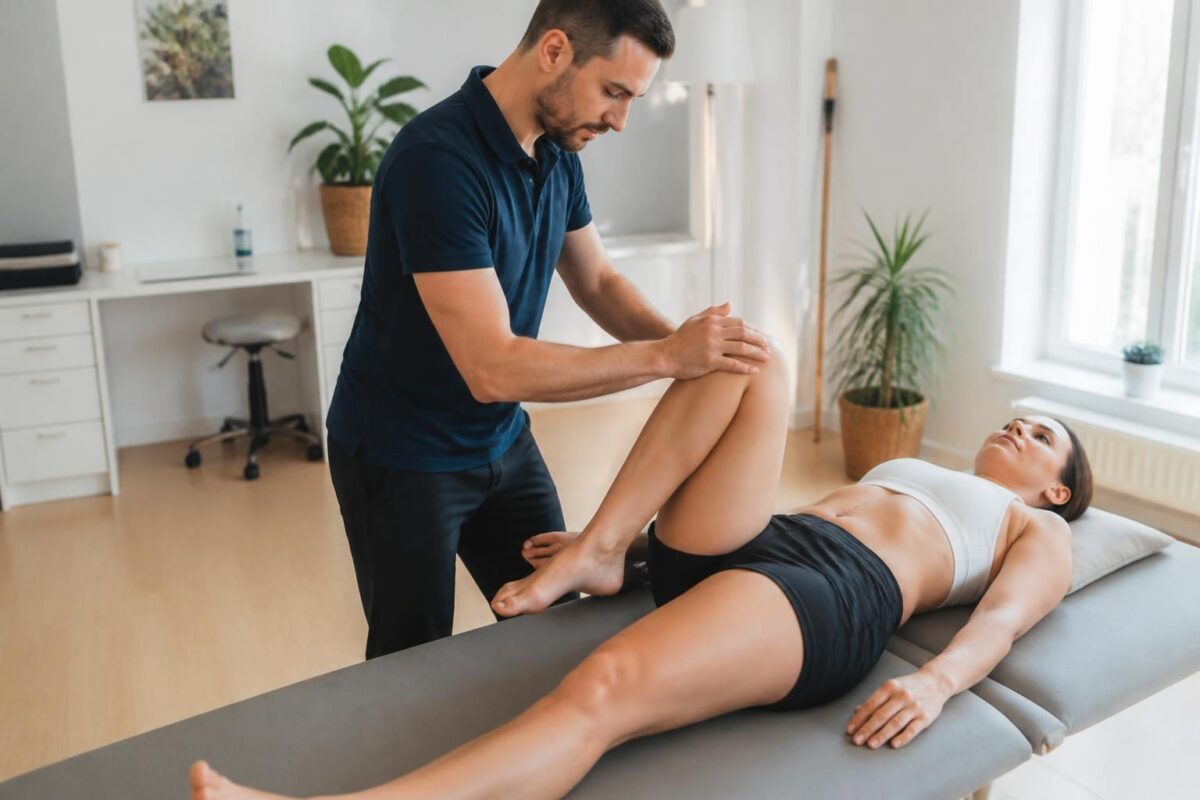
How osteopathy supports recovery after complex surgery
In short In short, Post-operative osteopathy is an approach fresh which supports the recovery After a Complex surgery. It helps to reduce the pain and the fatigue, improves the mobility and accelerates the healing thanks to a better vascularization and…
Reduce sedentary lifestyle and improve postures
In an increasingly structured professional setting around the screens, the osteopath in the company offers stretching sessions, joint mobilizations and ergonomic advice to encourage regular physical activity and prevent pain related to sedentary lifestyle. By promoting suitable postures and active micro-breaks, we act on the lumbar, cervical and shoulders to keep an aligned spine and muscle tension under control. To understand how osteopathy can promote a Balanced posture, check out this content: Balanced posture thanks to osteopathy. Practical resources on workplace injury prevention are also available on this site.
Prevent stress and support overall well-being
Professional stress can amplify body tension and pain. Osteopathy in business integrates relaxation and breathing techniques, associated with working on areas of tension, in order to promote sustainable relaxation and better regulation of the nervous system. Resources show the importance of osteopathic support for the recovery and prevention of pain related to trauma or chronic stress: Recovery and prevention. To go further, discover Neo-Forma and This preventive approach.
Role and modes of enterprise deployment
By integrating osteopathy into a process of Quality of life at work, companies can offer on-site sessions, prevention workshops and collaborate with HR departments and occupational medicine. This approach contributes to decreasing theabsenteeism and strengthen employee engagement while improving productivity and the welfare General. For examples and feedback, see this article and another resource.
Regularly integrating a specialist makes it possible to combine ergonomy, physical activity and stress management, offering a proactive and complementary approach to internal programs. To broaden the perspective, explore resources on the positive effects of osteopathy on musculoskeletal health and on the prevention of work-related pain: Joint pain and nervous tensions.
Ultimately, osteopathic approaches in the workplace offer a concrete and lasting solution to prevent workplace injuries, while enhancing the well-being and overall performance of the teams. To deepen the practical axes and the benefits, see Balanced posture, trauma recovery, and Prevent workplace injuries.

Dr Sylvain Desforges, B.Sc., D.O., N.D., osteopath, is the founding president of TAGMED and of the ACMA association. He dedicates his practice to chronic spinal pain, low back pain and symptoms compatible with sciatica, particularly when pain radiates toward the buttock, leg, calf, foot or toes.
Through SOS Sciatique, he publishes educational content on sciatica symptoms, possible causes such as disc herniation, disc narrowing, foraminal stenosis or irritation of a lumbar nerve root, as well as non-surgical approaches that may be considered according to the evaluation. At Clinique TAGMED, care may include, depending on the case, motorized neurovertebral decompression, specific osteopathic care or precision percussion.
For an evaluation related to sciatica treatment in Montreal / Mount Royal or sciatica treatment in Terrebonne, please consult the services available at Clinique TAGMED.
Medical disclaimer
The information published on SOS Sciatique is provided for educational purposes only and does not replace a consultation, diagnosis, opinion or treatment provided by a physician or another authorized healthcare professional. The author of this article is neither a medical doctor nor a specialist in a medical specialty recognized by the Collège des médecins du Québec. The osteopathic, manual medicine or functional support approaches described on this site do not constitute medical acts and are not intended to replace medical follow-up.
Consult a physician or emergency service in cases of loss of bladder or bowel control, anesthesia in the saddle area, significant or progressive weakness in the leg or foot, fever, recent trauma, severe pain or rapid worsening of symptoms. For more details, please read our Legal Notice.