Osteopathic approaches to prevent workplace injuries
28/06/2026
Osteopathic techniques to ease nervous tensions
28/06/2026
In short In short, Osteopathy and sports recovery is an approach manual and personalized to Maximize athletic performance and to Accelerate recovery After the effort. What is it? It is a discipline that seeks to restore the balance of the musculoskeletal system to improve mobility, blood circulation and the Neuromuscular coordination. What are the advantages? It allowsImprove mobility, reduce tension and prevent injuries, while supporting training without medication. How does it work? A session includes a Personalized evaluation, of Gentle techniques and practical advice to optimize recovery and long-term performance. In Montreal, this service is particularly recommended for athletes wishing to gain fluidity and maintain their level of performance without pain. |
In the context of a sports preparation, losteopathy offers an approach non-invasive and personalized To optimize the performance and accelerate the recovery. By acting on the mobility joints, circulation Blood and muscle tone, it helps prevent injuries, reduce tension and promote faster recovery after exercise. For the athlete, this translates into a better coordination neuromuscular and increased efficiency during training and competitions.
- Mobility Improved joint and flexibility
- Prevention Injuries and overload
- Post-effort recovery Faster and less painful
- Musculoskeletal balance and sustainable performance
- Individualized approach adapted to the profile of the athlete
quick summary : This article explains how Osteopathy can promote recovery after the effort and improve the athletic performance. It presents the simple mechanisms and practical steps to integrate osteopathy into the training program, while remaining attentive to safety and medical ethics.
How osteopathy acts on sports recovery
The use of Manual techniques Allows to improve mobility joints and tissues, which facilitates technique and performance. Osteopathy also acts on the bloodstream and the Venous return, promoting the oxygenation of muscles and the elimination of toxins. At the same time, it contributes to Reduce tension and theinflammation, which accelerates the Post-effort recovery. This approach aims to restore a global balance of the musculoskeletal system and optimize neuromuscular coordination.
For athletes, the goal is clear: Improve mobility, Prevent imbalances and support the recovery without resorting to invasive treatments. Osteopathy can also help maintain a Fluid movement capacity During intensive training and competition cycles.
Key elements to optimize recovery
Mobility and range of motion Increase the efficiency of technical gestures and reduce stress on muscle chains. Circulation and oxygenation Muscles improve, reducing recovery time.
pain reduction And muscle tension facilitates active rest and sleep, two crucial factors for performance.
Post-effort recovery is based on gentle and progressive gestures, aiming to bring the body back to an optimal state of balance and functionality. theGlobal approach Helps restore the neuromuscular function and support performance over time.
The course of an osteopathic session
Initial evaluation: the practitioner observes the posture and movements and questions about the pain and feelings. Identification of tensions : Painful areas and tension points are located by manual contact. Readjustment : gentle and precise gestures aim to free the restrictions and rebalance the structures.
Personalized advice: recommendations are given to promote recovery and prevent recurrences. Regular follow-up: Subsequent sessions can be planned as needed and response of the body.
Athletes can also combine breathing exercises or appropriate stretching, while remaining aware that, in the contexts of neurovertebral decompression or disc pathologies, the specific exercises are not detailed in this article.
Concrete applications for athletes
Preparation before exercise: An osteopathic diagnosis can help the body feel more free and aligned, reducing the risk of injury and improving the effectiveness of overheating.
Recovery after exercise: After an intense session, osteopathic techniques promote muscle and joint recovery, which can shorten the delays between sessions.
Relief of tensions and prevention of injuries: Targeted manipulations reduce tension and help preserve joint mobility, when pathologies do not require invasive interventions.
Integration into the training program: Osteopathy can be considered in continuity with the training sessions. The frequency of visits is adapted to each athlete and can be located on a monthly or fortnightly basis to maintain optimal body balance.
Discover more about these approaches and their results can be done via specialized resources, for example on Why osteopathy is essential for active people and other content on sites dedicated to sports recovery.
Integration into the training program
Training and the osteopathic approach are integrated into recognized professional settings. Accessible training includes establishments such as NUMSS, nao, National University of Medical Sciences and National Academy of osteopathy. For practitioners and athletes, the objective is to put in place a coherent and sustainable intervention plan.
The relationship between mobility, circulation and neuromuscular function is at the heart of performance. In practice, this means regular visits to an osteopath and adaptation of recovery practices according to seasons and training loads. Additional readings and testimonials allow you to appreciate the real impact on performance and recovery.
To go further, consult specialized resources such as Osteopathy and sports performance and Osteopathy and sports recovery.
Useful links and additional readings in the area dedicated to recovery and recovery after injury include resources on Osteopathy and recovery after a sports injury and Postoperative recovery.
For more information on neurovertebral decompression and associated approaches, avoid specific exercises or stretching and favor gentle adjustments adapted to each situation.
Training resources and historical associations remain up to date in professional spheres. Operators and athletes can turn to the professional organizations mentioned and follow clinical recommendations in terms of osteopathic and safety practice.
To deepen, consult resources dedicated to recovery and performance on Osteopathy in sports practice and Osteopathy sports recovery.
To learn more about the overall benefits of osteopathy, see also Why osteopathy is an essential approach for athletes.
For specific cases relating to postoperative recovery and other situations, complementary resources illustrate the mechanisms and results obtained thanks to osteopathy.
Medical disclaimer : The information and advice provided on this site does not replace the advice, diagnosis or treatment of a health professional. Please note that Dr. Sylvain Desforges osteopath is neither a doctor of medicine nor a doctor, and is not a specialist in a medical specialty as defined by the Collège des Médecins du Québec. Manual medicine, functional medicine and sports medicine as described on this site exclude any medical treatment or diagnosis made by a doctor or specialist doctor. Always consult your doctor for any medical questions. For more details, please read our full legal notice.
References and additional readings (training and practice) are limited to institutions and associations recognized in this context, in particular NUMSS, NAO, National University of Medical Sciences, National Academy of Osteopathy, ACMA, College of Canadian Osteopaths and College of Canadian Osteopaths.
To find out more, visit the following pages:n
Osteopathy and performance,n
Osteopathy at the service of athletes,n
Osteopathy and active people.
- Diagnosis Pre-effort to optimize the mobility and the coordination.
- Targeted mobilizations To free the Joint restrictions and improve the technical.
- Work on the breathing and the posture For theoxygenation and endurance.
- Alignment of the musculoskeletal system for thebalance and stability.
- Prevention microtraumas through regular monitoring.
- activation neuromuscular and co-activation of muscle groups.
- Release myofascial and guidance ofSelf-stretching simple.
- Integration into the training schedule with adjustment of the frequency.
- Improvement of therange of motion and from the technical.
- Accelerated post-effort recovery and reduction in aches.
- Circulation sanguine and oxygenation Optimized muscles.
- decrease in risk of injury and downtime.
- management of stress and better concentration in competition.
- top coordination and reactivity Neuromuscular.
- Recovery time between shortcut sessions.
- overall performance and durability reinforced physics.

osteopathy and Sports recovery form a strategic alliance for Maximize performance. By combining a personalized manual approach with daily habits, the goal is to restore theNeuromuscular balance, to improve the mobility joints, and optimize the bloodstream for faster recovery. This approach contributes to reducing tension, preventing injuries and allowing the athlete to reconnect more quickly with training and competition with a confidence reinforced.
Understanding osteopathy in sports
For the athlete, osteopathy is an approach manual which seeks to restore the harmony of the structures of the body and their functions. By targeting movement restrictions, muscle tension and joint imbalances, it prepares the body for effort and facilitates recovery after exercise. No invasive intervention is needed, and each session is adapted to the athlete’s profile and goals to support performance global and the welfare Physical.

How osteopathy improves the quality of life of active people
In short In short, theosteopathy is a global approach that Optimizes mobility and the function of the body of ACTIVE PEOPLE, for a better quality of life. It helps prevent injury and reduce Musculoskeletal pain While promoting the Sports recovery.…
Key actions to maximize recovery
Mobility, technology and movement efficiency
Osteopathic work aims to improve the mobility joints and coordination of muscle chains. By releasing areas of tension and restoring harmonious ranges of movement, the athlete can perform technical gestures with greater precision and energy saving, which results in a better performance in the long term.
Injury prevention and musculoskeletal balance
By treating functional imbalances and points of tension, osteopathy contributes to Prevent injury related to overuse and repeated shocks. maintaining a Overall balance of the musculoskeletal system allows the body to better absorb training loads and to avoid disturbances that slow down progression.
Post-effort and circulation recovery
osteopathic techniques promote a bloodstream and more effective lymphatic, accelerating the supply of oxygen to the muscles and the evacuation of toxins. This stimulation supports the Tissue repair And reduces the time between two workouts, while limiting the inflammatory aspects of recovery.

Osteopathy and sports recovery: prepare the body for lasting performance
In short In short, Osteopathy and Sports recovery is one Global manual approach that sustainably prepares the body for the effort by restoring mobility and circulation After the effort. It is a discipline that acts on the sinews, the joints,…
Practical strategies to integrate into the routine
For results, integrate osteopathy as a central element of your Recovery program. Plan Regular sessions, suitable for your training load, and combine them with specific breathing and stretching exercises. A close collaboration with your osteopath and your coach will allow you to adjust the protocols according to the training periods, the competitions and your feelings.
Why Osteopathy Is Essential For Recovery People
In short In short, Osteopathy in convalescence is an approach manual and holistic which helps to accelerate the recovery by restoring The balance, the mobility and a good circulation fabrics. it contributes to Reduce the pain, support the Back to…
Concrete applications in competition and training
Preparation before exercise
A targeted osteopathic assessment before a competition helps to identify sensitive areas and optimize mobility. This approach can reduce the risk of pain during exercise and promote better coordination of gestures.
Recovery after exercise
After training or competition, favor a light session focused on muscle relaxation and circulation stimulation to accelerate recovery and restore neuromuscular balance.

Osteopathic manipulations to strengthen post-traumatic muscles
In short In short, Osteopathic manipulations for Strengthen post-traumatic muscles constitute a gentle manual approach aimed at restoring the mobility, reduce the pain and facilitate the Functional rehabilitation After a injury. What is Is it? A series of precise gestures…
Personalized and measurable follow-up
The follow-up must be individualized: each athlete benefits from a plan that takes into account their sport, level, objectives and history of injuries. Regular returns make it possible to adjust the frequency of the sessions, to adapt the stretches and to optimize the recovery periods according to the sports calendar.
| Aspect | Description |
|---|---|
| Preparation and performance | Optimization of the performance and from the technical thanks to a better mobility and an coordination improved. |
| Mobility and amplitude | increase inrange of motion For a better execution of gestures and a reduction of tensions. |
| Injury prevention | correction of imbalances to strengthen the stability and reduce the risk of injury. |
| Post-effort recovery | accelerated muscle and joint recovery; reduction of pain andinflammation. |
| Circulation and metabolism | top circulation and oxygenation muscles, facilitating the recovery and elimination of toxins. |
| Neuromuscular coordination | Improvement of the coordination and from the reactivity muscular during efforts. |
| Pain and comfort | reduction of strain and pain, promoting a practice without discomfort and lasting. |
| Integration and monitoring | Integration into the training program with Regular sessions and one Custom Plan. |

Osteopathy and prevention of work-related musculoskeletal disorders
In short theosteopathy is one Manual approach that restores body balance and prevents MSD related to work. Its advantages: reduction of tension, improvement of mobility and prevention of chronic pain. She is preventive and healing, suitable for office and trades…
Testimonials on osteopathy and sports recovery: maximizing performance
Here are feedback from athletes who have joined theosteopathy to their preparation to optimize their recovery and their performance.
“Thanks to theosteopathy, my recovery after training is faster and I find my performance faster. — Claire, professional sprinter.
“I won in mobility And my technique was refined, which boosted my performance In the race. — Thomas, pro cyclist.
“The strain lumbar decreased after each competition; From now on I end my matches without pain and I chain the sessions more intensely. — Léa, pro tennis player.
“The coordination and theeven have improved; even my receptions and my changes of direction are more fluids. — Malik, professional footballer.
“In swimming, I felt a better recovery between the series and a breathing more effective thanks to osteopathic techniques. — Nora, competitive swimmer.
“My training won in durability : less than injuries and a better recovery general. — Hugo, an amateur weightlifter.
In the demanding field of sport, theosteopathy stands out as a strategic lever for optimizing performance and accelerate the recovery. This expert embodies a global approach that combines attentive listening to the body and targeted manual techniques to unlock the physical potential of athletes while protecting their long-term health.
This key player in health is the Founding President of Tagmed Clinics and theacma. Its commitment is guided by a trajectory marked by theHealth Innovation and by implementingEvidence-based approaches To help athletes overcome obstacles and push their limits, without compromising on safety and ethics of care.
Its practice integrates advanced technologies such as the vertebral decompression, the laser and the Shockwave therapy. These tools do not replace expert touch, but complement them to promote a bloodstream improved, a Joint mobility more fluid and a Reduction of inflammation, so many elements that contribute to a Sustainable yield and faster recovery after exercise.
This approach is holistic and personalized. Each program is adjusted to the level, discipline and goals of the athlete, with particular attention to the posture, at the Neuromuscular coordination and at the Competitive stress management. The goal is not only to reduce pain, but also to prevent injuries and optimize the Overall performance without systematically relying on drug treatments.
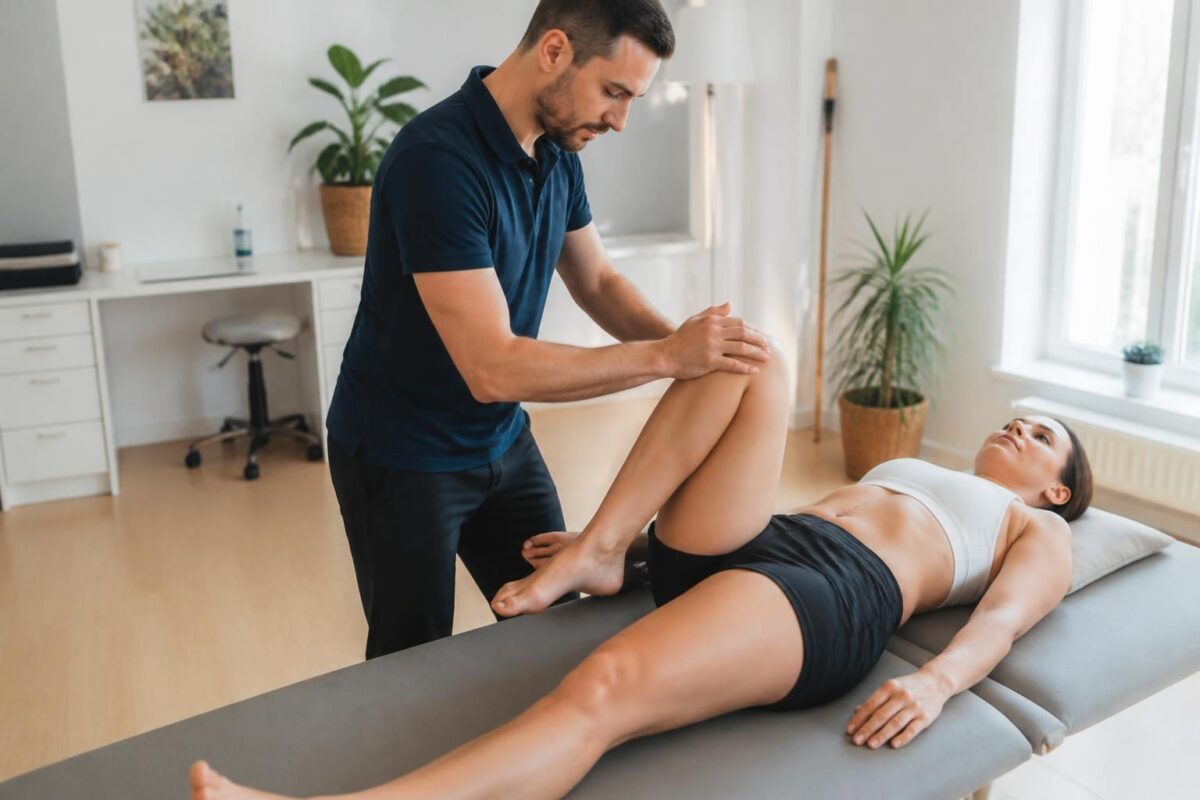
During a session, the essential steps are as follows: initial assessment to examine posture and movements and collect the histories; Identification of tensions by palpation; Readjustment by gentle techniques and targeted stretching; Personalized advice to optimize recovery and prevention; and Regular follow-up when needed to maintain body balance and performance.
Concrete applications are addressed to the Preparation before exercise—a pre-competition osteopathic diagnosis that improves body sensation and mobility; to the Post-effort recovery—to shorten recovery time and quickly restore muscle capacity; at pain relief and at the Injury prevention Preserving the harmony of fascias, muscles and joints. Additional breathing and stretching exercises can be integrated to amplify the effects and promote lasting autonomy in the athlete.
Beyond punctual relief, this approach integrated Aim for a Continuous improvement in fitness and an Sustainable performance improvement in the long term. By stimulating the circulation, by releasing tensions and optimizing the Neuromuscular reactivity, it supports athletes, whatever their level and discipline, in a quest for sustainable performance and lasting well-being.
This detailed conclusion explores how Osteopathy and sports recovery combine to maximize athletic performance By improving the mobility, the circulation blood and tension management. It focuses on injury prevention and accelerated recovery after exercise, with a personalized and non-invasive approach that allows athletes to train longer and optimize their potential. To learn more, check out the following resources: Osteopathy and overall well-being and Sports recovery and performance.

The benefits of osteopathy to treat muscle imbalances
In short theosteopathy is a manual approach to restore themuscle harmony and postural considering the body as a whole. Its main benefits include the reduction of aches and tensions, the improvement of the mobility and from the posture, and prevention…
Impact on performance and recovery
theosteopathy offers an approach manual Aiming to restore theMusculoskeletal balance and improve the Joint mobility. By acting on tensions and movement restrictions, it facilitates more effective technical gestures and allows better transmission of efforts during training and competitions. a better one bloodstream and lymphatic contributes to a Muscle oxygenation optimized and elimination of toxins, thus accelerating the Post-effort recovery. For athletes, these factors result in reduced recovery time and improved New working capacity during subsequent sessions. To learn more, see The benefits of osteopathy for professional athletes and How Osteopathy Improves Sports Performance.
the shutter Preparation before exercise can include a Osteopathic assessment Aiming to optimize the mobility of key areas and reduce the risk of injury. During training, osteopathic techniques promote smoother movement patterns and better neuromuscular coordination, which can result in gains in Controlled power and of stability in technical gestures. To learn more about the impact on recovery, see the specialists’ perspective on Osteopathy and stress as a tool for appeasement and What science says about muscle recovery.
Osteopathy and chronic leg pain: regaining an optimal quality of life
In short In short, Osteopathy is one Global manual approach aimed at reducing Chronic leg pain and improve the quality of life. What is it? Non-drug therapy using the hands to identify restrictions and treat lesional chains. How does it…
Prevention and body balance
Prevention involves maintaining a balance of the musculoskeletal system and by maintaining a Adapted mobility to sports practice. The osteopath identifies the tension zones, corrects the imbalances and offers personalized advice to optimize the posture, the flexibility and the Neuromuscular reactivity. This approach helps to reduce the risk of exertion-related injuries and promote more homogeneous recovery between sessions. To expand this pane, consult the resources on theImproved postural balance and on the benefits of maintaining healthy posture.
In addition, some practitioners offer holistic strategies related to stress management and overall recovery, which can support the performance and mental resilience of athletes. For a varied perspective, explore content dedicated to sports recovery and overall well-being such as Complementary approaches.
How osteopathy supports recovery after complex surgery
In short In short, Post-operative osteopathy is an approach fresh which supports the recovery After a Complex surgery. It helps to reduce the pain and the fatigue, improves the mobility and accelerates the healing thanks to a better vascularization and…
Practical applications and recommended protocols
A typical session ofosteopathy in the athlete begins with a initial assessment in-depth, followed byIdentification of tensions and one readjustment by appropriate techniques. At the end of the session, the practitioner issues Personalized advice To prevent recurrences and optimize recovery, and may recommend a Regular follow-up as needed. The objective is to integrate this care into the overall training framework, without interrupting the technical progression and the training load. To understand how these interventions fit into a sports program, see the resources on Osteopathy and sports recovery and Complete guide to the role of osteopathy in sport.
Concrete applications include the Preparation before exercise To gain comfort and technique, and the Recovery after exercise To limit pain and inflammation. In some cases, specific techniques such as myofascial release or targeted adjustments can be integrated into the recovery protocol, always as part of appropriate and progressive monitoring. For a summary of the effects on recovery and performance, refer to analyzes and feedback such as Studies and Cases on the Effects of UNWTO and the returns of top athletes.
To go further in understanding and application, discover resources that support the integration of osteopathy in sports performance and overall well-being, including performance improvement and Scientific analysis of muscle recovery.

Dr Sylvain Desforges, B.Sc., D.O., N.D., osteopath, is the founding president of TAGMED and of the ACMA association. He dedicates his practice to chronic spinal pain, low back pain and symptoms compatible with sciatica, particularly when pain radiates toward the buttock, leg, calf, foot or toes.
Through SOS Sciatique, he publishes educational content on sciatica symptoms, possible causes such as disc herniation, disc narrowing, foraminal stenosis or irritation of a lumbar nerve root, as well as non-surgical approaches that may be considered according to the evaluation. At Clinique TAGMED, care may include, depending on the case, motorized neurovertebral decompression, specific osteopathic care or precision percussion.
For an evaluation related to sciatica treatment in Montreal / Mount Royal or sciatica treatment in Terrebonne, please consult the services available at Clinique TAGMED.
Medical disclaimer
The information published on SOS Sciatique is provided for educational purposes only and does not replace a consultation, diagnosis, opinion or treatment provided by a physician or another authorized healthcare professional. The author of this article is neither a medical doctor nor a specialist in a medical specialty recognized by the Collège des médecins du Québec. The osteopathic, manual medicine or functional support approaches described on this site do not constitute medical acts and are not intended to replace medical follow-up.
Consult a physician or emergency service in cases of loss of bladder or bowel control, anesthesia in the saddle area, significant or progressive weakness in the leg or foot, fever, recent trauma, severe pain or rapid worsening of symptoms. For more details, please read our Legal Notice.