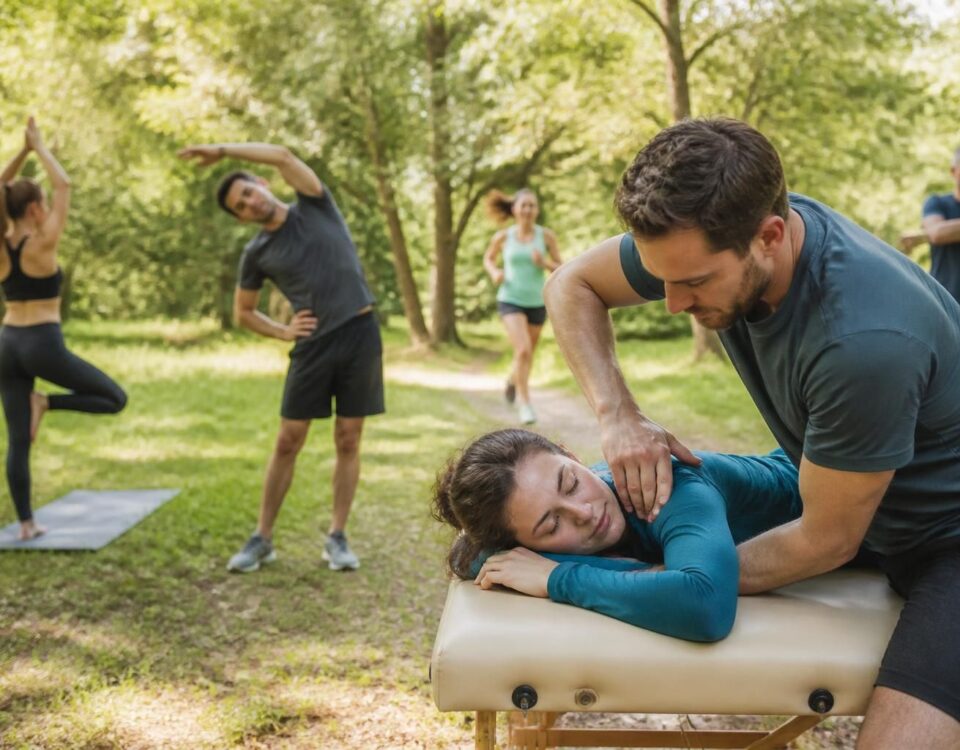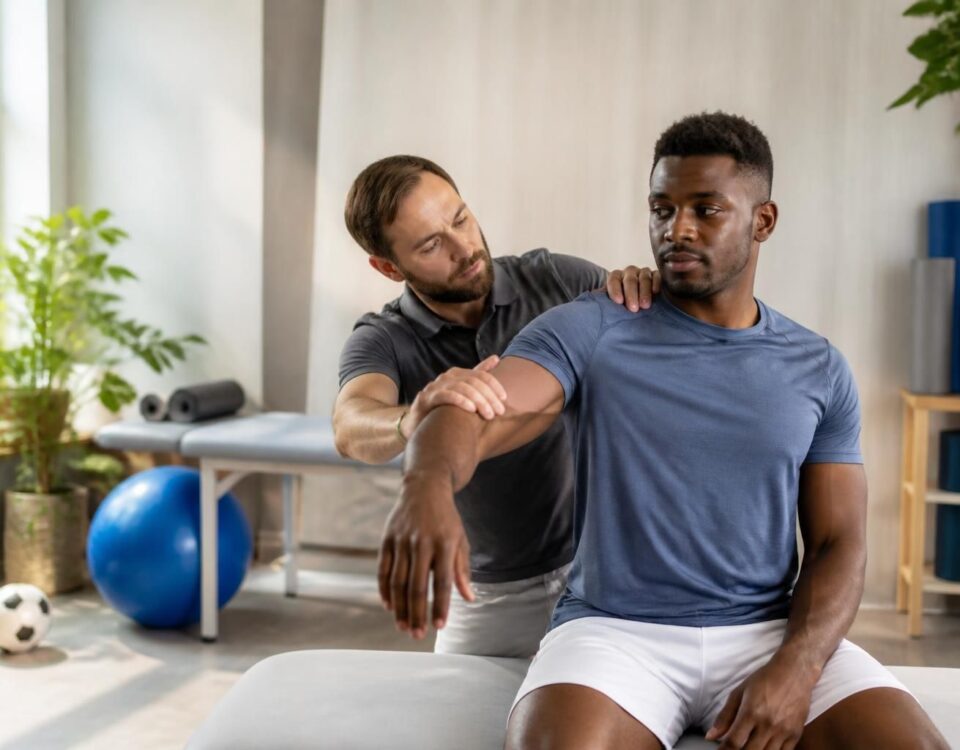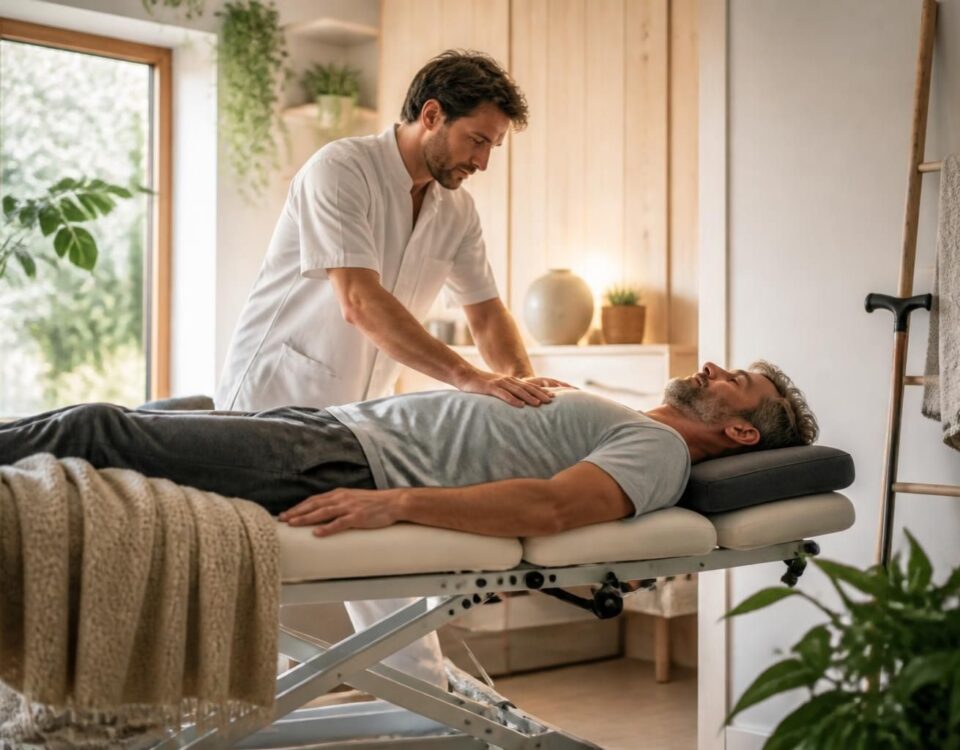
The benefits of osteopathy to improve joint flexibility
28/06/2026
Osteopathic approaches to optimize posture on a daily basis
28/06/2026
In short
| In short, Osteopathy and Recovery after a fracture is an approach manual which aims to Restore mobility and accelerate healing through Gentle techniques and one Personalized follow-up. Definition: The goal is to release restrictions around the fracture, improve circulation and support tissues for a quick return to Joint function and muscle activity. The benefits essential include the pain reduction, theImproving mobility, a Faster recovery and the Prevention of stiffness. accessible to Montreal, this treatment promotes the return to daily activities without surgery and with appropriate supervision. |
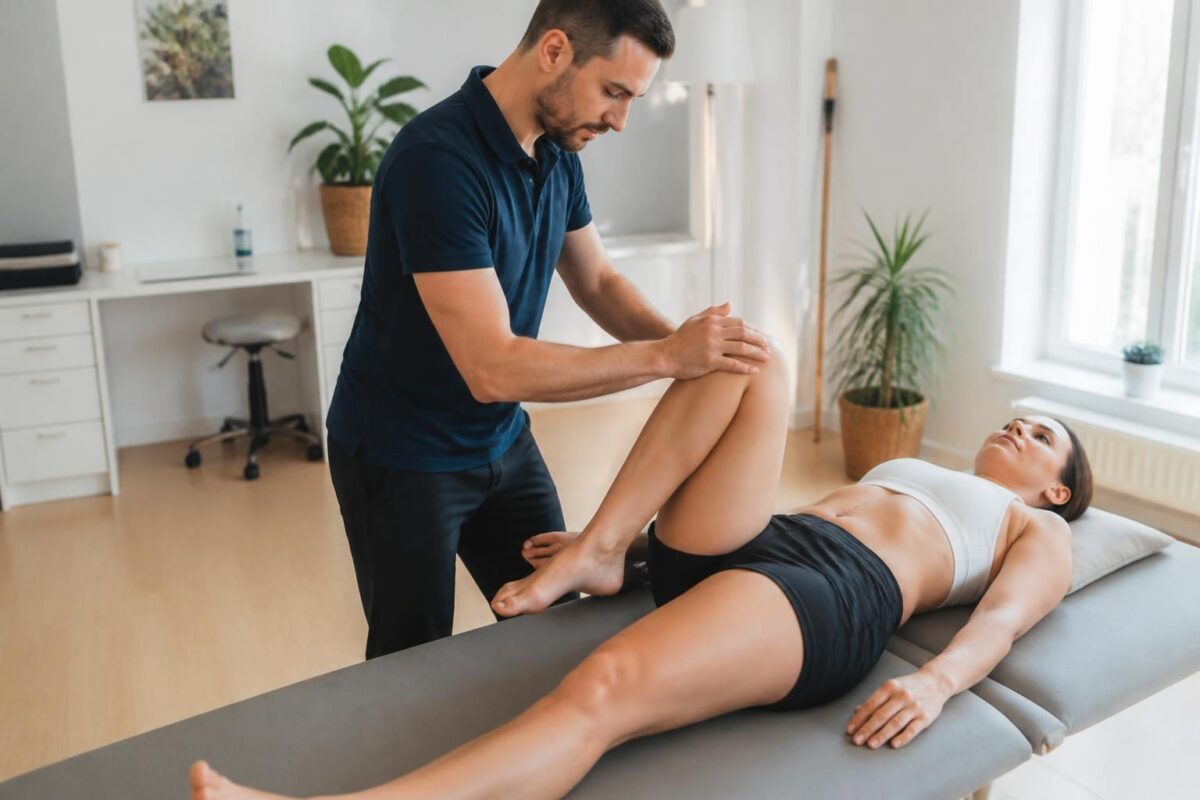
The Role of osteopathy in the recovery After a fracture is to promote the gradual return of the mobility and reduce the pain. using Gentle techniques and adapted, the osteopath stimulates circulation and tissue regeneration around the injured area, which accelerates the healing and limits the voltages. One Personalized follow-up Allows you to adjust the treatment, avoid compensation and secure the return to daily and sports activities.
This publication explains how theosteopathy can accompany the recovery After a fracture, to find a mobility efficient and secure. It describes the mechanisms of action, gentle gestures, the role of follow-up and useful resources to support the patient in his return to normal activity.
Objectives of osteopathy in recovery
The goal is to relieve the pain, of Restore mobility joints around the fracture and improve the circulation of tissues. This promotes recovery and helps prevent future limitations.
How osteopathy acts on recovery
Osteopathic gestures release tensions, improve circulation blood and lymphatic, and support the muscle recovery. The osteopath assesses the restrictions and adjusts the techniques according to each patient.
Osteopathic techniques after a fracture
Techniques favor Sweet mobilizations and soft tissue work. The objective is to restore mobility of nearby areas and to support the healing fabrics. Advice on postures and lifestyle habits can accompany care.
Monitoring and prevention of complications
One Regular follow-up Allows you to adjust the care plan as progress is made. This helps prevent stiffness and recurring pain and maintain postural balance.
Integration with other approaches and resources
An integrated approach may involve the attending physician and other health professionals. theosteopathy Can be combined with non-invasive approaches to optimize recovery and prevention of recurrences. To learn more, check out these specialized resources in relevant areas:
- Osteopathy and recovery after a sprain
- Osteopathy and muscle pain — Natural approach
- Tagmed Clinic
- Recovery after surgery
- Why osteopathy is a global approach
Resources and useful links
To learn more about the links between osteopathy and Fracture Recovery, consult the following resources as part of your care pathway:
Medical disclaimer: All the above contents are intended to inform and do not replace a medical consultation. For any questions or clinical situation, consult your doctor.
“Medical disclaimer: The information and advice provided on this site does not replace the health professional’s benefit, diagnosis or treatment. Please note that Dr. Sylvain Desforges osteopath is neither a doctor of medicine nor a doctor, and is not a specialist in a medical specialty as defined by the Collège des Médecins du Québec. Manual medicine, functional medicine and sports medicine as described on this site exclude any medical treatment or diagnosis made by a doctor or specialist doctor. Always consult your doctor for any medical questions. For more details, please read our full legal notice. »
Axis : Osteopathic axes of action for post-fracture mobility
- Evaluation Fast functional to target pain and restrictions.
- relief Tensions and pain by gentle and adapted techniques.
- Release Joint blockages with targeted mobilization.
- Prevention compensations and postural kavs related to the fracture.
- Reactivation progressive muscles around the fractured area.
- Strengthening Stabilizers and improved postural alignment.
- Custom Plan rehabilitation and regular follow-up adapted to the patient.
- Integration favorable lifestyle habits and advice for the resumption of activity.

This sheet shows how theosteopathy Can support recovery after a fracture for regain mobility. She explains the principles, techniques and the course of a personalized follow-up to limit pain, accelerate tissue healing and allow a quick and safe return to daily activities.
Role of osteopathy after a fracture
After a fracture, recovery is based on restoring the mobility Joints, muscles and fascia around the injured site. The osteopathic approach offers a vision holistic of the body: it aims to restore balance, to optimize blood and lymphatic circulation, and to reduce the tensions that are created by compensation. By working on areas that have been immobilized or unbalanced, the osteopath helps prevent late stiffness and promote effective healing while respecting the phases of bone consolidation.
Initial assessment and objectives
A Personalized evaluation Identifies movement limitations, muscle tension and postural imbalances. The objective is to propose a progressive plan, adapted to each patient, which maximizes the function without compromising the consolidation and by preparing for the return to the usual activities.

How osteopathy improves the quality of life of active people
In short In short, theosteopathy is a global approach that Optimizes mobility and the function of the body of ACTIVE PEOPLE, for a better quality of life. It helps prevent injury and reduce Musculoskeletal pain While promoting the Sports recovery.…

Osteopathy and sports recovery: prepare the body for lasting performance
In short In short, Osteopathy and Sports recovery is one Global manual approach that sustainably prepares the body for the effort by restoring mobility and circulation After the effort. It is a discipline that acts on the sinews, the joints,…
Techniques and therapeutic progression
Techniques favor Sweet mobilizations and targeted manipulations on the injured territory and the surrounding structures. The focus is on connective system, circulation and tension regulation to promote healing and reduce inflammation. Over the course of the sessions, the program evolves towards more dynamic gestures and progressive loads, in order to support a complete and secure rehabilitation.
Rehabilitation phases
Initial phase: pain reduction and restoration of passive or light active mobility. Intermediate phase: progressive strengthening of adjacent muscles and improvement of coordination. Advanced phase: gradual returns to daily activities and preparation for the possible resumption of a sport or demanding work.
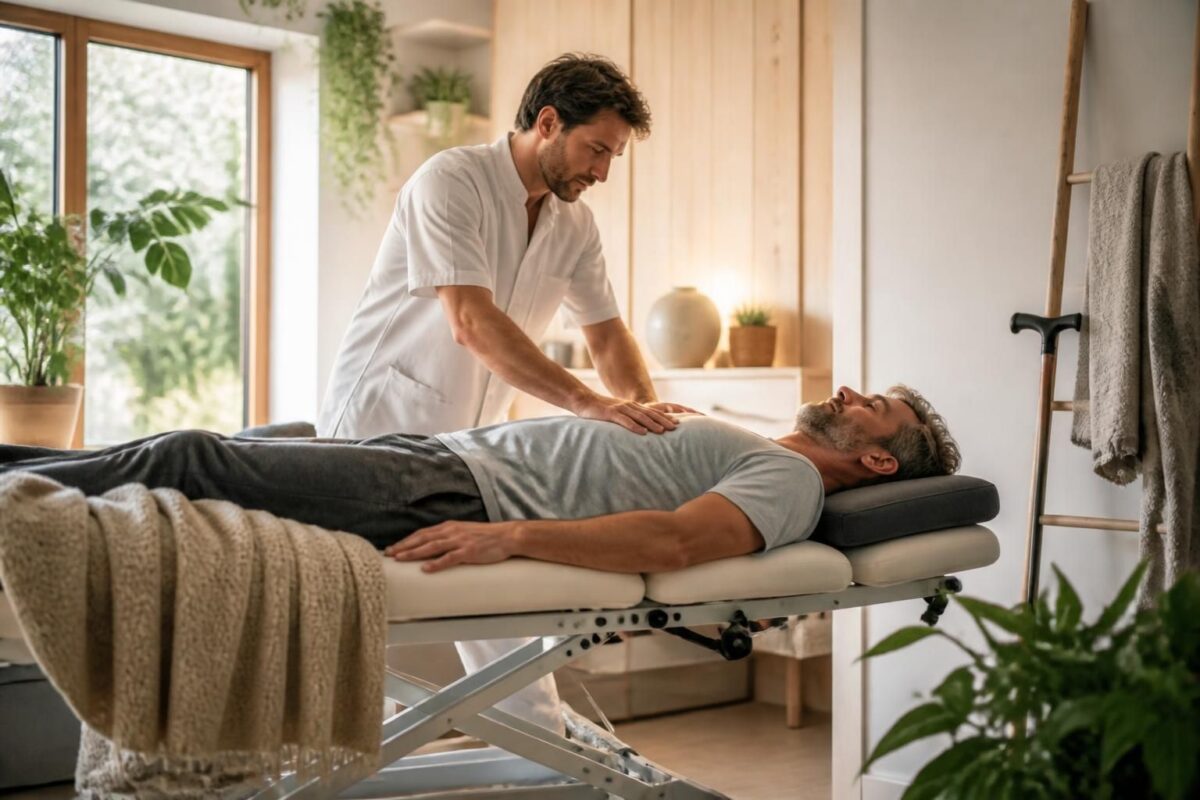
Why Osteopathy Is Essential For Recovery People
In short In short, Osteopathy in convalescence is an approach manual and holistic which helps to accelerate the recovery by restoring The balance, the mobility and a good circulation fabrics. it contributes to Reduce the pain, support the Back to…

Osteopathic manipulations to strengthen post-traumatic muscles
In short In short, Osteopathic manipulations for Strengthen post-traumatic muscles constitute a gentle manual approach aimed at restoring the mobility, reduce the pain and facilitate the Functional rehabilitation After a injury. What is Is it? A series of precise gestures…
Relapse monitoring and prevention
One Personalized follow-up Allows you to adjust the techniques and adapt the program according to progress. The osteopath takes care to maintain good mobility, to correct postures and to propose exercises to be carried out at home to prevent future tensions and reappearances of pain.
Education and posture
Learning simple gestures and adopting correct postures during daily tasks helps to optimize recovery and limit constraints on the fractured site.

Osteopathy and prevention of work-related musculoskeletal disorders
In short theosteopathy is one Manual approach that restores body balance and prevents MSD related to work. Its advantages: reduction of tension, improvement of mobility and prevention of chronic pain. She is preventive and healing, suitable for office and trades…

The benefits of osteopathy to treat muscle imbalances
In short theosteopathy is a manual approach to restore themuscle harmony and postural considering the body as a whole. Its main benefits include the reduction of aches and tensions, the improvement of the mobility and from the posture, and prevention…
Lifestyle and adapted exercises
practical advice onhydration, thesupply and the rest support tissue regeneration. of Adapted exercises, framed, make it possible to gradually restore mobility, strength and stability without overloading the bone into consolidation.
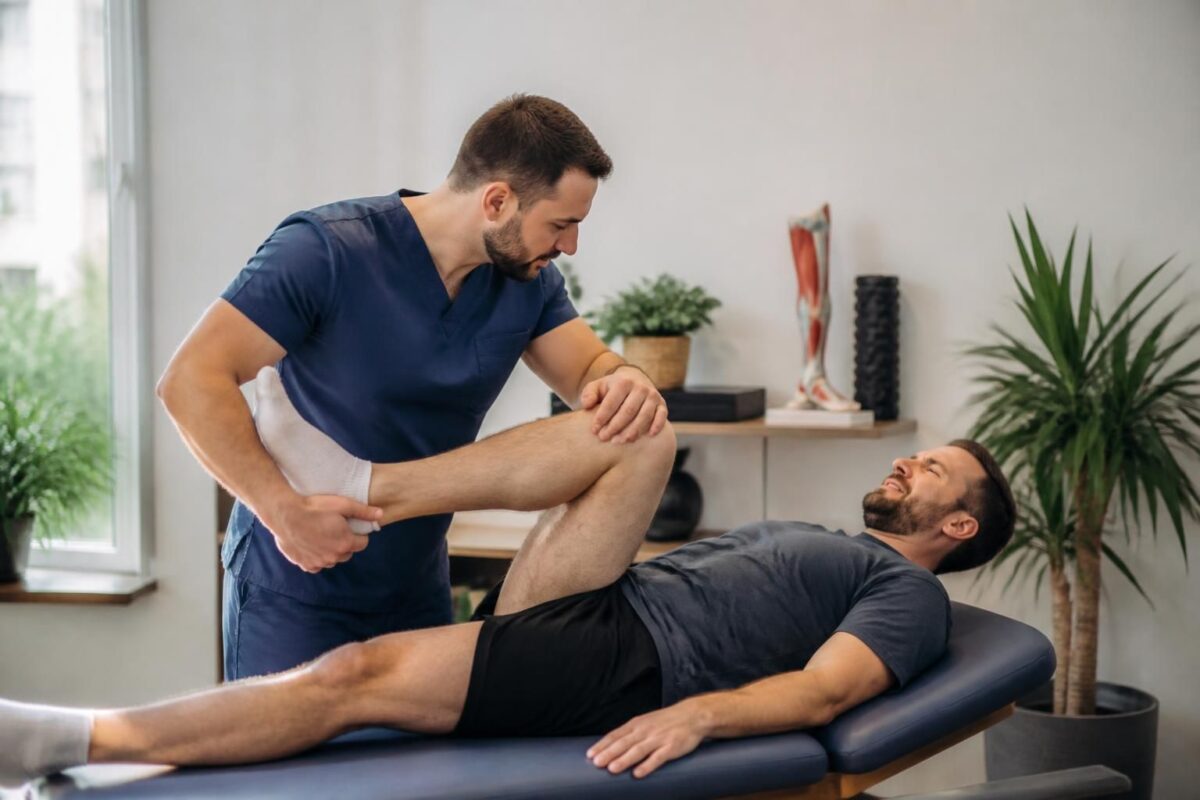
Osteopathy and chronic leg pain: regaining an optimal quality of life
In short In short, Osteopathy is one Global manual approach aimed at reducing Chronic leg pain and improve the quality of life. What is it? Non-drug therapy using the hands to identify restrictions and treat lesional chains. How does it…
How osteopathy supports recovery after complex surgery
In short In short, Post-operative osteopathy is an approach fresh which supports the recovery After a Complex surgery. It helps to reduce the pain and the fatigue, improves the mobility and accelerates the healing thanks to a better vascularization and…
Why choose an osteopathic accompaniment
The osteopathic approach offers treatment multidisciplinary and individualized which goes beyond the fracture site. By combining gentle manipulations, functional advice and regular follow-up, it facilitates a return to functionality and improves quality of life during recovery.
| Aspect | Concise impact |
|---|---|
| Objective regain mobility | Restoring joint and functional mobility through an appropriate approach to consolidation. |
| techniques Mobilizations and fabrics | Soft mobilization and soft tissue work to facilitate movement. |
| Pain Management | Progressive pain reduction and improvement in local circulation. |
| Framework Security | Tolerated approach, adapted to the healing stage and medically coordinated. |
| Pace Monitoring | Personalized plan with progression according to the evolution of the consolidation. |
| Role of the patient Commitment | Respect for instructions and exercises at home to support recovery. |
| Coordination Team | Integration of information with the doctor and physiotherapist. |
| Results Mobility and activity | Fast and safe return to daily and sporting activities without surgery. |
| contraindications restrictions | avoid in case of unconsolidated fracture or instability; Adapt according to pain and imaging. |
Testimonials: osteopathy and recovery after a fracture — regain mobility
After a fracture of the ankle, I was afraid of never finding my mobility. theosteopathy was the turning point: the gentle and precise gestures unlocked the blocked areas and quickly revived my movements. The pain gradually subsided and I was able to consider a gradual return to my usual activities.
The sessions were accompanied by simple advice on the posture and everyday gestures. Thanks to engagement targeted, I saw a tangible improvement in my mobility articular and better circulation of tissues around the injured area. My recovery pace has accelerated.
Today, I fully relive my activities and I start practicing again without pain or concern. If you are going through a fracture, I highly recommend theosteopathy as an effective lever for a recovery fast and durable and to find a real feature.
I suffered a fracture of the wrist and was convinced that my days of strong handle were behind me. theosteopathy Changed the game: gentle manipulations reduced tension accumulation and improved my mobility wrist much faster than expected. The pain has become bearable and my daily gestures have become natural again.
The work with the osteopath continued with appropriate exercises to do at home, which reinforced stability and avoided relapses. I returned to my outdoor activities without fear, with a regained confidence in my own recovery and a lasting team impression around my health.
I strongly recommend theosteopathy For fractures: it acts on the pain reduction, the mobility and tissue healing, while rebalancing the body to prevent future tensions.
Following a fracture of the hip, I felt like I had definitely lost my stability. The first sessions surprised me with their softness and efficiency: the movement restrictions gradually dissolved and the mobility Began to return, with a feeling of general rebalancing.
The osteopathic follow-up was valuable, as it allowed me to approach each step of the recovery with clear objectives and appropriate exercises. My energy came back and I regained the necessary insurance to resume my daily activities and my walks with my loved ones.
If you are looking for an approach that allows you to quickly find your mobility and limit the pain after a fracture,osteopathy Offers concrete results and personalized support that really makes the difference.
Fractured from the tibia, I was determined to resume the race quickly but worried about the pain and stiffness. The engagement And the gentle techniques used in osteopathy have made it possible to release tensions, to improve the circulation and contain inflammation. In a few weeks, my mobility was refined and I was able to resume progressive training under surveillance.
The recovery program also included active life tips and targeted exercises to strengthen the muscles around the injury. Today, I run regularly again and I feel that my body is better balanced, less likely to crash again after exercise.
For anyone in rehabilitation after fracture, theosteopathy may be the lever that makes rehabilitation sessions more effective, reduces the pain and accelerates the recovery Towards regained and sustainable mobility.
Following a fracture of the arm, I noticed a marked improvement in my mobility and a significant decrease in pain After a few osteopathic sessions. The gestures carried out made it possible to release muscle tension and improve circulation around the injured area, which facilitated rehabilitation.
The advice and adapted exercises provided by the osteopath allowed me to continue rehabilitation at home and to strengthen the surrounding muscles. I was thus able to find a functionality close to the state of the pre-fracture and resume my daily activities with better confidence in my body.
If you are experiencing a fracture and want to accelerate your recovery While preserving the mobility, Osteopathy offers a personalized and effective approach, focused on function restoration and prevention of future tensions.
During a radius fracture, I needed clear support and a concrete plan to return to my professional and personal activities. the osteopathic sessions brought a real lifeline: they favored the mobility joints, decreased the pain and improved the circulation Tissues around the fracture.
The personalized follow-up and the simple exercises to do at home allowed me to avoid stagnation and to move forward step by step towards a complete return to my activities. I recommend osteopathy to anyone in the recovery post-fracture to quickly find a feature and a better quality of life.
When a fracture requires the body to stop, the reconstruction of mobility does not depend solely on bone consolidation. Osteopathy Proposes a global approach that accompanies the healing process by working on soft tissue, fascias, muscles and circulatory and lymphatic systems. This approach aims to reduce pain, restore the range of motion and optimize the gradual return to physical activity.
Post-fracture recovery takes place in several phases – inflammation, repair and remodeling – and each step can be supported by appropriate manual techniques. favoring gestures Sweet and targeted, the osteopath frees movement restrictions, avoids adhesions and promotes better blood and lymphatic circulation around the injured area. This improvement in tissue flow helps to accelerate the healing of neighboring tissues and to prevent stiffness from prolonged immobilization.
The osteopathic techniques used after a fracture are based on principles of safety and personalization. We favor the Soft joint mobilizations and the working techniques of the fascias, associated with gestures of Tissue release and of Movement resumption controlled. The objective is not to impose an excessive burden, but to help the musculoskeletal system to regain its coordination and balance. The restoration of mobility can be supported by self-management advice and rehabilitation exercises, carried out under professional supervision to avoid any premature overload.
An osteopathic accompaniment after fracture is based on a careful initial evaluation and a personalized plan. The practitioner takes into account the type of fracture, his site, the general condition of the patient and the treatments already followed. He ideally collaborates with attending physicians, physiotherapists and health professionals, to ensure an approach Multidisciplinary and coordinated. This synergy makes it possible to adjust the techniques and the rhythm of the sessions according to progress, while guaranteeing optimal safety for the patient.
The benefits of osteopathy in fracture recovery are measured in pain reduction and lasting improvement in mobility and from the feature affected joints and muscles. By working on the surrounding tissues and improving circulation, the osteopath helps prevent postural compensation that could cause future pain or imbalances. This approach also contributes to limiting the risks of retractions and delayed recovery, by promoting a more fluid transition towards a gradual resumption of daily and sports activities.
Beyond the technique, osteopathic accompaniment incorporates aspects of Prevention and lifestyle. A balanced diet, rich in calcium and vitamin D, sufficient hydration and proper progression of physical activities play a key role in recovery. The process is guided by careful listening to the patient and by continuous adaptation of the therapeutic protocol to support a return to full functionality in the best possible conditions.
osteopathy And recovery after a fracture combine around a simple and lasting goal: regain mobility and resume its activities safely. This approach favors gentle techniques, better fluid circulation and personalized follow-up to support tissues, reduce pain and promote effective healing. In addition to medical protocols, it helps to rebalance the body, prevent future limitations and facilitate the return to an active and fulfilling life.
After a fracture, theosteopathy acts on the affected areas and the surrounding structures to restore the mobility and reduce the tensions that may arise during immobilization. This approach can help reduce inflammation, promote better blood and lymphatic circulation, and support Functional rehabilitation necessary for gradual return to effort. To understand how osteopathy can promote a Balanced posture, you can view the resources dedicated to this subject.
the osteopathic techniques used after a fracture aim to Mobilize the joints and to Relieve muscle tension while protecting weakened areas. Gentle mobilizations and practical advice on postures and daily gestures often accompany the sessions, in order to optimize the flexibility And to avoid compensation that could lead to other pain. To deepen these aspects, discover how osteopathy can improve the muscle flexibility and thePostural balance.
One Regular follow-up With the osteopath is essential to adapt the rehabilitation program according to progression. This monitoring makes it possible to adjust the techniques, to coordinate interventions with health professionals and to prevent potential complications. He is part of a process multidisciplinary that promotes faster and safer recovery and sets the stage for a lasting return to your usual activities. For practical advice on recovery after injury, specialized resources offer protocols and safety guarantees.
To enrich your journey, several online resources highlight the benefits of osteopathy in the context of post-fracture rehabilitation. For example, articles explain how osteopathy can promote a good posture and improve the mobility On a daily basis, pages detail the effects on the quality of life and the flexibility, and practical guides address the resumption of activities after injury. You can also explore resources dedicated to safe recovery after a fracture, which describe the recommended steps and progression criteria.
Finally, courses offered by clinics and osteopathic professionals underline the importance of a Overall support : Accurate initial assessment, adapted manual techniques, lifestyle tips and targeted exercises to strengthen the muscles around the injured area. These elements, combined with a coordinated management with doctors and physiotherapists, contribute to optimizing healing and minimizing the risks of long-term complications. To deepen these aspects, see the following resources: How osteopathy promotes a balanced posture, Benefits for muscle flexibility, Improving postural balance, and other useful resources on post-fracture recovery and resumption of activity.
To go further and consider a safe fracture recovery, you can refer to additional guides and articles available online. For example, professional resources detail the steps of recovery, the recommended protocols and the benefits of dedicated osteopathic follow-up. Specific pages also address the links between osteopathy and mobility, and offer practical advice to optimize recovery and relapse prevention. You will find additional information on sites dedicated to osteopathy and post-injury rehabilitation.
To deepen the approaches and associated resources, here are some useful links: Osteopathy and recovery after injury – safe recovery, Osteopathy and recovery after a fracture, and Osteopathy and mobility – quality of daily life.

Dr Sylvain Desforges, B.Sc., D.O., N.D., osteopath, is the founding president of TAGMED and of the ACMA association. He dedicates his practice to chronic spinal pain, low back pain and symptoms compatible with sciatica, particularly when pain radiates toward the buttock, leg, calf, foot or toes.
Through SOS Sciatique, he publishes educational content on sciatica symptoms, possible causes such as disc herniation, disc narrowing, foraminal stenosis or irritation of a lumbar nerve root, as well as non-surgical approaches that may be considered according to the evaluation. At Clinique TAGMED, care may include, depending on the case, motorized neurovertebral decompression, specific osteopathic care or precision percussion.
For an evaluation related to sciatica treatment in Montreal / Mount Royal or sciatica treatment in Terrebonne, please consult the services available at Clinique TAGMED.
Medical disclaimer
The information published on SOS Sciatique is provided for educational purposes only and does not replace a consultation, diagnosis, opinion or treatment provided by a physician or another authorized healthcare professional. The author of this article is neither a medical doctor nor a specialist in a medical specialty recognized by the Collège des médecins du Québec. The osteopathic, manual medicine or functional support approaches described on this site do not constitute medical acts and are not intended to replace medical follow-up.
Consult a physician or emergency service in cases of loss of bladder or bowel control, anesthesia in the saddle area, significant or progressive weakness in the leg or foot, fever, recent trauma, severe pain or rapid worsening of symptoms. For more details, please read our Legal Notice.