Herniated disc and sitting position: why the pain increases
28/08/2026
Sciatica in Montreal: foot pain that increases while sitting
29/08/2026
IN BRIEF In brief, sciatica and professional driving refer to the warning signals and measures to drive without worsening pain related to the sciatic nerve during prolonged journeys. Definition: pain may radiate from the lower back to the legs after about an hour, with signs such as lower back pain, numbness, and weakness. Benefits: pain reduction, prevention of worsening, and safer driving. Operation: adopt a straight posture, use lumbar support or a suitable cushion, and plan for breaks every 1.5 to 2 hours to stretch and mobilize the back. In Montreal, this guide is particularly useful for professional drivers covering long distances and seeking to maintain mobility and safety on the road. |
Sciatica can make professional driving painful and risky if signals are ignored. Here are the signs not to take lightly and simple actions to maintain comfort and safety.
- Pain radiating along the path of the sciatic nerve (lower back → buttock → leg → foot), often starting after 30 to 60 minutes of driving.
- Numbness or paresthesia in the foot or toes.
- Muscle weakness in the leg or foot, difficulty activating the pedals.
- Pain worsening after long periods of sitting or prolonged static position; lower back stiffness and difficulty changing posture.
- Warning signs such as sudden acute pain, loss of control of the bladder or bowels — immediate medical consultation.
- To act: regular breaks to walk and stretch; lumbar support and straight posture while driving; move the seat closer to the steering wheel.
This text, written by a health professional and expert, clearly presents the signs not to take lightly when sciatica manifests in a professional context and during driving. It offers simple guidelines to identify warning signals, understand risk factors, and adopt concrete actions to drive without increasing pain or compromising safety. It relies on validated resources and focuses on practical and achievable advice for daily work and road use.
Signs to Watch For While Driving
Pain radiating along the path of the sciatic nerve may start in the lower back and travel down to the buttocks, thigh, leg, or foot. This pain can appear at the beginning of the journey or worsen after a period of sitting.
Numbness or paresthesia in the leg or foot indicate nerve irritation that may worsen if driving is continued without posture adjustment.
Muscle weakness in one leg or foot can hinder action on the pedals and vehicle stability, especially after long hours behind the wheel.
Pain worsening after prolonged sitting or during a static position. This may reflect an aggravation of nerve irritation related to the driving position.
Lower back stiffness and difficulty straightening up or maintaining a straight posture while driving may limit mobility and increase the risk of persistent pain.
Temporary improvements may be noticed after small movements or adjustments; these signs encourage a review of posture and lumbar support.
Risk Factors and Causes
Sciatica occurs when the sciatic nerve is irritated or compressed. Prolonged sitting is a major factor during long-distance driving. Road shocks and uncomfortable positions can amplify symptoms. The sciatic nerve is the longest and can radiate from the lumbar spine to the leg.
Practical Tips for Long-Distance Driving
Prepare the journey and the vehicle by adjusting the seat and using appropriate lumbar support. A lumbar cushion or a small pillow can help preserve the natural curve of the back and limit pressure on the nerve.
Plan regular breaks every 1.5 to 2 hours. Get out, walk briefly, and perform small movements that do not involve straining the spinal muscles to maintain mobility.
Adopt a straight posture while driving. Keep your chin up and head aligned with your spine. If possible, sit close to the steering wheel to avoid overstretching your arms and misaligning your back.
Use simple supports between the lower back and the seat. A cushion, rolled scarf, or folded small clothing item can help support the lumbar curve and reduce pressure on the nerve.
When to Consult or Report Alarming Pain
Consult quickly if you experience new weakness, pain that does not improve after breaks, or that radiates to the foot with loss of sensation or diffuse pain. If you observe loss of control of the bladder or bowels, seek immediate emergency medical assistance.
Resources and Useful Links
For additional information on sciatica and driving, you can consult resources such as Sciatica and Long-Distance Driving – Signs to Watch For and Sciatica and Exiting the Car – Movement to Watch For. Other relevant resources can be found at Sciatica in Montreal – Pain That Changes Route. Additional information on work and pain is available on pages dedicated to posture at the workstation and common mistakes to avoid on Sciatica and Workstation – Common Mistakes to Avoid.
Professional Guidelines and Training
Professionals rely on recognized training in osteopathy and manual medicine. In this context, training references include NUMSS and NAO. For professional resources and practices, refer to associations such as ACMA, the College of Canadian Osteopaths, and the College of Canadian Osteopaths.
To deepen the multidisciplinary approach, some clinics offer complementary options for driving, including treatments available at the TAGMED clinic in Montreal or Terrebonne. Consult your doctor or osteopath to assess the options suitable for your situation.
Additional links and authorized websites: sossciatique.com, cliniquetagmed.com, decompressionneurovertebrale.com, sosherniediscale.com, sosherniateddisc.com, sostunnelcarpien.com, sossciatique.com.
Medical disclaimer: The information and advice provided on this site do not replace the opinion, diagnosis, or treatment of a healthcare professional. Please note that Dr. Sylvain Desforges, osteopath, is neither a medical doctor nor a physician and is not specialized in any medical specialty as defined by the Collège des médecins du Québec. Manual medicine, functional medicine, and sports medicine as described on this site exclude any treatment or medical diagnosis made by a doctor or specialist. Always consult your physician for any medical questions. For more details, please read our full Legal Notice.
Sciatica and Professional Driving: Signs Not to Dismiss

This article guides you on the issues of sciatica in professional driving and the signs not to dismiss. You will discover which symptoms require a break, how to adjust your workstation, and what simple measures can allow you to remain efficient and safe on the road.
Signs Not to Dismiss While Driving
During a professional trip, certain signals should not be ignored. They indicate irritation or compression of the sciatic nerve and justify an immediate reassessment of your posture, your seat, and your driving rhythm.
Pain radiating along the pathway of the sciatic nerve
Pain that starts from the lower back or buttocks and travels down the leg may occur at the beginning of the trip or worsen along the way. If this pain extends to the knee, ankle, or foot, it is a strong signal to adjust your position and slow down.
Numbness and paresthesia
Feelings of tingling or numbness in the foot or toes arise with prolonged trips and can worsen if you continue to drive without interruption.
Muscle weakness and loss of control
A feeling of weakness or lack of strength in one leg, making it more difficult to press on the pedals, warrants a break and a reassessment of your driving position.
Pain that worsens after a sitting period
If the pain worsens after 20, 30 minutes of sitting or after static positions, your driving may become risky and ineffective in the long term.
Lumbar stiffness and difficulties changing posture
A stiffness that prevents you from straightening your back or maintaining a correct posture can quickly alter your comfort and precision while driving.
Warning signs requiring consultation
Sudden sharp pain, marked weakness, or loss of bladder or bowel control require urgent medical attention. Do not take these signals lightly and consult promptly.
Practical Tips for Safe Driving
Vehicle Preparation and Posture
Adjust the seat so that your back remains straight and aligned. Use a lumbar support or a lumbar cushion to maintain the natural curve of the spine. Kneel close to the steering wheel to limit twists and avoid overstretching the shoulders and neck. Keep your chin aligned with the spine and your shoulders relaxed.
Regular Breaks and Recommended Exercises
Plan for regular breaks every 1.5 to 2 hours. Get out of the car, walk for a few minutes, and perform gentle stretches for your back and hips — trunk rotations, lateral bends, and light lumbar flexions to relieve tension and promote blood circulation.
Simple Tools to Support the Back
Place simple supports like a rolled-up scarf or folded textile between your lower back and the seat to help maintain the lumbar curve and limit pressure on the nerve.
When to Consult and Report Persistent Pain
If symptoms persist despite breaks and adjustments, or are accompanied by increasing weakness or numbness, consult a healthcare professional promptly. Early intervention can prevent worsening and ensure your safety on the road.
| Signs to Watch For | Concise Action |
|---|---|
| Pain radiating along the sciatic path (lower back → leg). | Reassess posture and breaks; consult if persists after regular breaks. |
| Numbness or paresthesia in the leg or foot. | Take a break and move gently; avoid driving without change. |
| Muscle weakness in the leg or foot. | Reduce speed and ensure good grip on the pedal; consult if persists. |
| Pain worsened by prolonged sitting. | Adjust seat and lumbar support, alternate position and breaks. |
| Lumbar stiffness and difficulty standing up straight. | Interrupt the journey and perform gentle stretches; check support. |
| Temporary improvement after movements or stretches. | Favor active breaks and targeted stretches. |
| Emergency sign – sharp, sudden pain, severe weakness, loss of control. | Call for help; stop the journey and consult quickly. |
| Frequent adjustments of position necessary. | Optimize posture and support; favor a lumbar cushion and proximity to the steering wheel. |
| Impact on driving – difficulty reaching the steering wheel or maintaining foot pressure. | Adjust position: seat set and support reinforced for safe driving. |
Testimonials: Sciatica and Professional Driving — Signs Not to Ignore
Marie, 42, professional driver: After about an hour at the wheel, I feel a radiating pain starting from my lower back and traveling down my leg, accompanied by tingling and slight lumbar stiffness. If I continue without a break, the pain worsens. I then took a break and set up lumbar support to help my spine: comfort returned and I was able to resume driving safely. This sign is a clear reminder: do not ignore signals and act quickly.
Julien, 48, truck driver: Over the trips, muscle weakness in my leg appears, making it difficult to press the accelerator after several hours of driving. To regain control, I brought my steering wheel closer and used lumbar support with a small cushion. The result: less twisting and better precision on the pedals. This testimony highlights the importance of adapting the workspace and listening to the body.
Fatou, 33: On long distances, lumbar pain becomes dull and radiates toward my hip and thigh, intensifying after about 90 minutes of driving. To limit discomfort, I make position changes and incorporate simple stretches during breaks. The message: do not ignore the signs and prioritize active breaks to maintain mobility and safety.
Émilie, 59: After two hours on the highway, the pain persists despite adjustments. I focus on maintaining a straight posture, my shoulders tense and moving closer to the steering wheel to limit neck strain, while using lumbar support to maintain the natural curve of my back. This observation reminds us that the driving position must be adapted and breaks are essential.
Lucas, 29: Over the trips, I experience tingling and a radiating pain starting from my lower back and moving toward my hip and leg. After several hours, numbness and a pain that hinders driving appear. I stop to adjust the seat and use lumbar support to relieve pressure and safely resume driving. This testimony emphasizes the importance of acting on the first signs and not ignoring them.
Dr. Sylvain Desforges, expert in osteopathy, naturopathy, and manual medicine, is the founding president of TAGMED clinics and the ACMA association. His career is dedicated to innovation in the field of health, with a marked specialization in chronic pain management and the integration of advanced technologies such as spinal decompression, laser, and shockwave therapies. His goal is to provide evidence-based care to optimize well-being and performance for everyone, including drivers who spend long hours on the road.
In the context of professional driving, sciatica can become a significant limiting factor. Prolonged journeys, vibrations, and static positions repeatedly place stress on the sciatic nerve, increasing the risk of pain and decreased performance. The road worker, like the office worker on the road, must remain attentive to the emergence of signs indicating potential worsening that requires prompt and appropriate management.
The signs not to ignore during or after a trip include pain radiating along the sciatic path, starting from the lower back and descending toward the buttocks and leg, sometimes down to the foot. Numbness, paresthesia, or tingling in the foot or toes, as well as muscle weakness making it difficult to operate the pedals, indicate nerve irritation or compression. If these symptoms intensify after a long period of sitting, it is essential to quickly reassess posture and lumbar support.
Practically speaking, Dr. Desforges’ approach emphasizes simple and effective actions to remain comfortable at the wheel. Adjust your seat with appropriate lumbar support and maintain a straight posture, head aligned with the spine and shoulders relaxed. Drive close to the steering wheel to limit twisting and use supports between the lower back and the seat, such as a small cushion or rolled textile, to support the lumbar curve and reduce pressure on the nerve. Plan for regular breaks and incorporate gentle stretches for the back and hip muscles during stops to maintain mobility and avoid stiffness.
When signs persist or worsen despite adjustments, a medical evaluation is recommended. Severe, sharp pain, marked weakness, or loss of control of the bladder or bowels constitute warning signs that require urgent medical attention. Dr. Desforges’ data-driven approach combines clinical observation, practical advice, and non-invasive therapeutic options to minimize the impact of sciatica on long-term driving and preserve road safety.
In practice, Dr. Desforges’ expertise translates into personalized assistance, combining osteopathy and manual medicine with naturopathic and technological levers, to promote sustainable mobility and pain-free driving. His message for professionals on the road is clear: anticipate constraints, adapt posture, and integrate active breaks. TAGMED clinics thus offer tailored support to remain efficient and comfortable throughout professional journeys.
This quick guide focuses on sciatica and professional driving, highlighting the signs not to be underestimated in order to preserve safety and performance on the road. You will find warning signals, simple gestures, and ergonomic choices that allow you to drive longer without pain and without compromising your productivity.
In the context of professional journeys, certain signs are unmistakable: a radiating pain along the path of the sciatic nerve, numbness or tingling in the foot, muscle weakness making it difficult to activate the pedals or keep the foot on the accelerator, and a pain that worsens after a prolonged period in a seated position. These indicators should prompt you to take a break, readjust your seating, and consider a medical evaluation if necessary. In case of acute pain and loss of control over the bladder or bowels, this constitutes a medical emergency and prompt care should be sought.
To act concretely on the vehicle and your driving position, be sure to:
– Adjust the seat and use an appropriate lumbar support to maintain a natural curvature of the back. A lumbar cushion or rolled towel can make a difference during long sessions at the wheel.
– Plan for regular breaks, ideally every 1.5 to 2 hours, to get out of the vehicle, lightly walk, and perform gentle stretches that release tension from the spine and posterior chain.
– Adopt an upright posture and tighten your proximity to the steering wheel to limit twisting of the torso and tension in the neck and shoulders. Keep your chin aligned and avoid excessively stretching toward the dashboard.
– Use simple tools like a cushion or a folded garment to support the lower back and maintain lumbar lordosis during the journey.
If symptoms persist despite adjustments, or if the radiation extends to the foot with loss of sensation, quickly consult a professional to modify the treatment and prevent aggravation. Additional resources on the ability to work with sciatica and ergonomic issues at work can enlighten you on possible adaptations in your professional environment.
To go further, specialized readings and practical guides address the mechanisms of pain and non-surgical approaches related to driving, including the importance of the influence of journeys on pain and strategies for ergonomics at work. You can also explore resources like neurological signs and associated causes such as herniated disc and acute sciatica.
Finally, professional assessment and personalized support remain essential: prolonged driving can be compatible with sciatica if the work environment is adapted, breaks are respected, and preventive gestures are integrated into your routine. To deepen practical aspects and responsibilities in the professional setting, you can consult the following resources: Sciatica and professional driving, Sciatica and car driving – is it discouraged?, and numbness that progresses to the foot.
Useful resources and examples of benchmarks for driving and sciatic pain remain available to help you stay active and productive on the road without compromising your health. For more perspectives and experiences, also check out articles like Sciatica and work – relieving pain in the workplace and discussions about mechanisms and non-invasive treatments present in professional guides.
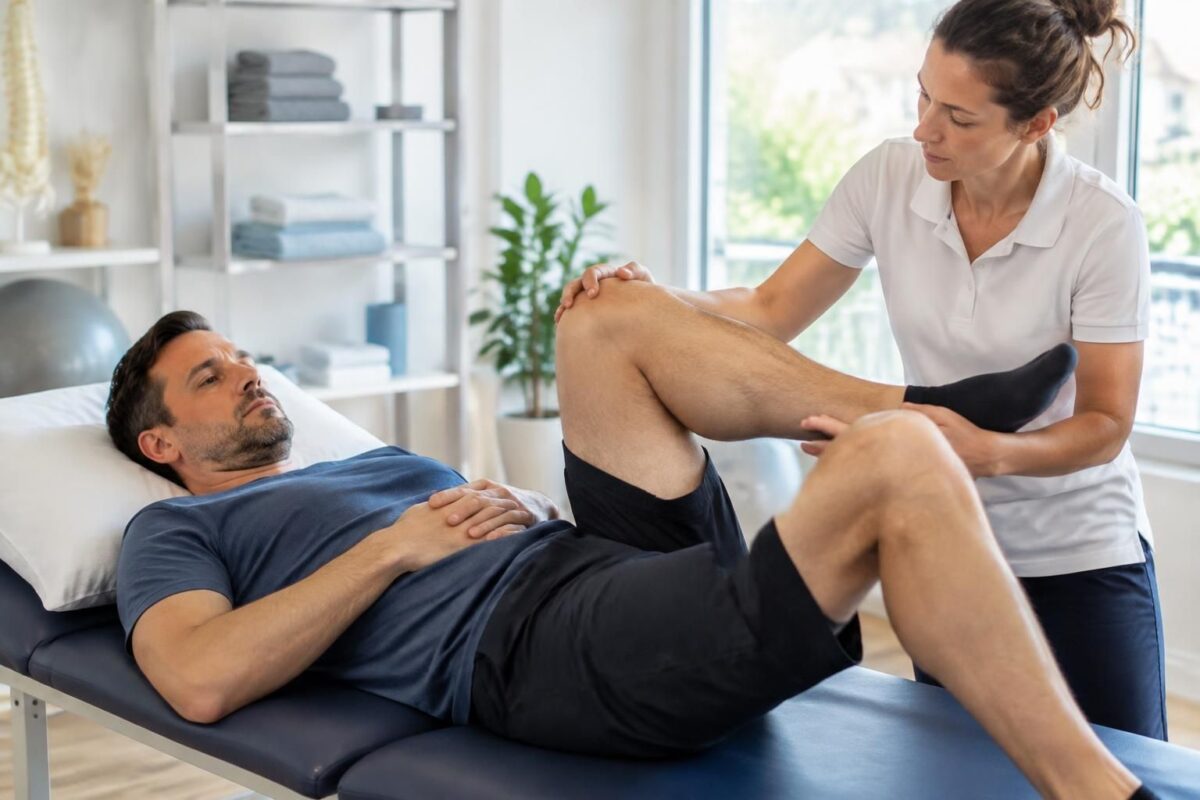
Sciatica and piriformis stretching: useful or worsening depending on the case
IN BRIEF Piriformis-related sciatica can cause deep pain in the buttock, sometimes radiating down the back of the thigh. A gentle stretch can loosen the hip and relieve discomfort if the muscle is involved, but it can worsen symptoms if…

Sciatica and popular stretches: why to stay cautious
IN BRIEF Sciatica causes pain that radiates from the lower back down the leg. Popular stretches, such as the pigeon pose or hamstring stretches, are not always suitable: pulling on an irritated nerve can worsen the symptoms. Favor gentle movements,…

Sciatica and Pilates: movements to adapt
IN SHORT Sciatica causes pain that can radiate from the lower back down to the leg. The Pilates Reformer can promote a gradual return to movement and strengthen core control, provided that the movements, range, and resistance are adapted. Favor…

Sciatica and core stability: variable tolerance depending on symptoms
IN BRIEF Core strengthening in case of sciatica consists of progressively strengthening the trunk muscles. Its tolerance varies depending on pain and symptoms: suitable without worsening the pain, it can support mobility and the resumption of activities, but does not,…

Sciatica and lunges: leg pain to watch out for
IN BRIEF Sciatica is pain that starts from the lower back or buttock and radiates down the leg. If a lunge triggers or worsens this pain, stop the movement and adjust your activity: this exercise does not address sciatica. Consult…

Sciatica and deadlifts: risk depending on the cause
IN BRIEF Sciatica and deadlifts are not always incompatible: the risk depends on the cause of the pain and its intensity. During acute episodes, it’s best to avoid heavy loads and seek medical or physiotherapy advice before resuming. A gradual…

Sciatica and squats: why caution is needed
IN BRIEF Sciatica does not always prohibit squats, but a deep or loaded squat can aggravate symptoms, especially during a flare-up. Gradually resume with a neutral back and a comfortable range of motion, and stop if the pain travels down…
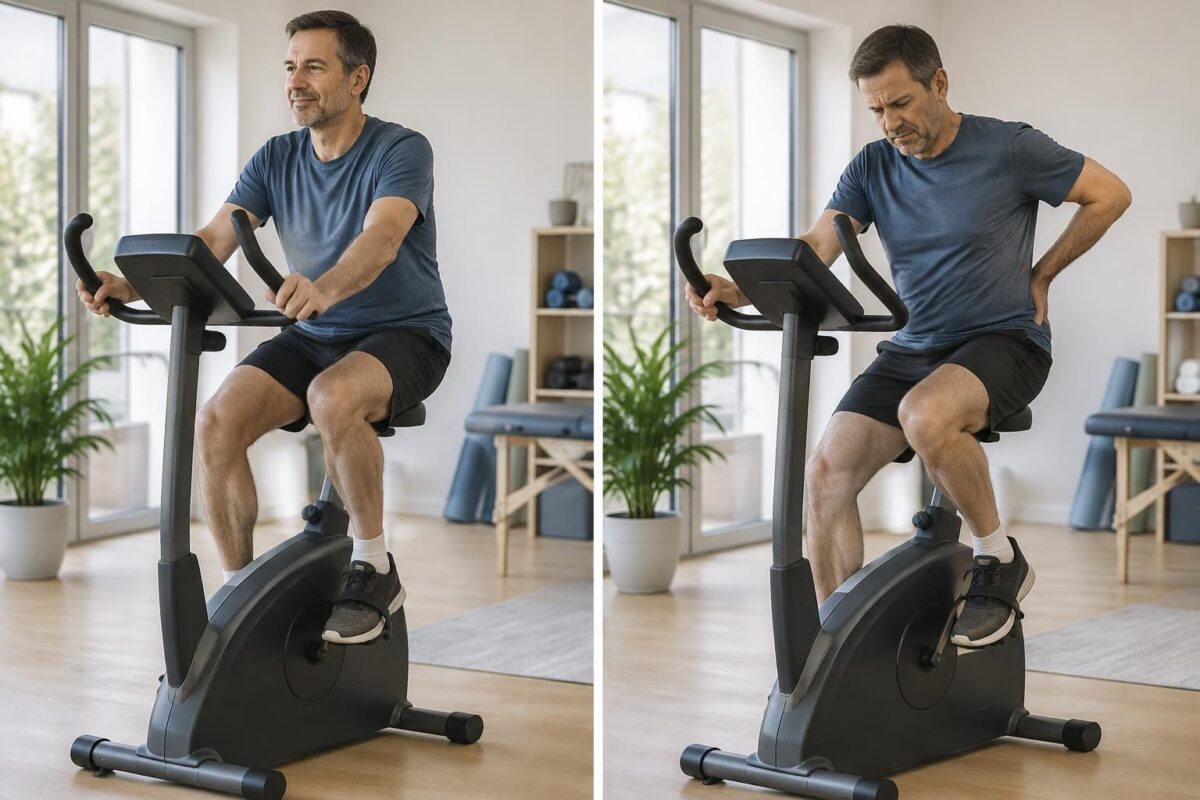
Sciatica and stationary bike: useful or aggravating depending on the case
IN BRIEF The stationary bike with sciatica can help you stay active if the pain is mild and stable. Start with a short session, at low resistance and in a comfortable position. If the pain goes further down the leg,…

Dr Sylvain Desforges, B.Sc., D.O., N.D., osteopath, is the founding president of TAGMED and of the ACMA association. He dedicates his practice to chronic spinal pain, low back pain and symptoms compatible with sciatica, particularly when pain radiates toward the buttock, leg, calf, foot or toes.
Through SOS Sciatique, he publishes educational content on sciatica symptoms, possible causes such as disc herniation, disc narrowing, foraminal stenosis or irritation of a lumbar nerve root, as well as non-surgical approaches that may be considered according to the evaluation. At Clinique TAGMED, care may include, depending on the case, motorized neurovertebral decompression, specific osteopathic care or precision percussion.
For an evaluation related to sciatica treatment in Montreal / Mount Royal or sciatica treatment in Terrebonne, please consult the services available at Clinique TAGMED.
Medical disclaimer
The information published on SOS Sciatique is provided for educational purposes only and does not replace a consultation, diagnosis, opinion or treatment provided by a physician or another authorized healthcare professional. The author of this article is neither a medical doctor nor a specialist in a medical specialty recognized by the Collège des médecins du Québec. The osteopathic, manual medicine or functional support approaches described on this site do not constitute medical acts and are not intended to replace medical follow-up.
Consult a physician or emergency service in cases of loss of bladder or bowel control, anesthesia in the saddle area, significant or progressive weakness in the leg or foot, fever, recent trauma, severe pain or rapid worsening of symptoms. For more details, please read our Legal Notice.