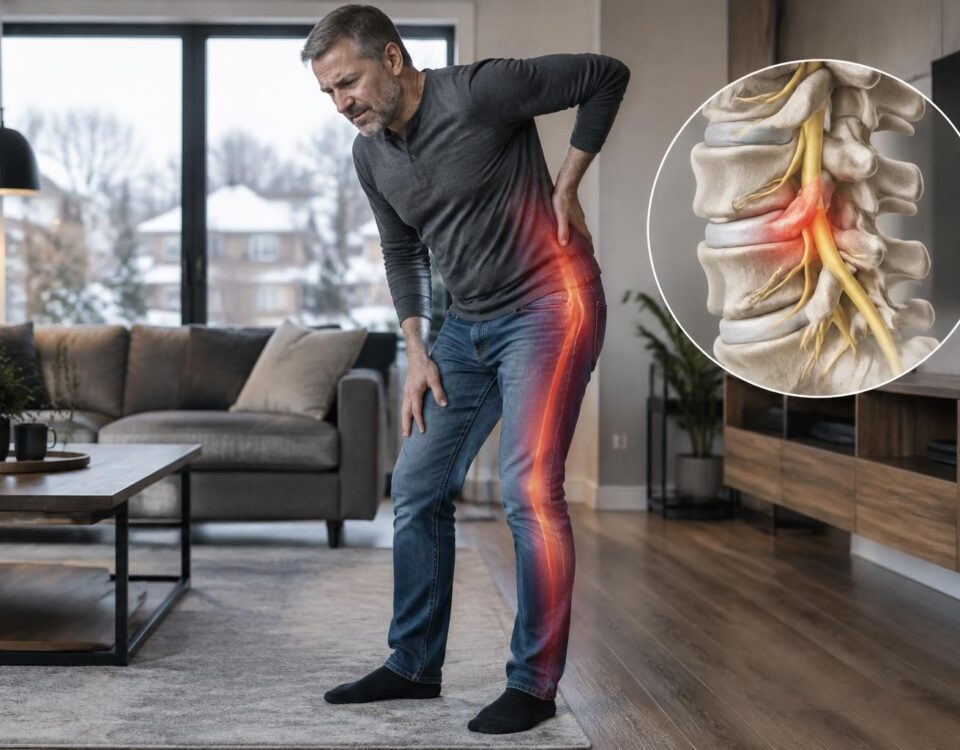
Sciatica in Montreal: electric shock sensation in the calf
11/09/2026
Sciatica and leg giving out: why consult quickly?
11/09/2026
IN BRIEF
|
Sciatica in Terrebonne is an irritation or compression of a lumbar nerve root that can cause a electric shock sensation in the calf, sometimes accompanied by tingling or numbness. In practice, this local approach offers a quick assessment and non-invasive solutions to reduce pain, improve mobility, and prevent recurrences. How it works: after an initial examination, gentle techniques and targeted exercises relieve pressure on the nerve and strengthen the muscles, with practical advice on hydration, stretching, and posture. Accessible in Terrebonne (Lanaudière), this service is designed for individuals seeking effective local care without surgical intervention, with tailored follow-up for a quick return to activity. |
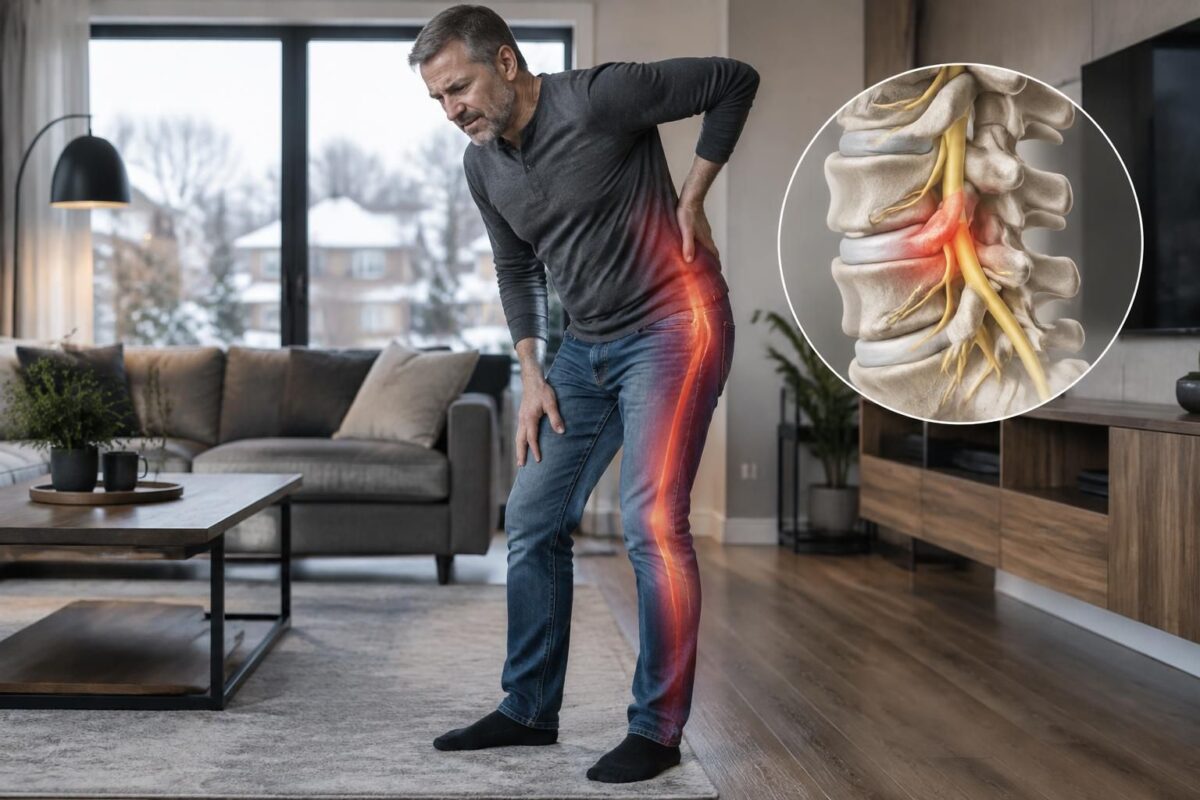
In Terrebonne, sciatica may manifest as an electric shock sensation in the calf, described as a jolt that follows the path of the nerve.
This pain may radiate to the thigh or foot and occur at rest or with effort, often accompanied by tingling or numbness.
Typical causes include compression of the sciatic nerve or radiculopathy related to a herniated disc; a medical diagnosis is required to confirm and rule out other pathologies.
Non-surgical approaches, including osteopathy and targeted exercises, may help relieve shocks and restore mobility, along with advice on hydration, posture, and lifestyle.
Written by Dr. Sylvain Desforges, osteopath.
This article, written by a health professional and expert in the field, addresses sciatica in Terrebonne with an electric shock sensation in the calf. You will find possible causes, signs, diagnosis, and non-surgical management options, particularly at the TAGMED Clinic. The goal is to provide clear guidelines to understand this pain and act in an informed and safe manner.
Sciatica in Terrebonne and Electric Sensation in the Calf
Sciatica sometimes manifests as an electric shock sensation that starts from the lower back or buttock and targets the calf, and sometimes other areas like the foot. This sensation can appear at rest or during exertion. It may be accompanied by tingling, numbness, or pain that follows the path of the sciatic nerve.

Sciatica S1 in Terrebonne: pain towards the calf and the outer edge of the foot
IN BRIEF S1 sciatica is pain related to irritation of a lumbar nerve root, which may radiate down to the buttock, back of the calf, and the outer edge of the foot. Tingling or weakness may also occur. In Terrebonne,…
Possible Causes and Mechanisms
Nerve Factors and Physiological Mechanisms
The shocks felt in the calf may reflect an irritation or compression of a lumbar nerve root. They may be related to phenomena such as pinching or foraminal stenosis, or to nerve irritation caused by muscle tension around the nerve.
Nutrition and Hydration Factors
Deficiencies in certain vitamins and magnesium, as well as inadequate hydration, can impact nerve and muscle function. A balanced diet and appropriate hydration contribute to the stability of the neuromuscular system.
Fatigue, Stress, and Lifestyle
Muscle fatigue and stress can amplify the sensations of electric shock. Repeated tensions and improper posture can promote nerve irritation and accentuate the painful pathway.

Sciatica L5 in Terrebonne: pain towards the big toe
IN SHORT L5 sciatica can cause pain or numbness that radiates to the big toe, sometimes with difficulty lifting the foot. This pathway is a clue, not a diagnosis: the examination compares strength, sensitivity, and gait, as the nerve territories…
Diagnosis and When to Consult
A precise diagnosis is important when these electric shocks become frequent or are accompanied by other signs such as progressive weakness or numbness. Examinations may be considered to assess the nerves and adjacent structures. A doctor may recommend targeted imaging if necessary to rule out nerve compression.

Sciatica L5-S1 in Terrebonne: pain radiating to the heel or foot
IN BRIEF A L5-S1 sciatica often corresponds to irritation of the S1 root, which can cause pain that radiates from the buttock down to the calf, heel, or outer edge of the foot. Identifying the pathway of symptoms and changes…
Management and Treatments
The management emphasizes non-surgical approaches tailored to your clinical assessment. At the TAGMED Clinic, non-invasive options may include specialized osteopathic therapies and, when relevant, motorized neurovertebral decompression methods. The aim is to reduce nerve irritations and restore normal function, while avoiding inappropriate treatments. To explore available options, you can consult the resources associated with TAGMED Clinic.
In some cases, neurovertebral decompression may be considered as part of a thorough evaluation. To learn more about this framework, you can consult specialized resources in this field, while staying informed about potential risks and benefits.
To better understand painful pathways and early signs, see the following resources: understand the pain pathway, and pain aggravated by effort. You can also consult general resources on symptoms and causes on specialized websites related to sciatica (e.g. electric shock sensation in the calf).
Sciatica L4-L5 in Terrebonne: understand the possible symptoms
IN BRIEF The L4-L5 sciatica often corresponds to irritation of the L5 nerve root, sometimes related to a disc herniation. It can cause pain from the lower back to the buttock, the side of the leg, and the top of…
Prevention and Lifestyle
Simple measures can reduce episodes and promote nerve and muscle health. Maintain an appropriate hydration of about 1.5 to 2 liters of water per day and ensure a diet rich in B vitamins and magnesium. Schedule active breaks during long sitting periods and adopt a posture that supports the lumbar spine. Relaxation exercises and controlled breathing can reduce stress and help prevent nerve irritations.

Sciatica in Terrebonne: how to describe your symptoms during a consultation
IN BRIEF Sciatica is pain or a tingling sensation that descends from the lower back or buttock down the leg. In Terrebonne, describing its path, duration, triggers, and effects on walking helps the professional assess the symptoms and guide the…
Practical Tips and Resources
To learn more about the patterns and symptoms, check the following resources: pain aggravated by effort, heavy or painful leg, and pain that travels down the leg when coughing. For more general information on causes and signs, you can check resources on electric shocks in the calf and other consumer guides, while paying attention to appropriate medical evaluation.
For personalized support in Terrebonne, consider the TAGMED Clinic and explore the available options at cliniquetagmed.com. For additional resources on decompression and evaluation options, you can also visit decompressionneurovertebrale.com and the affiliated sites mentioned below.
For a targeted evaluation tailored to your case, do not hesitate to contact the TAGMED Clinic in Terrebonne and Montreal depending on your location.
To deepen your understanding of decompression and evaluation, you can also check the following resources: path of pain, pain and effort, and electric current in the calf.
If you are looking for additional information on treatments and non-invasive approaches, consult the resources related to sciatica and the reference partner sites mentioned above.
Medical disclaimer: The information and advice provided on this site do not replace the opinion, diagnosis, or treatment of a healthcare professional. Please note that Dr. Sylvain Desforges, osteopath, is neither a medical doctor nor a physician, and is not specialized in a medical specialty as defined by the College of Physicians of Quebec. Manual therapy, functional medicine, and sports medicine as described on this site exclude any treatment or medical diagnosis made by a doctor or specialist doctor. Always consult your physician for any medical questions. For more details, please read our complete Legal Notice.
Sciatica in Terrebonne: sensation of electric current in the calf
- Sensation: electric current in the calf, brief and sudden
- Location: calf, possible irradiation to thigh or foot
- Triggering: at rest or during exertion
- Associated symptoms: tingling or numbness
- Possible causes: compression of the sciatic nerve, deficiencies in vitamin B and magnesium, fatigue or dehydration
- Recommended management: professional consultation; possible examinations (assessment, MRI) to rule out other causes
- Prevention and lifestyle hygiene: hydration (1.5–2 L/day), stretching, strengthening exercises, physiotherapy
- Local approach in Terrebonne: tailored care (osteopathy and personalized advice) to relieve and prevent

This article provides clear recommendations for sciatica in Terrebonne associated with a sensation of electric current in the calf. You will discover possible causes, signs to watch for, recommended evaluations, and effective non-surgical approaches to improve your daily quality of life in Terrebonne.

Sciatica in Terrebonne: nerve symptoms not to be taken lightly
IN BRIEF Sciatica is pain that can radiate from the lower back or buttock down to the leg, sometimes accompanied by tingling, numbness, or weakness. In Terrebonne, an assessment helps to examine the pathway of symptoms, function, and possible lumbar…
Understanding signs and possible causes
Sciatica can present as a sensation of electric current or shocks in the calf, sometimes accompanied by tingling or numbness. These symptoms generally stem from irritation or compression of a lumbar nerve root. In Terrebonne, it is common for pain to alternate between rest and activity, which can make diagnosis and management complex. Careful observation of the affected areas (thigh, calf, foot) and triggering circumstances is useful for guiding evaluation.

Sciatica in Terrebonne: pain that descends into the leg upon waking
IN SHORT Sciatica is pain that starts from the lower back or buttock and radiates down the leg; it may be more pronounced upon waking. A herniated disc is a possible cause, but only a professional can assess the origin…
Diagnosis and evaluation in Terrebonne
A healthcare professional can offer a comprehensive evaluation to determine the precise cause of these electric shocks. The diagnosis may rely on a detailed interview, clinical examination, and, if necessary, complementary tests. The goal is to identify whether the discomfort is due to nerve compression, nutritional deficiency, muscle fatigue, or other factors. Early detection helps avoid worsening and directs you quickly to the treatment methods best suited to your situation in Terrebonne.

Sciatica in Terrebonne: pain that increases during sitting-standing transitions
IN BRIEF Sciatica can cause pain that increases when moving from sitting to standing, although this sign alone is not sufficient to determine the cause. In Terrebonne, assessing when the pain appears, its path through the leg, and its evolution…
Management and non-surgical treatments
Daily actions and self-care
To reduce the intensity and frequency of shocks, engage in gentle and regular stretching of the calf and posterior leg muscles, maintain adequate hydration, and focus on a diet rich in vitamin B and magnesium. Suitable physical activity, combined with proper posture, can reduce pressure on the nerves and improve circulation.
Physiotherapy and targeted exercises
Physiotherapy plays a key role. A personalized, progressive, and supervised program can help relieve tension, strengthen stabilizing muscles, and improve mobility. Targeted exercises for the calf and lower back can reduce nerve irritation and prevent recurrences. Regular sessions in Terrebonne, combined with home exercises, offer a progressively tailored approach to your pain tolerance.
Prevention and lifestyle hygiene
Adopting an appropriate ergonomics for work and daily activities is essential. Take active breaks, avoid prolonged positions that put significant strain on the lumbar nerve, and prefer gentle activities like light strengthening, yoga, or deep breathing to reduce stress. Maintain adequate hydration and a balanced diet to support nerve and muscle function.
When to consider more advanced care
If electric shocks persist despite the recommended measures, if accompanied by marked weakness, a urinary control deficit, or unexplained pain that worsens rapidly, consult quickly for a more thorough evaluation. A multidisciplinary approach in Terrebonne may be considered to personalize the treatment plan and optimize your recovery.
| Element | Description |
|---|---|
| Nature of Pain | Localized electric shock sensations in the calf, brief and sudden. |
| Location and Radiation | Mainly in the calf, potentially radiating to the thigh or foot. |
| Triggers and Timing | Occurs at rest and during exertion; triggers related to fatigue or movement. |
| Differences with Other Pains | Different from cramps or contractures due to its electric nature and suddenness. |
| Possible Causes | Compression of the sciatic nerve, deficiencies in vitamin B and magnesium, dehydration, and muscle fatigue. |
| Recommended Tests | Blood test and neurological evaluation; MRI if nerve compression is suspected. |
| Treatments and Self-Care | Hydration, nutritional supplements, stretching and massages; physiotherapy and adapted exercises. |
| Prevention (Terrebonne) | Warm-up, active breaks, ergonomic posture, and stress management to limit nerve irritation. |
| Warning Signs | Progressive pain, loss of strength, significant numbness, fever, or recent trauma requiring consultation. |
Testimonials on Sciatica in Terrebonne: Electric Shock Sensation in the Calf
In Terrebonne, Ms. A. describes episodes of sciatica characterized by electric shocks that run through the calf during long walks. The sensation resembles a current running down the leg and can be surprising. After a few sessions of osteopathy and home exercises, these episodes have become less frequent and walking has become fluid again.
In the same context, Mr. B. indicates that these shocks can also occur at rest, making daily activities difficult. Following osteopathic treatment and a targeted rehabilitation program, he notices a reduction in episodes and can resume his usual activities without apprehension.
Ms. C., an athlete, mentions that during training, the electric shock in the calf sometimes creeps in at the end of the session. Thanks to a personalized osteopathy and physiotherapy plan, combining stretching and strengthening, these sensations have significantly decreased.
Mr. D. confides that the shocks sometimes woke him at night, affecting his sleep. After osteopathic follow-up and practical advice on hydration and stretching, his sleep has returned to a normal rhythm and the nighttime shocks have diminished.
Finally, Ms. L. notes: “I didn’t realize that these symptoms could be linked to sciatica. The evaluation and personalized plan received in Terrebonne have allowed me to achieve a better quality of life and less frequent shocks in the calf.”
Dr. Sylvain Desforges, a osteopath, is recognized as a reference in Terrebonne for managing pain related to the sciatic nerve and its manifestations in the calf. An expert in osteopathy, naturopathy, and manual medicine, he has a solid clinical experience and a strong commitment to innovation in care. Founding president of the TAGMED clinics and the ACMA association, he organizes his work around a holistic and personalized approach, aiming to reduce pain and sustainably improve his patients’ well-being.
In Terrebonne, his practice focuses on chronic pain and on managing sciatic nerve strategies, especially when pain radiates to the calf, buttock, or leg. Patients often describe brief and intense electric shocks, felt under the skin as a sensation of impulse or current, sometimes accompanied by tingling or numbness. Dr. Desforges interprets these signals as potential signs of irritation or nerve compression requiring specialized evaluation and a tailored non-surgical approach.
His approach consists of thorough diagnostics and a clarified understanding of possible causes: herniated disc, foraminal narrowing, and other mechanisms of compression or irritation of a lumbar nerve root. The objective is to provide solutions that address the cause, not just the symptoms. In practice, this translates into a combination of targeted osteopathy, postural advice, and a progressive exercise program, while prioritizing habits that promote hydration and an appropriate diet to support the nerve and muscle systems.
In the therapeutic arsenal offered, Dr. Desforges prefers non-surgical options when possible. This may include motorized neuro-vertebral decompression when the case is favorable, specific osteopathy techniques, and, as needed, the use of a precision instrument to release tension and restore segmental mobility. To optimize recovery, he may also resort to complementary approaches such as laser and shock waves, always in a progressive manner suited to the pain and the patient’s tolerance in Terrebonne.
The care journey in Terrebonne is accompanied by practical support focused on healthy living. Dr. Desforges advises on hydration, nutrition, and habits that support healing and prevent recurrences. Adequate water intake and a diet rich in vitamins B and magnesium are essential pillars, just like regular stretching and active breaks during busy days. Stress management and adopting an ergonomic posture also play a key role in preventing nerve irritation and associated muscle fatigue.
For patients seeking specialized consultation for sciatica in Terrebonne, Dr. Desforges guides towards an evidence-based and effective approach. His goal is to restore nerve and muscle function, improve mobility, and, above all, provide lasting recovery without a systematic reliance on surgery.
Quick summary: in the context of sciatica in Terrebonne, the feeling of electric current in the calf may reflect nerve irritation or compression along the path of the sciatic nerve. This text reviews possible causes, signs to watch for, and non-surgical approaches to guide you in your local management and know when to consult a specialist in Terrebonne.
Assessment and Recommendations
A thorough evaluation is essential to distinguish the causes and tailor the treatment, especially when electric shocks appear regularly, are accompanied by weakness, or extend to the foot. A doctor may suggest complementary examinations such as an MRI to visualize the nerves and lumbar structures, and guide you towards appropriate care in Terrebonne, for example through Clinique TAGMED in Terrebonne.
Common causes include sciatic nerve compression, deficiencies in magnesium or vitamin B, as well as factors such as muscle fatigue and dehydration. For a better understanding, consult resources related to sciatica in Terrebonne.
Non-surgical therapeutic approaches suitable for Terrebonne include physiotherapy, progressive strengthening exercises, targeted stretching, and posture rehabilitation. Advice on hydration and nutrition can also help prevent shocks. For local support, you might consider Clinique TAGMED in Terrebonne.
Prevention and lifestyle hygiene: adopt sufficient hydration (about 1.5 to 2 liters/day), a diet rich in magnesium and vitamin B, and integrate active breaks and relaxation exercises to reduce stress, an aggravating factor. Some practices like controlled walking or gentle activities may be beneficial, but it is important to assess their impact with your doctor or physiotherapist. For feedback, see testimonials and guides such as electric shock testimonials and other resources in Terrebonne and Montreal available at Sciatica and Useful or Aggravating Walking.
Relevant resources: to explore specific questions like numbness and the sensation of sleepy feet, consult pages such as Numb foot sensation – when to consult? and Leg numbness and sciatica – necessary checks. Finally, for a broader framework, The Sciatica Solution guides you on available options.

Dr Sylvain Desforges, B.Sc., D.O., N.D., osteopath, is the founding president of TAGMED and of the ACMA association. He dedicates his practice to chronic spinal pain, low back pain and symptoms compatible with sciatica, particularly when pain radiates toward the buttock, leg, calf, foot or toes.
Through SOS Sciatique, he publishes educational content on sciatica symptoms, possible causes such as disc herniation, disc narrowing, foraminal stenosis or irritation of a lumbar nerve root, as well as non-surgical approaches that may be considered according to the evaluation. At Clinique TAGMED, care may include, depending on the case, motorized neurovertebral decompression, specific osteopathic care or precision percussion.
For an evaluation related to sciatica treatment in Montreal / Mount Royal or sciatica treatment in Terrebonne, please consult the services available at Clinique TAGMED.
Medical disclaimer
The information published on SOS Sciatique is provided for educational purposes only and does not replace a consultation, diagnosis, opinion or treatment provided by a physician or another authorized healthcare professional. The author of this article is neither a medical doctor nor a specialist in a medical specialty recognized by the Collège des médecins du Québec. The osteopathic, manual medicine or functional support approaches described on this site do not constitute medical acts and are not intended to replace medical follow-up.
Consult a physician or emergency service in cases of loss of bladder or bowel control, anesthesia in the saddle area, significant or progressive weakness in the leg or foot, fever, recent trauma, severe pain or rapid worsening of symptoms. For more details, please read our Legal Notice.