Technological innovations in neurovertebral decompression
25/06/2026
How neurovertebral decompression helps regain normal mobility
25/06/2026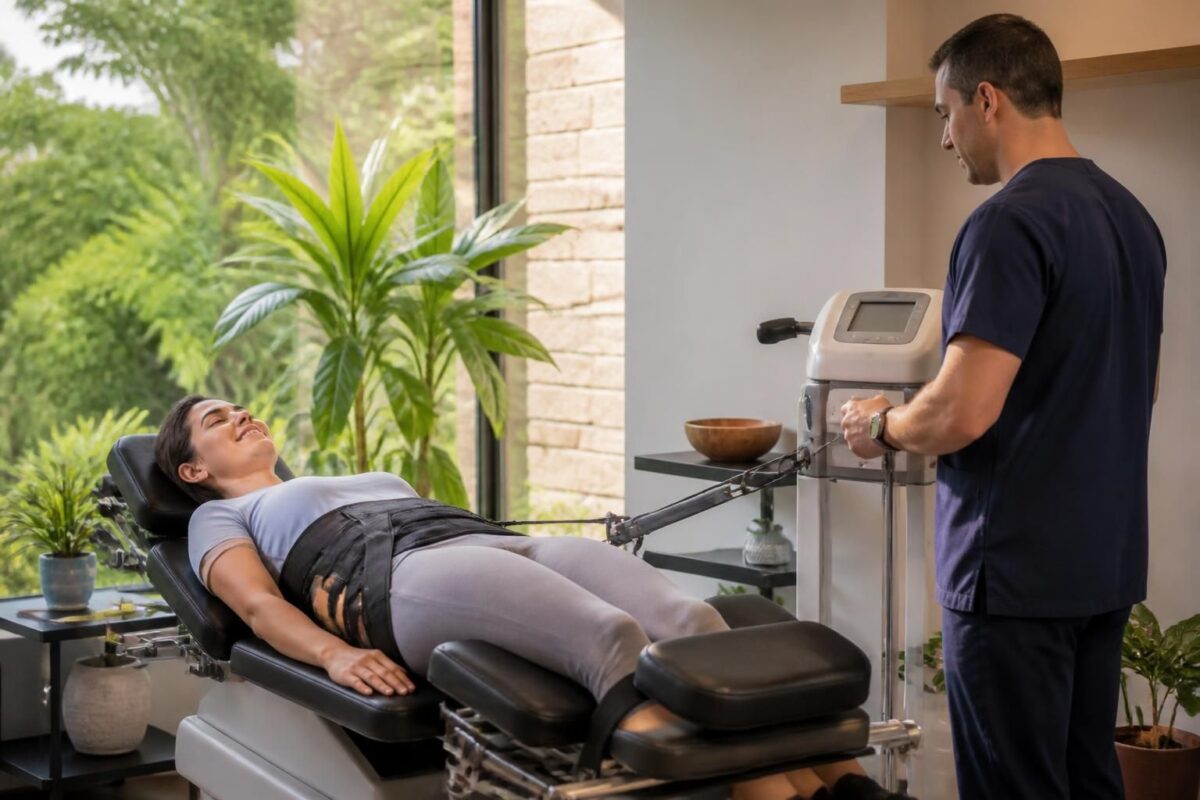
In short
| In short, the neurovertebral decompression is one Natural solution and non-invasive for the persistent pain back and neck. it acts by reducing the Pressure on the intervertebral discs and releasing the nerve roots, favoring the mobility and local traffic. Advantages: pain reduction, Improving mobility and postural correction, without drug use. In Montreal, this service is particularly recommended for Chronic pain related to herniated discs or postural tensions, and can be practiced in office or at home under supervision. |
The neurovertebral decompression is an approach natural and non-invasive To relieve the persistent pain back and neck.
She acts in Reducing pressure on intervertebral discs and the nerve roots, favoring the bloodstream and the mobility of the spine.
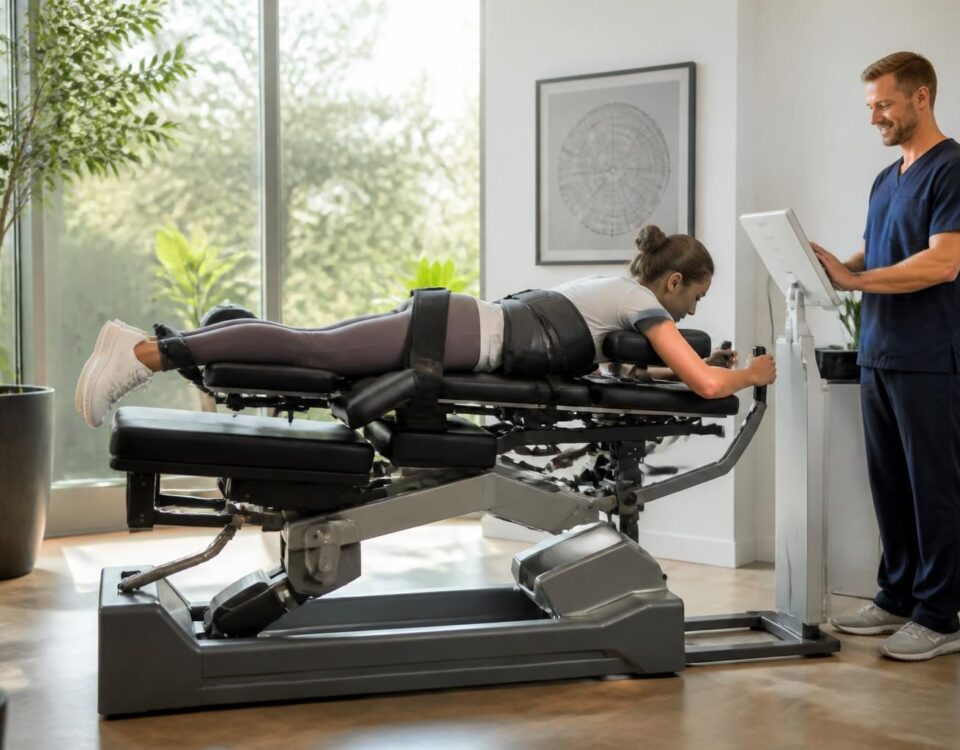
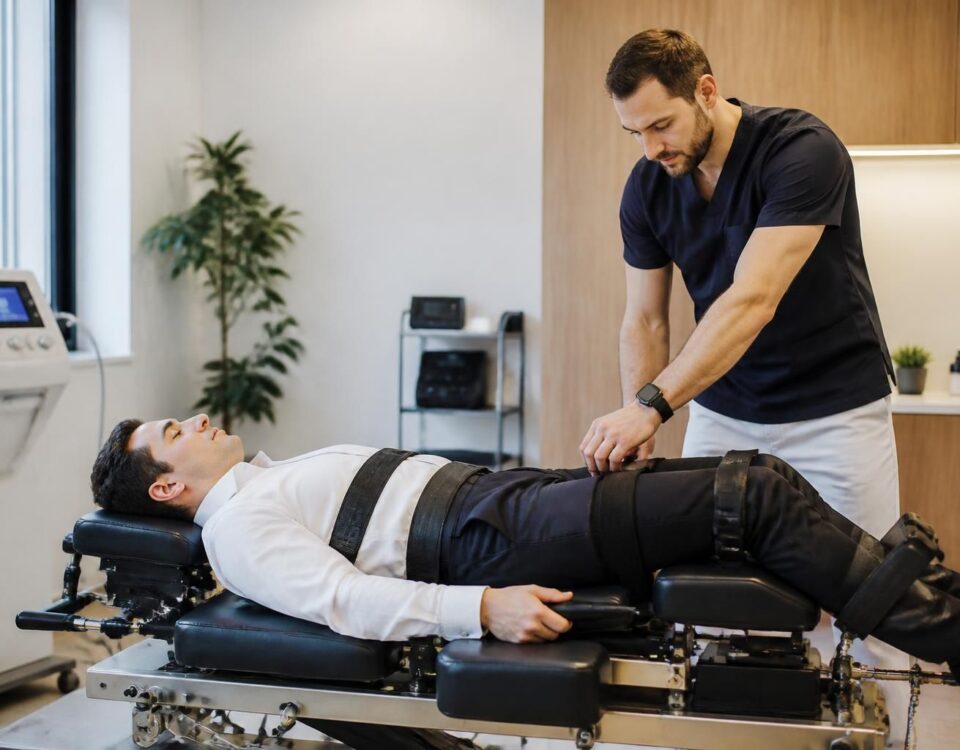
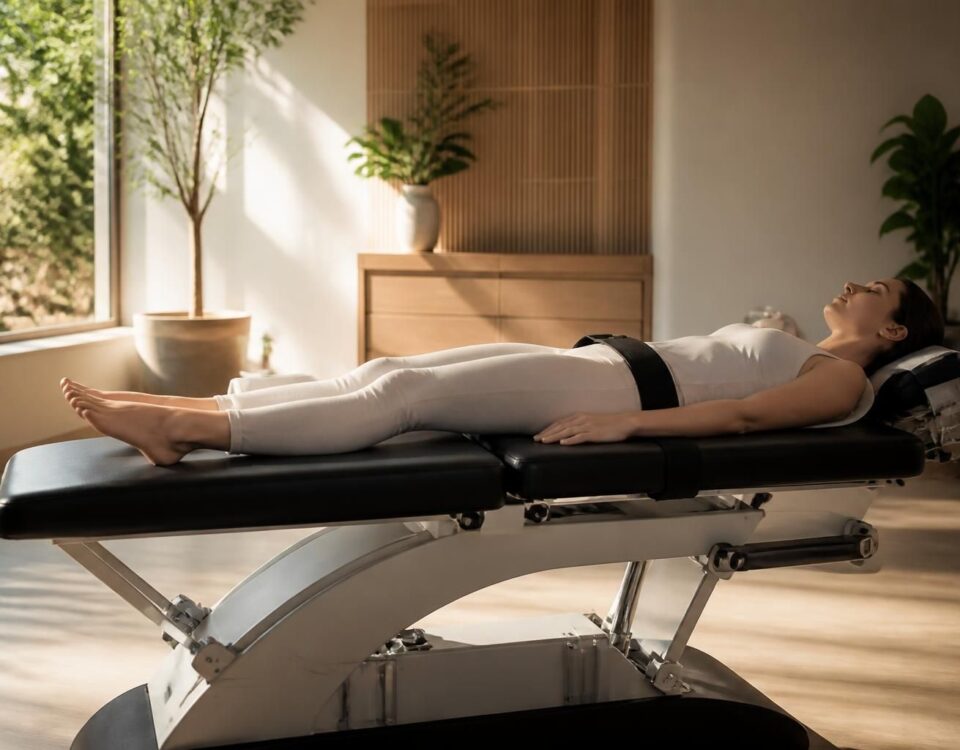
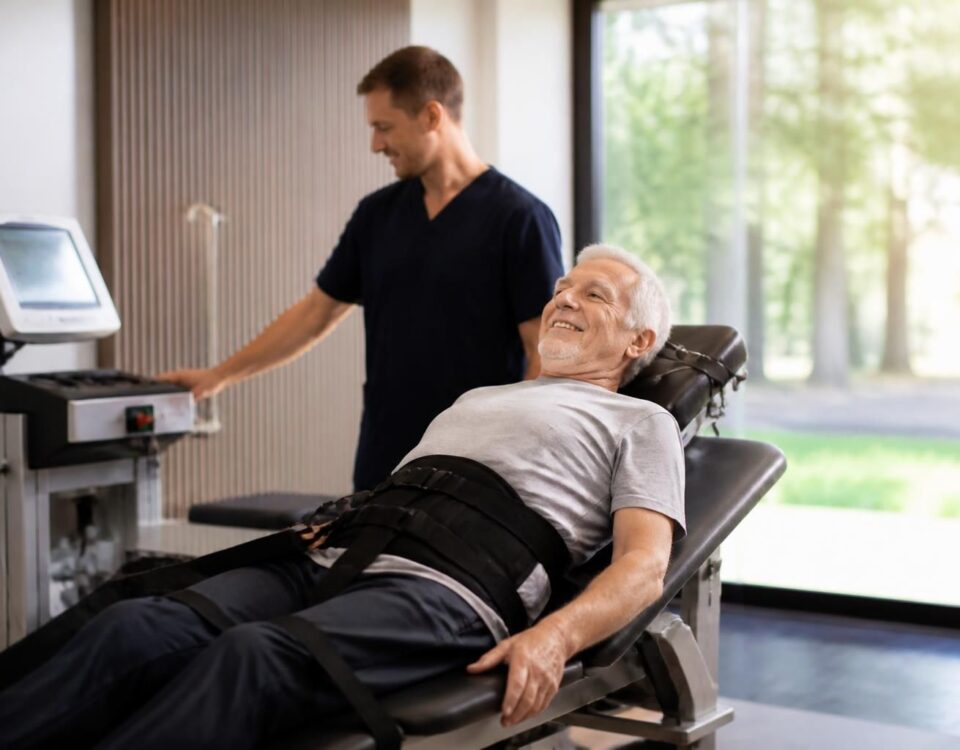
This treatment can be carried out in the office on an adapted traction table or, in some cases, via home devices, and is often integrated into a rehabilitation program and simple exercises.
It is particularly aimed at lower back, cervical and sciatica pain and constitutes a natural alternative to the medication for lasting relief.
Consult a qualified professional to assess eligibility and adapt the practice to your situation.
Quick Summary: neurovertebral decompression is an approach natural for the persistent pain back and neck. This article explains the principle, the indications and the framework for in-office and, if necessary, home care. It describes the potential benefits, precautions and reliable sources of information to guide an appropriate therapeutic approach.
Understanding neurovertebral decompression
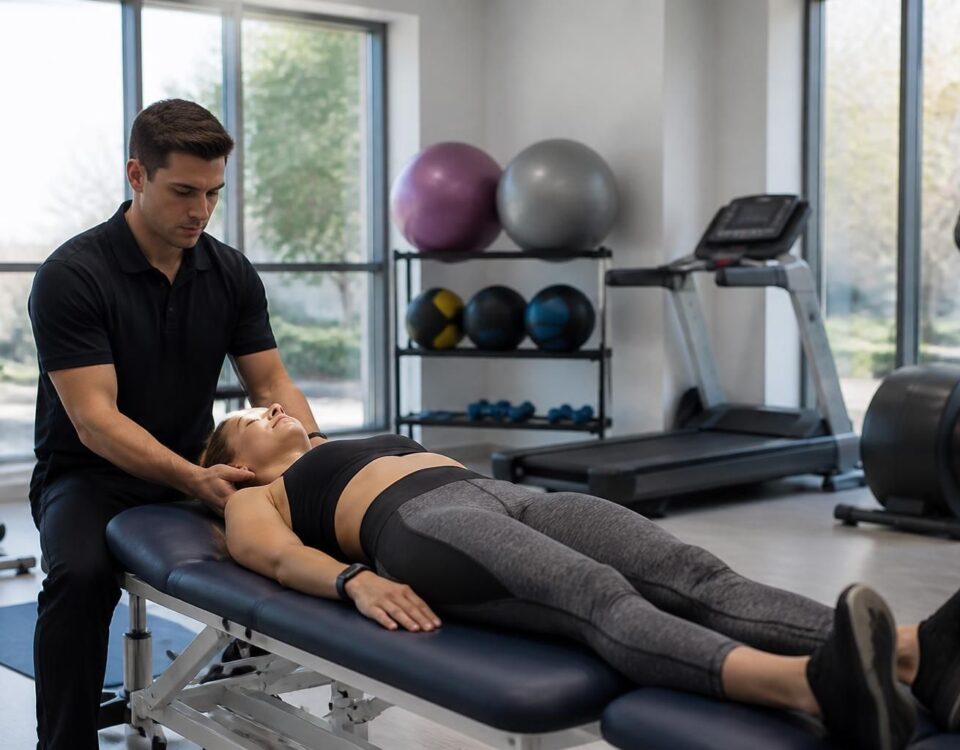
The neurovertebral decompression is a technique non-invasive which aims to reduce the pressure exerted on the intervertebral discs and nerve roots. It uses gentle traction on the spine to promote the readjustment of the spinal segments and the improvement of circulation around the nervous tissues. The treatment can be offered in a clinical setting, with an adapted traction table and professional supervision. In some cases, home devices allow controlled traction under evaluation and medical prescription.
Indications and objectives
The main objectives are to Reduce intra-discal pressure, of Relax the nerve roots and dImprove spinal alignment. This approach is considered when lumbar or cervical pain is of mechanical origin linked to discus disorders or postural imbalances. It can also be associated with global rehabilitation programs to optimize function and mobility.
Decompression in office vs at home
In the office, professionals use a traction table with precise adjustments of intensity, duration and angle. This approach is generally integrated into a personalized care pathway. For eligible patients, at home solutions exist via dedicated devices, but require medical assessment and supervision before any use. The goal is to achieve a gradual and lasting improvement in pain and posture.
What the evidence and results say
Clinical studies and feedback show that decompression can lead to a decrease in pain and release of tension associated with disc disorders. It acts on mechanical and circulatory mechanisms, promoting better disc nutrition and a reduction in nervous irritation. This approach is particularly suitable in the context of overall management of chronic spinal pain and can contribute to a better quality of life, without systematic use of drug treatments.
Integration into global support
Neurovertebral decompression is part of a multidisciplinary approach. Within TAGMED clinics, it can be associated with other manual interventions and complementary technologies to optimize results. As part of a structured program, it is based on an individual evaluation, and the protocols follow the recommendations of approved health professionals. training in osteopathy Recognized by organizations such as NUMSS, NAO, National University of Medical Sciences or National Academy of Osteopathy support evidence-based practice.
Precautions and safety
Neurovertebral decompression is generally well tolerated. However, it should be avoided in patients with severe unassessed acute pain, vertebral instability or specific contraindications identified by the attending physician. Medical advice is essential before considering this type of treatment, in order to ensure the adaptation of the protocol to each situation and to avoid any risk. Regular practice should be supervised and adapted to the clinical development of the patient.
Resources and useful links
To deepen, you can consult resources that describe the mechanisms, benefits and considerations related to neurovertebral decompression. For example:
How decompression improves posture
Advantages over other treatments
Neurovertebral decompression and complex disc pathologies
Medilum article on vertebral decompression
For specific information related to TagMed and the offer of neurovertebral decompression care, you can consult the content available on the clinic website and the associated resources as part of clinical support in Montreal or Terrebonne.
The training courses and certain cited resources are part of the frameworks recognized by NUMSS, NAO, National University of Medical Sciences and National Academy of osteopathy. In terms of professional associations, the approaches and management are based on ACMA (Canadian Alternative Medicine), College of Canadian Osteopaths and College of Canadian Osteopaths.
To learn more about indications, benefits and limits, here are additional resources in the field:
Neurovertebral decompression and prevention of recurrent pain
For patients looking for a clinical setting, the TagMed Clinic in Montreal and Terrebonne offers integrated approaches centered on safety and efficacy.
Medical Disclaimer: The information and advice provided on this site does not replace the health professional’s diagnosis or treatment. Please note that Dr. Sylvain Desforges osteopath is neither a doctor of medicine nor a doctor, and is not a specialist in a medical specialty as defined by the Collège des Médecins du Québec. Manual medicine, functional medicine and sports medicine as described on this site exclude any medical treatment or diagnosis made by a doctor or specialist doctor. Always consult your doctor for any medical questions. For more details, please read our full legal notice.
- neurovertebral decompression: natural approach and non-invasive.
- Main action: pressure reduction On discs and Nerve release.
- Profits: pain decreased, mobility and posture improved.
- In office: evaluation and protocol personalized.
- at home: Controlled traction and simple exercises.
- Security and results: Progress nit and quality of life Improved.

This neurovertebral decompression is one Natural solution for the persistent pain back and neck. It acts gently on the spine to reduce the pressure exerted on the Intervertebral discs and the nerve roots, thus promoting better mobility and lasting comfort. This article presents the principles, indications, benefits and practical tips to integrate this approach into your care routine.
What is neurovertebral decompression?
The neurovertebral decompression is a gentle and controlled traction technique aimed at gradually lengthening the spine. The objective is to open the space around the discs and nerves in order to reduce the pressure, to promote the rehydration of the discs and to improve the general alignment of the spine.
Fundamental principles
It is based on a Controlled traction and progressive that releases accumulated pressure, reduces nervous irritation and helps restore a more favorable posture. This approach can be adapted to each patient and each vertebral segment, from the neck to the lower back.
Effects on discs and nerves
By offering increased space around Intervertebral discs, decompression decreases the Intra-discal pressure and promotes the Local blood circulation. Result: less pain, better mobility and reduction of muscle tension associated with poor posture.
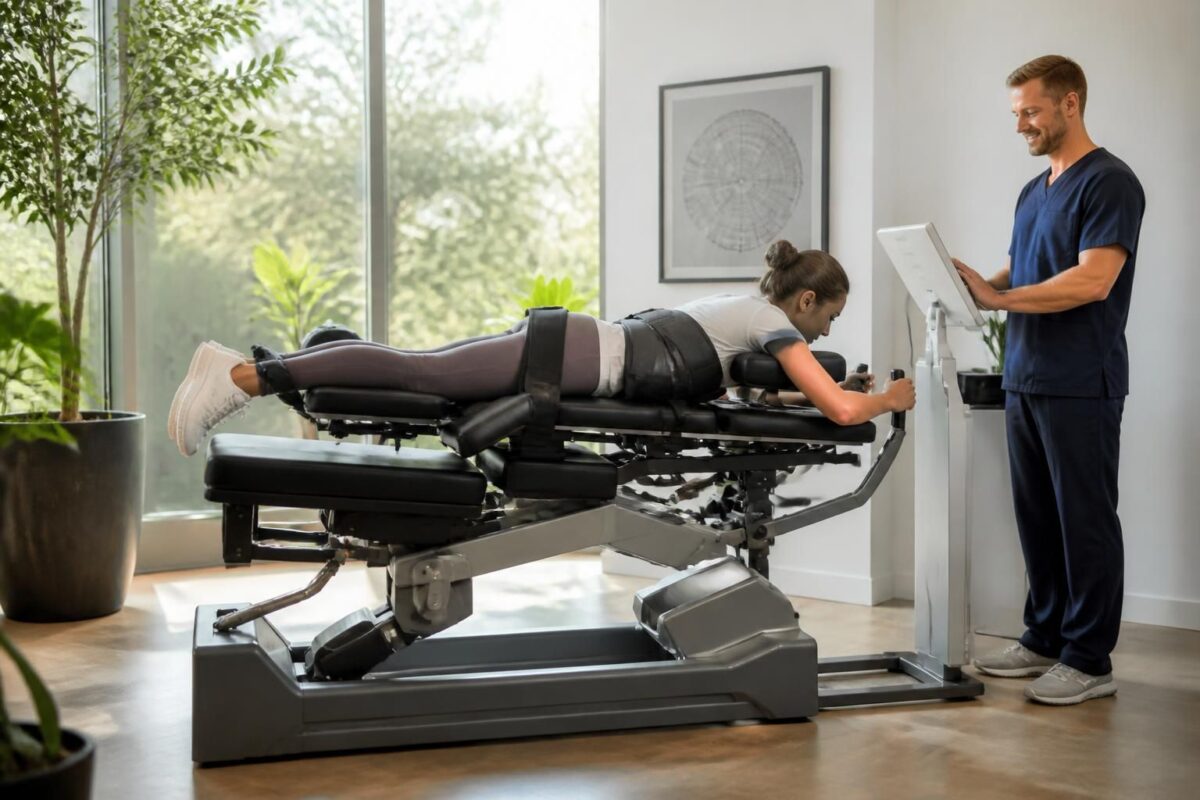
The long-term benefits of neurovertebral decompression for spinal health
In short In short, the neurovertebral decompression is a non-invasive approach that decreases the Pressure on intervertebral discs and nerves, favoring the Natural regeneration and tissue recovery. Its long-term benefits include Lasting pain reduction, Improving mobility and from the posture,…

Neurovertebral decompression and mobility: a return to an active life
In short In short, the neurovertebral decompression is therapy non-invasive who uses a gentle traction To create a space between the vertebrae and reduce the pressure on the Intervertebral discs and the nerves. It promotes a bloodstream improved, lowers tension…
When to use it?
Decompression is particularly useful for people with lower back or neck pain persistent, sciatica, disc herniation or nerve compression problems. It can also intervene as part of a rehabilitation program to correct certain postural imbalances and improve the overall function of the spine.
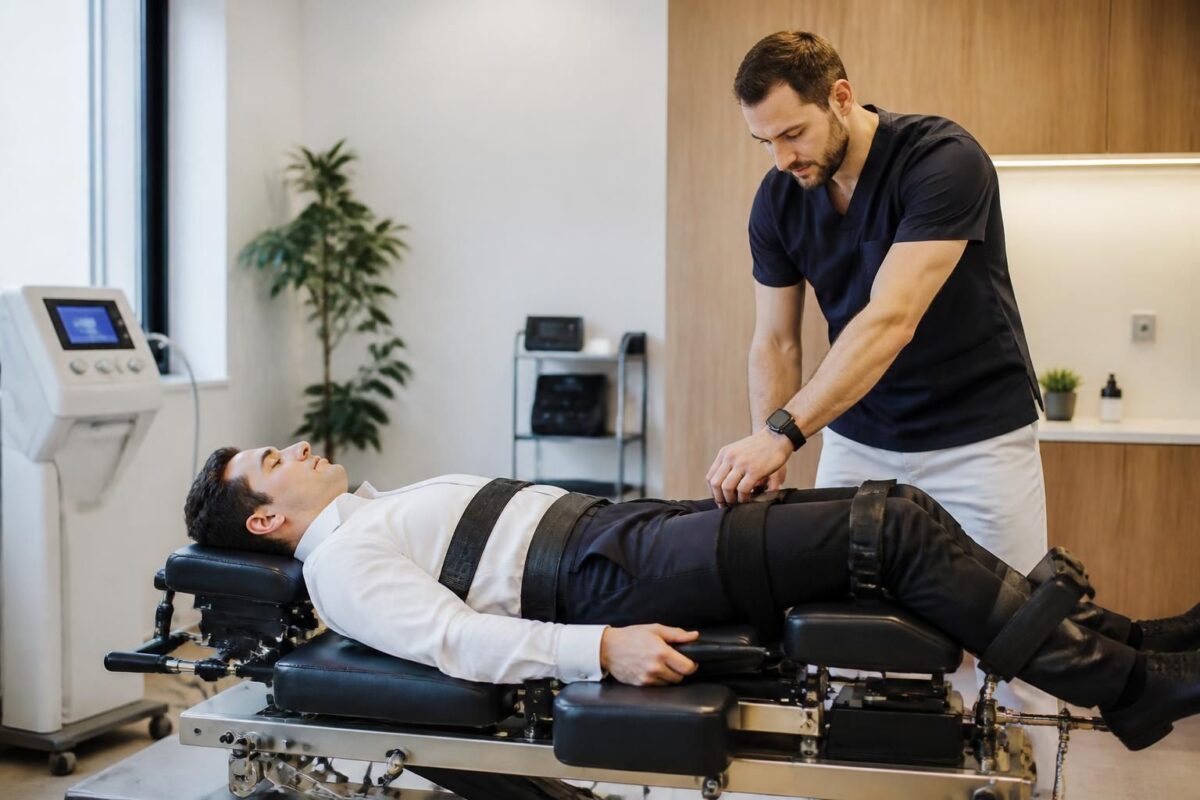
How Neurovertebral Decompression Prevents Diffuse Chronic Pain
In short decompression neurovertebral is one Non-invasive method aimed at reducing the Pressure on the intervertebral discs and the nerves, in order to prevent Diffuse chronic pain. It improves the circulation and thedisc hydration, decreases inflammation and promotes better mobility.…
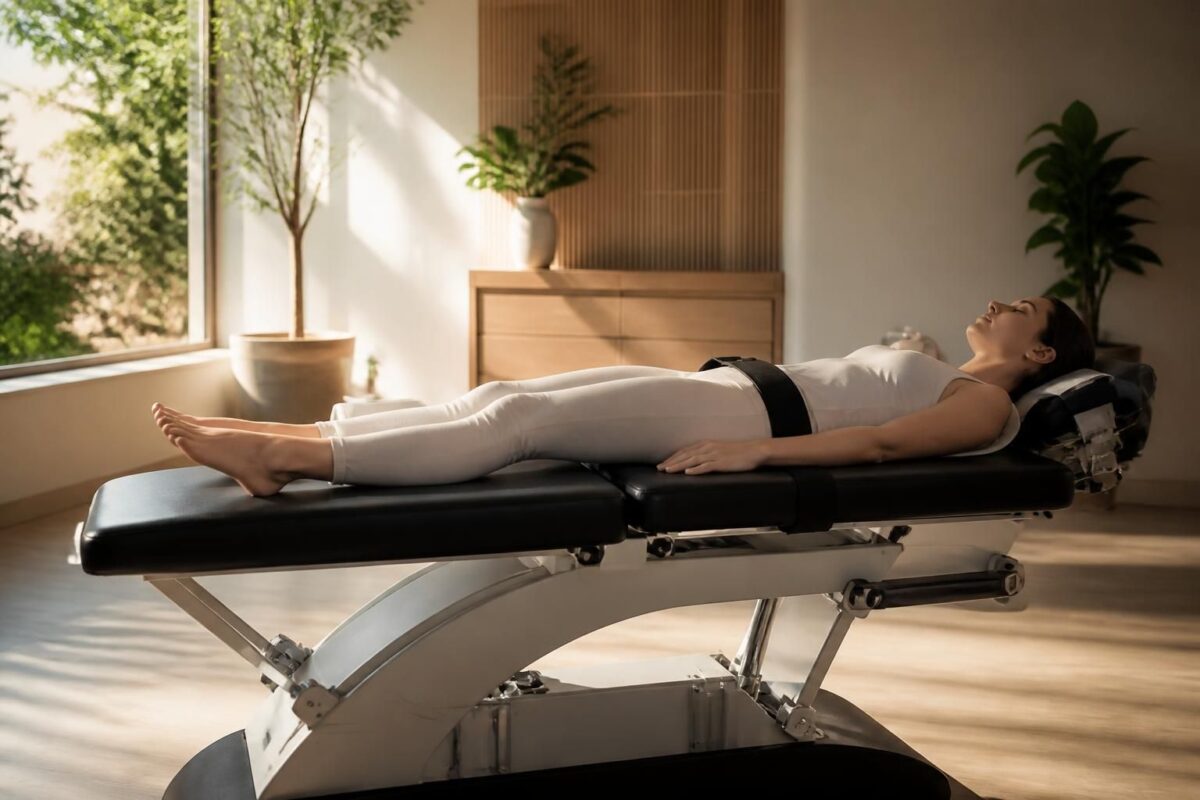
Neurovertebral Decompression and Body Alignment: Restoring Natural Balance
In short In short, neurovertebral decompression is one Non-invasive approach who restores theBody Alignment and thenatural balance back and neck. She acts by a Controlled traction of the spine to widen the intervertebral space and reduce the Pressure on discs…
Practice and safety mode
Decompression can be performed by cabinet With a traction table adapted or, in some cases, at home via devices prescribed and supervised by a professional. The treatment is generally integrated into a rehabilitation program Personalized and regularly monitored to adjust the intensity and duration of the sessions.
Procedure in office
In the office, the initial assessment makes it possible to determine the areas to be targeted and the treatment plan. The sessions are planned over a period adapted to your pain and your ability to tolerate the traction, with a follow-up of the necessary progress and adjustments.
Home process
For patients who benefit from home support, simple and safe devices can be used under supervision. The objective is to maintain the benefits obtained in the office and to integrate additional exercises into a daily routine.
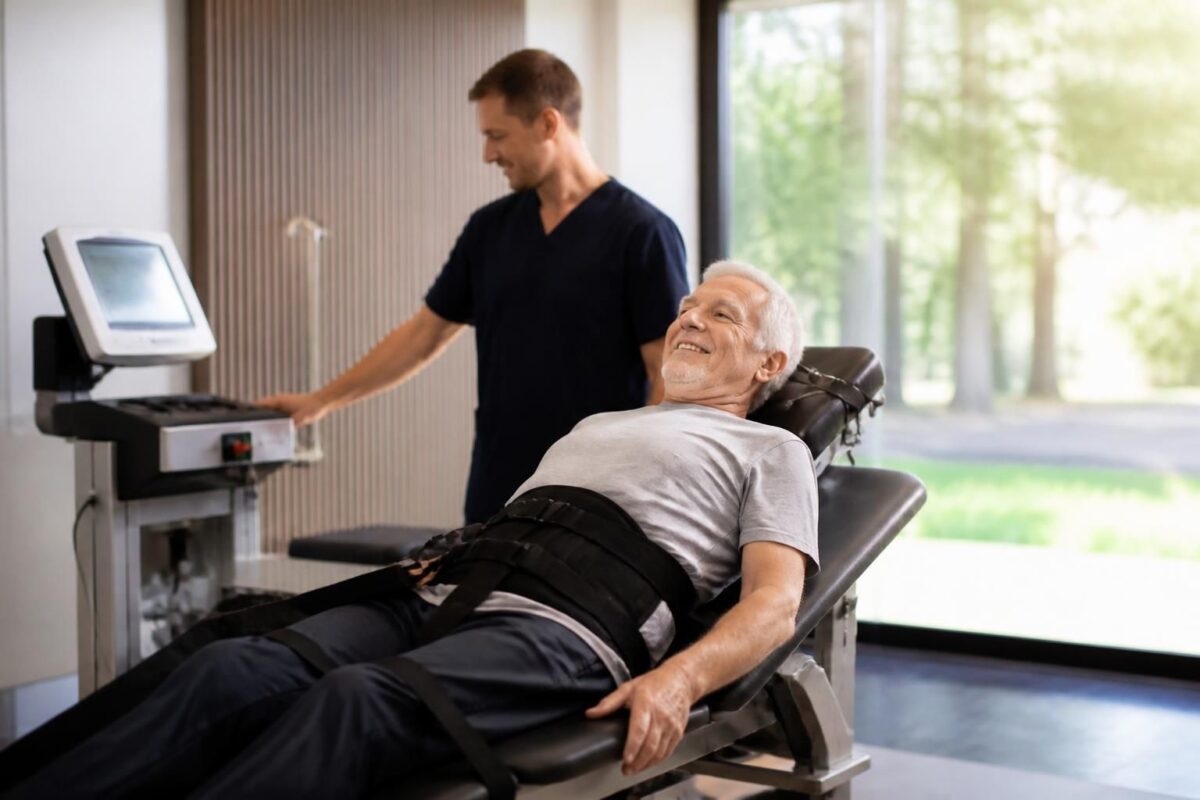
Why neurovertebral decompression is a lasting solution for active seniors
In short In short, the neurovertebral decompression is one Non-invasive therapy which sustainably relieves spinal pain in the spine active seniors By creating, by a Soft and controlled traction, a space between the vertebrae. At Montreal, it is recognized as…
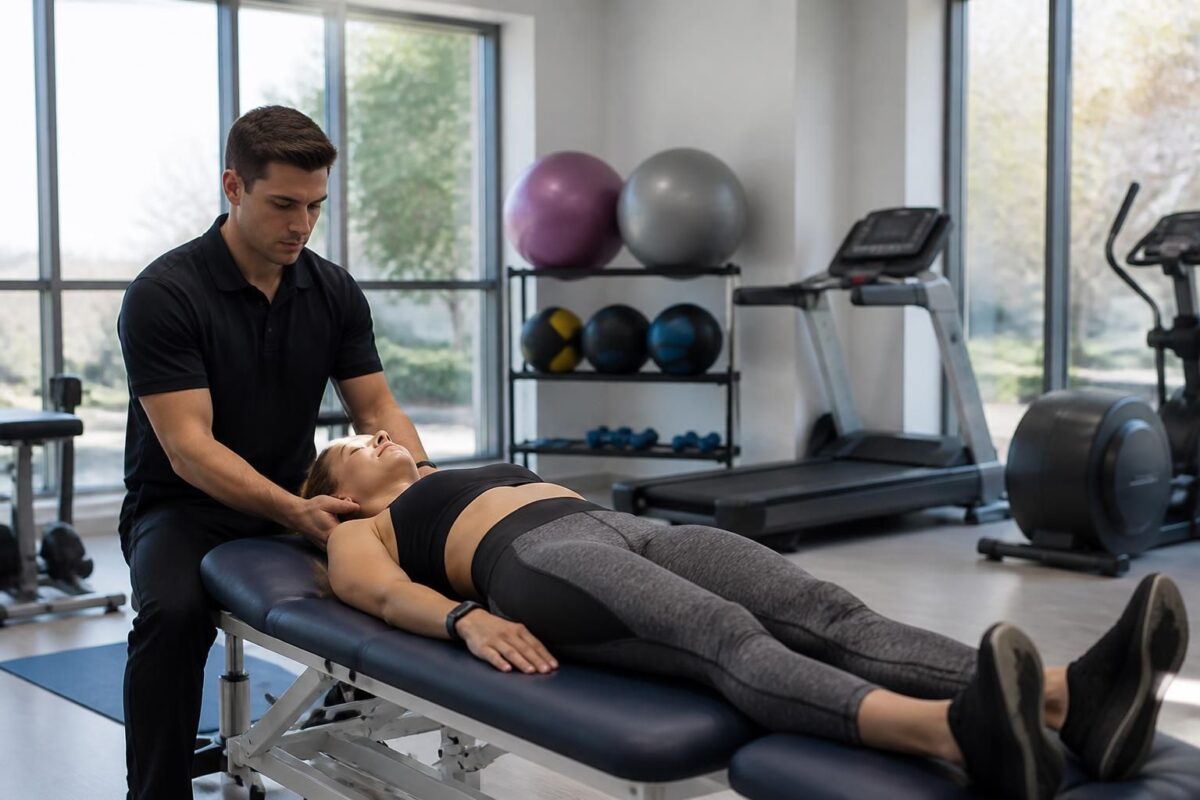
Neurovertebral decompression and recovery after severe sports injury
In short In short, the neurovertebral decompression is one Non-invasive method to Relieve the pressure on the Intervertebral discs and the gristle Via a Controlled traction, to facilitate the recovery After a severe sports injury. It improves the bloodstream towards…
Benefits and precautions
Among the earnings, we observe a pain reduction, an improvement in the mobility, and a better posture. This approach is non-invasive and can help to reduce the need for long-term drug treatments. However, it requires individual assessment and compliance with certain precautions: avoid any acute pain during stretching, start gradually and consult in case of severe herniated disc, significant radiculopathy or neurological signs of concern.
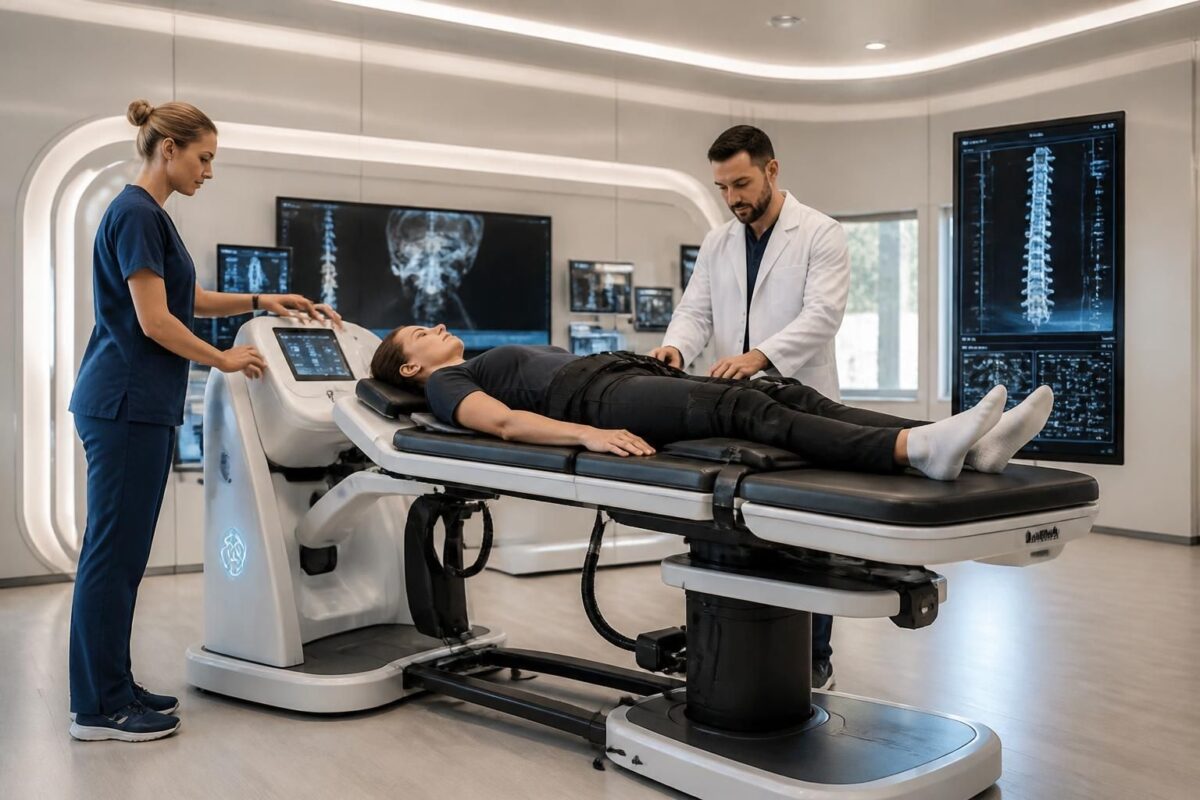
Recent innovations in neurovertebral decompression technologies
In short In short, the neurovertebral decompression is an approach non-invasive Aiming to reduce pressure on discs and nerves, and promote tissue regeneration. At Montreal, it is positioned as an effective option for lower back pain and herniated discs. The…
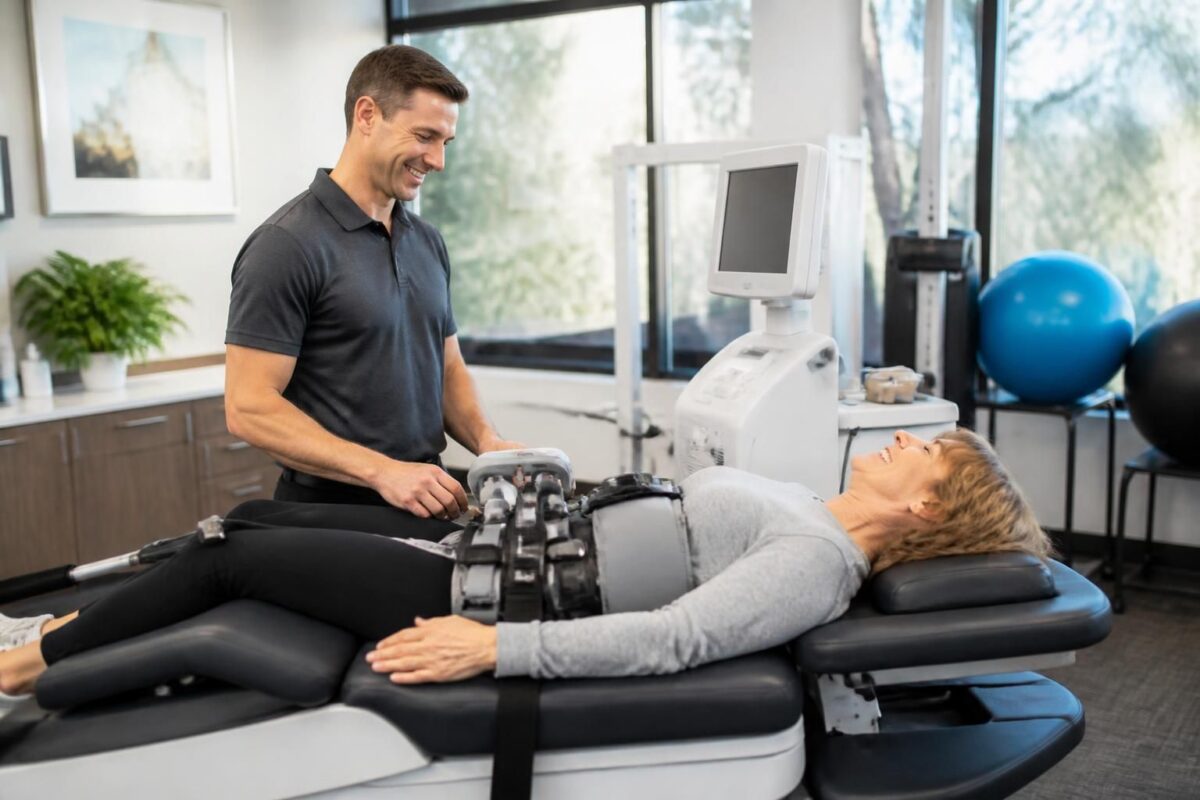
Neurovertebral decompression and diffuse pain: an appropriate solution
In short In short, the neurovertebral decompression is one Non-invasive solution For diffuse pain related to nerve irritation of the spine. She acts in Reducing pressure on intervertebral discs and nerves and improving the bloodstream, which promotes recovery and the…
Integration into a care program
To optimize the results, associate decompression with Targeted exercises, a Adapted physical activity and an Regular hydration is recommended. Work on the posture on a daily basis and adopt lifestyle habits that support spinal health. Follow up by a professional allows you to adjust the plan according to the evolution of the symptoms and to avoid relapses.
| Aspect | concise text |
|---|---|
| Natural and non-invasive | soft traction aimed at reducing the pressure On the discs, without surgery or medication |
| Main directions | aches lumbar and cervical Persistent, compatible disc hernias |
| main goal | reduce the disc pressure and release nerve roots to improve mobility |
| Mode of application | Cabinet with traction table or adapted home device |
| Impact on pain | reduction of theintensity pain and long-term comfort |
| Functional advantages | Improvement of the mobility, better posture and muscle relaxation |
| Safety and precautions | pre-assessment; Avoid in acute attack or severe pain |
| Therapeutic prerequisites | Integrated into a Global program rehabilitation and prevention |
| Accessibility | solutions in office and at home, adapted to the way of life |
| Expected results | gradual improvement, reducing dependence on analgesics |
Testimonials on neurovertebral decompression: a natural solution for persistent pain
Marie, 38, suffered from chronic lower back pain. After following a neurovertebral decompression program, she found a Sustainable relief and an Mobility found. It describes a better quality of daily life and less dependence on drug treatments.
Jean, 50, sportsman, suffered from cervical pain linked to recurring tensions. After a few sessions, he observes a Significant pain reduction and an posture improvement, allowing him to resume his activities without brake and with more fluidity.
Sophie, 28, suffered from Arnold’s neuralgia and the adverse effects of chemical treatments. Thanks to neurovertebral decompression, she finds a pain-free daily life and can combine simple exercises at home to maintain benefits, without ineffectiveness or discomfort.
Thierry, 45, had undergone herniated disc surgery and continued to feel pain. Neurovertebral decompression has become a real lifeline, with a Significant reduction in pain and an gradual recovery of mobility without systematically using drugs.
Clara, 52, suffered from lumbar and cervical osteoarthritis. After several weeks of neurovertebral decompression, she feels a Decreased tensions and an Better mobility, which allows him to adopt more natural daily gestures and to opt for solutions naturalness for his column.
Dr. Sylvain Desforges, osteopath, naturopath and manual medicine specialist, is the founding president of the Tagmed clinics and the ACMA association. With a trajectory devoted to health innovation, it stands out for its approach centered on chronic pain management and the integration of advanced technologies such as spinal decompression, laser and shockwave therapy. Its mission is to provide evidence-based care to optimize the health and well-being of its patients.
Neurovertebral decompression perfectly embodies this approach: a solution natural and non-invasive To relieve persistent back and neck pain. The goal is to reduce the pressure exerted on the intervertebral discs and nerve roots, while improving the overall alignment of the spine. This approach is based on clear biomechanical principles and a personalized assessment that takes into account the particularities of each patient.
In the office, Dr. Desforges combines the in-depth clinical examination with carefully adjusted decompression protocols. When an appropriate decompression is relevant, it relies on devices and techniques compatible with global care, integrating rehabilitation and targeted exercises to be carried out at home. This approach makes it possible to act on the mechanical causes of pain rather than simply masking the symptoms, thus favoring a lasting improvement in mobility and daily comfort.
The benefits observed in patients are multiple and concrete: a gradual reduction in lower back and cervical pain, a decrease in intra-discal pressure, relaxation of compressed nerves and better local circulation. Ultimately, this translates into postural correction, greater flexibility and a significant improvement in quality of life. Dr. Desforges insists that these results are part of a regular program, combining manual techniques, adapted decompression and simple exercises to practice at home.
The practice of neurovertebral decompression is thus part of a global vision of back health. It is particularly aimed at people suffering from chronic pain, herniated discs or radiculopathies, but can also support rehabilitation courses after various musculoskeletal disorders. At the heart of Dr. Desforges’ approach is a desire to offer a Durable solution and body respectful, without systematically using medication or surgery. By associating the benefits of manual methods with adapted technologies, it offers a suitable and effective way to regain and preserve well-being.
In short, neurovertebral decompression, as practiced by Dr. Desforges, is defined as an option natural and proven To relieve persistent pain and rebalance the spine. It is part of a philosophy of care that favors the avoidance of heavy medication and the gradual resumption of daily activities, guided by professionals engaged in medicine based on scientific data and clinical experience.
Quick Summary: Neurovertebral decompression is a natural, non-invasive approach aimed at decreasing pressure on the intervertebral discs, releasing nerve roots and restoring mobility. It can be considered in the office as part of a personalized program or at home via exercises and soft devices, offering an alternative to drug treatments for persistent pain.
Key points and perspectives
The neurovertebral decompression acts by reducing the Pressure on the intervertebral discs and improving local traffic, which translates into a pain reduction and a better mobility. This approach is particularly suited to persistent lower back and cervical pain, to situations of slipped disc or of disc pinch, and can help correct postural imbalances.
It is generally proposed as Complementary treatment And can be practiced in the office, with specialized tools, or at home by targeted exercises and soft traction devices. This diversity makes it possible to adapt the treatment to the intensity of the symptoms and the lifestyle of the patient, while avoiding the side effects of painkillers and invasive interventions.
For complex cases or when the pain persists despite conservative approaches, decompression can be part of a global rehabilitation program under professional supervision. In this context, the results are long-term, with a gradual improvement in posture and mobility, and a reduction in deep muscle tension. To understand mechanisms and benefits, consult dedicated resources like Why neurovertebral decompression is a natural solution and Neurovertebral decompression and chronic pain.
Simple exercises to practice at home, supplemented by dedicated devices such as soft traction solutions, make it possible to maintain the beneficial effects between sessions in the office. To learn more about the best indications and profiles to benefit from this approach, you can consult specialized guides such as Who are the best candidates for neurovertebral decompression and Cervical decompression — a natural solution.
For patients with chronic pain or radiculopathies, the goal is to achieve lasting improvement without drug dependence. Specialized resources highlight the potential benefits of this non-invasive approach and its role in preventing recurrences when regular treatments are not sufficient. For example, you will find detailed analyzes on Avoid pain medication and on Durable solution.
To deepen the mechanisms and understand why this approach is tailored to your needs, you can explore resources dedicated to clinical outcomes and quality of life, including neck pain and Mechanical pain.
In addition, publications and testimonials describe how this approach can vehibe the improvement of posture and mobility, and how it fits into a global approach to spinal health. For more information, please see: Neuro-vertebral decompression — an effective alternative.
These complementary resources and guides shed light on the potential benefits of neurovertebral decompression as a natural solution for persistent pain, while highlighting the importance of professional support and a personalized program. For more information on the practical framework and indications, see summaries like Dedicated pages and Cervical pain — natural solution.
To sum up, neurovertebral decompression offers a natural and non-invasive pathway to address persistent pain related to disc or root problems, with prospects of progressive and lasting improvement when combined with an appropriate lifestyle. Discover the evidence and feedback through the resources mentioned above and discuss it with your healthcare professional to assess your profile and personalized care plan. Additional readings and expert articles on this subject are available, for example on Why neurovertebral decompression is a natural solution and Natural solution to avoid painkillers.

Dr Sylvain Desforges, B.Sc., D.O., N.D., osteopath, is the founding president of TAGMED and of the ACMA association. He dedicates his practice to chronic spinal pain, low back pain and symptoms compatible with sciatica, particularly when pain radiates toward the buttock, leg, calf, foot or toes.
Through SOS Sciatique, he publishes educational content on sciatica symptoms, possible causes such as disc herniation, disc narrowing, foraminal stenosis or irritation of a lumbar nerve root, as well as non-surgical approaches that may be considered according to the evaluation. At Clinique TAGMED, care may include, depending on the case, motorized neurovertebral decompression, specific osteopathic care or precision percussion.
For an evaluation related to sciatica treatment in Montreal / Mount Royal or sciatica treatment in Terrebonne, please consult the services available at Clinique TAGMED.
Medical disclaimer
The information published on SOS Sciatique is provided for educational purposes only and does not replace a consultation, diagnosis, opinion or treatment provided by a physician or another authorized healthcare professional. The author of this article is neither a medical doctor nor a specialist in a medical specialty recognized by the Collège des médecins du Québec. The osteopathic, manual medicine or functional support approaches described on this site do not constitute medical acts and are not intended to replace medical follow-up.
Consult a physician or emergency service in cases of loss of bladder or bowel control, anesthesia in the saddle area, significant or progressive weakness in the leg or foot, fever, recent trauma, severe pain or rapid worsening of symptoms. For more details, please read our Legal Notice.