Neurovertebral decompression and prevention of spinal pain
26/06/2026
Successful clinical cases through neurovertebral decompression
26/06/2026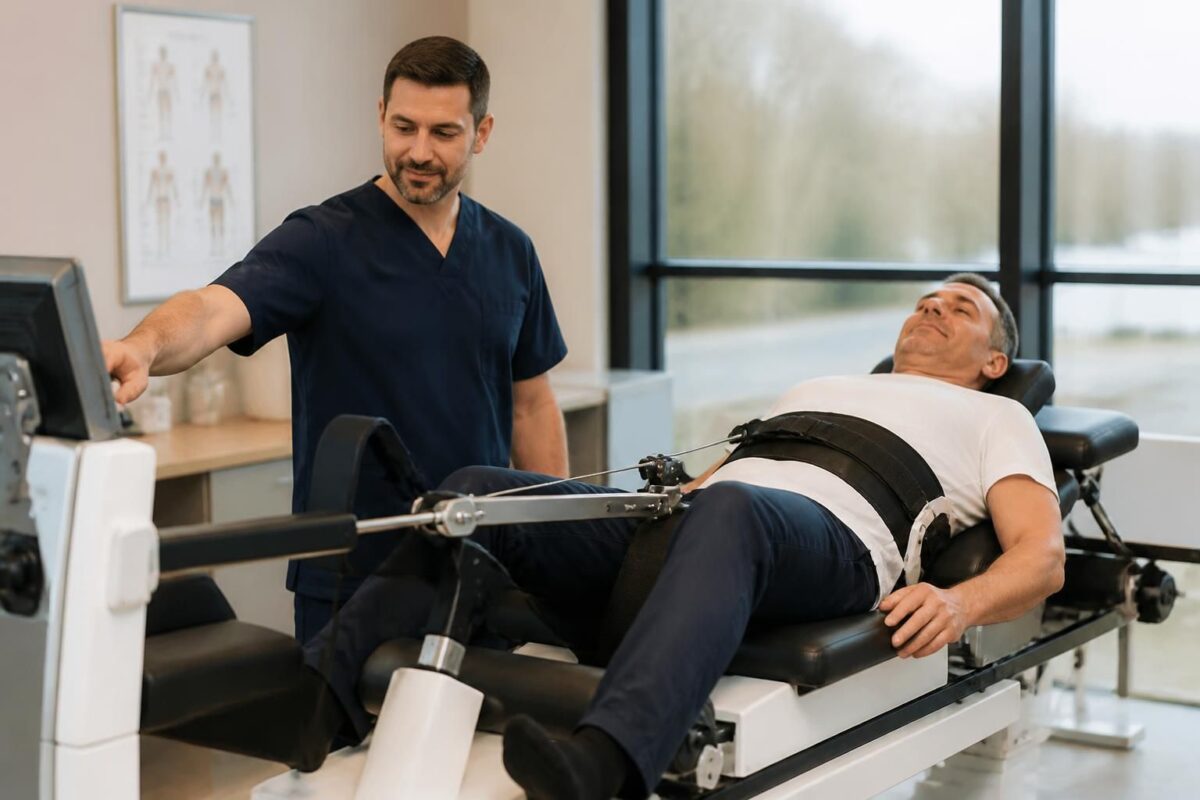
In short
| In short, the neurovertebral decompression is one Nonsurgical therapy which aims to Reduce pressure on discs and nerves by a Controlled traction. Its benefits keys include a pain reduction, a Better mobility and an Prevention of surgery, with a Quick return to activities. accessible to Montreal, it is particularly recommended for those looking for a Non-invasive alternative to avoid surgery. The principle: a soft traction creates a negative pressure in the disc, promoting repair and rebalancing, without significant pain and with little downtime. |
The neurovertebral decompression is one Nonsurgical therapy which aims to Reduce pressure on intervertebral discs and nerves by creating a space between the vertebrae. This approach acts at the source of the pain and can allowAvoid spinal surgery or postpone it, for a safer and faster recovery.
By promoting the circulation of fluids and nutrients in the disks, it can lead to a pain improvement, a Better mobility and one Quick return to activities without the risks and delays of surgery.
It is particularly recommended for patients with conditions such as slipped disc where the Disc protrusion, when the Conservative treatments did not give the expected results. The protocol typically provides 15 to 25 sessions, with a personalized assessment by a professional to confirm eligibility and guide the treatment plan.
This article, written by a health professional and expert, explains why the neurovertebral decompression is essential to avoid Spinal surgeries. The goal is to describe how this non-surgical approach can reduce disc and nerve pressure, improve mobility and promote sustainable recovery without invasive intervention.
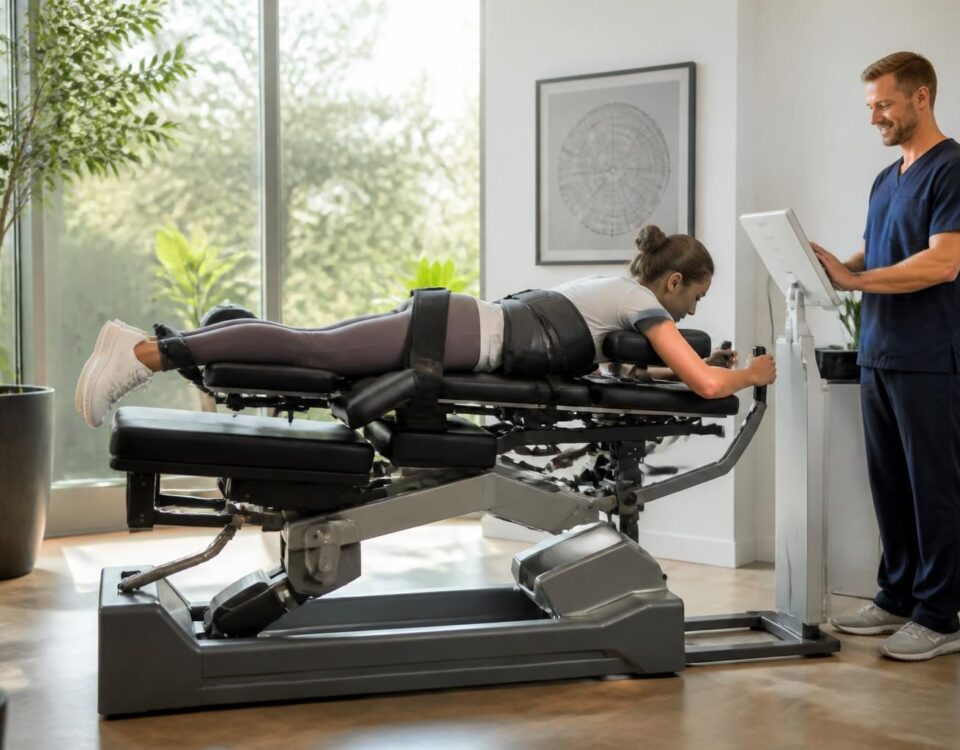
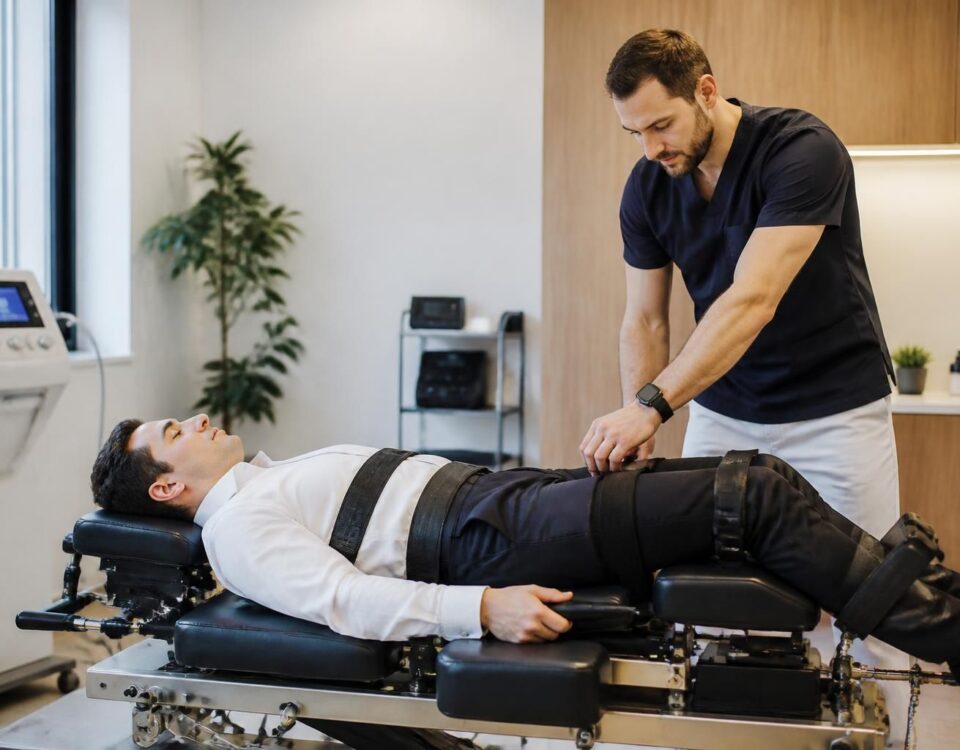
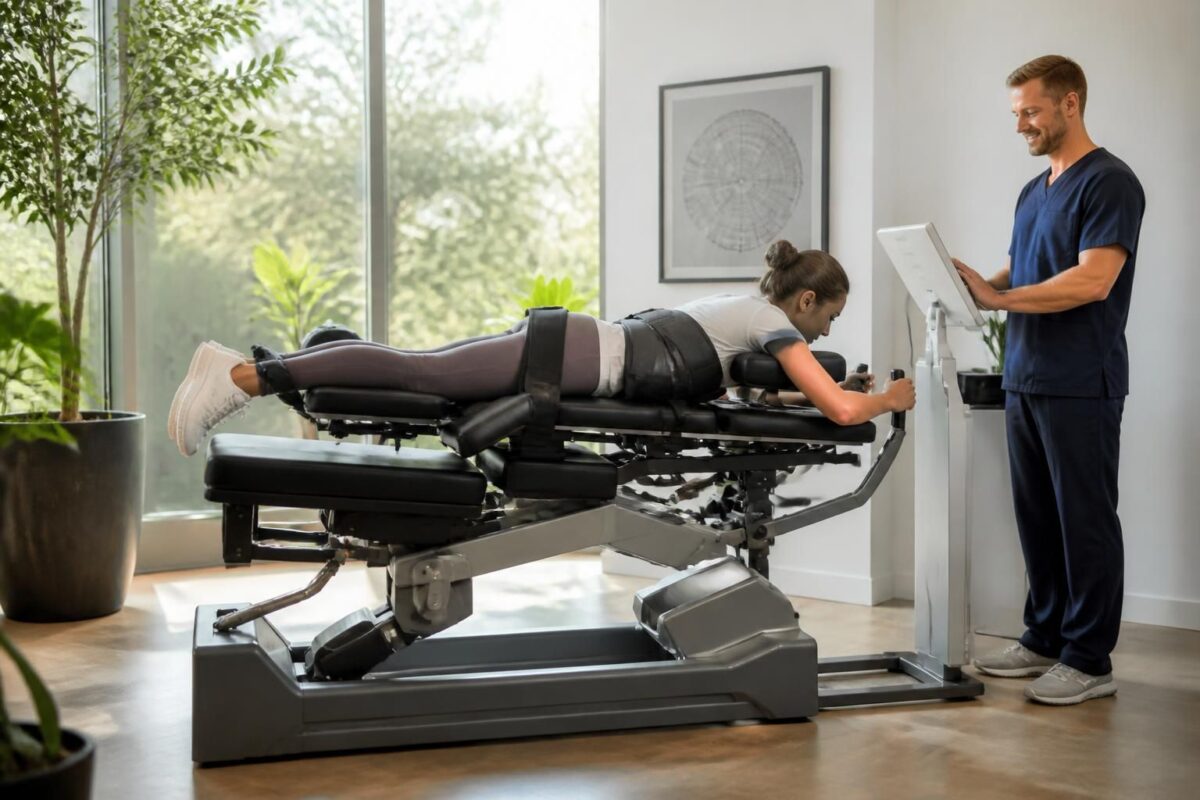
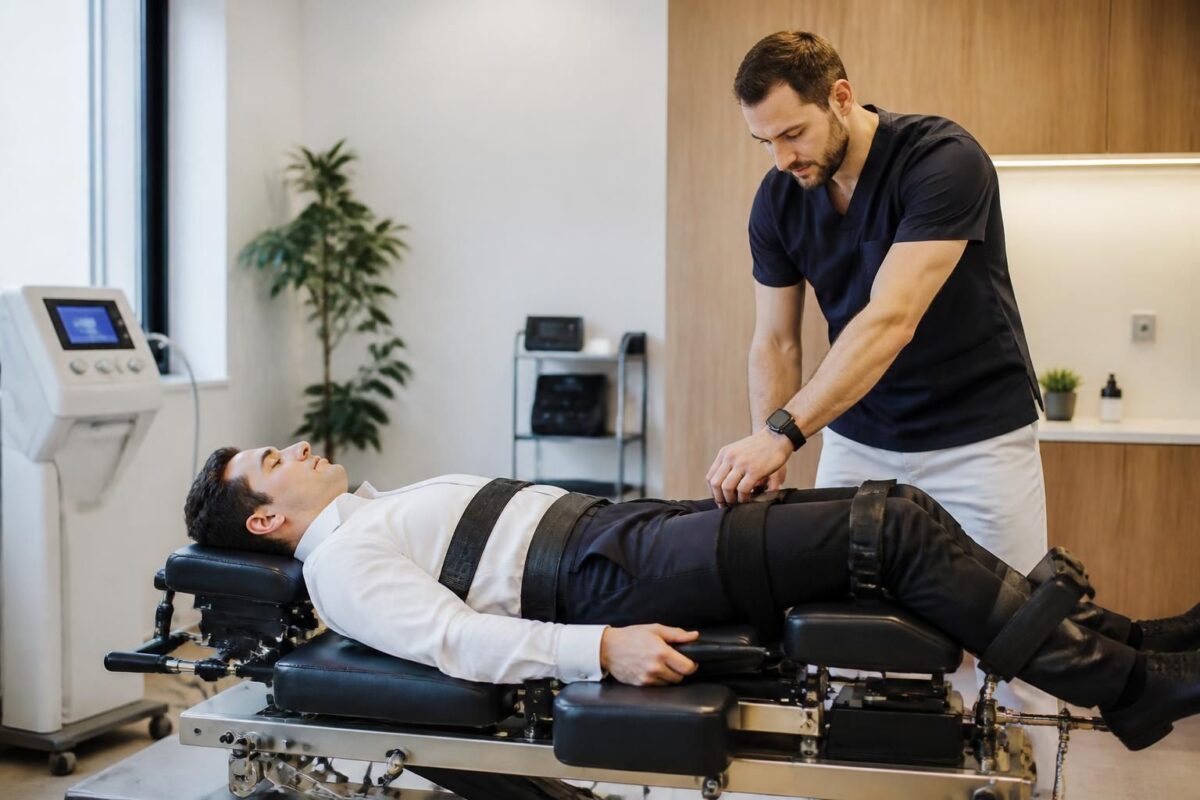
The neurovertebral decompression Acts by applying controlled traction to the spine. This traction creates a negative pressure In the intervertebral discs, which helps to release the compressed nerves and to restore space around the nerve structures. The goal is to correct the cause of pain and promote disc recovery, without having to resort to surgery. This approach is particularly relevant when conservative treatments remain insufficient and the objective is to preserve the bone structure and mobility of the patient.
A solution adapted to targeted conditions
It is useful in the presence of conditions such as herniated discs, protrusions and certain pinches that cause radiant pain. By reducing the pressure on the nerves, it can reduce symptoms and improve function, which helps to avoid or delay surgery. Assessment by a professional is necessary to determine if this option is appropriate for each patient.
How decompression can prevent surgery
The method is non-invasive And is an intermediate step before considering more cumbersome procedures. During a series of sessions, the column benefits from an increased space between the vertebrae, which facilitates the redistribution of fluids and nutrients essential to the healing of tissues. Effects may include a pain reduction, a Improving mobility and a decrease in root symptoms.
A typical program includes between 15 and 25 sessions, adjusted according to the severity of the pathology and the individual response of the patient. Each plan is personalized and oriented towards a return to normal functional activity, without the risks associated with surgery. This approach is particularly interesting in Montreal and in specialized clinics that offer non-surgical options as an alternative to invasive treatment.
The long-term benefits of neurovertebral decompression for spinal health
In short In short, the neurovertebral decompression is a non-invasive approach that decreases the Pressure on intervertebral discs and nerves, favoring the Natural regeneration and tissue recovery. Its long-term benefits include Lasting pain reduction, Improving mobility and from the posture,…
Indications, safety and results
Typical indications include back pain or cervical pain associated with disc pathologies such as hernias or stenoses that have not satisfactorily responded to conservative treatments. Contraindications exist and require full clinical and radiological evaluation before starting treatment. The majority of patients tolerate the procedure well and report comfort during the sessions, with few temporary side effects.
The results vary depending on the case. For some, decompression can prevent surgery and resume daily activities more quickly. For others, it is a preoperative step or as a complement to other non-surgical approaches. It is essential to discuss expectations and objectives with the practitioner overseeing the treatment.

Neurovertebral decompression and mobility: a return to an active life
In short In short, the neurovertebral decompression is therapy non-invasive who uses a gentle traction To create a space between the vertebrae and reduce the pressure on the Intervertebral discs and the nerves. It promotes a bloodstream improved, lowers tension…
Comparison with other treatments
| Therapy | Relative efficiency |
|---|---|
| neurovertebral decompression | contributes directly to the reduction of pressure on discs and nerves; Improves mobility and can prevent surgery |
| Physiotherapy | Important for overall rehabilitation, but may be less effective in directly reducing the pressure on discs and nerves |
How Neurovertebral Decompression Prevents Diffuse Chronic Pain
In short decompression neurovertebral is one Non-invasive method aimed at reducing the Pressure on the intervertebral discs and the nerves, in order to prevent Diffuse chronic pain. It improves the circulation and thedisc hydration, decreases inflammation and promotes better mobility.…
Resources and additional readings
To further the topic, the following resources provide relevant and accessible information:
- How neurovertebral decompression affects radiant pain
- The role of neurovertebral decompression – what every patient should know
- Modern techniques of neurovertebral decompression explained
- Why decompression is essential in case of spinal stenosis
- Why it helps to avoid spinal surgeries
- Neurovertebral decompression and improvement of daily mobility
- Why is it recommended for radicular pain
- Decompression and mechanical pain — a natural solution
- Neurovertebral Decompression — Essential FAQs
- File on neurovertebral decompression
- Tagmed Clinic
For more general information and details about the treatments available, you can consult the public resources of TagMed clinics and sites dedicated to neurovertebral decompression.
Medical Disclaimer: The information and advice provided on this site does not replace the health professional’s diagnosis or treatment. Please note that Dr. Sylvain Desforges osteopath is neither a doctor of medicine nor a doctor, and is not a specialist in a medical specialty as defined by the Collège des Médecins du Québec. Manual medicine, functional medicine and sports medicine as described on this site exclude any medical treatment or diagnosis made by a doctor or specialist doctor. Always consult your doctor for any medical questions. For more details, please read our full legal notice.
- non-invasive and Avoid surgery by treating the cause.
- Controlled traction which Increases space between vertebrae and discharge the nerves.
- Process the source By reducing the Pressure on discs and the nerves.
- pain reduction and Improving mobility generally fast.
- Quick return to activities with a recovery time Reduced.
- Custom Plan on 15 to 25 sessions suitable for the patient.
- Cost and risks lower to those of surgery.
- Tissue preservation and Fewer post-operative risks.
- Preoperative option or Sustainable alternative to avoid intervention.
- Integration with other non-surgical approaches to strengthen the results.

This recommendation explains why the neurovertebral decompression is an option core To avoid Spinal surgeries, favoring an approach non-invasive which acts on the cause of pain and allows a safe and gradual return to activity. She describes how the therapy, relevant indications, concrete benefits and the patient’s typical pathway work, to guide an informed and sustainable wellness-oriented decision.
Neurovertebral Decompression and Body Alignment: Restoring Natural Balance
In short In short, neurovertebral decompression is one Non-invasive approach who restores theBody Alignment and thenatural balance back and neck. She acts by a Controlled traction of the spine to widen the intervertebral space and reduce the Pressure on discs…
Why this approach prevents surgery
The neurovertebral decompression directly reduces the Pressure on intervertebral discs and nerves, which quickly decreases painful signals and improves mobility. Unlike surgery, it does not involve the scope of an invasive act and offers a risk profile low With a much faster return to daily activities. In addition, it acts on the underlying biological mechanisms (rehydration of the disc, better circulation of nutrients) that support healing, thus increasing the chances of permanently stabilizing the spine and preventing new interventions.
For patients whose daily life is upset by lower back or cervical pain linked to a herniated disc, protrusion or stenosis, this therapy offers a tangible gateway to improvement, sometimes avoiding heavy surgery and its associated risks.
Why neurovertebral decompression is a lasting solution for active seniors
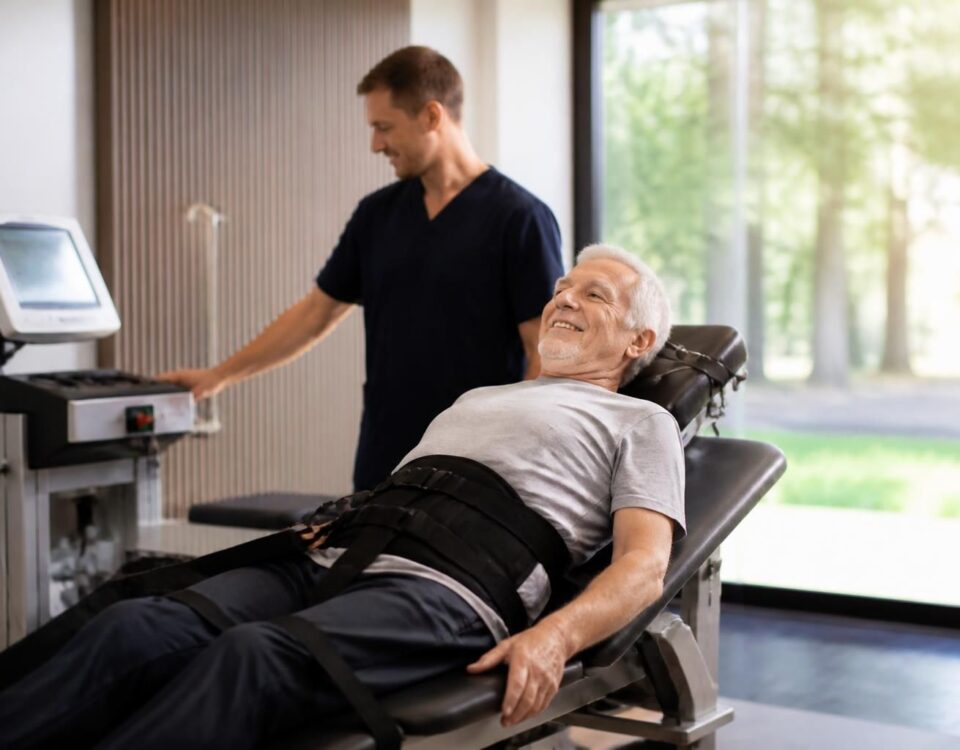
In short In short, the neurovertebral decompression is one Non-invasive therapy which sustainably relieves spinal pain in the spine active seniors By creating, by a Soft and controlled traction, a space between the vertebrae. At Montreal, it is recognized as…
How does neurovertebral decompression work
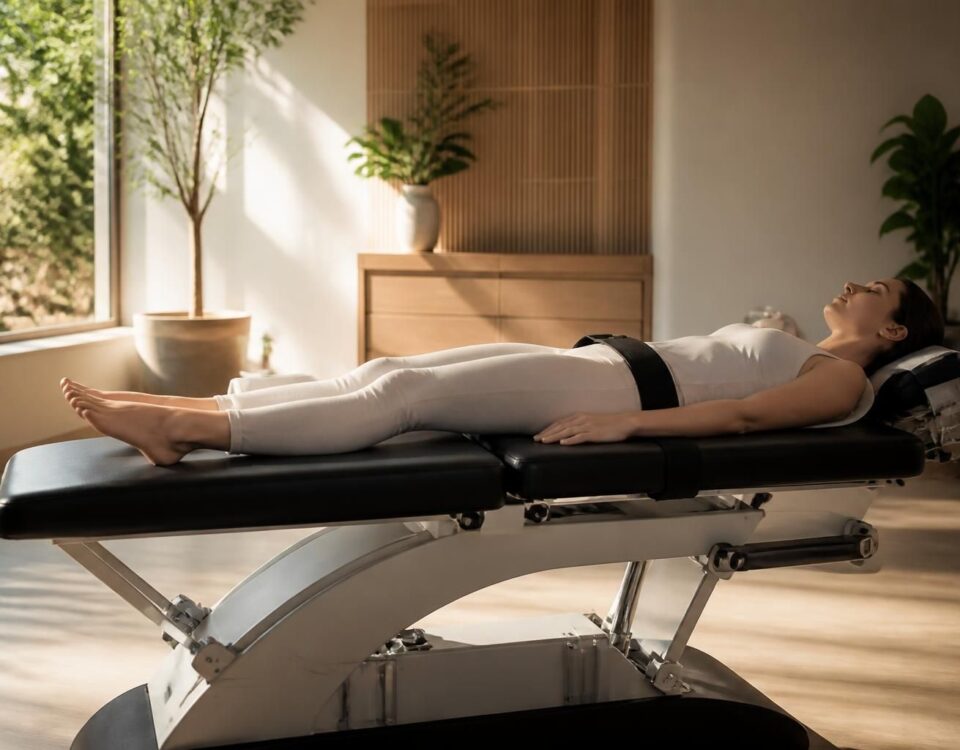
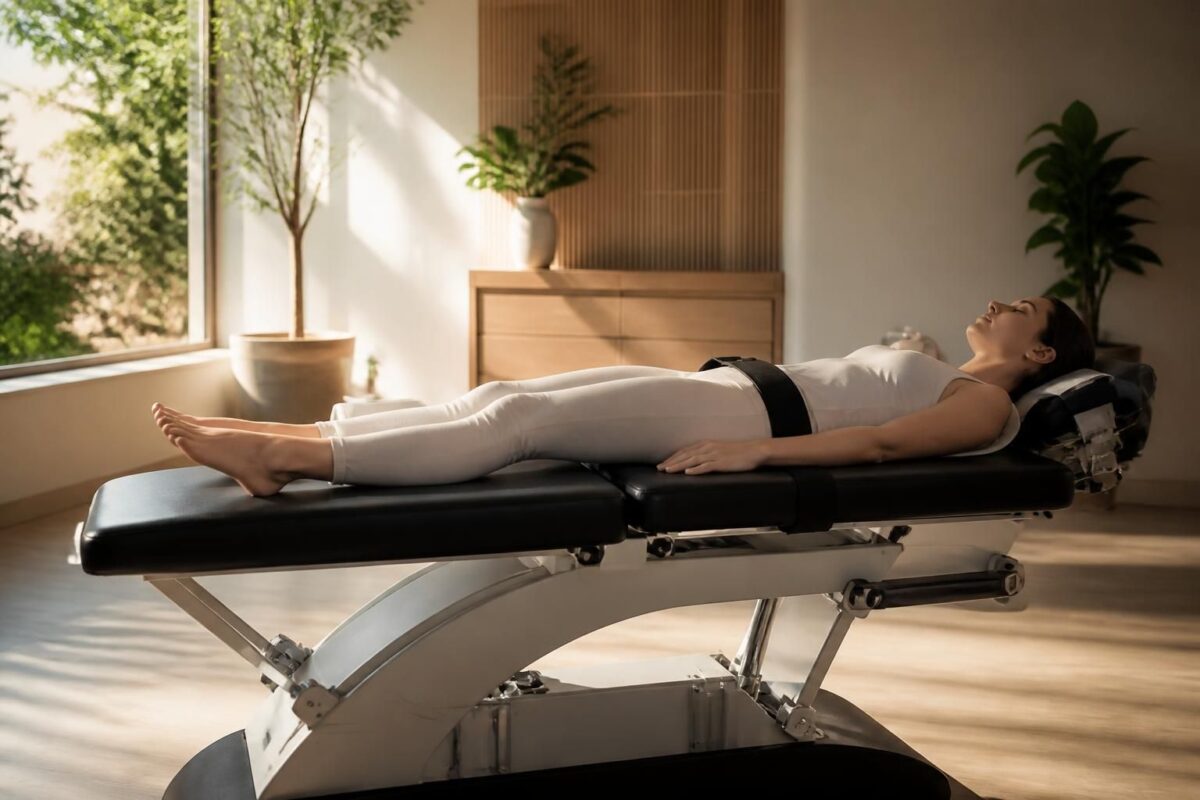
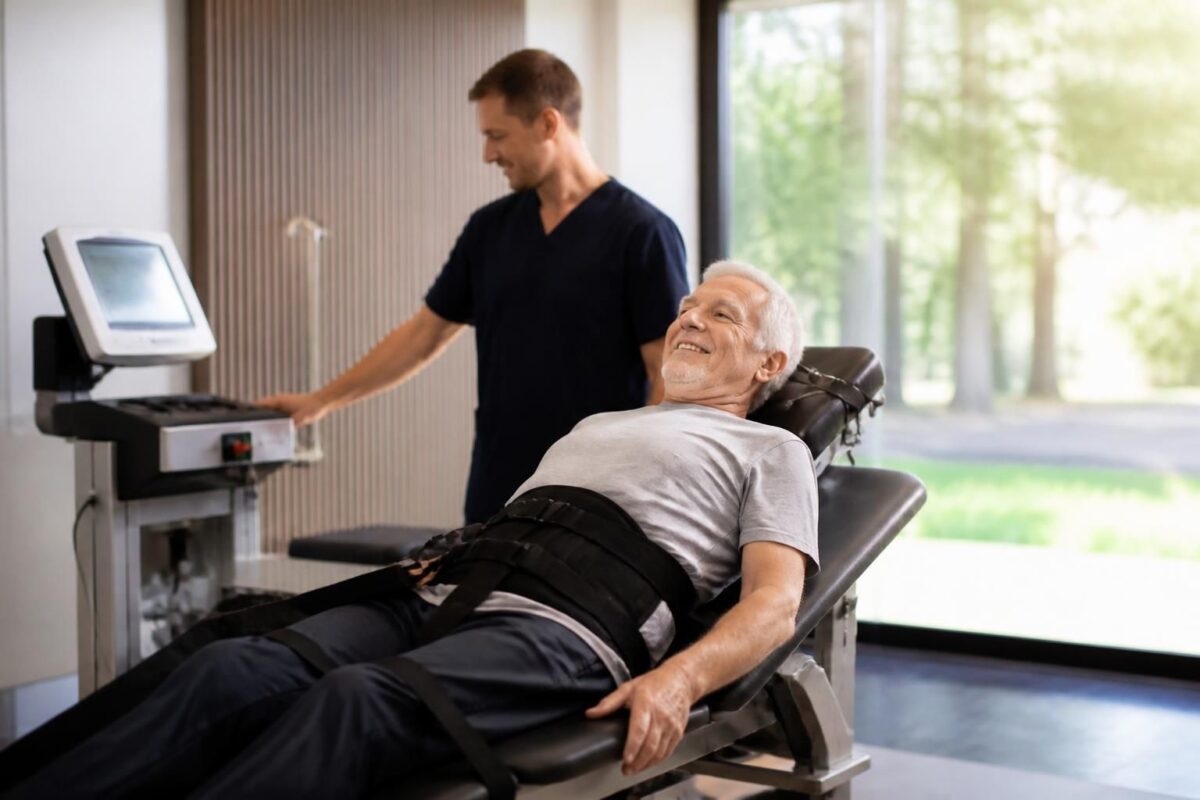
leads to a specialized table, the treatment applies a Soft and controlled traction on the spine. This action creates a negative pressure At the level of the intervertebral disc, releasing space and improving the positioning of nerve structures. This decompression facilitated the Fluid and nutrient circulation essential for tissue repair and reduction of inflammation.
A typical program provides 15 to 25 sessions, with session durations ranging from 15 to 30 minutes, and a personalized adjustment of the parameters according to the patient’s response. The expected result is a pain reduction, a Improving mobility and decreased neurological symptoms.
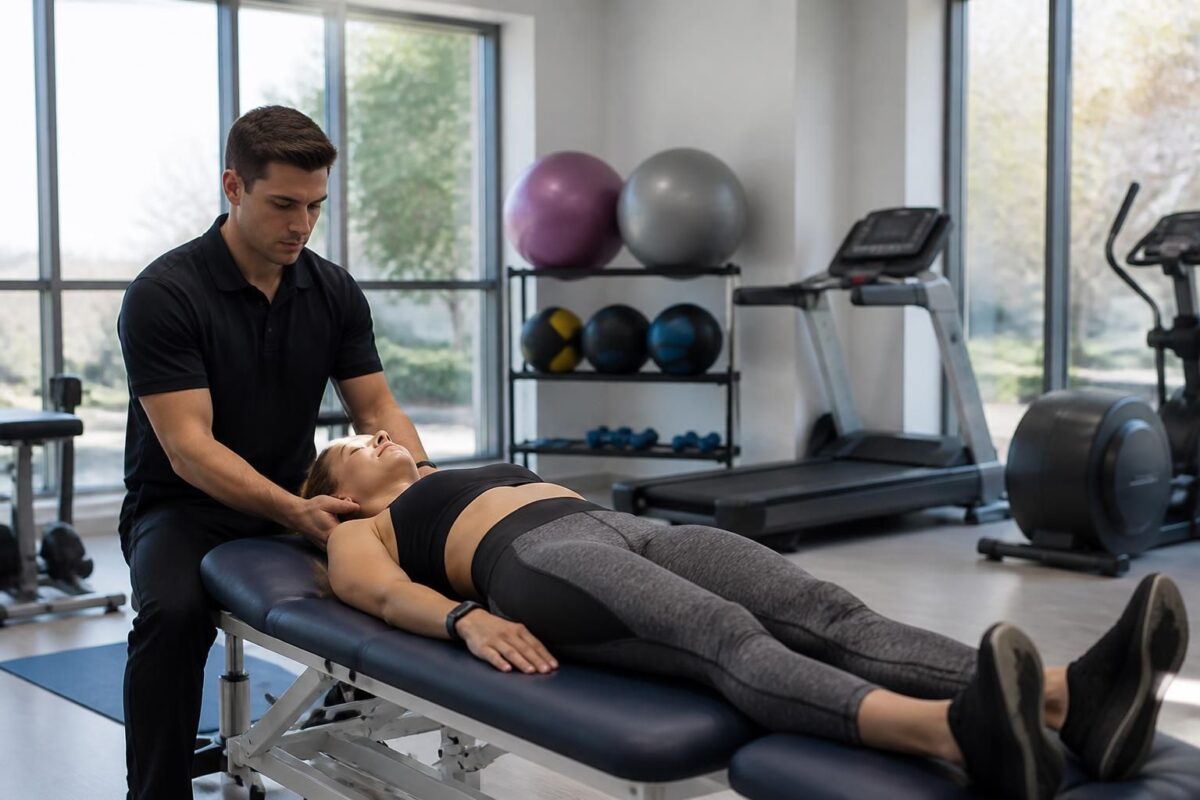
Neurovertebral decompression and recovery after severe sports injury
In short In short, the neurovertebral decompression is one Non-invasive method to Relieve the pressure on the Intervertebral discs and the gristle Via a Controlled traction, to facilitate the recovery After a severe sports injury. It improves the bloodstream towards…
Indications, selection criteria and safety
This therapy is mainly suitable for adults with Chronic pain on the back or neck related to conditions such as slipped disc, the Disc protrusions where the Spinal stenosis, when conservative treatments showed limits. An assessment by a health professional is essential to determine eligibility and personalize the plan. Contraindications exist, in particular in the presence of recent fractures, vertebral infections or tumors, which require a different approach.
The course is generally secure and well-tolerated by the majority of patients, with few generally minor and temporary side effects, such as a slight stiffness after the sessions. The decision to start a program is based on a Full assessment and an Custom planning In order to maximize profits while minimizing risks.
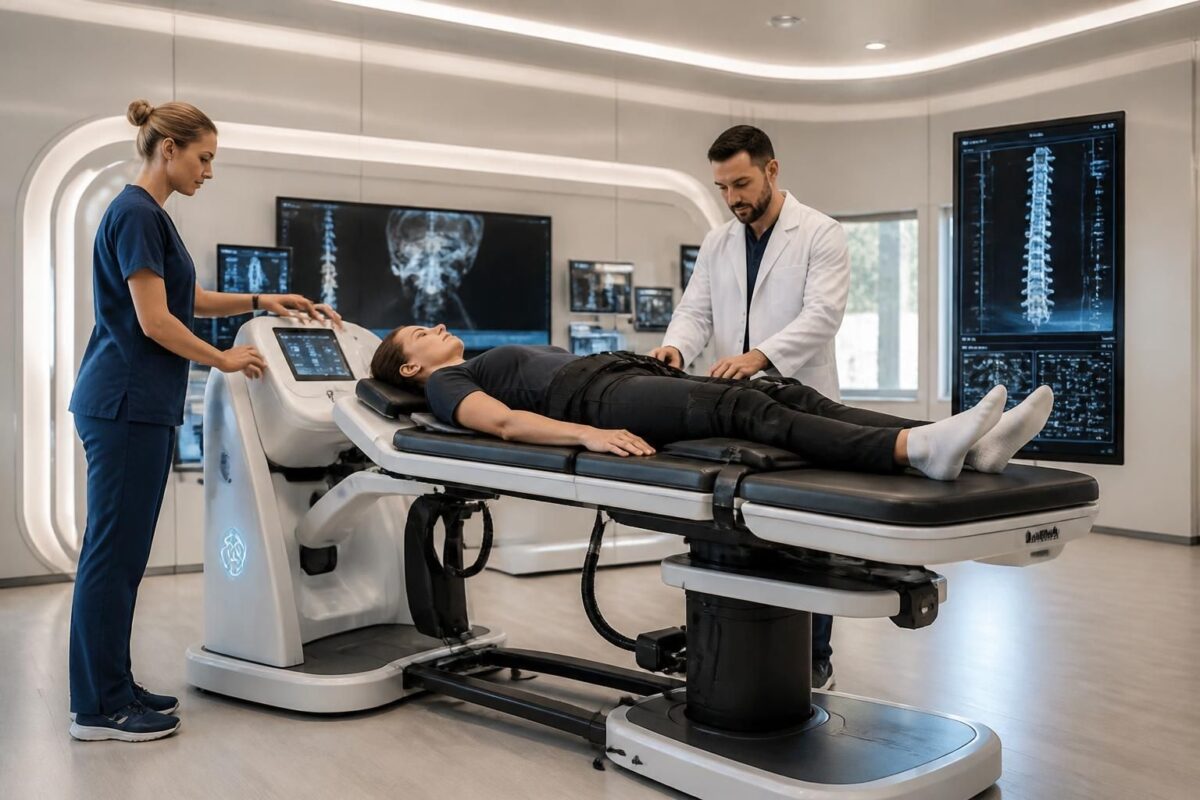
Recent innovations in neurovertebral decompression technologies
In short In short, the neurovertebral decompression is an approach non-invasive Aiming to reduce pressure on discs and nerves, and promote tissue regeneration. At Montreal, it is positioned as an effective option for lower back pain and herniated discs. The…
Integration into a global approach and possible long-term benefits
Decompression can be seen as a key step in a multidisciplinary therapeutic strategy to avoid surgery. It can be associated with specific exercises, physiotherapy and support measures, in order to strengthen the spine and prevent recurrences. Economically and personally, it generally has a lower overall cost than surgery and reduces the delays related to rehabilitation.
In addition, associated technologies and muscle support protocols can accelerate recovery and promote rapid reintegration into normal activities, while maintaining lasting pain reduction and functional restrictions.
| Aspect | Concise impact |
|---|---|
| Precise diagnosis | Quickly assesses the causes and directs towards appropriate non-surgical options. |
| pain relief | Reduces pain permanently without the need for surgery. |
| Improving mobility | Restores the function and facilitates the return to daily activities. |
| Structure protection | Reduces pressure on discs and nerves, preserving spinal integrity. |
| Risk/cost ratio | Less invasive and generally less expensive than surgery. |
| Quick return to activity | Recovery and resumption of activities faster than surgery. |
| Adapted applications | Suitable for herniated discs and radiating pain when conservative options are suitable. |
| Non-invasive alternatives | Completes rehabilitation without surgery. |
| Preserving future options | Can avoid or delay surgery while remaining an option if necessary. |
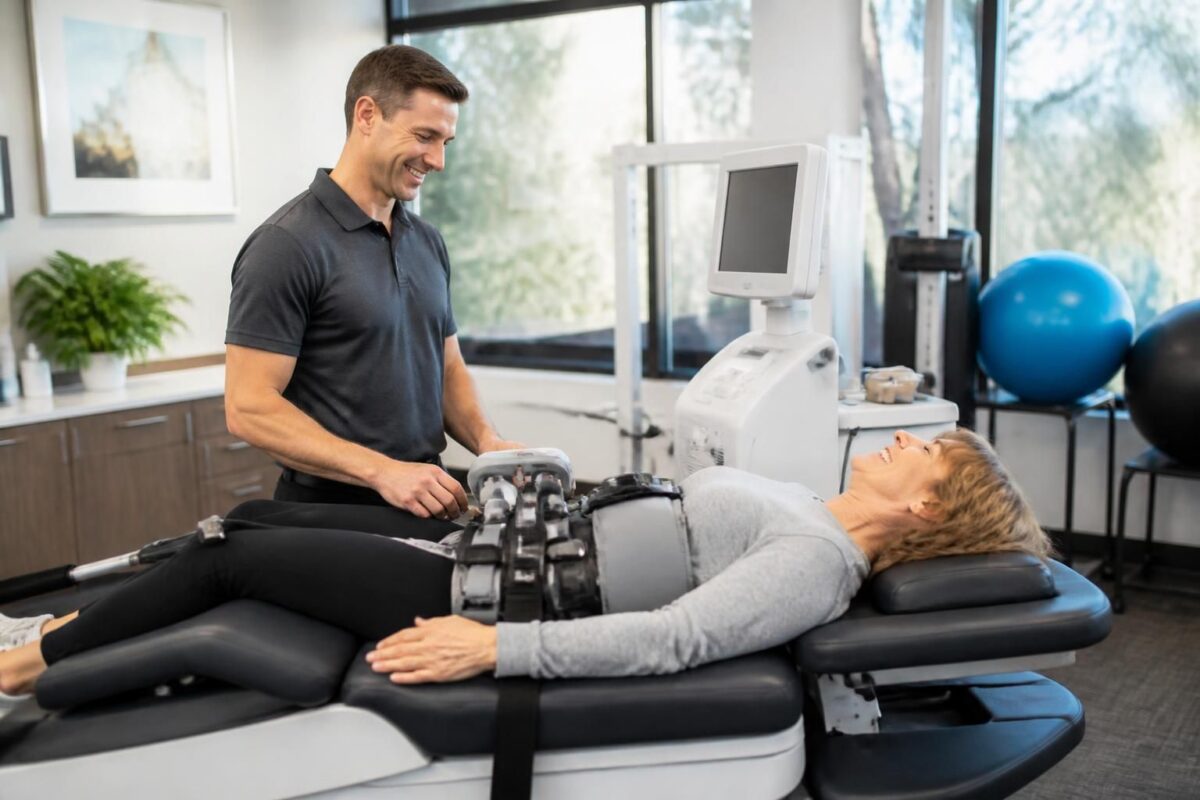
Neurovertebral decompression and diffuse pain: an appropriate solution
In short In short, the neurovertebral decompression is one Non-invasive solution For diffuse pain related to nerve irritation of the spine. She acts in Reducing pressure on intervertebral discs and nerves and improving the bloodstream, which promotes recovery and the…
Testimonials: Why neurovertebral decompression often avoids spinal surgery
Marie, 58, suffered from low back pain linked to a herniated disc. After opting for the neurovertebral decompression, she found a significant reduction in pain and an improvement in her mobility in a few sessions. She describes this approach as a Non-surgical solution which allowed him to resume his daily activities without going through an intervention.
Jean, 43, suffered from radiculopathy and irradiated pain in the leg. After a program of 18 sessions, he regained his ability to walk longer and was able to avoid a back surgery. He insists that the treatment is non-invasive and that he has diminished his drug needs.
Sophie, 35, suffered from chronic cervical pain that limited her work and her hobbies. Thanks to the neurovertebral decompression, she regained an amplitude of movement and a reduction in pain without having to resort to surgery. She talks about a journey reassuring and effective.
Luc, 62, faced with persistent lower back pain, followed a 20-session plan and was able to observe a gradual improvement in his posture and mobility. He specifies that this approach Preserves tissues and avoids surgery, which changed his quality of life and his level of independence.
Claire, 70, affected by vertebral osteoarthritis, feared a heavy operation. She chose decompression as the initial option and managed to delay or even avoid surgery, while benefiting from a Quick return to activities and one Durable comfort.
Ahmed, 68, degenerative discopathy and nocturnal pain. After several weeks of non-invasive treatment, he found a decrease in symptoms and an improvement in the daily routine without anesthesia or surgery. He describes the procedure as Soft and tolerable.
Marie-Claude, 51, suffered from lower back pain related to foraminal stenosis. In addition to regular use and family activities, decompression reduced pain and inflammation, providing a reliable alternative to a surgical reoperation.
Paul, 59, had considered surgery due to persistent disc pinch. After a structured journey of 15 to 25 sessions, he claims to have regained normal mobility and a marked decrease in pain, which convinced him that the Non-surgical decompression Was the best first option for his back.
This expert in osteopathy, naturopathy and manual medicine directs Tagmed Clinics and is the Founding President of theACMA Association. his journey, deeply focused onHealth Innovation, leads him to place the management of chronic pain and the integration of advanced technologies at the heart of his practice. In this vision, the neurovertebral decompression is not an isolated solution but a pillar of care aimed at preventing or delaying spinal surgeries when possible and relevant, while remaining based on the available evidence.
At the heart of this approach, the neurovertebral decompression is based on a Soft and controlled traction along the spine. This action generates a Negative pressure inside the intervertebral discs, facilitating their rehydration and the rebalancing of spaces between the vertebrae. By freeing the gristle cuts and improving the Fluid and nutrient circulation, it acts on the physiological mechanisms that underlie healing, while offering an experience generally non-invasive and well tolerated by the majority of patients. The sessions often allow a Gradual return to physical activity and early signs of relief appear during the therapeutic journey.
This therapy is particularly indicated in cases of herniated discs, of Disc protrusions, of Foraminal stenosis or Spinal stenosis, when conservative treatments (exercises, manual therapies, medication) have not given the expected results. A Full assessment by a professional is necessary to confirm eligibility and personalize the protocol, and some contraindications remain to be taken into account, such as infections or spinal fractures. This approach ensures that each patient benefits from a plan adapted to their condition and lifestyle.
The earnings result in a pain reduction, a Better mobility and a decrease in neurological symptoms, while providing a Alternative to surgery. For many patients, this approach helps to avoid surgery, or at least to push it away, minimizing Anesthetic risks, the complications and associated recovery periods. The desired result is a better quality of life and a resumption of an active daily life, without constant pain or aggravated by simple movements.
In practice, the neurovertebral decompression is part of a care setting multidisciplinary and integrated, where the patient’s progress is based on targeted exercises, postural advice and complementary approaches like manual technologies and associated therapies. This combination aims not only to relieve pain but also to restore a lasting function and prevent recurrences, by placing the patient’s autonomy at the heart of the therapeutic approach.
This article clearly demonstrates why the neurovertebral decompression is essential for Avoid spinal surgeries. By directly targeting the pressure exerted on the discs and nerves, it offers an alternative non-invasive which can reduce lasting pain and functional limitation, while promoting a rapid return to daily activities. It is a proactive approach that avoids surgical interventions when possible, while improving the quality of life of patients.
Neurovertebral decompression acts by reducing pressure on the intervertebral discs and nerves by controlled traction. This reduction in compression creates an environment conducive to tissue healing and rehydration of affected structures. the results observed most often result in a Significant decrease in pain, a Better mobility and a decrease in neurological symptoms, which can make surgery unnecessary in many cases.
It is particularly suitable when the mechanical causes of dorsal or cervical pain are identifiable and eligible for conservative treatment. The indications include in particular the Hernias discs, the Disc protrusions, the Spinal or foraminal stenosis and pain related to disc degeneration. After a professional assessment, this approach can serve as a credible and effective alternative to surgery, delaying or even avoiding invasive intervention.
On a practical level, a typical program includes Between 15 and 25 sessions, each session generally lasting from 15 to 30 minutes. This duration and this number of sessions make it possible to obtain progressive and lasting results, while limiting the risks and recovery times compared to surgery. The overall cost is generally lower than surgery and recovery is faster, although insurance coverage conditions vary by policy. It is essential to carry out an initial assessment to confirm the adequacy of treatment for each patient.
Beyond the clinical benefits, neurovertebral decompression can have a positive impact on everyday life and reduce dependence on painkillers or other therapies. This approach can be part of an integrated care strategy, combining technologies and complementary therapies to optimize results and prevent recurrences.
To better understand the mechanisms and benefits, you can explore the following resources that detail the technology and benefits of this approach: neurovertebral decompression – technology, the benefits to prevent spinal complications, and why it is a credible alternative to solutions Invasive. You will also find explanations on the conditions that make it a suitable option and what to consider before starting the treatment.
Additional resources and additional information are available here: Decompression#ATFP_CLOSE_TRANSLATE_SPAN# Neurovertebral – Technology, les#ATFP_CLOSE_TRANSLATE_SPAN# Advantages of neurovertebral decompression to prevent spinal complications, Why#ATFP_CLOSE_TRANSLATE_SPAN# Choose neurovertebral decompression before considering surgery, Decompression#ATFP_CLOSE_TRANSLATE_SPAN# Neurovertebral – What you need to know, Why#ATFP_CLOSE_TRANSLATE_SPAN# Neurovertebral decompression is a credible alternative to invasive solutions, Why#ATFP_CLOSE_TRANSLATE_SPAN# Choose neurovertebral decompression for natural pain management, Comment#ATFP_CLOSE_TRANSLATE_SPAN# Neurovertebral decompression prevents disc degeneration, Role#ATFP_CLOSE_TRANSLATE_SPAN# of neurovertebral decompression – what any patient should know.
To learn more about related technology options, including complementary approaches that support recovery, also see the resources and pages associated with these technologies and specialized centers.

Dr Sylvain Desforges, B.Sc., D.O., N.D., osteopath, is the founding president of TAGMED and of the ACMA association. He dedicates his practice to chronic spinal pain, low back pain and symptoms compatible with sciatica, particularly when pain radiates toward the buttock, leg, calf, foot or toes.
Through SOS Sciatique, he publishes educational content on sciatica symptoms, possible causes such as disc herniation, disc narrowing, foraminal stenosis or irritation of a lumbar nerve root, as well as non-surgical approaches that may be considered according to the evaluation. At Clinique TAGMED, care may include, depending on the case, motorized neurovertebral decompression, specific osteopathic care or precision percussion.
For an evaluation related to sciatica treatment in Montreal / Mount Royal or sciatica treatment in Terrebonne, please consult the services available at Clinique TAGMED.
Medical disclaimer
The information published on SOS Sciatique is provided for educational purposes only and does not replace a consultation, diagnosis, opinion or treatment provided by a physician or another authorized healthcare professional. The author of this article is neither a medical doctor nor a specialist in a medical specialty recognized by the Collège des médecins du Québec. The osteopathic, manual medicine or functional support approaches described on this site do not constitute medical acts and are not intended to replace medical follow-up.
Consult a physician or emergency service in cases of loss of bladder or bowel control, anesthesia in the saddle area, significant or progressive weakness in the leg or foot, fever, recent trauma, severe pain or rapid worsening of symptoms. For more details, please read our Legal Notice.