How neurovertebral decompression prevents the progression of spinal pathologies
26/06/2026
Neurovertebral and Sciatic Decompression: Relieve Without Surgery
26/06/2026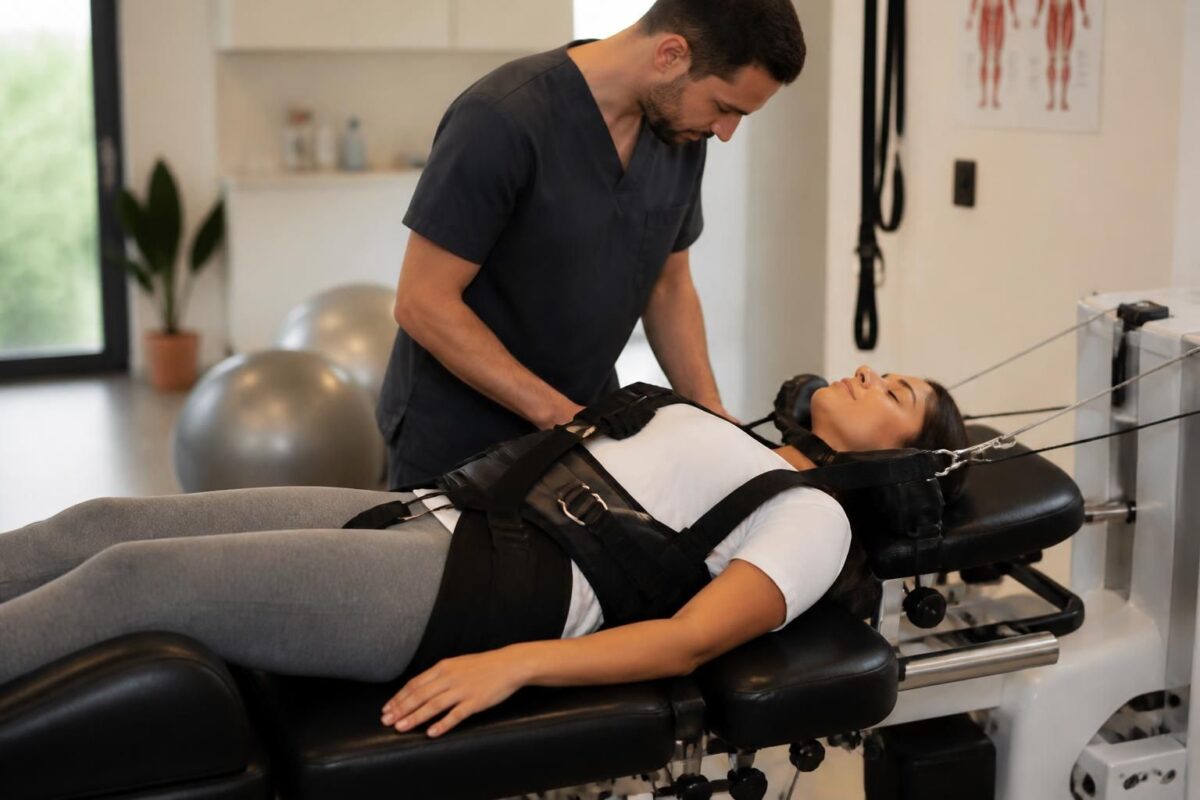
| In short |
| In short, neurovertebral decompression is one Non-invasive method which aims to relieve the vertebral pain in rehabilitation. What is it? gentle traction that decreases the pressure on the Intervertebral discs and nerves, promoting tissue regeneration. What are the advantages? rapid pain reduction, improvement in mobility, better bloodstream and acceleration of the tissue healing, prevention of complications futures. How does it work? It restores the intervertebral space and alignment of the spine without surgery. Accessible in Montreal, this treatment is particularly useful for patients in rehabilitation with Chronic pain and wishing to resume an active life. |
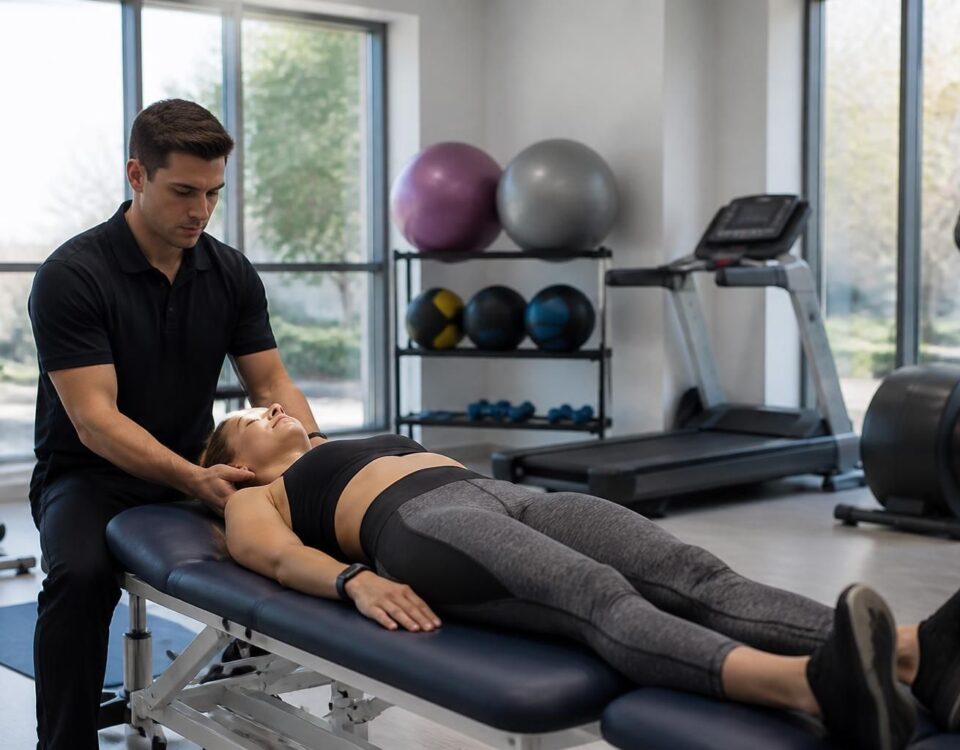
The neurovertebral decompression is an approach non-invasive which targets pain related to spinal conditions and promotes rehabilitation. By applying soft traction, she Reduces pressure on the Intervertebral discs and the gristle, improving the mobility and thealignment of the column. This technique stimulates a better bloodstream and contributes to the tissue regeneration, accelerating recovery after injury or surgery. Patients often experience pain reduction and a faster resumption of daily activities, while benefiting from a Prevention of complications futures linked to vertebral pathologies. It is an option adapted to different profiles and easily integrated into a program of rehabilitation global.
This article explains the Benefits of neurovertebral decompression For patients in rehabilitation. This approach non-invasive Aims to relieve spinal pain, restore mobility and support tissue healing. It can be integrated into an effective rehabilitation course without the need for surgery, promoting a faster return to an active and functional life.
What is neurovertebral decompression and how does it work?
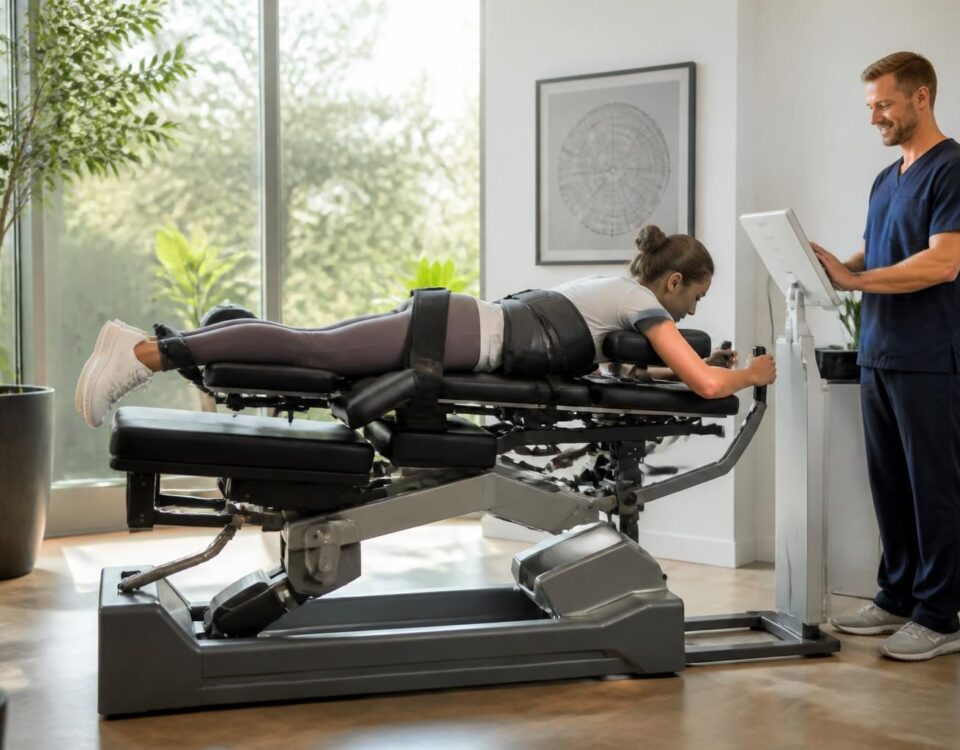
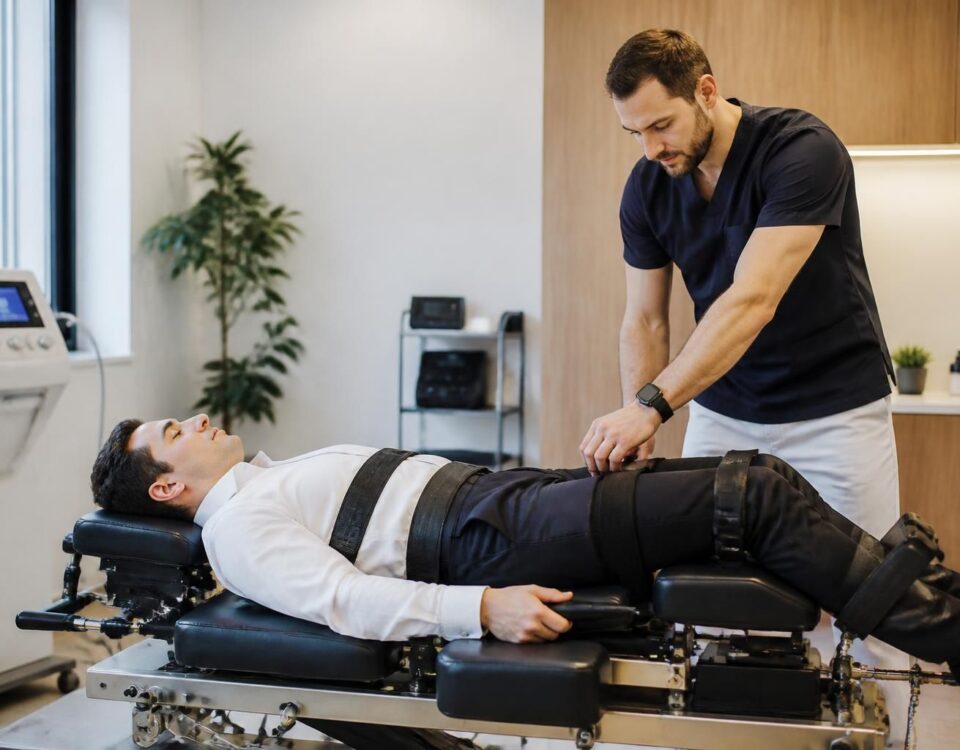
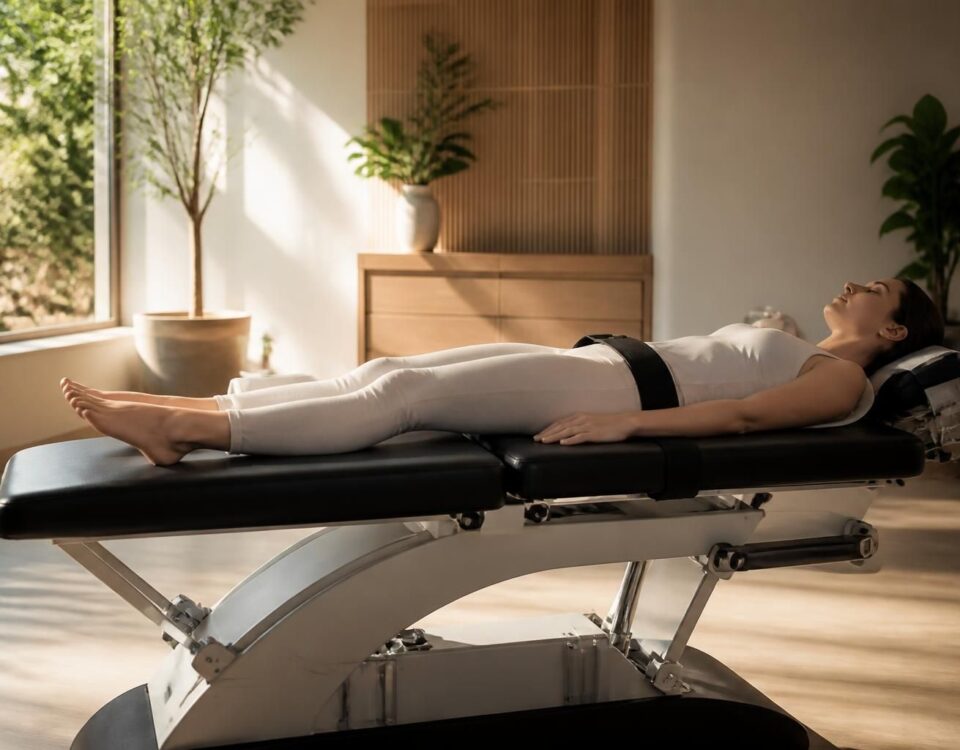
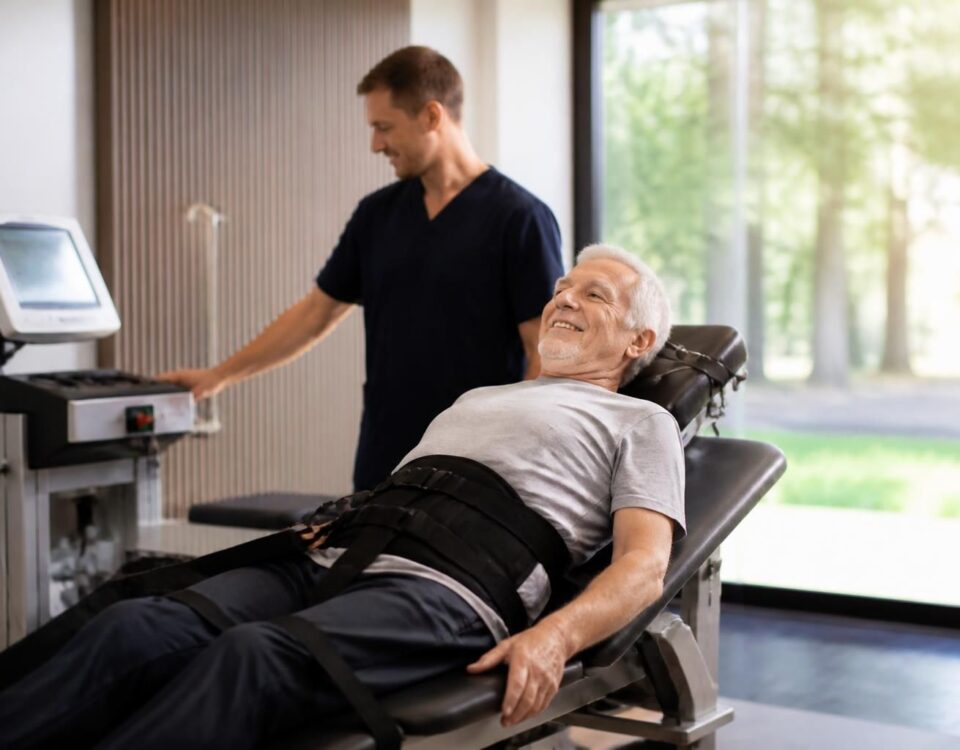
Neurovertebral decompression uses controlled and gentle traction for Reduce pressure on intervertebral discs and nerves. This action allowsAlign the spine and increase the space available around the nervous structures. The process promotes Local blood circulation improved and opens up possibilities for tissue healing without surgery.
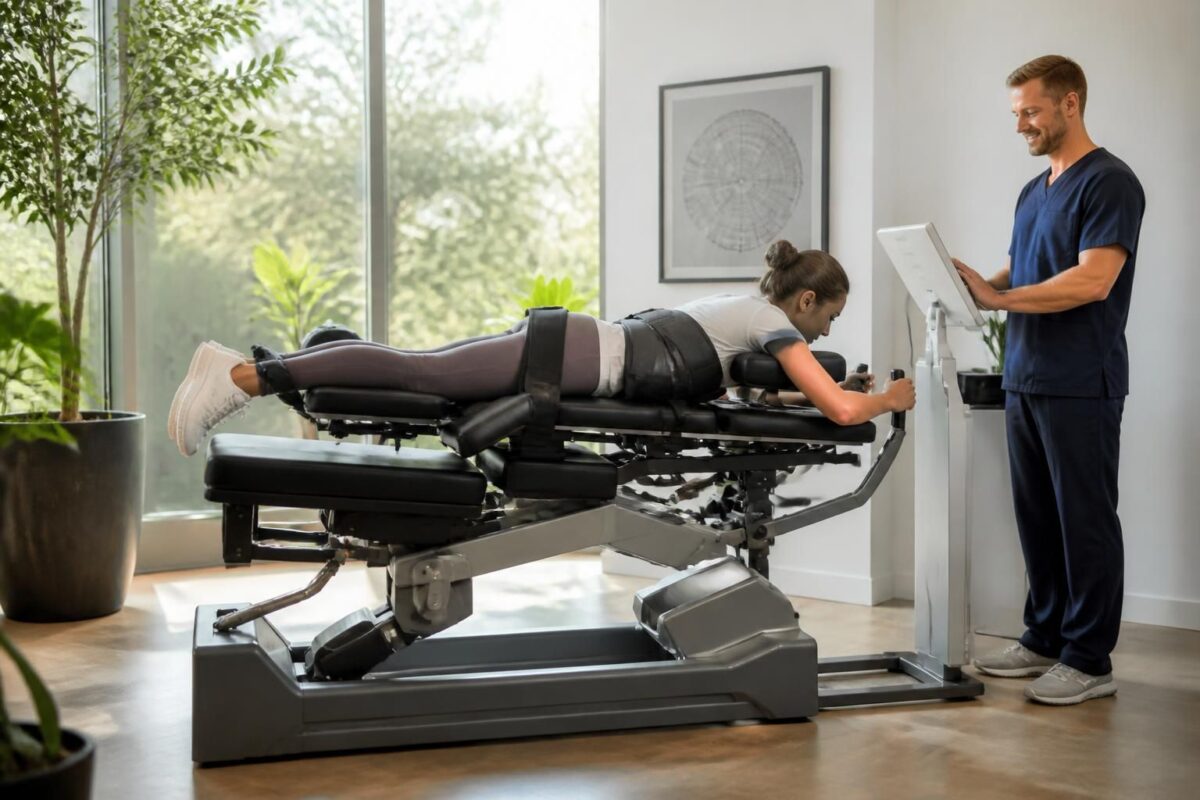
The long-term benefits of neurovertebral decompression for spinal health
In short In short, the neurovertebral decompression is a non-invasive approach that decreases the Pressure on intervertebral discs and nerves, favoring the Natural regeneration and tissue recovery. Its long-term benefits include Lasting pain reduction, Improving mobility and from the posture,…
pain reduction and improvement of mobility in rehabilitation
Patients often describe a rapid pain reduction After a few sessions. This decrease in symptoms facilitates rehabilitation activities and improves the mobility overall. At the same time, mobility gradually regains better flexibility and a more natural range of motion, which supports the recovery process.

Neurovertebral decompression and mobility: a return to an active life
In short In short, the neurovertebral decompression is therapy non-invasive who uses a gentle traction To create a space between the vertebrae and reduce the pressure on the Intervertebral discs and the nerves. It promotes a bloodstream improved, lowers tension…
Blood circulation and tissue regeneration
By promoting a Optimal blood circulation In the vertebral region, neurovertebral decompression improves nutrient intake and evacuation of metabolic waste. This contributes to a Tissue regeneration more efficient and more homogeneous recovery of damaged structures.
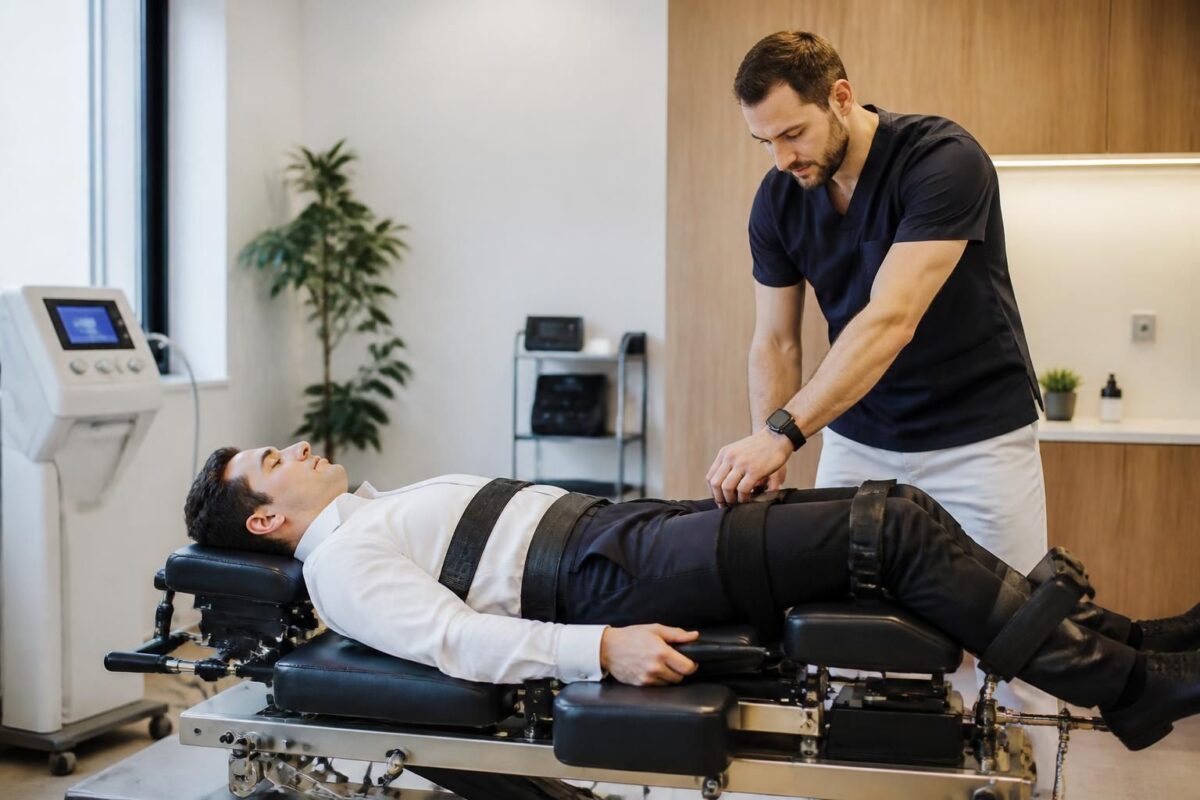
How Neurovertebral Decompression Prevents Diffuse Chronic Pain
In short decompression neurovertebral is one Non-invasive method aimed at reducing the Pressure on the intervertebral discs and the nerves, in order to prevent Diffuse chronic pain. It improves the circulation and thedisc hydration, decreases inflammation and promotes better mobility.…
Integration into the rehabilitation course
This approach Easily integrates with other non-pharmacological therapies and is based on a personalized patient assessment. The treatment can be offered at the TagMed clinic in Montreal or Terrebonne, and it is suitable for a wide range of patients in rehabilitation, in particular those who wish to avoid invasive treatments. Pedagogical and professional resources exist with recognized training and professional associations in osteopathy.
Testimonials and results
Patient feedback highlights Quick results and a gradual improvement in the quality of life. Pain relief and renewed mobility make it possible to resume daily activities and support rehabilitation efforts without the need for surgical interventions.
For those who wish to deepen, several online resources present the mechanisms and benefits of neurovertebral decompression and its role in rehabilitation. Some publications and associated approaches refer to positive effects on circulation, symptom evolution and optimization of recovery after injury.
You can view additional information on these topics in the following resources: Neurovertebral decompression and blood circulation: an unexpected benefit, Key steps for successful treatment in neurovertebral decompression, The quick results obtained thanks to neurovertebral decompression, Long-term back benefits, Strategies for accelerated rehabilitation, Benefits for joint mobility, Neurovertebral Decompression – General Information, SostunnelCarpal, Decompression and herniated disc.
Reference training and professional practices include recognized osteopathy institutions and relevant professional associations. Trainings such as Numss and NAO, as well as National University of Medical Sciences and National Academy of osteopathy, support evidence-based expertise. The professional associations mentioned include ACMA, College of Canadian Osteopaths and College of Canadian Osteopaths. For clinical care and information, refer to TagMed Clinics and their official resources.
Medical Disclaimer: The information and advice provided on this site does not replace the health professional’s diagnosis or treatment. Please note that Dr. Sylvain Desforges osteopath is neither a doctor of medicine nor a doctor, and is not a specialist in a medical specialty as defined by the Collège des Médecins du Québec. Manual medicine, functional medicine and sports medicine as described on this site exclude any medical treatment or diagnosis made by a doctor or specialist doctor. Always consult your doctor for any medical questions. For more details, please read our full legal notice.
- Quick relief vertebral pain
- Mobility found and increased amplitude
- Muscle relaxation and reduction of tensions
- bloodstream improved in the spine
- Tissue regeneration accelerated
- vertebral alignment and postural correction
- Prevention relapses and complications
- Postoperative recovery very fast
- Back to physical activity easier
- Quality of life Improved during rehabilitation
- Non-invasive option and without surgery
- complementarity with other rehabilitation therapies

The neurovertebral decompression is an approach non-invasive which relieves pain related to spinal conditions and promotes faster rehabilitation. By reducing the pressure on the discs and nerves, it allows for a gradual improvement in mobility, better blood circulation and optimized tissue regeneration. This article presents the main benefits for patients in rehabilitation and how to integrate this technique into a personalized course to optimize results.
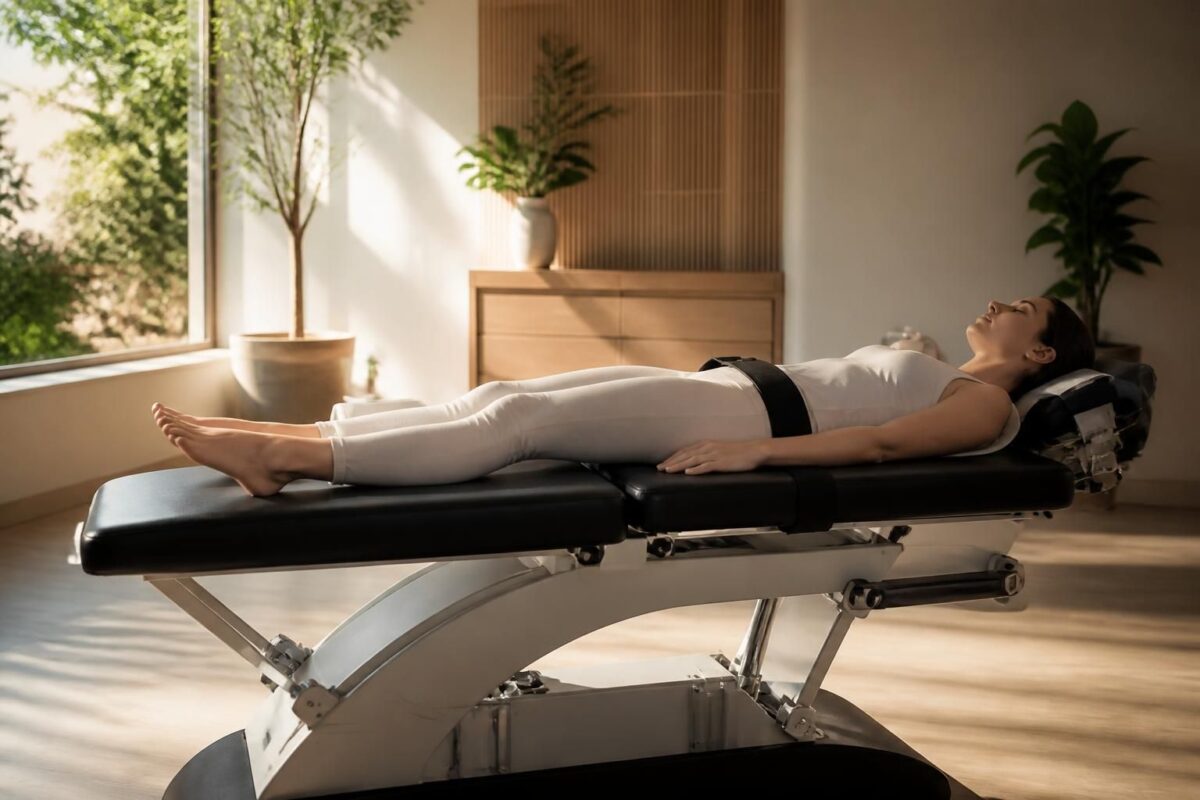
Neurovertebral Decompression and Body Alignment: Restoring Natural Balance
In short In short, neurovertebral decompression is one Non-invasive approach who restores theBody Alignment and thenatural balance back and neck. She acts by a Controlled traction of the spine to widen the intervertebral space and reduce the Pressure on discs…
Pain Relief and Reduction
Quick and lasting effect
For patients in rehabilitation, the neurovertebral decompression Offers significant pain relief from the first sessions. By releasing the pressure exerted on the nerves and discs, it reduces irritation and neurological pain, which facilitates active participation in therapy sessions and reduces addiction to analgesics. This relief makes it possible to approach rehabilitation exercises more serenely and to improve exercise tolerance.
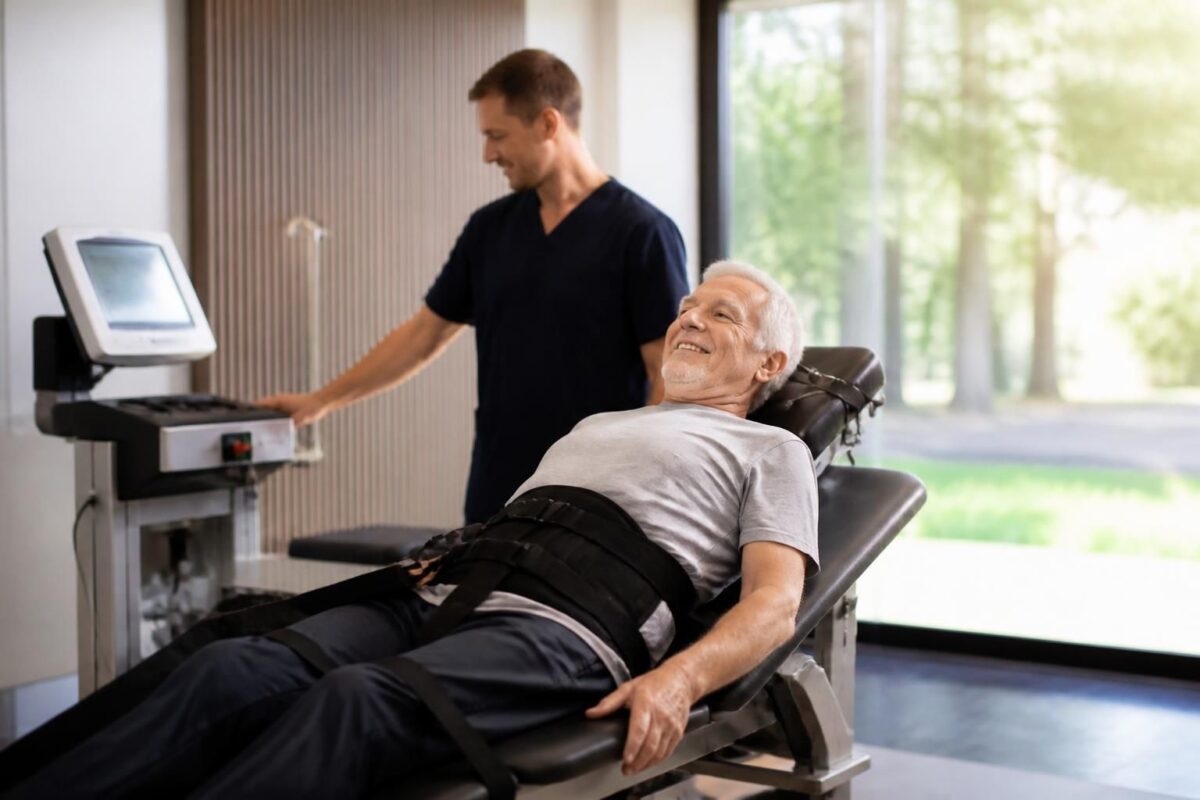
Why neurovertebral decompression is a lasting solution for active seniors
In short In short, the neurovertebral decompression is one Non-invasive therapy which sustainably relieves spinal pain in the spine active seniors By creating, by a Soft and controlled traction, a space between the vertebrae. At Montreal, it is recognized as…
Improved mobility and autonomy
Back to functional movements
By restoring the intervertebral space and enhancing the alignment of the column, the neurovertebral decompression Facilitates smoother movements and increased flexibility. Patients see an increased range of movement in daily gestures such as leaning, walking or sitting, which contributes to regaining autonomy and gradually resume professional and sporting activities. This improvement in mobility is essential to prevent future limitations and support sustainable rehabilitation.
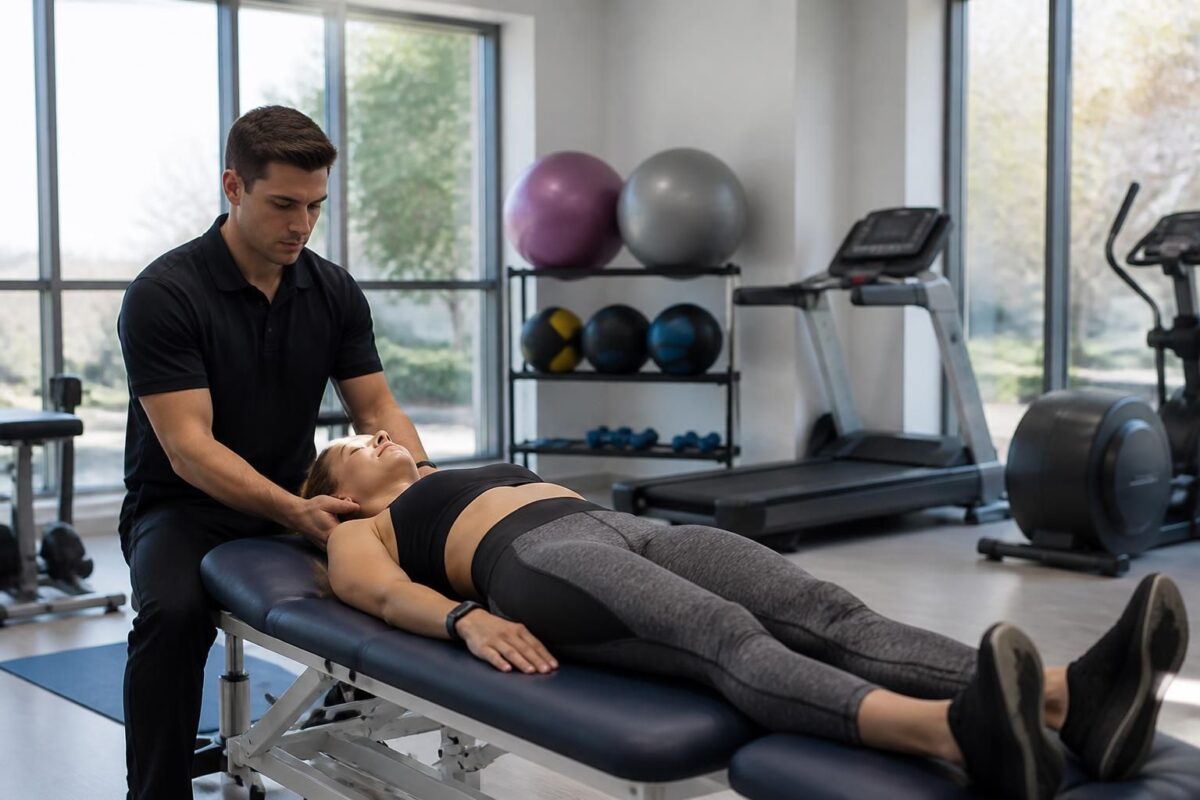
Neurovertebral decompression and recovery after severe sports injury
In short In short, the neurovertebral decompression is one Non-invasive method to Relieve the pressure on the Intervertebral discs and the gristle Via a Controlled traction, to facilitate the recovery After a severe sports injury. It improves the bloodstream towards…
Blood circulation and tissue regeneration
Tissue nutrition and recovery
The technique promotes better blood circulation in the spinal area, which improves nutrient intake and the elimination of metabolic waste. This better infusion supports the regeneration of damaged tissue and accelerates the healing process after injury or intervention. The fabrics benefit from a favorable repair environment, which can reduce re-athletics delays and promote faster resumption of activities.
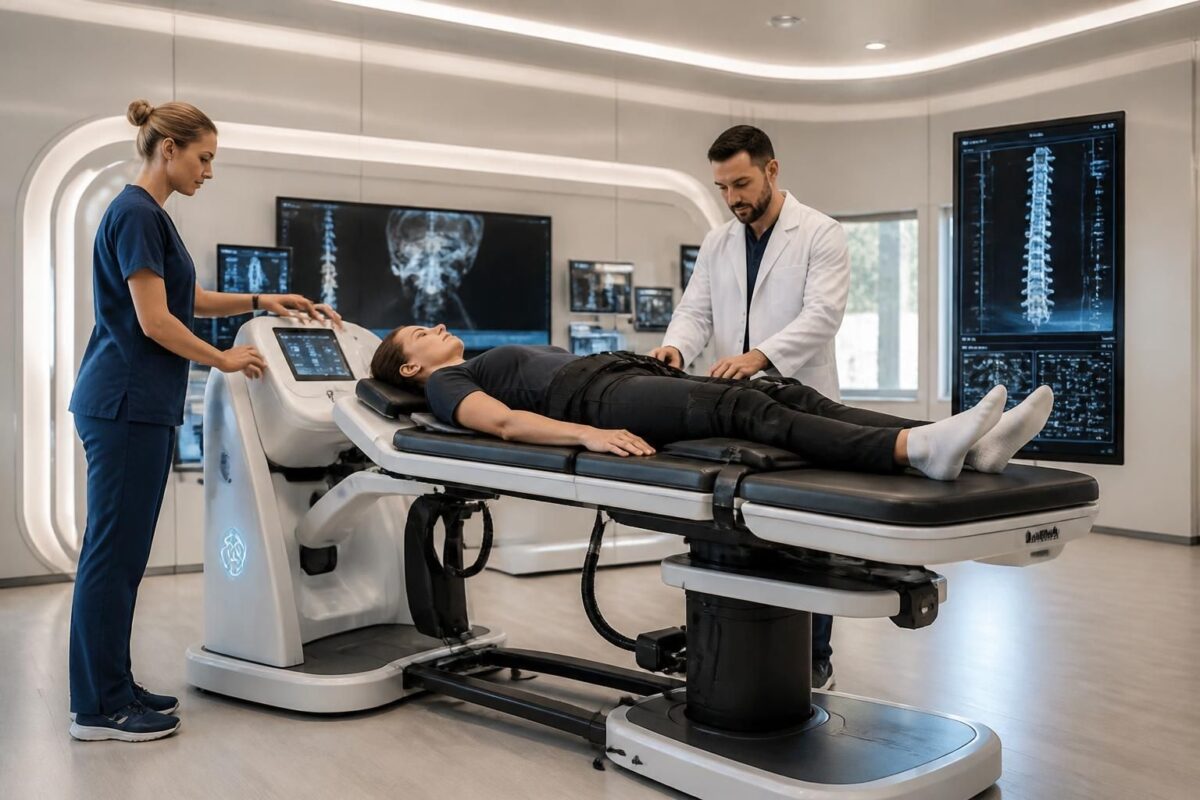
Recent innovations in neurovertebral decompression technologies
In short In short, the neurovertebral decompression is an approach non-invasive Aiming to reduce pressure on discs and nerves, and promote tissue regeneration. At Montreal, it is positioned as an effective option for lower back pain and herniated discs. The…
Prevention and safety
Secure alternative to surgery
For patients who are reluctant to invasive interventions, neurovertebral decompression offers an effective option and non-invasive which can reduce operative risks and associated recovery periods. By integrating this approach into a rehabilitation program, the chances of relapse and progression of vertebral pathologies can be reduced, while maintaining an approach centered on the prevention of future complications and the maintenance of a healthy long-term vertebral state.
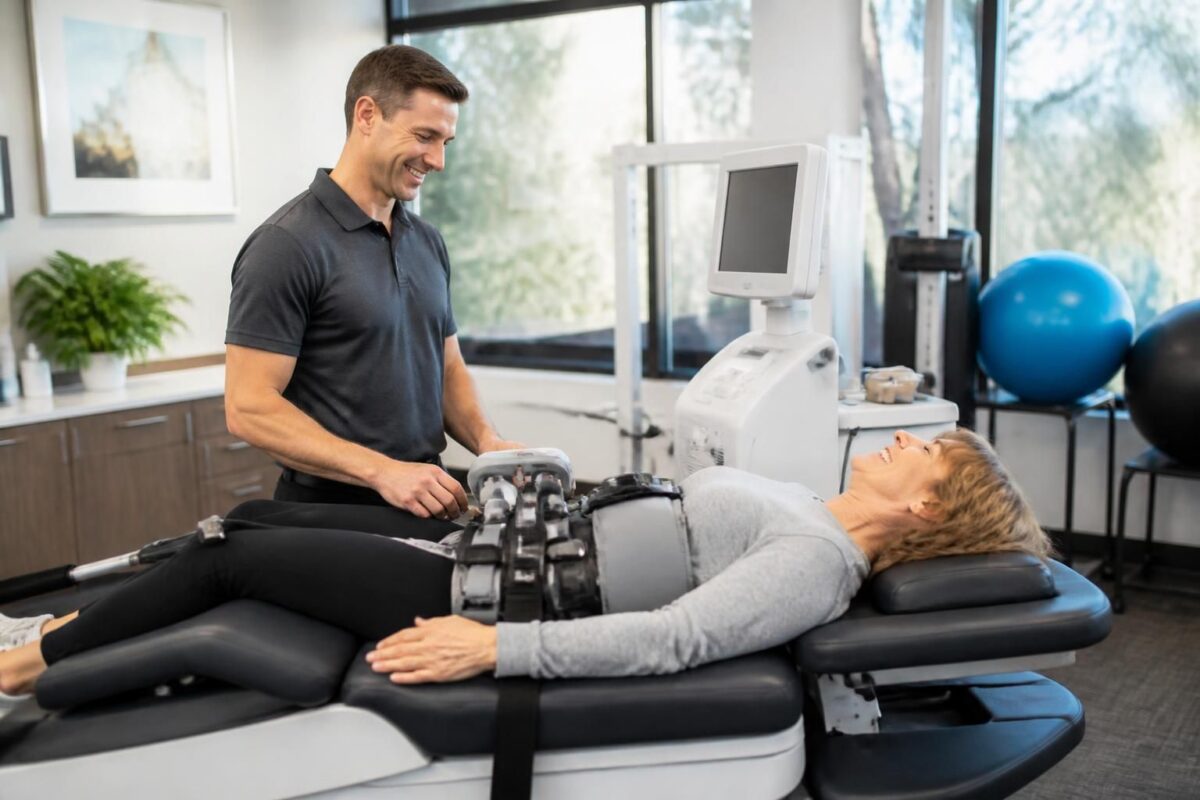
Neurovertebral decompression and diffuse pain: an appropriate solution
In short In short, the neurovertebral decompression is one Non-invasive solution For diffuse pain related to nerve irritation of the spine. She acts in Reducing pressure on intervertebral discs and nerves and improving the bloodstream, which promotes recovery and the…
Adaptability and integration into rehabilitation programs
Personalized plan and therapeutic synergy
Each patient benefits from a personalized follow-up that adjusts the frequency and intensity of the sessions according to their symptoms and goals. The neurovertebral decompression Ideally integrates with other rehabilitation approaches, such as mobility exercises, manual therapies and reinforcement programs. This synergy improves the overall effectiveness of the treatment, enables a faster resumption of physical activities and supports a lasting improvement in quality of life.
| pain relief | Quick relief and lasting spinal pain thanks to a gentle traction that releases pressure on the nerves and discs. |
| Mobility and amplitude | restoration of therange of motion and from the mobility Functional for everyday gestures. |
| Tissue circulation and regeneration | Improvement of the circulation local blood and Fabric nutrition, accelerating the regeneration. |
| Alignment and posture | correction of thealignment vertebral and reduction of postural imbalances. |
| Muscle tensions | decrease in Muscle tensions and associated stiffness. |
| Prevention of recurrences | Reduced risk of relapses and complications related to a misaligned column thanks to the maintenance of the disc space. |
| Postoperative recovery | Support for the Postoperative recovery By improving circulation and nutritional intake. |
| safety and non-invasive | Option non-invasive and safe, without surgery or anesthesia. |
| Back to physical activity | facilitates the gradual return physical activity and working life. |
| Overall well-being | Improvement of the quality of life and of welfare physical and mental. |
Testimonials on the benefits of neurovertebral decompression in rehabilitation
“In rehabilitation after a herniated disc, neurovertebral decompression changed my perception of pain. After a few sessions, I noticed a significant reduction and a mobility found which allowed me to resume my daily activities without unnecessary effort. »
“After my lumbar surgery, recovery became faster thanks to this non-invasive approach. The bloodstream around the vertebrae improved and I felt a pain reduction, which allowed me to return to my routines earlier than expected. »
“As an athlete, I was looking for an effective solution without medication. neurovertebral decompression has brought Better mobility And reduced muscle tension, giving me the confidence to resume training smoothly and safely. »
“With age, spinal pain can restrict autonomy. This method improved my quality of life, corrected my posture and strengthened my ability to prevent future complications. »
“After several months of rehabilitation, the benefits are clear: pain reduction, faster recovery and muscle building which facilitates everyday actions. I am now more active and less embarrassed by the pain. »
Expert in osteopathy, naturopathy and manual medicine, he is the founding president of the Tagmed clinics and the ACMA association. His career is devoted to health innovation and the search for concrete solutions to improve the results of patients with chronic pain. In his practice, he integrates advanced technologies such as neurovertebral decompression, the laser and the Shockwave therapy, in order to provide care evidence-based and adapted to each rehabilitation course.
The neurovertebral decompression is an approach non-invasive which is based on soft traction aimed at freeing the space between the vertebrae and reducing the pressure exerted on the discs and nerves. By restoring the natural alignment of the column, this technique facilitates the circulation of fluids and nutrients, accelerates tissue regeneration and allows a gradual return to functional activities. The benefits felt by patients in rehabilitation often result in a Quick relief pain and a Improving mobility, essential elements to meet the daily challenges of resuming activity.
As part of a rehabilitation program, this method acts as a healing accelerator. Better blood circulation in the spinal area promotes the nutrition of damaged tissues and reduces inflammation, which results in Faster recovery after an injury or surgery. By allowing for smoother and less painful movements, it helps patients to actively participate in their rehabilitation sessions, to persevere in their care plan and to regain their freedom of movement faster.
Beyond immediate comfort, neurovertebral decompression contributes to Prevent future complications related to spinal conditions. By improving thealignment and the posture, it reduces recurring tensions and reduces the risk of relapses, especially in active people who resume sport or work. This prevention is an essential pillar of rehabilitation, because it promotes lasting stability and a better quality of life in the long term.
It fits seamlessly into an approach Integrated and personalized care. In addition to manual techniques, the program can combine therapies such as laser and shock waves, in order to potentiate the results and adapt the interventions to the individual patient profile. The objective is to propose a coherent strategy that maximizes the chances of recovery and supports progress towards daily and sporting activities without pain.
The practitioner relies on careful evaluation and regular monitoring to adjust the therapeutic plan according to progress. This dynamic approach aims to provide lasting results and build patient confidence in their ability to move freely. The focus is on the safety, efficiency and sustainability of improvements, so that each rehabilitation course is guided by concrete data and results.
For those who wish to deepen the approach and services offered, TagMed Clinics offer a coordinated offer that places the neurovertebral decompression At the heart of a balanced and evidence-based rehabilitation program, in order to support each patient towards an active and lasting recovery of their daily life.
This summary presents the Key Benefits of the neurovertebral decompression For patients in rehabilitation. By promoting an approach non-invasive, this therapy aims to reduce the pain, restore the mobility and support the tissue regeneration, while preventing relapses and improving the quality of life.
The first observed consequence is a pain relief and an Improving mobility which allow the patient to resume daily activities more quickly and to actively participate in the rehabilitation.
Treatment promotes bloodstream improved and better Tissue nutrition, which supports the tissue regeneration and accelerates the healing process without having to resort to surgery.
Another advantage: the Prevention of complications futures related to spinal conditions, including herniated discs, thanks to better alignment and reduction of tensions.
integrated into a personalized program, the neurovertebral decompression Adapts to each profile, from young workers to seniors, and can be associated with other manual or technological therapies to optimize results.
To learn more, check out these resources:
Neurovertebral Decompression and Neuropathic Pain — Innovative Management,
How does a typical session work,
Decompression and rehabilitation — Strategies and protocols,
Benefits for Rehabilitation Patients,
Neurovertebral Decompression — Complete Guide,
Prevention of relapses of lower back pain,
Advanced equipment technologies,
Radiant pain — Deep relief,
Answers to frequently asked questions,
Role and knowledge of the patient.

Dr Sylvain Desforges, B.Sc., D.O., N.D., osteopath, is the founding president of TAGMED and of the ACMA association. He dedicates his practice to chronic spinal pain, low back pain and symptoms compatible with sciatica, particularly when pain radiates toward the buttock, leg, calf, foot or toes.
Through SOS Sciatique, he publishes educational content on sciatica symptoms, possible causes such as disc herniation, disc narrowing, foraminal stenosis or irritation of a lumbar nerve root, as well as non-surgical approaches that may be considered according to the evaluation. At Clinique TAGMED, care may include, depending on the case, motorized neurovertebral decompression, specific osteopathic care or precision percussion.
For an evaluation related to sciatica treatment in Montreal / Mount Royal or sciatica treatment in Terrebonne, please consult the services available at Clinique TAGMED.
Medical disclaimer
The information published on SOS Sciatique is provided for educational purposes only and does not replace a consultation, diagnosis, opinion or treatment provided by a physician or another authorized healthcare professional. The author of this article is neither a medical doctor nor a specialist in a medical specialty recognized by the Collège des médecins du Québec. The osteopathic, manual medicine or functional support approaches described on this site do not constitute medical acts and are not intended to replace medical follow-up.
Consult a physician or emergency service in cases of loss of bladder or bowel control, anesthesia in the saddle area, significant or progressive weakness in the leg or foot, fever, recent trauma, severe pain or rapid worsening of symptoms. For more details, please read our Legal Notice.