The benefits of osteopathy to treat neuropathic pain
29/06/2026
Osteopathic approaches to relieve shoulder pain
29/06/2026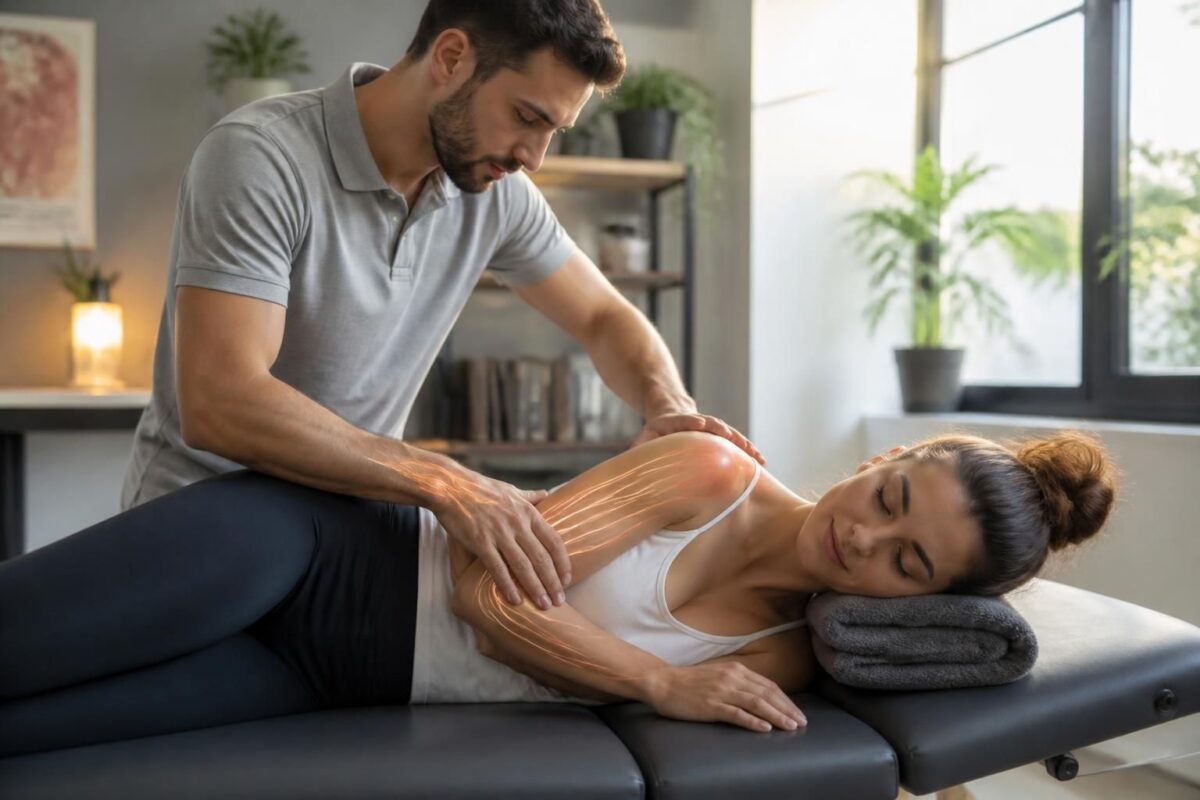
In short
| In short, theosteopathy Improves the bloodstream in the sore areas By stimulating the blood flow and the lymphatic flow by Targeted manipulations and of Body drainage. Advantages: pain reduction, Decreased edema, Improving mobility, Accelerated healing fabrics and General well-being. How does it work? By rebalancing the autonomic nervous system and by releasing areas of stagnation, it improves the Venous return and the lymphatic return, favoring theoxygenation cellular and detoxification, while remaining suitable and painless. |
With theosteopathy, targeted manipulations stimulate blood flow and the lymphatic flow in the sore areas, improving theoxygenation fabrics and accelerating the healing. By promoting the Venous return and reducing the edemas and inflammation, they alleviate the pain and tensions. manual labor frees the Muscle tensions and restrictions on fascias, activate the Body drainage And restores better mobility, for regained energy and lasting comfort.
This article explains how theosteopathy can improve the bloodstream and lymphatic in sore areas. It details the simple mechanisms, the techniques used and what this implies for the daily life of patients. The text is written to be clear, direct and practical.
Understanding circulation and drainage
The bloodstream Transports oxygen and nutrients to tissues. The lymphatic system ensures the evacuation of waste and excess liquid. When these flows are disturbed, the tissues can become clogged, which promotes pain and edema. Osteopathy aims to restore more effective flows through targeted manipulations that improve both the passage of blood and that of lymph.
How Osteopathic Techniques Improve Flows
Osteopathic techniques use gentle and precise manipulations to release muscle tension and fascias. This improves the movement of the venous and lymphatic axes and supports venous return. Work on the diaphragm and joint chains can also promote better circulation throughout the body.
What this means for sore areas
Common areas such as the neck, back, pelvis and limbs may have tensions that slow down circulation. By balancing tension and releasing stagnant areas, osteopathy can reduce pain and edema, while supporting the function of the organs and tissues concerned.
What you can expect from a session
During a consultation, the osteopath carries out a global evaluation and adapts the treatment to your situation. You can expect gentle manipulations, a gradual improvement in mobility and a feeling of relaxation. The effects on circulation can be manifested by a decrease in edema and increased general energy after the sessions, without exercise recommended in the context of specific attacks such as herniated disc or stenosis.
Training and quality of professionals
Practitioners can train through recognized schools such as Numss and NAO, or via programs validated by National University of Medical Sciences and National Academy of osteopathy. In their practice, they are based on principles of body drainage and circulatory flow management. Relevant professional associations include ACMA and the College of Canadian Osteopaths.
Resources and useful links
To deepen the subject, you can consult resources on exchanges between osteopathy and recovery and on the impact of circulatory flows on performance. For example, articles presented on specialized sites discuss the links between osteopathy and sports recovery and approaches to decompression or pain management related to disturbed circulation. You can also inquire via pages dedicated to osteopathy and circulation on the following areas:
Osteopathy and sports recovery → Sossciatica.com
Osteopathy, stress and tension → Sossciatica.com
Osteopathy and professional performance → Sossciatica.com
For information on drainage or specific therapeutic aspects, you can consult:
Neurovertebral decompression → decompressionneurovertebrale.com
Article on drainage and circulation → SostunnelCarpien.com
For clinical information and services, visit:
NOTE: This approach aims to promote better circulation and support overall recovery, without prescription of specific exercises for the pathologies discussed.
Medical Disclaimer: The information and advice provided on this site does not replace the health professional’s diagnosis or treatment. Please note that Dr. Sylvain Desforges osteopath is neither a doctor of medicine nor a doctor, and is not a specialist in a medical specialty as defined by the Collège des Médecins du Québec. Manual medicine, functional medicine and sports medicine as described on this site exclude any medical treatment or diagnosis made by a doctor or specialist doctor. Always consult your doctor for any medical questions. For more details, please read our full legal notice.
Analysis axis : Targeted actions and results on the bloodstream in sore areas.
- Technical : manipulations sweet freeing the ships and restoring the Venous return.
- Regulation : reduction of Vascular spasms and improvement of blood flow local.
- Oxygenation : better oxygenation fabrics thanks to a Blood transit Optimized.
- Drainage : Activation of venous drainage and lymphatic To decrease theedema.
- Inflammation : reduction of mediators andinflammation.
- Pain : decreased pain related to voltage and improving the drip.
- Energy : Renewedenergy thanks to a better circulation.
- Organ function : Support from operation organs via a better irrigation Tissue.
- Posture : better Circulatory stability by a better posture and mobility.
- Maintenance : Prevention of stagnations and preserved recovery.

This article explains how osteopathy can effectively improve the bloodstream and the lymphatic circulation in sore areas. By releasing tensions, restoring tissue mobility and stimulating body drainage, osteopathy promotes better oxygenation cells, decreases edema and accelerates repair, while reducing pain and increasing overall energy.
How osteopathy affects circulation
Thanks to gentle and precise manipulations, osteopathy aims to release the locking areas that slow down venous return and lymphatic drainage. This approach acts on the fascial network and joint interfaces to restore fluid dynamics between organs, muscles and vessels. By improving the mobility of the diaphragms, chest and pelvis, it facilitates the passage of fluids and optimizes the intake by oxygen and nutrients to damaged tissues.
Improved microcirculation
Microcirculation concerns the tiny capillaries that irrigate the tissues. By relaxing tension and rebalancing muscle tension, osteopathy promotes better tissue perfusion. This results in a reduction in burning, stinging or stiffness sensations and accelerating the local healing process.
Body drainage and venous return
Body drainage, an osteopathic practice, aims to fluidify accumulated body fluids. By releasing the fascias and reharmonizing the lymphatic and venous axes, it improves the return of fluids to the heart and stimulates the elimination of metabolic waste. Result: less edema, less inflammation and a general feeling of lightness. Diaphragmatic breathing and work on the rib cage support this mechanism by strengthening the action of the parasympathetic nervous system.

How osteopathy improves the quality of life of active people
In short In short, theosteopathy is a global approach that Optimizes mobility and the function of the body of ACTIVE PEOPLE, for a better quality of life. It helps prevent injury and reduce Musculoskeletal pain While promoting the Sports recovery.…

Osteopathy and sports recovery: prepare the body for lasting performance
In short In short, Osteopathy and Sports recovery is one Global manual approach that sustainably prepares the body for the effort by restoring mobility and circulation After the effort. It is a discipline that acts on the sinews, the joints,…
sore areas and concrete benefits
Frequently affected areas — back, lumbar, shoulders, hips, knees and ankles — benefit from a traffic improvement which reduces ignition, reduces tension and accelerates recovery. Patients often report a decrease in pain, better mobility and more stable energy over the days, thanks to better fluid distribution and more balanced nervous regulation.
Examples of results
By releasing areas of stagnation, osteopathy can reduce the painful sensations associated with local congestion, improve recovery after exercise and promote more restorative sleep. Optimized circulation also supports digestive function and general relaxation, promoting a gradual resumption of daily activities without worsening symptoms.
Why Osteopathy Is Essential For Recovery People
In short In short, Osteopathy in convalescence is an approach manual and holistic which helps to accelerate the recovery by restoring The balance, the mobility and a good circulation fabrics. it contributes to Reduce the pain, support the Back to…

Osteopathic manipulations to strengthen post-traumatic muscles
In short In short, Osteopathic manipulations for Strengthen post-traumatic muscles constitute a gentle manual approach aimed at restoring the mobility, reduce the pain and facilitate the Functional rehabilitation After a injury. What is Is it? A series of precise gestures…
Integrate osteopathy into your journey
To take full advantage of these benefits, osteopathy sessions are part of a personalized and progressive approach. Treatment plans adapted to your pain and constraints allow you to permanently improve circulation in sensitive areas. Combine these sessions with simple gestures to do on a daily basis, and consider a multidisciplinary approach if necessary. The whole thing, while respecting your body and your rhythm, aims for a lasting reduction in pain and a concrete improvement in your quality of life.
| Axis | Concise impact |
|---|---|
| Targeted evaluation painful areas | Precise identification of areas and vascular paths to optimize |
| techniques osteo-articular | Release tissues and stimulate flow |
| Drainage lymphatic | Accentuates lymphatic return and reduces edema |
| Decompression Vascular axes | Releases restrictions hindering traffic |
| microcirculation and infusion | Improves tissue perfusion and oxygenation |
| Posture and diaphragm | Improves venous return via posture and breathing |
| Recovery and energy | Reduces fatigue and accelerates muscle recovery |
| Targeted areas stock | back, lumbar, shoulders, legs |
The first testimony highlights how osteopathy can relaunch the blood flow in sore areas of the neck and shoulders. Thanks to targeted manipulations and work on drainage, the patient perceived a better tissue oxygenation and a noticeable decrease in stiffness.
A second story describes an improvement in the bloodstream and lymphatic in the lower limbs, which reduces feelings of heaviness and edema after a long standing day.
A third testimony concerns the lower back: by improving the circulation local and by releasing the fascias, osteopathy facilitated venous return, bringing more comfort and more energy to the lumbar and pelvic level.
With an athlete, the experience yields faster recovery after exercise thanks to a Optimized blood circulation In the muscles of the legs, which accelerates tissue repair and decreases post-workout fatigue.
A patient in post-operative rehabilitation notices an improvement in the drainage and circulation, reducing tension and feeling of heaviness, and facilitating mobility.
Another elderly person testifies to a strengthening of the bloodstream In the extremities, which helps to reduce tingling and improve daily life and general well-being.
the DR Sylvain Desforges Is recognized as an expert in osteopathy, naturopathy and manual medicine, and assumes the founding presidency of TagMed as well as the leadership of the ACMA association. His professional commitment is directed towards the management of Chronic pain and the integration of advanced practices to optimize the health and well-being of its patients. His approach is based on individualized evaluation and attentive listening to sore areas, witnessing a local circulatory imbalance and a need for global re-harmonization of flows.
In osteopathy, the improvement of bloodstream Is built by the movement of articular and fascial structures which can compress the vessels and capillaries. When the tissues lack mobility, the path of blood and lymph is slowed, favoring the accumulation of toxins and inflammation. thanks to gestures sweet and targeted, the osteopath releases these tensions and restores the vascular routes, which reinforces the oxygenation of the soft goods and improves venous return.
At the heart of this approach is the intimate link between the fascial network and the system lymphatic. By releasing the tensions of the fascias and improving the mobility of the chest, shoulders and pelvis, the flow of fluids can circulate more freely. The Body drainage Osteopathic, carried out precisely, helps to decongest the stagnant areas and to facilitate the passage of essential fluids towards the lymph nodes and lymphatic organs. This action is particularly useful in the sore areas of the lower limbs and lumbar spine.
Osteopathic techniques often integrate into work on breathing and posture, as the diaphragm and rib cage play a key role in the drainage and the Venous return. By promoting diaphragmatic breathing and adjusting postural patterns, the osteopath stimulates the nervous system parasympathetic and decreases nervous system activity sympathetic, thus creating a context more conducive to tissue repair and the elimination of metabolic waste.
Concretely, the effects in the sore areas result in a decrease in edema, regained energy and increased mobility. Fabrics benefit from a oxygenation Improved, pain associated with chronic tension subsides and recovery after exercise or injury can accelerate. The objective is to restore a harmonious circulatory dynamic that supports the overall health and functionality of the organs concerned.
This approach is based on a vision holistic and personalized: the osteopath assesses the mechanisms that fuel the circulatory imbalance and designs a suitable plan, combining manipulation, drainage and practical advice. Over the course of the sessions, patients discover simple tools to support blood and lymph flow on a daily basis: hydration, regular light activity, conscious breathing and stress management. The objective is to transform the painful experience into a dynamic of lasting well-being.
Thus, osteopathy is not limited to relieving immediate discomfort: it acts on the conditions that allow the body to resume its natural circulatory function. By combining manual know-how and understanding of the interactions between tissues, nervous systems and body fluids, sore areas can regain renewed vitality and more fluid mobility, for lasting well-being.
This summary summarizes how theosteopathy can improve the bloodstream in the sore areas By stimulating the blood flow and the lymphatic flow, by reducing inflammation and accelerating tissue repair through targeted techniques and a global approach to the body.

Osteopathy and prevention of work-related musculoskeletal disorders
In short theosteopathy is one Manual approach that restores body balance and prevents MSD related to work. Its advantages: reduction of tension, improvement of mobility and prevention of chronic pain. She is preventive and healing, suitable for office and trades…

The benefits of osteopathy to treat muscle imbalances
In short theosteopathy is a manual approach to restore themuscle harmony and postural considering the body as a whole. Its main benefits include the reduction of aches and tensions, the improvement of the mobility and from the posture, and prevention…
Synthesis
Osteopathic techniques act on tissues, fascias and vascular axes to fluidify the exchanges and release the mechanical stresses that hinder circulation. By working on joints, diaphragm and lymphatic networks, osteopathy promotes The venous return and The microcirculation, thus improving the oxygenation of cells and accelerating the repair of sore tissues.
This improvement in circulation results in a reduction in edema, a decrease in local inflammation and a reduction in the feeling of fatigue in problem areas such as the legs, back or shoulders. Optimized circulation is also manifested by a regained global energy and increased mobility, in particular when the blood and lymphatic circulation is fluidized around the painful areas.
The Body drainage occupies a central place in this approach. Through gentle but deep manual gestures, it releases fluid stagnations, softens the fascias and reharmonizes postural and diaphragmatic tensions. This dynamic activates the parasympathetic nervous system, promoting a state of recovery and rebalancing of the vascular and lymphatic circuits.
Synergy between osteopathic techniques, work on the neurovaskular system and body drainage not only alleviate pain but also improve the Joint health and general vitality. This approach is particularly effective when inflammatory pain and chronic stress disrupt circulatory flow and organ function.
To support the effects between sessions, a few simple gestures promote venous return and cellular detoxification: progressive diaphragmatic breathing, gentle physical activity (walking, yoga, light pilates), sufficient hydration and balanced diet that limits processed foods and salt. These habits complement the benefits of osteopathic intervention and strengthen the bloodstream in the areas concerned.
To learn more, check out these resources:
How Osteopathy Improves Localized Blood Circulation,
Osteopathy and stress – soothe the body and mind,
Edema and circulation – venous return.
Osteopathy and chronic leg pain: regaining an optimal quality of life
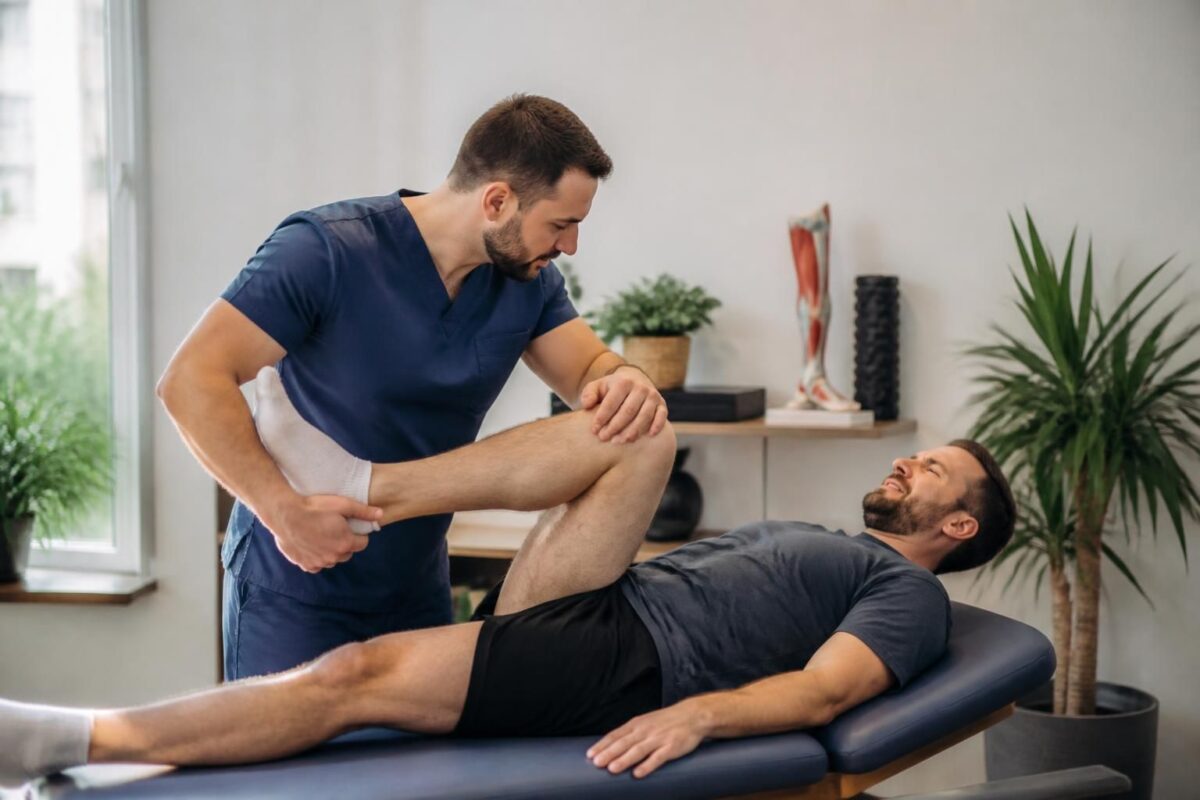
In short In short, Osteopathy is one Global manual approach aimed at reducing Chronic leg pain and improve the quality of life. What is it? Non-drug therapy using the hands to identify restrictions and treat lesional chains. How does it…
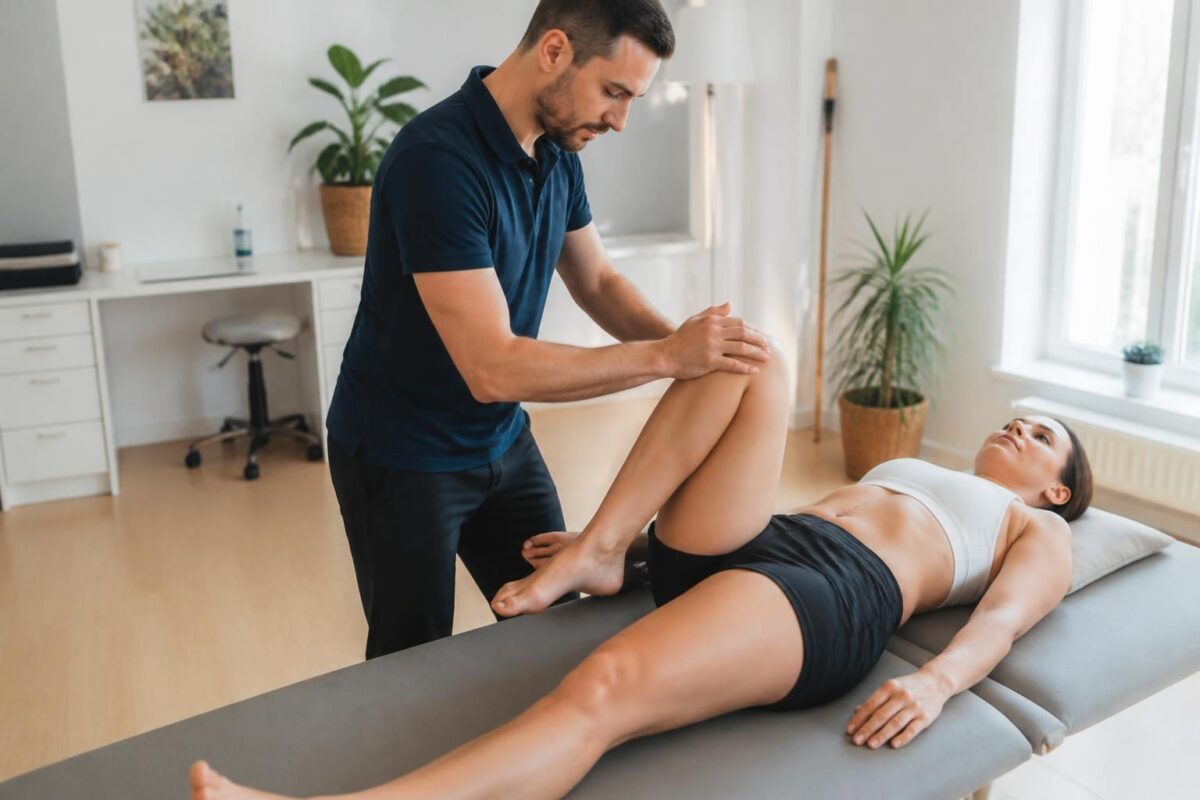
How osteopathy supports recovery after complex surgery
In short In short, Post-operative osteopathy is an approach fresh which supports the recovery After a Complex surgery. It helps to reduce the pain and the fatigue, improves the mobility and accelerates the healing thanks to a better vascularization and…

Dr Sylvain Desforges, B.Sc., D.O., N.D., osteopath, is the founding president of TAGMED and of the ACMA association. He dedicates his practice to chronic spinal pain, low back pain and symptoms compatible with sciatica, particularly when pain radiates toward the buttock, leg, calf, foot or toes.
Through SOS Sciatique, he publishes educational content on sciatica symptoms, possible causes such as disc herniation, disc narrowing, foraminal stenosis or irritation of a lumbar nerve root, as well as non-surgical approaches that may be considered according to the evaluation. At Clinique TAGMED, care may include, depending on the case, motorized neurovertebral decompression, specific osteopathic care or precision percussion.
For an evaluation related to sciatica treatment in Montreal / Mount Royal or sciatica treatment in Terrebonne, please consult the services available at Clinique TAGMED.
Medical disclaimer
The information published on SOS Sciatique is provided for educational purposes only and does not replace a consultation, diagnosis, opinion or treatment provided by a physician or another authorized healthcare professional. The author of this article is neither a medical doctor nor a specialist in a medical specialty recognized by the Collège des médecins du Québec. The osteopathic, manual medicine or functional support approaches described on this site do not constitute medical acts and are not intended to replace medical follow-up.
Consult a physician or emergency service in cases of loss of bladder or bowel control, anesthesia in the saddle area, significant or progressive weakness in the leg or foot, fever, recent trauma, severe pain or rapid worsening of symptoms. For more details, please read our Legal Notice.