Sciatica in Montreal: why the same treatment does not work for everyone
09/07/2026
Pain in the buttock without back pain: could it be sciatica?
09/07/2026
IN BRIEF In brief, sciatica is pain that follows the path of the sciatic nerve, starting from the lower back and descending through the buttock down to the leg. In Terrebonne, the same treatment does not suit everyone: each case is unique and requires a personalized assessment to identify possible causes (herniated disc, stenosis, muscle tension) and adapt the care plan. The benefits of an individualized approach include more lasting pain relief, improved mobility, and support focused on rapid recovery, with non-surgical options when possible, and local and accessible care for patients in the region. |
In the Terrebonne area, sciatica can arise from different causes, and the response to treatment varies with each patient. This is why a single therapeutic scheme is not universal:
- Varied causes: herniated disc, spinal canal narrowing, arthritis, or nerve inflammation can trigger pain along the sciatic nerve.
- Location and severity: pain and symptoms may differ depending on the level of compression and individual sensitivity.
- Response to treatment: some respond better to non-surgical approaches (exercises, osteopathy, physical therapies) while others may require a more targeted intervention.
- Functional goals: pain reduction, improved mobility, and prevention of relapses depend on the specific needs of each individual.
This text explains why, in Terrebonne, the same treatment for sciatica does not suit all patients. It shows how a tailored and personalized assessment guides the choice of the most effective approaches, without favoring a one-size-fits-all solution.
Understanding sciatica and its causes
Sciatica is pain that follows the path of the sciatic nerve. This nerve starts from the lower back, crosses the buttock, and descends into the leg. Several causes can provoke this pain, including a herniated disc, changes related to arthritis, spinal canal narrowing, or irritation of the nerve roots. The presentation may vary from person to person: some experience a burning pain starting in the lower back and radiating to the buttock and leg, while others may have tingling, numbness, or weakness. To understand these variations, it is crucial to evaluate each patient individually and differentiate the possible causes, including between peripheral neuropathies and other nerve impairments.
Clinical evaluation: the key to the therapeutic path
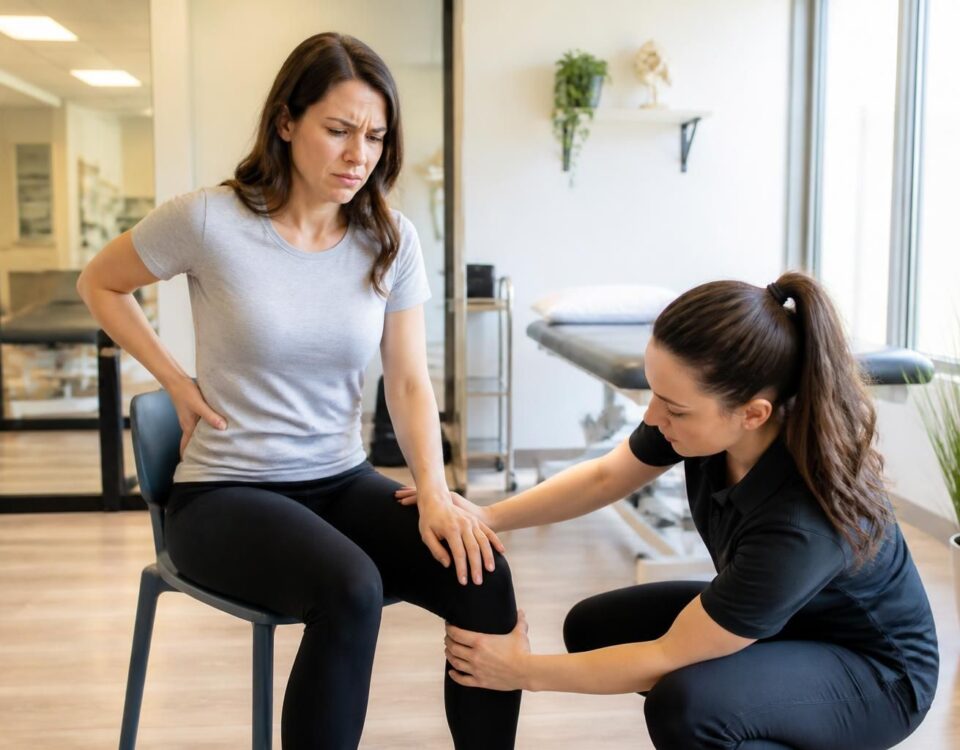
The diagnosis primarily relies on clinical evaluation, supplemented by imaging studies or electrodiagnostic tests when necessary. The objective is to identify the exact location and the main cause of nerve irritation. This approach then guides the choice between the different treatment options and avoids unnecessary paths. To understand why clinical evaluation always prevails before starting treatment, refer to the dedicated guide in Montreal. Additionally, resources explain how clinical evaluation always precedes treatment.
Why the same treatment does not suit everyone
Several factors explain this diversity: the exact location of irritation, the underlying cause (for example, herniated disc or foraminal stenosis), age, medical history, and activity level. Pain can be radicular in origin, radiating down to the foot, or associated with peripheral signs. This means that two patients with identical sciatica on paper will not necessarily receive the same treatment plan. To better understand the mechanisms and variations, you can explore resources that describe the distinctions between sciatica and peripheral neuropathy and the different forms of common presentations.
Therapeutic options tailored for Terrebonne and Montreal
Non-surgical approaches can be considered after a thorough assessment. Depending on the evaluation, specific care may be offered at the TAGMED Clinic or in the context of osteopathy support. In some cases, non-pharmacological and non-surgical options may be prioritized, such as targeted osteopathic techniques and precise interventions in the clinic. To learn more about the treatments available in Montreal and Terrebonne, consult the following pages: Sciatica treatment in Montreal, TAGMED Clinic — Sciatica, and the general overview of management principles in Terrebonne.
For additional information and cautious approaches to avoid inappropriate treatments, see this Terrebonne resource. Resources on lifting and handling loads can also inform about daily safety, such as lifting loads.
For a clinical evaluation that precedes treatment and to understand why this is essential, consult the dedicated article and, if necessary, the general resources on sciatica and non-surgical approaches.
When discussing diagnosis and therapeutic choices, it is helpful to consider supplementary sources on sciatica and its associated forms, including distinctions with other peripheral neuropathies and typical presentations described in reference medical manuals. For a general overview, the MSD Manual remains an accessible resource.
In some cases, the distinction between sciatica and peripheral neuropathy can guide therapeutic choices differently. To explore this point, you can refer to Sciatica or peripheral neuropathy.
If the pain is associated with a disc herniation or other common structural lesions, specific options can be discussed during the clinical evaluation. For more information, you can also consult specialized resources on non-surgical approaches and general indications, and discuss directly with your practitioner.
To further inform yourself about the differentials and mechanisms, additional resources may be useful: Treatment of sciatica in Terrebonne — herniation, stenosis or nerve irritation.
The resources and partnerships mentioned above guide you to complementary information and the options available in the Terrebonne and Montreal area.
To learn more about the care pathways and non-surgical approaches offered in local clinics, visit the related pages and discuss with your specialist the best strategy suited to your situation.
If you are looking to learn more about training frameworks in osteopathy and relevant professional associations, you can refer to the professional resources and accessible institutions, including NUMSS, NAO, National University of Medical Sciences and National Academy of Osteopathy, as well as the ACMA, College of Canadian Osteopaths and Collège des Ostéopathes Canadiens for professional frameworks.
For those looking for a practical and concise update on therapeutic choices, here are some useful links: prior clinical evaluation, treatment in Montreal, and TAGMED Clinic.
“Medical disclaimer: The information and advice provided on this site do not replace the opinion, diagnosis, or treatment of a health professional. Please note that Dr. Sylvain Desforges, osteopath, is neither a medical doctor nor a physician, and is not a specialist in a medical specialty as defined by the Collège des médecins du Québec. Manual therapy, functional medicine, and sports medicine as described on this site exclude any medical treatment or diagnosis made by a physician or specialist. Always consult your doctor for any medical questions. For more details, please read our complete Legal Notice.”
- Origin and location: lumbar sciatica guides the strategy.
- Possible causes: disc herniation, stenosis, arthritis.
- Patient profile: age, comorbidities, and activity influence the choice.
- Goals: quick relief vs functional recovery.
- Individual reactivity: each patient responds differently to the same treatment.
- Tissue involvement: nerve, disc, and muscles require targeted approaches.
- Options and risks: conservative treatment vs surgery depending on the case.
- Local resources in Terrebonne: access to follow-up and rehabilitation.

Quick summary: In Terrebonne, the treatment of sciatica cannot be uniform. This article highlights why the same protocol does not suit everyone, due to varied causes, patient profiles, and functional goals. A personalized and multidisciplinary approach allows for adapting the care plan to each situation and optimizing recovery.
Assessing the causes and individual context
The diagnosis relies on a precise clinical examination and, depending on the case, on results from imaging or electrodiagnostic studies to localize the nerve root and measure the impact on walking and strength. Sciatica can result from a disc herniation, narrowing of the spinal canal, or other mechanisms. This context strongly influences the therapeutic choice and the speed of recovery.

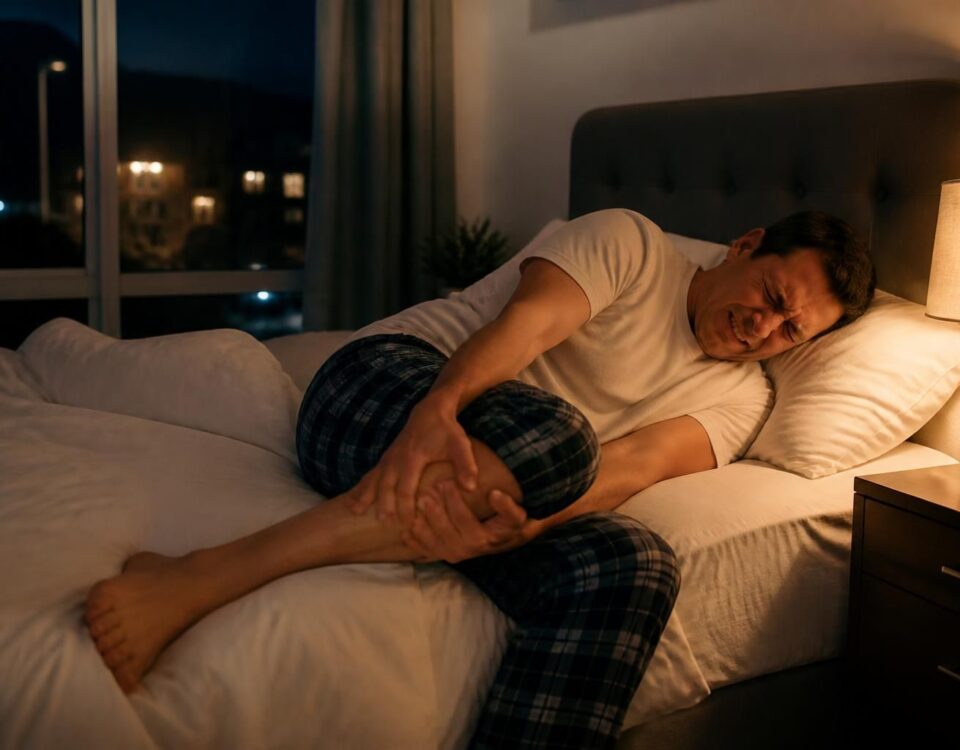
Sciatica in Terrebonne: nighttime pain in the leg
IN BRIEF In brief, nocturnal sciatica is a pain that starts from the lower back and radiates to the leg, sometimes waking you up at night. In Terrebonne, non-invasive management can reduce nighttime awakenings and improve sleep, while preserving mobility…
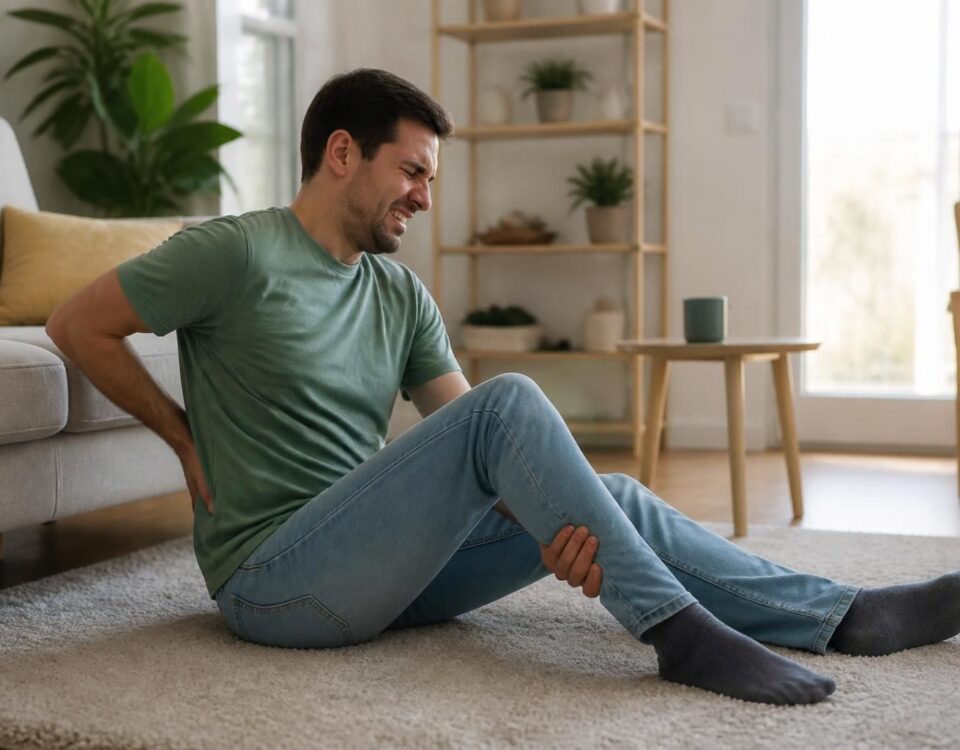
Sciatica in Terrebonne: pain from the lower back to the calf
IN BRIEF Sciatica is pain that follows the path of the sciatic nerve, starting from the lower back and radiating down the leg to the calf or foot. In Terrebonne, local evaluation allows for quick identification of the causes and…
Why treatments do not suit everyone
The factors guiding the treatment response include the precise location of the affected nerve, the duration of symptoms, the presence of nighttime or rest pain, and the presence of comorbidities such as diabetes or obesity. Professional and personal needs, sleep quality, and level of physical activity also determine priorities. Furthermore, each patient reacts differently to rehabilitation techniques and pain management.
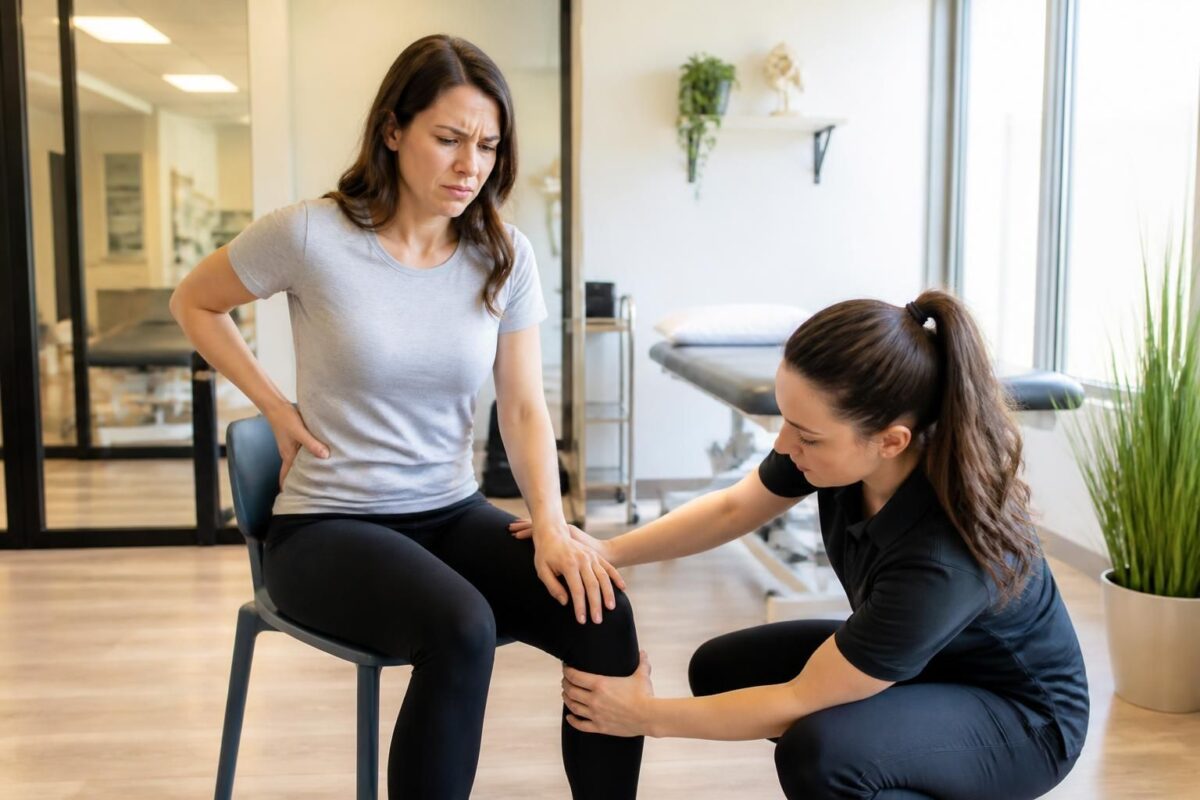
Sciatica in Terrebonne: hip pain or true nerve radiation?
IN BRIEF Sciatica is a pain that follows the path of the sciatic nerve, from the lower back to the foot. In Terrebonne, it can manifest as pain in the hip or as true nerve irradiation. Key benefits: pain reduction,…

Sciatica pain in Terrebonne: incomplete journey, should we be worried?
IN BRIEF The subject is sciatic pain in Terrebonne, which can follow the incomplete path of the sciatic nerve and project pain down to the foot. Key benefits: pain reduction, improved mobility, and prevention of recurrences through tailored exercises and…
Available options in Terrebonne
Conservative management and adapted exercises
A multimodal approach is often effective: physiotherapy, specialized osteopathy, and progressive trunk strengthening and gentle stretching programs. The goal is to restore spinal stability, improve mobility, and reduce nerve irritation, while respecting pain signals and avoiding movements that exacerbate pain.
Physical activity and daily posture
Posture advice, muscle strengthening exercises, and correct lifting habits can prevent recurrences. Including suitable activities, such as walking or swimming, contributes to both physical conditioning and effort tolerance, which can limit relapses and accelerate the return to normal life.
Indications for surgical intervention or advanced alternatives
In some persistent cases, in the presence of progressive weakness, loss of sensitivity, or failure of conservative treatments, surgical options may be considered after multidisciplinary evaluation. The choice will depend on the precise cause (for example, the extent of a hernia or a stenosis) and the functional goals of the patient.

Sciatica in Terrebonne: pain towards the little toe and S1 root
IN BRIEF In brief, sciatica associated with pain towards the little toe and the S1 root is a neuropathic pain that follows the path of the sciatic nerve and often results from compression or irritation of the affected lumbar root.…
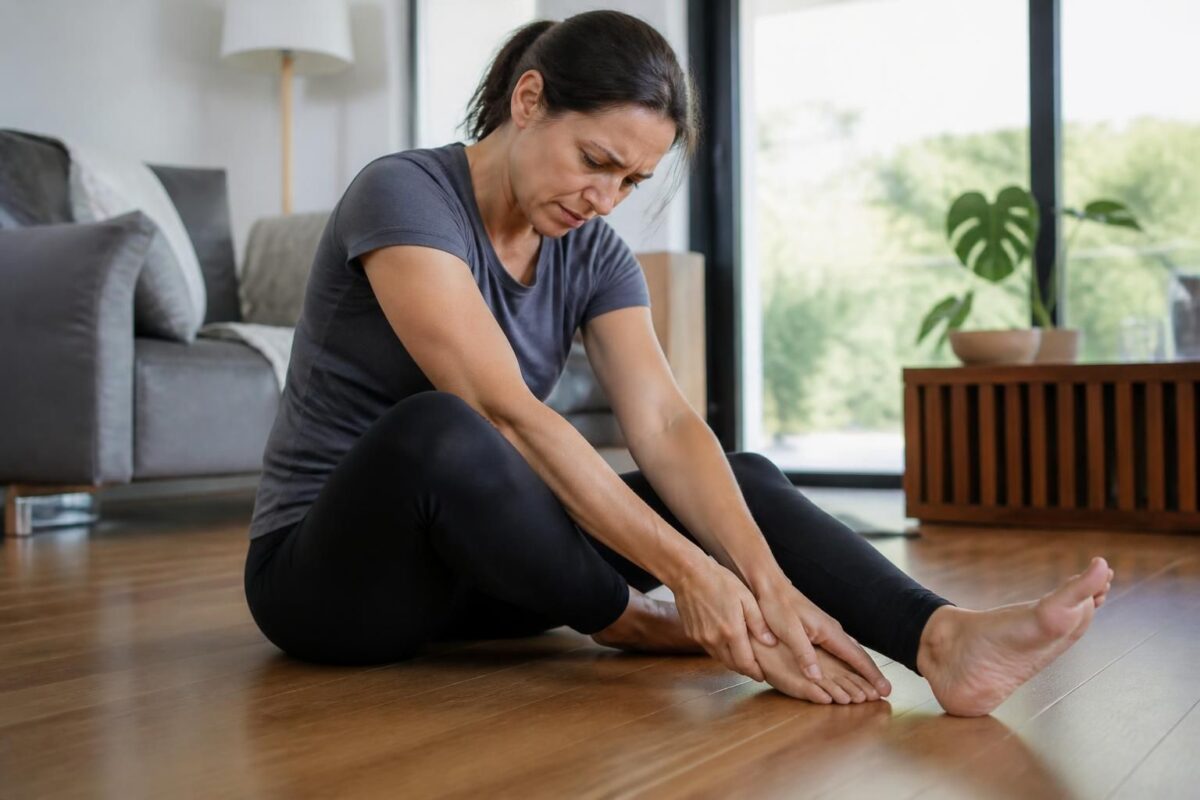
Sciatica in Terrebonne: pain towards the top of the foot and L5 root
IN SHORT The Sciatica in Terrebonne with pain radiating to the top of the foot and probable involvement of the L5 root describes a radicular injury manifested by pain following the nerve path, sometimes accompanied by numbness or weakness. The…
Preventing Recurrences and Supporting Recovery
An effective prevention strategy combines healthy weight, regular physical activity, and correct posture in standing and sitting positions. Learning proper lifting techniques and integrating lumbar stability exercises can reduce stress on the discs and ligaments and promote sustainable recovery.
| Key Factor | Concise Impact |
|---|---|
| Age and Comorbidities | The demographic profile and comorbidities influence tolerance and guide treatment adaptation. |
| Precise Etiology | The identified cause (disc herniation, stenosis, sprain) determines the preferred option; not all approaches work for every pathology. |
| Pain Stage | The acute or chronic stage guides the therapeutic plan and favors long-term appropriate approaches. |
| Activity Level and Posture | Daily activities and posture influence lumbar load and the effectiveness of exercises. |
| Initial Treatment Response | The response varies by patient; some achieve rapid relief, while others require adjustments. |
| Presence of Weakness or Radiation | Weakness or radiated pain may early guide investigations and targeted options. |
| Imaging and Electrodiagnostic Tests | Imaging confirms the etiology but does not evaluate pain alone; tests specify the affected root. |
| Surgery Preferences and Tolerance | Choices vary according to appetite for surgery and perceived risks; favor non-surgical options when possible. |
| Quality of Life and Social Support | Family support and the environment influence adherence to treatment and recovery. |

Sciatica in Terrebonne: pain radiating to the outer edge of the foot
IN BRIEF Concise definition: Sciatic pain that reaches the outer edge of the foot follows the path of the sciatic nerve from the lower back to the foot. Benefits and applications: In Terrebonne, a conservative approach provides quick and safe…

Sciatica in Terrebonne: pain in the buttock after a long sitting position
IN BRIEF In brief, sciatica in Terrebonne with buttock pain after a long sitting position corresponds to a compression or irritation of the sciatic nerve. Main benefits: pain reduction, better mobility, and prevention of recurrences through postural education and simple…
Testimonials on Sciatica in Terrebonne: Why One Treatment Doesn’t Fit All
In Terrebonne, many patients suffering from sciatica find that universal treatment doesn’t work for everyone. Here are some testimonials that illustrate the importance of a personalized approach.
“In Terrebonne, I initially followed a standard protocol that didn’t take my pace and activities into account. The pain traveled from my lower back to my foot and kept coming back. After a complete evaluation, the therapist adjusted the plan to propose a targeted osteopathy approach and a personalized exercise program. Result: a gradual reduction in pain and regained mobility.”
“My case in Terrebonne combined low back pain and nerve involvement that didn’t respond to the same treatment as others. I received a personalized plan combining gentle techniques and posture advice, along with tailored exercises. Today, the pain is managed and my daily activities have become possible again.”
“As an athlete living in Terrebonne, I needed a quick return. A universal protocol would have prevented me from resuming training. A personalized approach was proposed with targeted nerve work, gradual progression, and specific exercises. In a few weeks, I regained my performance without increasing the pain.”
“For me, sciatica was worsened by diabetes; in Terrebonne, the intervention was adjusted to limit irritations and favor cautious progression with appropriate exercises. Result: better pain management and fewer painful spikes.”
In the Terrebonne area, Dr. Sylvain Desforges is recognized as an expert in osteopathy, naturopathy, and manual medicine. Founder and president of the TAGMED clinics and the ACMA association, he dedicates his practice to individuals suffering from chronic pain of the spine and lower back pain often associated with sciatica. His approach is based on evidence-based care and the integration of advanced technologies such as motorized neurovertebral decompression, laser, and shockwave therapy to optimize the health and well-being of his patients consulting in Terrebonne and its surroundings.
Sciatica is pain that follows the path of the sciatic nerve, starting from the lower back, crossing through the buttock and down the leg. This pain can result from a herniated disc, narrowing of the spinal canal, or arthritic involvement, but also from nerve irritations or other injuries. The multifactorial nature of the pathology explains why a single treatment cannot fit all: each patient presents a unique combination of causes, symptoms, and responses to treatment.
For Terrebonne, evaluation is crucial: it relies on a thorough clinical examination to assess strength, reflexes, and functional limitations; depending on the cases, imaging studies or electrodiagnostic tests may be necessary to locate the affected root and assess the severity. This diagnostic approach allows for the development of a personalized plan, adapted to each situation, rather than imposing a one-size-fits-all approach.
The therapeutic options proposed by Dr. Desforges are based on a multimodal approach. Depending on the patient’s profile, it may combine motorized neurovertebral decompression, specific osteopathy, and the use of a precision impactor, complemented by practical advice on physical activity and strengthening the core muscles. Non-invasive measures, such as appropriate rest, pain control, and progressive exercises, may be added when relevant. In some cases, after assessment, surgical options may be considered, but the goal remains pain reduction and improvement of function according to the patient’s needs.
Why does the same protocol sometimes fail? Because symptoms and causes vary from one individual to another: the same pain may be related to a herniated disc, stenosis, or a combination of inflammatory and degenerative factors. Age, lifestyle, and history also influence how each person responds to treatment. The approach in Terrebonne therefore prioritizes initial assessment, regular follow-up, and adjustment of care based on progress, patient feedback, and goals to be achieved.
In Terrebonne, this process is driven by an evidence-based practice and transparent communication. It emphasizes the individualization of the therapeutic plan, continuous monitoring, and adaptation of care as symptoms evolve, in order to promote lasting pain reduction and gradual restoration of functionality. This approach remains active and tailored to each patient, without being confined to a single technique.
This brief article summarizes why, in Terrebonne, sciatica cannot be treated according to a universal approach: the causes and patients’ reactions vary, and a personalized strategy, often focused on non-surgical options, is necessary before considering a more invasive intervention.
Key Points and Implications
Sciatica is pain that follows the path of the sciatic nerve, and its origins are multiple: herniated discs, spinal canal narrowing, osteoarthritis, or inflammation. In Terrebonne, this diversity requires adapting treatment to the exact root of the issue and the patient’s profile. To explore possible mechanical mechanisms and triggers, consult this guide: possible mechanical causes.
The same approach does not suit everyone: the precise location of the affected root and the presence of signs such as foot weakness may alter therapeutic choices and the speed of recovery. This sign constitutes a reason to evaluate quickly and customize the treatment plan: sign to monitor.
Non-surgical options often represent the first line in Terrebonne: tailored physiotherapy programs, targeted exercises, and postural advice, combined with appropriate pain management. To learn more about the non-surgical framework in Terrebonne, consult: Non-surgical treatment in Terrebonne.
In some cases, when nerve compression is significant or symptoms persist despite conservative measures, surgical intervention may be considered. Approaches vary, and the choice depends on the clinical context, with options described in specialized resources such as Treatment for a sciatic nerve problem and other sources of information.
To supplement your information and explore different therapeutic perspectives, you can consult the following resources: Ameli – Consultation and treatment, Passeport Santé – Medical treatments for sciatica and Doctissimo – Sciatica. Other useful resources also address clinical trials and specific approaches: Clinical trials – sciatica treatments, Pain in the calf and possible nerve origin.

Dr Sylvain Desforges, B.Sc., D.O., N.D., osteopath, is the founding president of TAGMED and of the ACMA association. He dedicates his practice to chronic spinal pain, low back pain and symptoms compatible with sciatica, particularly when pain radiates toward the buttock, leg, calf, foot or toes.
Through SOS Sciatique, he publishes educational content on sciatica symptoms, possible causes such as disc herniation, disc narrowing, foraminal stenosis or irritation of a lumbar nerve root, as well as non-surgical approaches that may be considered according to the evaluation. At Clinique TAGMED, care may include, depending on the case, motorized neurovertebral decompression, specific osteopathic care or precision percussion.
For an evaluation related to sciatica treatment in Montreal / Mount Royal or sciatica treatment in Terrebonne, please consult the services available at Clinique TAGMED.
Medical disclaimer
The information published on SOS Sciatique is provided for educational purposes only and does not replace a consultation, diagnosis, opinion or treatment provided by a physician or another authorized healthcare professional. The author of this article is neither a medical doctor nor a specialist in a medical specialty recognized by the Collège des médecins du Québec. The osteopathic, manual medicine or functional support approaches described on this site do not constitute medical acts and are not intended to replace medical follow-up.
Consult a physician or emergency service in cases of loss of bladder or bowel control, anesthesia in the saddle area, significant or progressive weakness in the leg or foot, fever, recent trauma, severe pain or rapid worsening of symptoms. For more details, please read our Legal Notice.