Sciatica radiating into the calf: possible lumbar cause
08/07/2026
Sciatica and pain in the buttock while sitting
08/07/2026
IN BRIEF
| In brief, sciatica is pain that follows the path of the sciatic nerve and can manifest as pain in the calf when the source is nerve-related. Understanding this nerve-related origin allows for a targeted and non-surgical management providing quick relief and better mobility. The process is based on a simple clinical evaluation, identification of the origin, and the development of a personalized plan including exercises and postural advice. In Montreal, this service is particularly recommended for sciatic pain radiating down to the calf, in order to achieve effective relief while avoiding unnecessary interventions. |
The sciatica is pain of nerve-related origin that follows the path of the sciatic nerve, starting from the lower back and descending into the back of the leg down to the calf.
Localized pain in the calf may reflect a root injury, often related to a herniated disc or narrowing of the lumbar canal, and may be accompanied by tingling, numbness, or weakness.
The diagnosis is based on clinical examination and, if necessary, imaging (MRI/CT) and tests to locate the affected root.
Treatment aims to relieve pain and improve posture, through physiotherapy, anti-inflammatories, and adaptations according to the cause. Consult promptly in case of significant weakness, loss of urinary control, or extremely severe pain.
Pain reaching the calf may be of nerve-related origin. This article, written by a healthcare professional, explains how the sciatic nerve may be involved, what signs to look for, and which management options to prioritize at the TAGMED Clinic. The goal is to distinguish muscle pain from a true nerve signal and guide an appropriate evaluation.
Origin and path of the sciatic nerve
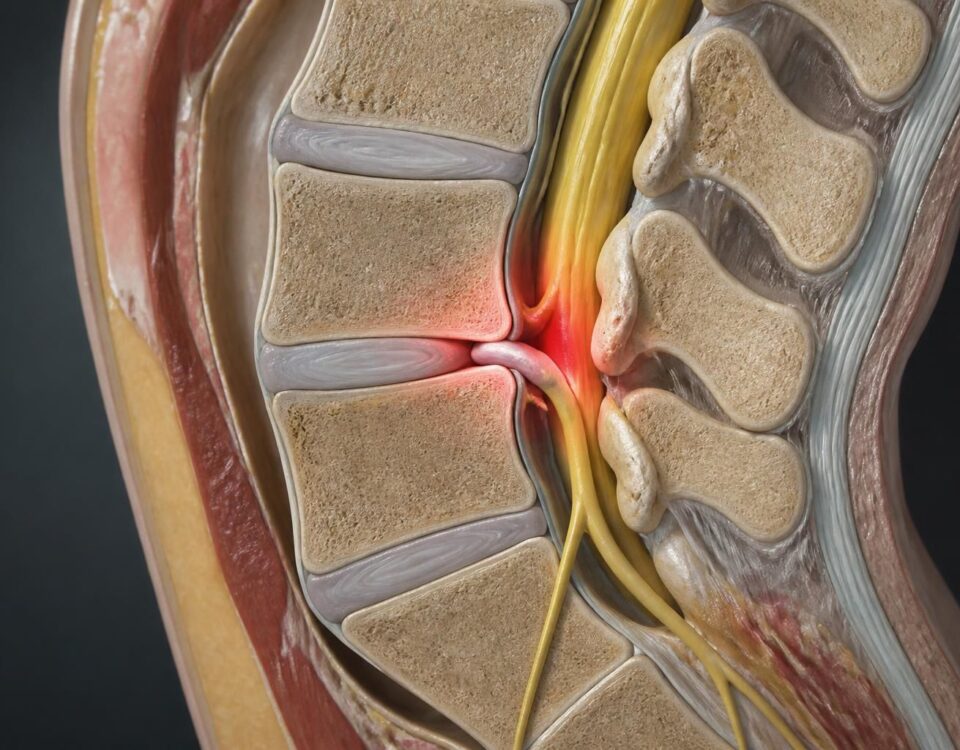
The sciatic nerve is the longest in the body. It arises from the lumbar roots L4 to S3 and follows a path that starts from the lower back, passes through the back of the thigh, and then descends to the foot. Compression or irritation can produce pain that follows this pathway, from the buttock to the calf and sometimes down to the foot. This pain may be accompanied by sensory disturbances or muscle weakness.
Signs and symptoms
Pain is often unilateral and can present as a burning sensation or a stabbing pain. Tingling, numbness, or weakness in the calf or foot may occur. The pain may worsen with coughing, sneezing, or exertion. In the presence of marked neurological signs, prompt management is necessary.
Possible causes
The most common causes include lumbar disc herniation, lumbar osteoarthritis, narrowing of the lumbar canal, and spondylolisthesis. Other origins may include muscle irritation, infection, or inflammatory disease of the spine. In pregnant women, postural disorders may also play a temporary role.
Diagnosis
Diagnosis primarily relies on clinical examination: strength, reflexes, and specific tests such as the Lasègue sign. If symptoms persist beyond six weeks or if there are neurological deficits, imaging such as MRI or CT may be requested. Electrodiagnostic elements may be considered to locate the affected root and assess severity.
Treatment and management
Treatment depends on the cause and severity. At the TAGMED Clinic in Montreal or Terrebonne, non-surgical approaches include motorized neurovertebral decompression, specific osteopathy, and precision percussion. Other options may be discussed after clinical evaluation and can vary based on the case. In the presence of evident neurological disorder or lack of response to treatment, surgical procedures may be considered depending on the cause.
Good to know: prolonged rest is not recommended in cases of sciatic nerve neuralgia. The doctor adjusts daily activities and treatments according to each situation.
When to consult and prevention
Consult promptly if pain persists beyond a few weeks, worsens, or is accompanied by significant motor deficit. To reduce risk, prioritize suitable physical activity and adopt good posture during daily activities and at work.
For more information
To explore further, you can consult the following resources:
- Sciatica that descends into the calf – possible lumbar cause
- Calf pain and sciatica
- Sciatica and pain after a day of sitting
- Sciatica sitting at the office: why the leg becomes painful
- Sciatica or vascular problem
- Non-surgical treatment of sciatica in Terrebonne
- Resources on herniated discs
- Information on herniated discs
- Understanding pain related to a compressed nerve in other areas
- TAGMED Clinic
- Neurovertebral decompression
About the author
Dr Sylvain Desforges, B.Sc., D.O., N.D., osteopath, is the founding president of
TAGMED
and of the ACMA association. He dedicates his practice to chronic pain of the spine, lower back pain, and pain compatible with sciatica, particularly when the pain radiates down to the buttock, leg, calf, foot, or toes.
Through SOS Sciatica, he publishes educational content on the symptoms of sciatica, possible causes such as disc herniation, disc pinching, foraminal stenosis, or irritation of a lumbar nerve root, as well as on non-surgical approaches that may be considered based on the evaluation. At TAGMED Clinic, care may include, as applicable, motorized neurovertebral decompression, specific osteopathy, or precision percussion.
For an evaluation related to
sciatica treatment
or to
TAGMED Clinic,
please consult the available services at
TAGMED Clinic.
Medical disclaimer
The information published on SOS Sciatica is provided for educational purposes and does not replace a consultation, diagnosis, or treatment performed by a physician or another licensed healthcare professional. The author of this article is neither a doctor nor a specialist in a medical specialty recognized by the Collège des médecins du Québec. The approaches to osteopathy, manual medicine, or functional support described on this site do not constitute medical acts and are not intended to replace medical follow-up.
Consult a physician or emergency service in case of loss of urinary or bowel control, anesthesia in the saddle area, significant or progressive weakness of the leg or foot, fever, recent trauma, severe pain, or rapid worsening. For more details, please read our
Legal Notice.. Do not mention the persona in the text.
- Sciatic nerve and lumbar roots: possible compression → pain that may radiate down to the calf.
- Lumbar disc herniation: a frequent cause of radiculopathy.
- Foraminal/lumbar canal stenosis: narrowing compressing the nerve.
- Piriformis syndrome: compression of the sciatic nerve by the piriformis muscle.
- Cauda equina: medical emergency in case of loss of urinary or sphincter control.
- Associated causes: spondylolisthesis, infections or tumors, rarer.
- Typical signs: unilateral pain starting from the buttock and radiating to the calf.
- Associated symptoms: tingling, numbness, weakness of the foot.
- Aggravating factors: cough/strain that increases pain; prolonged sitting position.
- Quick examination: positive Lasègue; evaluation of strength and reflexes.
- Recommended imaging: MRI/CT if persistence (>6 weeks) or motor deficits.
- Initial approaches: physiotherapy, anti-inflammatories, gentle exercises; avoid prolonged rest.

Quick summary: Calf pain associated with a neural origin often suggests sciatica or radicular irradiation, originating from the lower back and radiating down to the calf or foot. This article presents possible causes, signs to watch for, diagnosis and management options, as well as practical advice to prevent recurrences and improve function.
Understanding the relationship between sciatica and calf pain
Sciatica results from irritation or compression of the sciatic nerve, the longest nerve in the body. When this nerve is involved, the pain can follow its path from the lower back down the back of the leg and, sometimes, into the calf. This pain is often unilateral and can be accompanied by tingling, numbness, or muscular weakness in the calf or foot. The lumbar context can help distinguish a neural origin from purely muscular or vascular pain.
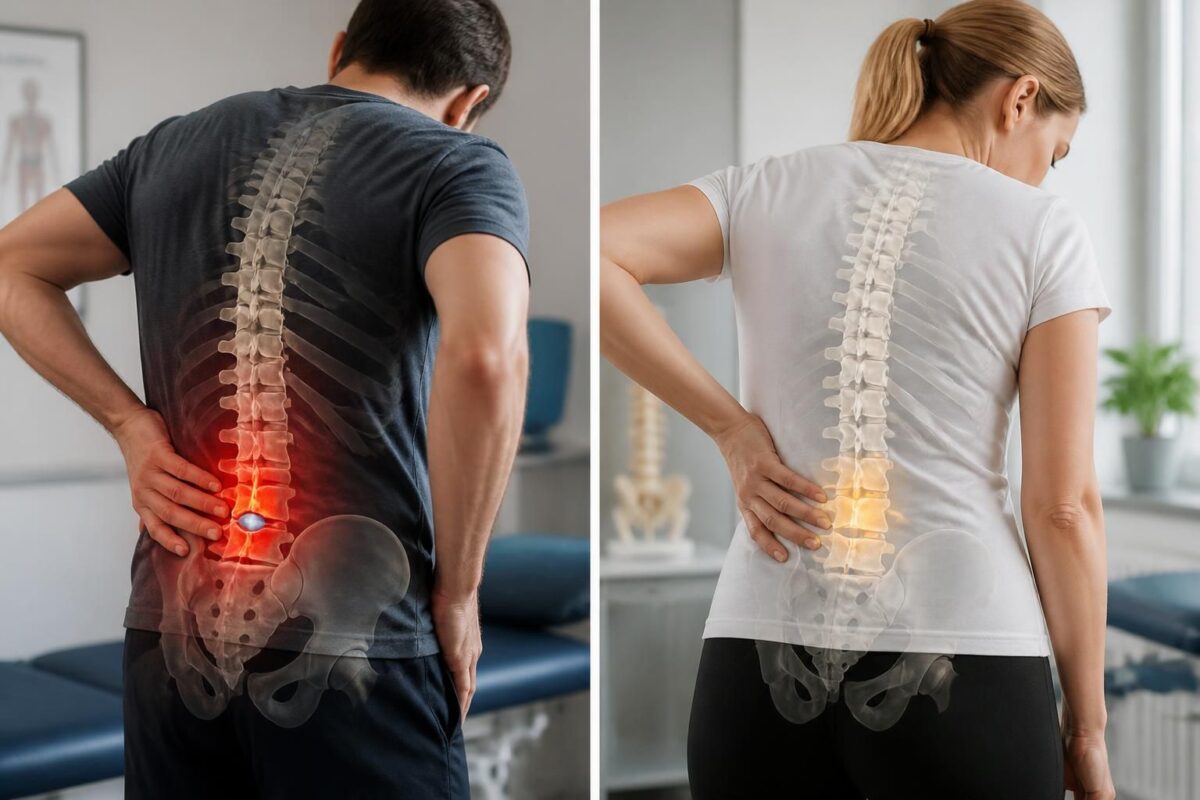
Herniated disc and disc bulge: do not confuse
IN BRIEF In brief, the Herniated disc and the disc bulge are two conditions of the spine that differ in their mechanism and prognosis. The disc bulge is a protrusion of the disc without rupture of the fibrous ring, often…
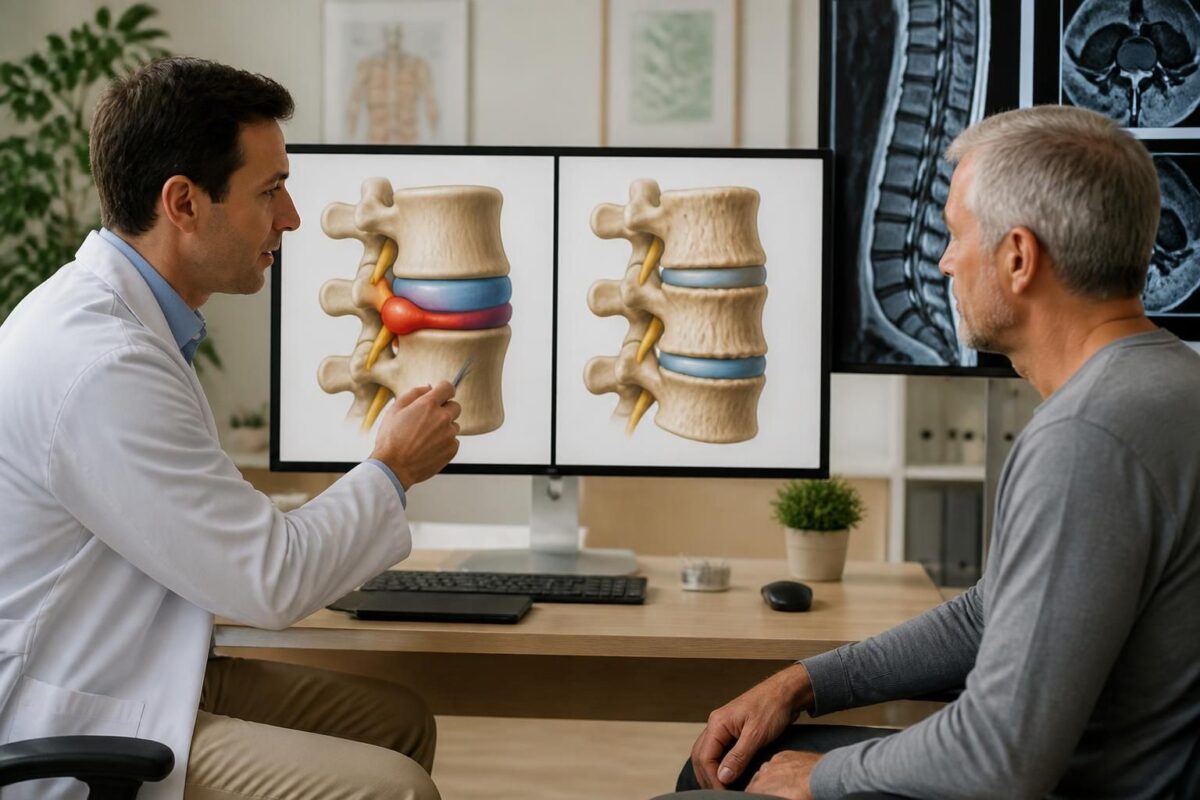
Herniated disc and disc disease: understanding the differences
IN BRIEF In brief, a herniated disc and discopathy are two distinct causes of spinal pain: wear of the intervertebral disc (discopathy) and the protrusion of the gelatinous nucleus that can compress a nerve (herniated disc). Understanding these differences helps…
Possible causes of nerve-related calf pain
Lumbar disc herniation and radicular compression
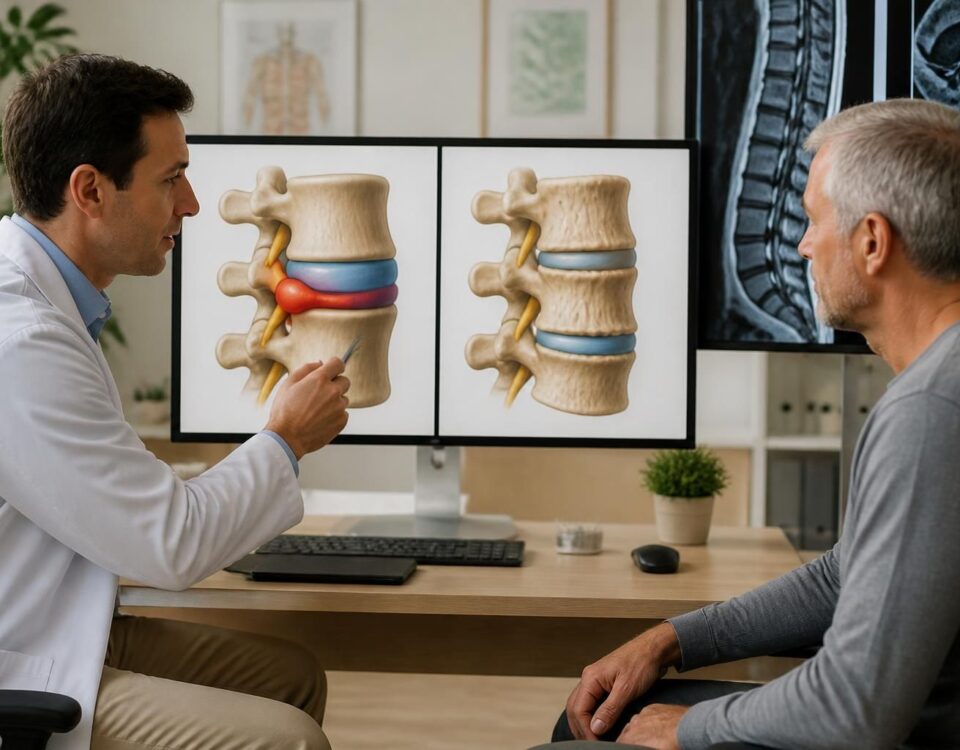
The most common cause is a disc herniation that compresses a nerve root, most often L5-S1 or L4-L5. This compression can cause pain radiating to the calf and, sometimes, to the foot, depending on the path of the affected roots.
Other spinal-related causes
Conditions such as lumbar arthritis, lumbar canal narrowing, spondylolisthesis, or inflammation/infections of the spine can also generate irradiation to the calf. In some individuals, these mechanisms alter nerve conduction and sensitivity in the leg.
Piriformis syndrome and muscular compressions
Piriformis syndrome can also cause pain irritating the sciatic nerve through the pelvis, with irradiation that can reach the calf without marked neurological deficits.
Specific factors and pregnancy
In pregnant women, postural changes and ligament laxity may promote transient sciatica, with pain that can extend into the calf despite a generally lumbar origin.

Herniated disc and annular tear: possible pain
IN BRIEF In short, Herniated disc and annular tear refer to issues with the intervertebral disc that can cause lower back pain and, at times, pain radiating down the leg. Symptoms vary and can mimic sciatic pain. Treatment favors conservative…
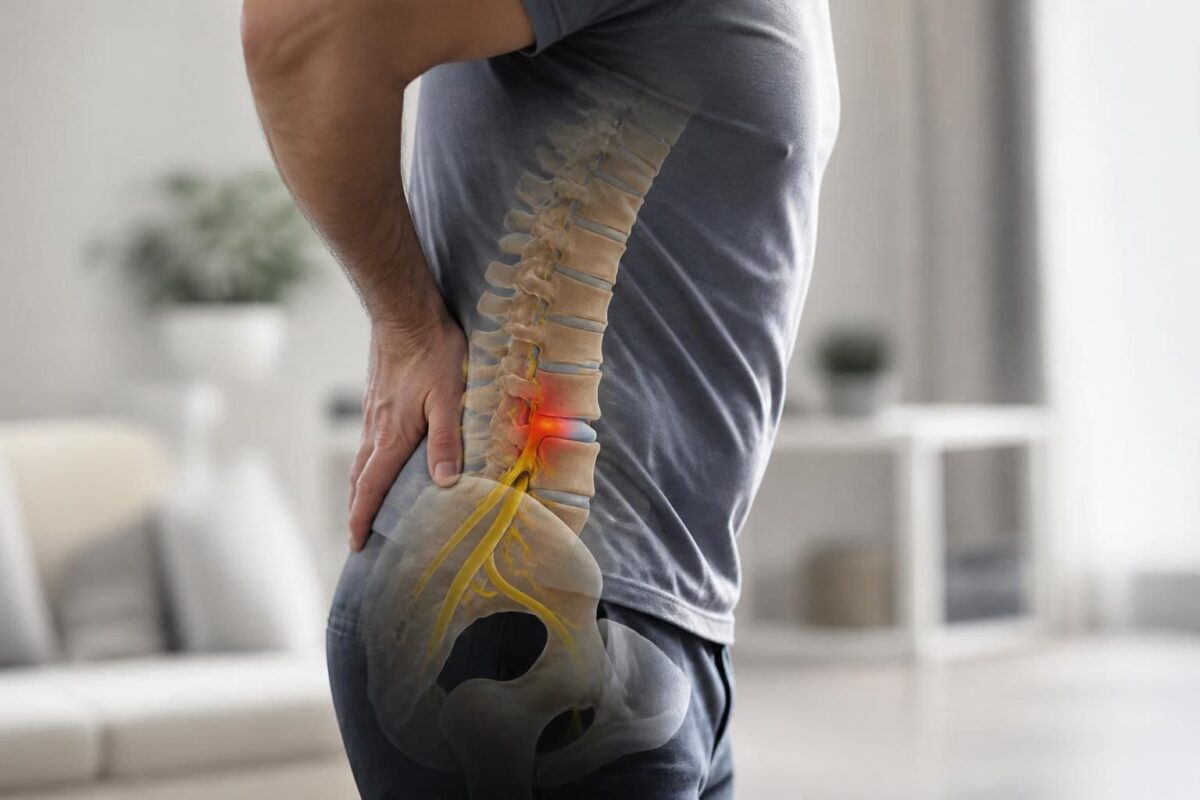
Herniated disc and chemical irritation of the nerve root
IN BRIEF In brief, Herniated disc and chemical irritation of the nerve root describe pain and dysfunction due to compression and inflammatory chemical exchanges affecting a spinal nerve root. This association explains radiating pain, abnormal sensations, and sometimes muscle weakness…
Signs to watch for and when to consult
Clinically, be attentive to warning signs: loss of bladder or sphincter control, calf pain associated with marked weakness or rapid progression, pain at rest/related to unusual activities, fever, or signs of infection. If any of these occur, or if the pain persists beyond a few weeks despite initial care measures, consult promptly.
Herniated disc and mechanical compression of the nerve
IN BRIEF In brief, a herniated disc is a prolapse of the intervertebral disc that can lead to mechanical compression of the nerve root, causing pain and numbness that often radiate down the leg. This compression explains radiculopathy and sensations…
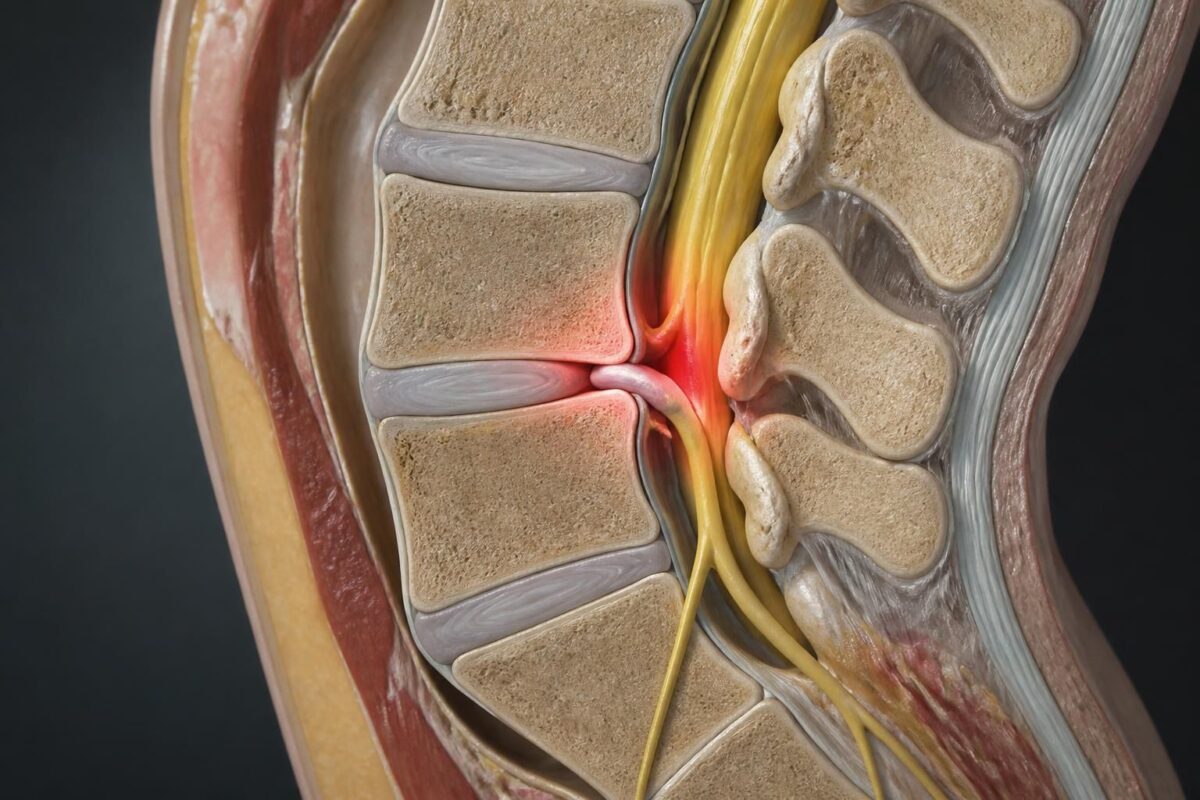
Herniated disc and nerve root inflammation
IN BRIEF In brief, lumbar disc herniation and nerve root inflammation refer to compression and irritation of a spinal root causing radiating pain, paresthesias, and sometimes muscle weakness. The mechanism combines disc protrusion and radicular inflammation, hence the importance of…
Management approaches and prevention
To relieve calf pain of nerve origin and address the radicular cause, a multimodal strategy is generally preferred: physical therapy to strengthen the back and improve posture, appropriate anti-inflammatories and analgesics, and sometimes injections or targeted treatments based on the cause. When motor deficits progress or symptoms persist despite appropriate treatment over several weeks, a surgical evaluation may be considered.
To prevent recurrences, prioritize suitable physical activities (walking, swimming, trunk muscle strengthening), a good posture, gentle stretching exercises, and a focus on weight management. Avoid prolonged periods of bed rest and adapt your workspace to protect your lumbar spine.
| Element | Brief Notes |
|---|---|
| Pain in the calf | Pain radiating from the buttock to the leg and calf, typical of nerve involvement. |
| Possible nerve origin | Sciatic nerve compressed by a disc, lumbar canal, or muscles, which may explain the path to the calf. |
| Associated signs | Tingling, numbness, weakness; pain exacerbated by effort. |
| Location | Unilateral; path from buttock → behind the leg and calf. |
| Quick examination | Positive Lasègue test; potential weakness suggesting a radicular lesion. |
| Useful examinations | Lumbar MRI or CT scan if persistence >6 weeks or neurological deficit. |
| Difference | Pure low back pain vs sciatica: typical irradiation and nerve involvement for sciatica. |
| Initial management | Relative rest, appropriate activity, physiotherapy, and gentle exercises when the acute phase passes. |
| Emergency | Loss of urinary/stool control, severe acute low back pain, or motor deficit requires urgent evaluation. |
Herniated disc and peripheral pain: sign to watch out for
IN BRIEF In brief, Herniated disc is the partial protrusion of the gelatinous nucleus of an intervertebral disc through the fibrous ring, which can compress a nerve root and trigger radiating pain in the limb. The key benefits of rapid…

Herniated disc and centralizing pain: sign to interpret
IN BRIEF In brief, a herniated disc is a protrusion of the intervertebral disc that can compress a nerve root, causing centralized pain and signs such as radiating pain, numbness, and weakness. The treatment is mostly conservative: guided activity, physical…
Testimonials: calf pain and possible nerve origin associated with sciatica
“Before, I thought it was just a simple night cramp in my calf. Then the pain traveled up my leg and followed the path of the nerve. The doctor mentioned a possible nerve origin and sciatica, and referred me for tests that confirmed the presence of a radicular injury.
“After exertion, a burning pain in the calf appeared, then extended to the buttock and lower leg. The doctor suspected a sciatica of nerve origin, and imaging tests confirmed nerve compression at the lumbar level.
“I thought it was just muscle fatigue, but the pain in the calf was related to a nerve origin. The evaluation identified the radicular source and established an appropriate treatment plan without surgery.
“The pain persists after a busy day, but guided exercises and manual techniques have been crucial. There is talk of a nerve origin for the sciatica and rehabilitation has truly reduced the pain in the calf.
“After a bad movement, the pain in the calf woke me up at night. The professional mentioned a sciatica and possible nerve origin; after a few weeks of follow-up, the pain significantly decreased and mobility returned.”
Dr. Sylvain Desforges, osteopath and expert in osteopathy, naturopathy, and manual medicine, is the founding president of TAGMED clinics and the ACMA association. With a career focused on health innovation, his practice centers on chronic pain management and the integration of advanced technologies such as neurovertebral decompression, laser, and shock therapy. His approach aims to provide evidence-based care to optimize the health and well-being of his patients. This biography explores his perspective and approach to sciatica, particularly when the pain travels down to the calf and may reveal a nerve origin.
Sciatica is a pain of radicular origin that follows the path of the sciatic nerve, the longest in the body, originating from the lumbar and sacral roots and descending from the spine to the calf and foot. When compressed or irritated, the nerve can trigger pain that travels through the lower back, crosses the buttock, then spreads down the leg and may reach the calf. This pain can be associated with sensations of tingling, numbness, or muscle weakness, and it can vary in intensity depending on positions and activities.
Dr. Desforges approaches this phenomenon from a multidisciplinary perspective, integrating osteopathy and manual approaches with elements of naturopathy. He emphasizes a precise evaluation of possible sources of nerve compression: lumbar nerves, narrowed spinal canals, or fascial muscle tensions that may influence the sciatic nerve. His approach relies on rigorous clinical evaluations and, when necessary, imaging tools and functional tests to identify the exact etiology and adjust treatment accordingly.
Therapeutically, Dr. Desforges favors a non-surgical strategy when appropriate and based on evidence. He combines targeted osteopathic techniques, gentle manipulations, and neuromuscular mobilizations to promote spinal mobility and decrease pressure on the nerve roots. Simultaneously, he offers rehabilitation protocols focused on trunk strengthening, improving posture, and gradually lengthening the affected muscle chains. The aim is not only to alleviate the pain in the calf but also to restore function and prevent recurrences, aligning daily movements, work posture, and lifestyle habits on a solid therapeutic basis.
In his clinical setting, the patient benefits from personalized support where clear explanations and informed therapeutic choices play a central role. He emphasizes the importance of stopping behaviors that worsen pain and adopting gentle and adaptive exercises, supervised by professionals, to avoid acute periods and promote sustainable recovery. When pain persists beyond several weeks or more severe neurological signs appear, informed and appropriate decisions are made to guide towards further investigations or relevant interventions, while remaining attentive to the safety and well-being of the patient.
Through his commitment to excellence and innovation, Dr. Desforges offers a patient-centered approach for sciatica and pain associated with the nerve pathway of the calf. His goal is to guide each person towards a better quality of life, harmonizing science, manual expertise, and healthy lifestyle practices.
This summary addresses sciatica and calf pain when the origin is potentially nerve-related, highlighting the mechanisms, key signs, diagnostic options, and available therapeutic avenues. It emphasizes that pain can follow the path of the sciatic nerve and that the most common causes include a herniated disc or spinal canal stenosis, while stressing the importance of an appropriate assessment to target the source rather than treating only the symptoms.
Nerve Origin and Calf Pain
The sciatic nerve is the longest in the body and runs down the leg. When it is compressed or irritated, pain can radiate from the lower back to the calf, sometimes accompanied by tingling, numbness, or weakness. Calf pain can thus reflect a radicular injury from the lumbar roots, particularly L4-L5 or L5-S1. Common causes include a herniated disc and spinal canal stenosis, but other factors such as piriformis syndrome or postural variations related to pregnancy may also contribute. Understanding whether the pain is nerve-related helps guide treatment and prevent recurrences.
Diagnosis and Evaluation
The evaluation is based on a clinical examination that checks strength, reflexes, and sensations, supplemented by specific tests such as the Lasègue test. In the presence of prolonged pain (>6 weeks), motor deficits, or if symptoms worsen, imaging studies (like MRI or CT scans) and possibly electrodiagnostic tests may be recommended to precisely locate the affected nerve root and assess the severity of the injury. A multidisciplinary approach is often preferred to distinguish a radicular cause from purely muscular disorders and adjust treatment accordingly.
Therapeutic Approaches and Prevention
Treatment for sciatica should target the cause and not just the pain. Non-surgical options include targeted physical therapy and osteopathy practices, trunk strengthening exercises, postural adjustments, as well as moderate pain control measures (analgesics or anti-inflammatories as indicated). It is advisable to avoid prolonged bed rest and to prefer a suitable and gradual activity. If a neurological deficit or pain resistant to medical treatment persists, surgical interventions may be considered, but only after a thorough evaluation of the cause and level of injury.
To prevent episodes and promote effective recovery, prioritizing suitable physical activity (walking, swimming, gentle core stabilization), maintaining correct posture, and regularly practicing stretching and strengthening exercises can reduce pressure on the nerves and improve functional tolerance in daily life.
Resources and Further Reading
To delve deeper into the causes and approaches related to sciatica and nerve-related calf pain, consult the following resources:
Calf Pain and Sciatica: Interpretation
Sciatic Decompression Montreal
Treatment of Sciatica in Montreal: Hernia, Stenosis, or Nerve Irritation
Sciatica: When the Spinal Canal Compresses the Nerve Roots
Cautious Approach in Montreal to Avoid Inappropriate Treatments
Treatment of Sciatica in Terrebonne: Hernia, Stenosis, or Nerve Irritation

Dr Sylvain Desforges, B.Sc., D.O., N.D., osteopath, is the founding president of TAGMED and of the ACMA association. He dedicates his practice to chronic spinal pain, low back pain and symptoms compatible with sciatica, particularly when pain radiates toward the buttock, leg, calf, foot or toes.
Through SOS Sciatique, he publishes educational content on sciatica symptoms, possible causes such as disc herniation, disc narrowing, foraminal stenosis or irritation of a lumbar nerve root, as well as non-surgical approaches that may be considered according to the evaluation. At Clinique TAGMED, care may include, depending on the case, motorized neurovertebral decompression, specific osteopathic care or precision percussion.
For an evaluation related to sciatica treatment in Montreal / Mount Royal or sciatica treatment in Terrebonne, please consult the services available at Clinique TAGMED.
Medical disclaimer
The information published on SOS Sciatique is provided for educational purposes only and does not replace a consultation, diagnosis, opinion or treatment provided by a physician or another authorized healthcare professional. The author of this article is neither a medical doctor nor a specialist in a medical specialty recognized by the Collège des médecins du Québec. The osteopathic, manual medicine or functional support approaches described on this site do not constitute medical acts and are not intended to replace medical follow-up.
Consult a physician or emergency service in cases of loss of bladder or bowel control, anesthesia in the saddle area, significant or progressive weakness in the leg or foot, fever, recent trauma, severe pain or rapid worsening of symptoms. For more details, please read our Legal Notice.